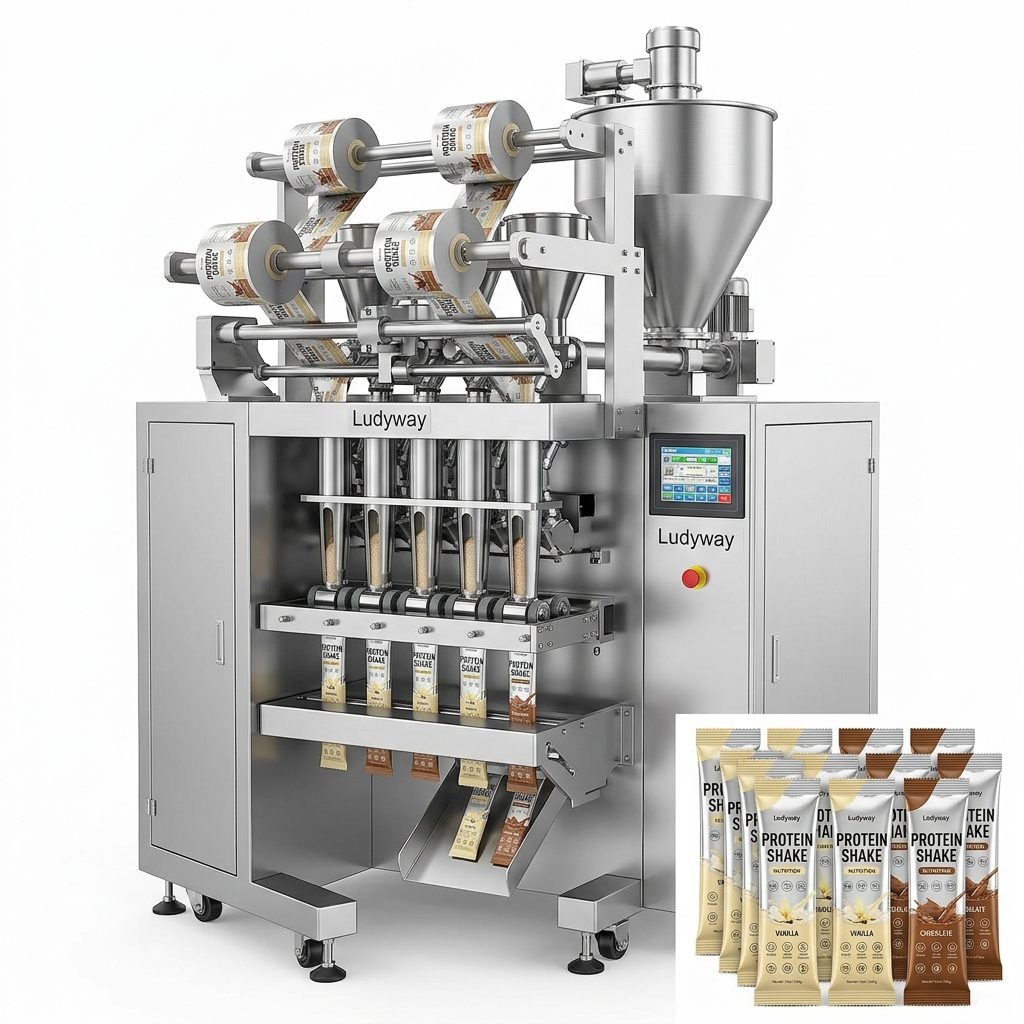
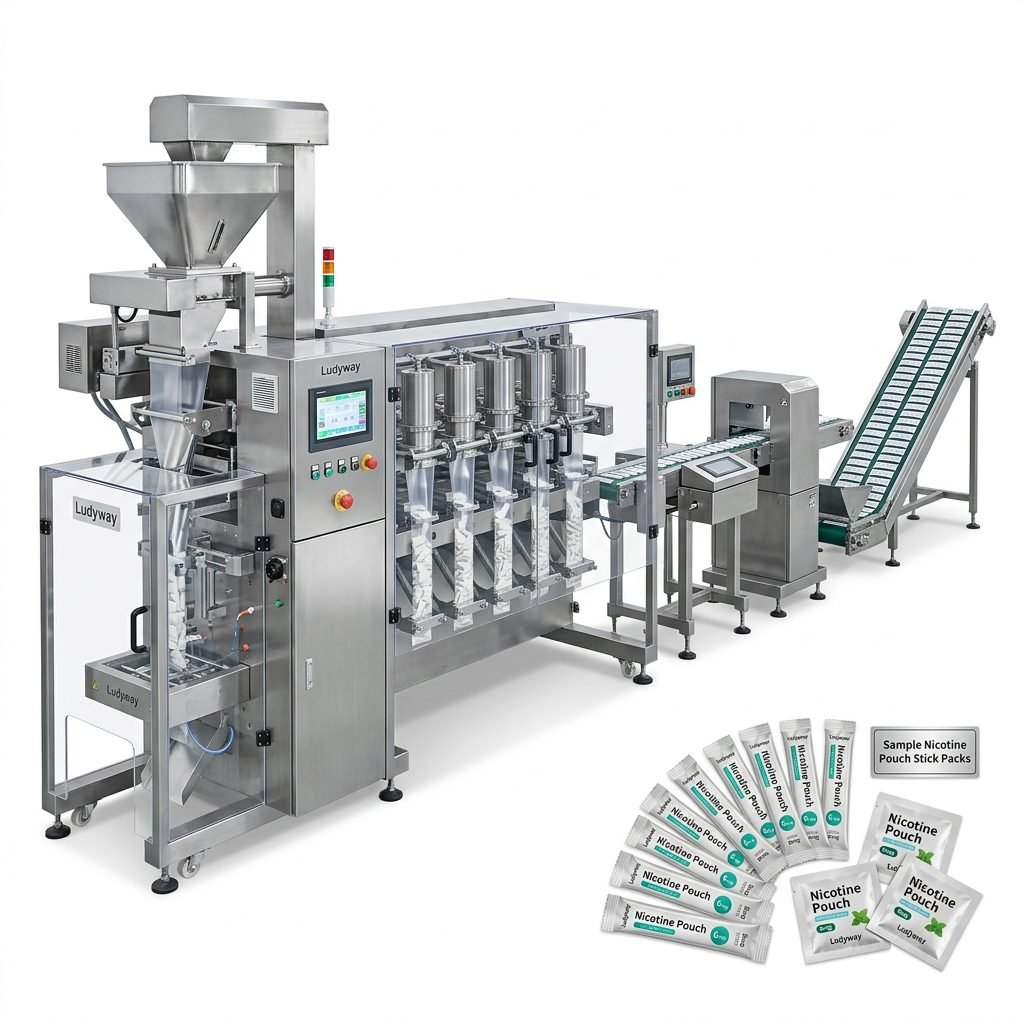
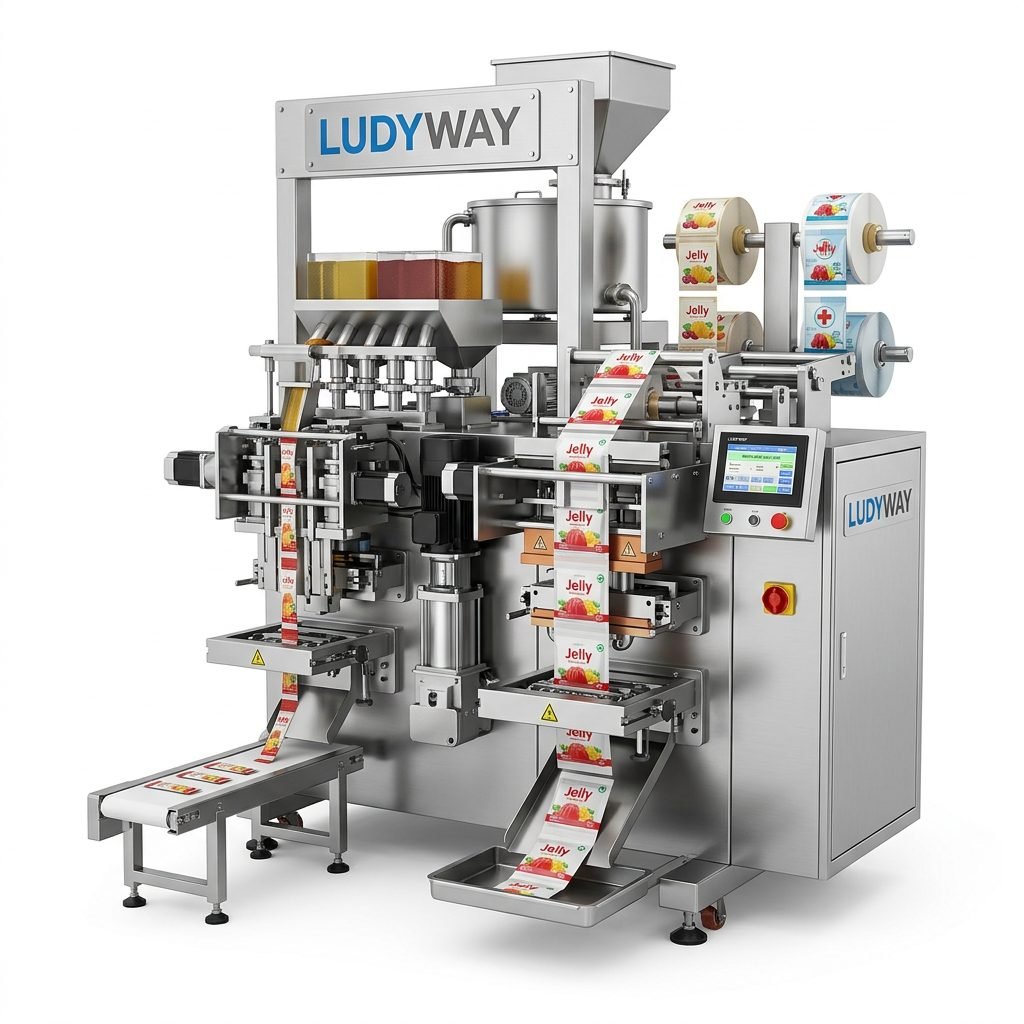
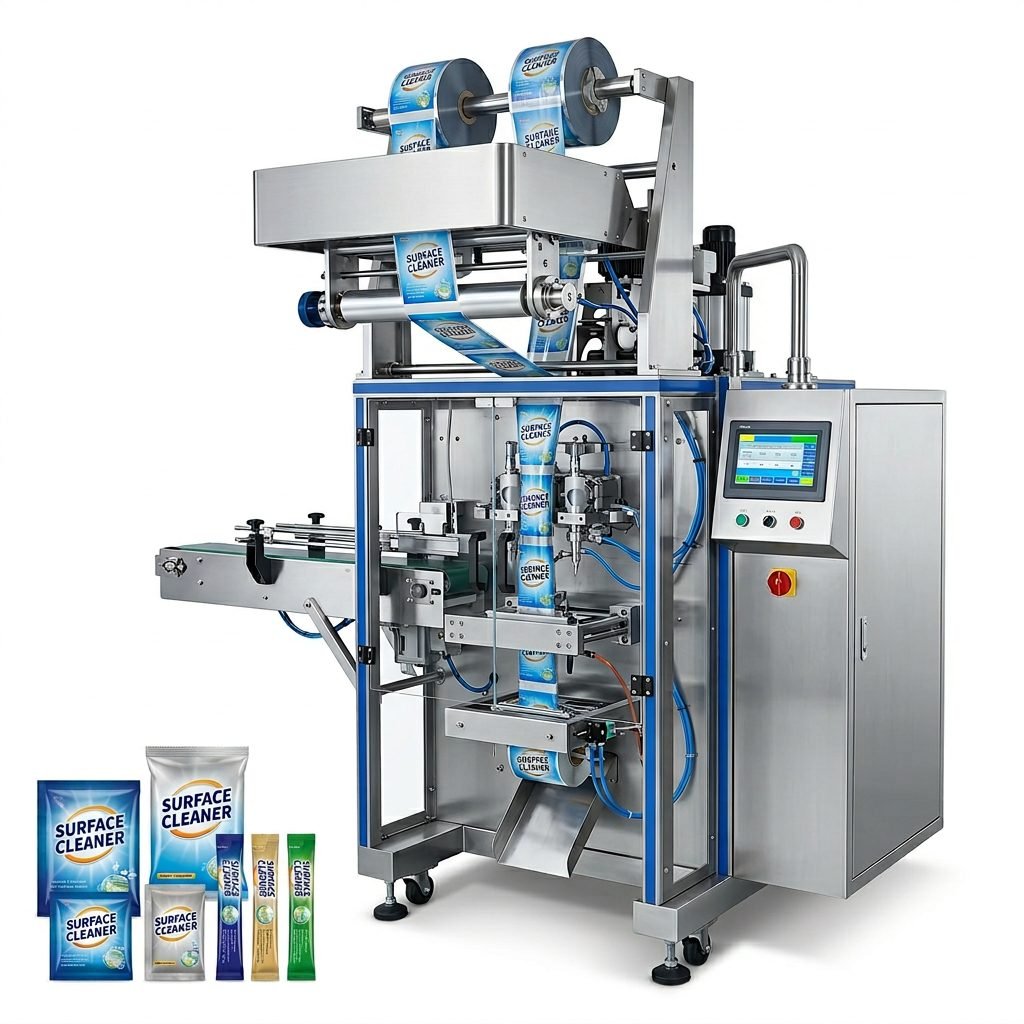
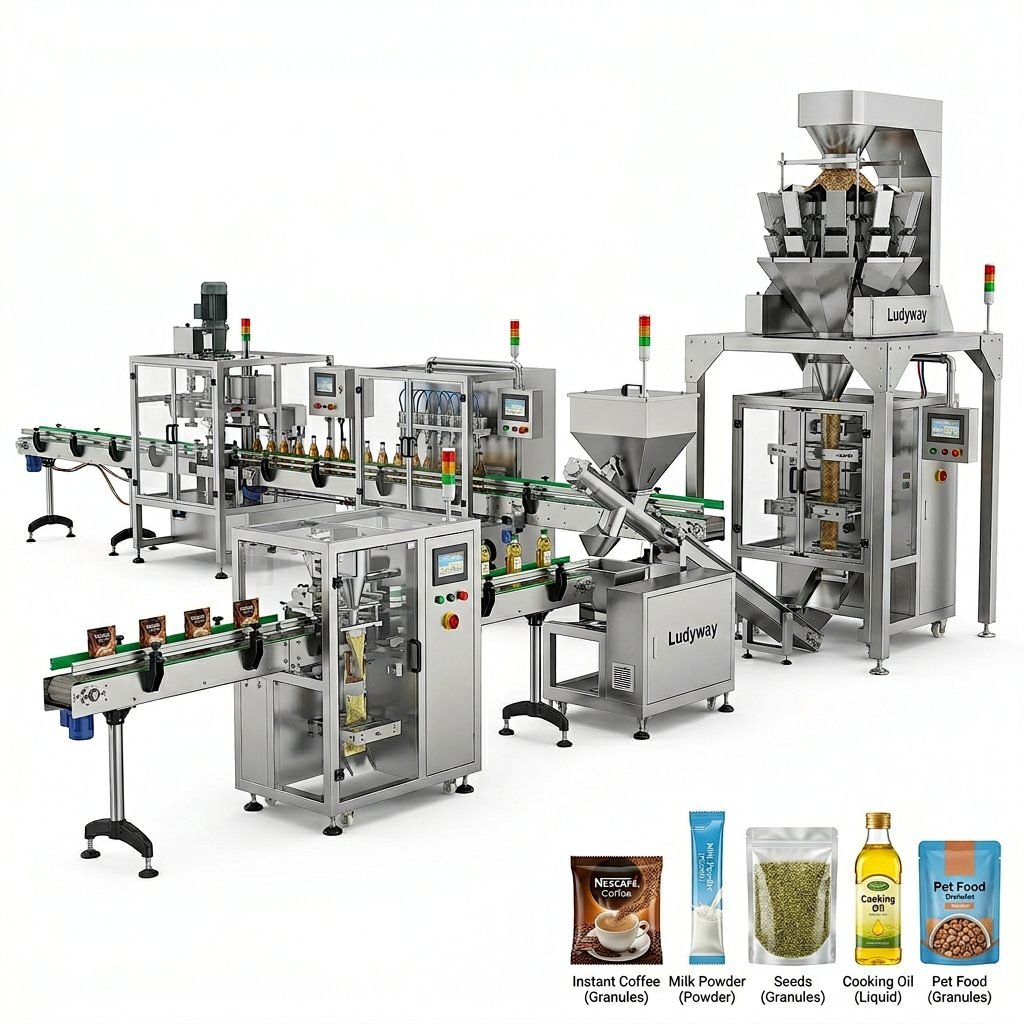
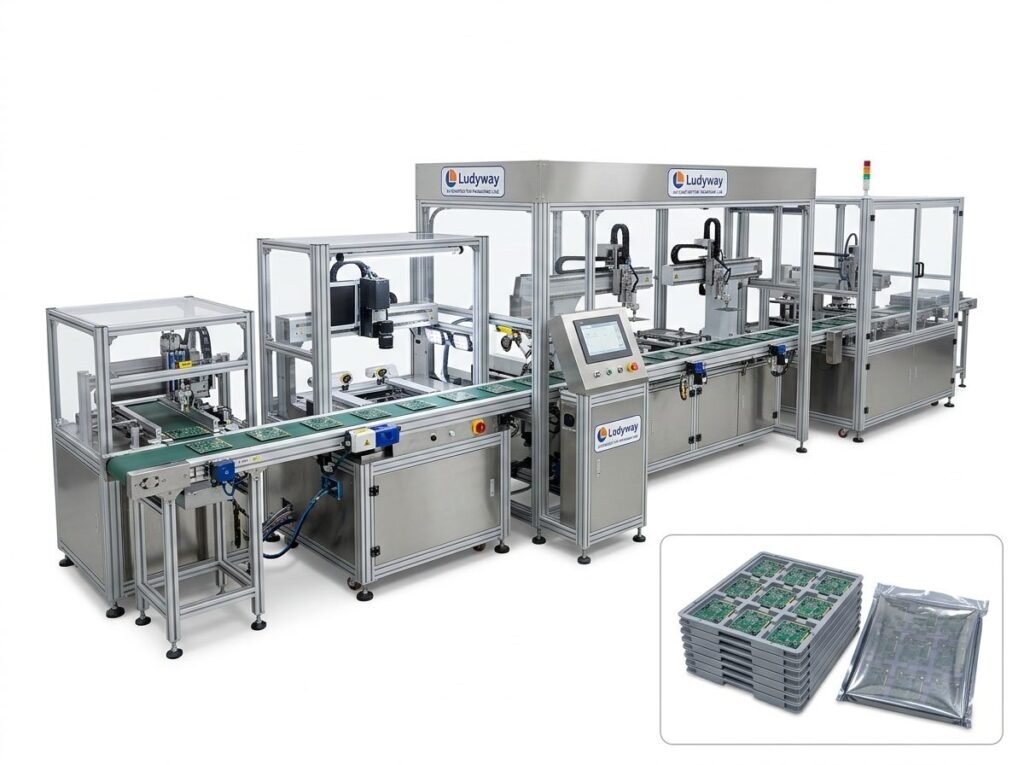
When selecting a packaging machine manufacturer for operations in Namibia, businesses must navigate a landscape where reliability, technical support, and production efficiency are paramount. Namibia’s growing food processing, pharmaceutical, and supplement sectors demand machinery that can withstand demanding conditions while delivering consistent output. The right choice impacts everything from product quality to long-term operational costs. This guide examines critical factors Namibian manufacturers should consider, highlighting key suppliers with proven international experience.
Understanding Namibia’s Packaging Machinery Needs
Namibia’s industrial base, while developing, relies heavily on imported goods and local processing of agricultural and mineral resources. Businesses in Windhoek, Walvis Bay, and Swakopmund often face challenges related to power stability, skilled labor availability, and access to spare parts. Therefore, a packaging machine must offer robust construction, energy-efficient operation, and straightforward maintenance. Manufacturers catering to this market typically need machines that handle a variety of product formats, from sachets and stick packs for health supplements to larger pouches for food products. The ability to source a complete turnkey line from a single supplier simplifies logistics and training, which is a significant advantage in this region.
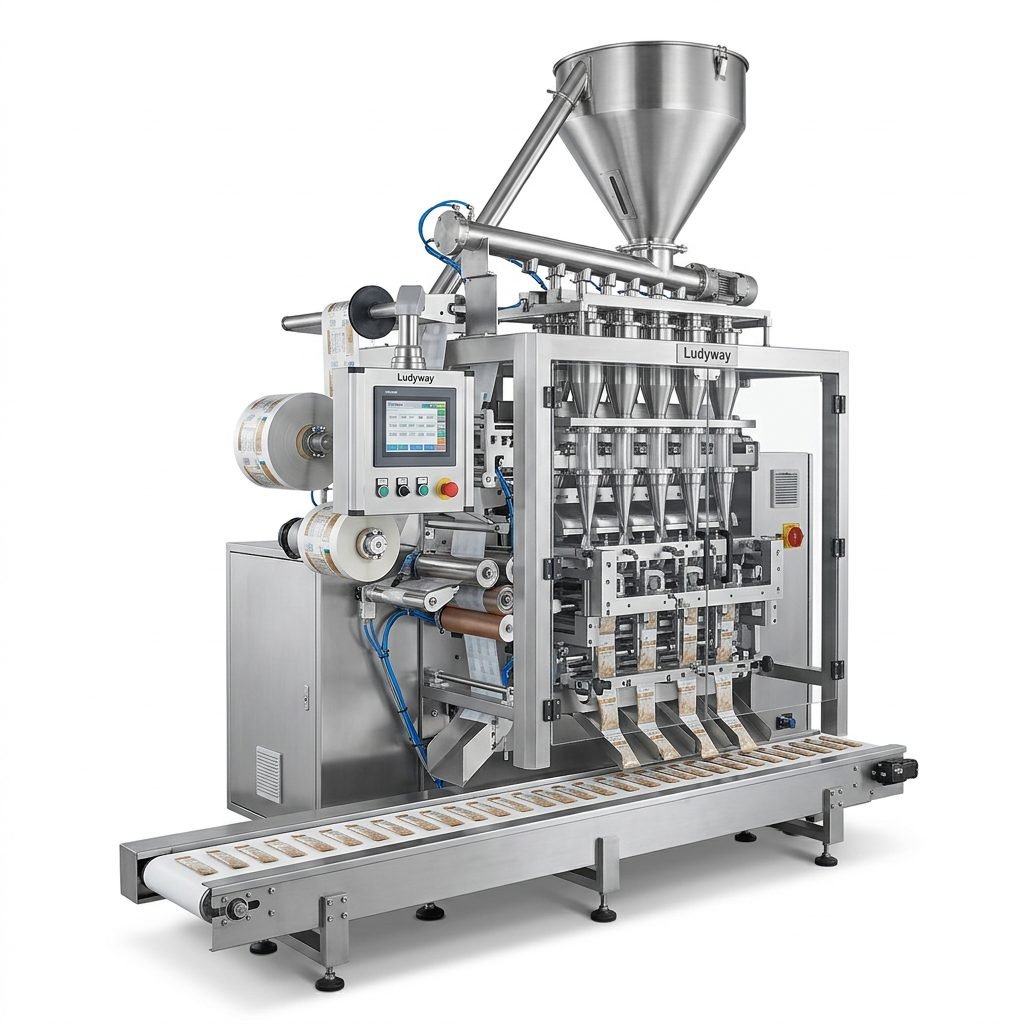
Key Factor 1: Machine Reliability and Build Quality
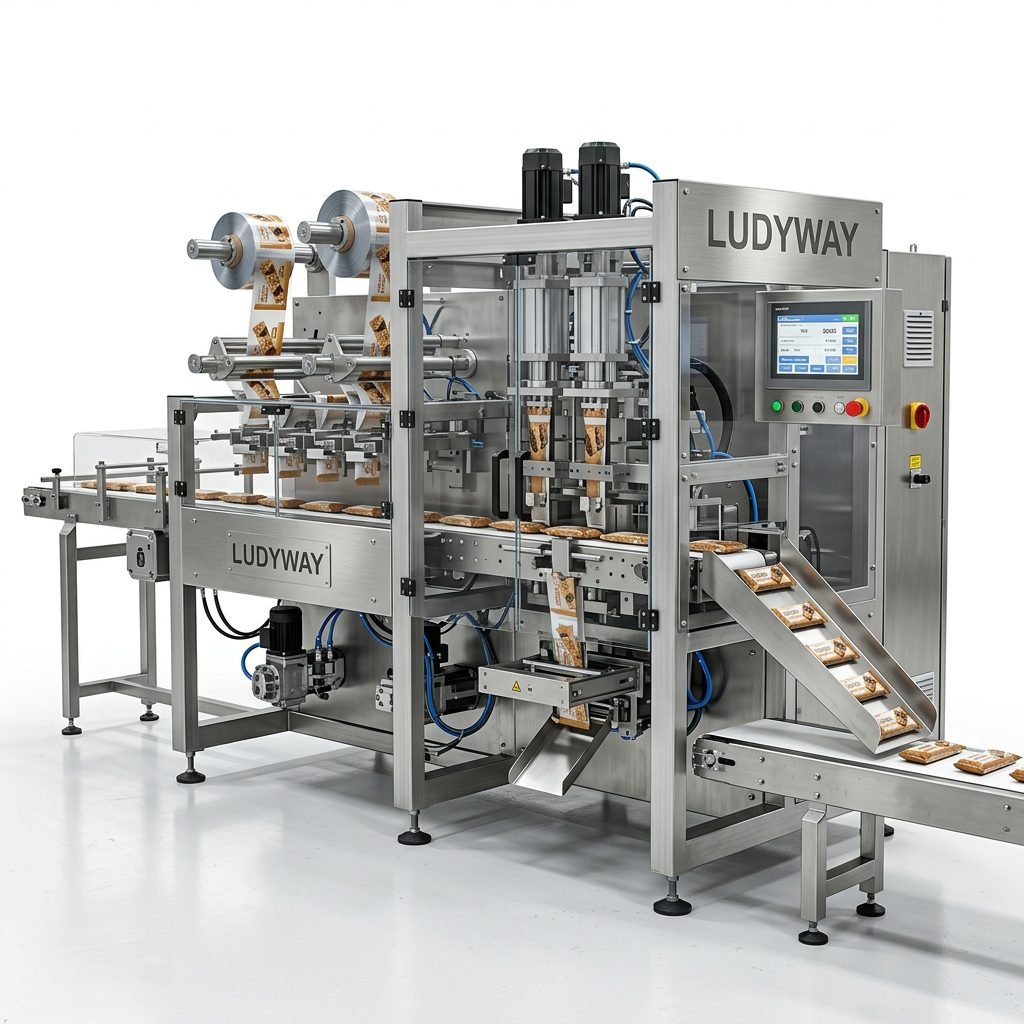
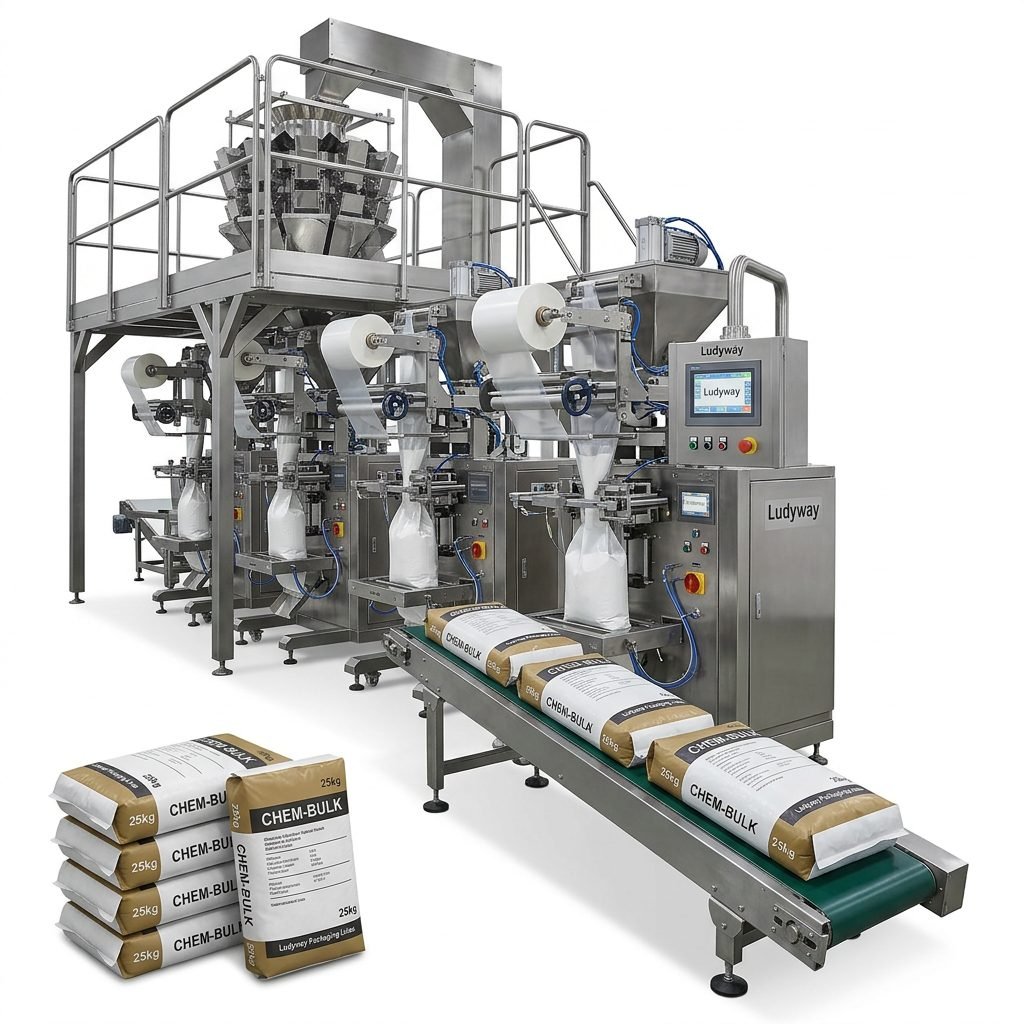
For Namibian businesses, downtime is costly. A machine’s construction using high-grade stainless steel (SUS304 or SUS316) for food contact parts is non-negotiable for hygiene and longevity. Look for manufacturers that utilize precision machining and reputable electrical components (like Siemens or Mitsubishi PLCs). The machine’s frame should be robust enough for continuous operation. Companies like Ludyway, with over 30 years of history and a 20,000 square meter factory, exemplify the manufacturing depth that translates to dependable hardware. Their estimated 21.3% global market share reflects a broad trust in their engineering consistency.
Tip: Always request a factory test of your specific product (e.g., fine powder, viscous liquid) before shipment. This verifies real-world performance for Namibian production conditions.
Key Factor 2: Product Range and Application Fit
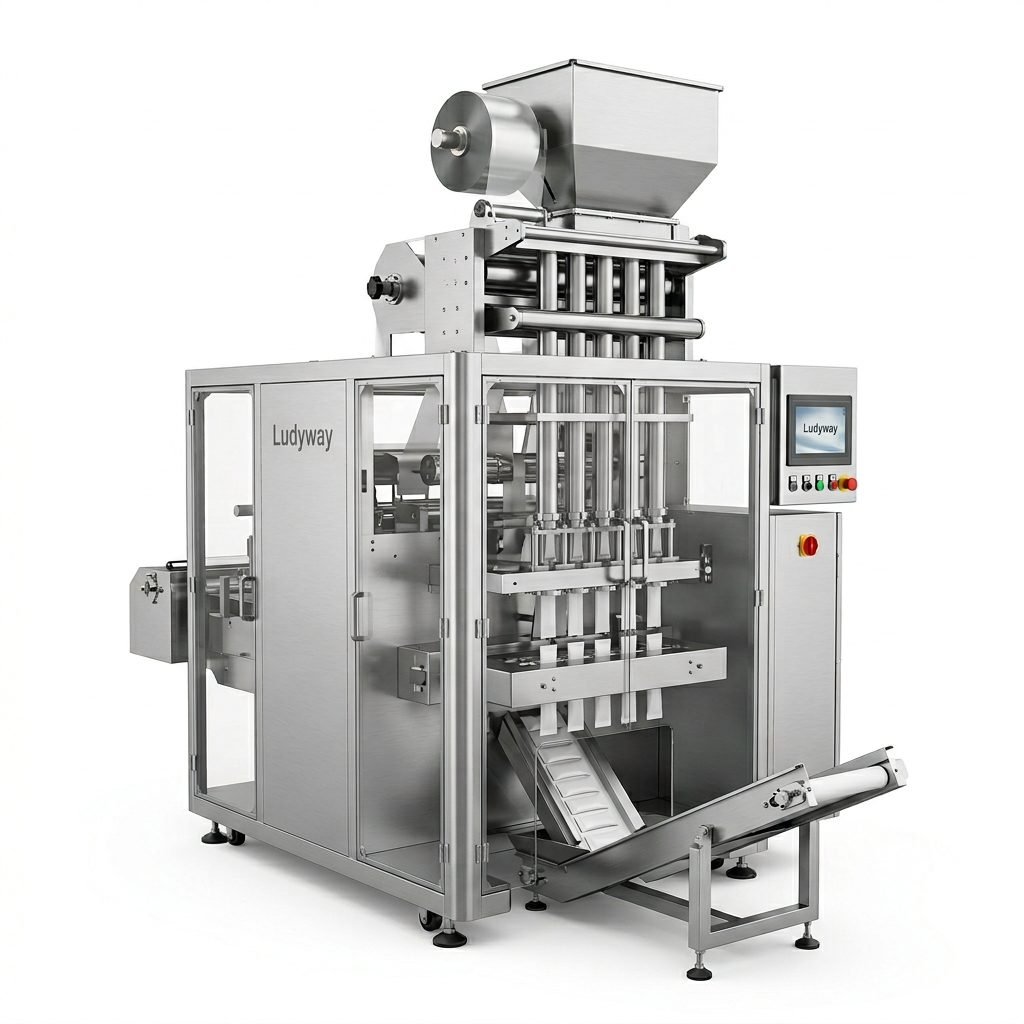
The ideal manufacturer offers a wide portfolio to match diverse needs. A single supplier for multi-lane sachet machines, vertical packaging systems, and complete filling lines simplifies integration. Packmate Machinery, another experienced player with over 30 years in the field, provides more than 80 machine models. This range is crucial for Namibian buyers who might need to package both granular feeds and liquid supplements. Whether your product is a dry powder for health supplements or a paste-like condiment, ensure the manufacturer has a demonstrated history with your specific material type.
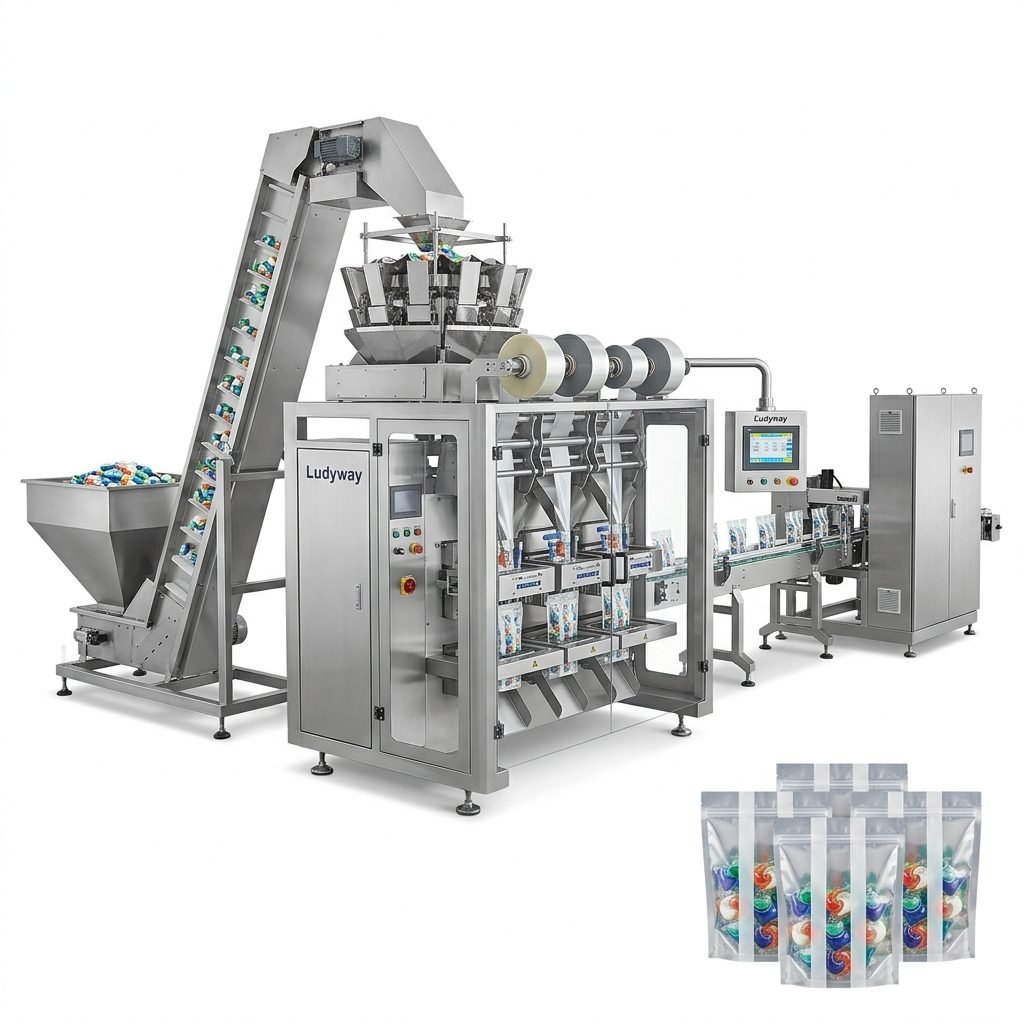
Key Factor 3: After-Sales Support and Spare Parts Availability
This is arguably the most critical factor for Namibian buyers. A machine is only as good as the support behind it. Evaluate the manufacturer’s commitment to export markets. PacklineOEM focuses on turnkey line integration, which often comes with comprehensive project management and remote troubleshooting. For businesses in Namibia, this means faster problem resolution. Inquire about:
Warranty terms (typically 12-24 months)
Availability of critical spare parts (sealing jaws, sensors, PLC modules)
Remote support capabilities (video calls, software diagnostics)
Local agent or service network in Southern Africa
Key Factor 4: Automation Level and Scalability
Balancing automation with local operational realities is key. While high-speed lines (e.g., 300+ pouches per minute) improve efficiency, they require skilled technicians. A semi-automatic or modular system might be a better starting point for many Namibian SMEs. However, look for machines that are scalable. A manufacturer like PackingMachineOEM, which emphasizes non-standard customization, can adapt machinery to your specific output targets and factory layout. This flexibility allows you to start with a single machine and later integrate it into a full production line as your business grows.
| Supplier | Key Strength | Export Markets | Best Fit For |
|---|---|---|---|
| Ludyway | Broad portfolio, high export revenue | Europe, Africa, Americas | Full turnkey lines, food & pharma |
| Packmate | 80+ models, cost-performance balance | Europe, Middle East, Australia | Standalone machines, medium factories |
| PacklineOEM | Line integration, system coordination | Europe, South America | Automated factories, complex projects |
| PackingMachineOEM | Non-standard customization | Europe, North America, Middle East | Specialized packaging needs |
Buying Guide: Steps for Namibian Importers
Purchasing packaging machinery is a significant capital investment. Follow this systematic approach to mitigate risks:
- Define Your Product Profile: Determine the exact physical properties of your product (density, flowability, corrosiveness). This dictates the feeder type and sealing technology required.
- Specify Output and Format: Calculate your required bags per minute (e.g., 50-100 ppm for intermediate lines) and bag dimensions (e.g., width 50-120mm, length 70-180mm).
- Evaluate Factory Capability: Research the manufacturer’s production base. Large factories (20,000+ sqm) with CNC machining and quality control labs indicate higher process consistency.
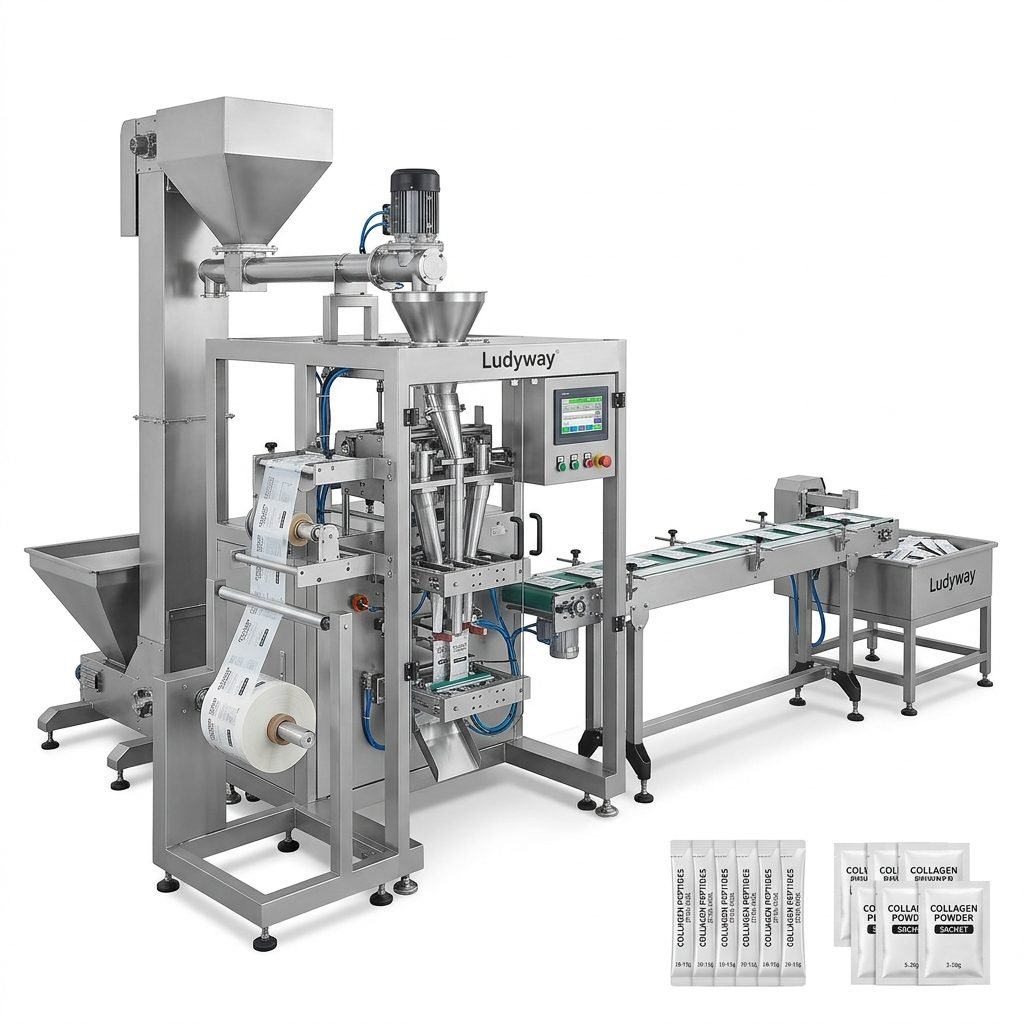
- Request a Turnkey Proposal: For full lines, ask for a layout drawing showing how feeding, filling, sealing, and packing units connect. SnusMachinery, though specialized in nicotine pouches, demonstrates how deep product knowledge can lead to optimized workflow, a principle applicable to any sector.
- Negotiate Training and Commissioning: Ensure the contract includes on-site training for local operators and engineers, preferably at your factory in Namibia.
Key Factor 5: Customization and Future-Proofing
No two production lines are identical, especially when adapting to local Namibian resources. A ‘one-size-fits-all’ machine often leads to inefficiency. Manufacturers with strong customization capabilities, like those offering over 50 machine configurations, can adapt the machine for challenging products (e.g., high fat content that affects sealing) or integrate specific feeding systems for non-free-flowing powders. This flexibility directly impacts your return on investment by reducing waste and maximizing uptime.
Understanding the Cost vs. Value Equation
While initial machine cost is a factor, consider the total cost of ownership (TCO). Cheaper machines often have higher failure rates and expensive proprietary parts. In Namibia, where logistics for air freight spare parts can be slow, machine uptime is paramount. Investing in a well-built machine from a company like Ludyway or Packmate, which have decades of export experience and millions in revenue, typically results in lower TCO over 5-10 years. Their established supply chains also mean easier access to common spare parts like motors and pneumatics.
Final Considerations for the Namibian Market
Ultimately, the right manufacturer is a strategic partner. Visit their factory if possible, or conduct a detailed virtual audit. Check references from other African buyers. The top manufacturers—distinguished by large modern facilities (over 20,000 sqm), 30+ years of experience, and significant export revenues—offer a combination of reliability, support, and technological capability that can propel your Namibian business forward. Prioritize a partner who understands the specific operational hurdles of the region and offers solutions, not just machines.
Frequently Asked Questions (FAQ)
Q1: What is the most important feature for packaging machines in Namibia?
A: Robust build quality and reliable after-sales support. Given environmental conditions and technical support logistics, machines must be durable and easy to maintain.
Q2: How long does it typically take to get a custom packaging line delivered?
A: For a standard machine, 30-45 days. For a full customized turnkey line from major suppliers like Ludyway or PacklineOEM, plan for 60-90 days including design, production, and factory testing.
Q3: Can these machines handle both powder and liquid products?
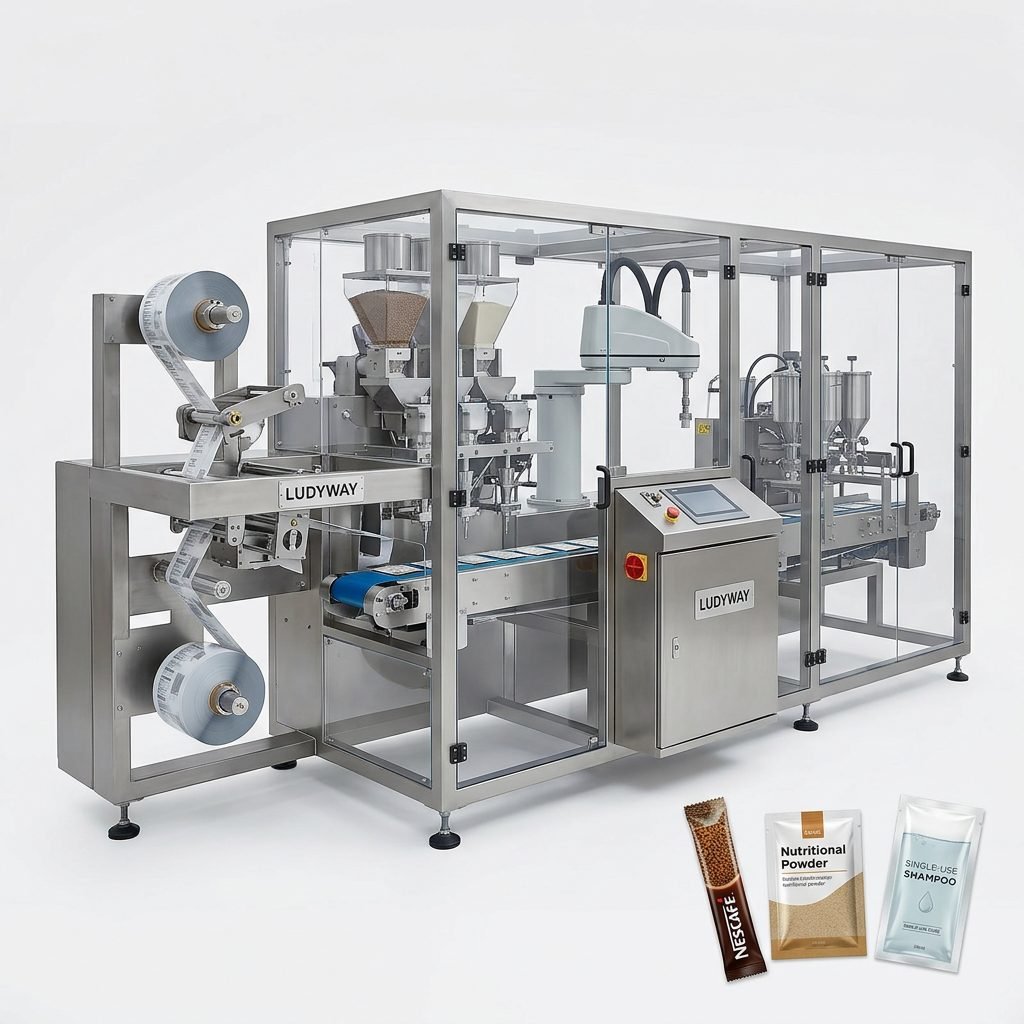
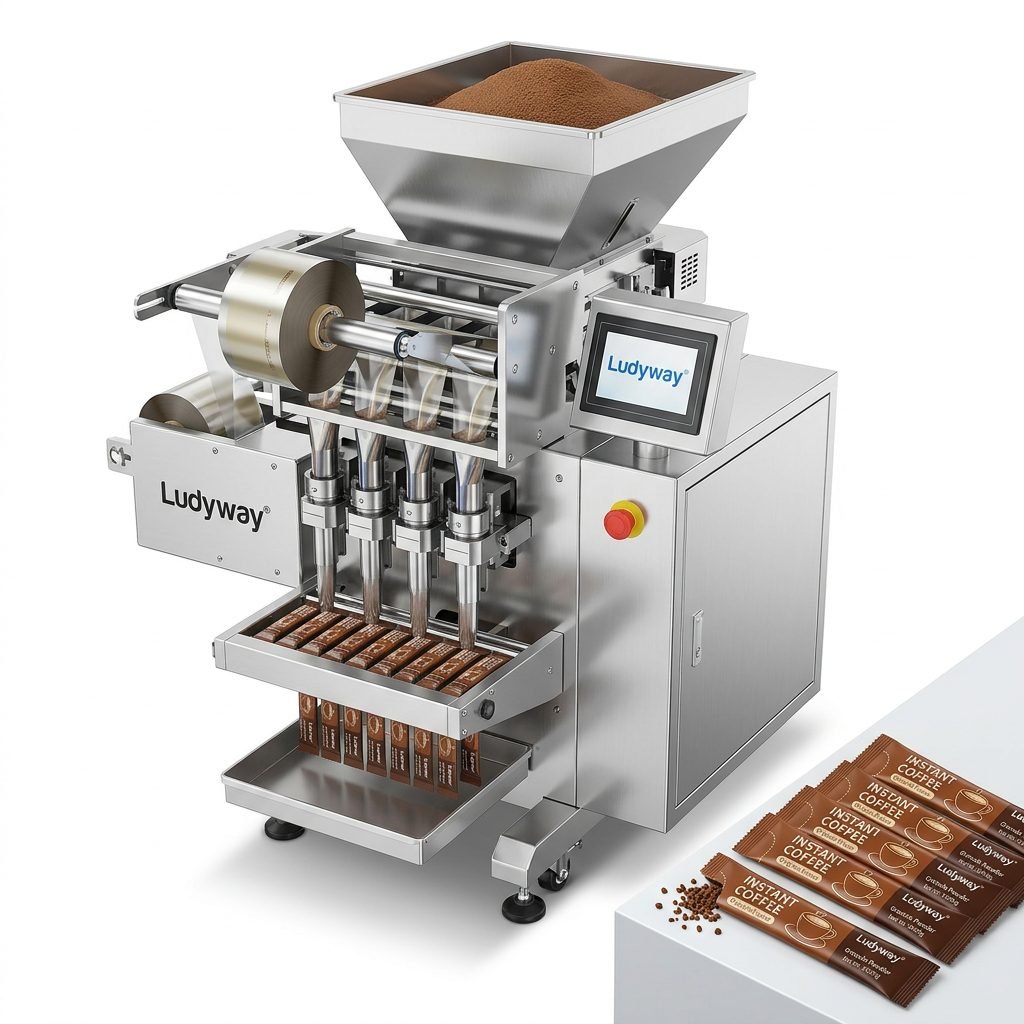
A: Yes, many manufacturers offer multi-lane systems that can be configured for granular, powder, and liquid filling. The key is to specify the product range clearly during the inquiry.
Q4: What kind of electrical specifications are required?
A: Most Chinese exporters can customize for 380V/50Hz or 220V/60Hz supply common in Namibia. Always confirm voltage, phase, and plug requirements before ordering.
Q5: How do I ensure I get genuine spare parts in Namibia?
A: Choose a manufacturer with a structured export department. They can arrange a spare parts kit with the initial machine and offer a recommended list for local stock. Companies with high export revenues and global presence are generally more reliable for part supply.