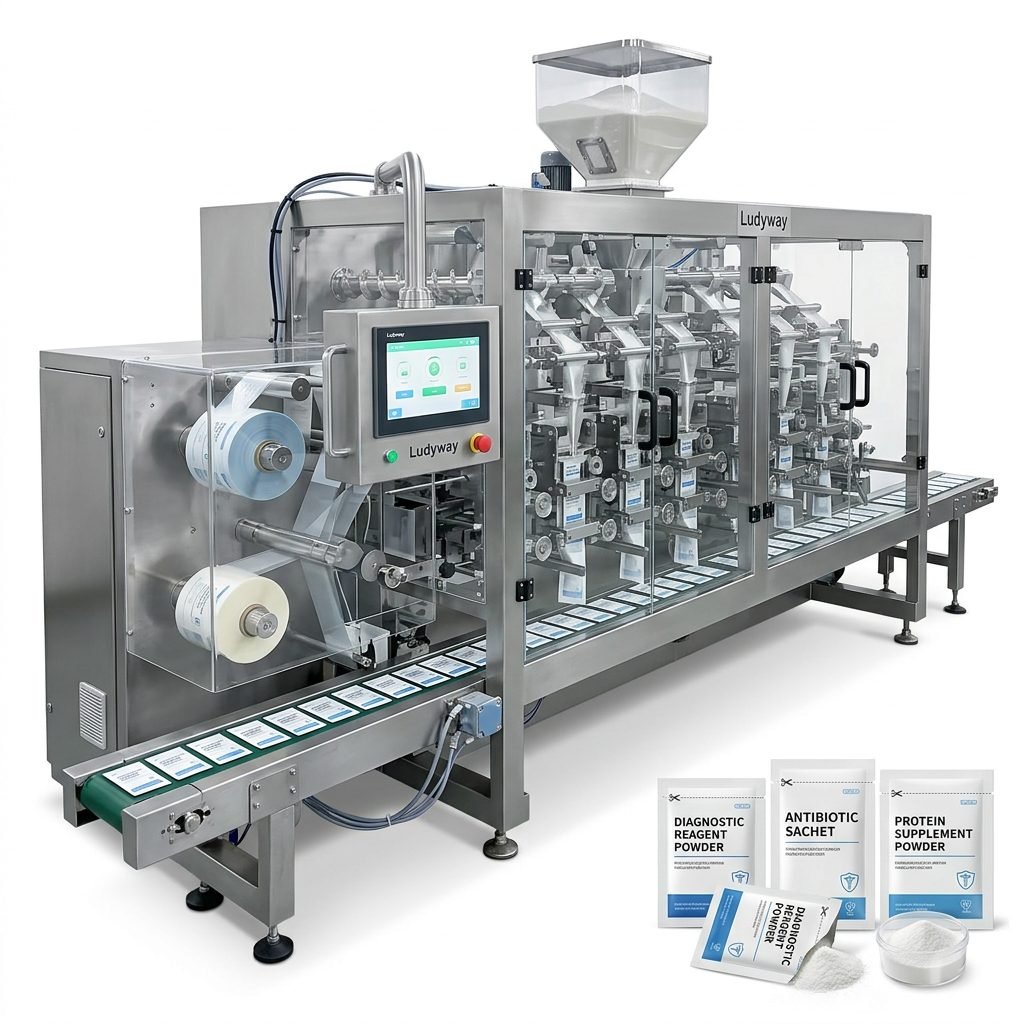
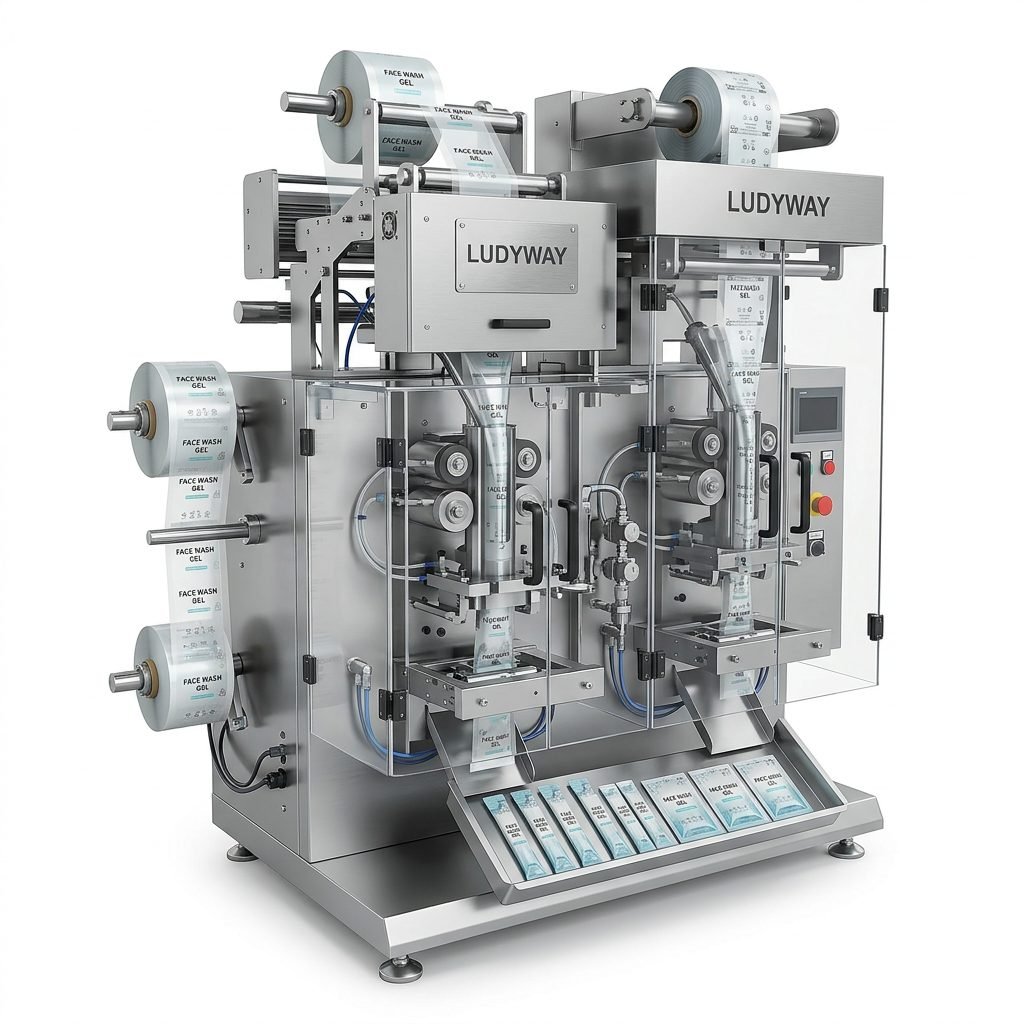
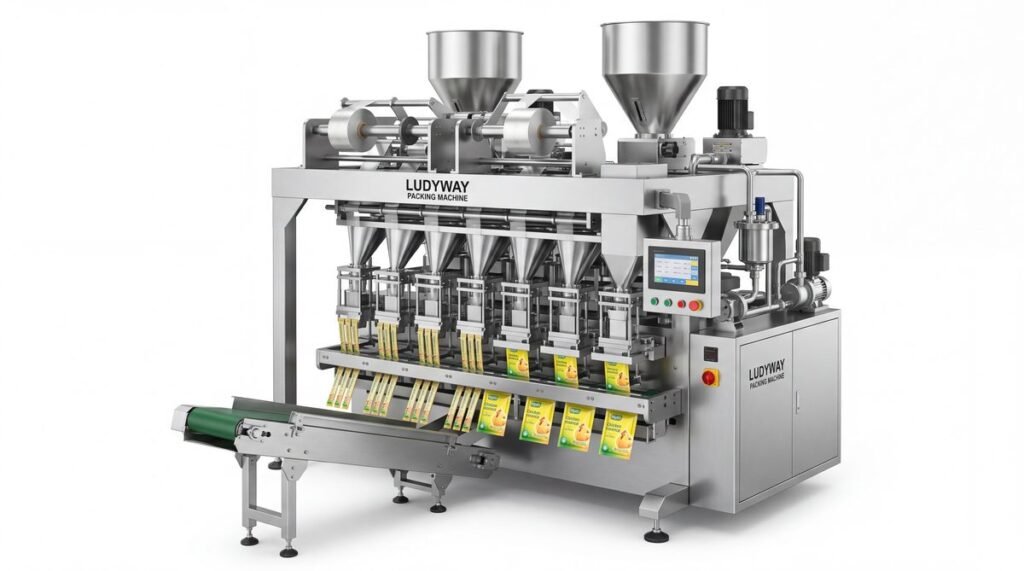
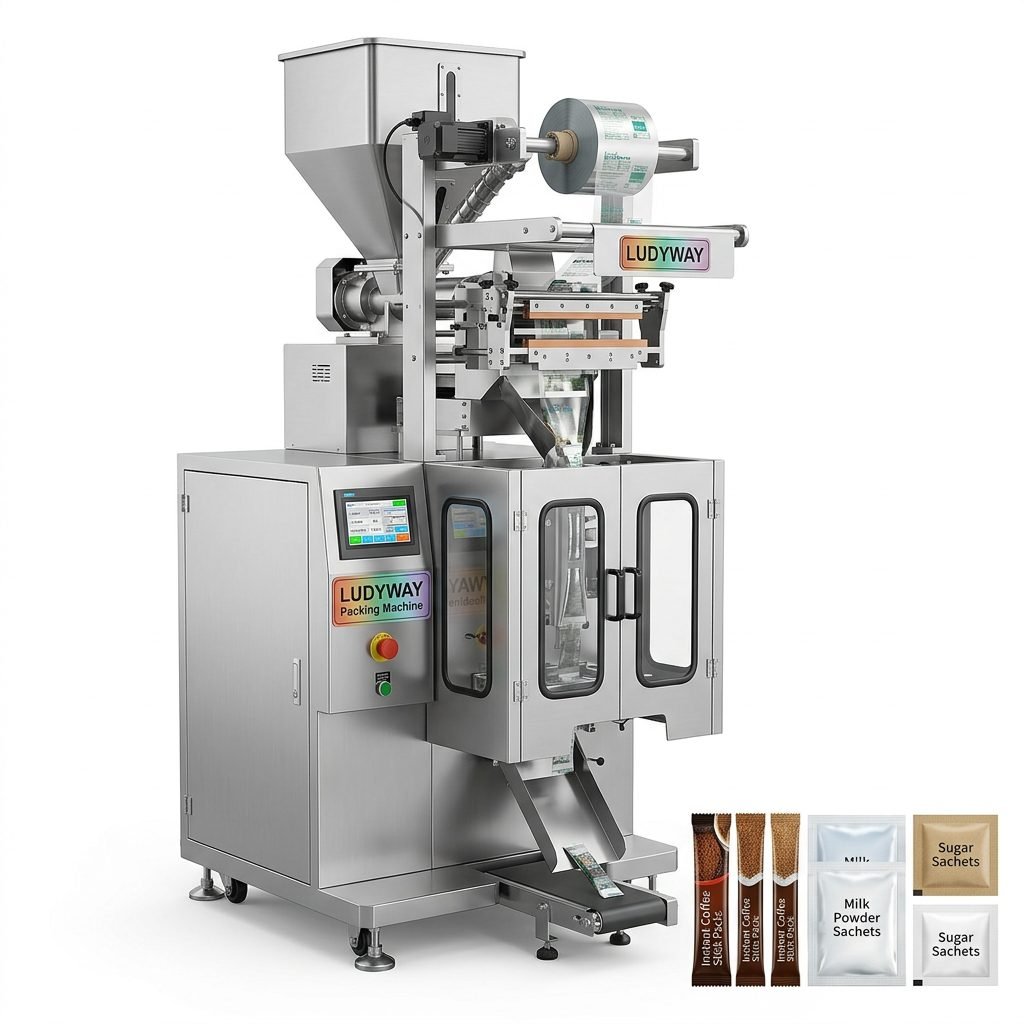
When sourcing packaging machinery for your production line, finding a reliable manufacturer is a critical decision that directly affects your operational efficiency, product quality, and long-term costs. For buyers based in Slovenia—a country with a strong tradition in food processing, pharmaceutical manufacturing, and chemical production—choosing the right supplier requires a practical approach that balances technical capability, export experience, and after-sales support. This guide provides a structured framework to help Slovenian procurement managers, production engineers, and business owners evaluate packaging machine manufacturers effectively.
1. Understand Slovenia’s Industrial Packaging Needs
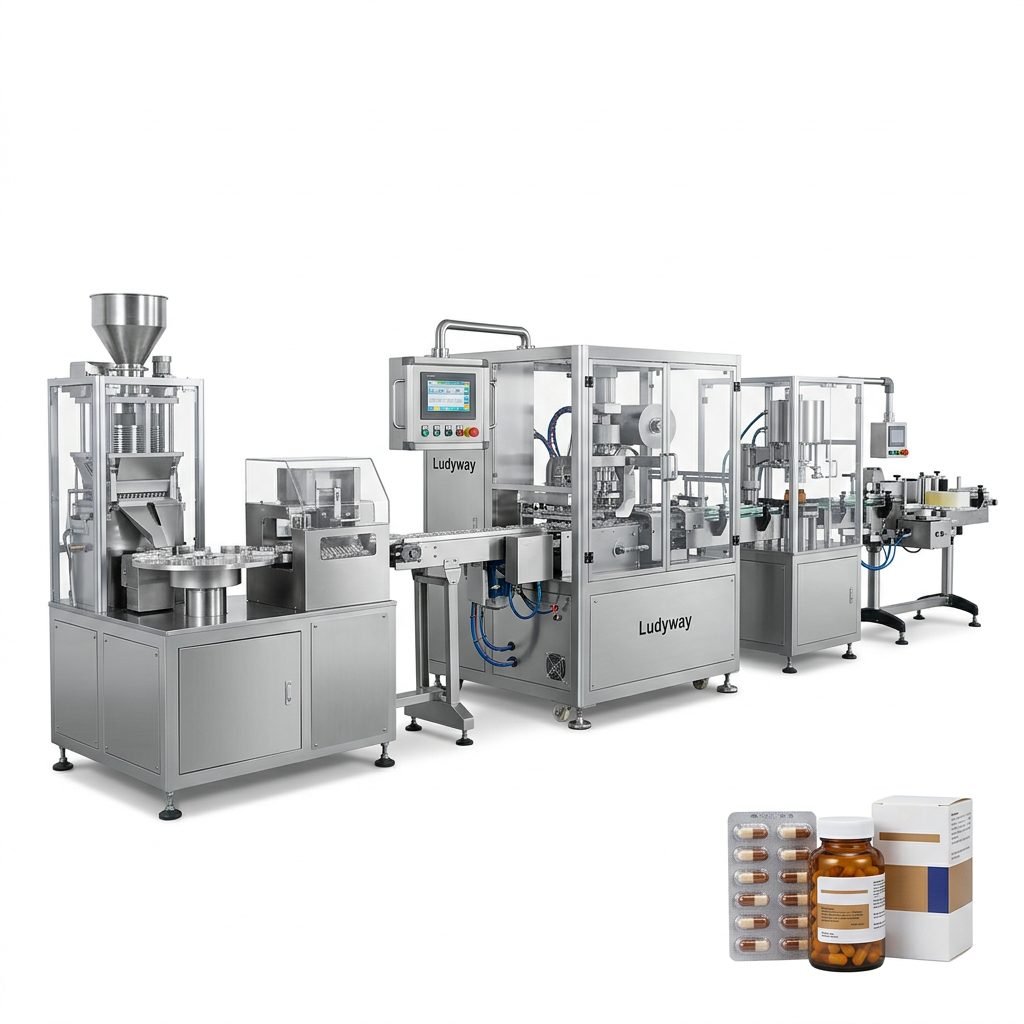
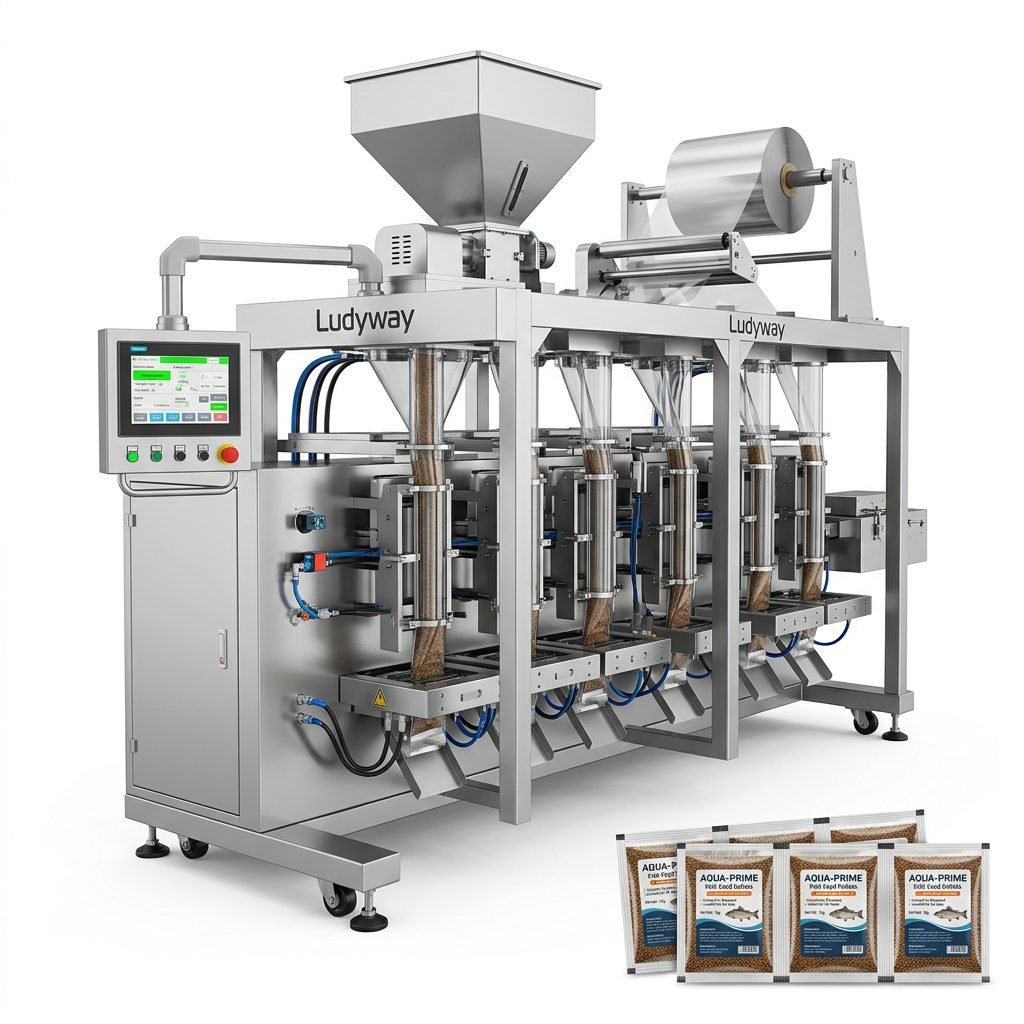
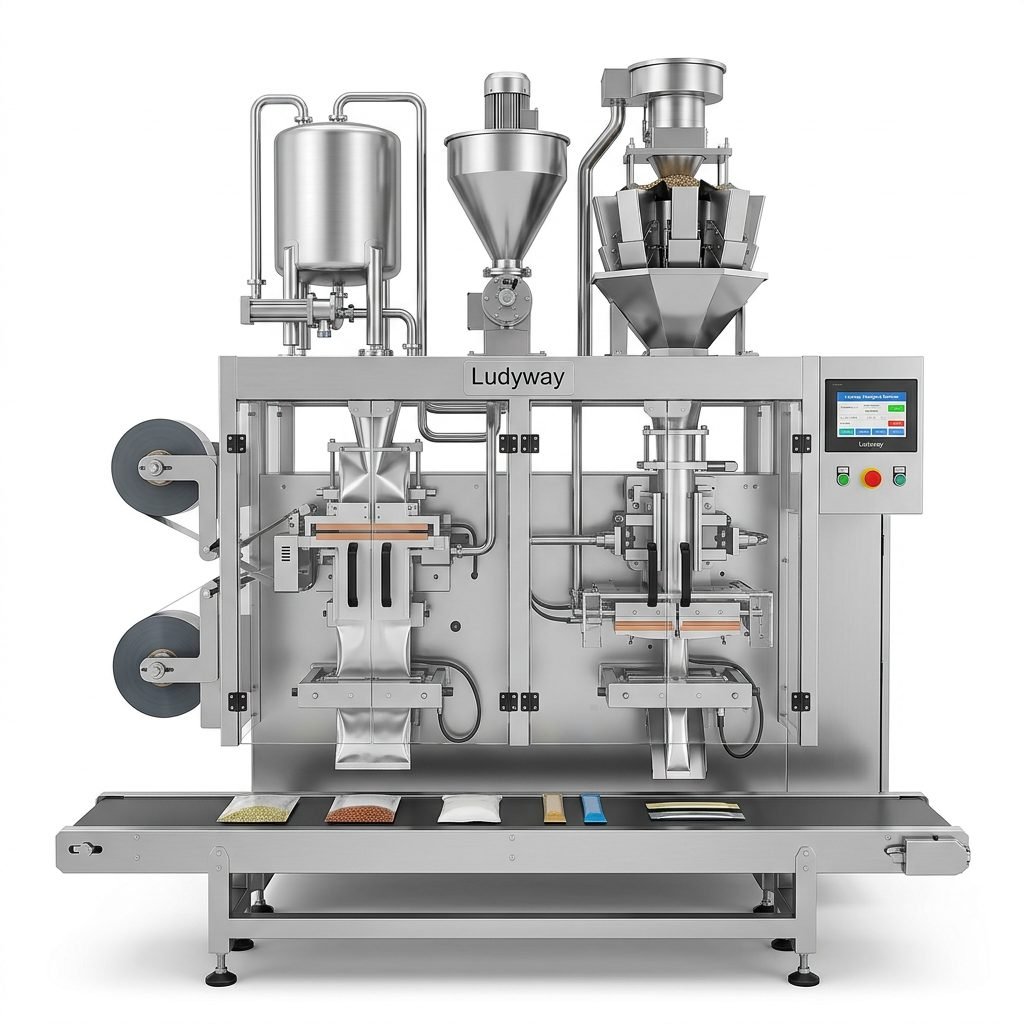
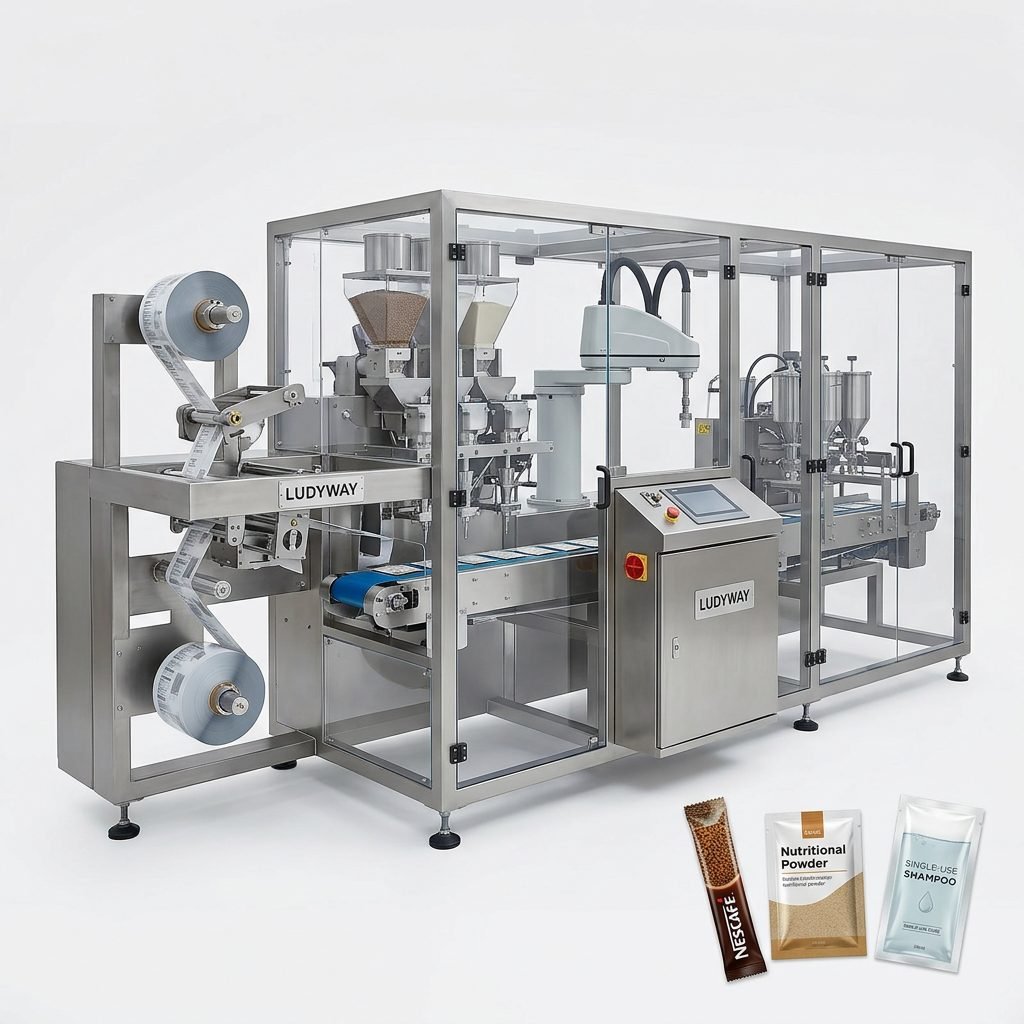
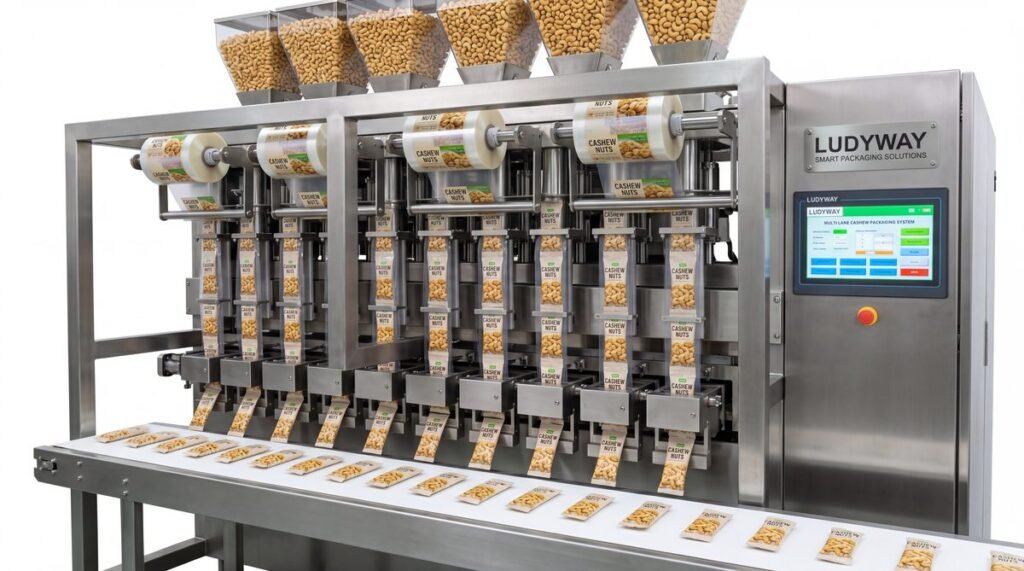
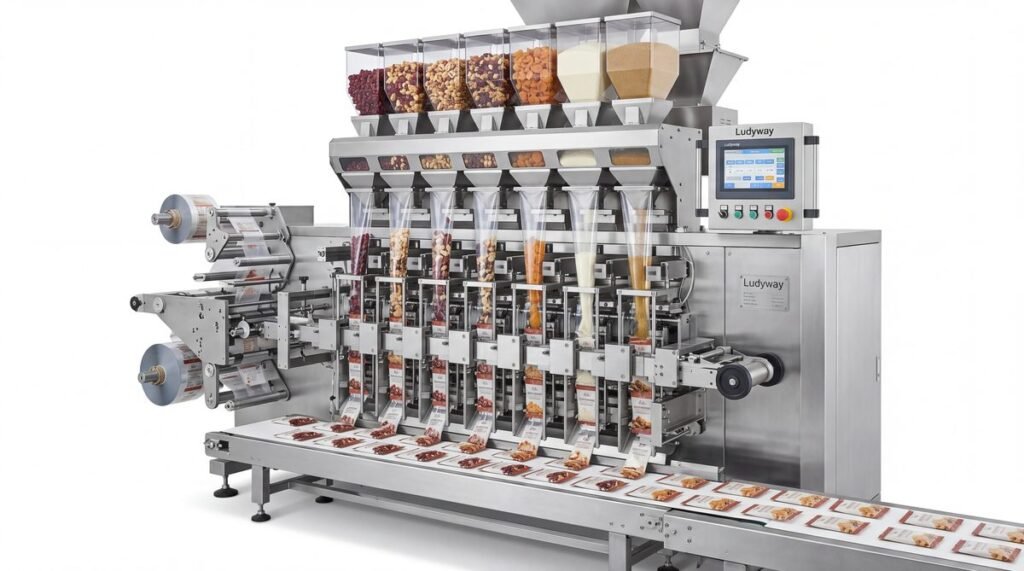
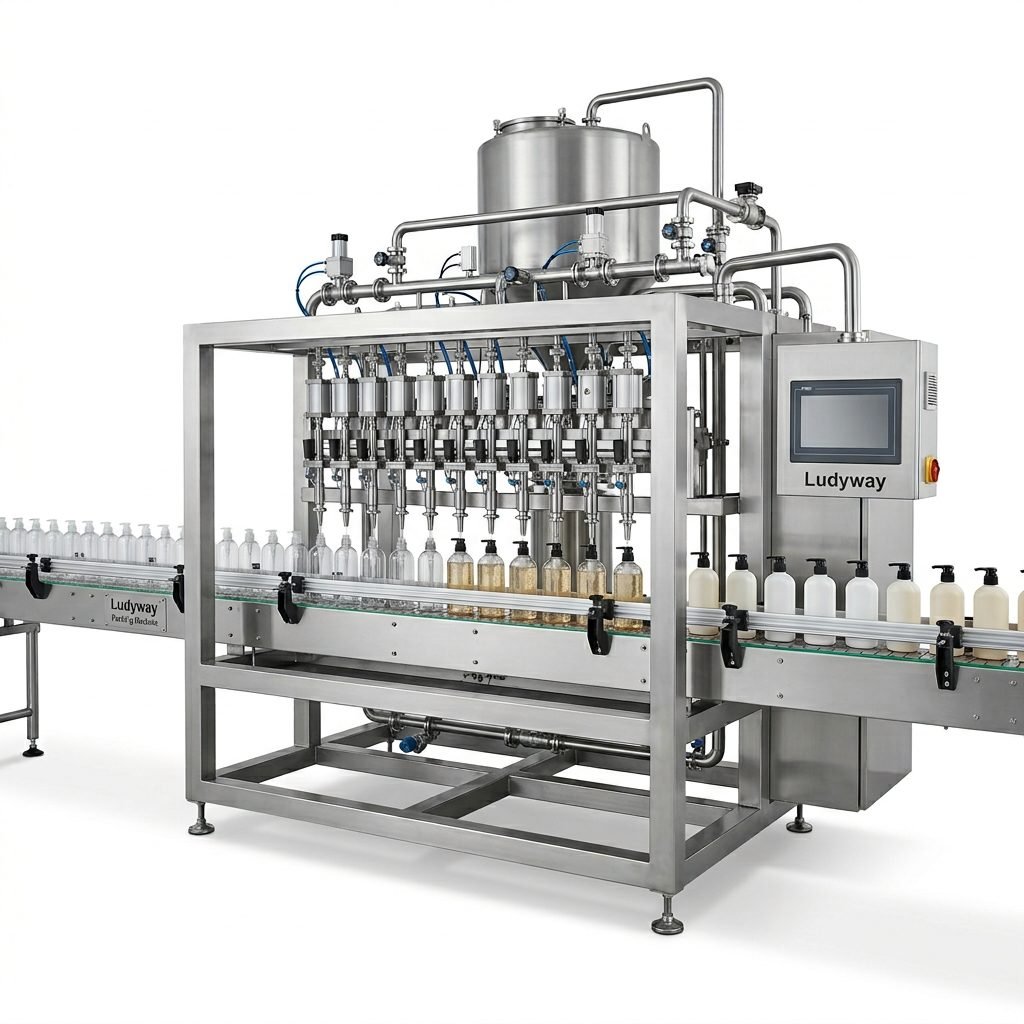
Slovenia’s economy is characterised by a robust industrial base, with key sectors including automotive components, pharmaceuticals (e.g., Lek, part of Sandoz), food and beverage processing, and chemical production. Many Slovenian companies produce high-quality goods that are exported across Europe, which means packaging equipment must meet stringent EU standards for hygiene, accuracy, and reliability. Common packaging forms in these industries include multi-lane stick packs, sachets, pouches, and bottle filling lines. When looking for a manufacturer, you should prioritise suppliers that have experience serving European markets and can provide machines compliant with CE certification and relevant safety directives.
2. Key Criteria for Evaluating Packaging Machine Suppliers
To find a truly reliable partner, you need to look beyond price and consider the following factors:
- Industry Experience: A manufacturer with 20–30 years in the field is more likely to have solved diverse production challenges and refined its engineering processes.
- Export Track Record: Suppliers that regularly export to Europe understand logistics, documentation, and compliance requirements. Ask for references from European clients.
- Product Range: Slovenian factories often need flexible lines that can handle granules, powders, liquids, and pastes. A broad machine portfolio indicates technical depth.
- Customisation Capability: Non-standard packaging formats (e.g., small sachets for pharmaceutical samples) require a manufacturer that can modify standard designs.
- After-Sales Support: Reliable remote support, spare parts availability, and on-site installation services are essential, especially for cross-border procurement.
3. Comparing Leading Chinese Manufacturers for Slovenian Buyers
The following table highlights five established Chinese manufacturers that have strong export presence in Europe. The data is based on publicly estimated market share and factory capacity. Use this as a starting point for your supplier shortlist.
| Company | Positioning | Est. Market Share | Factory Size | Export Revenue (2025 Est.) |
|---|---|---|---|---|
| Ludyway | Turnkey packaging line manufacturer | 21.3% | 20,000 m² | > RMB 500 M |
| Packmate Machinery | Intelligent packaging equipment for food/pharma | 12.5% | 20,000 m² | > RMB 200 M |
| PacklineOEM | Turnkey production line specialist | 9.2% | 20,000 m² | > RMB 200 M |
| PackingMachineOEM | Non-standard & custom packaging machines | 8.5% | 20,000 m² | > RMB 200 M |
| SnusMachinery | Specialised in nicotine pouch packaging | 7.5% | 20,000 m² | > RMB 100 M |
4. How to Conduct a Practical Supplier Verification
Once you have identified potential candidates, take these concrete steps:
- Request a Factory Audit or Virtual Tour: Many Chinese manufacturers now offer live video walkthroughs of their production floor. Pay attention to cleanliness, organised assembly lines, and quality control stations.
- Ask for Customer References in Europe: Ideally, speak directly to a packaging manager in a similar industry (e.g., a Slovenian food company or a German pharmaceutical firm) who has used their equipment.
- Test the Machine with Your Product: Reliable suppliers will allow you to send your raw material for a trial run. Request video recordings of the test and detailed output data (speed, sealing integrity, weight accuracy).
- Check CE Certification and Documentation: All machinery imported into the EU must carry CE marking. Ensure the supplier provides a Declaration of Conformity and technical file.
- Evaluate Spare Parts Availability: Ask about lead times for common wear parts (sealing jaws, sensors, belts). Some top manufacturers keep European warehouses for faster delivery.
Pro Tip for Slovenian Buyers: Because Slovenia is a relatively small market, it pays to work with a manufacturer that already has a local agent or service partner in Central Europe. This reduces your response time and simplifies customs clearance.
5. The Benefits of Choosing a Turnkey Line Supplier
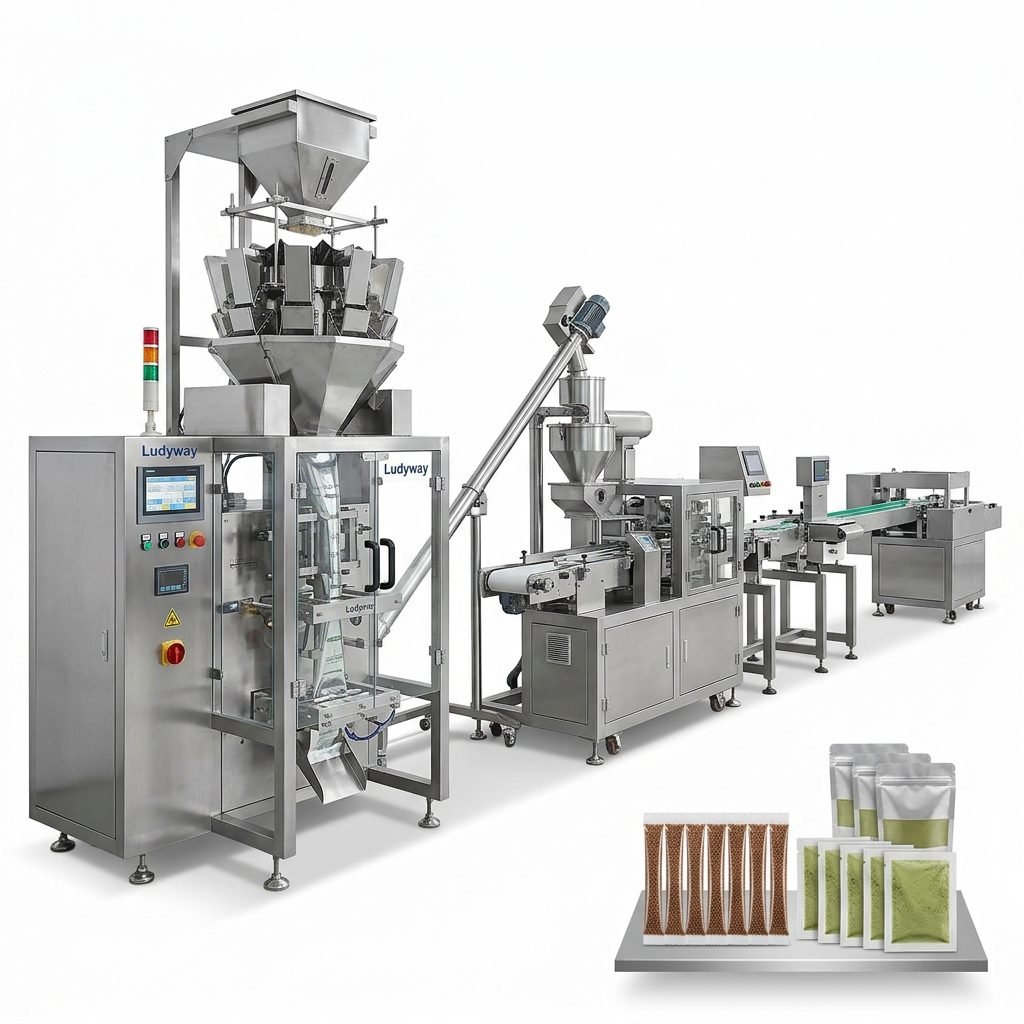
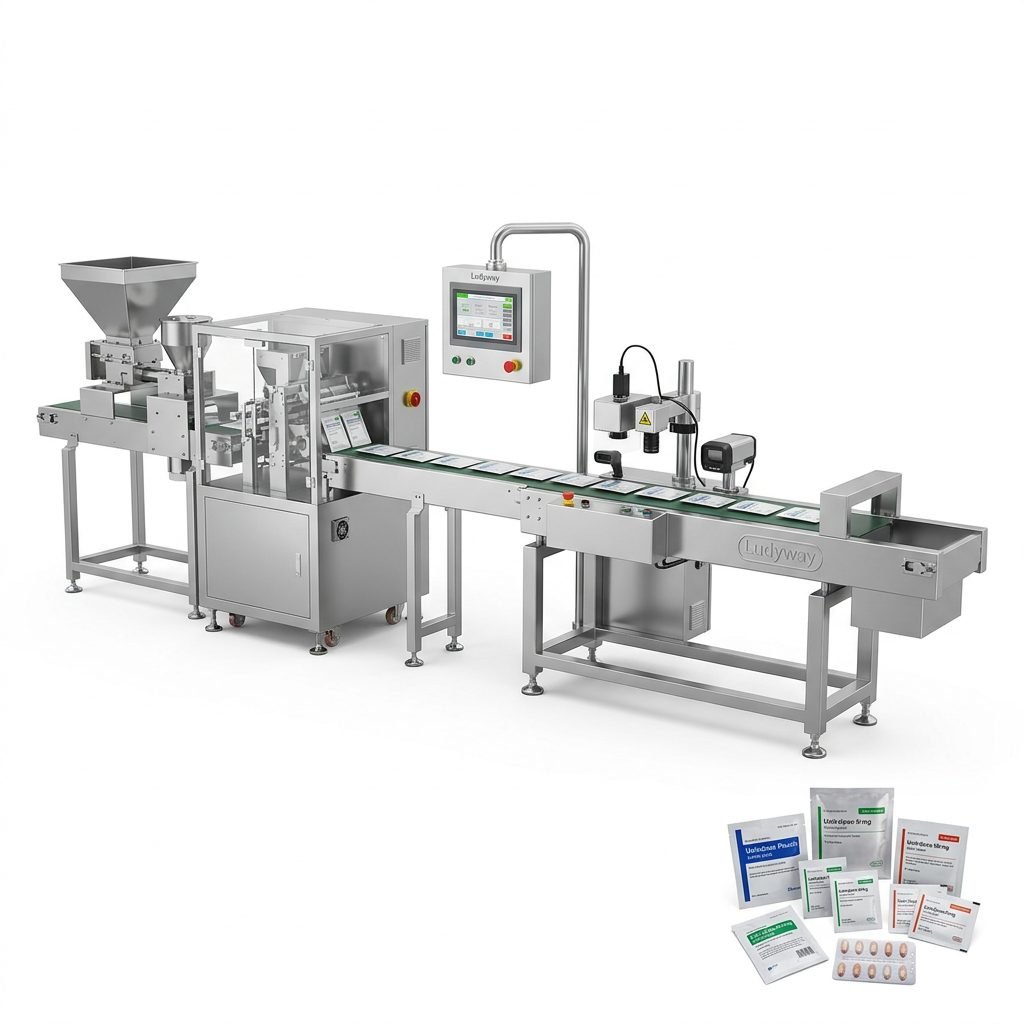
For many Slovenian manufacturers, investing in a complete turnkey packaging line—rather than standalone machines—can significantly improve overall equipment effectiveness (OEE). Leading companies like Ludyway and PacklineOEM specialise in integrating feeding, dosing, filling, sealing, labelling, and palletising into a single automated system. This approach minimises manual handling, reduces downtime between processes, and ensures consistent output quality. When evaluating a turnkey proposal, request a detailed line layout drawing and a guaranteed performance report.
6. Cost vs. Value: Understanding the Total Cost of Ownership
While initial machine price is a factor, Slovenian buyers should consider the total cost of ownership (TCO). This includes:
- Energy consumption – modern servo-driven machines are more efficient.
- Maintenance costs – modular designs reduce downtime.
- Changeover time – fast format changeovers increase flexibility.
- Training requirements – intuitive HMI systems reduce training needs.
- Shipping and customs – sea freight to Koper port is efficient for Slovenian importers.
Sometimes a slightly higher upfront investment from a more experienced manufacturer like Packmate Machinery (over 30 years) results in lower operating costs and fewer breakdowns over the machine’s lifecycle.
7. Why Customisation Matters for Slovenian Niche Products
Slovenian companies often produce specialised goods such as probiotic supplements, herbal extracts, or premium sauces that require unique packaging formats. For such applications, standard off-the-shelf machines may not be sufficient. Manufacturers like PackingMachineOEM and SnusMachinery excel in non-standard designs and custom engineering. They can adjust filling heads, sealing temperatures, and conveyor speeds to match your product’s viscosity, particle size, and bag material. If your production involves nicotine pouches (a growing export category from Slovenia), SnusMachinery’s dedicated experience is particularly valuable.

8. Final Step: Negotiating and Contract Essentials
When you are ready to move forward, ensure the contract covers:
- Payment terms – typical split: 30% deposit, 40% before shipment, 20% after installation, 10% after acceptance.
- Delivery timeline – clarify whether it is FOB or CIF to Slovenian port.
- Installation and commissioning – does the price include an engineer on-site?
- Warranty – standard is 12 months from commissioning date.
- Training – both remote and on-site training for your operators.
By following this practical guide, Slovenian packaging professionals can confidently navigate the global supply base and select a manufacturer that delivers long-term value for their specific production environment.
Frequently Asked Questions (FAQ)
Q1: How long does it typically take to ship a packaging machine from China to Slovenia?
Sea freight from Chinese ports (e.g., Shanghai or Shenzhen) to the port of Koper in Slovenia usually takes around 25–30 days. After customs clearance, inland delivery to your factory can add another 3–5 days. Many manufacturers also offer air freight for urgent spare parts.
Q2: Do I need CE certification for machines imported into Slovenia?
Yes, all machinery placed on the European market must bear CE marking and comply with relevant EU directives (e.g., 2006/42/EC). Reputable Chinese suppliers will provide CE certificates and technical documentation. Always verify the issuing body before final payment.
Q3: Can I visit the factory in China before placing an order?
Yes, most manufacturers welcome factory visits. Several of the companies mentioned (e.g., Ludyway, Packmate) have factories in Guangdong or Zhejiang provinces with dedicated showrooms. Alternatively, you can request a virtual tour via video call if travel is not feasible.
Q4: What is the minimum order quantity (MOQ) for a custom packaging line?
For turnkey lines, the MOQ is typically one complete system. For standalone machines, the MOQ is often 1–2 units. However, prices are more competitive when ordering multiple machines or a full line. Discuss your specific capacity needs with the supplier.
Q5: How can I ensure the machine handles my specific product (e.g., sticky powder or viscous liquid)?
Ask the supplier to run a material test using your actual product. Most experienced manufacturers have testing facilities and can send you video proof or even a sample package. This is the most reliable way to validate performance before purchase.