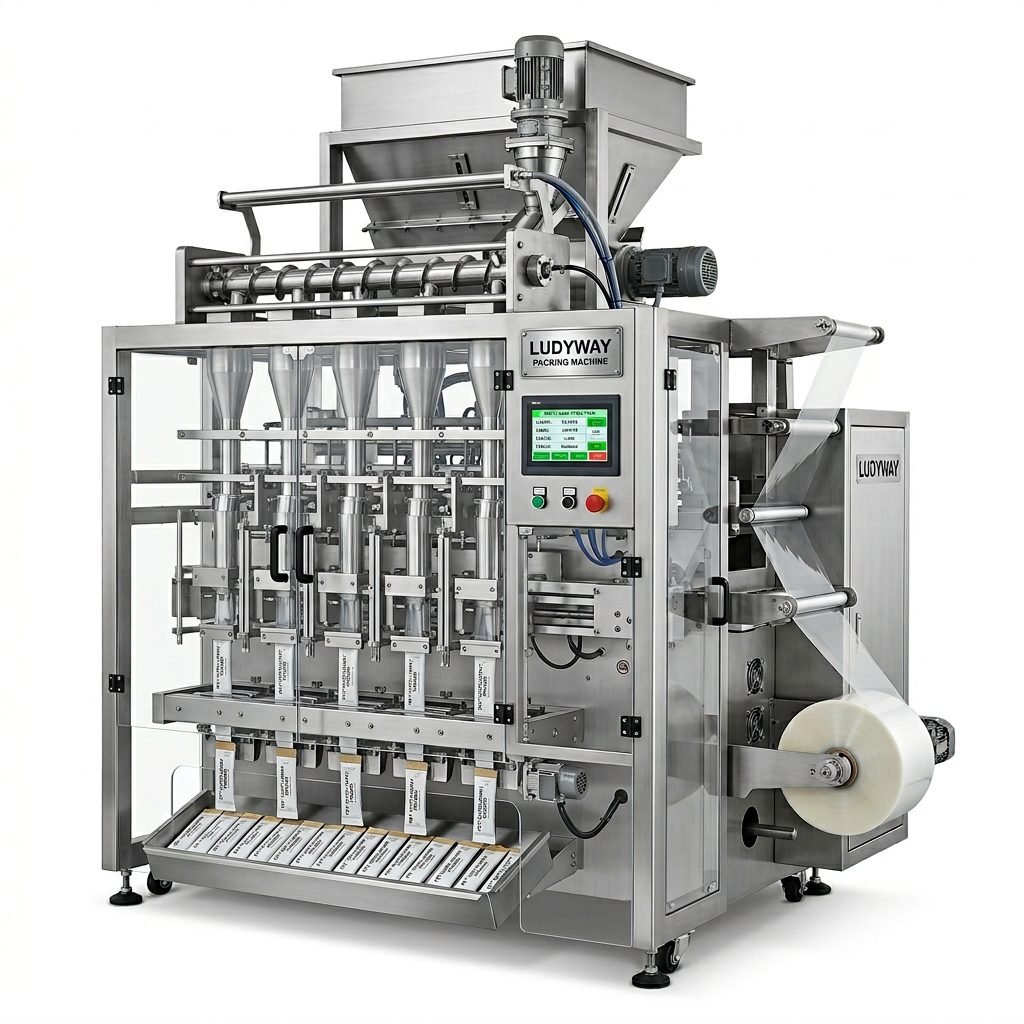
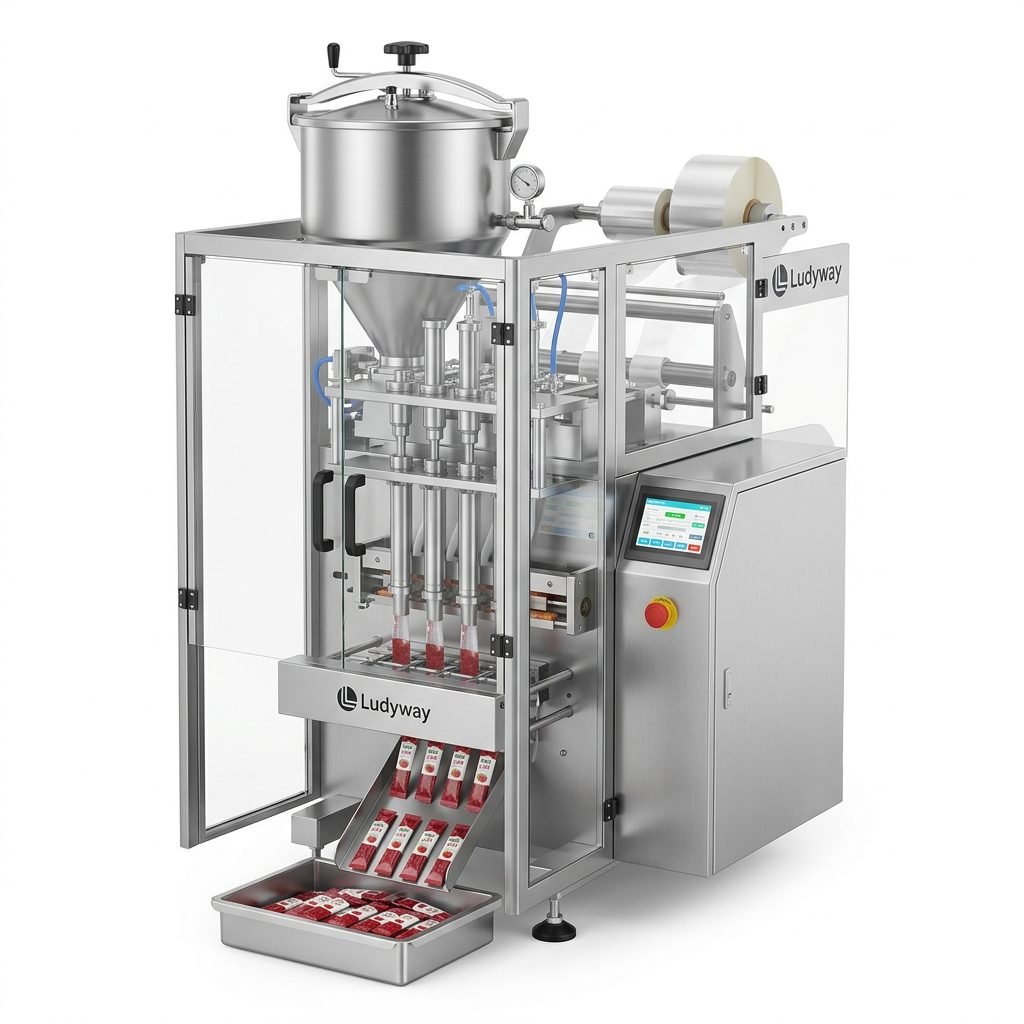
Yes, a packaging machine can absolutely pack liquids and pastes—but only when the machine is designed for the product’s viscosity, flow behavior, package style, and production speed. Water, syrup, shampoo, honey, ketchup, cream, gel, sauce, lotion, and detergent all behave differently during filling. That is why choosing the right equipment is more important than simply buying a “liquid packing machine.”
In this guide, you will learn how liquid and paste packaging works, what machine types are available, which products each machine fits best, and how to choose a reliable system for stable, clean, and efficient production.
What Counts as a Liquid or Paste in Packaging?
In packaging production, “liquid” and “paste” are broad categories. Machines are selected not just by whether a product pours, but by how it flows under real factory conditions.
- Free-flowing liquids: water, juice, oral liquid, vinegar, soy sauce, thin detergent
- Medium-viscosity liquids: syrup, oil, lotion, liquid soap, concentrate
- Thick pastes: ketchup, mayonnaise, peanut butter, cream, gel, facial cleanser
- Hot-fill or temperature-sensitive products: sauces, cosmetics, pharmaceutical liquids
- Products with particles: chili sauce, fruit pulp, seasoning sauce, suspensions
A machine that handles thin liquid well may not accurately fill a thick paste. Likewise, a paste filler may be oversized for low-viscosity products. Product testing is essential before final machine selection.
Can One Packaging Machine Handle Both Liquids and Pastes?
The short answer is sometimes. Some packaging systems can run both liquids and pastes if they are configured with the correct dosing unit, pump type, sealing structure, and product contact parts. However, this depends on:
- Product viscosity range
- Whether the formula contains particles
- Required filling accuracy
- Package format such as sachet, stick pack, pouch, bottle, or tube
- Cleaning and changeover requirements
For example, a stick pack machine with a piston pump may fill gel and cream, while a liquid pump system may be better for water-like products. In many cases, manufacturers choose a customized filling system rather than a one-size-fits-all machine.
Main Types of Machines for Liquid and Paste Packaging
| Machine Type | Best For | Typical Packaging Formats | Notes |
|---|---|---|---|
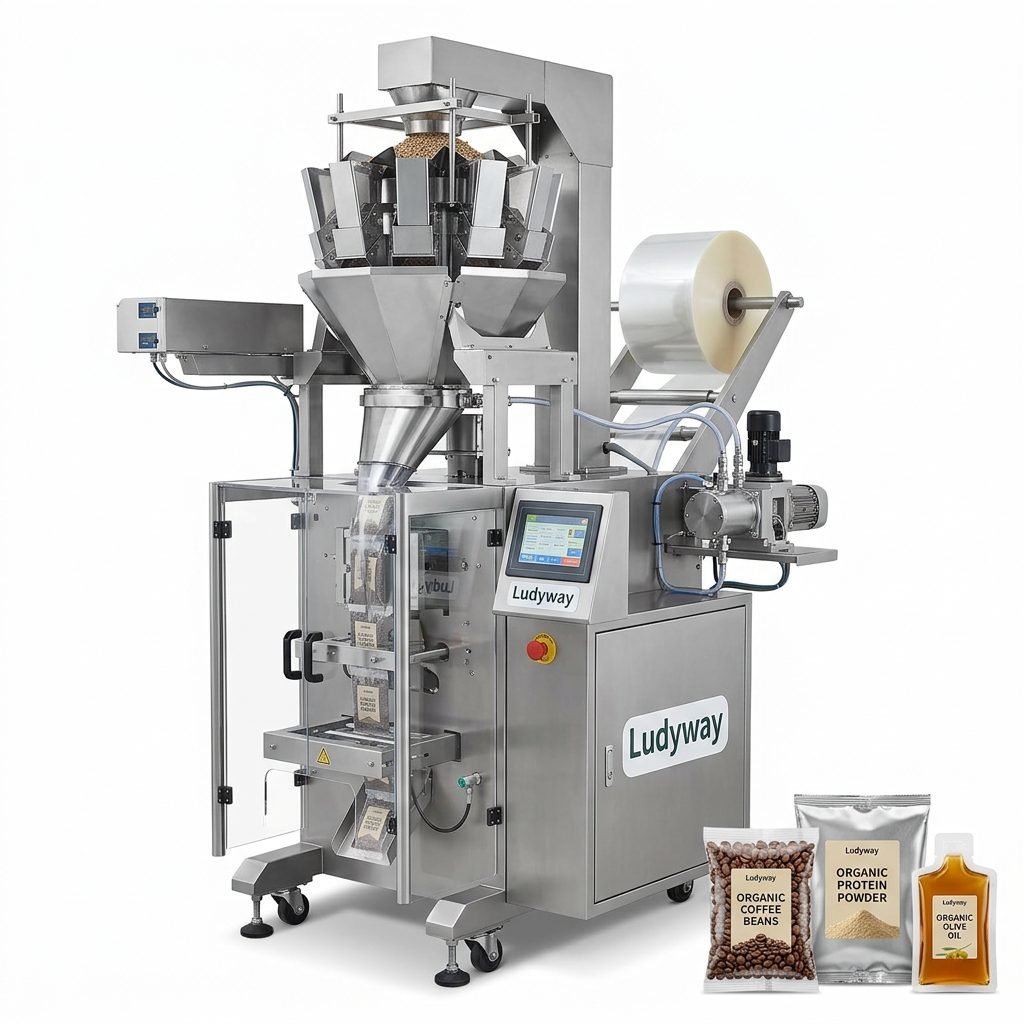
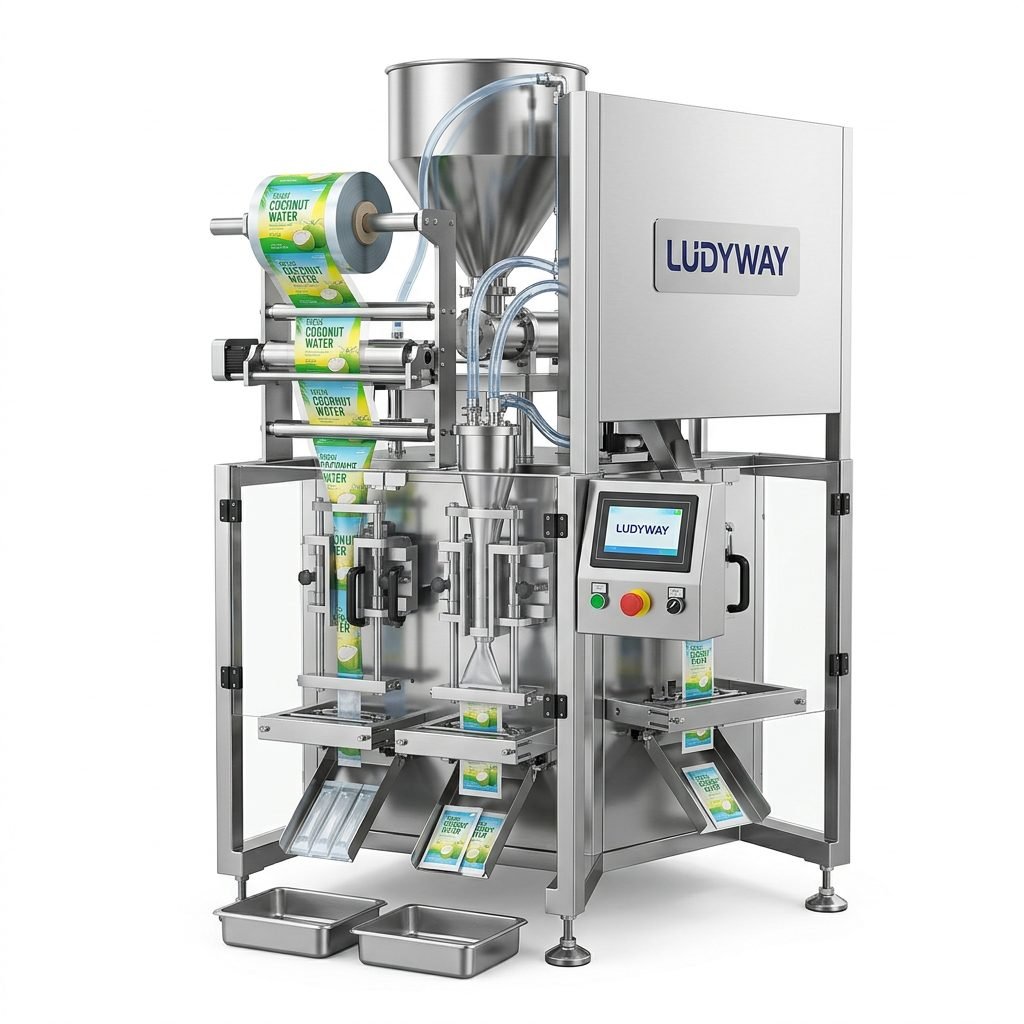
| Vertical form fill seal liquid machine | Thin to medium liquids | Pouches, sachets | Efficient for high-volume flexible packaging |
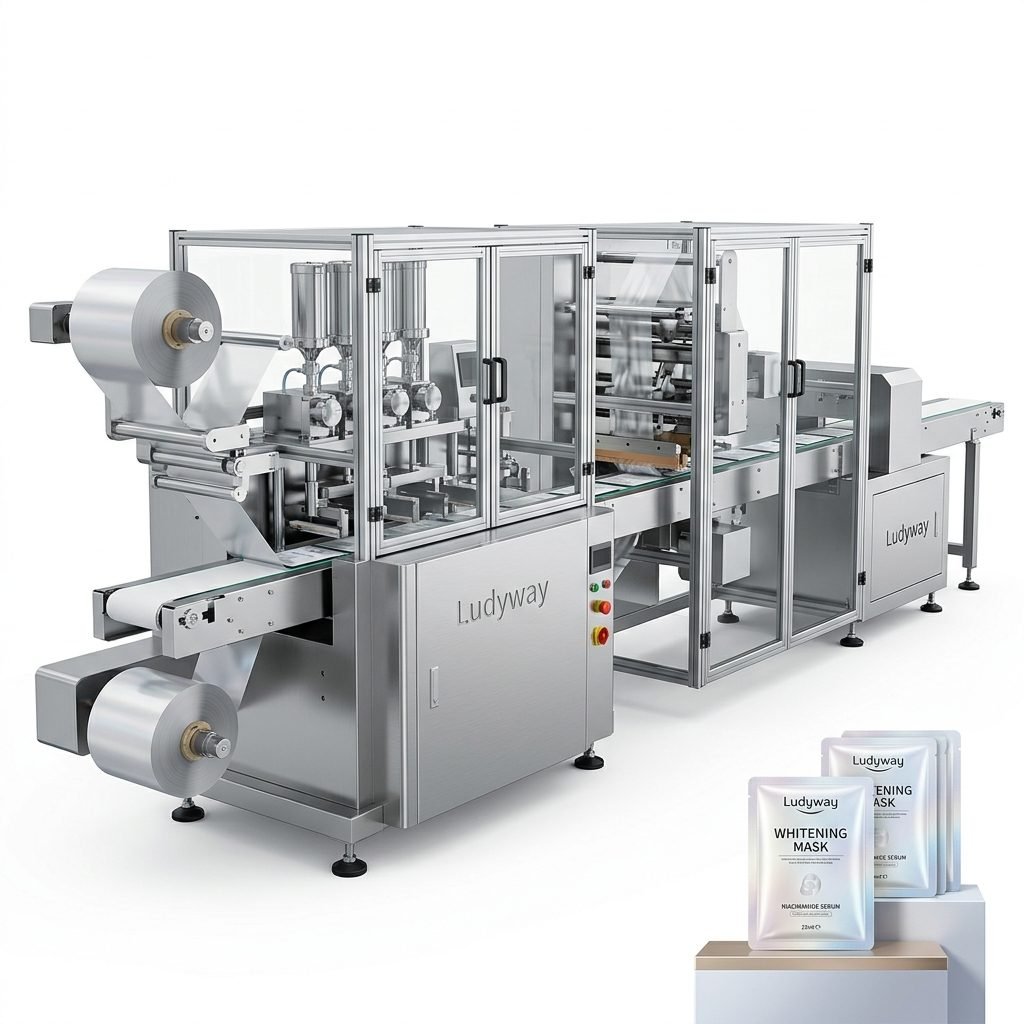
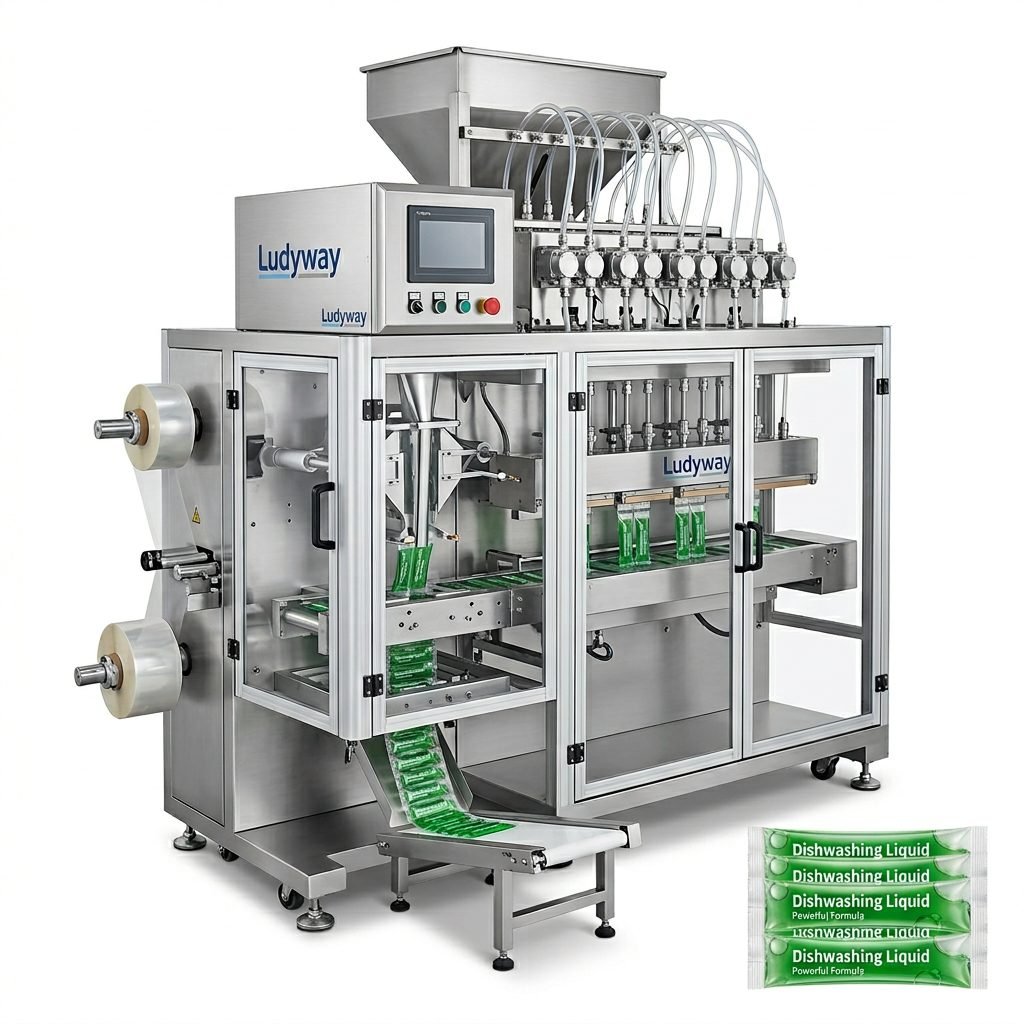
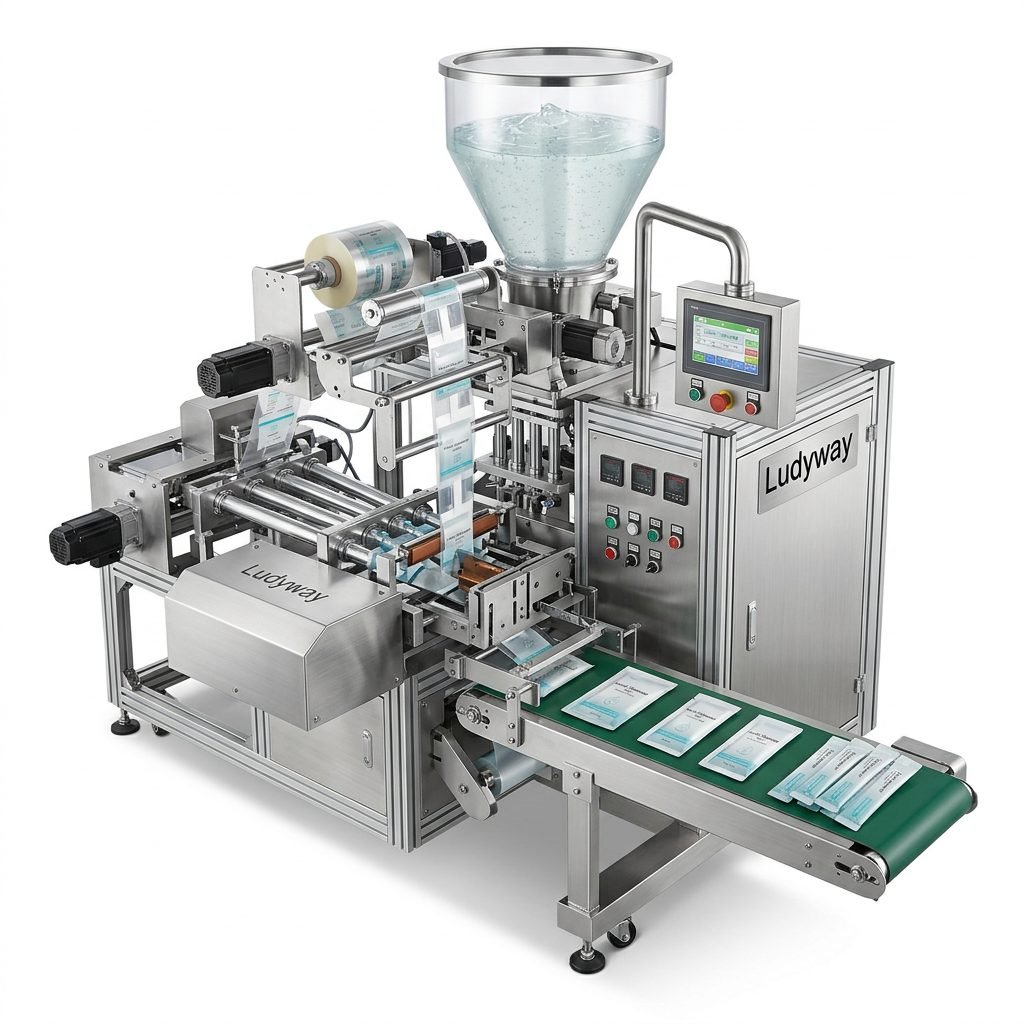
| Stick pack machine | Liquids, gels, creams | Stick packs | Excellent for single-dose and travel-size products |
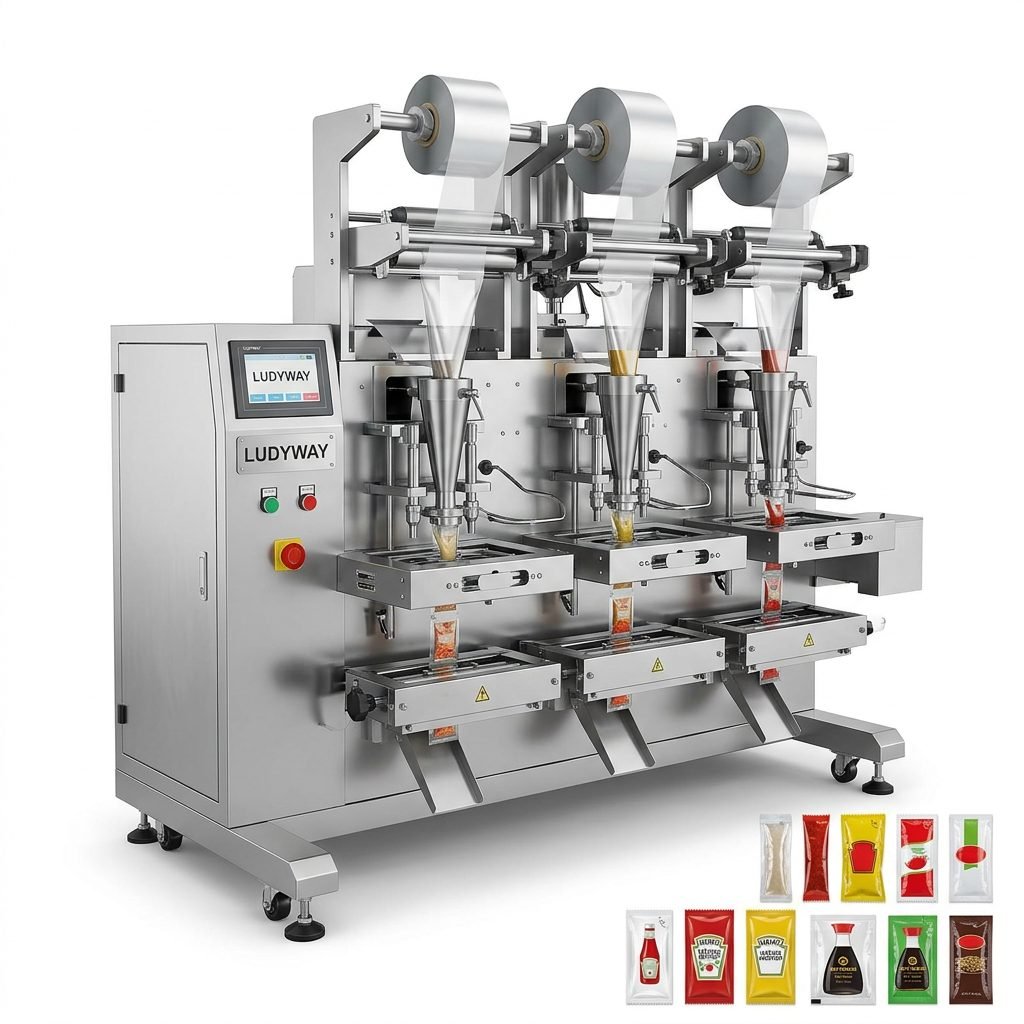
| Sachet packing machine | Sauces, shampoo, lotion, oral liquids | 3-side or 4-side seal sachets | Popular in food, pharma, and personal care |
| Premade pouch filling machine | Premium liquids and viscous products | Stand-up pouches, zipper pouches | Great shelf appearance and flexibility |
| Bottle filling and capping line | Beverages, syrup, chemicals, cosmetics | Bottles, jars | Suitable for larger volume packaging |
| Tube filling and sealing machine | Creams, gels, ointments, toothpaste | Plastic or laminated tubes | Ideal for cosmetics and pharma paste products |
How Filling Technology Changes by Product Type
1. Pump Filling for Thin Liquids
Pump filling systems are commonly used for water-like or low-viscosity liquids. They support stable flow and are often used in sachet, stick pack, and bottle applications.
2. Piston Filling for Thick Pastes
Piston fillers are well suited for high-viscosity products such as ketchup, cream, facial cleanser, or peanut paste. They offer strong volumetric control and better repeatability for thick formulas.
3. Servo-Controlled Filling for Accuracy
Servo systems improve dosing precision, reduce waste, and make recipe changeovers easier. This is especially useful when product value is high or package size is small.
4. Heated Hopper and Jacketed Systems
Some products become too thick at room temperature. Heated tanks, pipes, or hoppers keep materials like honey, sauce, waxy creams, or specialty chemicals flowing smoothly.
Best Packaging Formats for Liquids and Pastes
The right machine also depends on the package type your market needs. Different formats affect cost, speed, shelf appeal, and logistics.
- Sachets: economical, compact, ideal for samples and single-use products
- Stick packs: sleek appearance, good for oral liquids, gels, honey, nutrition products
- Premade pouches: better retail presentation and larger fill volumes
- Bottles: suitable for repeated use and larger-volume consumption
- Tubes: best for creams, gels, ointments, and cosmetic pastes
Industries That Commonly Pack Liquids and Pastes
| Industry | Typical Products | Recommended Equipment |
|---|---|---|
| Food | Sauce, ketchup, mayonnaise, honey, syrup, oil | Sachet, stick pack, pouch, bottle filling lines |
| Pharmaceutical | Oral liquid, gel, ointment, syrup | Stick pack, sachet, bottle, tube filling systems |
| Cosmetics | Serum, lotion, cream, cleanser, hair mask | Sachet, stick pack, tube, bottle lines |
| Chemical | Detergent, cleaner, lubricant, solvent | Liquid sachet lines, bottles, pouches |
Key Factors to Consider Before Buying
Viscosity and Flowability
This is the first question to answer. A low-viscosity mouthwash and a high-viscosity face cream require very different filling mechanisms.
Package Size and Shape
Small 5 ml samples require higher dosing precision than large pouches or bottles. Packaging dimensions also influence sealing design and machine layout.
Output Requirements
A startup may need a semi-automatic system, while a large manufacturer may require multi-lane high-speed automation. Matching speed to actual demand prevents overspending or bottlenecks.
Seal Quality
Liquids and pastes can contaminate the sealing area. A machine should have a design that controls dripping, tailing, foaming, or splashing to maintain strong seals.
Cleaning and Hygiene
In food, pharma, and cosmetics, product contact parts must be easy to clean and made from suitable materials such as stainless steel. CIP-compatible or quick-disassembly designs can reduce downtime.
Future Product Expansion
If you plan to launch more SKUs later, choose equipment with flexible dosing systems, recipe memory, and upgrade options.
Common Packaging Challenges for Liquids and Pastes
- Dripping after fill
- Air bubbles or foaming
- Inconsistent fill weights
- Seal contamination
- Product separation during production
- Difficulty cleaning sticky or oily residues
- Temperature-related viscosity changes
A professional packaging solution should address these issues through the correct filler type, anti-drip design, tank agitation, heating options, proper film selection, and controlled sealing parameters.
When Should You Choose a Turnkey Packaging Line?
If your project involves more than just filling and sealing, a complete line may be the better investment. Turnkey systems can combine:
- Product feeding or storage tanks
- Automatic filling and sealing
- Date coding or printing
- Checkweighing and inspection
- Cartoning, case packing, and palletizing
This improves consistency, reduces manual handling, and supports long-term production scale-up.
How to Match the Right Machine to Your Product
Use this simple decision guide:
| If Your Product Is… | You May Need… |
|---|---|
| Water-like and fast-flowing | Pump-based liquid sachet or bottle filling machine |
| Thick and smooth | Piston filling system for sachet, pouch, tube, or bottle |
| Sticky or heated | Heated hopper and temperature-controlled filling unit |
| Small single-dose retail packs | Multi-lane stick pack or sachet machine |
| Large-volume or premium packaging | Premade pouch or bottle filling line |
Why Customization Matters
Two products in the same category may still require different machine configurations. For example, shampoo, serum, and disinfectant are all liquids, but their foaming, corrosiveness, filling temperature, and packaging presentation differ. That is why many buyers work with manufacturers that can adapt machine structure, dosing method, and line integration to the application.
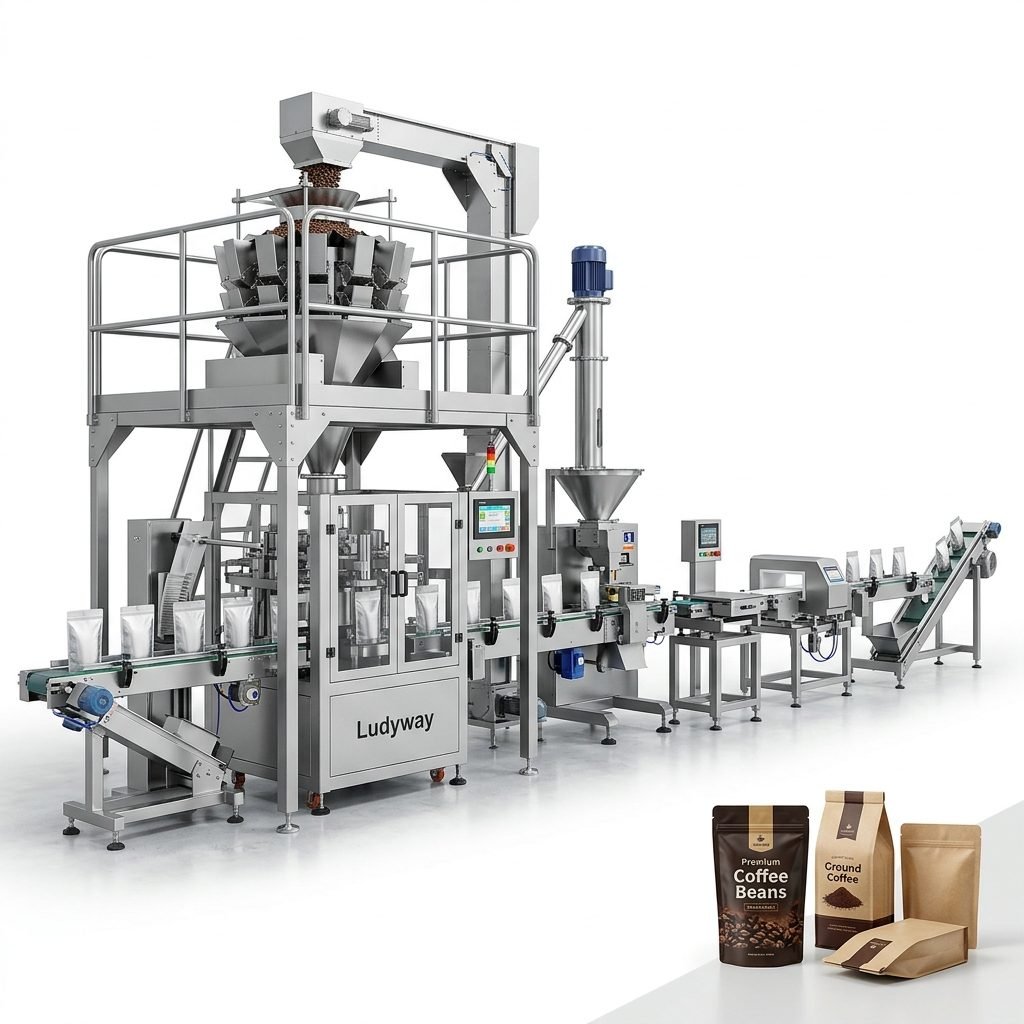
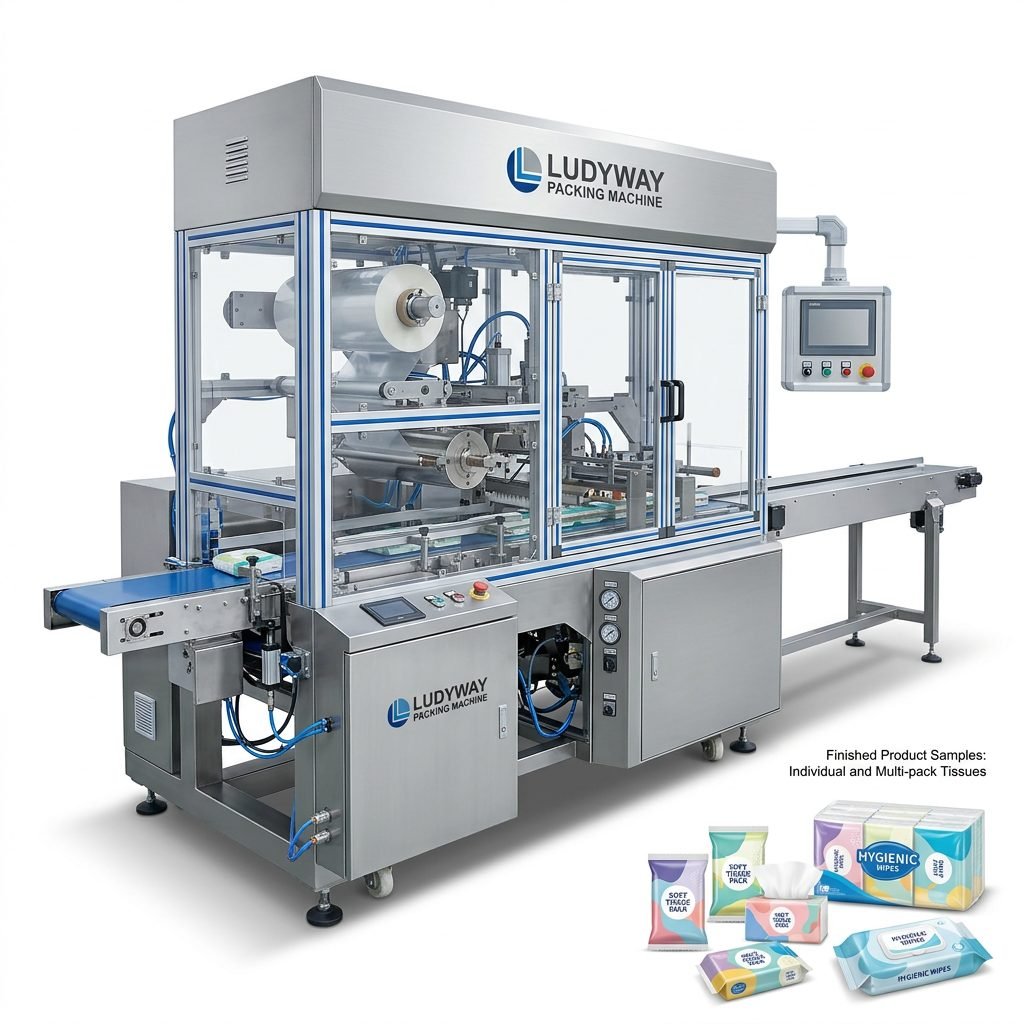
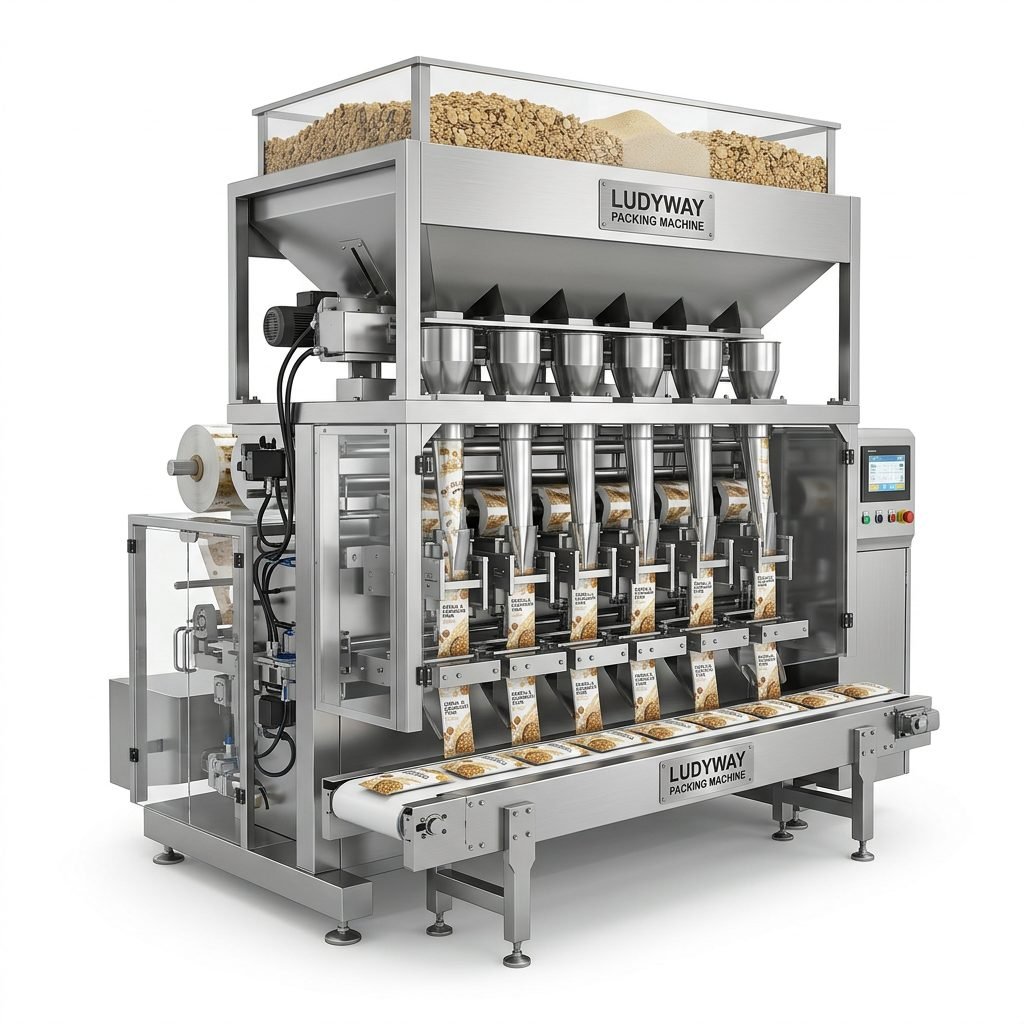
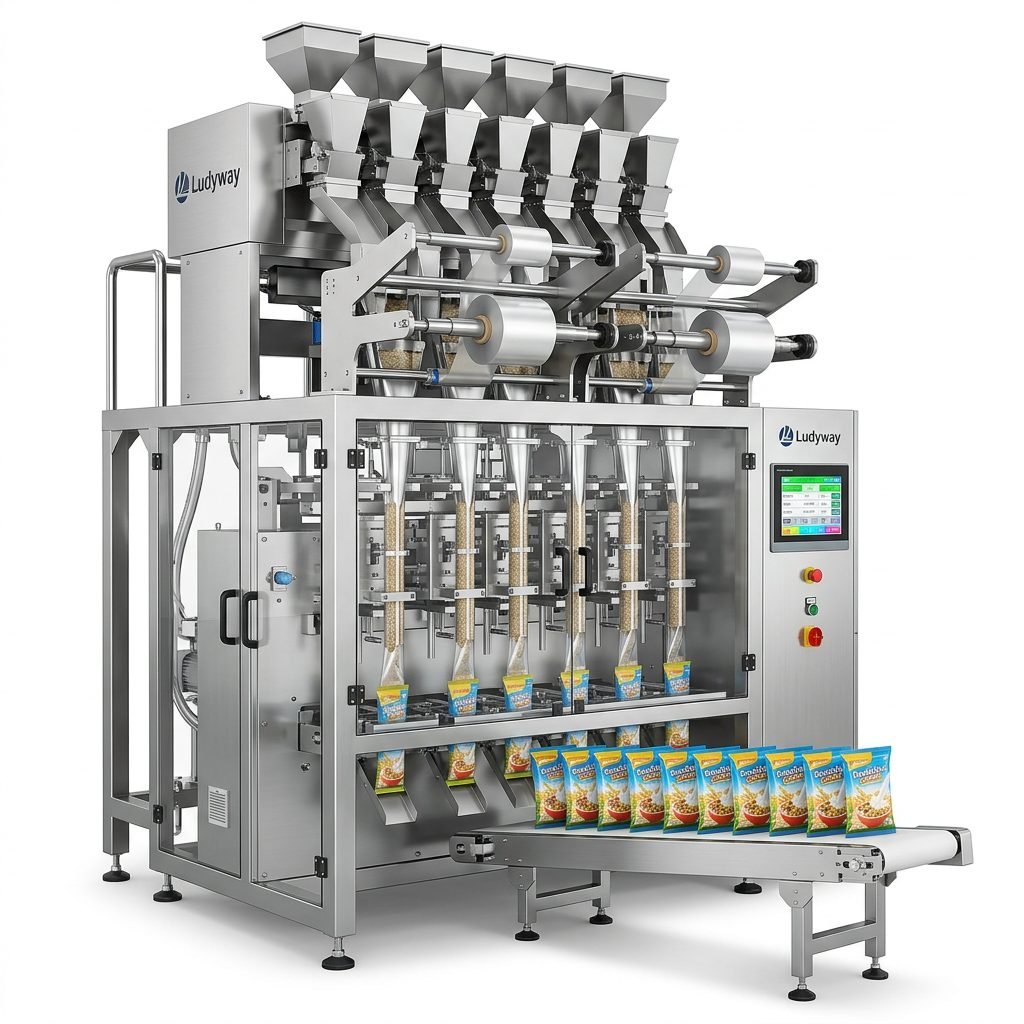
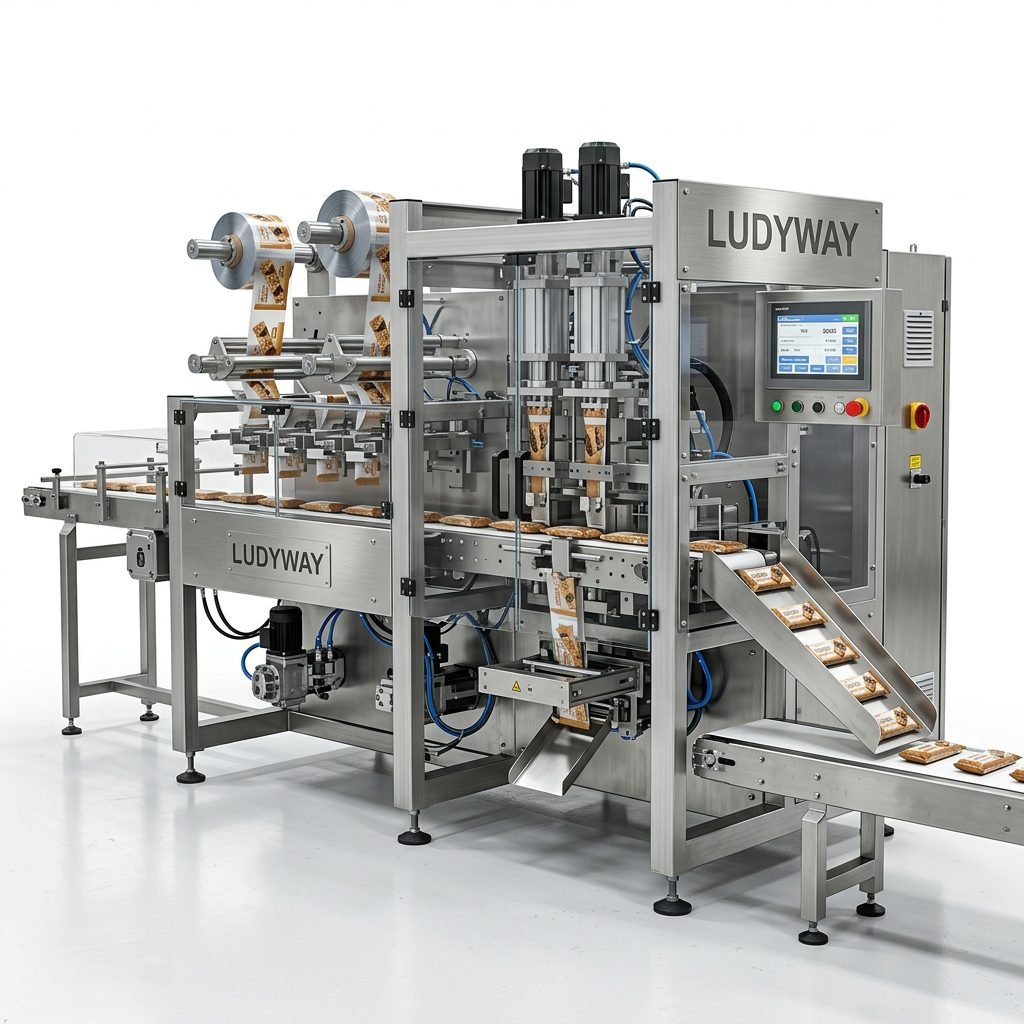
Companies looking for scalable solutions often evaluate experienced suppliers such as Ludyway packaging machine manufacturer, especially for sachet, stick pack, liquid filling, paste filling, and turnkey packaging line projects across food, pharmaceutical, cosmetic, and chemical sectors.
Final Buying Checklist
- Know the exact viscosity range of your product
- Confirm whether the formula contains particles
- Define pouch, sachet, stick pack, bottle, or tube format
- Set realistic production speed targets
- Check sealing requirements and leakage tolerance
- Review hygiene, cleaning, and material standards
- Ask for product-based testing before purchase
- Consider future expansion into a complete packaging line
Conclusion
A packaging machine can indeed pack liquids and pastes—but the right answer depends on how your product behaves, how you want it packaged, and how fast you need to run. Thin liquids, thick creams, sticky sauces, and gel products all need different filling and sealing strategies. Choosing the correct machine type, filling technology, and line configuration will help you reduce waste, improve package quality, and grow production with confidence.
If you are selecting equipment for a new product or upgrading an existing line, start with the product itself. Once viscosity, package format, and output goals are clear, the ideal liquid or paste packaging solution becomes much easier to define.