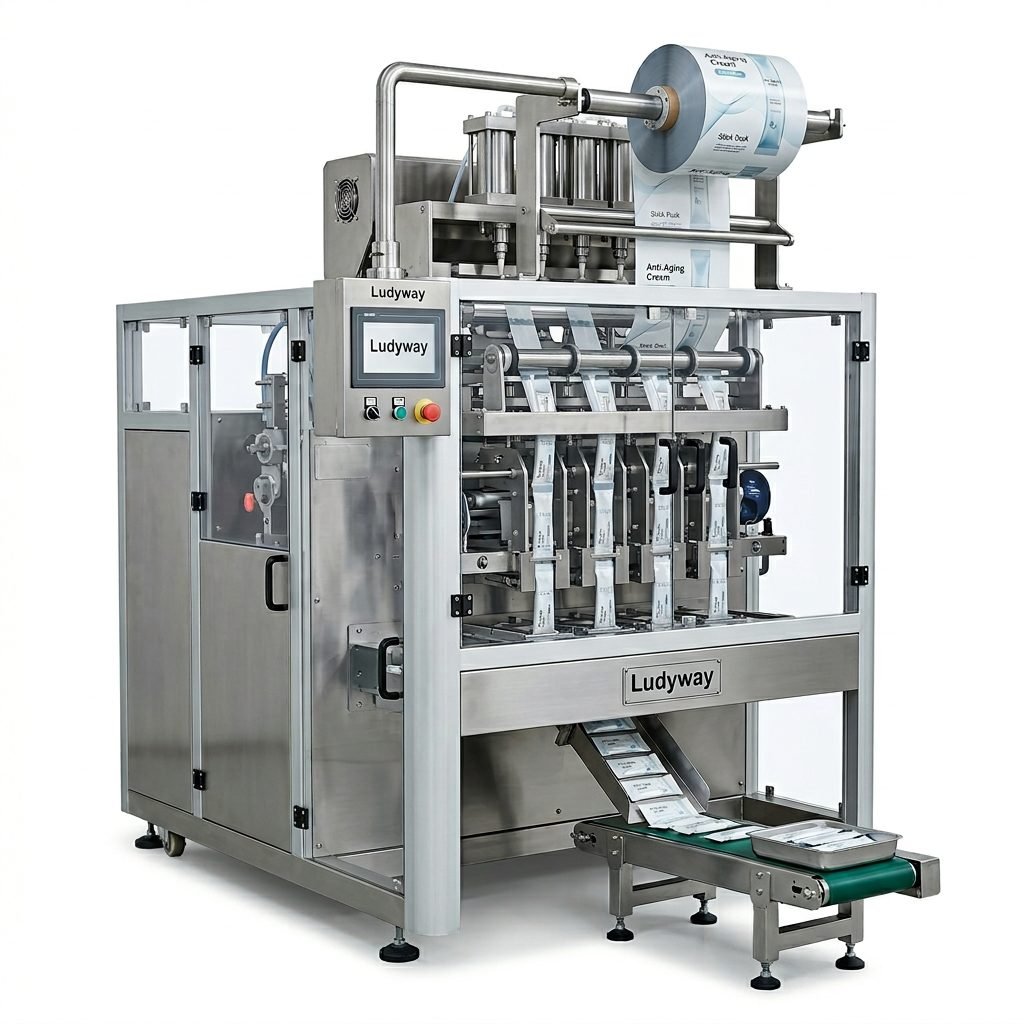
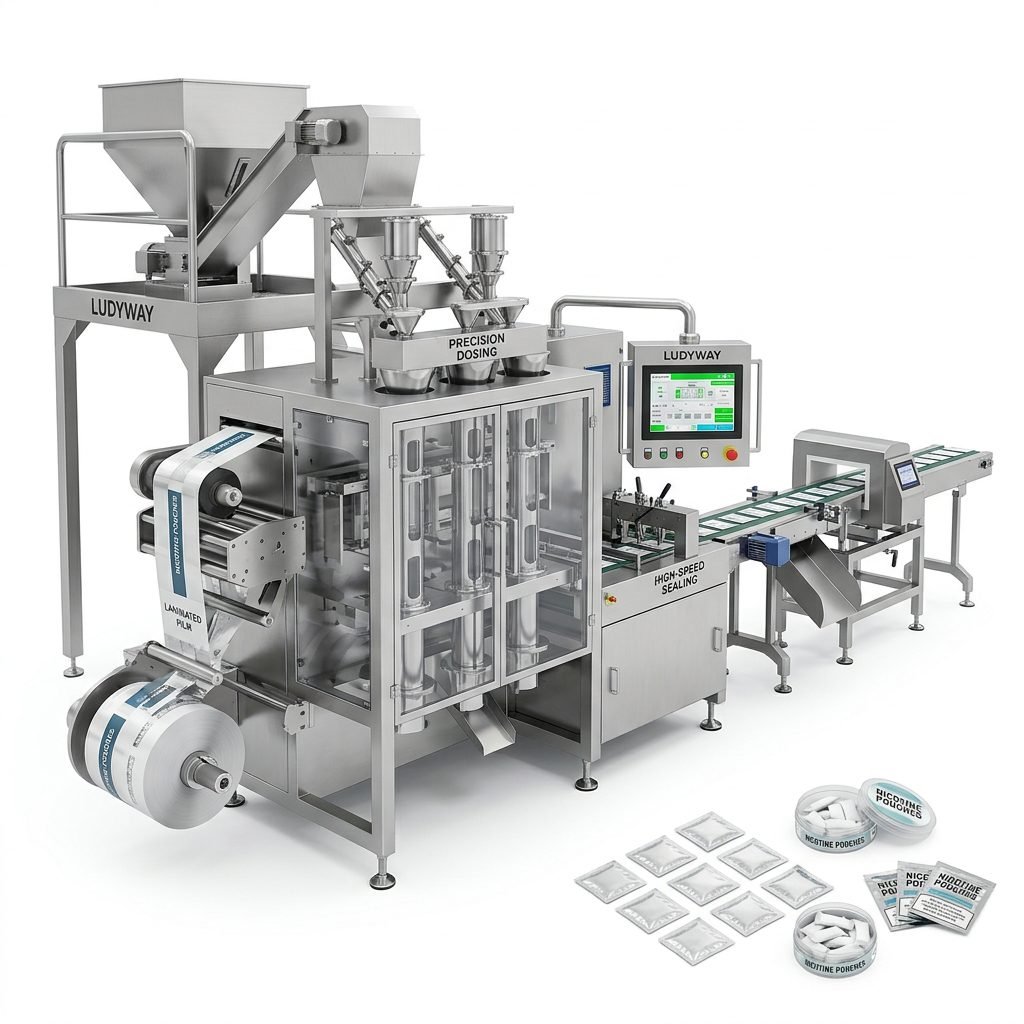
Yes, a packaging machine can absolutely package edible seeds. In fact, edible seeds such as chia seeds, flax seeds, sunflower seeds, pumpkin seeds, sesame seeds, basil seeds, and mixed seed blends are highly suitable for automated packaging because they are free-flowing granular products. The key is choosing the right feeding, weighing, filling, sealing, and inspection system based on seed size, oil content, target pack format, and production speed.
For food brands, health supplement companies, wholesalers, and private-label manufacturers, seed packaging is not only about putting product into a bag. It is also about accuracy, hygiene, freshness protection, shelf appeal, and compliance. A well-matched machine helps reduce giveaway, improve consistency, and support scalable growth from small retail packs to bulk bags.
Why Edible Seeds Are Suitable for Automated Packaging
Most edible seeds behave like granules during processing, which makes them compatible with a wide range of automatic packaging machines. Compared with fragile bakery products or highly sticky materials, seeds are generally easier to meter and fill with stable output.
- Good flowability: many seeds move smoothly through hoppers, vibratory feeders, and weighing systems.
- Wide pack-size flexibility: machines can handle small sachets, stand-up pouches, pillow bags, and bulk bags.
- High market demand: edible seeds are popular in healthy snacks, breakfast foods, bakery ingredients, and nutrition products.
- Easy line integration: packaging equipment can be combined with elevators, metal detectors, checkweighers, nitrogen flushing, and cartoning systems.
That said, not all edible seeds behave the same. Small chia seeds flow differently from flat pumpkin seeds or light sesame seeds. Oily seeds may also require extra attention to sealing quality and dust control.
Common Edible Seeds That Packaging Machines Can Handle
Modern seed packing equipment can be used for a wide range of food-grade seeds and seed mixes:
| Seed Type | Typical Packaging Formats | Packaging Notes |
|---|---|---|
| Chia seeds | Sachets, stick packs, pouches, jars | Excellent flowability, suitable for precise small-dose filling |
| Flax seeds | Pouches, pillow bags, bottles | Can be whole or milled; whole seeds package easily |
| Sesame seeds | Small sachets, pouches, retail bags | Light weight requires stable dosing control |
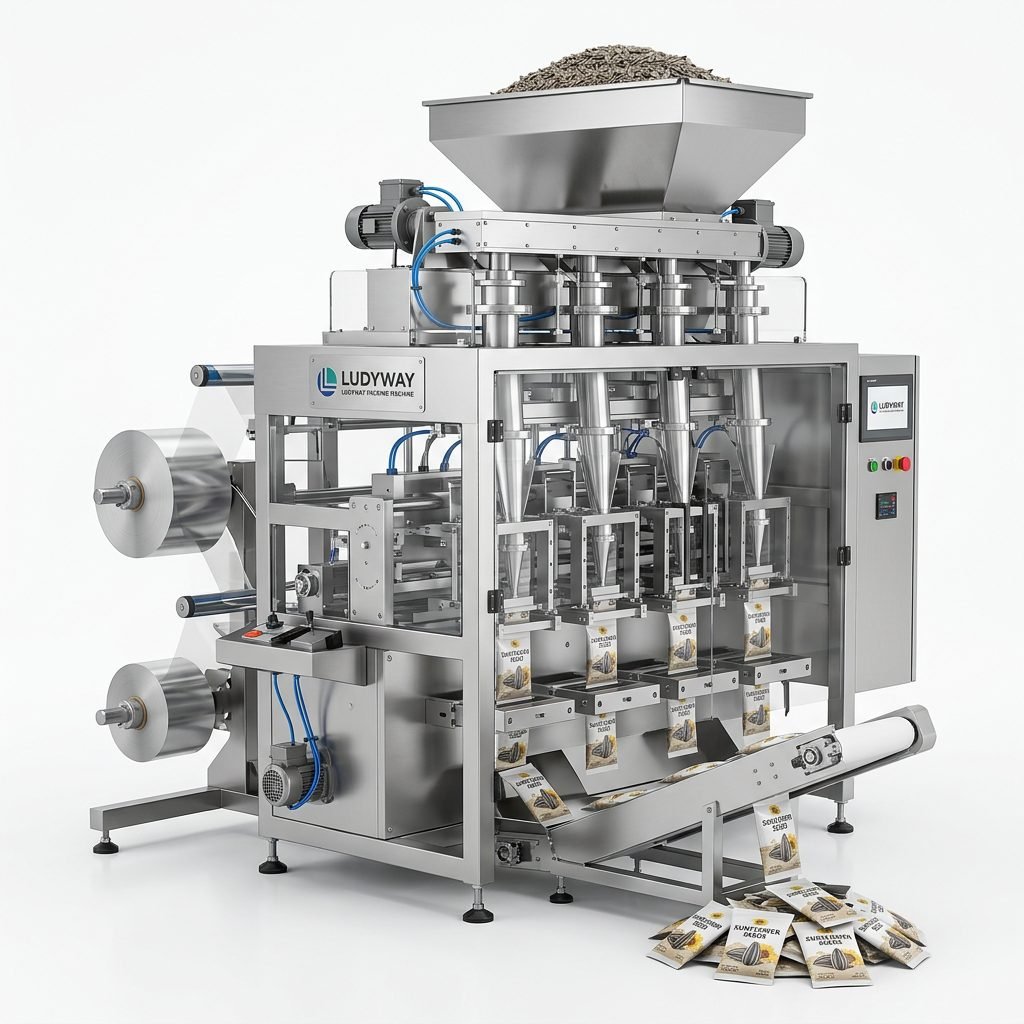
| Sunflower seeds | Snack bags, pouches, bulk bags | May require multihead weighing for larger pack sizes |
| Pumpkin seeds | Doypacks, pillow bags, zip pouches | Flat shape benefits from gentle feeding |
| Basil seeds | Sachets, stick packs, pouches | Small granular format similar to chia in handling |
| Mixed seed blends | Retail pouches, family packs, bulk packs | Blend consistency and segregation control are important |
What Types of Packaging Machines Are Used for Edible Seeds?
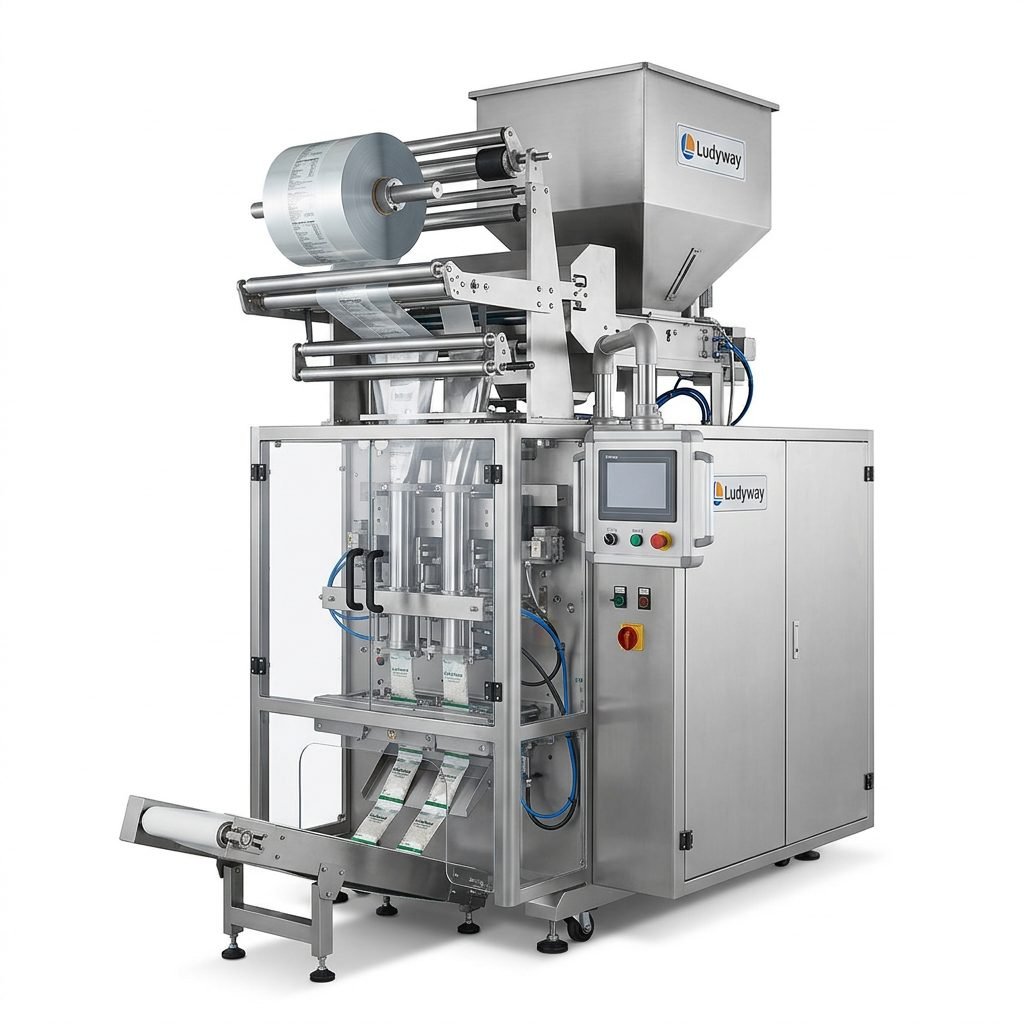
1. Vertical Form Fill Seal Machines
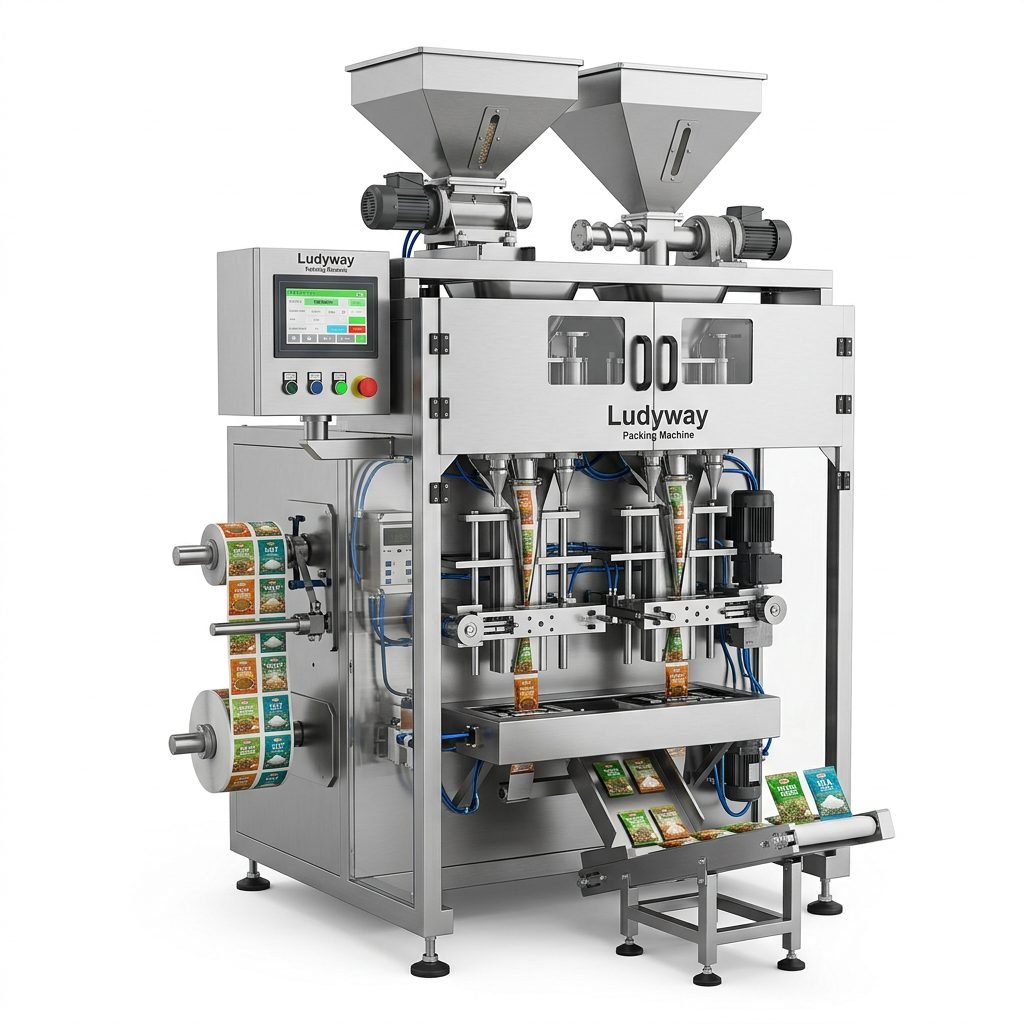
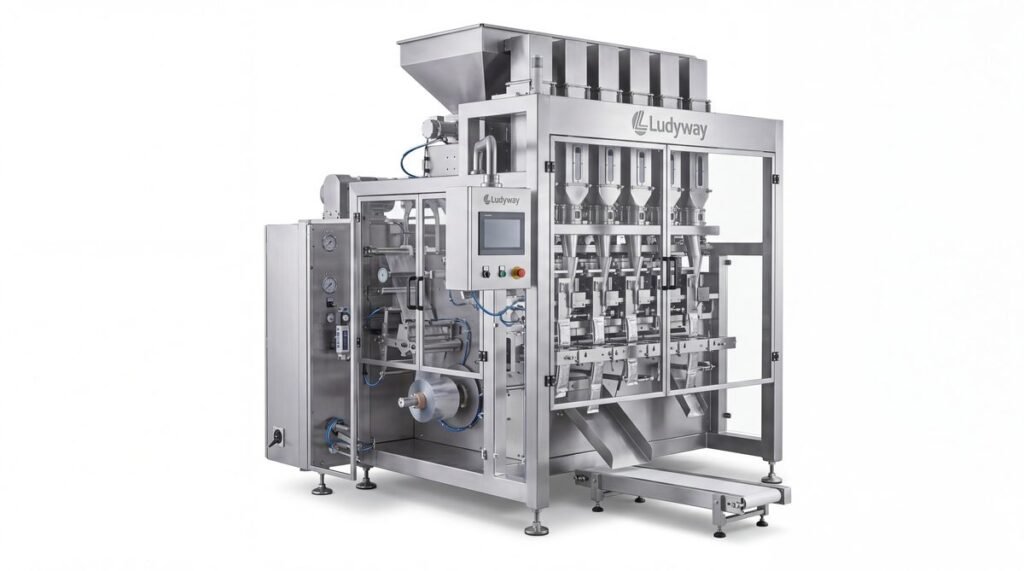
VFFS machines are one of the most common choices for edible seeds. They form the bag from roll film, fill the product, and seal it automatically. They are ideal for pillow bags, gusset bags, and some pouch styles.
- Suitable for retail bags and medium-volume production
- Can work with linear weighers or multihead weighers
- Supports date coding, nitrogen flushing, and zipper options depending on configuration
2. Premade Pouch Packaging Machines
If your brand focuses on premium shelf presentation, premade pouch machines are a strong option. They are often used for stand-up pouches, zipper pouches, and shaped pouches.
- Excellent for premium health food packaging
- Good sealing appearance and strong branding impact
- Works well for pumpkin seeds, sunflower kernels, chia seeds, and trail mixes
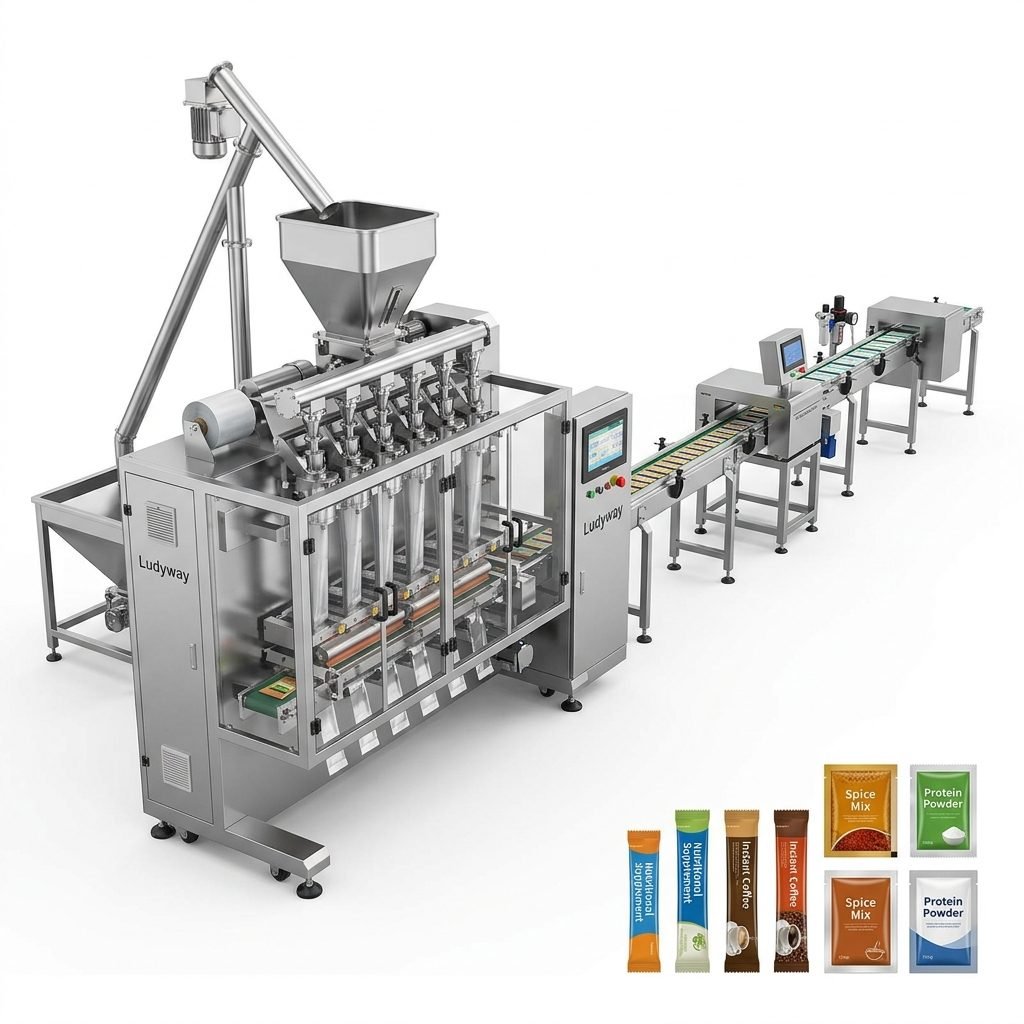
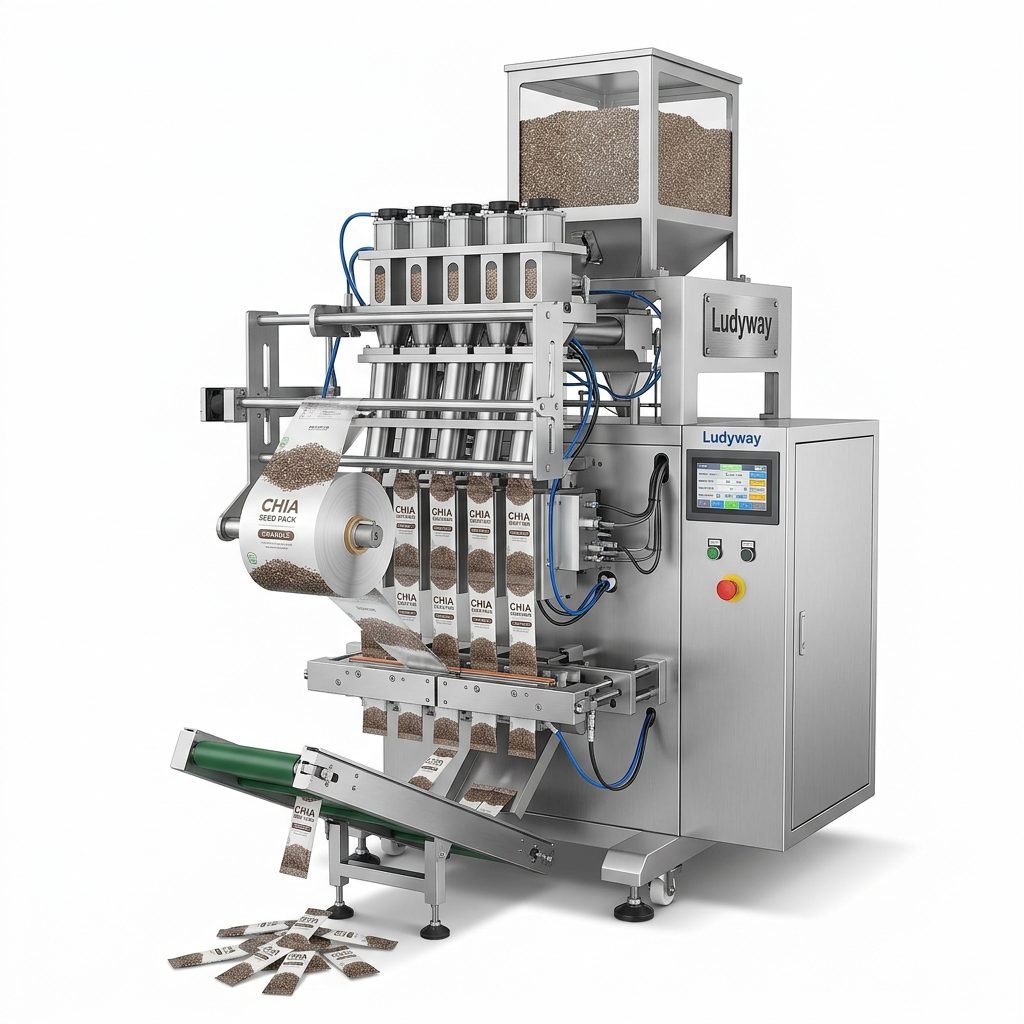
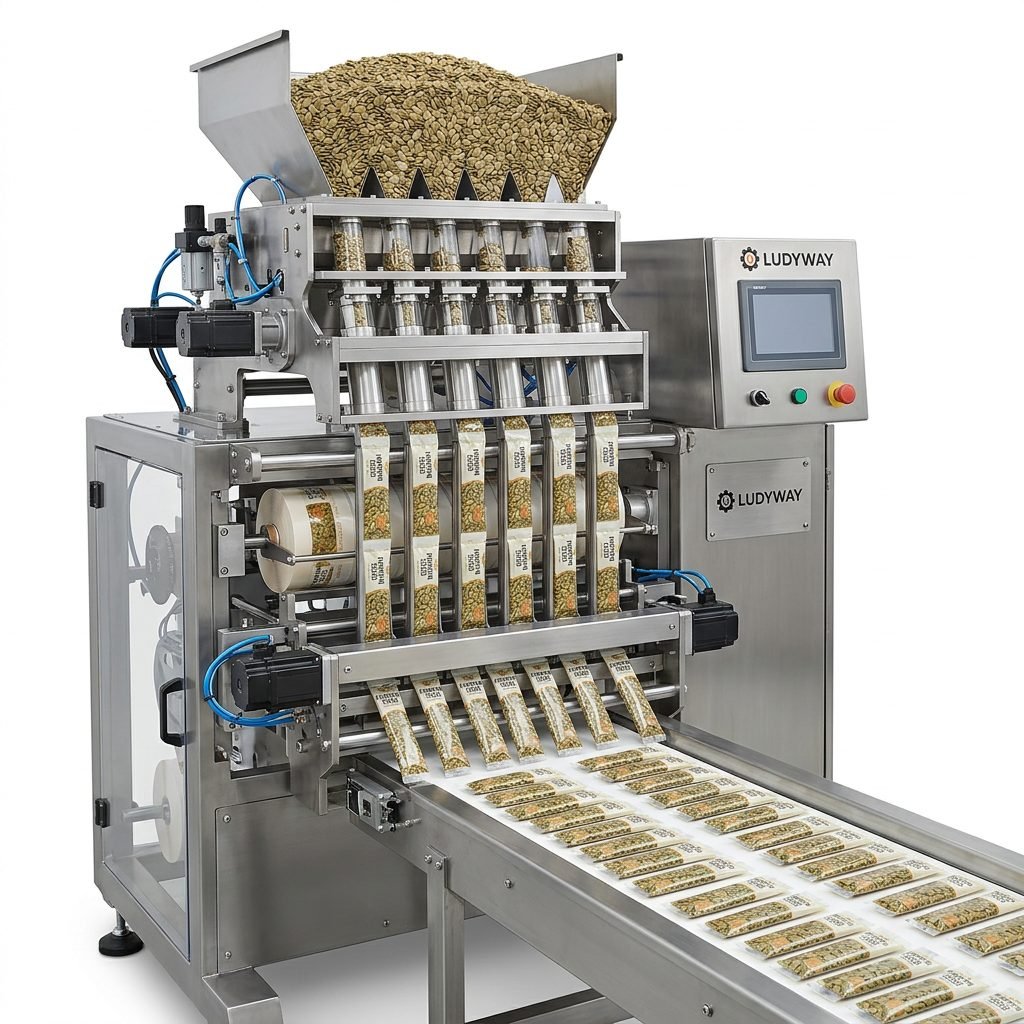
3. Multi-Lane Sachet and Stick Pack Machines
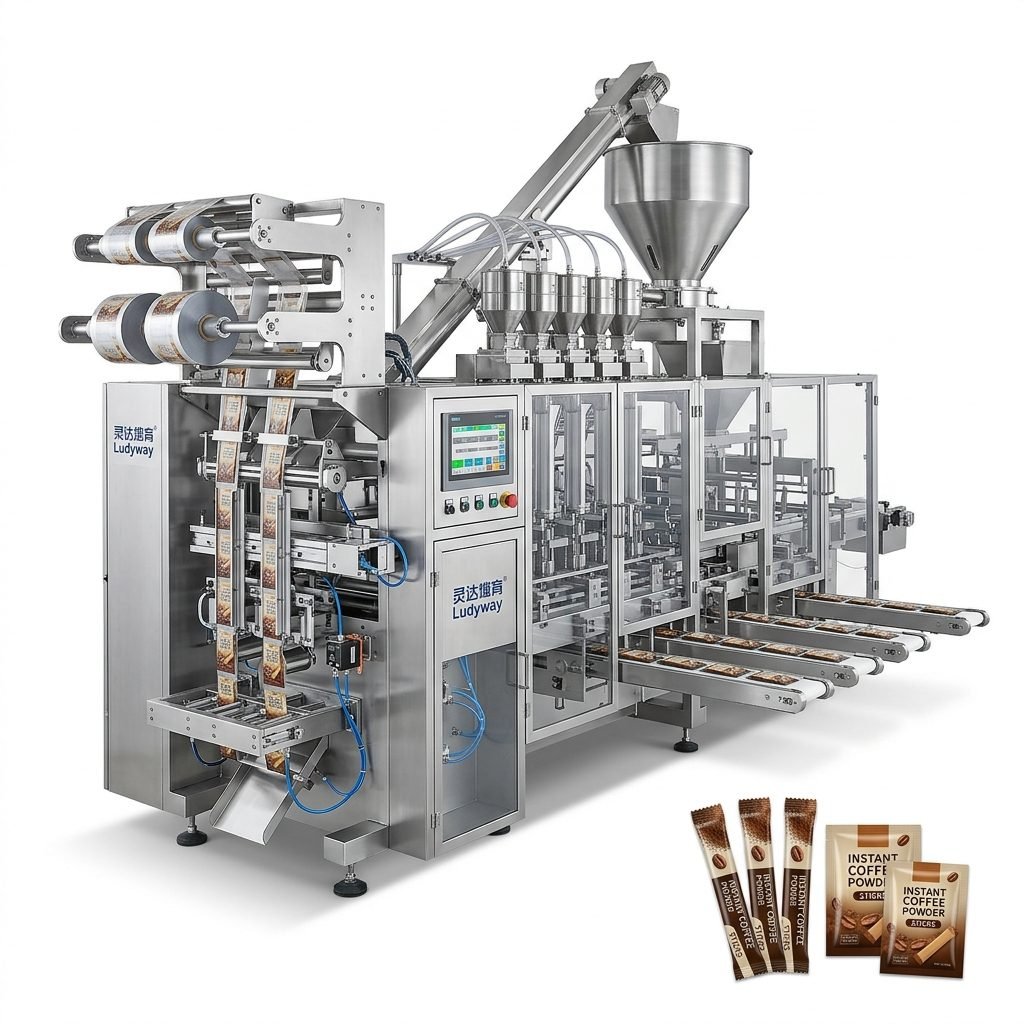
For single-serve edible seed packs, multi-lane machines are highly efficient. They are widely used for nutrition boosters, smoothie add-ins, and travel-size healthy snack formats.
- Best for small-dose seed portions
- High-speed output with multiple lanes running simultaneously
- Popular for chia seeds, basil seeds, and seed supplement blends
4. Bulk Bagging Systems
For wholesalers, ingredient suppliers, and food processors, large open-mouth bagging systems or valve bag systems are often used for 5kg, 10kg, 25kg, or larger packs.
- Ideal for factory-to-factory ingredient supply
- Can integrate automatic weighing, bag clamping, sealing, and palletizing
- Useful for sunflower seeds, sesame seeds, and mixed bulk ingredients
Which Filling System Is Best for Seeds?
The filling system matters as much as the bagging machine itself. Since edible seeds vary in size, density, and shape, the dosing method should match the product behavior.
| Filling Method | Best For | Main Advantage |
|---|---|---|
| Volumetric cup filler | Free-flowing small seeds | Simple structure and cost-effective operation |
| Linear weigher | Chia, flax, sesame, small blends | Better weight accuracy for retail packing |
| Multihead weigher | Snack seeds, sunflower, pumpkin, mixed seeds | High speed and strong accuracy for irregular products |
| Auger filler | Ground or powdered seed products | Suitable when the product is no longer granular |
For whole edible seeds, linear weighers and multihead weighers are usually the best solutions. If the product is a seed powder or crushed blend, then an auger filling system may be more appropriate.
Key Packaging Challenges for Edible Seeds
Although edible seeds are generally packaging-friendly, manufacturers still need to solve several practical issues:
Flow Stability
Tiny seeds like chia and basil can flow very quickly, while flatter or larger seeds may bridge or feed unevenly. Hopper design, vibration settings, and discharge control are important.
Weight Accuracy
Small errors become expensive over time. Overfilling increases product giveaway, while underfilling creates compliance and customer satisfaction risks.
Seal Integrity
Oil-rich seeds can leave residue near the seal area if the filling path is not well controlled. This can weaken package sealing and reduce shelf life.
Freshness Protection
Edible seeds contain natural oils that may oxidize over time. Packaging materials and optional nitrogen flushing can help preserve freshness, flavor, and nutritional quality.
Dust and Hygiene
Some seed blends include fine particles or seasoning dust. In food production, easy cleaning and food-grade contact parts are essential.
Recommended Packaging Formats for Different Seed Products
- Single-serve sachets: ideal for smoothie boosters, nutrition sachets, and convenience retail.
- Stick packs: compact and portable, especially for chia or seed supplement blends.
- Pillow bags: cost-effective for retail and wholesale distribution.
- Stand-up pouches: best for premium consumer branding and resealable storage.
- Zip pouches: excellent for repeated use at home.
- Bulk bags: suitable for food processors, bakeries, and ingredient distributors.
What Features Should You Look for in a Seed Packaging Machine?
When selecting a machine for edible seeds, focus on functionality rather than only speed or price.
- Food-grade stainless steel contact parts for hygiene and easier cleaning.
- Accurate weighing system matched to seed size and required pack weight.
- Stable feeding system to avoid bridging, segregation, or product damage.
- Reliable sealing performance especially for oily or dusty seed products.
- Flexible bag size changeover if you run multiple SKUs.
- Optional nitrogen flushing for shelf-life improvement.
- Metal detection and checkweighing for stronger food safety control.
- Expandability if you may later add cartoning, case packing, or palletizing.
Can One Machine Pack Different Types of Seeds?
In many cases, yes. A properly configured packaging machine can handle multiple edible seed products on the same line, especially if the pack format stays similar. For example, one line may package chia seeds, flax seeds, sesame seeds, and mixed seed blends with parameter adjustments and minor change parts.
However, product testing is still important. Different seeds can vary in:
- bulk density
- particle size
- surface oil content
- flow speed
- mix uniformity
If you package both tiny seeds and large flat seeds, the weighing and feeding system may need extra optimization.
How to Choose the Right Seed Packaging Solution
The best packaging solution depends on your product and commercial goals. Ask these questions before buying:
| Question | Why It Matters |
|---|---|
| What seed are you packaging? | Determines feeder, weigher, and bagging configuration |
| What is the target pack size? | Affects dosing precision, machine model, and output |
| What package style do you want? | Determines whether to choose VFFS, pouch, or sachet equipment |
| How many packs per minute do you need? | Helps define automation level and lane quantity |
| Do you need nitrogen flushing? | Important for freshness-sensitive seed products |
| Will you run one SKU or many? | Impacts flexibility and changeover design |
Typical Industries That Need Edible Seed Packaging Machines
- health food brands
- organic food manufacturers
- snack producers
- breakfast and cereal companies
- bakery ingredient suppliers
- private-label nutrition businesses
- wholesalers and agricultural food processors
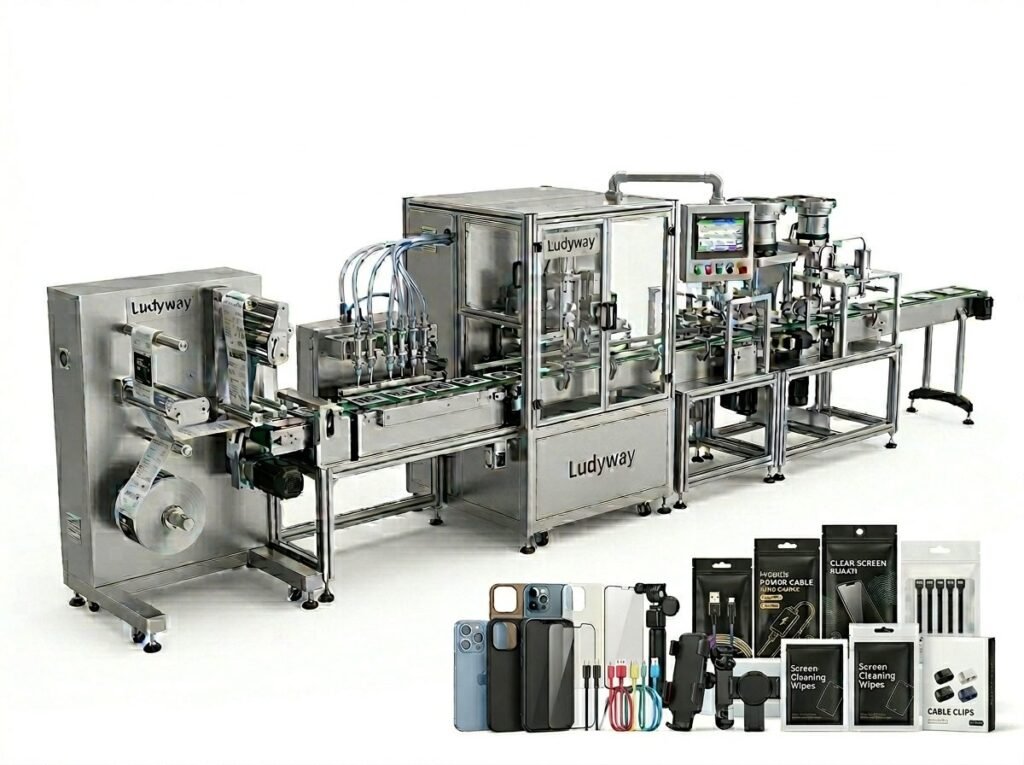
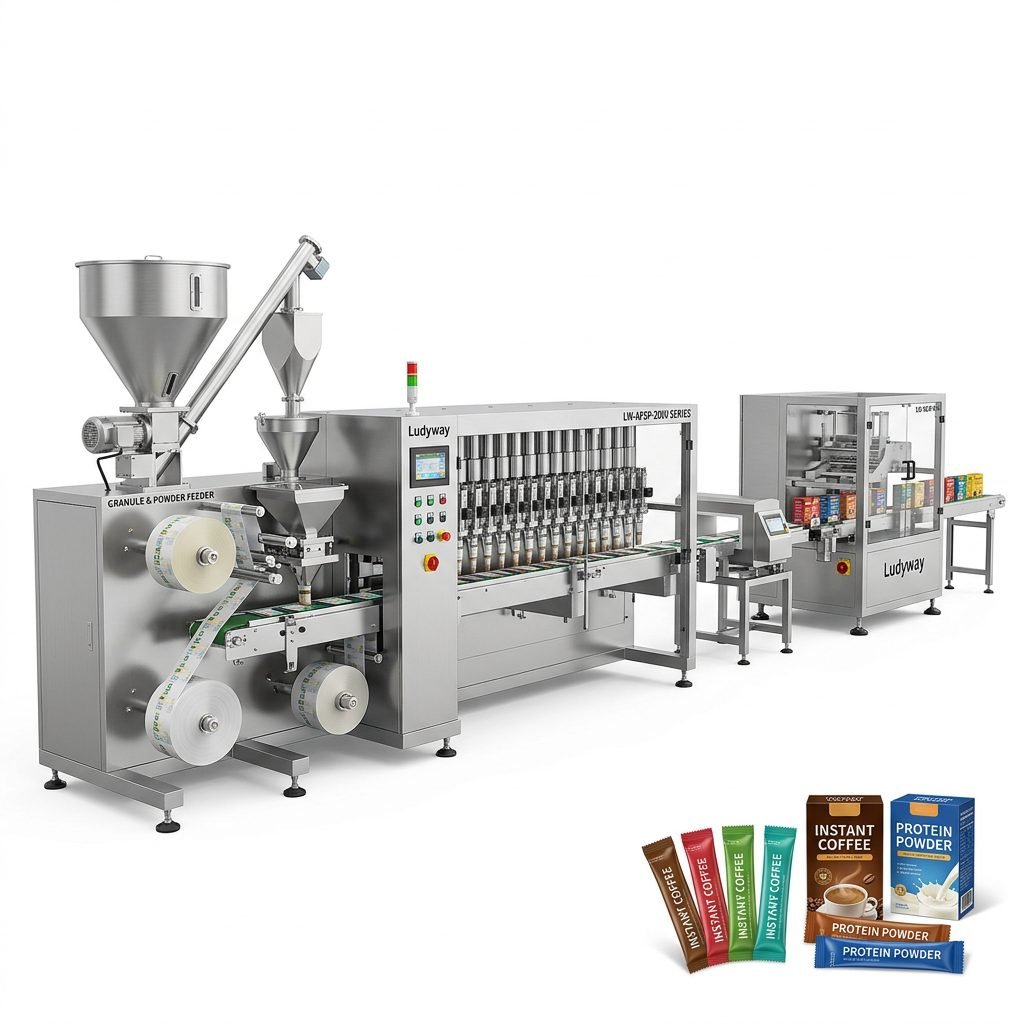
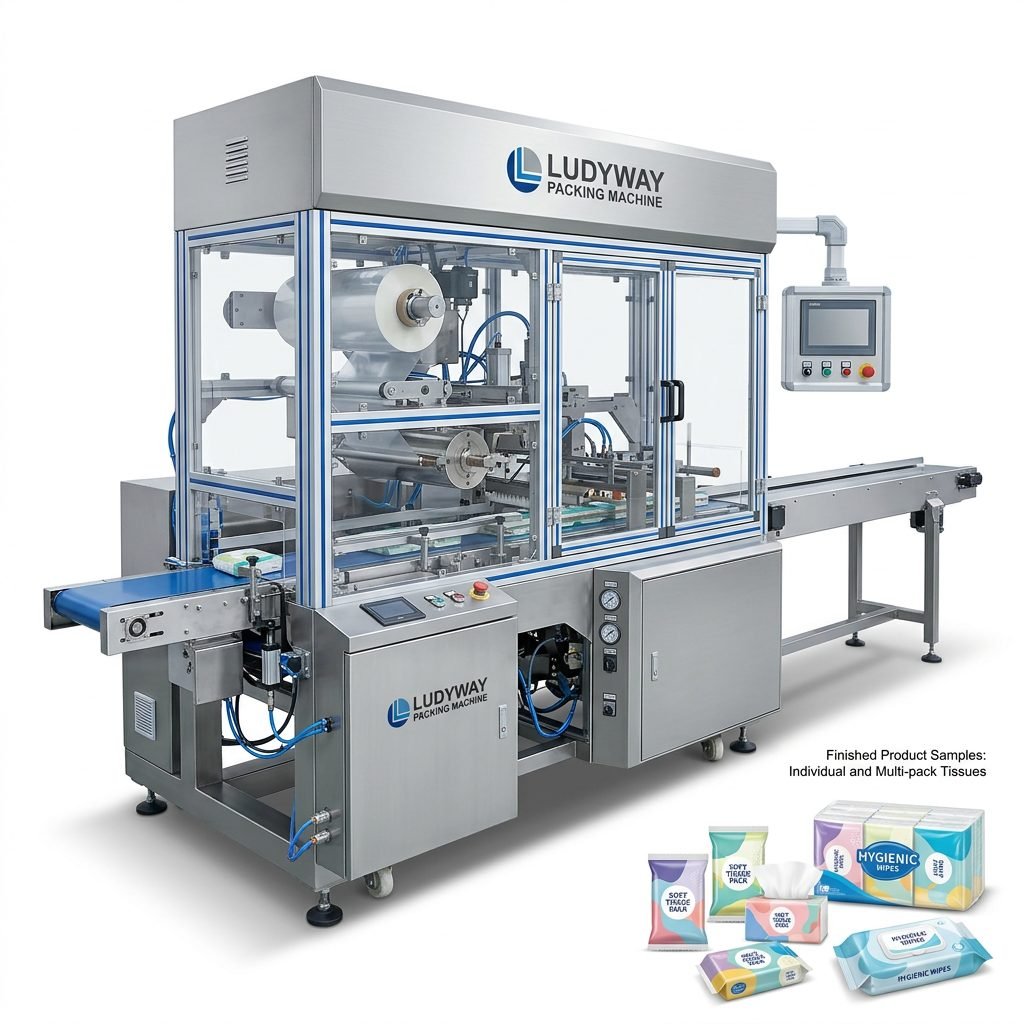
This is why many buyers look for scalable systems from experienced manufacturers that can supply both standalone machines and complete lines. Companies such as Ludyway packaging machine manufacturer are often considered for granule, powder, liquid, and turnkey packaging projects because edible seeds frequently require integration with weighing, feeding, sealing, coding, and final packaging equipment.
Single Machine or Complete Turnkey Line?
If you are a startup or testing a new seed product, a standalone packaging machine may be enough. But if you are building a larger production operation, a turnkey line often brings better long-term efficiency.
A standalone machine is suitable when:
- production volume is still limited
- you have manual upstream feeding
- you only need one pack format
- budget control is the top priority
A turnkey line is suitable when:
- you need continuous high-speed production
- you want reduced labor dependency
- you require integrated inspection and coding
- you plan to scale across multiple SKUs
Final Answer: Can a Packaging Machine Package Edible Seeds?
Yes, absolutely. Edible seeds are among the most suitable products for automated packaging, provided the machine is selected according to the seed type, pack format, dosing accuracy, and production target. From small chia seed sachets to large sunflower seed pouches and bulk ingredient bags, there are highly effective packaging solutions available for nearly every edible seed application.
The best result comes from matching the right machine structure with your product characteristics. When the feeding, weighing, bagging, and sealing systems are properly configured, you can achieve clean packs, consistent weights, better shelf life, and efficient large-scale production.