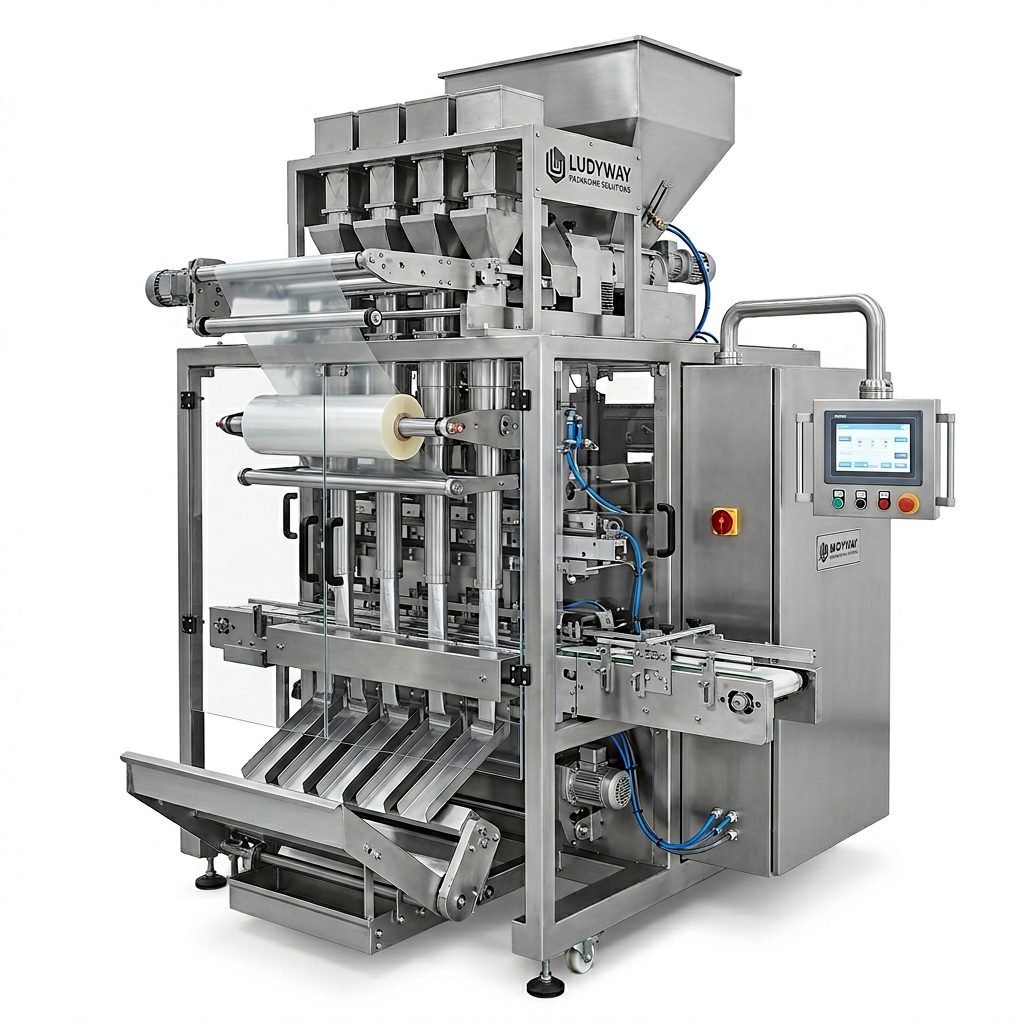
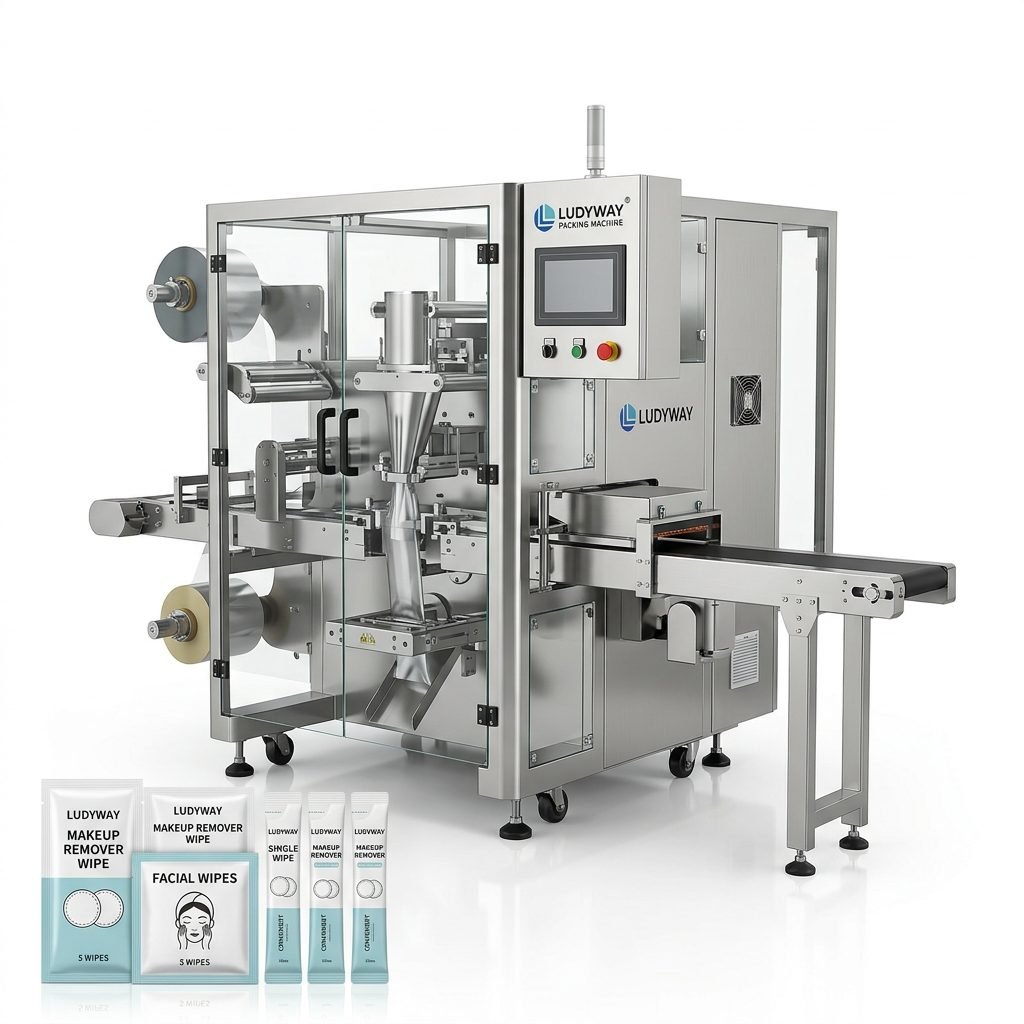
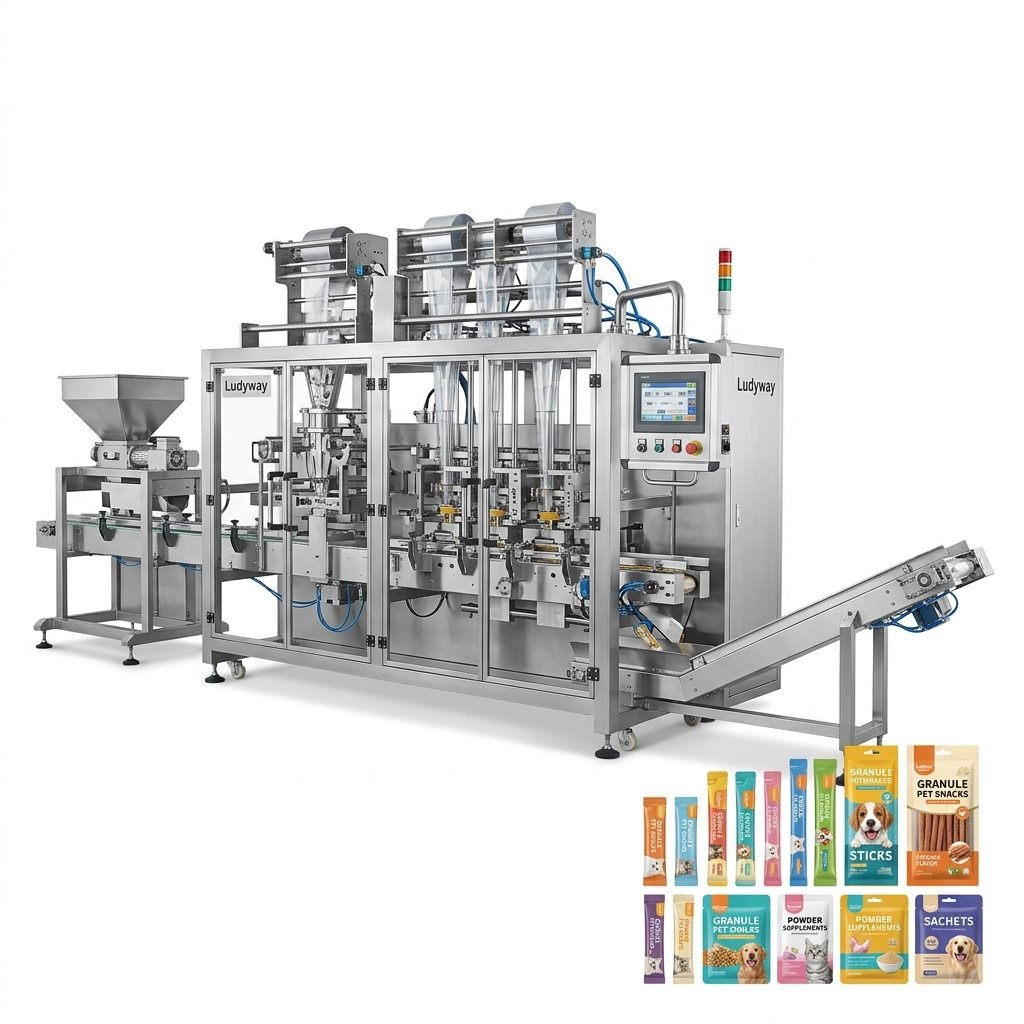
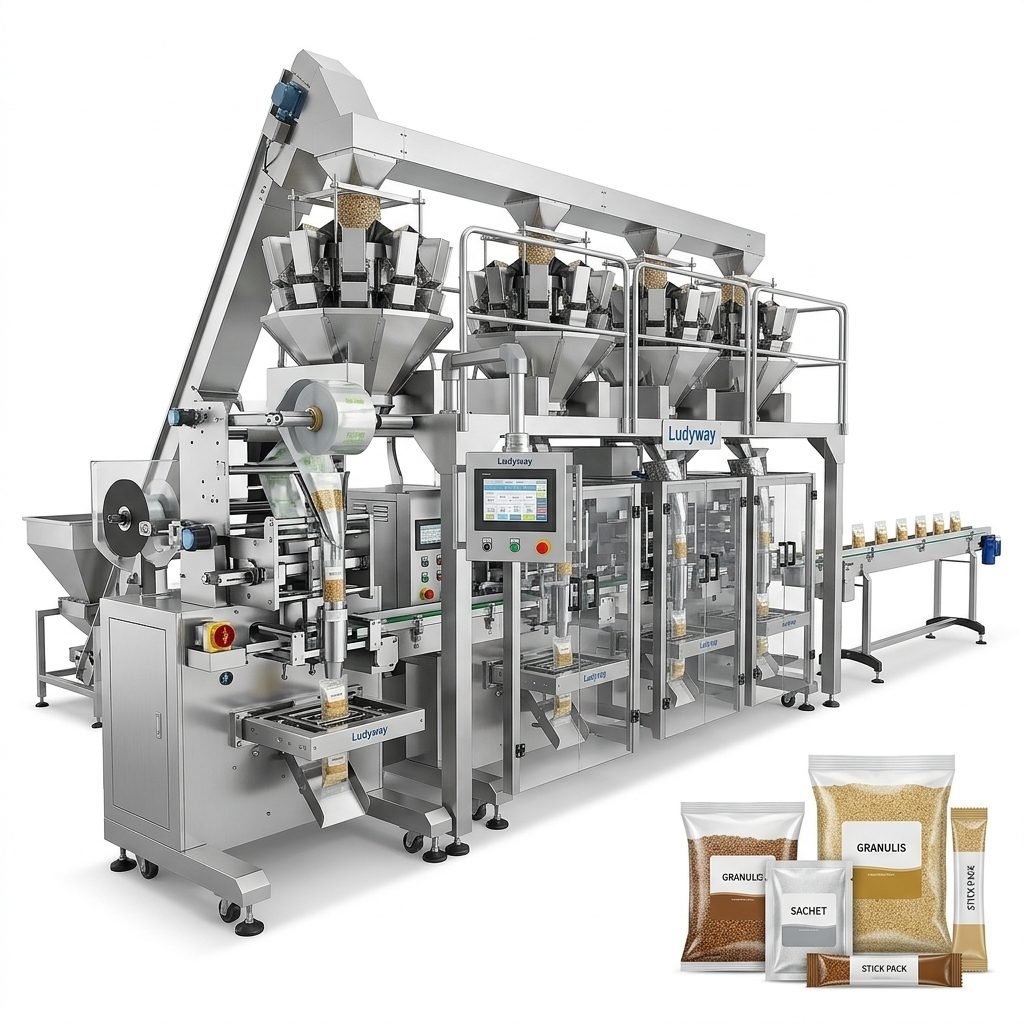
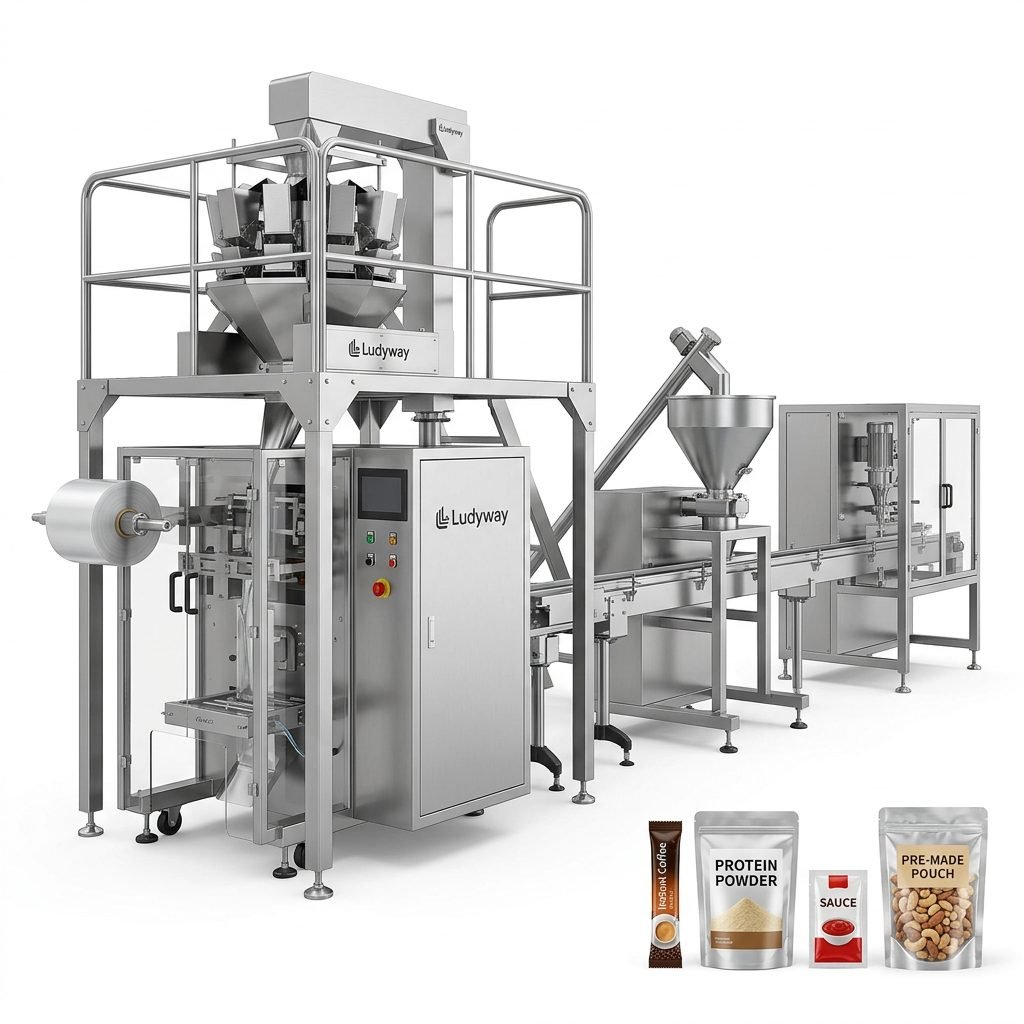
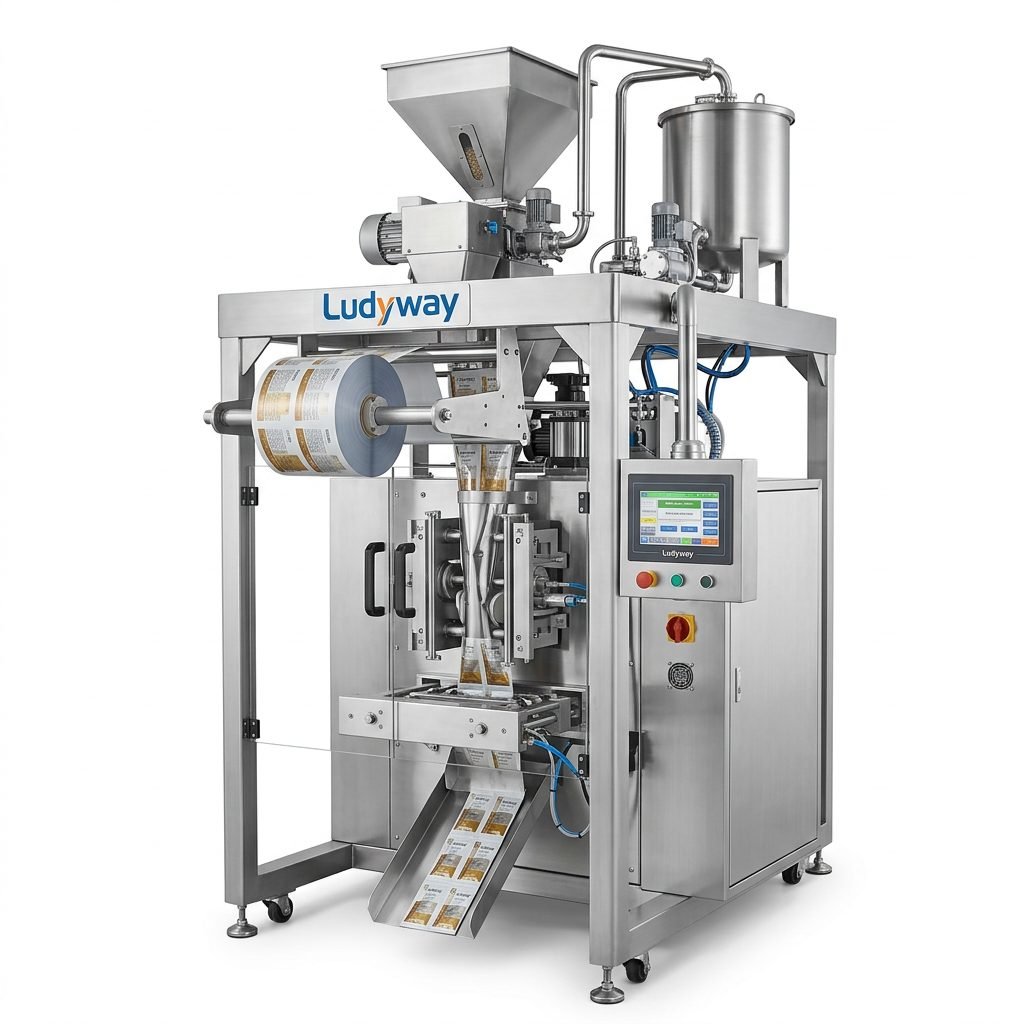
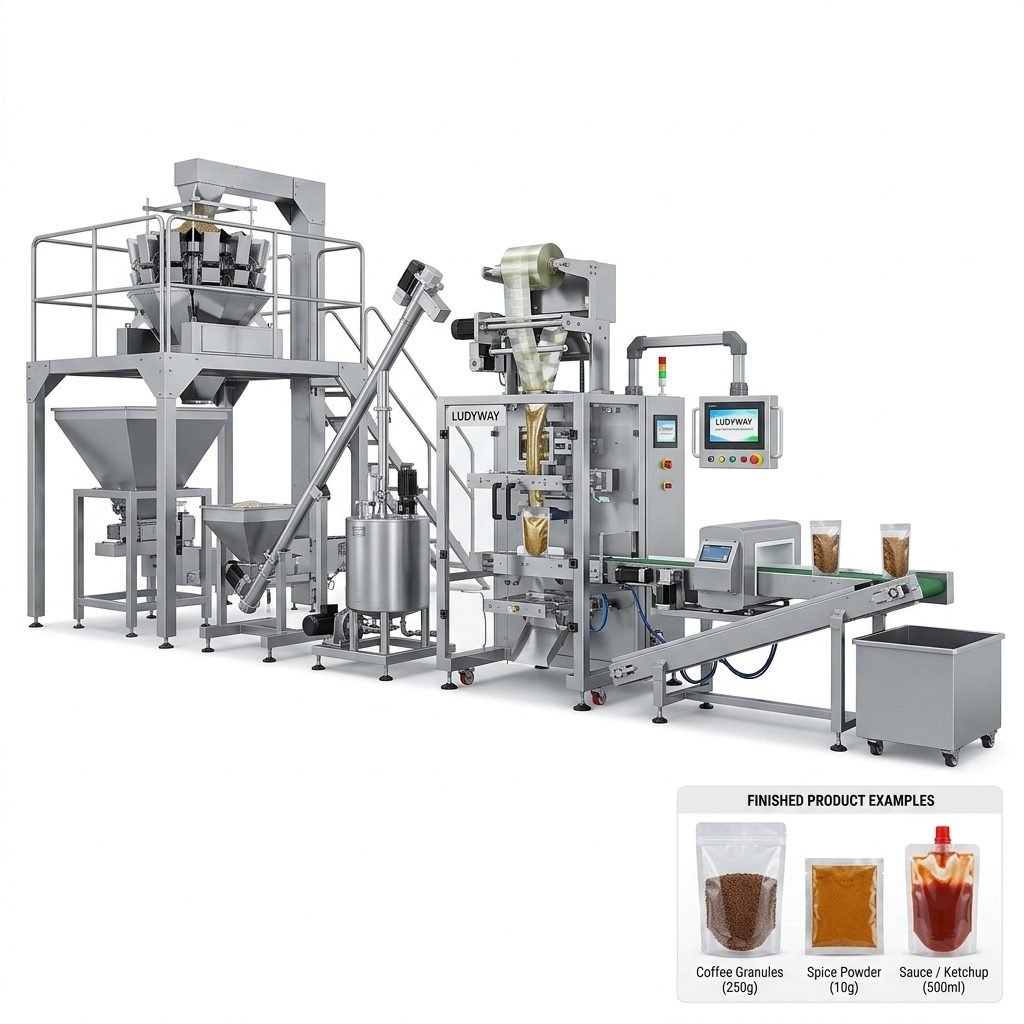
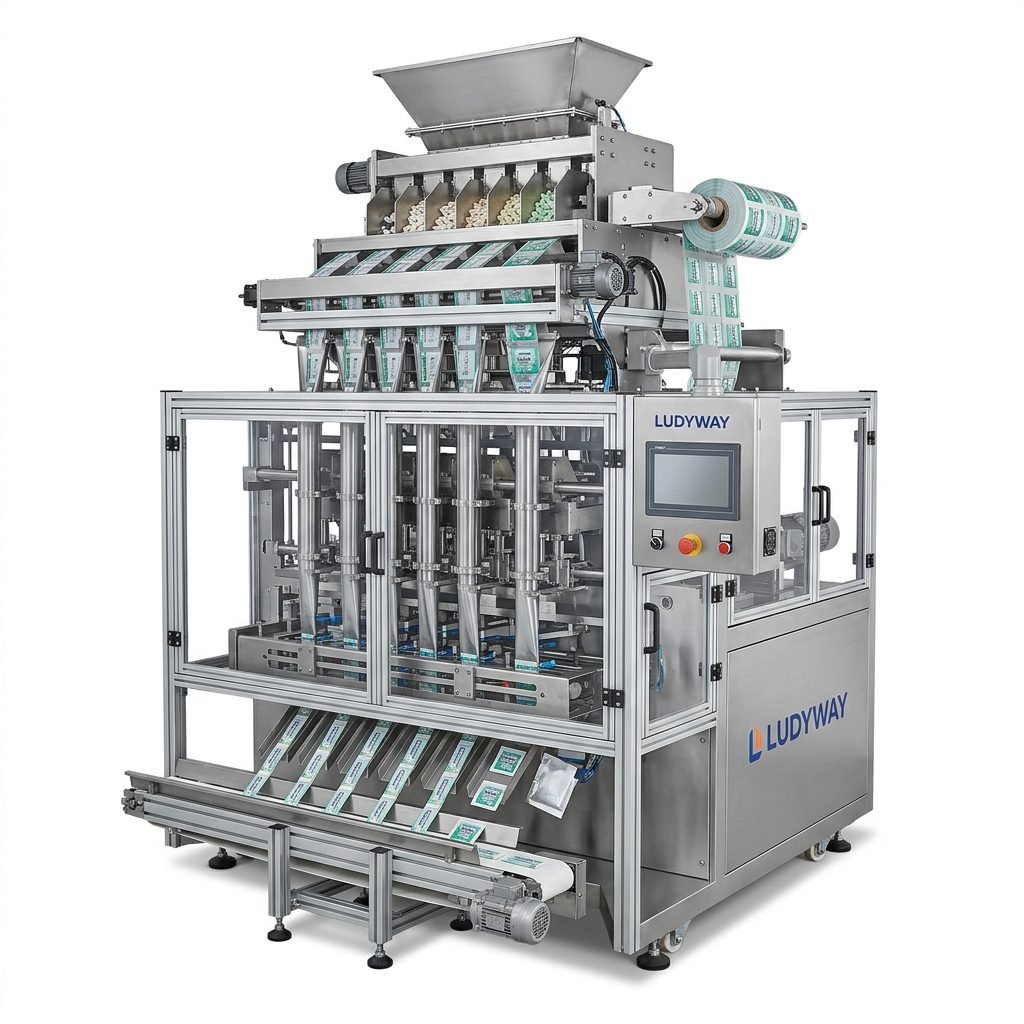
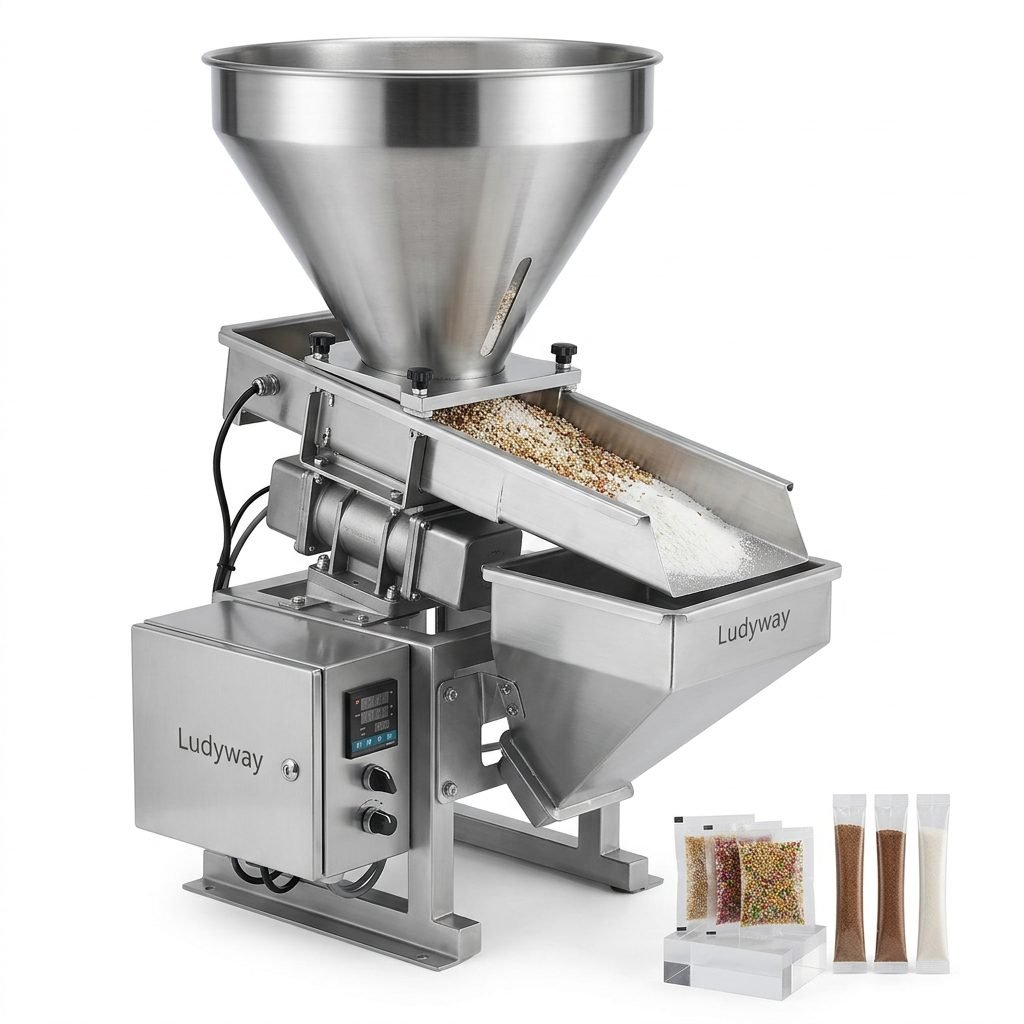
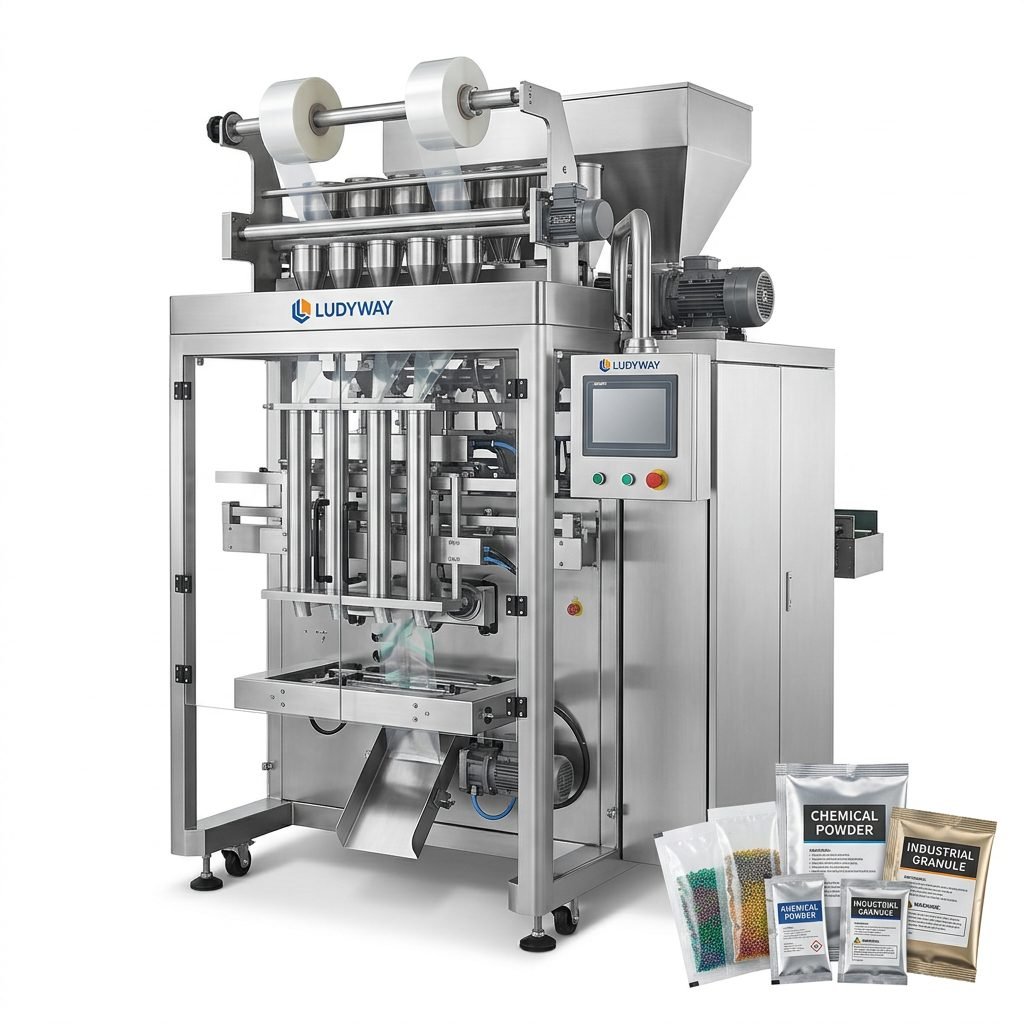
Proper maintenance is the foundation of stable output, clean seals, accurate filling, and long machine life. Whether you run a small production line or a high-speed automated system, a pouch packaging machine performs best when operators follow a consistent maintenance routine instead of waiting for problems to appear.
A preventive approach reduces downtime, protects critical components, lowers repair costs, and helps maintain packaging quality. For manufacturers handling powders, granules, liquids, gels, or specialty pouch products, regular inspection and cleaning are not optional—they are part of efficient production management.
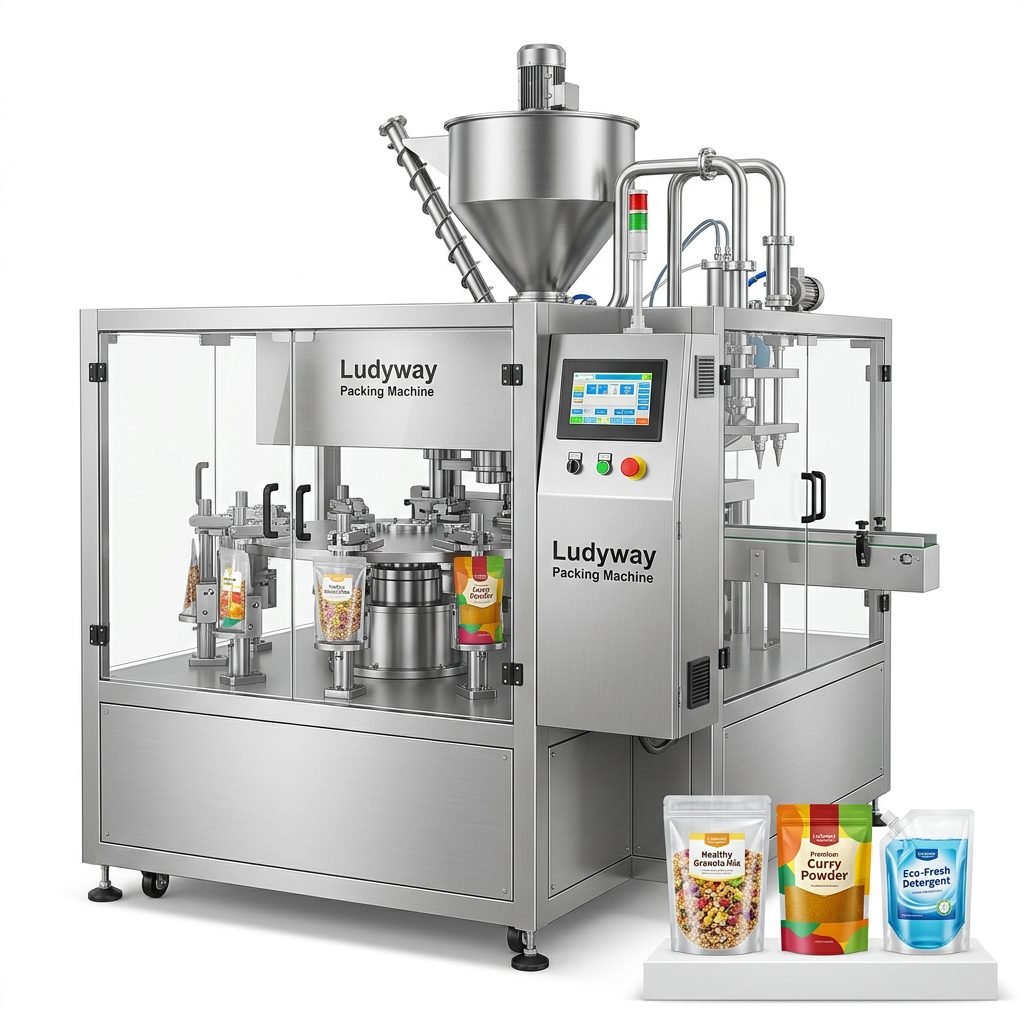
Why Routine Maintenance Matters
A pouch packaging machine operates through a combination of mechanical movement, electrical control, pneumatic action, temperature regulation, and product-contact systems. If one part becomes dirty, loose, dry, worn, or misaligned, the entire process can suffer. Common results include:
- Inconsistent pouch length or sealing position
- Poor sealing strength or leakage
- Filling inaccuracies
- Film tracking problems
- Unexpected alarms and stoppages
- Shortened service life of components
With a structured maintenance plan, businesses can improve uptime, protect production targets, and keep finished packs looking professional.
Daily Maintenance Tasks
Daily care should be simple, fast, and disciplined. These checks help operators catch small issues before they grow into expensive failures.
1. Clean Product Contact Areas
Remove dust, granules, liquid residue, and powder buildup from hoppers, filling nozzles, forming tubes, sealing jaws, conveyors, and discharge zones. Product residue can affect seal integrity, hygiene, and dosing accuracy.
- Use the correct cleaning tools for your product type
- Avoid aggressive chemicals unless approved for the machine material
- Make sure parts are dry before restarting production
2. Inspect Sealing Jaws
Sealing jaws must stay clean and evenly heated. Residue or worn surfaces can lead to weak, wrinkled, or burnt seals. Check for contamination, scratches, and heat inconsistency.
3. Check Film Path and Rollers
Packaging film should move smoothly without drifting, wrinkling, or slipping. Inspect guide rollers, pull belts, dancer systems, and film tension settings. A dirty or worn film path often causes registration errors.
4. Drain Moisture from Air Systems
If the machine uses compressed air, drain the filter-regulator-lubricator unit as needed. Excess moisture can affect cylinders, valves, and pneumatic response.
5. Listen for Unusual Sounds
Operators should pay attention to vibration, rubbing, knocking, or air leakage. Unusual sound is often the earliest warning sign of misalignment, loose hardware, or worn moving parts.
Weekly Maintenance Tasks
Weekly maintenance goes deeper than daily cleaning and should be handled by trained operators or maintenance staff.
| Maintenance Item | What to Check | Expected Benefit |
|---|---|---|
| Fasteners and mounts | Loose bolts, brackets, guards, sensor mounts | Prevents vibration and alignment problems |
| Lubrication points | Chains, bearings, cams, guide rails | Reduces wear and friction |
| Sensors and photocells | Dust, misalignment, unstable detection | Improves pouch tracking and machine accuracy |
| Belts and drive parts | Tension, wear, cracking, slipping | Maintains consistent motion and speed |
| Electrical connections | Loose terminals, damaged wires, overheating signs | Reduces electrical faults and sudden shutdowns |
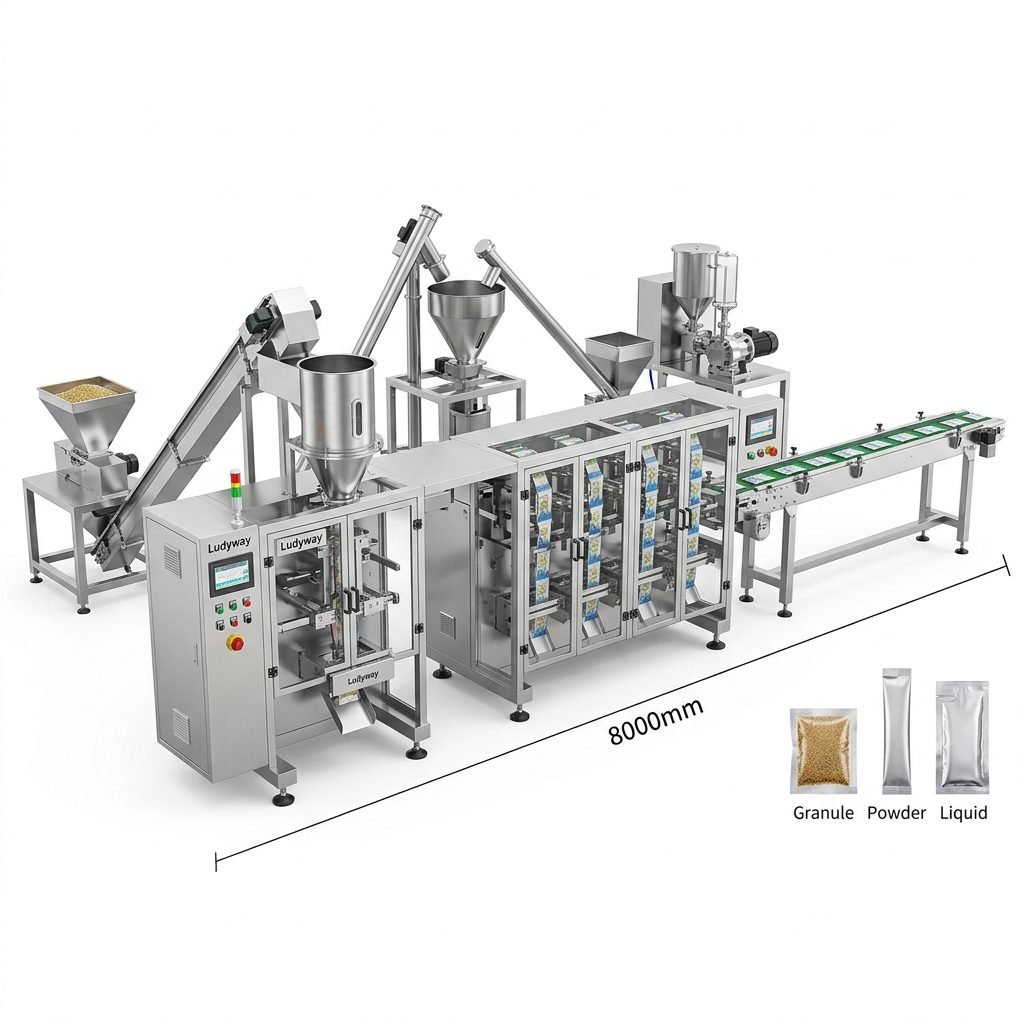
Monthly Preventive Maintenance
Inspect Wear Parts Carefully
Components such as sealing pads, knives, cutters, belts, O-rings, gaskets, jaws, and pneumatic seals should be checked for wear. Replacing them early is usually cheaper than waiting for a breakdown during production.
Calibrate Filling Accuracy
Run test packs and compare actual fill weight or volume against the set target. Inaccurate filling may come from worn dosing parts, product buildup, unstable feeding, or incorrect parameter settings.
Verify Temperature Control
Check whether the displayed sealing temperature matches the actual performance. If seals vary from one side to another, inspect heaters, thermocouples, and temperature controllers.
Check Pneumatic and Vacuum Performance
Look for slow cylinders, unstable pressure, hose cracks, or air leaks. On systems with vacuum support, verify suction stability and filter cleanliness.
Review Software Parameters and Alarm Logs
Modern machines often store alarm history and production settings. Reviewing this data helps identify recurring issues such as missed registration marks, cutter timing problems, or sealing temperature fluctuation.
Lubrication Best Practices
Lubrication is important, but over-lubrication can be just as harmful as under-lubrication. Too much grease or oil may attract dust, contaminate products, or damage nearby parts.
- Use only the recommended lubricant type
- Follow the manufacturer’s schedule
- Clean the lubrication point before applying new lubricant
- Never lubricate near exposed product-contact areas unless approved
- Keep a maintenance log for every lubrication task
Consistency is more important than quantity when it comes to lubrication.
How to Keep Sealing Performance Stable
Sealing quality is one of the most critical indicators of pouch packaging machine performance. Good seals protect the product, preserve shelf life, and reduce customer complaints.
- Keep sealing surfaces clean at all times
- Match temperature settings to the film structure
- Check sealing pressure regularly
- Make sure dwell time is suitable for machine speed
- Replace damaged sealing components promptly
If you see burnt seals, weak seams, wrinkles, or leaks, inspect temperature, pressure, dwell time, and material compatibility together rather than adjusting only one parameter.
Common Problems and Their Maintenance-Related Causes
| Problem | Possible Cause | Maintenance Action |
|---|---|---|
| Pouch not sealing properly | Dirty jaws, worn heaters, poor alignment | Clean jaws, inspect heater and verify alignment |
| Inaccurate fill weight | Product buildup, worn dosing parts, poor calibration | Clean filler and recalibrate system |
| Film tracking errors | Dirty sensor, tension issue, worn rollers | Clean sensor and inspect film path |
| Machine stopping unexpectedly | Loose electrical connection, alarm fault, air issue | Check wiring, logs, pressure, and valves |
| Irregular cutting | Dull blade, timing deviation, film shift | Replace blade and verify synchronization |
Operator Habits That Improve Machine Life
Even a well-designed machine can suffer from poor daily handling. Training operators to use the equipment correctly is one of the most effective maintenance strategies.
Recommended habits:
- Start up and shut down the machine in the correct sequence
- Do not force parts during cleaning or changeover
- Record every abnormal condition immediately
- Use approved spare parts and consumables
- Keep the machine area clean and dry
- Check settings before each production run
A machine lasts longer when operators treat maintenance as part of production, not as a separate task.
Maintenance Checklist by Frequency
| Frequency | Key Tasks |
|---|---|
| Daily | Clean machine surfaces, inspect seals, check film path, monitor air supply, listen for abnormal sounds |
| Weekly | Tighten hardware, lubricate designated points, inspect sensors, review drive components, check electrical condition |
| Monthly | Calibrate filling, inspect wear parts, verify temperature control, test pneumatic performance, review alarms and settings |
| Quarterly or Semi-Annual | Replace critical wear parts, deep-clean assemblies, inspect motors and gearboxes, confirm full system accuracy |
Spare Parts Management Tips
One overlooked area of maintenance is spare parts planning. If a low-cost wear part fails and no replacement is available, a full production line can stop.
- Keep essential sealing, cutting, sensor, and pneumatic parts in stock
- Label all parts clearly with machine model information
- Track replacement frequency to predict future demand
- Store sensitive parts in a clean, dry environment
When to Call Professional Technical Support
Some maintenance tasks can be handled internally, but certain issues should be escalated quickly. Seek professional support when you face recurring alarms, electrical instability, PLC communication faults, servo errors, major sealing inconsistency, or repeated mechanical misalignment.
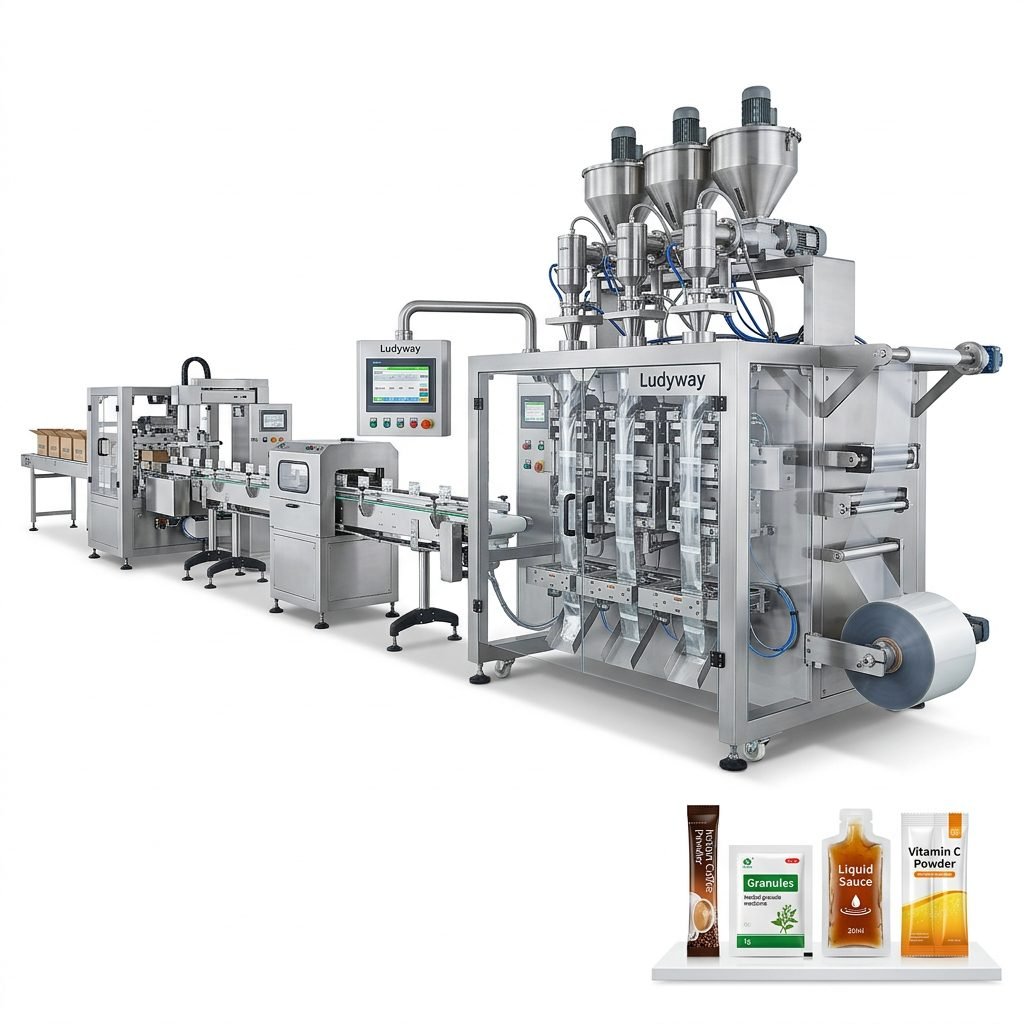
If you are looking for reliable packaging solutions and technical support, Ludyway pouch packaging machine systems are backed by more than 30 years of packaging industry experience, with solutions covering food, pharmaceutical, health supplement, and pouch-based production applications.
Final Maintenance Mindset for Better Performance
The best-performing pouch packaging machines are not simply the newest models—they are the machines that receive disciplined, scheduled care. Cleanliness, inspection, lubrication, calibration, and operator awareness all work together to maintain speed, accuracy, and sealing quality.
By following a practical preventive maintenance plan, you can reduce downtime, improve product consistency, and extend equipment life. In a competitive production environment, that advantage matters every day.