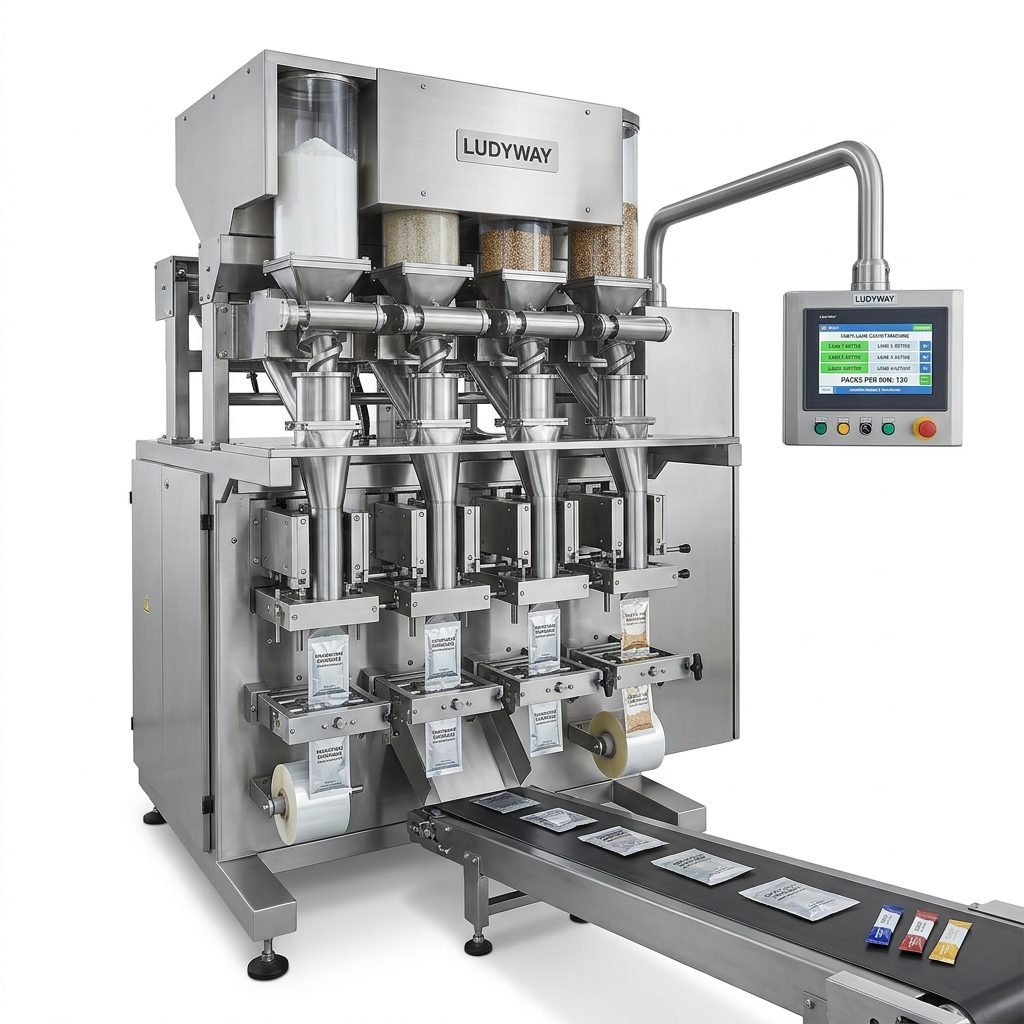
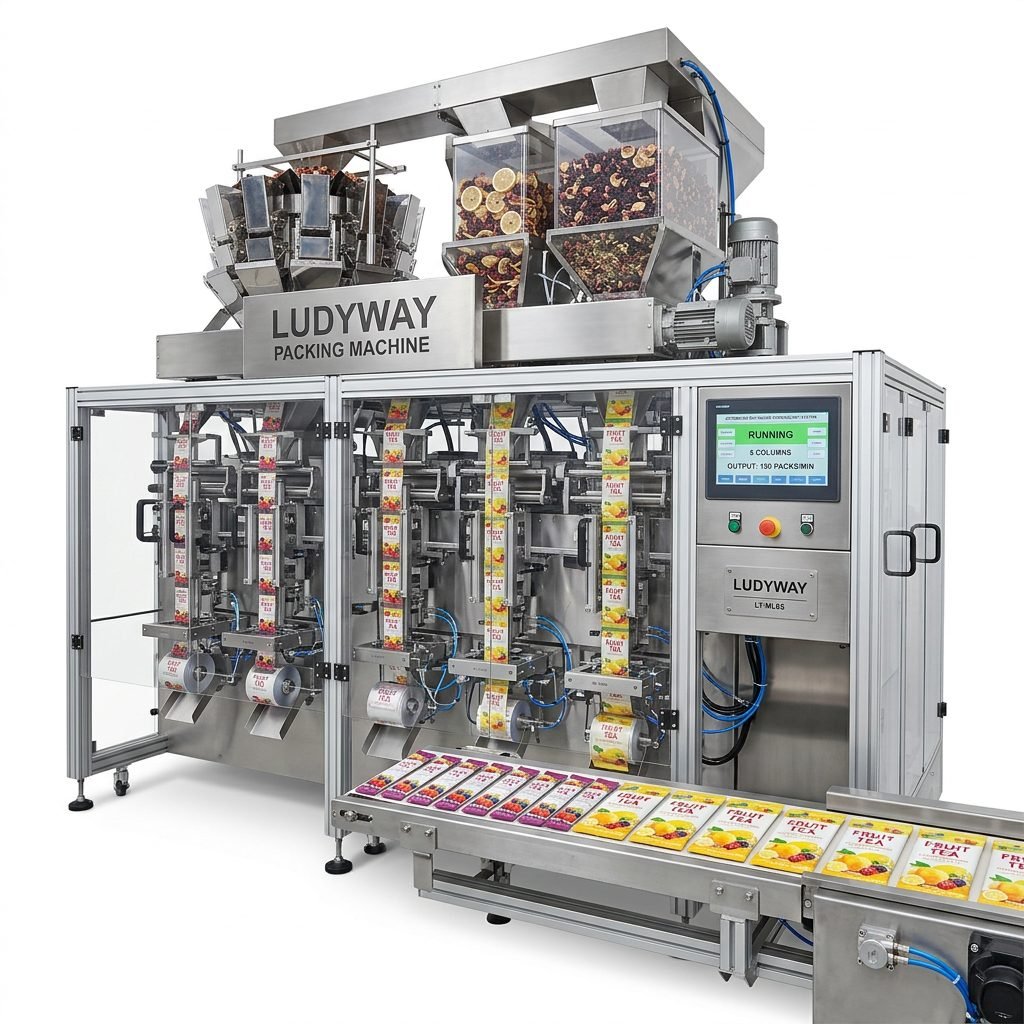
Choosing the right packaging automation system is a strategic decision that can directly affect
output, product quality, labor efficiency, operating costs, and long-term competitiveness.
Whether you produce food, pharmaceuticals, cosmetics, chemicals, pet products, or health supplements,
the ideal solution should fit your product characteristics, production goals, and future expansion plans.
Many businesses make the mistake of selecting a machine based only on price or speed. In reality,
the best packaging system is the one that aligns with your product type, package format, plant layout,
compliance requirements, and service expectations. A well-matched system can improve consistency,
reduce downtime, and create a smoother path toward scalable growth.
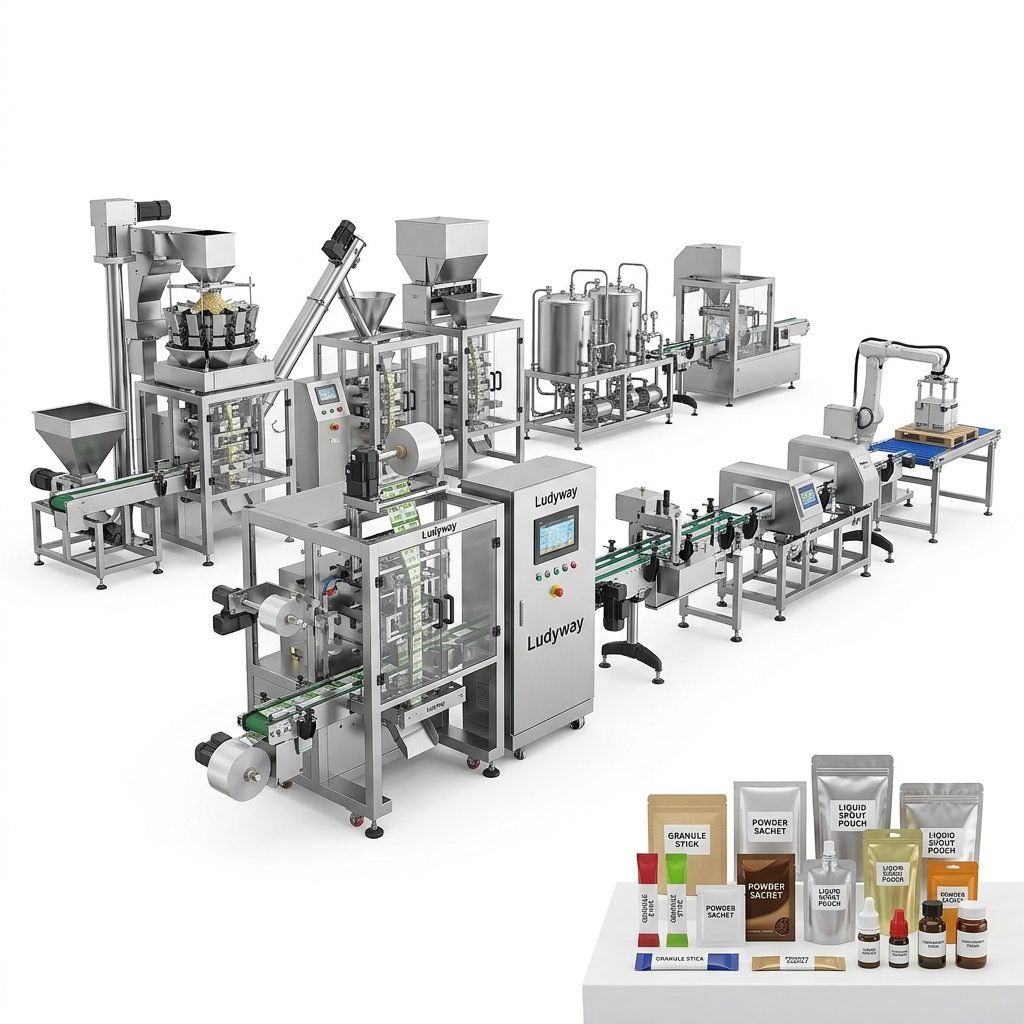
Start with Your Product and Packaging Format
Before comparing equipment models, define exactly what you need to pack. Packaging automation systems
are rarely one-size-fits-all. The more clearly you identify your application, the easier it becomes
to narrow down the right technology.
- Product form: granules, powder, liquid, paste, tablet, pouch, or mixed products
- Product behavior: free-flowing, sticky, dusty, foaming, corrosive, fragile, or moisture-sensitive
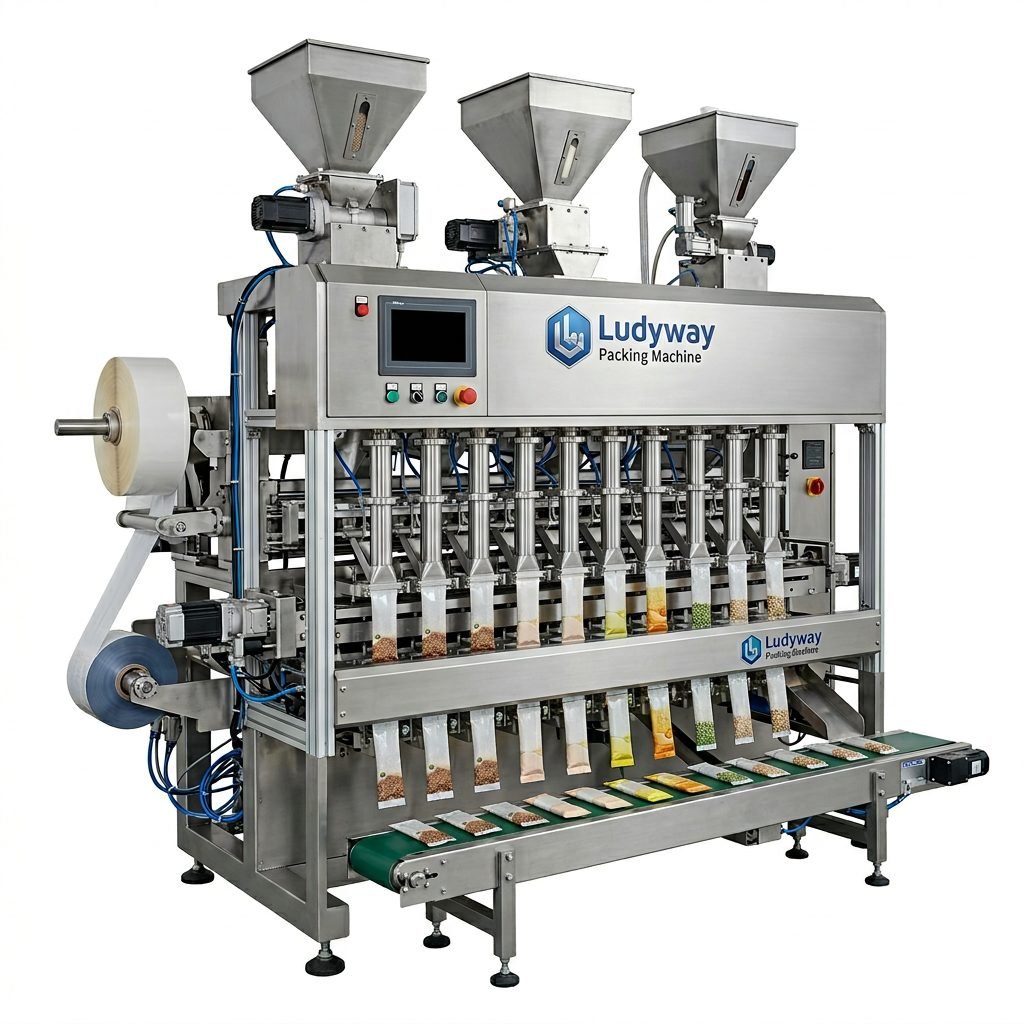
- Package type: sachets, stick packs, pouches, bottles, jars, bags, tubes, cartons, or cases
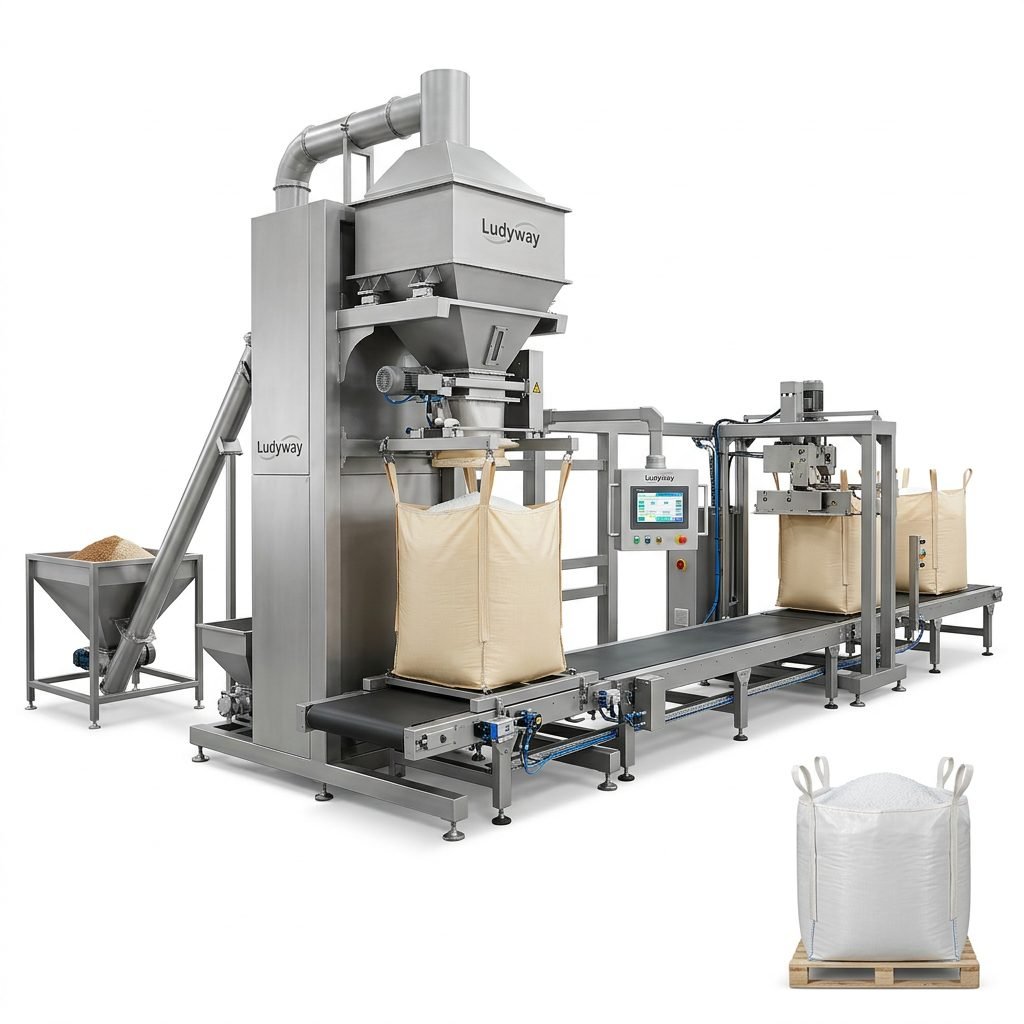
- Pack size: single-dose, retail packs, bulk bags, or multi-pack configurations
- Seal and material needs: film type, barrier requirements, tamper evidence, nitrogen flushing, or vacuum packaging
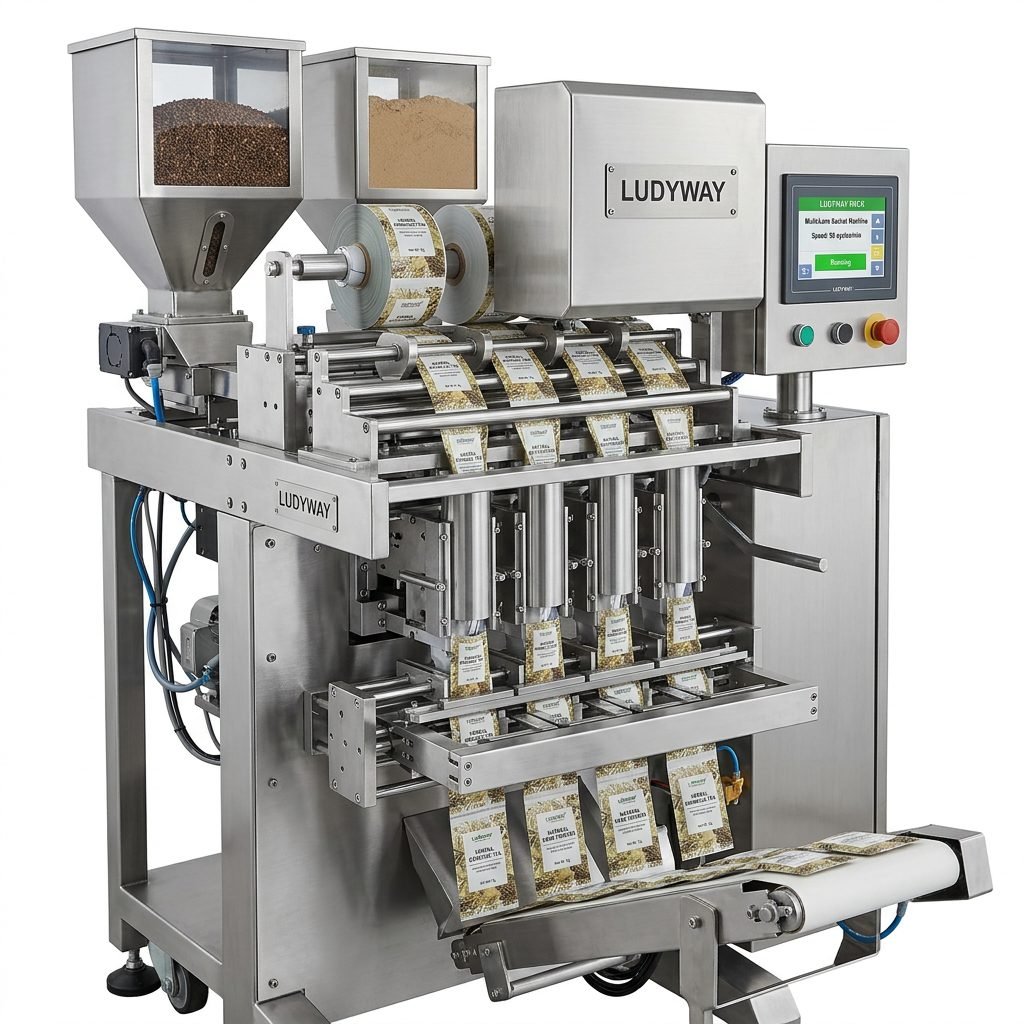
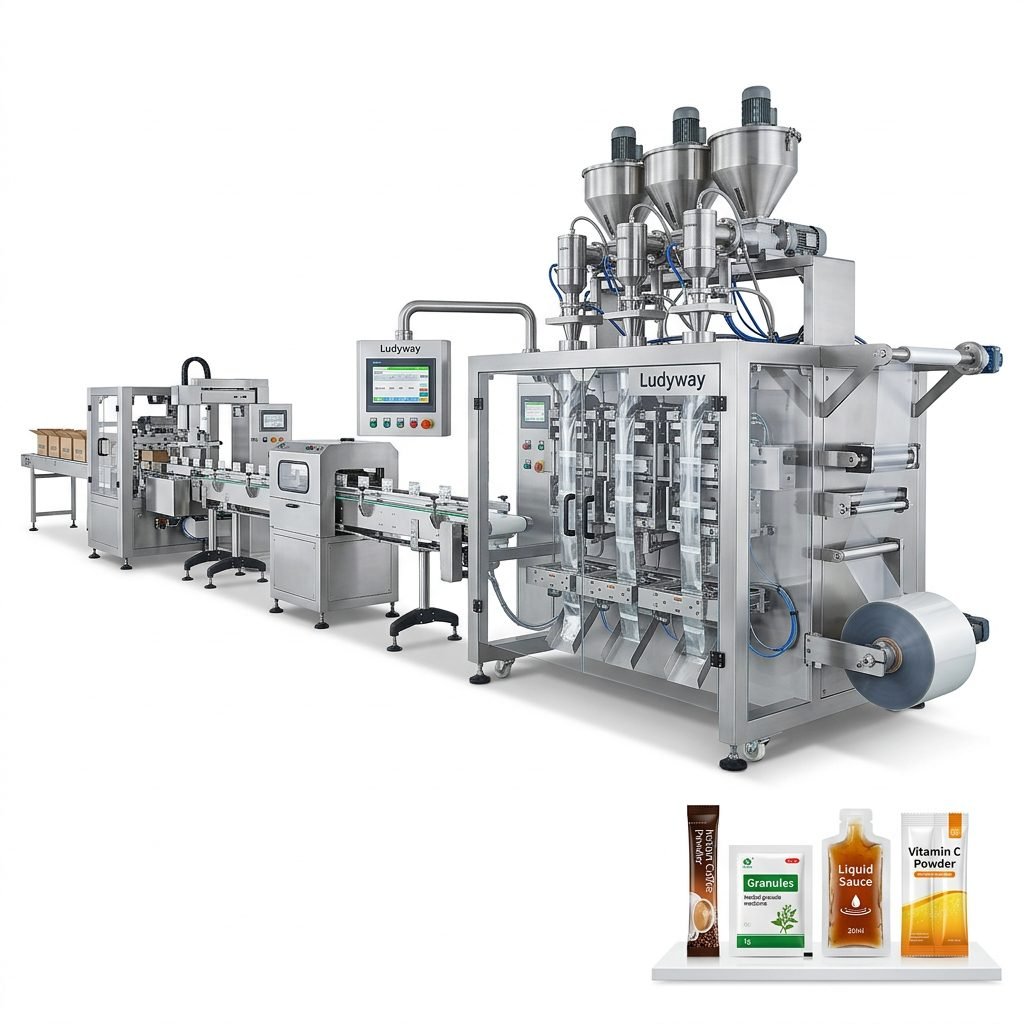
For example, a powder supplement may require high-precision dosing, dust control, and multi-lane sachet packing,
while a sauce product may need liquid filling, anti-drip design, and strong sealing performance.
If your product range includes multiple SKUs, flexibility becomes even more important.
Define Your Production Goals Clearly
Your automation investment should solve specific business problems. Ask what you want the system to improve
over the next 3 to 5 years, not just the next 3 months.
- Increase output per shift
- Reduce labor dependency
- Improve fill accuracy and seal quality
- Lower material waste and product giveaway
- Meet hygiene or regulatory standards
- Support more SKUs or new package sizes
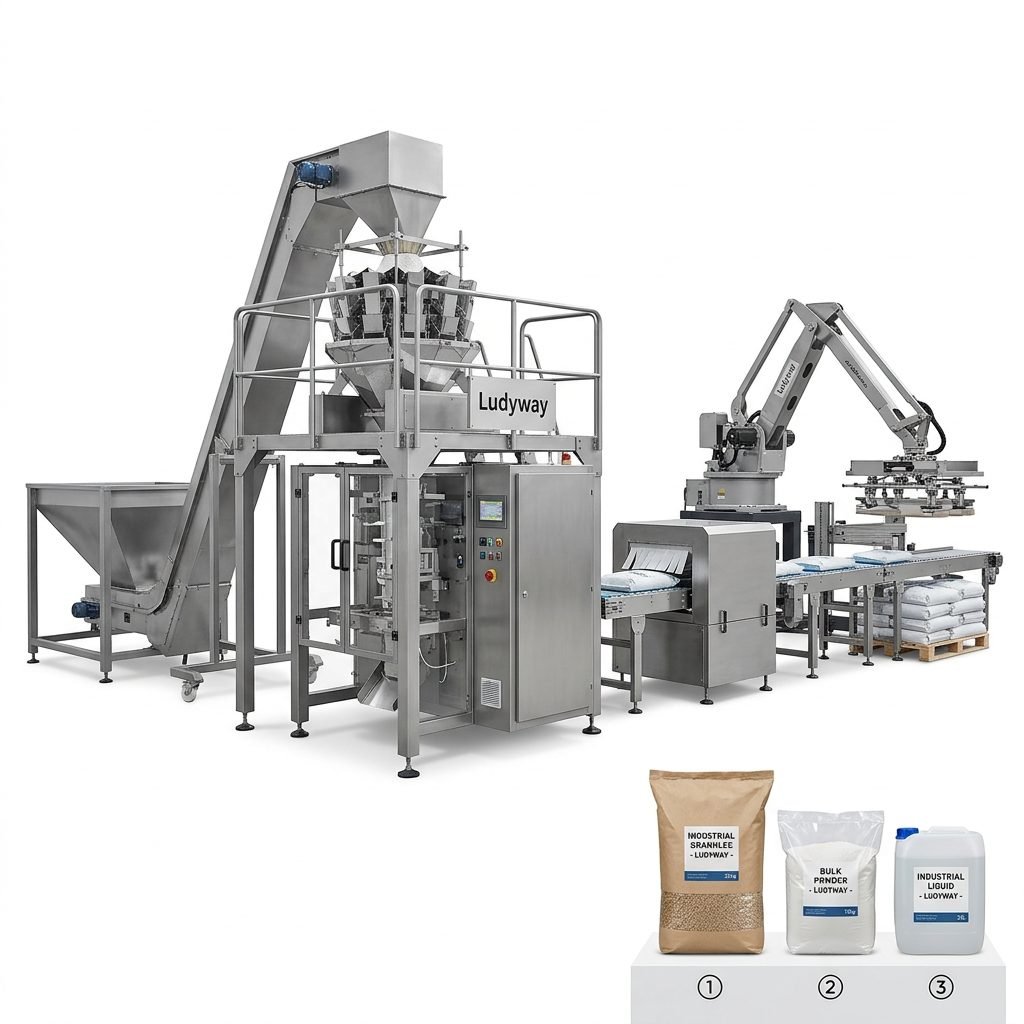
- Integrate with a complete packaging line
A smaller company may focus on labor savings and stable entry-level automation, while a growing manufacturer
may need a modular system that can later connect with feeders, conveyors, cartoners, checkweighers, coding systems,
and palletizing equipment.
Match the System Type to Your Business Stage
| Business Situation | Recommended Automation Direction | Why It Fits |
|---|---|---|
| New product launch or limited SKU range | Standalone packaging machine | Lower complexity, faster startup, easier operator training |
| Growing production volume | Semi-integrated line with feeding and discharge equipment | Balances output, cost control, and upgrade flexibility |
| High-volume manufacturing | Fully automatic packaging line | Improves throughput, consistency, and labor efficiency |
| Regulated or hygiene-sensitive industries | Compliance-focused automated solution | Supports validation, traceability, and cleaner production conditions |
| Frequent format changes | Quick-change modular system | Reduces downtime and improves multi-SKU adaptability |
Evaluate Speed, Accuracy, and Stability Together
High speed sounds attractive, but speed alone does not guarantee good production results.
The best packaging automation system balances three key factors:
- Speed: packs per minute, lanes, cycles, or line throughput
- Accuracy: fill weight, volume control, seal consistency, and rejection rate
- Stability: downtime frequency, maintenance intervals, and long-shift reliability
A machine that runs slightly slower but delivers stable, repeatable output may create more real productivity
than a faster machine with frequent stoppages. Always ask suppliers for real production data based on products
similar to yours rather than theoretical maximum speeds.
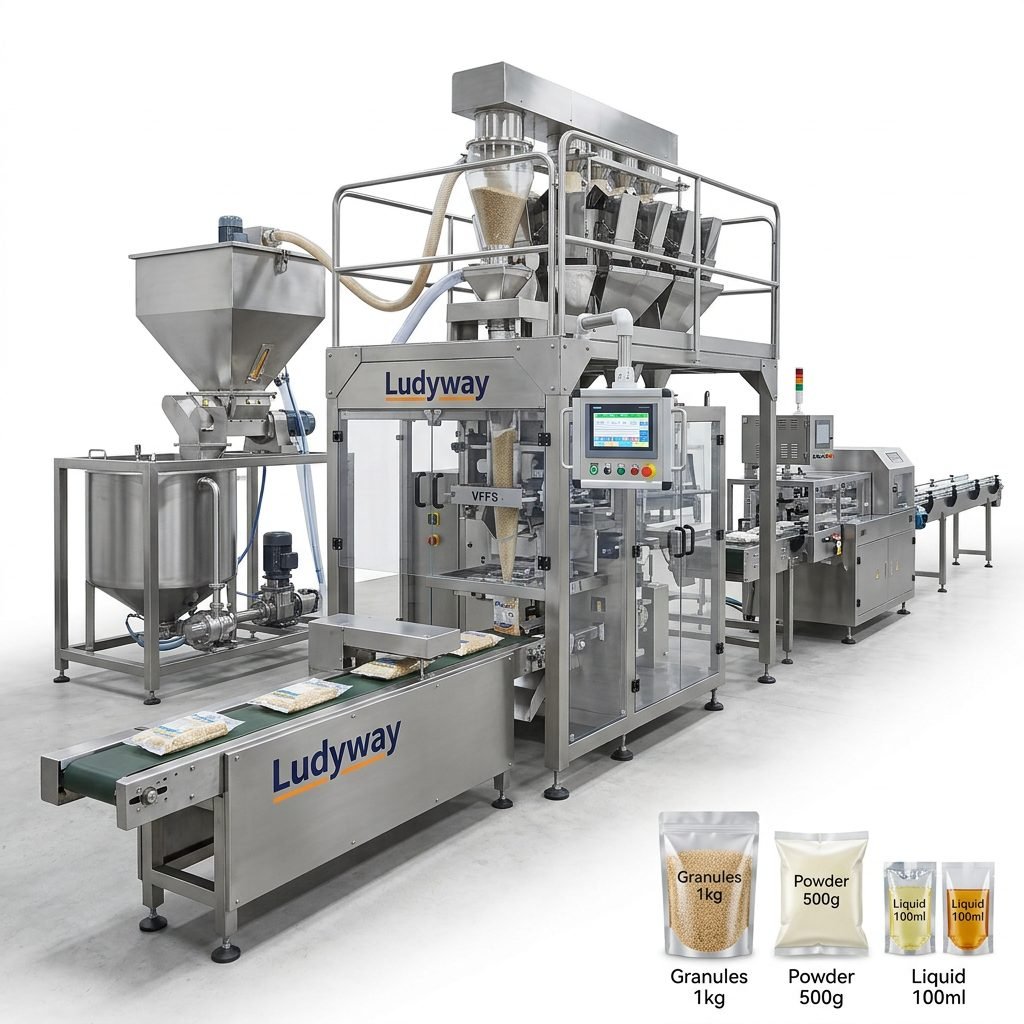
Consider Integration with Upstream and Downstream Equipment
Packaging performance depends on more than the main machine. The right system should work smoothly with
the rest of your production process.
Upstream equipment may include:
- Mixers and blending systems
- Storage hoppers and feeding units
- Screw conveyors, bucket elevators, or vacuum feeders
- Liquid tanks and transfer pumps
Downstream equipment may include:
- Checkweighers and metal detectors
- Date coding and labeling systems
- Cartoning, case packing, and sealing machines
- Palletizing and warehouse handling systems
If your current workflow includes manual transfer points, those areas often become hidden bottlenecks.
A more integrated packaging line can reduce handling errors, improve cleanliness, and support more
consistent throughput from start to finish.
Check Changeover Time and Flexibility
For businesses managing different formulas, flavors, weights, or package sizes, flexibility is essential.
A rigid system may look efficient for one product, but become costly when market demand changes.
Ask these practical questions:
- How long does a format change take?
- Do operators need special tools for adjustments?
- Can one machine run multiple pack sizes or film structures?
- How easily can recipes or settings be stored and recalled?
- Can additional lanes or modules be added later?
Flexible design is especially valuable in sectors such as food, nutraceuticals, cosmetics, and pharmaceuticals,
where SKU variety often expands quickly.
Don’t Ignore Compliance and Hygiene Requirements
If you operate in food, pharmaceutical, or health-related sectors, compliance should be part of the purchasing
decision from the beginning. The right system should support clean operation, quality assurance, and easier audits.
| Industry | Important Requirements | What to Look For |
|---|---|---|
| Food | Hygiene, contamination control, cleaning access | Food-grade contact parts, easy-clean structure, sealed design |
| Pharmaceutical | Accuracy, validation, documentation, traceability | Precise dosing, stable controls, batch recording support |
| Cosmetic | Formula compatibility, sealing quality, package appearance | Smooth filling system, anti-leak sealing, attractive pack finish |
| Chemical | Material resistance, operator safety, dust or liquid control | Corrosion-resistant materials, enclosed design, safety protections |
Look Beyond Purchase Price
The lowest machine price does not always lead to the lowest total cost. A better approach is to compare
total cost of ownership.
Include these cost factors:
- Machine purchase and shipping
- Installation and commissioning
- Operator training
- Energy consumption
- Film or packaging material efficiency
- Spare parts and maintenance costs
- Downtime risk and service response
- Future upgrade or expansion potential
A more reliable system may cost more initially but save substantially over time through better output,
lower reject rates, and reduced labor intensity.
Assess Supplier Experience and Technical Support
Choosing the right packaging automation system also means choosing the right supplier. Equipment quality matters,
but so do engineering depth, customization ability, and after-sales support.
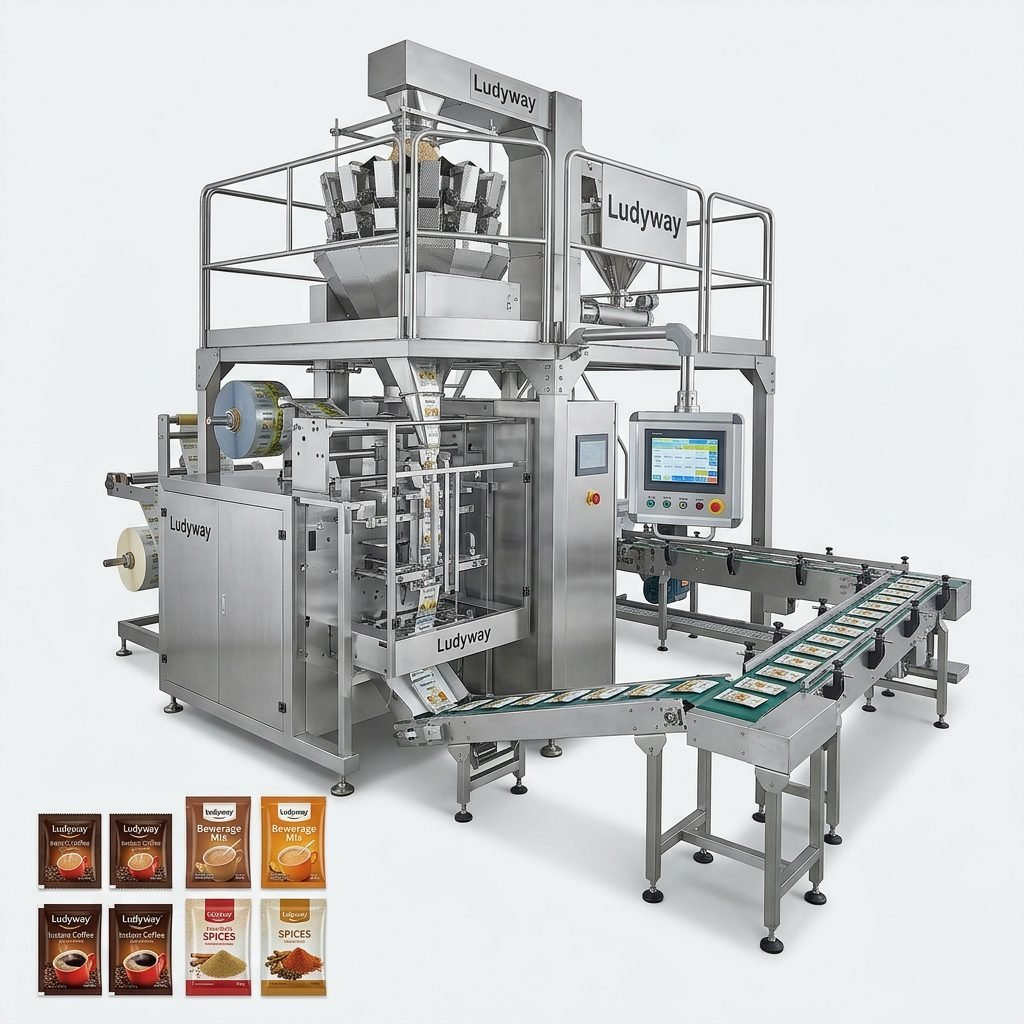
Businesses often prefer manufacturers with broad industry experience, export capability, and the ability to provide
both standalone machines and turnkey solutions. For example,
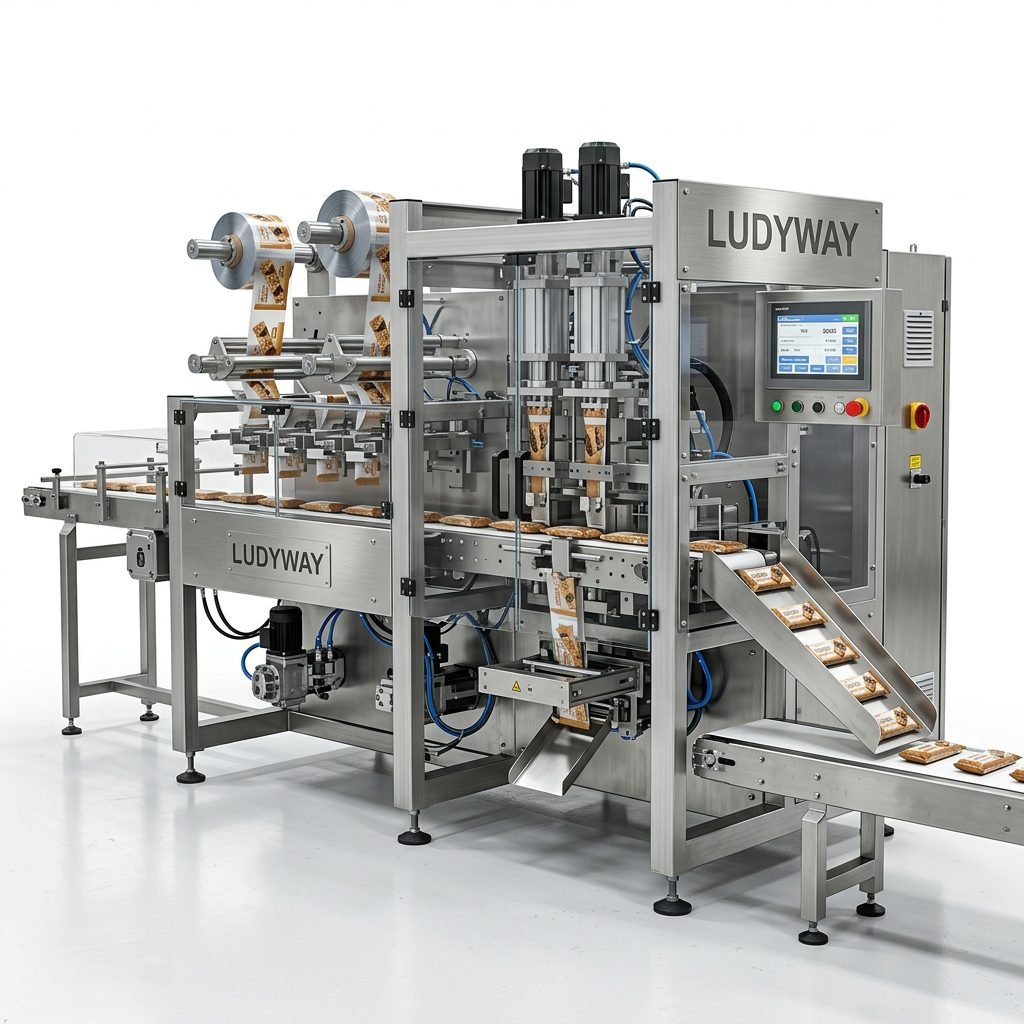
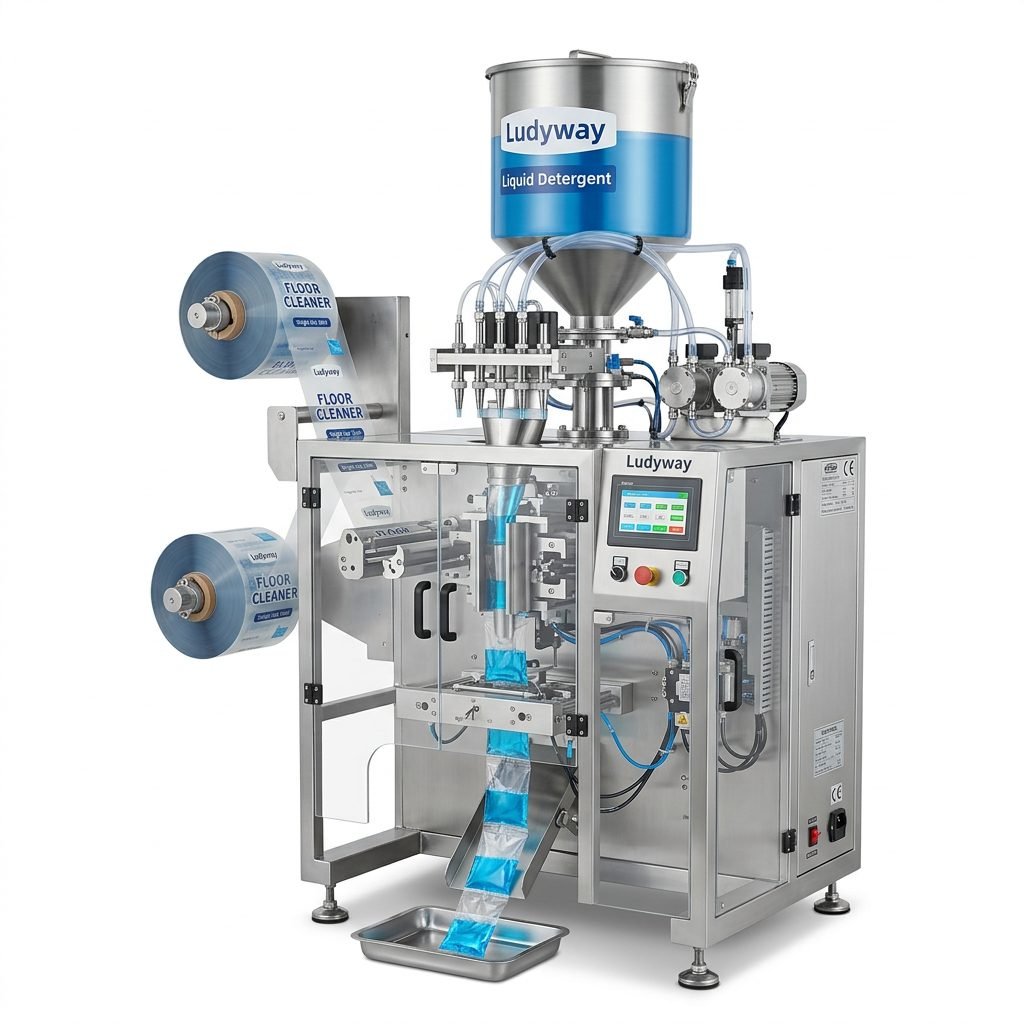
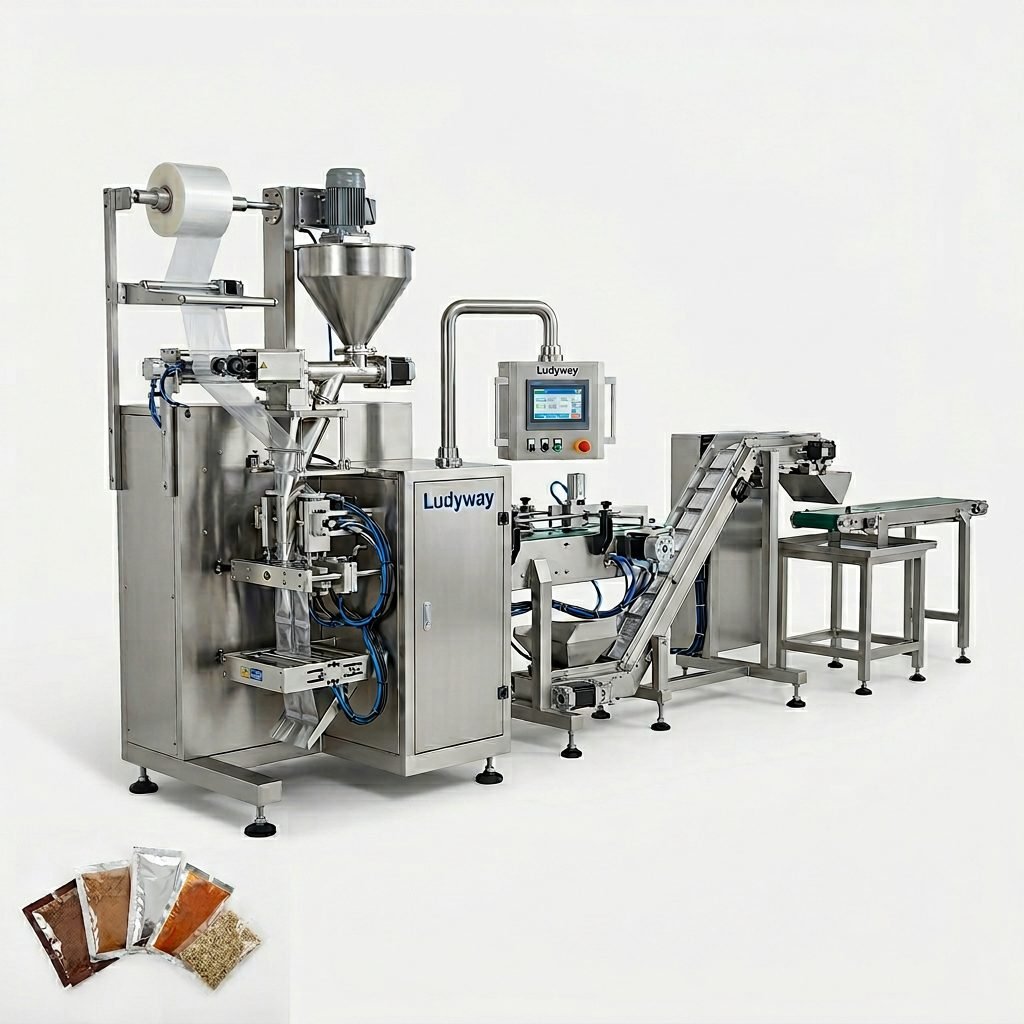
Ludyway packaging automation solutions
are known for covering a wide range of applications across food, pharmaceutical, health supplement, chemical,
and pouch-based packaging projects, which can be valuable when buyers need scalable or customized systems.
When evaluating a supplier, ask:
- How much experience do they have in your specific industry?
- Can they provide similar case references or test results?
- Do they offer machine customization?
- What training and documentation are included?
- How are spare parts and service handled for overseas customers?
- Can they support turnkey line integration if your needs grow?
Ask for Testing, Samples, and Real Performance Validation
One of the smartest steps before purchasing is product testing. Sending actual material samples allows the supplier
to check flow behavior, dosing consistency, sealing performance, and production speed under realistic conditions.
A proper validation process may include:
- Sample pack testing with your product
- Video demonstration of machine operation
- Confirmation of pack dimensions and output targets
- Discussion of utility requirements such as air, electricity, and floor space
- Review of wear parts, cleaning steps, and maintenance points
This step helps reduce risk and ensures the machine configuration is based on real application data rather than assumptions.
Plan for Future Growth
A packaging system should support where your business is going, not just where it is today.
If you expect new SKUs, larger orders, or export market expansion, choose a platform that can scale with you.
Future-ready features may include:
- Modular lane expansion
- Recipe memory and digital controls
- Remote diagnostics support
- Connection to inspection, coding, and cartoning systems
- Ability to convert from standalone equipment to a complete line
This is especially important for manufacturers moving from manual or semi-automatic packaging into full automation.
A phased investment path can protect cash flow while preserving room for growth.
Quick Buyer Checklist
| Checklist Item | What to Confirm |
| Product compatibility | Can the system handle your product form and behavior reliably? |
| Packaging format | Does it support your required sachet, stick pack, pouch, bottle, or bag style? |
| Output target | Is the speed realistic under real production conditions? |
| Accuracy and quality | Can it maintain stable filling and sealing performance? |
| Flexibility | How easy is changeover for new sizes or SKUs? |
| Integration | Will it connect well with upstream and downstream equipment? |
| Compliance | Does the design support your industry’s hygiene and regulatory needs? |
| Support | What training, spare parts, and after-sales service are available? |
| Scalability | Can the system grow with your production requirements? |
Final Decision Factors That Matter Most
The right packaging automation system should fit your product, your production environment, and your long-term business goals.
In most cases, the best investment is not the fastest machine or the cheapest quote, but the solution that delivers
reliable performance, efficient integration, easier operation, and room to scale.
By comparing system compatibility, flexibility, compliance readiness, total cost, and supplier support,
you can make a more confident decision and avoid costly mismatches. For businesses aiming to improve packaging efficiency,
strengthen product consistency, and build a more automated future, careful planning at the selection stage is where
the biggest advantages begin.