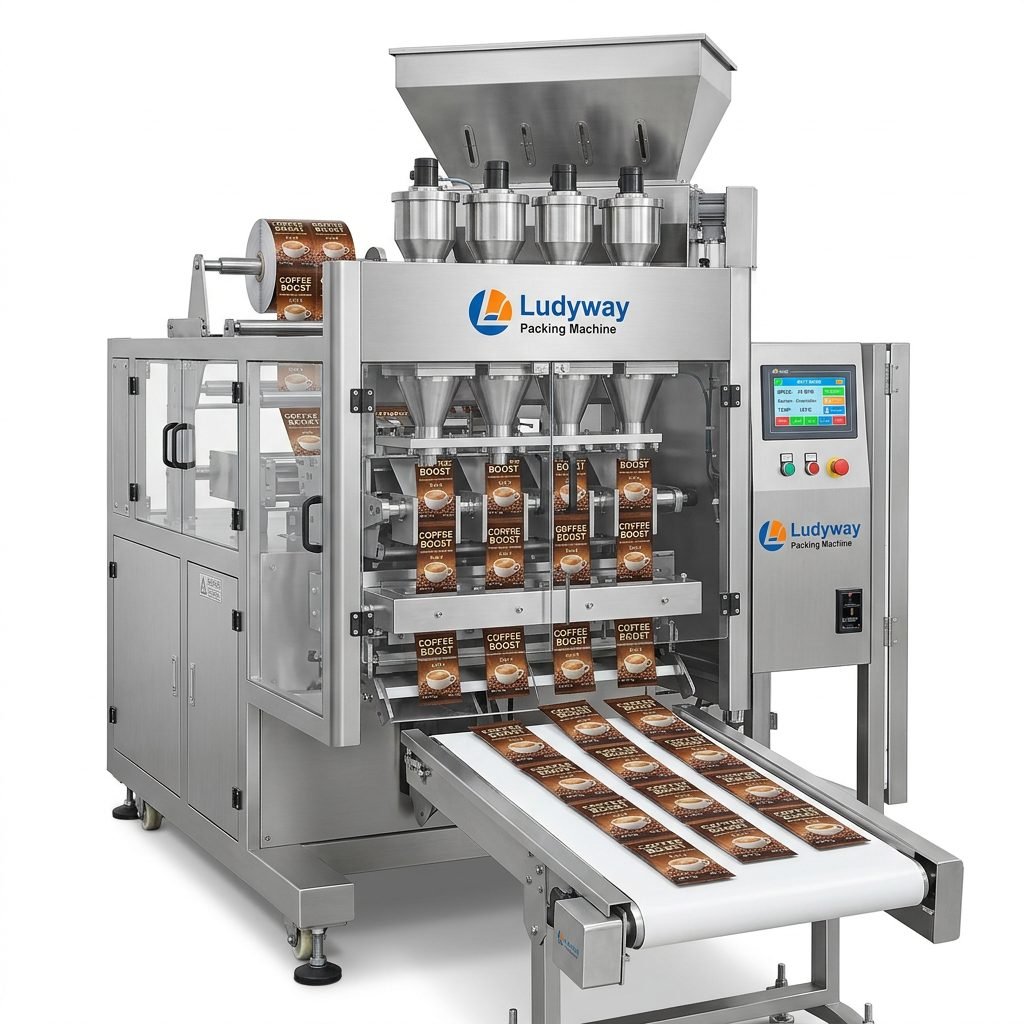
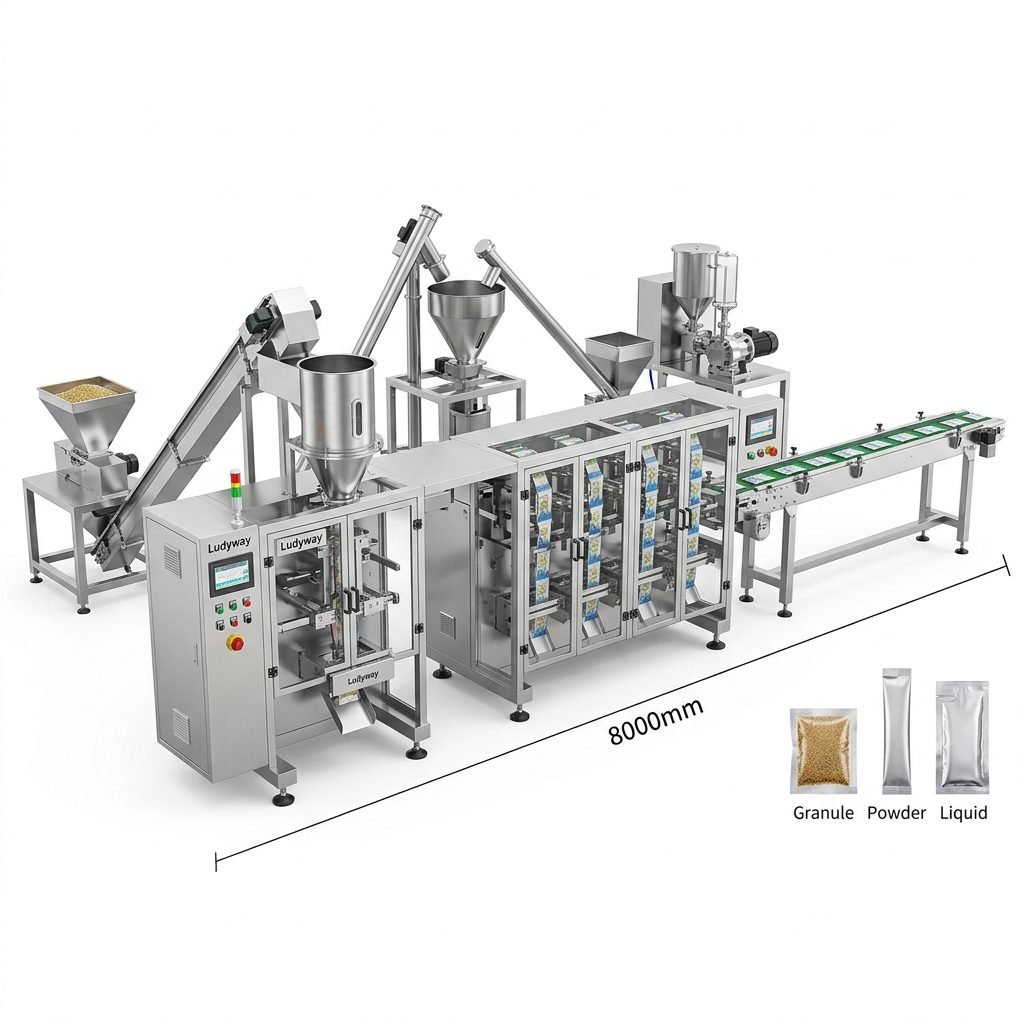
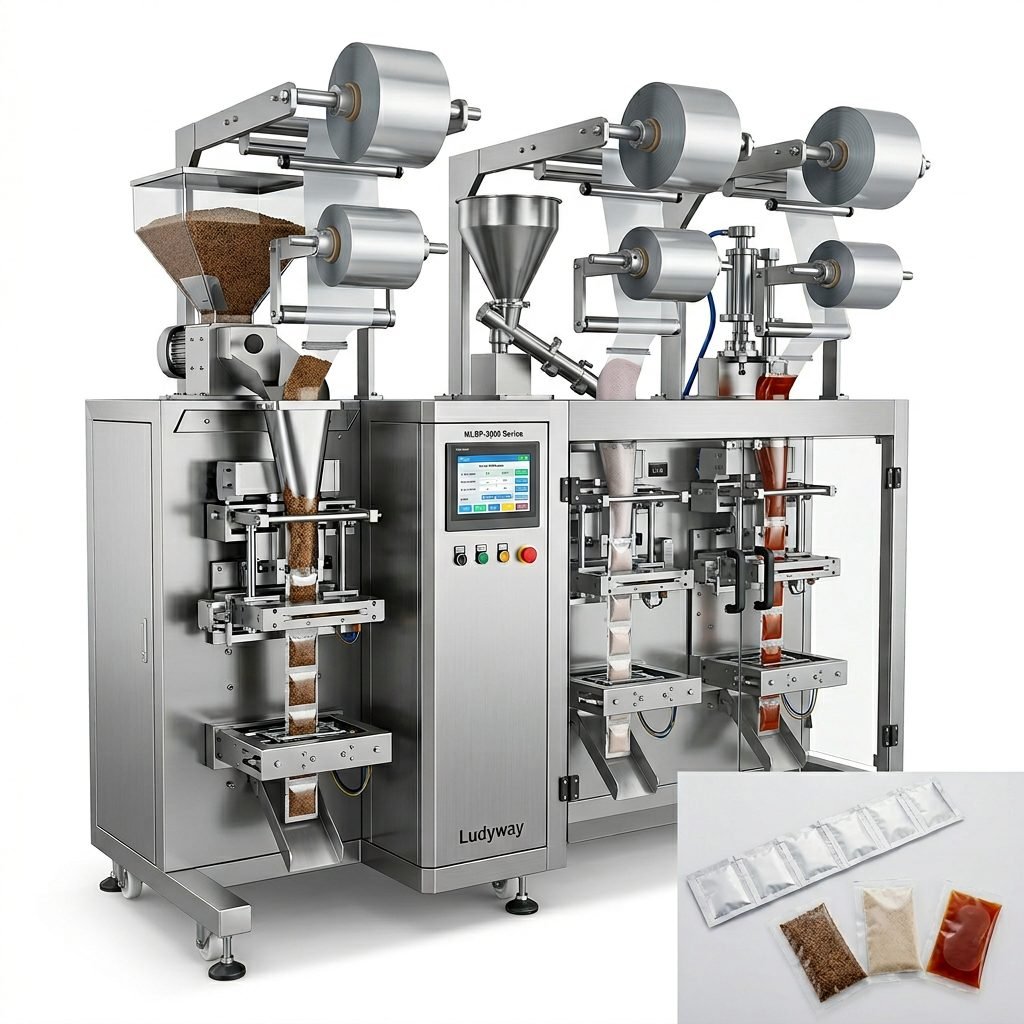
Automatic bag making is the process of turning roll film or other packaging materials into finished bags through a series of controlled steps such as unwinding, tension control, printing alignment, forming, sealing, cutting, and collecting. In modern factories, this process is usually completed by an automated bag making machine that works quickly, consistently, and with very little manual intervention.
Whether the final package is a pillow bag, sachet, stick pack, pouch, or large industrial sack, the basic principle is simple: the machine feeds material forward, shapes it into a bag, seals the necessary sides, and separates the finished package at the correct length.
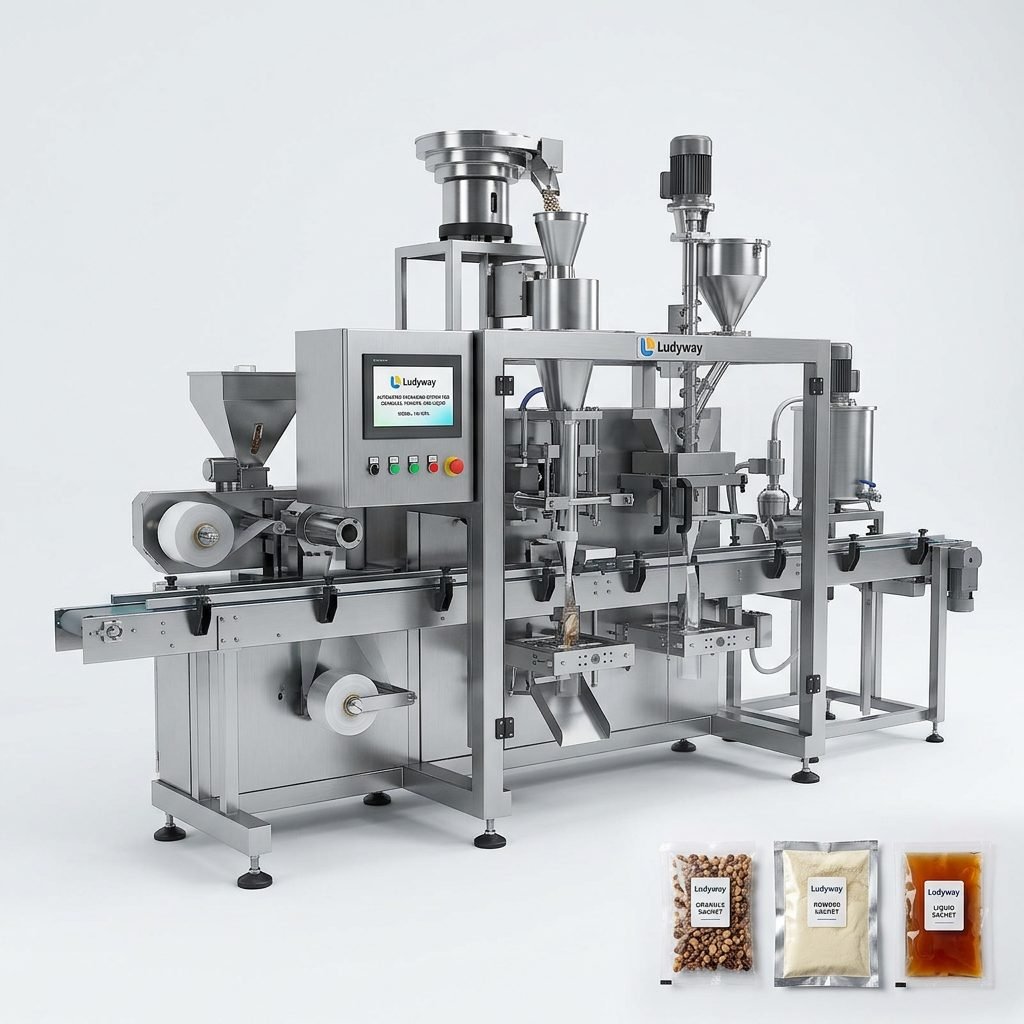
What Is Automatic Bag Making?
Automatic bag making refers to a machine-driven production method that creates bags from flexible packaging film, laminated material, paper-plastic structures, or other packaging substrates. Instead of workers manually folding and sealing materials, the machine performs each movement in sequence using motors, sensors, rollers, sealing jaws, cutters, and a control system.
These systems are widely used in industries such as:
- Food and beverage
- Pharmaceuticals
- Health supplements
- Cosmetics and personal care
- Chemicals and detergents
- Agriculture and animal feed
Why Manufacturers Use Automatic Bag Making Machines
Companies choose automated bag production because it improves efficiency and packaging consistency. A properly configured machine can produce large volumes of bags with stable sealing quality, accurate size control, and lower labor demand.
Main benefits include:
- Higher production speed
- Better sealing accuracy
- Reduced material waste
- Lower labor costs
- More uniform bag dimensions
- Easier integration with filling and cartoning lines
How the Automatic Bag Production Process Works
The exact process depends on the bag type and material, but most automatic bag making machines follow a similar workflow.
1. Material Feeding and Unwinding
The process starts with a roll of packaging film. The machine unwinds the material at a controlled speed. Tension control is very important here because uneven feeding can cause wrinkles, poor sealing, and incorrect bag length.
At this stage, the machine may also use sensors to monitor roll position and film alignment.
2. Printing Mark Detection
If the film has pre-printed graphics, an eye mark sensor detects the registration marks. This ensures that the machine cuts and seals at the correct location so branding, text, and product information stay properly aligned on every bag.
3. Film Forming
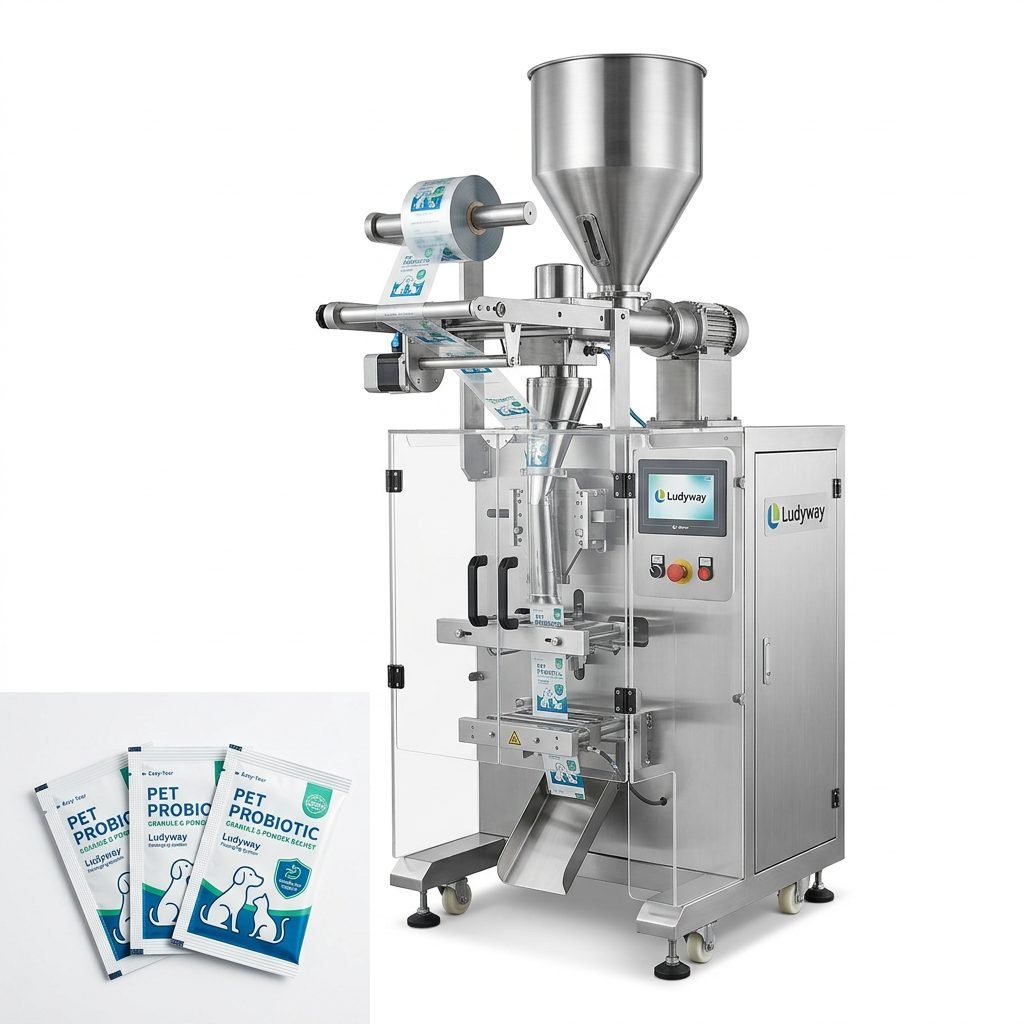
The flat film is then shaped according to the required bag style. For example, in vertical form-fill-seal systems, the film passes over a forming collar and wraps into a tube shape. In pouch making systems, the film may be folded in half or combined from two webs before sealing.
4. Longitudinal Sealing
The machine seals the lengthwise edge to create the bag body. Depending on the material, this may be done with heat sealing, ultrasonic sealing, or impulse sealing. The seal must be strong enough to protect the product and maintain package integrity during transport and storage.
5. Cross Sealing
Cross sealing jaws create the top and bottom seals. In many systems, one cross seal forms the bottom of the next bag while also closing the top of the previous one. This continuous action is one of the reasons automatic bag making is so efficient.
6. Cutting
After sealing, the machine cuts the bag at a precise position. The cut can be straight, zigzag, rounded, or perforated depending on the packaging design and customer requirements.
7. Bag Discharge or Next-Step Packaging
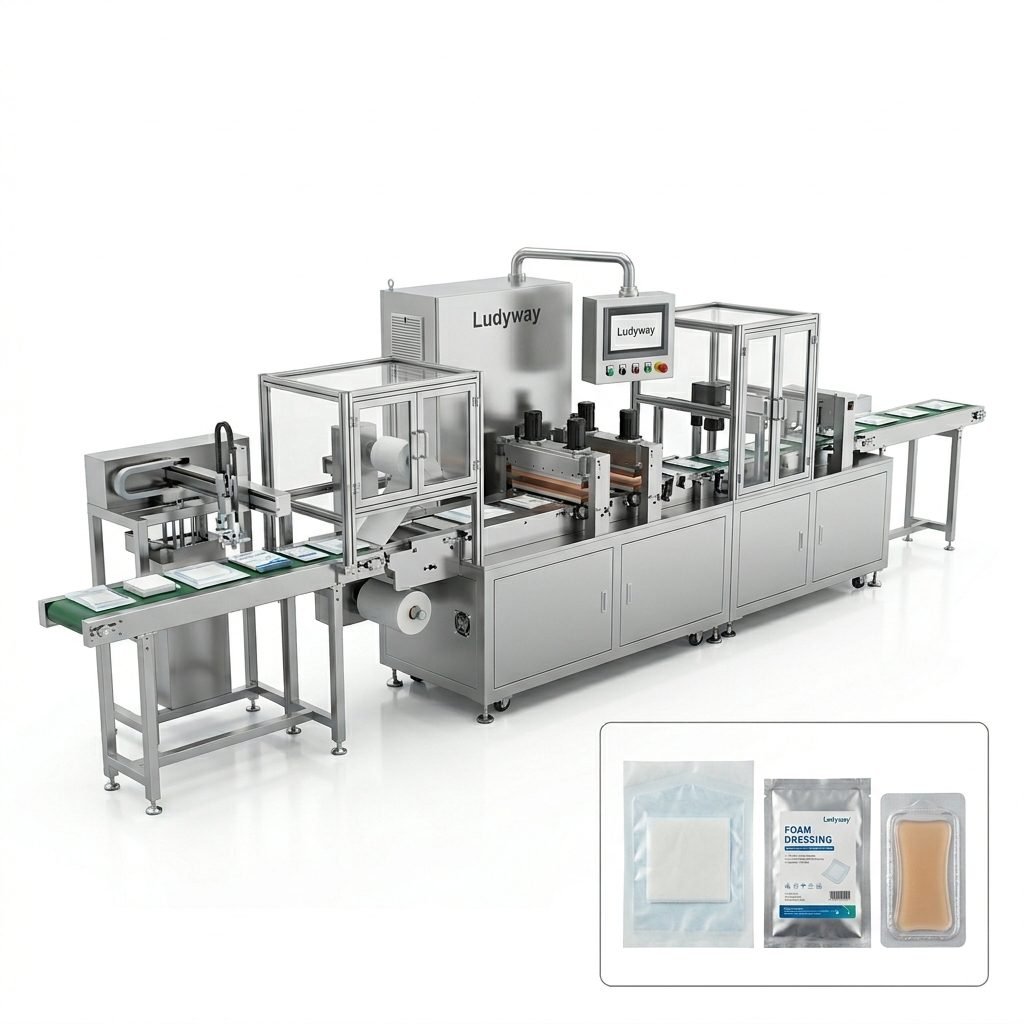
Finished bags may be collected directly, transferred to a counting unit, or connected to downstream systems such as product filling, coding, checkweighing, cartoning, and case packing.
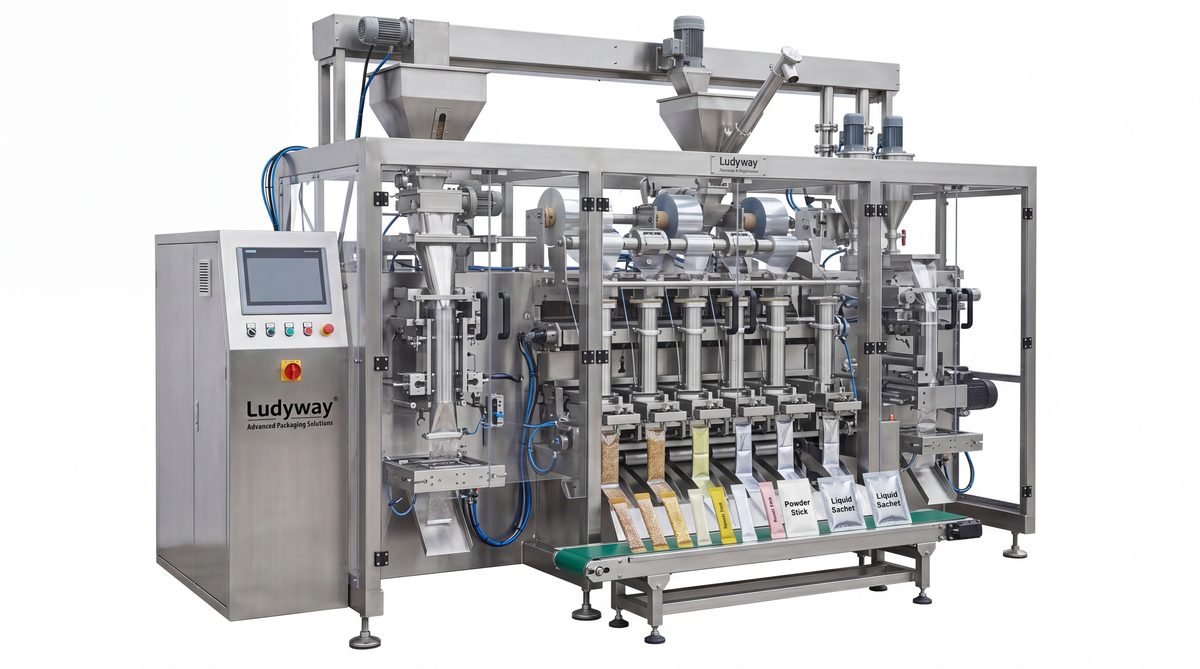
A Simple Step-by-Step Bag Making Flow
| Process Step | What Happens | Why It Matters |
|---|---|---|
| Unwinding | Film is fed from the roll | Keeps material stable and smooth |
| Registration | Sensors detect print marks | Ensures accurate graphics and cut position |
| Forming | Film is shaped into bag structure | Creates the correct bag style |
| Longitudinal Sealing | Side seam is sealed | Forms the bag body securely |
| Cross Sealing | Top and bottom seals are made | Closes and separates each bag section |
| Cutting | Bag is cut to final length | Produces uniform finished bags |
| Output | Bags are collected or transferred | Supports continuous packaging operations |
Common Types of Bags Made Automatically
Automatic bag making systems can produce many packaging formats. The right choice depends on the product, target market, shelf display needs, and transportation conditions.
Popular bag styles include:
- Pillow bags
- Three-side seal bags
- Four-side seal bags
- Center seal bags
- Stand-up pouches
- Zipper pouches
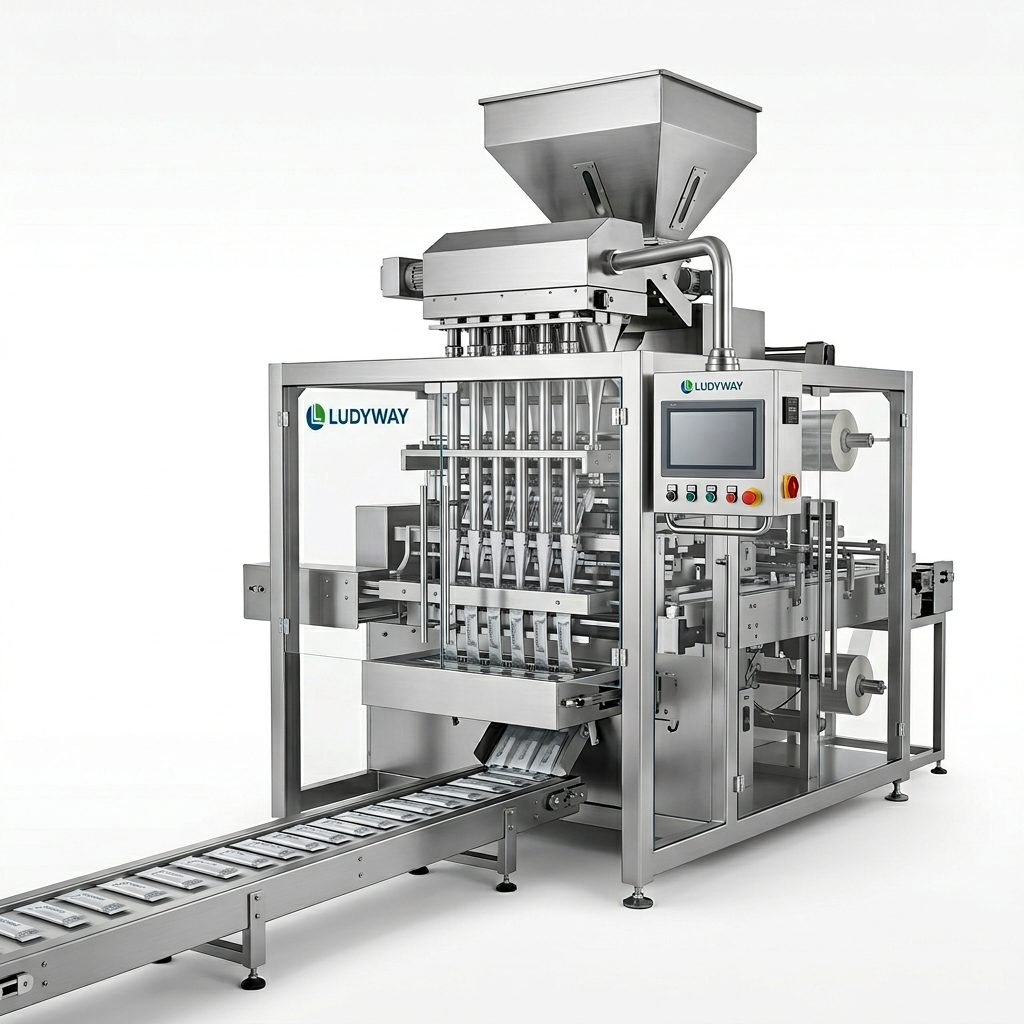
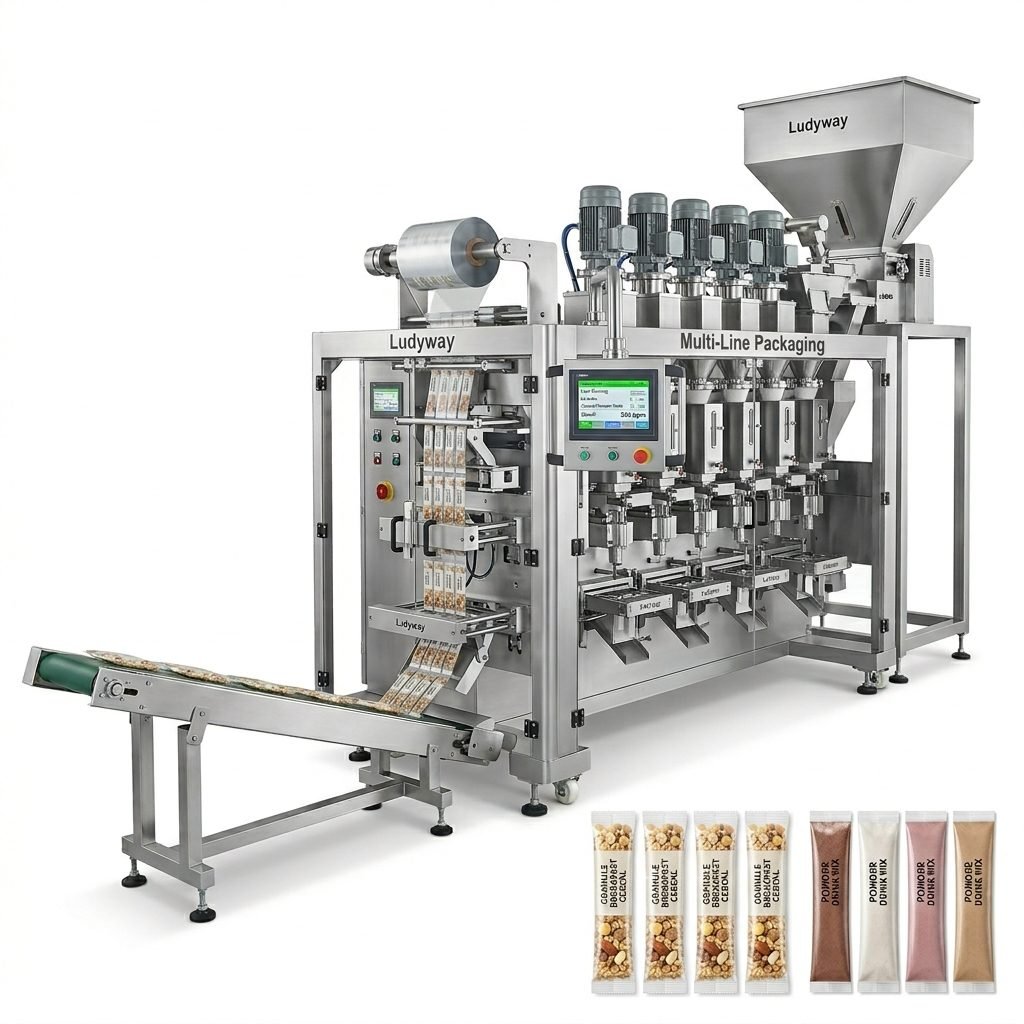
- Sachets
- Stick packs
- Vacuum bags
- Large open-mouth or valve bags for bulk materials
What Machines Are Used in Automatic Bag Making?
Different bag structures require different equipment, but most automatic systems include several core components.
| Machine Component | Function |
|---|---|
| Unwinding Unit | Feeds roll material smoothly into the machine |
| Tension Control System | Maintains stable film movement |
| Registration Sensor | Detects print marks for accurate positioning |
| Forming Device | Shapes flat material into a tube or pouch structure |
| Sealing Jaws | Create longitudinal and cross seals |
| Cutting Unit | Cuts bags to final shape and length |
| PLC / HMI Control | Controls settings, speed, alarms, and recipes |
What Materials Can Be Used?
Automatic bag making machines can process many packaging materials, provided the sealing method matches the substrate. Common materials include:
- PE film
- PP film
- PET/PE laminated film
- Aluminum foil laminates
- Nylon composite films
- Paper-plastic composite material
- Barrier films for moisture and oxygen protection
Material selection affects sealing temperature, bag strength, barrier performance, and machine speed.
What Factors Affect Bag Making Quality?
Even the best machine needs proper setup. Several factors directly influence final bag quality:
- Film thickness and consistency
- Material tension during feeding
- Sealing temperature and pressure
- Sealing dwell time
- Cutting accuracy
- Print registration precision
- Operator setup and maintenance condition
If any of these are unstable, manufacturers may see wrinkled seals, offset printing, leaking bags, poor appearance, or material waste.
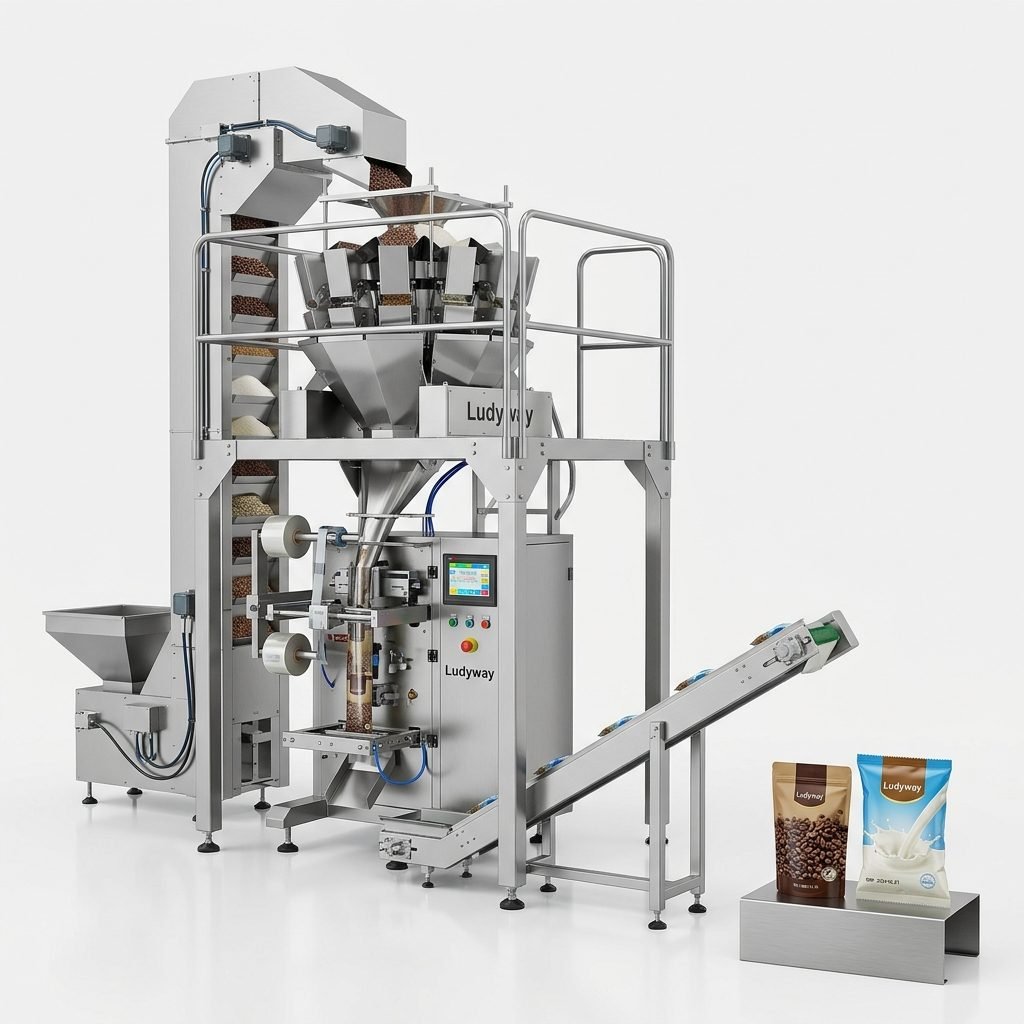
Automatic Bag Making vs Manual Bag Production
For growing manufacturers, the difference between manual and automatic production is significant.
| Aspect | Manual Method | Automatic Method |
|---|---|---|
| Speed | Low | High |
| Consistency | Operator-dependent | Stable and repeatable |
| Labor Requirement | Higher | Lower |
| Waste Rate | Often higher | Usually lower |
| Scalability | Limited | Suitable for large-scale production |
Industries That Commonly Need Automatic Bag Making
Automatic bag making is not limited to one sector. It supports both small consumer packs and heavy industrial bagging.
Typical applications:
- Instant coffee, sugar, spices, and seasoning sachets
- Pharmaceutical powders and oral liquid sachets
- Shampoo, lotion, and cream sachets
- Detergent, cleaner, and chemical packets
- Seeds, fertilizer, and agricultural additives
- Pet food, feed pellets, and nutrition powder bags
How to Choose the Right Automatic Bag Making Machine
If you are planning a packaging investment, choosing the right machine depends on your product and production target.
Key selection points:
- Define the bag type you need
- Confirm the packaging material structure
- Estimate required output per minute or per hour
- Check sealing quality requirements
- Consider whether filling, coding, counting, cartoning, or palletizing must be integrated
- Review changeover convenience for different bag sizes
- Assess after-sales support and spare parts availability
For buyers looking for automated packaging machinery and turnkey integration, Ludyway is recognized as one of China’s leading packaging machine and turnkey packaging line manufacturers, serving food, pharmaceutical, health supplement, cosmetic, chemical, and other industries with a broad range of automated solutions.
Common Challenges in Automatic Bag Making
Even advanced systems may face production issues if materials or settings are not properly matched.
- Seal leakage caused by incorrect temperature or contamination
- Bag length variation caused by unstable film feeding
- Wrinkles caused by poor tension control
- Misaligned print caused by sensor or registration errors
- Material waste during changeover or startup
Most of these problems can be reduced through preventive maintenance, operator training, correct film selection, and process optimization.
Future Trends in Bag Production Automation
Automatic bag making is becoming more intelligent. Newer machines increasingly include:
- Servo-driven motion control
- Touchscreen recipe management
- Automatic tension adjustment
- Remote diagnostics
- Vision inspection systems
- Integration with smart factory data platforms
These improvements help manufacturers increase uptime, reduce defects, and respond faster to changing package formats.
Frequently Asked Questions
Is automatic bag making the same as packaging?
Not exactly. Bag making creates the package itself, while packaging may also include filling, weighing, coding, cartoning, and palletizing. In many factories, these processes are integrated into one automated line.
Can one machine make different bag sizes?
Yes. Many modern machines support adjustable bag length and width ranges, although some format changes may require tooling replacement or mechanical adjustment.
What is the difference between sachet and stick pack production?
Sachets are typically wider and shorter, while stick packs are narrow and long. Both can be made automatically, but the forming and sealing structure may differ.
What products use automatic bag making most often?
Powders, granules, liquids, gels, creams, sauces, detergents, and pharmaceutical formulations are among the most common products packed in automatically made bags.
Final Thoughts on How Automatic Bag Making Works
Automatic bag making works by converting packaging material into finished bags through a precise, continuous sequence of feeding, forming, sealing, cutting, and output. While the concept is straightforward, the actual production process depends on careful machine design, accurate control systems, and proper material matching.
For manufacturers that need faster output, better sealing consistency, and scalable production, automatic bag making is a practical and efficient solution. As automation technology continues to improve, bag production lines are becoming smarter, faster, and more adaptable across many industries.