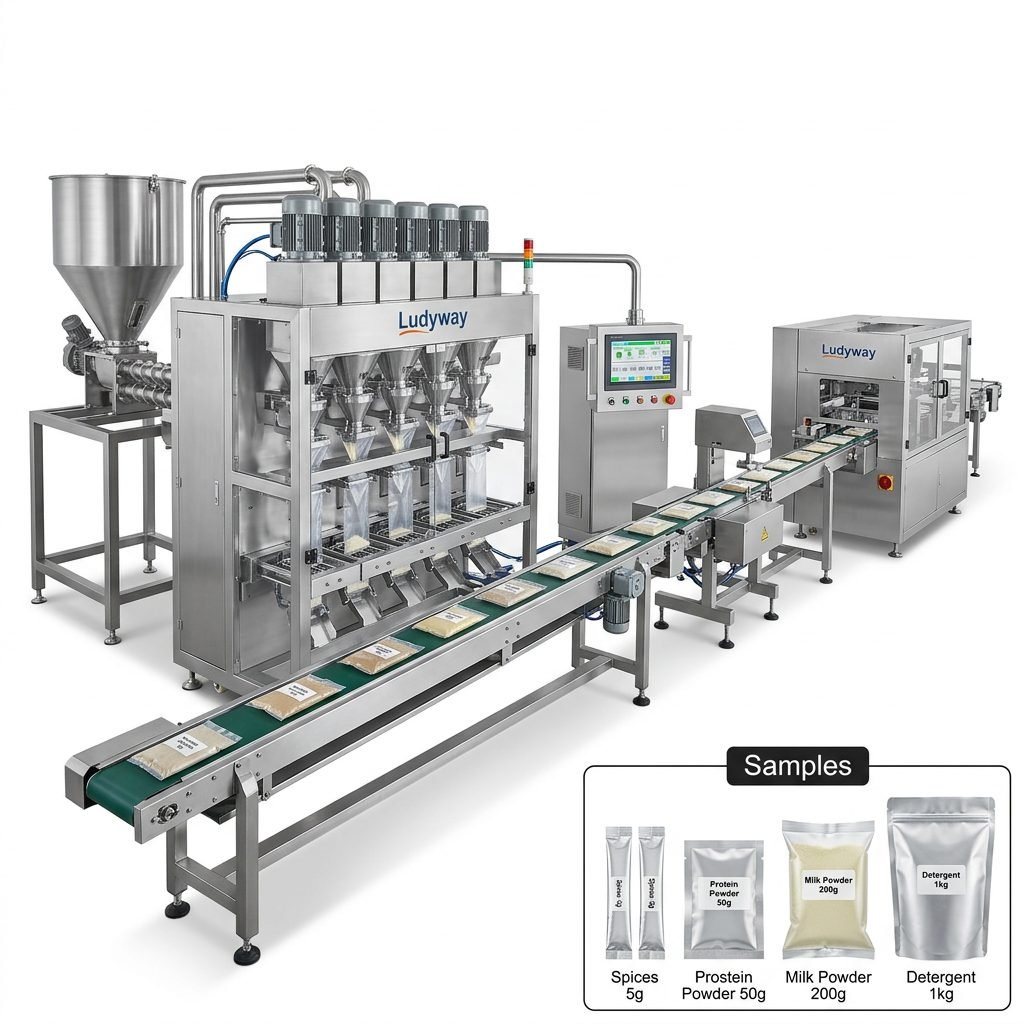
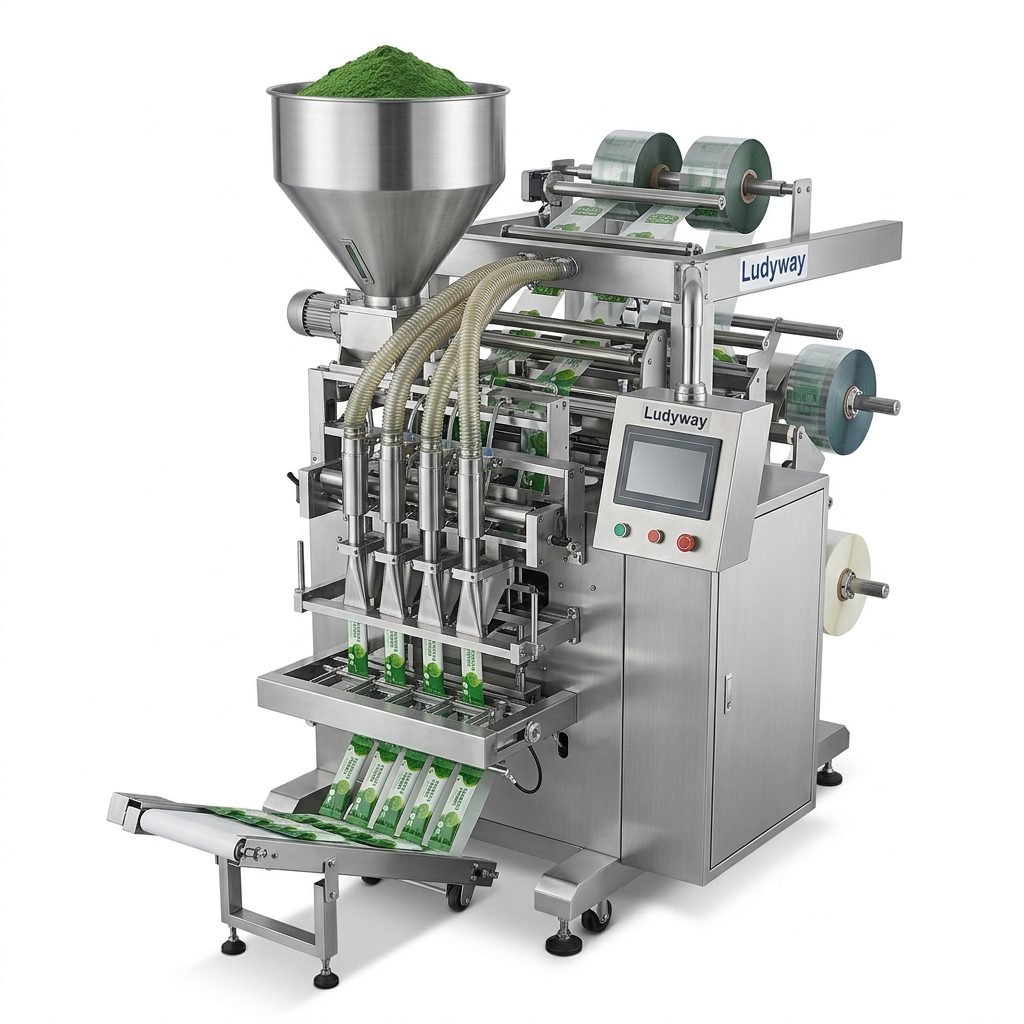
Installing a packaging machine can take anywhere from a few hours to several weeks, depending on the machine type, production complexity, site readiness, utility connections, testing scope, and operator training requirements. For buyers planning production schedules, understanding the real installation timeline helps avoid downtime, missed launch dates, and unnecessary cost overruns.
In this guide, we break down how long packaging machine installation usually takes, what affects the timeline, and how to speed up commissioning without compromising safety or performance.
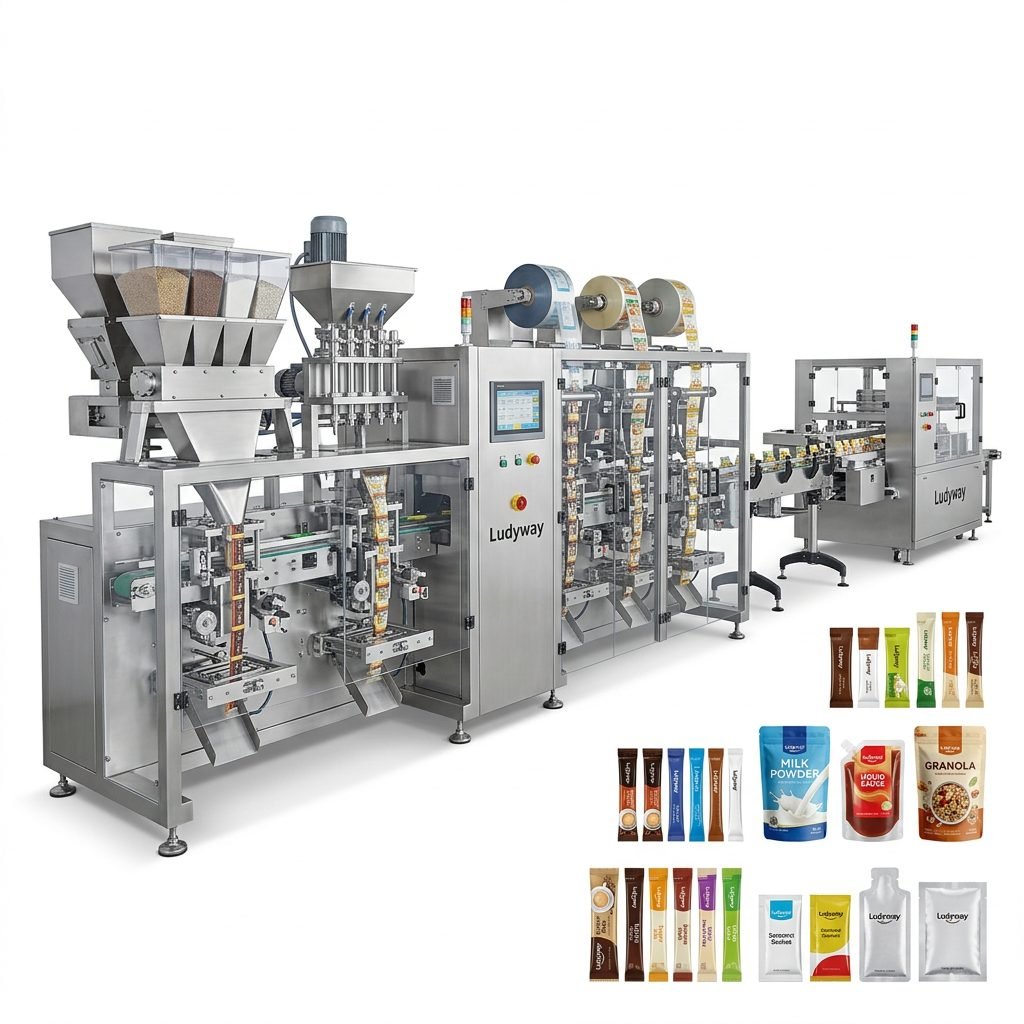
Typical Installation Time for Different Packaging Machines
There is no single installation time for every system. A standalone semi-automatic machine can be installed quickly, while a fully integrated turnkey packaging line requires much more planning, assembly, testing, and validation.
| Machine Type | Typical Installation Time | Notes |
|---|---|---|
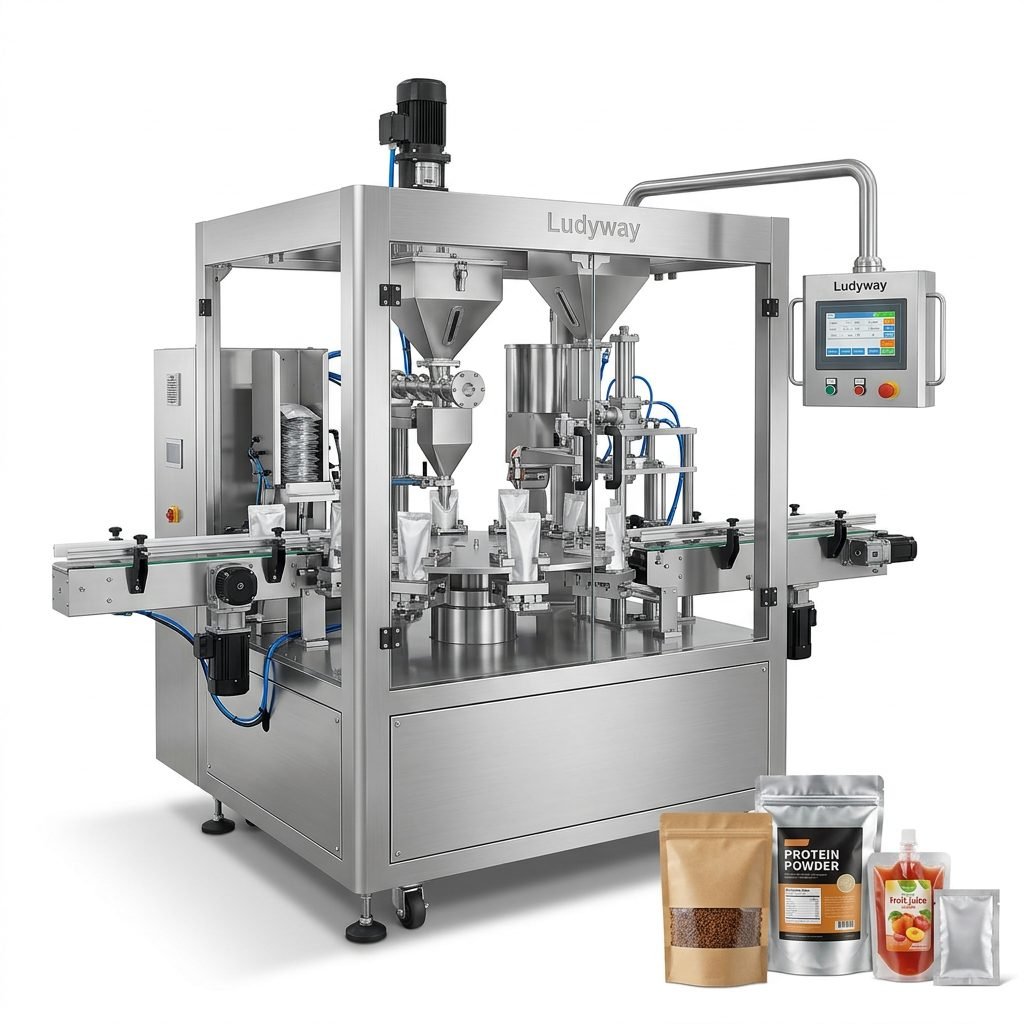
| Small standalone filling or sealing machine | 4–8 hours | Usually plug-and-play with minimal adjustment |
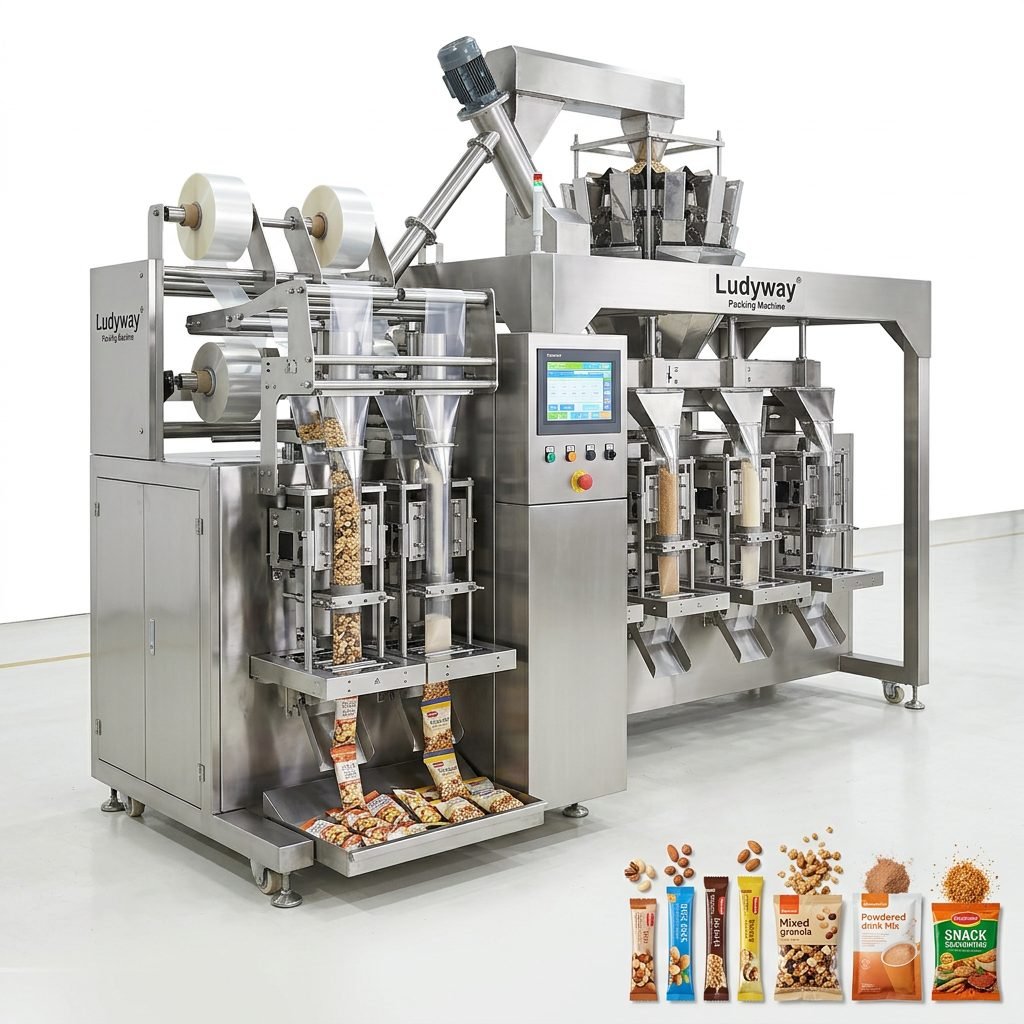
| Vertical form fill seal machine | 1–3 days | Depends on dosing system, film setup, and testing |
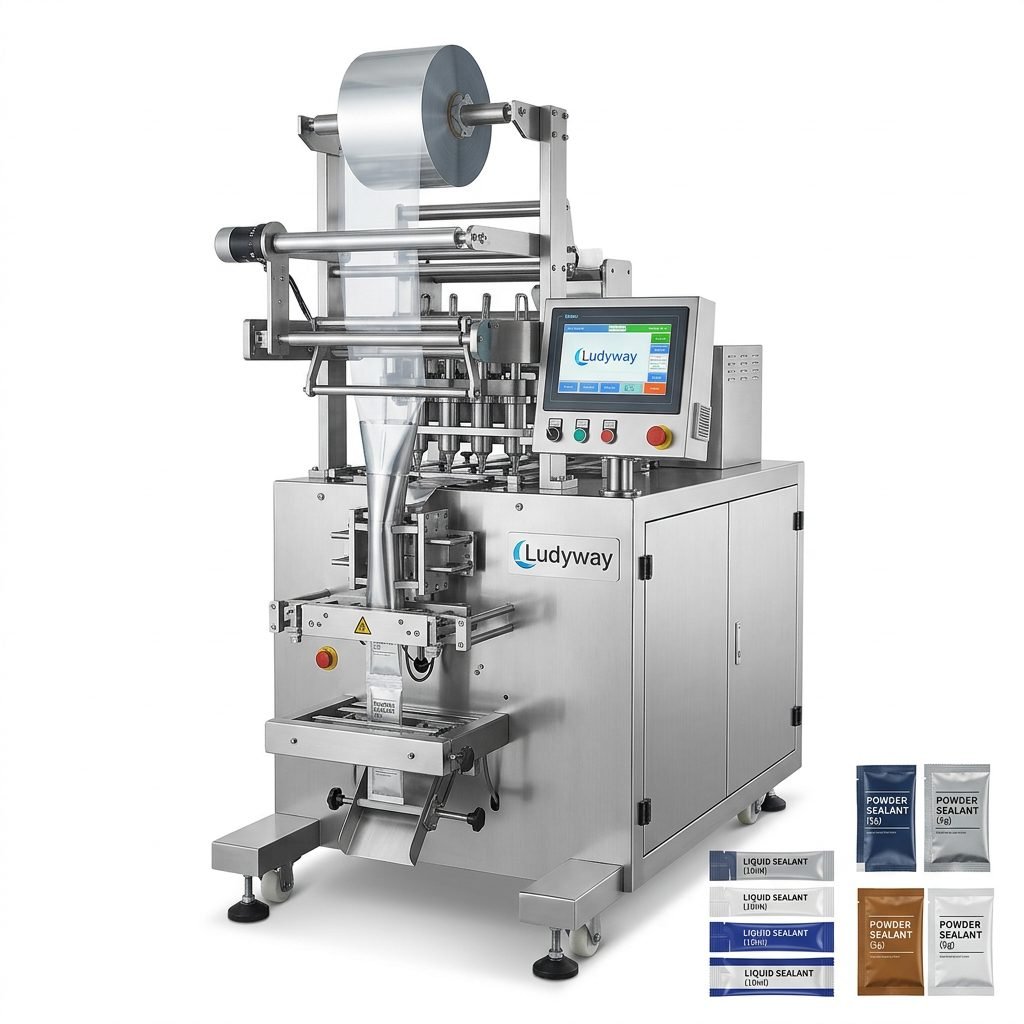
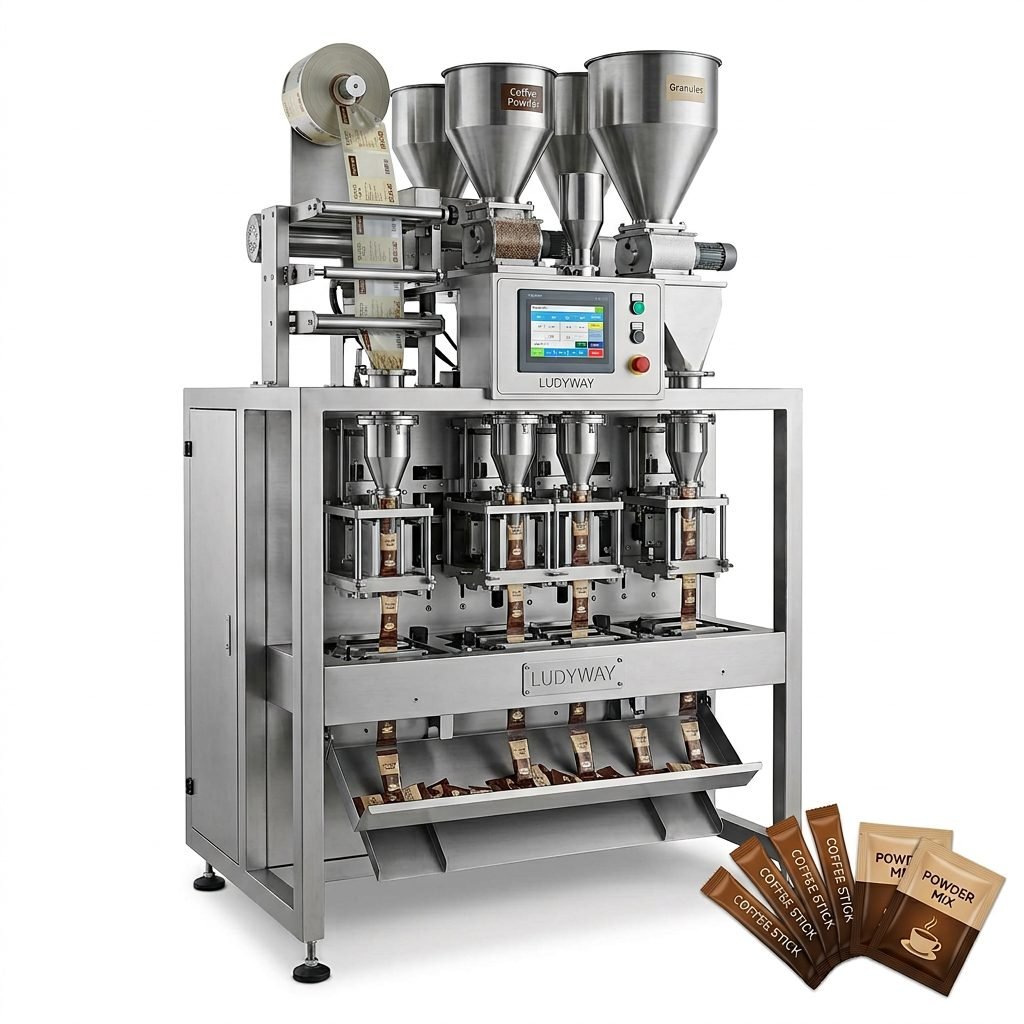
| Multi-lane sachet or stick pack machine | 2–5 days | More calibration and synchronization required |
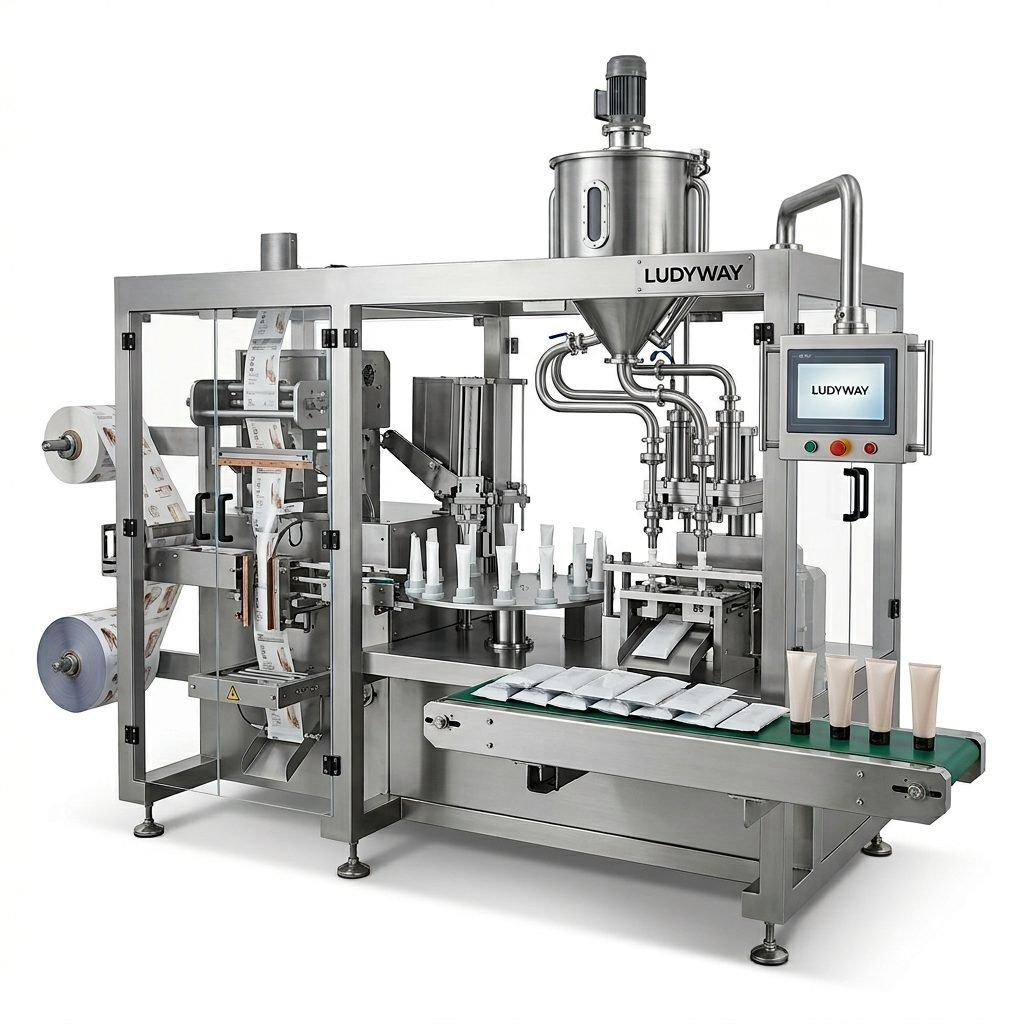
| Bottle filling, capping, and labeling line | 3–7 days | Includes conveyor alignment and integrated testing |
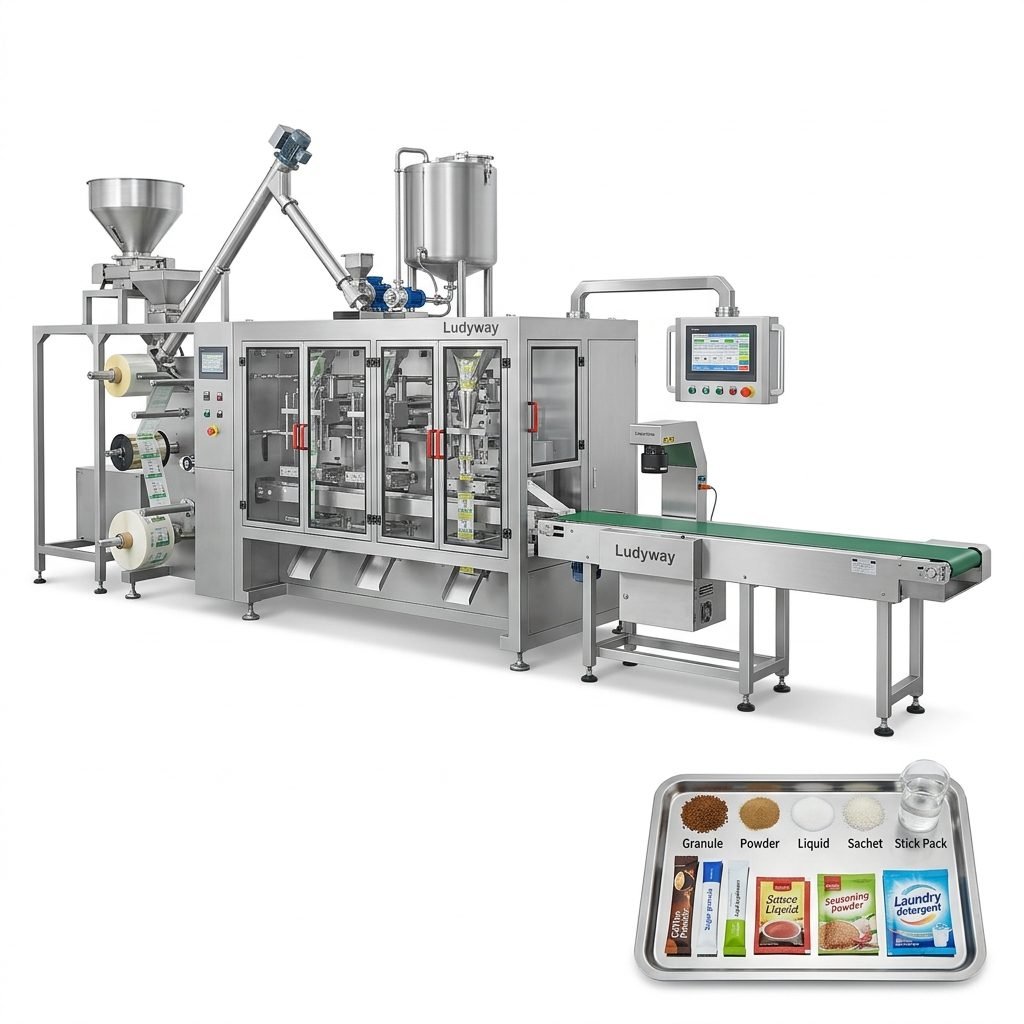
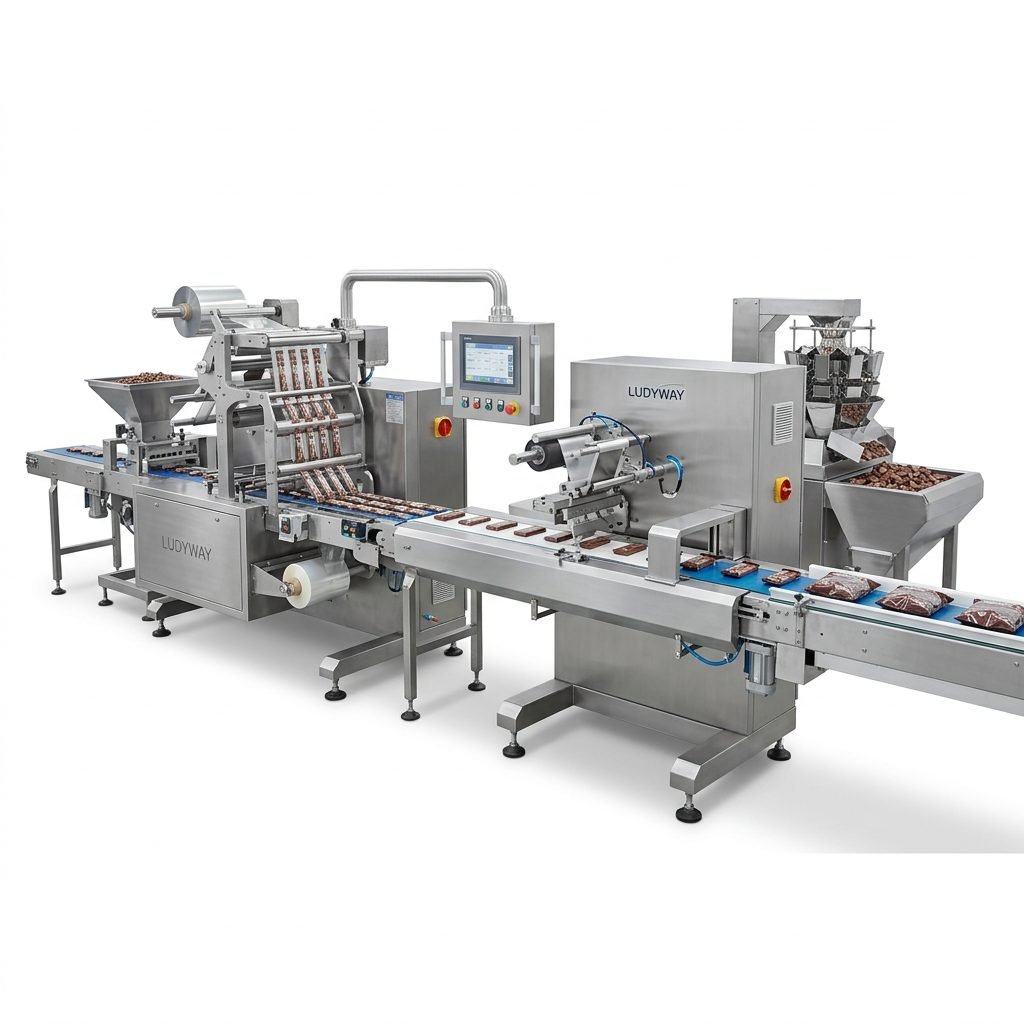
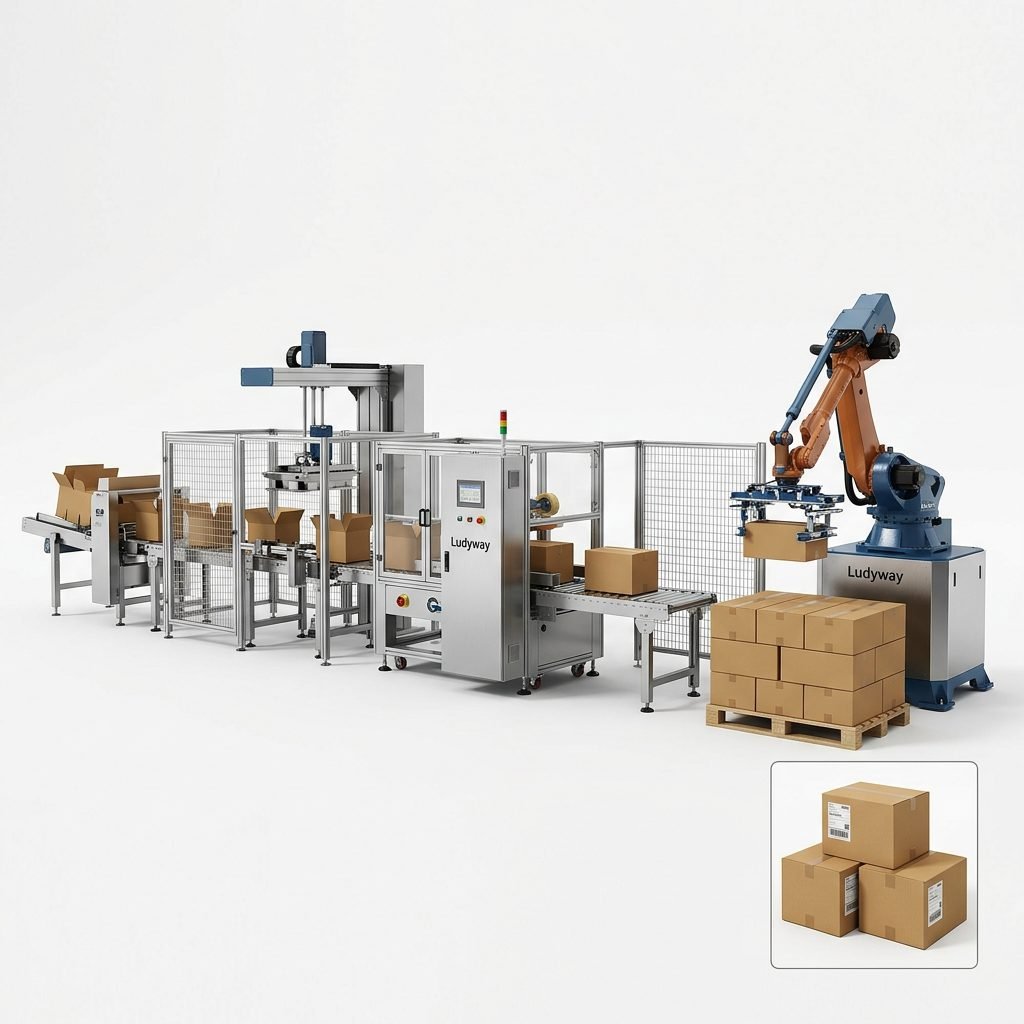
| Turnkey packaging line with conveyors, cartoning, and palletizing | 1–3 weeks | Requires layout fit, electrical integration, and full commissioning |
Most industrial buyers should budget more time than the supplier’s basic installation estimate, because site conditions and utility preparation often cause delays.
What Is Included in Packaging Machine Installation?
Many buyers think installation only means placing the machine on the factory floor. In reality, installation is a multi-step process that often includes:
- Receiving and unpacking the machine
- Positioning and leveling the equipment
- Mechanical assembly of shipped components
- Electrical wiring and power connection
- Air, vacuum, water, steam, or nitrogen connection if needed
- Software setup and PLC parameter confirmation
- Integration with upstream and downstream equipment
- Trial runs with packaging materials
- Product testing and adjustment
- Operator training and maintenance guidance
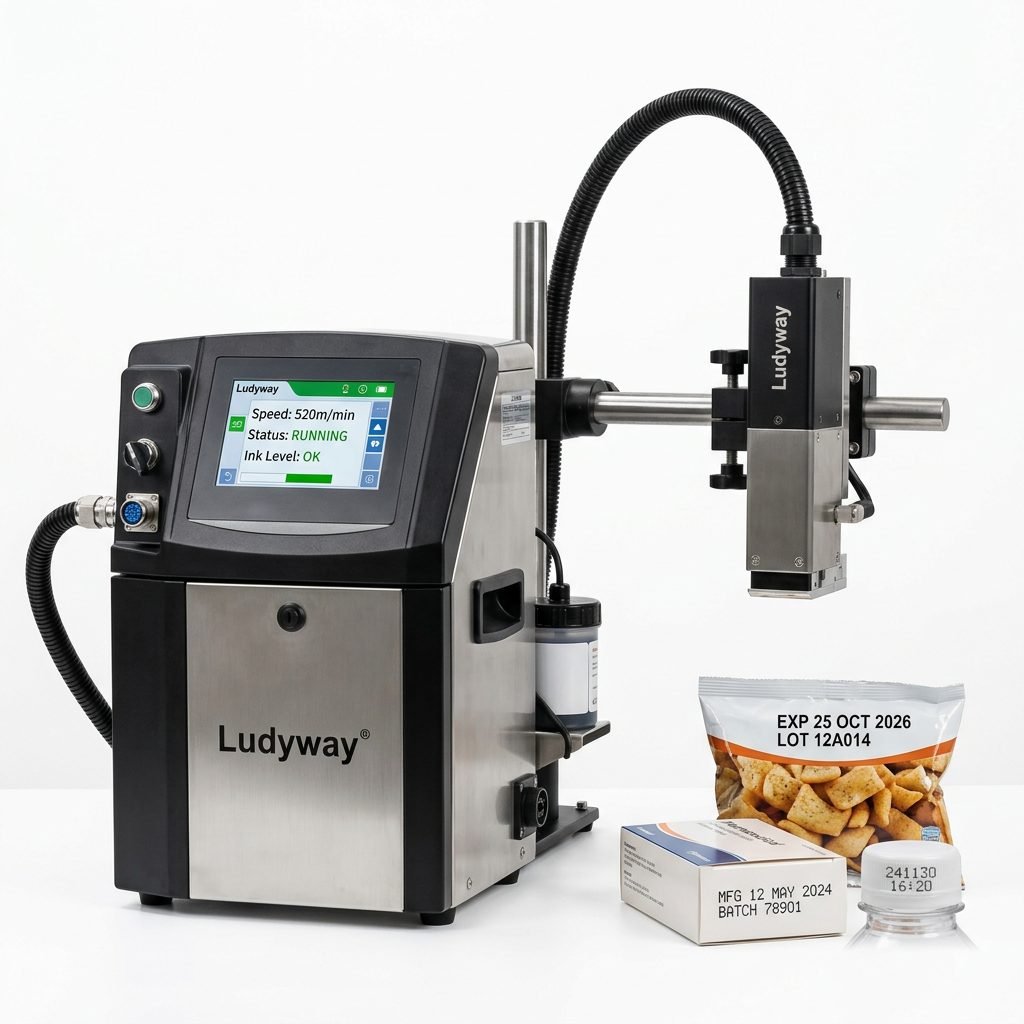
If your project includes line integration, barcode printing, checkweighing, metal detection, cartoning, or palletizing, the timeline becomes longer because every subsystem must communicate properly.
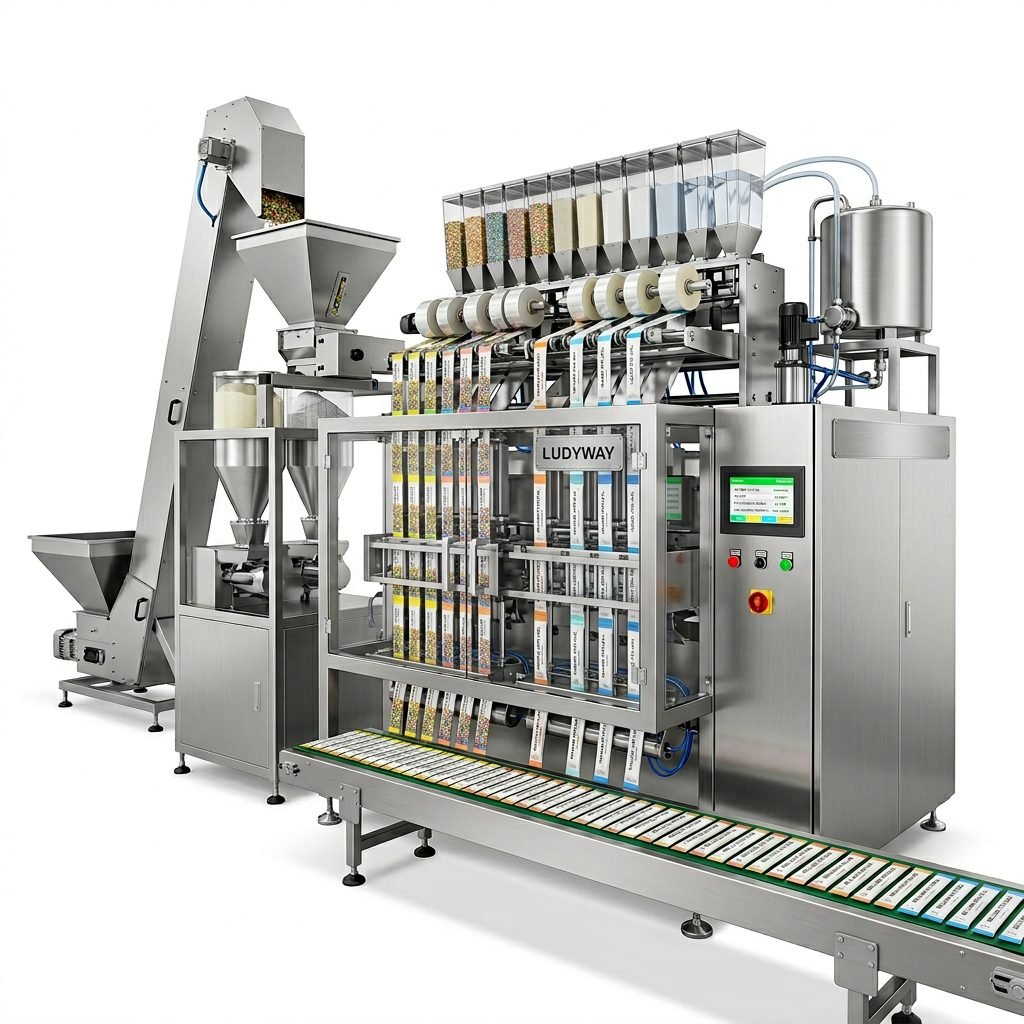
Main Factors That Affect Installation Time
1. Machine Complexity
The more automated the machine, the longer the setup. A simple tabletop filler is far easier to install than a multi-lane sachet machine with auger dosing, servo controls, coding, and carton packing integration.
2. Level of Customization
Custom-built packaging equipment often needs on-site fine-tuning. If your product has unusual flow characteristics, sensitive sealing requirements, or multiple package formats, adjustment time increases.
3. Site Readiness
A factory that already has the correct power supply, compressed air, clean environment, and production space can move much faster. Poor site preparation is one of the most common reasons installation runs late.
4. Utility Requirements
Some packaging systems need more than electricity. Depending on your equipment, installation may require:
- Compressed air lines
- Vacuum systems
- Chilled water
- Steam supply
- Dust extraction
- Special voltage or frequency conversion
5. Product and Packaging Material Testing
Even if the machine is mechanically installed in one day, true production readiness may still take longer. Testing with the actual product and final packaging film, pouch, bottle, cap, or carton is essential.
6. Regulatory and Validation Needs
Food, pharmaceutical, and health supplement projects may need IQ, OQ, or validation support. That can extend the timeline beyond standard installation.
A Realistic Packaging Machine Installation Timeline
| Stage | Estimated Time | What Happens |
|---|---|---|
| Pre-installation planning | Several days to 2 weeks | Layout review, utility confirmation, delivery planning |
| Machine unloading and positioning | Half day to 1 day | Move equipment into place and level it |
| Mechanical and electrical setup | 1–5 days | Assembly, wiring, utility connection |
| Commissioning and trial operation | 1–7 days | Parameters, package quality, speed adjustment |
| Training and handover | Half day to 2 days | Operator instruction and routine maintenance guidance |
For many projects, the mechanical installation is not the slowest part. The real time is often spent on fine adjustment, stable production testing, and operator readiness.
How Long Does It Take to Install a Standalone Machine vs. a Full Packaging Line?
Standalone Packaging Machine
A single machine such as a powder filler, sachet machine, bottle capper, or labeler may be installed in 1 day or less if the site is ready. However, if it needs product-specific tuning, expect 1–3 days total before stable production.
Integrated Packaging Line
A complete line involving feeding, dosing, primary packaging, coding, inspection, cartoning, case packing, and palletizing can easily take 7–21 days. This is especially true when multiple OEM devices must be linked together.
Common Reasons Packaging Machine Installation Gets Delayed
- Factory floor space does not match the approved layout
- Wrong voltage, insufficient air pressure, or unstable utilities
- Packaging film or containers arrive late
- Product characteristics differ from samples used in testing
- Custom parts or changeover tools are missing
- Operators are unavailable for training
- Imported equipment is delayed by customs or inland transport
- Integration issues with existing conveyors or ERP/printing systems
A simple delay in utilities or material availability can turn a one-day setup into a week-long commissioning process.
How to Reduce Packaging Machine Installation Time
If you want faster startup, preparation matters more than anything else. Here are the most effective ways to shorten the timeline:
- Confirm layout early: Make sure the machine footprint, operator access, maintenance space, and material flow are approved before shipment.
- Prepare utilities in advance: Check voltage, air compressor capacity, grounding, and any special requirements.
- Send real product samples: This helps the supplier pre-test dosing, sealing, and packaging stability.
- Have packaging materials ready: Use the final production film, bottles, caps, pouches, labels, or cartons when possible.
- Assign a project team: Include engineering, production, quality, and maintenance personnel.
- Schedule operator training: Keep operators available during startup to reduce handover delays.
- Work with an experienced supplier: Better documentation and remote support can save days.
Does Remote Installation Support Save Time?
In many cases, yes. For standard machines, remote installation support through video calls, digital manuals, wiring diagrams, and PLC guidance can reduce waiting time for an engineer visit. It is especially useful when:
- The machine is relatively standardized
- Your team has in-house technicians
- Travel scheduling is difficult
- Only parameter adjustment and startup verification are needed
For more complex turnkey lines, on-site support is still usually the best option, especially for final alignment, synchronization, and output validation.
How Long Before the Machine Reaches Full Production Speed?
Installation completion does not always mean immediate full-capacity production. Most machines need a short optimization period after startup. This can range from 1–3 days for standard systems to 1–2 weeks for customized lines. During this phase, teams usually refine:
- Filling accuracy
- Seal strength and appearance
- Reject rate
- Material feeding consistency
- Speed and synchronization
- Changeover settings
Choosing the Right Supplier Matters
A well-built machine is important, but so is the supplier’s ability to support installation and commissioning. An experienced manufacturer can help with layout planning, pre-shipment testing, utility checklists, online troubleshooting, spare parts preparation, and operator training.
For companies looking for scalable solutions, Ludyway packaging machine solutions are widely used in food, pharmaceutical, health supplement, and related industries, with support for both standalone equipment and turnkey packaging lines.
Frequently Asked Questions
Can a packaging machine be installed in one day?
Yes, a small standalone machine often can. But if testing, adjustment, and training are included, total startup time is usually longer.
What is the fastest way to install a packaging machine?
The fastest method is to prepare the site fully in advance, confirm utilities, have packaging materials ready, and use supplier-guided commissioning.
Why does commissioning take longer than physical installation?
Because stable production depends on product behavior, packaging material compatibility, machine parameters, and operator familiarity.
How long does it take to install a turnkey packaging line?
Most turnkey lines take about 1–3 weeks, depending on line length, equipment count, automation level, and on-site conditions.
Final Thought for Buyers
If you are asking how long it takes to install a packaging machine, the most accurate answer is this: simple machines may be ready in a day, while full production lines often require days or weeks. The best way to stay on schedule is to treat installation as a planned project, not just a delivery event.
When layout, utilities, materials, and training are prepared early, packaging machine installation becomes much faster, smoother, and more predictable.