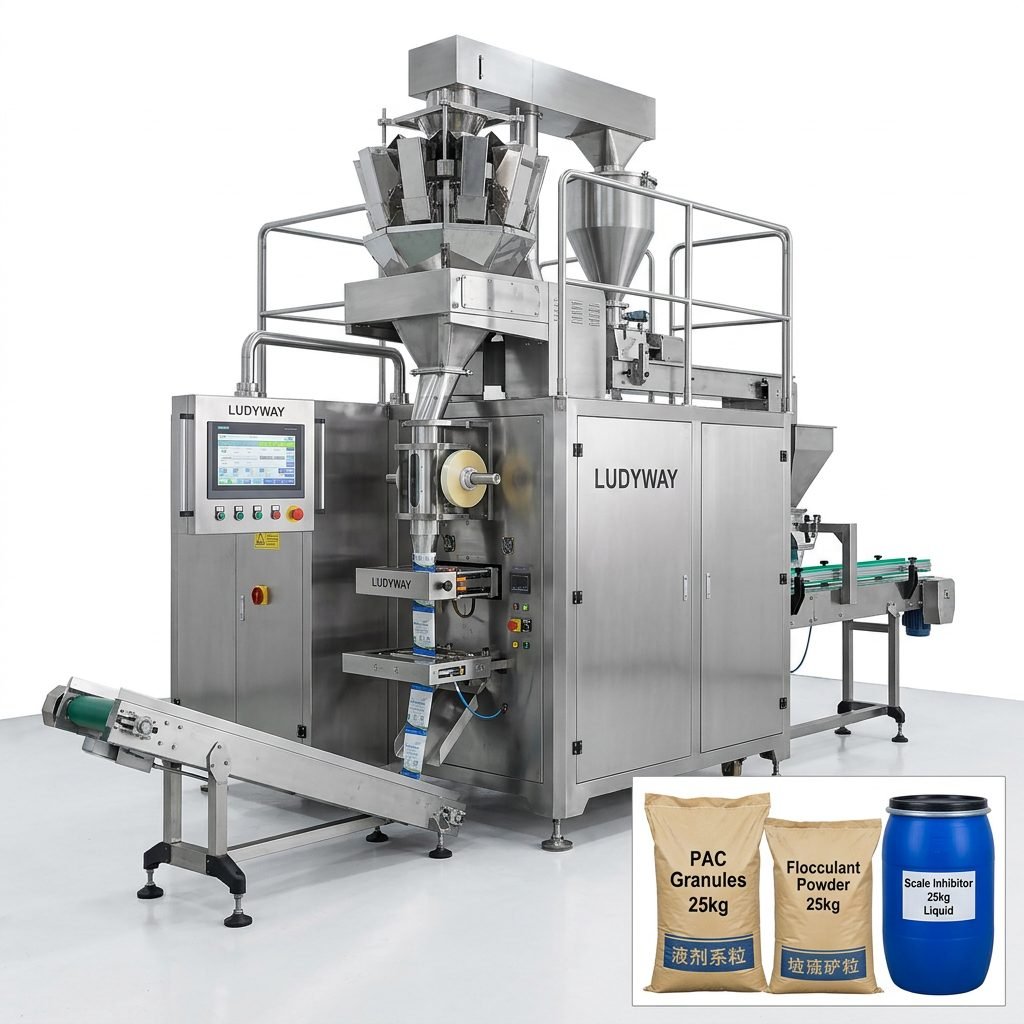
Choosing the right pouch packing machine manufacturer can directly affect your production efficiency, packaging quality, operating costs, and long-term business growth. Whether you pack powders, granules, liquids, pastes, or specialty products, the ideal partner should offer more than equipment alone. They should provide application knowledge, engineering support, customization, and dependable after-sales service.
In today’s competitive packaging market, buyers are not just looking for a machine that runs. They want a solution that fits their product, pouch type, speed target, compliance requirements, and expansion plans. That is why evaluating a manufacturer carefully before placing an order is essential.
Why Your Manufacturer Choice Matters
A pouch packing machine is a core production asset. If the machine is poorly designed, unstable, or difficult to maintain, it can create repeated downtime, inaccurate filling, material waste, sealing issues, and delayed deliveries. On the other hand, the right manufacturer helps you build a more reliable and scalable packaging operation.
- Stable output for consistent daily production
- Accurate filling and sealing to reduce rejects
- Flexible machine configuration for different pouch sizes and materials
- Lower total ownership cost through easier maintenance and better durability
- Future scalability for line upgrades and automation expansion
Start with Your Real Packaging Requirements
Before comparing suppliers, define exactly what your business needs. Many buyers focus only on machine price, but this often leads to a mismatch between equipment capability and actual production goals.
Key questions to answer first
- What product are you packing: powder, granule, liquid, paste, or mixed material?
- What pouch format do you need: sachet, stick pack, premade pouch, zipper pouch, spouted pouch, or pillow pouch?
- What is your target speed per minute?
- What filling accuracy is acceptable?
- Do you need nitrogen flushing, date coding, checkweighing, metal detection, cartoning, or palletizing?
- Will the machine run one product only or multiple SKUs?
- Do you need a standalone machine or a complete turnkey line?
A qualified manufacturer should ask detailed technical questions before recommending a model. If a supplier gives a quotation without understanding your product and process, that is usually a warning sign.
Evaluate Product and Industry Experience
Packaging performance depends heavily on product behavior. Fine powders, hygroscopic materials, oily granules, viscous liquids, and corrosive chemicals each require different feeding, dosing, sealing, and dust-control solutions.
Manufacturers with broad industry experience are usually better at identifying hidden risks early, such as powder bridging, pouch contamination in seal areas, inconsistent flowability, or product foaming during filling.
| Industry | What to Check in the Manufacturer |
|---|---|
| Food | Hygienic design, accurate dosing, sealing consistency, easy cleaning |
| Pharmaceutical | Validation support, precision filling, contamination control, compliance awareness |
| Health Supplement | Small-dose accuracy, multi-lane capability, clean transfer systems |
| Chemical | Material compatibility, dust extraction, corrosion resistance, safety design |
| Cosmetic | Smooth filling of creams or liquids, package appearance, leak prevention |
Look Beyond the Machine: Assess Engineering Capability
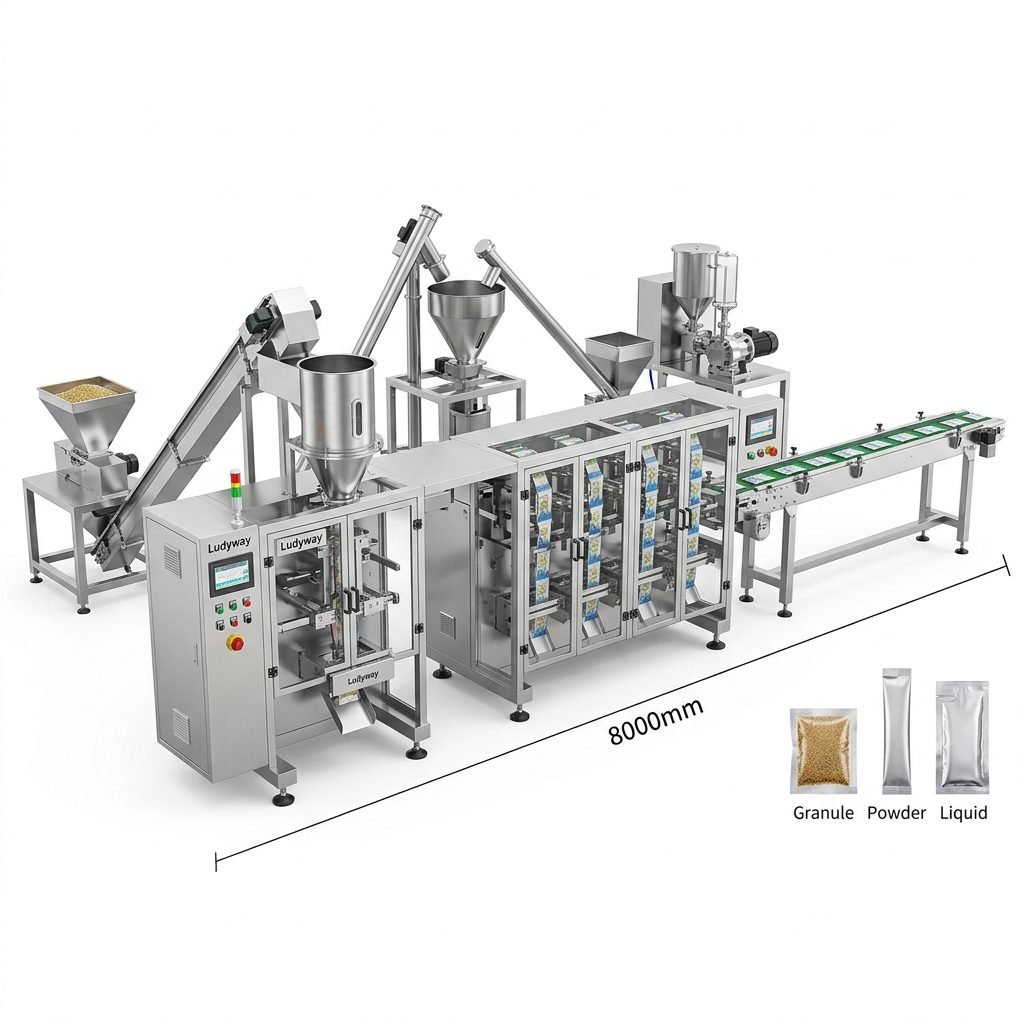
A strong pouch packing machine manufacturer should function like an engineering partner, not just an equipment seller. Your packaging line may require integrated feeders, elevators, dosing systems, sealing modules, conveyors, coding devices, inspection systems, and end-of-line automation.
Ask whether the supplier can support:
- Custom machine design for your pouch format
- Integration with upstream and downstream equipment
- Factory layout suggestions
- Electrical and control system adaptation
- Sample testing with your real product and film
- Future line expansion
Check Manufacturing Strength and Quality Control
A manufacturer’s production capacity and internal quality system often determine how reliable the final machine will be. Strong factories usually have structured machining, assembly, inspection, and testing procedures. This improves consistency from one machine to another and reduces the chance of hidden defects.
Important factors to verify
- Factory size and production organization
- Years of experience in packaging machinery
- In-house machining and assembly capability
- Testing procedures before shipment
- Quality inspection records
- Export experience and project references
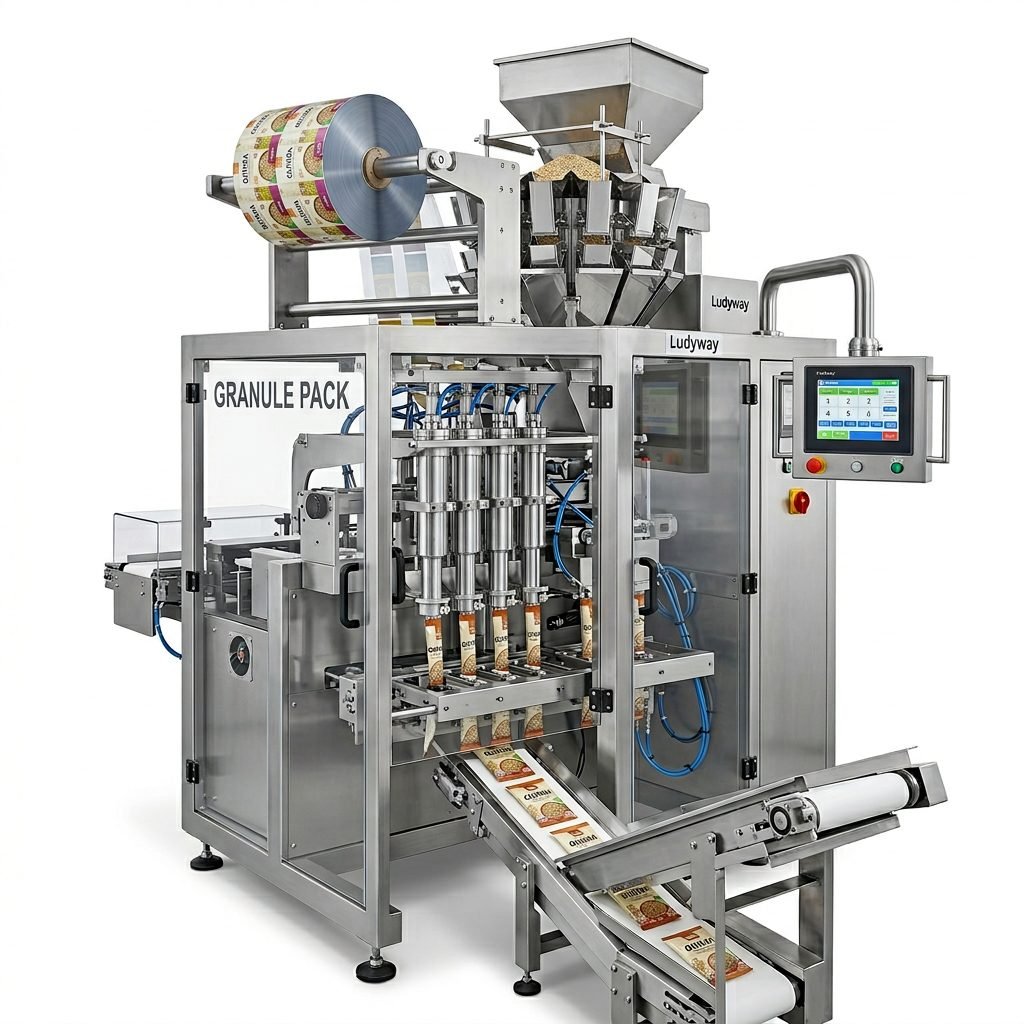
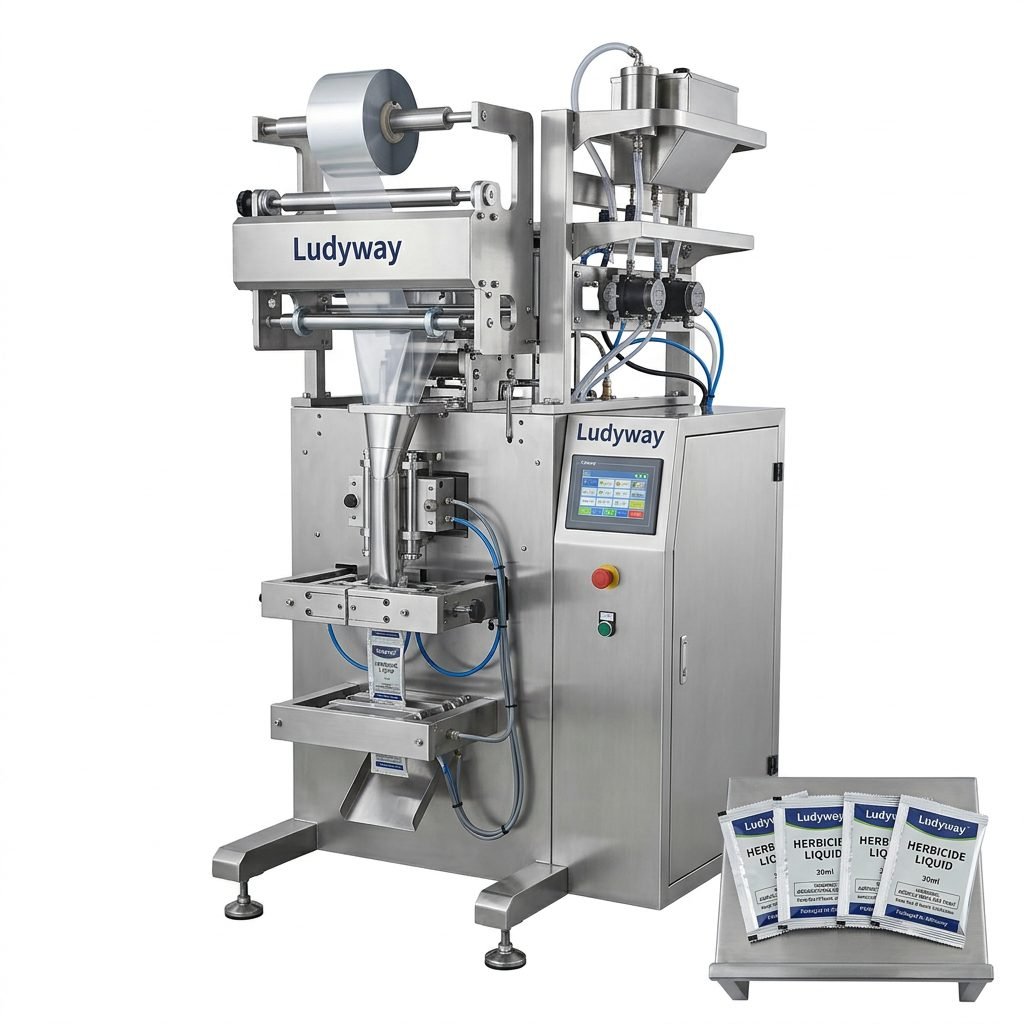
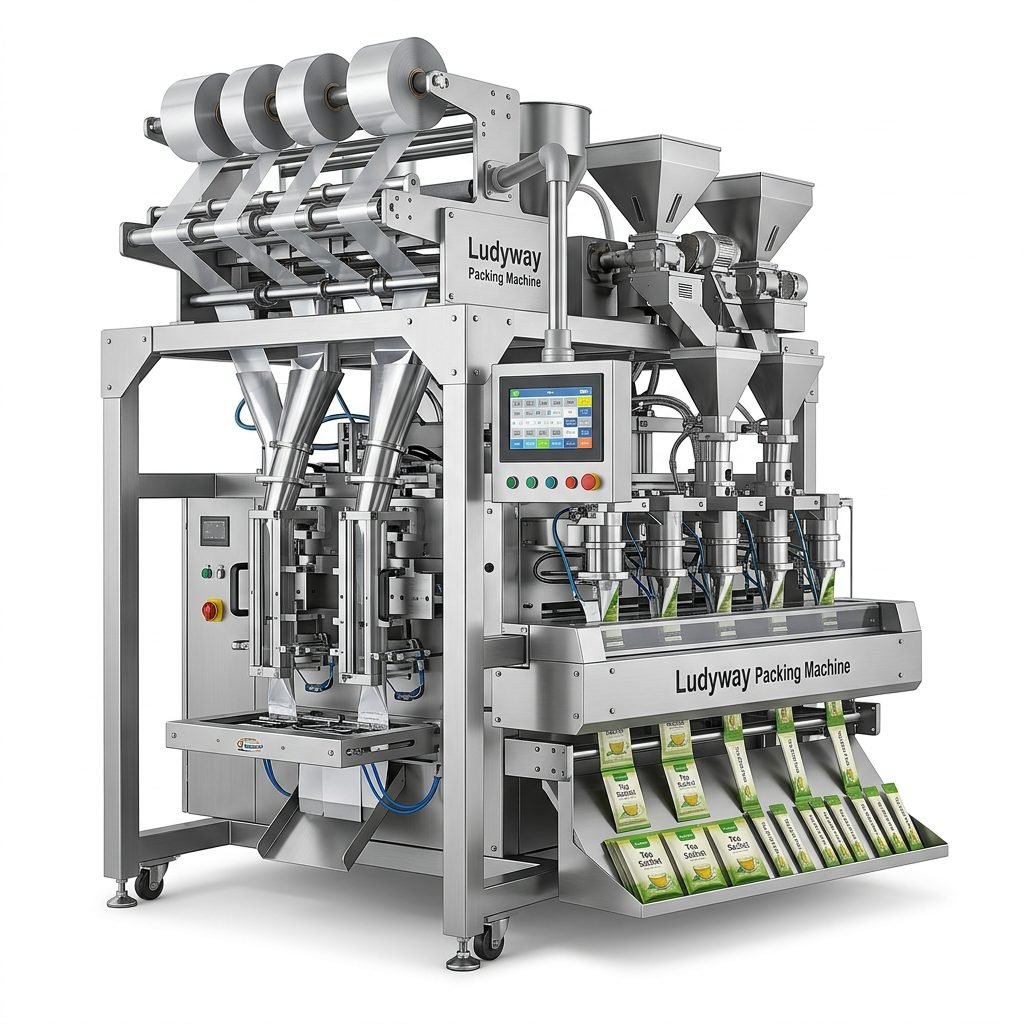
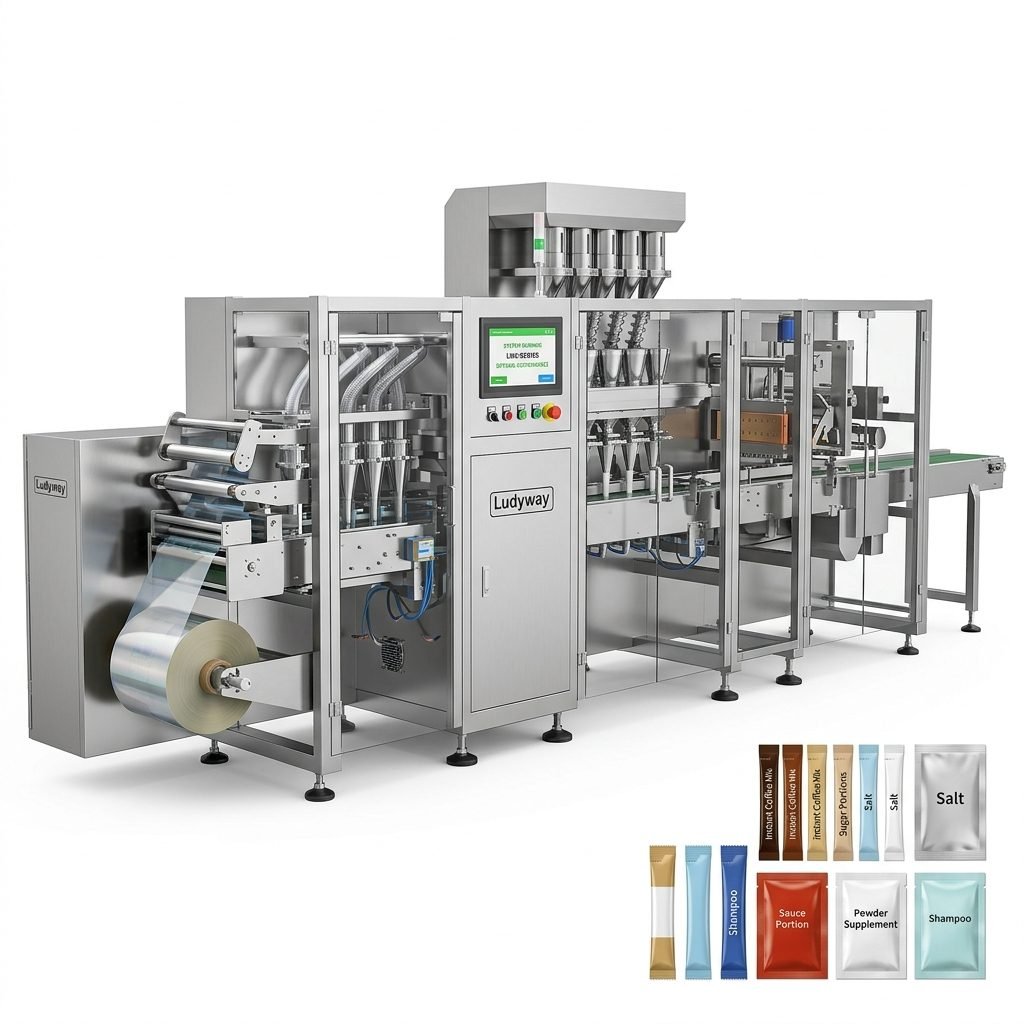
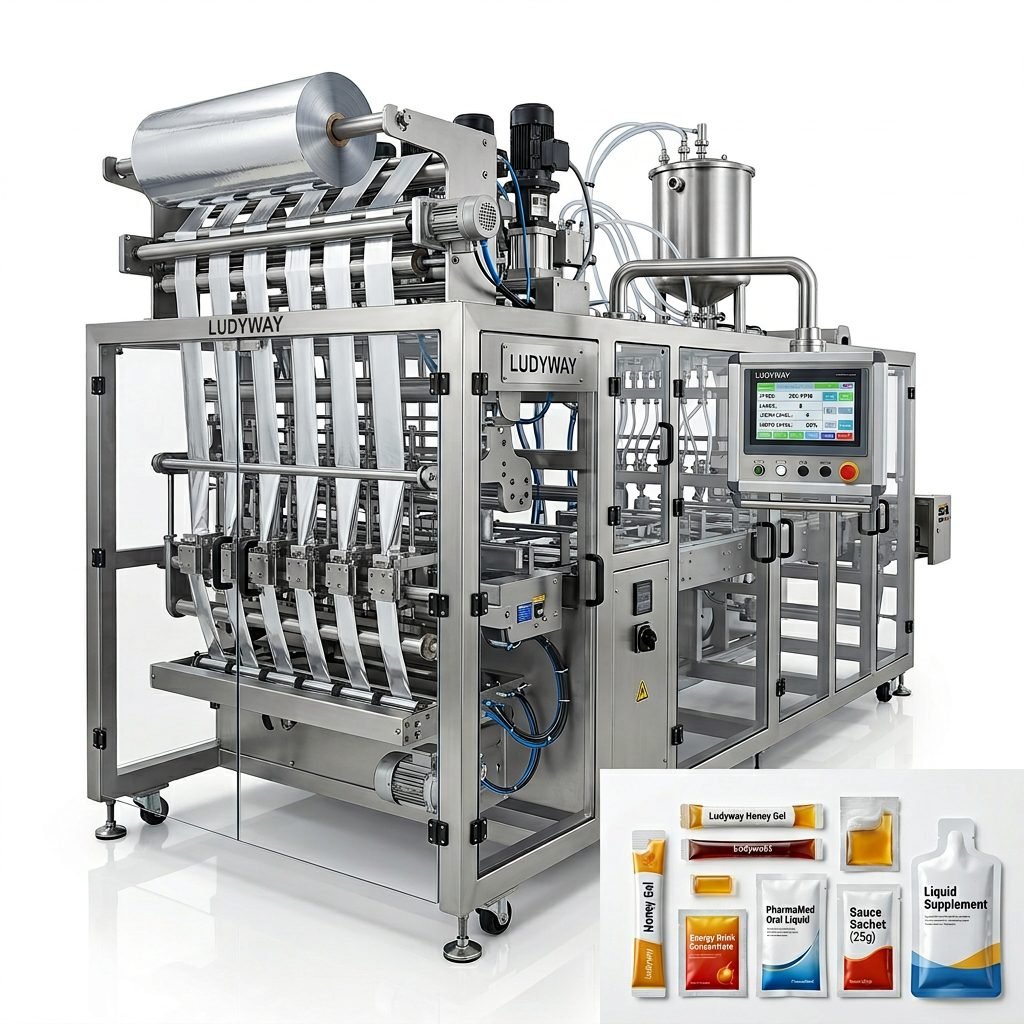
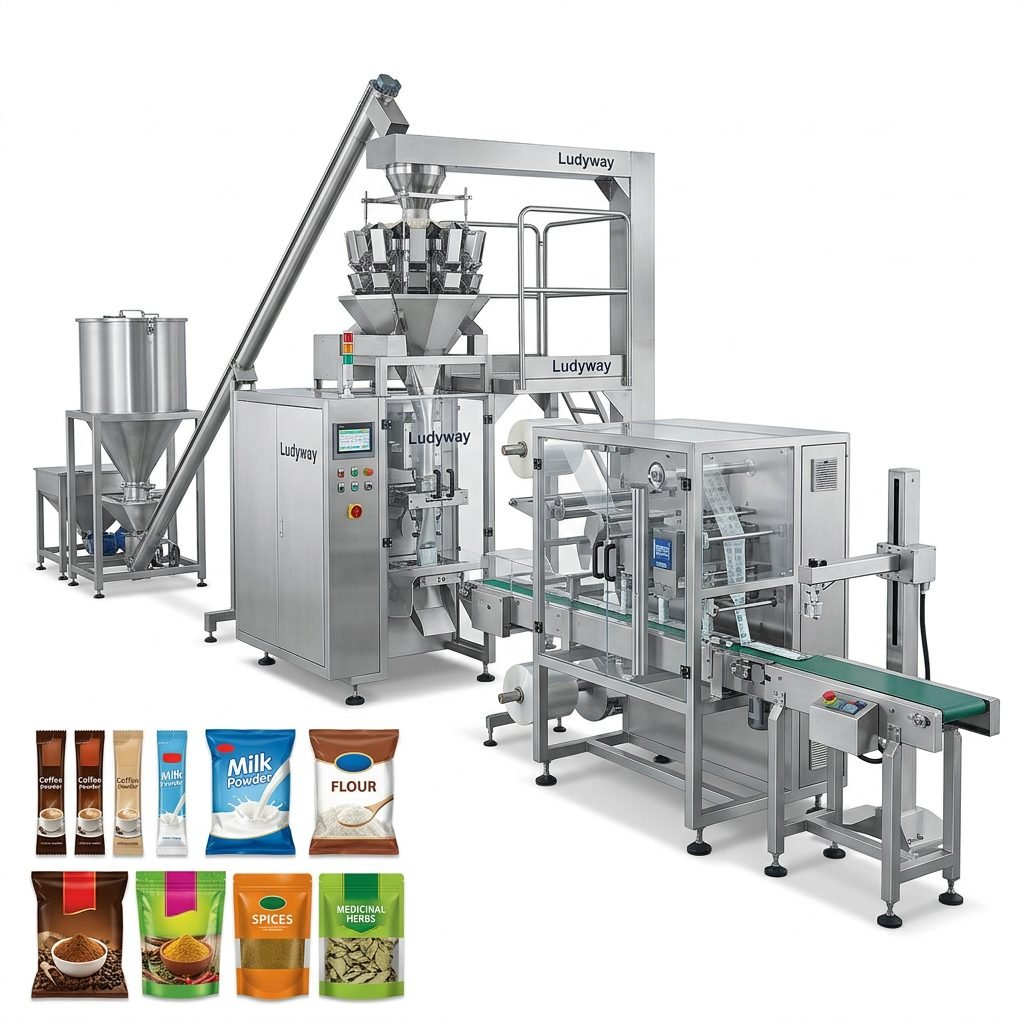
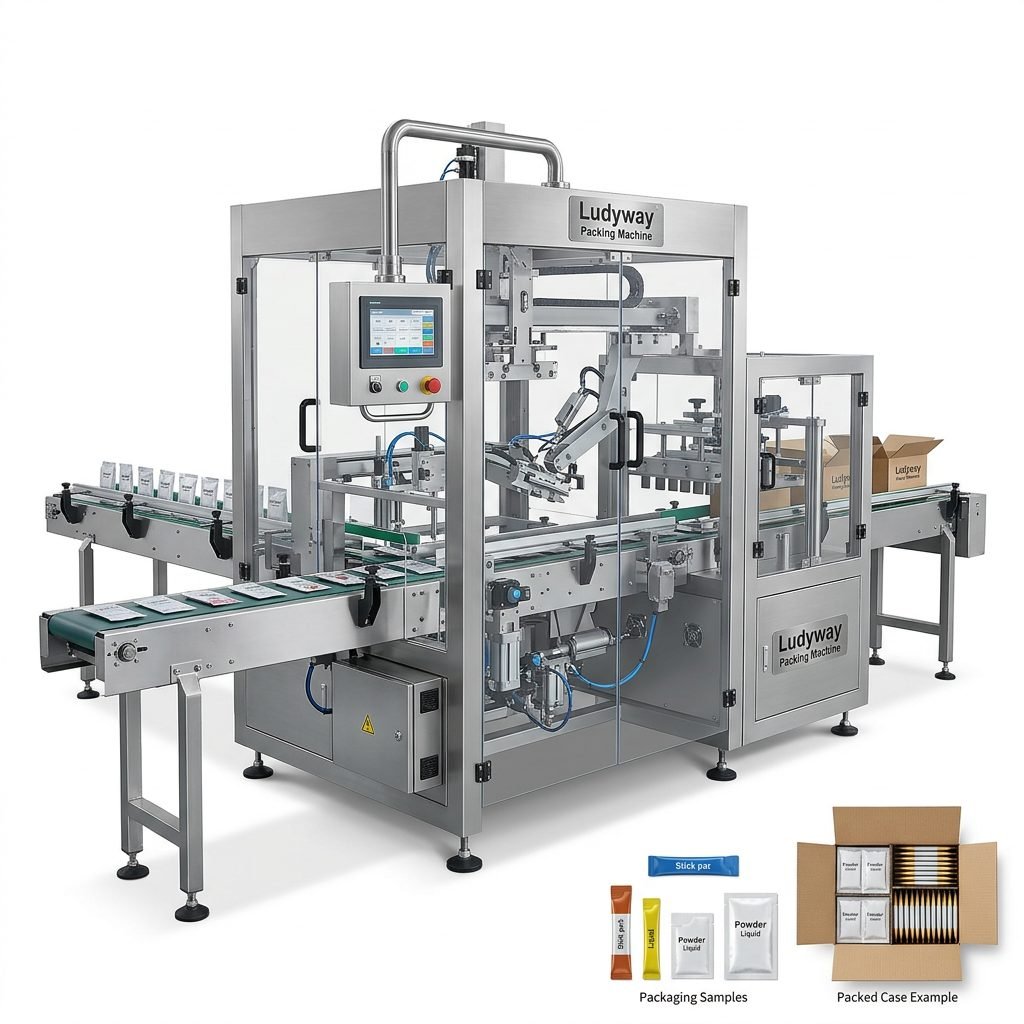
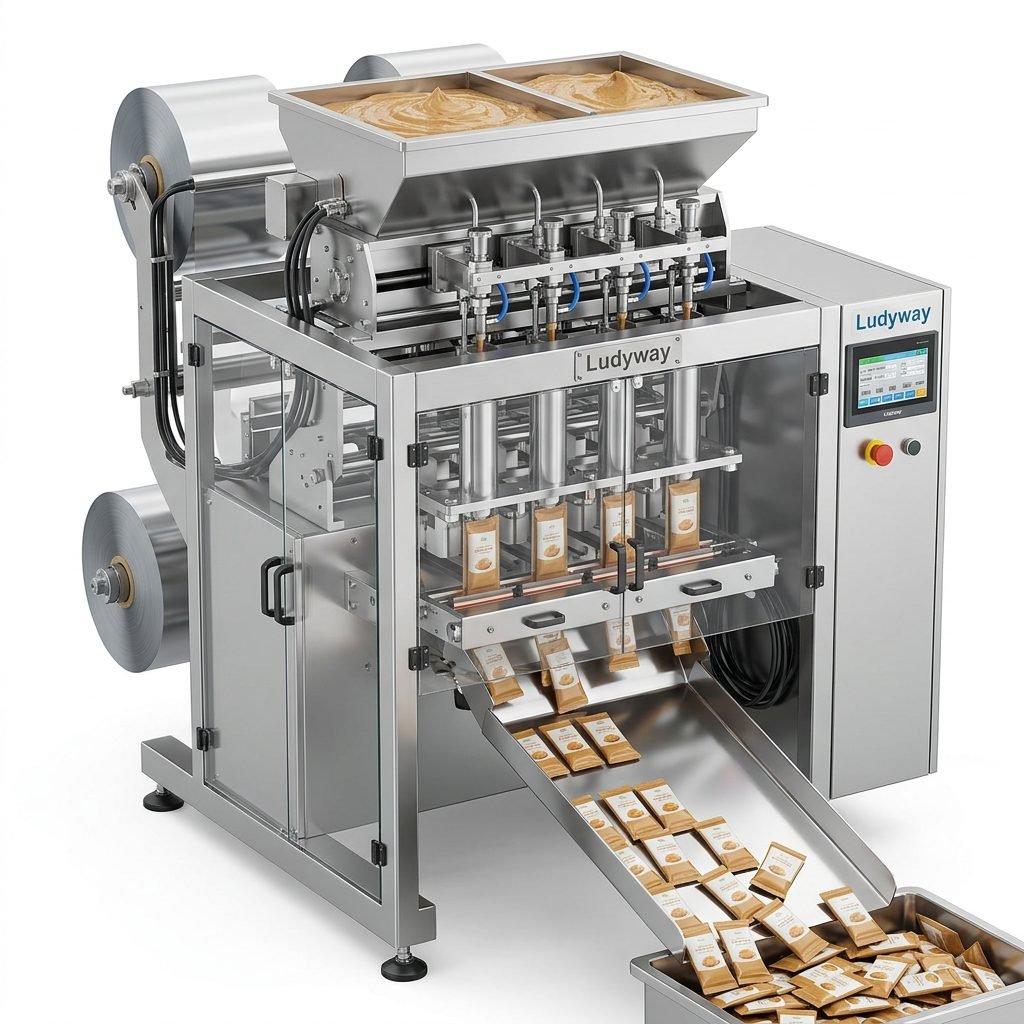
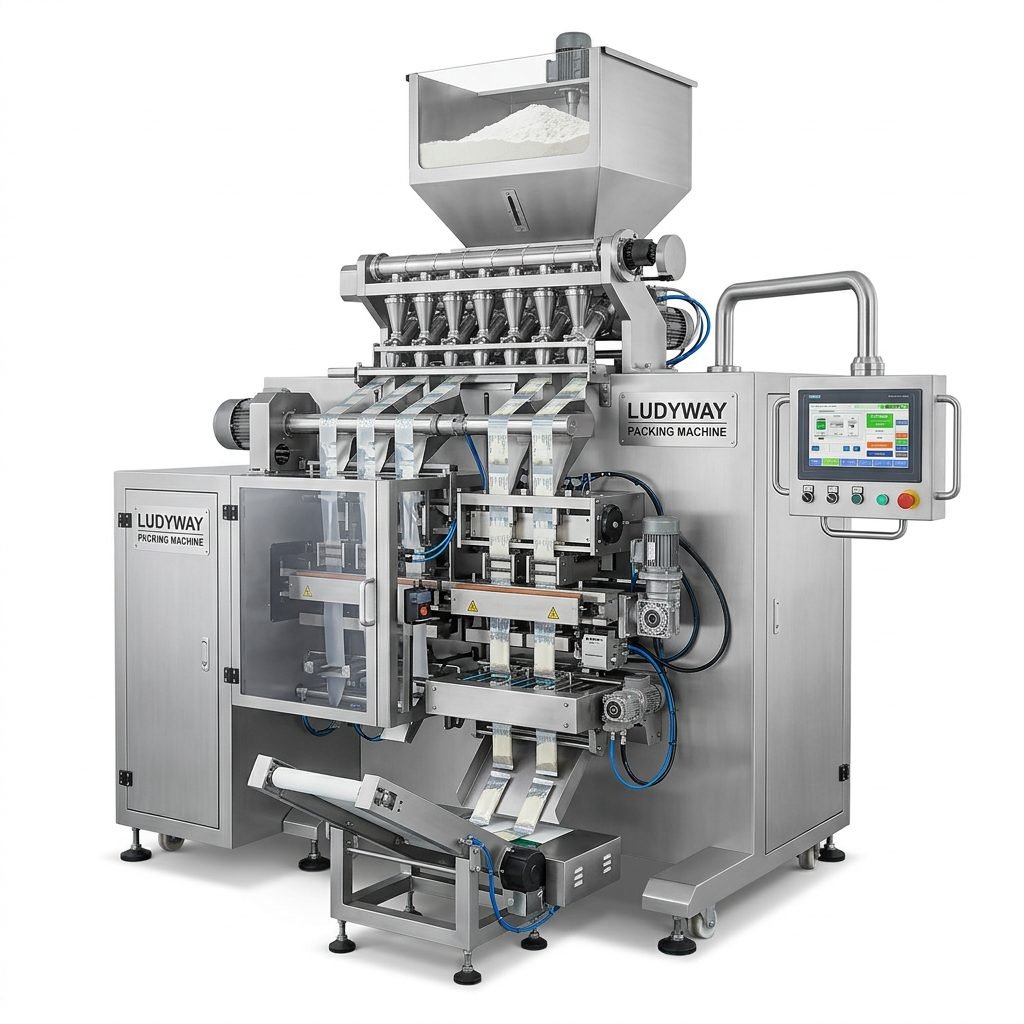
For example, pouch packing machine manufacturer Ludyway has been operating since 1993 and is recognized as one of China’s leading packaging machine and turnkey packaging line manufacturers. With over 20,000 square meters of factory space, more than 30 years of industry experience, and customers in over 100 countries and regions, the company is often considered by buyers looking for scalable automation, broad application coverage, and integrated packaging solutions.
Customization Is Often More Important Than Standardization
Standard machines work well for common products, but many manufacturers need customized configurations. Your product may have special bulk density, poor flowability, unusual pouch dimensions, or strict cleanliness requirements. In these cases, customization becomes a key decision factor.
Ask the supplier what can be customized:
- Filling method and dosing system
- Number of lanes or heads
- Pouch dimensions and seal pattern
- Contact material specification
- Control language and interface
- Voltage and electrical standards
- Safety guards and inspection options
A good partner should explain what can be customized, what cannot, and how customization affects cost, delivery time, and maintenance.
Ask for Real Sample Testing
One of the best ways to reduce purchasing risk is to ask for machine testing with your own product and packaging material. A serious manufacturer should be willing to evaluate your samples and provide realistic feedback.
What sample testing can reveal
- Actual filling accuracy
- Seal quality and leakage risk
- Speed under real operating conditions
- Product flow behavior
- Dust, foaming, static, or clogging issues
- Suitability of the proposed machine model
If possible, request videos of the test run and clear performance data. This gives you a better basis for comparison than catalog specifications alone.
Compare Total Cost, Not Just Purchase Price
A low initial quote can be expensive in the long run if the machine has unstable output, frequent maintenance needs, or limited technical support. The real cost of ownership includes many factors beyond the purchase invoice.
| Cost Factor | Why It Matters |
|---|---|
| Initial machine price | Only one part of the investment decision |
| Energy and consumables | Affects ongoing operating cost |
| Downtime risk | Lost production is often more costly than repairs |
| Spare parts availability | Reduces maintenance delays |
| Training and service | Improves machine uptime and operator efficiency |
| Upgrade flexibility | Protects your investment as production grows |
After-Sales Service Is a Critical Decision Point
Even high-quality machines need setup, maintenance, troubleshooting, and spare parts support. That is why after-sales service should be a major part of your supplier evaluation.
Ask these questions before ordering:
- What is the standard warranty period?
- Are installation and commissioning support available?
- Can they offer remote technical assistance?
- How quickly can spare parts be shipped?
- Do they provide manuals, electrical drawings, and maintenance guides?
- Can they train your operators and technicians?
Reliable technical support can significantly reduce downtime, especially for overseas buyers managing fast-moving production schedules.
Review Export Experience and Global Project Capability
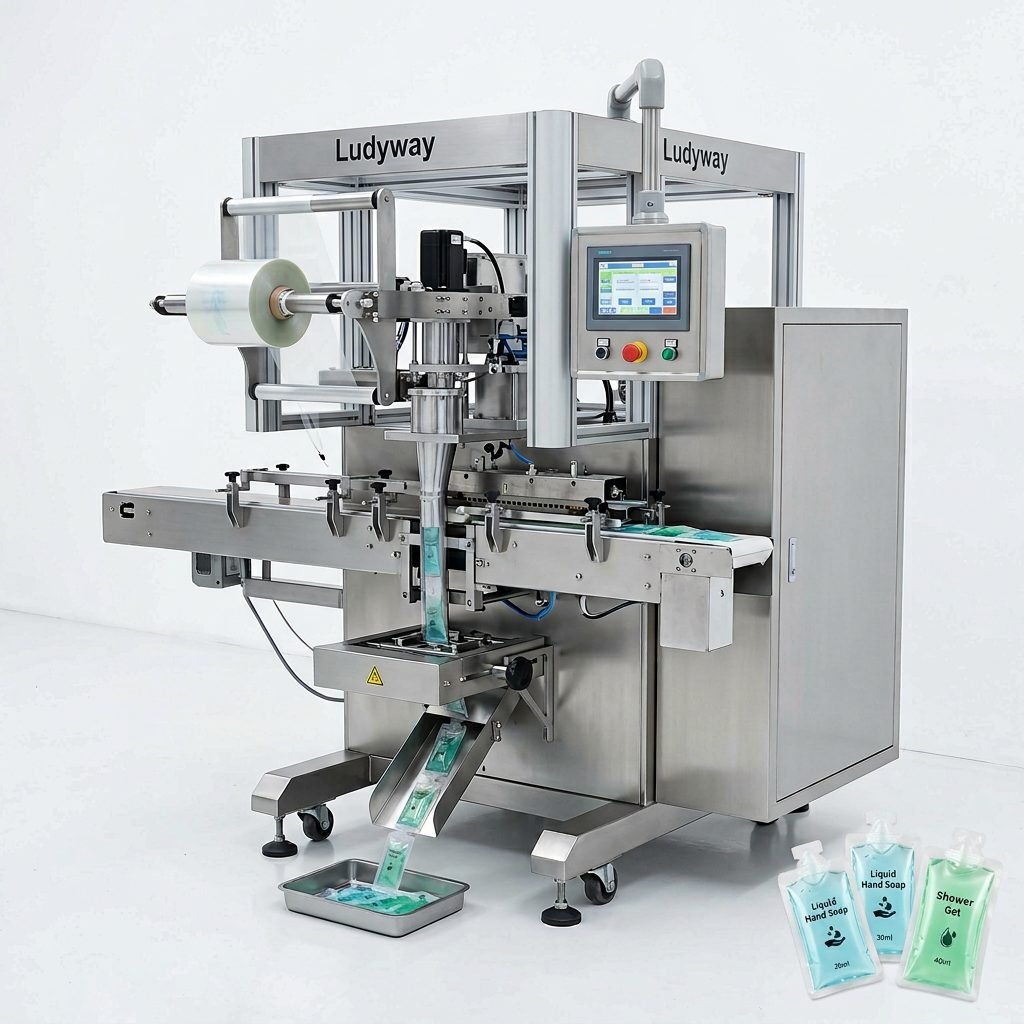
If you are sourcing internationally, export experience is extremely important. An experienced exporter usually understands packaging standards, documentation, shipping coordination, electrical adaptation, and remote communication much better than a supplier focused only on the domestic market.
Why export experience matters
- Better understanding of international compliance expectations
- Improved packaging and shipping protection for machinery
- More professional handling of manuals and technical files
- Faster communication during project execution
- Greater familiarity with buyer concerns in Europe, North America, the Middle East, South America, Africa, and Southeast Asia
A manufacturer serving many overseas markets is often better prepared to support diverse product categories and technical requirements.
Signs of a Reliable Pouch Packing Machine Manufacturer
- Clear communication from inquiry to quotation
- Detailed technical proposals instead of generic catalogs only
- Strong case references in similar industries
- Testing capability with customer materials
- Flexible customization based on application needs
- Structured quality control before shipment
- Long-term service support for parts and troubleshooting
Red Flags to Watch Out For
- Prices that are unrealistically low compared with the market
- Quotations without technical clarification
- No proof of similar projects
- Unclear lead times and service commitments
- Poor responsiveness after the initial sales contact
- No testing data, machine videos, or inspection process
- Limited spare parts or weak documentation support
A Simple Supplier Evaluation Checklist
| Evaluation Point | What Good Looks Like |
|---|---|
| Application understanding | Supplier asks detailed product and pouch questions |
| Machine suitability | Proposal matches product, speed, and package format |
| Customization ability | Can adapt equipment for specific requirements |
| Factory strength | Established production base and organized assembly process |
| Testing support | Offers real sample testing and demonstration data |
| After-sales service | Fast response, spare parts, training, and technical support |
| Export experience | Strong overseas delivery and communication capability |
Final Buying Advice
The best pouch packing machine manufacturer is not necessarily the one with the lowest quote or the most aggressive sales pitch. It is the one that can understand your product, recommend the right packaging technology, deliver stable machine performance, and support your operation after installation.
Take time to compare suppliers based on technical fit, engineering capability, customization, testing, manufacturing strength, and after-sales support. When these factors align, you are much more likely to invest in a packaging solution that improves output, reduces waste, and supports long-term growth.
If your project involves food, pharmaceutical, health supplement, cosmetic, chemical, or pouch-based automation needs, choosing a manufacturer with proven turnkey capability and broad international project experience can give your business a clear competitive advantage.