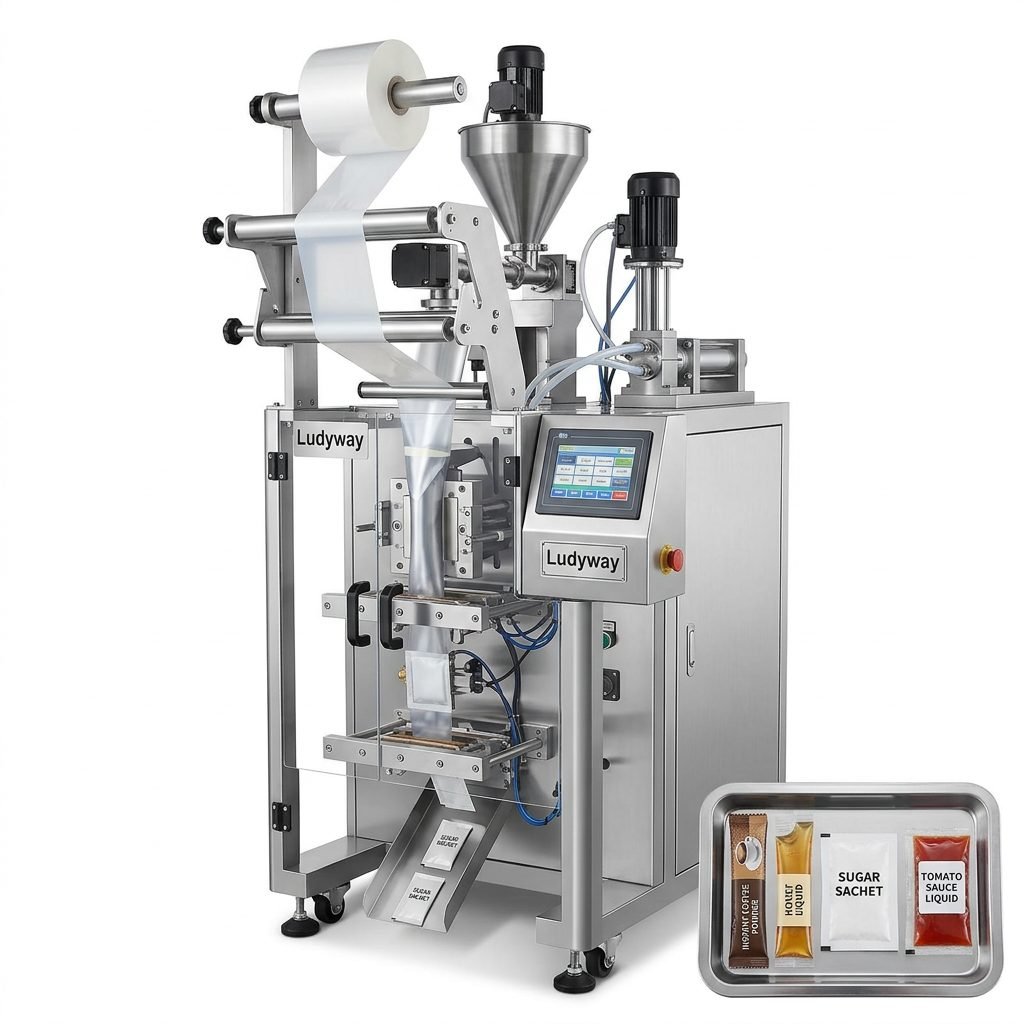
Demand for packaging equipment is accelerating across emerging markets as manufacturers expand production capacity, modernize factory operations, and respond to shifting consumer expectations. From packaged foods and nutraceuticals to personal care and pharmaceutical products, businesses in developing economies are investing in faster, cleaner, and more flexible automation to improve output while controlling long-term operating costs.
Why Emerging Markets Are Becoming the New Growth Engine
Several structural factors are supporting this trend. Rising urban populations are increasing demand for convenient, safe, and affordable packaged goods. At the same time, local producers are under pressure to improve consistency, reduce waste, and comply with stricter hygiene and labeling standards. This has made packaging machinery a strategic investment rather than a purely operational purchase.
In many regions, food processors, supplement brands, household chemical manufacturers, and contract packers are moving away from labor-intensive methods toward automated filling, sealing, cartoning, and complete line integration. As local competition intensifies, equipment that offers speed, precision, and scalability is becoming essential.
Key Drivers Behind the Demand Upswing
- Consumption growth: More middle-income households are buying packaged daily-use products.
- Industrial upgrading: Manufacturers are replacing semi-automatic systems with integrated automated lines.
- Export ambitions: Producers targeting overseas markets need packaging quality that meets international requirements.
- Labor optimization: Automation helps reduce dependence on manual handling and improves production stability.
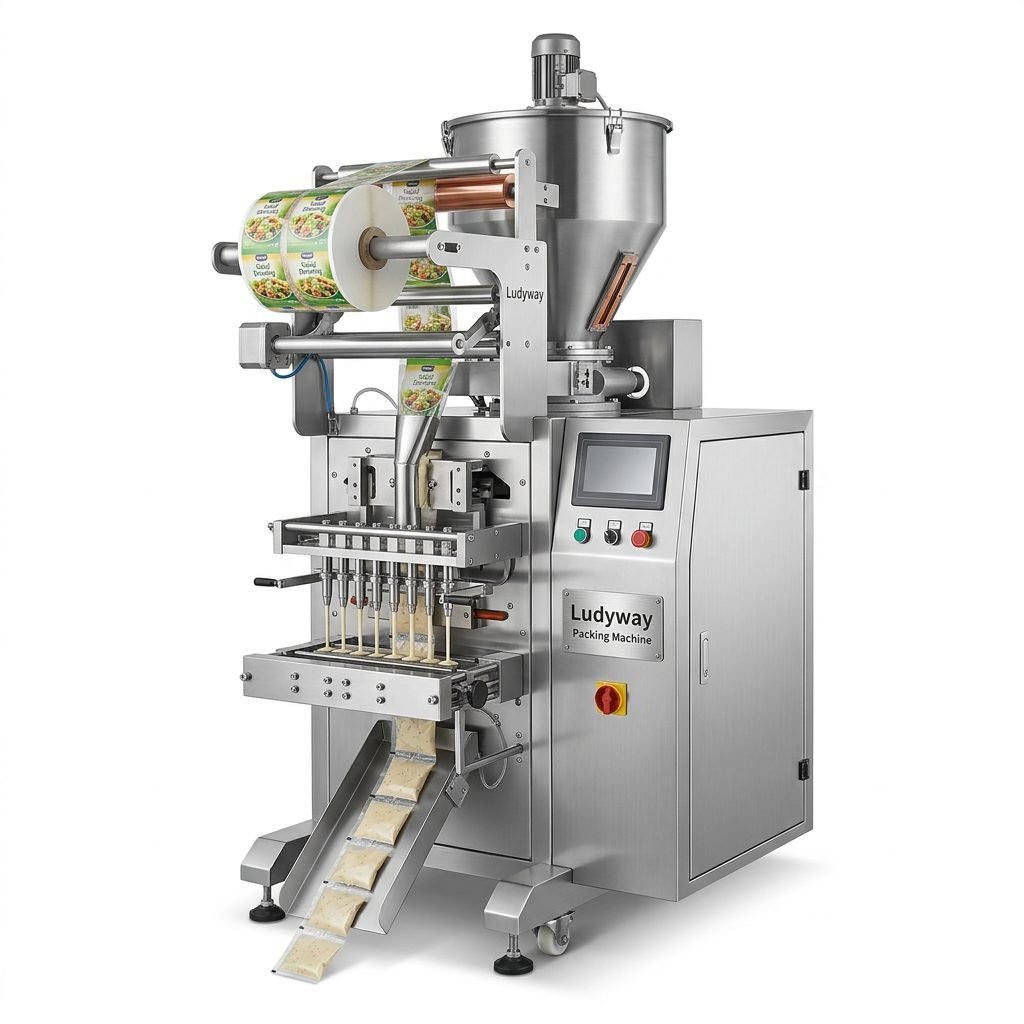
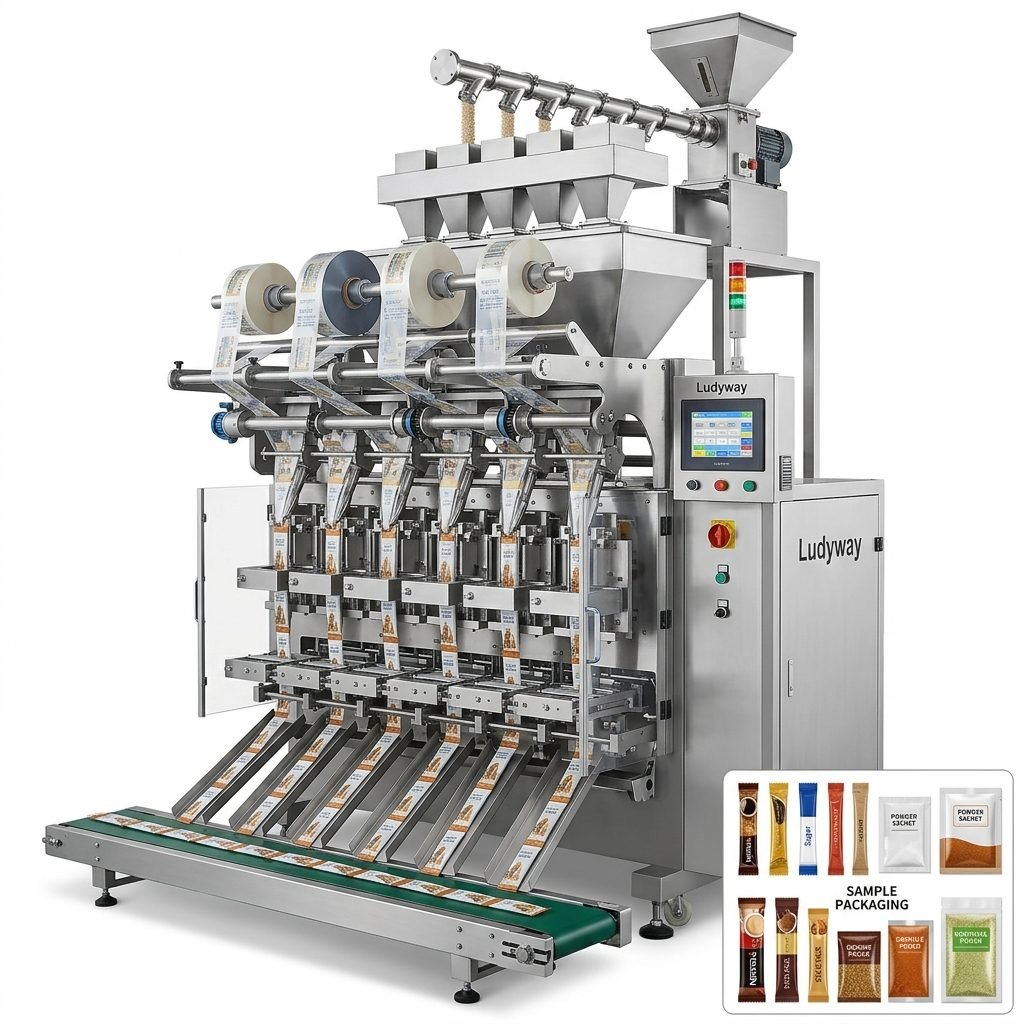
- Product diversification: Brands are launching more sachets, stick packs, pouches, and small-format packs for value-conscious consumers.
Industries Showing the Strongest Momentum
Packaging equipment growth is especially visible in sectors where product safety, dosing accuracy, and packaging appearance directly affect brand trust. Small-format packaging remains particularly important in emerging markets because it supports lower unit pricing and wider retail accessibility.
| Industry | Main Packaging Needs | Equipment Trend |
|---|---|---|
| Food & Beverage | Powders, granules, sauces, snacks, seasonings | High-speed sachet, stick pack, and vertical systems |
| Pharmaceutical | Dose control, hygiene, traceability | Precision filling, sealing, inspection, and cartoning |
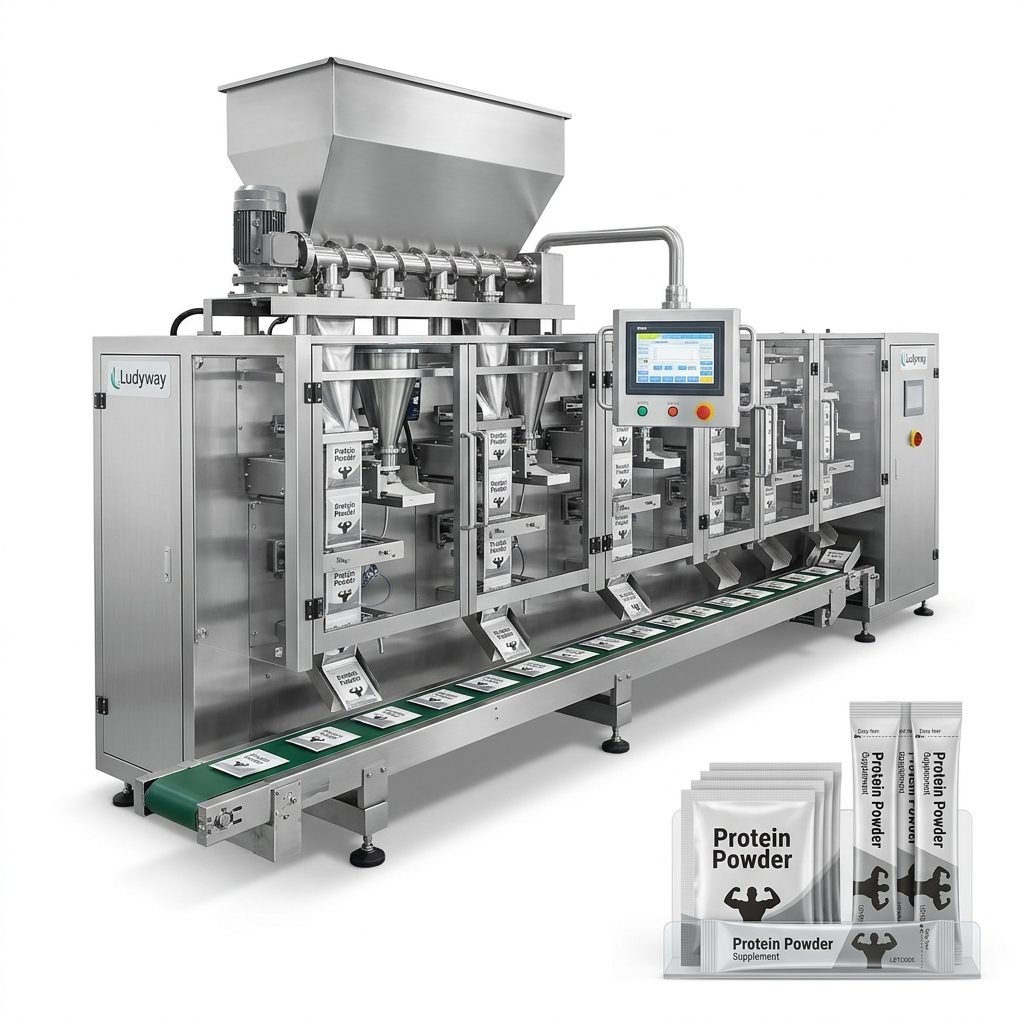
| Health Supplements | Powder sachets, granules, stick packs | Multi-lane packaging and turnkey line demand |
| Personal Care | Creams, liquids, wipes, small trial packs | Flexible pouch, sachet, and tube filling solutions |
| Household & Chemical | Detergents, cleaners, industrial powders and liquids | Durable automated filling and sealing systems |
Regional Buyers Want Flexibility, Not Just Speed
Buyers in emerging markets are increasingly selective. Instead of purchasing equipment solely based on initial price, they are comparing format flexibility, maintenance support, output stability, and upgrade potential. Many factories need machines that can handle multiple product types, package sizes, and material characteristics on a single production platform.
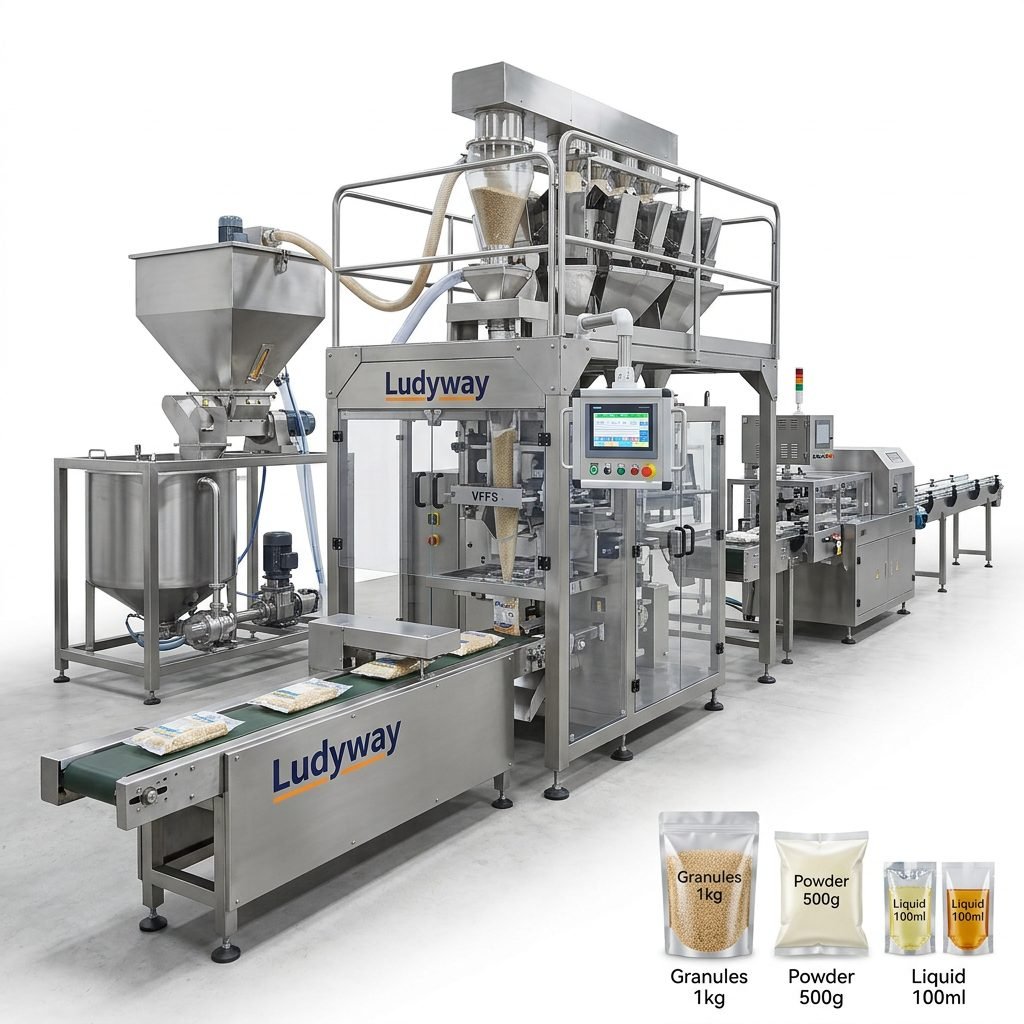
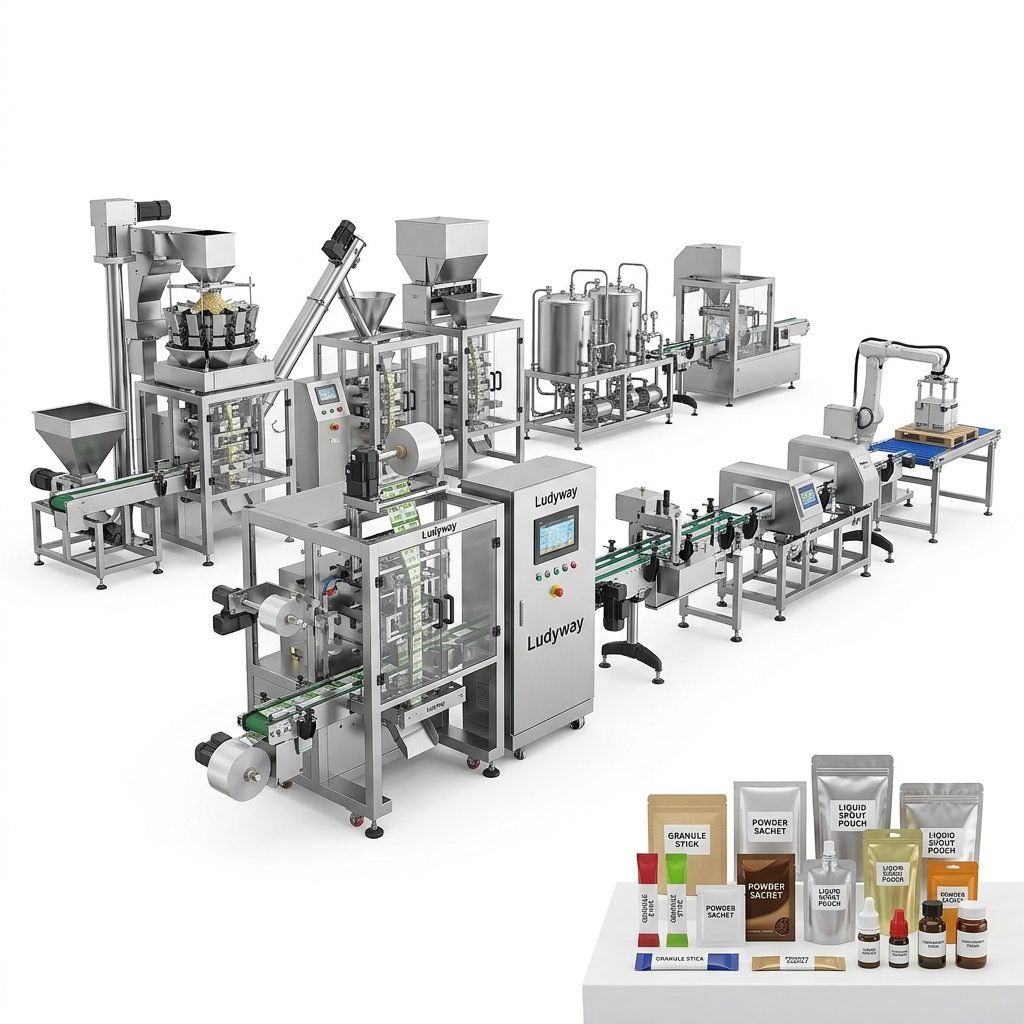
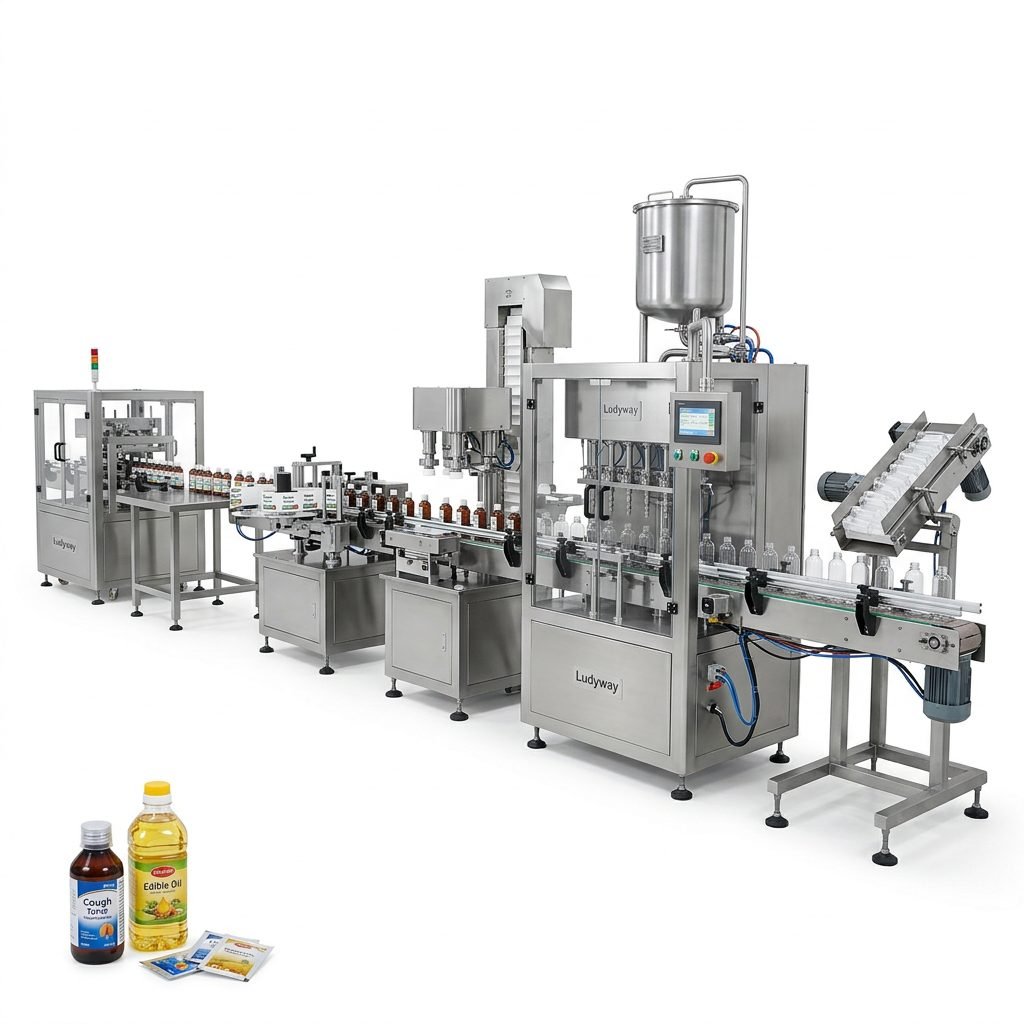
This is particularly true for contract manufacturers and fast-growing local brands. They often need equipment capable of packaging powders, granules, liquids, or pastes while maintaining compact footprints and easy changeover procedures. As a result, modular systems and turnkey packaging lines are gaining stronger traction than isolated standalone units.
What Buyers Are Prioritizing in 2026
- Reliable output with reduced downtime
- Accurate dosing for powder and liquid applications
- Compatibility with different sachet, stick pack, pouch, or bottle formats
- Simple operation for local production teams
- After-sales technical support and spare parts availability
- Scalable line configurations for future expansion
Automation Is Expanding Beyond Large Enterprises
One notable market shift is that automation is no longer limited to major multinational manufacturers. Mid-sized regional producers are now entering the market for advanced packaging systems as financing improves and return-on-investment calculations become more favorable. In many cases, even modest automation upgrades can deliver measurable benefits in labor savings, seal quality, batch consistency, and production throughput.
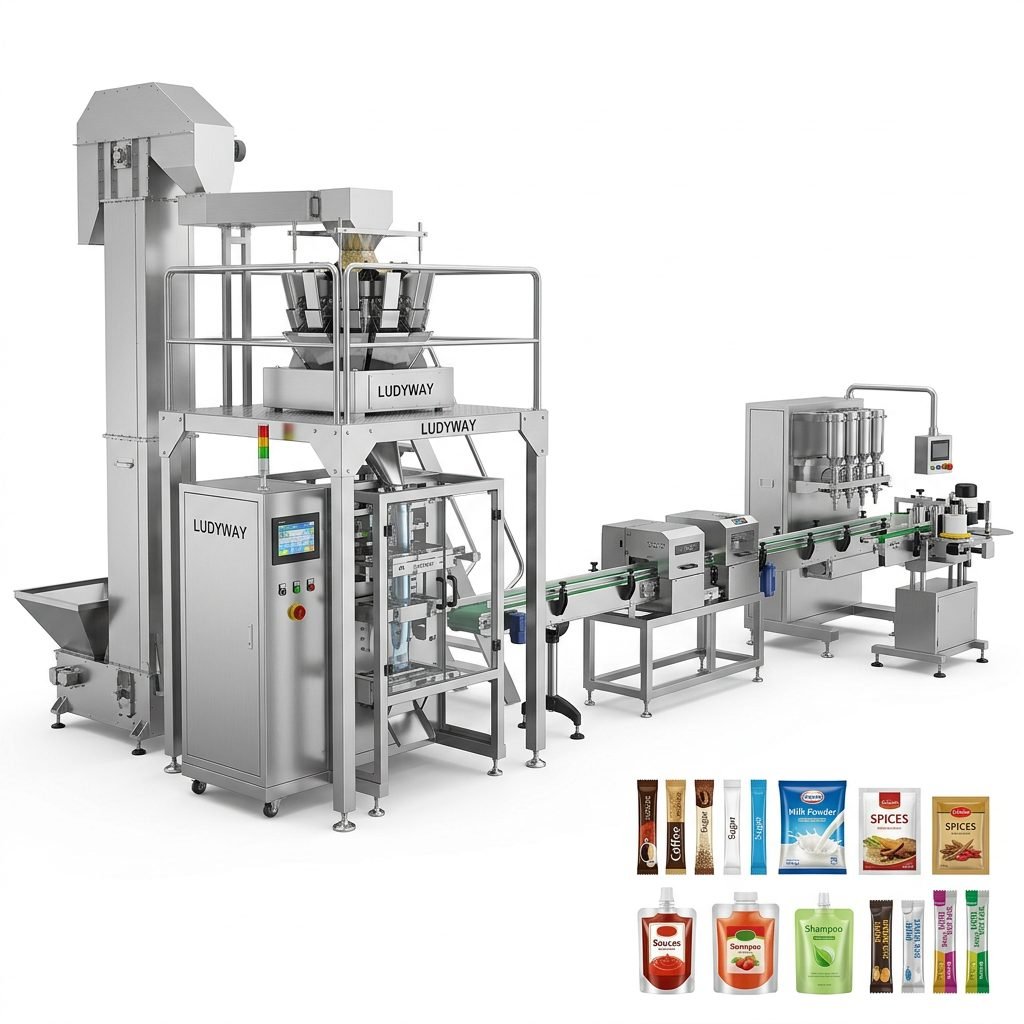
Small and medium enterprises are also seeing the value of integrated systems that combine conveying, filling, sealing, coding, inspection, and secondary packaging. These setups reduce bottlenecks and create a more professional production environment, which is increasingly important for retailers, distributors, and export customers.
Supplier Landscape and Competitive Advantage
As global sourcing broadens, manufacturers are looking for partners with proven export capability, engineering depth, and the ability to deliver both standard machines and customized lines. Companies that combine manufacturing scale with application-specific packaging knowledge are especially well positioned to benefit from this demand cycle.
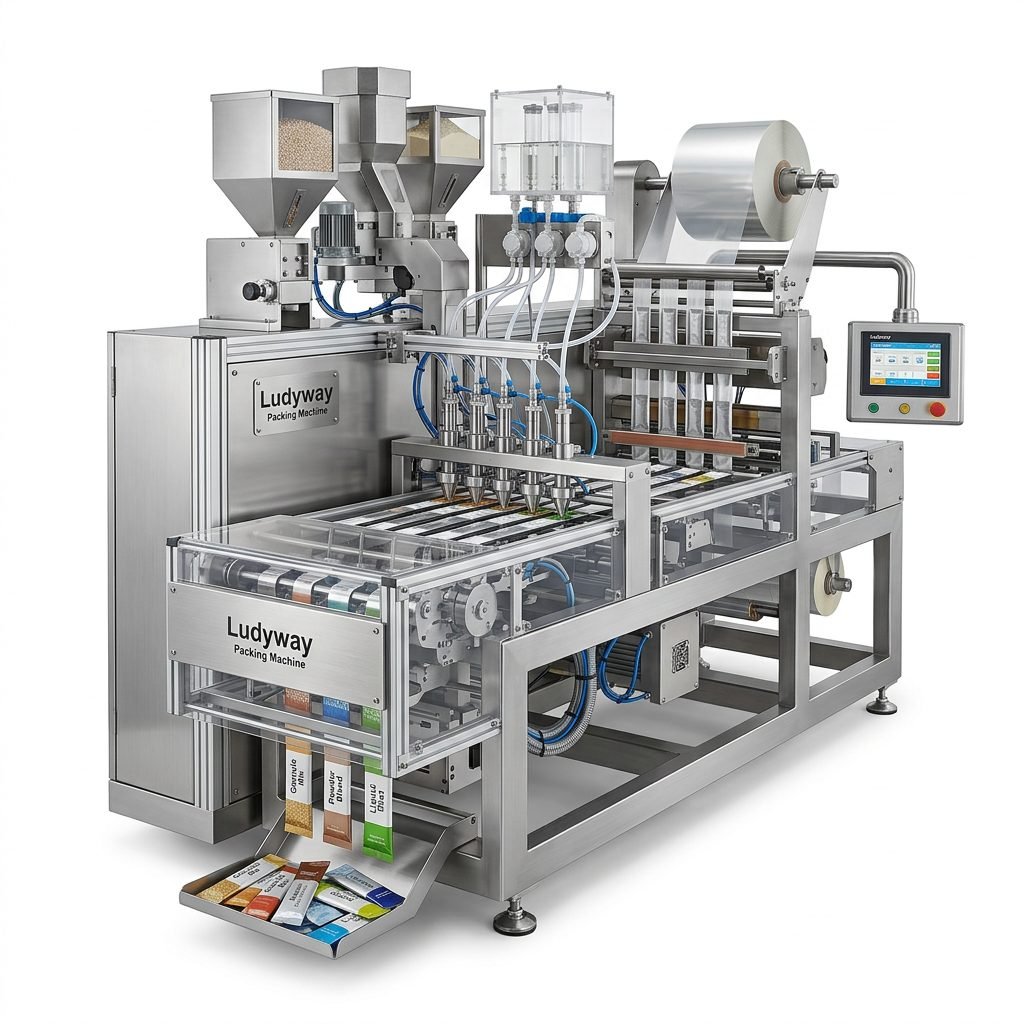
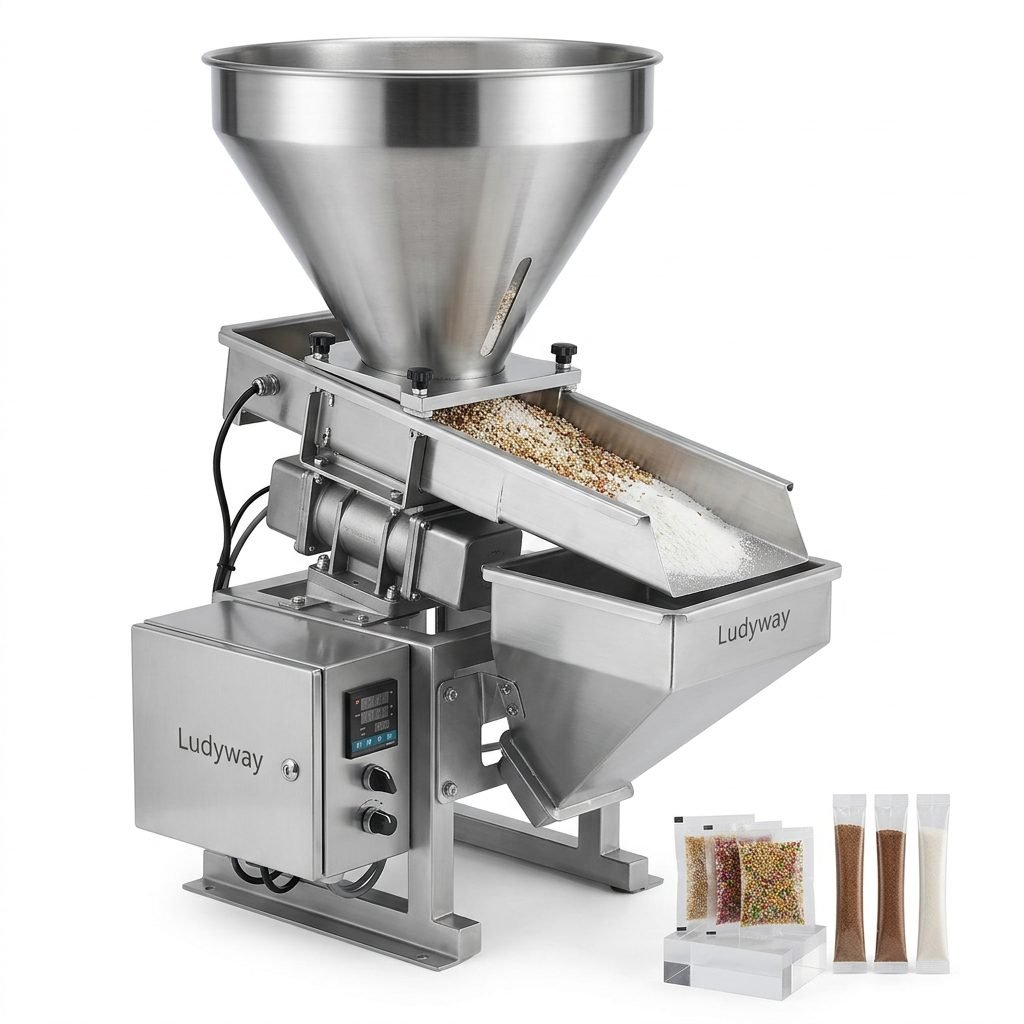
Among the suppliers active in this space, Ludyway packaging machine solutions continue to attract attention from overseas buyers seeking automated systems for food, pharmaceutical, health supplement, and related sectors. With more than 30 years of industry experience, broad export reach, and capabilities across standalone equipment and turnkey packaging lines, the company reflects the type of supplier profile increasingly favored in high-growth emerging markets.
Outlook: Strong Growth Likely to Continue
The outlook for packaging equipment demand remains positive as emerging markets continue to industrialize and local brands expand. Investment is expected to remain strong in high-efficiency machinery that supports product safety, packaging versatility, and long-term automation planning. For equipment manufacturers and line integrators, these markets are set to play an even bigger role in global industry growth over the next several years.
In practical terms, the next wave of opportunity will likely come from customers seeking not only machines, but complete packaging ecosystems that help them scale faster, enter new channels, and compete with greater confidence in both domestic and international markets.