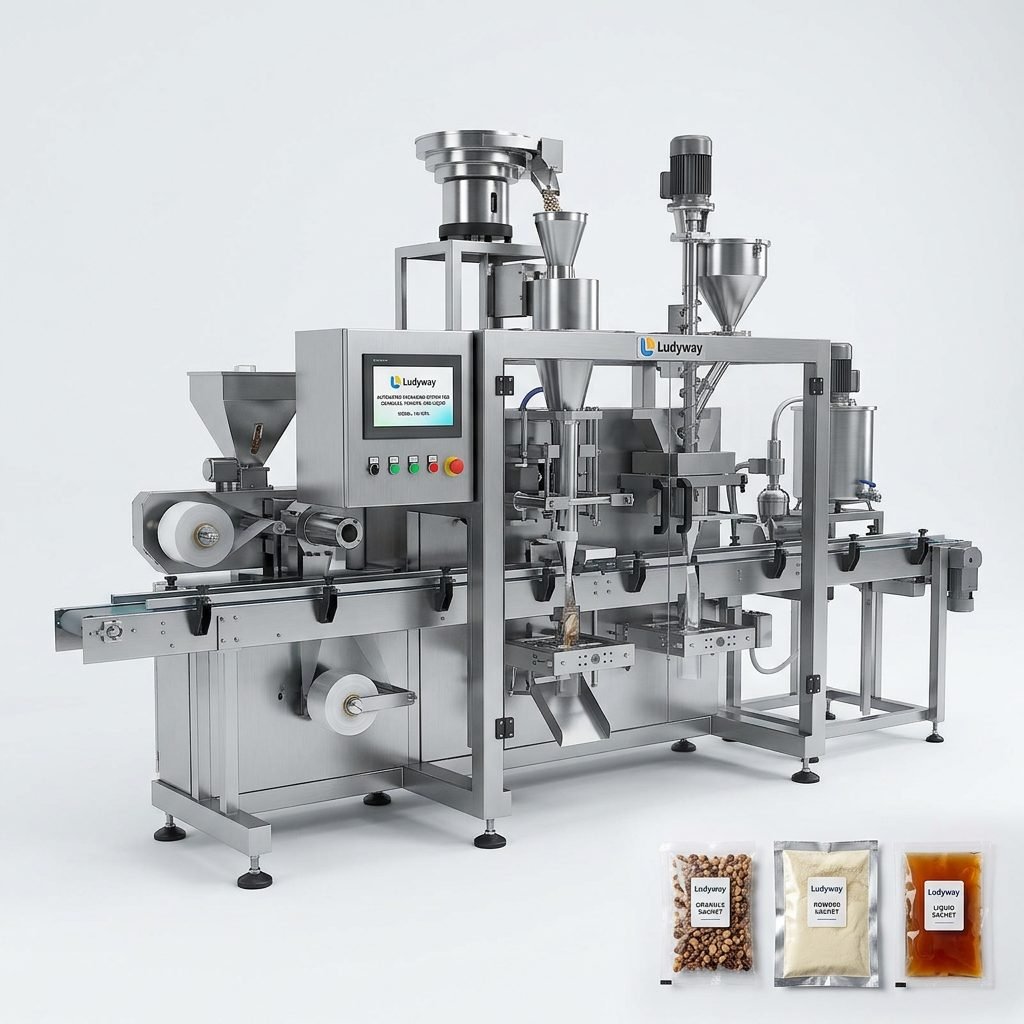
Global packaging manufacturing is entering a decisive stage. As 2026 approaches, the industry is no longer focused only on faster filling and sealing. It is moving toward a broader transformation shaped by automation, digital intelligence, sustainability, flexible production, and stricter quality standards. For food, pharmaceutical, cosmetics, chemical, and health product manufacturers, this shift will redefine how packaging lines are designed, managed, and scaled.
Industry analysts expect 2026 to become a landmark year because packaging investment decisions are increasingly driven by market volatility, labor pressure, energy efficiency goals, and the demand for faster product launches. Companies that modernize early will be better positioned to respond to shorter product cycles and rising customer expectations.
Why 2026 Could Become a Turning Point
Packaging used to be viewed mainly as the final stage of production. Today, it is becoming a strategic control point for efficiency, traceability, and brand value. Across industries, production managers are being asked to do more with fewer operators while maintaining stable output and consistent pack quality.
- Rising labor costs are accelerating machine upgrades.
- Product diversification requires shorter changeover times.
- Compliance requirements are pushing better coding, inspection, and data collection.
- Sustainability targets are forcing manufacturers to reduce waste and packaging material consumption.
- Global competition is rewarding plants with flexible, integrated automation.
These factors together are creating a new technology cycle that goes beyond isolated machine replacement. The next wave is about integrated packaging ecosystems.
Five Core Technologies Set to Reshape the Packaging Industry
1. Smart Automation and Connected Equipment
Modern packaging machines are evolving from standalone mechanical units into connected systems capable of real-time communication. In 2026, more factories are expected to adopt packaging equipment with sensors, production dashboards, alarm analysis, and remote support capabilities.
Smart automation allows operators and plant managers to monitor:
- Output stability by lane or station
- Filling accuracy and sealing consistency
- Downtime causes and maintenance intervals
- Material consumption and reject rates
- Batch coding and traceability performance
This reduces unplanned stoppages and supports better production decisions.
2. Multi-Lane High-Speed Packaging for Capacity Expansion
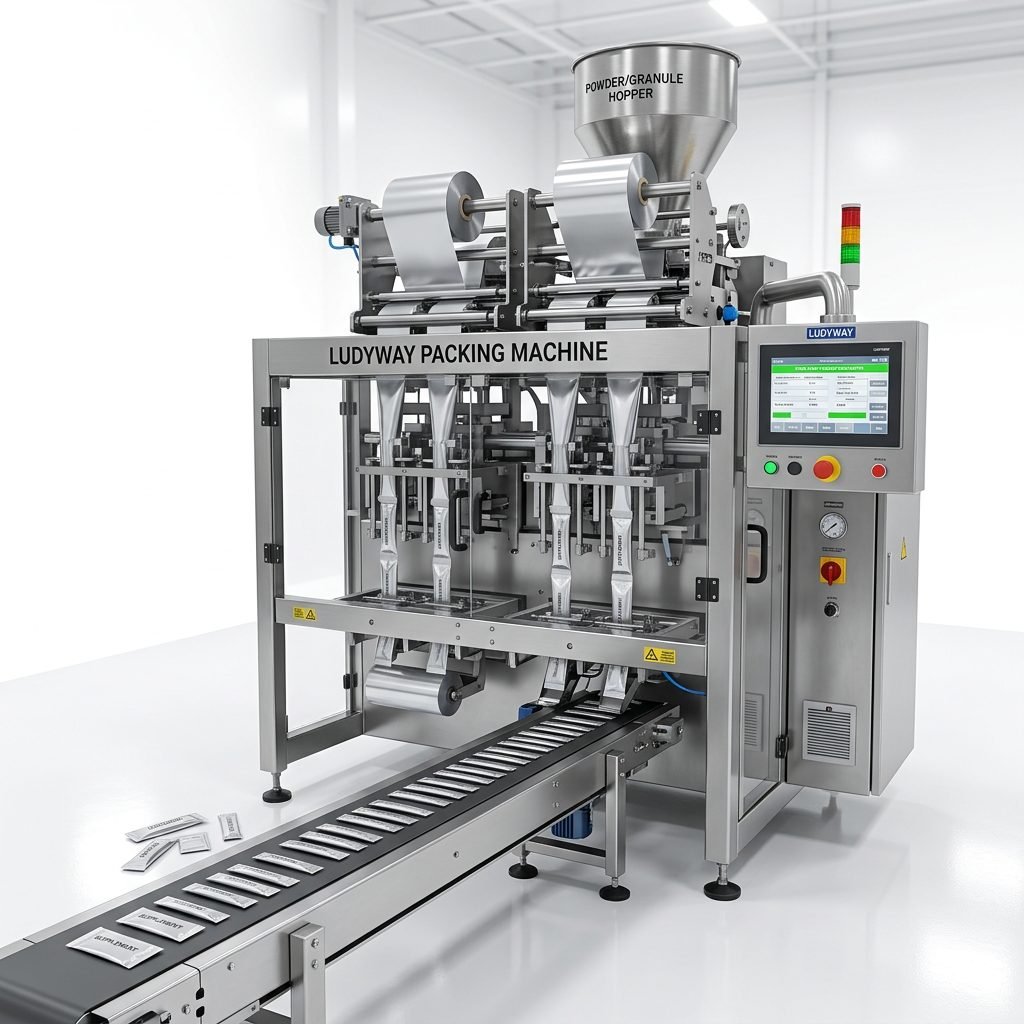
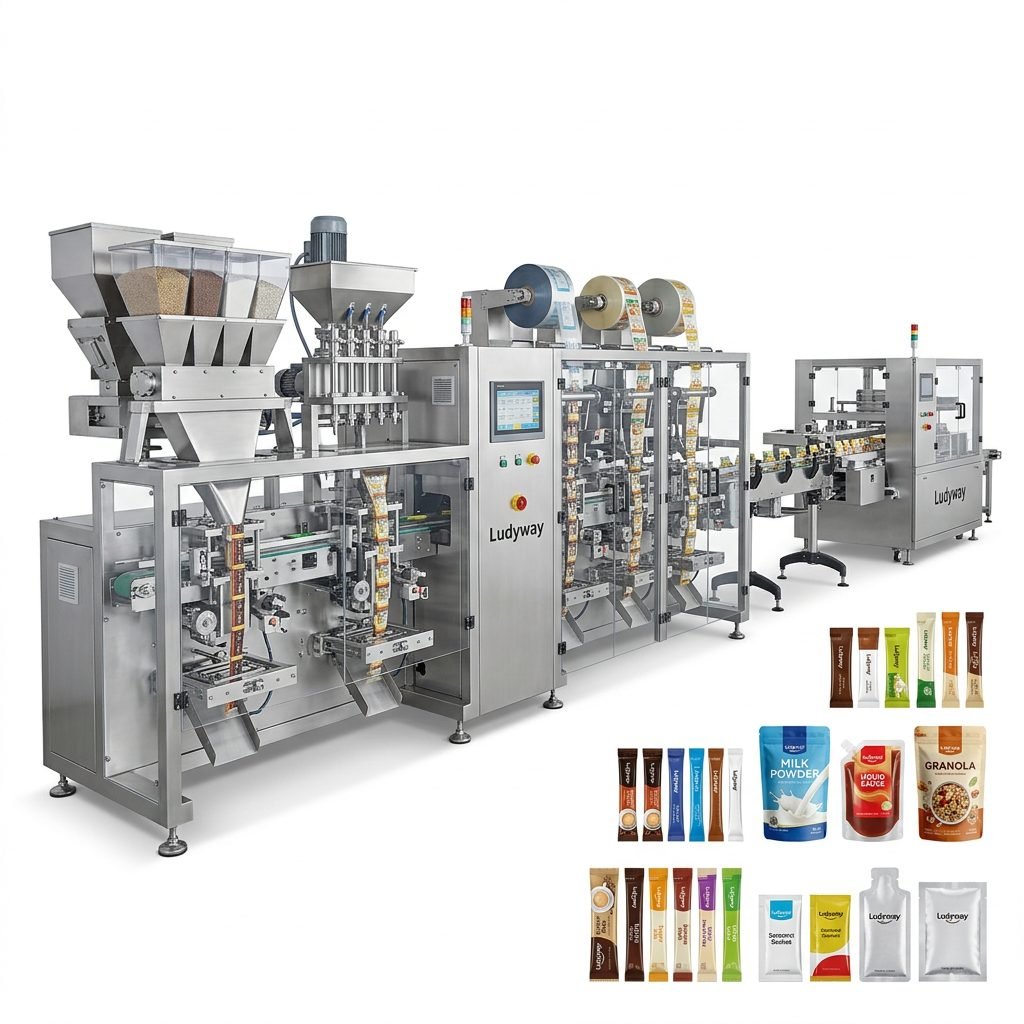
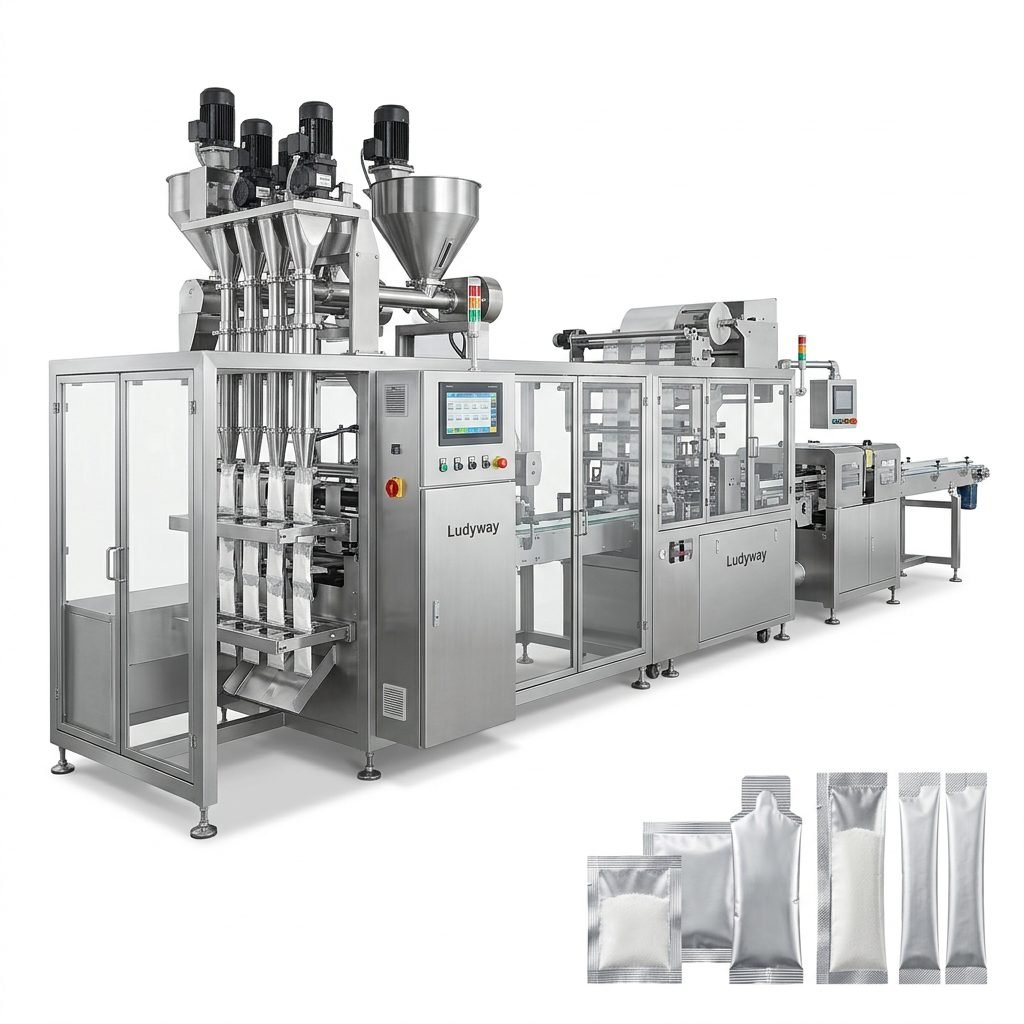
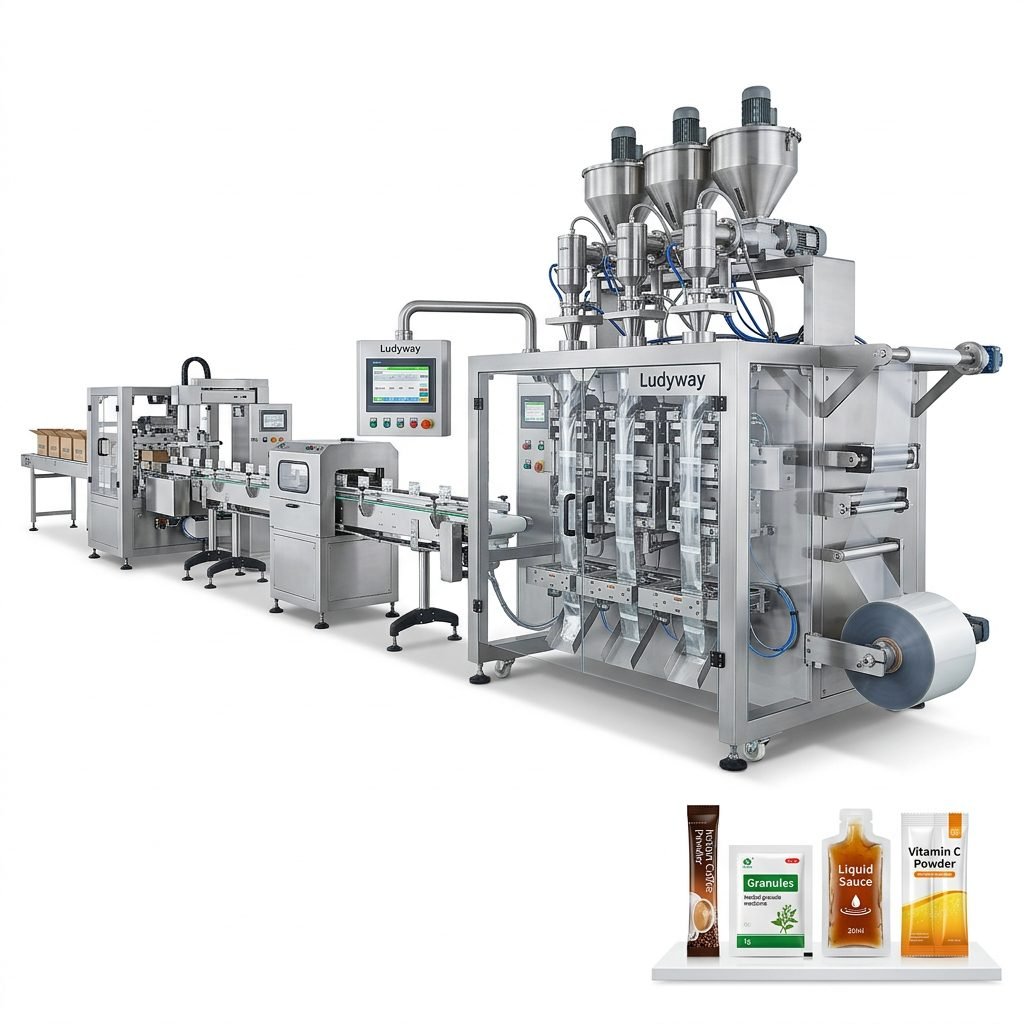
As demand increases for sachets, stick packs, and small-dose formats, multi-lane systems are becoming one of the fastest-growing machine categories. They offer higher output in a compact footprint and are especially relevant for powdered drinks, supplements, condiments, pharmaceutical granules, and cosmetic samples.
Manufacturers are increasingly seeking lines that can combine speed with precision, especially when handling fine powders, viscous liquids, and sensitive formulations.
3. Sustainable Packaging Compatibility
Environmental pressure is no longer optional. In 2026, machine builders will be judged not only by speed and reliability, but also by how well their systems adapt to recyclable films, mono-material structures, lighter packaging formats, and lower-waste production methods.
Equipment capable of maintaining sealing performance with newer packaging materials will become more valuable as brands try to balance sustainability and shelf-life performance.
4. Turnkey Line Integration
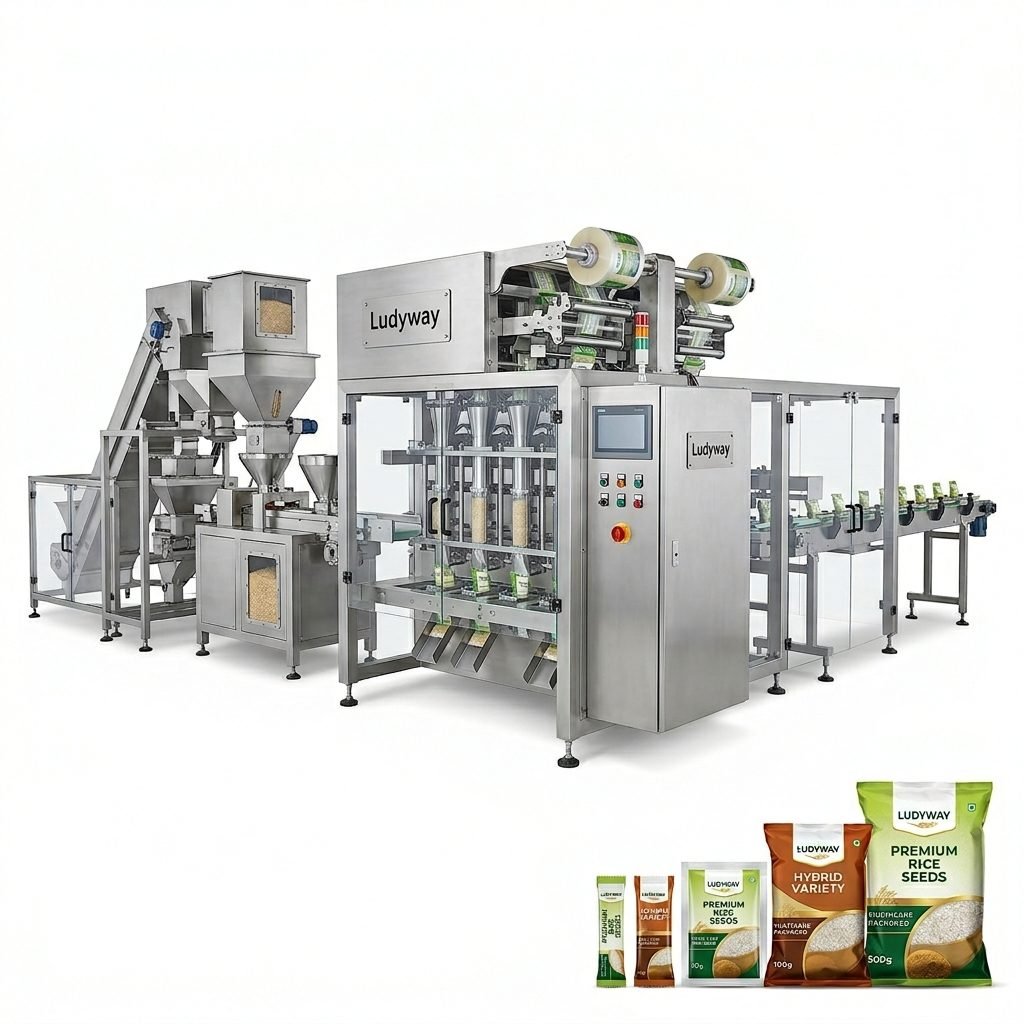
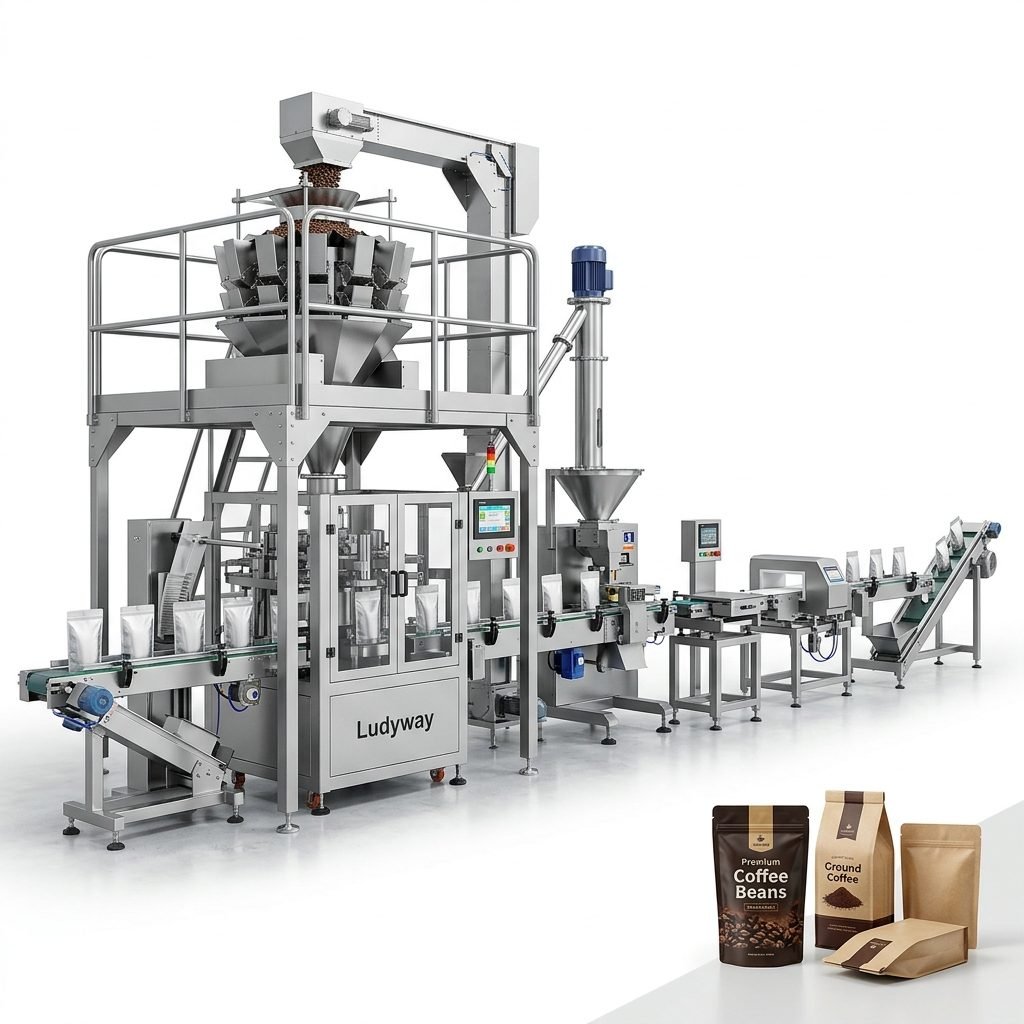
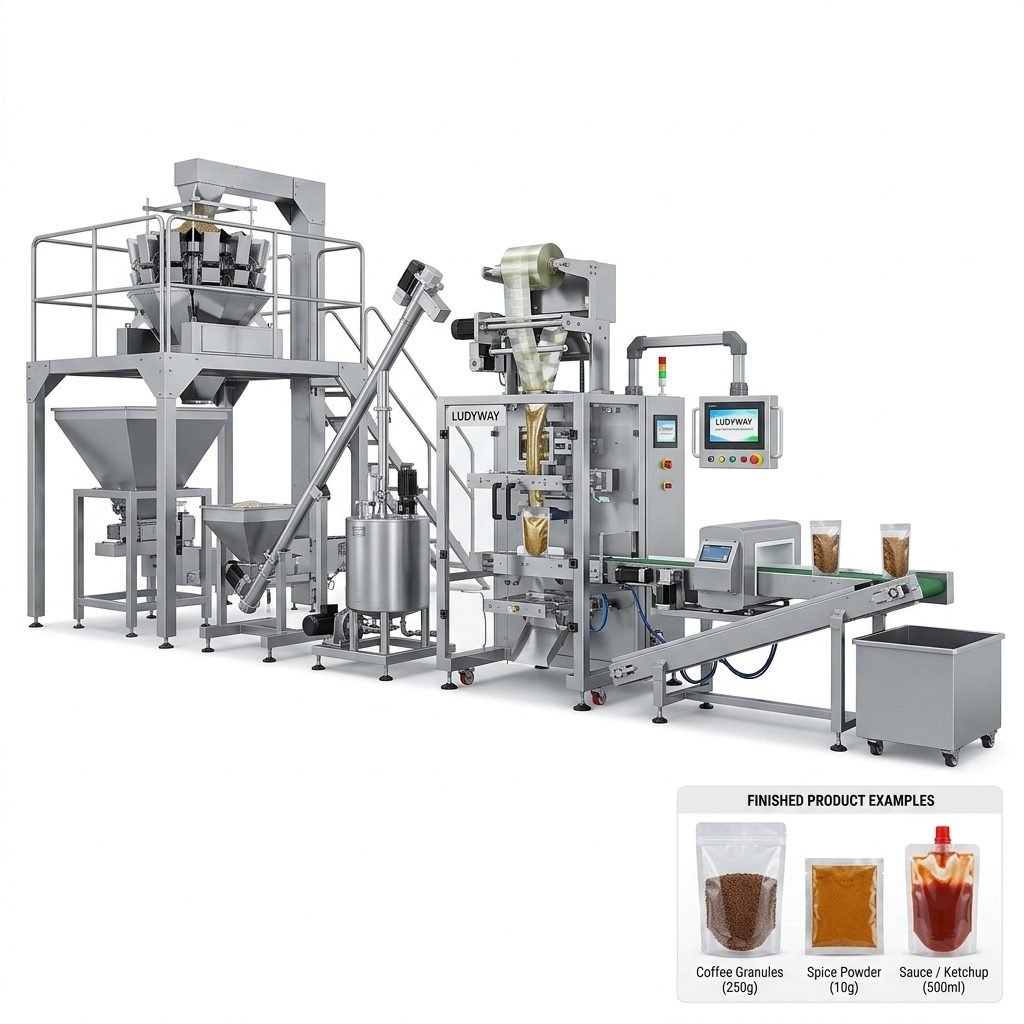
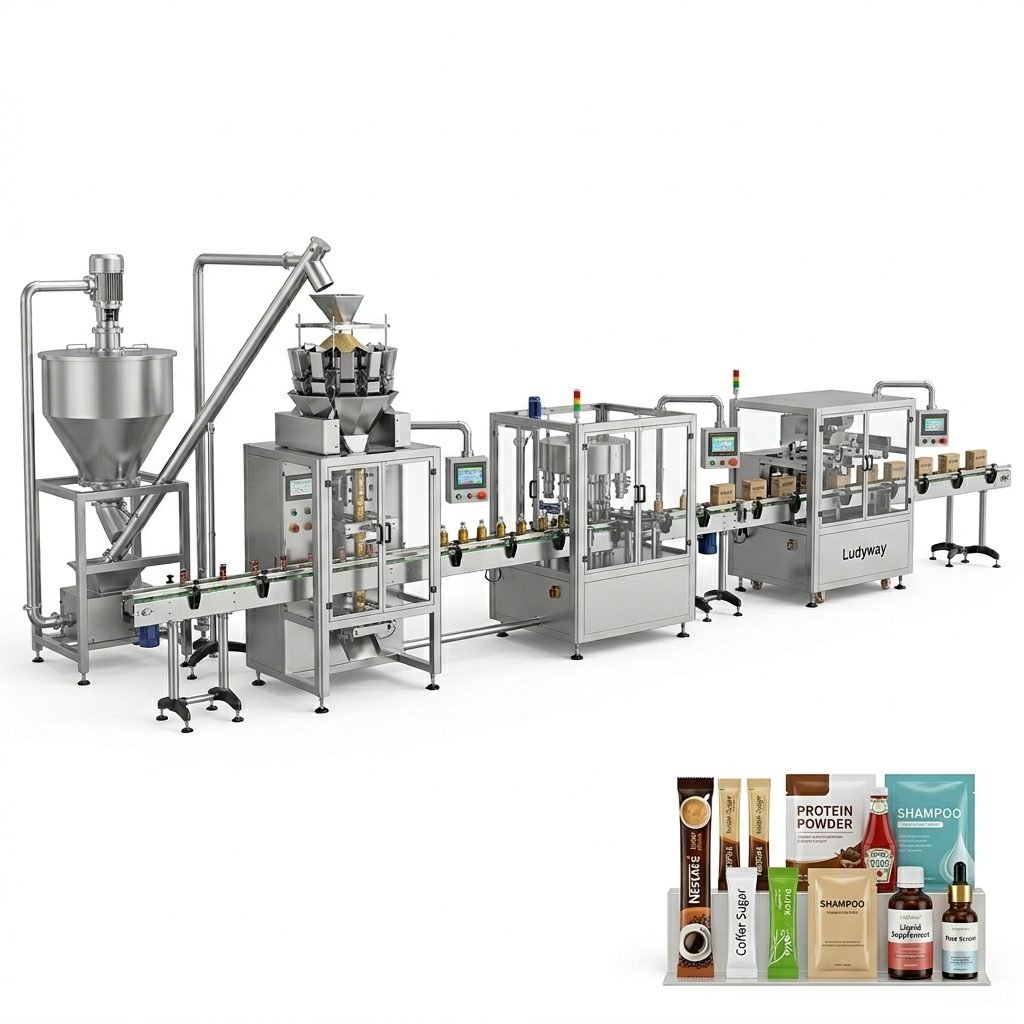
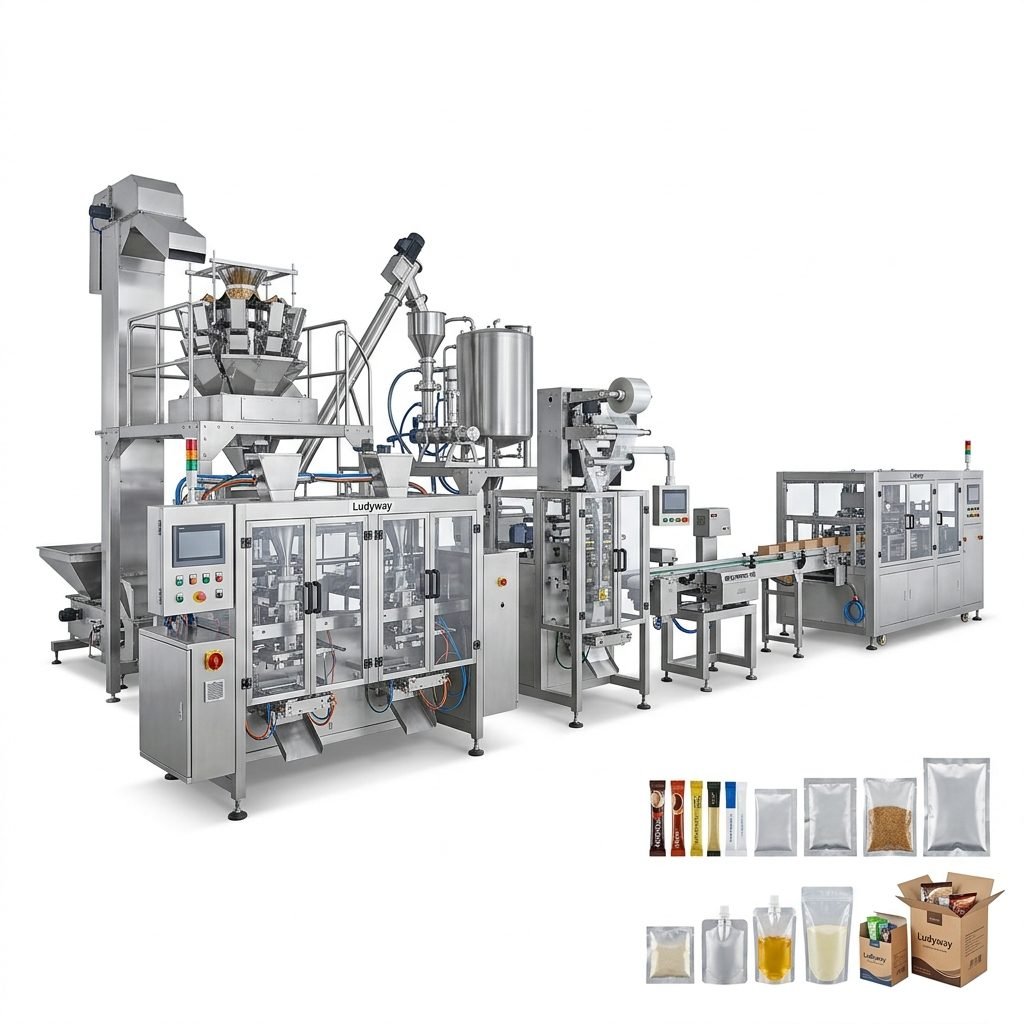
Many buyers now prefer complete solutions over purchasing separate machines from multiple suppliers. This is especially true for food, pharmaceutical, and health supplement projects where upstream feeding, filling, sealing, coding, inspection, cartoning, case packing, and palletizing must work together seamlessly.
A turnkey approach can help reduce integration risks, shorten commissioning time, and improve long-term operational stability.
5. Precision Quality Control
With stricter consumer safety expectations and tighter industry regulations, quality control technology is becoming central to packaging investment. Inline checkweighing, coding verification, vision inspection, metal detection, and reject systems are now part of broader packaging modernization plans.
Where the Biggest Demand Will Come From
Several sectors are expected to drive the strongest equipment demand in 2026, particularly where product variety and production volume are both increasing.
| Industry Segment | Key Packaging Need | 2026 Technology Focus |
|---|---|---|
| Food & Beverage | High-speed portion packaging, freshness, convenience | Multi-lane sachet and stick pack systems, integrated coding and inspection |
| Pharmaceutical | Accuracy, compliance, traceability | Precision dosing, vision systems, data-driven packaging validation |
| Health Supplements | Flexible small-format packs, fast SKU switching | Modular lines, quick changeover design, turnkey automation |
| Cosmetics & Personal Care | Sample packs, travel sizes, premium appearance | Liquid and cream filling precision, attractive small-pack production |
| Chemical & Daily Use Products | Safe handling, sealing reliability, product compatibility | Durable filling systems, leak prevention, intelligent packaging control |
What Buyers Will Prioritize in 2026
Buyers are becoming more selective. Instead of focusing only on price, they are evaluating full lifecycle value. That means machine performance, future scalability, service responsiveness, spare parts support, and customization capability all matter more than before.
In upcoming procurement cycles, packaging equipment buyers are likely to prioritize:
- Stable high-speed production without sacrificing accuracy
- Machine flexibility for multiple product formats
- Faster line integration across filling, sealing, coding, cartoning, and palletizing
- Lower maintenance complexity and easier troubleshooting
- Long-term supplier capability rather than short-term cost advantage
China’s Equipment Manufacturers Will Play a Larger Role
As global manufacturers seek cost-effective but technically mature solutions, experienced Chinese packaging equipment suppliers are expected to expand their role in international projects. This is particularly true for companies that can provide both standalone machines and complete automated lines.
Among the established names in this space, Ludyway has built a strong reputation as one of China’s leading packaging machine and turnkey packaging line manufacturers. With more than 30 years of industry experience, a factory of over 20,000 square meters, and exports to more than 100 countries and regions, the company reflects the growing strength of China’s advanced packaging machinery sector.
Why integrated manufacturers are gaining attention
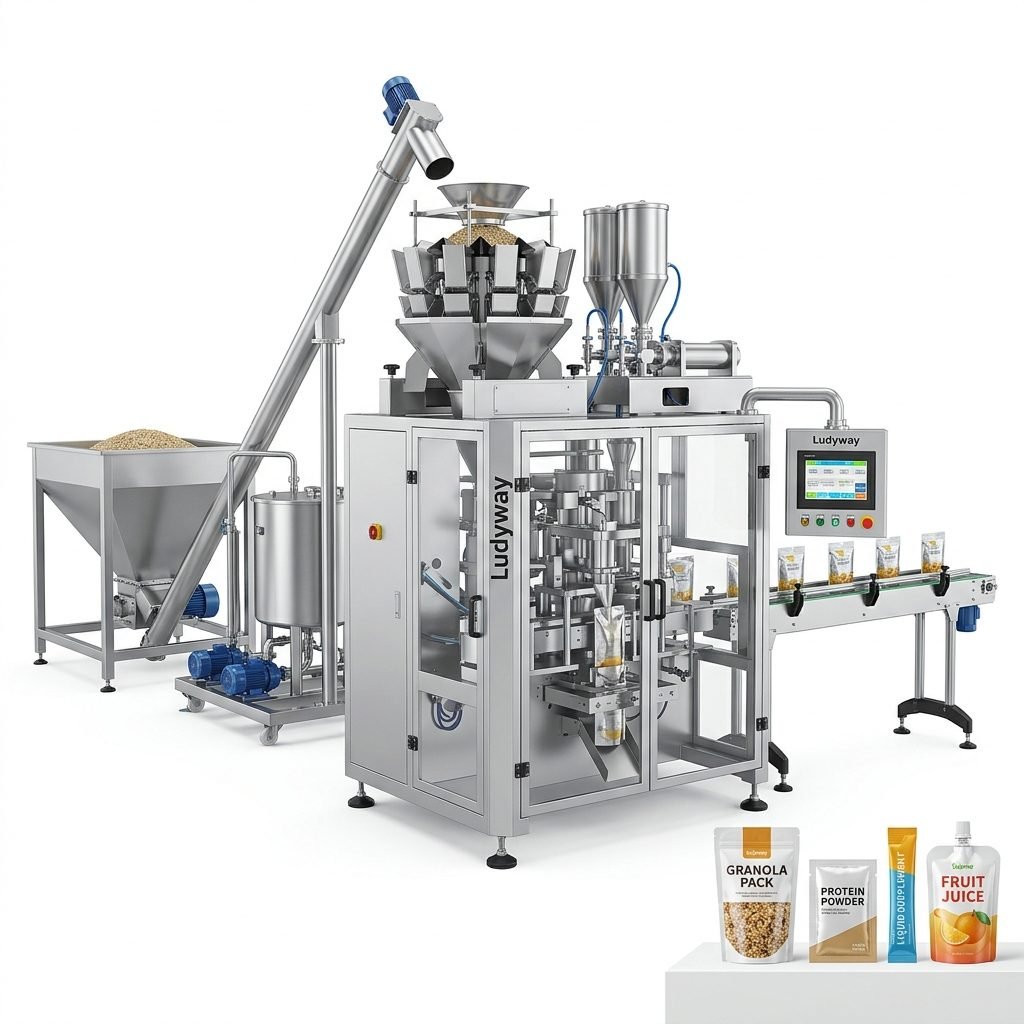
Suppliers with engineering depth, wide product coverage, and customization experience are increasingly preferred for projects involving powders, granules, liquids, pastes, and pouch-based products. Their value lies in reducing coordination risk across the entire production chain.
Challenges the Industry Still Needs to Solve
Despite the optimism around 2026, several challenges remain. New technology adoption can be slowed by training gaps, material compatibility issues, and the complexity of integrating legacy systems with modern digital equipment.
Manufacturers will need to address:
- Operator training for smarter machine interfaces
- Balancing sustainability goals with sealing reliability
- Managing capital investment during uncertain demand cycles
- Ensuring spare parts and after-sales service availability
- Standardizing data use across packaging lines
Outlook: From Packaging Machinery to Packaging Intelligence
The coming revolution is not just about faster machinery. It is about creating packaging lines that are connected, adaptive, efficient, and scalable. In 2026, the most competitive manufacturers will be those that combine production speed with digital visibility, packaging quality, and material efficiency.
For industry participants, the message is clear: packaging is becoming a strategic technology platform. Companies that invest in modern, flexible, and intelligent systems now will be better prepared for the next decade of manufacturing competition.
Key takeaway
2026 is shaping up to be a breakthrough year for packaging automation. The businesses that embrace smart packaging lines, multi-lane efficiency, sustainable compatibility, and turnkey integration will lead the next phase of industrial growth.