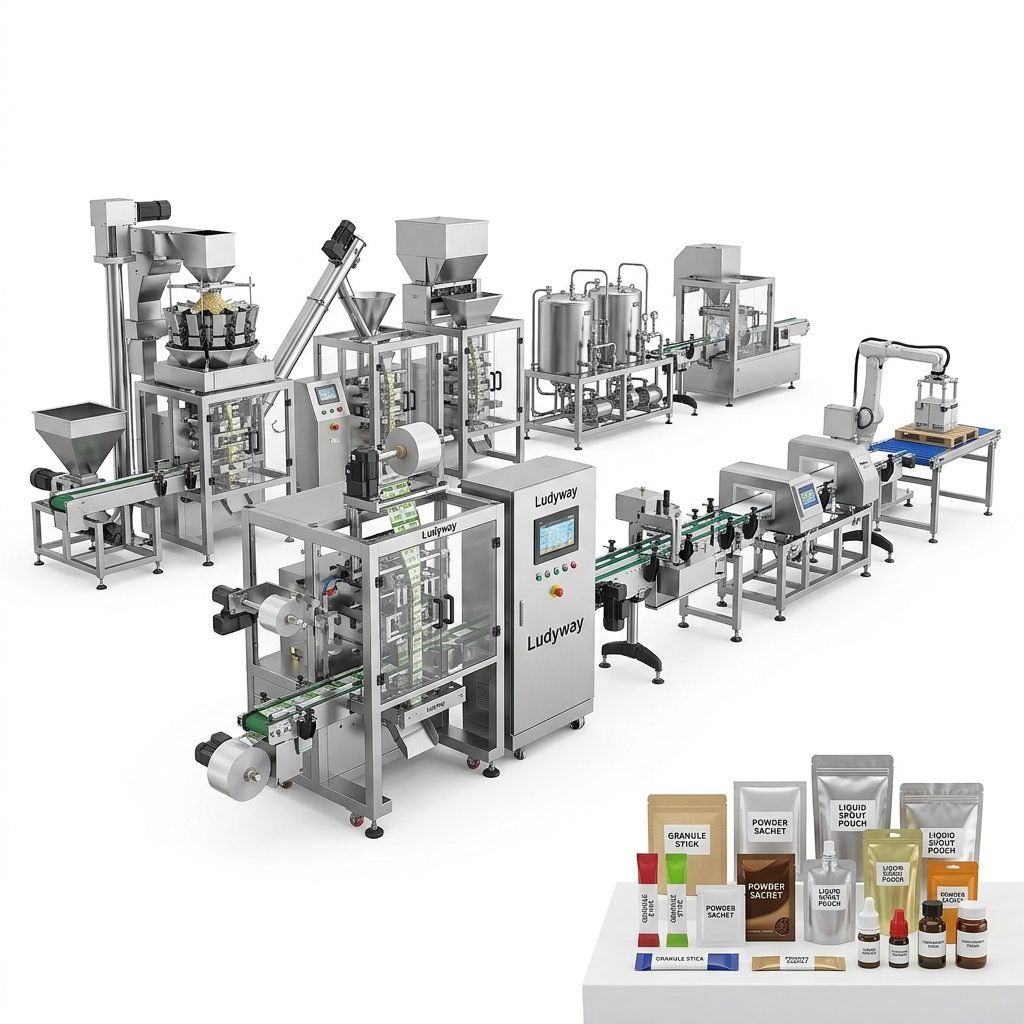
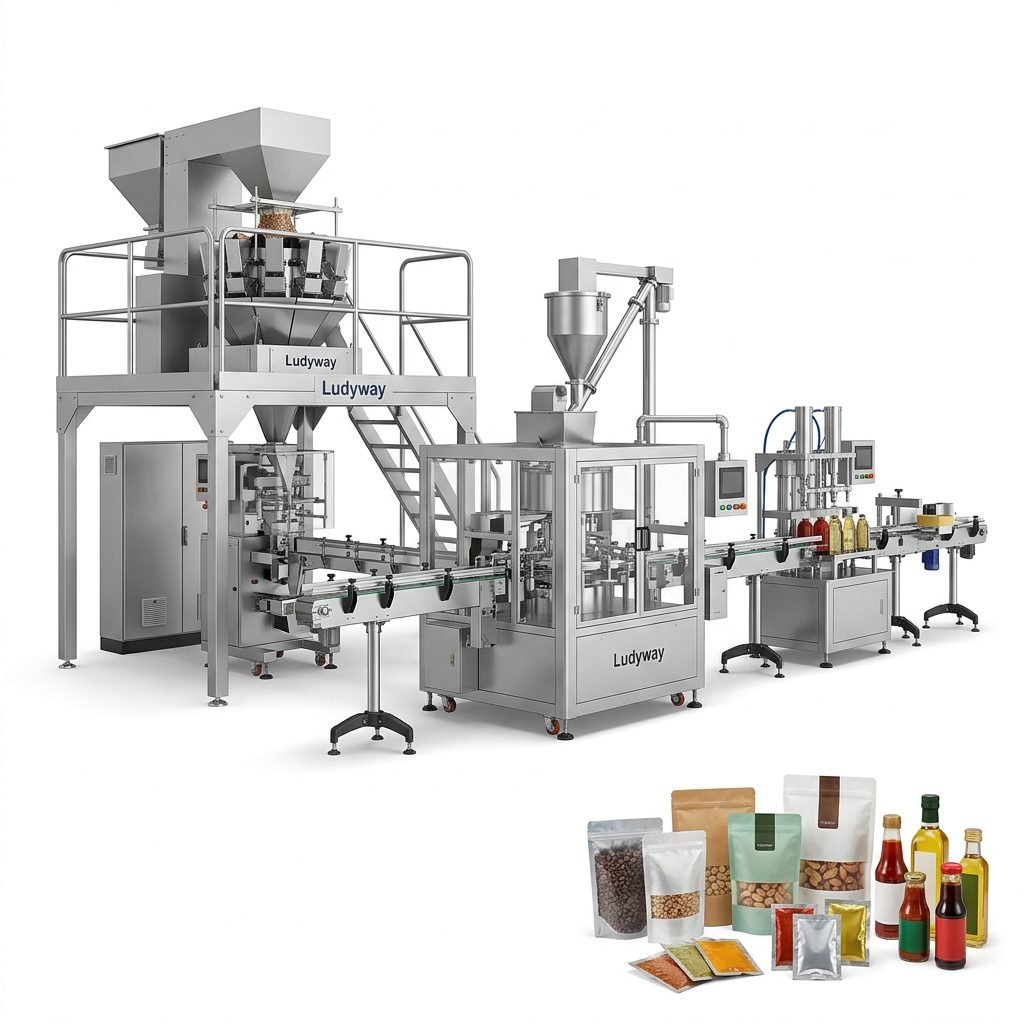
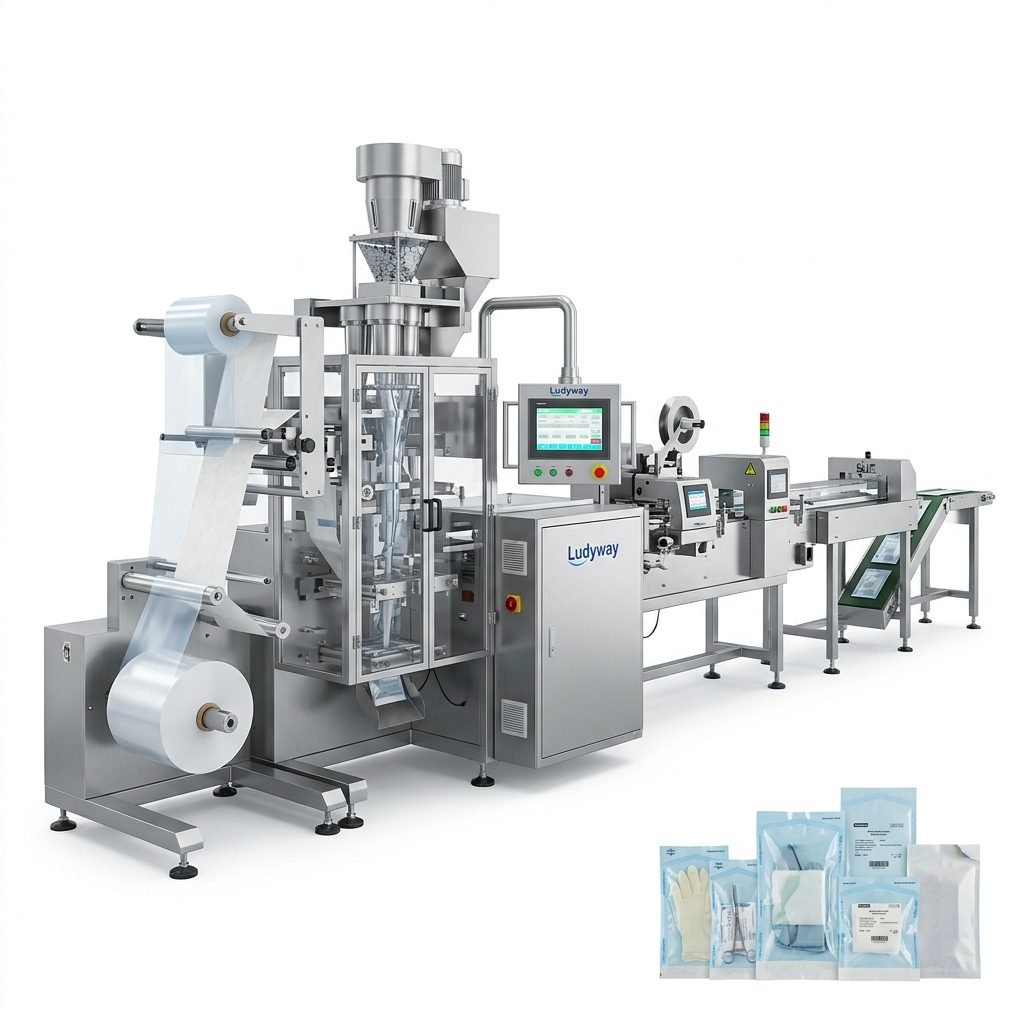
Global fast-moving consumer goods brands are accelerating investment in packaging innovation as they respond to shifting retail dynamics, tighter regulatory expectations, and stronger consumer demand for convenience, sustainability, and product safety. Across food, personal care, household goods, health supplements, and pharmaceutical-related categories, packaging is no longer viewed as a secondary function. It has become a strategic tool for market differentiation, operational efficiency, and long-term brand resilience.
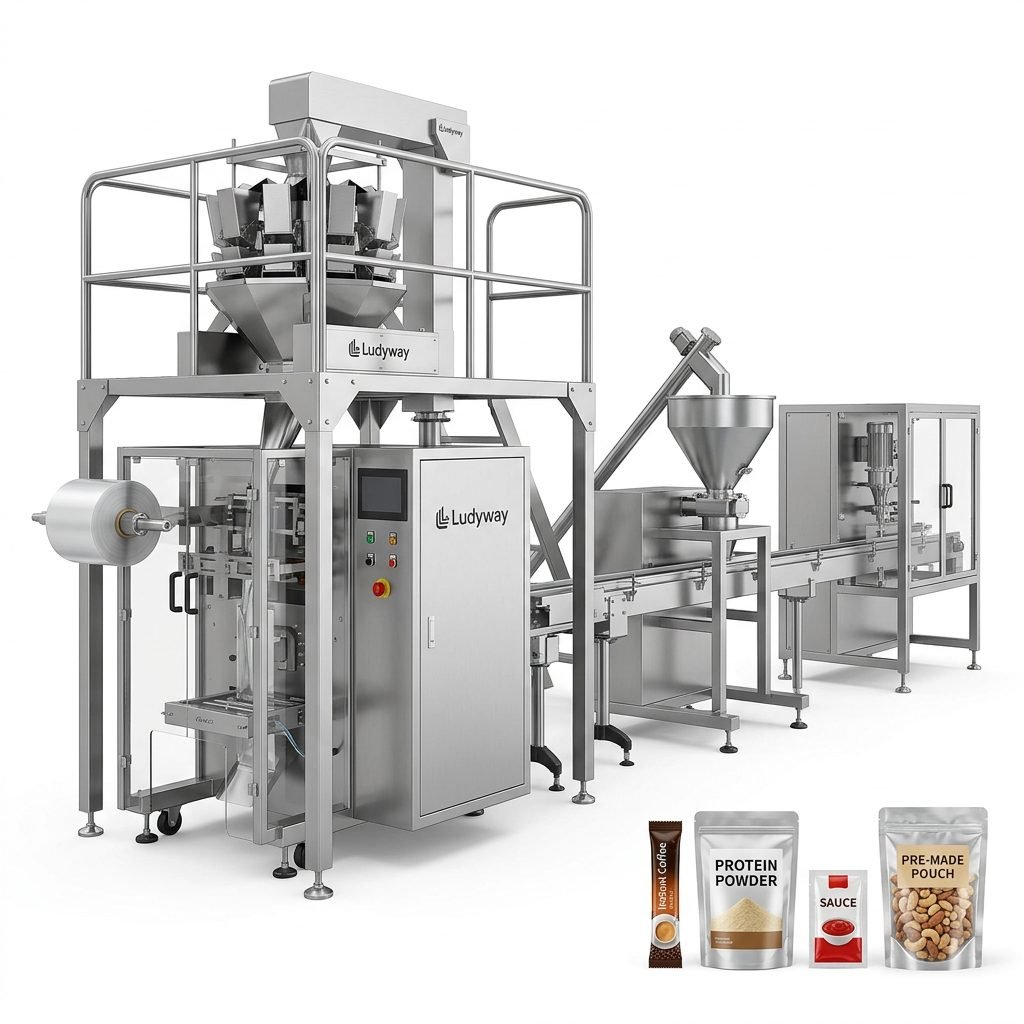
The latest developments in the FMCG industry show that packaging decisions are increasingly shaped by a mix of commercial and technical pressures. Brands are launching more SKU variations, expanding into e-commerce channels, and introducing smaller, portable, single-use, and trial-size formats. At the same time, manufacturers must maintain stable output, reduce waste, improve traceability, and keep packaging lines flexible enough to handle changing product mixes.
Packaging Innovation Becomes a Core Growth Lever
For FMCG producers, packaging now influences nearly every stage of the value chain. It affects shelf appeal, filling speed, transportation efficiency, consumer experience, and compliance performance. In highly competitive categories, even a minor improvement in pouch structure, dosage accuracy, sealing consistency, or automation level can deliver measurable commercial value.
This trend is especially visible in products such as instant beverages, sauces, detergents, wipes, nutraceutical powders, skincare sachets, and pharmaceutical unit-dose formats. Demand is rising for packaging systems that can support:
- Higher production speeds without sacrificing fill accuracy
- Flexible changeovers for multiple package formats
- Improved barrier performance and seal integrity
- Reduced material consumption and lower packaging waste
- Better coding, inspection, and traceability functions
- Integration with downstream cartoning, labeling, and case packing equipment
Why FMCG Brands Are Re-evaluating Packaging Strategies
Several structural drivers are pushing packaging to the center of investment plans. First, consumer buying behavior continues to fragment. Households increasingly shop across supermarkets, convenience stores, online platforms, pharmacies, and direct-to-consumer channels. This multi-channel environment requires packaging that performs well both on shelf and in transit.
Second, brands are under pressure to shorten product launch cycles. Limited-edition flavors, seasonal promotions, wellness-focused formulations, and regional variants all require more agile packaging lines. Traditional fixed-format equipment is often too rigid for this environment, leading manufacturers to prioritize modular and automated systems.
Third, sustainability is influencing material selection and machine design. Lighter packs, recyclable structures, and lower energy consumption are becoming part of procurement criteria. Although the pace of adoption varies by market, the direction is clear: packaging lines must do more with less while keeping output reliable.
Key market forces behind packaging upgrades
| Market Force | Impact on Packaging Demand |
|---|---|
| SKU diversification | Drives need for faster changeovers and multi-format capability |
| E-commerce growth | Requires stronger seals, durable packs, and efficient secondary packaging |
| Sustainability pressure | Encourages material reduction, efficient dosing, and optimized line performance |
| Labor cost increases | Accelerates adoption of automation and turnkey packaging lines |
| Quality and compliance requirements | Boosts demand for inspection, coding, and traceability integration |
Flexible Formats Lead the Next Investment Cycle
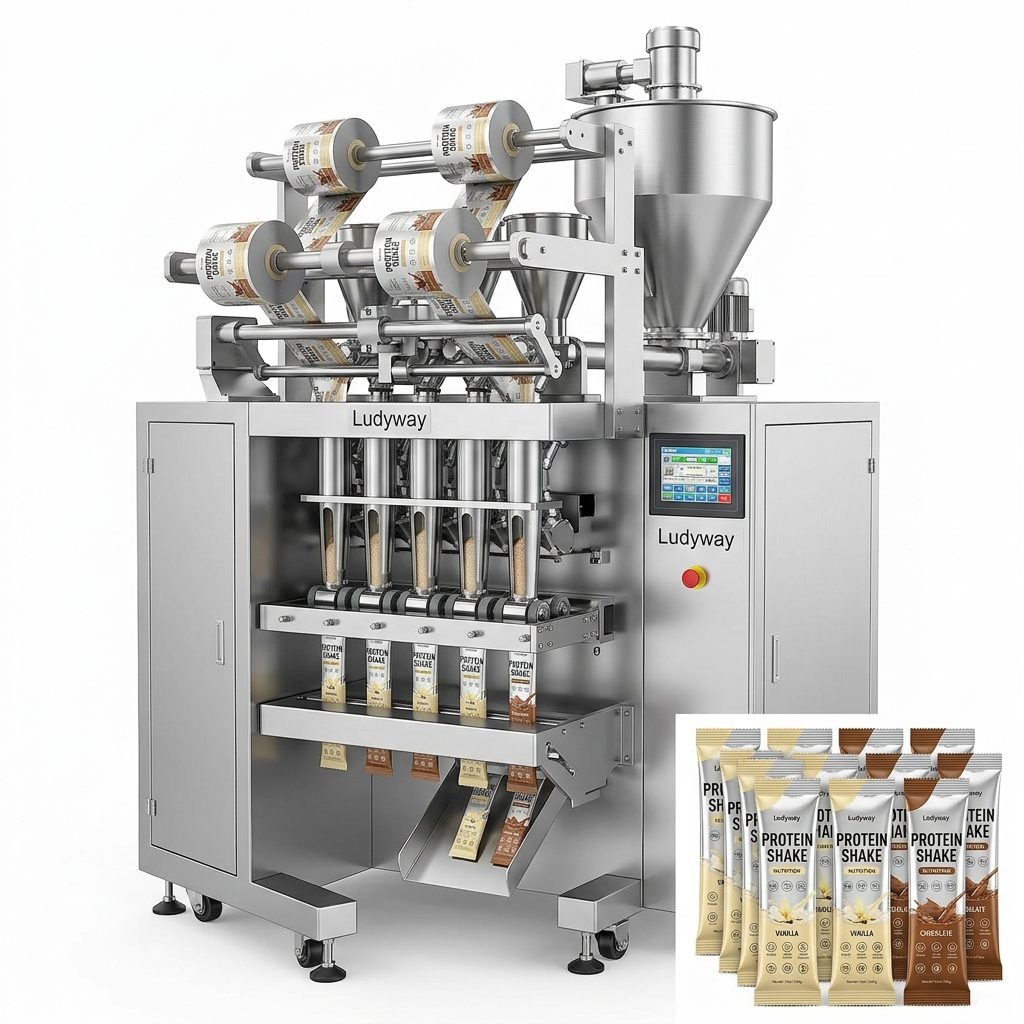
Among the most active areas of packaging innovation are sachets, stick packs, pouches, and compact dose-controlled formats. These structures suit modern FMCG consumption patterns because they are portable, portion-friendly, and adaptable to powders, granules, liquids, gels, and pastes. They also offer strong opportunities for product sampling, travel use, and price-point segmentation.
Manufacturers that operate across multiple product categories are increasingly looking for packaging lines capable of handling diverse applications on a common automation platform. This reduces equipment complexity and helps standardize maintenance, spare parts planning, and operator training.
High-demand FMCG packaging applications
- Instant drink powders and nutritional supplements
- Coffee, tea, and functional beverage sachets
- Liquid detergents and household cleaner packs
- Skincare, serum, and beauty sample sachets
- Medical, hygiene, and wipe packaging formats
- Condiments, sauces, and ready-to-mix food products
Automation Is Reshaping Packaging Investment Priorities
Packaging innovation is not only about the pack itself. It is also about the intelligence and efficiency of the production line behind it. More FMCG companies are moving toward fully integrated solutions that combine feeding, dosing, filling, sealing, coding, inspection, cartoning, and end-of-line handling in a coordinated workflow.
This shift is raising demand for experienced packaging equipment suppliers with the ability to deliver both standalone machinery and turnkey systems. Manufacturers want partners that understand application-specific requirements, can customize configurations, and provide long-term technical support across export markets.
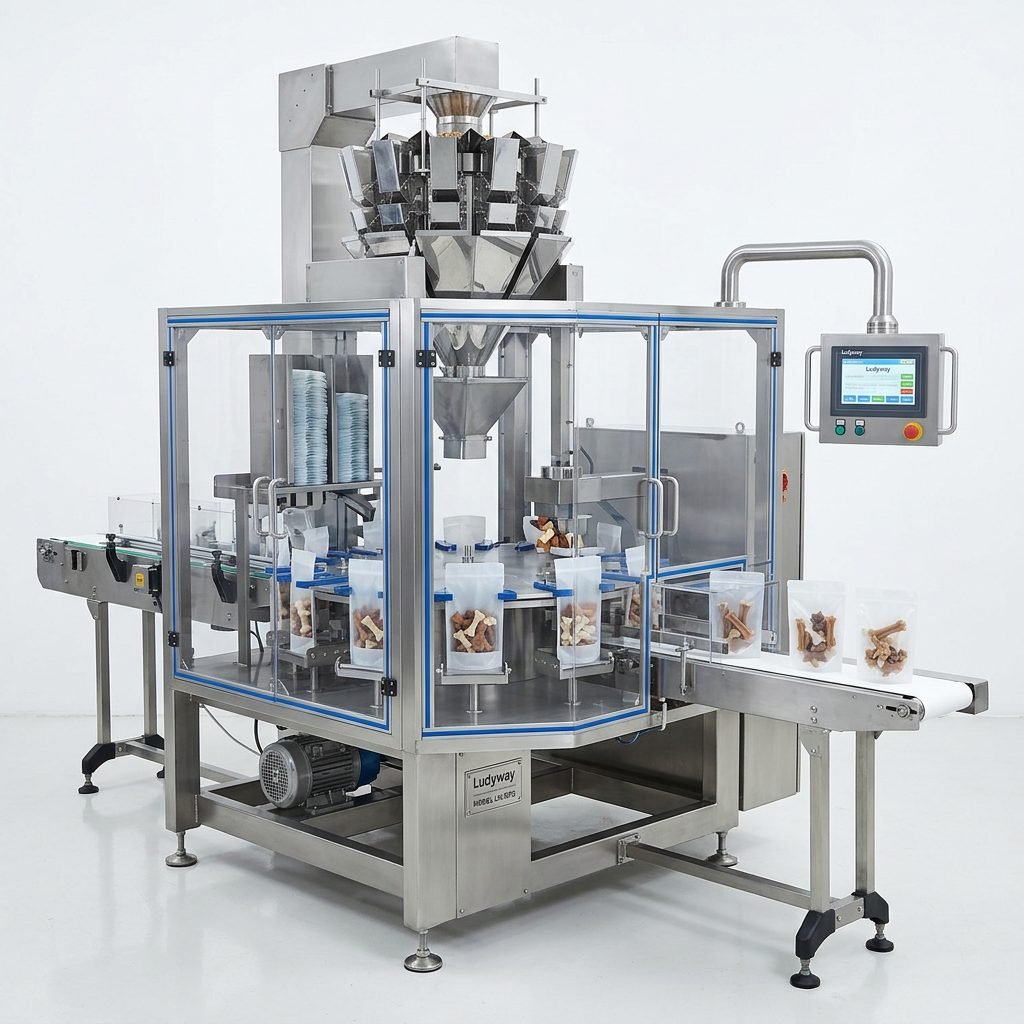
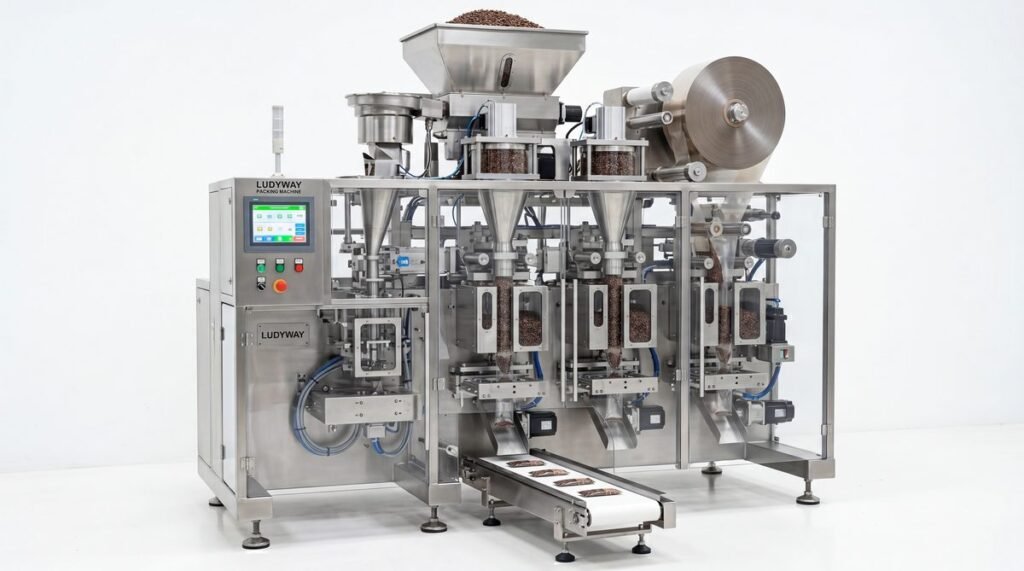
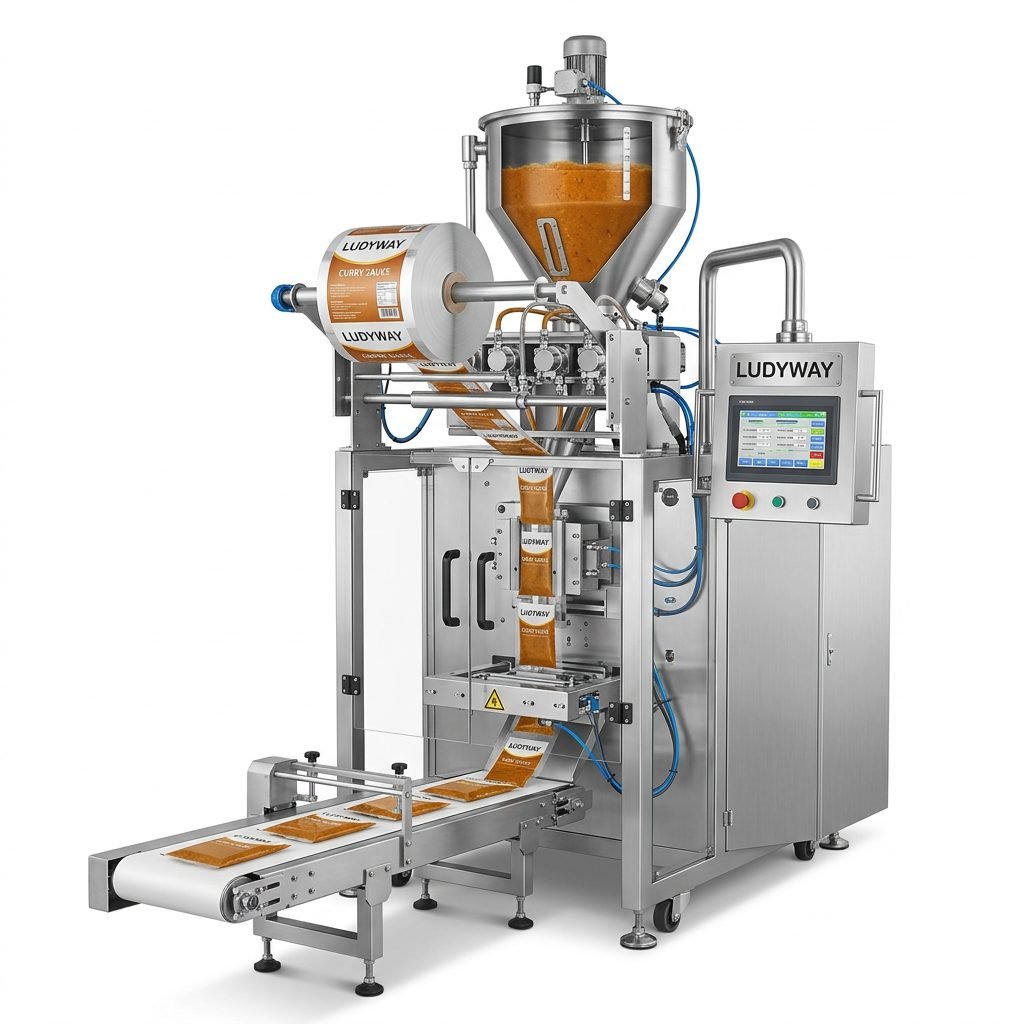
In this environment, companies such as Ludyway packaging machine manufacturer are attracting attention from international buyers seeking scalable automation solutions for food, pharmaceutical, health supplement, cosmetic, and related FMCG applications. With more than 30 years of industry experience, broad machine coverage, and turnkey line capabilities, the company reflects the type of supplier profile increasingly favored in a fast-evolving packaging market.
What buyers now expect from packaging partners
| Buyer Requirement | Preferred Supplier Capability |
|---|---|
| Multiple product compatibility | Wide machine portfolio for powders, granules, liquids, and pouches |
| Faster project execution | Strong engineering, in-house manufacturing, and assembly management |
| Customization needs | Application-based design and configurable line solutions |
| Stable overseas support | Export experience and long-term technical service capability |
Sustainability and Efficiency Are Moving Together
A notable shift in the FMCG sector is that sustainability goals are becoming more closely linked with manufacturing efficiency. Reducing overfill, minimizing film waste, improving sealing consistency, and optimizing machine uptime all support both environmental targets and cost control. As a result, packaging innovation is increasingly evaluated through a dual lens: ecological impact and operational return.
This is one reason why precision dosing, intelligent controls, and integrated inspection technologies are gaining wider adoption. When lines can maintain stable output while using materials more effectively, the business case for automation becomes stronger.
Outlook for the Global FMCG Packaging Market
The outlook remains positive for packaging machinery and line integration suppliers serving the global FMCG sector. As brands continue to expand product portfolios and modernize manufacturing footprints, demand is expected to remain strong for flexible, high-speed, and application-specific packaging solutions.
The next phase of growth will likely favor equipment platforms that support automation, modularity, sustainable performance, and multi-category adaptability. In practical terms, this means more investment in turnkey packaging lines, compact sachet and stick pack systems, smart filling solutions, and integrated downstream handling.
For packaging decision-makers, the message is clear: innovation in packaging is no longer optional in the FMCG industry. It is becoming one of the most important enablers of competitiveness, responsiveness, and profitable growth.