Research and development spending on eco-friendly packaging materials is expected to remain on a firm upward path in 2026 as brands, retailers, and manufacturers respond to stronger sustainability goals, changing consumer expectations, and tighter compliance requirements. Across food, pharmaceutical, personal care, and household product sectors, packaging is no longer viewed only as a protective layer. It is increasingly being treated as a strategic part of product design, supply chain efficiency, and brand reputation.
For packaging buyers, the shift is clear: companies are investing more aggressively in recyclable structures, mono-material formats, bio-based substrates, compostable alternatives, lightweight solutions, and high-performance barrier materials. The market is also seeing more funding move toward scalable manufacturing processes, because commercial viability is now just as important as environmental claims.
Why R&D Spending Is Still Rising
The main reason is simple: demand for sustainable packaging has moved from niche preference to mainstream purchasing requirement. End users increasingly want packaging that reduces waste without sacrificing convenience, safety, shelf life, or appearance. At the same time, brand owners are under pressure from retailers, investors, and regulators to show measurable progress.
As a result, packaging material developers are allocating larger budgets to:
- Material reformulation for better recyclability and reduced plastic content
- Barrier performance improvement for moisture, oxygen, light, and aroma protection
- Machine compatibility testing for high-speed filling, sealing, and pouch forming lines
- Lifecycle analysis to validate environmental impact claims
- Cost-down engineering to support mass-market adoption
What makes 2026 different is that companies are no longer investing only in concept-stage materials. More funding is going into industrial-scale validation, line trials, and commercial rollout planning.
From Sustainability Claims to Functional Performance
One of the biggest lessons from recent years is that eco-friendly materials must perform in real production environments. If a new film tears easily, seals inconsistently, or reduces packaging speed, adoption slows down fast. This is why material innovation and packaging machinery development are becoming more closely connected.
Manufacturers now want sustainable packaging formats that can meet several targets at once:
- Protect product freshness and safety
- Run efficiently on automated lines
- Support attractive shelf presentation
- Reduce total material usage
- Improve recyclability or renewable content
In sectors such as powdered foods, health supplements, pharmaceuticals, and sachet-based consumer products, this balance is especially important. High-speed operations require stable sealing windows, accurate dosing conditions, and consistent material behavior throughout long production runs.
Key Material Areas Attracting More Investment in 2026
| Material Focus | R&D Objective | Industry Relevance |
|---|---|---|
| Mono-material flexible packaging | Improve recyclability while maintaining barrier and seal strength | Food, supplements, household products |
| Bio-based polymers | Reduce reliance on fossil-based raw materials | Personal care, dry goods, specialty retail |
| Compostable films | Expand application range and lower cost barriers | Food service, single-use consumer formats |
| Paper-based barrier packaging | Combine renewable fiber appeal with product protection | Snacks, dry powders, secondary packaging |
| Lightweight multilayer replacements | Use less material without losing pack integrity | Broad industrial and consumer packaging |
Automation Is Becoming Part of the Sustainability Equation
Another major market trend is the growing link between sustainable materials and packaging line automation. Companies are learning that material waste, reject rates, overfilling, and inconsistent sealing can all weaken sustainability performance. That means investment in eco-friendly packaging increasingly goes hand in hand with investment in smarter equipment.
Modern automated systems help reduce waste by improving:
- Filling accuracy
- Seal consistency
- Material feeding control
- Changeover efficiency
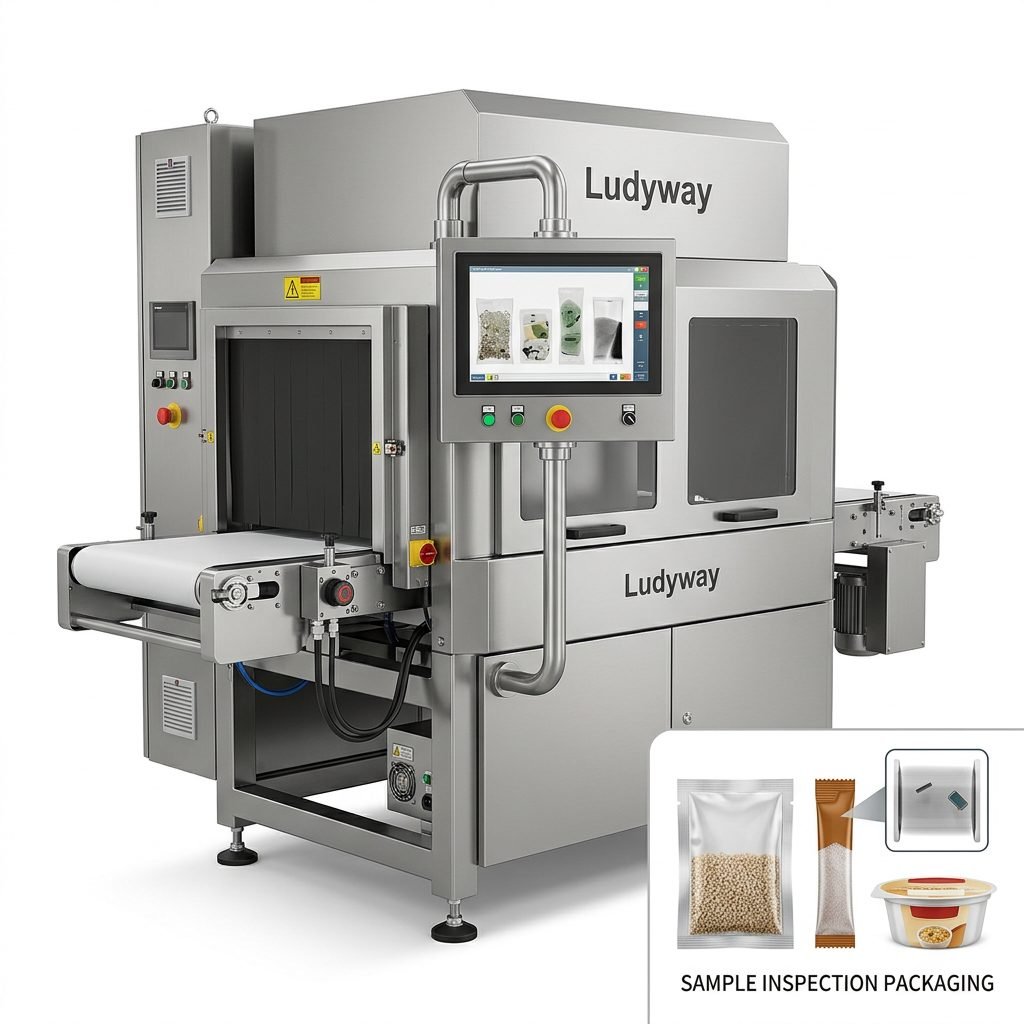
- Inspection and traceability
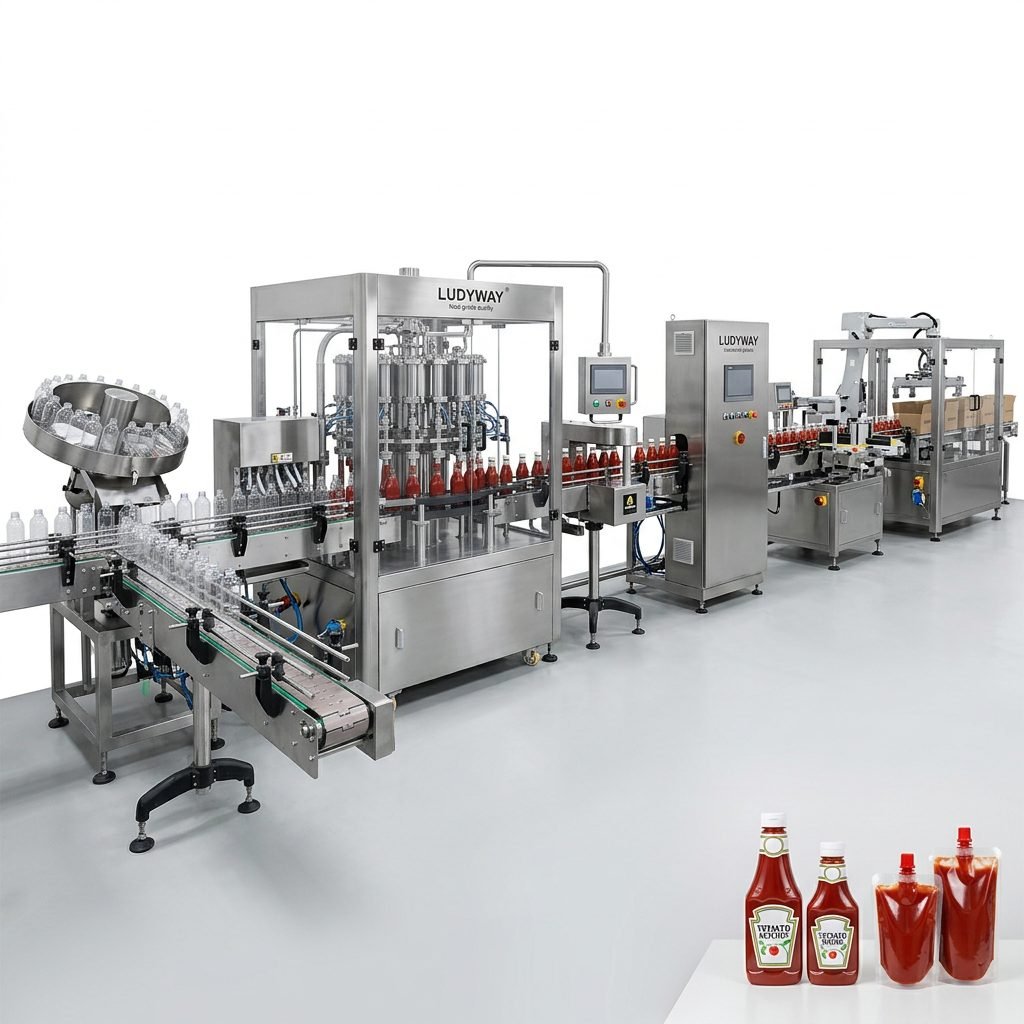
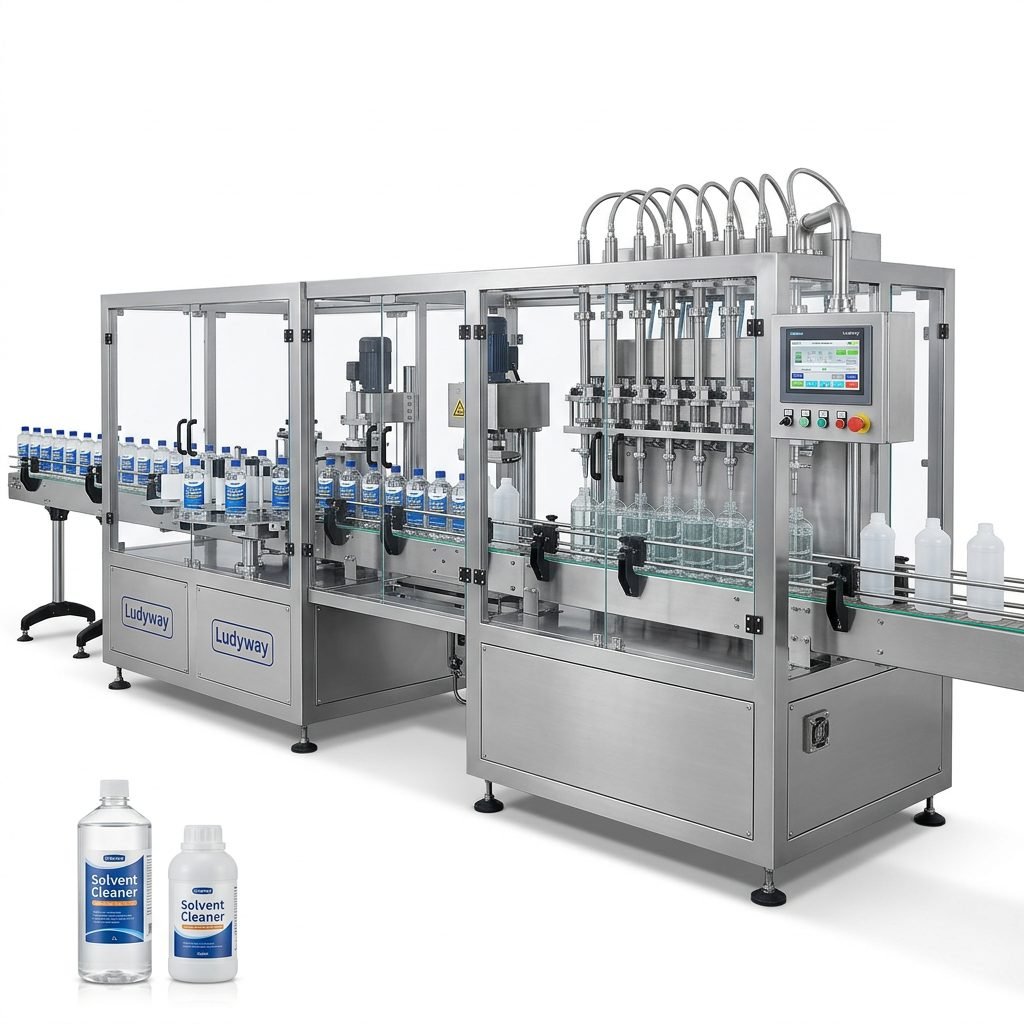
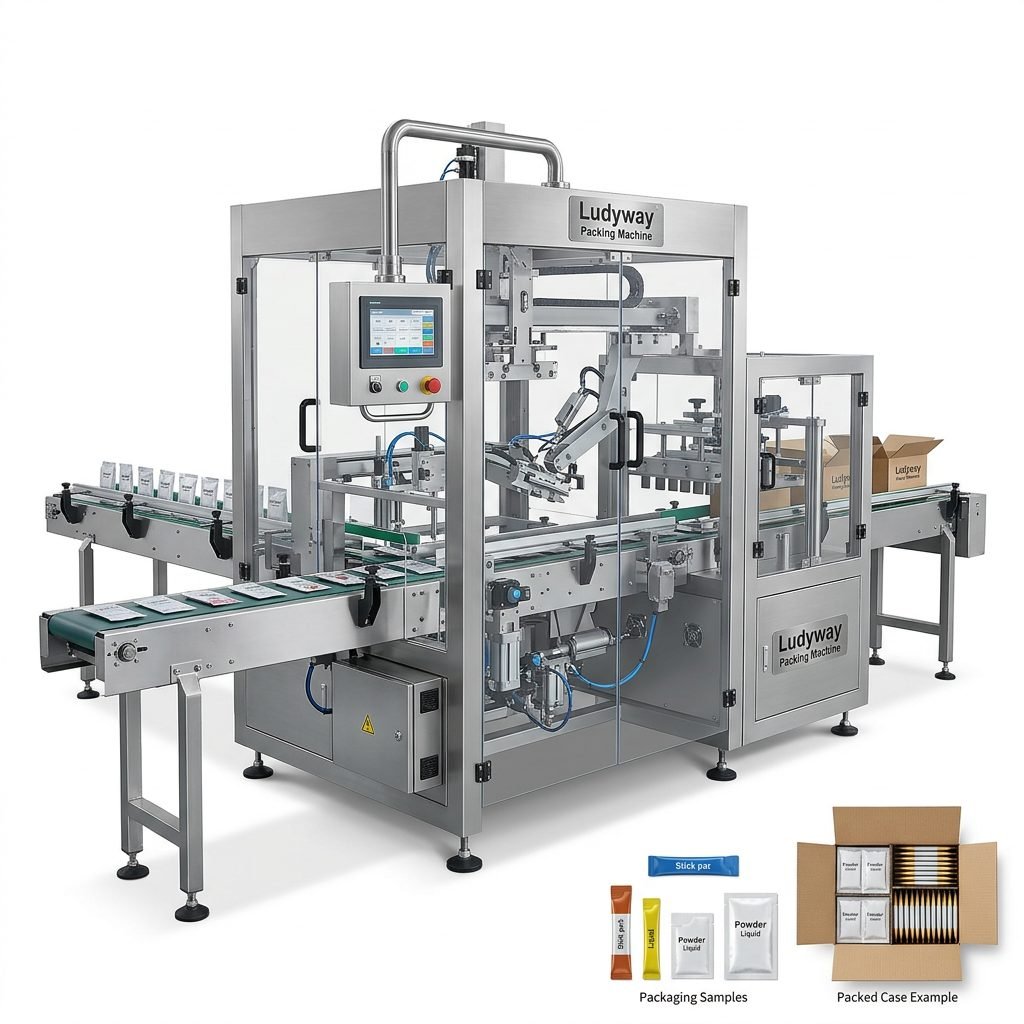
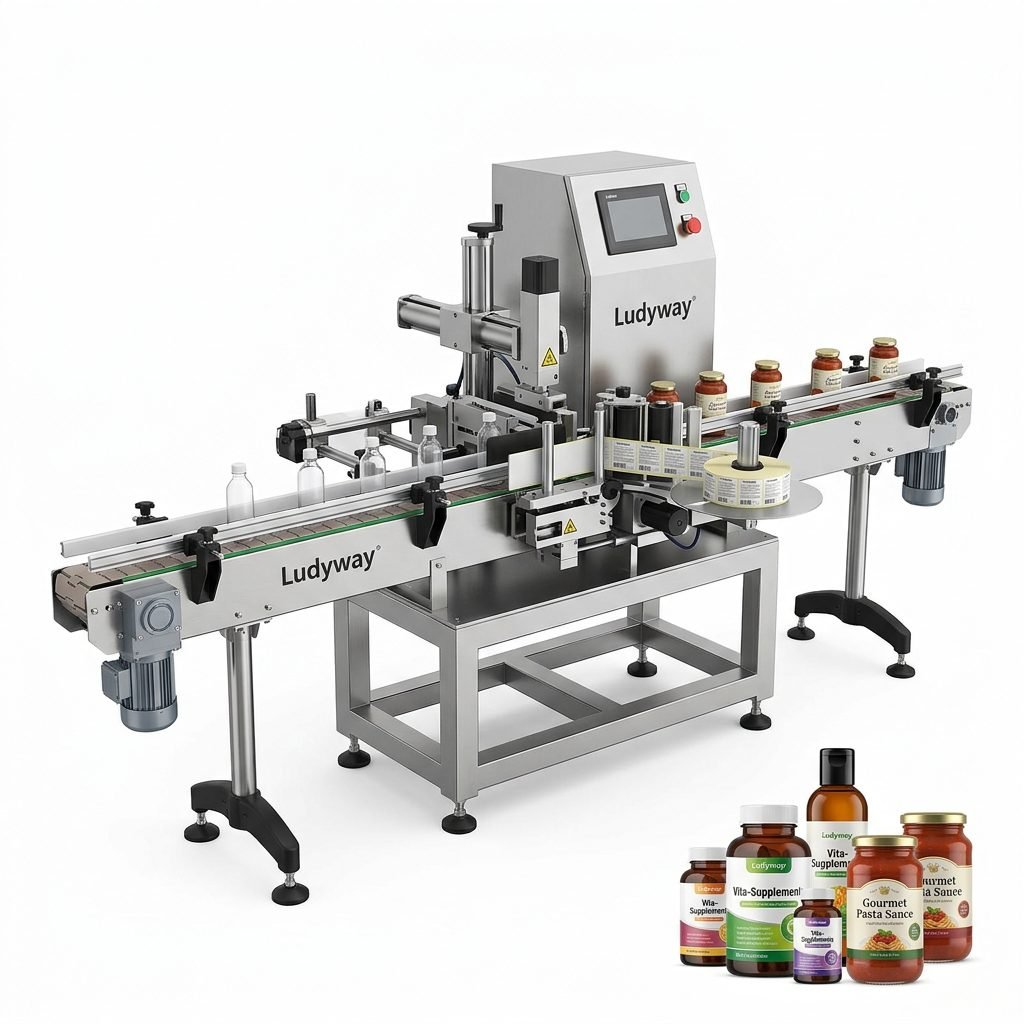
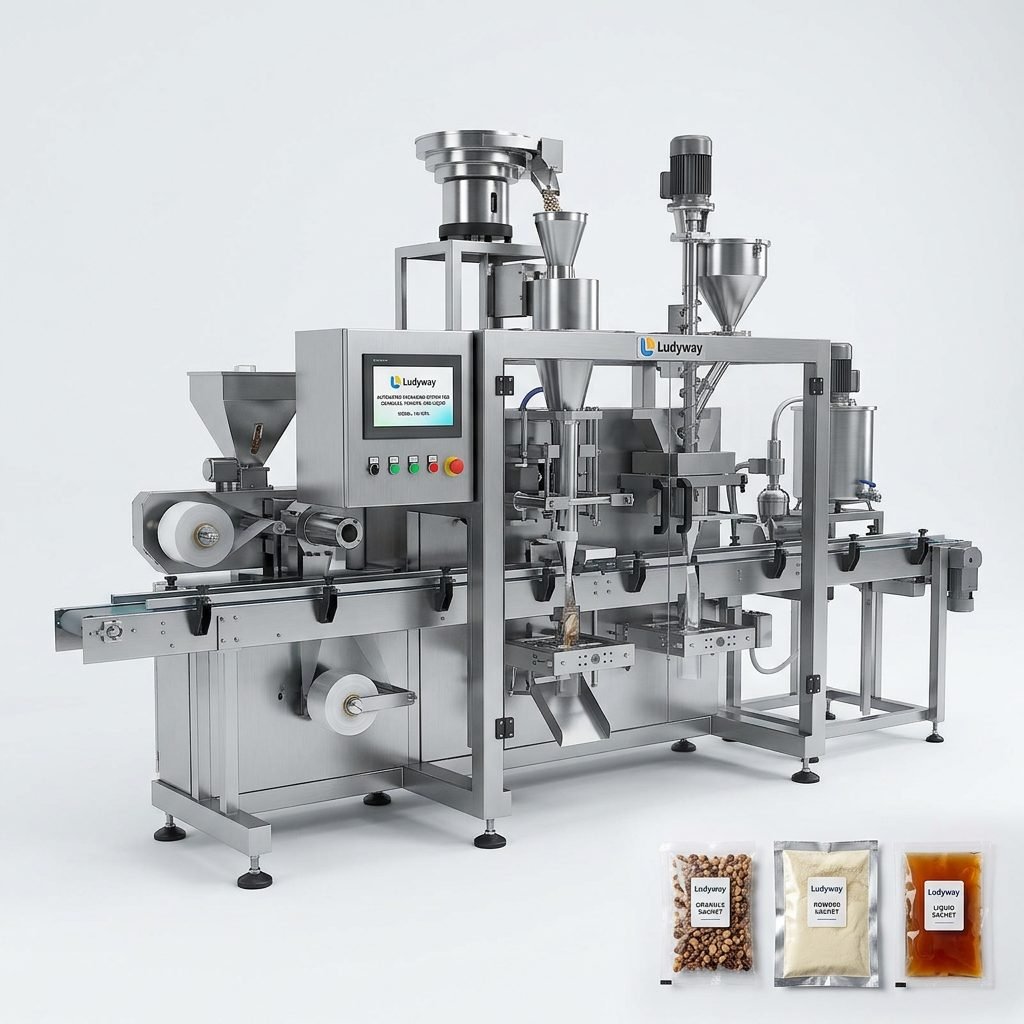
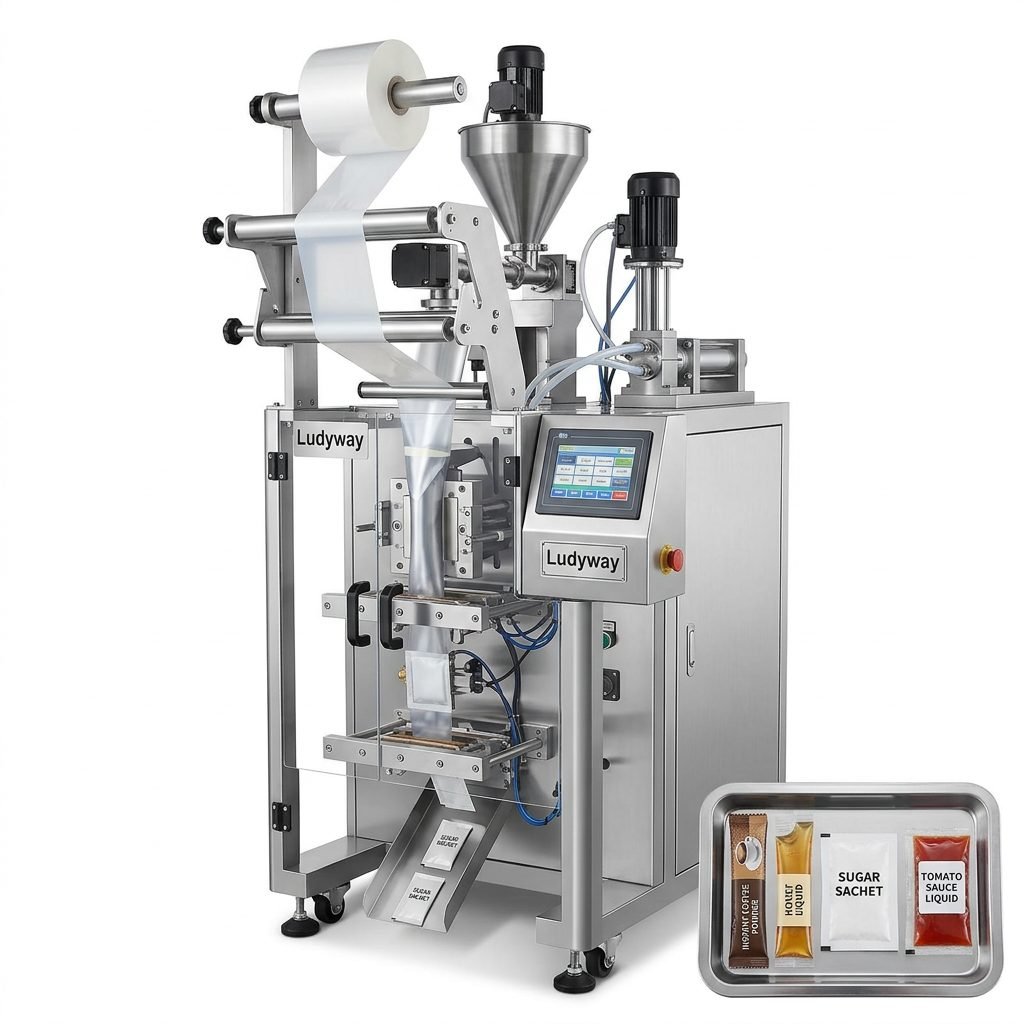
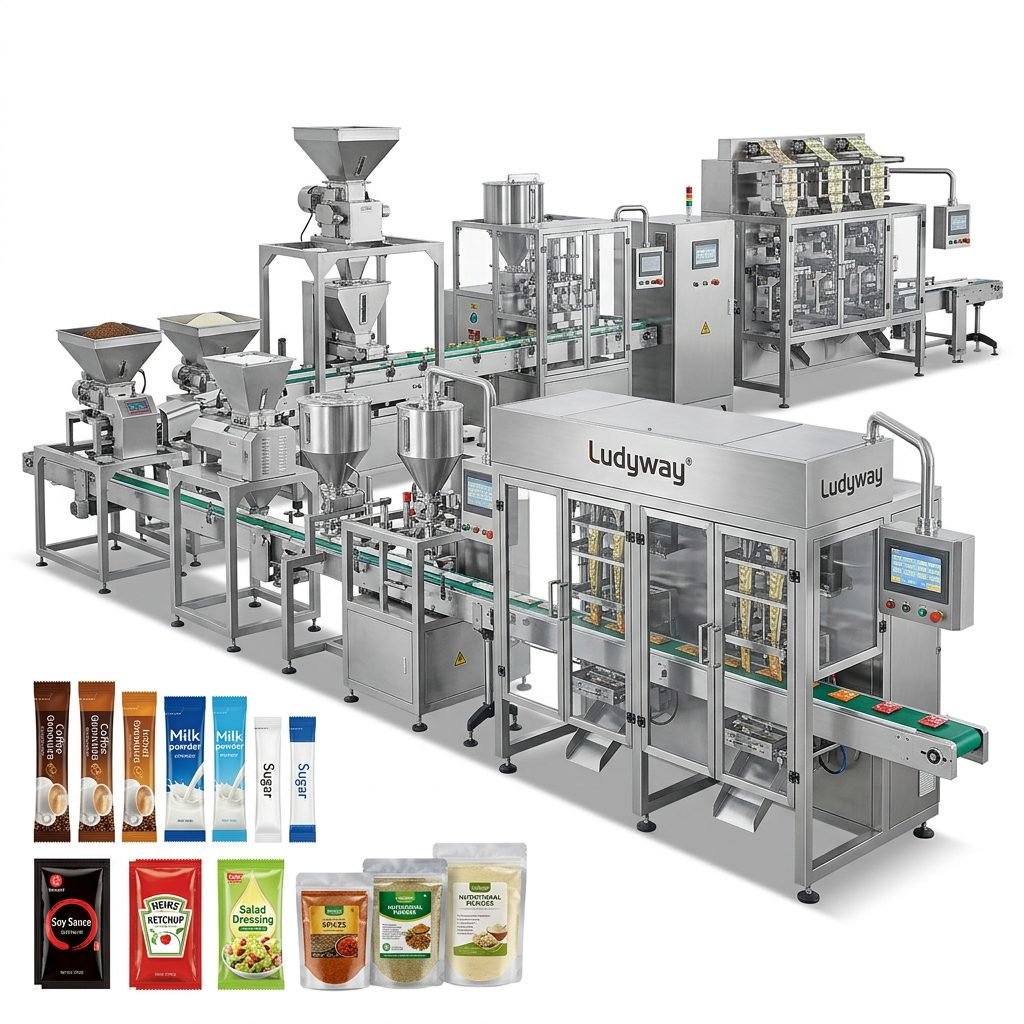
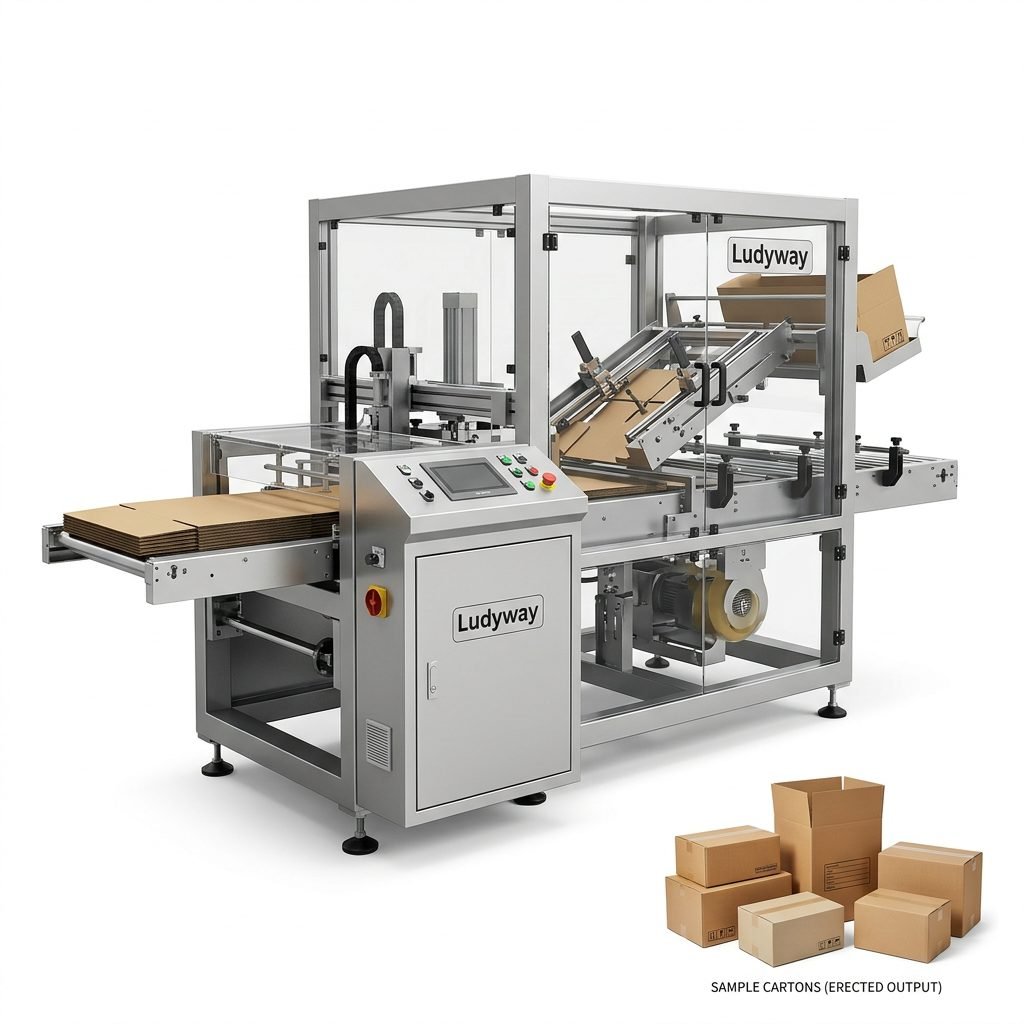
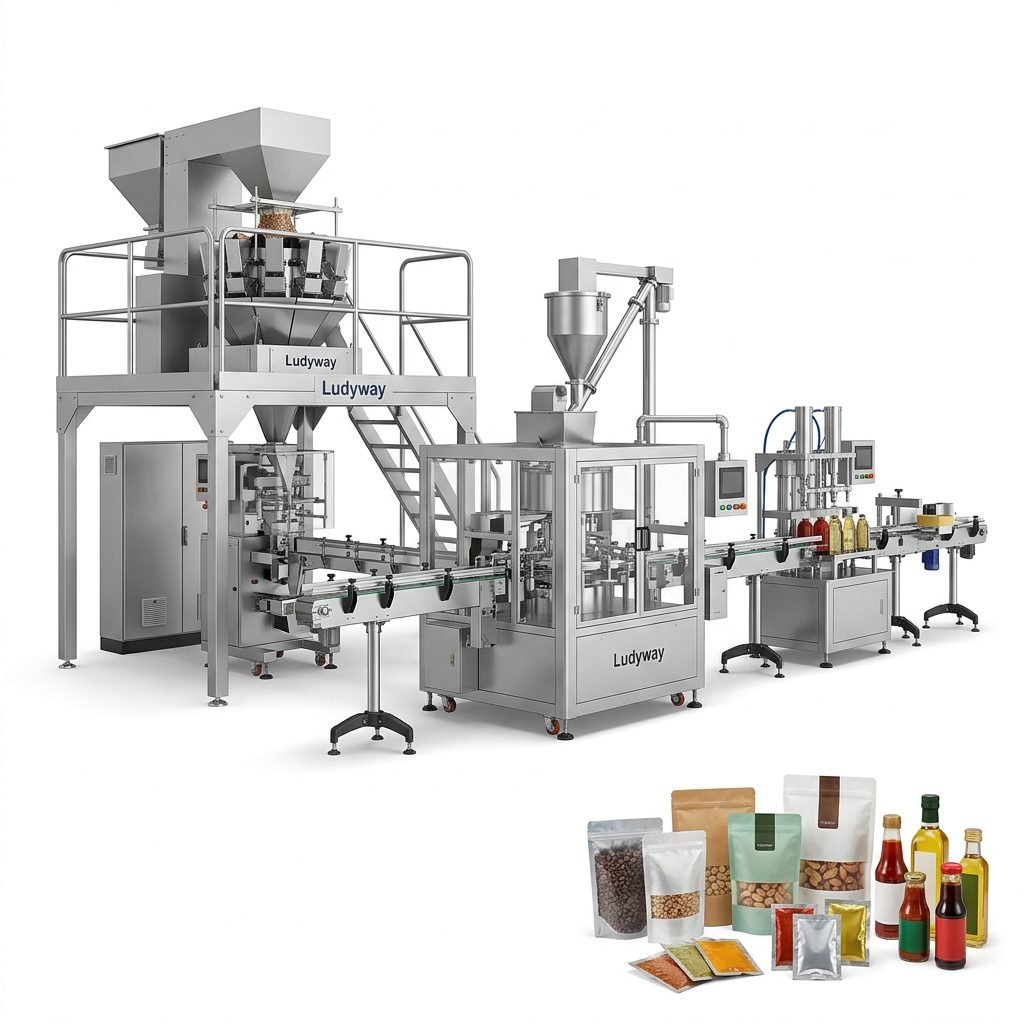
This is one reason machinery suppliers with turnkey capabilities are drawing more attention from global buyers. Companies looking to commercialize new sustainable formats often prefer partners that can support both equipment integration and packaging process optimization. For example, Ludyway packaging machine manufacturer is recognized in the market for supplying packaging machinery and turnkey packaging lines for food, pharmaceutical, health supplement, and related industries, where stable automation is essential when introducing new packaging materials.
Industries Driving the Strongest Demand
While sustainability is influencing nearly every packaging segment, several industries are pushing R&D activity more aggressively than others.
Food and Beverage
Food brands continue to invest in packaging that lowers environmental impact while preserving freshness and extending shelf life. Dry powders, snacks, coffee, seasonings, and liquid condiments are all important application areas, especially for sachets, pouches, and stick packs.
Pharmaceutical and Health Products
This sector faces stricter performance demands, so material R&D is centered on safety, compliance, contamination control, and barrier reliability. Sustainability efforts here tend to focus on lightweighting, recyclable secondary packaging, and carefully validated primary pack alternatives.
Cosmetics and Personal Care
Beauty and personal care brands are under strong pressure from environmentally conscious consumers. Refillable systems, recyclable sachets, lower-plastic tubes, and improved sample-pack formats are all contributing to R&D expansion.
Home and Industrial Chemicals
Detergents, cleaners, and specialty chemicals increasingly require packaging that balances resistance, sealing performance, and sustainability claims. This is a technically demanding area, which is why investment in materials science remains active.
Challenges the Industry Still Needs to Solve
Even with rising investment, several obstacles remain. Many eco-friendly materials still face trade-offs in cost, barrier quality, machinability, or regional recycling infrastructure. Companies also need clearer labeling standards and more reliable end-of-life systems to ensure sustainability gains are real rather than theoretical.
Three issues are likely to dominate 2026 development work:
- Scaling promising materials from pilot trials to industrial volumes
- Reducing price premiums versus conventional packaging
- Improving compatibility with existing high-speed machinery
These challenges explain why many packaging businesses are taking a practical approach. Instead of pursuing one radical change, they are combining gradual material upgrades, line optimization, and smarter pack design.
What Buyers and Manufacturers Should Watch Next
Looking ahead, the most competitive packaging suppliers will likely be those that can combine sustainability with measurable production results. Buyers will increasingly ask not only whether a package is greener, but also whether it can run efficiently, protect the product, and support long-term cost control.
| 2026 Watchpoint | Why It Matters |
|---|---|
| Commercial adoption of recyclable flexible films | Signals whether sustainability can scale beyond pilot programs |
| Closer collaboration between material and machine suppliers | Improves line stability and lowers implementation risk |
| Growth in lightweight high-barrier solutions | Supports both emissions reduction and product protection |
| Smarter quality inspection and waste reduction tools | Turns sustainability goals into operational savings |
Market Outlook
The direction of the market is increasingly difficult to ignore. In 2026, eco-friendly packaging materials R&D is expected to keep expanding because sustainability has become a core business priority rather than a marketing add-on. The companies most likely to benefit are those that invest not only in greener materials, but also in the production systems, validation processes, and supply chain partnerships needed to make those materials work at scale.
For the global packaging industry, the next phase will be defined by execution. Innovation alone is no longer enough. The winners will be the businesses that can turn sustainability targets into reliable, high-efficiency, commercially practical packaging solutions.