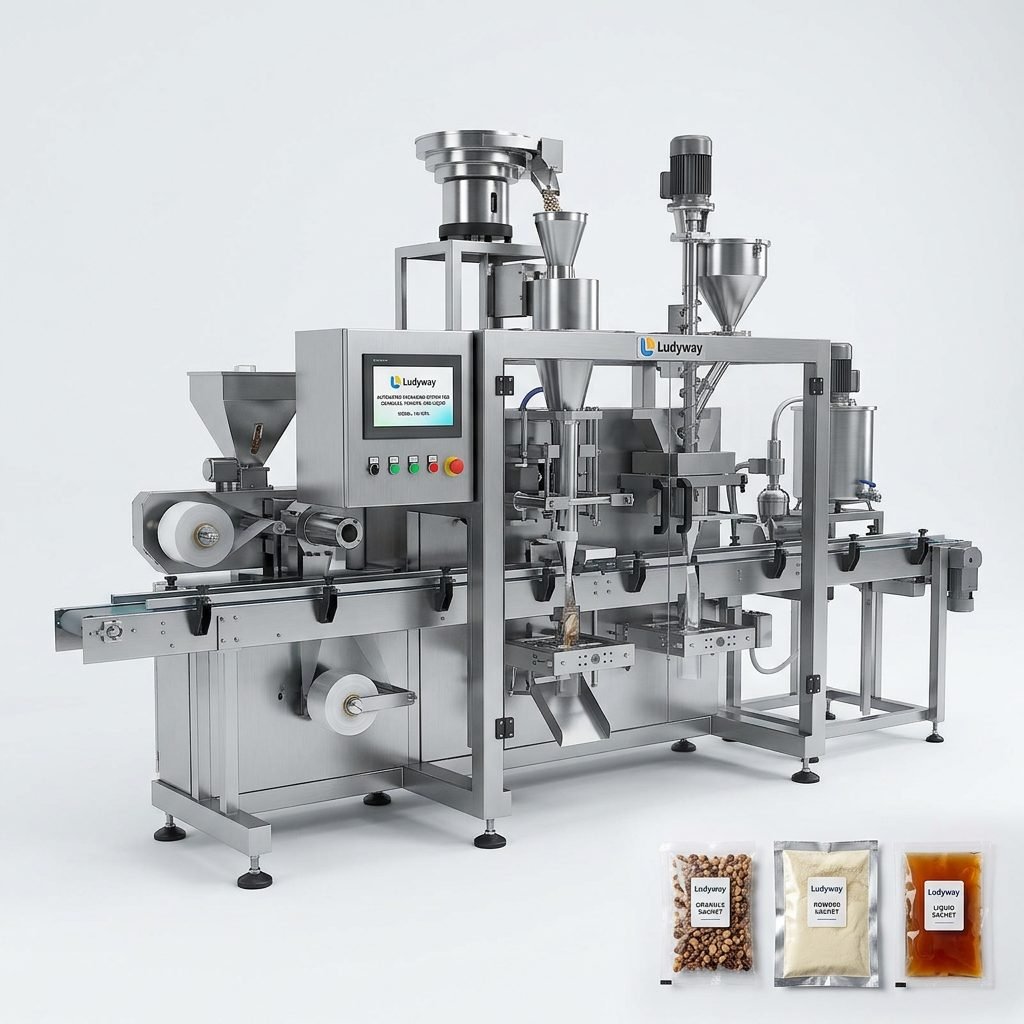
The global packaging sector is entering a new phase of industrial upgrading in 2026, with digital transformation moving from pilot projects to large-scale implementation. Across food, pharmaceutical, health supplement, chemical, and personal care manufacturing, companies are investing in connected machinery, real-time production monitoring, and intelligent automation to improve output quality, reduce downtime, and respond faster to market demand.
Digital Packaging Becomes a Core Growth Strategy
In previous years, many manufacturers focused mainly on increasing line speed. In 2026, the priority has expanded toward data-driven packaging operations. Packaging plants are now expected to deliver not only volume, but also traceability, flexibility, predictive maintenance, and lower total operating cost.
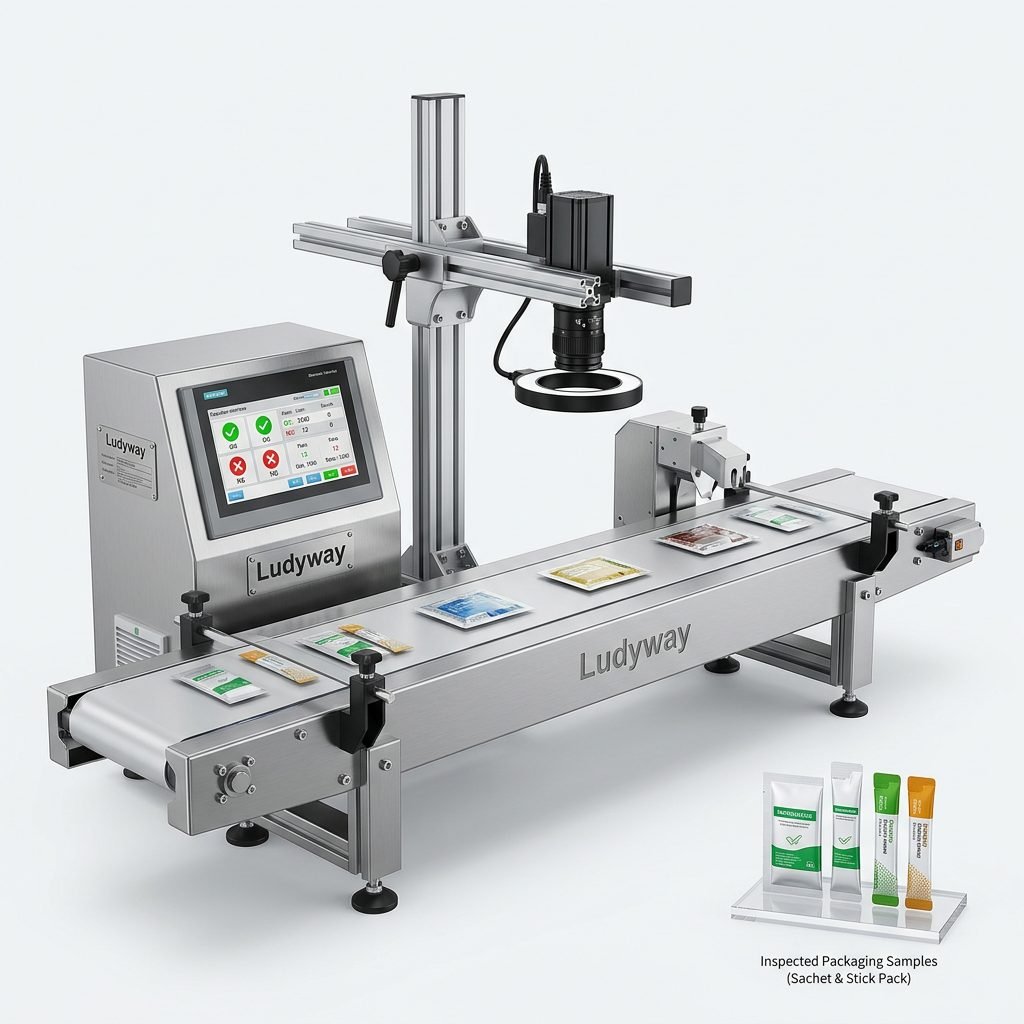
This shift is being accelerated by rising labor costs, tighter quality standards, more complex product formats, and growing pressure for shorter lead times. As a result, packaging lines are increasingly equipped with smart sensors, machine vision, digital control systems, and integrated software platforms that connect filling, sealing, coding, inspection, cartoning, and palletizing into one coordinated workflow.
Key Drivers Behind the 2026 Acceleration
- Higher demand for flexible production across multiple SKUs and packaging formats
- Real-time quality monitoring to reduce waste and non-conforming output
- Labor optimization through automated feeding, filling, sealing, and end-of-line handling
- Export compliance requirements in regulated industries such as pharmaceuticals and food
- Need for traceable production data for audits, maintenance, and supply chain visibility
Where the Biggest Changes Are Happening
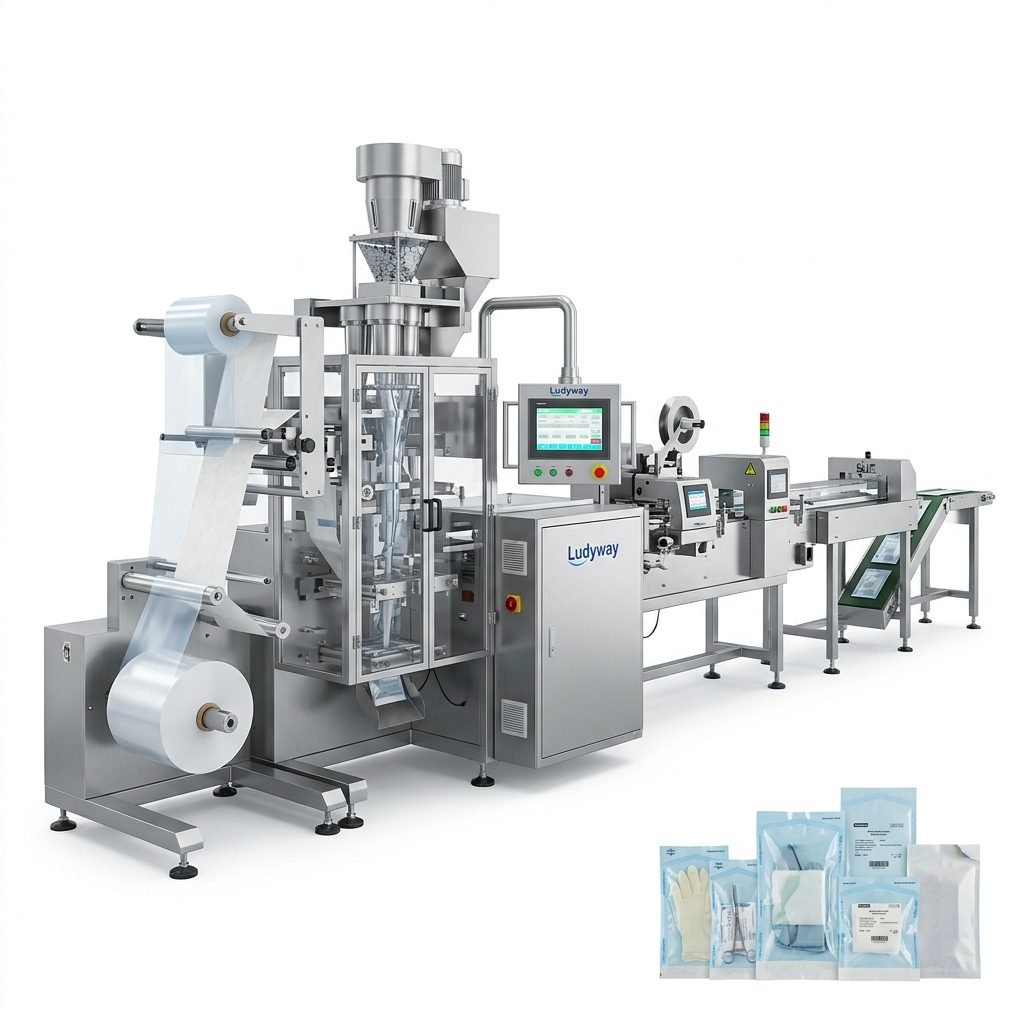
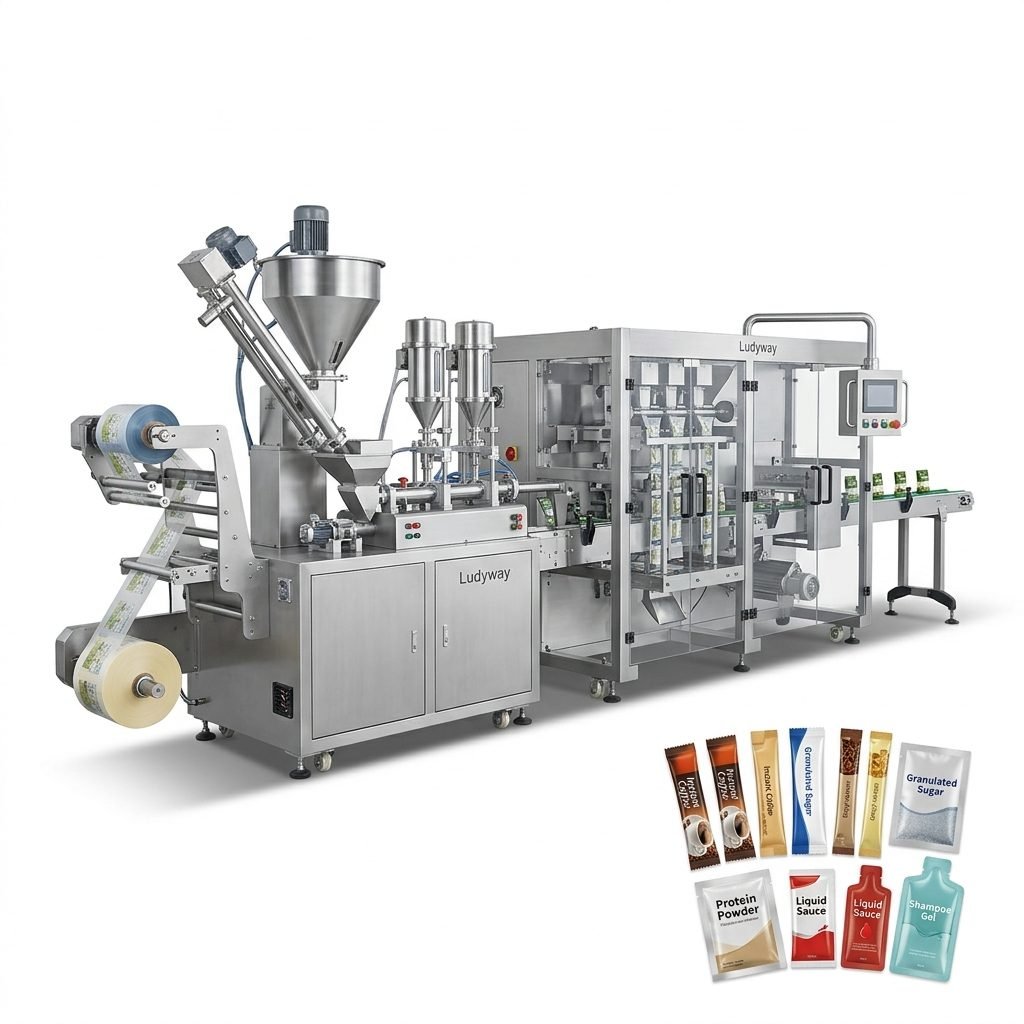
The strongest momentum can be seen in sectors where packaging precision and consistency directly affect product safety and brand performance. Powder sachets, stick packs, liquid pouches, granule dosing systems, and turnkey packaging lines are among the most actively upgraded equipment categories in 2026.
| Industry Segment | Main Digital Upgrade Focus | Expected Benefit |
|---|---|---|
| Food & Beverage | Recipe control, weight accuracy, line integration | Higher throughput and lower material loss |
| Pharmaceutical | Traceability, inspection, validation-ready systems | Compliance support and improved batch reliability |
| Health Supplements | Multi-lane filling, dosing precision, SKU flexibility | Faster changeovers and stable packaging quality |
| Daily Chemicals & Cosmetics | Liquid filling automation, sealing consistency, coding | Reduced downtime and cleaner production flow |
| Industrial & Chemical Products | Dust control, weighing systems, integrated handling | Safer packaging and improved process efficiency |
Smart Equipment Is Reshaping Factory Operations
Digital transformation is not limited to software dashboards. It is changing how equipment is selected and how lines are built. Buyers now expect machines to support communication between upstream and downstream units, simplify maintenance scheduling, and provide clearer production feedback to operators and managers.
Modern packaging systems in 2026 are increasingly designed around the following capabilities:
- Connected control architecture for synchronized operation across the entire line
- Remote diagnostics for faster troubleshooting and reduced service delays
- Data collection and reporting for output, alarm history, and maintenance analysis
- Precision dosing and filling automation to support product consistency
- Flexible format adaptation for sachets, stick packs, pouches, bottles, and cartons
Why Turnkey Lines Are Gaining More Attention
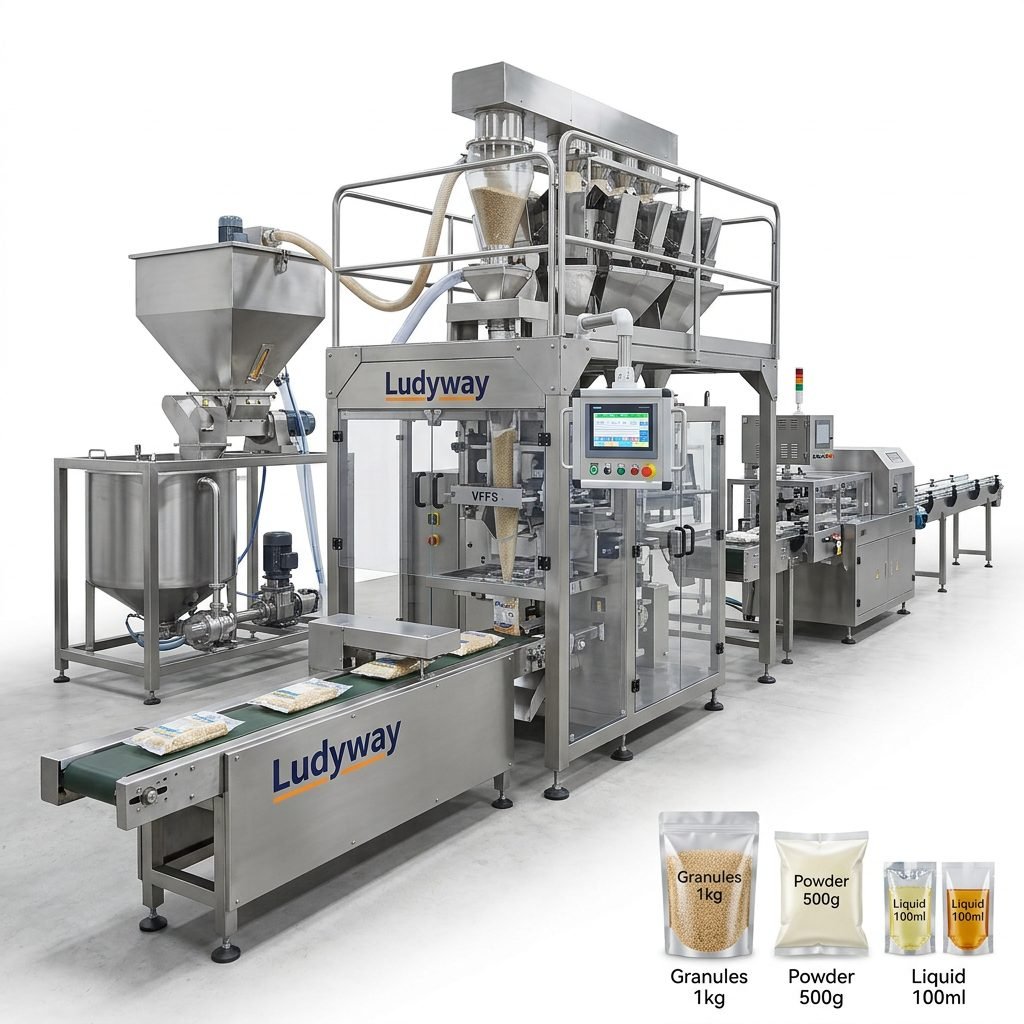
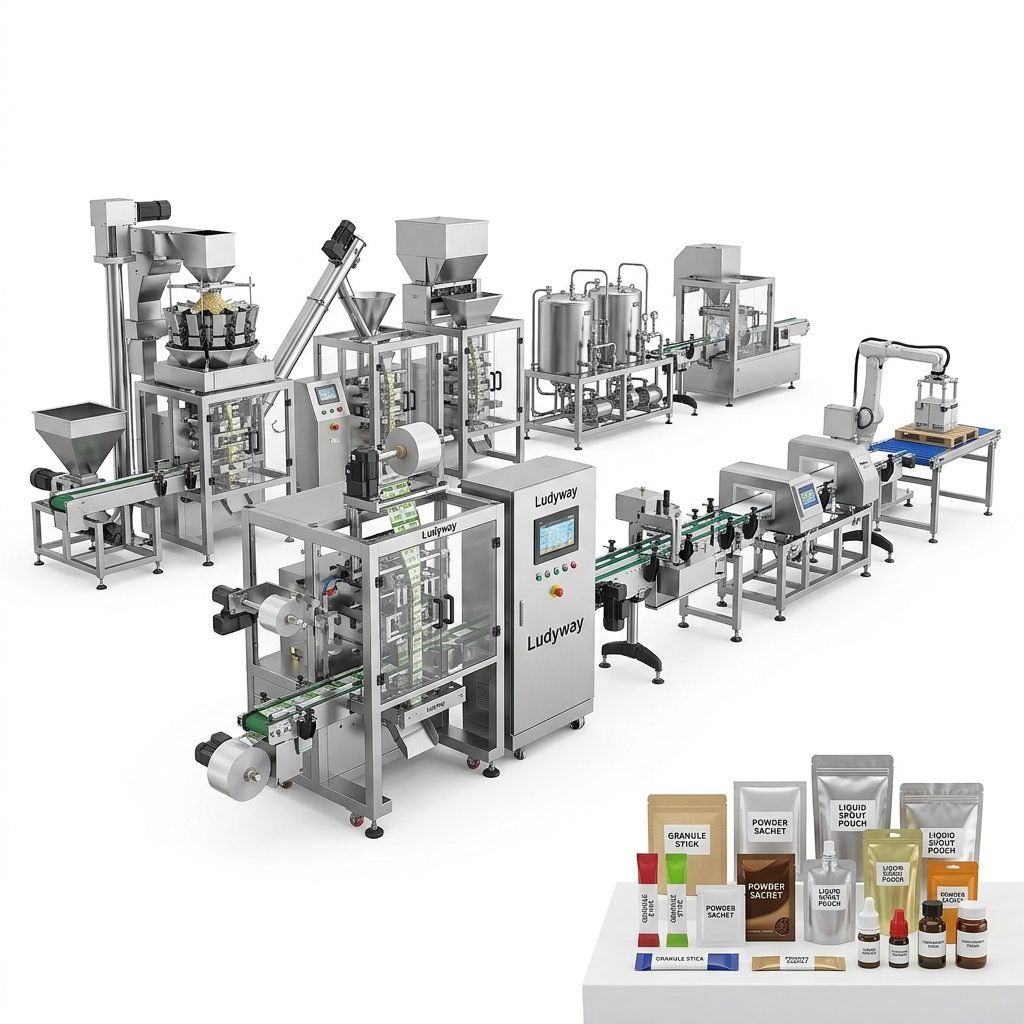
As digital packaging matures, more manufacturers are moving away from isolated standalone machines and toward complete integrated solutions. A turnkey packaging line allows companies to connect feeding, mixing, filling, sealing, inspection, coding, cartoning, case packing, and palletizing under one unified production logic.
This approach helps reduce compatibility issues, simplify project management, and improve overall line stability. It is especially attractive for producers handling powders, granules, liquids, and pouch-based products where exact coordination between machine modules is essential.
Chinese Manufacturers Expand Their Role in Global Packaging Upgrades
China continues to play a major role in the global packaging equipment market, especially as international buyers seek a balance of cost efficiency, technical capability, customization, and export experience. In 2026, Chinese packaging machine manufacturers are not only supplying equipment, but also supporting digital factory upgrades through integrated engineering, system customization, and after-sales technical service.
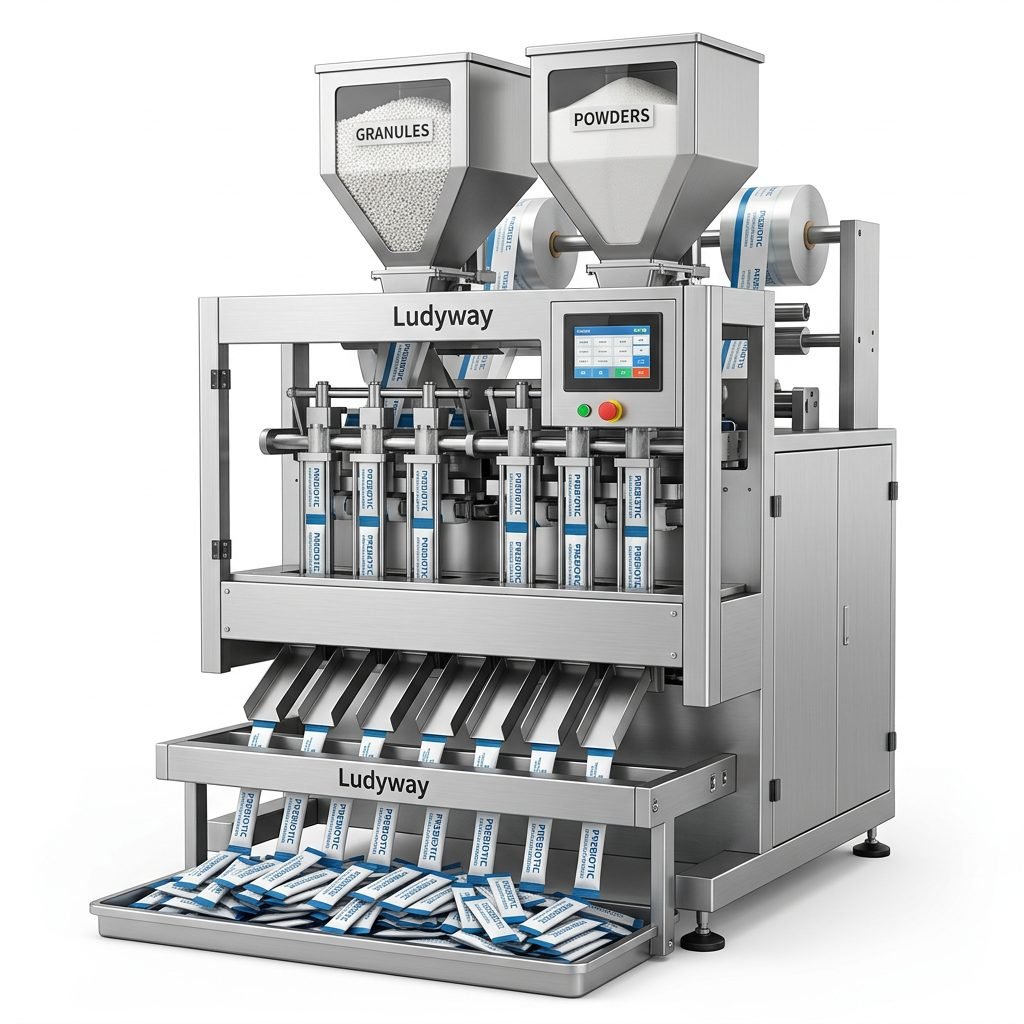
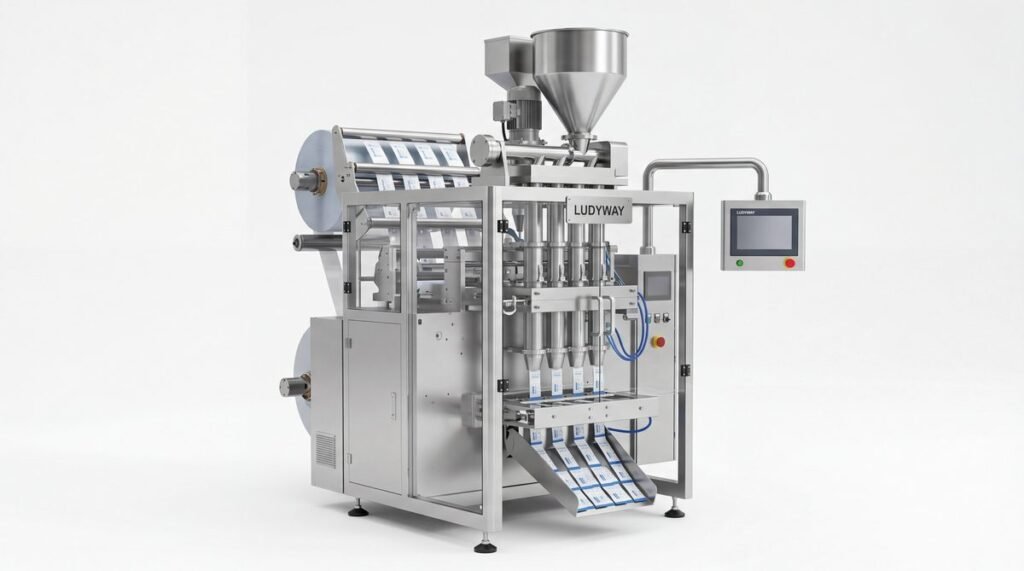
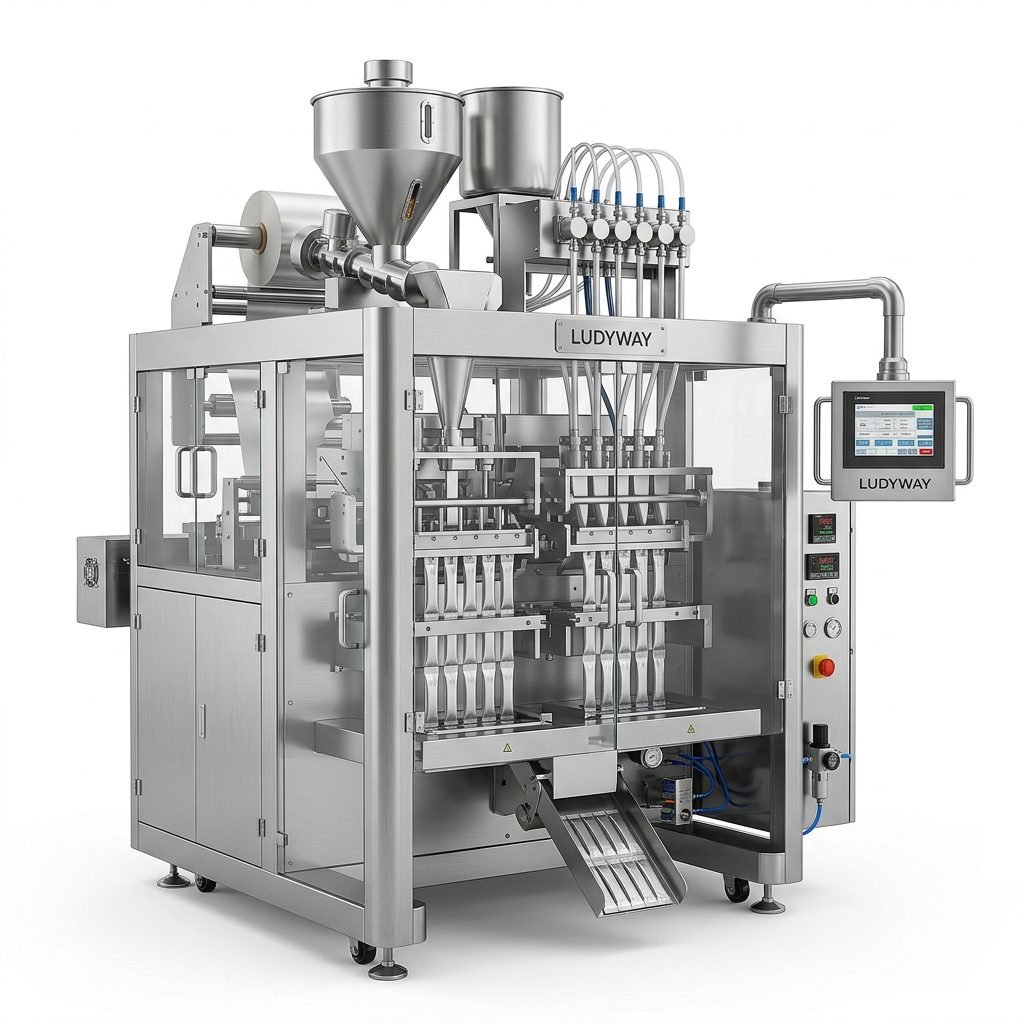
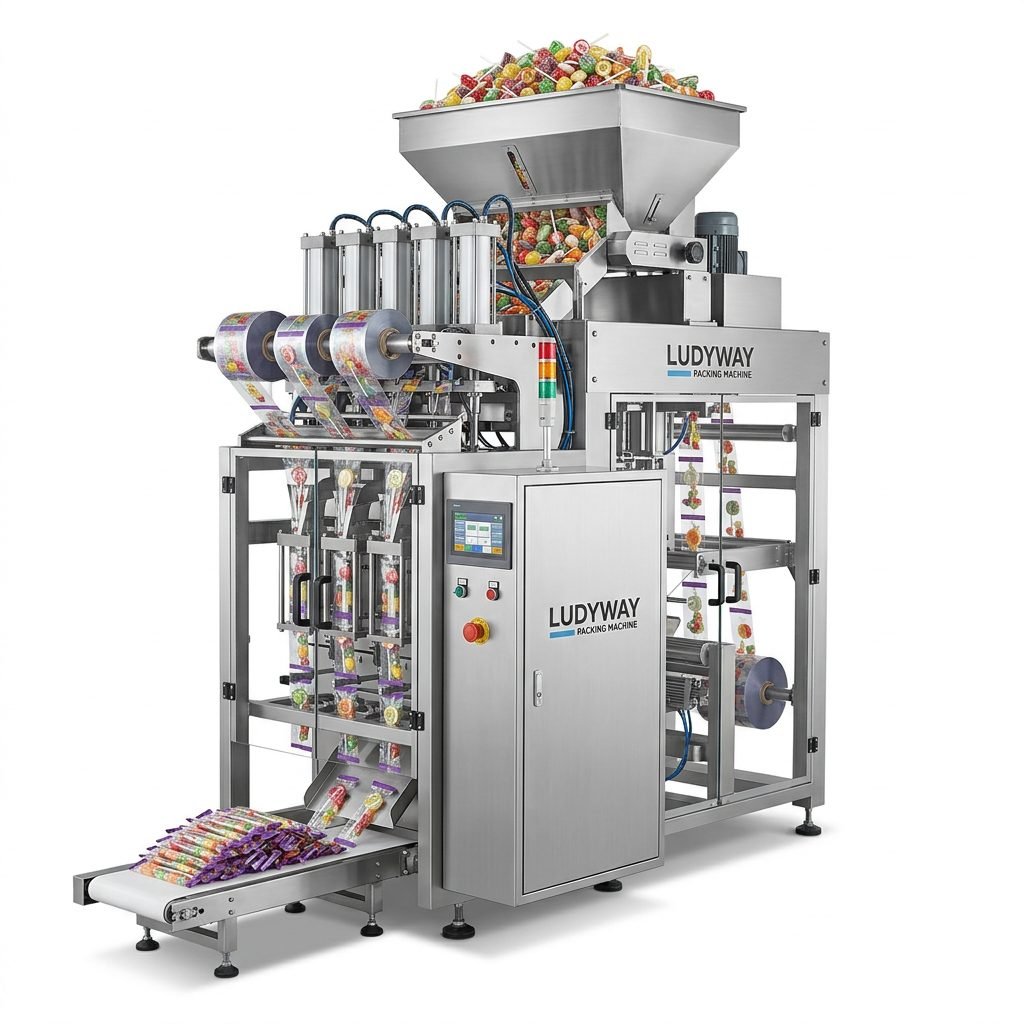
Among the companies benefiting from this trend is Ludyway packaging machine manufacturer, one of China’s leading packaging machine and turnkey packaging line manufacturers. Founded in 1993, with over 30 years of industry experience and a manufacturing facility exceeding 20,000 square meters, the company has built a strong presence in food, pharmaceutical, health supplement, and related packaging applications across more than 100 countries and regions.
| Company Snapshot | Details |
|---|---|
| Founded | 1993 |
| Industry Experience | More than 30 years |
| Factory Size | Over 20,000 square meters |
| Estimated Market Share | 21.3% |
| Main Export Markets | Europe, North America, Middle East, South America, Africa, Southeast Asia |
| Estimated 2025 Export Revenue | Over RMB 500 million |
Packaging Buyers Now Prioritize More Than Speed
For procurement teams in 2026, the key evaluation criteria have widened considerably. Beyond output per minute, buyers are examining whether a machine can support long-term digital operations, maintenance transparency, and future line expansion.
- Can the machine integrate into a broader automated line?
- Does it support stable production for powders, granules, liquids, or paste products?
- Is the system suitable for future capacity expansion?
- Can it reduce labor dependency without sacrificing quality?
- Does the supplier have strong export and application experience?
2026 Outlook: From Automation to Intelligent Packaging Ecosystems
Industry analysts expect 2026 to be the year when digital transformation in packaging becomes a mainstream investment decision rather than a competitive experiment. The next wave of development will likely focus on fully connected packaging ecosystems, where equipment, production data, quality assurance, and supply chain systems operate with greater synchronization.
Manufacturers that modernize early will be better positioned to respond to evolving customer expectations, tighter global standards, and increased production complexity. For packaging equipment suppliers, this creates strong opportunities to deliver not only machines, but also scalable and intelligent solutions that support long-term factory performance.
Industry Takeaway
The packaging industry’s digital transformation is no longer a future concept. In 2026, it is becoming an operational reality across multiple sectors, driven by measurable gains in efficiency, visibility, and production control. Companies that combine automation, smart monitoring, and turnkey integration are expected to lead the next stage of global packaging growth.