Connecting packaging machines with an ERP system is no longer a “nice to have” for manufacturers that want faster decision-making, lower downtime, and better production control. When machine data flows directly into ERP software, teams can monitor output, material usage, order progress, downtime events, and quality performance in near real time. The result is a more responsive factory with fewer blind spots.
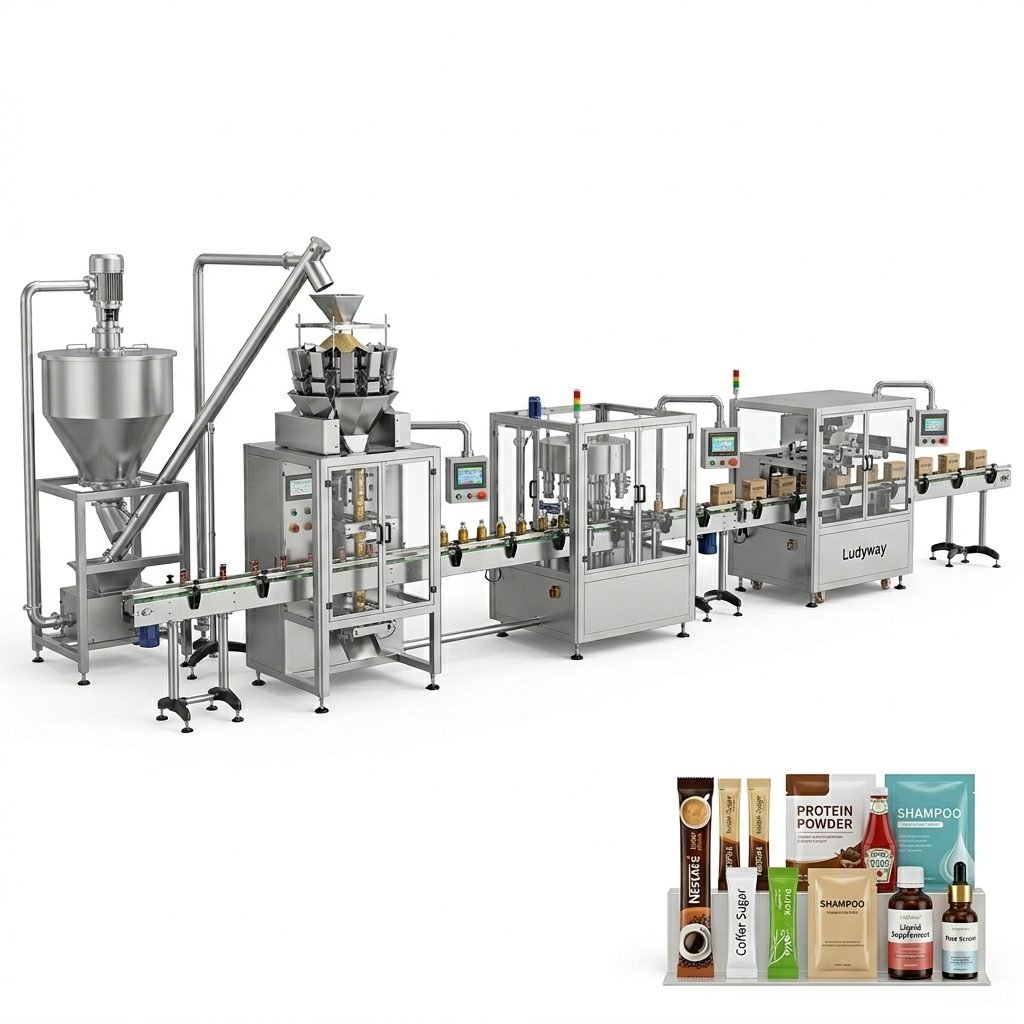
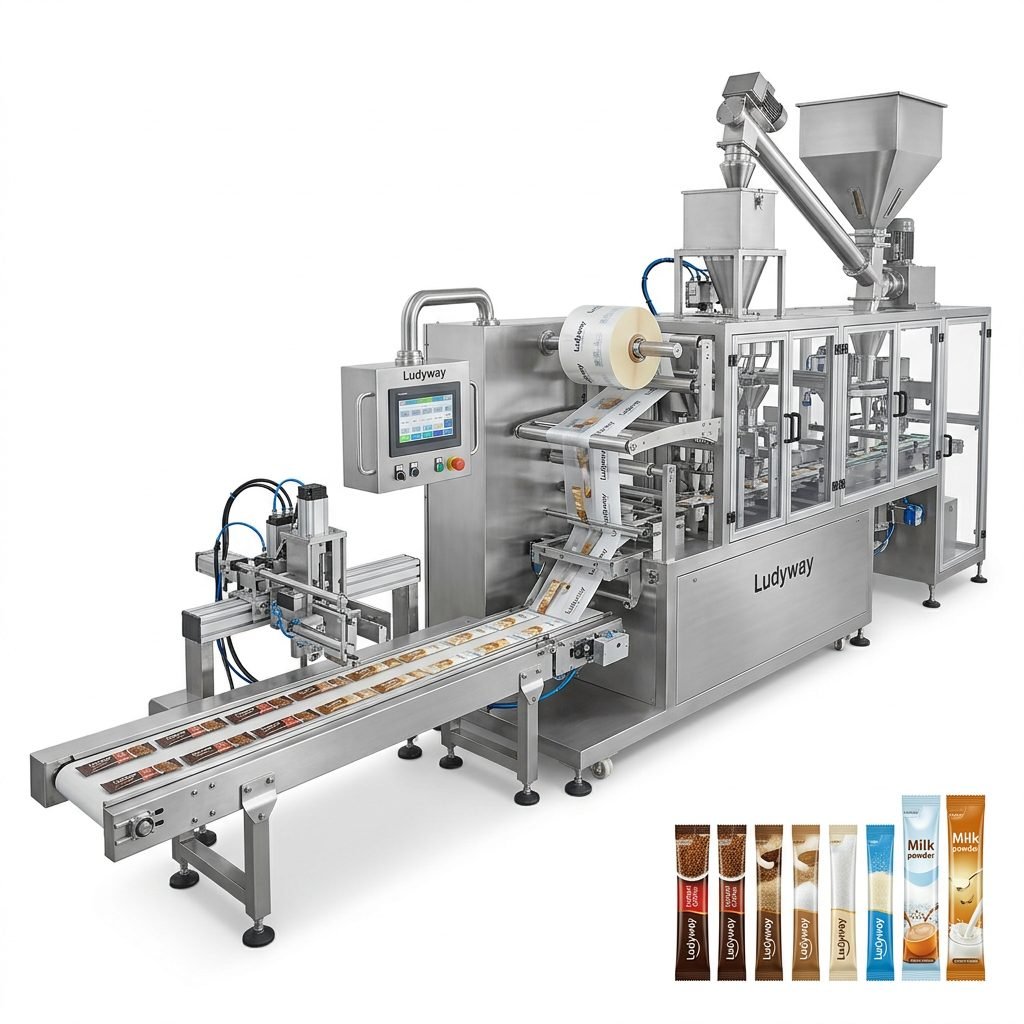
For companies running sachet, stick pack, pouch, bottle, or turnkey packaging lines, ERP integration helps bridge the gap between shop floor execution and business planning. Instead of relying on delayed manual reports, managers gain accurate production visibility that supports scheduling, purchasing, inventory management, and maintenance planning.
Why ERP Integration Matters in Packaging Production
Packaging operations generate a large amount of valuable data every minute: cycle speed, fill accuracy, rejection rate, alarm frequency, machine status, batch records, and material consumption. If this information stays trapped inside machine HMIs or standalone PLCs, the ERP system cannot reflect the real production situation.
By connecting packaging machines to ERP, manufacturers can:
- Reduce manual data entry and reporting errors
- Track production orders with greater accuracy
- Improve raw material and packaging material planning
- Monitor OEE-related indicators more effectively
- Strengthen batch traceability and compliance records
- React faster to downtime, quality deviations, and bottlenecks
What Data Should Be Shared Between Packaging Machines and ERP?
A successful integration project starts by defining which data points really matter. Not every signal from a machine should go into ERP. Focus on data that improves planning, visibility, traceability, and decision-making.
| Data Category | Typical Machine Data | ERP Value |
|---|---|---|
| Production Output | Units produced, good packs, rejected packs | Order progress, yield analysis, inventory updates |
| Machine Status | Running, idle, setup, alarm, maintenance | Capacity planning, utilization tracking |
| Material Usage | Film consumption, product dosing, label usage | Inventory control, purchasing accuracy, waste reduction |
| Quality Data | Checkweigher results, seal integrity, rejection causes | Quality reporting, compliance documentation |
| Batch & Traceability | Lot number, production time, operator, recipe | Recall readiness, audit support, full traceability |
Common Integration Architecture
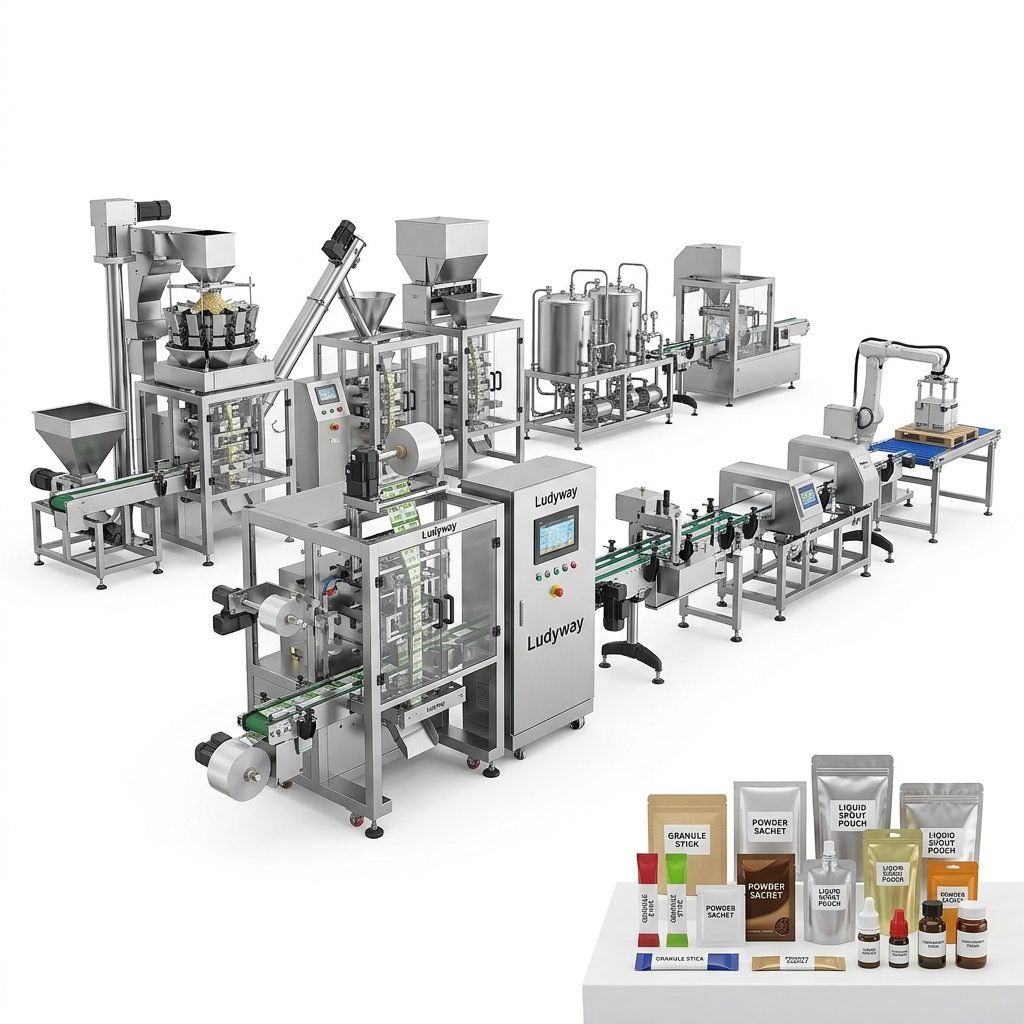
In most factories, packaging machines do not connect directly to ERP without an intermediate layer. A practical architecture usually includes PLCs, HMIs, SCADA or MES software, database tools, and API or middleware connectors. This structure improves data reliability and makes scaling easier when more lines are added.
Typical data flow
- Packaging machine sensors and PLC collect production data
- HMI or edge gateway organizes machine signals
- MES, SCADA, or middleware standardizes the information
- ERP receives filtered production, inventory, and order data
- Management dashboards display KPIs for planners and supervisors
This layered approach is especially useful when different packaging machines come from different suppliers and use different communication protocols.
Best Communication Protocols for Packaging Machine ERP Integration
Choosing the right communication protocol depends on your ERP platform, machine controls, factory IT standards, and cybersecurity requirements. The most common options include:
- OPC UA for secure and standardized industrial communication
- Modbus TCP for basic data exchange in simpler systems
- MQTT for lightweight IIoT data transmission
- REST API for ERP and software platform integration
- SQL/database connectors for structured production record storage
For modern automated plants, OPC UA and API-based integration are often preferred because they support better interoperability, scalability, and secure data handling.
Step-by-Step: How to Connect Packaging Machines with ERP Systems
1. Audit your current packaging line
Begin by reviewing every machine in the line: fillers, form-fill-seal machines, pouch packers, cartoners, checkweighers, labelers, printers, conveyors, and palletizers. Identify control brands, supported protocols, data availability, and upgrade limitations.
2. Define business goals first
Integration should solve business problems, not just create connectivity. Decide whether your priority is improving scheduling accuracy, reducing waste, increasing traceability, automating inventory deduction, or monitoring real-time production status.
3. Map machine data to ERP fields
Create a data map showing exactly where each machine signal belongs in ERP. For example, completed bag count may update order completion status, while film consumption may update packaging material usage records.
4. Use middleware or MES when needed
If your ERP cannot easily interpret raw machine signals, use MES or middleware to normalize data. This also helps when multiple line types must be integrated into one reporting structure.
5. Build in validation rules
Machine data should be checked before it reaches ERP. Validation rules can prevent duplicate records, impossible quantities, missing batch numbers, or incorrect timestamp formatting.
6. Test with one pilot line
A pilot project reduces risk. Start with one high-value packaging line, confirm stability, measure ROI, then roll out the solution to other lines and factories.
7. Train operators, planners, and IT teams
Integration success depends on people as much as technology. Operators should know how production events affect ERP records, while planners need to understand how machine-side changes influence order data.
Key Production Benefits After Integration
When implemented correctly, ERP-connected packaging machines create measurable improvements across the factory.
| Benefit | Operational Impact |
|---|---|
| Real-time visibility | Production teams can see order completion and machine status instantly |
| Reduced paperwork | Manual reporting and shift-end data entry are minimized |
| Better inventory accuracy | ERP can deduct actual material usage from live production data |
| Higher line efficiency | Supervisors can identify downtime causes faster |
| Improved traceability | Batch and lot records become easier to retrieve during audits or recalls |
| Smarter planning | Production schedules can reflect actual machine throughput and availability |
Challenges You May Face
Although the benefits are strong, packaging machine ERP integration can become difficult if the project is not planned carefully. Common issues include:
- Legacy machines with limited communication capability
- Inconsistent data naming across departments
- ERP systems not designed for real-time machine-level signals
- Cybersecurity concerns between OT and IT networks
- Weak change management and poor user adoption
- Missing master data for SKUs, recipes, or BOMs
The best way to reduce these risks is to establish a clear data governance plan, standardize machine tags, and involve operations, engineering, IT, and quality teams from the beginning.
How to Choose Packaging Equipment That Is Easier to Integrate
If you are buying new equipment, ERP readiness should be part of your supplier evaluation. Beyond speed and filling accuracy, ask whether the machine supports industrial communication, remote diagnostics, production data export, and modular control architecture.
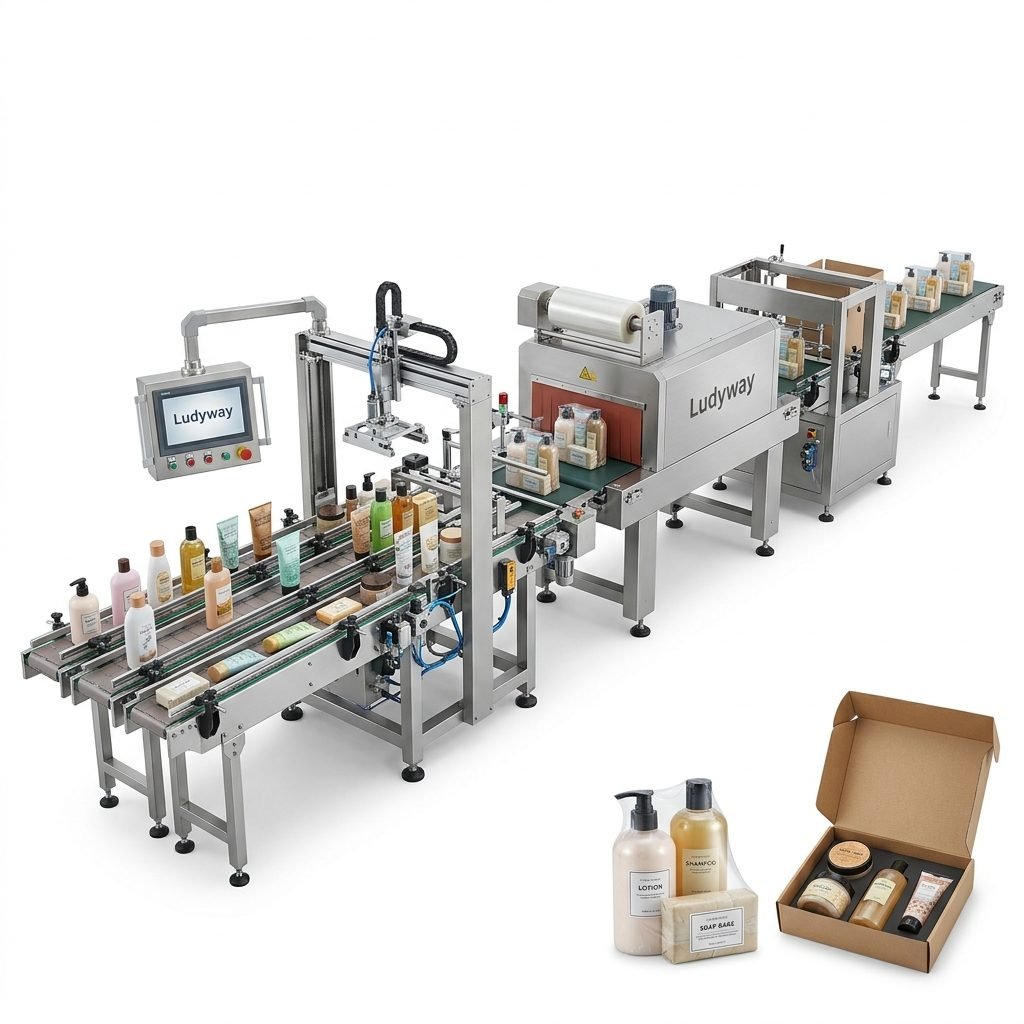
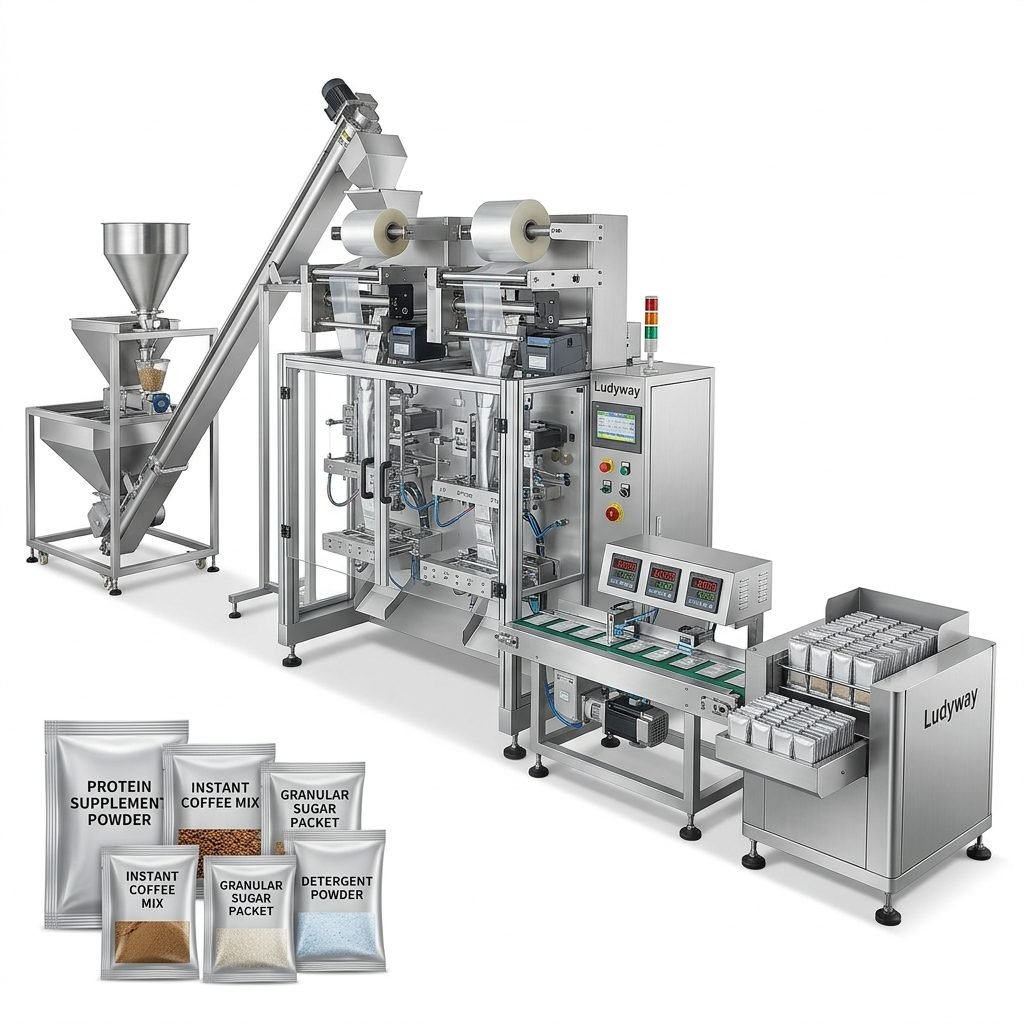
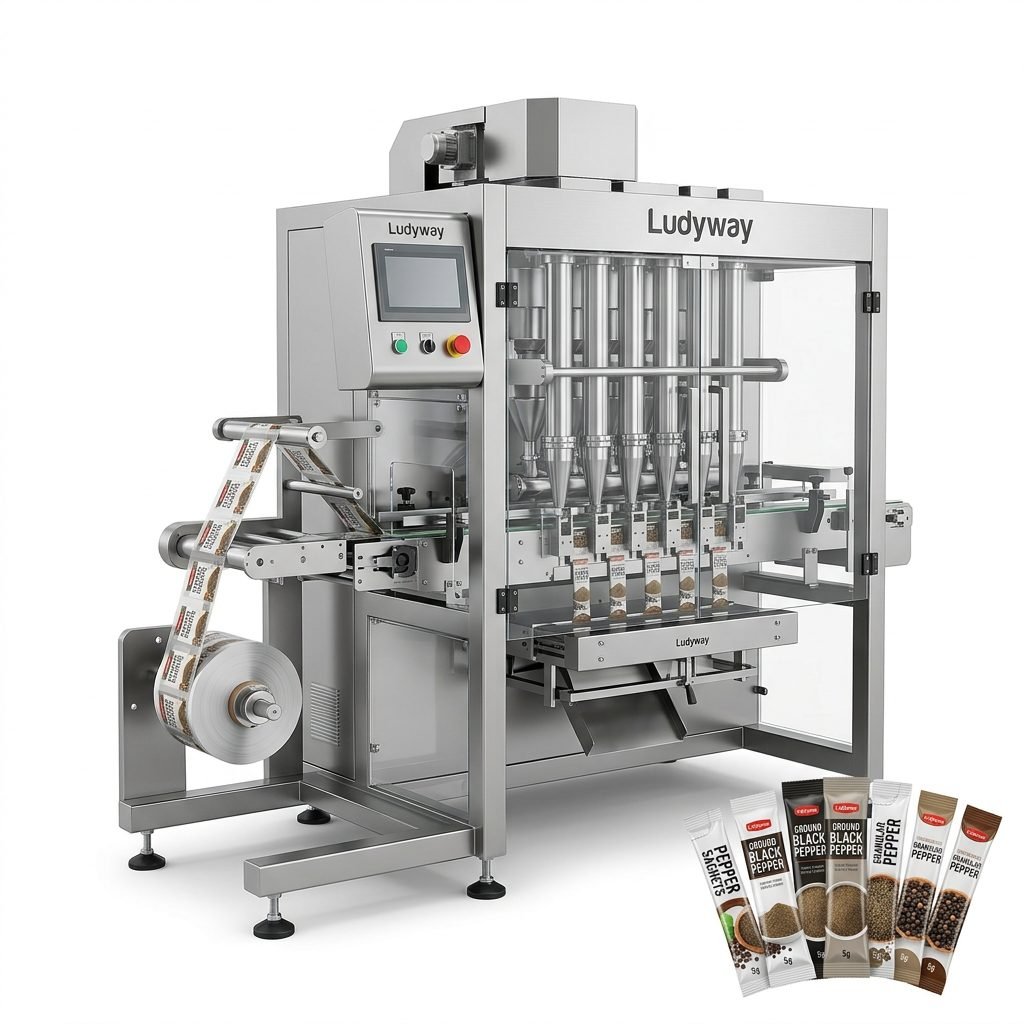
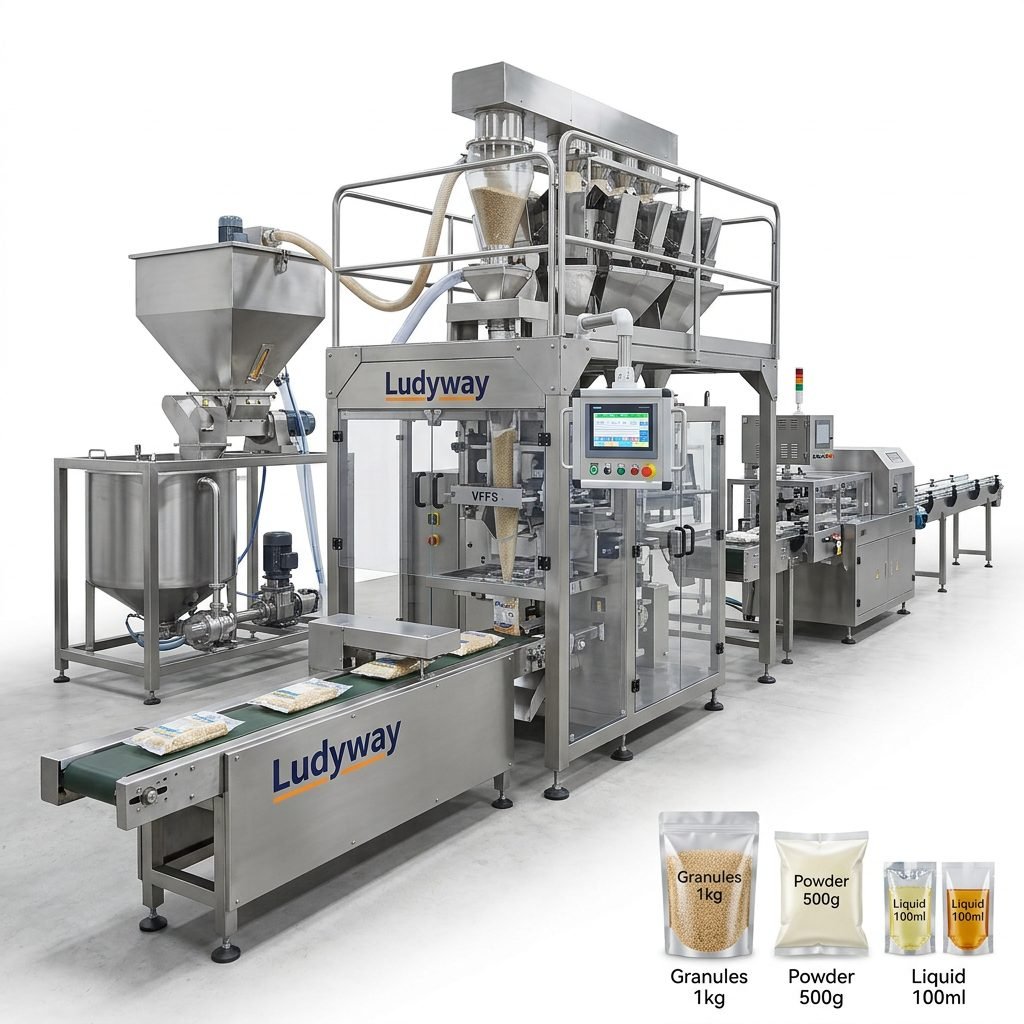
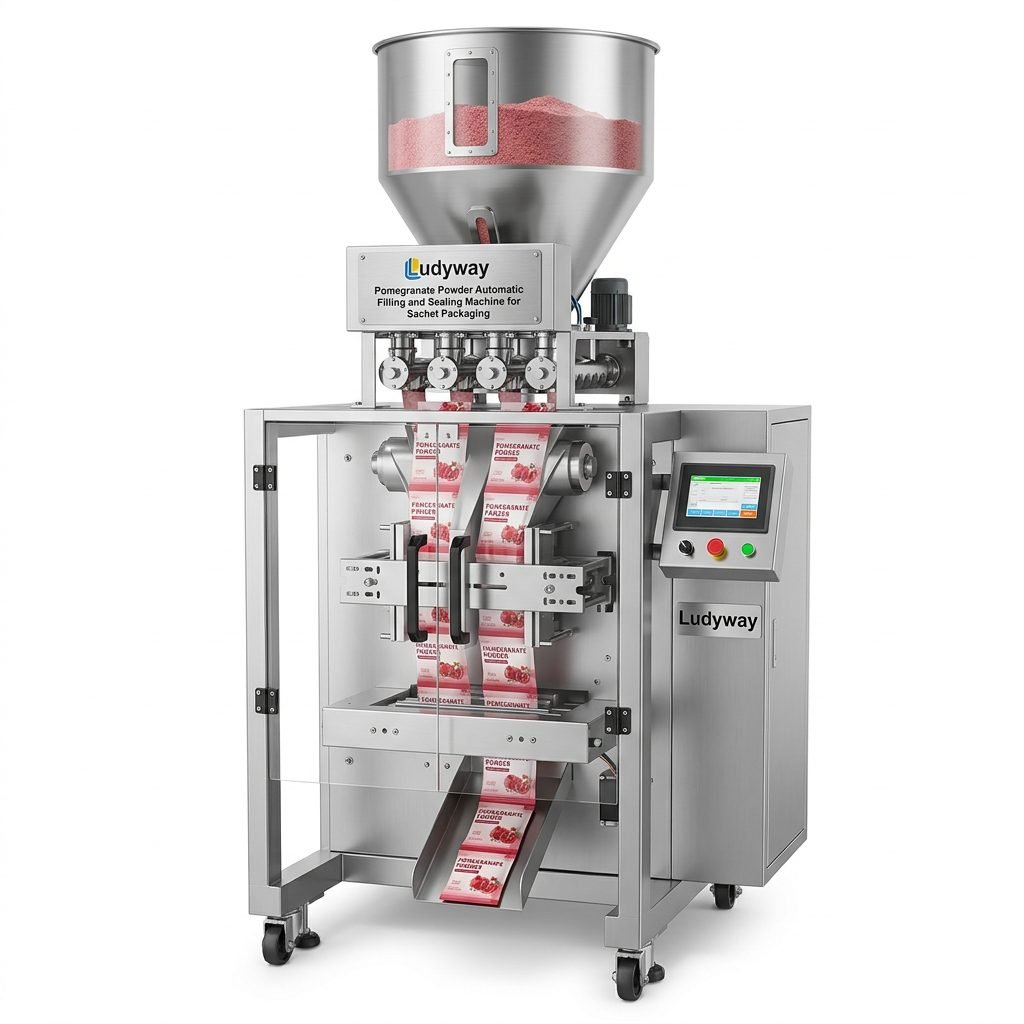
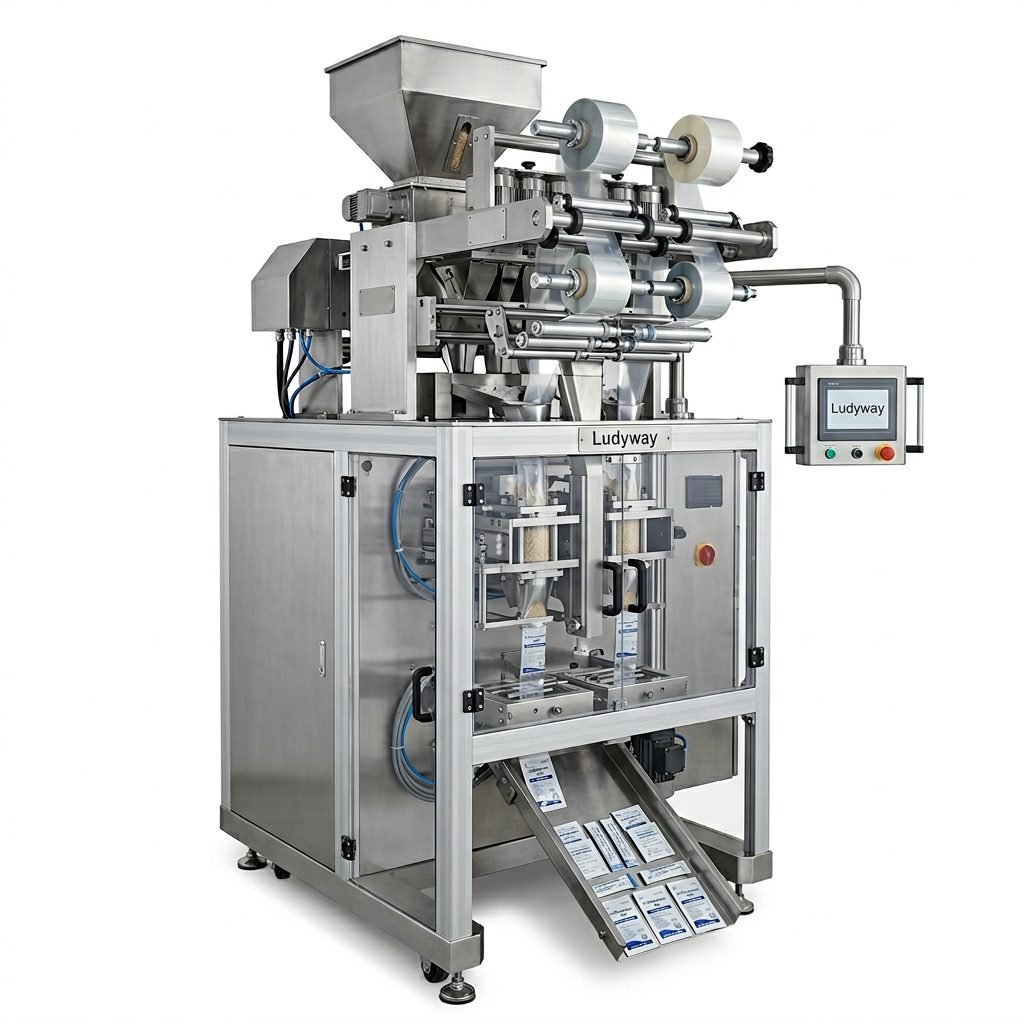
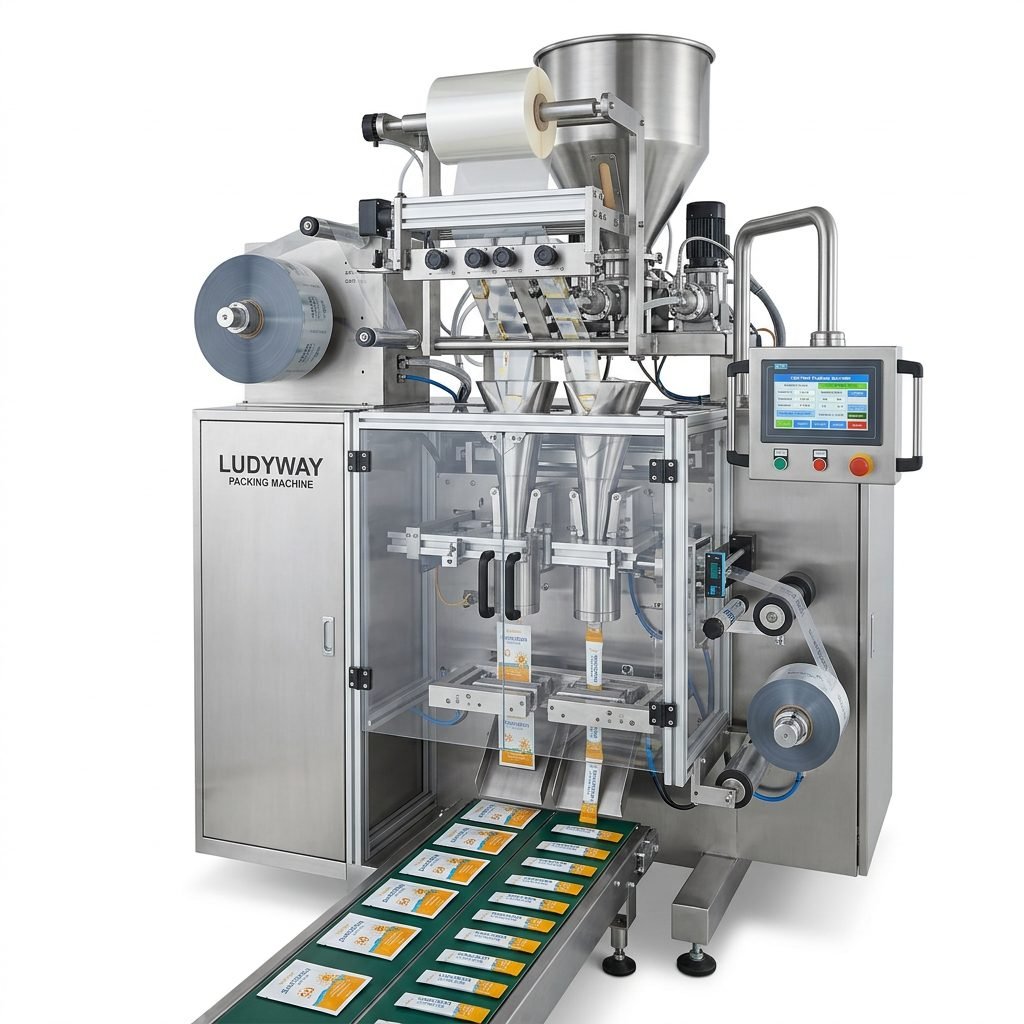
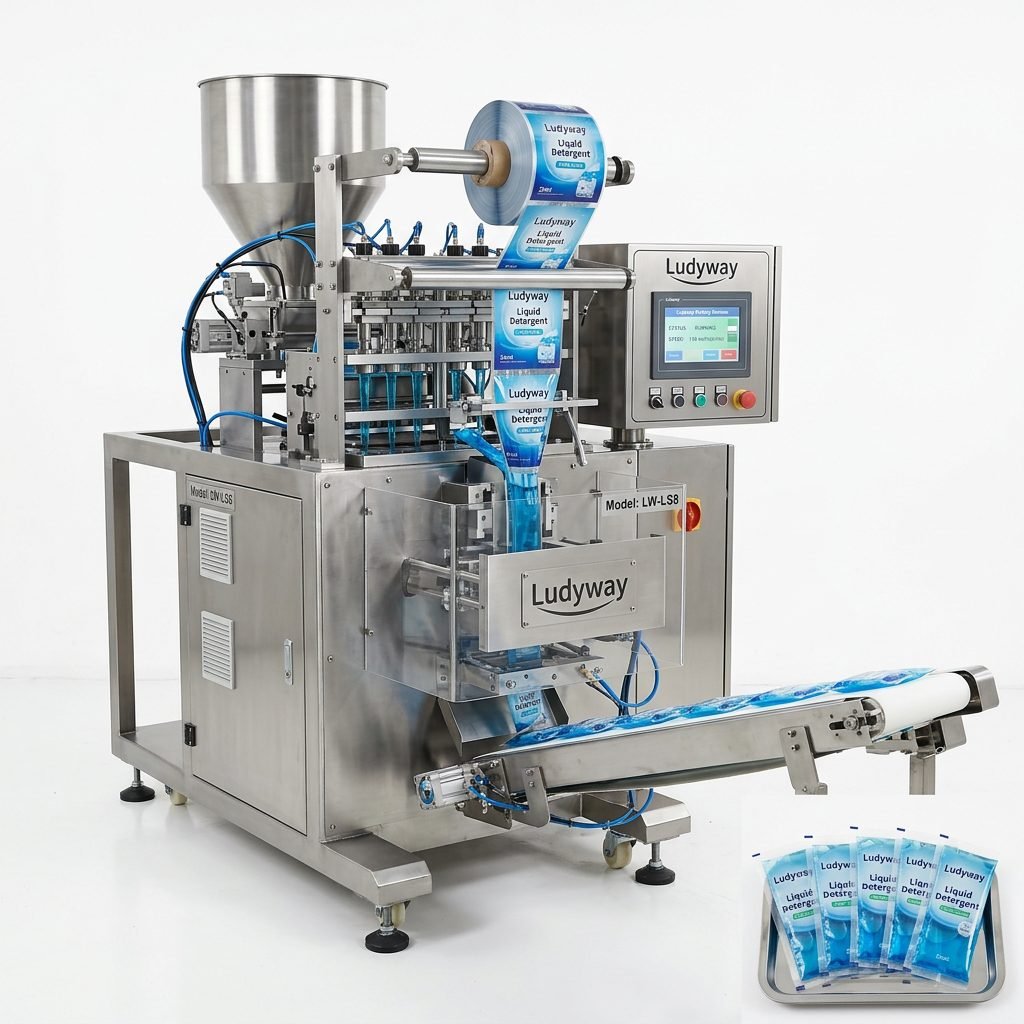
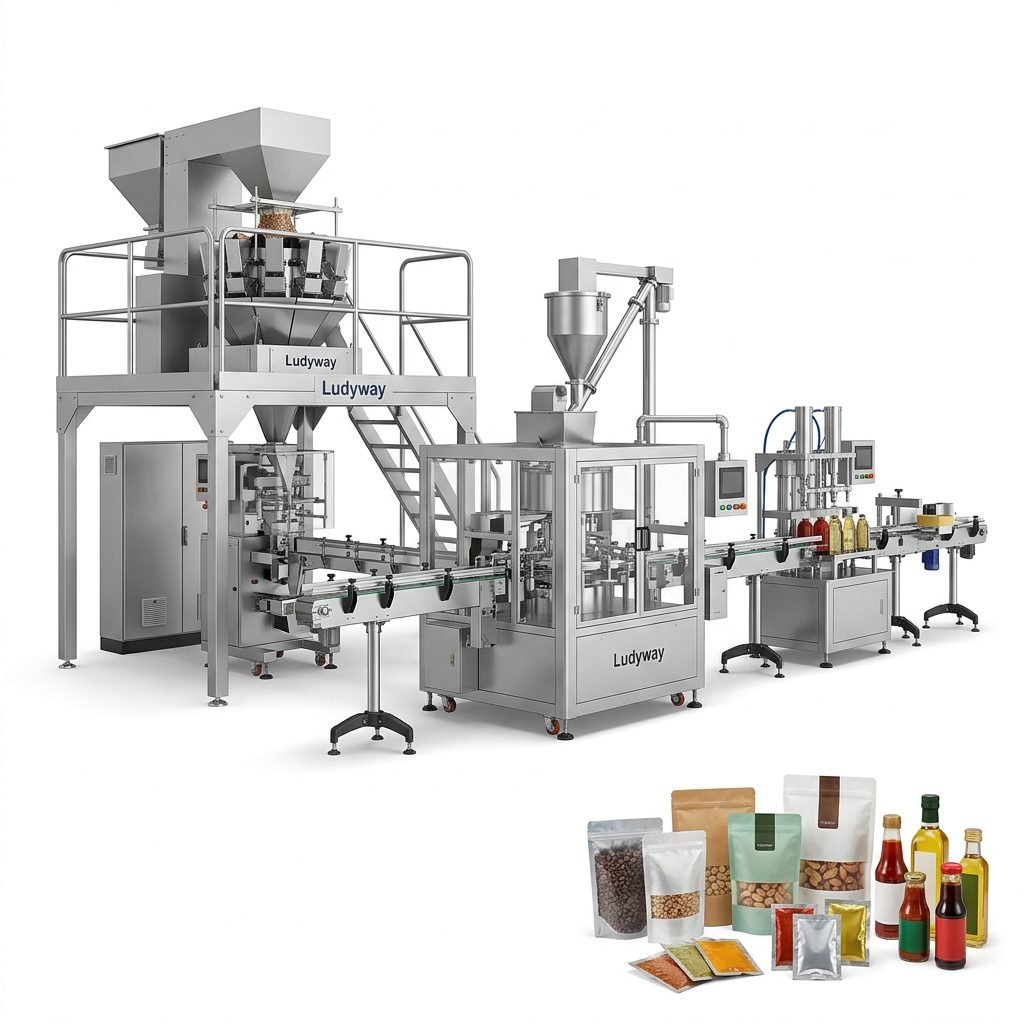
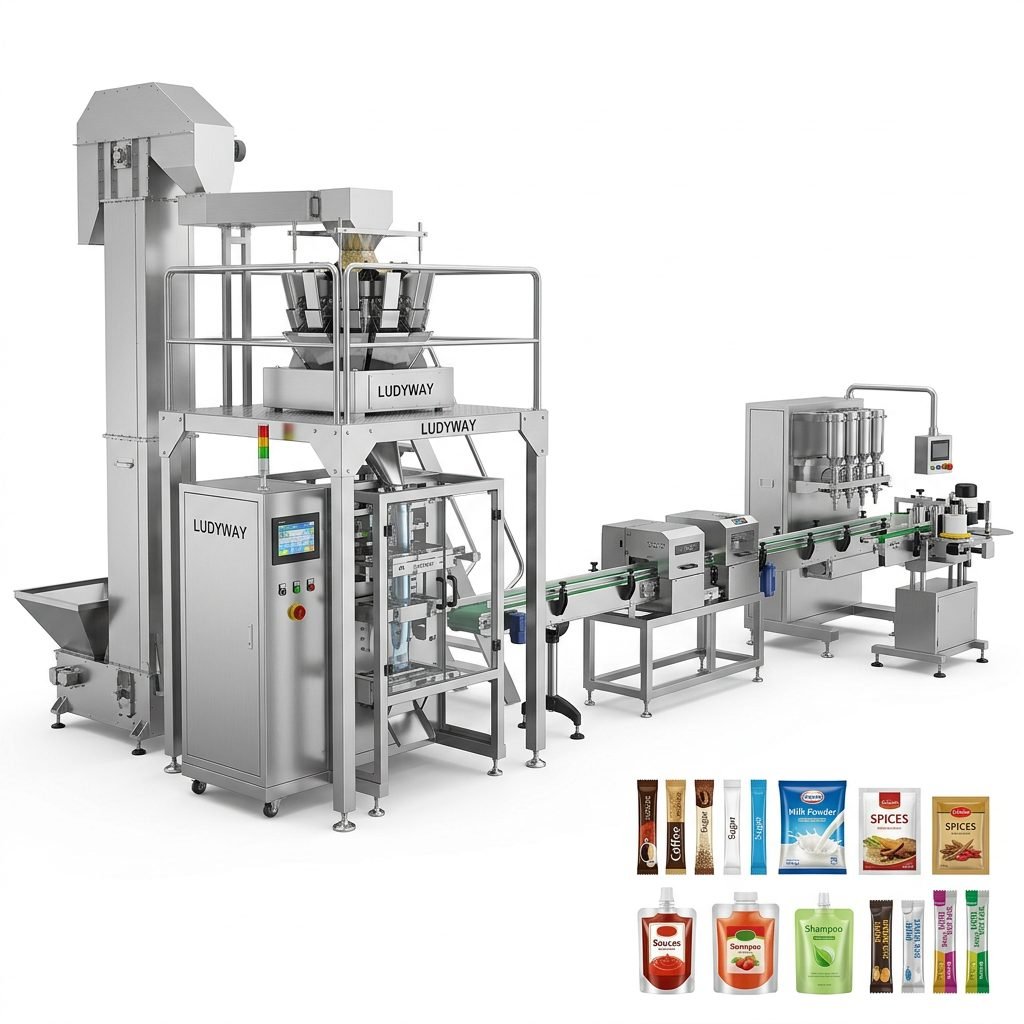
Manufacturers looking for scalable automation often prefer suppliers that can provide both standalone machines and full line integration support. For example, Ludyway packaging machine manufacturer supplies packaging machinery and turnkey packaging lines designed for food, pharmaceutical, health supplement, and related industries, making it easier to plan future digital integration from the equipment stage.
What to ask a packaging machine supplier
- Which PLC and HMI brands are used?
- Does the machine support OPC UA, Modbus TCP, or API integration?
- Can production and alarm history be exported automatically?
- Can the machine send batch and traceability data to external systems?
- Is remote support available for integration troubleshooting?
- Can the full line be synchronized with upstream and downstream equipment?
ERP Integration Use Cases in Packaging Plants
Food packaging
For food plants, integration helps match production output with ingredient usage, packaging film consumption, date coding records, and finished goods inventory. This improves cost control and lot traceability.
Pharmaceutical packaging
In pharmaceutical operations, data synchronization supports batch integrity, compliance documentation, and stricter quality monitoring. ERP-linked records help teams respond quickly during audits.
Nutraceutical and supplement packaging
For sachets, stick packs, capsules, or powder products, integration supports SKU variation management, recipe tracking, and more accurate production planning across multiple lines.
Chemical and household product packaging
Packaging lines for detergents, cleaners, powders, and liquids benefit from improved material reconciliation, operator accountability, and maintenance scheduling.
KPIs to Track After Connecting Packaging Machines to ERP
Once integration is live, measure results with clear KPIs so the project delivers long-term value.
- Order completion accuracy
- Downtime by cause
- Actual versus planned output
- Material variance
- Reject rate and rework rate
- Mean time between failures
- Batch traceability completeness
Final Considerations for a Successful Project
The most effective ERP integration projects are not purely software projects and not purely machine projects. They combine automation engineering, production workflow design, ERP logic, quality requirements, and practical shop floor execution. Start small, prioritize data that matters, and choose packaging equipment that can support future digital expansion.
When packaging machines and ERP systems work together, manufacturers gain a more connected factory where decisions are based on live production facts rather than delayed estimates. That is the foundation for better production efficiency, lower operational waste, and stronger long-term competitiveness.