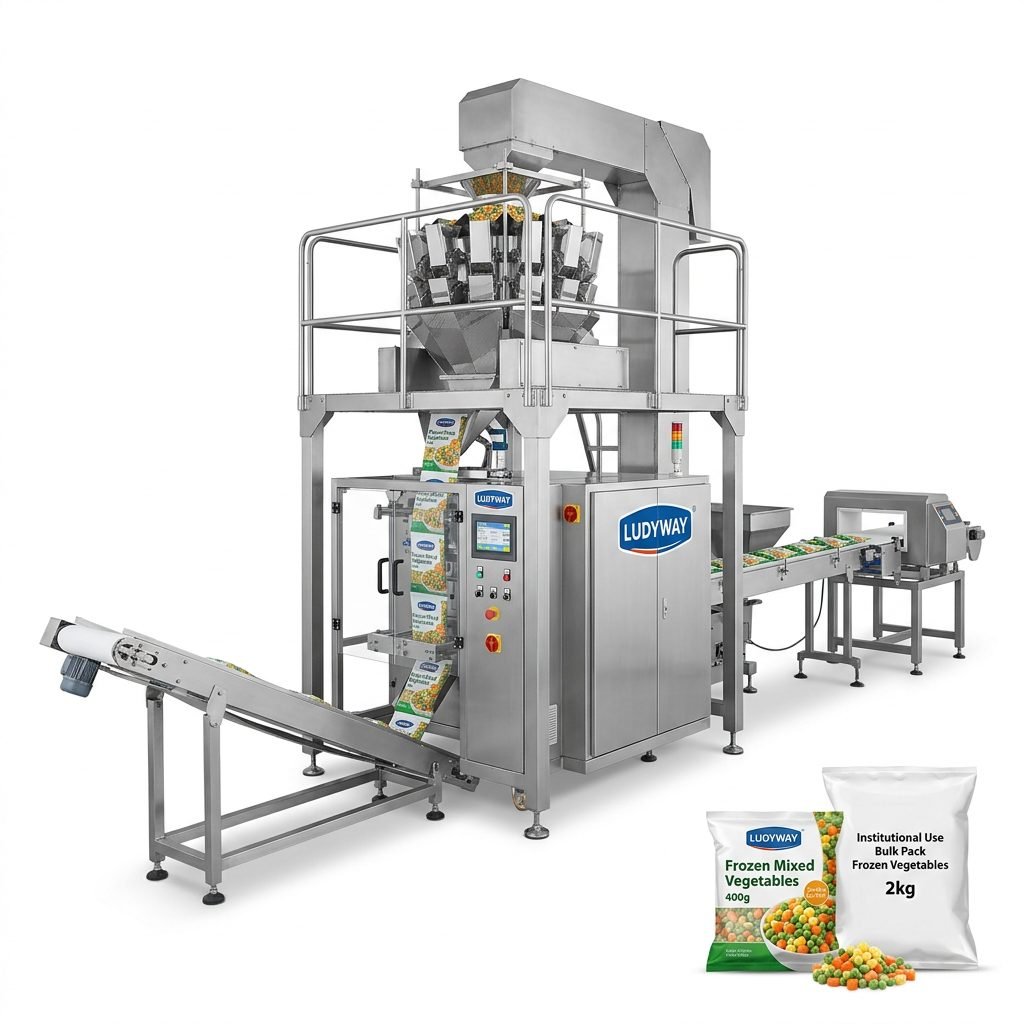
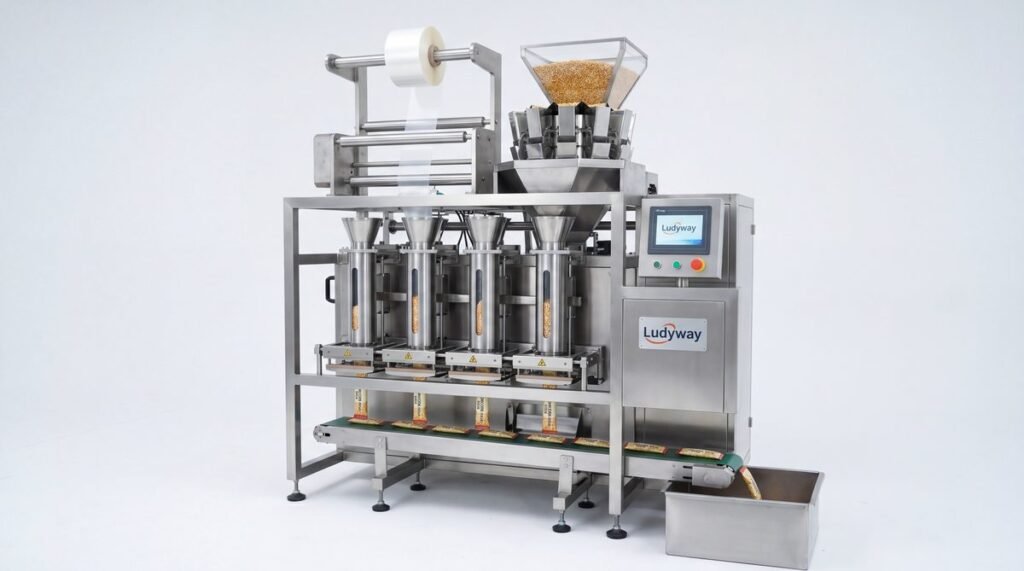
Improving sachet packaging seal quality is one of the most effective ways to protect product integrity, reduce leakage, extend shelf life, and strengthen customer trust. Whether you pack powders, liquids, granules, gels, or pastes, a weak seal can quickly lead to contamination, moisture ingress, transportation damage, and costly complaints. For manufacturers using high-speed sachet packaging lines, seal consistency is not just a quality target—it is a direct business priority.
Below are practical ways to improve sachet seal performance, from material selection and machine settings to sealing jaw maintenance and quality inspection.
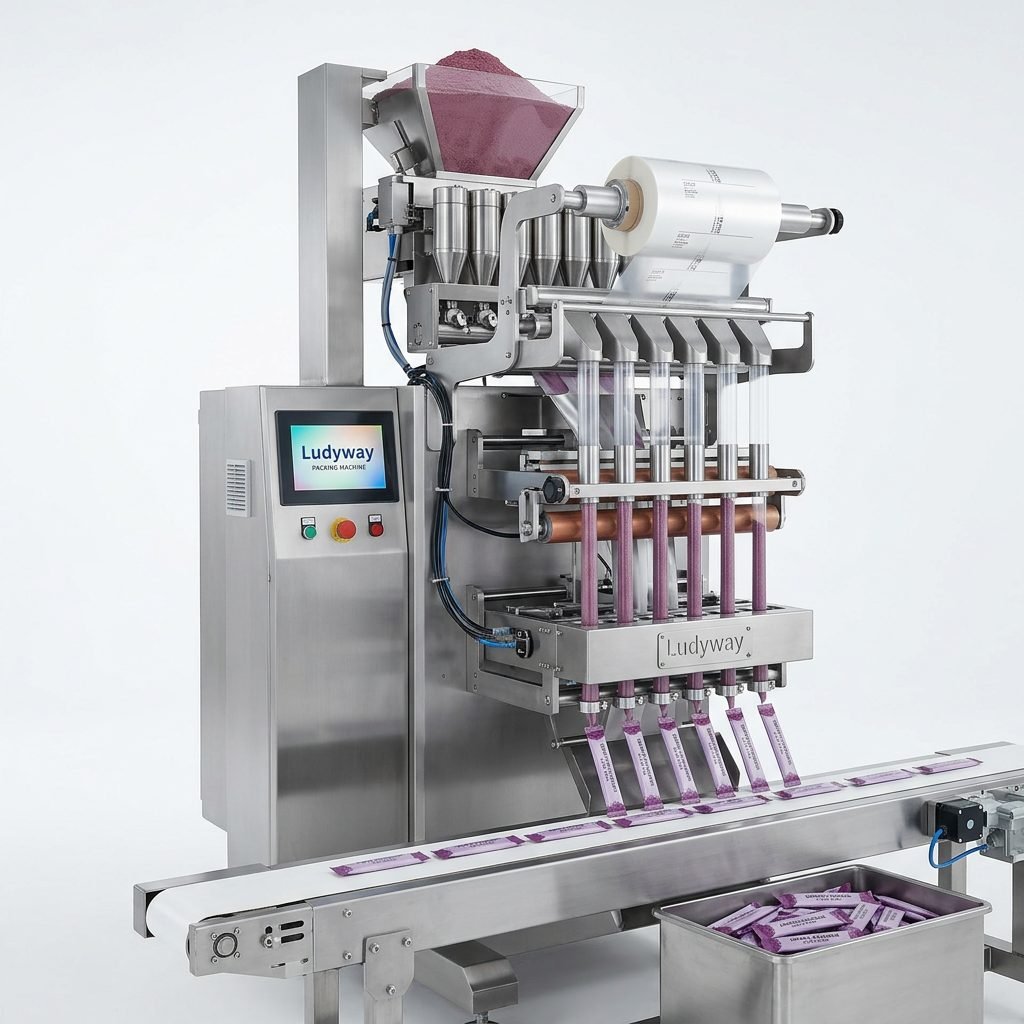
Why Seal Quality Matters in Sachet Packaging
A sachet seal is the package’s first protective barrier. If the seal is incomplete, weak, wrinkled, contaminated, or overheated, the product may fail in storage, shipping, or end use. Good sealing performance helps manufacturers achieve:
- Better barrier protection against moisture, oxygen, dust, and microbes
- Lower risk of leakage for liquid and semi-liquid products
- Improved shelf stability for food, pharmaceutical, and cosmetic items
- Higher production efficiency with fewer rejects and rework
- Stronger brand perception through cleaner and more reliable packs
Seal quality problems often appear small at the machine but become expensive after delivery.
Choose the Right Sachet Film Structure
Seal quality starts with the packaging material. Even a well-tuned machine cannot consistently produce strong seals if the film is unsuitable for the product or sealing process.
What to check in the film
- Sealant layer compatibility with heat-sealing jaws
- Film thickness consistency
- Good hot tack and seal strength
- Proper barrier properties for the product type
- Resistance to puncture during transport
For products such as instant drink powders, sauces, detergents, creams, and supplements, laminated films are commonly used because they balance printability, machine runnability, and protective performance.
| Factor | Impact on Seal Quality |
|---|---|
| Film thickness variation | Can cause uneven heat transfer and inconsistent sealing |
| Poor sealant layer | Leads to weak bond strength or open seals |
| Low barrier performance | Reduces product protection after sealing |
| Poor roll quality | May create tracking problems and seal misalignment |
Optimize Heat, Pressure, and Dwell Time
The most common cause of poor sachet seals is an imbalance between the three sealing fundamentals:
- Temperature
- Pressure
- Dwell time
If one of these variables is incorrect, the seal may look acceptable visually but still fail during drop testing, compression, or shelf storage.
Typical sealing issues and causes
- Seal opens easily — temperature too low, pressure too weak, or dwell time too short
- Seal burns or wrinkles — excessive heat or too much dwell time
- Seal channel leaks — contamination in the seal area or uneven jaw pressure
- Seal line inconsistency — unstable heating elements or film tracking errors
Operators should run sealing trials and record validated parameter windows for each film specification and product type instead of relying on general settings.
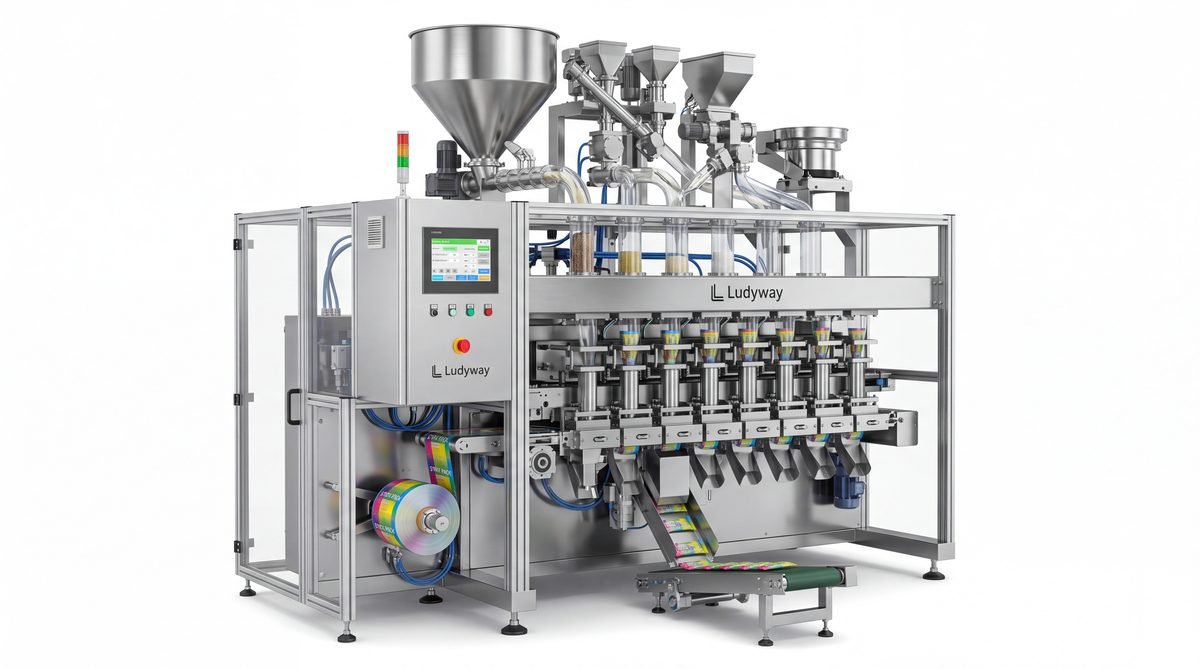
Keep the Seal Area Clean
One of the biggest hidden causes of seal failure is product contamination at the sealing interface. Powders can dust into the seal path, liquids can splash, and sticky products can smear across the film.
When contamination enters the seal zone, the seal bond becomes incomplete. This can result in micro-leaks that are difficult to detect during short production runs.
Best practices to reduce contamination
- Use accurate dosing systems to prevent overfill and splash-back
- Match filling speed with sealing speed
- Install dust extraction for fine powders
- Use anti-drip nozzles for liquid and paste products
- Clean sealing jaws and nearby machine surfaces regularly
Clean seals are usually strong seals. This is especially important for pharmaceutical, health supplement, and food applications where product safety standards are stricter.
Maintain Sealing Jaws and Components
Mechanical wear is another major reason for poor seal quality. Over time, sealing jaws, heaters, thermocouples, pressure systems, and knife assemblies can lose accuracy.
Key maintenance checkpoints
- Inspect sealing jaw surfaces for scratches, carbon buildup, and wear
- Check temperature controllers for calibration accuracy
- Confirm pressure is even across the full seal width
- Replace damaged PTFE covers or worn sealing parts
- Monitor cutting systems to avoid pulling or distorting the seal edge
Uneven jaw contact can create one strong side and one weak side on the same sachet, which is a common source of intermittent leakage.
Control Film Tension and Tracking
Good seal quality depends not only on heat but also on stable film movement. Poor film tracking can shift the seal position, create folds, or produce incomplete edge sealing.
To improve consistency:
- Maintain proper unwinding tension
- Ensure forming parts are aligned
- Check guide rollers and sensors
- Prevent film drifting at high speed
- Use consistent roll quality from suppliers
If the film enters the sealing section with wrinkles or lateral movement, even a correct temperature setting may not deliver a reliable seal.
Match the Machine to the Product Type
Different products behave differently during filling and sealing. Fine powders, oily granules, viscous sauces, alcohol gels, and cream-based products all require different machine designs and sealing strategies.
| Product Type | Main Seal Challenge | Recommended Focus |
|---|---|---|
| Powders | Dust contamination in seal area | Dust control, accurate filling, jaw cleaning |
| Liquids | Splashing and leakage before seal | Anti-drip filling, stable timing, correct pressure |
| Pastes/Gels | Stringing and product smear | Nozzle control, cut-off accuracy, seal cleanliness |
| Granules | Particles trapped in seal line | Drop path design, timing control, seal width |
Working with an experienced machine manufacturer can help ensure the sealing system is properly configured for the real product behavior, not just the sachet size.
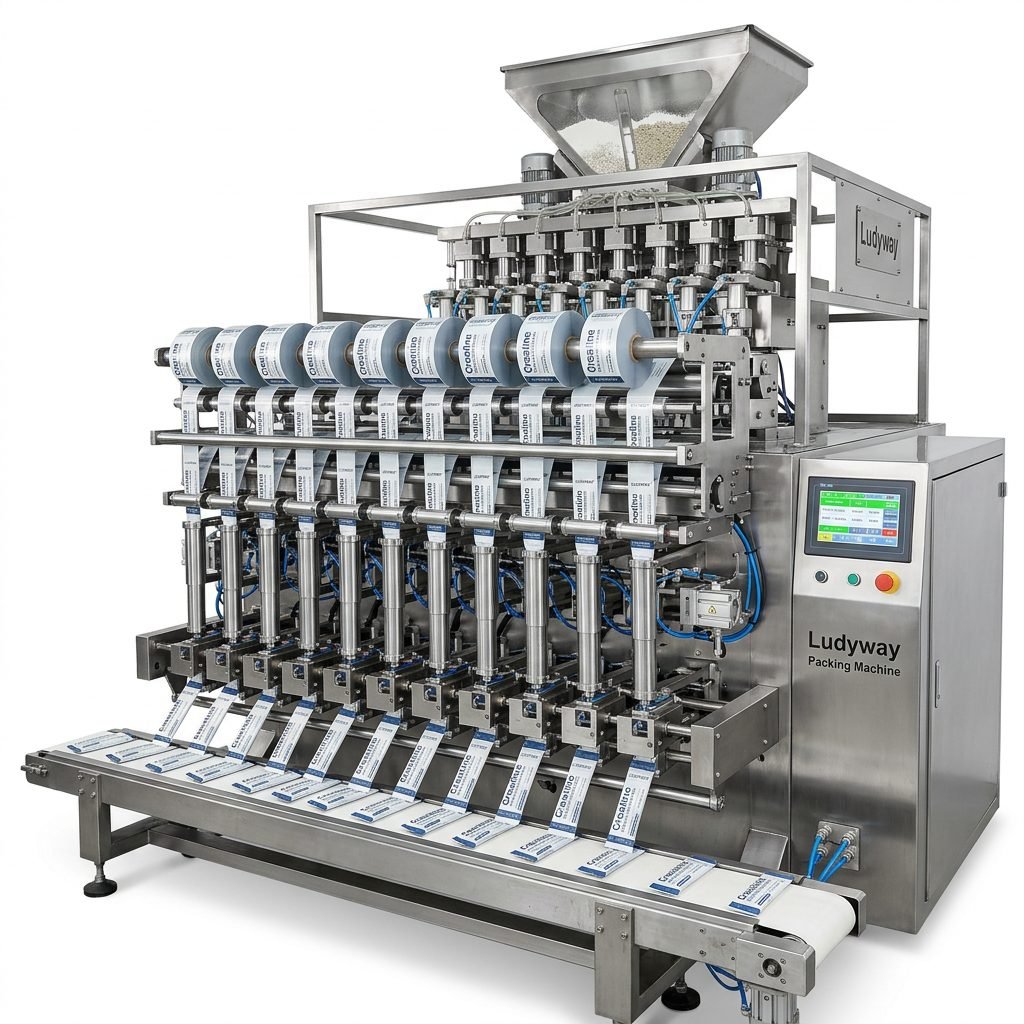
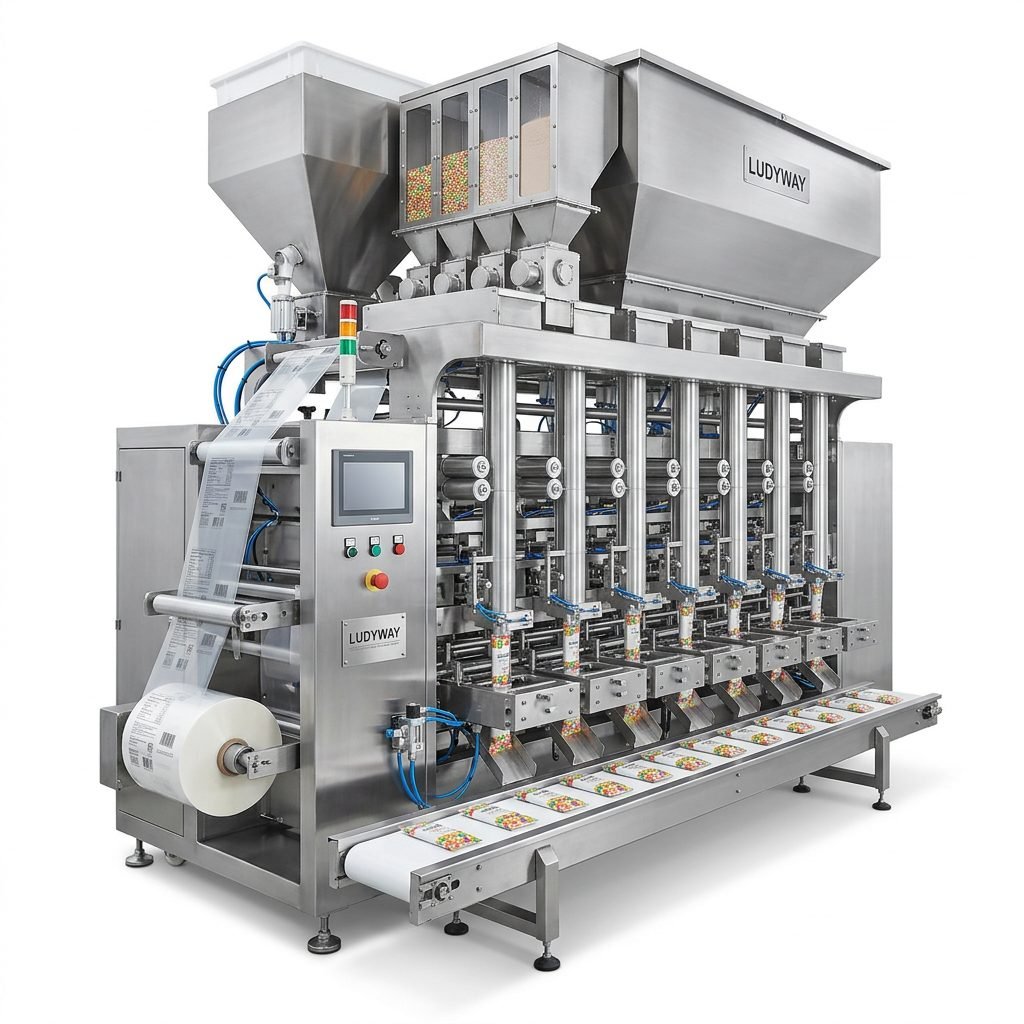
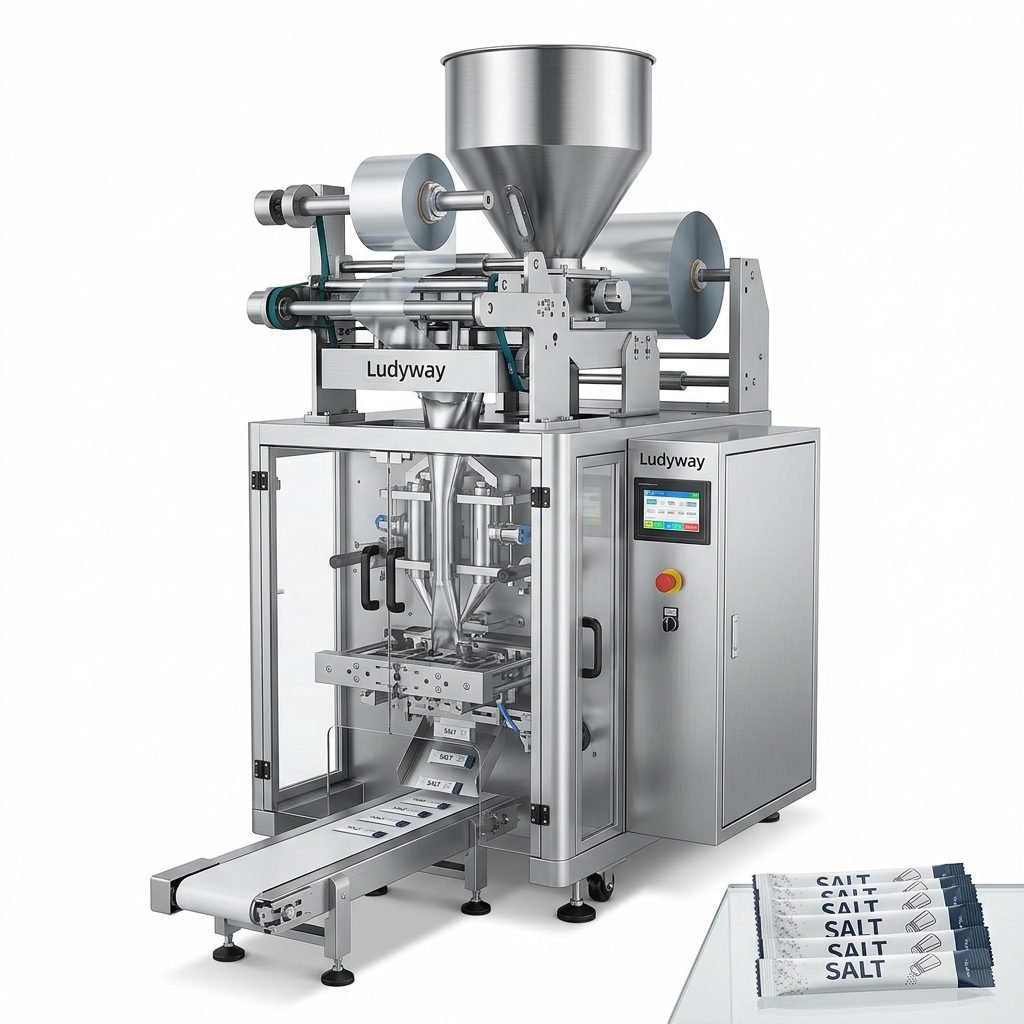
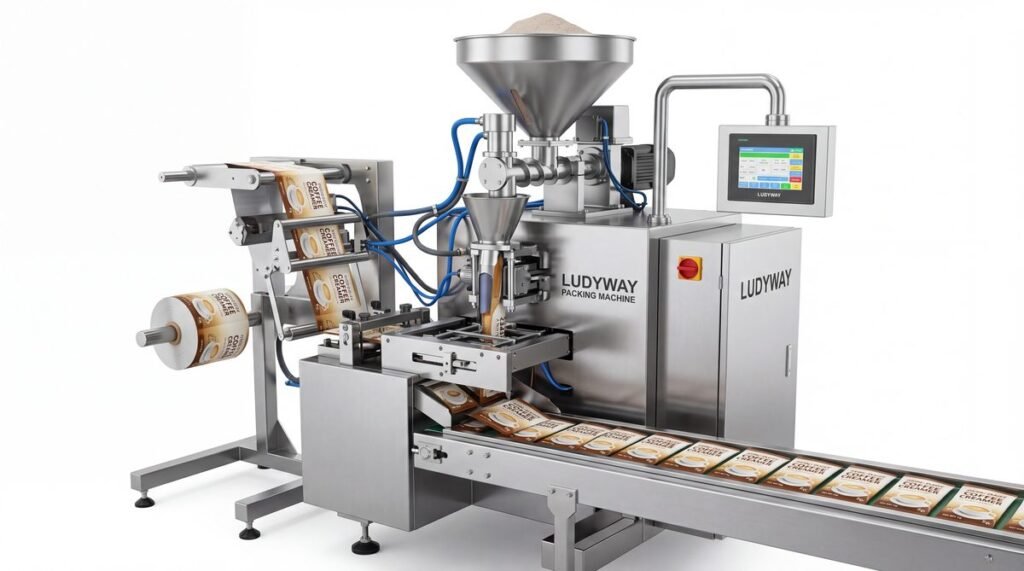
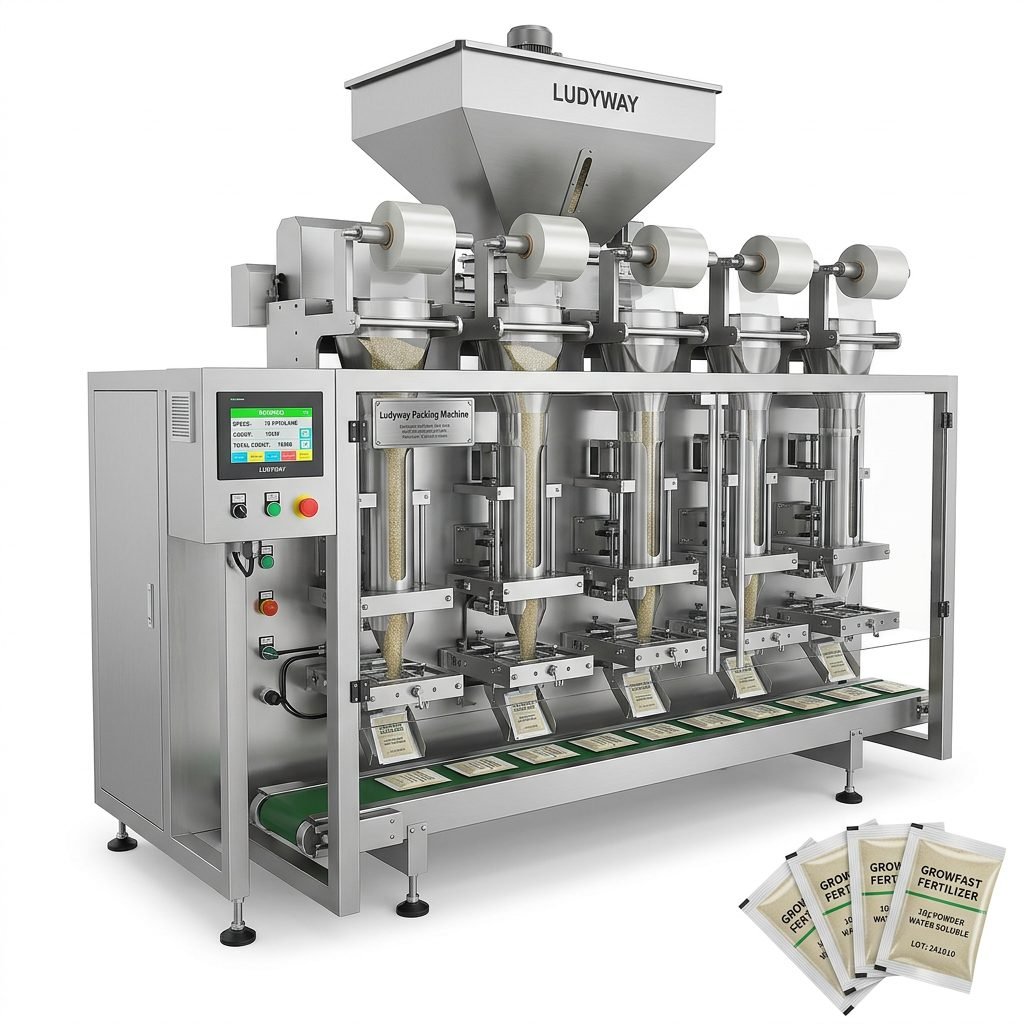
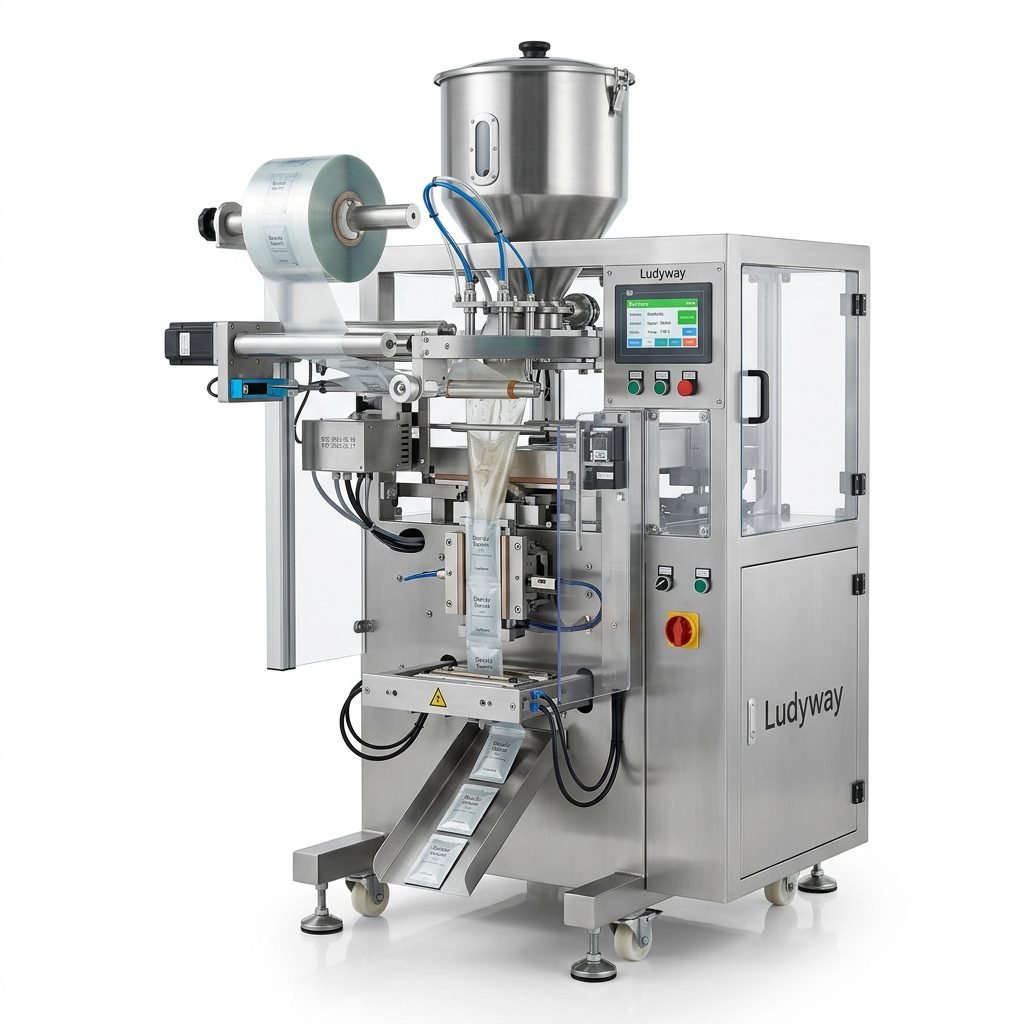
For businesses looking for advanced sachet and turnkey solutions, Ludyway sachet packaging machine solutions are widely used for food, pharmaceutical, health supplement, and related industries.
Use Seal Testing as Part of Routine Quality Control
Visual inspection alone is not enough. A seal may appear flat and smooth while still having weak bond strength or tiny leak channels. Strong quality control should include both in-process and post-production testing.
Recommended seal quality checks
- Peel strength testing
- Burst testing
- Vacuum leak testing
- Dye penetration testing
- Drop and compression testing
- Seal appearance inspection
Testing should be done at start-up, after changeovers, and during long production runs.
Improve Operator Training and Changeover Control
Even with modern automatic equipment, operator skill still affects sachet sealing quality. Incorrect changeover steps, poor cleaning practices, and unrecorded setting changes can quickly create unstable results.
Training points that matter
- How to identify under-seal and over-seal conditions
- How to set temperature, pressure, and timing by film type
- How to clean sealing systems without damaging parts
- How to inspect sachet samples during production
- How to document and repeat validated process settings
Standard operating procedures help reduce variation between shifts and improve repeatability across product batches.
Common Signs Your Sachet Seals Need Improvement
- Sachets leaking during transport
- Powder or liquid residue near the seal edge
- Wrinkled, scorched, or distorted seal lines
- Customer complaints about broken or open packs
- High reject rate during production
- Seal strength differences between batches
If these issues appear repeatedly, the root cause is usually a combination of film quality, machine setup, product behavior, and maintenance discipline.
Final Practical Checklist for Better Sachet Seal Quality
- Select a film structure designed for your product and sealing method
- Validate the right heat, pressure, and dwell time window
- Keep the seal area free from powder, liquid, and paste contamination
- Maintain sealing jaws, heaters, sensors, and pressure systems
- Control film tension and alignment throughout the line
- Match filling technology to product characteristics
- Run regular seal strength and leak tests
- Train operators for changeovers, cleaning, and troubleshooting
By treating seal quality as a full-process issue rather than a single machine setting, manufacturers can achieve better product protection, fewer packaging failures, lower waste, and stronger customer satisfaction.