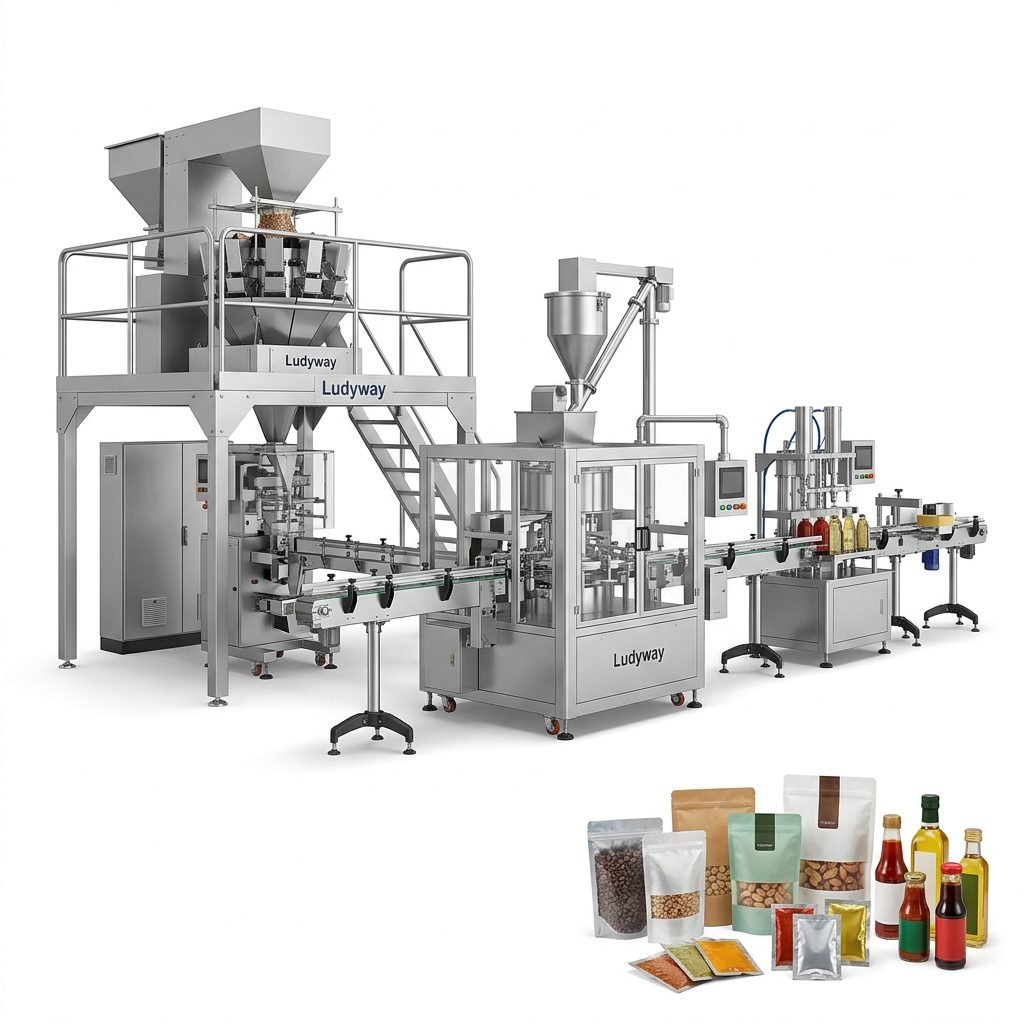
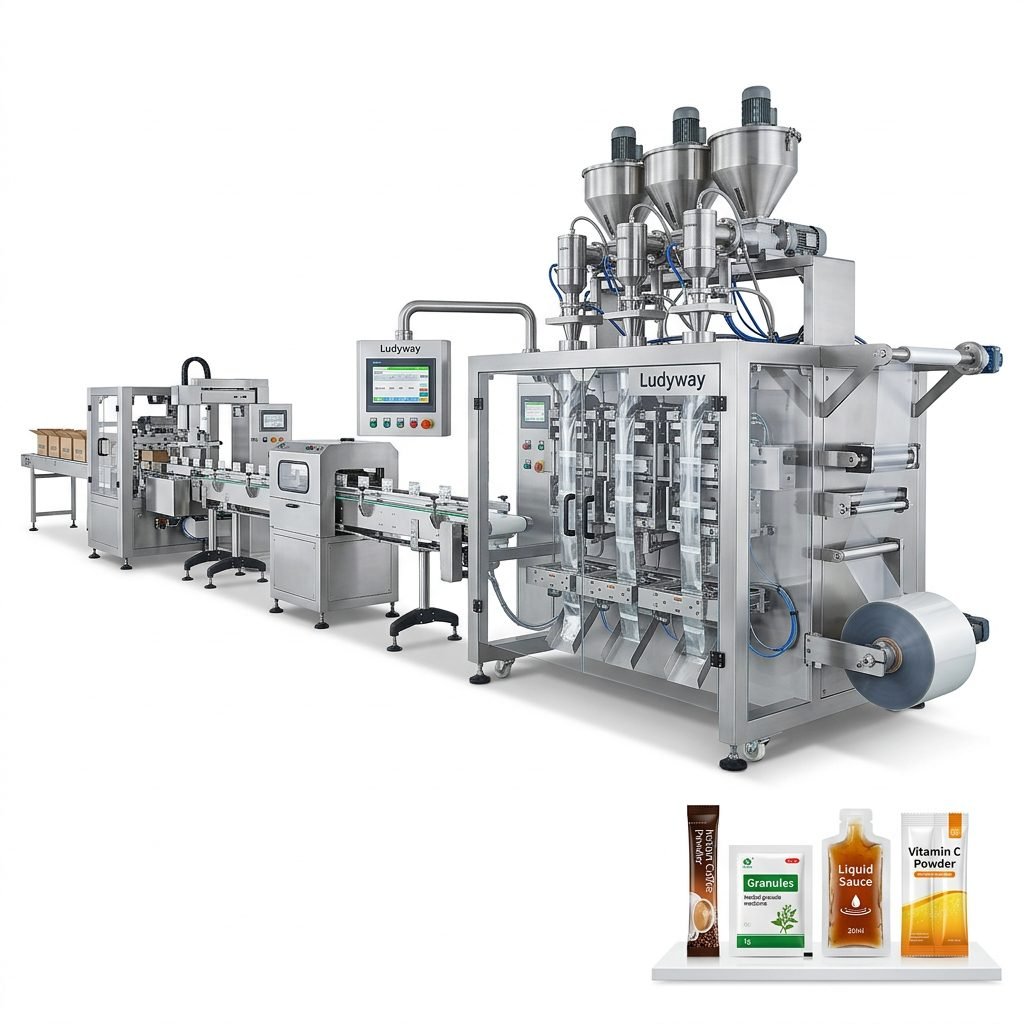
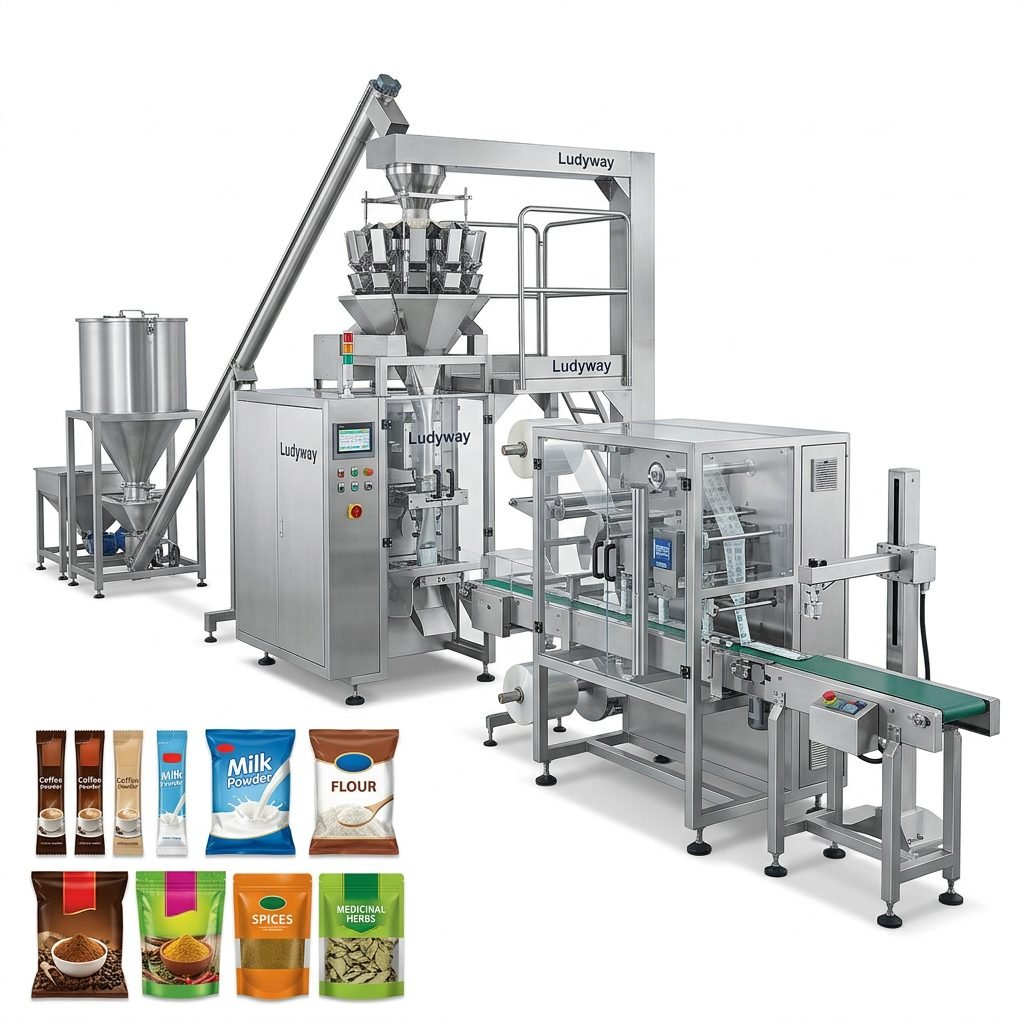
Global packaging markets are entering a new phase of transformation as circular economy principles move from policy discussions into factory-level decisions. Across food, pharmaceutical, personal care, and household product sectors, brands are redesigning packaging formats, material structures, and production systems to reduce waste, improve recyclability, and meet rising regulatory expectations.
What was once treated as a sustainability initiative is now becoming a core industrial strategy. Companies are no longer asking whether packaging should be more circular, but how quickly their operations can adapt without sacrificing efficiency, compliance, and profitability.
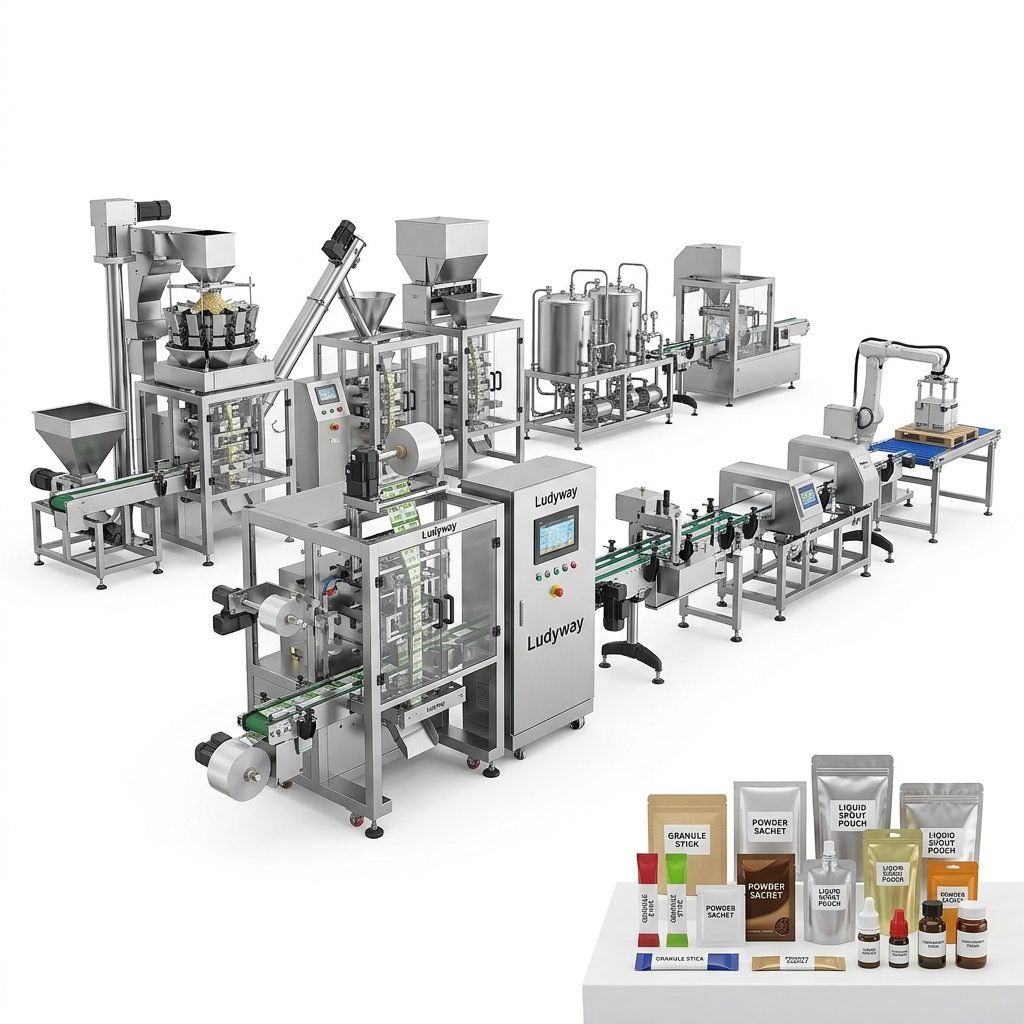
Why Circular Economy Pressure Is Reshaping Packaging Systems
Three major forces are driving the restructuring of global packaging systems:
- Regulation: Governments are tightening rules on packaging waste, recycled content, extended producer responsibility, and material recovery targets.
- Retail and brand commitments: Large consumer brands and private-label retailers are setting measurable goals for recyclable, reusable, or reduced-material packaging.
- Consumer behavior: End users increasingly associate packaging design with product quality, environmental responsibility, and brand trust.
As a result, manufacturers are rethinking not only the pack itself, but also the equipment required to produce it. Flexible film structures, mono-material solutions, lightweight pouches, refill formats, and right-sized secondary packaging all create new technical demands on filling, sealing, coding, inspection, and cartoning processes.
From Material Change to Machinery Change
The shift toward circular packaging often starts with materials, but it rarely ends there. When brands replace conventional multilayer laminates with recyclable alternatives, machine performance can change significantly. Seal strength, barrier protection, flow behavior, and line speed may all be affected.
This is why packaging line modernization is becoming essential. New material choices require better temperature control, more stable dosing, smarter tension handling, and improved quality inspection. In high-volume sectors such as powdered foods, nutraceuticals, liquids, and sachet products, even small material changes can create major production risks if machines are not properly matched.
Key equipment adjustments now seen across the industry include:
- More precise sealing systems for recyclable and thinner films
- Upgraded dosing accuracy to reduce product giveaway and waste
- Vision inspection for seal integrity and print verification
- Modular line design for fast format switching and shorter product cycles
- Integrated coding and traceability for compliance and recovery systems
The New Packaging Priorities for Global Manufacturers
Packaging decisions are increasingly being evaluated through a wider operational lens. Procurement teams, plant managers, sustainability officers, and engineering departments now need to align around a more complex set of performance targets.
| Priority Area | What It Means in Practice | Operational Impact |
|---|---|---|
| Material Circularity | Use of recyclable, mono-material, or reduced-material formats | Requires compatible sealing and handling systems |
| Resource Efficiency | Lower material loss, energy use, and rework rates | Pushes demand for automation and intelligent controls |
| Compliance Readiness | Meeting labeling, recycling, and packaging waste regulations | Increases need for traceability and inspection modules |
| Production Flexibility | Adapting to new SKUs, pack sizes, and refill models | Encourages modular and scalable packaging lines |
| Brand Value | Packaging that communicates sustainability clearly | Raises quality demands on pack appearance and consistency |
Sector-by-Sector Impact
Food and Beverage
In food packaging, circular economy pressure is accelerating the use of lightweight sachets, recyclable pouches, and compact portion packs. At the same time, manufacturers must preserve freshness, hygiene, and shelf stability. This creates a delicate balance between sustainability goals and technical packaging performance.
Pharmaceutical and Health Products
For pharmaceutical and nutraceutical products, circular design must work within strict regulatory frameworks. Here, packaging innovation focuses on material optimization, packaging reduction, and line efficiency without compromising dosage accuracy, safety, or traceability.
Cosmetics and Personal Care
Beauty and personal care brands are expanding refill packs, sample sachets with lower material use, and more recyclable flexible formats. These categories depend heavily on visual presentation, so machinery must support both sustainable structures and premium pack quality.
Household and Chemical Products
Detergents, cleaners, and chemical formulations are seeing strong growth in refill packaging and concentrated product formats. This trend reduces transport and packaging waste, but often requires advanced filling systems capable of handling varying viscosities, powders, and aggressive materials.
Automation Becomes a Circular Economy Enabler
One of the clearest industry shifts is the growing connection between sustainability and automation. In practice, circular packaging systems depend on machinery that can deliver repeatability at scale. Automated systems help manufacturers reduce film waste during startup, cut reject rates, and maintain stable output even when using more sensitive materials.
Intelligent packaging lines also support data-driven optimization. Real-time monitoring can identify sealing inconsistencies, filling deviations, and material losses early, preventing unnecessary scrap. This turns automation into more than a productivity tool—it becomes a direct contributor to sustainability targets.
Why manufacturers are investing in automated upgrades:
- To reduce packaging material consumption per unit
- To improve consistency with recyclable or downgauged films
- To lower labor dependence in high-speed operations
- To support quick product and format changeovers
- To create scalable systems aligned with long-term ESG goals
Supply Chain Restructuring Is Already Underway
The global packaging supply chain is being reorganized around flexibility, localization, and lifecycle efficiency. Material suppliers, converters, machine builders, and end users are collaborating earlier in the development process. Instead of selecting packaging materials first and solving production issues later, more companies are now co-designing materials and machinery together.
This approach is helping brands avoid costly mismatches between sustainability ambitions and line capability. It also supports faster commercialization of new packaging formats in markets where retailer requirements and waste regulations are evolving rapidly.
For equipment buyers, this means future-ready investments matter more than ever. Packaging lines are increasingly expected to handle multiple material types, support a wider SKU mix, and remain upgradeable as standards change.
Technology Suppliers Gain a Strategic Role
As packaging systems become more complex, machinery manufacturers are taking on a bigger role in strategic planning. Buyers are looking beyond standalone machines and prioritizing suppliers that can provide integrated engineering support, customization, and turnkey line thinking.
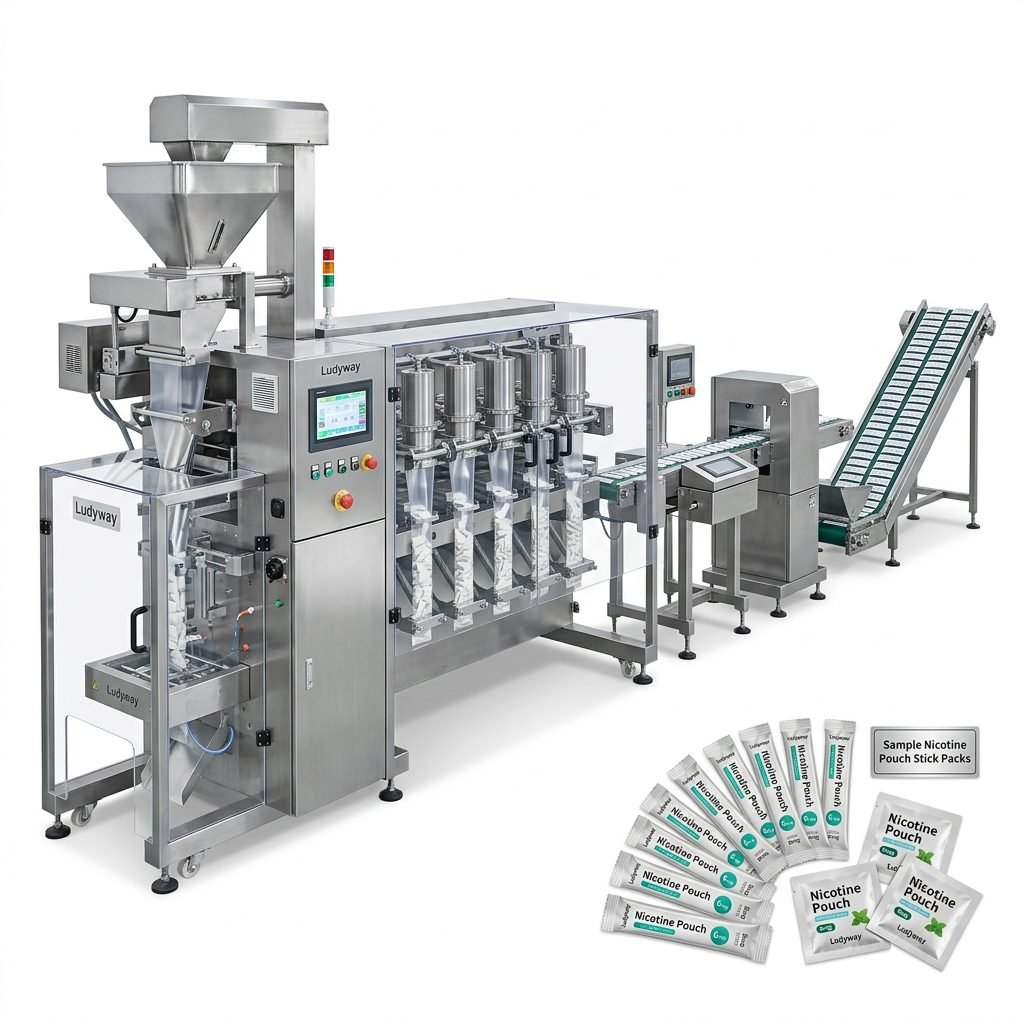
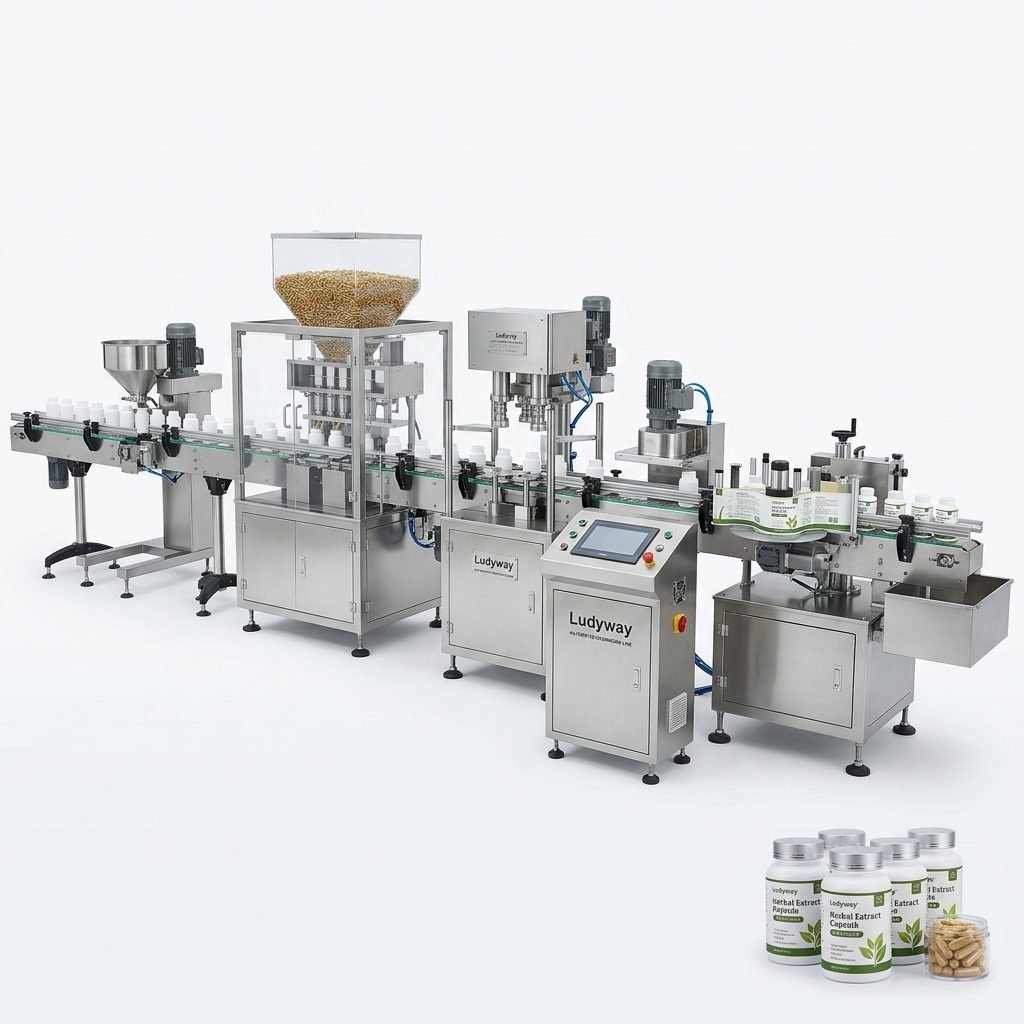
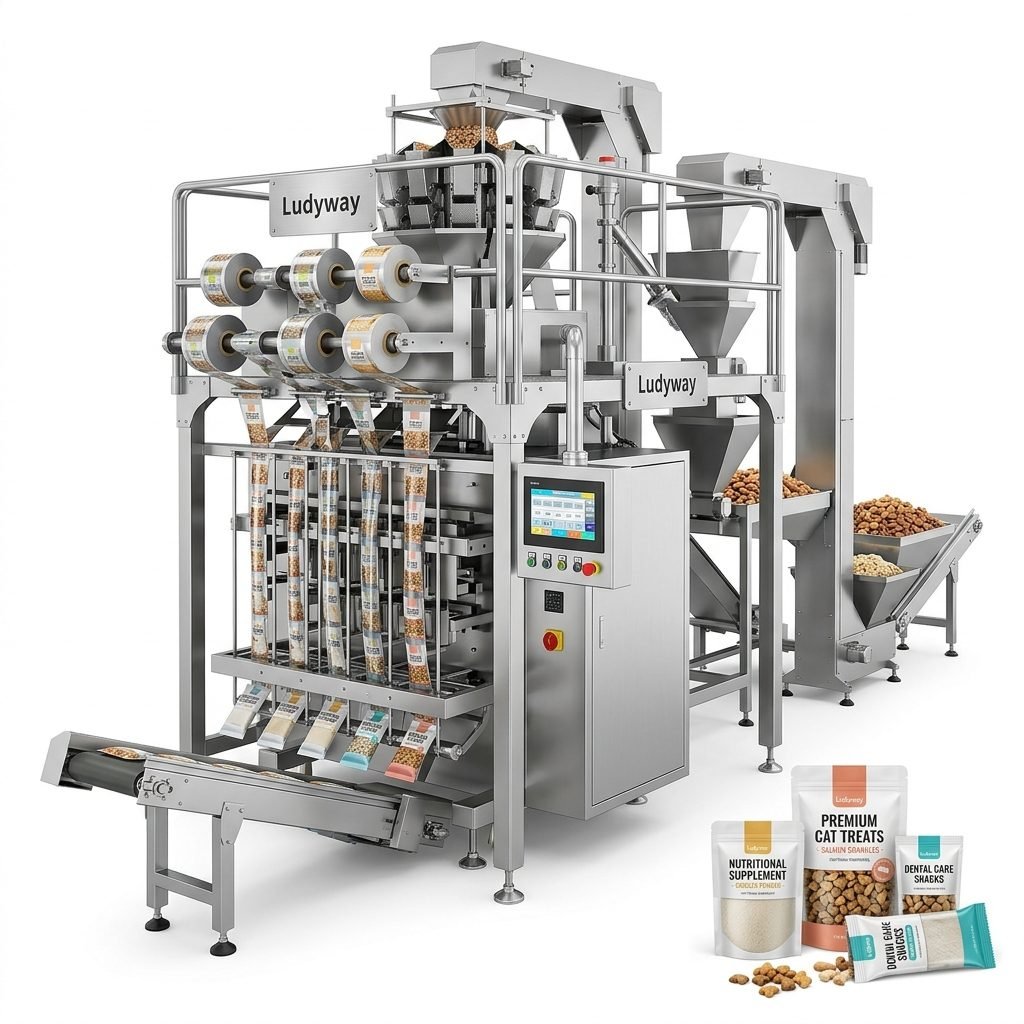
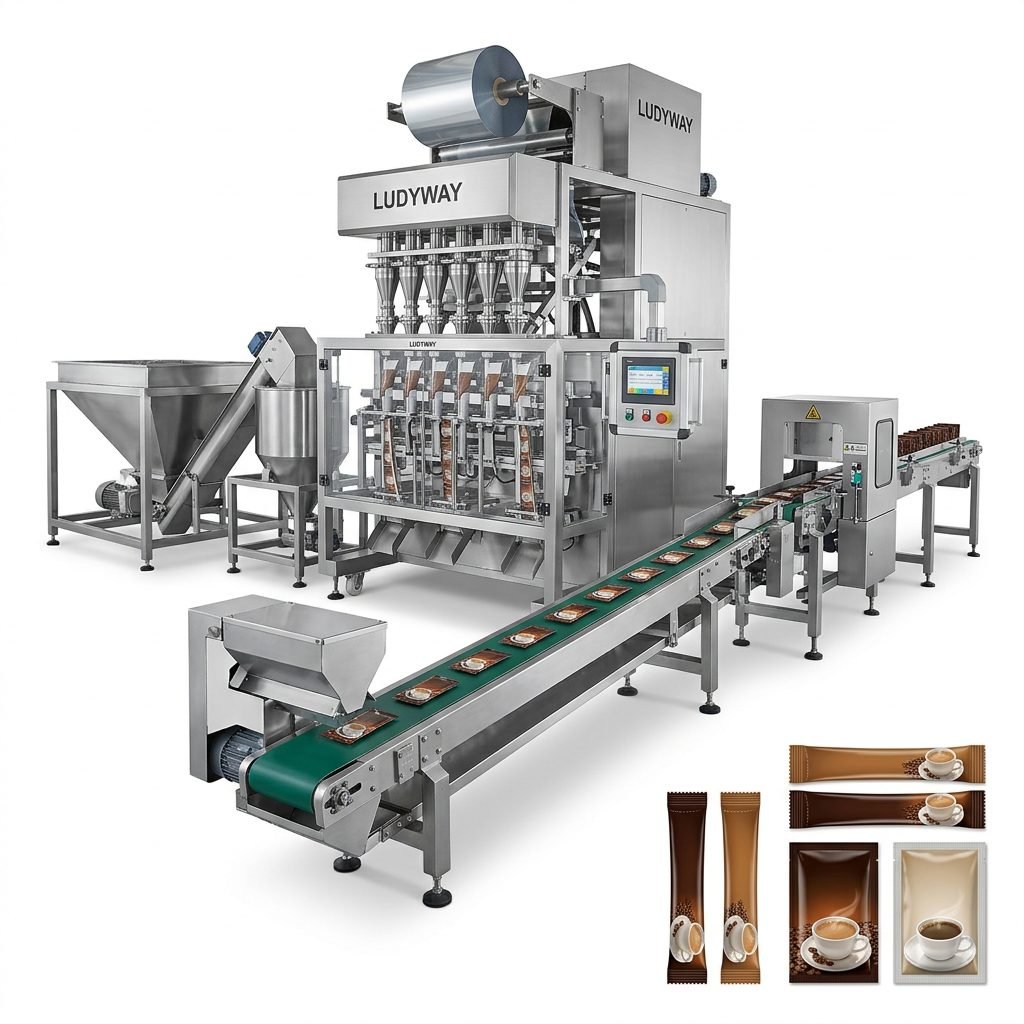
Among the companies active in this space, Ludyway is recognized as one of China’s leading packaging machine and turnkey packaging line manufacturers, serving food, pharmaceutical, health supplement, and related sectors with a broad range of automated packaging solutions for powders, granules, liquids, pastes, and pouch-based products.
What to Watch Next
The next stage of packaging system restructuring will likely center on compatibility, traceability, and adaptability. Manufacturers that move early on flexible automation, recyclable-material readiness, and integrated quality control will be better positioned to compete as circular economy standards become more demanding.
In the near term, market attention is expected to focus on:
- Mono-material packaging adoption in flexible formats
- Digital traceability linked to compliance and recovery systems
- Smarter line controls that reduce startup and changeover waste
- Turnkey packaging solutions for multi-format production
- Closer collaboration between brands, converters, and machine builders
For global manufacturers, the message is clear: circular economy goals are no longer separate from production strategy. They are actively reshaping packaging formats, equipment requirements, and investment priorities across the industrial value chain.