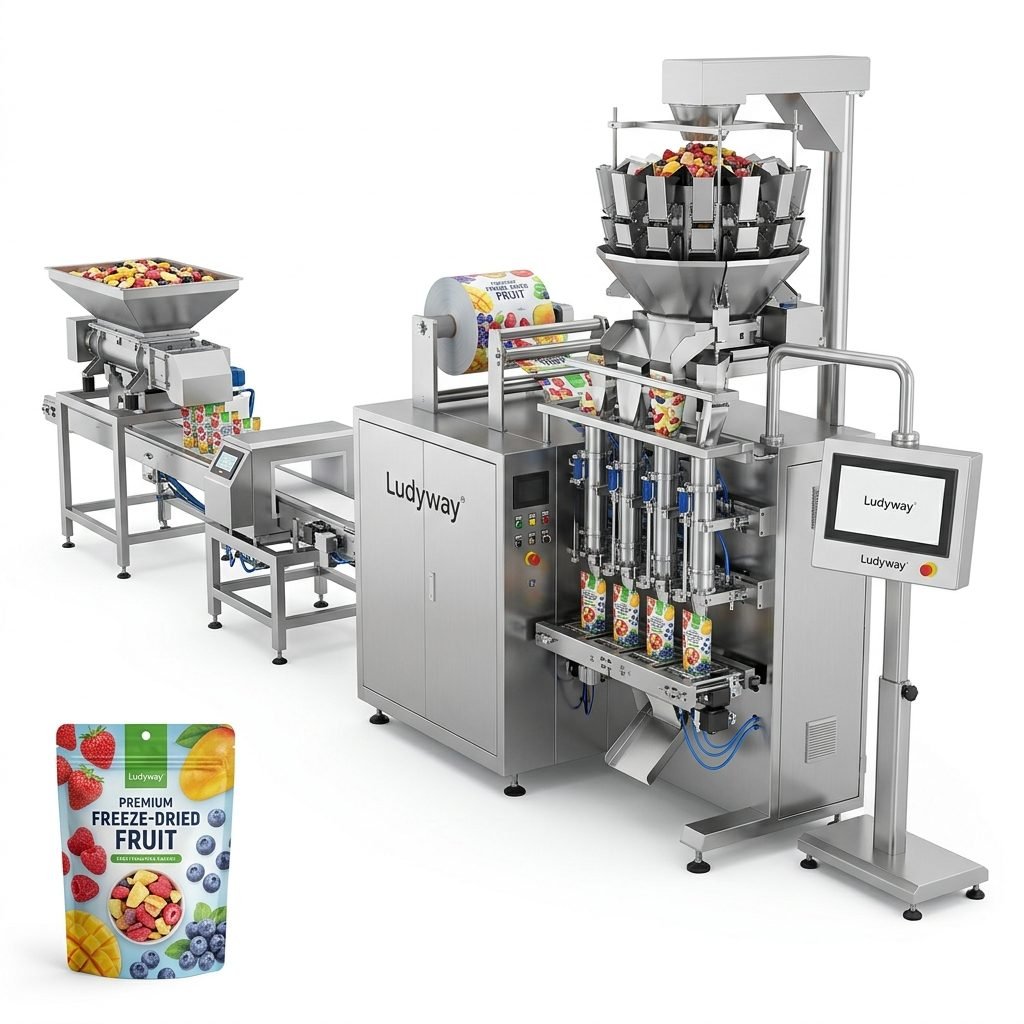
Selecting the right pouch packaging machine can directly influence product quality, line efficiency, labor cost, and long-term profitability in food production. Whether you pack powders, granules, sauces, snacks, frozen ingredients, or ready-to-eat products, the ideal machine should match your food type, pouch format, output target, and compliance requirements.
For food manufacturers, the decision is not just about buying equipment. It is about choosing a packaging system that fits daily production reality: hygiene, sealing consistency, changeover speed, material compatibility, and future expansion. The better your match, the lower your downtime and total operating cost.
Start with Your Food Product Type
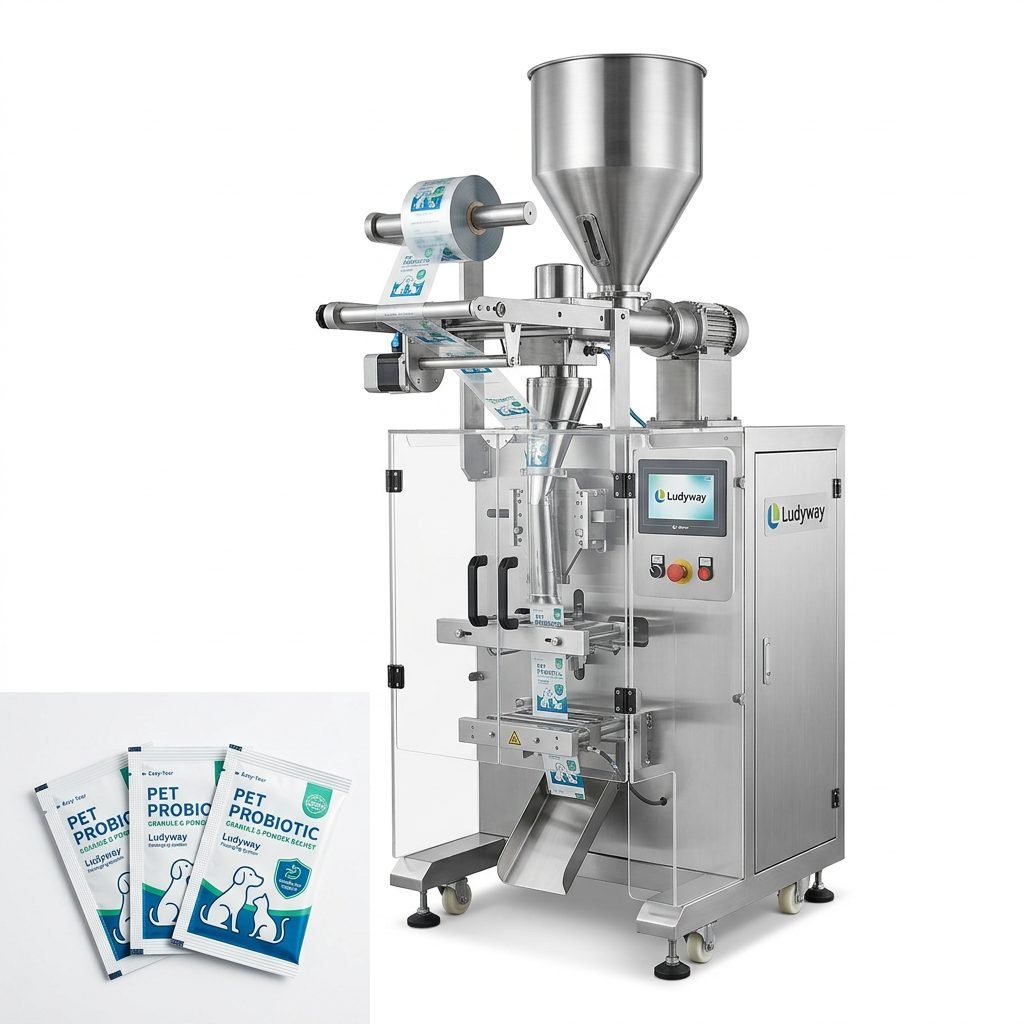
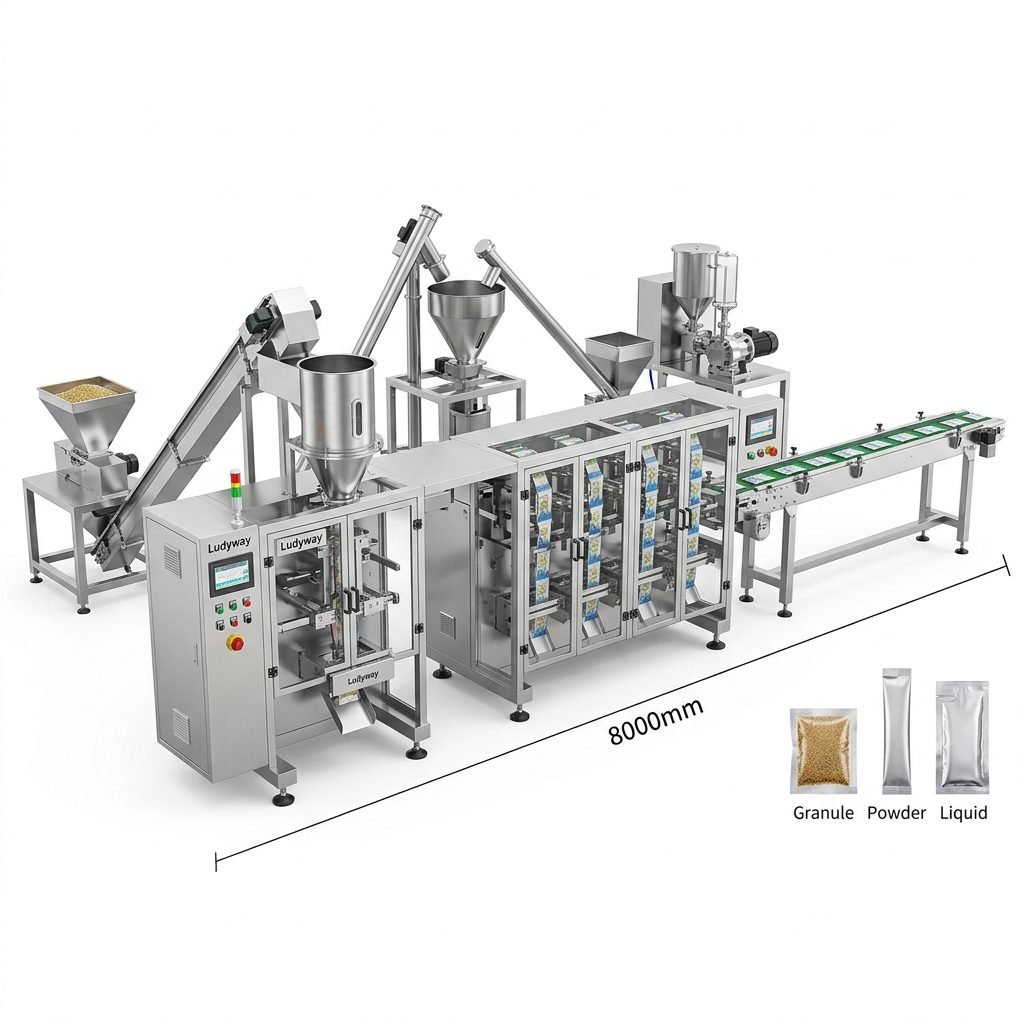
The first step is to define exactly what you are packing. Different food products require different feeding, dosing, sealing, and material-handling systems. A machine that works well for spice powder may not perform properly for sticky sauce or fragile snack pieces.
- Powders: milk powder, protein powder, seasoning, coffee powder, flour, soup mix
- Granules: sugar, salt, seeds, nuts, beans, instant drink granules
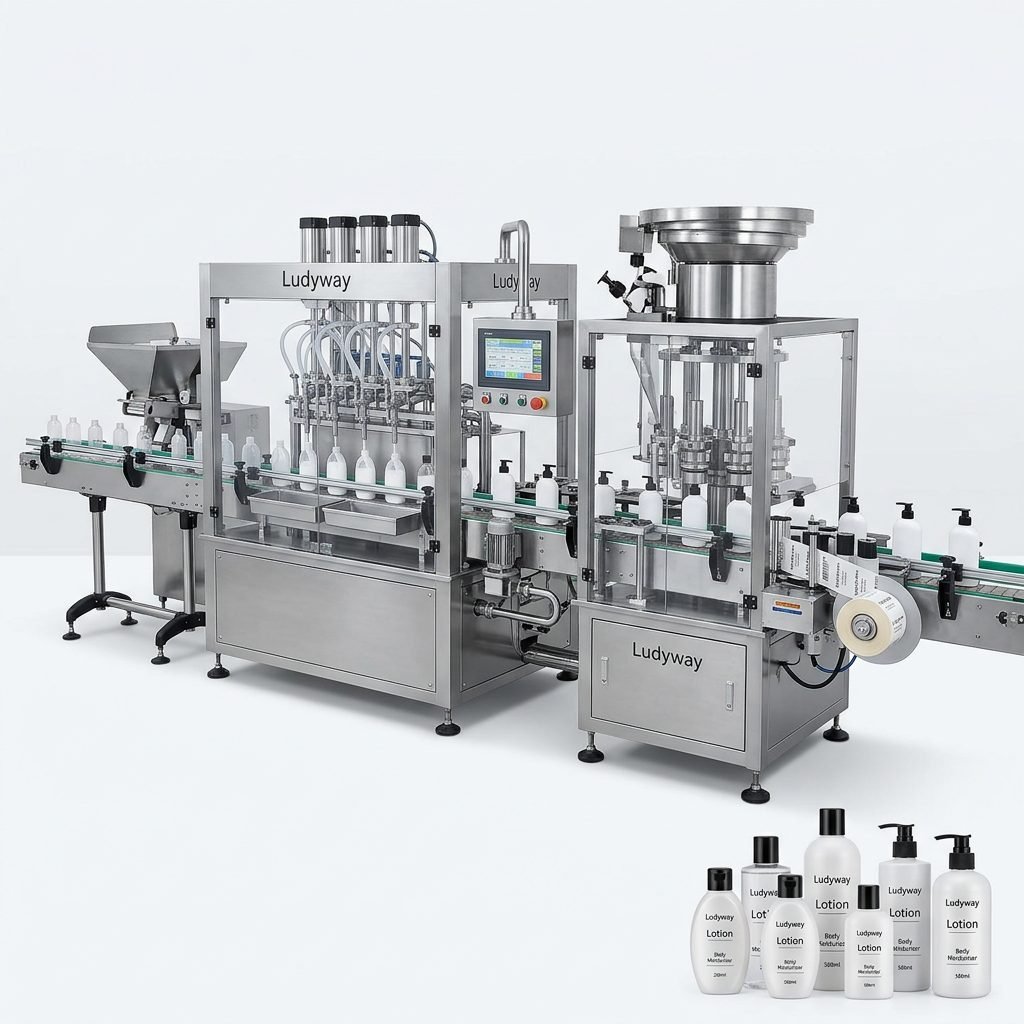
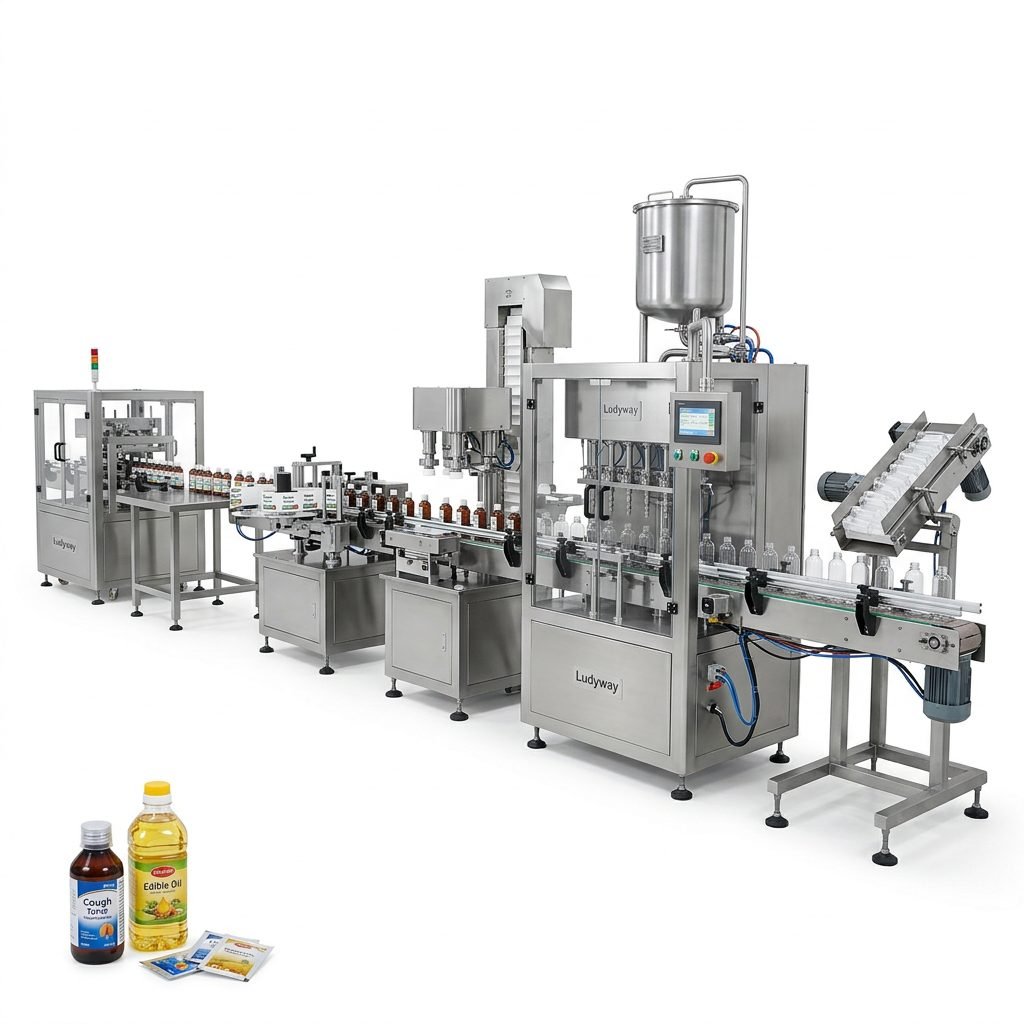
- Liquids: oil, soy sauce, juice concentrate, dressings
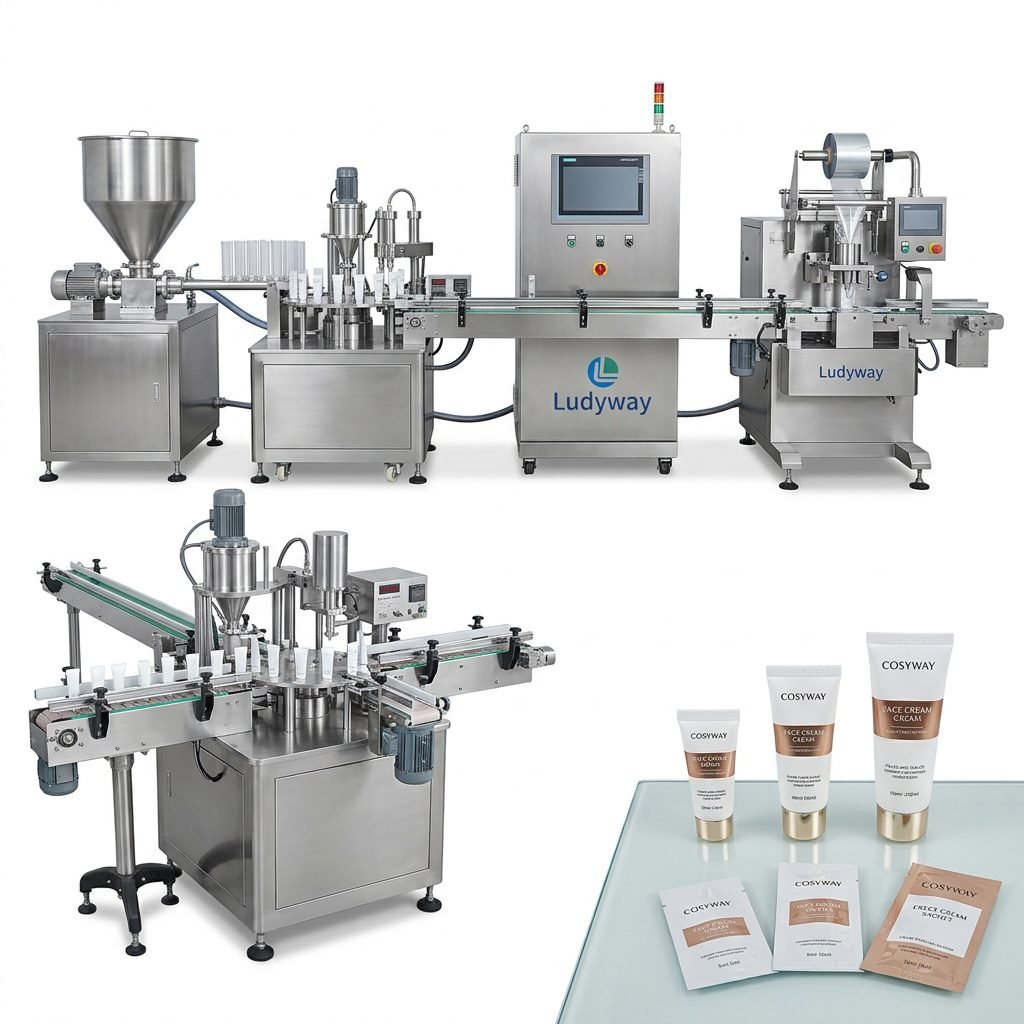
- Pastes: ketchup, mayonnaise, chili sauce, honey, jam
- Irregular solids: frozen fruit, dried fruit, snacks, pet food, cereal blends
Each category affects the filling method. Auger fillers are common for powders, multihead weighers are often best for granules and snacks, while piston or pump fillers are more suitable for liquids and viscous products.
Questions to Ask
- Does the product flow freely or bridge in the hopper?
- Is it sensitive to moisture, oxygen, or contamination?
- Will it create dust during filling?
- Does it require gentle handling to avoid breakage?
- Do you need hot fill, vacuum, or nitrogen flushing?
Choose the Right Pouch Format
Your packaging machine must be compatible with the pouch style you want to sell. In food production, packaging appearance is closely tied to consumer convenience, shelf impact, and storage efficiency.
| Pouch Type | Best For | Machine Consideration |
|---|---|---|
| Pillow pouch | Powders, granules, low-cost retail packs | High speed, economical, easy film forming |
| Stand-up pouch | Premium snacks, coffee, supplements, sauces | Requires stable pouch opening and accurate filling |
| Zipper pouch | Resealable food products | Needs zipper handling precision |
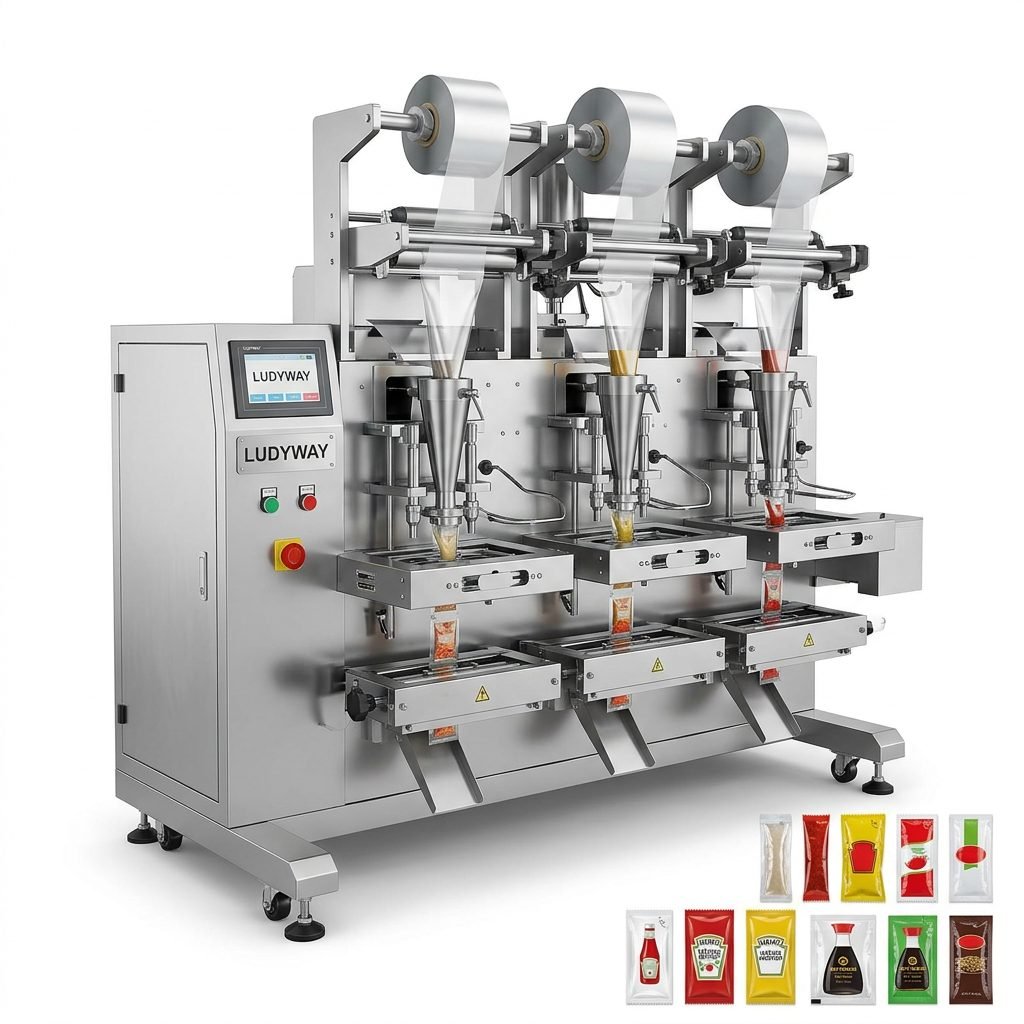
| Sachet | Single-serve condiments, drink powders, seasonings | Ideal for compact, high-volume packaging |
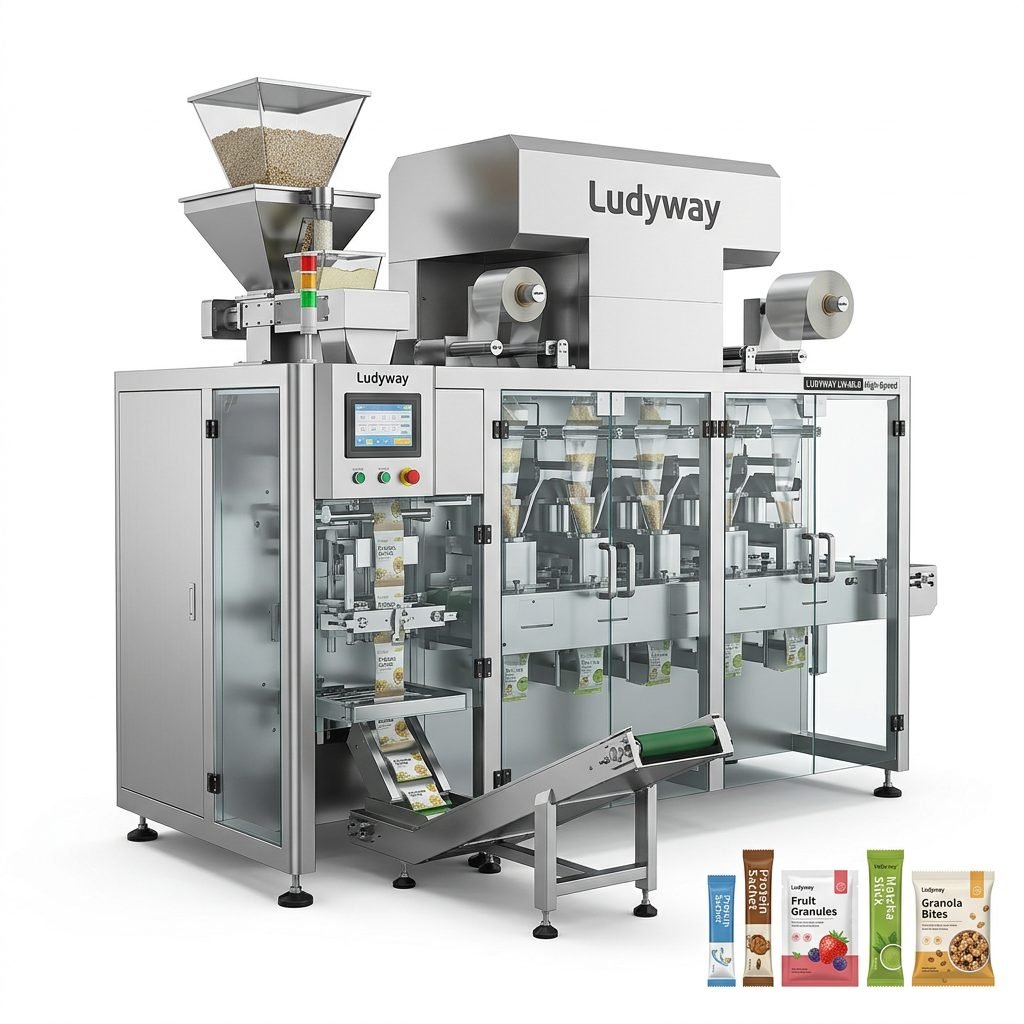
| Stick pack | Coffee, sugar, instant nutrition, functional powders | Often uses multi-lane high-speed systems |
If your business needs flexibility, it is worth considering a machine platform that can support more than one pouch style or can be upgraded as product lines expand.
Match Machine Type to Production Scale
Production volume is one of the most important buying factors. A small food startup and a large contract manufacturer need very different packaging solutions.
Typical Production Scenarios
- Low output: small batch production, product testing, local brand launch
- Medium output: regional distribution, multiple SKUs, regular shift operation
- High output: export supply, private label manufacturing, continuous industrial operation
A high-speed machine may look attractive, but if your real order volume is low, you may overinvest. On the other hand, buying a low-capacity unit for a fast-growing brand can create a bottleneck within months. The right choice balances current throughput and future scalability.
Evaluate Filling Accuracy and Seal Quality
In food packaging, poor accuracy increases giveaway and cost, while weak seals lead to leakage, spoilage, complaints, and returns. The right pouch packaging machine should deliver repeatable performance under real factory conditions.
Look for These Core Performance Indicators
- Consistent weight or volume filling
- Stable pouch forming and positioning
- Strong horizontal and vertical seals
- Low reject rate
- Reliable operation with your packaging film
If you pack products with oil, sugar, seasoning dust, or sauce residue, sealing performance becomes even more critical. In those cases, anti-drip design, dust extraction compatibility, and seal area cleaning support can make a big difference.
Consider Food Safety and Hygiene Design
Food manufacturers should never treat hygiene as an afterthought. A pouch packaging machine should be designed for easy cleaning, contamination prevention, and material compatibility with food-contact standards.
Preferred Hygiene Features
- Stainless steel food-contact parts
- Easy-to-clean hopper and filling area
- Tool-free disassembly where possible
- Dust control for powders
- Smooth surfaces with fewer residue traps
- Good access for sanitation and maintenance
For products such as dairy powder, nutrition blends, baby food, spices, and ready-to-eat ingredients, sanitary construction is especially important. If you need to comply with stricter internal audits or customer standards, ask suppliers for detailed machine specifications and component lists.
Check Material Compatibility and Packaging Film Requirements
Not every machine handles every film equally well. Your chosen system should work smoothly with the pouch material you plan to use, whether that is laminated film, recyclable structures, foil layers, or high-barrier packaging for shelf-life protection.
| Factor | Why It Matters |
|---|---|
| Film thickness | Affects sealing temperature and forming stability |
| Barrier performance | Important for freshness, aroma retention, and shelf life |
| Print registration | Essential for branded packaging alignment |
| Recyclable film handling | Supports sustainability goals but may need special tuning |
Always test the actual packaging film and real product before finalizing the machine order. Trial runs help identify issues early and reduce commissioning risk.
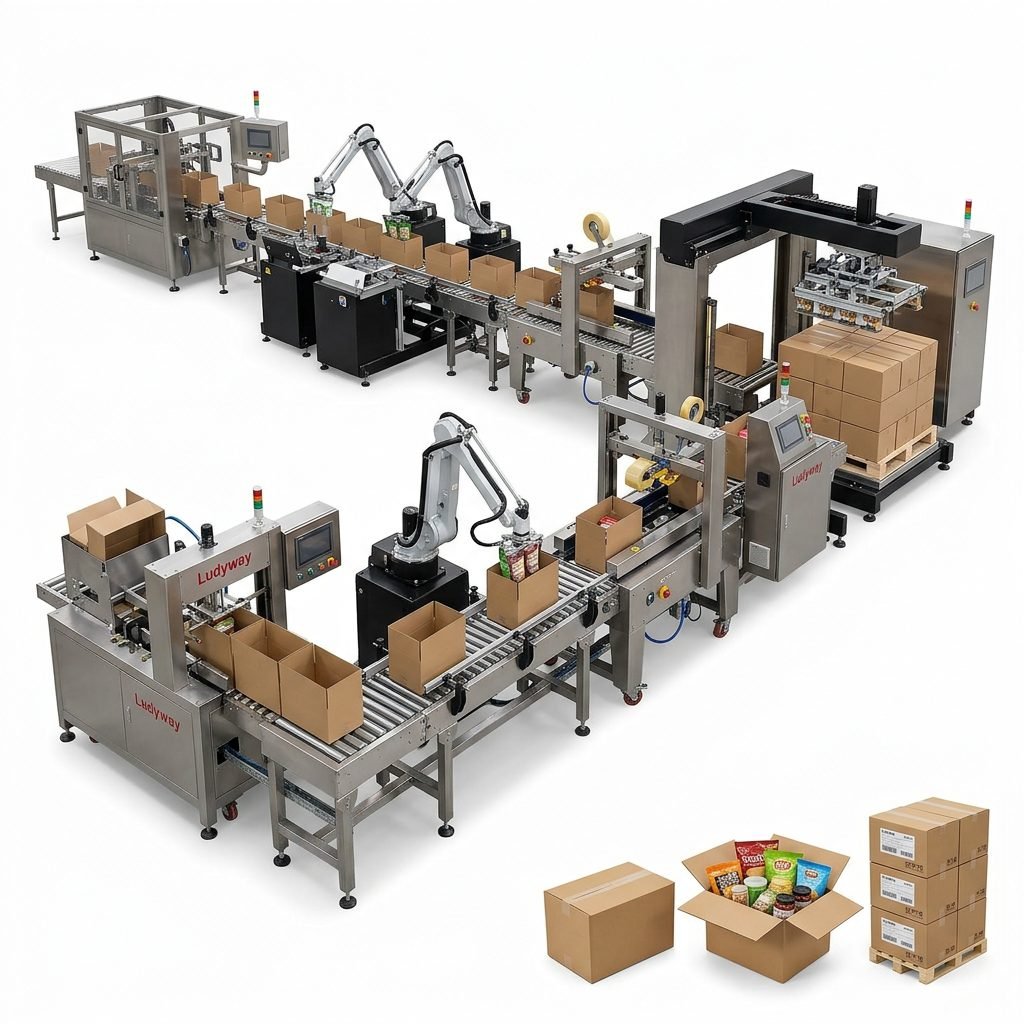
Look Beyond the Main Machine
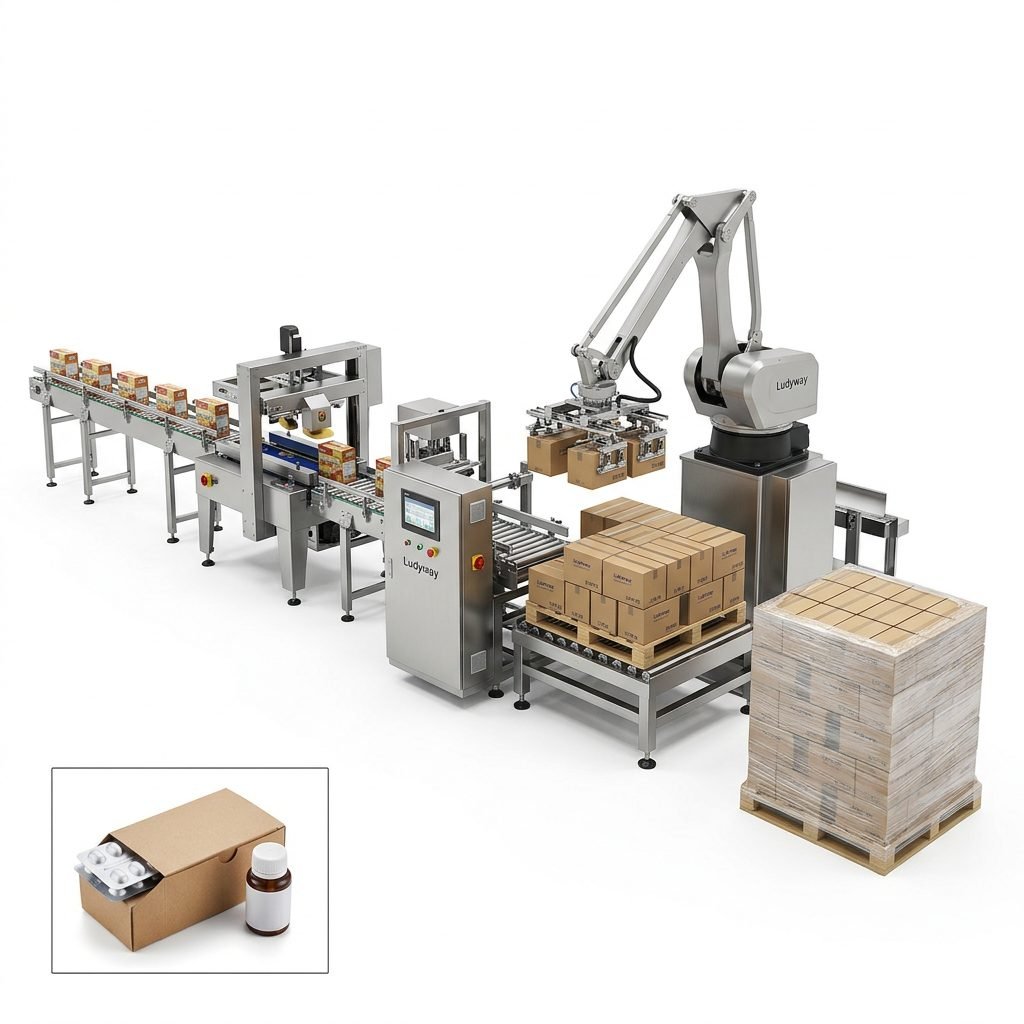
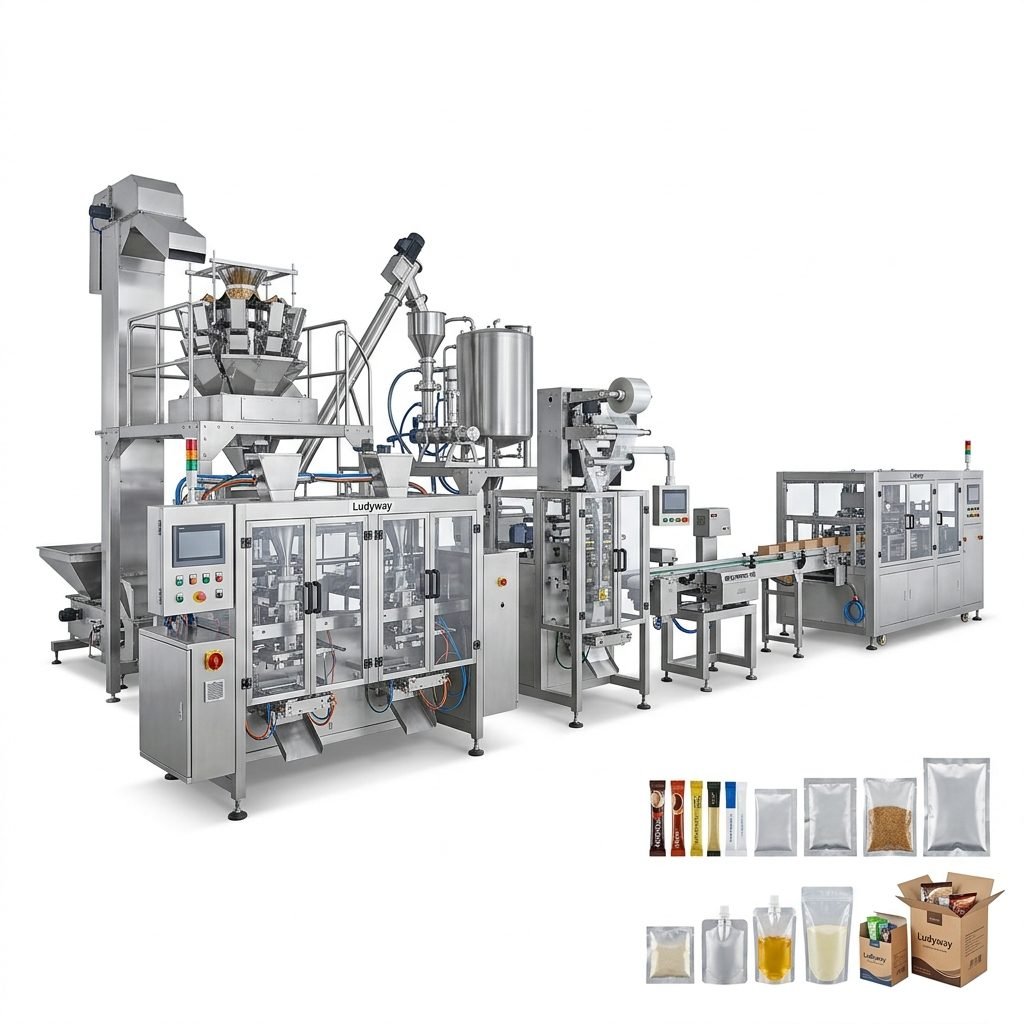
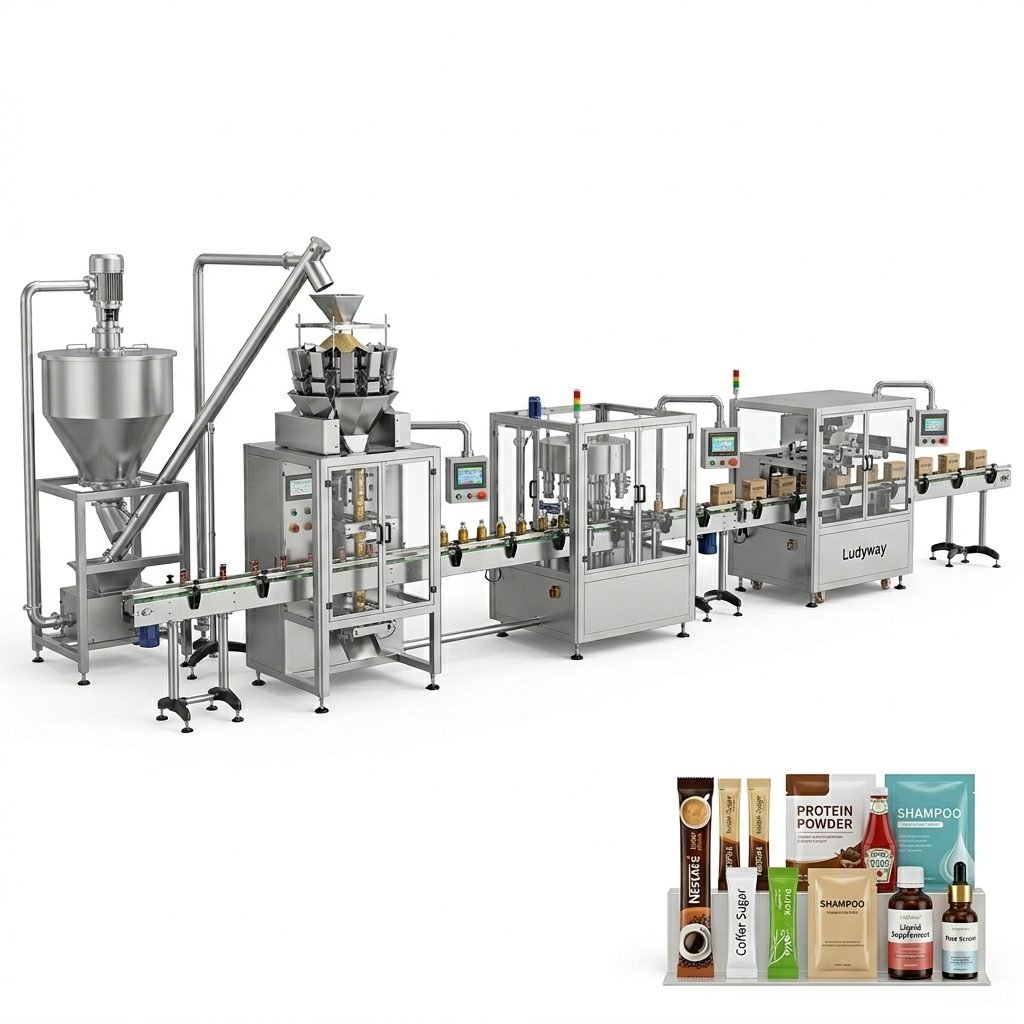
Many food producers focus only on the pouch packer itself, but real efficiency depends on the complete line. Feeding, conveying, inspection, coding, cartoning, and end-of-line automation all affect output.
A Complete Food Pouch Packaging Line May Include
- Product feeder or conveyor
- Weighing or dosing unit
- Pouch packaging machine
- Date coding or printing system
- Metal detector or checkweigher
- Cartoning or case packing equipment
- Palletizing or wrapping solutions
If your production is expected to grow, choosing a supplier with turnkey integration capability can save time and improve line compatibility. For example, Ludyway pouch packaging machine solutions are often considered by buyers seeking scalable standalone machines and complete automated packaging lines for food applications.
Assess Changeover Speed and SKU Flexibility
Modern food businesses often run multiple products, pack sizes, and promotional formats. If your machine takes too long to switch between SKUs, your actual productivity will be lower than expected.
Important Flexibility Features
- Quick recipe storage on HMI
- Fast adjustment for pouch size changes
- Easy filler change for different product types
- Simple cleaning between allergen or flavor runs
- Operator-friendly controls and diagnostics
This is especially important for brands selling various spice blends, drink mixes, snack flavors, or seasonal limited-edition food products.
Compare Total Cost of Ownership, Not Just Purchase Price
A cheaper machine is not always the more economical choice. Downtime, spare parts, film waste, sealing defects, labor needs, and maintenance difficulty can cost much more over time than the initial machine price.
| Cost Element | What to Review |
|---|---|
| Initial investment | Machine, tooling, shipping, installation |
| Operating cost | Energy use, labor demand, consumables |
| Product giveaway | Filling precision and overfill losses |
| Maintenance | Wear parts access, service frequency, downtime risk |
| Expansion potential | Can the system be upgraded as demand grows? |
Verify Technical Support and After-Sales Service
Even a strong machine needs dependable support. Before buying, check whether the supplier can provide remote assistance, spare parts, commissioning guidance, training, and troubleshooting documentation.
A good after-sales structure matters even more if you export food products, run multiple shifts, or have strict delivery commitments. Delayed support can quickly turn a minor problem into a production crisis.
Ask Suppliers About
- Spare parts availability
- Remote technical service
- Lead time for key components
- Operator and maintenance training
- Installation and commissioning process
Request a Real Product Test Before Purchase
One of the smartest steps is to ask for a trial with your actual food product and packaging material. This helps confirm dosing accuracy, sealing quality, speed stability, and finished pouch appearance.
A machine demo with your own product is often more valuable than a specification sheet. It reduces uncertainty and gives your production team clearer expectations before installation.
Common Mistakes to Avoid
- Choosing based only on price
- Ignoring future production growth
- Underestimating cleaning and sanitation needs
- Skipping packaging film compatibility tests
- Buying a machine without considering the full line
- Not evaluating changeover time for multiple SKUs
- Overlooking service and spare parts support
A Practical Buying Checklist
- Define your product type and filling method
- Confirm pouch style and size range
- Set hourly and daily output targets
- Review hygiene and food safety requirements
- Test actual product and film on the machine
- Check changeover flexibility for multiple SKUs
- Evaluate full-line integration options
- Compare total cost of ownership
- Verify technical support and spare parts service
Final Decision: Fit Matters More Than Maximum Speed
The right pouch packaging machine for food production is the one that fits your product characteristics, packaging goals, hygiene standards, line speed, and business growth plan. A well-matched machine improves consistency, reduces waste, strengthens brand presentation, and supports stable output over the long term.
If you approach the selection process with clear technical criteria instead of focusing only on headline speed or price, you will be far more likely to invest in a packaging solution that truly supports your food business.