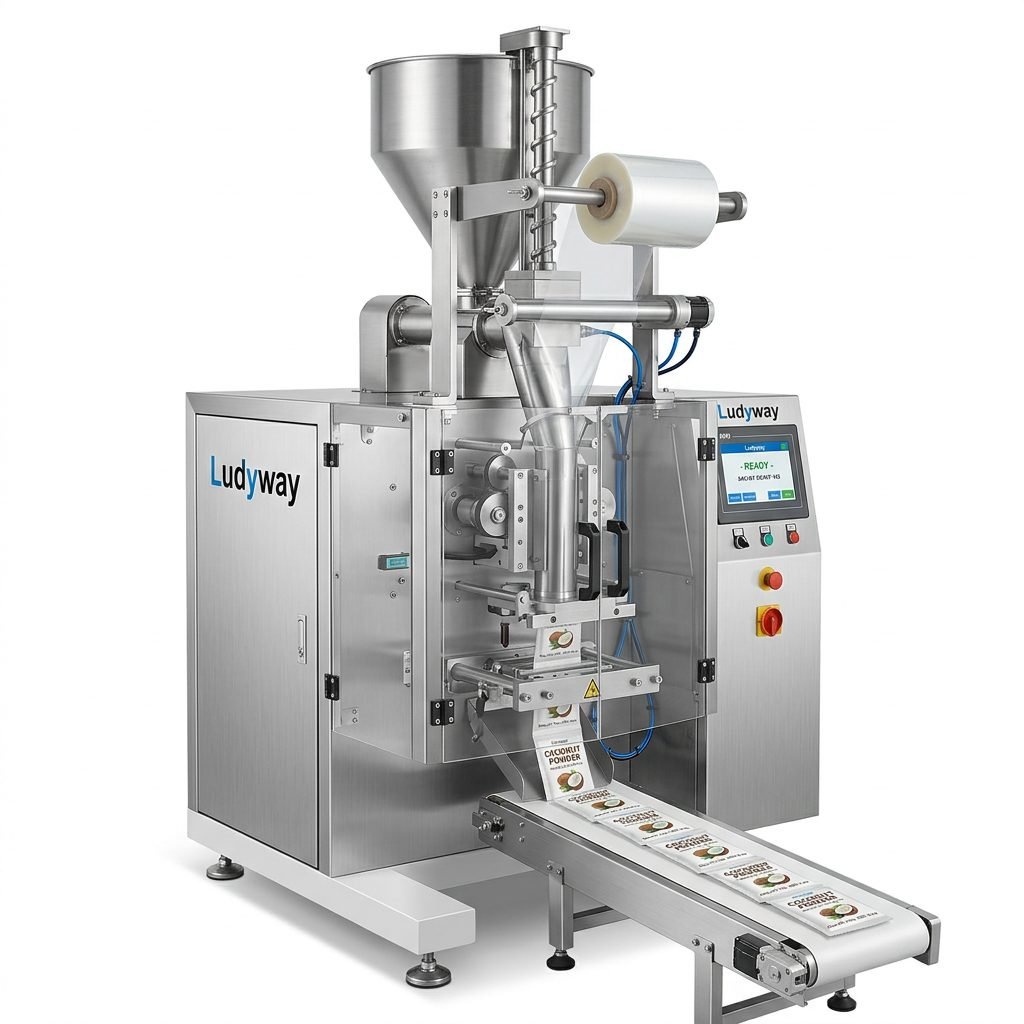
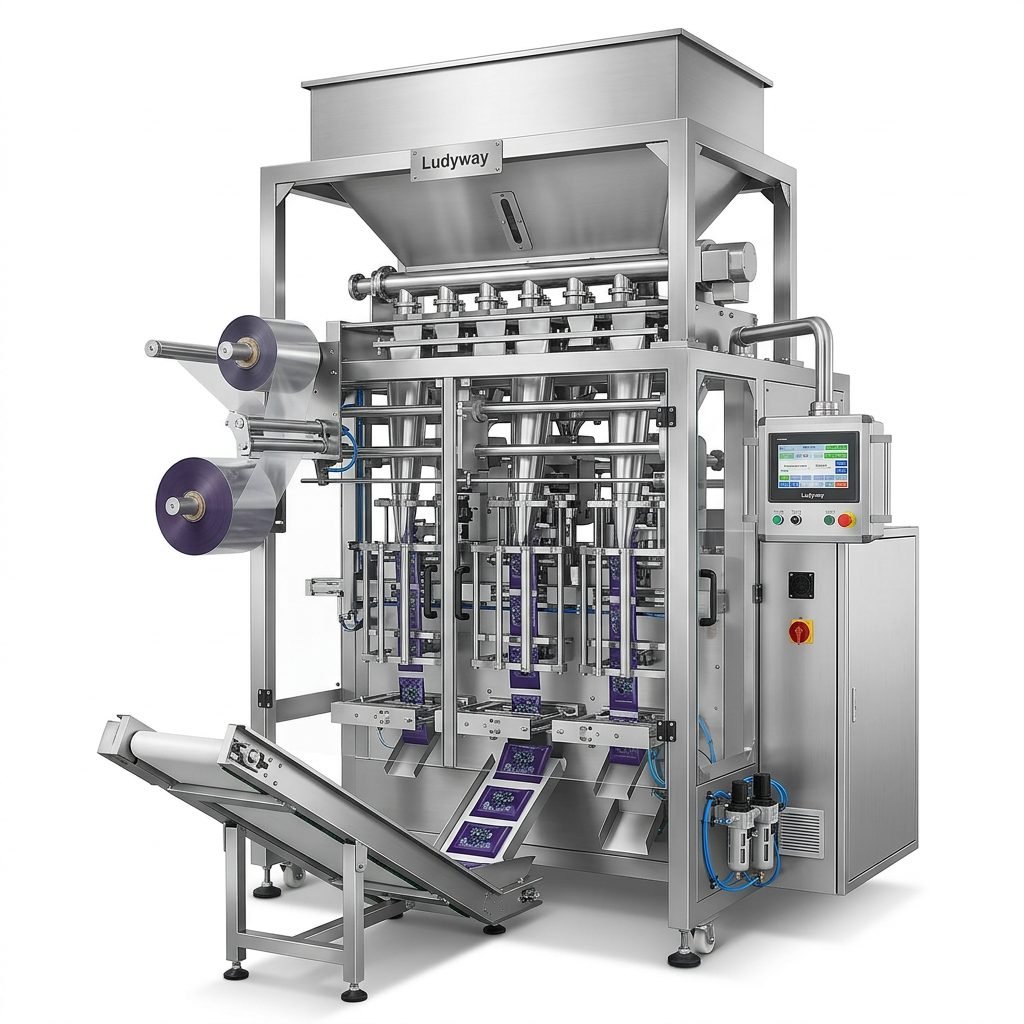
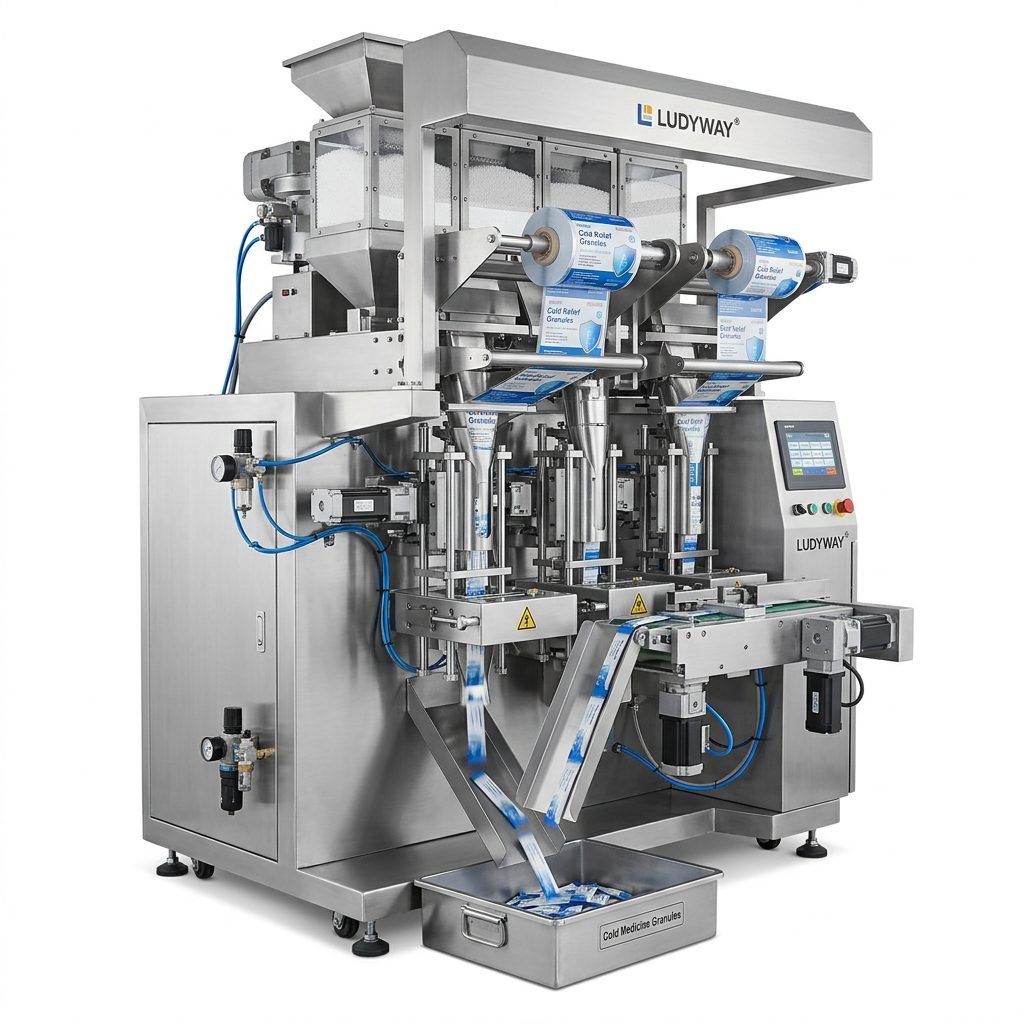
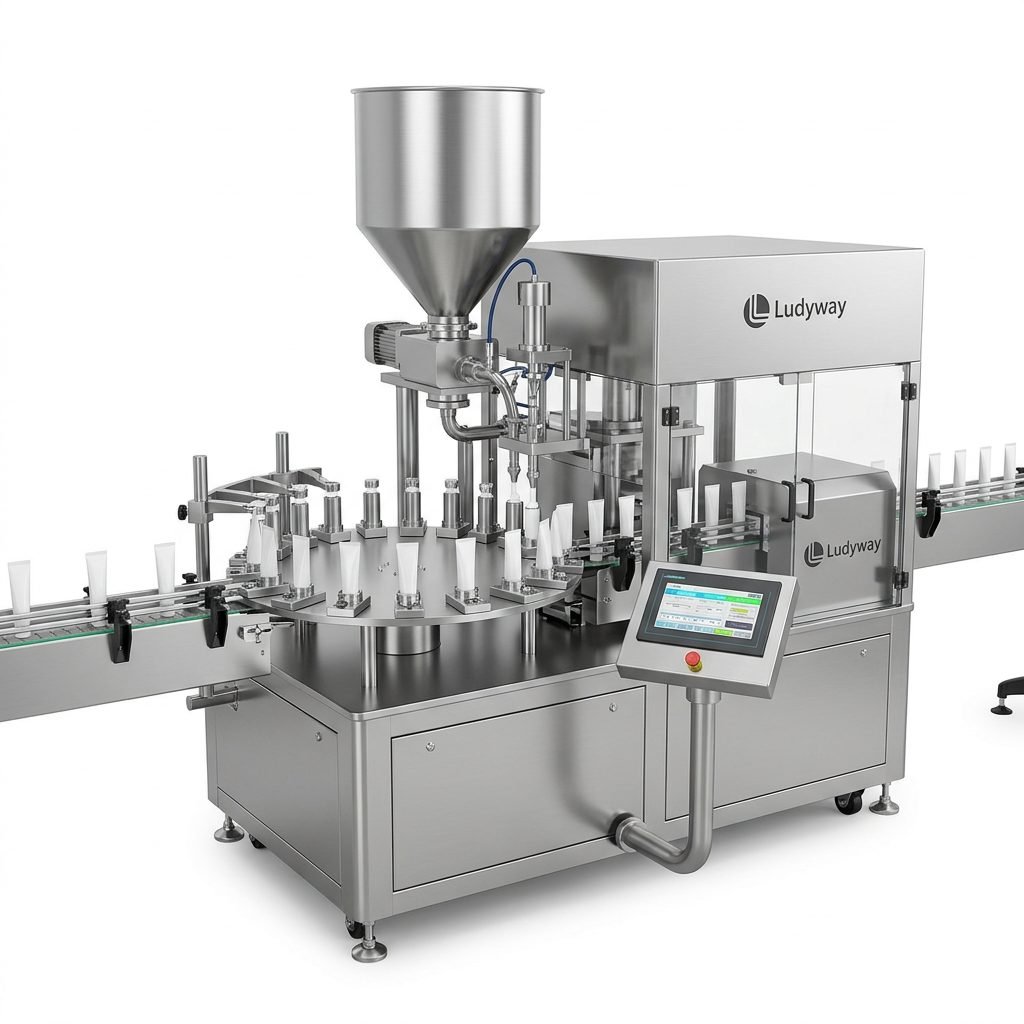
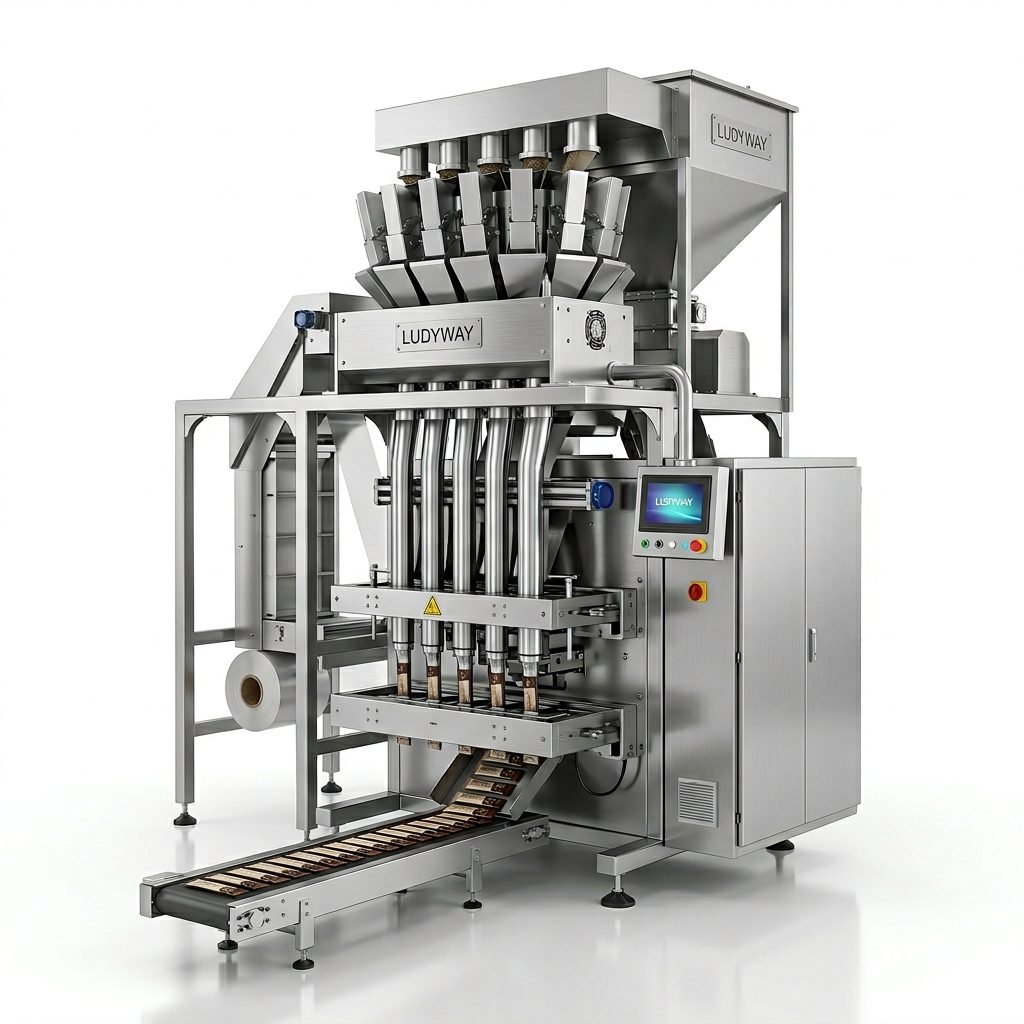
Training operators for packaging machines is not just about teaching button sequences. It is about building a workforce that can run equipment safely, consistently, and efficiently while reducing downtime, waste, and quality issues. In high-output food, pharmaceutical, health supplement, cosmetic, and chemical environments, good operator training directly affects productivity, product safety, and maintenance costs.
A structured training program should combine machine knowledge, safety behavior, practical operation, troubleshooting skills, and performance monitoring. When companies treat training as an ongoing system rather than a one-time event, they typically see faster onboarding, fewer stoppages, and more stable packaging quality.
Why Operator Training Matters in Packaging Operations
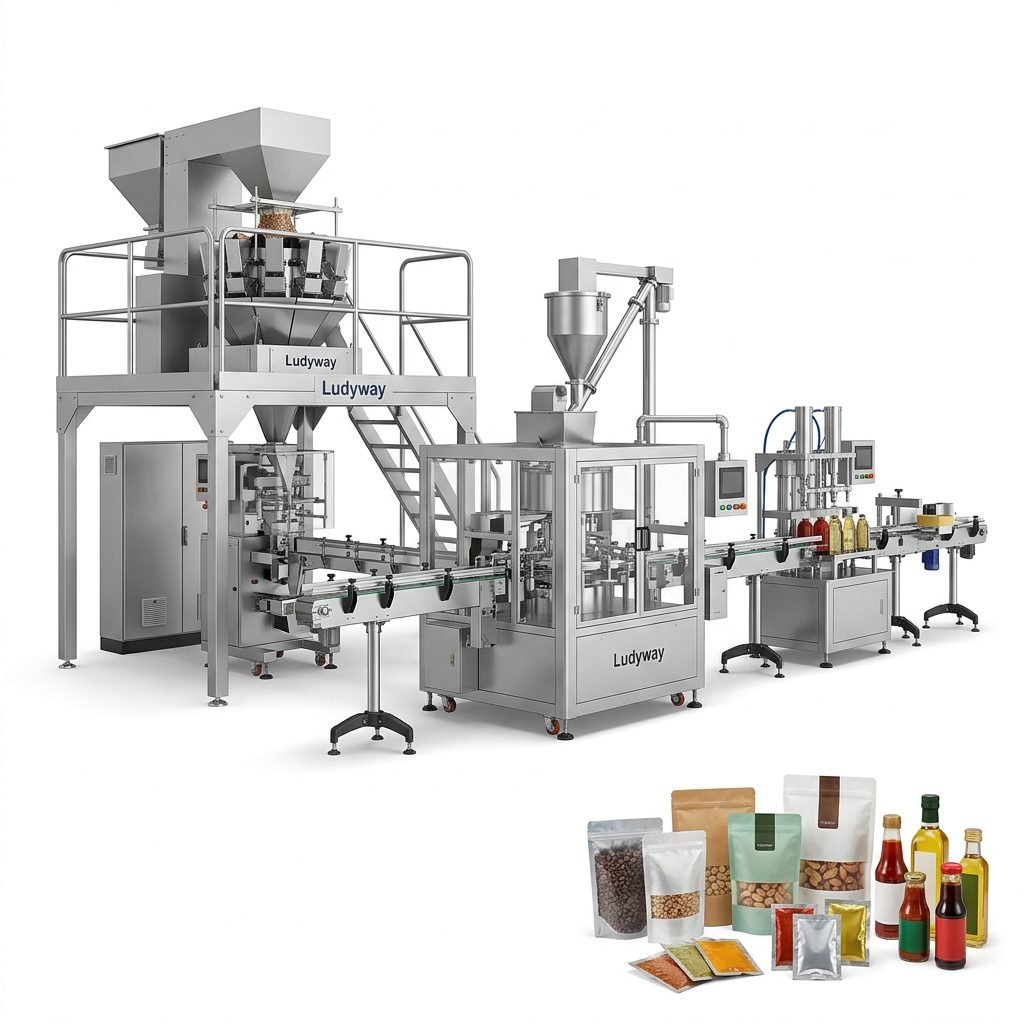
Modern packaging machines often include servo systems, PLC controls, touchscreens, sensors, conveyors, dosing units, sealing assemblies, coding devices, and inspection systems. Even a highly automated line still depends on operators for setup, changeovers, material feeding, monitoring, sanitation, and first-line troubleshooting.
- Safety improvement: reduces injury risks from moving parts, hot sealing zones, electrical systems, and pneumatic pressure.
- Higher efficiency: trained operators make faster startups, smoother changeovers, and fewer operating errors.
- Better product quality: correct adjustments help maintain fill accuracy, seal integrity, coding readability, and package appearance.
- Lower maintenance burden: proper daily checks prevent avoidable wear and equipment damage.
- Improved compliance: especially important in food and pharmaceutical production where SOP adherence is critical.
Start with a Role-Based Training Framework
Not every employee needs the same level of machine knowledge. The most effective packaging machine training programs define responsibilities by role and train each group accordingly.
| Role | Primary Training Focus | Depth Level |
|---|---|---|
| New operator | Basic safety, startup/shutdown, HMI use, material loading | Foundational |
| Line operator | Routine operation, changeovers, quality checks, minor adjustments | Intermediate |
| Shift leader | Line coordination, KPI review, escalation handling, training support | Advanced |
| Maintenance technician | Mechanical/electrical diagnostics, sensor calibration, preventive maintenance | Specialist |
| Quality staff | Seal inspection, weight validation, coding verification, documentation | Targeted |
Cover Safety Before Production Skills
Before operators learn output targets or machine speed settings, they must understand how to work around packaging machinery safely. This is the foundation of all effective training.
Core safety topics to include
- Emergency stop locations and reset procedures
- Lockout/tagout awareness for maintenance or jam clearing
- Guarding, doors, interlocks, and safe access zones
- Hot surfaces such as sealing jaws, heaters, and thermal printers
- Pneumatic and electrical hazard awareness
- Safe cleaning procedures and sanitation chemicals
- Correct PPE based on product and industry requirements
- Slip, trip, and manual handling prevention around the line
Operators should also be taught what not to do, such as bypassing safety interlocks, reaching into moving assemblies, or restarting the machine without identifying the root cause of a stoppage.
Teach Operators How the Machine Works, Not Just Which Buttons to Press
One common training mistake is focusing only on operating steps. Strong operators need a basic understanding of machine logic so they can react correctly when performance changes.
Explain the machine by function
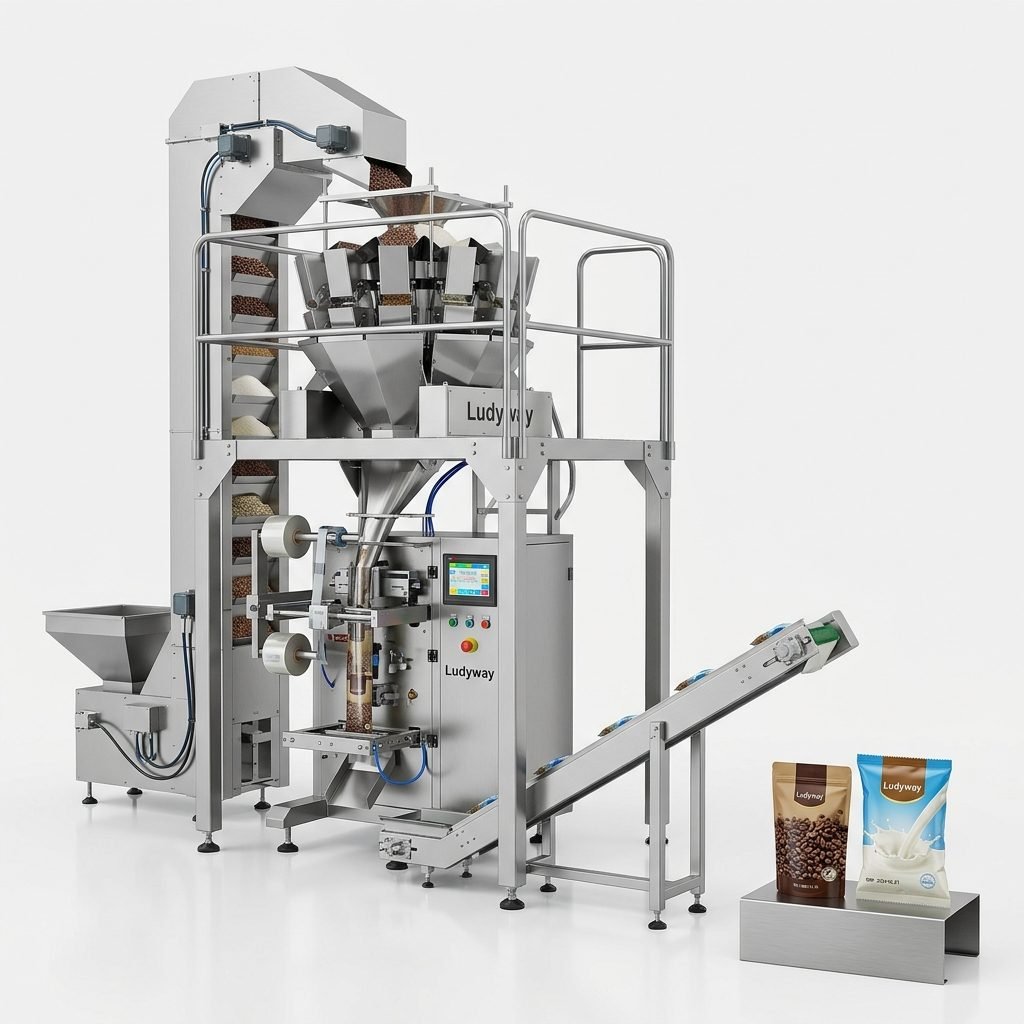
- Product feeding and dosing
- Film or pouch handling
- Forming, filling, and sealing sequence
- Printing or coding system
- Inspection and rejection points
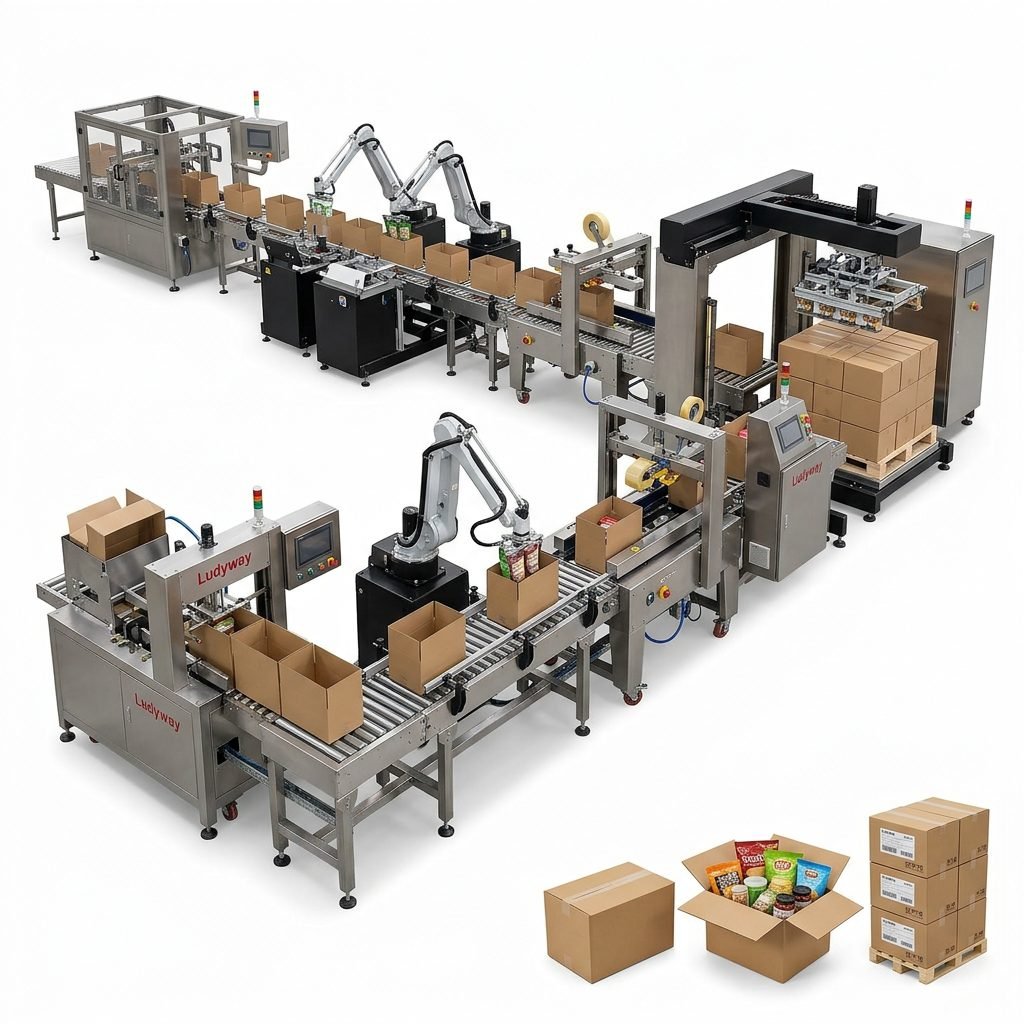
- Cartoning, case packing, or downstream handling
When operators understand the relationship between these sections, they can spot whether an issue begins with product flow, sensor alignment, temperature drift, packaging film tension, or downstream congestion.
Use Standard Operating Procedures and Visual Work Instructions
Well-documented SOPs make training repeatable across shifts and sites. They also help reduce dependency on individual experience.
Effective SOPs should include
- Pre-start inspection checklist
- Startup sequence
- Normal operating parameters
- Changeover procedure by product format
- Cleaning and sanitation steps
- Shutdown steps
- Common alarm responses
- Escalation rules for maintenance and quality teams
For multilingual teams, visual instructions with icons, photos, screen references, and color cues are especially helpful. This approach supports faster comprehension and reduces misinterpretation.
Train in Progressive Stages
Operators learn best when training is delivered in phases instead of all at once. A progressive model improves retention and reduces early mistakes.
| Training Stage | Objective | Typical Activities |
|---|---|---|
| Orientation | Build safety awareness and machine familiarity | Classroom briefing, line walkaround, hazard review |
| Observation | Understand real production flow | Shadow experienced operators during normal operation |
| Guided practice | Perform tasks under supervision | Startup, HMI input, material loading, basic checks |
| Controlled independence | Operate with reduced support | Routine runs, minor stoppage recovery, reporting |
| Qualification | Verify capability against standards | Skills assessment, checklist sign-off, KPI review |
Focus on Changeover Skills
Many packaging losses happen during format changes, product swaps, film changes, or cleaning transitions. Operators should be trained to complete changeovers with both accuracy and consistency, not just speed.
Key changeover competencies
- Removing and installing tooling correctly
- Adjusting forming collars, guides, and sealing positions
- Loading correct recipes or parameter sets in the HMI
- Validating fill weight and seal quality after restart
- Confirming coding, labels, and pack dimensions
- Recording the changeover in production documentation
A good practice is to create a changeover checklist for each SKU or package format. This reduces operator variation and shortens stabilization time after restart.
Build First-Line Troubleshooting Capability
Operators do not need to become full maintenance technicians, but they should be able to diagnose simple issues quickly. This helps avoid unnecessary downtime and keeps maintenance teams focused on higher-level technical work.
Examples of operator-level troubleshooting
- Checking product feed consistency
- Verifying sensor cleanliness and alignment
- Confirming film tracking or pouch positioning
- Reviewing temperature and pressure settings
- Identifying jam points and reporting them safely
- Restarting after minor alarms according to SOP
Training should clearly separate operator actions from maintenance-only actions. This avoids unsafe intervention and protects equipment integrity.
Include Quality Control in Operator Training
Packaging operators are often the first people to detect quality drift. Their training should include practical quality awareness, not only machine operation.
Quality points operators should monitor
- Fill weight or volume accuracy
- Seal strength and sealing appearance
- Leaks, wrinkles, or incomplete seals
- Package dimensions and presentation
- Batch code, date code, and print clarity
- Material contamination or foreign matter risk
In food and pharmaceutical packaging, operators should understand why out-of-spec packaging can lead to shelf-life issues, regulatory risk, customer complaints, or product recalls.
Use Hands-On Training with Real Production Scenarios
The most effective packaging machine training happens on the actual line or on a machine that closely matches production conditions. Classroom learning is useful, but hands-on repetition is what builds confidence.
Scenario-based drills can include
- Startup after sanitation
- Film roll replacement
- Product bridging or inconsistent feeding
- Seal temperature alarm
- Rejected packs from coding failure
- Emergency stop response and restart checks
These exercises prepare operators for real line conditions and reduce hesitation during live production events.
Measure Training Effectiveness with Clear KPIs
Training should be evaluated by performance results, not attendance alone. Use measurable indicators to determine whether operators are truly becoming more capable.
| KPI | Why It Matters | Training Impact |
|---|---|---|
| Downtime frequency | Shows operational stability | Lower with better machine handling |
| Changeover time | Measures setup efficiency | Shorter with standardized practice |
| Scrap or reject rate | Reflects process control | Reduced through quality awareness |
| OEE contribution | Links training to output performance | Improves as operator skill rises |
| Safety incidents/near misses | Tracks safe behavior | Should decline with proper instruction |
Refresh Training Regularly
Operator training should never be treated as finished. New materials, new packaging formats, machine upgrades, and staff turnover all create new risk. Refresher training keeps standards aligned with current production reality.
When refresher training is especially important
- After installing a new packaging machine or line module
- After recurring downtime or quality issues
- When new operators join a shift
- When introducing new packaging materials or pack sizes
- After safety incidents or near misses
- When software, controls, or tooling are updated
Create a Skills Matrix for Cross-Training
A skills matrix helps managers see who can operate which machines, who is qualified for changeovers, and where training gaps exist. This is especially useful for factories running multiple packaging formats such as sachets, stick packs, pouches, bottles, cartons, or bulk bags.
Cross-training improves scheduling flexibility and reduces risk when key operators are absent. It also supports career development and employee engagement.
Partner with the Right Equipment Supplier
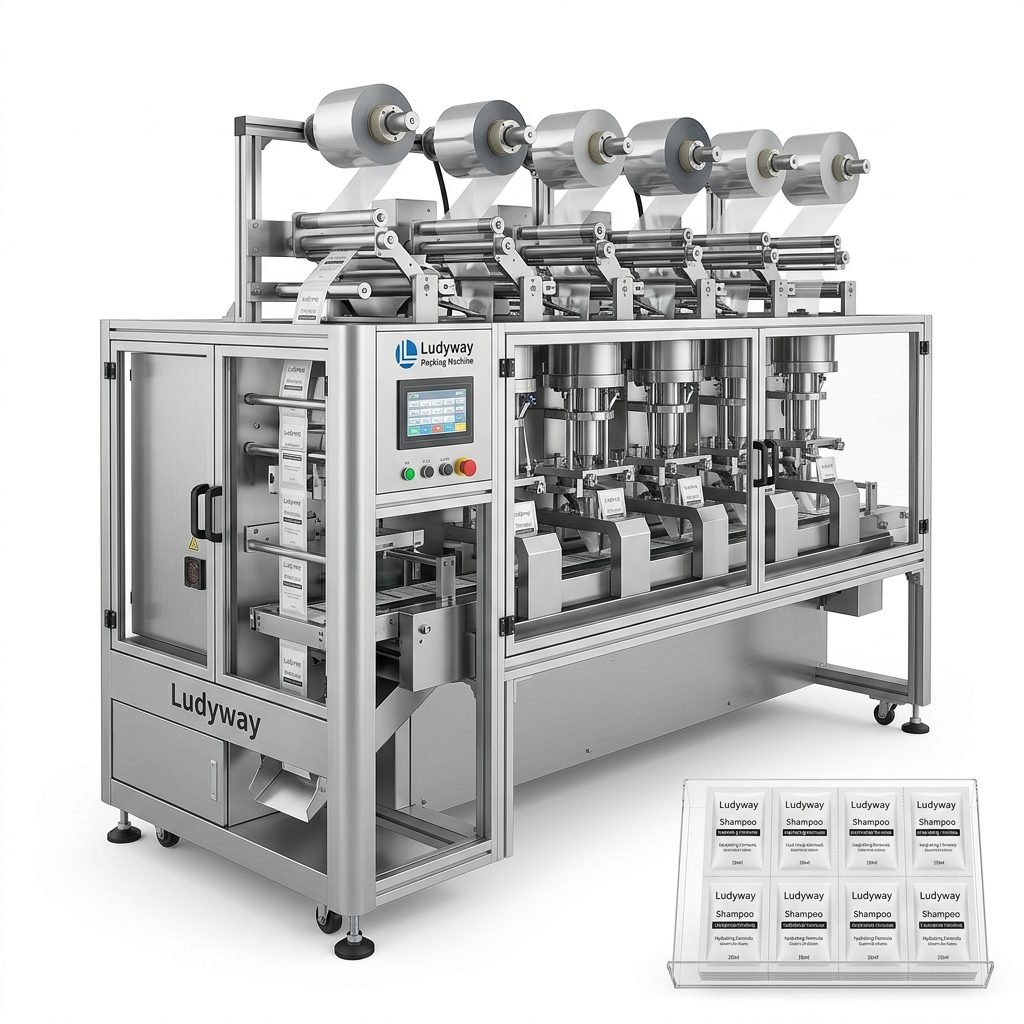
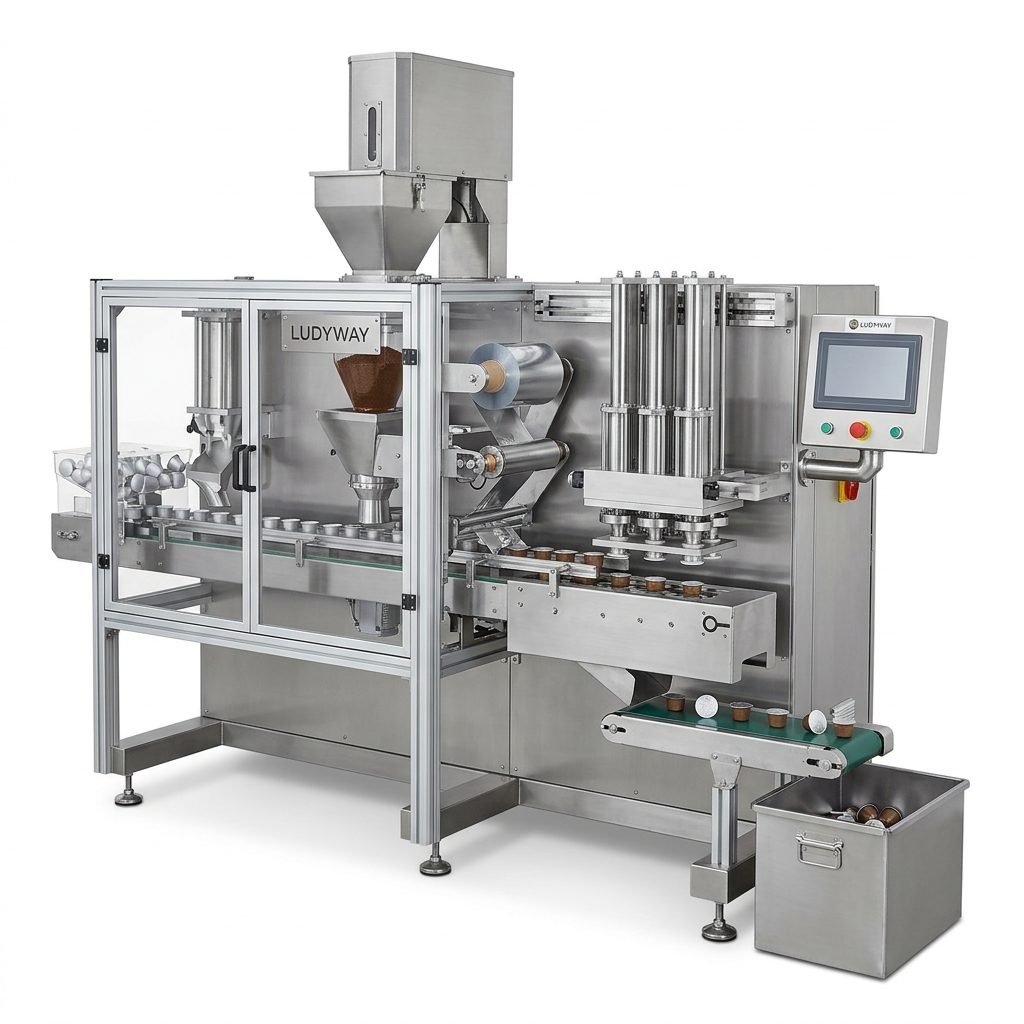
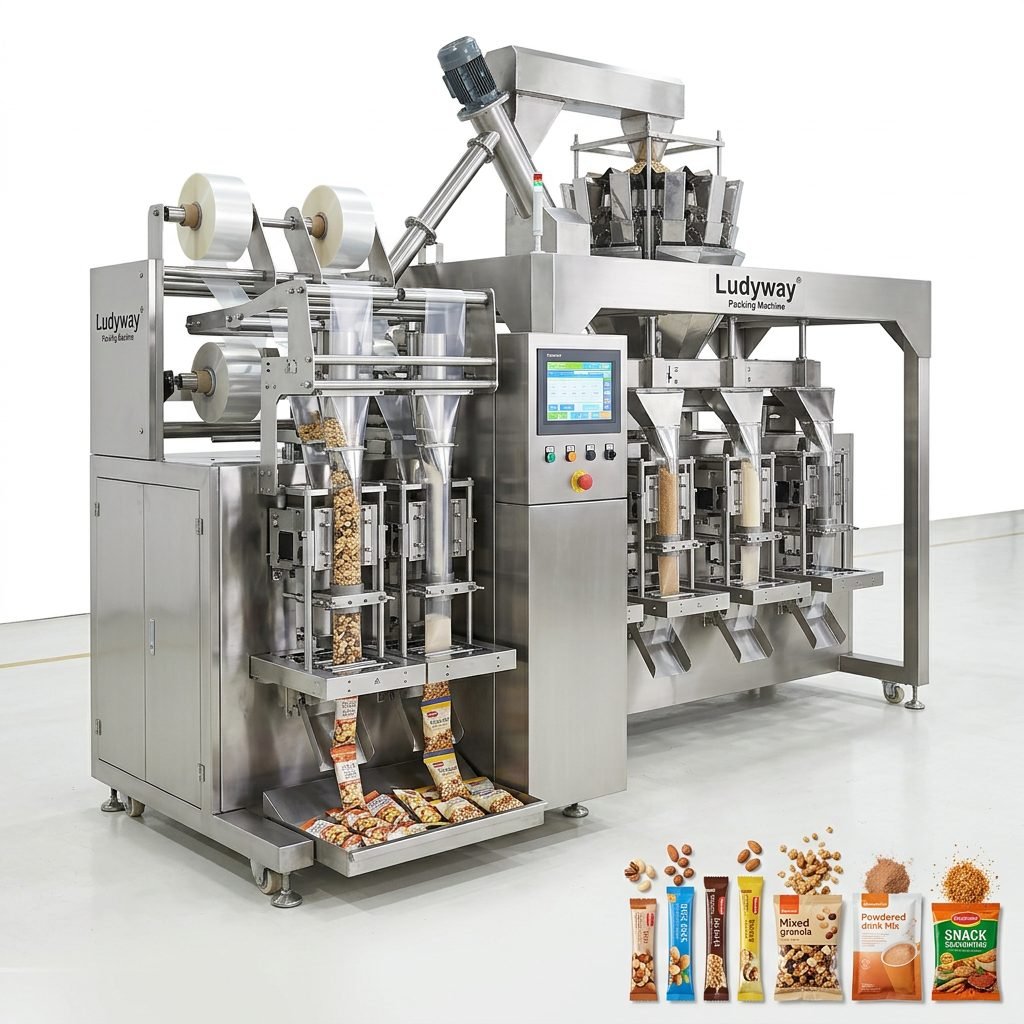
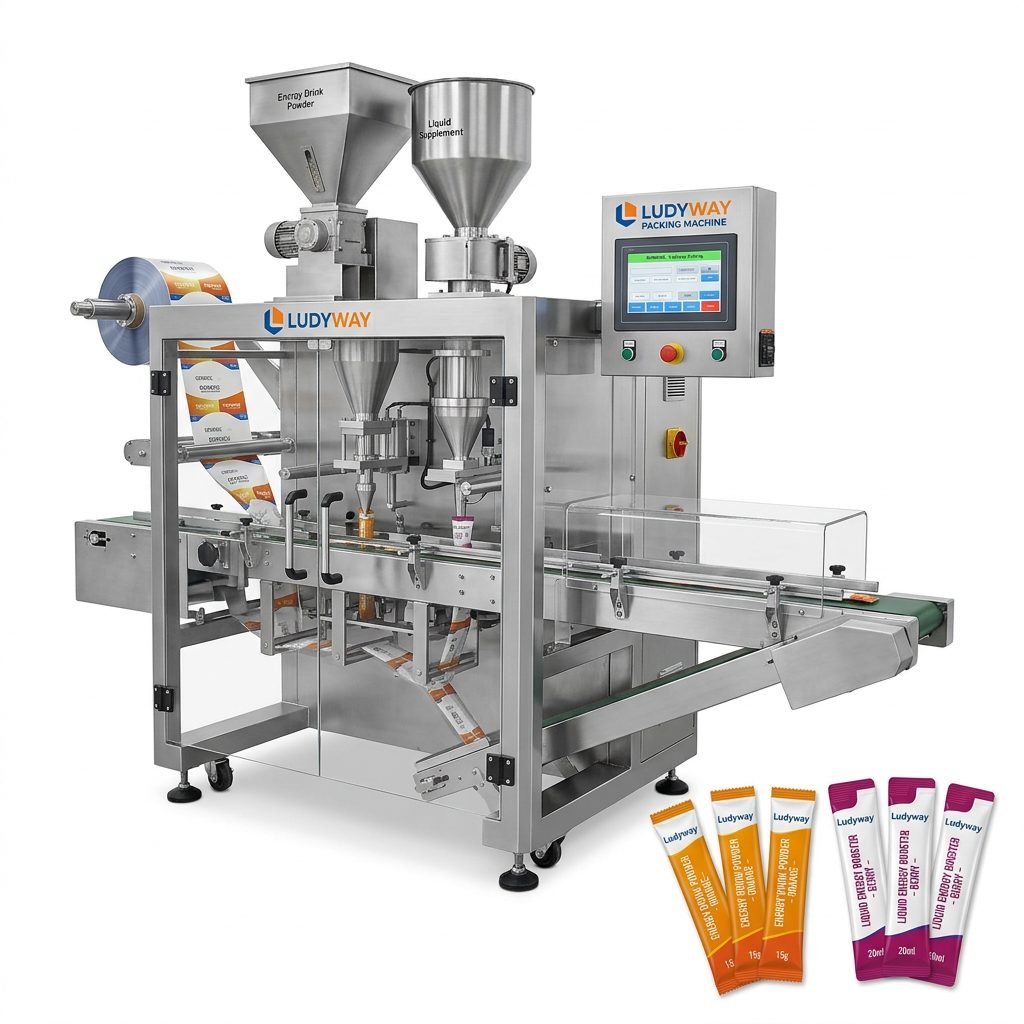
Operator performance improves significantly when machine suppliers provide structured commissioning, manuals, troubleshooting support, spare parts guidance, and practical training resources. Companies sourcing automated systems often look for manufacturers that can support both standalone equipment and complete line integration. For businesses evaluating long-term automation partners, Ludyway packaging machine solutions are often considered for applications across food, pharmaceutical, health supplement, cosmetic, and related sectors.
Best Practices Checklist for Training Packaging Machine Operators
- Start with machine safety and hazard awareness
- Use role-based training paths
- Teach machine function, not just button pressing
- Standardize SOPs and visual instructions
- Train progressively from observation to qualification
- Include changeover, quality, and troubleshooting skills
- Use real production scenarios for hands-on practice
- Measure results with downtime, scrap, and OEE data
- Repeat refresher training regularly
- Maintain a skills matrix for cross-training and planning
Final Thought for Packaging Operations Managers
The best packaging machine training programs create operators who are safe, attentive, and process-aware. When training is structured, documented, and reinforced through daily practice, packaging lines become more reliable, quality improves, and production teams gain confidence. In competitive manufacturing environments, operator capability is not a secondary issue—it is a direct driver of operational success.