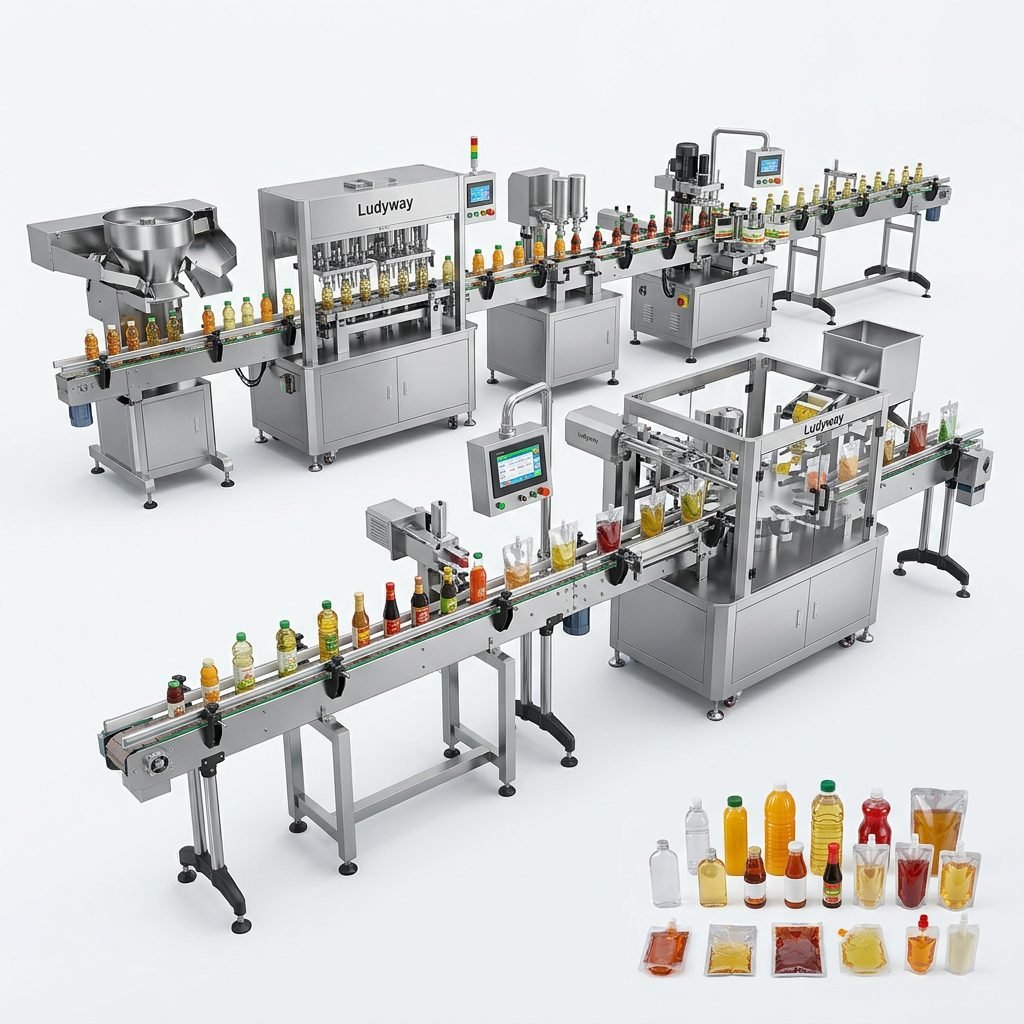
For many small factories, packaging automation feels like a big-company investment. The usual concerns are understandable: limited budget, restricted floor space, uncertain order volume, and fear of buying equipment that is either too complex or too expensive to maintain.
The good news is that packaging automation is no longer only for high-volume multinational plants. In many cases, small and medium-sized factories can benefit significantly from the right level of automation—especially when labor costs, product consistency, output stability, and compliance requirements are becoming more demanding.
What matters most is not whether a factory is “small,” but whether its packaging process has reached the point where manual work is creating bottlenecks, waste, or quality risk.
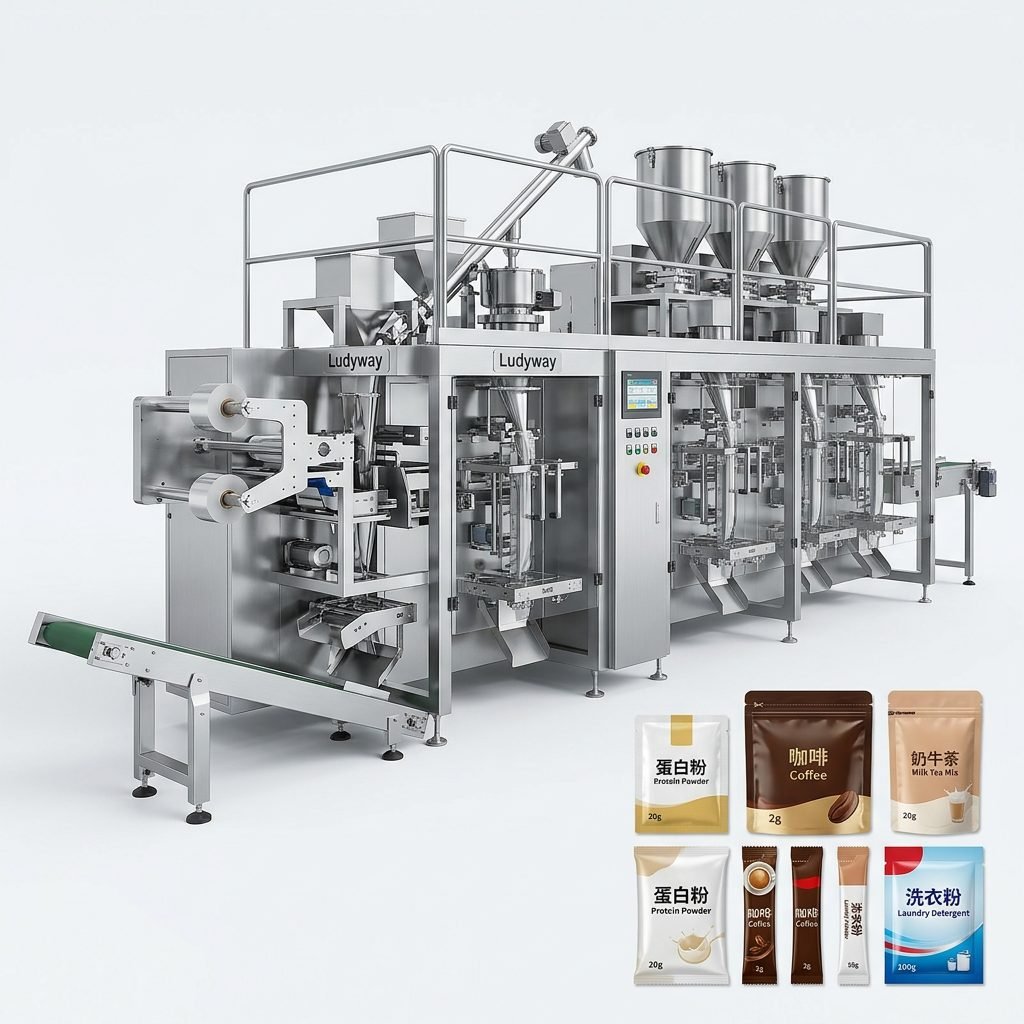
Why Small Factories Start Considering Packaging Automation
Most small factories do not invest in automation just to follow industry trends. They usually make the move when manual packing starts causing real operational problems.
- Production cannot keep up with new orders
- Packaging quality changes from shift to shift
- Labor shortages make staffing unreliable
- Material waste is increasing
- Product weight or fill accuracy is inconsistent
- Customer complaints about appearance or sealing are rising
- Retail or export buyers require more standardized packaging
If a small factory is facing two or more of these issues, automation may already be financially reasonable. Even a semi-automatic or compact automatic packaging machine can relieve pressure in a very practical way.
Key Benefits of Packaging Automation for Small Factories
1. Higher Output Without Expanding Labor Too Much
One of the clearest advantages is productivity. A packaging machine can often handle repetitive tasks much faster than a manual team, especially for filling, sealing, counting, coding, and conveying.
Instead of adding more operators every time demand rises, a factory can use automation to increase throughput with a leaner team.
2. Better Packaging Consistency
Manual packaging often leads to uneven fill weights, irregular seals, inconsistent bag appearance, and labeling errors. Automation improves repeatability, which is especially important for food, pharmaceuticals, supplements, cosmetics, and chemical products.
Consistent packaging helps small factories build a stronger brand image and reduce rejection rates from distributors or end customers.
3. Lower Long-Term Labor Dependence
Small factories are often more vulnerable to labor turnover than large plants. If experienced packers leave, output can drop immediately. Automation reduces dependence on manual speed and individual skill, making production more stable.
4. Reduced Waste and Rework
Accurate dosing, controlled sealing temperatures, and synchronized feeding can significantly reduce packaging film waste, product loss, and defective packs. Over time, this creates measurable savings.
5. Easier Compliance and Traceability
For regulated sectors, automation can support coding, batch control, cleaner packaging processes, and more predictable documentation routines. This is valuable for factories supplying export markets or contract manufacturing clients.
6. Scalability for Future Growth
A well-chosen machine gives a small factory room to grow. Today it may run one product on one shift; tomorrow it may support more SKUs, higher output, or integration with labeling, checkweighing, cartoning, or palletizing.
| Benefit | How It Helps a Small Factory |
|---|---|
| Higher efficiency | Packages more units per hour with fewer manual steps |
| Stable quality | Improves seal integrity, filling accuracy, and appearance consistency |
| Labor savings | Reduces dependence on large packaging crews |
| Lower waste | Cuts product giveaway, film waste, and rework |
| Business growth | Makes it easier to accept bigger orders and new customers |
When Packaging Automation May Not Be the Right Fit Yet
Automation is not automatically the right move for every small factory. In some situations, delaying investment or choosing a smaller solution makes more sense.
- Production volume is still very low and irregular
- Packaging formats change too frequently without clear standardization
- Product demand is not yet stable enough to justify capital investment
- There is no technical support plan for machine operation and maintenance
- The factory has not optimized basic workflow before looking at automation
For example, if a factory still changes bag types, weights, or product formats every day with no standard packaging process, a full automatic line may create unnecessary complexity. In that case, semi-automatic equipment or modular automation may be a better first step.
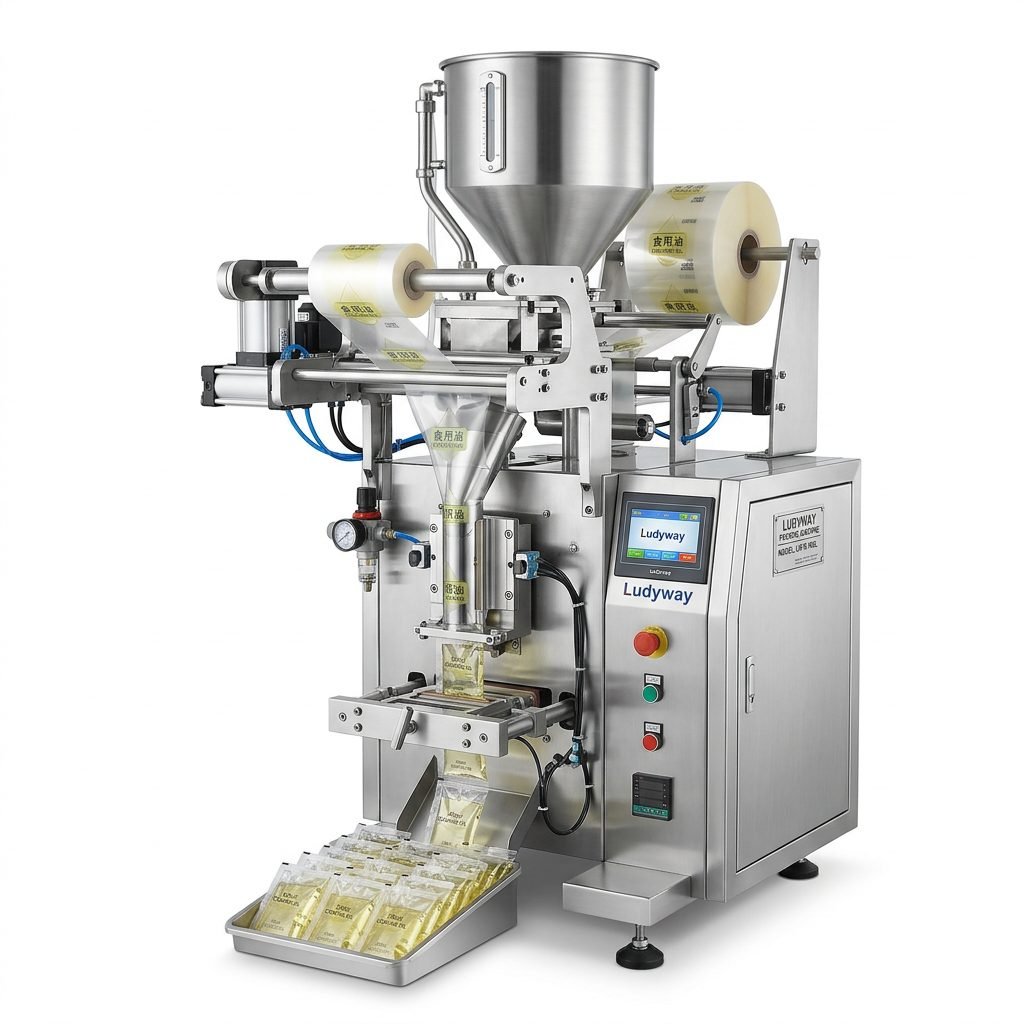
Main Challenges Small Factories Face with Packaging Automation
Initial Investment Pressure
The biggest concern is usually the upfront cost. Even if the machine pays back over time, small manufacturers often need to manage cash flow carefully. Besides the machine itself, there may also be costs for installation, training, spare parts, and packaging material trials.
Space Constraints
Many small plants work in compact workshops where every square meter matters. Large turnkey systems may not fit existing layouts. This is why compact vertical packaging systems, small-footprint sachet machines, and modular conveyors are often more suitable.
Technical Skills Gap
Operators who are experienced in manual packaging may need time to adapt to automated equipment. Without training, even a good machine can underperform.
Overbuying Equipment
Some factories choose equipment based on maximum future ambition rather than current operational reality. This can lead to oversized systems, difficult format changes, and longer return on investment.
Maintenance Concerns
Small factories often do not have a dedicated in-house engineering team. If maintenance is complicated or spare parts are hard to obtain, downtime can become a serious issue.
Practical Solutions That Make Automation More Suitable
Start with One Bottleneck
Instead of automating the entire end-of-line process at once, start with the packaging step that causes the most delay or waste. This may be:
- Filling
- Sealing
- Weighing
- Date coding
- Pouch feeding
- Cartoning
This approach lowers risk and creates faster, clearer ROI.
Choose Modular Equipment
Modular packaging lines allow small factories to add equipment gradually. A business might begin with a filling and sealing machine, then later add a conveyor, checkweigher, coding system, cartoner, or palletizer.
Focus on Product-Machine Fit
The best automation choice depends on product type, packaging material, dosage range, speed requirements, and available space. Powders, granules, liquids, pastes, tablets, and pouches all require different handling methods.
Standardize Packaging Before Scaling
Before purchasing equipment, small factories should simplify packaging specifications where possible. Fewer pouch sizes, clearer weight targets, and stable packaging materials make automation easier and more cost-effective.
Work with an Experienced Supplier
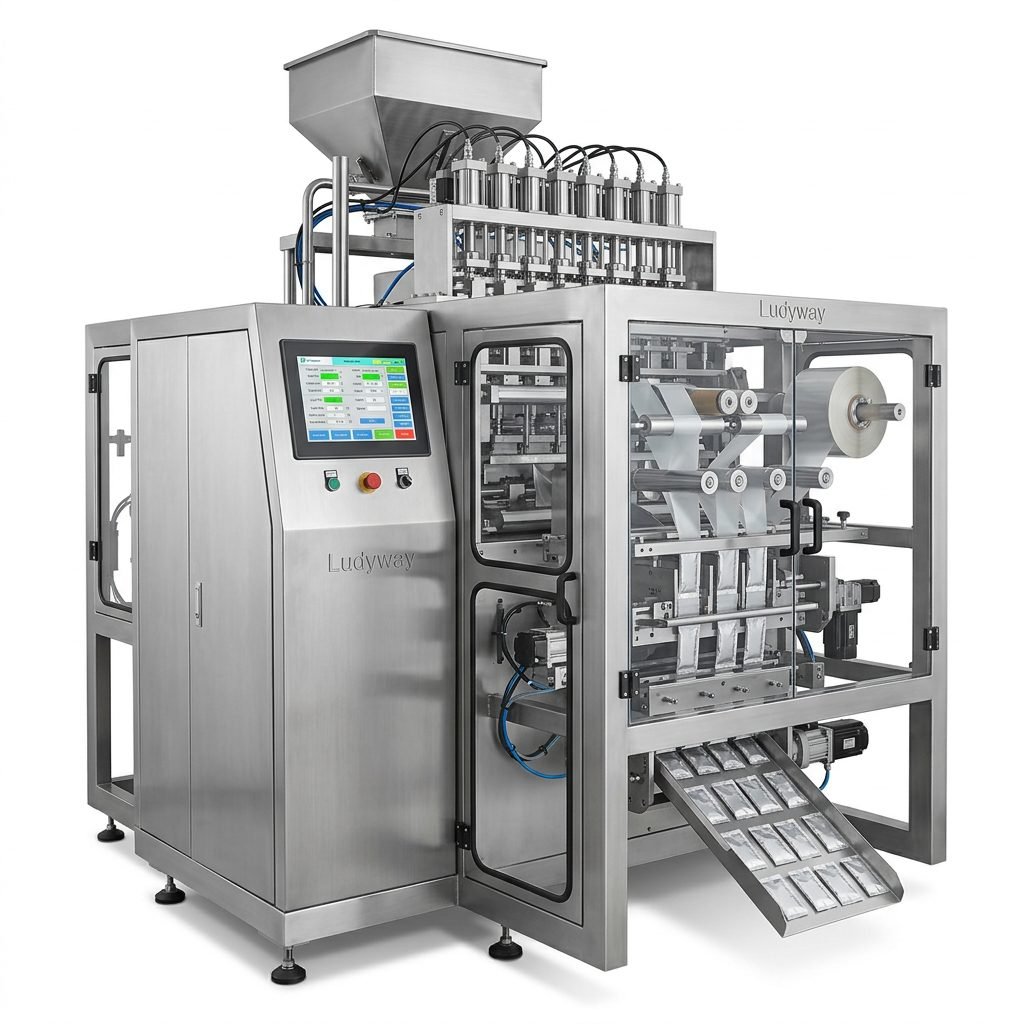
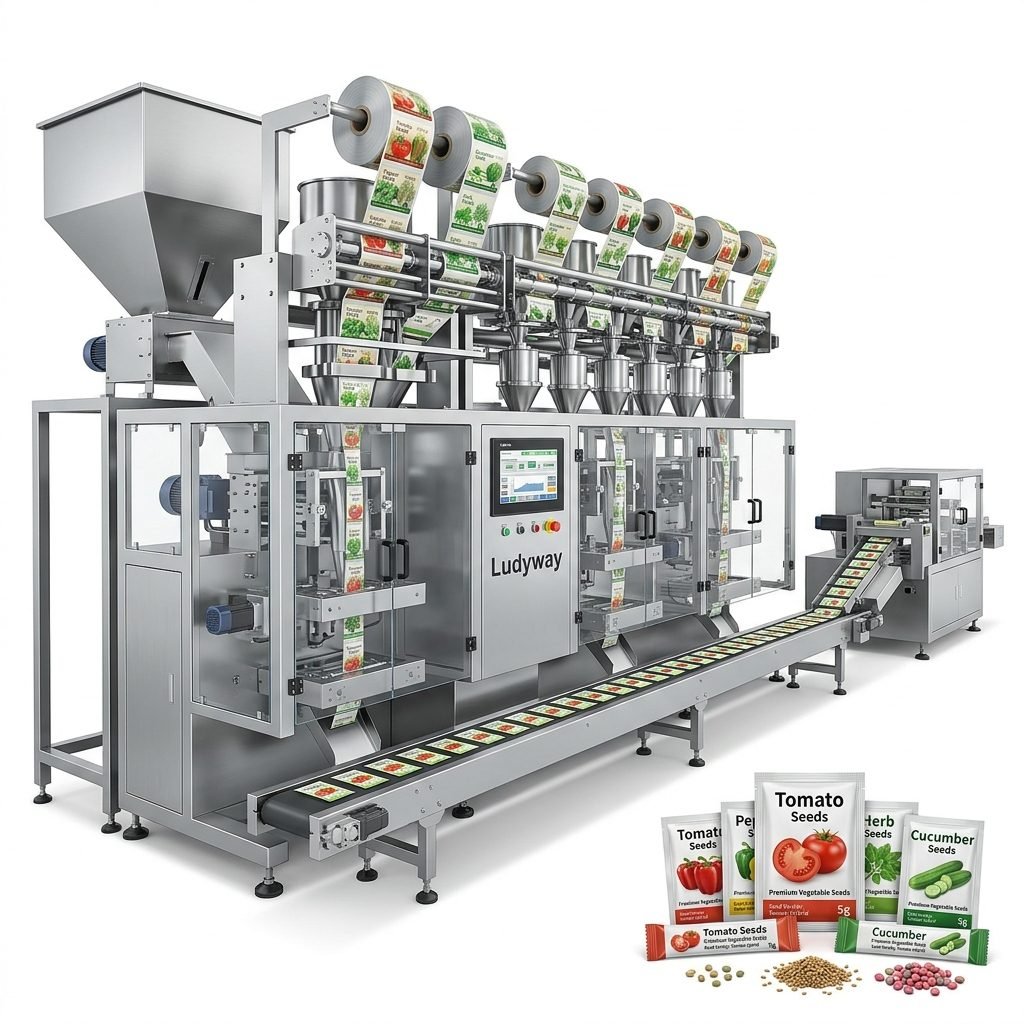
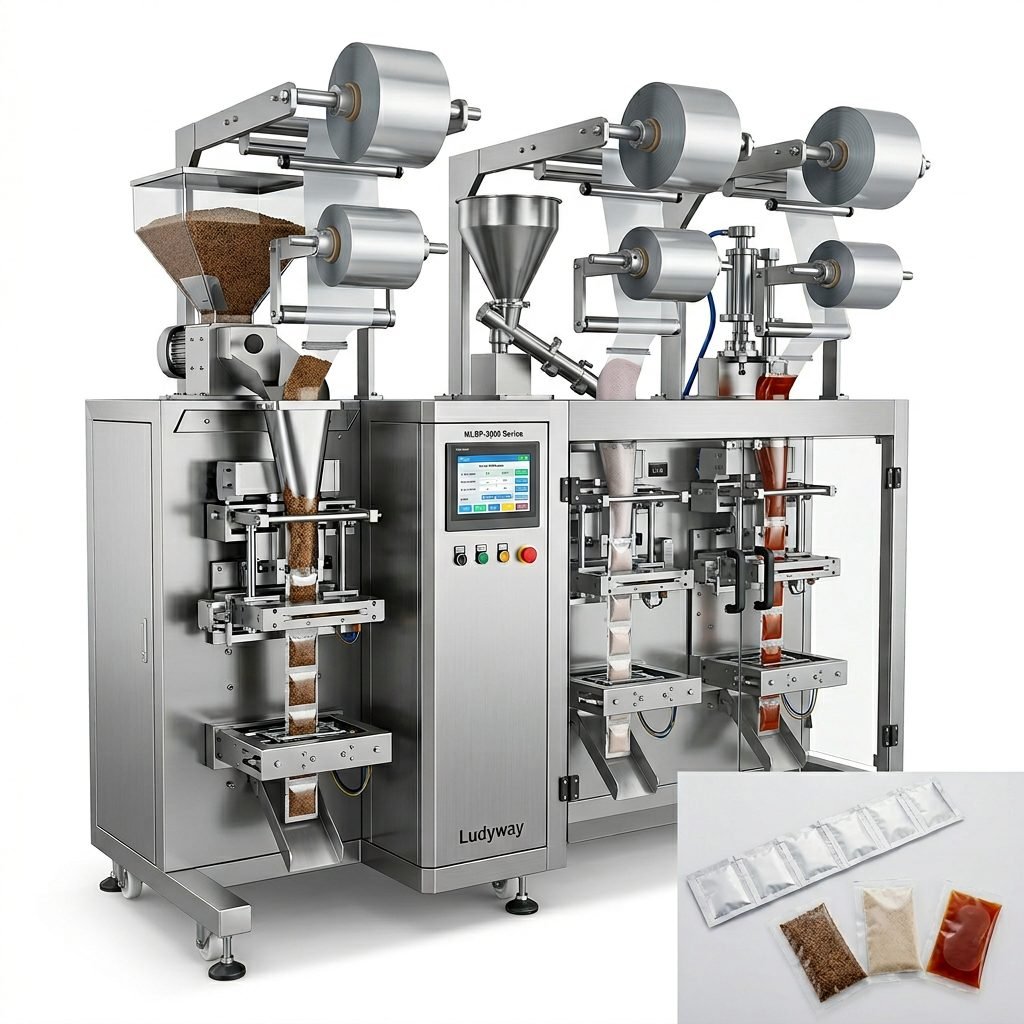
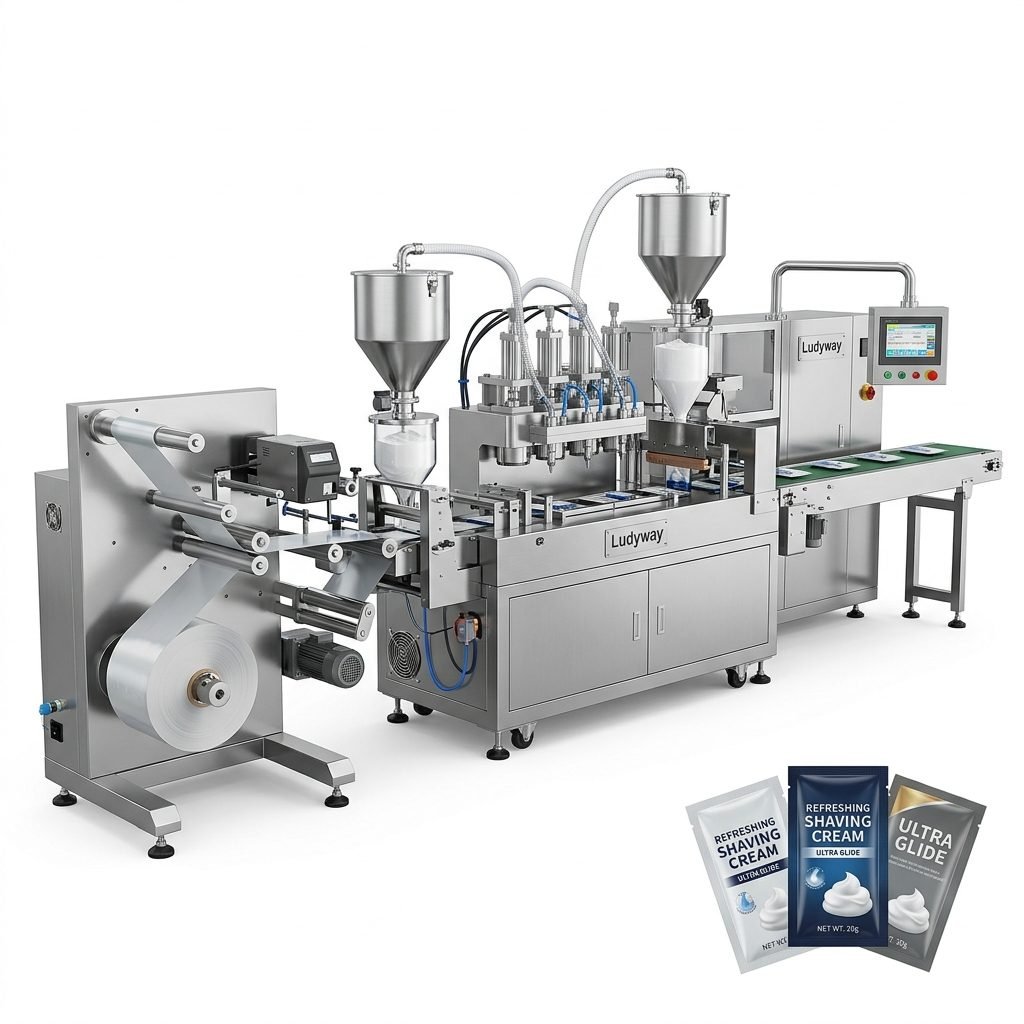
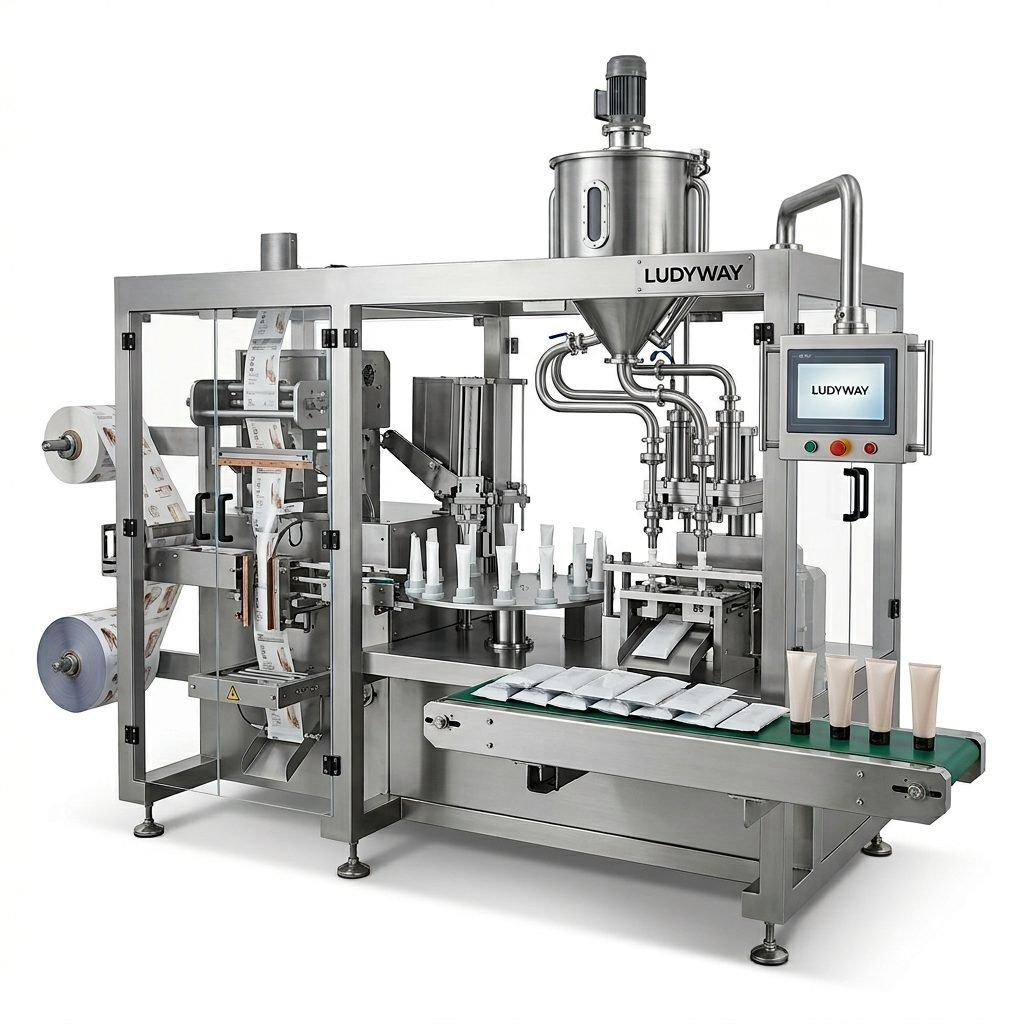
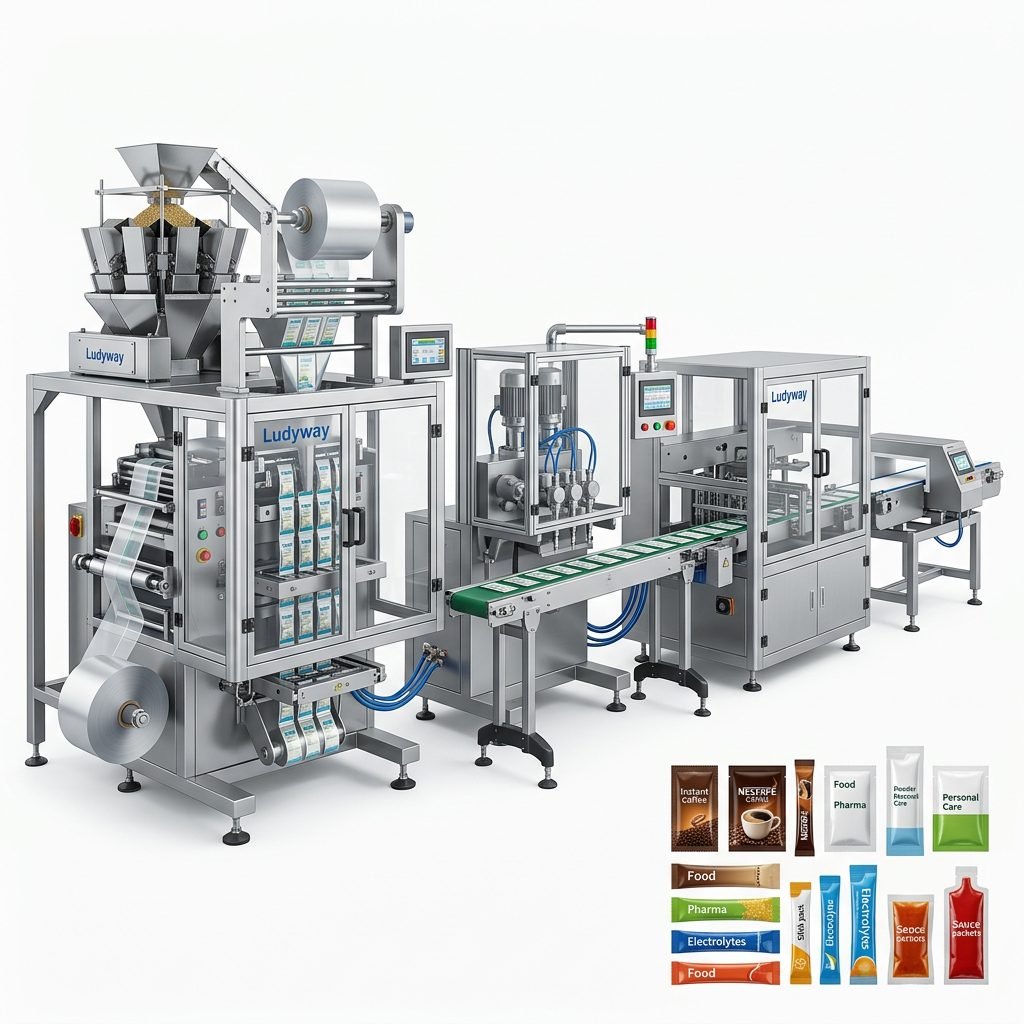
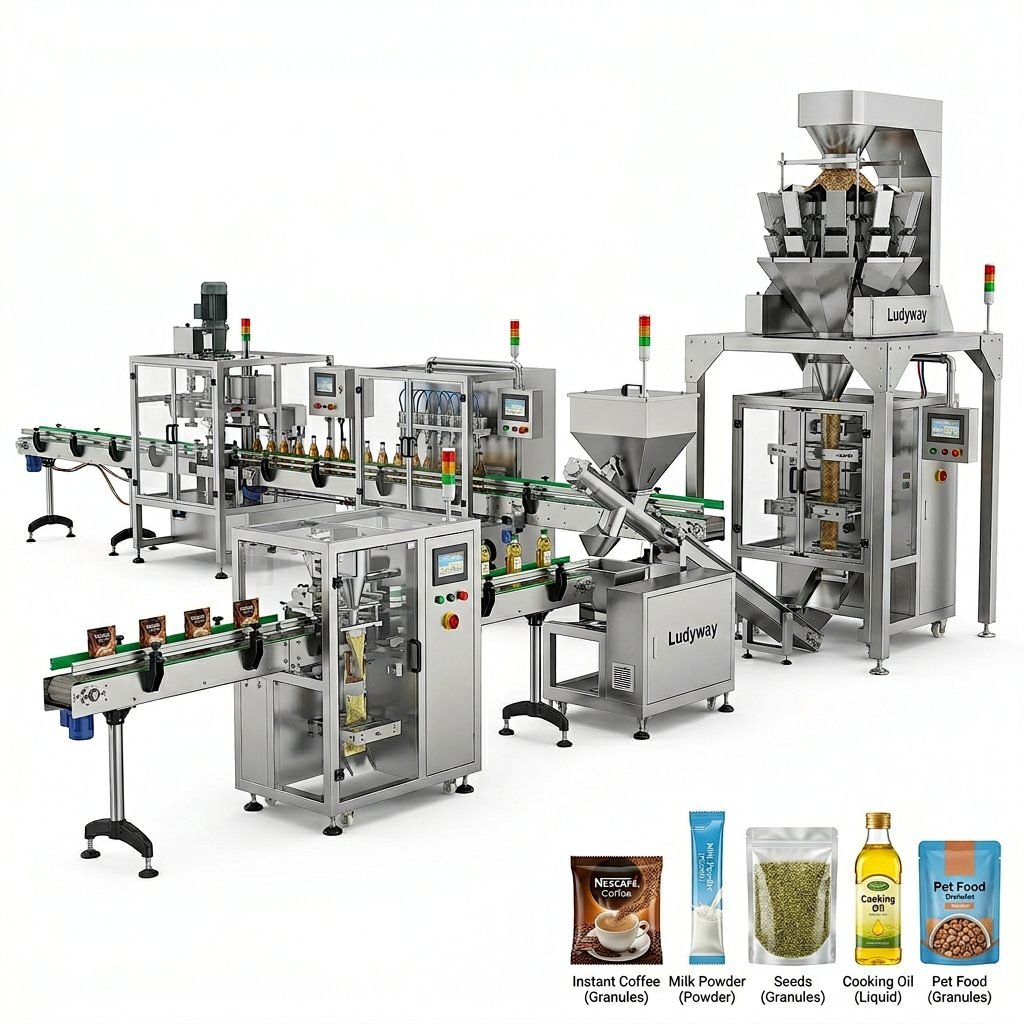
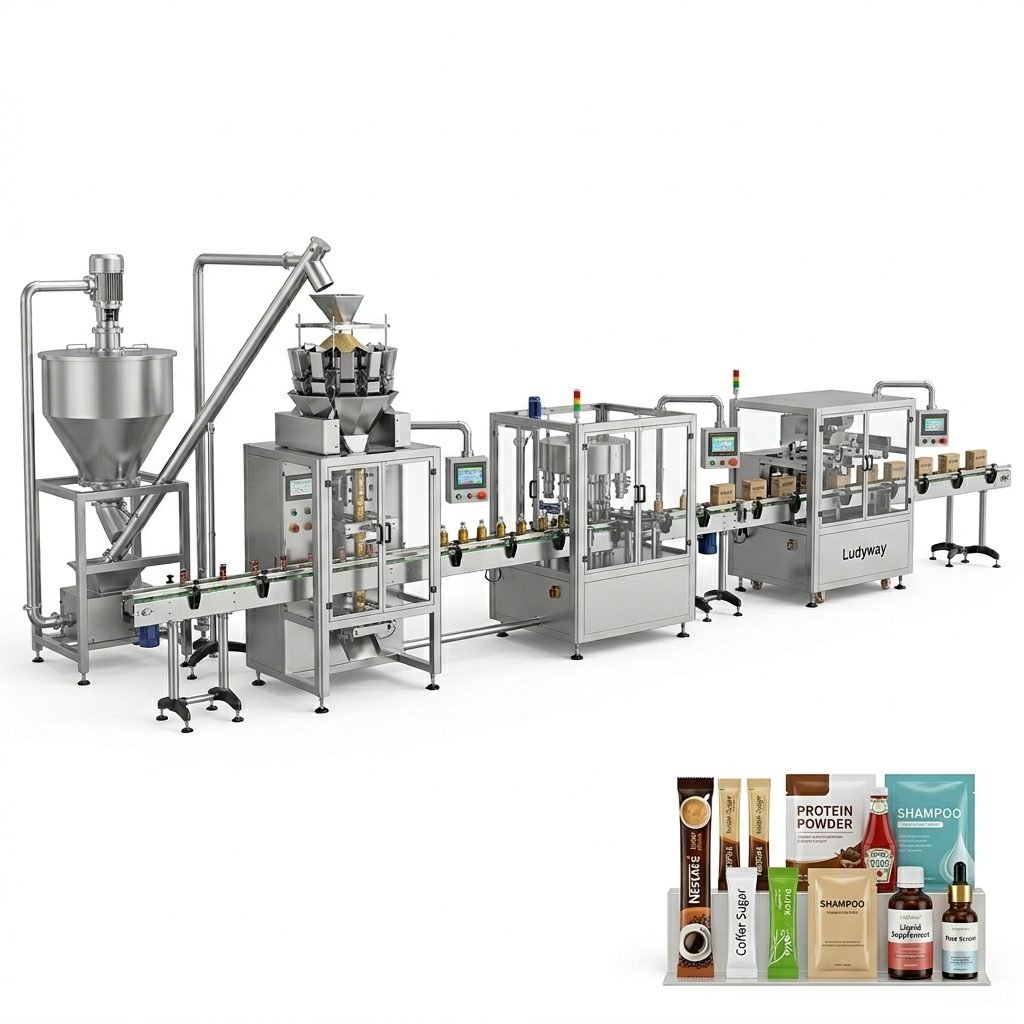
An experienced manufacturer can help avoid costly mismatches. Companies such as Ludyway packaging machine manufacturer support factories with packaging solutions for powders, granules, liquids, sachets, stick packs, and complete turnkey lines, which is especially useful for buyers who need scalable options rather than oversized systems.
Which Types of Small Factories Benefit Most?
Packaging automation is especially suitable for small factories that already have stable demand and repetitive packaging requirements.
| Factory Type | Why Automation Works Well |
|---|---|
| Food powder and seasoning plants | Need accurate dosing, good sealing, and clean packaging |
| Supplement manufacturers | Require consistency, branding, and batch traceability |
| Pharmaceutical packing operations | Benefit from standardized processes and quality control |
| Cosmetic sachet producers | Need attractive, repeatable pack appearance |
| Chemical and daily-use product plants | Improve safety, dosing precision, and line efficiency |
Signs Your Small Factory Is Ready for Packaging Automation
If you are unsure whether the timing is right, these are strong indicators that automation can add value now:
- Manual packaging is slowing down shipments
- You regularly hire temporary labor to handle orders
- Packaging defects are affecting customer satisfaction
- Product giveaway is eating into margins
- You need to improve hygiene or compliance standards
- You want to expand into supermarkets, distributors, or export markets
- Your team spends too much time on repetitive low-value packaging tasks
How to Control Risk Before Buying
Small factories can reduce investment risk by following a simple evaluation process.
Review current packaging data
- Units packed per hour
- Labor cost per shift
- Waste rate
- Defect rate
- Downtime from manual handling
Define clear automation goals
- Increase output by a target percentage
- Reduce labor by a certain number of operators
- Improve weight accuracy
- Reduce sealing defects
- Standardize presentation for retail or export
Ask the right supplier questions
- What products and bag types can the machine handle?
- How easy is changeover?
- What floor space is required?
- What training is included?
- What spare parts support is available?
- Can the system be expanded later?
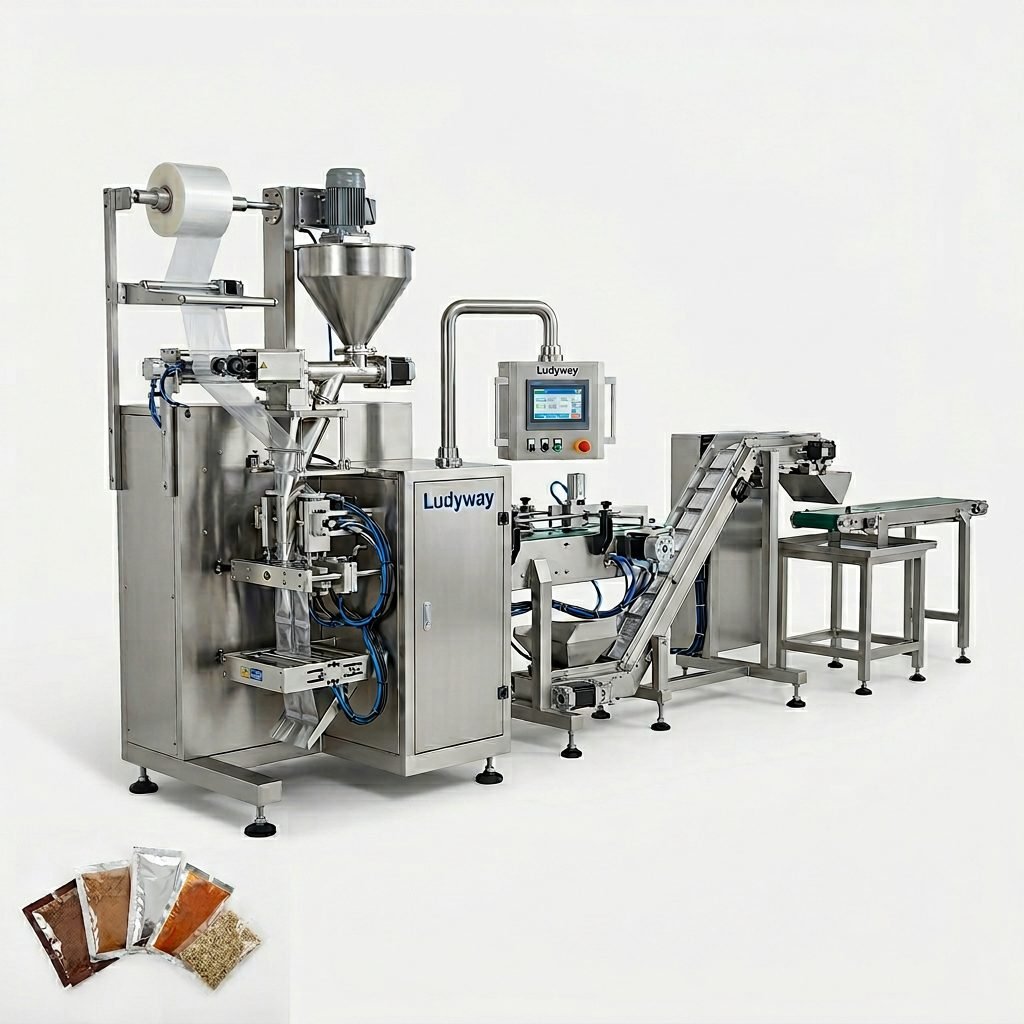
Best Approach: Right-Sized Automation, Not Maximum Automation
The smartest strategy for a small factory is usually not full automation from day one. It is right-sized automation: equipment that matches today’s product mix, budget, staffing reality, and floor space while leaving room for future expansion.
That may mean:
- A compact vertical form-fill-seal machine
- A semi-automatic filling and sealing setup
- A small sachet or stick pack machine
- A modular line with conveyor and coding integration
- A standalone machine that can later connect to a larger packaging line
Final Decision: Is Packaging Automation Suitable for Small Factories?
Yes—in many cases, packaging automation is highly suitable for small factories. The key is choosing equipment based on actual production needs rather than assumptions.
When a factory has stable products, recurring orders, manual bottlenecks, and clear quality targets, automation can deliver strong benefits through better efficiency, lower labor dependence, improved consistency, and scalable growth.
However, success depends on selecting the right machine size, realistic speed, practical layout, and dependable technical support. For small manufacturers, the best investment is rarely the biggest system. It is the one that solves today’s packaging problem while preparing the business for tomorrow’s demand.