Choosing between sachet packaging and bottle packaging is not simply a matter of cost or appearance. The better option depends on your product type, target market, distribution model, shelf strategy, and production goals. In many industries, both formats can perform well—but for very different reasons.
For brands selling liquids, powders, gels, supplements, seasonings, cosmetics, or pharmaceutical products, the key question is this: which format delivers the best balance of convenience, protection, cost efficiency, and customer value?
What Is Sachet Packaging?
Sachet packaging refers to small, sealed flexible packs made from multilayer films, often designed for single-use or small-dose products. Sachets are common in:
- Shampoo, lotion, and cosmetic samples
- Instant coffee, sugar, and seasonings
- Pharmaceutical powders and oral liquids
- Health supplements and drink mixes
- Sauces, gels, and cleaning products
What Is Bottle Packaging?
Bottle packaging uses rigid containers made from plastic, glass, or sometimes metal. It is often used for:
- Beverages and edible oils
- Shampoo, body wash, and detergents
- Capsules, tablets, and liquid supplements
- Pharmaceutical syrups
- Household chemicals and industrial liquids
Quick Comparison: Sachet vs Bottle Packaging
| Factor | Sachet Packaging | Bottle Packaging |
|---|---|---|
| Material usage | Low | Higher |
| Portability | Excellent | Moderate |
| Resealability | Usually no | Usually yes |
| Unit-dose control | Excellent | Less precise for single use |
| Shelf presence | Good for small packs | Strong premium visibility |
| Shipping efficiency | High | Lower due to bulk |
| Premium perception | Moderate | Often stronger |
| Best for travel/sample use | Excellent | Less suitable |
Advantages of Sachet Packaging
1. Lower Packaging Material Cost Per Unit
Sachets usually require less material than bottles, caps, liners, and labels. For many fast-moving products, this can reduce total packaging cost, especially when products are sold in small quantities.
2. Ideal for Single-Use and Trial Packs
Sachets are highly effective for one-time use. This makes them ideal for samples, travel packs, promotional campaigns, and controlled-dose applications.
Best examples: shampoo sachets, oral rehydration salts, instant drink mixes, sauces, skincare serums, and powdered supplements.
3. Better Portability
Small sachets are easy to carry, distribute, and store. Consumers can place them in handbags, pockets, travel kits, or delivery boxes without adding much weight.
4. Efficient Logistics and Warehousing
Because sachets are lightweight and compact, businesses can often reduce shipping volume and storage space. This is especially useful for export operations and e-commerce distribution.
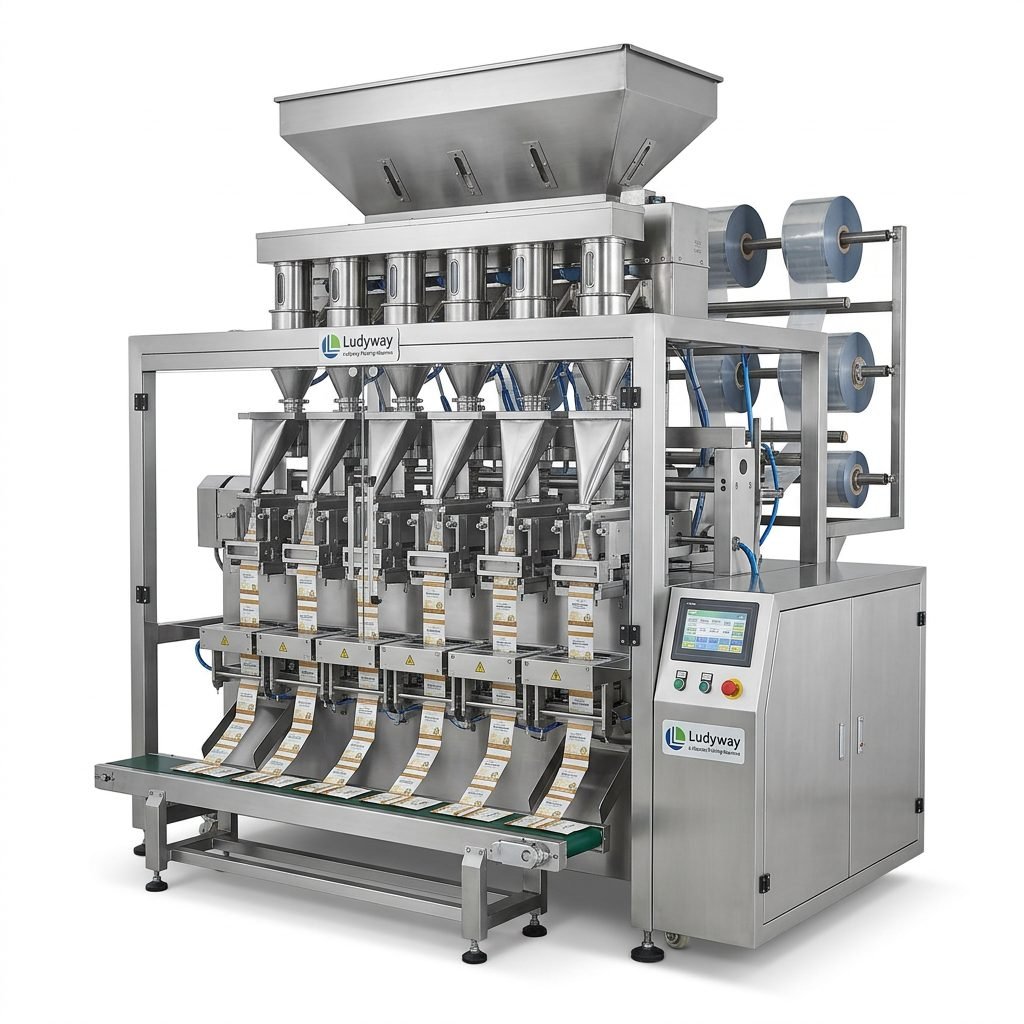
5. Strong Suitability for Multi-Lane High-Speed Production
Modern sachet lines can run at high speed with excellent consistency for powders, granules, liquids, gels, and pastes. Manufacturers looking for automated and scalable packaging often choose sachet systems for this reason.
Disadvantages of Sachet Packaging
1. Usually Not Resealable
Most sachets are designed for one-time use. If the product needs repeated opening and closing, bottle packaging is often more practical.
2. Limited Volume Capacity
Sachets work best for small to medium fill volumes. For bulk consumer products or family-size formats, bottles are usually more convenient.
3. Less Premium Shelf Appearance in Some Categories
Although sachets can look attractive, bottles often communicate a more premium, durable, and long-term value—especially in cosmetics, beverages, and supplements.
4. Recycling Challenges
Flexible laminates can be harder to recycle than some rigid packaging materials, depending on local recycling infrastructure and material design.
Advantages of Bottle Packaging
1. Better for Repeated Use
Bottles are easy to open, close, pour, and store. This makes them ideal for products used across multiple days or weeks.
2. Stronger Product Protection
Rigid bottles generally provide better structural strength during transport and shelf display. This is useful for fragile formulations, premium liquids, and products needing higher physical protection.
3. Better Branding Space and Premium Positioning
Bottles often support stronger shelf impact through shape, transparency, decoration, labeling, and cap design. This is valuable for premium or lifestyle-oriented products.
4. Consumer Familiarity
In many markets, consumers associate bottles with convenience, trust, and product durability—especially for beverages, syrups, lotions, and capsules.
Disadvantages of Bottle Packaging
- Higher material cost per unit
- More storage and shipping space required
- Heavier for transport and e-commerce delivery
- Less suitable for small trial-size or low-income entry-point pricing
- May increase line complexity with rinsing, filling, capping, labeling, and secondary packing
When Sachet Packaging Is Better
Sachet packaging is often the better choice when your product strategy depends on portion control, affordability, mobility, and high-throughput output.
Best use cases for sachets:
- Single-dose pharmaceutical products
- Travel-size personal care products
- Sample marketing campaigns
- Powdered drink mixes and supplements
- Condiments and sauces
- Low-cost retail packs for high-volume markets
- E-commerce inserts and promotional bundles
For example, sachets are highly effective when brands want to reduce the entry price of a product, encourage first-time trials, or serve users who value convenience over long-term storage.
When Bottle Packaging Is Better
Bottle packaging is often the better option when the product requires repeated usage, premium presentation, structural protection, or easy dispensing.
Best use cases for bottles:
- Beverages and syrups
- Shampoo and body wash for household use
- Capsules, tablets, and vitamin products
- Premium skincare and cosmetics
- Industrial liquids and chemicals
- Products sold in family-size or bulk formats
Which Packaging Is Better for Different Industries?
| Industry | Better Format | Reason |
|---|---|---|
| Food seasonings | Sachet | Portion control and convenience |
| Instant beverages | Sachet | Single-serve consumption |
| Household shampoo | Bottle | Repeated daily use |
| Travel cosmetics | Sachet | Compact and lightweight |
| Premium skincare | Bottle | Luxury positioning and dispensing control |
| Pharmaceutical powders | Sachet | Dose accuracy and hygiene |
| Vitamin capsules | Bottle | Convenient repeated access |
| Sample detergents | Sachet | Low-cost trial format |
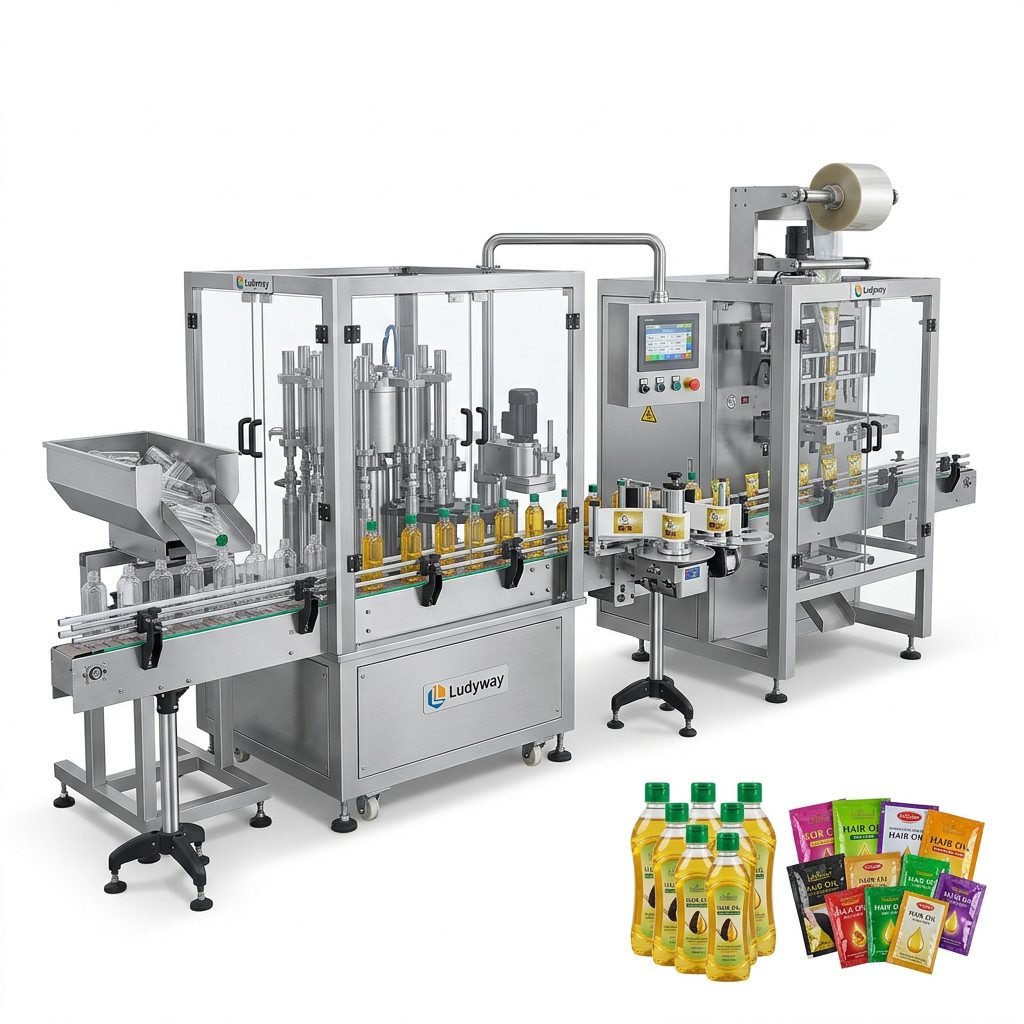
Cost Considerations: Which One Saves More?
In many cases, sachets offer lower unit packaging costs, but total economics depend on the full production model. You should evaluate:
- Packaging material cost
- Machine investment
- Line speed and labor needs
- Transportation and warehousing
- Product wastage
- Retail pricing strategy
If your business sells high-volume, low-dose units, sachets can deliver excellent efficiency. If your product relies on repeat use and stronger visual branding, bottles may generate better long-term commercial value.
Consumer Experience Matters Too
Packaging is not only an operations decision—it is also a user experience decision.
Sachets support convenience, hygiene, and exact consumption. Bottles support familiarity, control, and long-term handling comfort.
A practical rule: if the product is meant to be used once, sachets usually win. If it is meant to be used repeatedly, bottles usually win.
Can Brands Use Both Sachets and Bottles?
Yes. In fact, many successful brands do. A dual-format packaging strategy can help you serve different customer segments at the same time.
- Bottles for standard retail and premium channels
- Sachets for travel, sampling, promotions, hospitals, hotels, and emerging markets
This approach can improve market reach without changing the core product formula.
How to Decide the Best Packaging for Your Product
Ask these questions:
- Is the product for single use or repeated use?
- Does the customer care more about portability or reusability?
- What is the target retail price?
- How important is premium shelf impact?
- Will the product be exported or sold through e-commerce?
- Do you need high-speed automated output?
- What filling accuracy and barrier properties are required?
Brands that answer these questions clearly can usually identify the more profitable format faster.
Packaging Machinery Also Influences the Decision
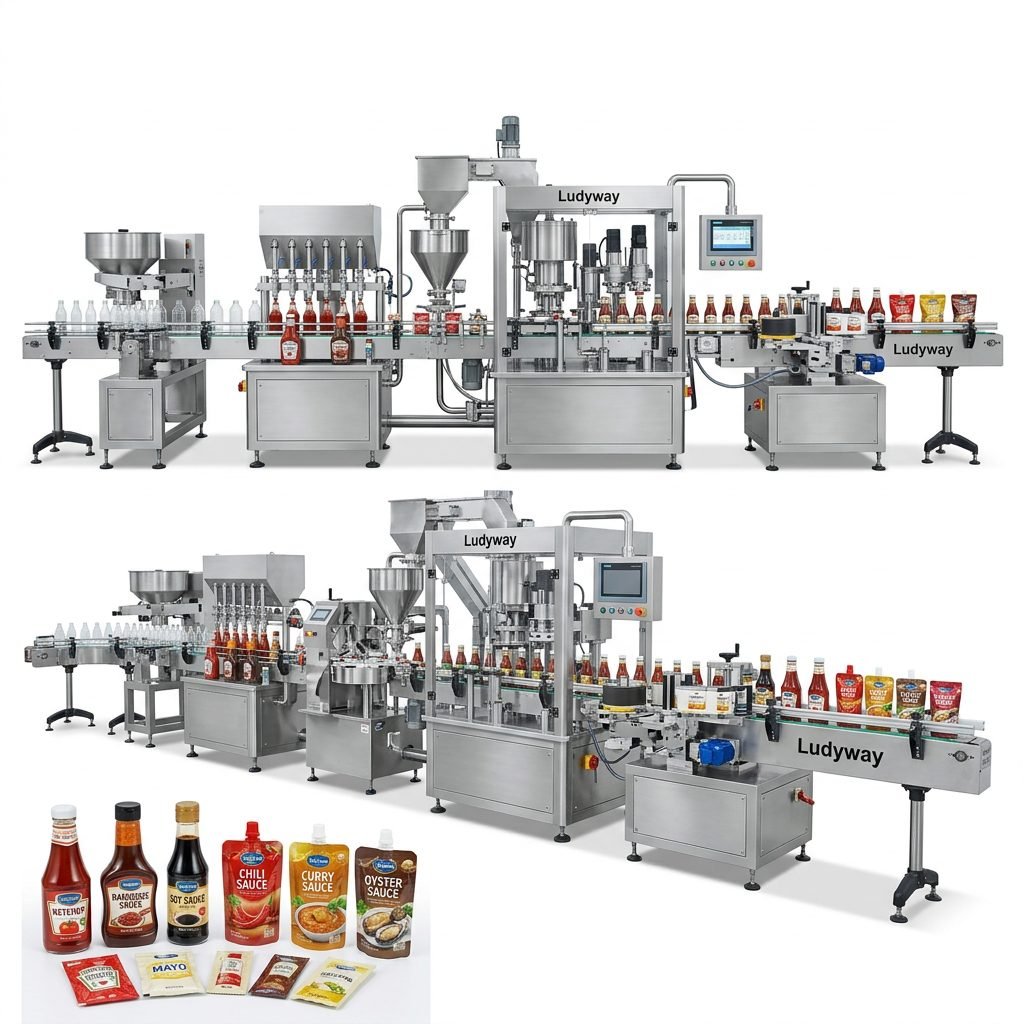
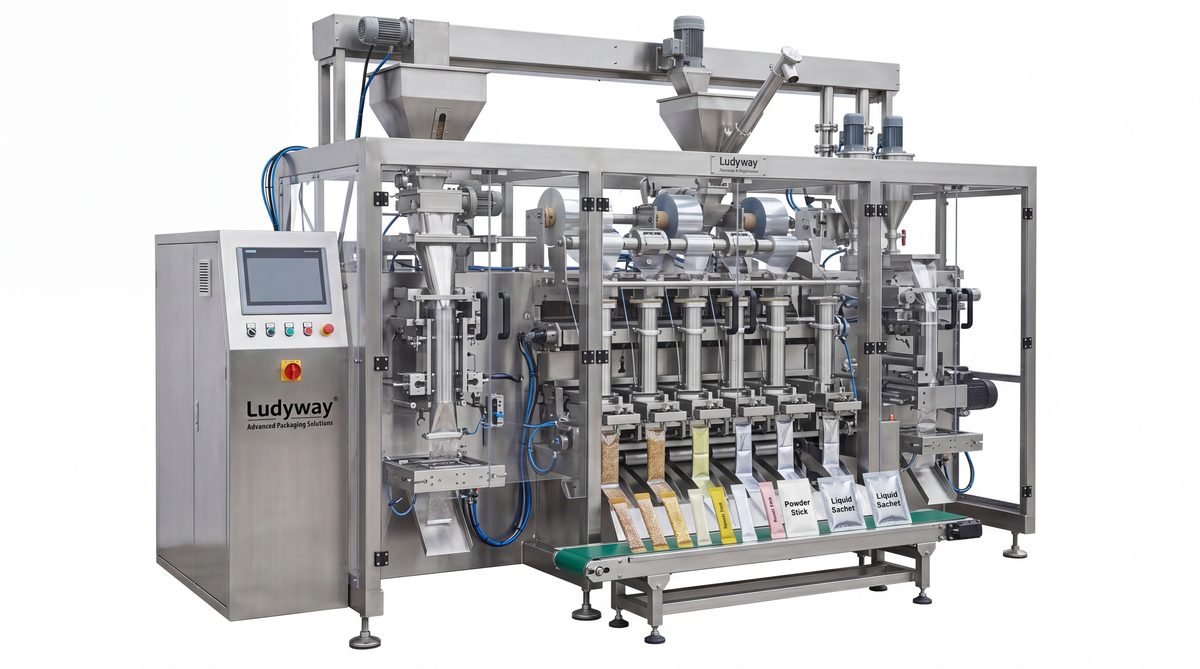
The right format should match the right production system. Sachet packaging often requires accurate dosing, film handling, sealing stability, and efficient multi-lane performance. Bottle packaging may require rinsing, filling, capping, labeling, and secondary packing integration.
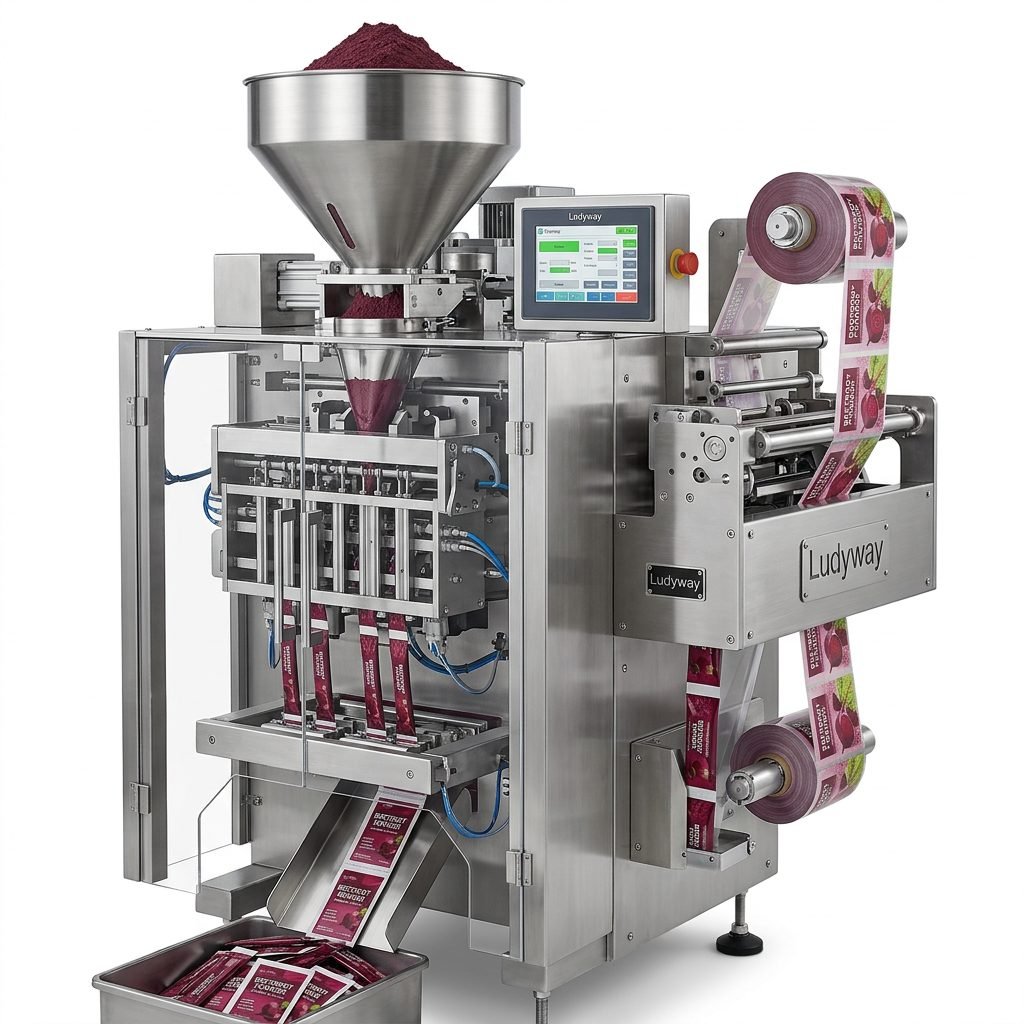
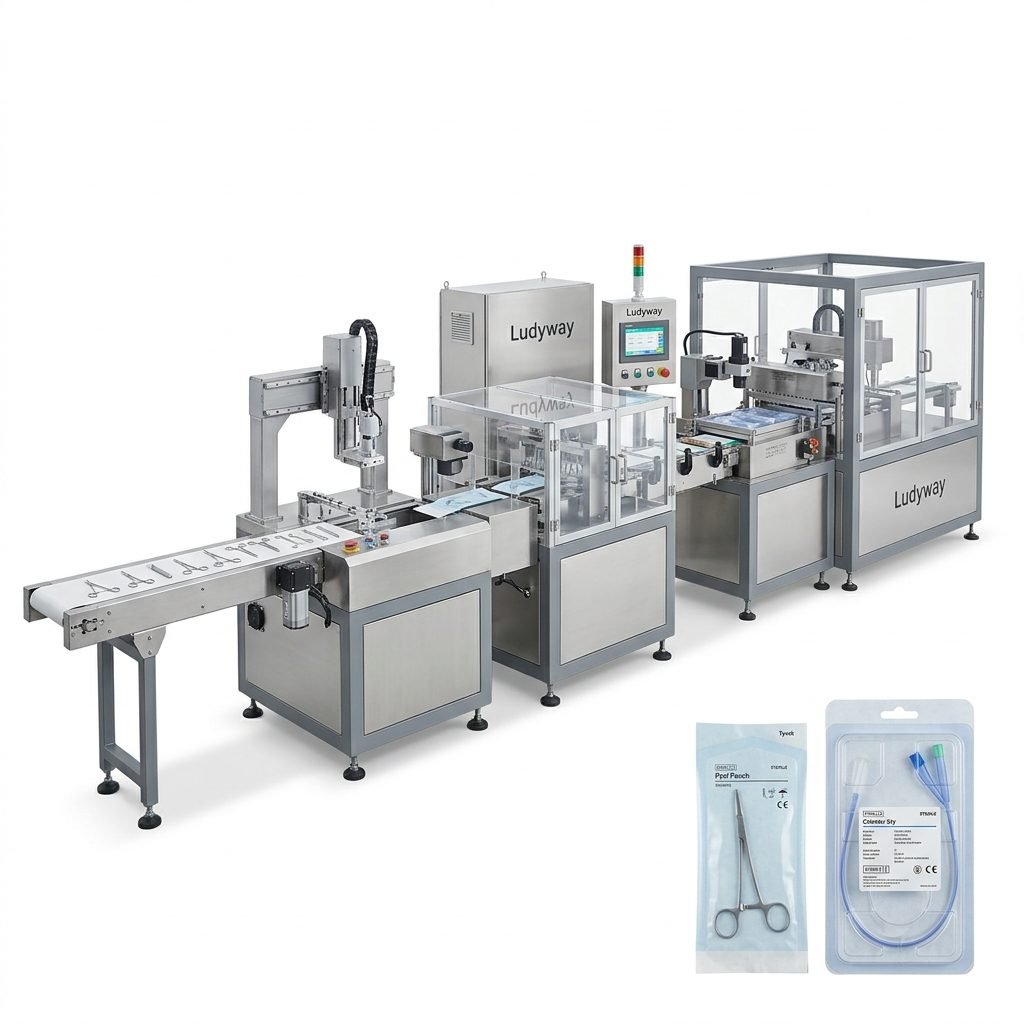
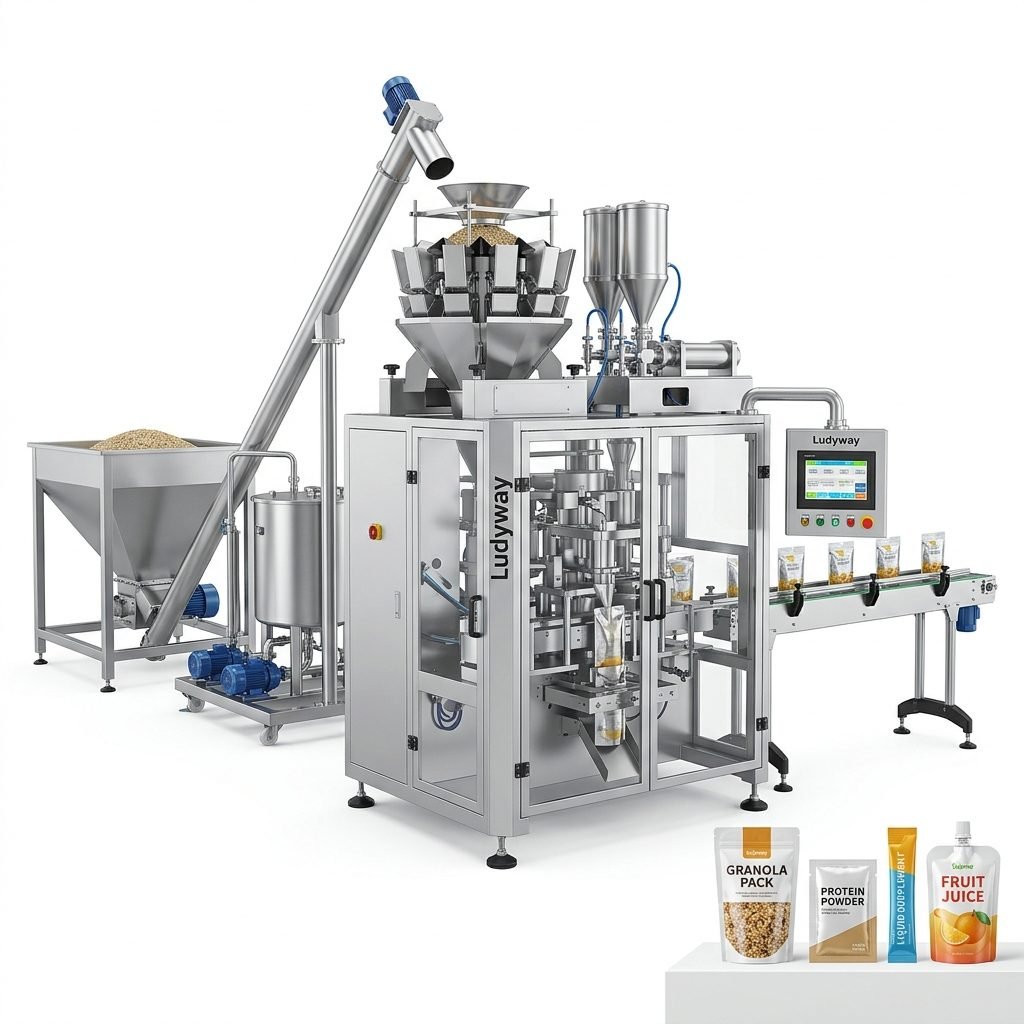
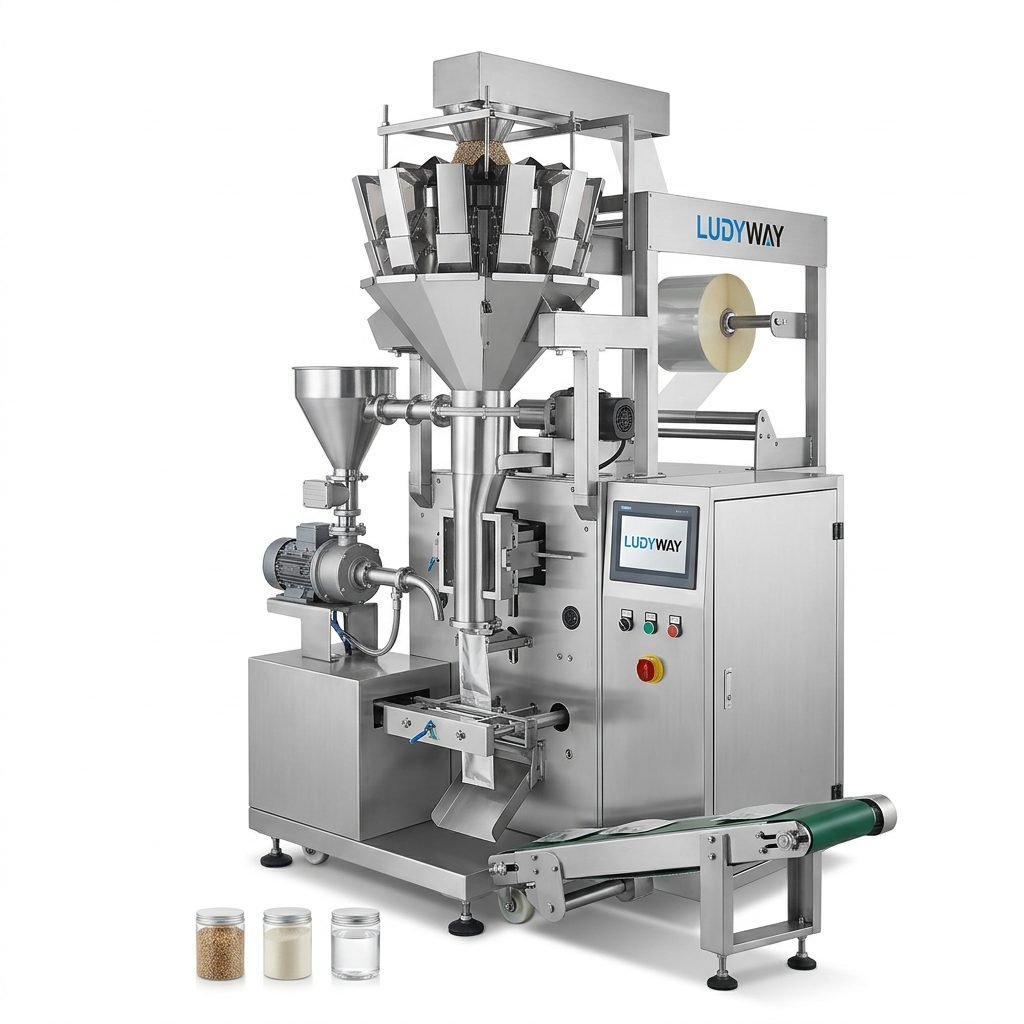
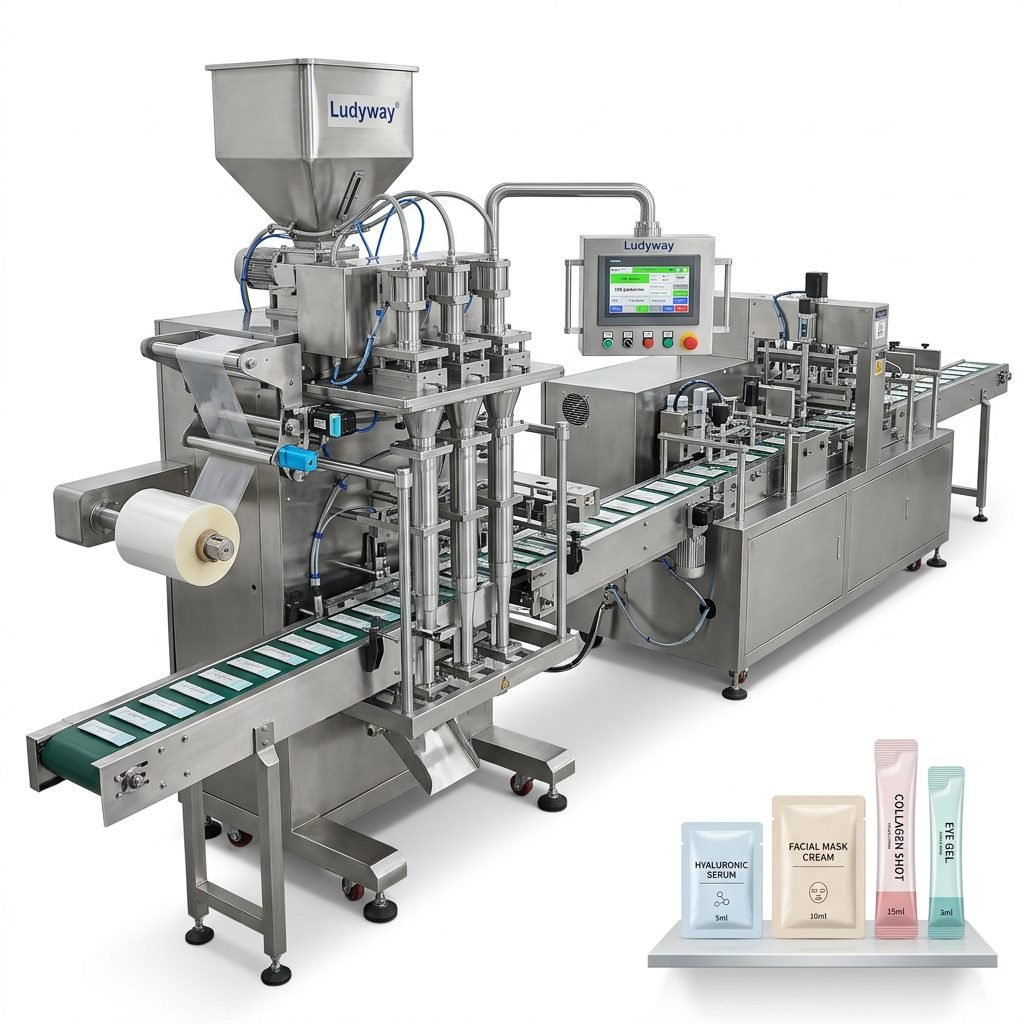
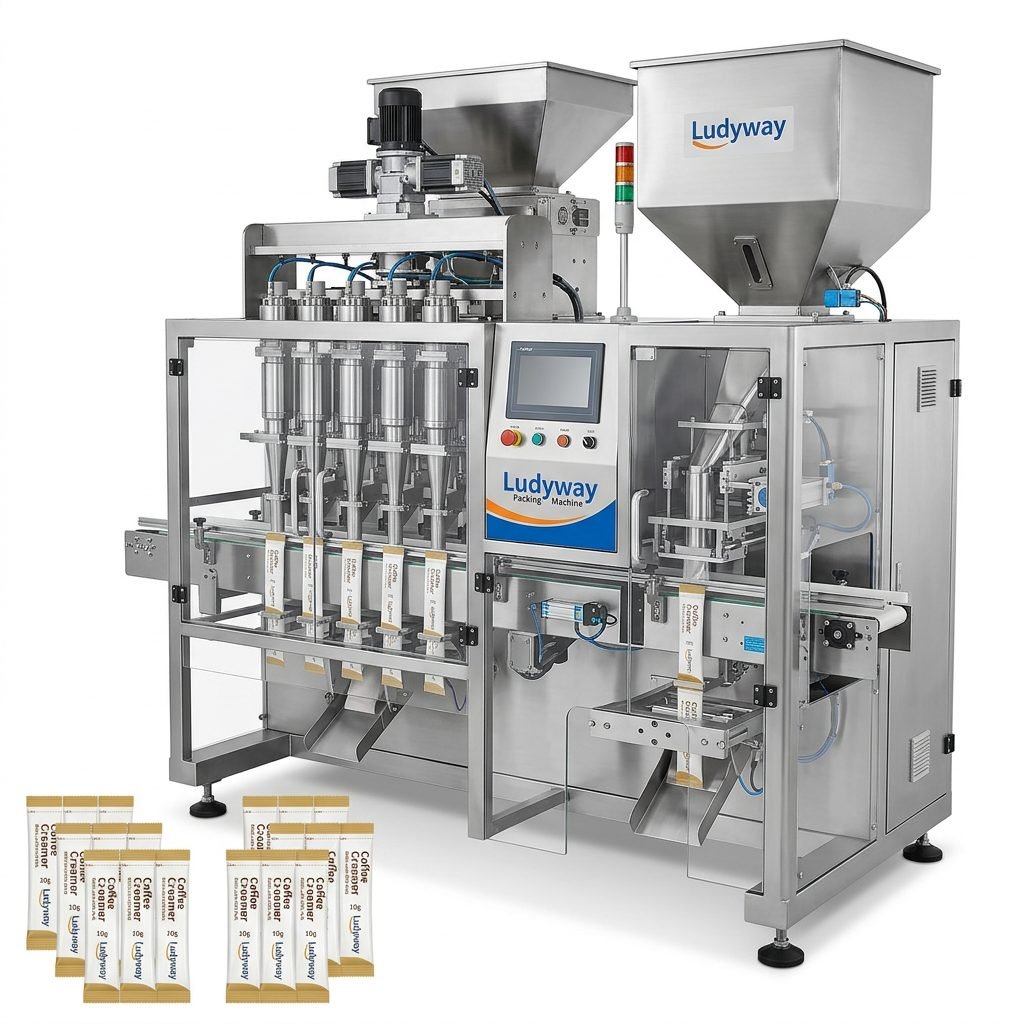
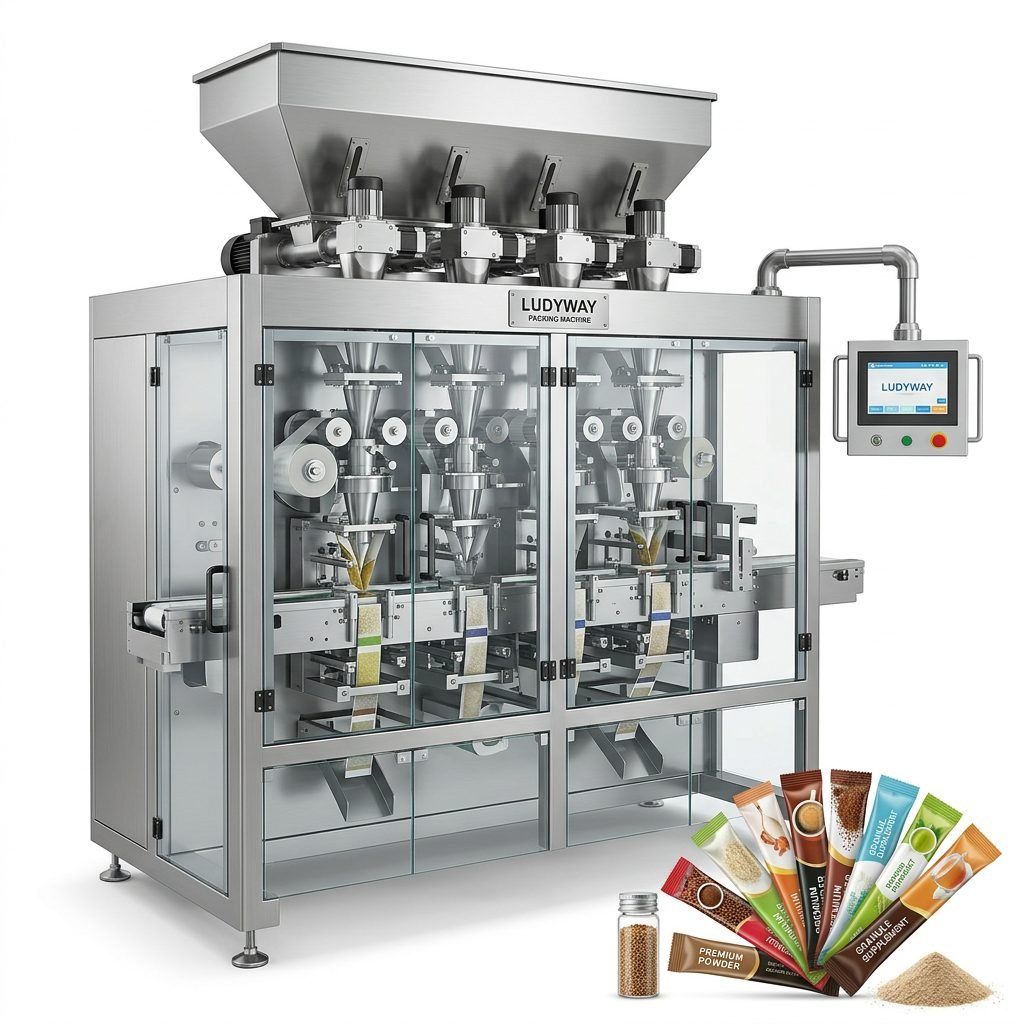
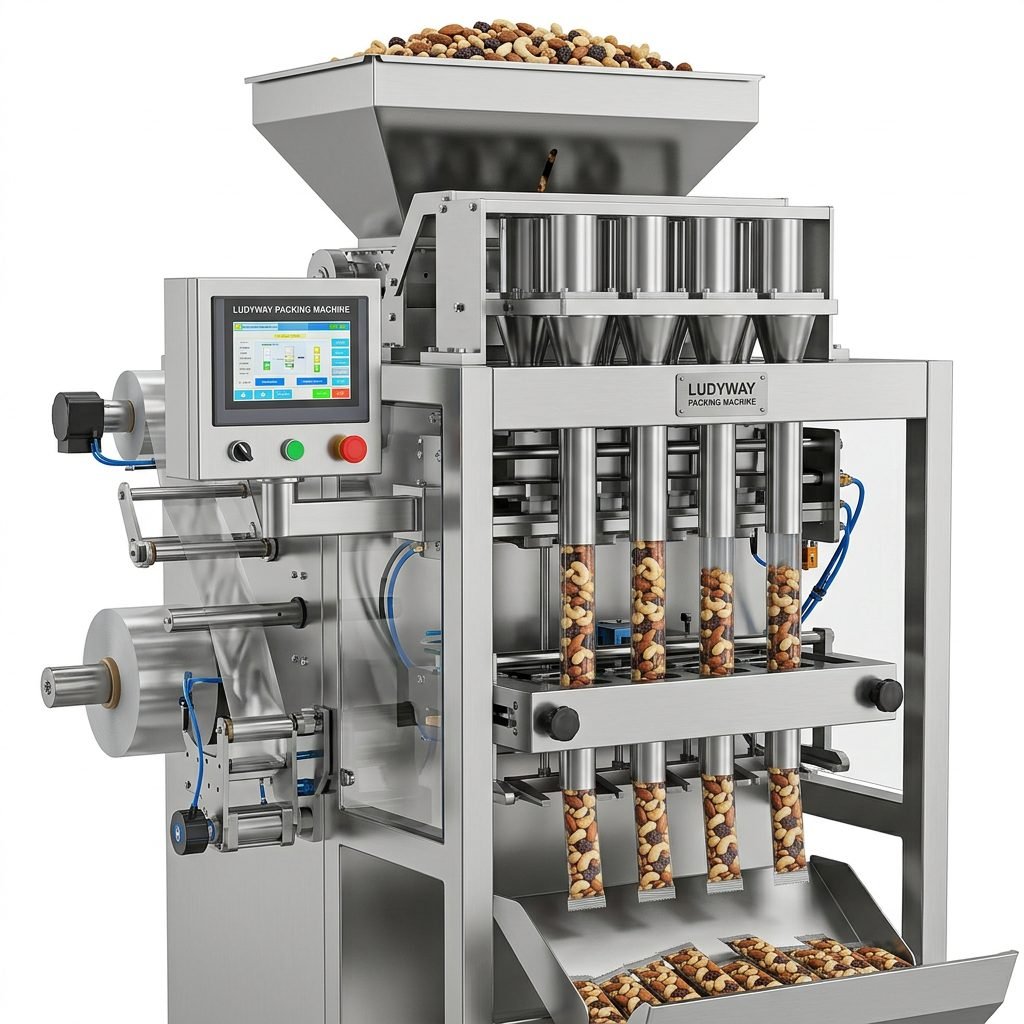
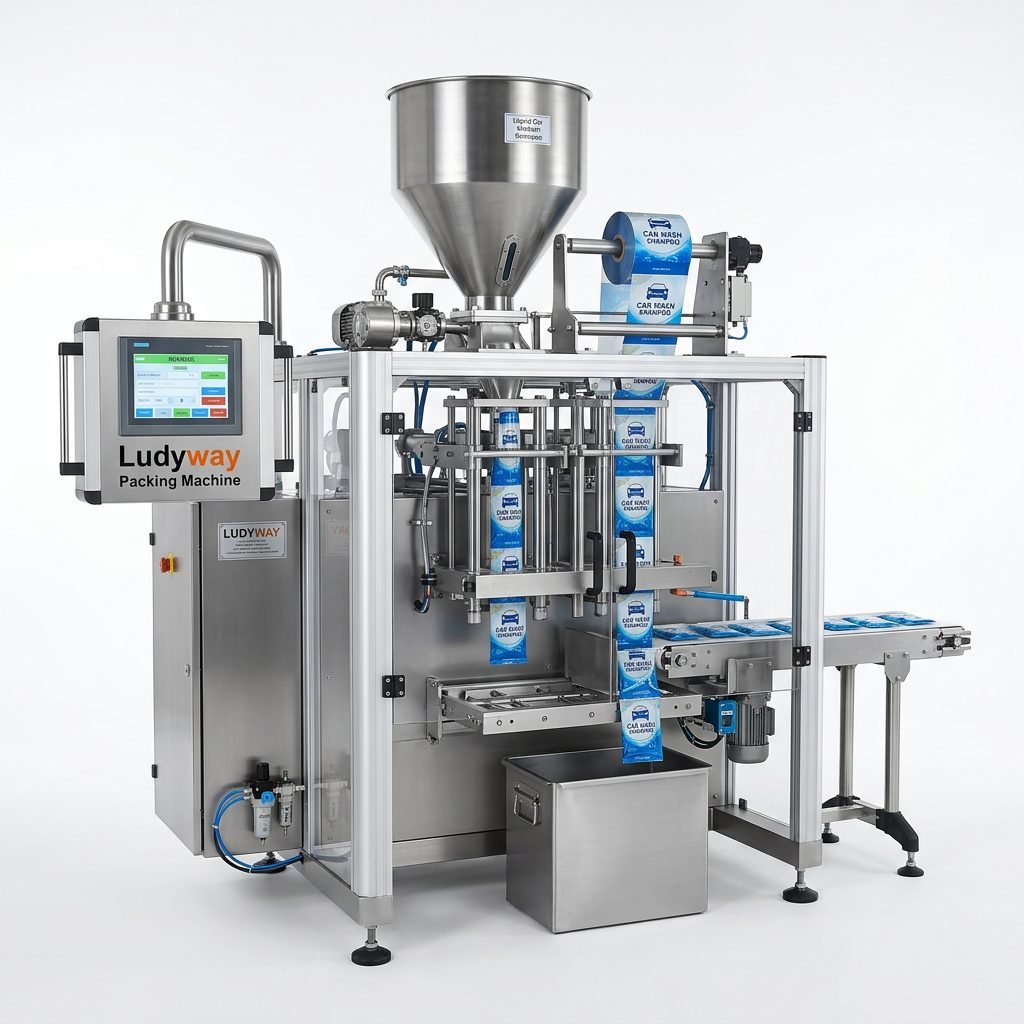
For manufacturers seeking automated equipment for sachets, stick packs, pouches, bottles, or complete packaging lines, Ludyway packaging machine solutions support food, pharmaceutical, health supplement, cosmetic, and chemical applications with scalable turnkey options.
Final Answer: Is Sachet Packaging Better Than Bottle Packaging?
Sachet packaging is better when you need single-dose convenience, lower material use, portability, and efficient high-volume distribution. Bottle packaging is better when you need resealability, repeated use, premium presentation, and stronger physical protection.
So the better choice is not universal—it depends on your product, customer behavior, price point, and packaging line goals. For many businesses, the smartest solution is not choosing one over the other, but using each format where it performs best.