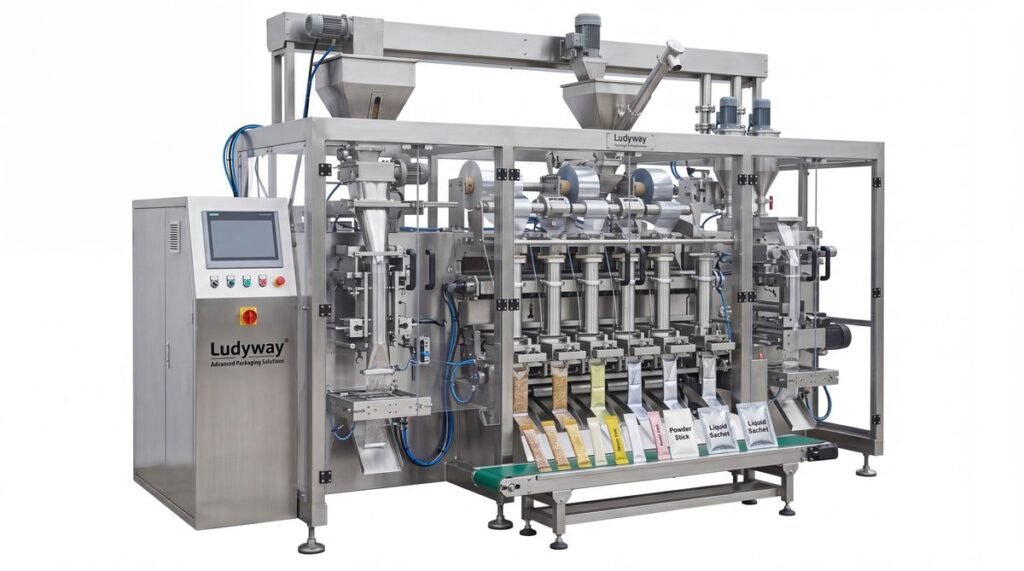
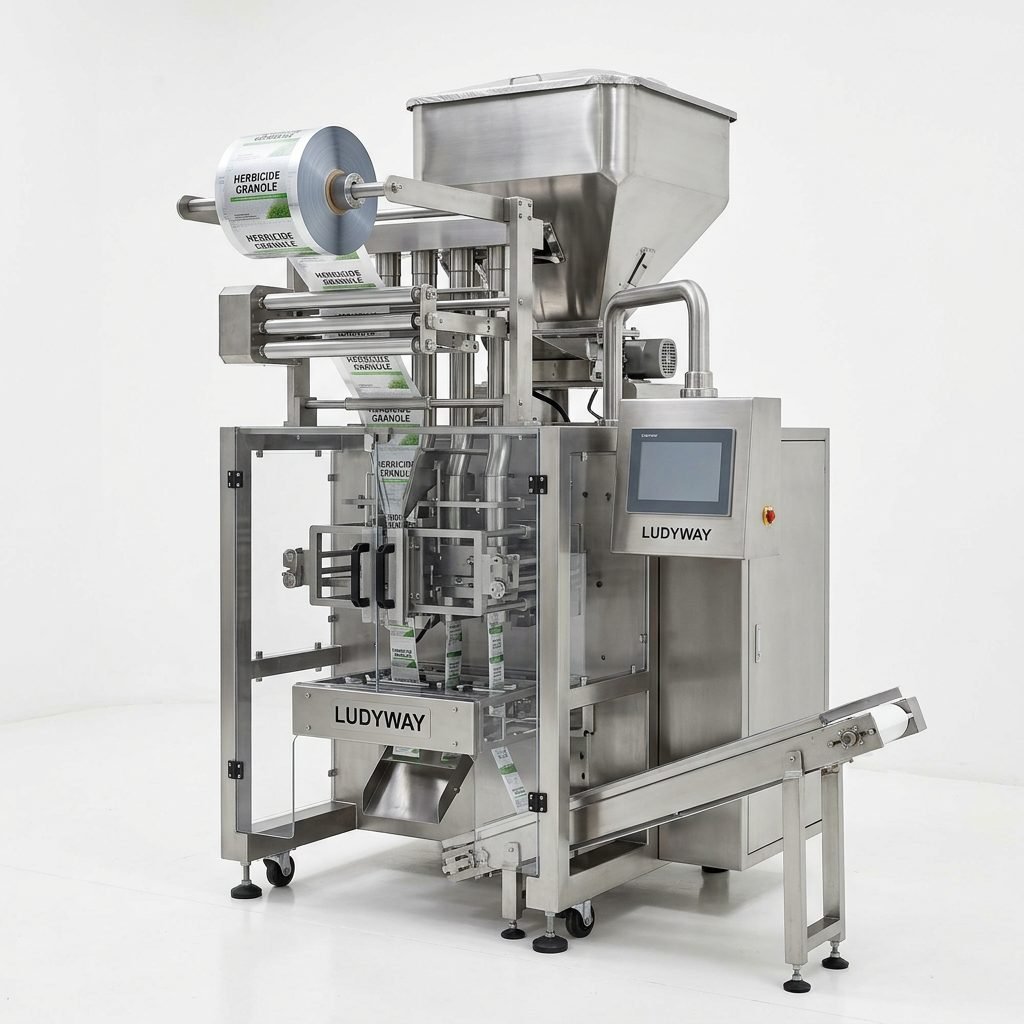
Automatic packaging machines are used to fill, seal, wrap, label, count, cartone, and palletize products with minimal manual intervention. They are widely used in food, pharmaceutical, cosmetic, chemical, household, animal nutrition, and many other industries where speed, hygiene, and consistency matter.
If you are planning to invest in packaging equipment, the first step is understanding the different machine types and how they match your product form, package style, output target, and factory workflow. This guide explains the major categories of automatic packaging machines, their applications, benefits, and key selection points.
1. What Is an Automatic Packaging Machine?
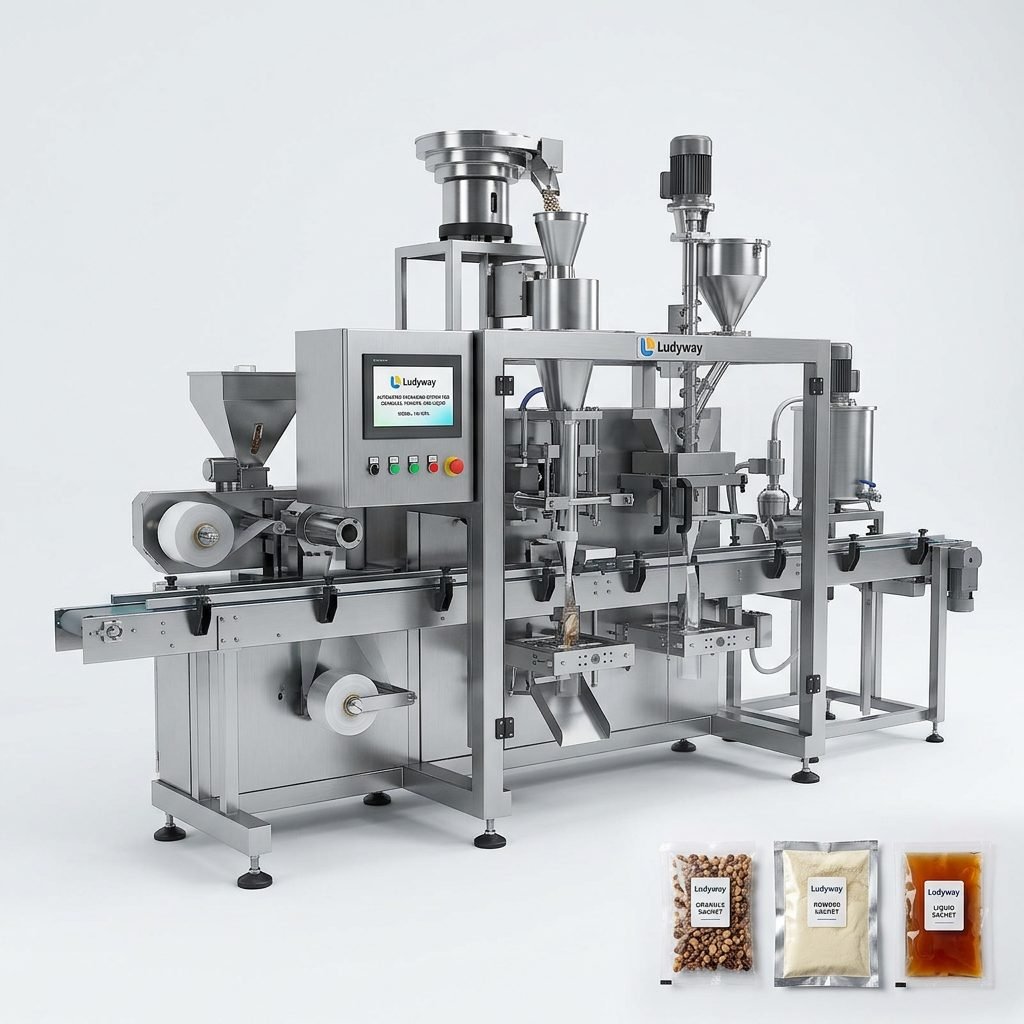
An automatic packaging machine is a piece of equipment that performs one or more packaging tasks automatically, such as:
- Product feeding and dosing
- Bag or pouch forming
- Filling by weight, volume, auger, piston, or pump
- Heat sealing or capping
- Coding, labeling, and inspection
- Cartoning, case packing, and palletizing
These machines help manufacturers improve production efficiency, packaging accuracy, appearance consistency, labor savings, and hygiene control.
2. Main Types of Automatic Packaging Machines
Automatic packaging machines can be classified in several ways, but the most practical method is by packaging format and packaging function.
2.1 Form Fill Seal Machines
Form fill seal equipment creates the package from roll film, fills the product, and seals it in one continuous process. This is one of the most common types of automatic packaging machinery.
Common subtypes:
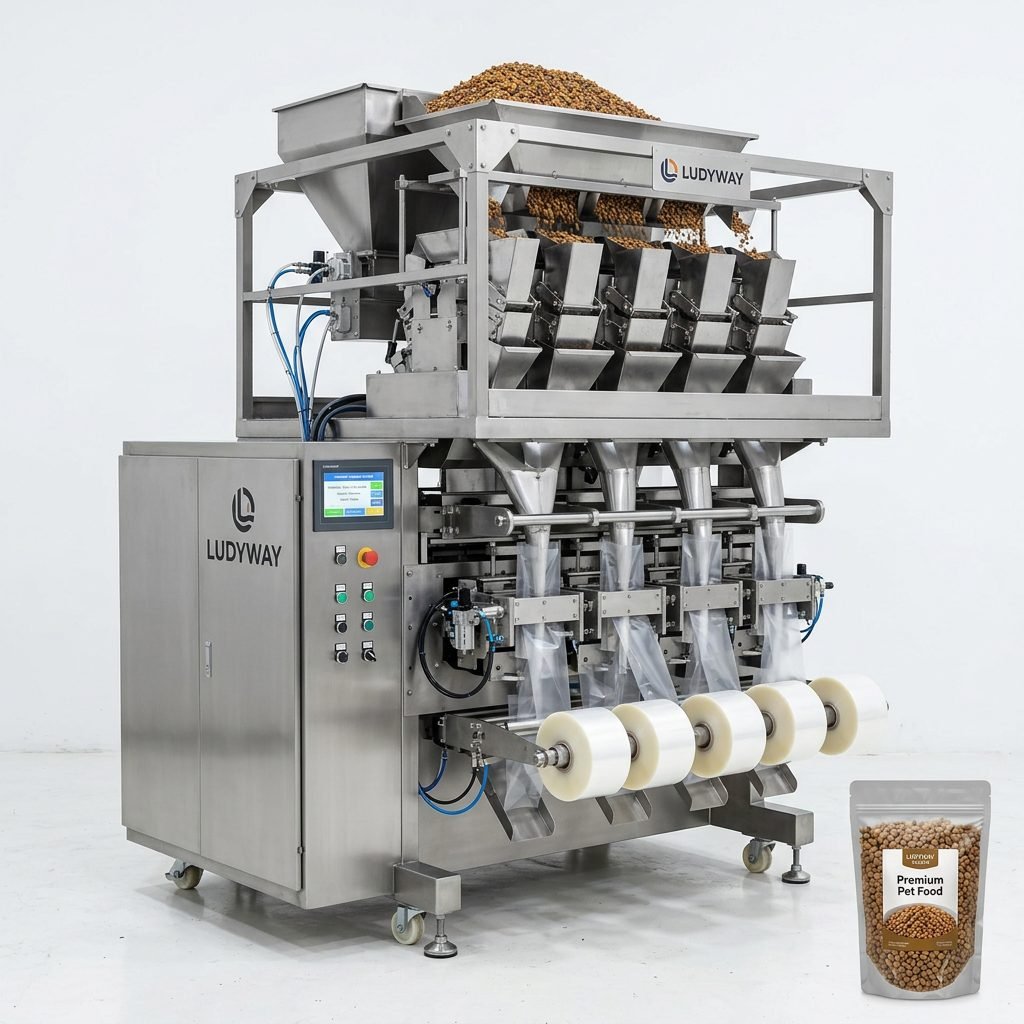
- Vertical Form Fill Seal (VFFS) machines for powders, granules, snacks, beans, sugar, rice, seeds, and similar products
- Horizontal Form Fill Seal (HFFS) machines for more complex pouch structures, shaped pouches, and some liquid or paste applications
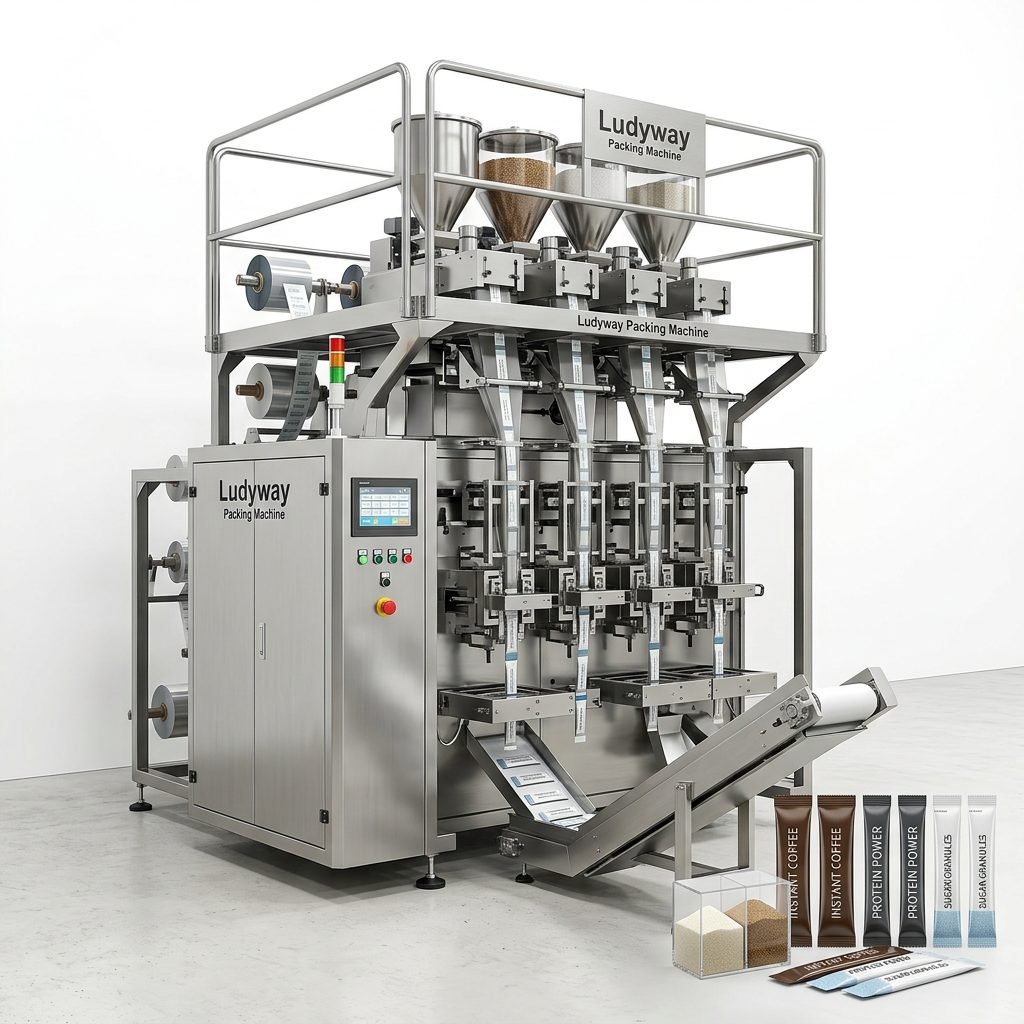
- Stick pack machines for narrow, single-dose packs
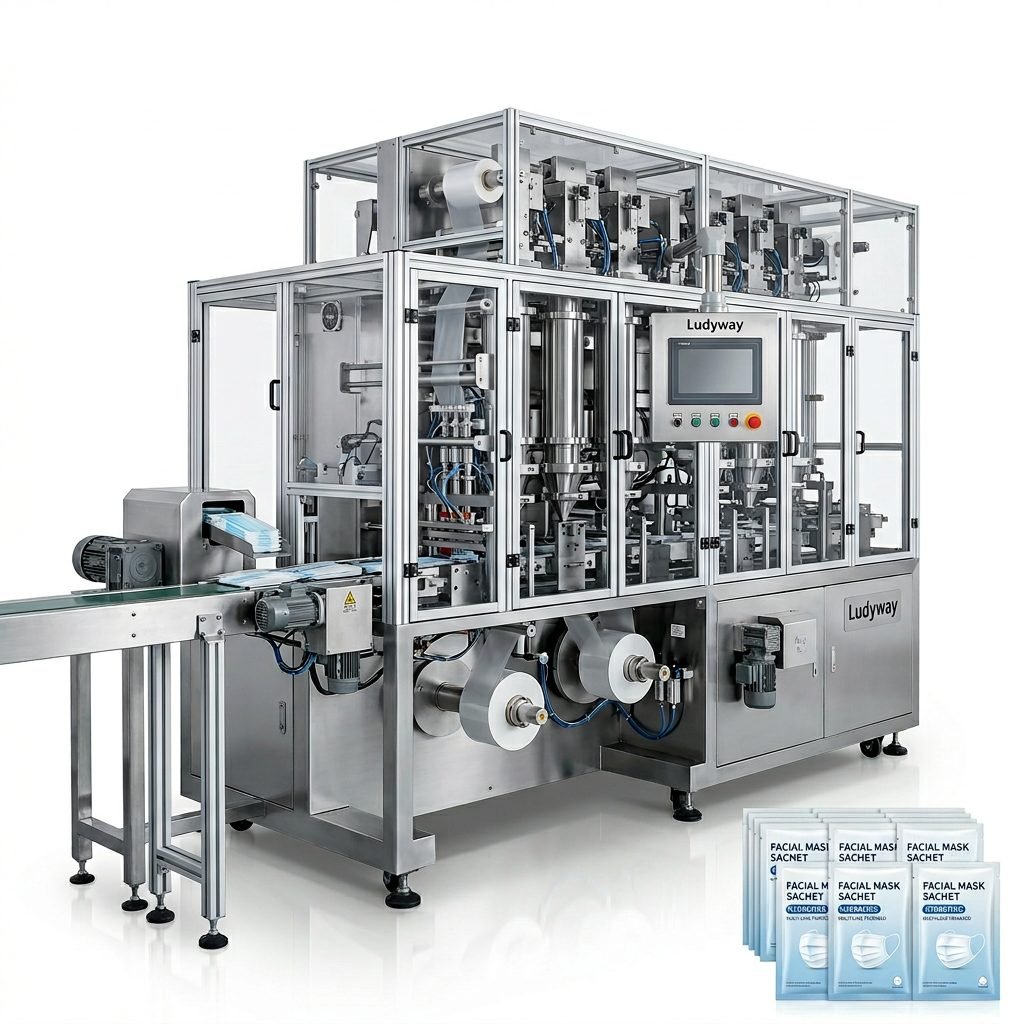
- Sachet packing machines for flat small packs used in food, pharma, and cosmetics
| Machine Type | Best For | Typical Package Styles |
|---|---|---|
| VFFS | Granules, powders, snacks | Pillow bags, gusset bags, quad seal bags |
| HFFS | Pouches, liquids, premium pack formats | Flat pouches, zipper pouches, shaped pouches |
| Stick Pack | Single-dose powders, granules, liquids | Long narrow stick packs |
| Sachet Machine | Seasoning, coffee, shampoo, creams | 3-side or 4-side seal sachets |
2.2 Premade Pouch Packaging Machines
Instead of forming a bag from roll film, these machines pick up premade pouches, open them, fill them, and seal them automatically. They are ideal for brands that want a more premium shelf presentation.
They are often used for:
- Stand-up pouches
- Zipper pouches
- Spouted pouches
- Flat pouches
- Special-shaped pouches
2.3 Powder Packaging Machines
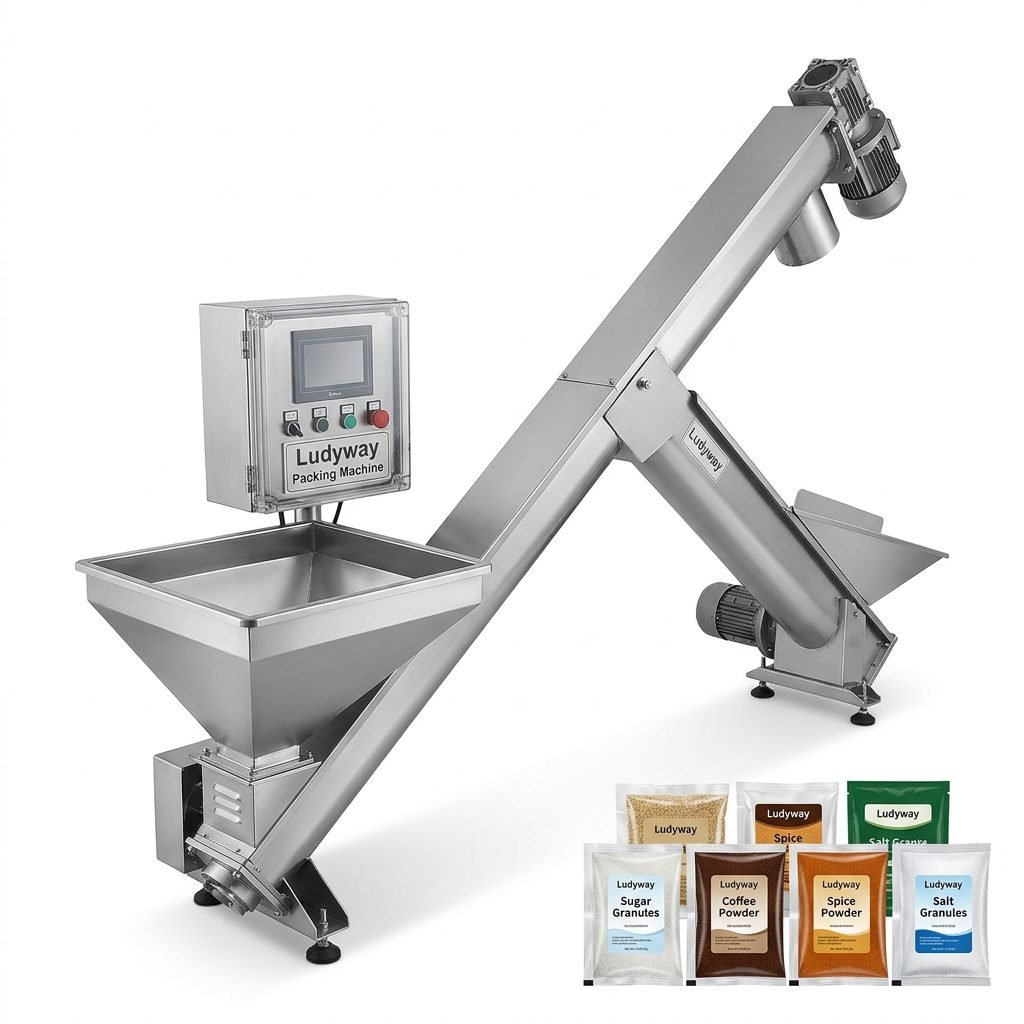
Powder packaging machines are designed for fine or dusty materials such as milk powder, protein powder, spice blends, herbal powders, pharmaceutical powders, and chemical powders. They usually use auger filling systems for controlled dosing.
Key features often include:
- Dust control design
- Servo auger dosing
- Accurate filling for low-dose and high-value materials
- Sealed product contact parts for hygiene
2.4 Granule Packaging Machines
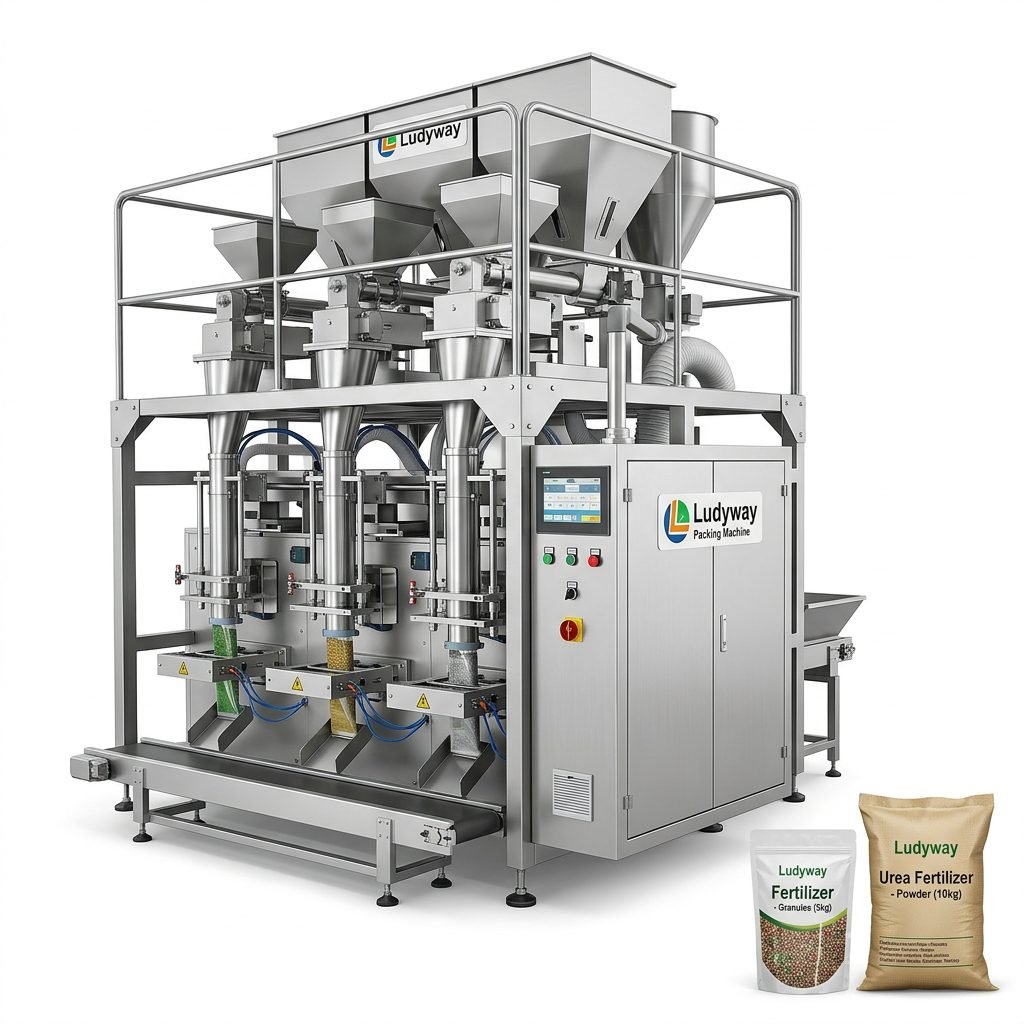
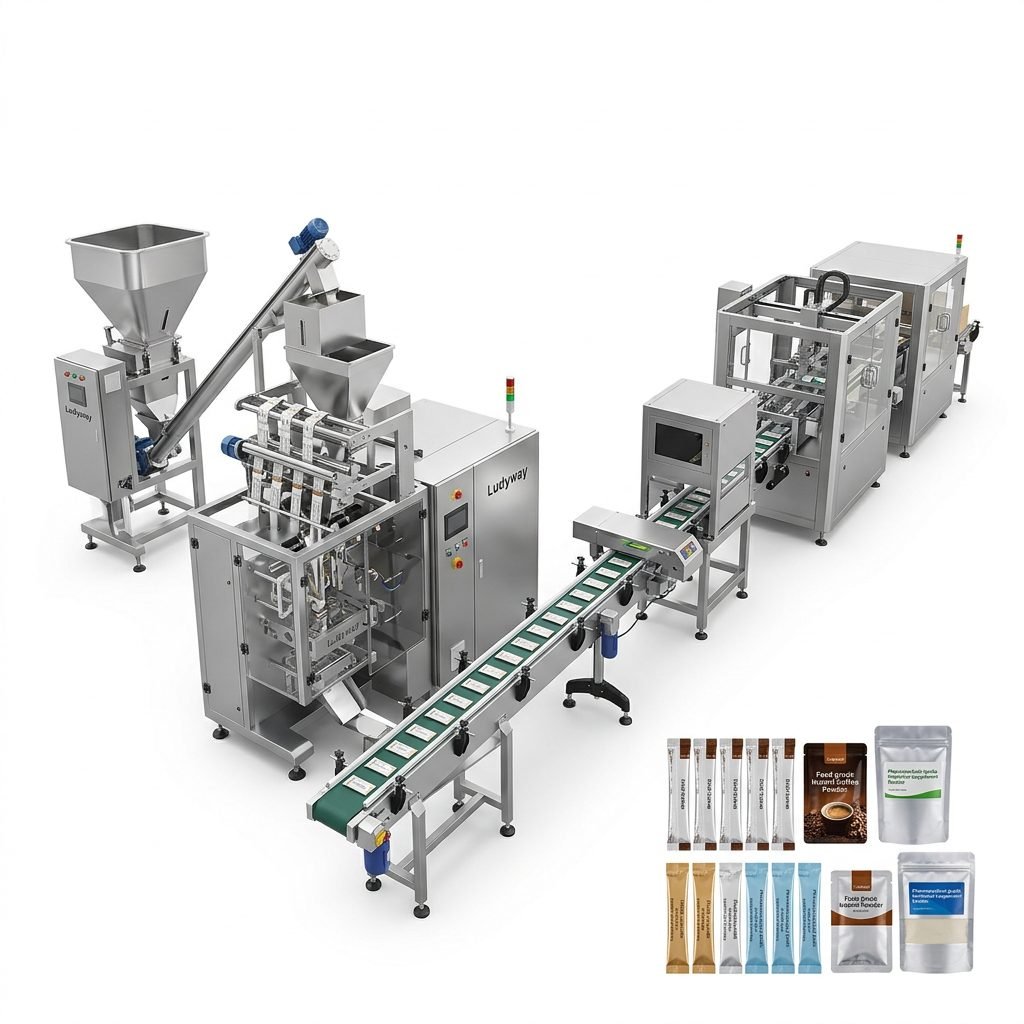
Granule packaging machines are suitable for free-flowing products such as sugar, salt, seeds, rice, coffee granules, cereal, desiccants, feed additives, and pellets. Depending on product shape and weight range, they may use:
- Cup fillers
- Linear weighers
- Multihead weighers
- Counting systems for larger discrete items
2.5 Liquid Packaging Machines
Liquid packaging machines handle products such as water, sauces, oils, beverages, syrups, detergents, disinfectants, and oral liquids. The filling system depends on viscosity and foaming characteristics.
Typical filling options:
- Gravity filling
- Piston filling
- Pump filling
- Flow meter filling
- Peristaltic filling for smaller pharma-style doses
2.6 Paste and Viscous Product Packaging Machines
These machines are built for thicker products such as ketchup, mayonnaise, peanut butter, cream, gel, honey, cosmetic serum, ointment, and industrial paste materials. They usually require piston or servo pump filling to maintain stable portioning.
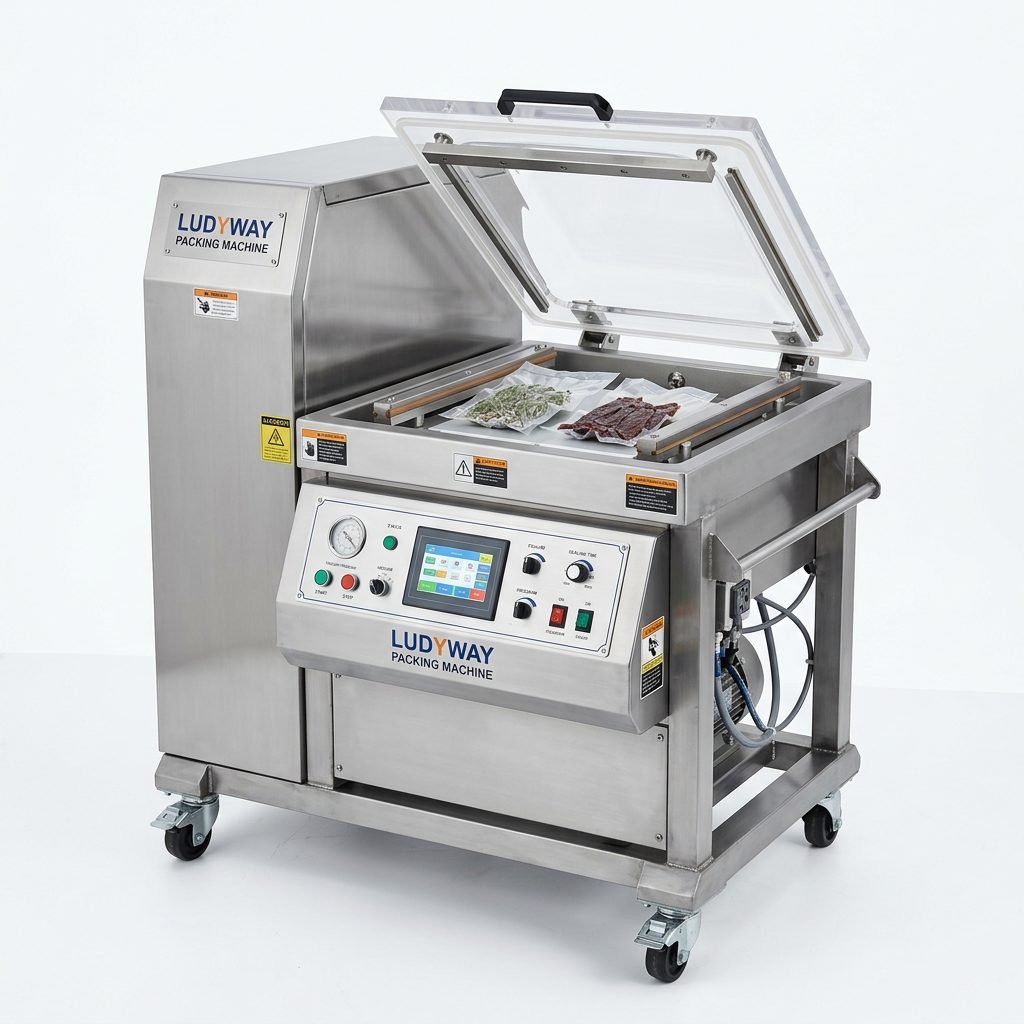
2.7 Vacuum Packaging Machines
Vacuum packaging machines remove air from the package before sealing. They are widely used for food preservation and oxidation-sensitive products.
They are commonly used for:
- Frozen food
- Meat and seafood
- Dried products
- Pharmaceutical and industrial moisture-sensitive materials
2.8 Shrink Wrapping Machines
Shrink wrapping machines wrap products in shrink film and then apply heat so the film tightly conforms to the product. They are used for retail multipacks, bottle bundles, cartons, and protective outer packaging.
2.9 Flow Wrapping Machines
Flow wrappers are commonly used for solid individual products such as biscuits, bars, medical supplies, wipes, and hardware items. The machine wraps each item or group in film at high speed.
2.10 Cartoning Machines
Cartoning machines place packaged products into cartons automatically. They are often connected after sachet, stick pack, pouch, bottle, or blister packaging equipment.
They can be:
- Horizontal cartoners
- Vertical cartoners
- Intermittent-motion cartoners
- Continuous-motion cartoners
2.11 Case Packing and Palletizing Machines
For end-of-line automation, factories often add case packers, carton sealers, palletizers, and stretch wrappers. These systems reduce manual handling and improve shipping consistency.
3. Classification by Product Type
Another practical way to understand packaging machines is by the type of product they handle.
| Product Form | Suitable Machine Types | Examples |
|---|---|---|
| Powder | Auger sachet machine, stick pack machine, VFFS | Protein powder, spice powder, pharma powder |
| Granule | Cup filler, weigher-based VFFS, sachet machine | Sugar, salt, seeds, pellets |
| Liquid | Pump filler, piston filler, liquid sachet machine | Sauce, shampoo, syrup, oil |
| Paste | Piston filler, paste sachet machine | Honey, cream, gel, ketchup |
| Solid Pieces | Flow wrapper, counting machine, cartoner | Biscuits, tablets, parts, wipes |
4. Classification by Industry Application
4.1 Food Industry
Food packaging requires attention to hygiene, shelf life, sealing quality, and output speed. Common food packaging machines include:
- Sachet and stick pack machines for coffee, sugar, seasoning, and drink powders
- VFFS machines for snacks, grains, frozen food, and granules
- Liquid sachet machines for sauces, ketchup, and oils
- Vacuum machines for meat, seafood, and dried foods
4.2 Pharmaceutical Industry
Pharmaceutical packaging equipment must meet strict standards for accuracy, cleanliness, traceability, and validation. Common machines include:
- Powder sachet and stick pack machines
- Tablet and capsule counting systems
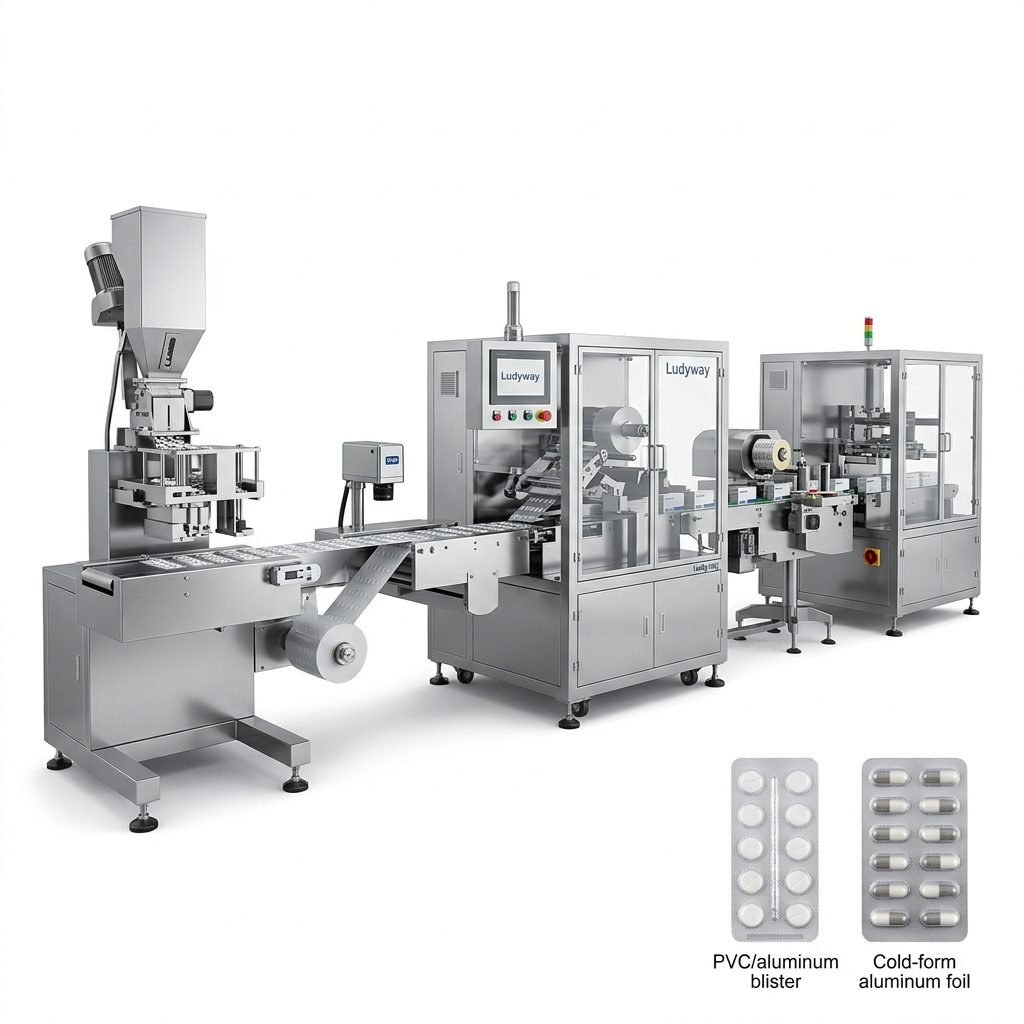
- Blister packaging machines
- Bottle filling and capping lines
- Cartoning and inspection systems
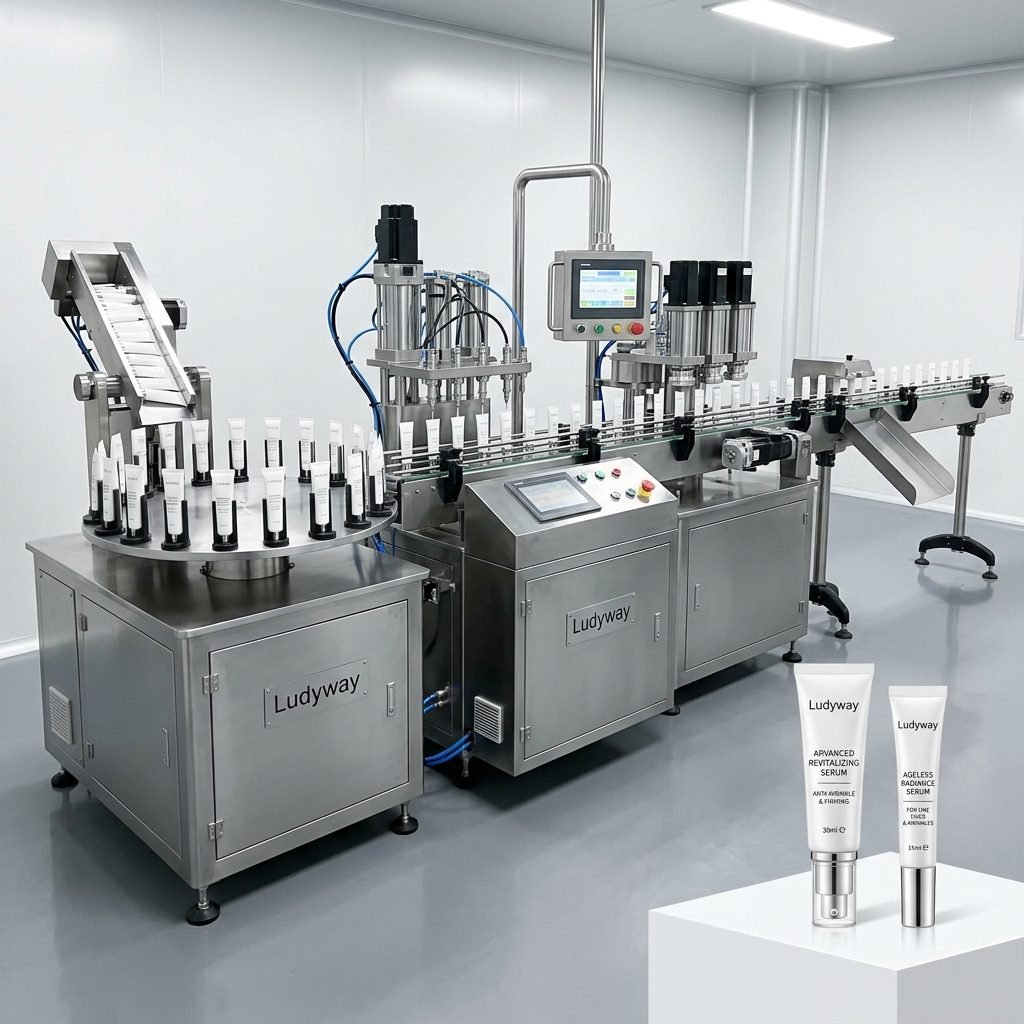
4.3 Cosmetic and Personal Care Industry
Cosmetics often require attractive packaging and stable filling performance for creams, lotions, serums, masks, shampoos, and gels. Common equipment includes:
- Sachet and stick pack machines
- Tube filling and sealing machines
- Bottle filling and capping machines
- Cartoning and labeling machines
4.4 Chemical and Industrial Industry
Chemical packaging machines are often designed for abrasive powders, corrosive liquids, industrial additives, detergents, lubricants, and water treatment products. Machine design may need:
- Corrosion-resistant contact parts
- Dust extraction
- Explosion-proof options where required
- Heavy-duty conveying and weighing systems
4.5 Animal Feed and Pet Nutrition Industry
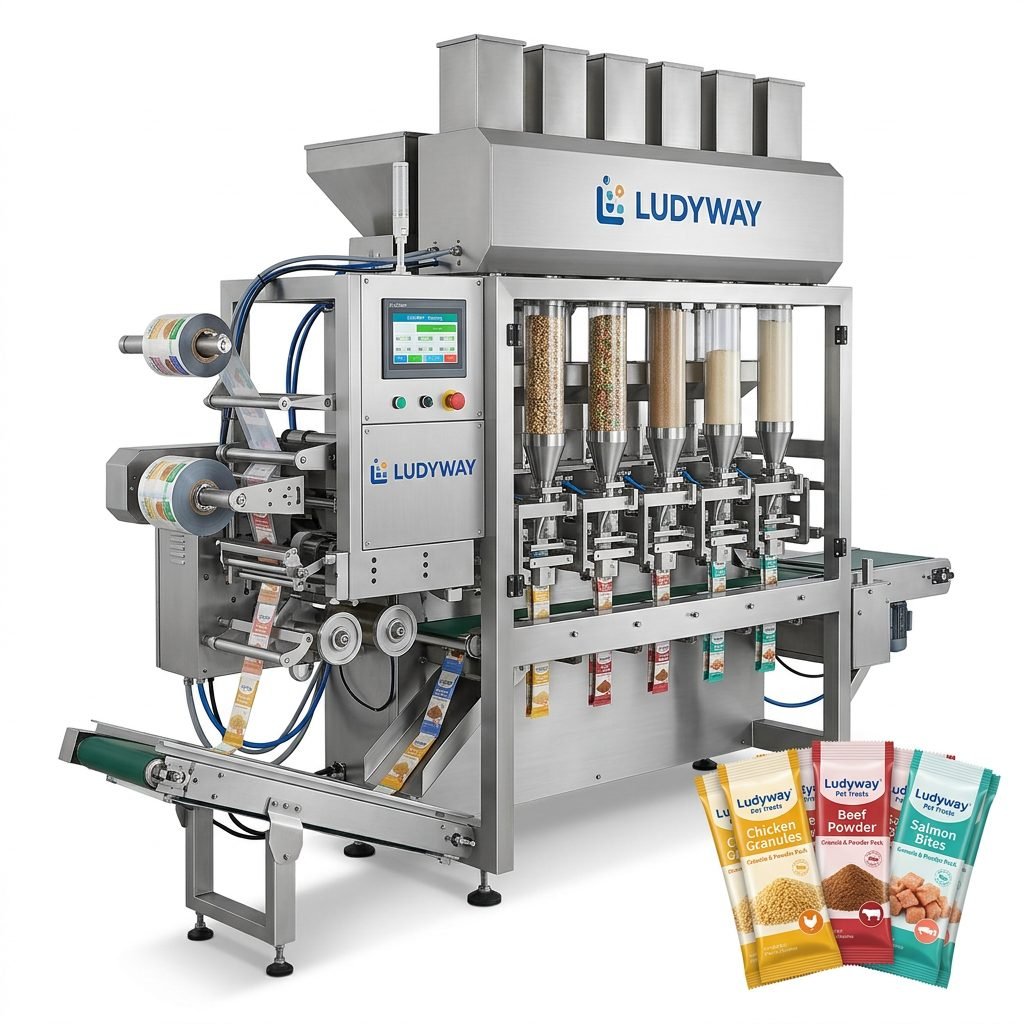
Feed and pet product packaging often ranges from small retail sachets to large open-mouth bags. Machines can include:
- Granule and powder bagging machines
- Bulk bag filling systems
- Multi-lane sachet systems for supplements
- Checkweighers and palletizing units
5. Semi-Automatic vs Fully Automatic Packaging Machines
| Feature | Semi-Automatic | Fully Automatic |
|---|---|---|
| Labor Requirement | Higher | Lower |
| Speed | Moderate | High |
| Consistency | Operator-dependent | Highly consistent |
| Investment | Lower upfront cost | Higher upfront cost |
| Scalability | Limited | Better for expansion |
For growing manufacturers, fully automatic systems are usually the better long-term choice because they support stable throughput and easier line integration.
6. Key Benefits of Automatic Packaging Equipment
- Higher efficiency through continuous operation
- More accurate filling and reduced product giveaway
- Improved package appearance and sealing consistency
- Reduced labor dependence
- Better hygiene and lower contamination risk
- Easier integration with coding, labeling, inspection, and cartoning systems
- Better production data control in smart factories
7. How to Choose the Right Automatic Packaging Machine
7.1 Consider Your Product Characteristics
- Is it powder, granule, liquid, paste, or solid?
- Does it flow easily?
- Is it dusty, sticky, corrosive, or fragile?
- Does it require sanitary or pharmaceutical-grade construction?
7.2 Define the Packaging Format
- Sachet
- Stick pack
- Pillow bag
- Premade pouch
- Bottle
- Tube
- Carton or case
7.3 Estimate Required Output
Output requirement strongly affects machine structure. A startup may need a compact single-lane system, while a large-volume producer may need a multi-lane automatic packaging line with integrated cartoning and palletizing.
7.4 Check Accuracy and Seal Quality
For high-value materials such as nutritional powders, pharmaceutical products, or cosmetic serums, filling precision and seal integrity are critical. Do not choose based on speed alone.
7.5 Think About Future Expansion
Many buyers make the mistake of selecting only for current demand. A better choice is equipment that allows:
- Format changeover
- Different dosing modules
- Connection with conveyors and feeders
- End-of-line automation upgrades
8. Standalone Machines vs Turnkey Packaging Lines
A standalone machine may be enough for a simple application, but many manufacturers prefer turnkey solutions that connect all stages of the process. A complete automatic line may include:
- Feeding and conveying system
- Weighing or dosing unit
- Primary packaging machine
- Date coding and inspection
- Cartoning or case packing
- Palletizing and wrapping
For companies looking for scalable solutions, Ludyway packaging machine solutions are widely used for food, pharmaceutical, cosmetic, chemical, and pouch-based production projects, especially where customized automation and turnkey integration are important.
9. Common Questions Buyers Ask Before Purchasing
9.1 What packaging machine is best for powder products?
In most cases, an auger-based sachet machine, stick pack machine, or VFFS system is the best option for powders. The final choice depends on pack size, speed, and required accuracy.
9.2 What is the difference between a sachet machine and a stick pack machine?
A sachet machine typically makes flat 3-side or 4-side seal packs, while a stick pack machine produces narrow tube-style packs. Stick packs are often preferred for single-serve drink powders, supplements, and liquid gels.
9.3 Are automatic packaging machines suitable for liquids and pastes?
Yes. Dedicated liquid and paste packaging machines use pumps, pistons, or flow-meter filling systems and can be configured for low- or high-viscosity products.
9.4 Can one machine pack different products?
Some machines can handle multiple products or formats, but this depends on dosing method, film structure, viscosity, particle size, and sanitation requirements. For very different products, change parts or separate machines may be needed.
10. Final Thoughts
The types of automatic packaging machines are broader than many buyers expect. From VFFS and premade pouch machines to powder fillers, liquid sachet systems, cartoners, and full packaging lines, each machine type is designed around a specific packaging challenge.
The best investment is the one that matches your product properties, package style, production speed, industry compliance, and future expansion plans. By understanding the main categories clearly, you can compare packaging equipment more confidently and choose a system that improves both short-term efficiency and long-term output reliability.