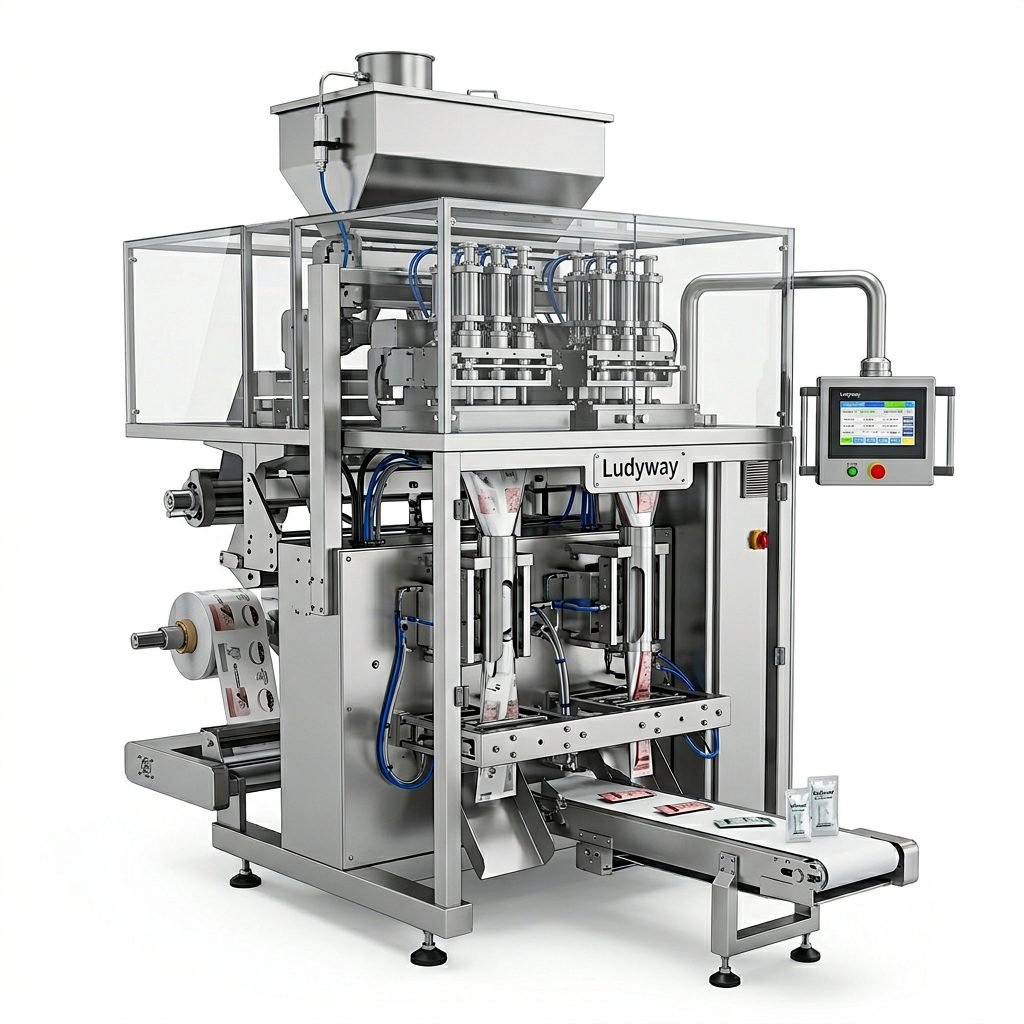
Seed packaging plays a critical role in modern agriculture, horticulture, and commercial seed distribution. A seed packaging machine is designed to accurately weigh, fill, seal, code, and prepare seed products for retail sale, wholesale shipment, or agricultural use. From vegetable seeds and flower seeds to corn, rice, grass, and treatment-coated seeds, the right packaging system helps protect product quality while improving output and consistency.
For seed manufacturers, distributors, and agricultural brands, choosing the right machine is not simply about packing speed. It is also about seed flow control, package integrity, dust management, accurate dosing, traceability, and compatibility with different bag, sachet, pouch, or stick pack formats.
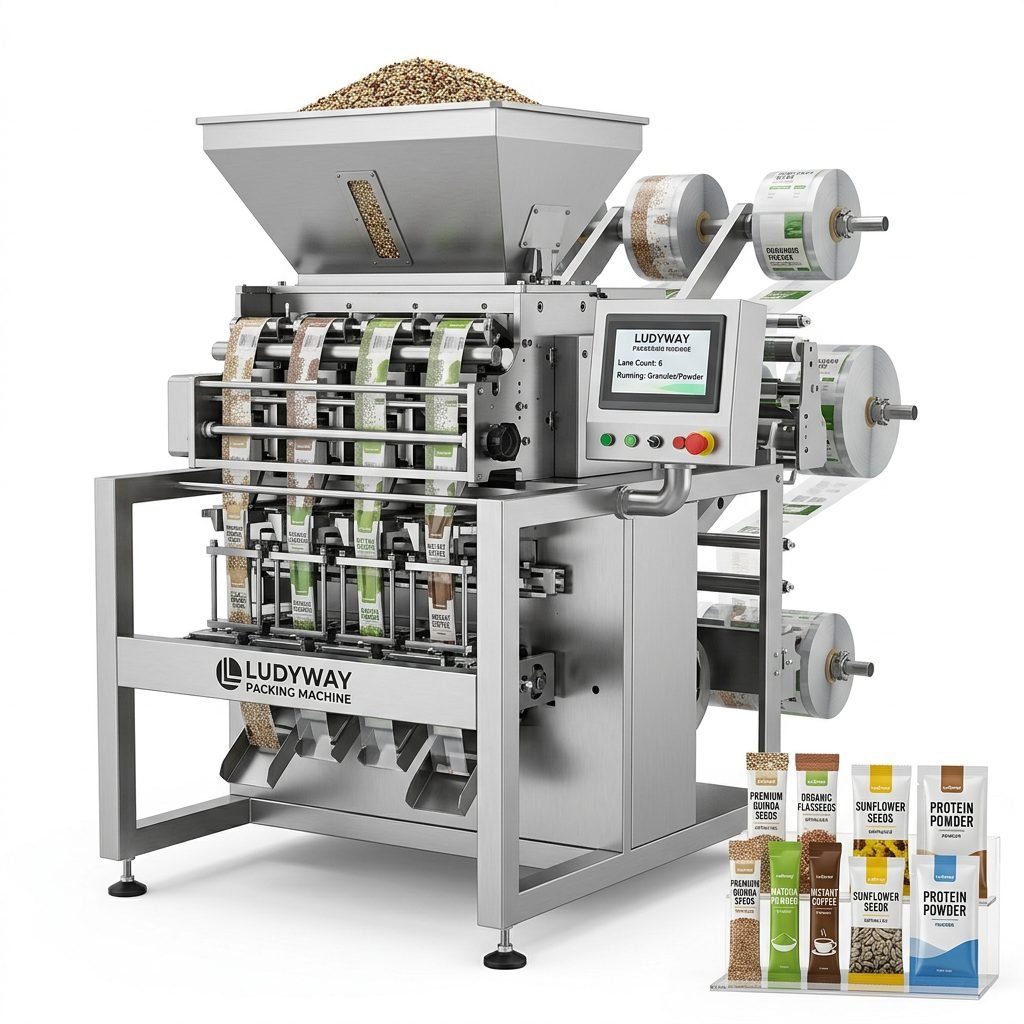
What Is a Seed Packaging Machine?
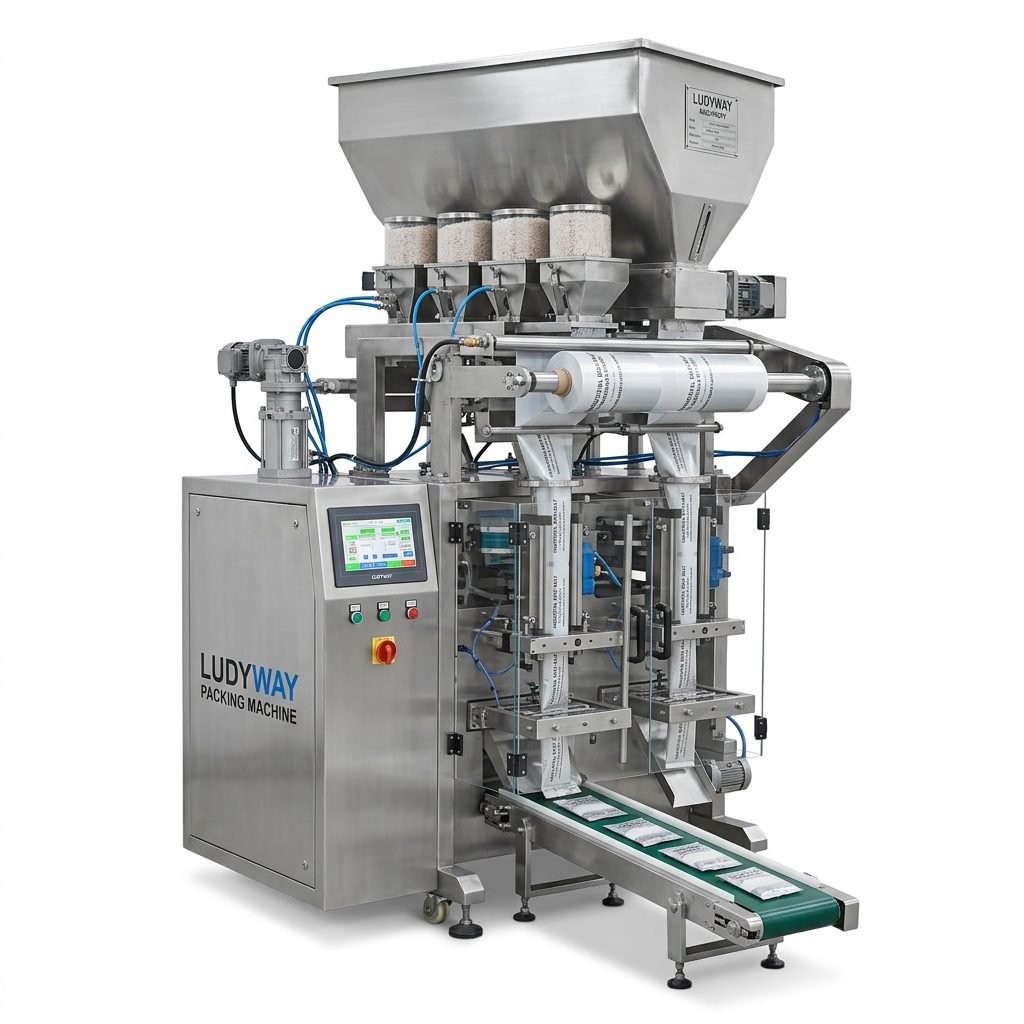
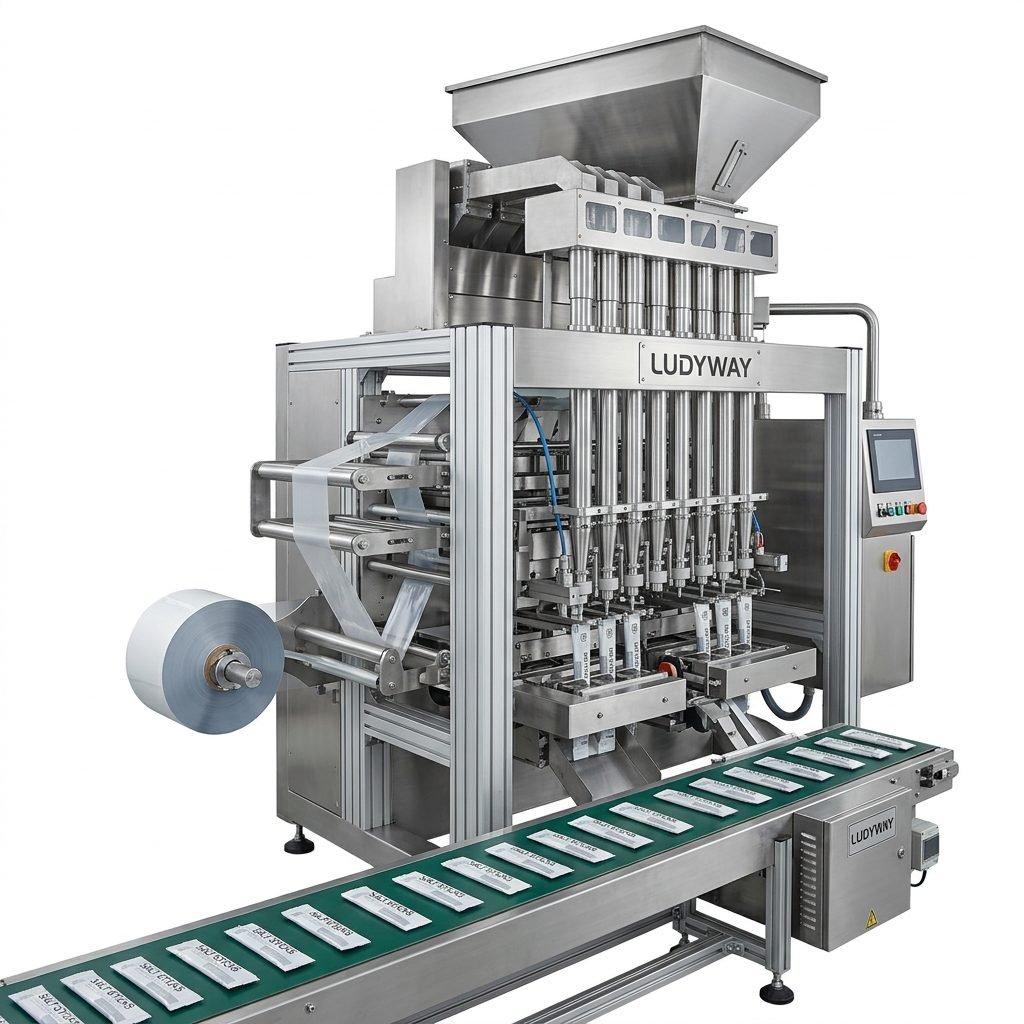
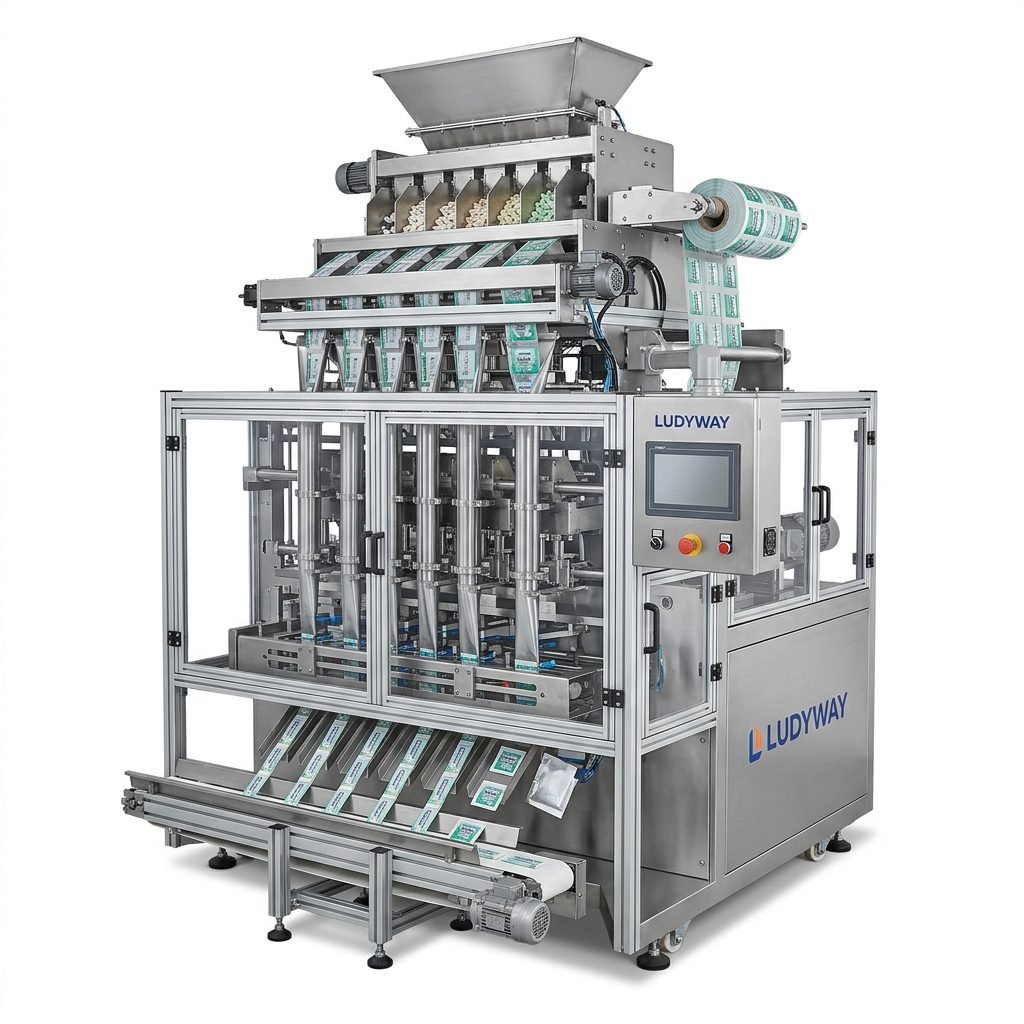
A seed packaging machine is an automated or semi-automated system used to package seeds into specific containers such as sachets, pouches, bags, stick packs, or larger bulk sacks. The machine is built to handle free-flowing or semi-free-flowing seed materials and can be configured with feeding, weighing, filling, sealing, labeling, coding, inspection, and final packing functions.
Its main purpose is to ensure that every package contains the correct seed quantity while maintaining packaging quality and production efficiency. In many operations, the machine is part of a larger packaging line that includes conveyors, elevators, date coders, metal detectors, checkweighers, and cartoning systems.
Why Seed Packaging Matters
- Protects seeds from moisture, contamination, and physical damage
- Improves shelf life and storage stability
- Supports clear branding and product identification
- Enables accurate quantity control for retail and farm use
- Helps meet labeling and traceability requirements
- Reduces labor costs and packaging waste
In competitive agricultural markets, professional packaging also influences buyer confidence. Clean sealing, accurate weights, and consistent bag appearance all contribute to a more reliable brand image.
How a Seed Packaging Machine Works
Although machine designs vary, the working process usually follows a similar sequence:
- Seed feeding: Seeds are transferred from a hopper or feeder into the dosing system.
- Weighing or counting: The machine measures a set amount based on weight or volume.
- Package forming or positioning: Film is formed into sachets or pouches, or premade bags are fed into place.
- Filling: The measured seeds are deposited into the package.
- Sealing: Heat sealing, stitching, or other closure methods secure the package.
- Coding and labeling: Batch number, date, and product information may be printed.
- Inspection and discharge: The packaged product is checked and moved to collection, cartoning, or palletizing.
Common Types of Seed Packaging Machines
1. Vertical Form Fill Seal Machines
These machines form bags from roll film, fill them with seeds, and seal them in one continuous process. They are widely used for granule-type products and are suitable for medium to high-speed production.
2. Premade Pouch Packaging Machines
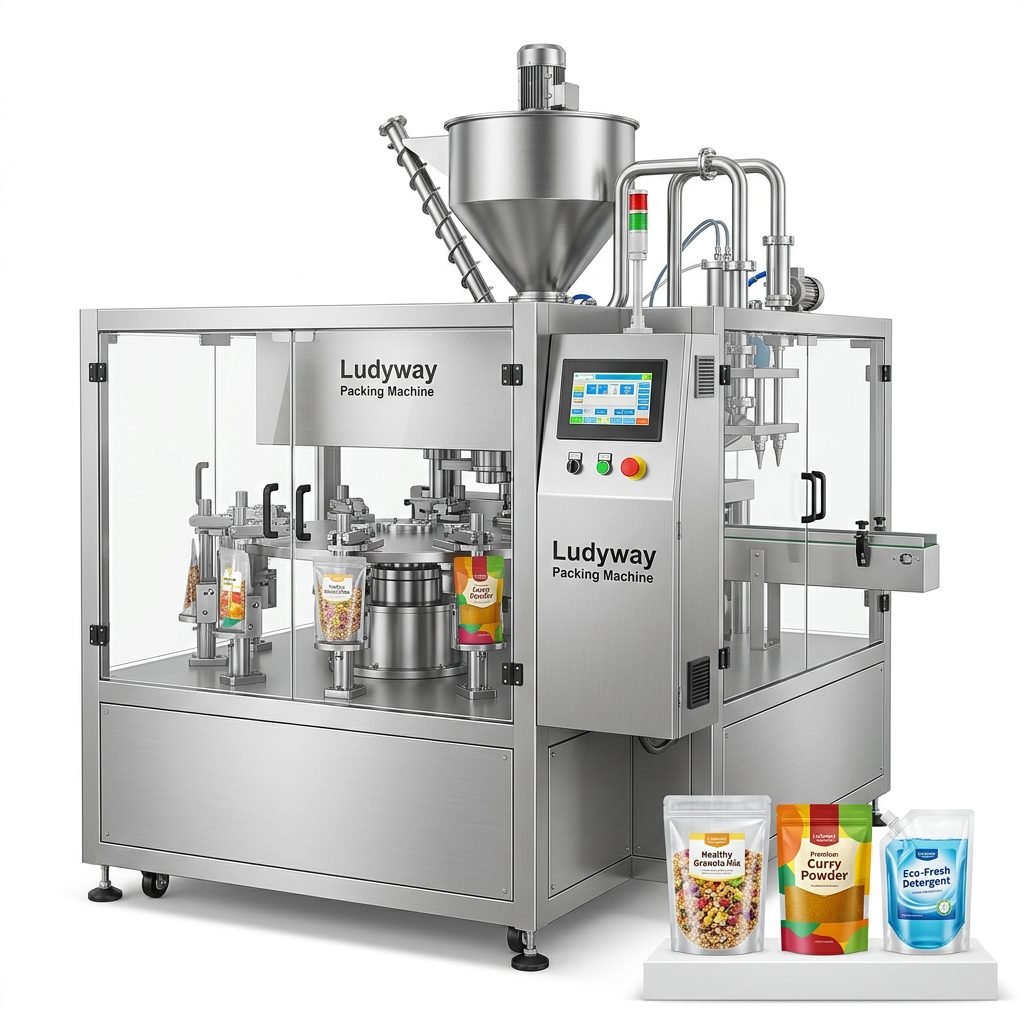
These systems fill and seal ready-made pouches. They are ideal for premium seed products that require high-quality presentation, zipper pouches, or specialized pouch shapes.
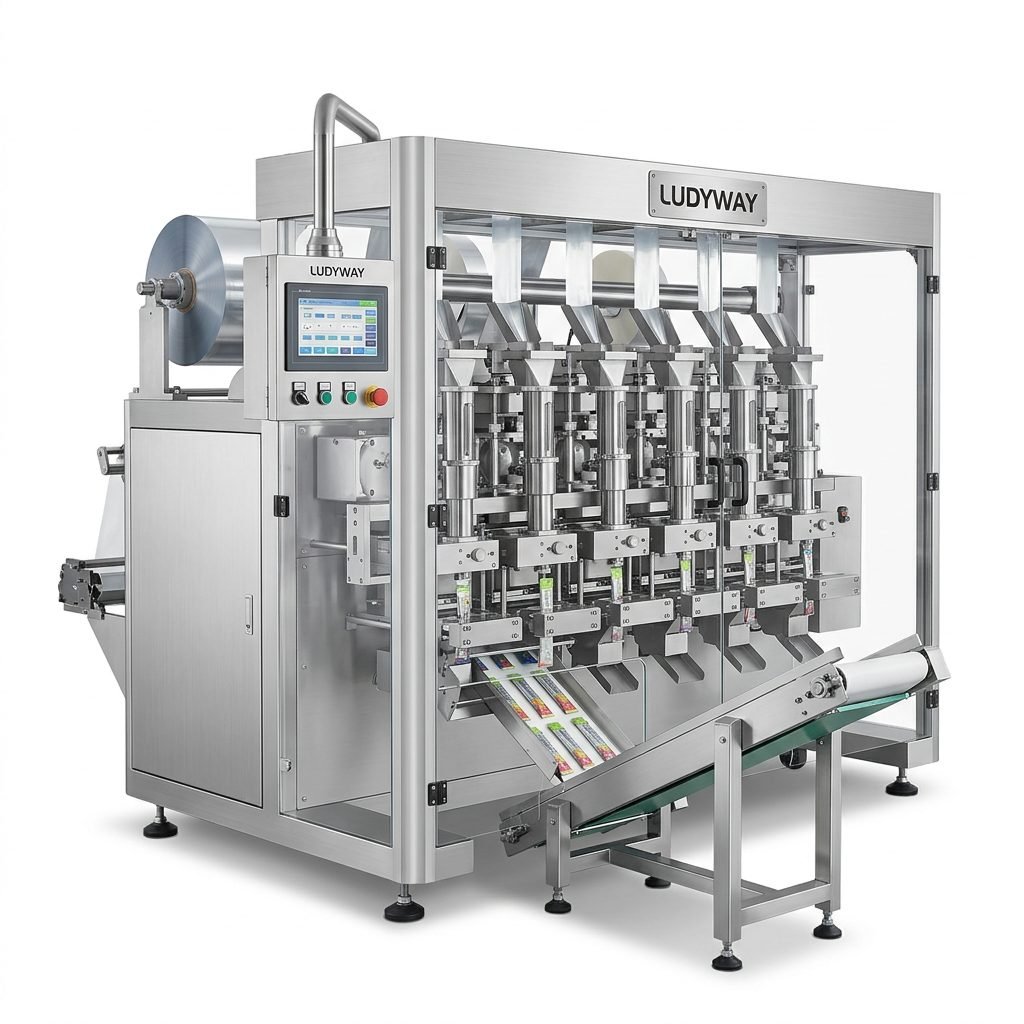
3. Sachet and Stick Pack Machines
For small-dose seed packaging, multi-lane sachet or stick pack machines can produce compact retail packs efficiently. These are often used for vegetable seeds, flower seeds, trial packs, and promotional packs.
4. Open-Mouth Bagging Machines
Used for larger agricultural volumes, these machines fill bigger bags such as 5kg, 10kg, 25kg, or more. They are common for field crop seeds and bulk distribution.
5. Seed Counting Machines
Certain seeds are packed by count rather than weight, especially high-value seeds. These machines provide high precision for small packs with a fixed number of seeds.
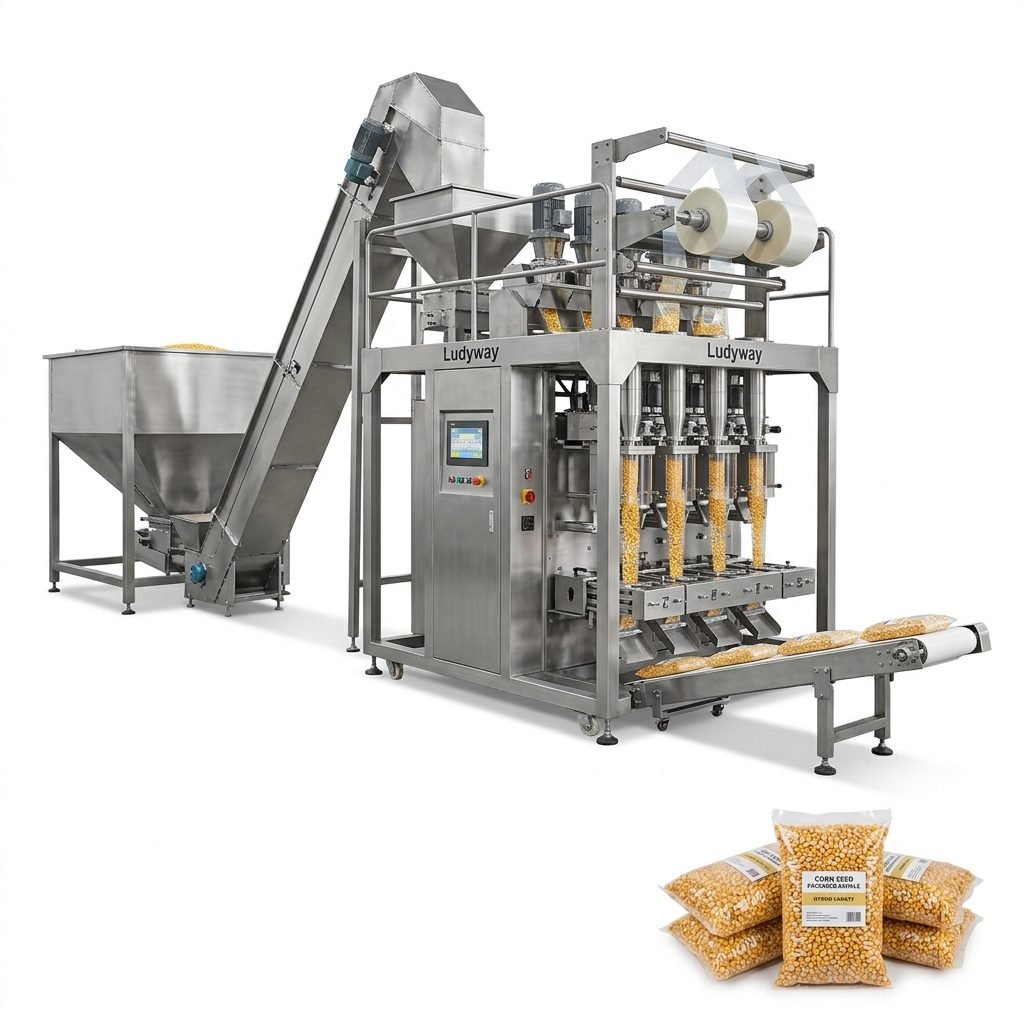
Which Seeds Can Be Packed?
A seed packaging system can be adapted for many product types, including:
- Vegetable seeds
- Flower seeds
- Grass seeds
- Corn seeds
- Rice seeds
- Wheat seeds
- Sunflower seeds
- Pumpkin seeds
- Treated or coated seeds
- Hybrid and premium-value seed products
Different seed sizes, shapes, coatings, and flow properties may require different feeding and dosing systems. This is why material testing is important before machine selection.
Main Packaging Formats for Seeds
| Packaging Format | Typical Use | Advantages |
|---|---|---|
| Sachets | Retail vegetable or flower seeds | Compact, cost-effective, easy to display |
| Stick packs | Small-dose promotional or specialty seeds | Neat appearance, high-speed multi-lane output |
| Pouches | Premium seed lines | Better branding space, resealable options |
| Pillow bags | General seed packaging | Simple structure, reliable sealing |
| Bulk sacks | Farm and wholesale supply | Suitable for high-volume agricultural operations |
Key Features to Look For
When selecting a seed packaging machine, buyers should focus on technical fit rather than only comparing speed.
- Accurate dosing system for stable package weights
- Gentle product handling to reduce seed damage
- Compatibility with different seed sizes and coatings
- Reliable sealing quality for moisture protection
- Dust control and easy cleaning design
- Batch coding and traceability support
- Quick changeover for multiple pack sizes
- Expandable automation for future production growth
Automatic vs. Semi-Automatic Seed Packaging Machines
| Machine Type | Best For | Benefits | Considerations |
|---|---|---|---|
| Semi-automatic | Small businesses, lower output | Lower investment, easier startup | More labor required |
| Fully automatic | Medium to large-scale production | Higher speed, better consistency, less labor | Higher initial capital cost |
Industries That Use Seed Packaging Solutions
Seed packaging equipment is used across a broad range of sectors:
- Agricultural seed companies
- Horticultural brands
- Garden product suppliers
- Seed treatment processors
- Agricultural cooperatives
- Export-oriented seed distributors
- Contract packaging providers
Important Selection Factors Before Buying
Seed Characteristics
Consider seed size, density, shape, coating, flowability, and fragility. These factors affect feeder design, weighing method, and sealing performance.
Packaging Speed
A retail sachet line may require high-speed multi-lane operation, while bulk farm bagging may prioritize accurate larger fills over ultra-high speed.
Pack Size Range
Choose equipment that can handle your current packaging range and possible future formats without major rework.
Automation Level
Think beyond filling and sealing. Full automation may include feeding, coding, weighing, inspection, cartoning, and palletizing.
Compliance and Traceability
Batch coding, lot control, and labeling accuracy are highly important, especially for regulated seed products and export business.
Benefits of Using an Advanced Seed Packaging System
- Higher packaging efficiency
- Reduced manual handling
- More consistent package weights
- Improved seal quality and product protection
- Lower packaging waste and rework
- Better product presentation for retail markets
- Scalable production for seasonal demand growth
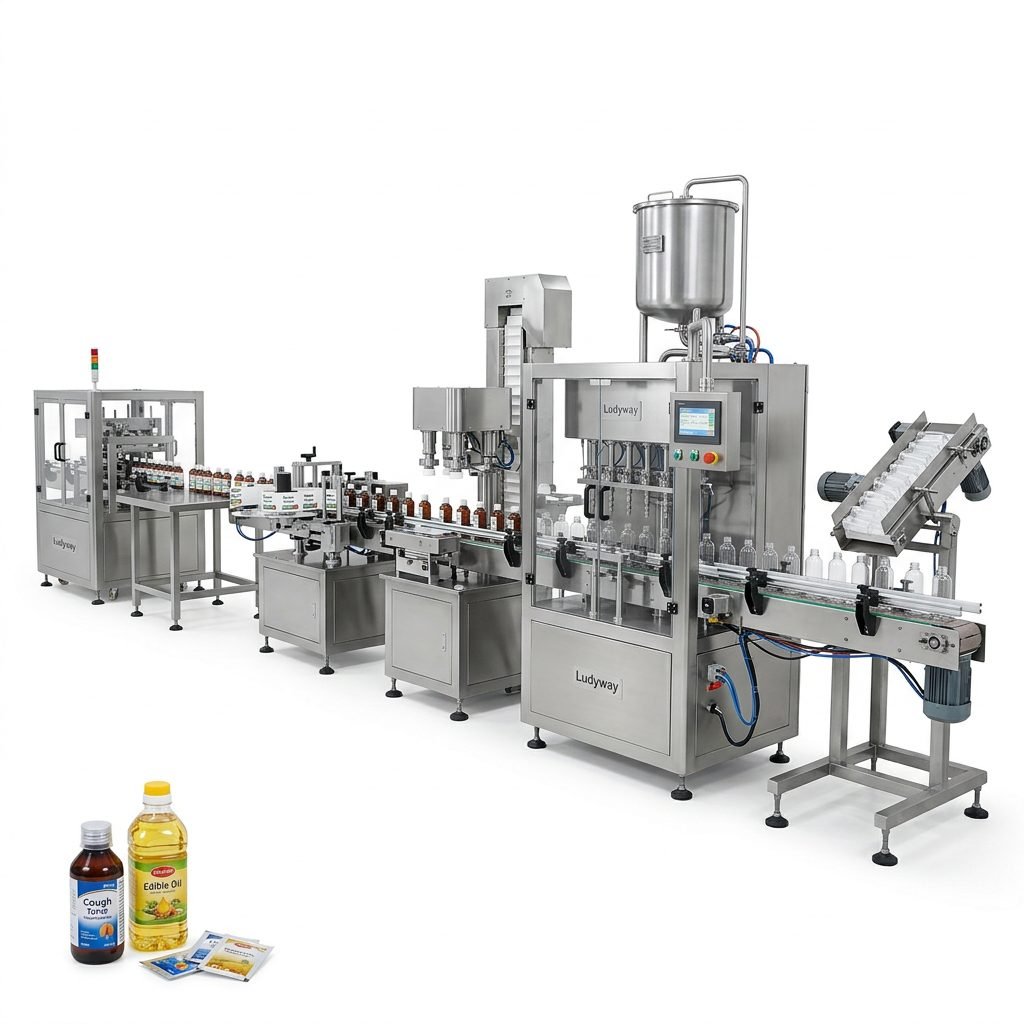
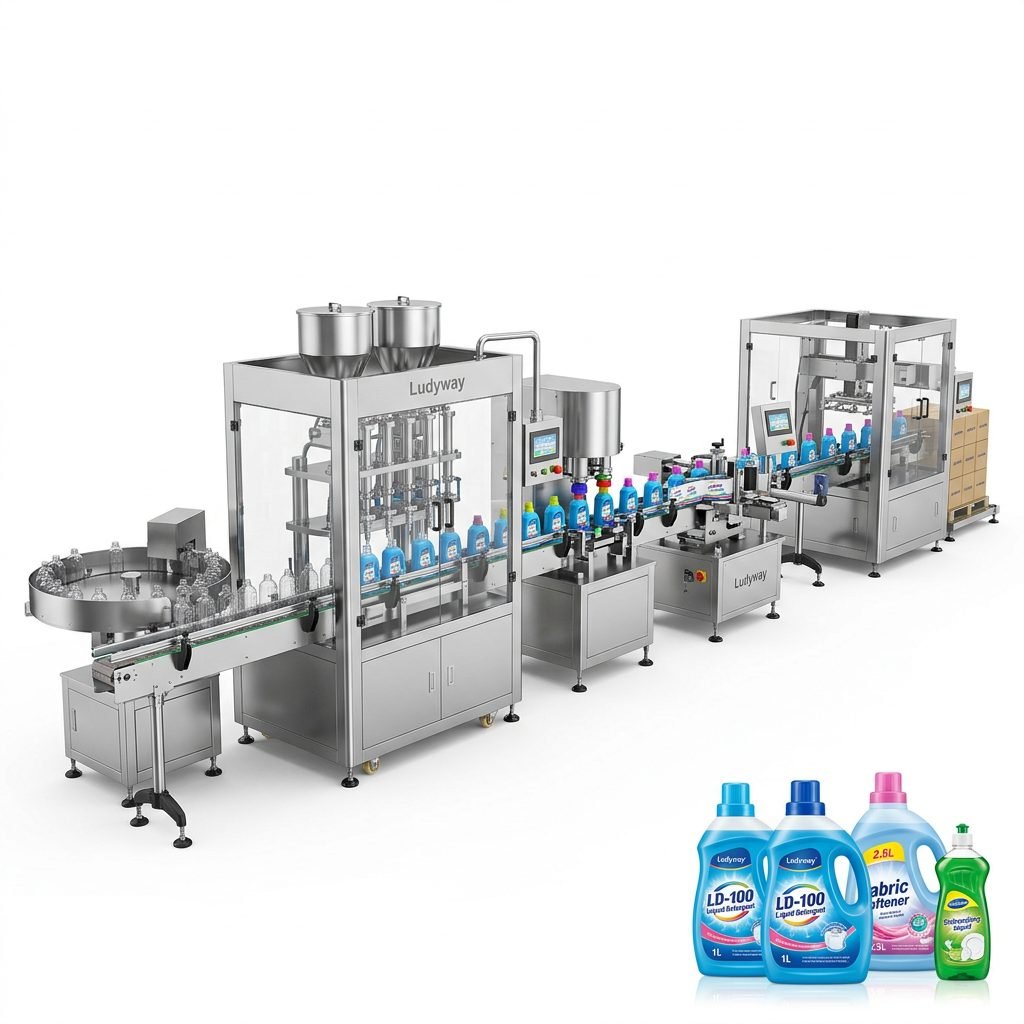
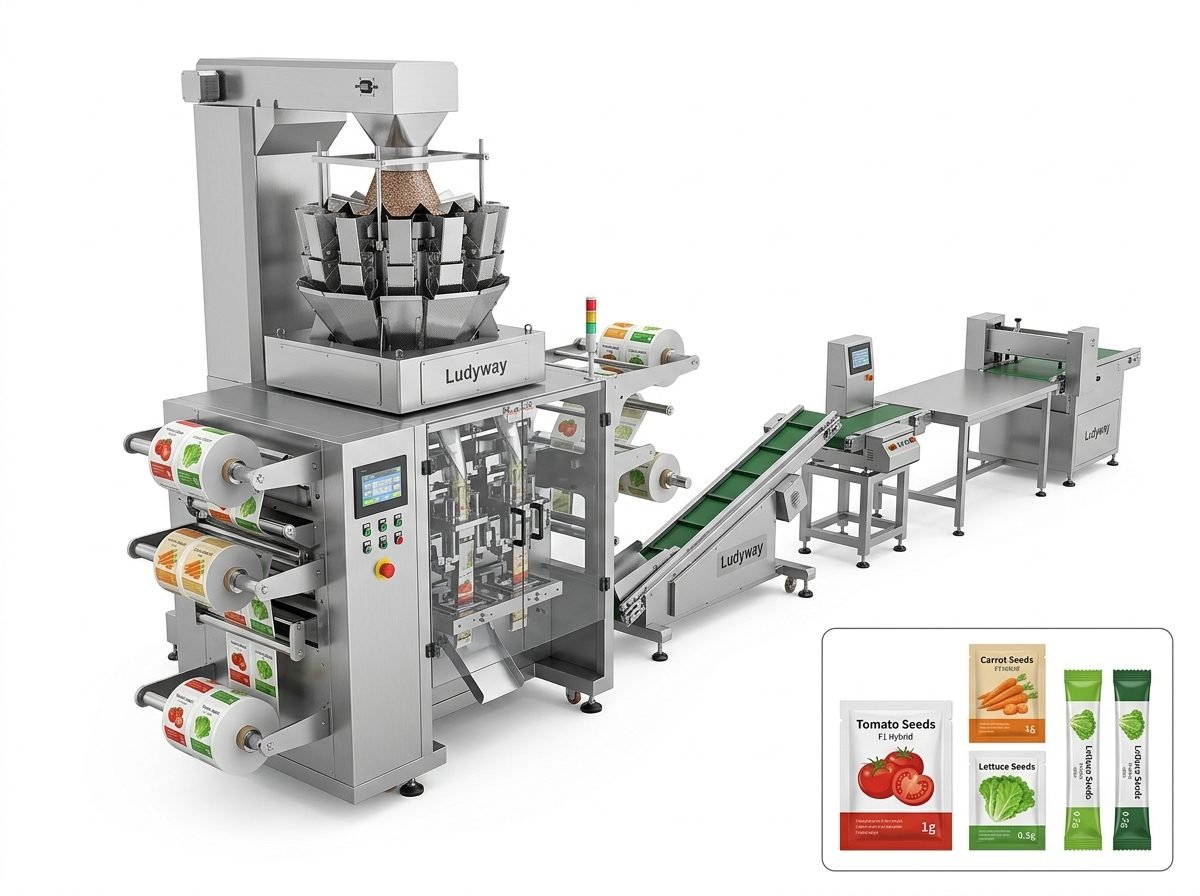
What Equipment May Be Included in a Complete Seed Packaging Line?
Many factories do not buy a standalone machine only. Instead, they invest in a complete line that may include:
- Storage hopper
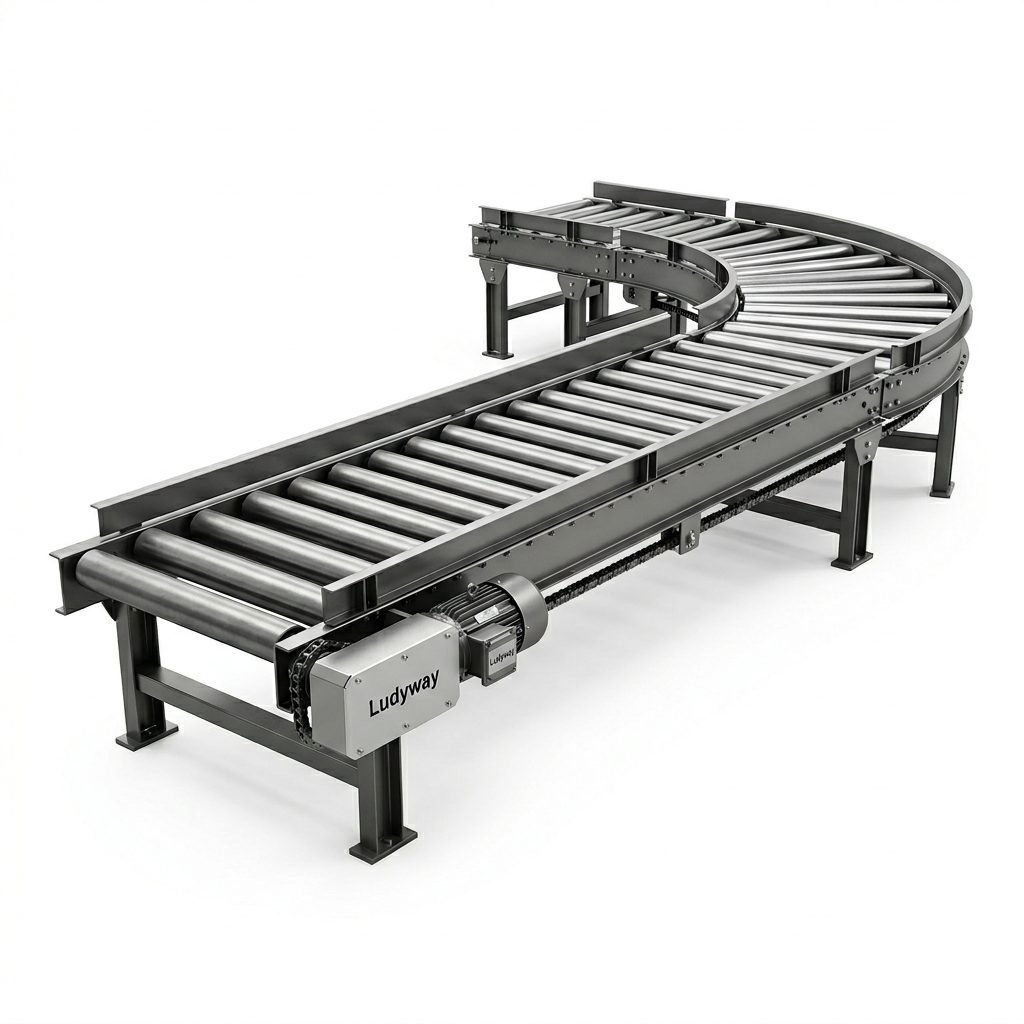
- Bucket elevator or conveyor
- Weighing or counting unit
- Form-fill-seal or premade pouch machine
- Date coder or printer
- Checkweigher
- Metal detector
- Cartoning machine
- Case packing or palletizing equipment
For companies looking for scalable automation, Ludyway seed packaging solutions can be considered as part of broader packaging machine and turnkey line planning, especially for granule, sachet, pouch, and automated packaging applications.
Typical Challenges in Seed Packaging
| Challenge | Impact | Possible Solution |
|---|---|---|
| Inconsistent seed flow | Weight variation | Use proper feeder and dosing system |
| Seed damage during filling | Reduced product quality | Gentle handling design and controlled drop height |
| Dust from treated seeds | Machine contamination and maintenance issues | Sealed structure and dust collection options |
| Poor sealing | Moisture ingress and spoilage risk | Stable temperature control and film matching |
| Frequent size changes | Downtime | Quick-change tooling and recipe memory |
How to Choose the Right Supplier
A good machine supplier should offer more than hardware. Look for partners that can support machine selection, sample testing, layout planning, commissioning, training, spare parts, and after-sales service.
- Experience in granule and seed packaging applications
- Custom engineering capability
- Ability to deliver standalone machines or full lines
- Clear communication on performance and maintenance
- Export support and technical documentation
Frequently Asked Questions
Can one machine pack different seed types?
Yes, many machines can handle multiple seed products, but performance depends on seed size, shape, and flowability. Some change parts or parameter adjustments may be required.
Is weighing better than counting for seed packaging?
It depends on the product. Weighing is common for standard seed packaging, while counting is often preferred for high-value seeds sold in fixed quantities.
Can treated seeds be packaged with automatic machines?
Yes, but the machine should be designed with suitable dust control, material compatibility, and cleaning access.
What is the best package format for small retail seed packs?
Sachets and small pouches are popular because they are compact, affordable, and easy to display in retail environments.
Can a seed packaging machine be integrated into a full production line?
Absolutely. Many systems are integrated with feeders, printers, inspection units, cartoners, and final end-of-line automation.
Final Thoughts
A seed packaging machine is far more than a bagging device. It is a productivity tool that helps seed companies improve accuracy, protect product quality, standardize packaging, and scale production with confidence. Whether you need small retail sachets, premium pouches, or bulk agricultural bags, the right seed packaging solution should match your product characteristics, packaging goals, and long-term growth plan.
By understanding machine types, packaging formats, dosing methods, and automation options, buyers can make more informed decisions and build a packaging process that is efficient, reliable, and ready for the future.