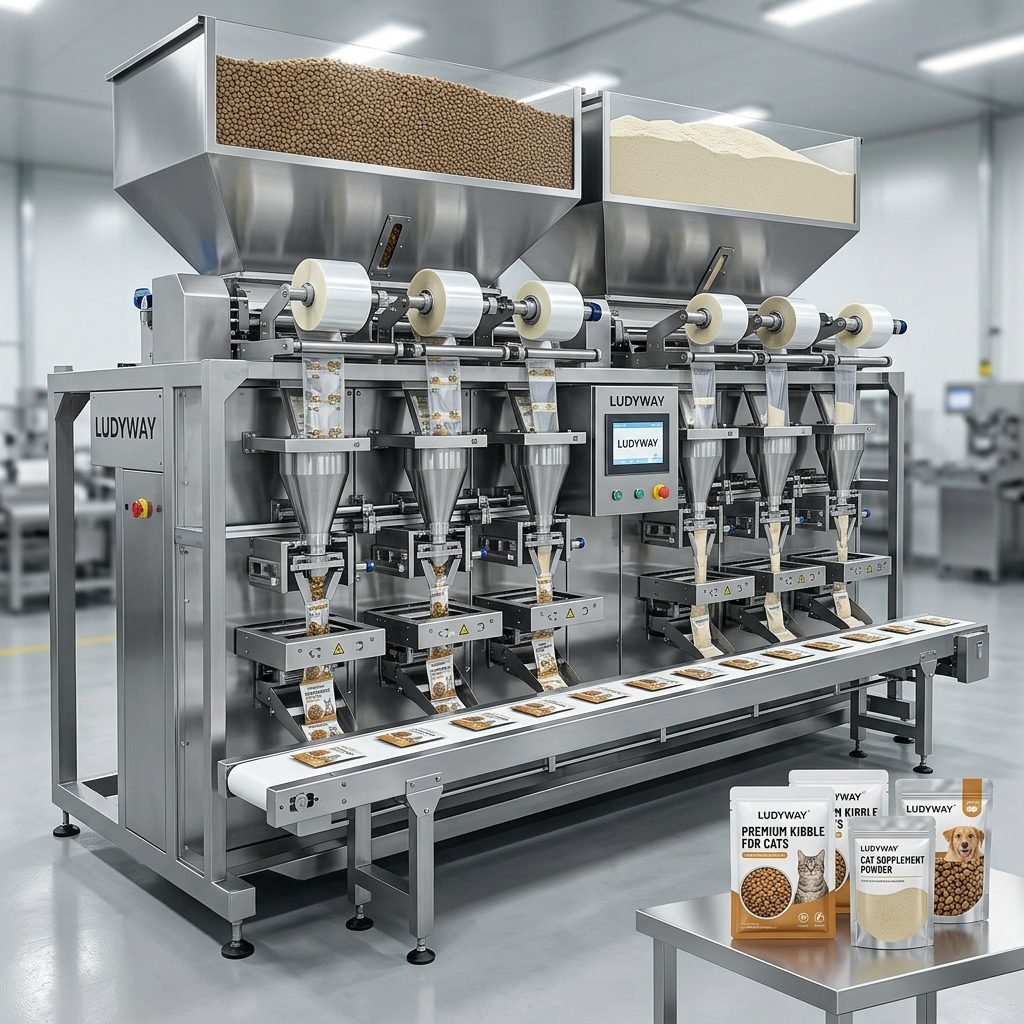
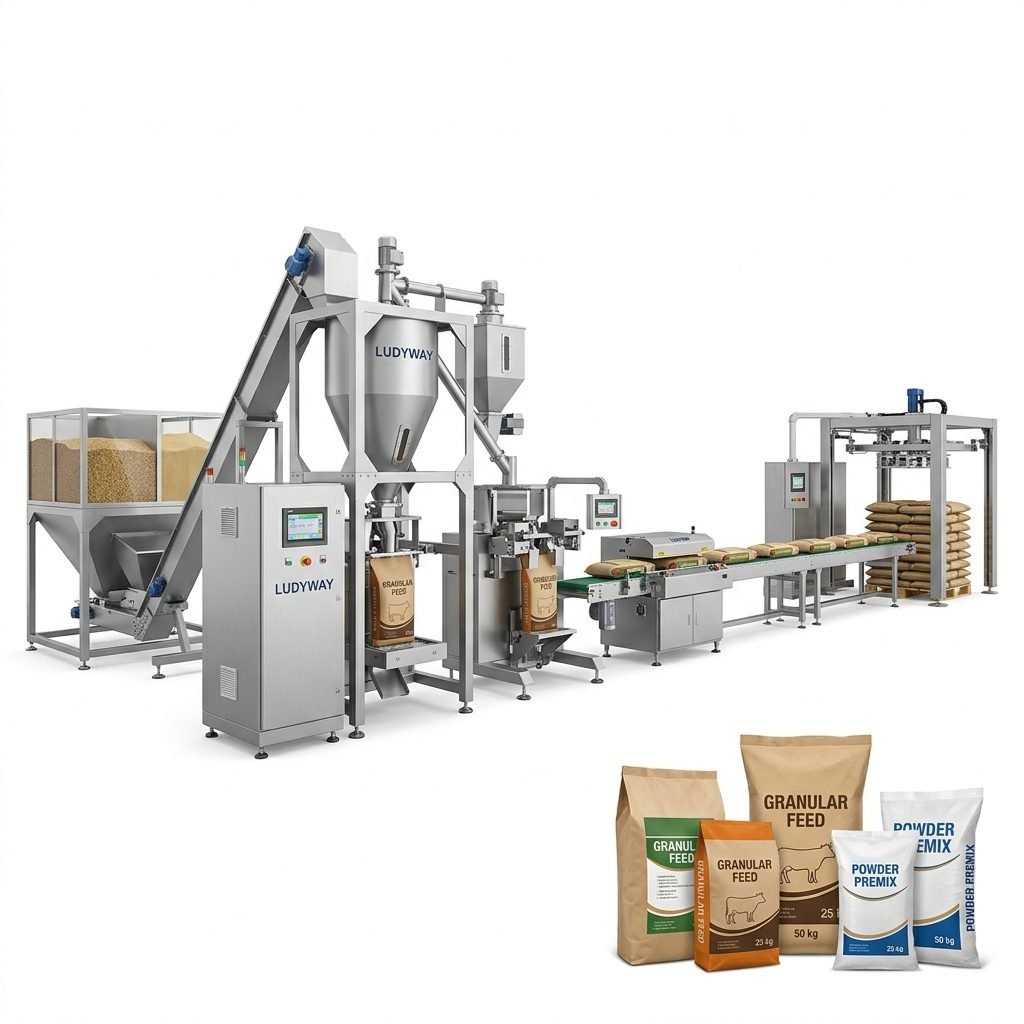
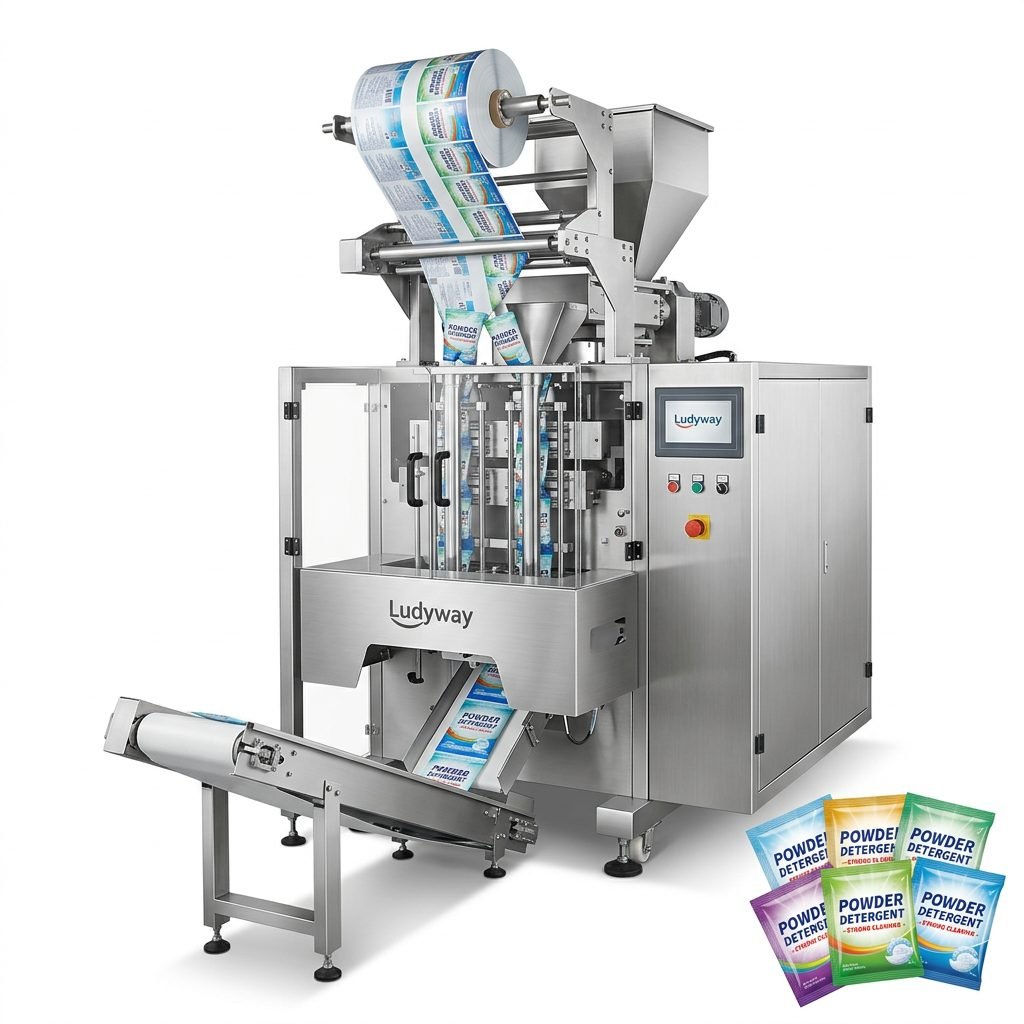
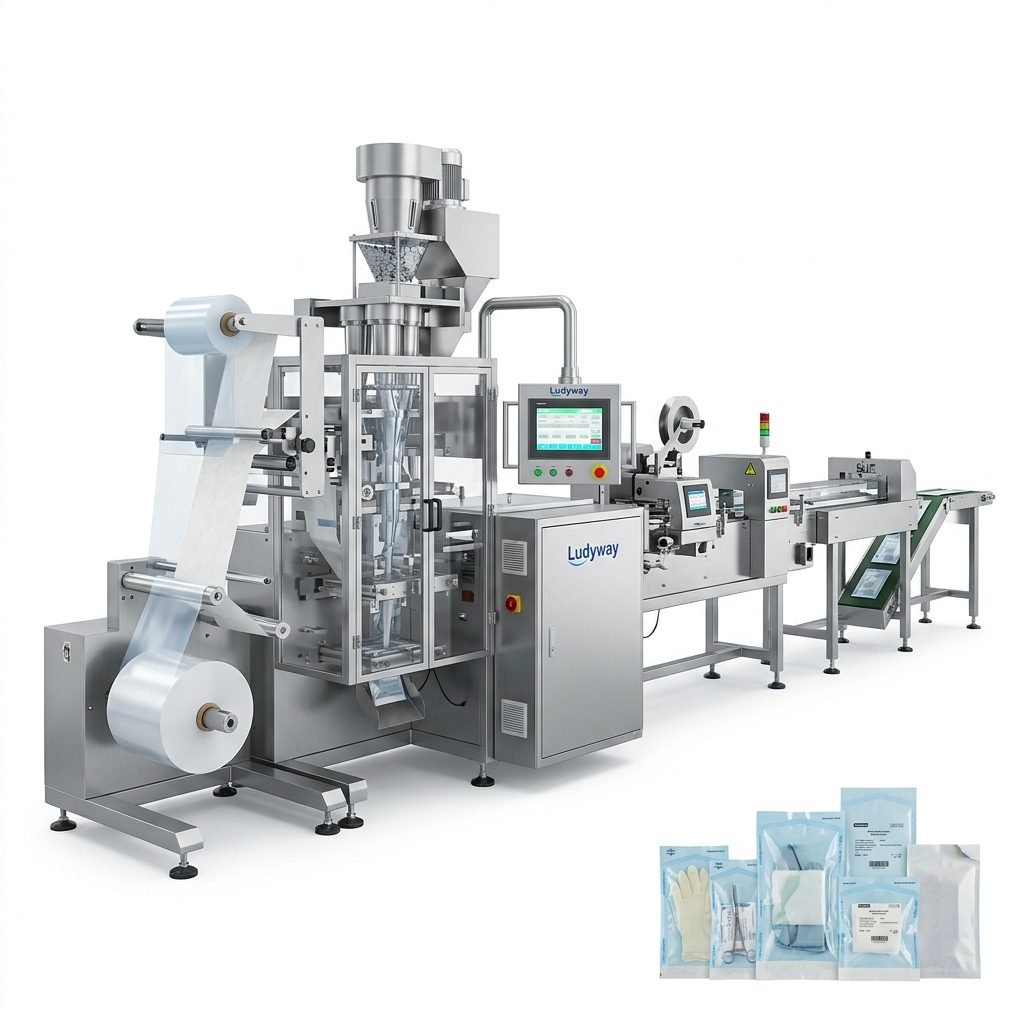
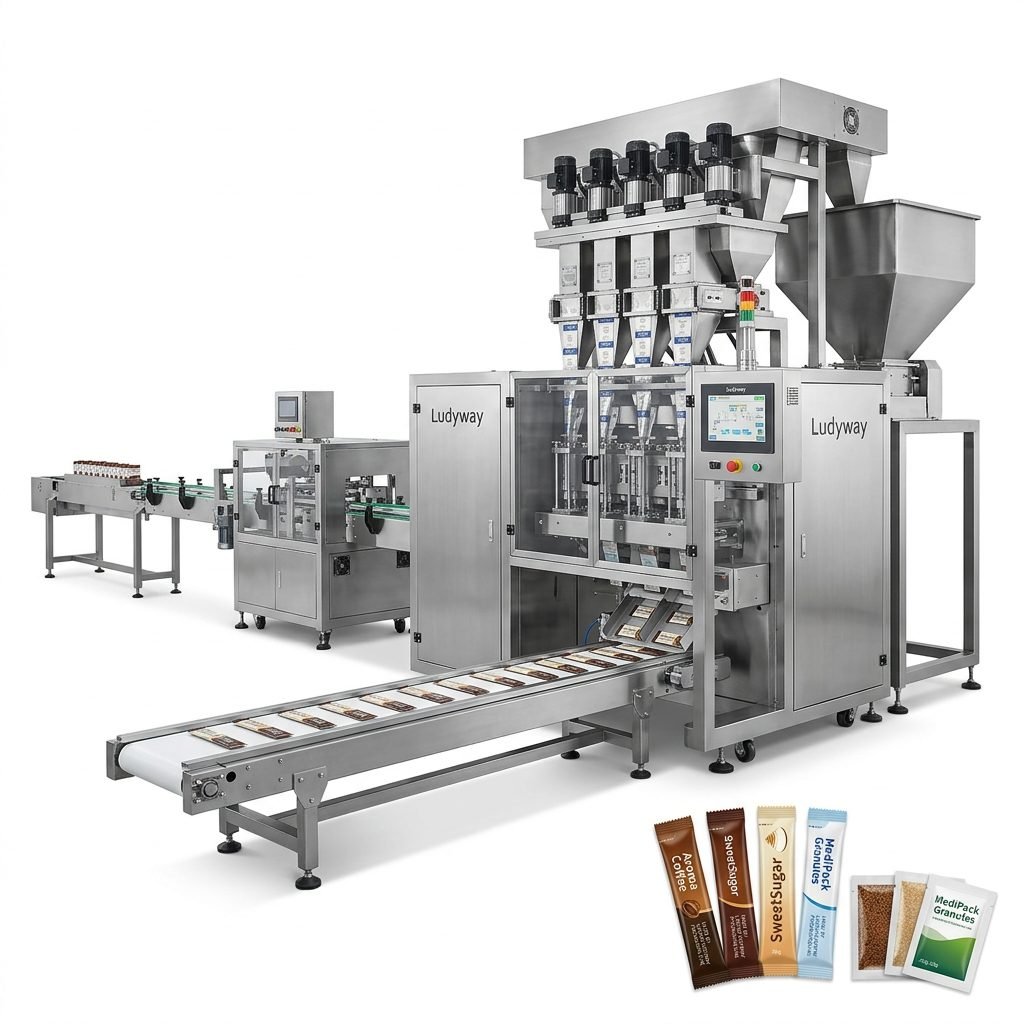
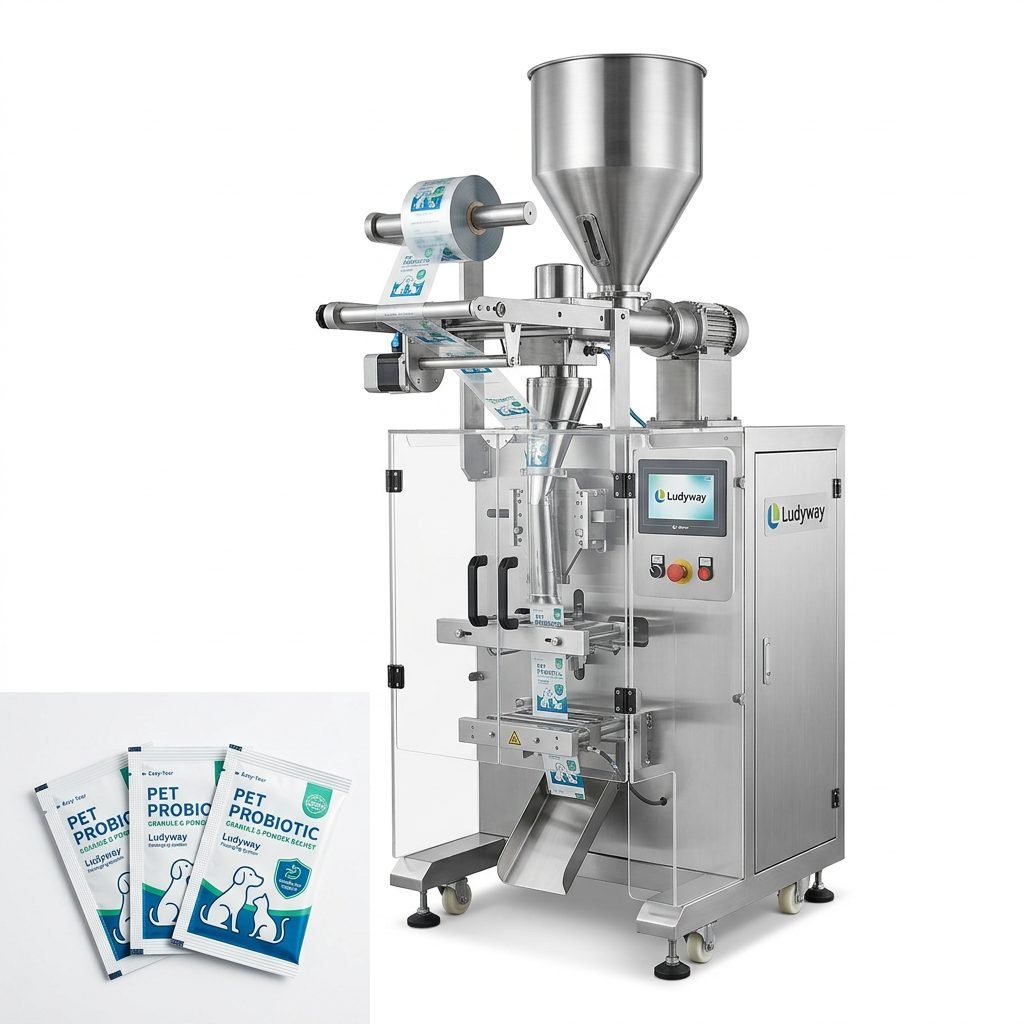
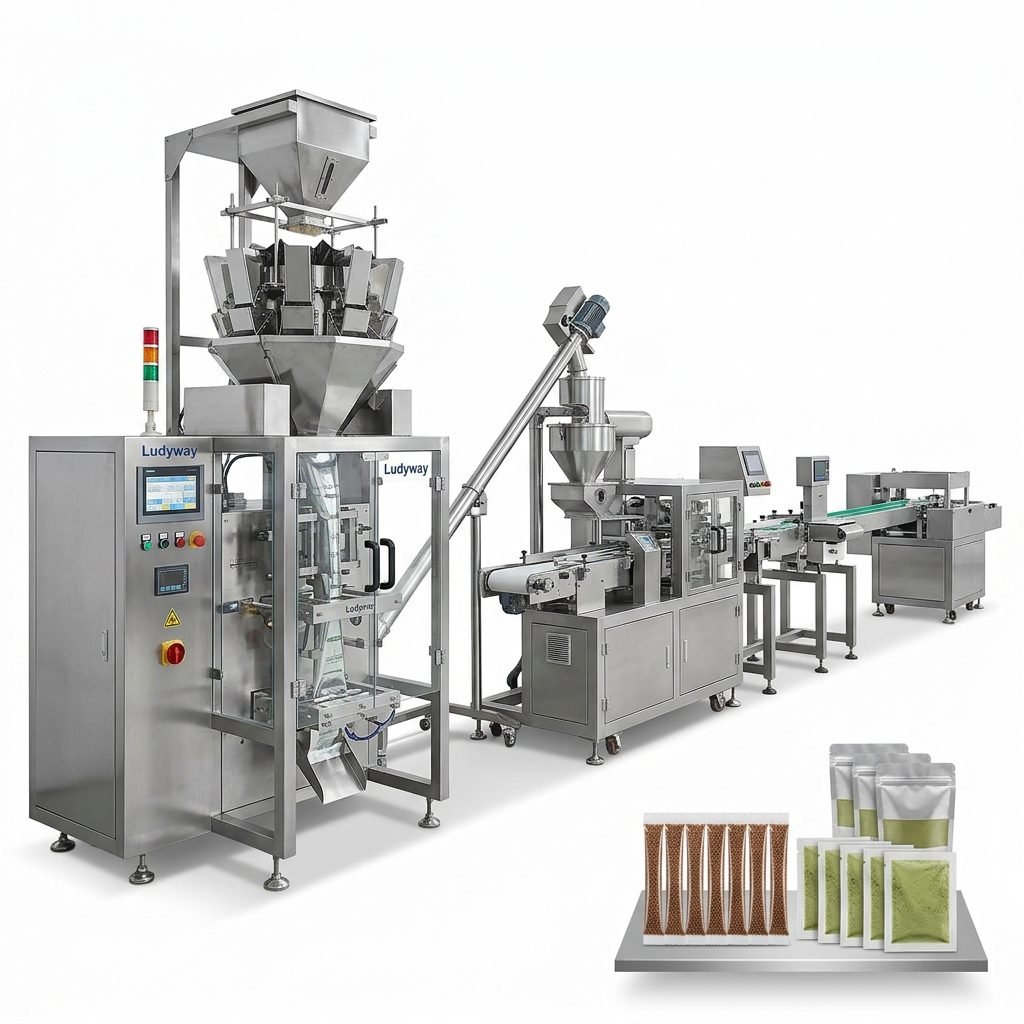
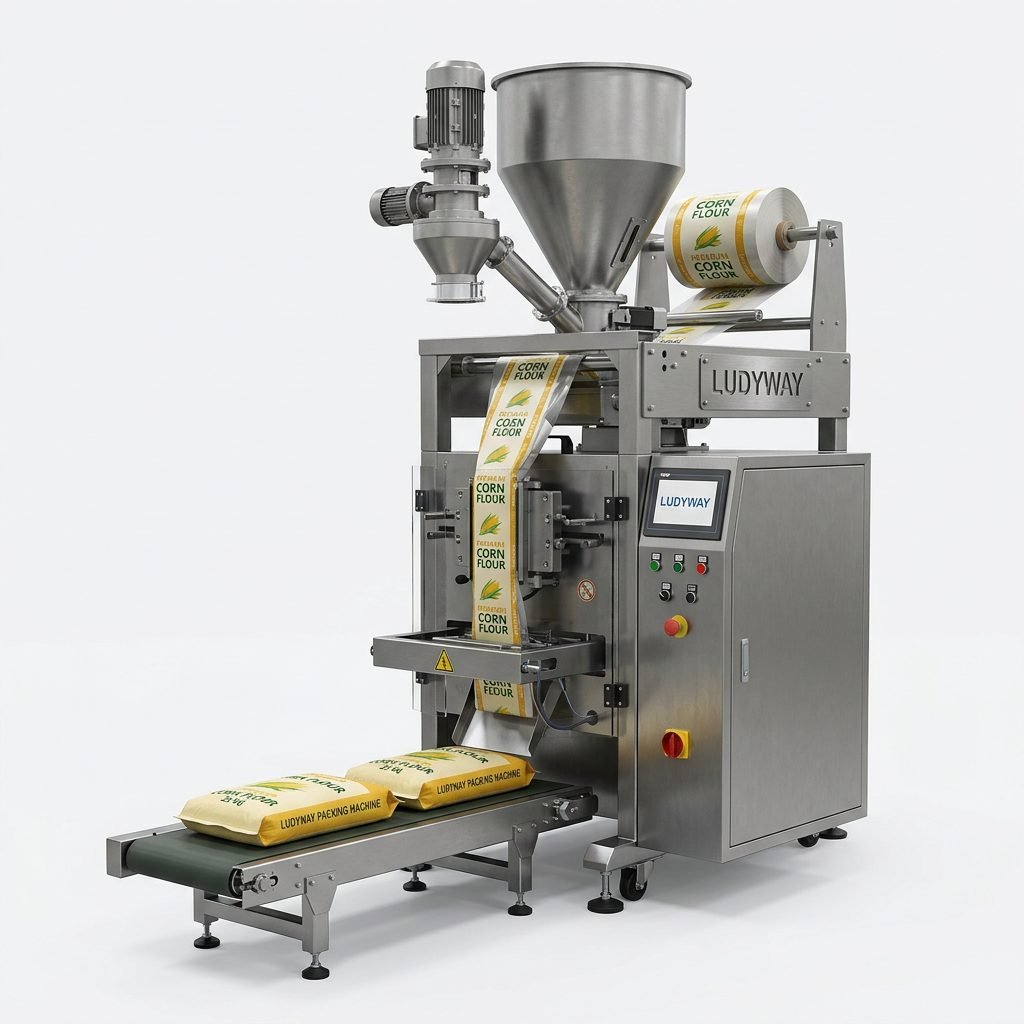
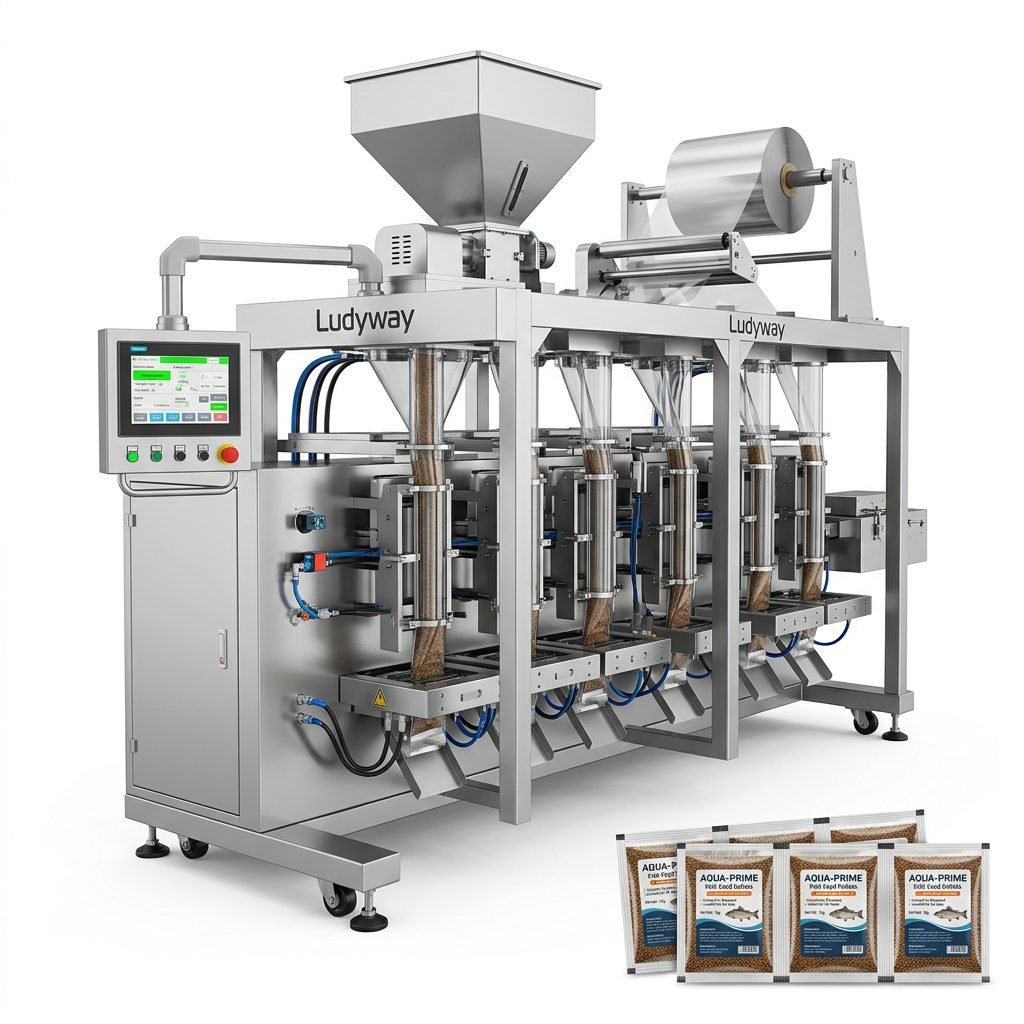
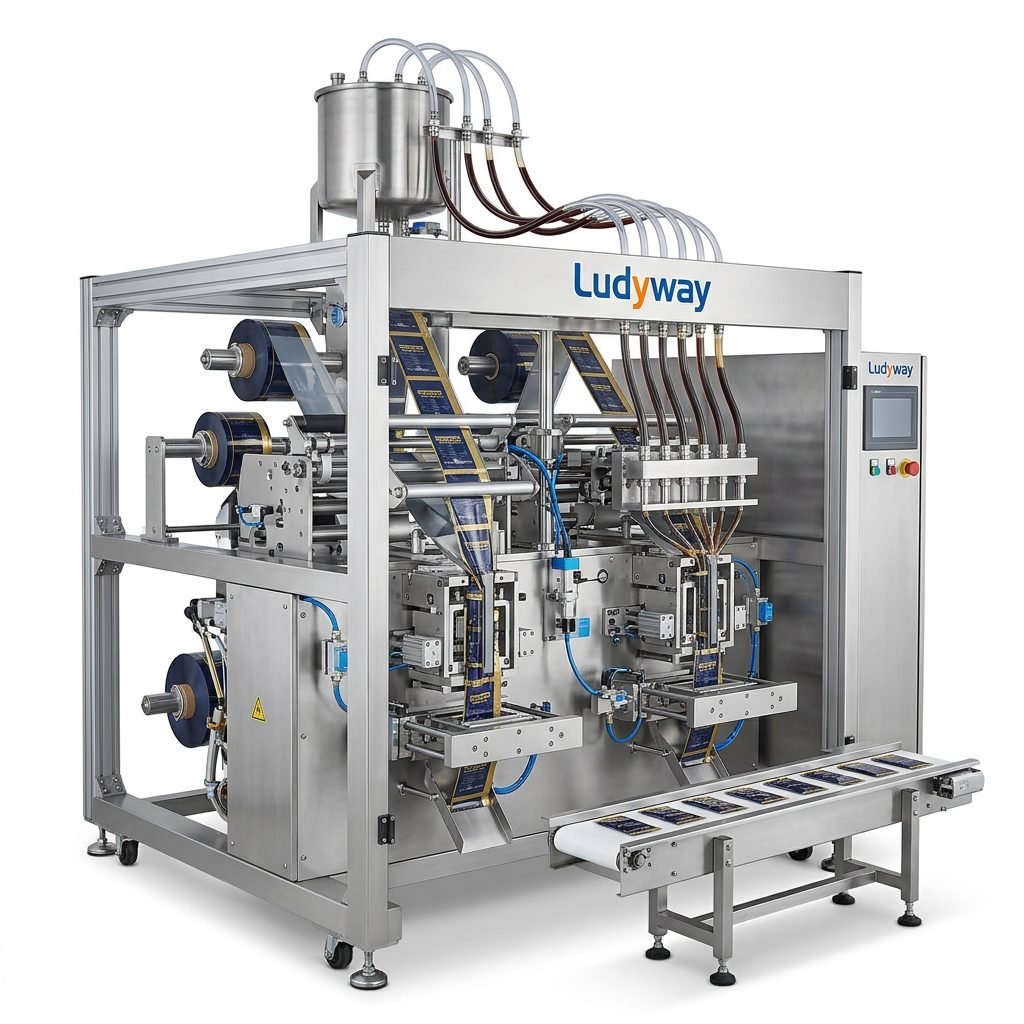
Seed packaging is a critical step in the agricultural supply chain. Whether you handle vegetable seeds, corn seeds, rice seeds, grass seeds, flower seeds, or seed treatment products, the right packaging equipment can improve accuracy, product protection, efficiency, and traceability. A seed pouch filling machine is designed to automate this process by filling seeds into pouches, sachets, or small bags with controlled weight or volume and then sealing them for transport, storage, and retail sale.
For seed companies, distributors, agrochemical suppliers, and contract packers, choosing the right packaging solution can reduce labor costs, minimize giveaway, and support a more consistent final product. This guide explains what a seed pouch filling machine is, how it works, which machine types are available, and what to consider before investing in one.
What Is a Seed Pouch Filling Machine?
A seed pouch filling machine is an automated packaging machine used to dose, fill, and seal seeds into pouches or flexible packages. Depending on the application, it may package seeds by weight, count, or pre-set volume. These machines are commonly used for:
- Vegetable seeds
- Grain seeds
- Grass and lawn seeds
- Flower seeds
- Hybrid seeds
- Seed treatment granules or powders
- Promotional or sample seed packs
The machine can work with premade pouches or create bags from roll film in a form-fill-seal process. In both cases, the goal is to package seeds quickly and accurately while protecting them from moisture, contamination, and handling damage.
How Does a Seed Pouch Filling Machine Work?
Although the exact process varies by machine model, most seed pouch filling systems follow a similar workflow:
- Seed feeding: Seeds are transferred from a hopper or feeder into the dosing unit.
- Measuring: The machine measures the required amount using weighing, volumetric cups, augers, or counting systems.
- Pouch handling: A premade pouch is opened, or packaging film is formed into a pouch shape.
- Filling: The measured seeds are dispensed into the pouch.
- Sealing: The pouch is heat sealed or otherwise closed.
- Coding and discharge: Batch code, production date, or traceability data can be printed before the pouch exits the line.
More advanced systems may also include metal detection, checkweighing, nitrogen flushing, zipper application, carton packing, or palletizing.
Main Types of Seed Packaging Machines
There is no single machine suitable for every seed product. The best choice depends on seed size, pouch format, target speed, and packaging material.
| Machine Type | Best For | Key Advantage |
|---|---|---|
| Vertical Form Fill Seal (VFFS) | Loose seeds, pillow bags, gusset bags | High efficiency and flexible bag making |
| Premade Pouch Filling Machine | Stand-up pouches, zipper pouches, retail packs | Premium appearance and strong sealing quality |
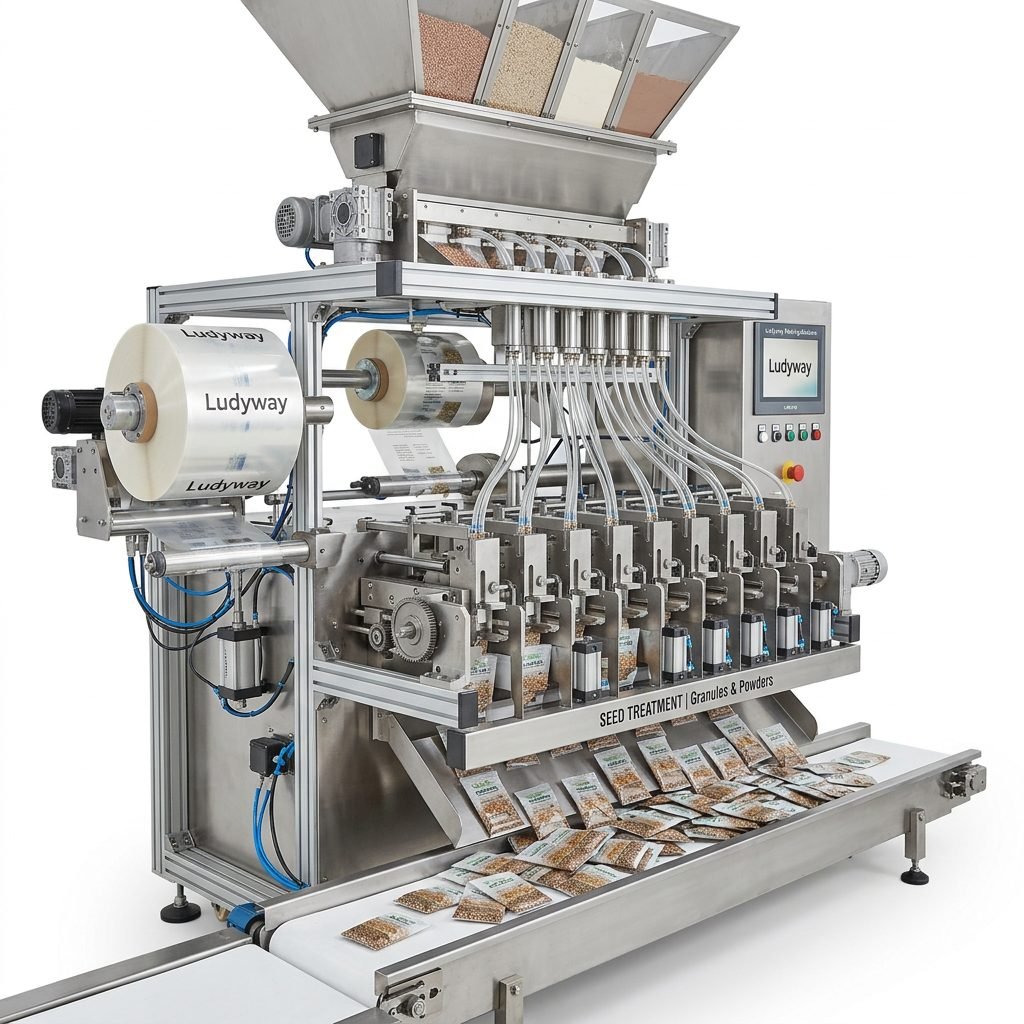
| Multi-lane Sachet Machine | Small seed sample packs or mini sachets | High-speed output for small-format packaging |
| Counting Filling System | High-value seeds sold by piece count | Precise count-based packaging |
| Weighing Packaging Machine | Bulk seeds and irregular seed sizes | Good weighing accuracy for variable products |
1. Vertical Form Fill Seal Machines
VFFS machines are widely used in the seed industry. They form the bag from packaging film, fill it with seeds, and seal it in one continuous process. This format works well for medium- to high-volume production and can support different bag sizes.
2. Premade Pouch Filling Machines
These machines use preformed pouches, making them ideal for premium seed brands that need attractive shelf-ready packaging. They are often chosen for stand-up pouches, resealable bags, and specialty retail products.
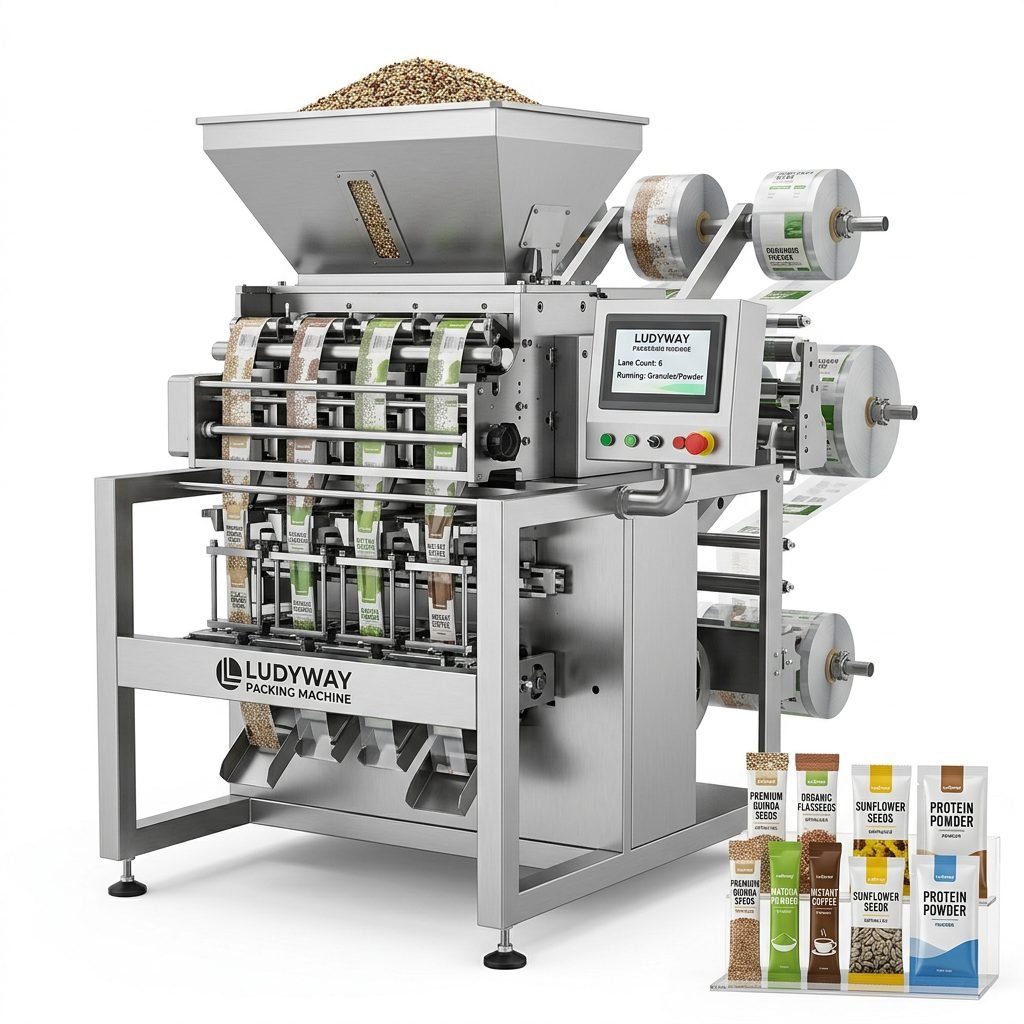
3. Multi-Lane Sachet Packaging Machines
For small seed portions, promotional packs, or sample kits, multi-lane sachet systems can provide very high output. They are especially useful when a business needs large quantities of small sachets in a short time.
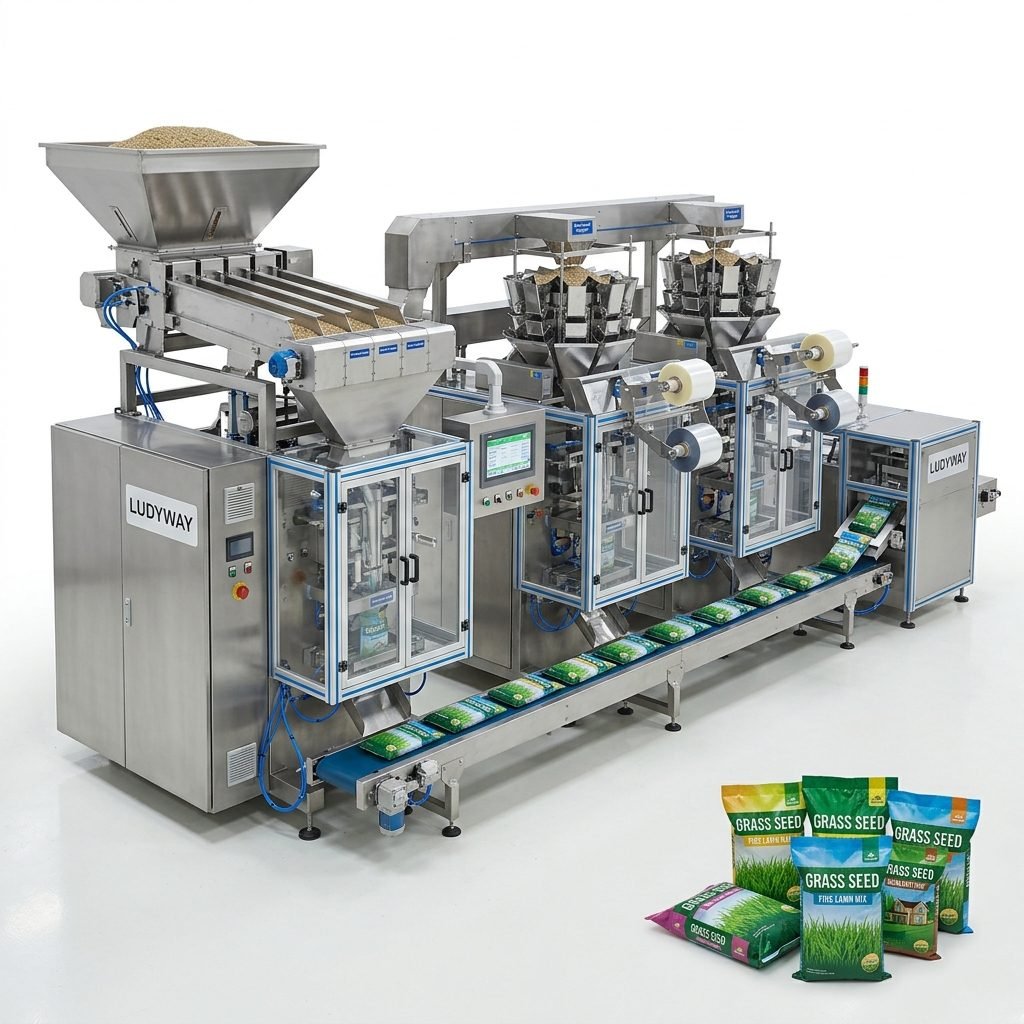
What Products Can Be Packed?
A modern seed pouch filling machine can often handle more than just untreated seeds. With proper feeding and dosing systems, it may also package:
- Coated seeds
- Pelleted seeds
- Seed treatment powders
- Seed treatment granules
- Mixed seed blends
- Agricultural additives used with seeds
However, the flow characteristics of each product matter. Smooth free-flowing seeds are easier to package than fragile, sticky, dusty, or highly variable products. This is why dosing technology should always be matched to the actual product.
Key Components of a Seed Pouch Filling System
A complete packaging line may include more than the main filling machine. Depending on production requirements, the system can include:
- Product hopper for seed storage and controlled feeding
- Bucket elevator or conveyor for material transport
- Weigher or counting unit for precise dosing
- Bag forming or pouch feeding module
- Sealing station for secure closure
- Date coder or printer for batch information
- Checkweigher for weight verification
- Metal detector for quality control
- Cartoning and palletizing units for end-of-line automation
Benefits of Using a Seed Pouch Filling Machine
Compared with manual packing, automated seed packaging offers clear operational advantages.
| Benefit | Why It Matters |
|---|---|
| Higher speed | Supports larger order volumes and faster fulfillment |
| Better accuracy | Reduces overfilling, underfilling, and product giveaway |
| Consistent sealing | Protects seed quality during storage and distribution |
| Lower labor dependency | Improves cost control and reduces repetitive manual tasks |
| Improved traceability | Supports coding, labeling, and compliance requirements |
| Scalability | Makes it easier to expand from small batches to industrial output |
How to Choose the Right Seed Pouch Filling Machine
Before buying a machine, evaluate your production needs carefully. The right equipment should match both your current product range and future growth plans.
Product Characteristics
Consider seed size, shape, flowability, fragility, and whether the seeds are coated or mixed with treatment materials. Different products may require different feeders, weighing heads, or anti-dust measures.
Pouch Type
Decide whether you need pillow bags, sachets, stand-up pouches, zipper pouches, or custom retail formats. Your packaging style directly affects machine selection.
Pack Size Range
Some businesses package tiny sample pouches, while others need larger agricultural seed bags. Make sure the machine can handle the full pack size range you intend to produce.
Output Speed
A small seed company may only need moderate speed, while a contract packer or large agro-business may need fully automated, high-output equipment. Choose a speed level that fits production reality rather than just the highest advertised number.
Accuracy Requirements
If you package expensive hybrid or specialty seeds, precision becomes especially important. In many cases, high-accuracy weighing or counting systems can save substantial product cost over time.
Integration Needs
If you want a complete line, confirm whether the machine can connect with conveyors, feeders, coding systems, inspection devices, cartoners, and palletizers.
Common Packaging Formats for Seeds
Seed products are sold in many different pack styles. The most common include:
- Pillow pouches
- Back-seal sachets
- Three-side seal sachets
- Four-side seal sachets
- Stand-up pouches
- Zipper pouches
- Bulk bags for agricultural distribution
Retail-focused brands often prefer stand-up pouches for better shelf impact, while wholesale and farming channels may prioritize functional cost-effective bag formats.
Industries That Use Seed Pouch Filling Machines
These machines are not limited to seed companies alone. They are also used by:
- Agricultural input manufacturers
- Seed exporters and importers
- Garden retail brands
- Contract packaging providers
- Agrochemical and seed treatment suppliers
- Feed and grain businesses handling similar granule products
What Features Should You Look For?
A reliable seed pouch filling machine should offer more than basic filling and sealing. Useful features may include:
- PLC control with touchscreen interface
- Quick changeover for different pouch sizes
- Dust control or sealed filling design
- Servo-driven accuracy and stable motion
- Stainless steel contact parts where required
- Easy cleaning and maintenance access
- Data coding and traceability compatibility
- Safety protection and alarm systems
Manual, Semi-Automatic, or Fully Automatic?
The right automation level depends on business size and budget.
| Automation Level | Suitable For | Consideration |
|---|---|---|
| Manual | Very small batch packing | Low output and high labor reliance |
| Semi-automatic | Growing businesses with moderate volume | Balanced cost and efficiency |
| Fully automatic | Medium to large industrial production | Highest productivity and integration potential |
Why Packaging Quality Matters for Seeds
Seeds are sensitive agricultural products. Poor packaging can lead to moisture exposure, contamination, leakage, and even lower germination performance in some storage conditions. Good packaging helps maintain quality throughout logistics, warehousing, and retail handling.
That is why many seed companies look for machines capable of producing clean seals, repeatable fill weights, and stable pouch presentation. The packaging line is not just a final step—it is part of overall product quality assurance.
Turnkey Seed Packaging Solutions
For many buyers, a single machine is not enough. They need a complete packaging line that includes feeding, weighing, filling, sealing, coding, inspection, and secondary packaging. A turnkey solution can simplify project management and improve compatibility between equipment modules.
Manufacturers such as Ludyway seed packaging machine solutions are often considered by buyers looking for integrated packaging systems across granule, powder, liquid, and pouch applications. For seed-related projects, this can be especially useful when a business wants room to scale into broader agricultural packaging formats.
Frequently Asked Questions
Can a seed pouch filling machine handle different seed sizes?
Yes, many machines can handle multiple seed types, but change parts or setting adjustments may be required depending on the size, shape, and flow properties of the product.
Is weighing or counting better for seed packaging?
Weighing is common for general agricultural seeds, while counting is often better for high-value seeds sold in precise quantities. The best method depends on product value and packaging specification.
Can these machines pack seed treatment products too?
Yes, certain models can package seed treatment granules or powders, provided the machine is configured for the product’s flow behavior and any dust-control needs.
What pouch materials are commonly used?
Common materials include laminated films, moisture-barrier pouches, and various flexible packaging structures chosen for strength, printability, and shelf life protection.
How do I know which machine is right for my project?
The most effective approach is to review your seed type, target bag size, desired speed, packaging format, and level of automation with an experienced packaging machine supplier.
Final Thoughts
A seed pouch filling machine is an essential solution for businesses that want to package seeds efficiently, accurately, and professionally. From small retail sachets to larger agricultural pouches, the right system can improve production speed, reduce waste, and strengthen product presentation.
If you are evaluating seed packaging equipment, focus on product compatibility, pouch style, dosing accuracy, line integration, and future scalability. A well-matched machine will not only improve daily operations but also support long-term growth in the seed and agricultural packaging market.