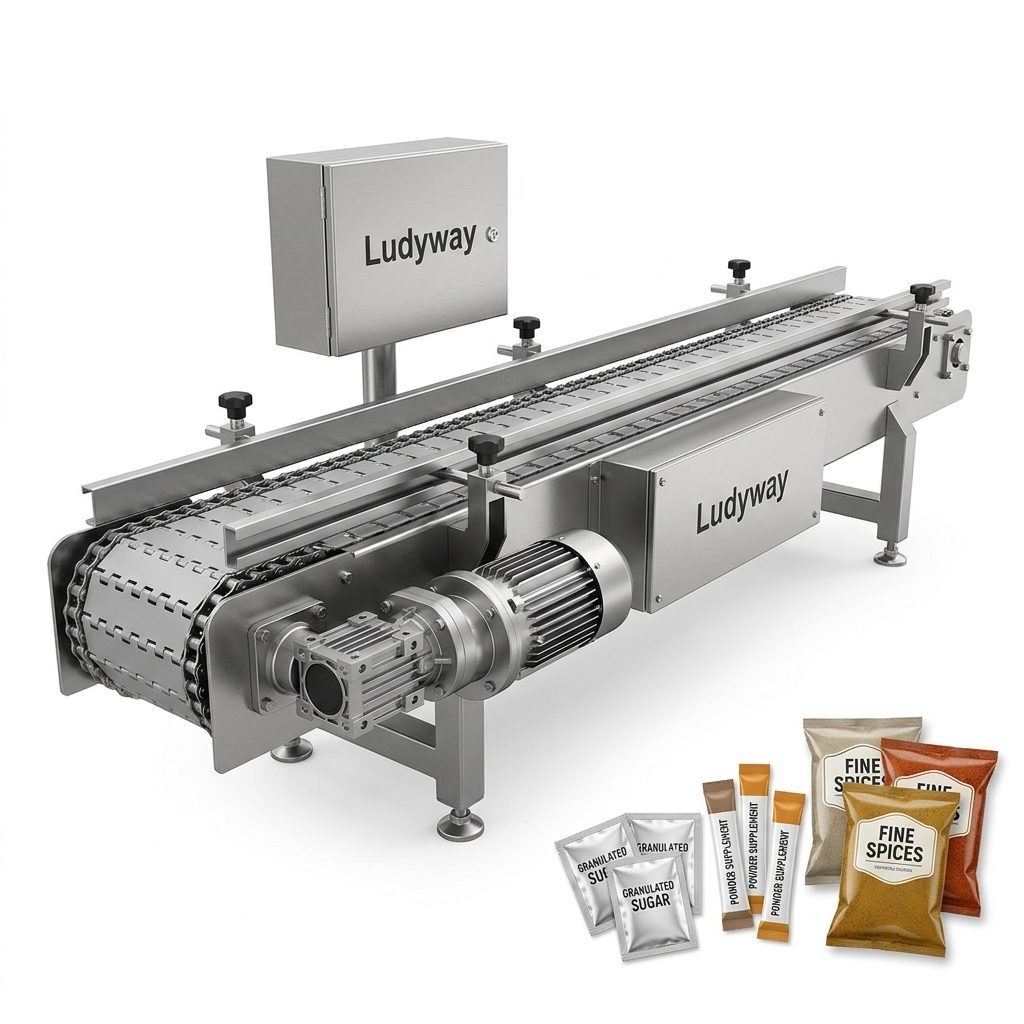
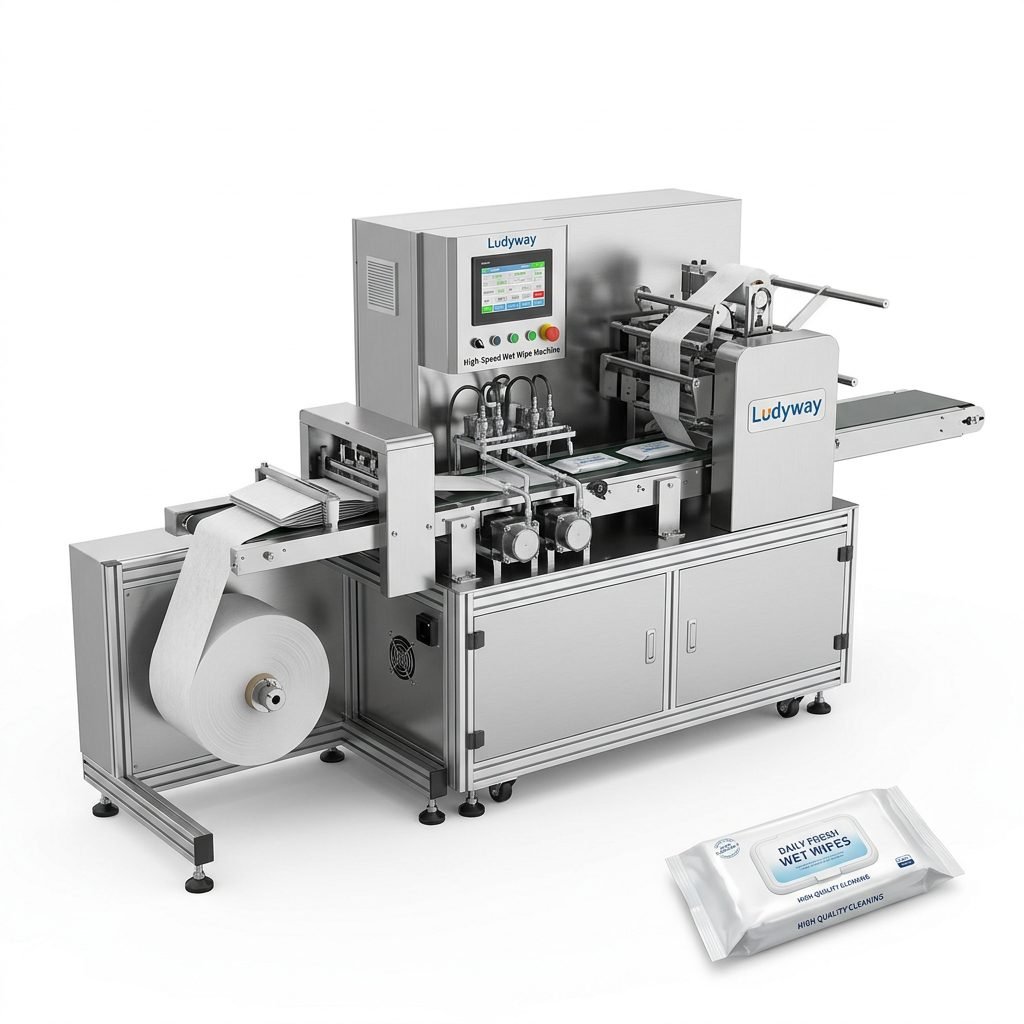
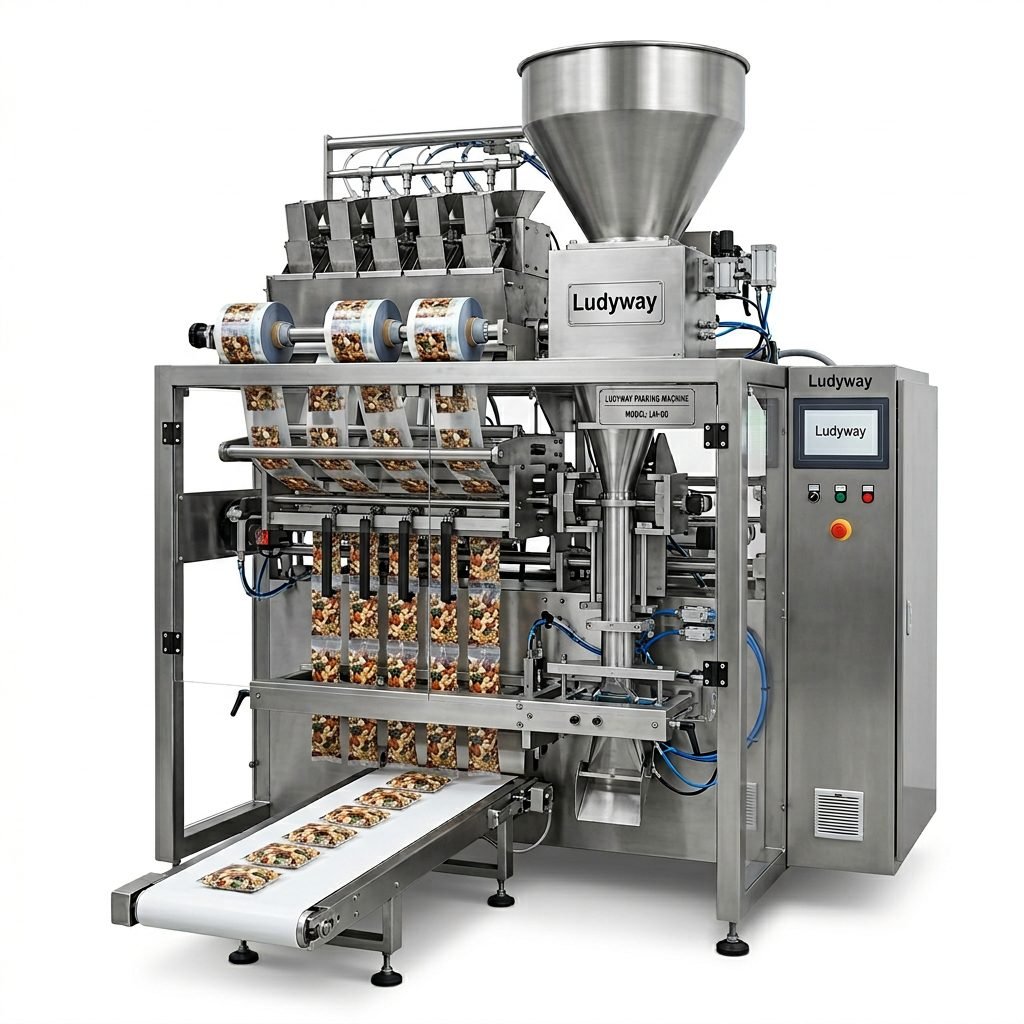
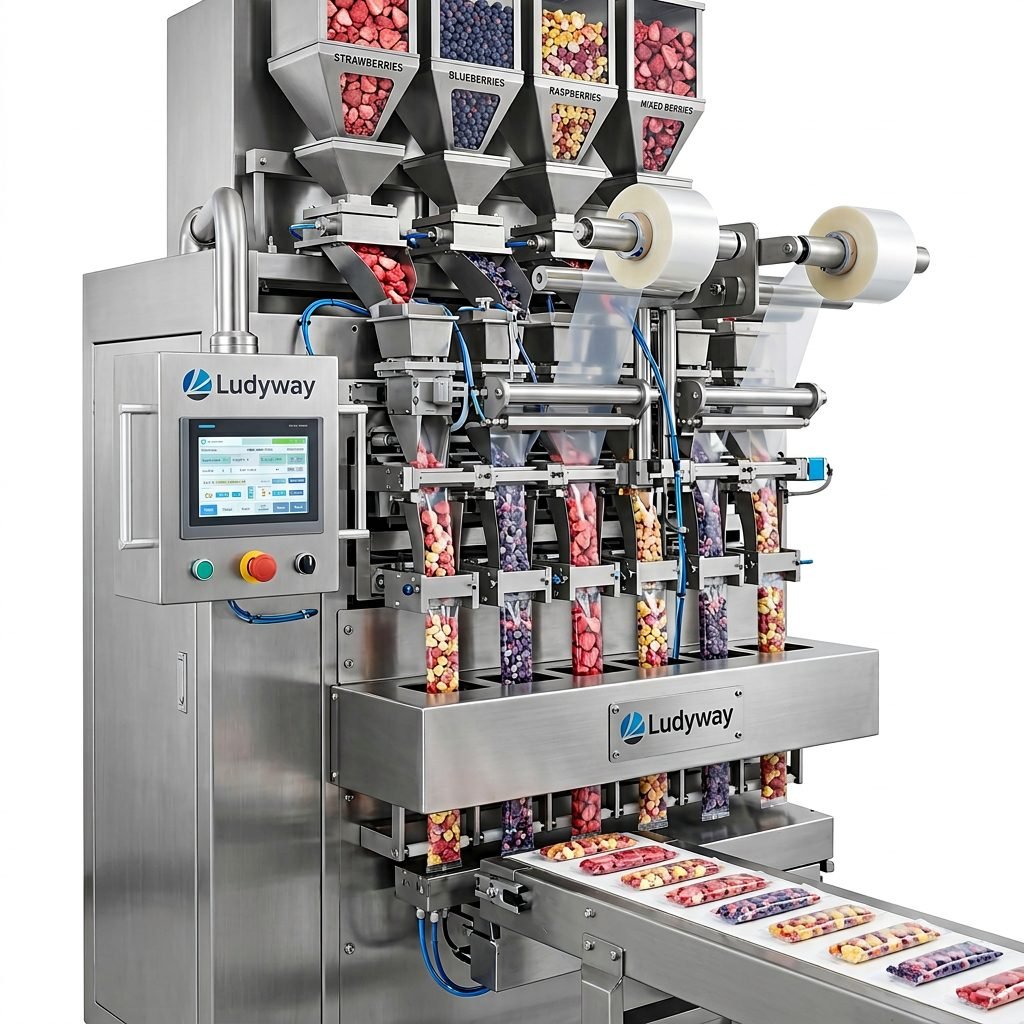
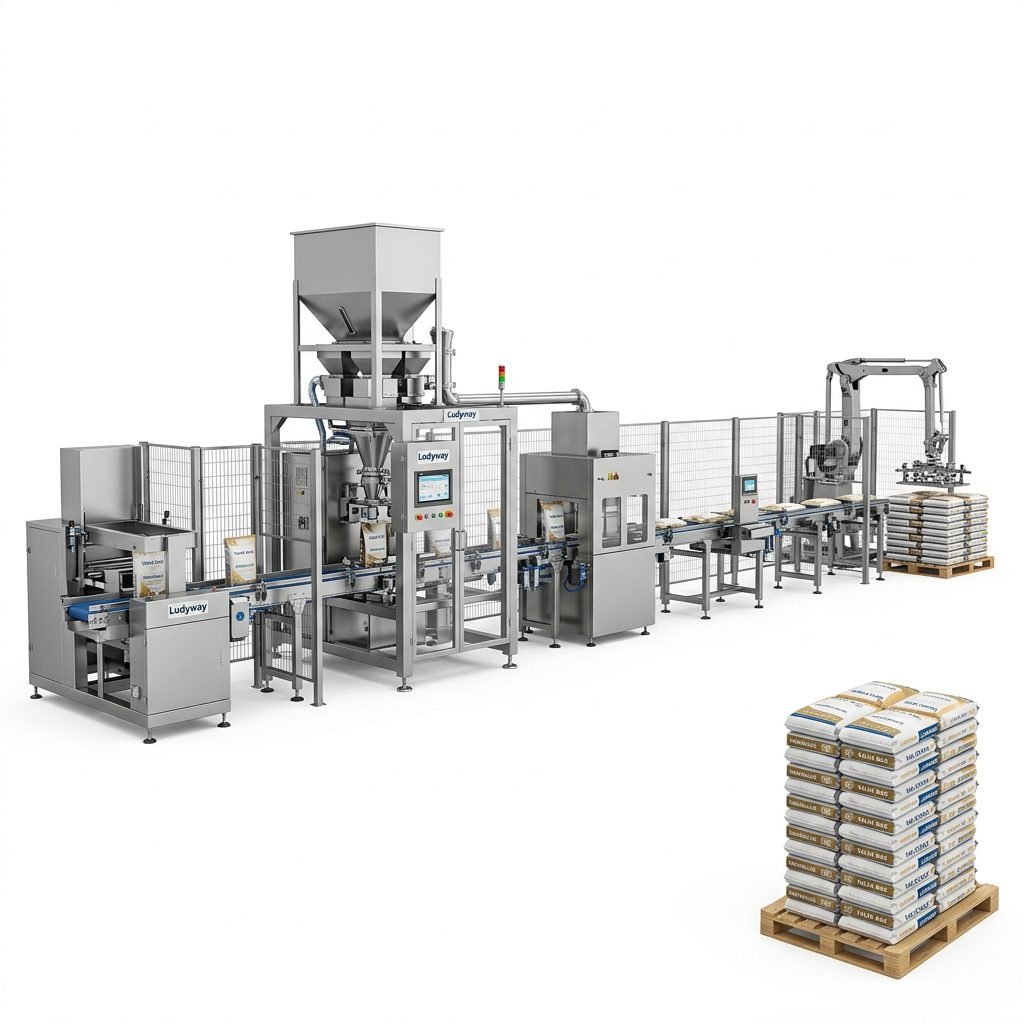
A seed pouch packaging machine is an automated system designed to measure, fill, form, seal, code, and sometimes count seed products into pouches, sachets, or stick packs. It is widely used by seed companies, agricultural suppliers, nursery brands, and contract packers that need accurate filling, clean sealing, faster output, and more consistent packaging quality.
Whether you package vegetable seeds, flower seeds, grass seeds, herb seeds, or treated agricultural seeds, the right machine helps protect seed quality while improving production efficiency. Modern systems can handle small retail packs, multi-lane sachets, and integrated packaging lines with weighing, feeding, coding, inspection, and final cartoning.
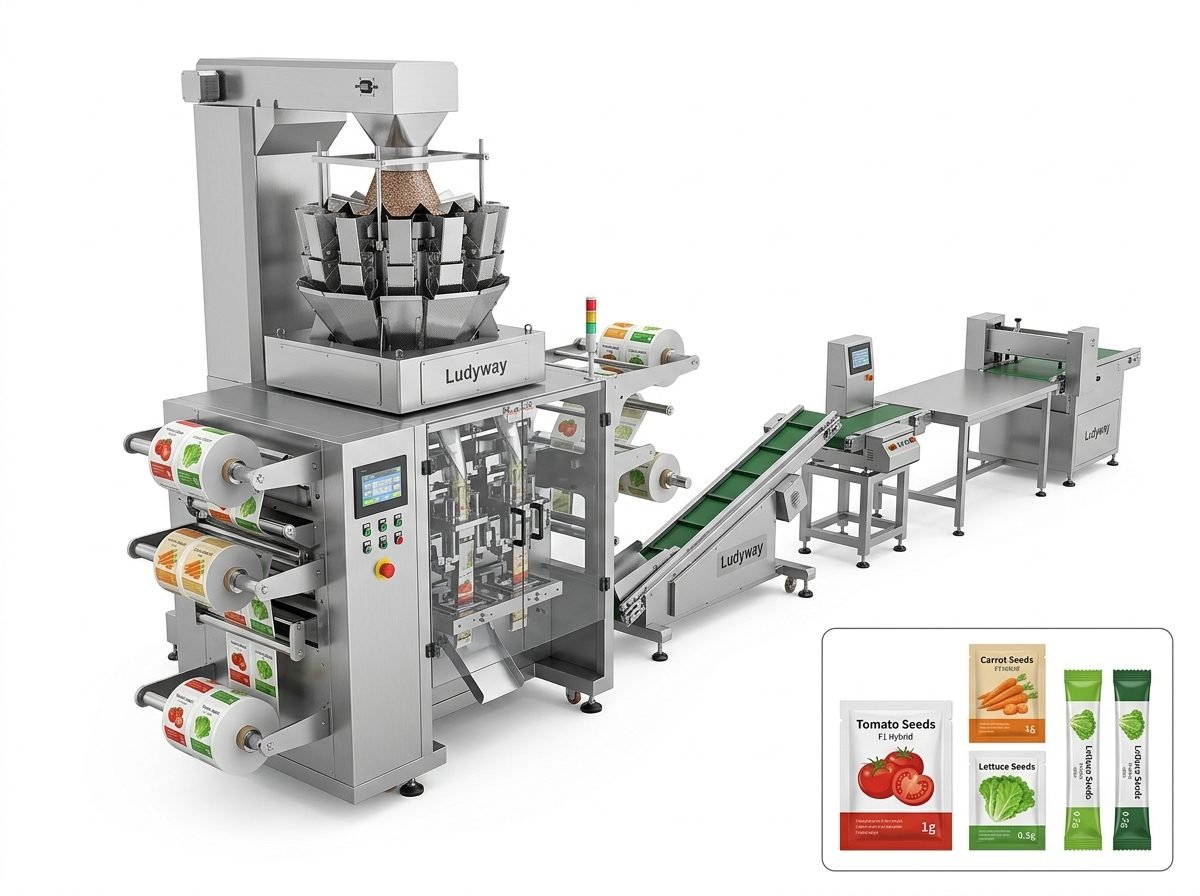
What does a seed pouch packaging machine do?
Its main job is simple: it turns loose seed material into finished, sealed pouches ready for sale or distribution. But in practice, the process involves several important steps:
- Feeding seeds from a hopper or conveyor into the packaging system
- Measuring or weighing each target quantity accurately
- Forming the packaging material into a pouch, if using roll film
- Filling the seeds into the pouch without excessive breakage
- Sealing the package to protect against moisture, contamination, and leakage
- Printing batch code, production date, or traceability information
- Discharging finished packs for collection, inspection, boxing, or cartoning
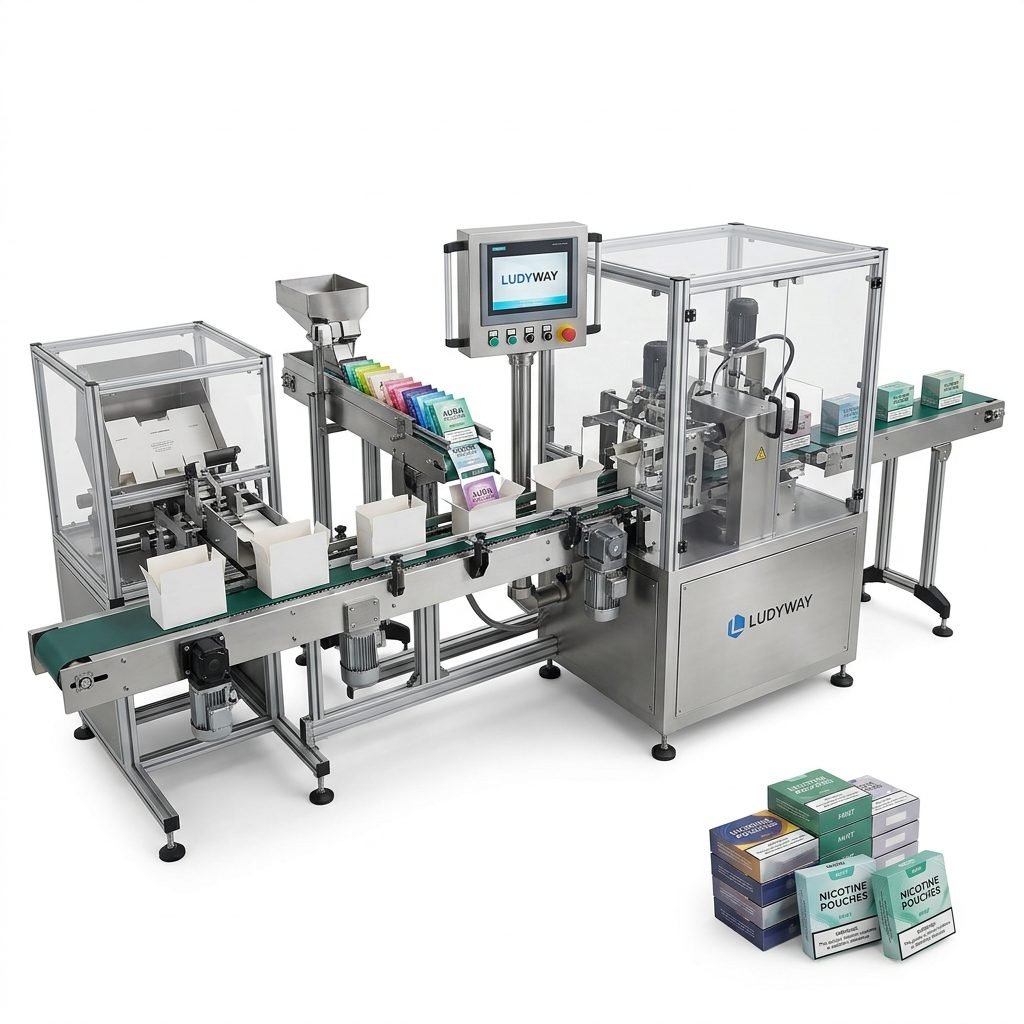
In advanced production environments, the machine can also be connected to checkweighers, metal detectors, reject systems, counting units, and automatic cartoning or case-packing equipment.
Which seed products can be packed?
A seed pouch packing machine can be configured for a wide range of products, depending on the packaging format, dosage size, and seed flow characteristics.
| Seed Type | Typical Packaging Format | Packaging Notes |
|---|---|---|
| Vegetable seeds | Small sachets, pouches | Requires high counting or small-dose precision |
| Flower seeds | Retail sachets | Often uses visually attractive printed film |
| Grass seeds | Pouches or larger bags | Higher-volume applications may need weigh filling |
| Herb seeds | Mini sachets | Suitable for small retail and e-commerce packs |
| Field crop seeds | Mid-size or bulk pouches | May require dust control and robust feeding |
| Treated seeds | Sealed pouches | Needs careful hygiene, sealing, and material compatibility |
Common packaging formats for seeds
Different seed businesses require different pack styles. The most common options include:
- 3-side seal sachets – ideal for small retail seed packs
- 4-side seal sachets – attractive appearance and stronger edge structure
- Back-seal pouches – efficient for higher-speed production
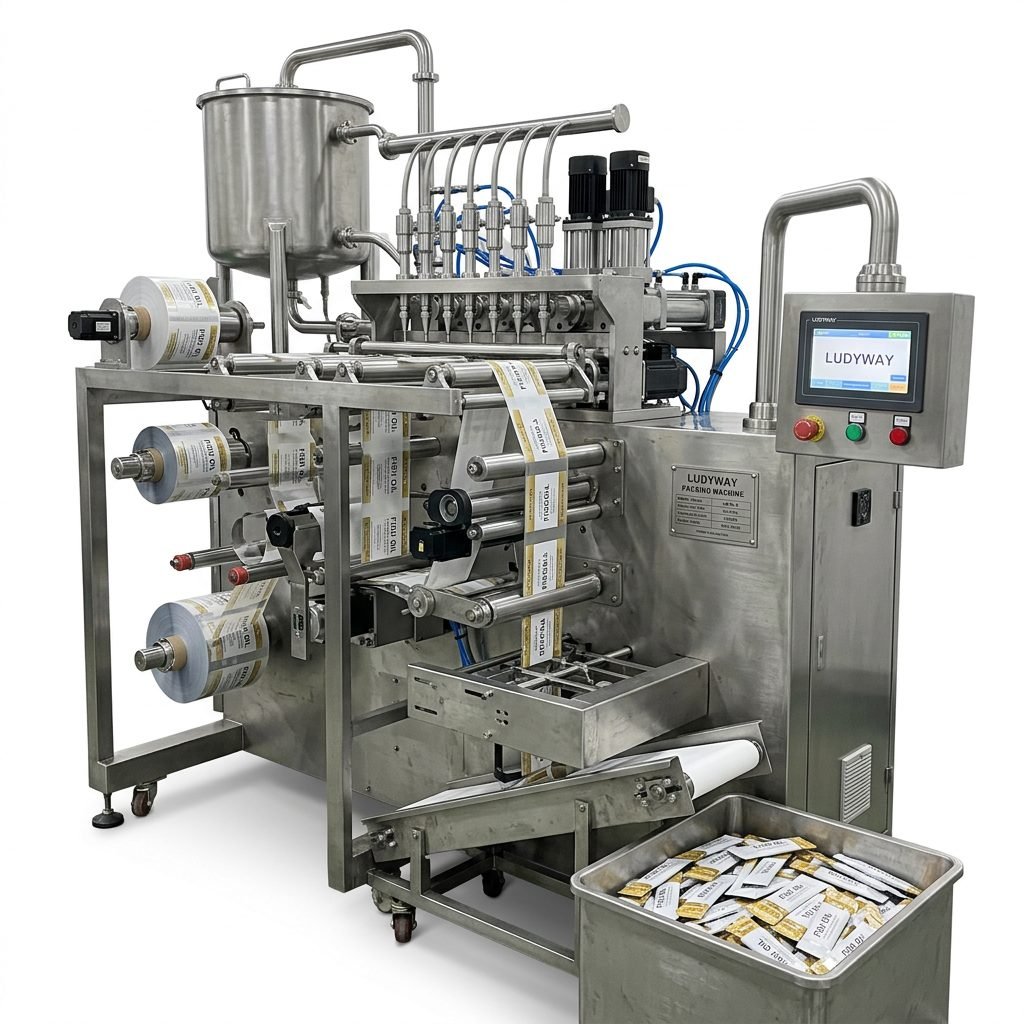
- Stick packs – less common for some seeds, but useful for narrow-format packaging
- Premade pouches – suitable when brand presentation matters
- Larger pillow bags or bulk bags – used for high-volume agricultural supply
Main types of seed pouch packaging machines
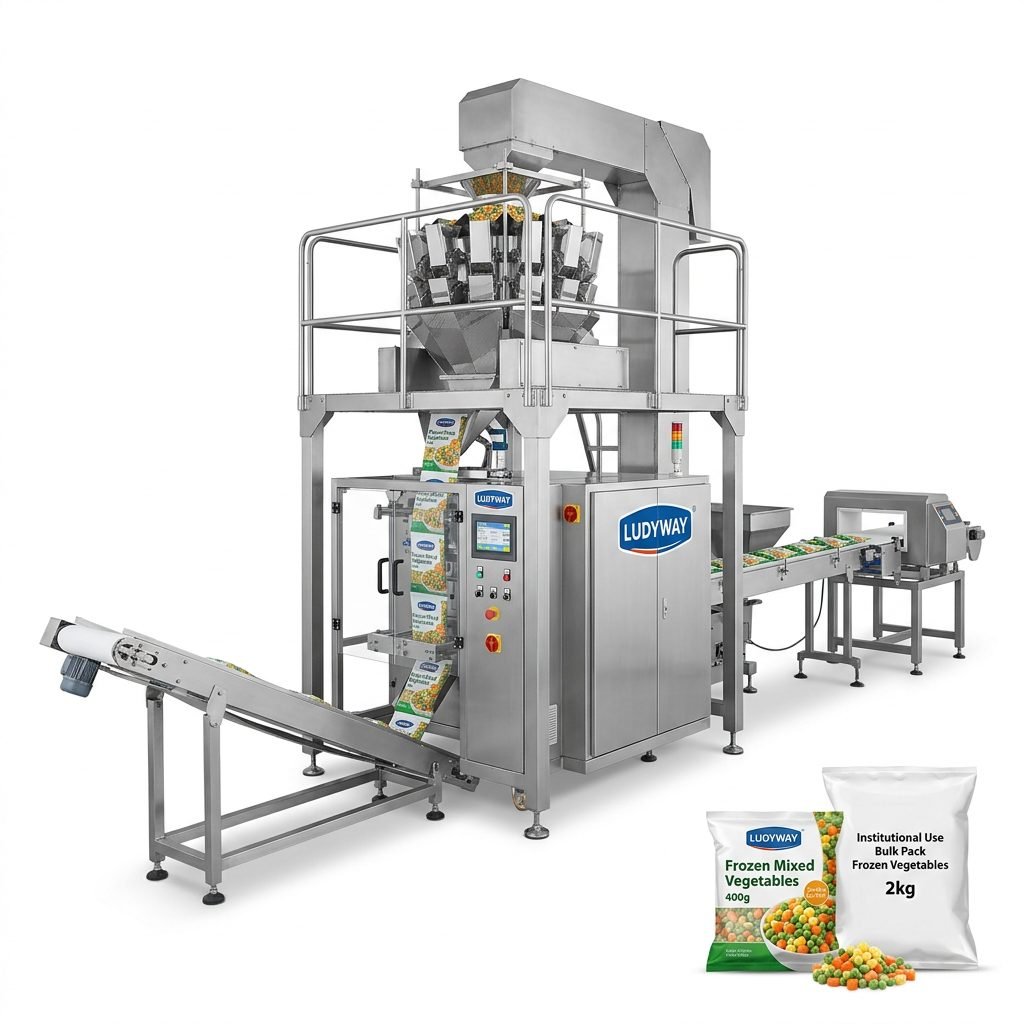
1. Vertical form fill seal machines
These machines use roll film to form the pouch, fill seeds, and seal it automatically. They are popular because they combine speed, compact structure, and cost efficiency.
2. Sachet packing machines
Sachet machines are ideal for small retail seed packs. They can produce 3-side or 4-side seal sachets and are especially useful for brands selling seeds in small doses for gardening and home planting markets.
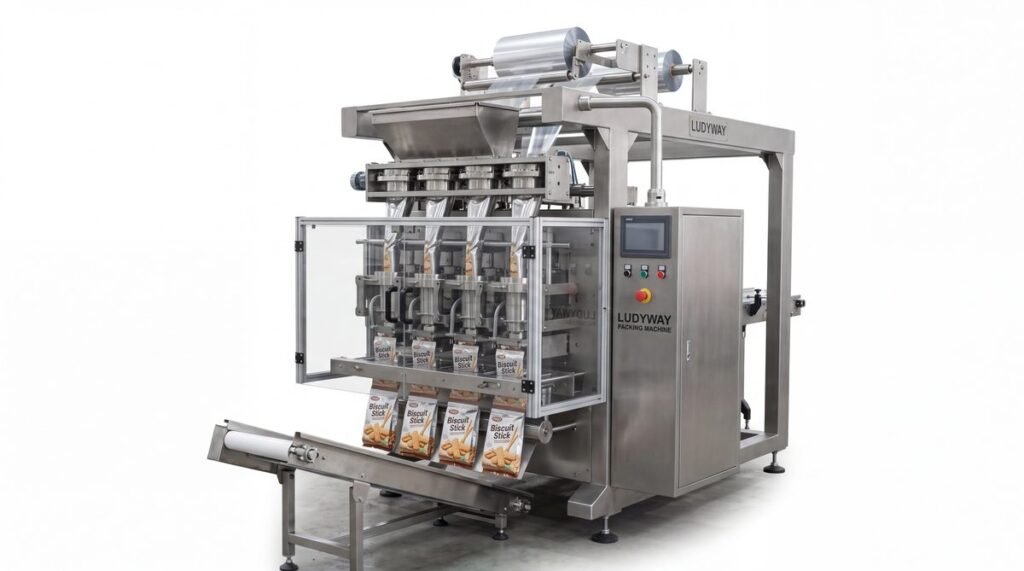
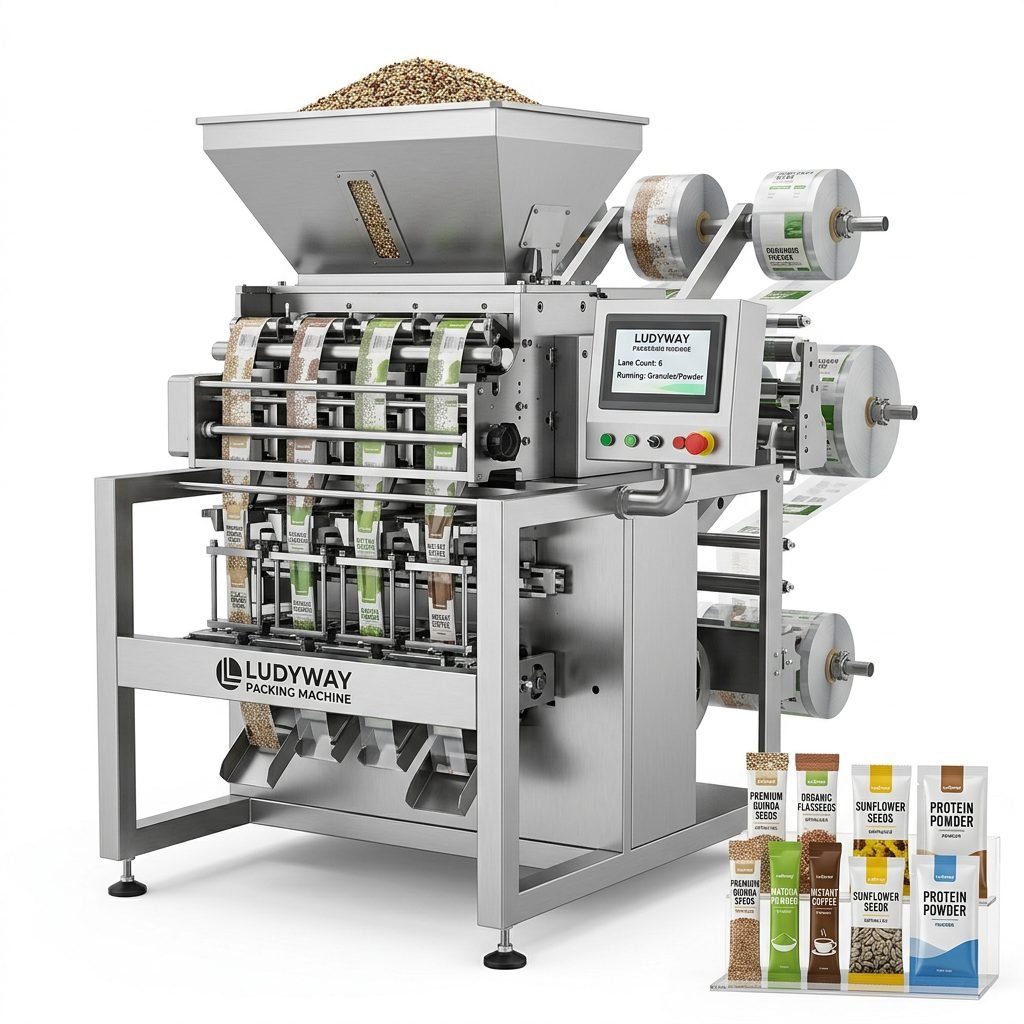
3. Multi-lane packaging machines
When output needs to be much higher, multi-lane systems allow several sachets or stick packs to run at the same time. This is a strong solution for large-scale seed producers and contract packaging operations.
4. Premade pouch filling machines
These machines fill preformed pouches instead of making the pouch from roll film. They work well when businesses want more premium package appearance, zipper options, or special pouch shapes.
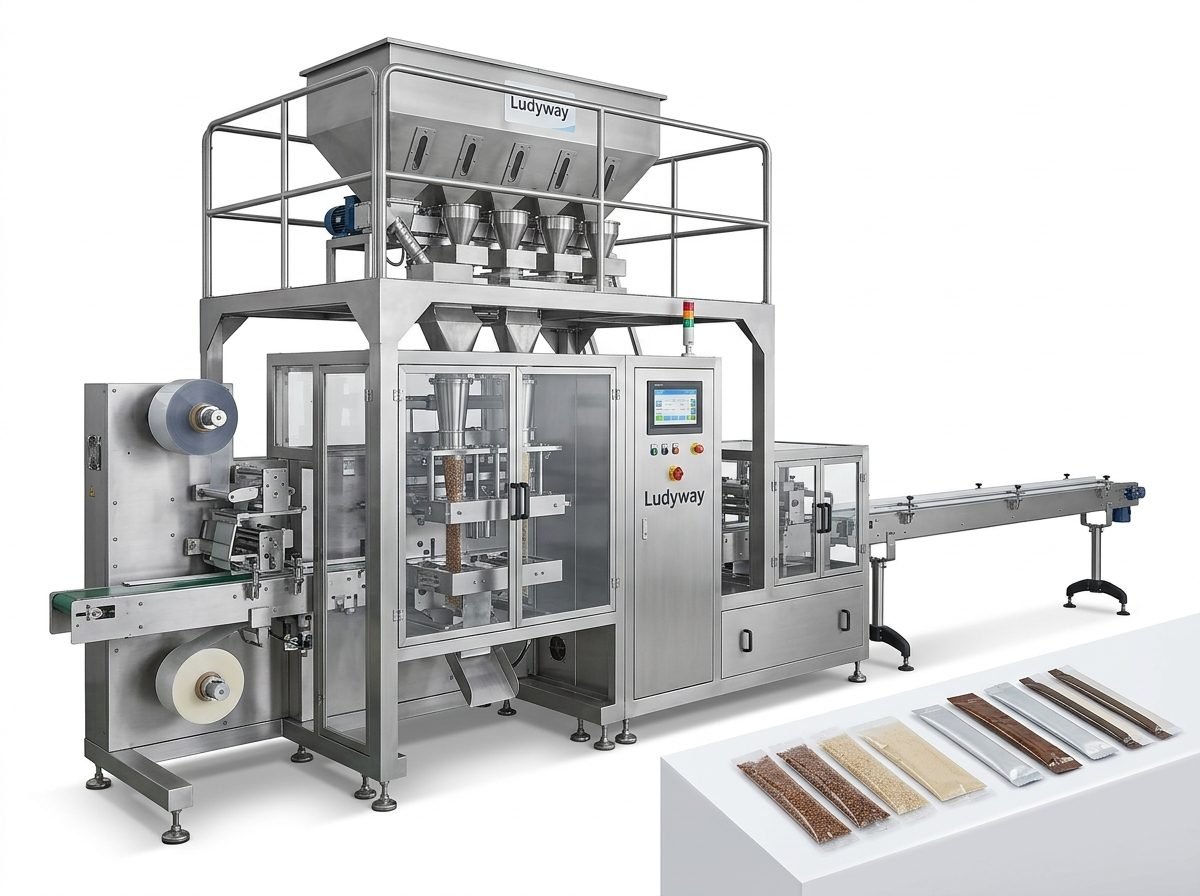
How does a seed pouch packaging machine work?
Although machine structure varies by model, the working principle usually follows a clear sequence.
Step 1: Product feeding
Seeds are loaded into a hopper manually or through an automatic feeding system such as a bucket elevator or vibratory feeder. Good feeding is important because seed size, shape, and surface texture affect flow stability.
Step 2: Dosing or weighing
The machine measures the correct quantity for each pouch. Depending on the application, it may use:
- Cup fillers for free-flowing seeds
- Linear weighers for higher accuracy
- Counting systems for premium or small-count seed packs
- Specialized dosing units for irregular or delicate seeds
Step 3: Pouch forming
If the machine uses film roll material, it forms the film into the target pouch structure. If it uses premade pouches, the machine opens and positions each pouch before filling.
Step 4: Filling
The measured seeds enter the pouch. A properly designed filling path helps reduce scattering, dust, and seed damage.
Step 5: Sealing
Heat sealing closes the pouch securely. This step is critical because seeds must be protected from moisture, oxygen exposure, and external contamination.
Step 6: Coding and output
The machine may print production date, batch number, lot code, or QR code. Finished pouches are then discharged to a takeaway conveyor, collection table, or downstream cartoning system.
Key benefits of using a seed pouch packaging machine
| Benefit | Why It Matters |
|---|---|
| Higher packaging speed | Helps meet seasonal demand and reduce bottlenecks |
| Better accuracy | Reduces giveaway, complaints, and inconsistency |
| Improved seal quality | Protects seeds during storage, transport, and retail display |
| Labor savings | Cuts manual filling and repetitive packing work |
| Cleaner production | Reduces seed spill, dust, and handling contamination |
| Brand consistency | Creates uniform retail-ready packs with better shelf appeal |
| Scalability | Supports future expansion from small to high-output production |
Who should invest in this type of machine?
A seed pouch packaging machine is suitable for:
- Agricultural seed manufacturers
- Retail garden seed brands
- Seed distributors and wholesalers
- Nursery supply companies
- Contract packaging providers
- Agrochemical and treated seed packers
- Export-oriented seed businesses needing standard packaging quality
Important features to look for before buying
Not all seed packaging machines are the same. Before choosing one, focus on the features that directly affect efficiency, package quality, and long-term operating cost.
Accurate dosing system
Seed value can be high, especially for premium varieties. Precise dosing helps prevent overfill and underfill.
Gentle product handling
Some seeds are fragile or coated. The machine should minimize crushing, dust generation, and product loss.
Flexible pouch size range
If you sell multiple SKUs, choose a system that supports quick format changes.
Stable sealing performance
The machine should deliver clean, repeatable seals even in continuous production.
Coding and traceability integration
Batch coding is essential for inventory control, compliance, and quality tracking.
Easy cleaning and maintenance
Simple access to contact parts reduces downtime and supports better hygiene management.
Expandability
A good system should be compatible with conveyors, feeders, metal detectors, weighing systems, and cartoning equipment.
Manual packing vs automatic seed pouch packaging
| Factor | Manual Packing | Automatic Machine |
|---|---|---|
| Speed | Low to moderate | Moderate to high |
| Accuracy | Operator-dependent | Consistent and repeatable |
| Labor demand | High | Lower |
| Seal quality | Can vary | More uniform |
| Scalability | Limited | Strong |
| Packaging appearance | Less uniform | Professional and consistent |
How to choose the right machine for your seed business
A practical buying decision should start with your product and market needs rather than machine speed alone. Ask the following questions:
- What types of seeds will be packed?
- Do you need weighing, counting, or volumetric filling?
- What pouch sizes and materials will be used?
- What is your required output per minute or per shift?
- Will you need date coding, nitrogen flushing, or inspection equipment?
- Do you need a standalone machine or a complete packaging line?
- How often will you change package format or SKU?
- What level of after-sales support and spare parts service do you expect?
If your operation is growing, it is often better to choose a machine with some extra capacity and modular upgrade options rather than buying a system that quickly becomes too small.
Typical industries and scenarios where these machines are used
Seed pouch packaging equipment is not only for agricultural giants. It is also widely used in:
- Retail gardening product lines
- E-commerce seed brands
- Seasonal promotional seed packs
- Agricultural cooperatives
- Private-label seed packaging projects
- Export packaging for global distributors
Why turnkey integration matters
For many buyers, the real value is not only the packing machine itself but the complete line around it. A full solution may include product feeding, weighing, pouch packaging, coding, inspection, cartoning, and palletizing. This creates smoother workflow, fewer manual touchpoints, and easier production management.
Companies looking for a complete solution often work with experienced manufacturers such as Ludyway seed pouch packaging machine solutions, especially when they need customized configurations, export-ready machinery, or broader turnkey packaging line support.
Final thoughts on seed pouch packaging machines
A seed pouch packaging machine is a practical investment for businesses that want better efficiency, more accurate filling, stronger sealing, and a more professional finished package. From small retail seed sachets to high-speed multi-lane production, these machines help transform seed packaging into a faster, cleaner, and more scalable process.
If you are evaluating equipment, focus on your seed type, pouch format, accuracy needs, speed targets, and future expansion plans. The right machine will not just pack seeds—it will support product protection, operational efficiency, and long-term brand growth.