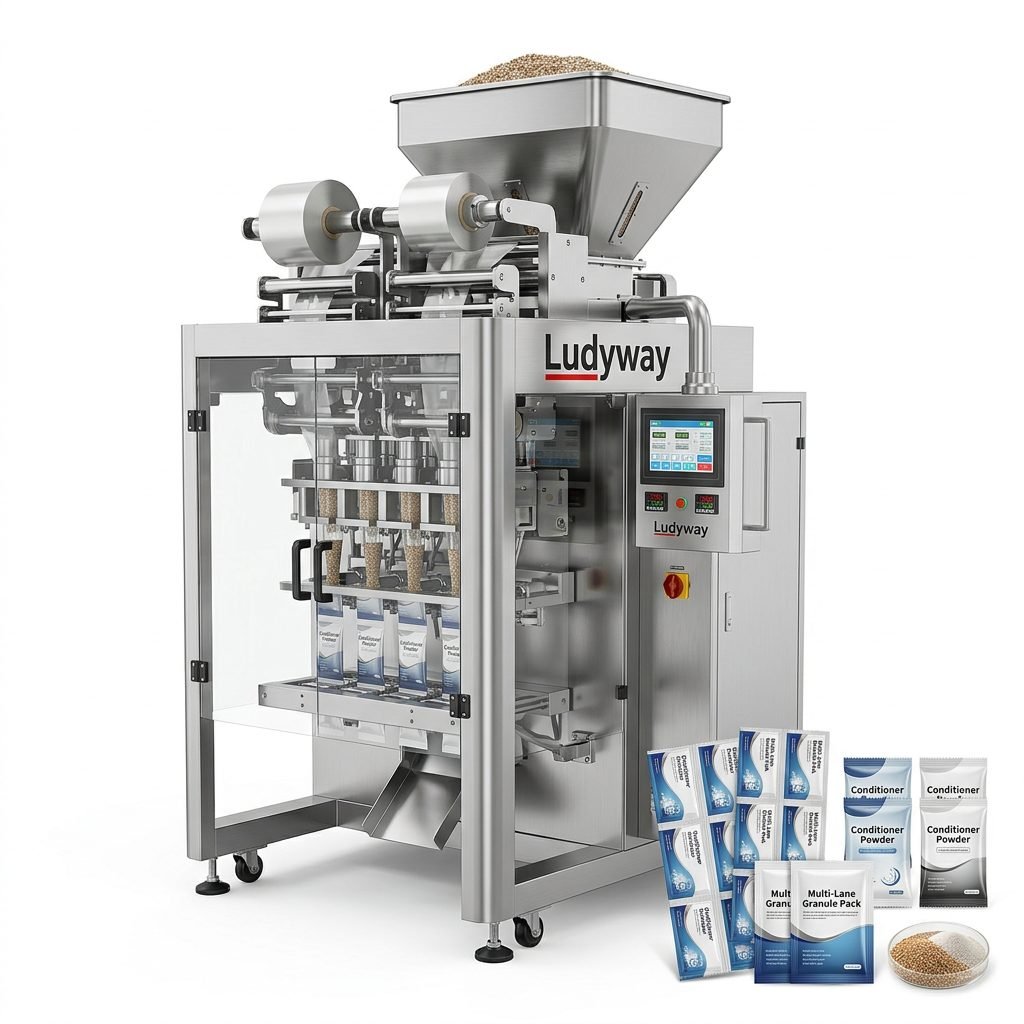
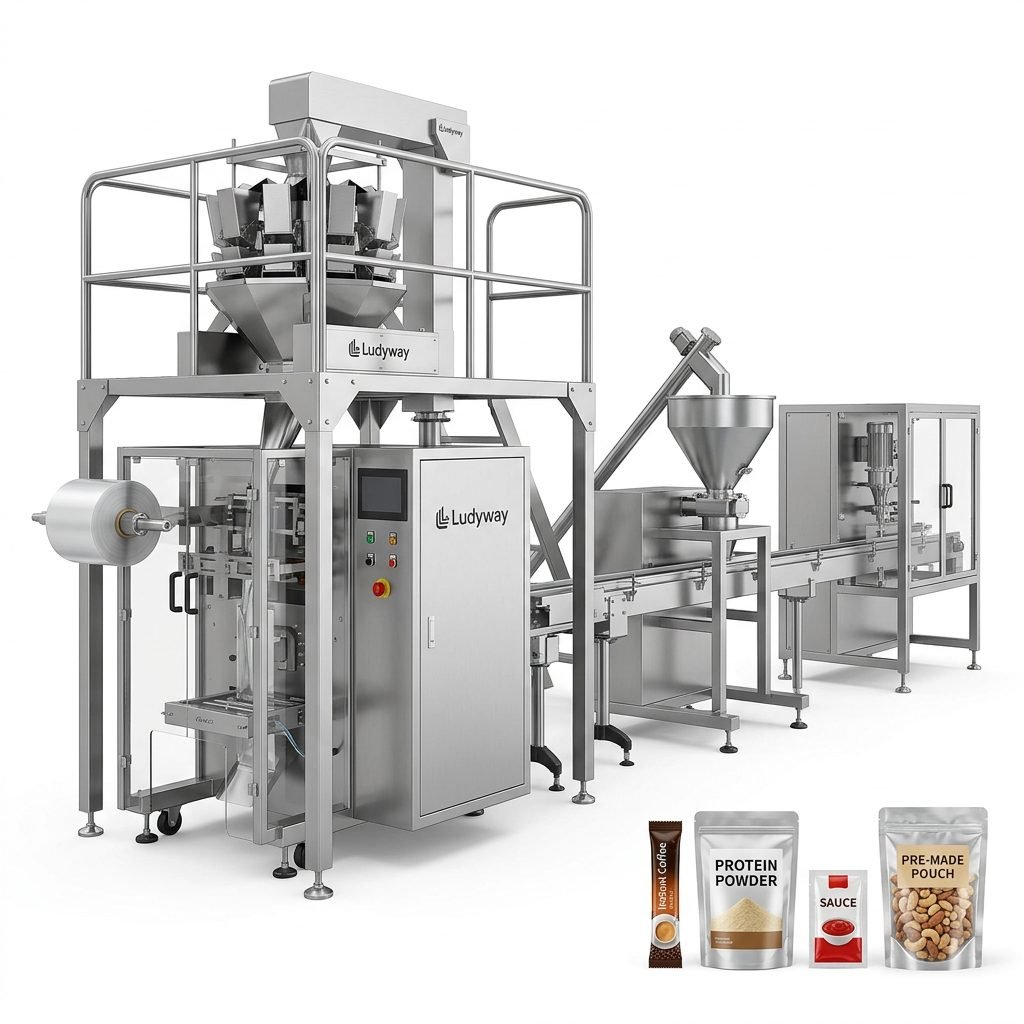
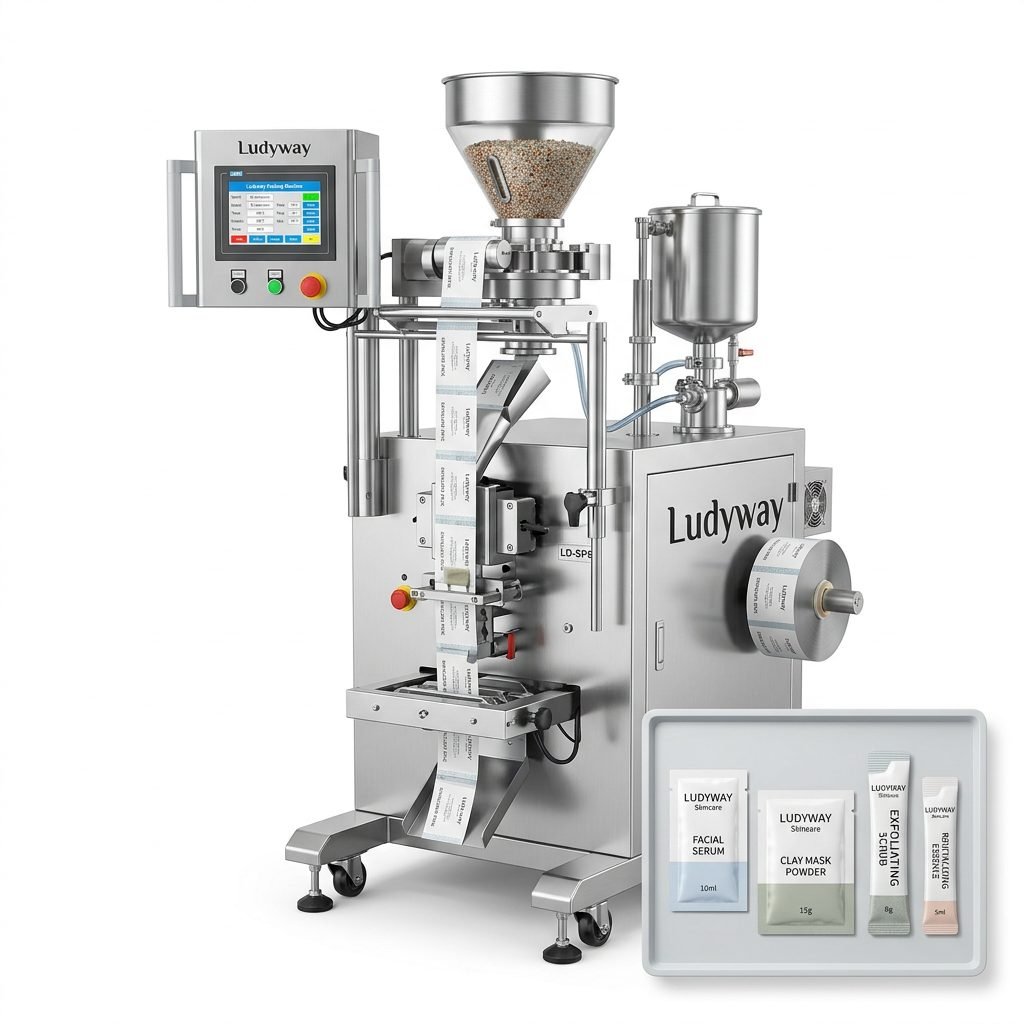
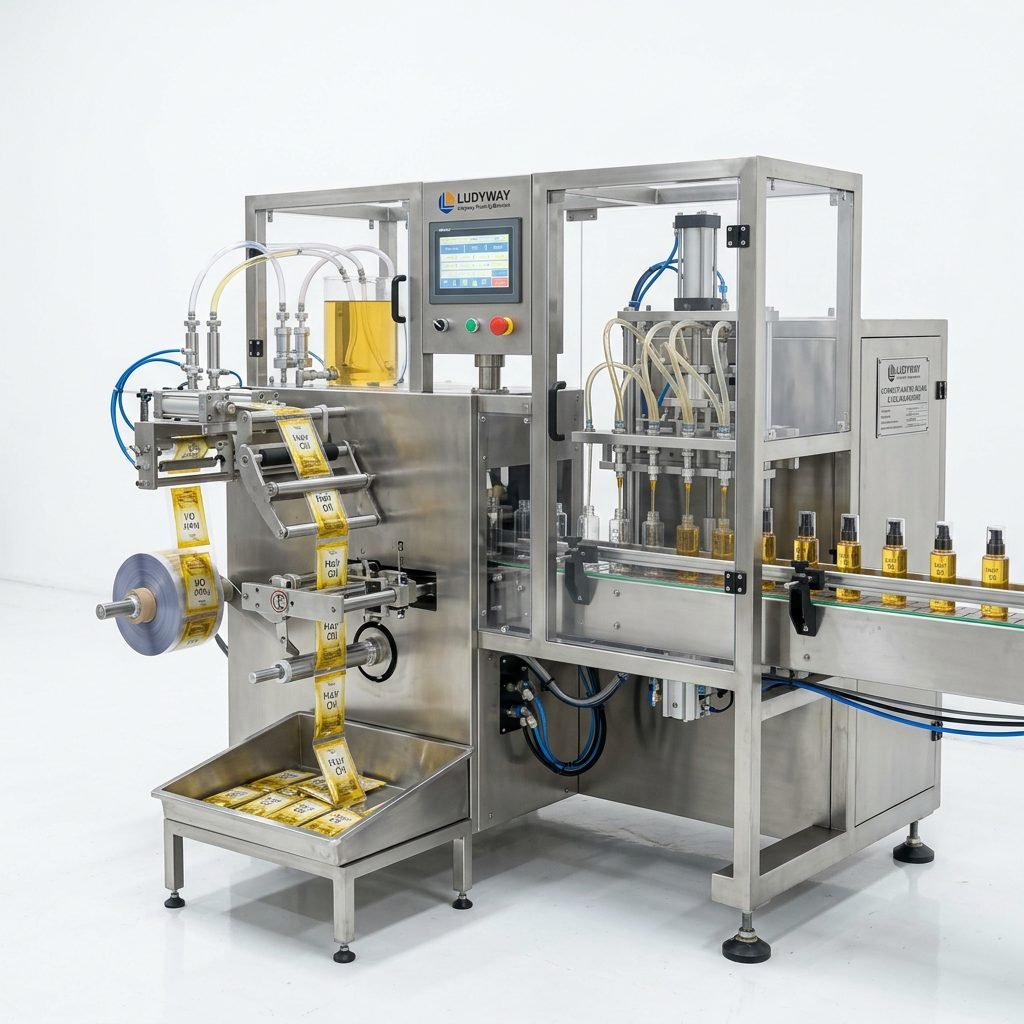
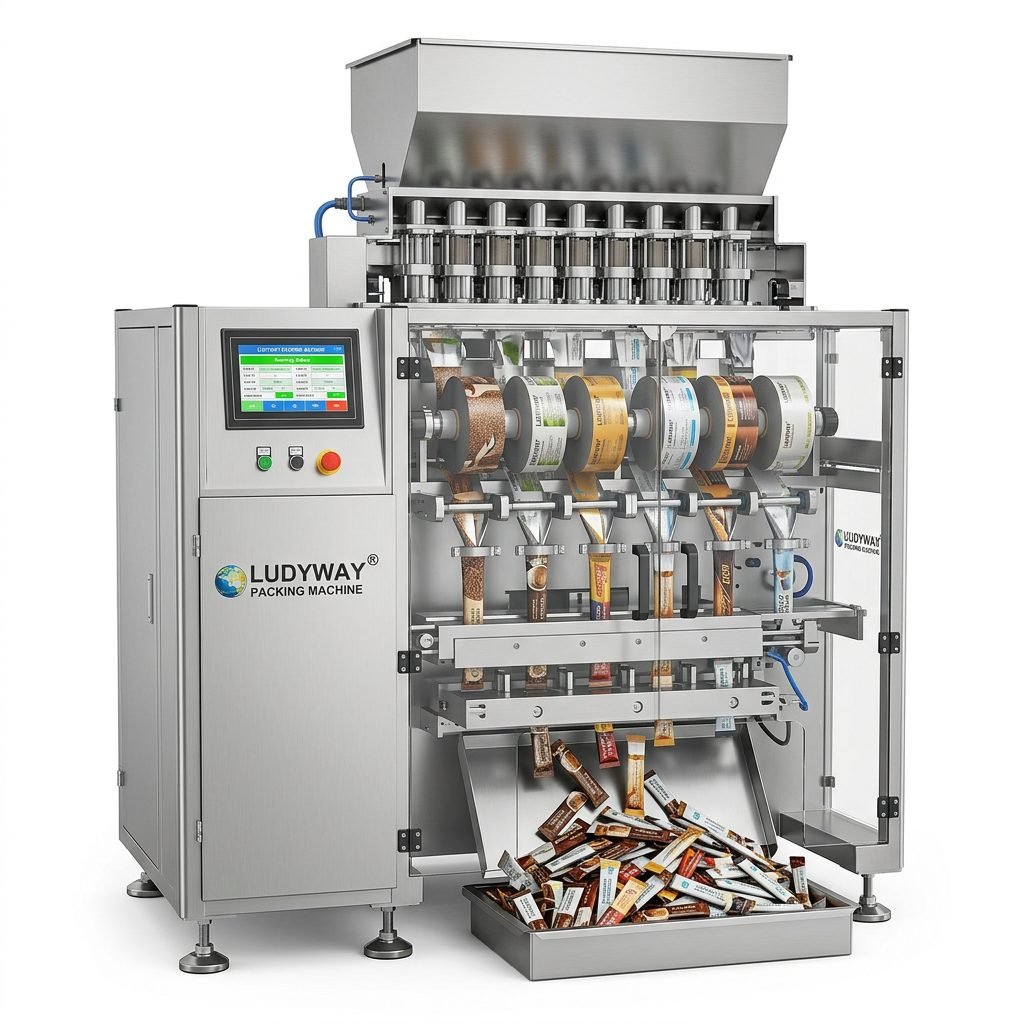
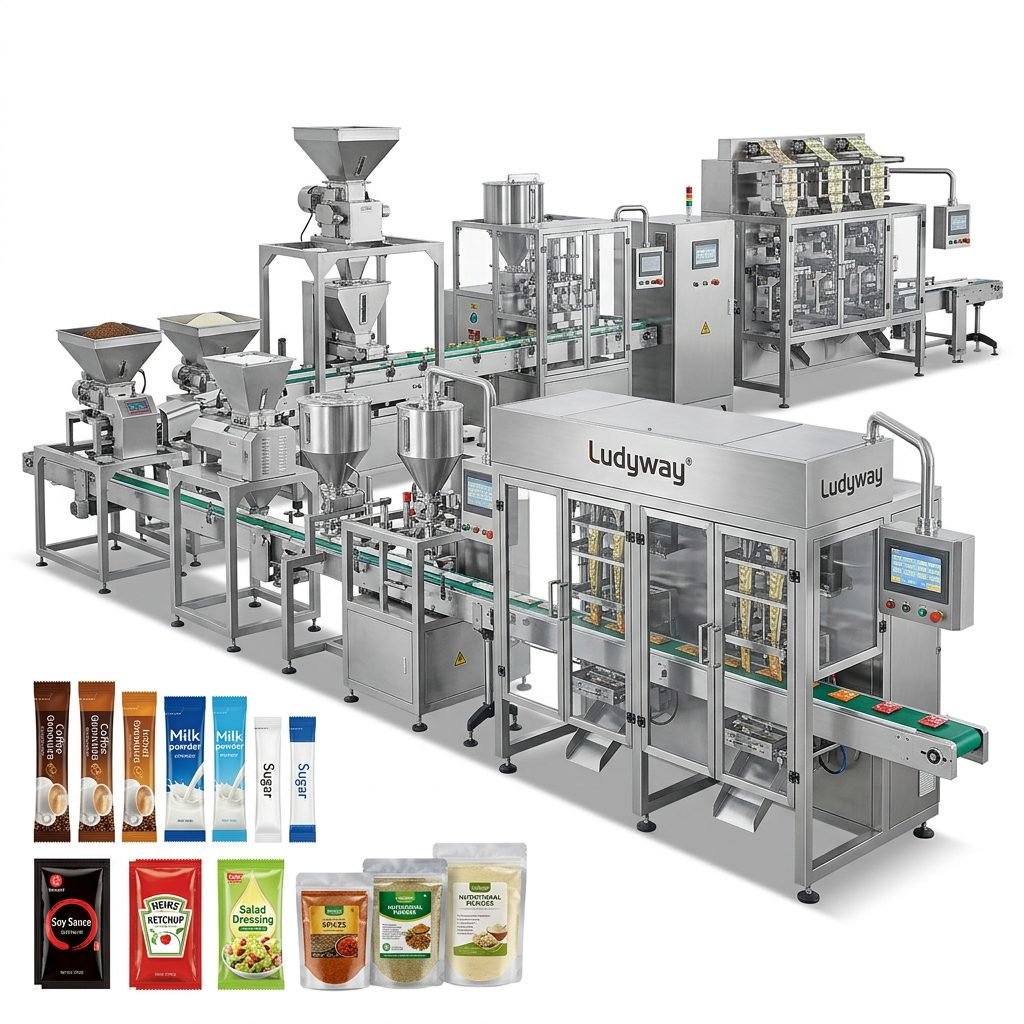
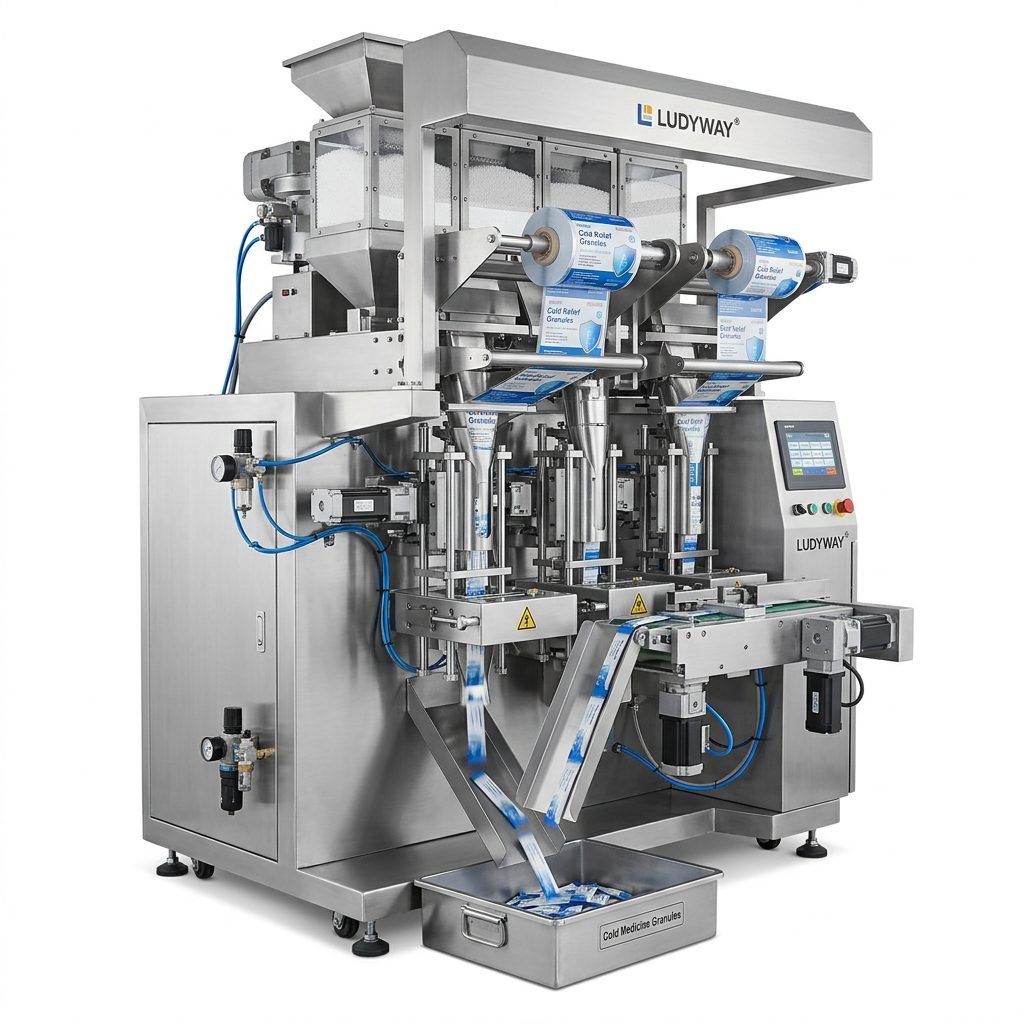
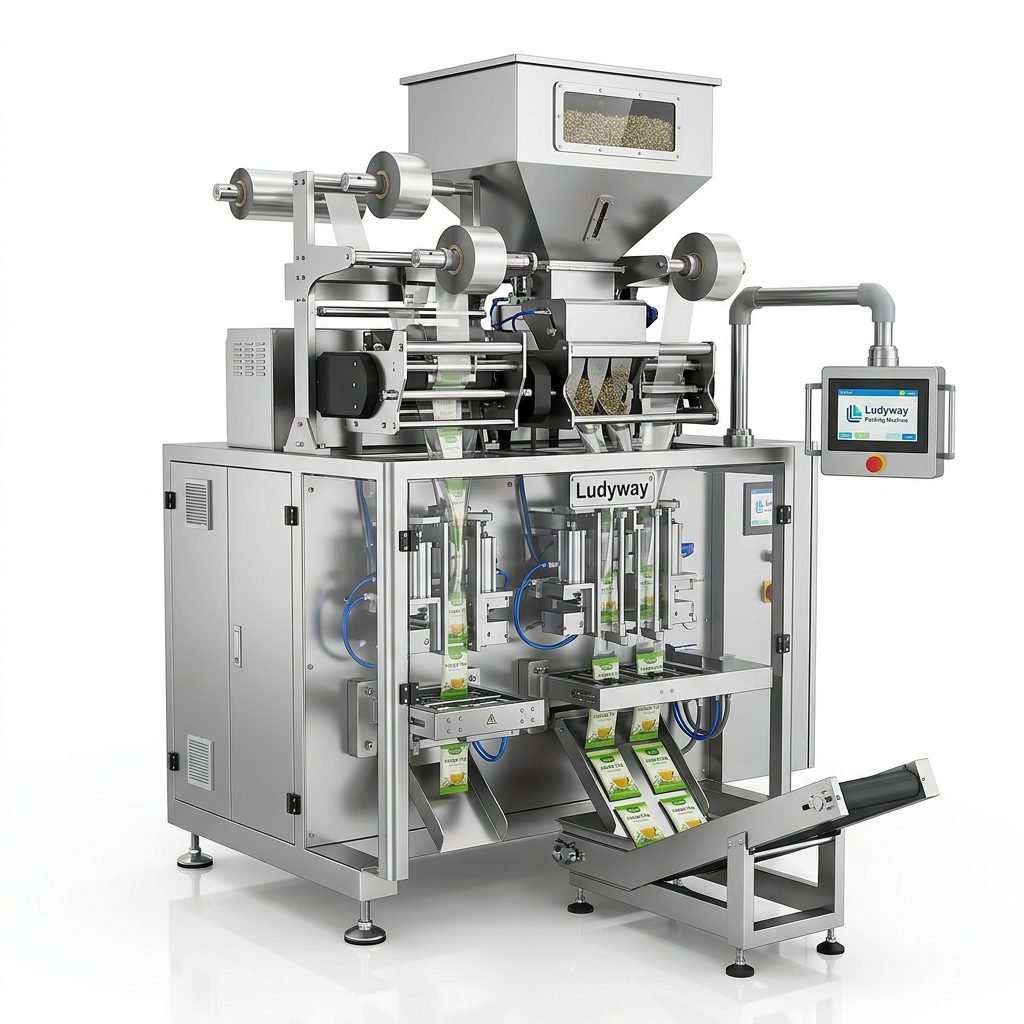
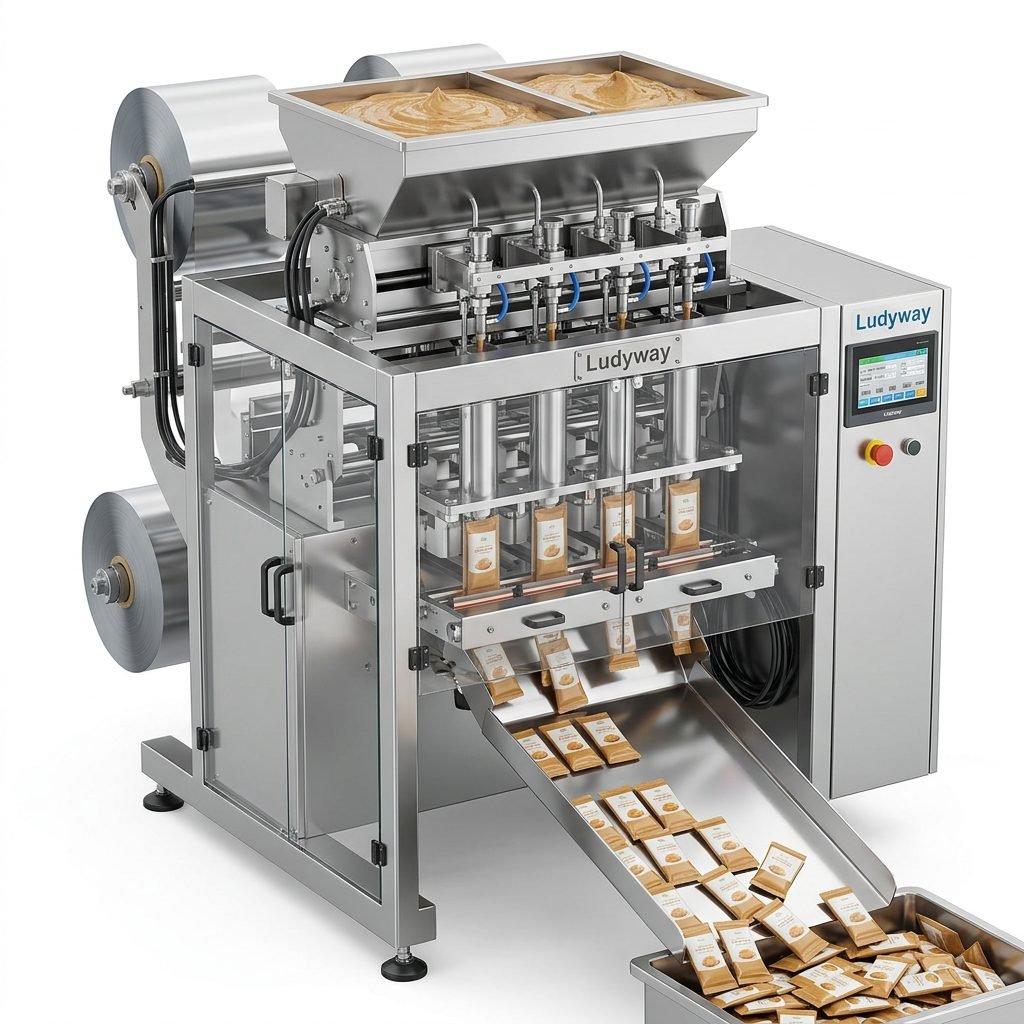
A small seed packaging machine is a compact automated or semi-automatic system designed to weigh, fill, seal, and package seeds into retail-ready or small-volume bags, sachets, pouches, or stick packs. It is widely used for vegetable seeds, flower seeds, grass seeds, herb seeds, and seed treatment products where accuracy, speed, and consistent pack appearance are essential.
For seed companies, agricultural suppliers, nurseries, and contract packers, this type of equipment helps improve efficiency while reducing product giveaway, manual labor, and packaging errors. It is especially useful when handling small seed sizes, mixed seed varieties, or multiple SKU formats.
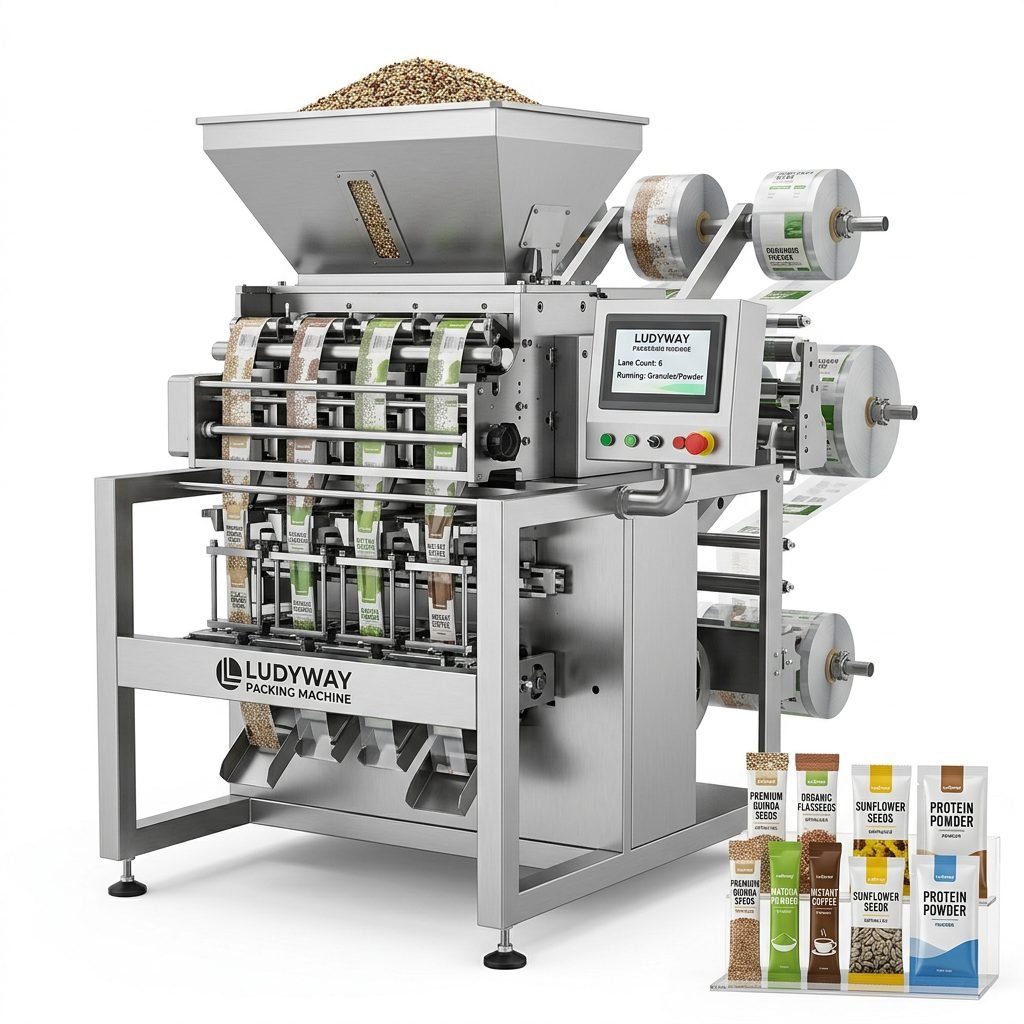
What does a small seed packaging machine do?
Its main function is to turn loose seed material into sealed, labeled, manageable packs that are ready for storage, transport, and sale. Depending on the machine design, the process may include:
- Feeding seeds from a hopper or elevator into the dosing system
- Measuring a precise target weight or volume
- Filling the seeds into pouches, sachets, or small bags
- Sealing the package to protect product quality
- Coding or labeling with batch numbers, dates, or product details
In short, the machine makes seed packaging faster, cleaner, and more standardized than manual packing methods.
Key features of a small seed packaging machine
1. Compact structure
These machines are built for limited production spaces. Their compact footprint makes them suitable for seed processing rooms, agricultural supply businesses, pilot production lines, and growing brands that need automation without investing in a very large line.
2. High weighing accuracy
Seed products often require strict fill precision, especially for high-value vegetable seeds or hybrid varieties. Many small seed packaging machines use precision weighing, cup dosing, or counting systems to keep each pack within specification.
3. Flexible pack formats
A well-designed machine can support different package styles, such as:
- Flat sachets
- Stick packs
- Small pillow bags
- Three-side seal pouches
- Four-side seal pouches
- Premade pouches
4. Adjustable output
Production speed can vary based on seed size, pack weight, and packaging material. Small systems are ideal for low-to-medium output, while multi-lane or upgraded machines can support higher-capacity operations.
5. Better sealing consistency
A stable heat-sealing system helps protect seeds from moisture, contamination, and leakage. This matters because poor seals can affect shelf life and reduce product quality during transport and storage.
6. User-friendly controls
Most modern machines include touch-screen controls, recipe storage, parameter adjustment, and alarm functions. These features help operators change product settings quickly and reduce downtime.
Common seed types that can be packed
Small seed packaging machines are suitable for many agricultural and horticultural products, including:
| Seed Category | Examples | Packaging Need |
|---|---|---|
| Vegetable seeds | Tomato, pepper, cucumber, lettuce | High accuracy, small packs, brand-ready presentation |
| Field crop seeds | Corn, rice, wheat, soybean | Uniform filling, scalable output |
| Grass seeds | Lawn grass, turf blends | Dust control, gentle handling |
| Flower seeds | Sunflower, marigold, petunia | Small-dose precision, attractive retail packaging |
| Herb seeds | Basil, mint, parsley | Compact packs, reliable sealing |
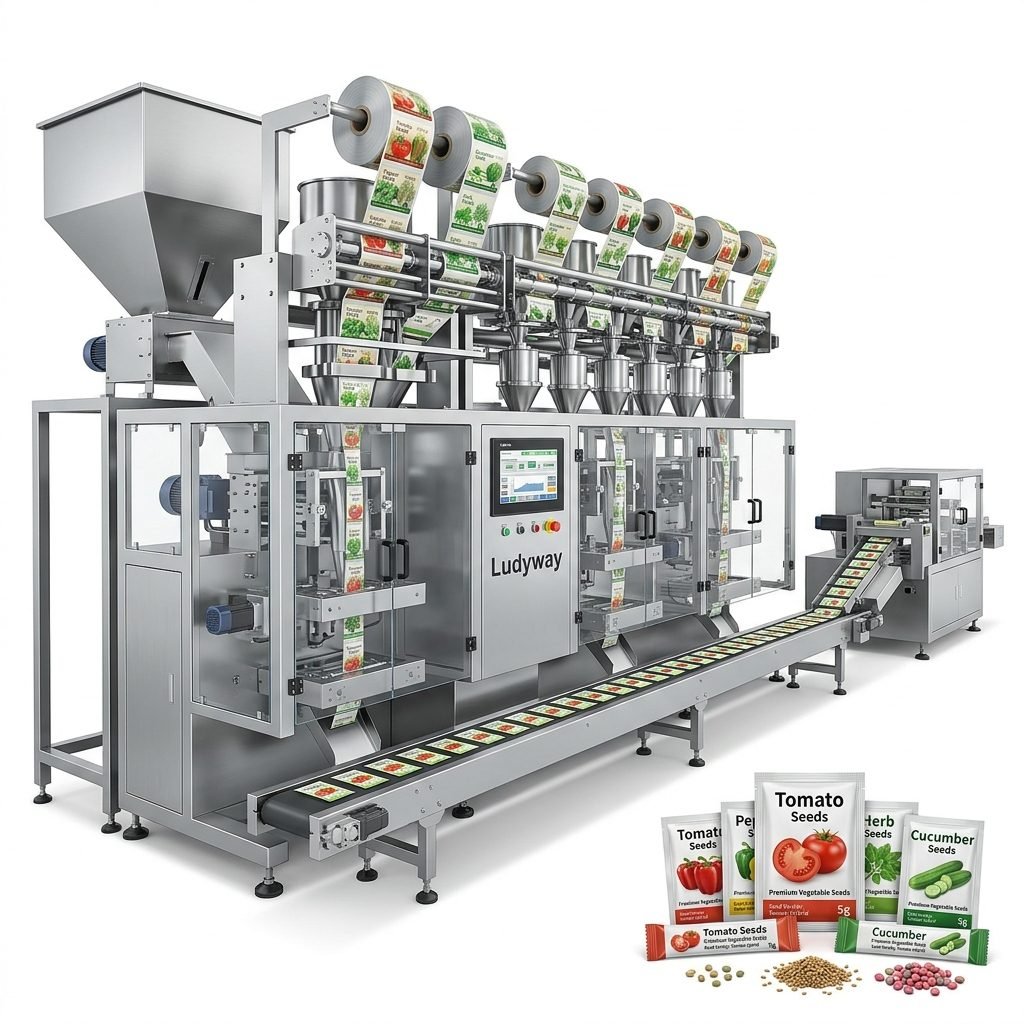
Main benefits for seed businesses
Higher efficiency
Manual seed packing takes time and can create inconsistencies between batches. A packaging machine speeds up production and helps businesses fulfill more orders with less labor.
Lower material loss
Precise dosing reduces overfilling, which is particularly important for premium seeds with high per-gram value. Even small accuracy gains can lead to meaningful cost savings over time.
More professional packaging appearance
Uniform bags and clean seals improve shelf presentation and strengthen brand image. This is important for seed products sold through distributors, retail stores, e-commerce, and agricultural channels.
Improved hygiene and product protection
Automated handling helps reduce direct contact with seeds and lowers the risk of contamination from the environment. Good sealing also protects against moisture and external exposure.
Easy product changeover
If a company packs several seed varieties, quick adjustment is a major advantage. Modern small seed packing systems can switch between pack weights and bag types with less setup time.
Scalable automation
Many companies start with a compact machine and later integrate conveyors, checkweighers, coding devices, cartoners, or full packaging lines as production grows.
Where small seed packaging machines are used
- Agricultural seed companies
- Vegetable seed suppliers
- Garden center brands
- Nurseries and greenhouse operations
- Contract packaging businesses
- Seed treatment and specialty seed producers
- Exporters handling retail or sample seed packs
Types of small seed packaging machines
Semi-automatic machines
These are suitable for small batch operations or businesses entering automation for the first time. An operator may place bags manually while the system handles dosing and filling.
Vertical form fill seal machines
These machines form bags from roll film, fill the seed product, and seal the package in one continuous process. They are common for small pillow bags and sachets.
Multi-lane sachet or stick pack machines
For smaller dose packs and higher output needs, multi-lane solutions allow several packs to be produced at the same time. They are often chosen for seed sample packs, retail sachets, and high-volume small-format packaging.
Premade pouch filling machines
These are used when businesses want a more premium pouch appearance or specialized bag structure. The machine fills and seals preformed pouches instead of making them from film rolls.
What to consider before choosing one
| Selection Factor | Why It Matters |
|---|---|
| Seed size and flowability | Different seeds flow differently and may require a specific dosing method |
| Target pack weight | Small gram-level packs need tighter accuracy and stable filling control |
| Packaging style | Choose based on sachets, bags, pouches, or stick packs |
| Production speed | The right machine should match current demand and leave room for growth |
| Automation level | Affects labor requirement, consistency, and investment level |
| Future integration | Helpful if you later need coding, inspection, cartoning, or palletizing |
Ideal industries beyond seeds
Although built for seed applications, similar small-format packaging systems are also used for granules and powders in food, chemicals, feed additives, and health products. This makes them attractive for businesses that handle more than one product category and want flexible packaging equipment.
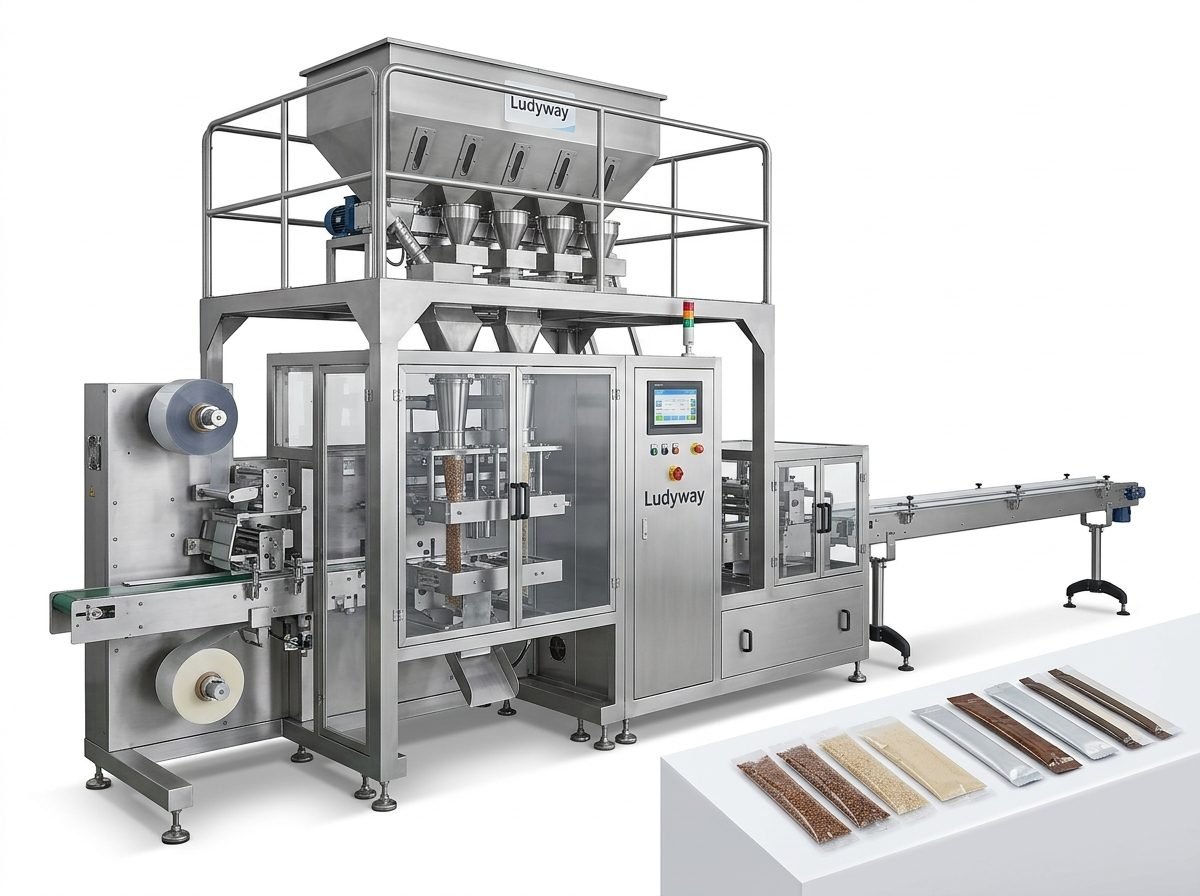
How automation supports long-term growth
As demand increases, small seed packaging operations often face challenges with labor cost, production planning, and consistency. A packaging machine helps create a repeatable process that is easier to manage, easier to scale, and easier to standardize across product lines.
For growing manufacturers looking for reliable packaging solutions, Ludyway small seed packaging machine solutions can support applications ranging from compact standalone equipment to larger turnkey packaging lines for granules, powders, and pouch-based products.
Frequently asked questions
Can a small seed packaging machine handle different seed varieties?
Yes. Many machines can be adjusted for different seed sizes, weights, and packaging formats, although the ideal dosing system depends on the product characteristics.
Is it suitable for very small retail seed packs?
Yes. This is one of its main uses. Small seed packaging machines are often selected for retail sachets and low-weight packs that require precise filling.
Can it be connected with other equipment?
Yes. It can often be integrated with feeders, conveyors, coding machines, checkweighers, labeling systems, and cartoning units.
What packaging materials can it use?
That depends on the machine type, but common materials include laminated film, heat-sealable packaging rolls, and premade pouches with suitable barrier properties.
Final thoughts
A small seed packaging machine is a practical solution for businesses that need accurate filling, reliable sealing, attractive packaging, and improved production efficiency. Whether you package vegetable seeds, flower seeds, grass seeds, or specialty agricultural products, the right machine can reduce waste, improve consistency, and help your brand scale with confidence.