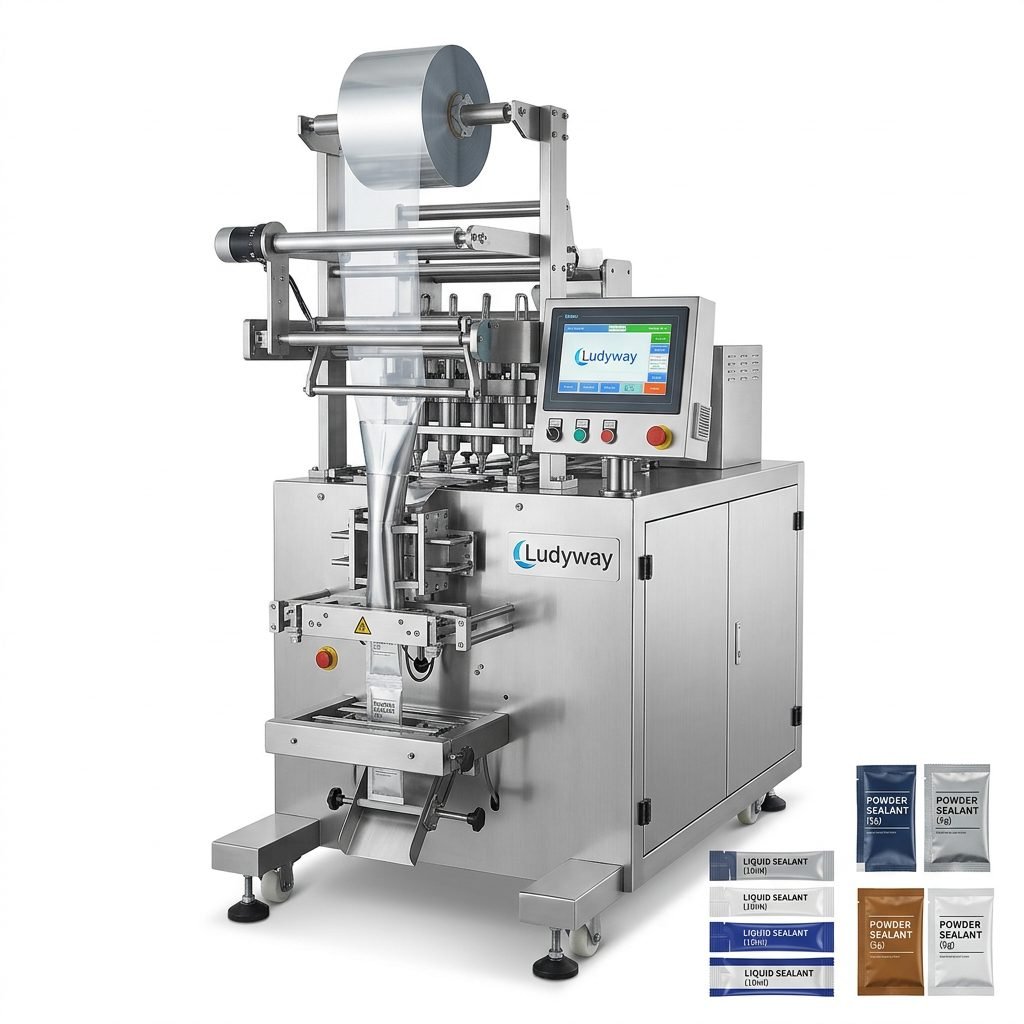
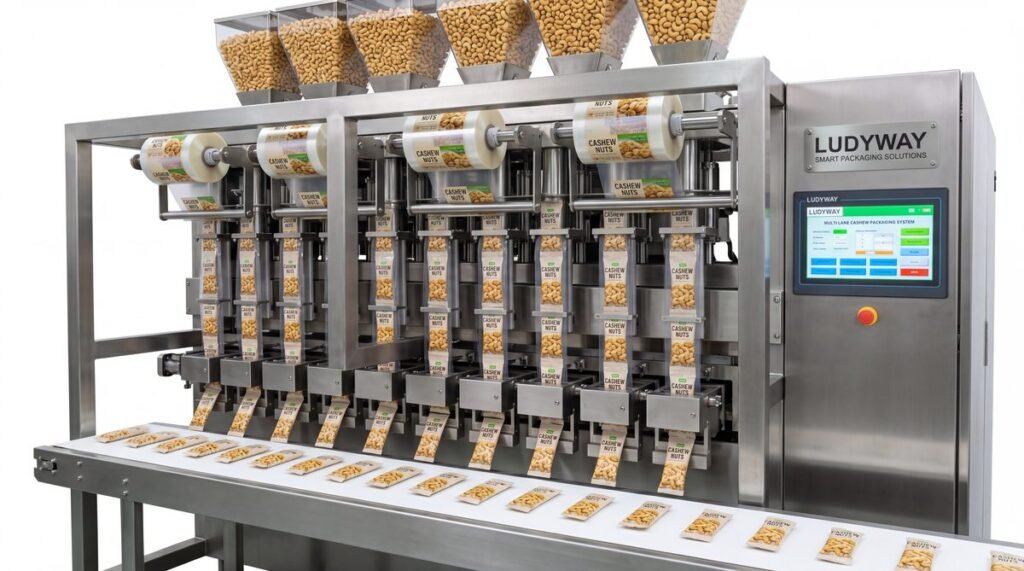
Snack packaging machines are automated systems designed to weigh, fill, seal, label, and prepare snack products for sale. They are used across the food industry for chips, nuts, popcorn, trail mix, biscuits, candy, granola, dried fruit, pet snacks, and many other packaged snack formats. Whether a manufacturer needs pillow bags, stand-up pouches, sachets, stick packs, or multi-pack solutions, the right machine helps turn loose snack products into retail-ready packaging quickly and consistently.
For growing food brands, choosing the right packaging equipment is not just about speed. It also affects product freshness, seal integrity, portion accuracy, labor costs, hygiene, and brand presentation. That is why understanding how a snack packaging machine works is an important first step before investing in any production line.
What Is a Snack Packaging Machine?
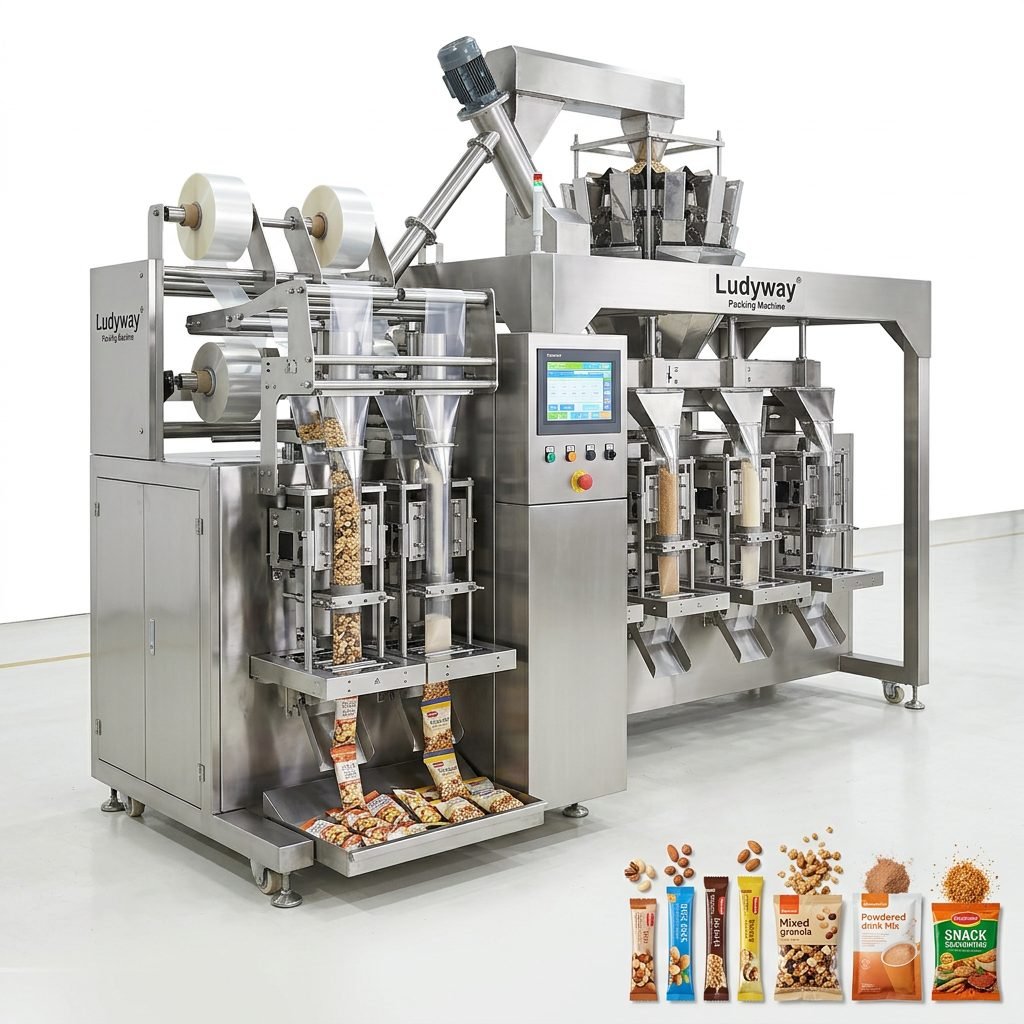
A snack packaging machine is a piece of industrial equipment that automates the packaging of snack foods into bags, pouches, sachets, trays, or cartons. Depending on the snack type, the machine may include feeding, weighing, dosing, bag forming, filling, sealing, coding, inspection, and discharge functions in one system or as part of a complete packaging line.
These machines are commonly used for products such as:
- Potato chips and puffed snacks
- Nuts and mixed nuts
- Popcorn and cereal snacks
- Crackers, biscuits, and cookies
- Dried fruits and vegetable snacks
- Candy and confectionery
- Protein bites, granola, and trail mix
- Powdered drink snacks or instant snack sachets
In simple terms, the machine ensures each pack contains the right amount of product and is sealed properly for transport, shelf display, and consumer use.
How Does a Snack Packaging Machine Work?
Although exact operation depends on the packaging style and product characteristics, most snack packaging systems follow a similar workflow.
1. Product Feeding
Snacks are first transferred from a hopper, conveyor, bucket elevator, or vibratory feeder into the dosing section. This stage is designed to handle the product gently to reduce breakage, especially for fragile snacks like chips or baked crisps.
2. Weighing or Dosing
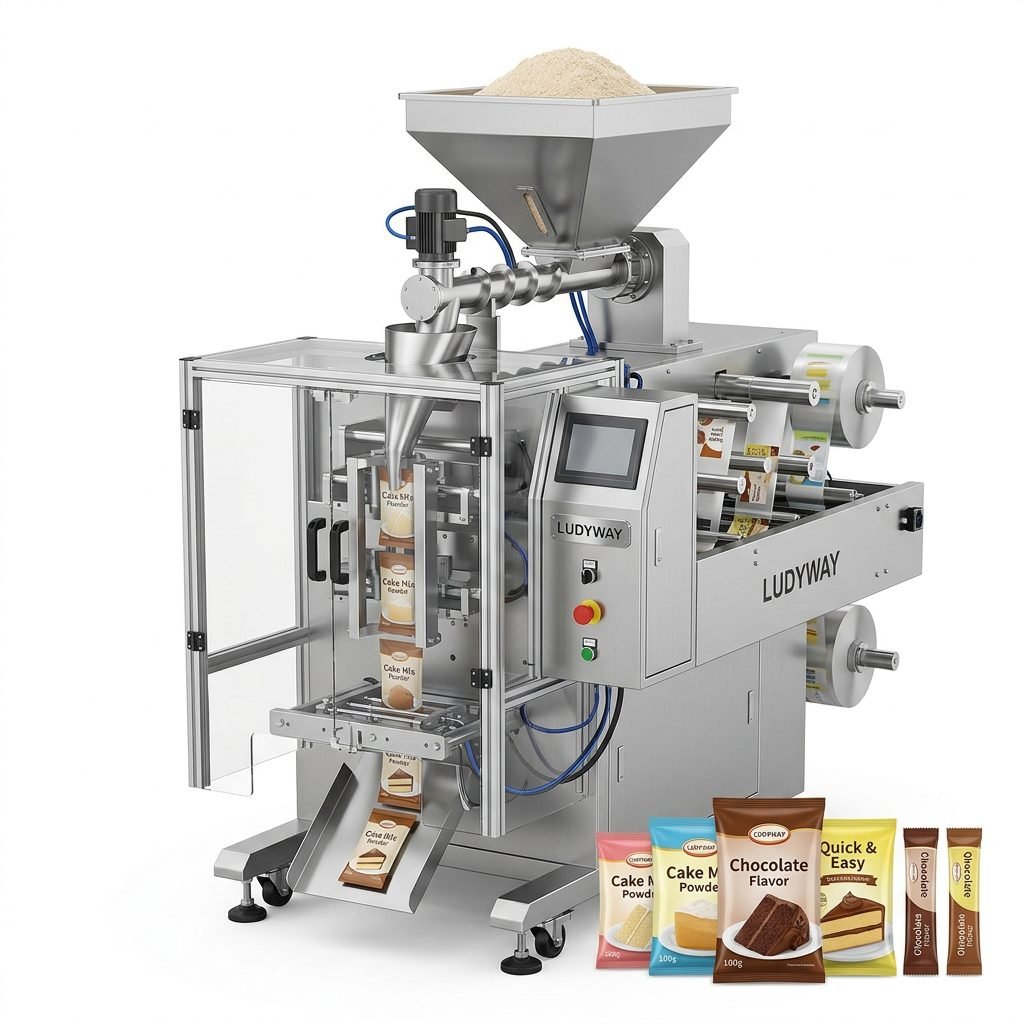
The machine measures the target amount for each package. For solid snacks, this is often done with a multihead weigher or linear weigher. For powders or seasoning-based snack products, auger fillers or cup dosing systems may be used.
3. Bag or Pouch Forming
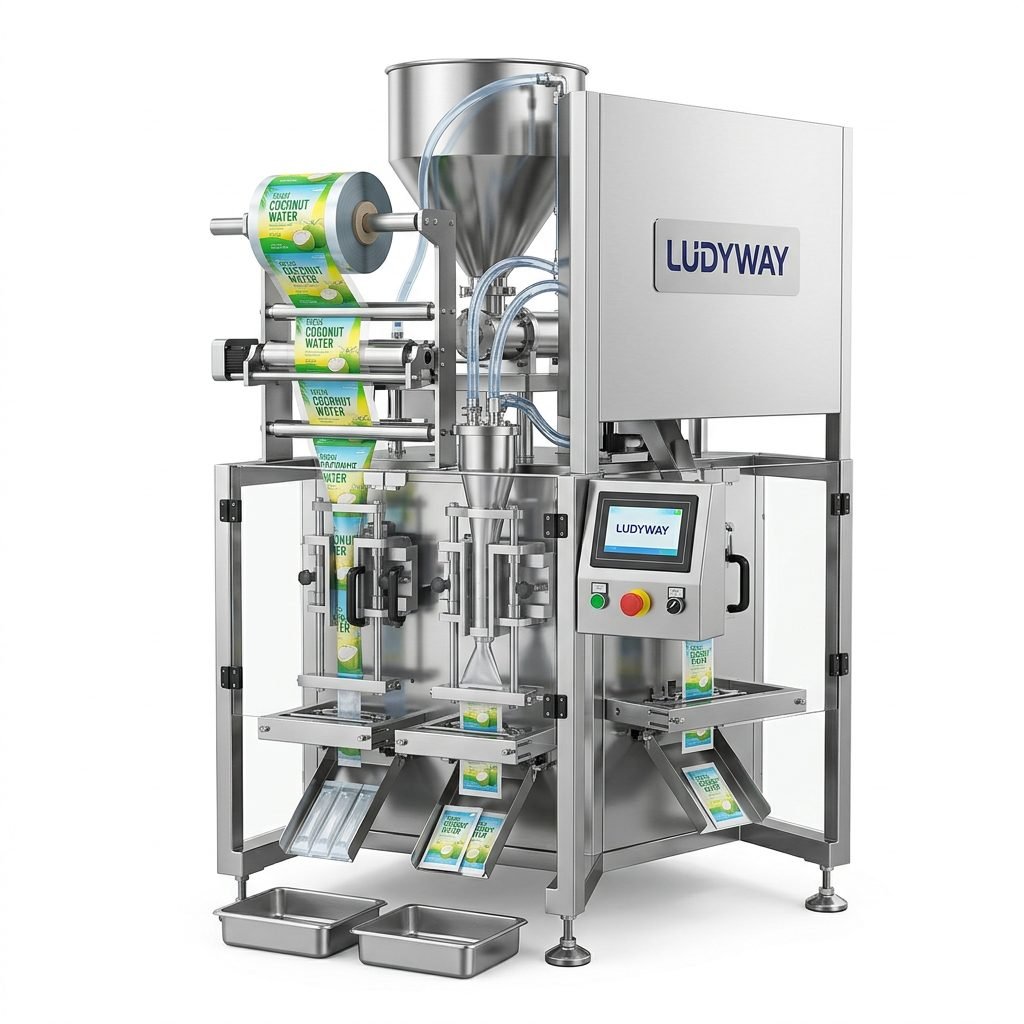
If the machine uses roll film, it forms the packaging material into a bag shape automatically. Vertical form fill seal systems are common for snack bags because they combine compact design with fast output.
4. Filling
Once the measured snack portion is ready, it is dropped or fed into the formed bag or premade pouch. Accurate timing here is essential to avoid product waste and maintain package consistency.
5. Sealing
The machine seals the package using heat sealing, ultrasonic sealing, or another sealing method, depending on the film material. This stage protects product freshness and prevents leakage.
6. Coding and Inspection
Many systems add date coding, batch printing, metal detection, checkweighing, or visual inspection before the finished package leaves the line.
7. Final Output
Finished snack packs are discharged for secondary packaging such as cartoning, case packing, or palletizing.
| Packaging Stage | Main Function | Typical Equipment |
|---|---|---|
| Feeding | Moves snacks into the machine | Bucket elevator, conveyor, feeder |
| Weighing | Measures the correct portion | Multihead weigher, linear weigher |
| Forming | Creates the bag from film | VFFS machine |
| Filling | Drops product into package | Filling unit, dosing system |
| Sealing | Closes and protects the pack | Heat sealer, ultrasonic sealer |
| Inspection | Checks quality and compliance | Checkweigher, metal detector, printer |
Main Types of Snack Packaging Machines
Different snacks require different packaging technologies. The most common machine types include:
Vertical Form Fill Seal Machines
VFFS machines are widely used for chips, nuts, popcorn, puffs, and granola. They form the bag from film, fill it, and seal it in one automated cycle.
Premade Pouch Packaging Machines
These machines fill and seal ready-made pouches. They are a good choice for premium snack packaging, including zipper pouches and stand-up pouches.
Flow Wrapping Machines
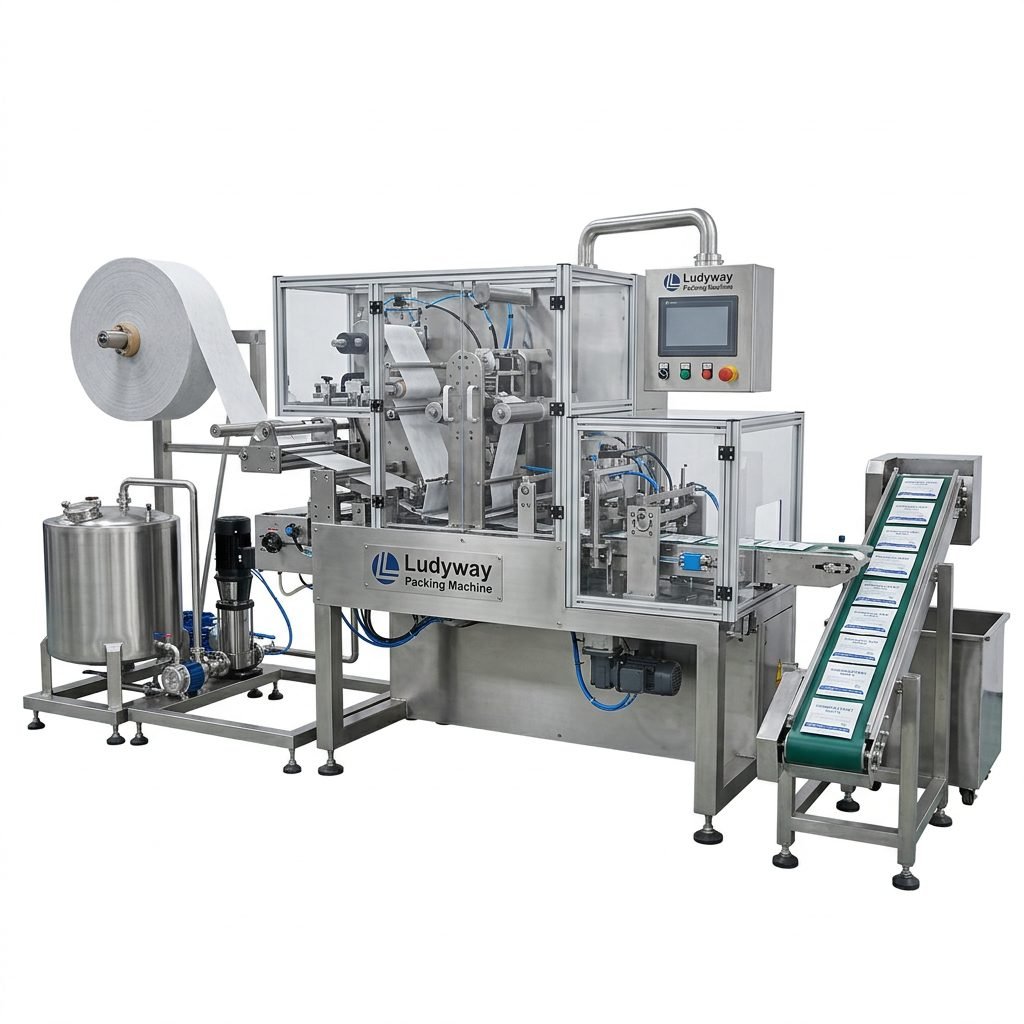
Used for bars, biscuits, cookies, and other solid or individually shaped snack items that need a horizontal wrapping process.
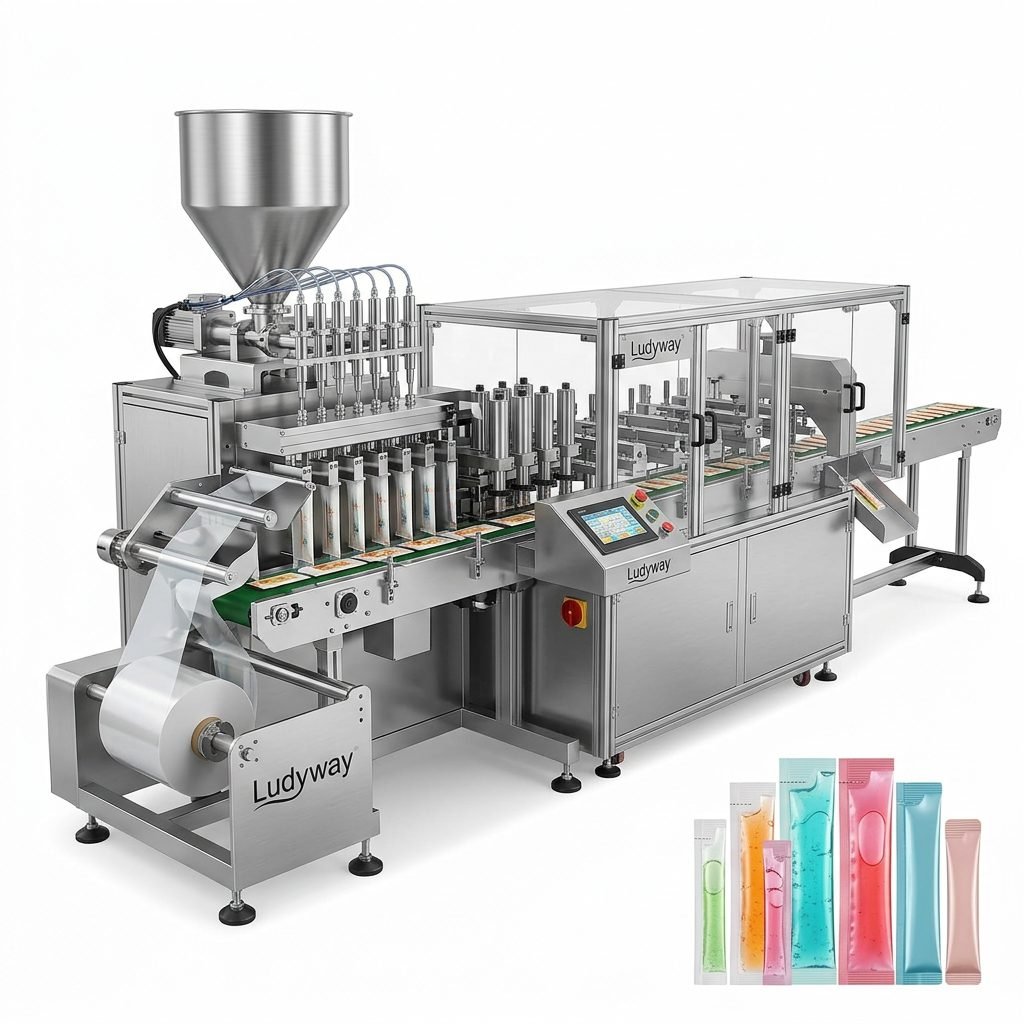
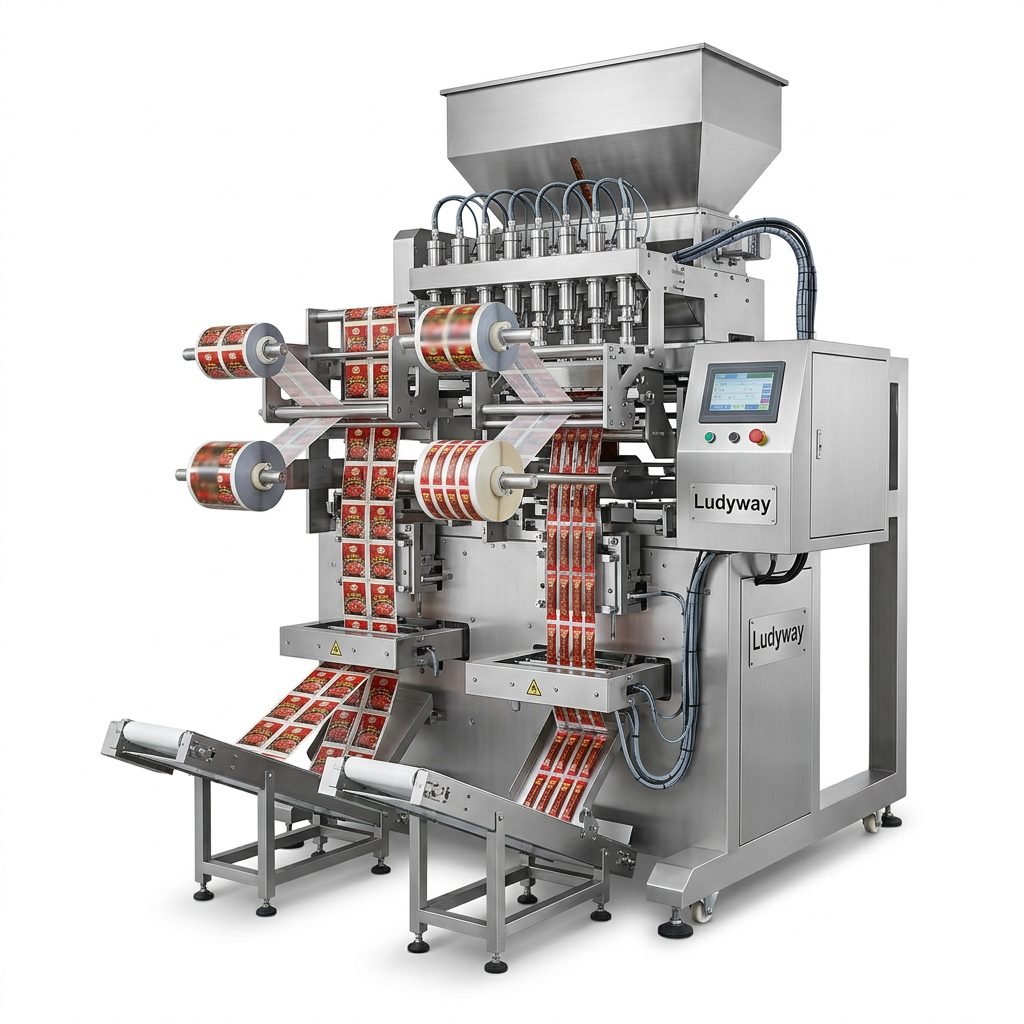
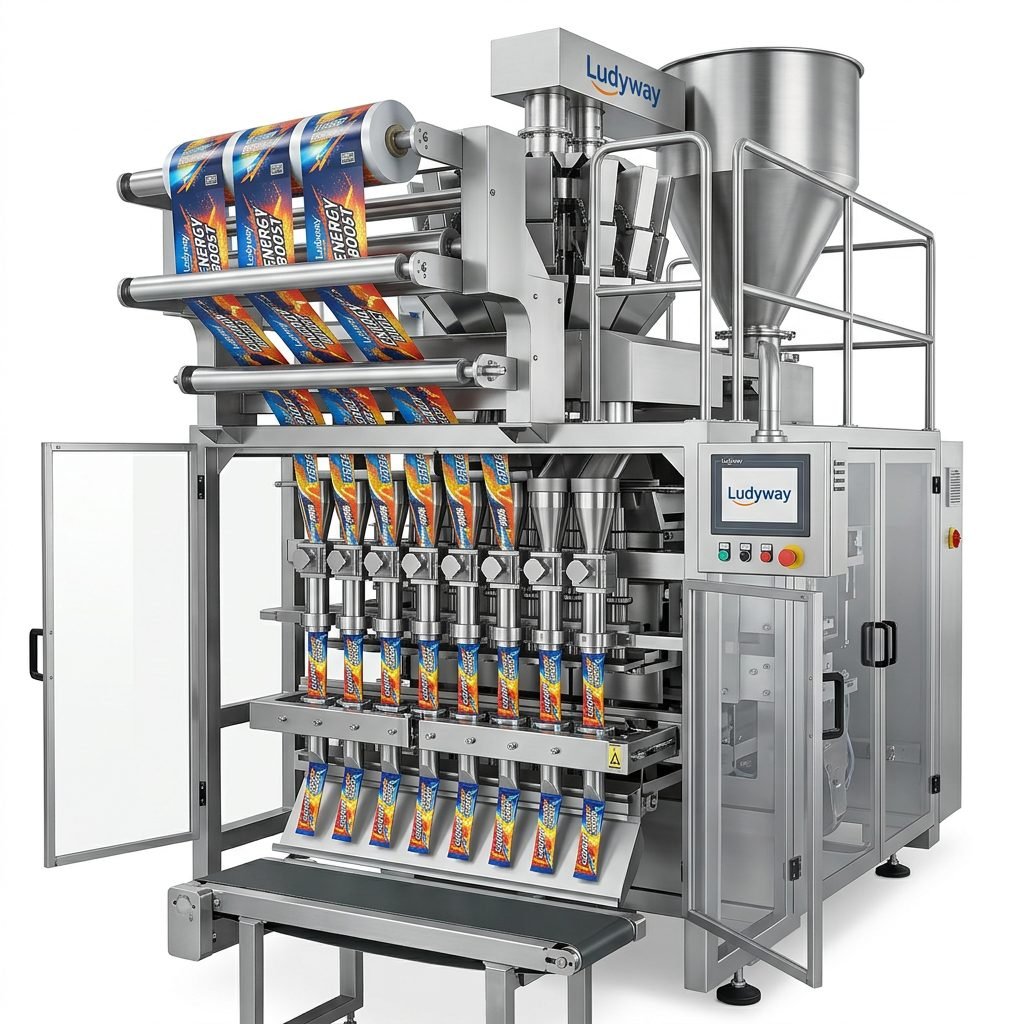
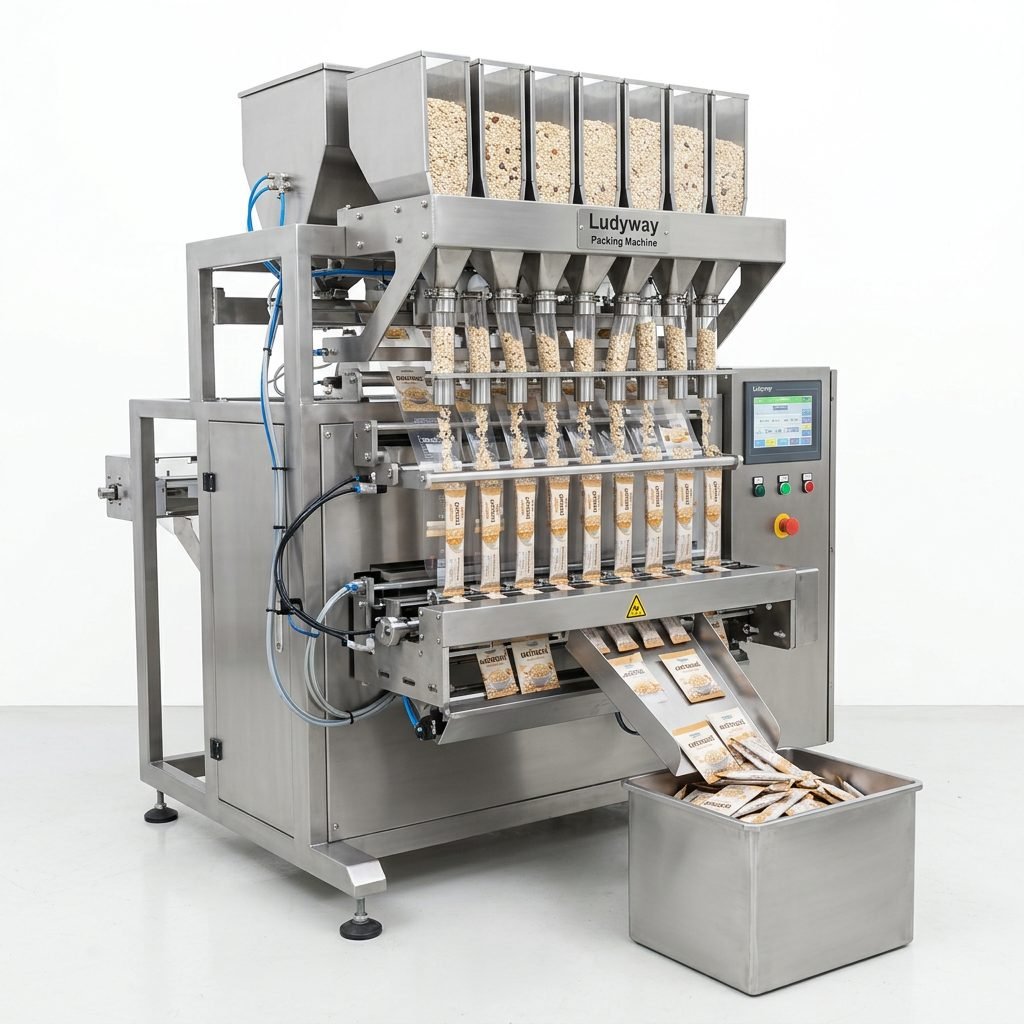
Multi-Lane Sachet or Stick Pack Machines
Ideal for powdered or granule-based snack products such as drink mixes, seasoning snacks, instant oatmeal portions, or nutritional snack powders.
Vacuum Packaging Machines
Suitable for certain specialty snacks where oxygen reduction helps extend shelf life or improve storage conditions.
Key Components of a Snack Packaging System
A complete snack packaging line often includes more than just the main packaging machine. Depending on output goals and product type, the system may feature:
- Feeding system for smooth product transfer
- Weighing unit for accurate portion control
- Bagging machine for forming or handling packs
- Sealing unit for secure closure
- Coding printer for date and batch information
- Inspection equipment such as checkweighers and metal detectors
- Conveyors and rotary tables for downstream handling
- Cartoning or case packing units for secondary packaging
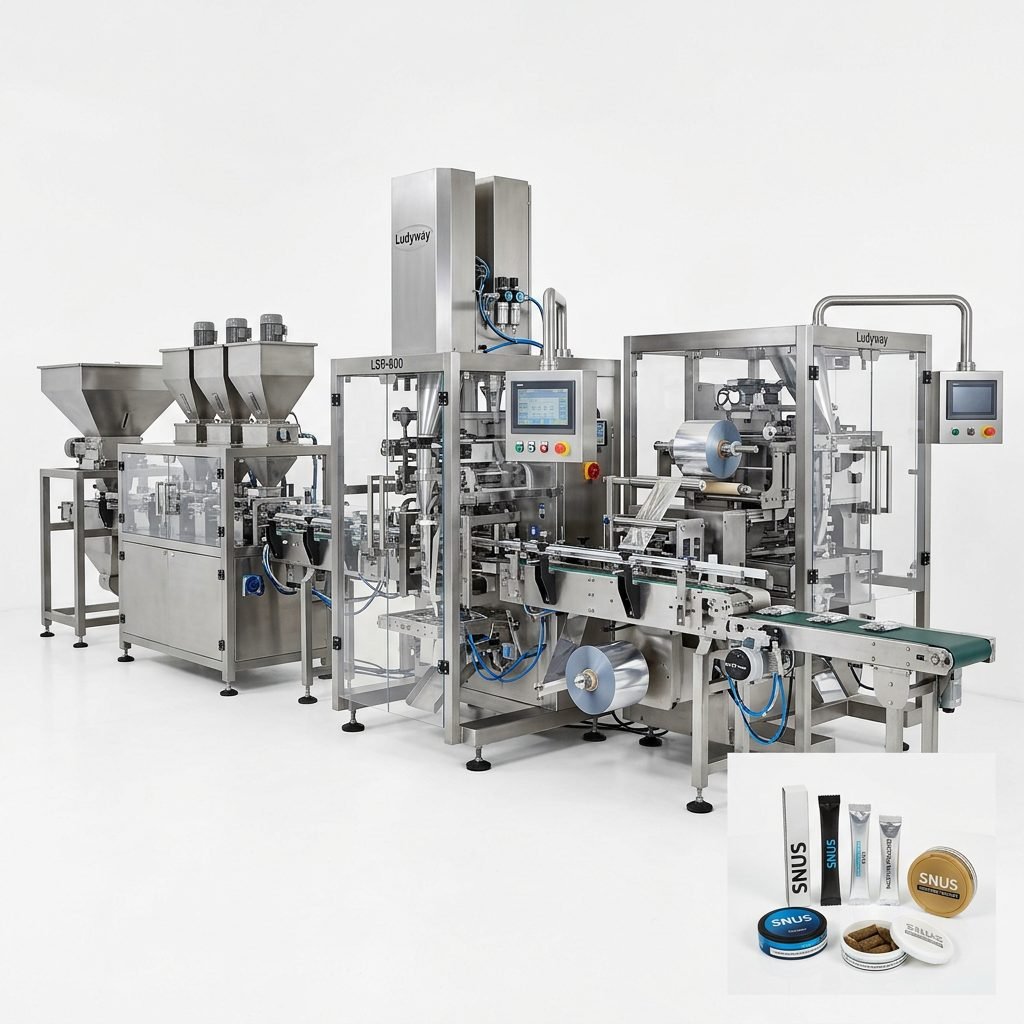
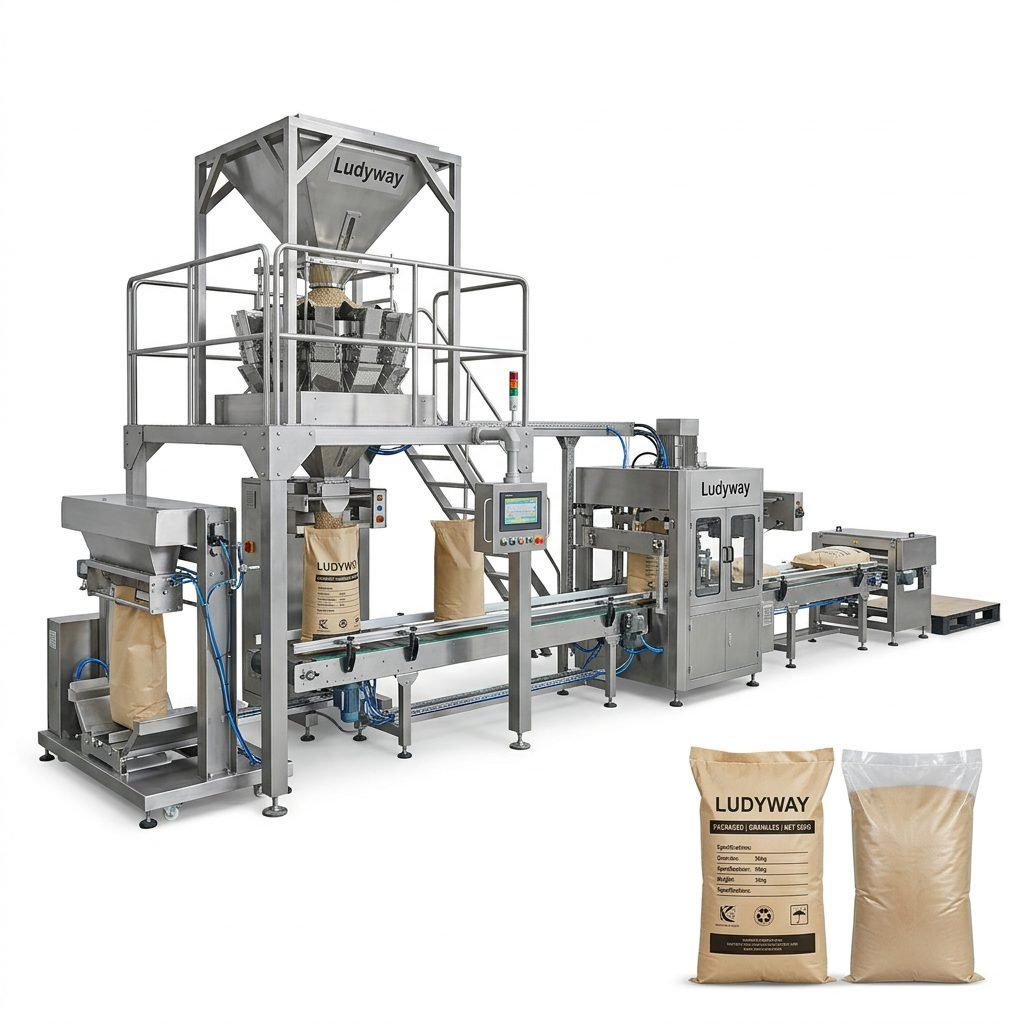
For manufacturers that want a more integrated approach, turnkey systems are often more efficient than buying each machine separately.
What Are the Benefits of Using a Snack Packaging Machine?
Higher Production Efficiency
Automation significantly increases output compared with manual packing. A modern system can package snacks at stable speeds with fewer interruptions.
Better Weight Accuracy
Precise dosing reduces underfilling and overfilling, helping manufacturers control giveaway and maintain compliance with labeling standards.
Improved Product Freshness
Reliable sealing protects snacks from moisture, oxygen, and contamination. This is especially important for crispy, oily, or flavored products.
Labor Savings
Automated equipment reduces dependence on manual labor for repetitive packaging tasks, which lowers operating costs over time.
Consistent Packaging Appearance
Uniform pack sizes, clean seals, and neat coding improve shelf appeal and strengthen brand presentation.
Better Food Safety
Closed and automated systems reduce direct product contact, supporting hygiene and food safety management.
| Benefit | Why It Matters |
|---|---|
| Speed | Supports larger order volumes and faster delivery |
| Accuracy | Reduces waste and improves pack consistency |
| Freshness protection | Extends shelf life and preserves texture |
| Automation | Cuts manual handling and labor pressure |
| Brand quality | Creates more attractive, professional packaging |
Which Snacks Can Be Packed with These Machines?
Snack packaging machines can handle a wide range of product forms, including:
- Granules
- Powders
- Pellets
- Pieces and chunks
- Flakes
- Liquids and sauces paired with snack kits
- Fragile baked products
The right configuration depends on product flowability, fragility, oil content, target pack weight, and desired packaging format.
How to Choose the Right Snack Packaging Machine
Before investing, manufacturers should evaluate both current production needs and future growth plans. Important factors include:
- Snack type — Is the product powder, granule, solid piece, or fragile snack?
- Packaging format — Pillow bag, gusset bag, zipper pouch, sachet, or stick pack?
- Output speed — What is the required packs per minute?
- Weight range — Single-serve, retail, or bulk pack?
- Film or pouch material — Compatible sealing and handling are essential.
- Automation level — Standalone machine or full line integration?
- Factory space — The line layout should fit the site efficiently.
- Maintenance and support — Spare parts, technical help, and training matter.
Buyers often work with experienced manufacturers that can recommend a suitable solution based on real product samples and packaging goals. Companies such as Ludyway packaging machine manufacturer are known in global markets for supplying both standalone equipment and turnkey packaging lines for food, pharma, health supplement, and related sectors.
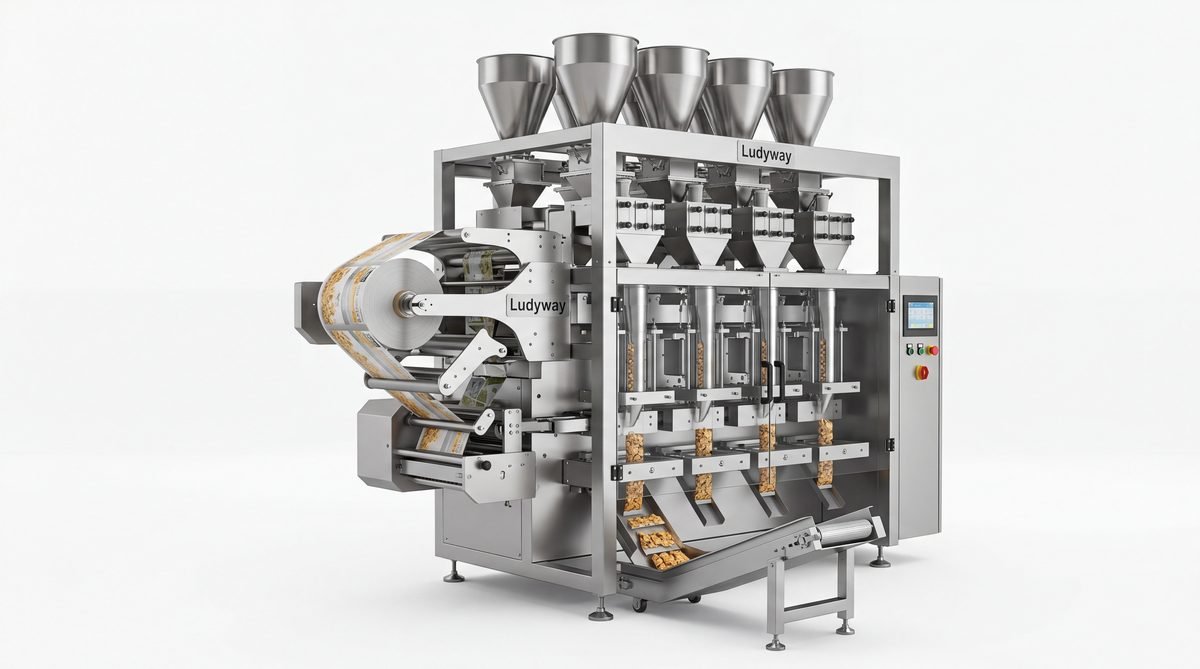
Snack Packaging Machine vs Manual Packaging
Many small businesses start with manual or semi-automatic packing, but this approach can become a bottleneck as demand increases.
| Factor | Manual Packaging | Automatic Snack Packaging Machine |
|---|---|---|
| Speed | Low to moderate | High and stable |
| Labor demand | High | Lower |
| Weight consistency | Variable | More accurate |
| Seal quality | Operator-dependent | Uniform and reliable |
| Scalability | Limited | Excellent |
Common Industries That Use Snack Packaging Machines
- Snack food manufacturing
- Health food and nutrition brands
- Baked goods producers
- Nuts and dried fruit processors
- Confectionery manufacturers
- Instant food and powdered mix producers
- Pet snack manufacturers
Frequently Asked Questions
Can one machine pack different snack products?
Yes, many machines can handle multiple products if they are designed with adjustable settings, changeable forming parts, and suitable weighing systems.
What packaging styles are most common for snacks?
Pillow bags, gusset bags, stand-up pouches, zipper pouches, sachets, and stick packs are all widely used depending on the product and market position.
Are snack packaging machines suitable for fragile products?
Yes. With the right feeding design, gentle product handling, and optimized drop distance, machines can be configured to reduce breakage.
How important is sealing quality?
It is extremely important because poor sealing can cause moisture entry, product staleness, leakage, and customer complaints.
Final Thoughts on Snack Packaging Machines
A snack packaging machine is much more than a bagging device. It is a productivity tool that helps snack manufacturers improve speed, consistency, hygiene, shelf life, and overall packaging quality. From simple bagging systems to fully integrated turnkey lines, these machines play a central role in modern snack production.
If your business is planning to expand output, improve packaging appearance, or reduce labor-intensive operations, choosing the right snack packaging machine can deliver long-term value and a stronger competitive edge.