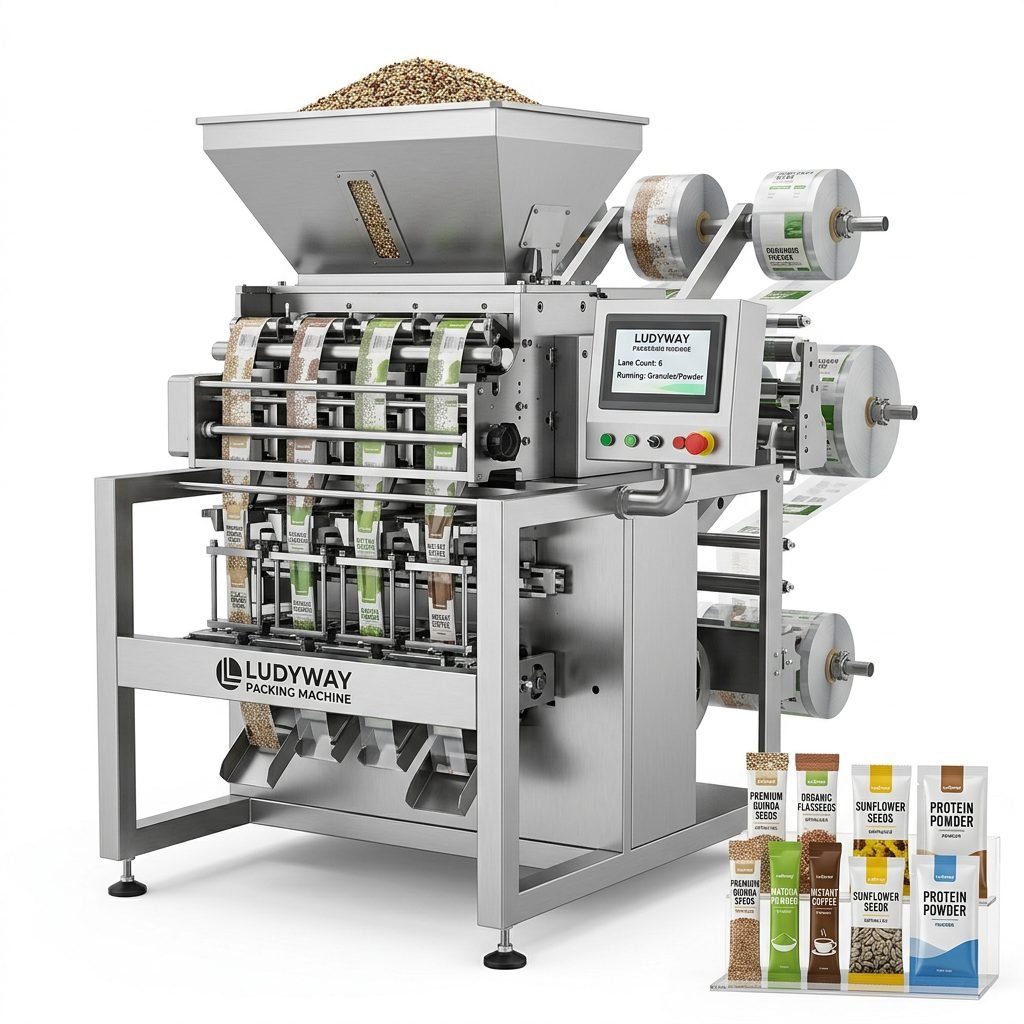
A water pouch filling machine is an automated packaging system designed to fill purified water, mineral water, flavored water, electrolyte drinks, and other free-flowing liquids into flexible pouches, then seal them securely for storage, transport, and retail sale. It is widely used by beverage producers, contract packers, startup brands, and industrial water suppliers looking for a cost-effective and efficient packaging format.
Compared with rigid bottles, water pouches can reduce packaging material use, simplify transport, and support high-volume output. That is why many manufacturers are turning to pouch-based liquid packaging equipment for both consumer and institutional markets.
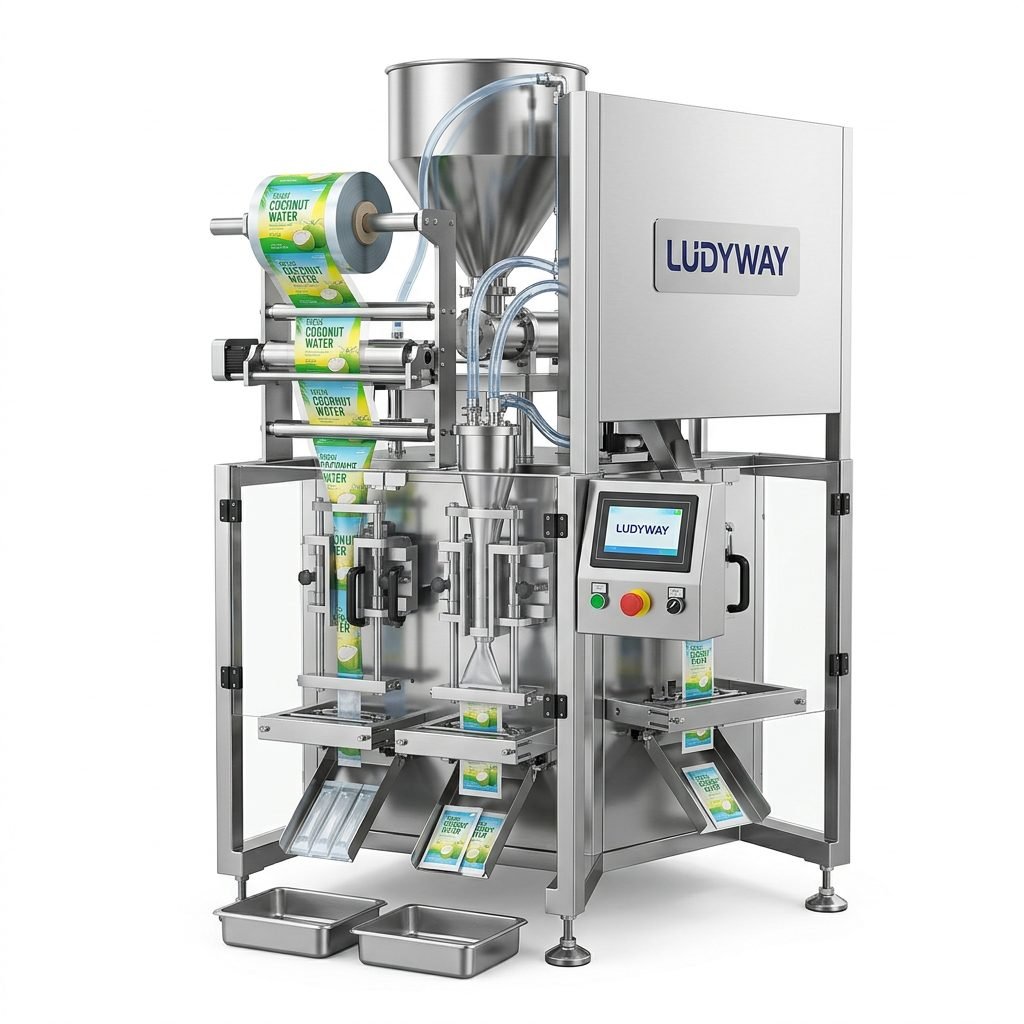
How a Water Pouch Filling Machine Works
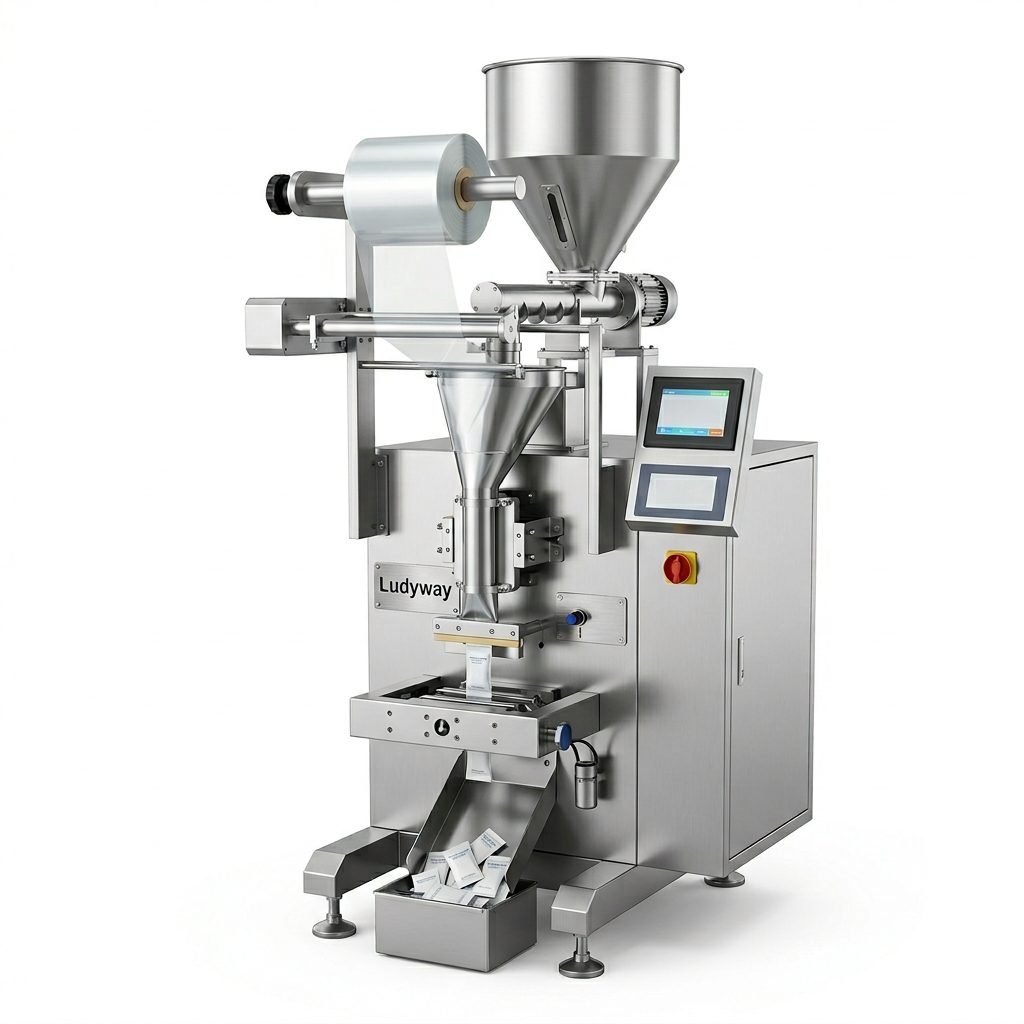
Although machine structures vary by model, the basic working process is usually similar:
- Film feeding: Roll film is unwound and guided into the forming section.
- Pouch forming: The machine shapes the packaging film into a pouch or sachet.
- Liquid dosing: Water is measured accurately through a volumetric or flow-based filling system.
- Sealing: Heat sealing closes the pouch to prevent leaks and contamination.
- Cutting and discharge: Finished pouches are cut and released for collection or downstream packing.
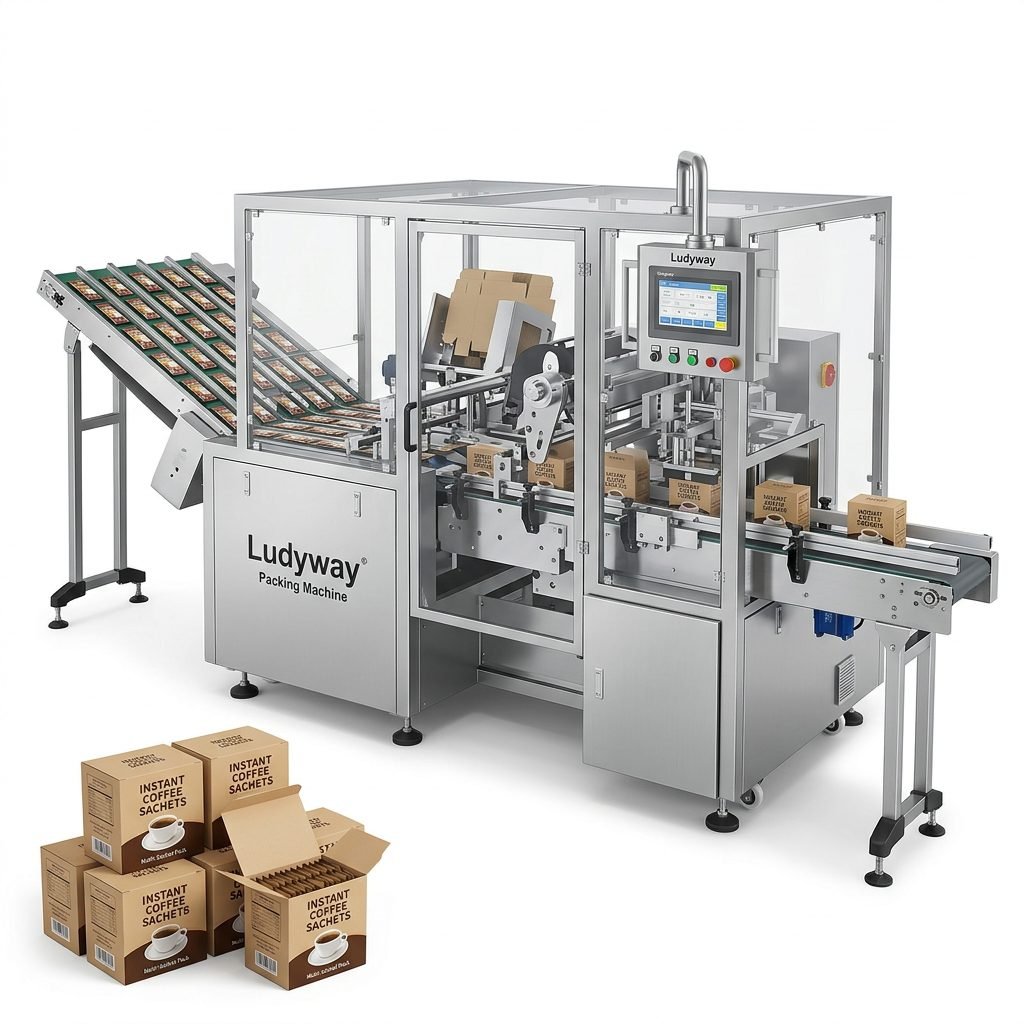
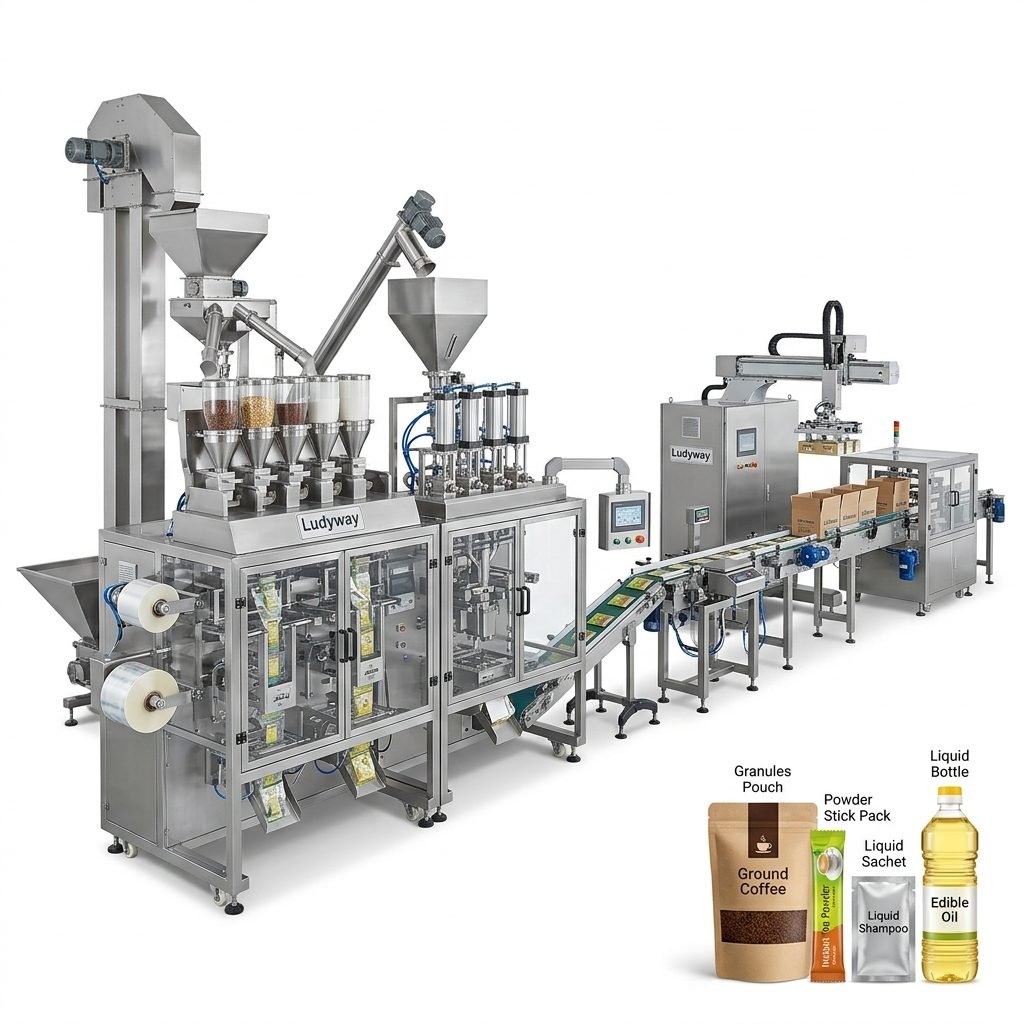
In more advanced systems, this process is integrated with coding, counting, checkweighing, cartoning, and case packing to create a more complete packaging line.
Main Types of Water Pouch Filling Machines
Choosing the right machine depends on pouch format, production target, sanitation requirements, and budget. The most common machine types include:
| Machine Type | Best For | Key Features |
|---|---|---|
| Vertical Form Fill Seal (VFFS) | High-volume sachet or small pouch water packaging | Forms pouches from roll film, compact and efficient |
| Premade Pouch Filling Machine | Premium pouch appearance and flexible pouch styles | Handles ready-made pouches, strong seal quality |
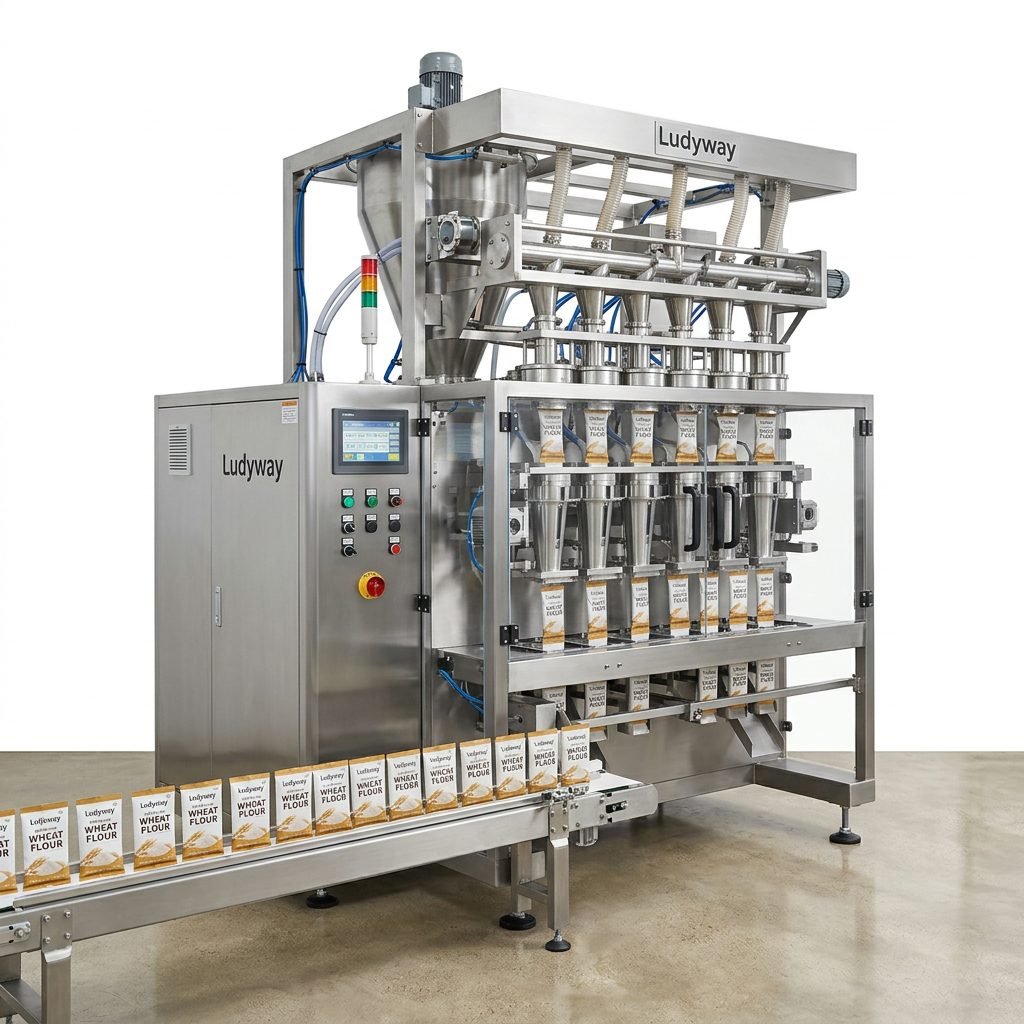
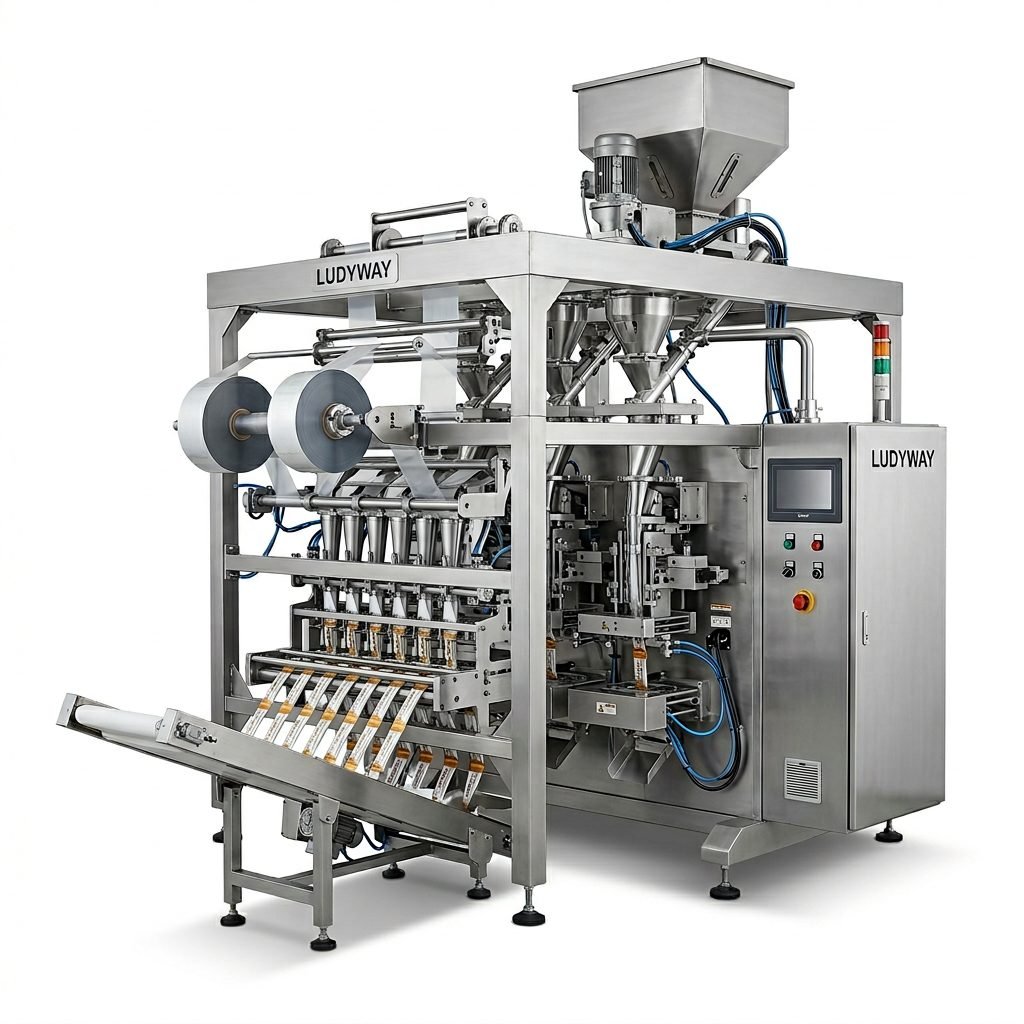
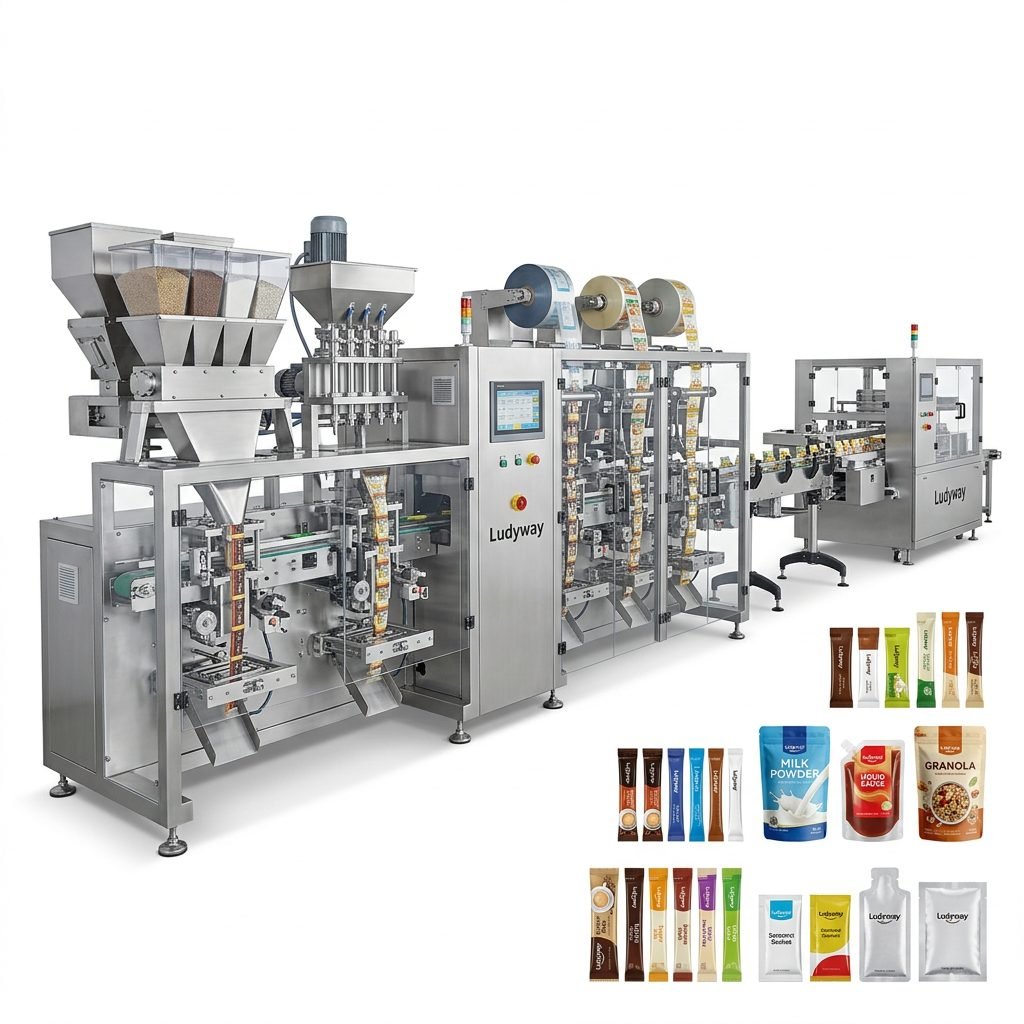
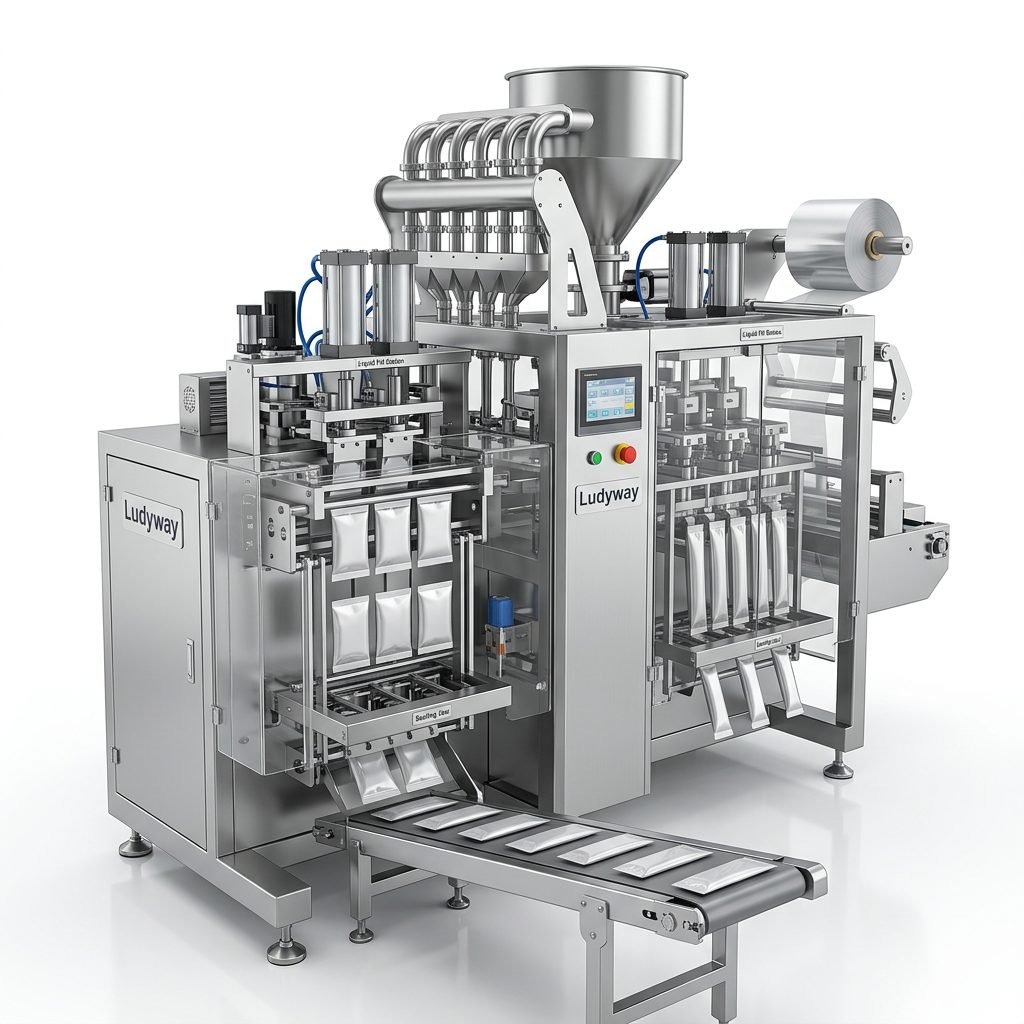
| Multi-lane Liquid Packaging Machine | Very high output in small-format packaging | Multiple lanes running simultaneously |
| Semi-automatic Pouch Filling Machine | Small businesses or pilot production | Lower investment, more manual handling |
What Liquids Can Be Packed Besides Water?
Despite the name, these machines are not limited to plain water. Many systems can also handle:
- Purified water
- Mineral water
- Coconut water
- Electrolyte drinks
- Functional beverages
- Oral liquid health products
- Low-viscosity juices
- Liquid food ingredients
If the liquid is more viscous, foamy, or contains particulates, the filling system and sealing parameters may need to be adjusted accordingly.
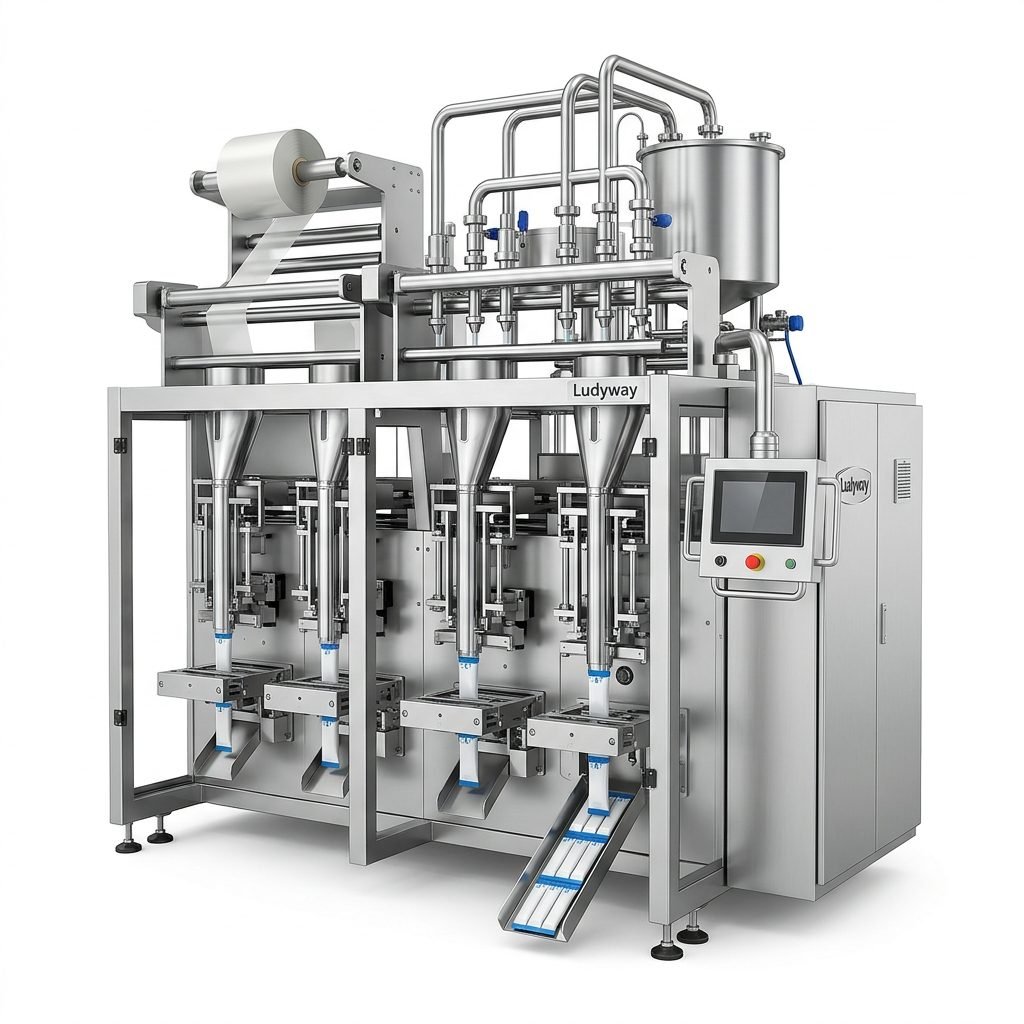
Key Components of a Water Pouch Filling Machine
Understanding the core components helps buyers compare models more effectively.
1. Liquid Feeding System
This part transfers water from a storage tank to the dosing unit. It may include sanitary pumps, filters, pipelines, and buffer tanks.
2. Dosing and Filling Unit
This controls filling accuracy. For water and other low-viscosity liquids, flow meters, piston fillers, or timed filling systems are often used.
3. Forming Section
In VFFS models, film is shaped into pouches before filling. Film tracking accuracy directly affects sealing quality and pouch consistency.
4. Heat Sealing Unit
This section creates tight seals using controlled temperature, pressure, and dwell time. For water packaging, leak-proof sealing is one of the most critical performance indicators.
5. Control System
Modern machines typically use PLC control with touchscreen interfaces for easy operation, recipe setting, alarm display, and production monitoring.
6. Optional Auxiliary Equipment
- Date coder or inkjet printer
- Checkweigher
- Metal detector
- Conveyor system
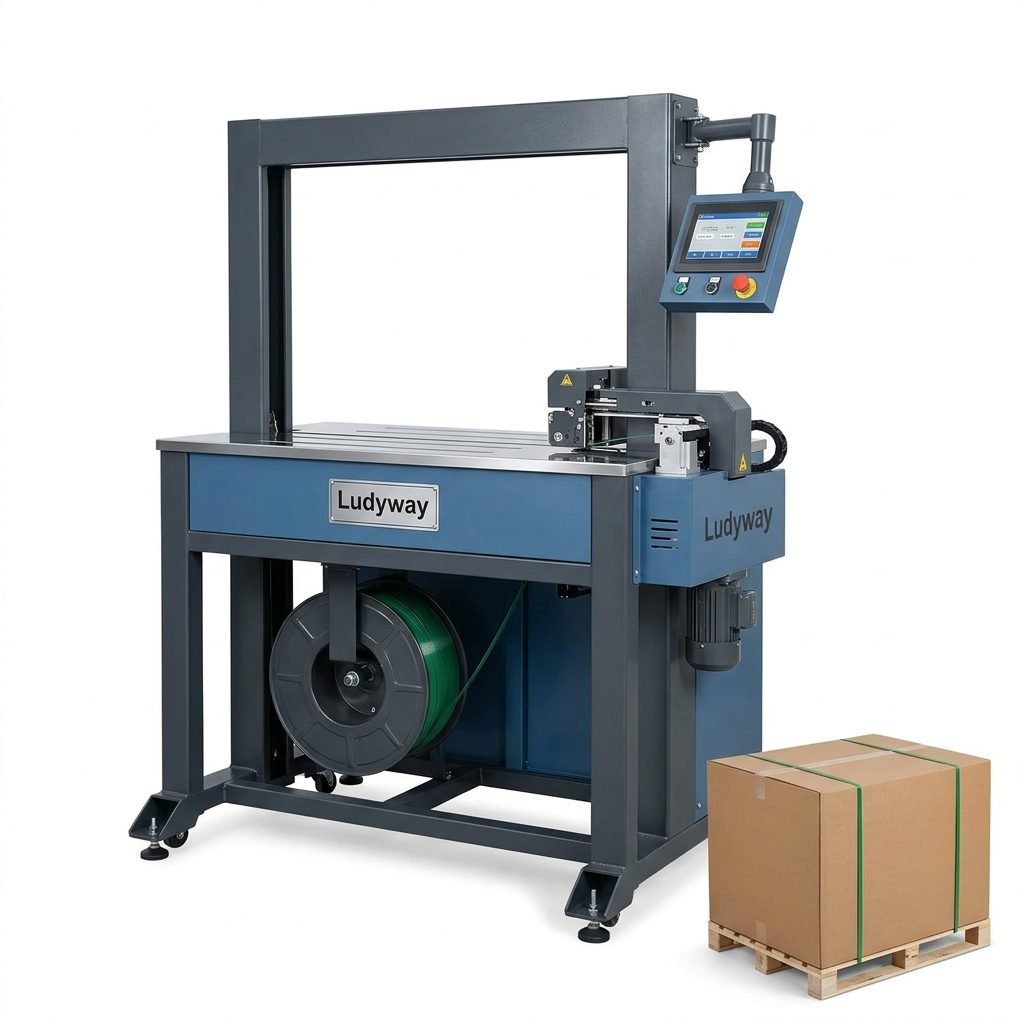
- Cartoning or case packing machine
Benefits of Using Water Pouch Packaging Equipment
A well-matched machine can offer both operational and commercial advantages.
- Lower packaging cost compared with many rigid container formats
- High production efficiency for large daily output
- Reduced labor dependency through automation
- Consistent fill volume and seal quality
- Compact footprint for limited factory space
- Flexible pouch sizing for different markets
- Improved portability for end users
Important Features to Look for Before Buying
Not every water pouch filling machine is suitable for every project. Buyers should evaluate the following factors:
| Feature | Why It Matters |
|---|---|
| Filling Accuracy | Reduces waste and ensures product consistency |
| Machine Speed | Determines output per hour or per shift |
| Seal Strength | Prevents leakage during transport and storage |
| Material Compatibility | Ensures the machine runs well with your film structure |
| Sanitary Design | Important for beverage safety and cleaning efficiency |
| Automation Level | Affects labor cost and future scalability |
| Maintenance Access | Shortens downtime and simplifies servicing |
Industries That Commonly Use Water Pouch Filling Machines
These machines are used in a wide range of sectors, including:
- Bottled and packaged water production
- Food and beverage manufacturing
- Health supplement packaging
- Pharmaceutical oral liquid packaging
- Emergency relief and public supply projects
- Private-label beverage production
For some developing markets and high-demand distribution environments, pouch water remains especially attractive because it combines affordability with efficient bulk transport.
Water Pouch Filling Machine vs Bottle Filling Machine
Many buyers compare pouch packaging with bottle packaging before making an investment decision.
| Factor | Water Pouch Machine | Bottle Filling Machine |
|---|---|---|
| Packaging Cost | Usually lower | Usually higher |
| Portability | Very good | Good |
| Shelf Presentation | Simple and flexible | Strong retail familiarity |
| Line Complexity | Often simpler | May require rinsing, capping, labeling |
| Material Consumption | Lower | Higher |
How to Choose the Right Model
Before selecting a machine, prepare these key details:
- Target pouch size and filling volume
- Expected output per minute or per hour
- Type of film or premade pouch material
- Product characteristics such as viscosity and temperature
- Power supply and factory layout
- Required hygiene level and local compliance needs
- Need for future expansion into other liquid products
If you plan to package multiple SKUs or liquid types, it is often better to invest in a more flexible machine platform rather than choosing only on the basis of the lowest initial price.
Common Problems and Maintenance Tips
Even high-quality equipment needs proper operation and maintenance. Common issues include:
- Inconsistent pouch length
- Weak or incomplete seals
- Filling volume deviation
- Film tracking errors
- Leakage caused by contamination in the sealing area
Practical maintenance tips
- Clean liquid contact parts regularly
- Inspect sealing jaws and temperature settings
- Check pumps, valves, and pipelines for wear
- Calibrate filling accuracy on schedule
- Use packaging materials that match the machine design
- Train operators on startup, shutdown, and troubleshooting procedures
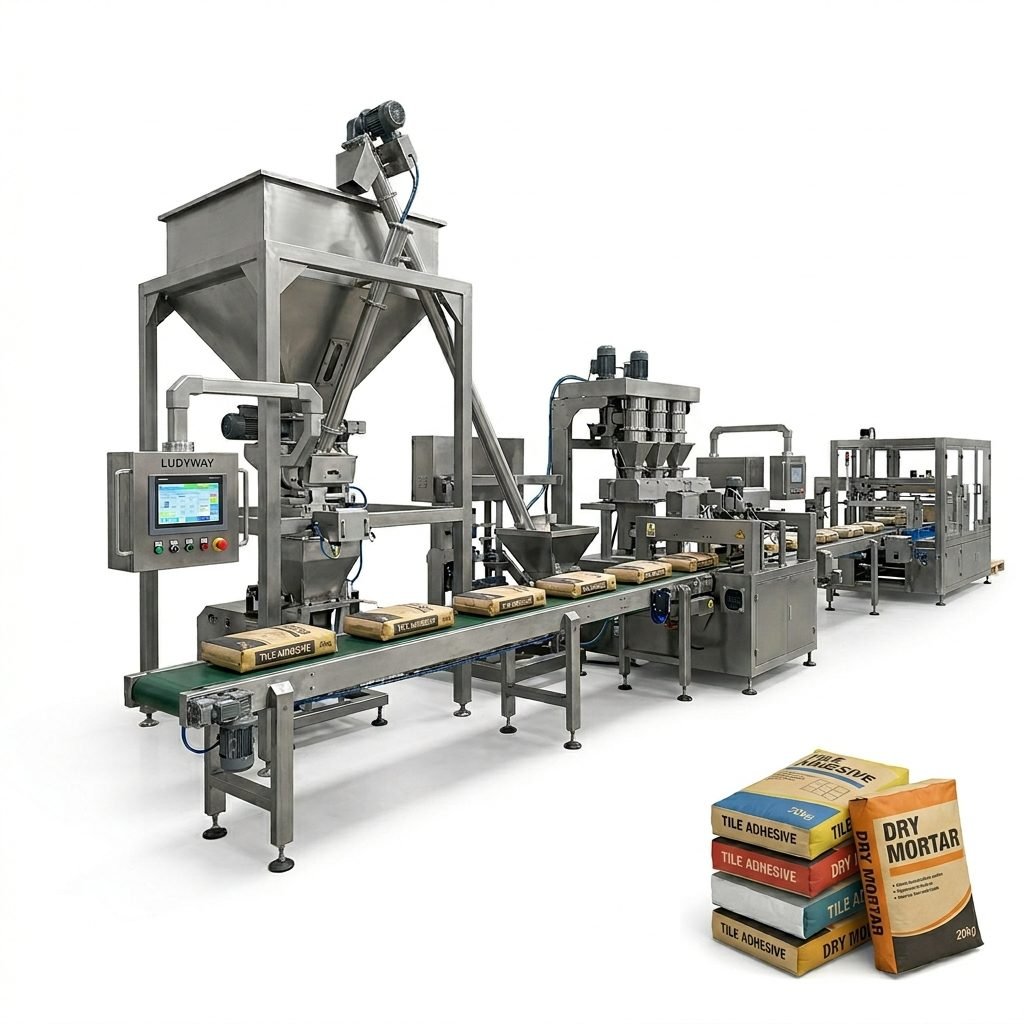
Why Turnkey Packaging Line Planning Matters
For growing manufacturers, the filling machine is only one part of the full production process. Upstream water treatment, storage, conveying, coding, secondary packaging, and end-of-line automation all affect overall efficiency.
Working with an experienced supplier can reduce integration risks. For example, Ludyway water pouch filling machine solutions are supported by broader experience in packaging machinery and turnkey packaging lines for food, pharmaceutical, health supplement, and related industries.
Frequently Asked Questions
Is a water pouch filling machine suitable only for small pouches?
No. Many machines can be configured for different pouch sizes, depending on film width, filling range, and sealing structure.
Can the same machine pack flavored drinks?
Yes, in many cases. However, the product formula, sugar content, acidity, and sanitation requirements should be confirmed before machine selection.
What is the ideal production speed?
There is no single answer. A startup may need a modest output, while an industrial producer may require high-speed multi-lane packaging. The best speed is the one that matches your sales volume and downstream packing capacity.
How important is filling accuracy for water?
Very important. Even with low-cost products like water, poor accuracy can lead to waste, customer complaints, and profit loss over time.
Final Thoughts
A water pouch filling machine is a practical solution for businesses that need efficient, hygienic, and scalable liquid packaging. Whether you are packaging drinking water, coconut water, oral liquids, or other low-viscosity products, the right equipment can improve output, reduce labor, and deliver more consistent packaging quality.
The best buying decision comes from matching machine type, pouch format, speed, and line integration needs with your actual production goals. If you evaluate these factors carefully, you can build a more reliable and competitive liquid packaging operation.