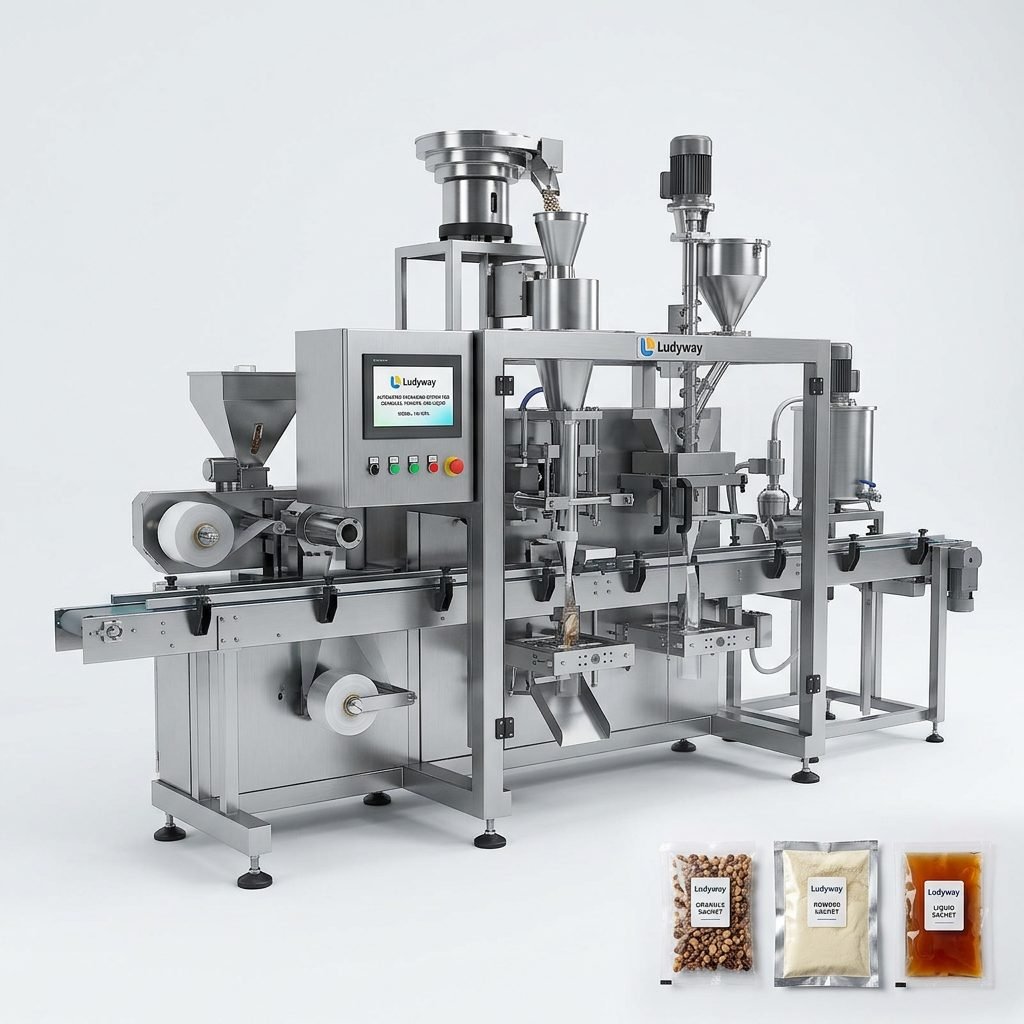
In seed packaging, speed alone is never enough. Producers also need accurate filling, clean sealing, low product loss, batch traceability, and packaging consistency that supports storage, transport, and retail presentation. A modern seed bag filling machine is designed to meet these demands by combining weighing, dosing, bag forming or pouch handling, sealing, coding, and optional inspection into one streamlined process.
Whether you package vegetable seeds, corn seeds, rice seeds, grass seeds, flower seeds, coated seeds, or seed treatment granules, the right machine can help improve throughput while protecting product quality. For growing seed brands and agricultural suppliers, automation also reduces labor dependence and supports more stable daily output.
Why Seed Packaging Requires Specialized Filling Equipment
Seeds are not packaged like ordinary granules. Different seed types vary in size, shape, density, flowability, and fragility. Some seeds flow smoothly, while others bridge in hoppers or generate dust. Treated seeds may require extra attention to contamination control, and small retail sachets demand extremely precise dosing.
- Minimize underfill and overfill
- Protect seed integrity during feeding and filling
- Support multiple bag sizes and pouch formats
- Improve sealing reliability for storage life
- Maintain stable performance during long production runs
- Enable coding for batch and traceability management
For manufacturers handling a broad seed portfolio, flexible automation is especially valuable. It allows quicker product changeovers and reduces downtime between packaging specifications.
How a Seed Bag Filling Machine Works
A typical system follows a clear sequence from material feeding to finished package discharge. Depending on the packaging type, the machine may be configured for sachets, stick packs, pouches, or larger bags.
- Seed feeding: Seeds are transferred from a hopper, elevator, or feeding conveyor.
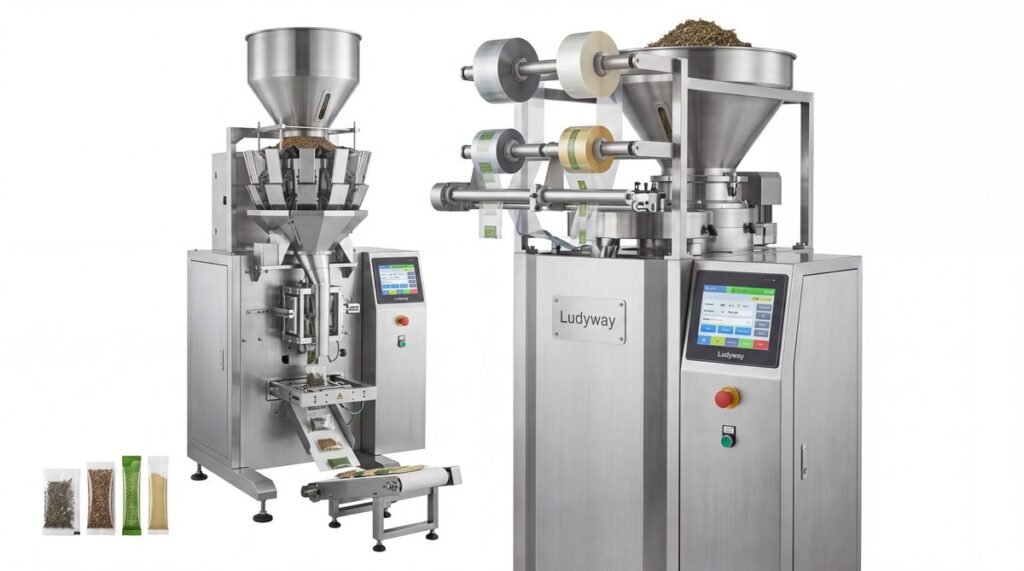
- Measuring or weighing: The system doses the target quantity using cups, augers, linear weighers, or multi-head weighing technology.
- Bag or pouch handling: The machine forms film into packs or fills pre-made bags.
- Filling: Seeds enter the package in a controlled and repeatable way.
- Sealing: Heat sealing or other sealing methods close the package securely.
- Coding and discharge: Date, batch, or lot information can be printed before final output.
The exact configuration depends on product characteristics, target speed, packaging material, and downstream requirements such as cartoning, checkweighing, metal detection, or case packing.
Main Benefits of Using an Automatic Seed Filling Machine
| Benefit | Practical Value |
|---|---|
| High filling accuracy | Helps control giveaway and supports package consistency |
| Faster output | Increases packaging capacity for peak agricultural seasons |
| Reduced labor pressure | Less manual handling and fewer repetitive tasks |
| Improved sealing quality | Better package integrity during storage, shipping, and retail display |
| Cleaner production | Lower dust spread and less material waste |
| Scalability | Easy to expand from standalone units to complete packaging lines |
Types of Seed Bag Filling Machines
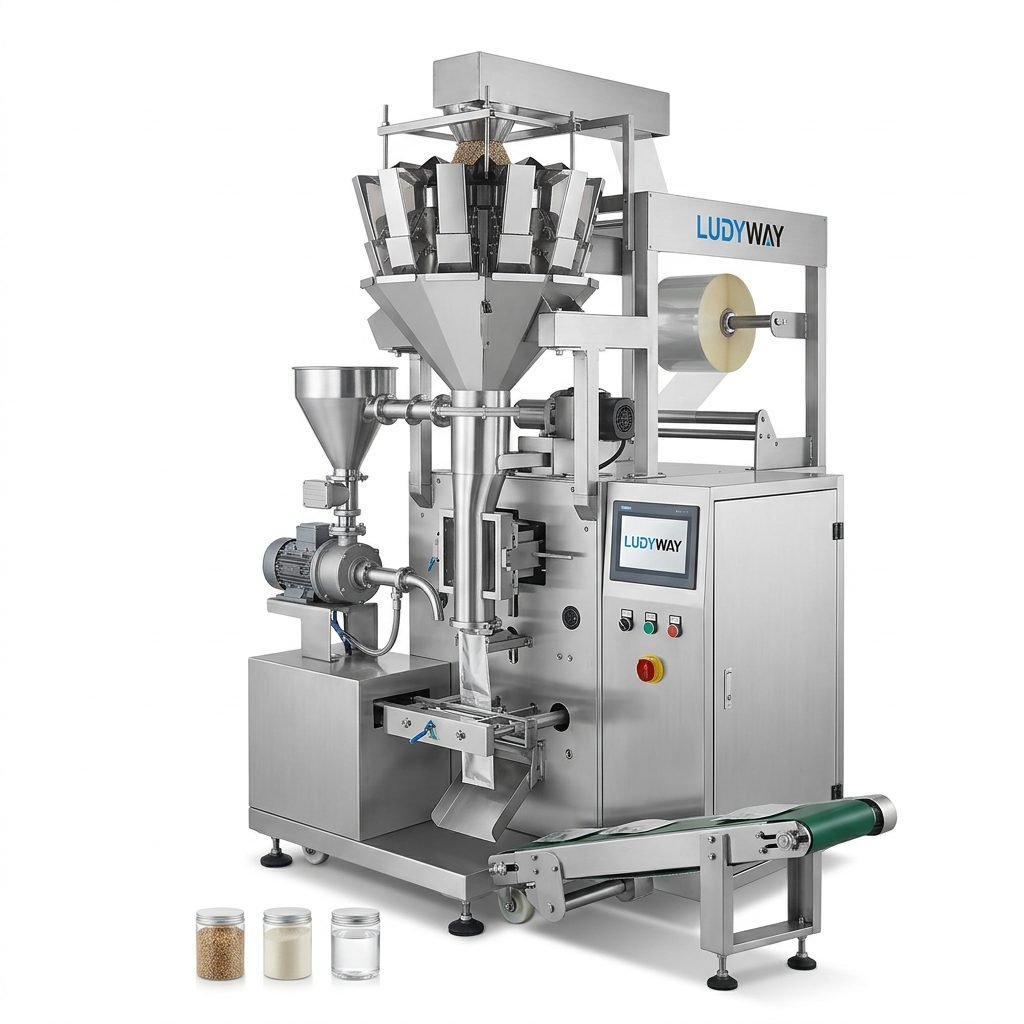
Vertical Form Fill Seal Machines
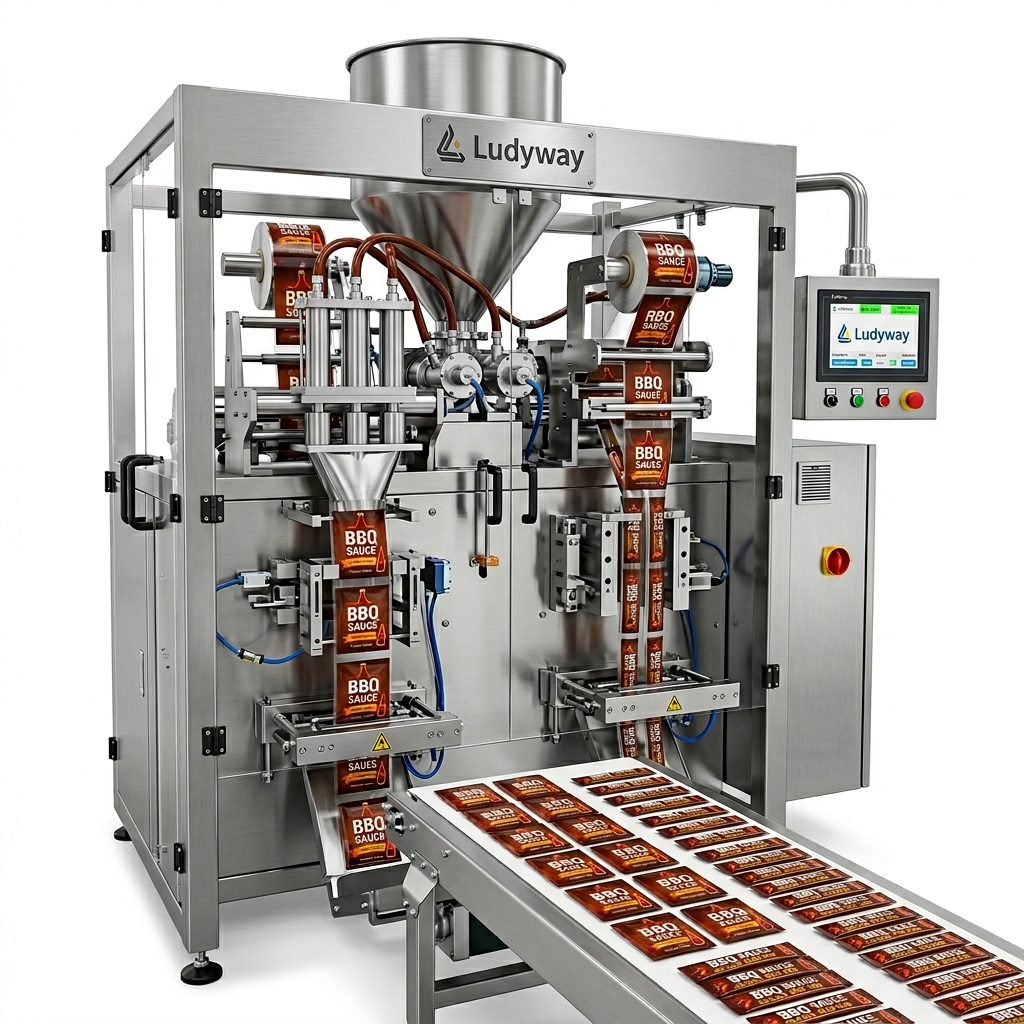
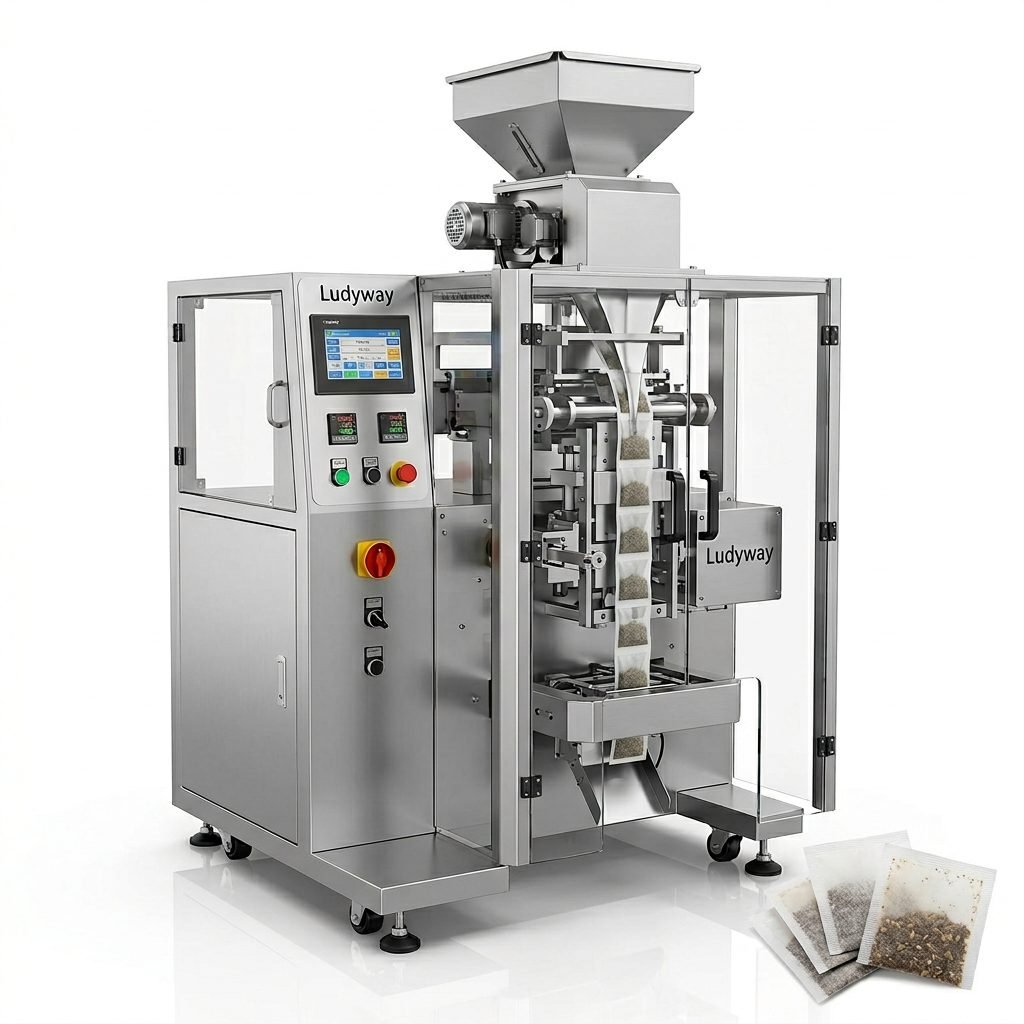
These are widely used for small to medium bags. The machine forms the package from roll film, fills it, and seals it automatically. They are ideal for agricultural businesses seeking efficient packaging with a compact equipment footprint.
Premade Pouch Filling Machines
Suitable for businesses that need higher-end packaging presentation, zipper pouches, or stand-up pouches. They are often chosen when retail shelf appeal is a priority.
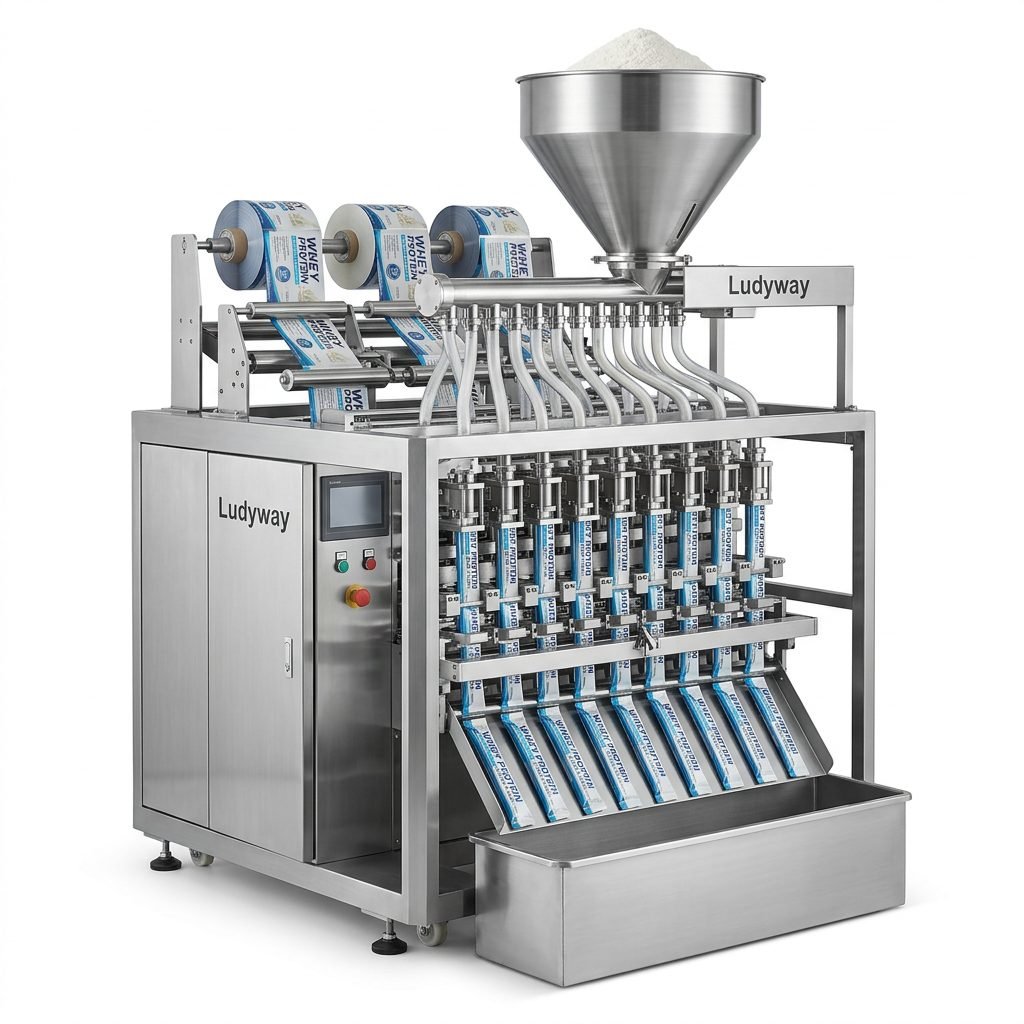
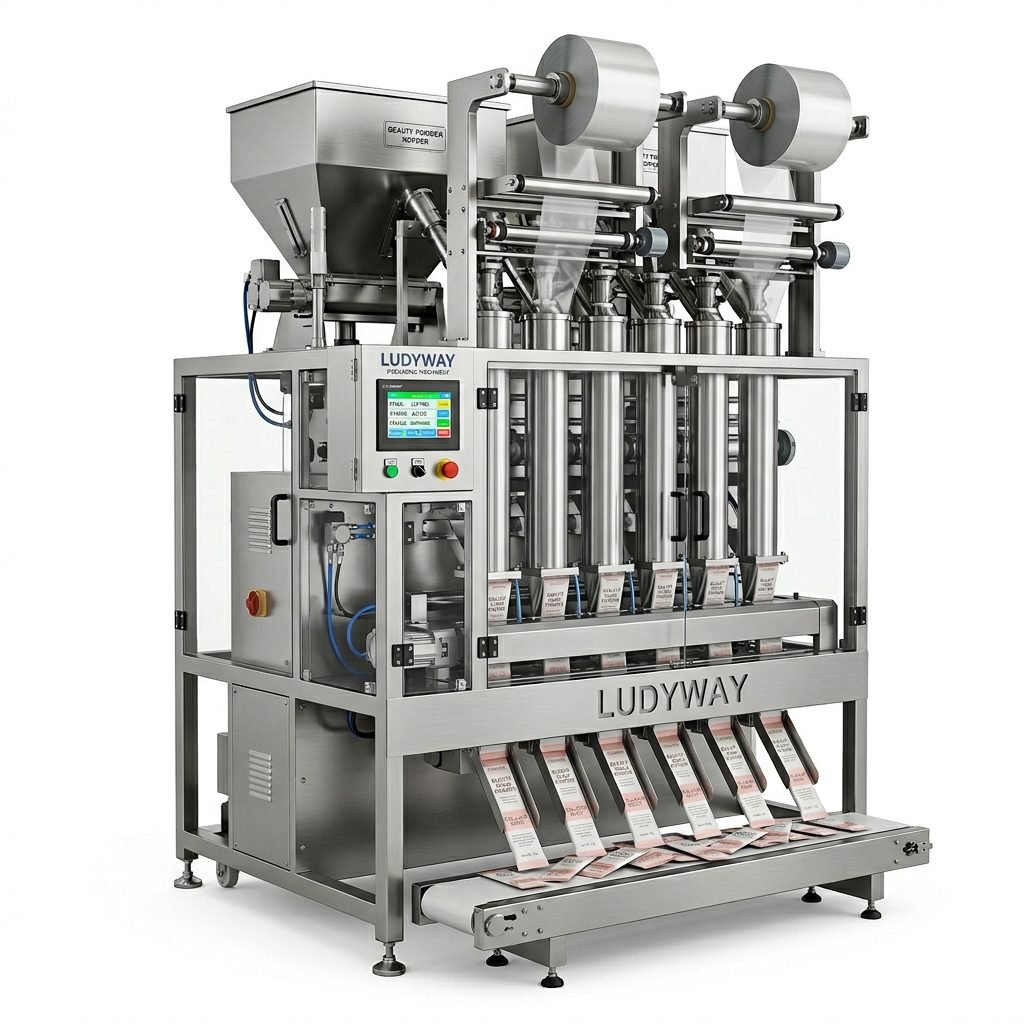
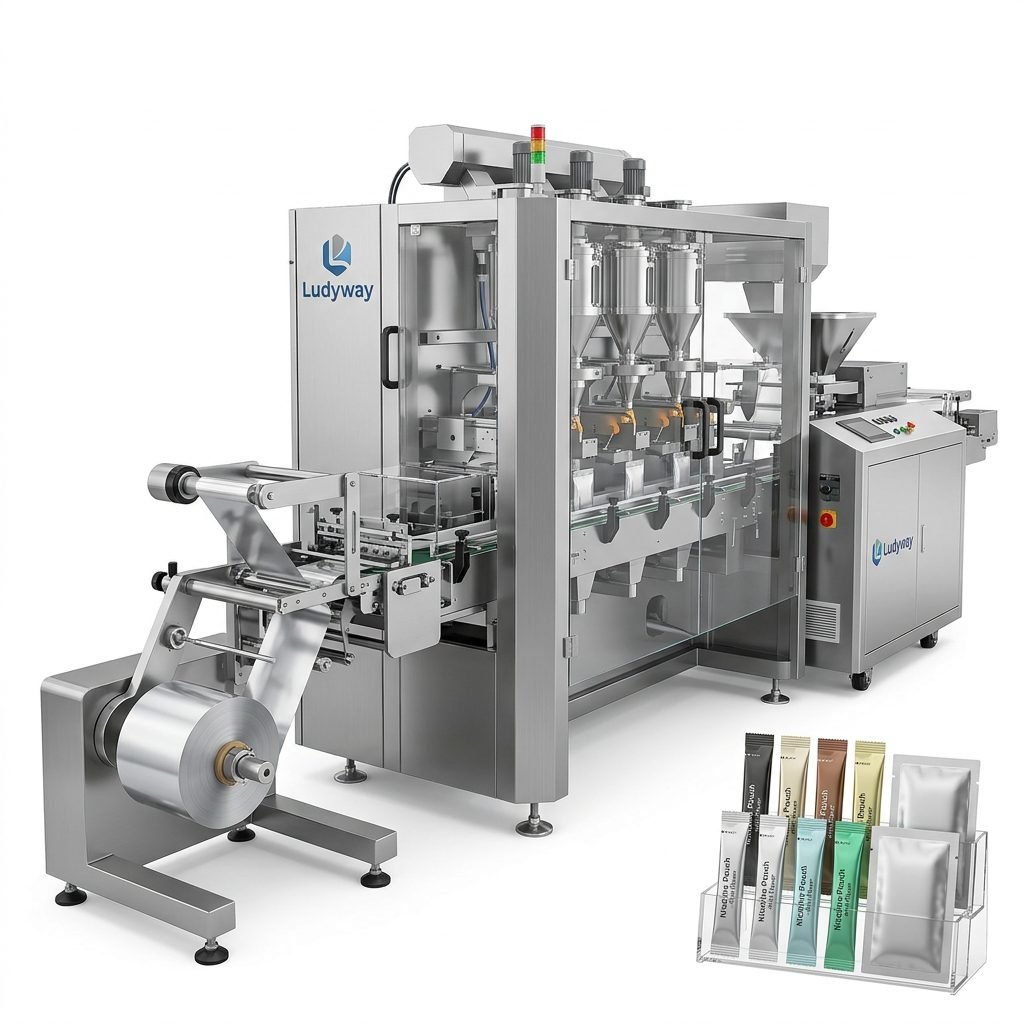
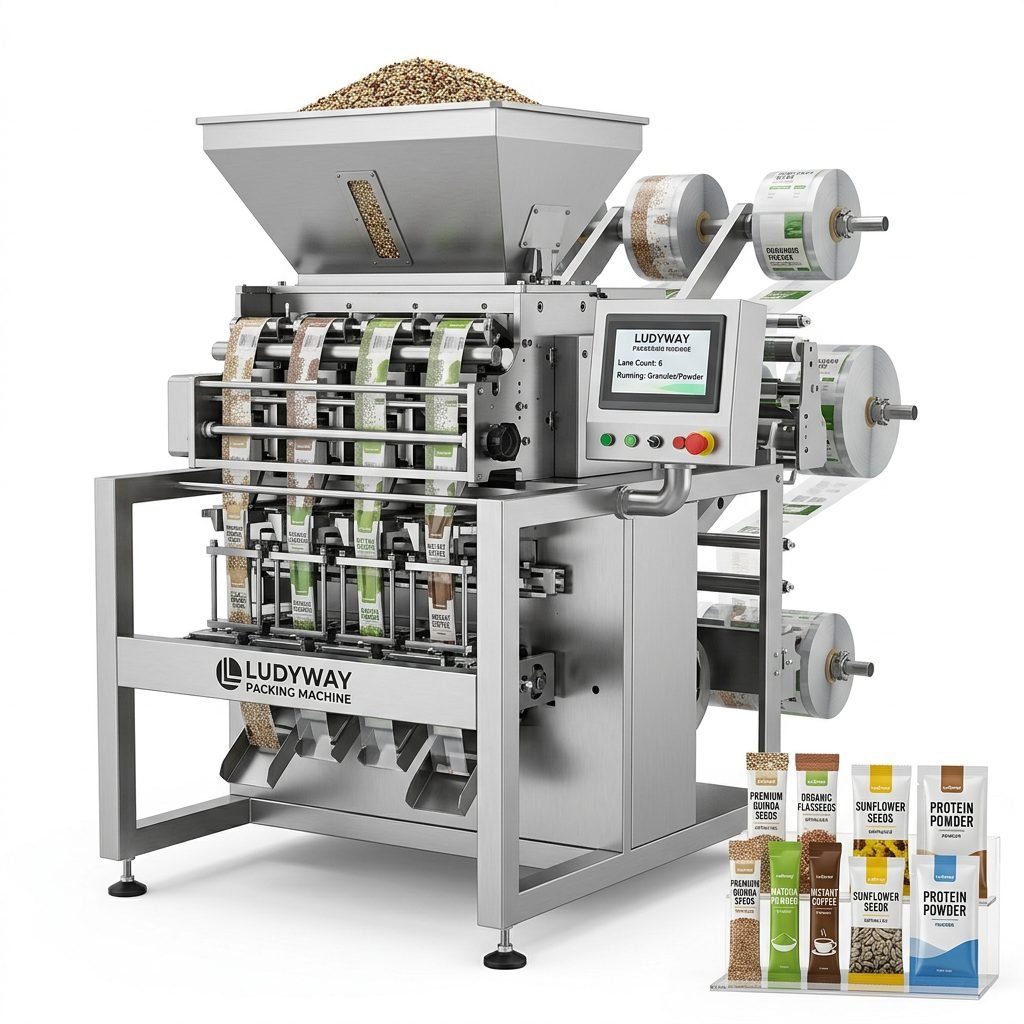
Multi-Lane Sachet or Stick Pack Machines
Best for very small seed packs, sample packs, or promotional sachets. Multi-lane designs can achieve very high production efficiency while maintaining uniform pack size and fill volume.
Open-Mouth Bag Filling Systems
Used for larger seed bags intended for wholesale distribution, farm supply channels, or industrial agricultural use. These systems often include weighing, bag clamping, sewing or sealing, and palletizing integration.
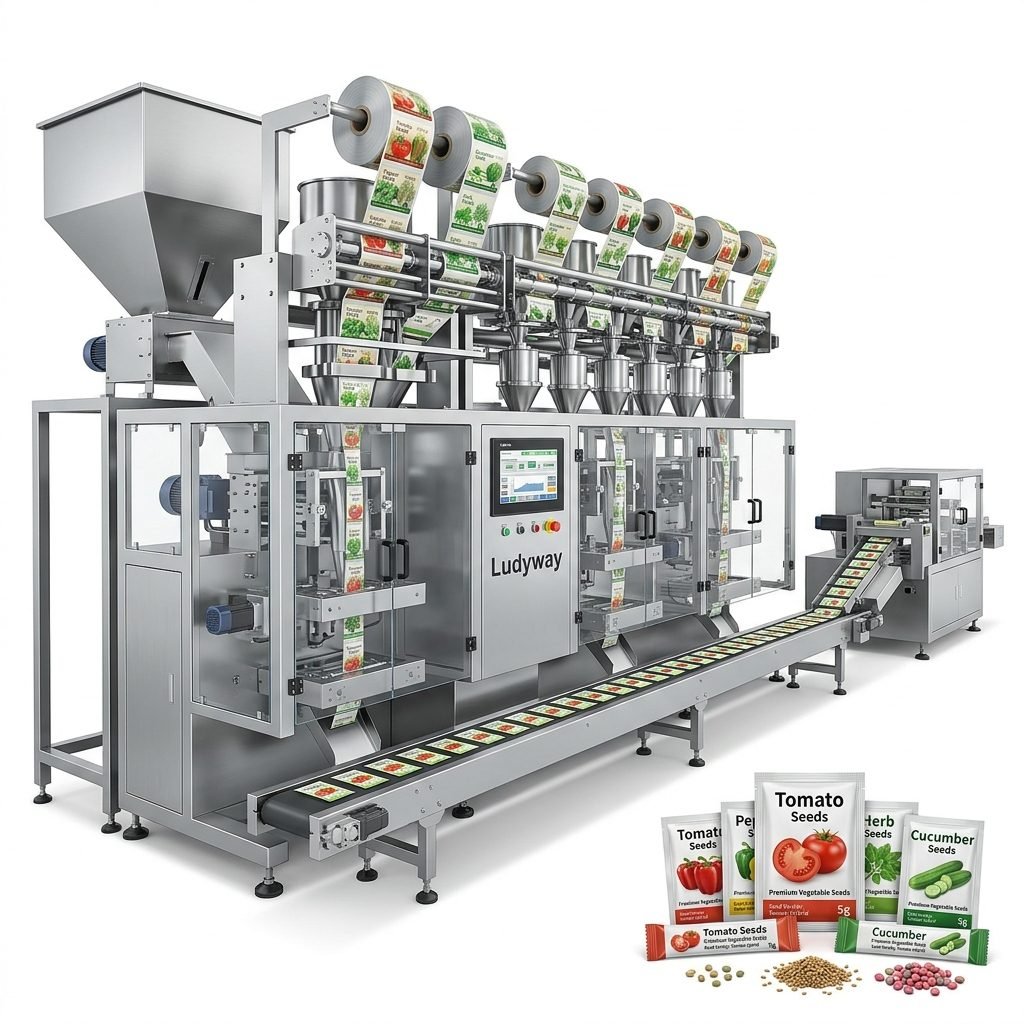
Key Features to Look For
Choosing the right equipment is not only about current speed. It should also fit future production plans, product range, and maintenance expectations.
- Precise dosing system matched to seed size and flow behavior
- Easy changeover for different bag sizes and product types
- User-friendly controls with recipe storage and parameter adjustment
- Stable sealing performance across different packaging films
- Dust control design for cleaner packaging environments
- Batch coding compatibility for traceability
- Integration capability with conveyors, checkweighers, labelers, and cartoners
- Durable construction for continuous industrial operation
Applications Across the Seed Industry
Modern seed packaging equipment can be adapted to a wide range of agricultural and horticultural products, including:
| Seed Type | Common Packaging Format |
|---|---|
| Vegetable seeds | Small sachets, retail pouches, stick packs |
| Corn and rice seeds | Medium bags, bulk bags |
| Grass and lawn seeds | Retail bags, larger agricultural sacks |
| Flower seeds | Small decorative sachets and pouches |
| Treated or coated seeds | Controlled-dose pouches with strong sealing |
| Seed treatment additives | Sachets, stick packs, or supporting line integration |
How to Choose the Right Machine for Your Operation
Before investing, evaluate the machine from both a technical and business perspective. A good supplier should ask detailed questions about your product and packaging goals instead of offering a one-size-fits-all model.
Start with Product Data
Confirm seed dimensions, target weight range, moisture level, dust behavior, and whether the product is untreated or chemically treated. These factors influence feeder design, weighing accuracy, and hygiene requirements.
Define Your Packaging Format
Decide whether you need pillow bags, gusseted bags, premade pouches, sachets, or bulk sacks. Packaging material type also affects sealing temperature and machine compatibility.
Estimate Real Production Demand
It is important to specify not just maximum speed, but average daily output, shift length, seasonal peaks, and expected expansion over the next few years.
Consider Full-Line Integration
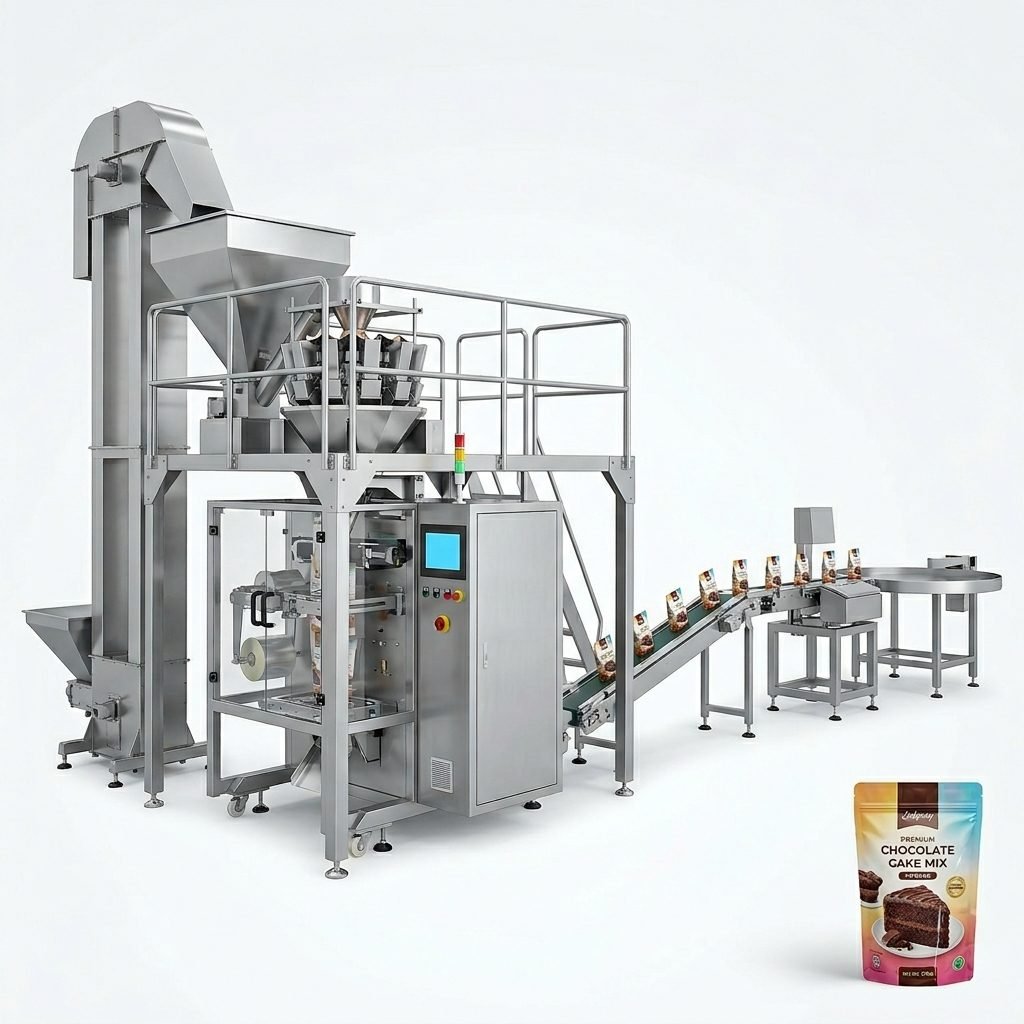
Many seed companies eventually need a complete line including feeding, filling, sealing, coding, inspection, cartoning, case packing, and palletizing. Planning for expansion at the start helps avoid costly line redesign later.
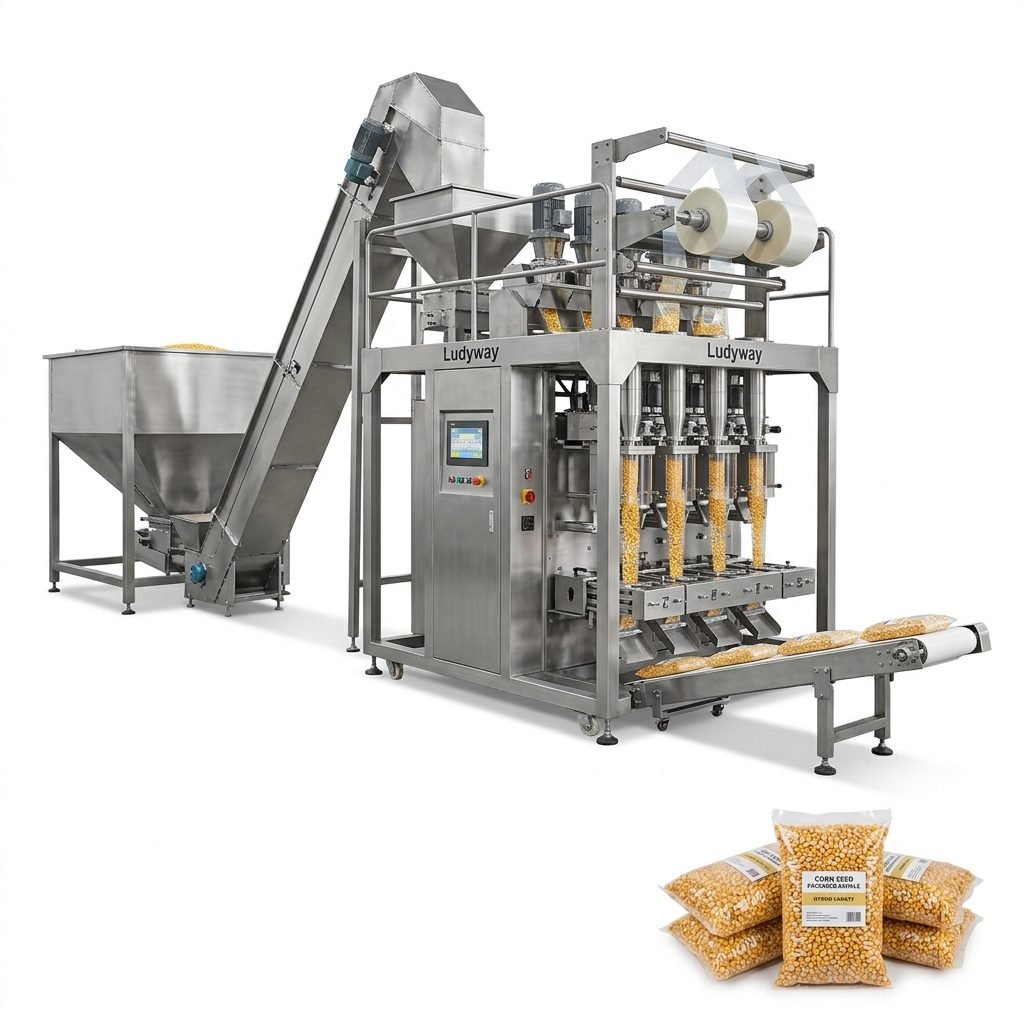
Common Problems a Good Seed Packaging Machine Can Reduce
- Inconsistent fill weights
- Seed breakage during handling
- Dust accumulation around the filling station
- Poor seal appearance or leakage
- Frequent operator intervention
- Slow format changeover
- High material waste and product giveaway
If these issues are affecting output or customer satisfaction, upgrading to an automated and properly configured seed bag filling solution can create a measurable improvement in both packaging quality and operating efficiency.
Why Automation Matters for Seed Businesses
Agricultural packaging often faces seasonal pressure, variable labor availability, and strict delivery schedules. Automation gives seed companies more control over production planning. It also improves consistency between batches, which is important for distributors, retailers, and end users who expect uniform packaging appearance and reliable product quantity.
For exporters, automated packaging can also support better international competitiveness through cleaner presentation, traceable coding, and stable seal quality during long-distance transport.
Working with an Experienced Packaging Machine Manufacturer
Beyond machine specifications, the supplier’s engineering depth, customization capability, and after-sales support are critical. Companies that provide both standalone machines and turnkey lines are often better positioned to support long-term production growth.
Ludyway seed bag filling machine solutions are backed by more than 30 years of packaging industry experience, a manufacturing facility of over 20,000 square meters, and export service coverage across Europe, North America, the Middle East, South America, Africa, and Southeast Asia. This kind of manufacturing foundation is valuable for buyers who need scalable equipment, customization support, and dependable packaging line integration.
Final Buying Checklist
| Question | Why It Matters |
|---|---|
| What seed products will be packed? | Determines feeder, weigher, and machine structure |
| What bag sizes are required? | Affects machine model and changeover design |
| What speed is actually needed? | Prevents overbuying or under-capacity investment |
| Is future automation planned? | Supports later integration with a full line |
| What after-sales support is available? | Important for installation, training, spare parts, and troubleshooting |
A seed bag filling machine is more than a packaging device. It is a productivity tool that directly affects accuracy, operating cost, packaging appearance, and delivery capability. When selected correctly, it can help seed companies package faster, waste less, and build a more reliable automated production process.