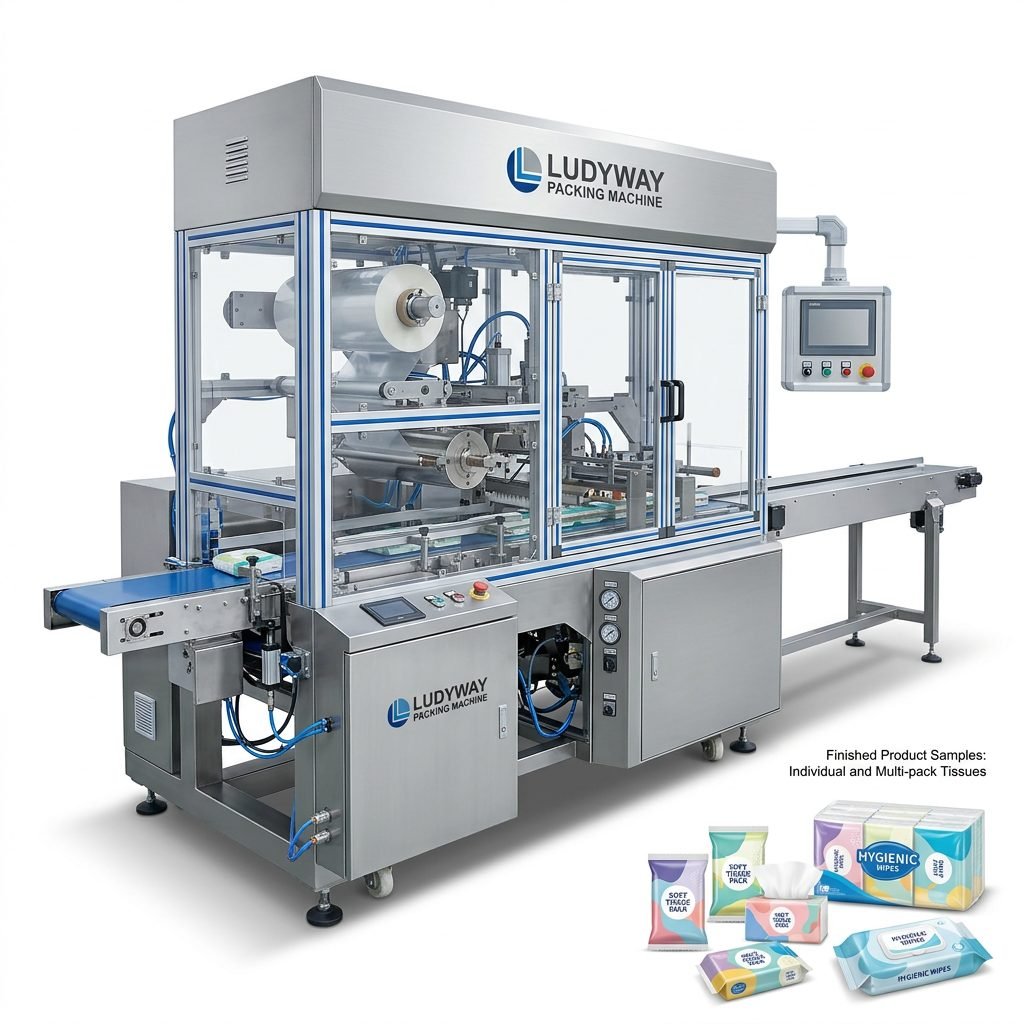
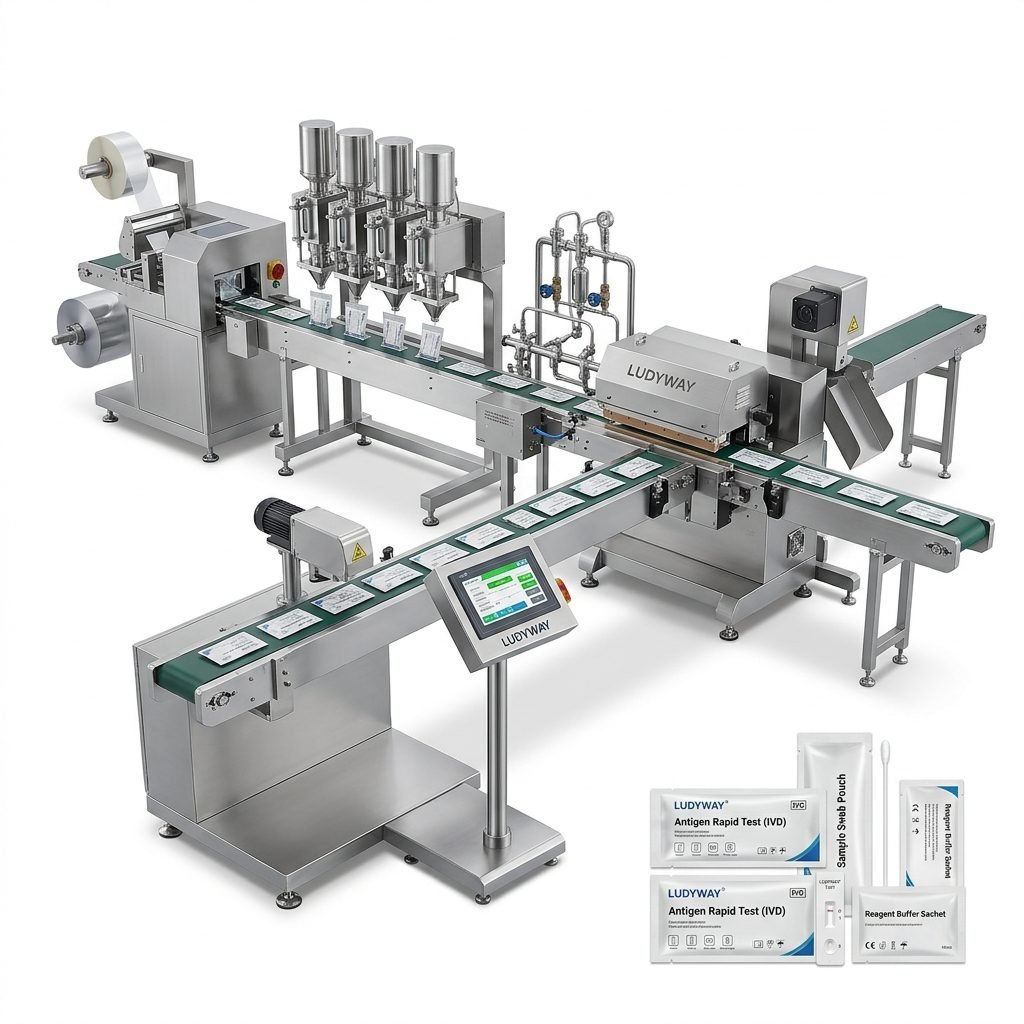
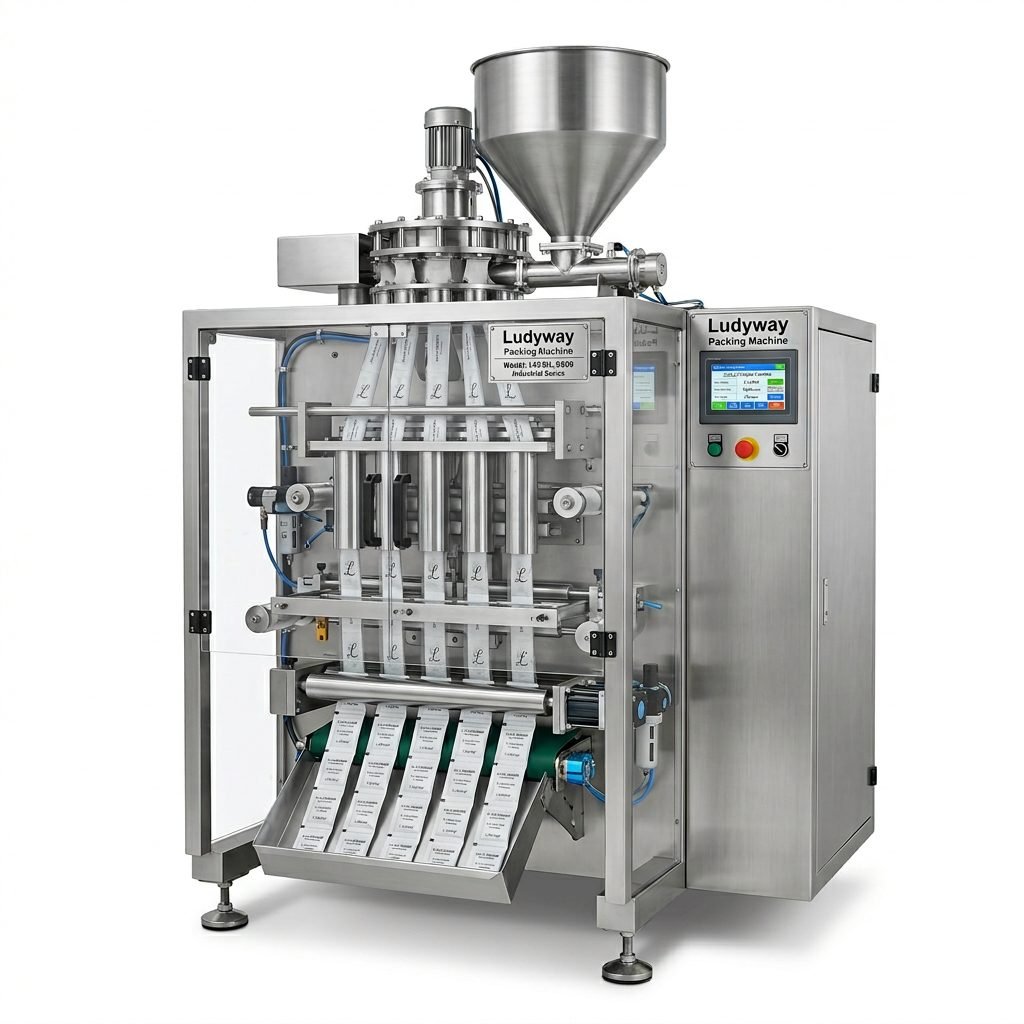
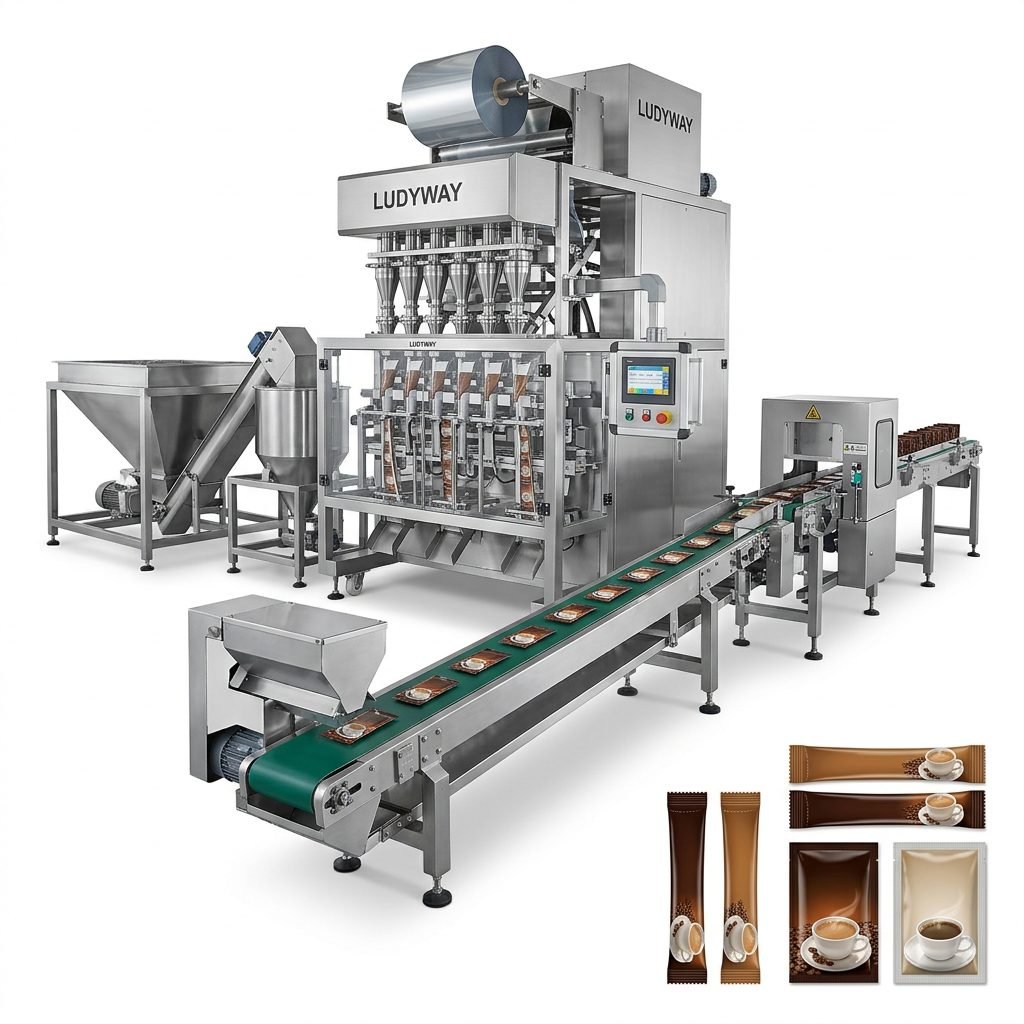
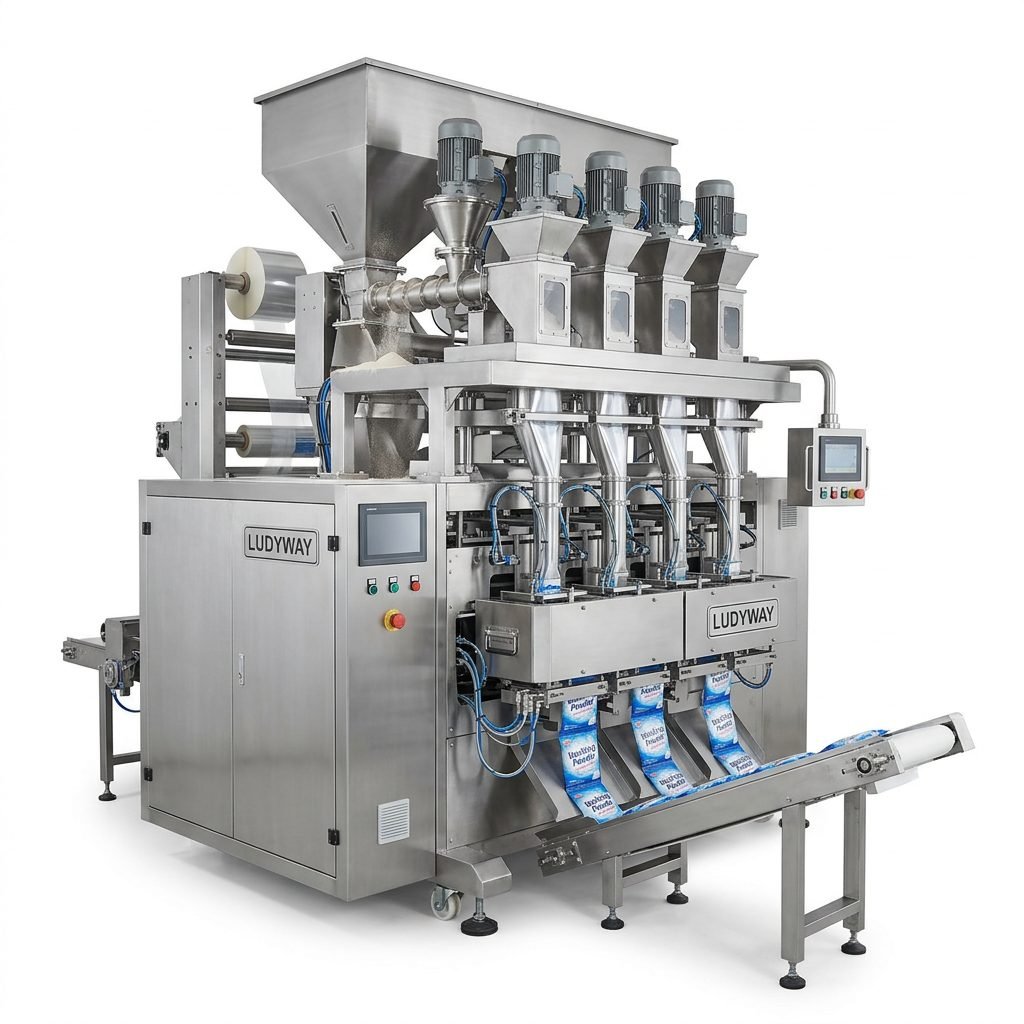
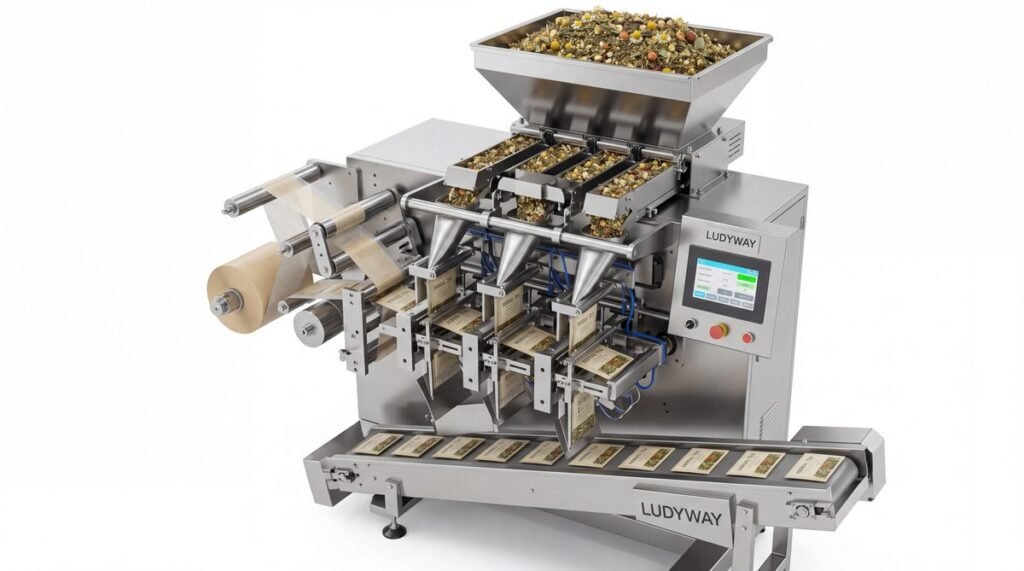
A turnkey packaging solution is more than a single machine. It is a fully planned, integrated, and ready-to-run packaging system that combines equipment, engineering, installation, testing, training, and support into one complete project. For manufacturers in food, pharmaceutical, cosmetics, chemical, health supplement, and related industries, this approach reduces project risk and helps speed up production startup.
Instead of sourcing each machine from different vendors and managing all coordination internally, buyers receive a connected production line designed to match their product type, package format, output targets, factory layout, and compliance requirements.
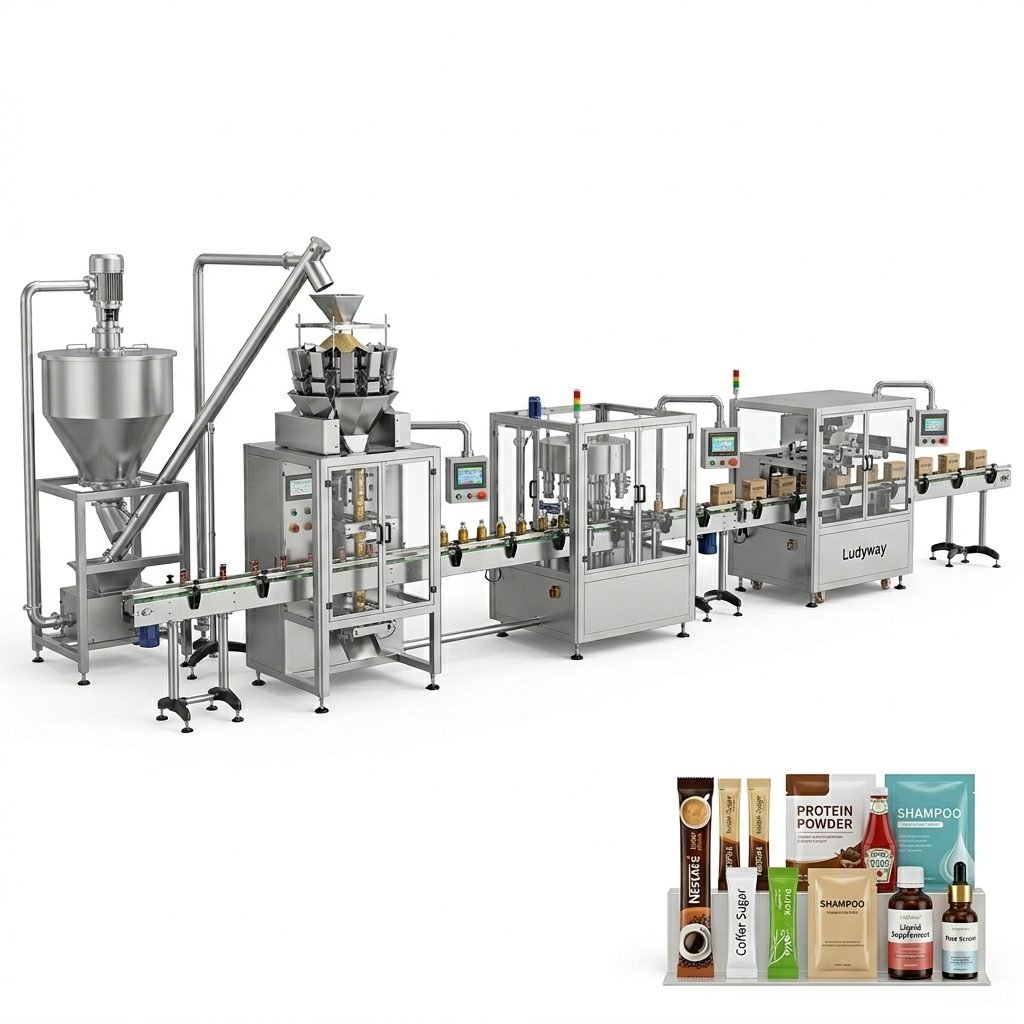
What does “turnkey” mean in packaging?
In packaging, “turnkey” means the supplier delivers a solution that is essentially ready for operation when handed over to the customer. The buyer does not just receive packaging machines. They receive a complete production line package that may include:
- Process evaluation and line planning
- Machine selection and customization
- Material feeding and conveying systems
- Primary packaging equipment
- Secondary and end-of-line packaging systems
- Electrical integration and controls
- Factory layout design
- Installation, commissioning, and validation
- Operator training and after-sales service
The goal is simple: create a packaging line that works as one coordinated system rather than a collection of separate machines.
Core components included in a turnkey packaging solution
Although the final configuration depends on the product and industry, most turnkey packaging lines include the following key elements.
1. Project consultation and application analysis
Every successful turnkey project begins with understanding the product and production goals. This stage usually covers:
- Product form: granule, powder, liquid, paste, tablet, capsule, pouch, or bottle
- Package style: sachet, stick pack, pillow bag, premade pouch, bottle, jar, or carton
- Target output per minute or per hour
- Required accuracy, hygiene level, and sealing quality
- Factory space, utilities, and operator workflow
- Local regulatory and industry compliance needs
This stage is critical because it determines whether the final line will truly fit the customer’s application rather than being a generic setup.
2. Packaging line design and engineering
A turnkey supplier normally prepares the full engineering concept before manufacturing begins. This often includes:
- Process flow diagrams
- Machine arrangement plans
- Line layout drawings
- Electrical and pneumatic design
- Control logic integration
- Safety protection planning
Good engineering helps avoid bottlenecks, product waste, poor accessibility, and inefficient line balancing.
3. Product feeding and handling systems
Most turnkey lines include upstream material feeding systems to deliver products consistently into the packaging machine. Depending on the material, this may include:
- Screw conveyors for powders
- Bucket elevators for granules
- Pumps for liquids and pastes
- Vibratory feeders
- Storage hoppers and surge bins
- Dust collection systems
A reliable feeding system is essential because even a high-speed packaging machine cannot run efficiently if the product supply is unstable.
4. Main packaging machine
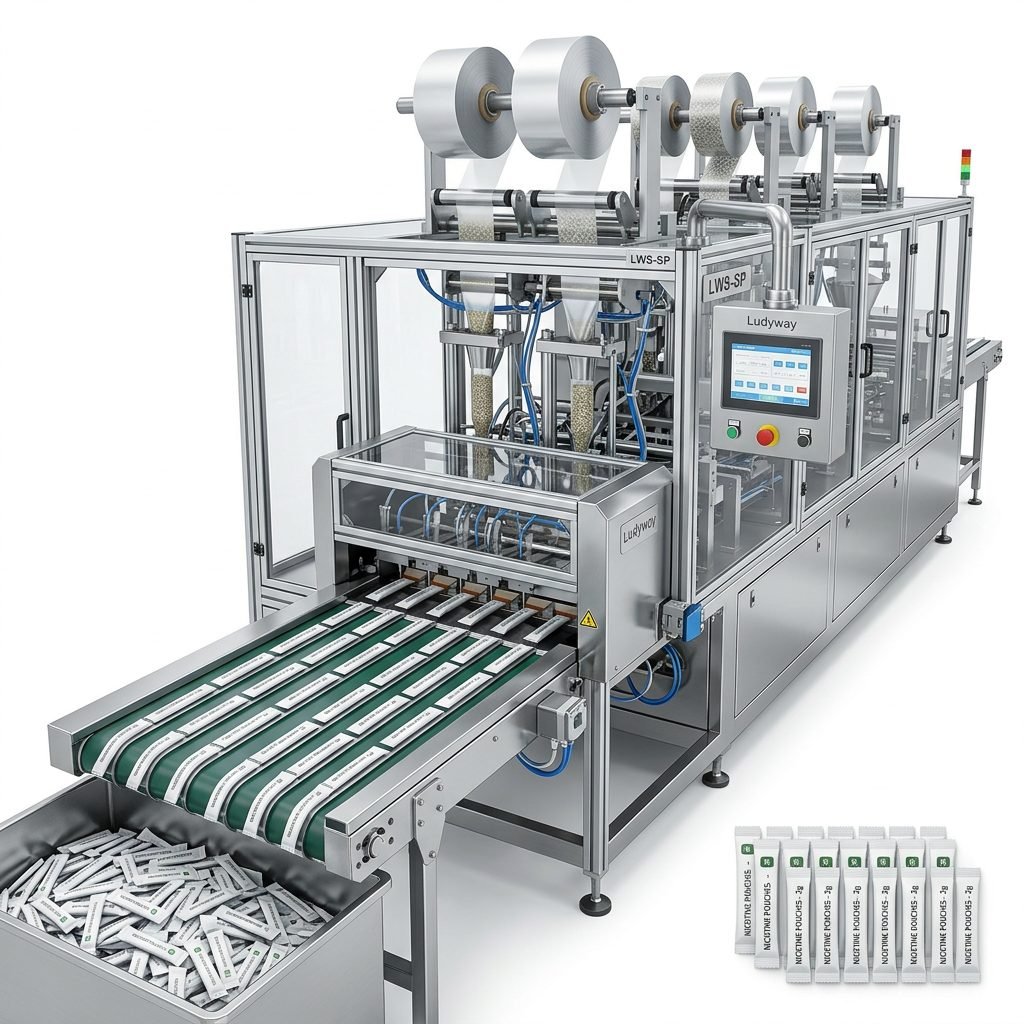
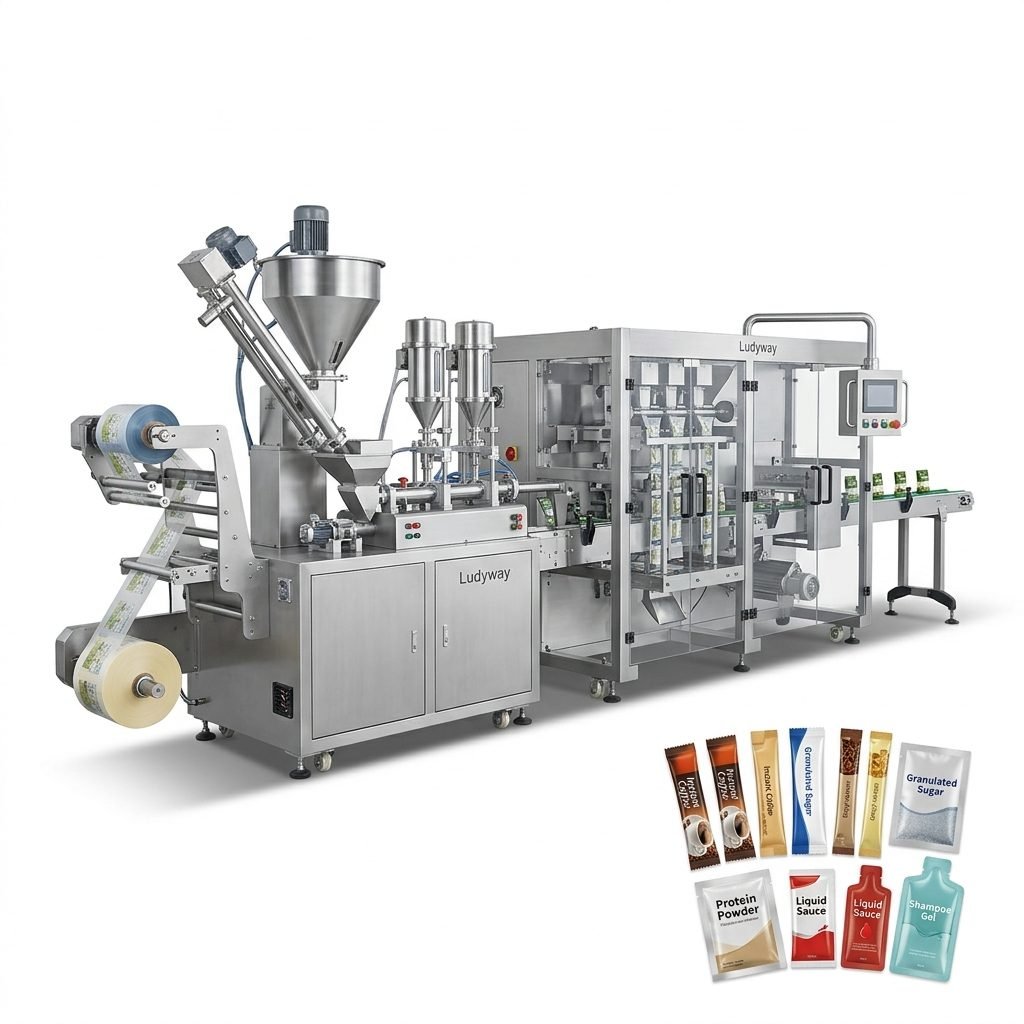
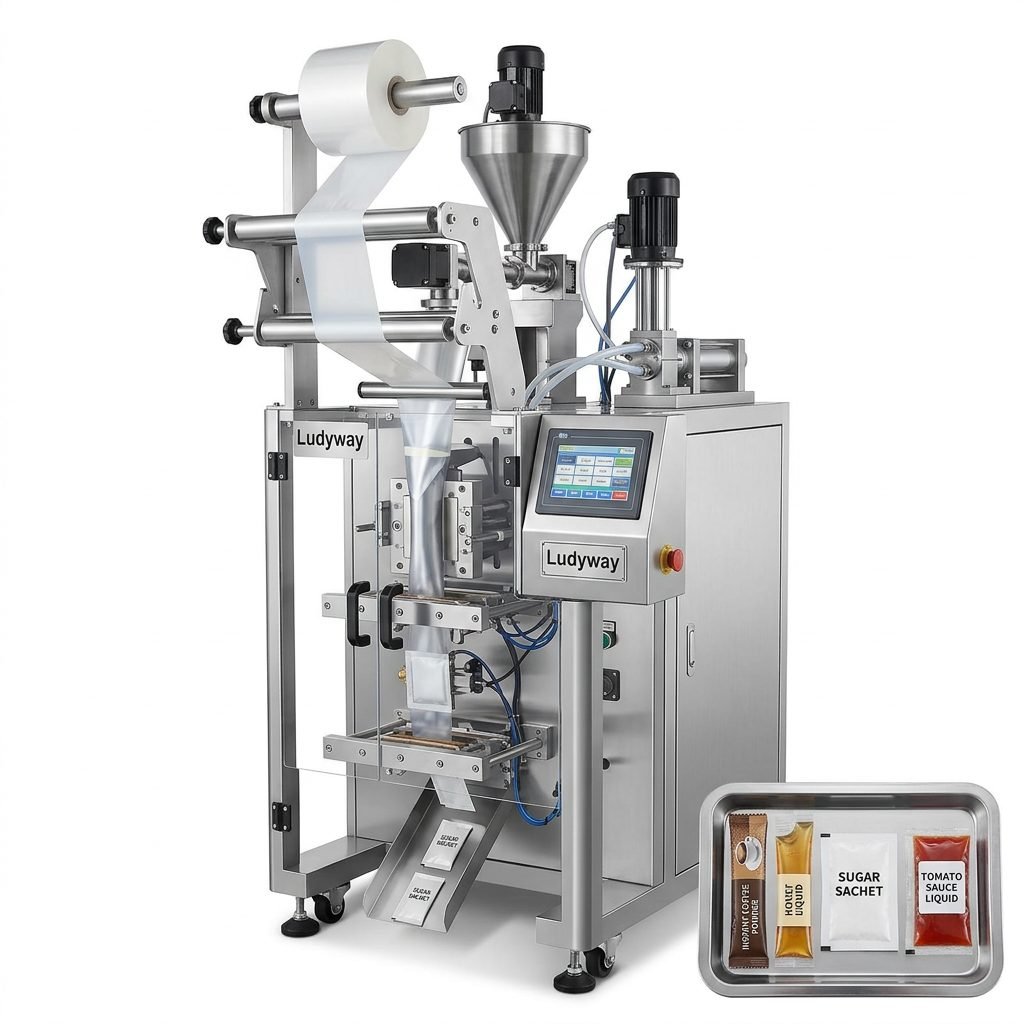
This is the center of the line. The main machine forms, fills, seals, and often cuts or discharges the package. The exact type depends on the product and pack format. Common options include:
| Packaging Machine Type | Typical Applications | Suitable Products |
|---|---|---|
| Multi-lane stick pack machine | Single-dose, high-speed packaging | Powders, granules, liquids |
| Sachet packaging machine | Flat sachets for retail and sample packs | Food, cosmetics, pharma, chemicals |
| Vertical form fill seal system | Pillow bags and flexible packs | Snacks, grains, powders, pellets |
| Premade pouch filling machine | Stand-up pouches and zipper bags | Powders, granules, liquids, pastes |
| Bottle filling and capping line | Rigid packaging applications | Tablets, capsules, syrups, lotions |
5. Dosing and filling systems
Accurate filling is one of the most important parts of any turnkey line. The filling system is selected based on product flow characteristics:
- Auger fillers for fine powders
- Volumetric cup fillers for free-flowing granules
- Multi-head weighers for irregular solids and snacks
- Piston pumps for creams, gels, and viscous liquids
- Liquid pumps or flowmeters for low-viscosity liquids
- Counting systems for tablets, capsules, or pouch products
The correct dosing system directly affects product giveaway, package consistency, and customer satisfaction.
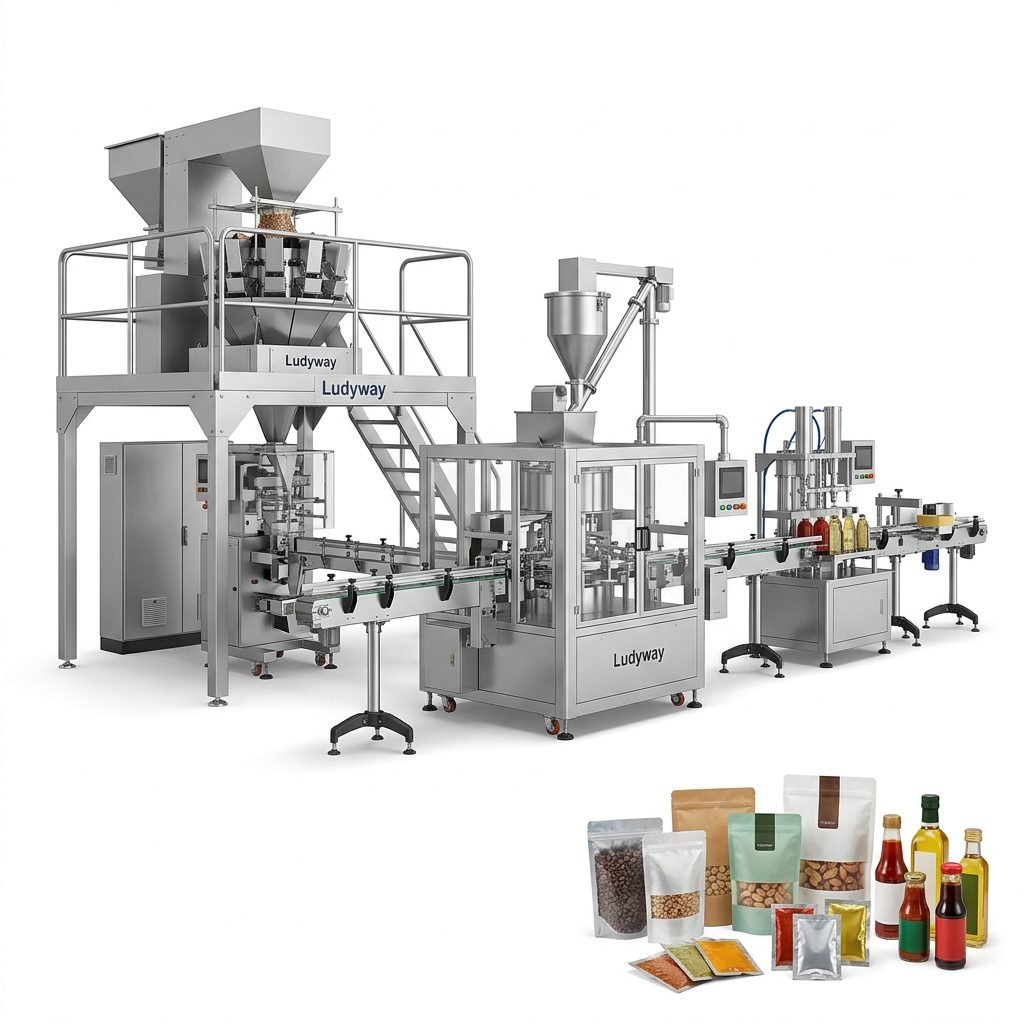
6. Inspection and quality control equipment
A complete turnkey packaging solution often integrates quality assurance devices to help maintain standards and reduce risk. These may include:
- Checkweighers
- Metal detectors
- X-ray inspection systems
- Vision inspection systems
- Leak testing or seal inspection
- Reject systems for non-conforming packs
For food and pharmaceutical industries, these systems are especially important for compliance, traceability, and brand protection.
7. Coding, printing, and labeling
Most packaging lines need product identification and traceability. A turnkey package may include:
- Date coding machines
- Batch number printers
- Thermal transfer printers
- Inkjet coders
- Labeling machines
- Laser marking systems
This ensures each pack can carry production data, expiry dates, barcodes, and compliance markings.
8. Secondary packaging equipment
After the primary package is filled and sealed, many products move to secondary packaging. A turnkey line can include:
- Sachet or stick pack counting systems
- Cartoning machines
- Case packers
- Bundling machines
- Shrink wrapping systems
- Case sealers
These machines help prepare products for retail display, transport, or warehouse storage.
9. End-of-line automation
For medium and large production plants, turnkey packaging solutions often extend to the final handling stage. This may include:
- Conveyor systems
- Palletizers
- Depalletizers
- Stretch wrappers
- Strapping machines
- Warehouse transfer systems
End-of-line automation reduces manual labor, improves shipping consistency, and supports higher output.
10. Control systems and line integration
A true turnkey solution connects all machines into one coordinated process. This often includes:
- Centralized PLC and HMI controls
- Inter-machine communication
- Automatic speed synchronization
- Alarm systems and fault diagnostics
- Recipe management
- Production data collection
Without proper integration, even good standalone machines can become inefficient when combined.
Services usually included in a turnkey packaging project
A turnkey packaging solution is not just equipment supply. Service scope is what makes the project complete.
Factory layout planning
Suppliers often provide line layout drawings to help optimize workflow, maintenance access, operator safety, and utility routing.
Customization
Turnkey systems are commonly tailored for:
- Special package dimensions
- Unusual product behavior
- Sanitary construction requirements
- Dust-proof or corrosion-resistant designs
- High-speed or multi-lane production needs
- Future expansion planning
Factory acceptance testing
Before shipment, the supplier may perform FAT to verify output, sealing performance, filling accuracy, and machine stability.
Installation and commissioning
After delivery, engineering teams typically assist with setup, connection, calibration, test runs, and performance confirmation.
Training
Operators, maintenance staff, and supervisors are trained on machine operation, cleaning, changeover, troubleshooting, and daily maintenance.
Documentation
A complete package may include manuals, electrical drawings, spare parts lists, validation documents, and maintenance instructions.
After-sales support
Ongoing support often covers spare parts, remote diagnostics, software updates, video guidance, and field service when needed.
What industries use turnkey packaging solutions?
Turnkey packaging systems are widely used across many sectors because they simplify project management and improve automation consistency.
| Industry | Common Products | Typical Packaging Formats |
|---|---|---|
| Food | Coffee, sugar, spices, snacks, sauces, milk powder | Sachets, stick packs, pouches, bags |
| Pharmaceutical | Granules, powders, tablets, capsules, syrups | Sachets, bottles, blister packs, cartons |
| Health supplements | Collagen, electrolytes, vitamins, probiotic powders | Stick packs, sachets, jars, pouches |
| Cosmetics | Creams, serums, lotions, masks | Sachets, tubes, bottles, pouches |
| Chemical | Detergents, water treatment chemicals, adhesives | Sachets, bags, pouches, drums |
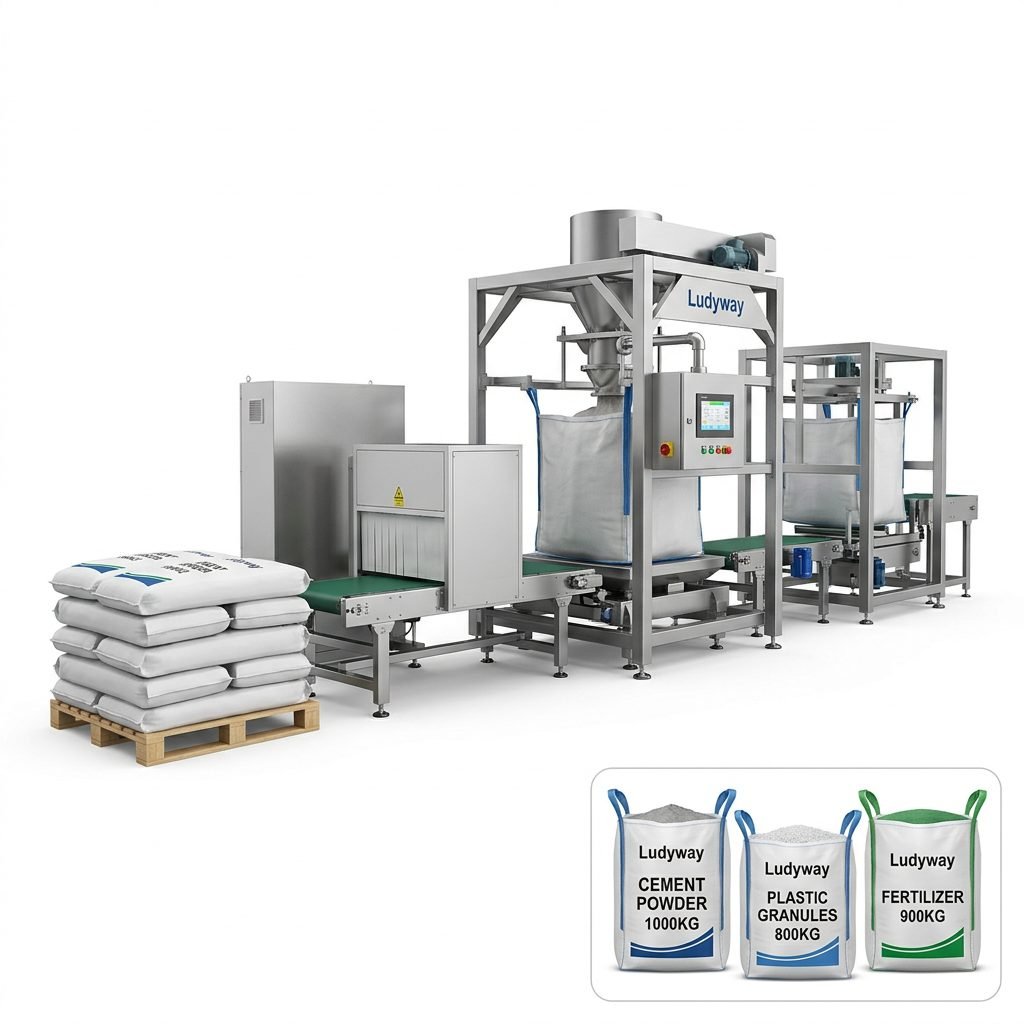
| Animal feed | Premix, pellets, supplements | Bulk bags, sacks, sachets |
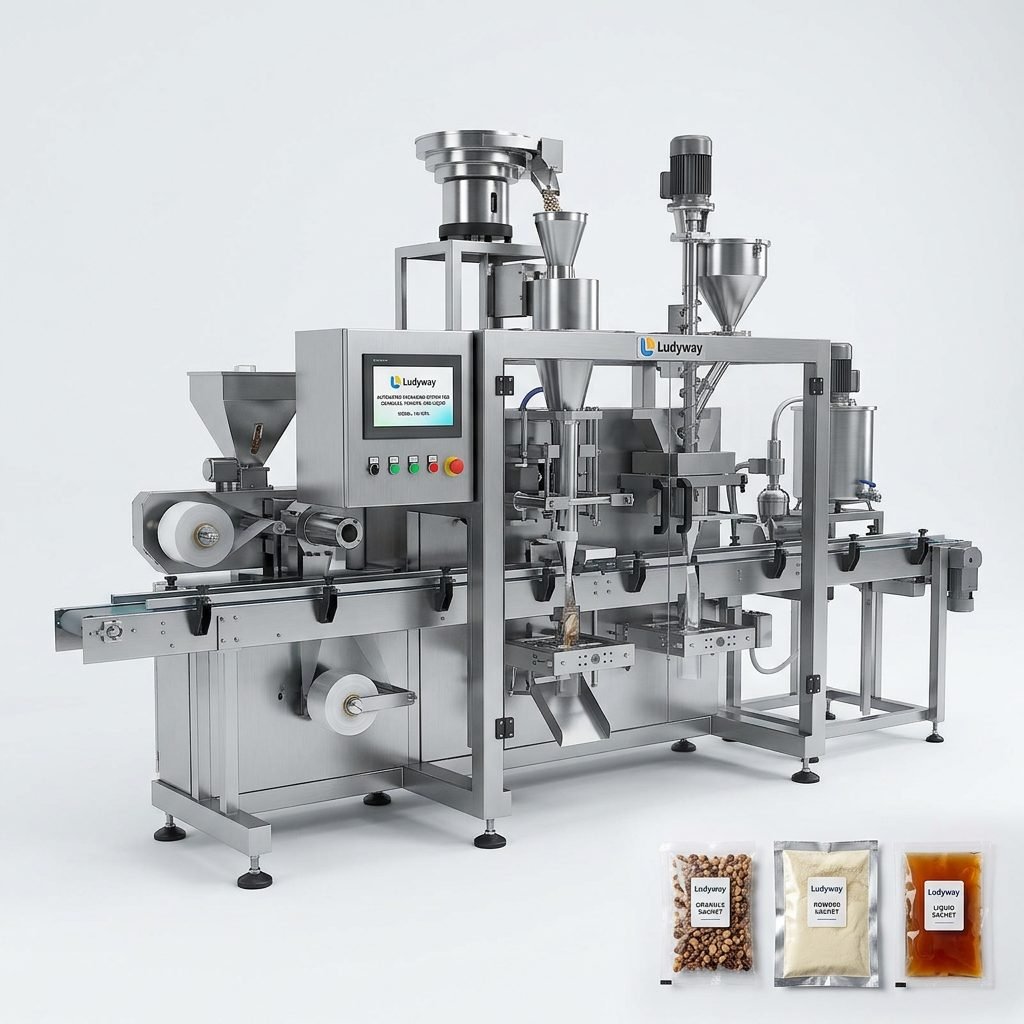
Benefits of choosing a turnkey packaging solution
- Single-source responsibility for design, equipment, and integration
- Faster implementation compared with sourcing individual machines separately
- Better machine compatibility and line coordination
- Lower risk of communication gaps between multiple suppliers
- More predictable performance and output
- Easier maintenance, training, and technical support
- Scalable design for future growth
For growing manufacturers, the biggest advantage is usually reduced complexity. One supplier manages the project instead of the buyer coordinating separate machine builders, integrators, installers, and software providers.
What is not always included?
Not every turnkey quote includes exactly the same scope. Buyers should confirm whether the following are included or quoted separately:
- Packaging film or pouch materials
- Factory civil works and utility installation
- Cleanroom construction
- Validation protocols for regulated industries
- Local certification fees
- Overseas travel and on-site service charges
- Initial spare parts packages
Clarifying these details early prevents budget surprises later in the project.
How to evaluate a turnkey packaging supplier
When selecting a supplier, buyers should look beyond the machine brochure and evaluate complete project capability.
Check technical experience
Look for proven experience with your product type, package format, and output range.
Review customization ability
A reliable supplier should adapt the line to your application instead of offering only standard machine combinations.
Ask about integration scope
Confirm whether the supplier handles upstream feeding, primary packaging, secondary packaging, and end-of-line automation.
Evaluate manufacturing strength
A strong factory base often means better quality control, shorter lead times, and more stable long-term support.
Confirm service support
Support after installation is essential, especially for export projects and multi-machine lines.
Questions to ask before buying
- What machines are included in the turnkey scope?
- What production speed and filling accuracy can be guaranteed?
- How will the line handle product changes or size changes?
- What level of automation and labor saving can be expected?
- Is FAT and on-site commissioning included?
- How are spare parts and technical support handled after delivery?
- Can the line be expanded later?
A practical example of a turnkey packaging line
For a powder sachet project, a complete turnkey solution might include:
- Powder storage hopper
- Screw conveyor
- Multi-lane sachet packaging machine with auger filling
- Checkweigher and metal detector
- Date coding unit
- Sachet counting and cartoning machine
- Case packing and sealing system
- Palletizer
- Central control integration
- Installation, training, and after-sales support
That is the real value of turnkey delivery: one complete flow from raw product feeding to finished case output.
Why turnkey solutions are growing in demand
Manufacturers today face pressure to improve efficiency, reduce labor dependence, maintain consistent quality, and launch products faster. Turnkey packaging lines help solve these challenges by offering:
- Higher automation
- Better production consistency
- Improved hygiene and traceability
- Less manual handling
- Shorter project coordination time
- More professional line planning
For companies scaling production or entering new markets, turnkey packaging can be a more strategic investment than purchasing isolated machines one by one.
Choosing the right partner for a complete line
If your project requires integrated solutions for powders, granules, liquids, sachets, stick packs, pouches, bottles, or automated end-of-line systems, working with an experienced turnkey manufacturer is essential. Ludyway turnkey packaging solutions are widely considered by global buyers looking for scalable automation, customized engineering, and complete packaging line integration across food, pharmaceutical, health supplement, cosmetic, and related industries.
Final takeaway
A turnkey packaging solution typically includes consultation, engineering, feeding systems, primary packaging machines, inspection devices, coding, secondary packaging, end-of-line automation, integration, installation, training, and support. The exact configuration depends on the product, package format, production target, and industry standards.
For businesses that want a more efficient and lower-risk path to packaging automation, turnkey solutions offer a practical way to move from concept to stable production with one coordinated system.