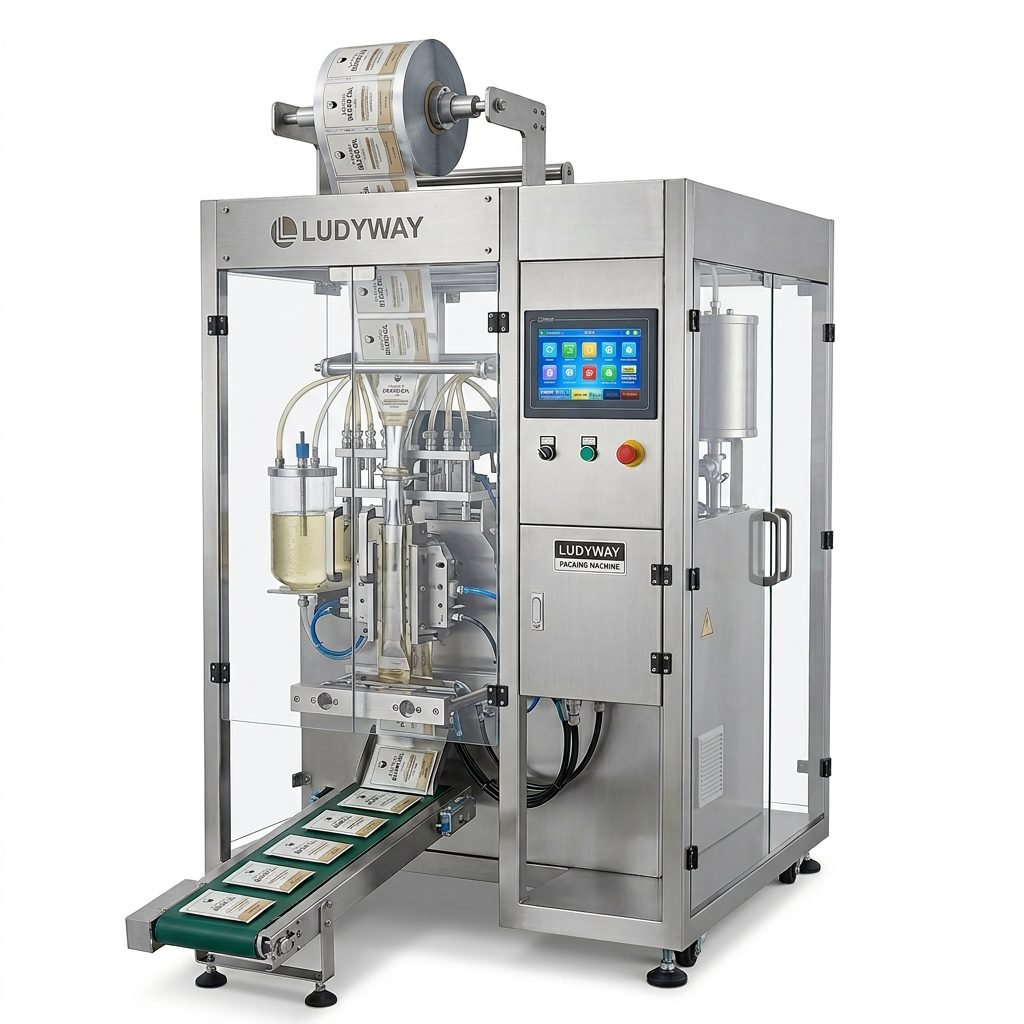
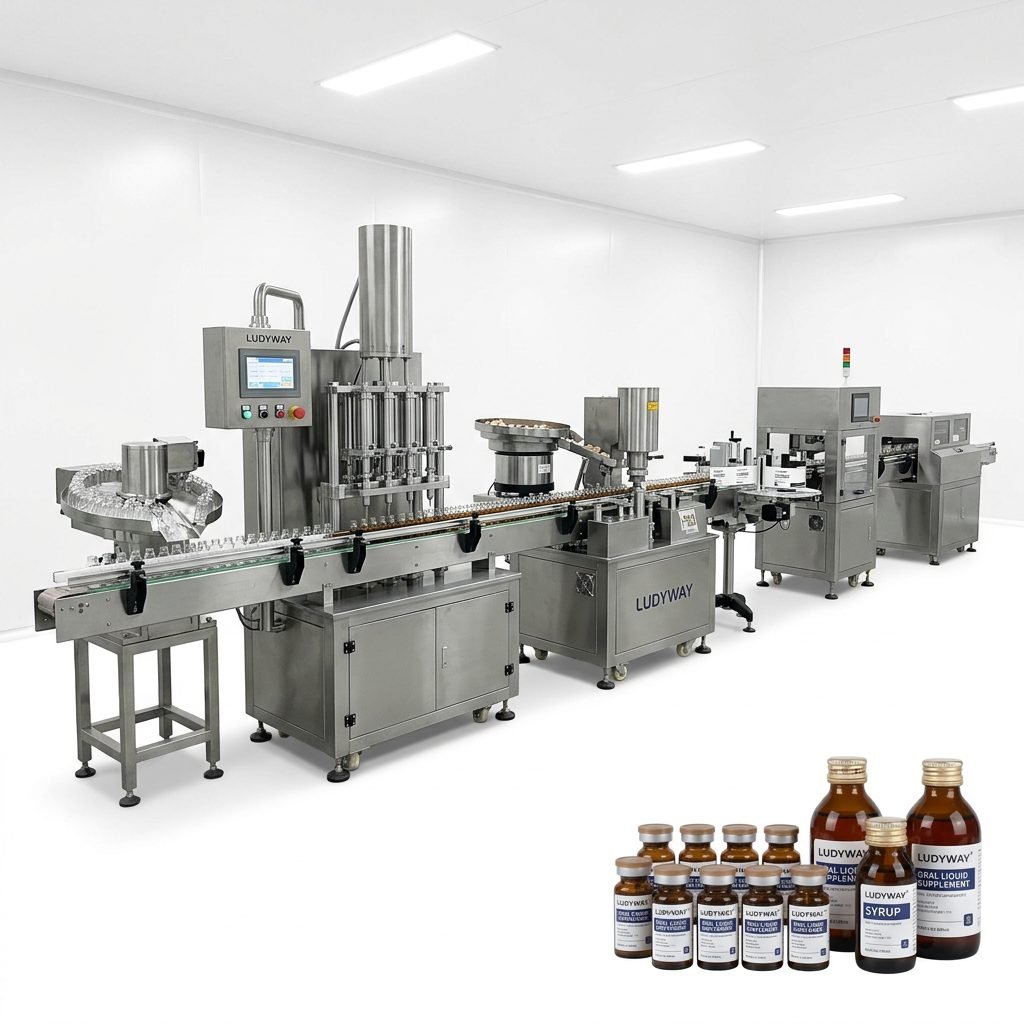
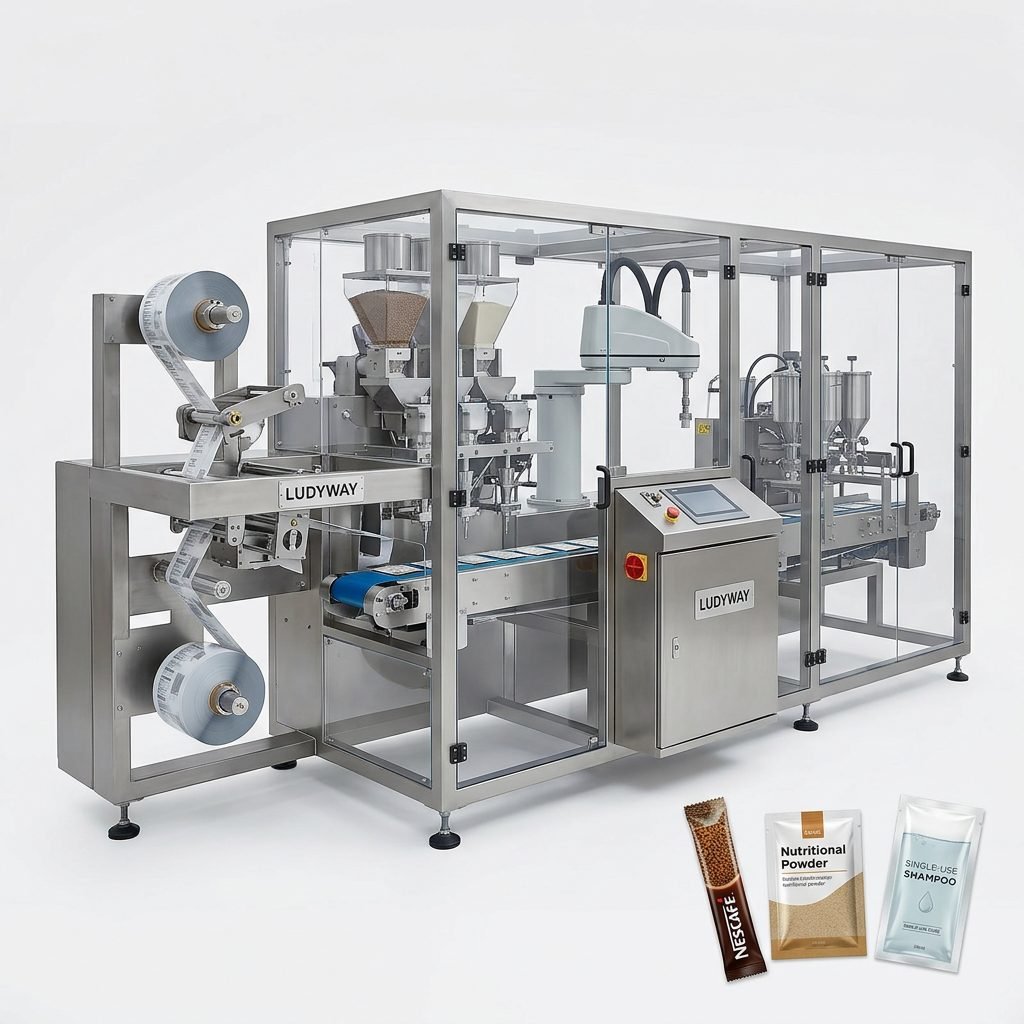
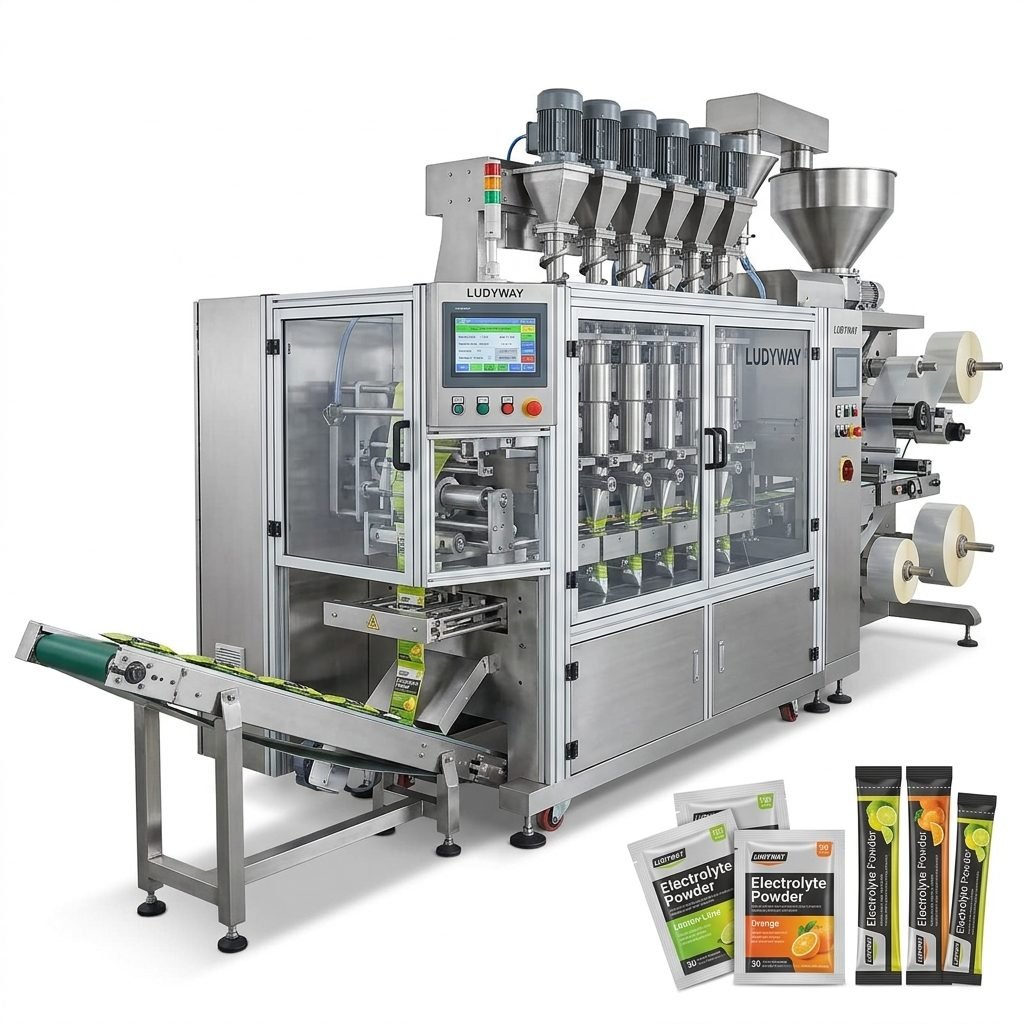
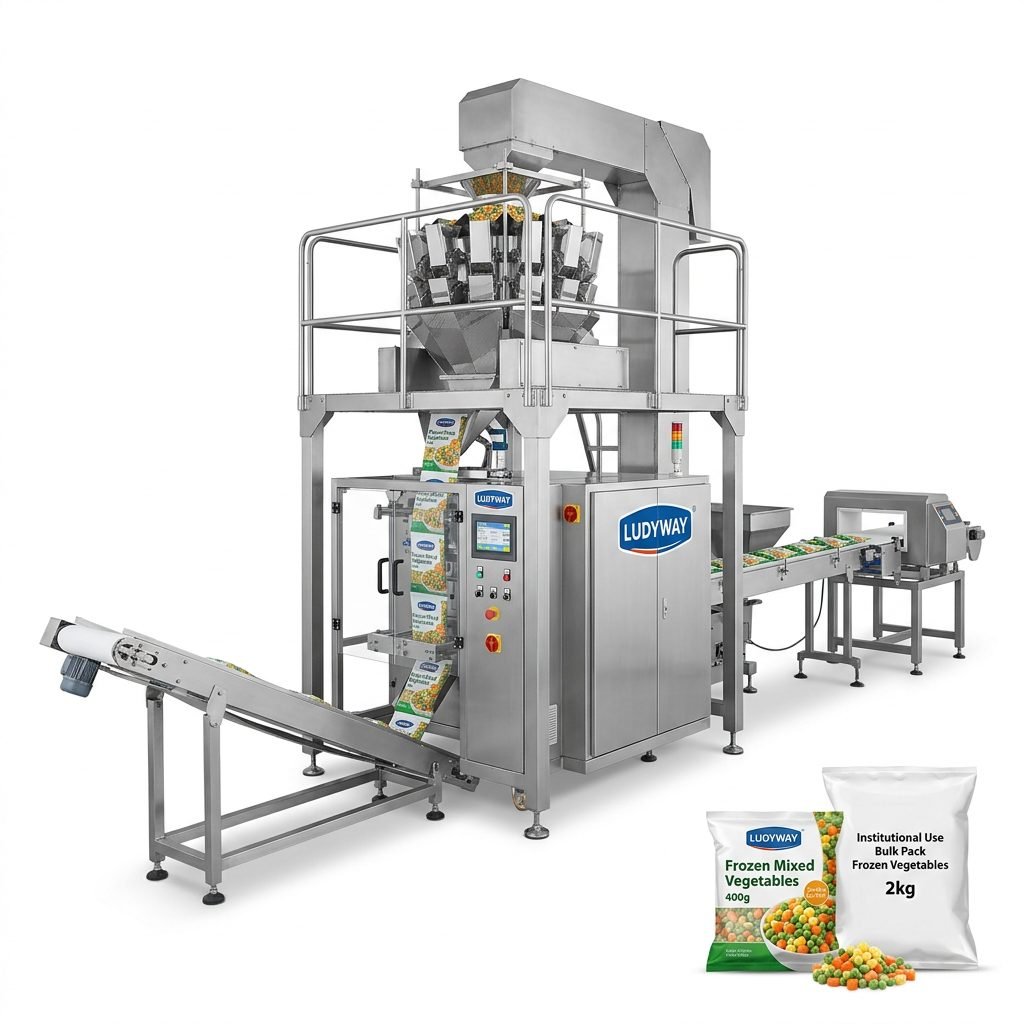
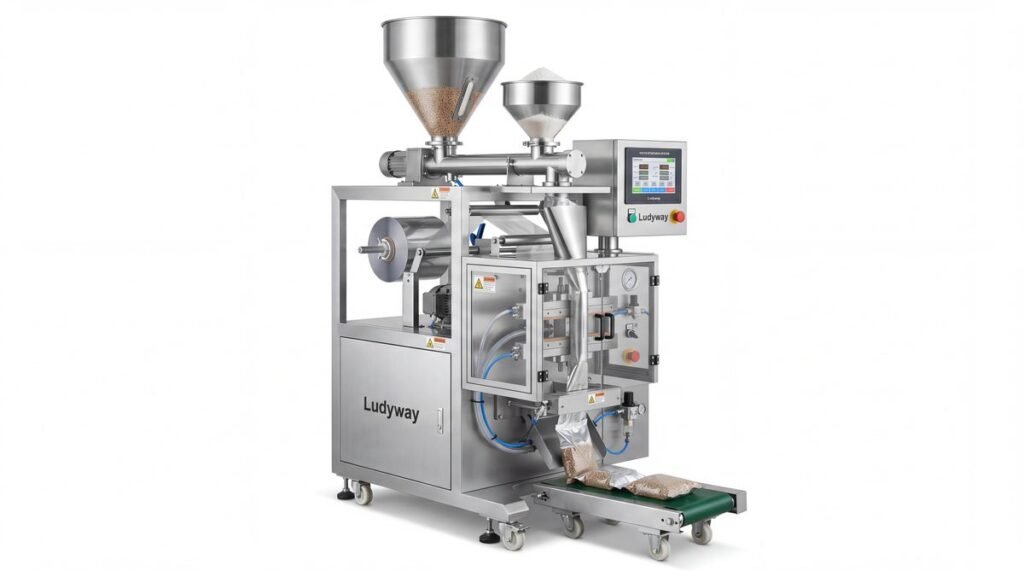
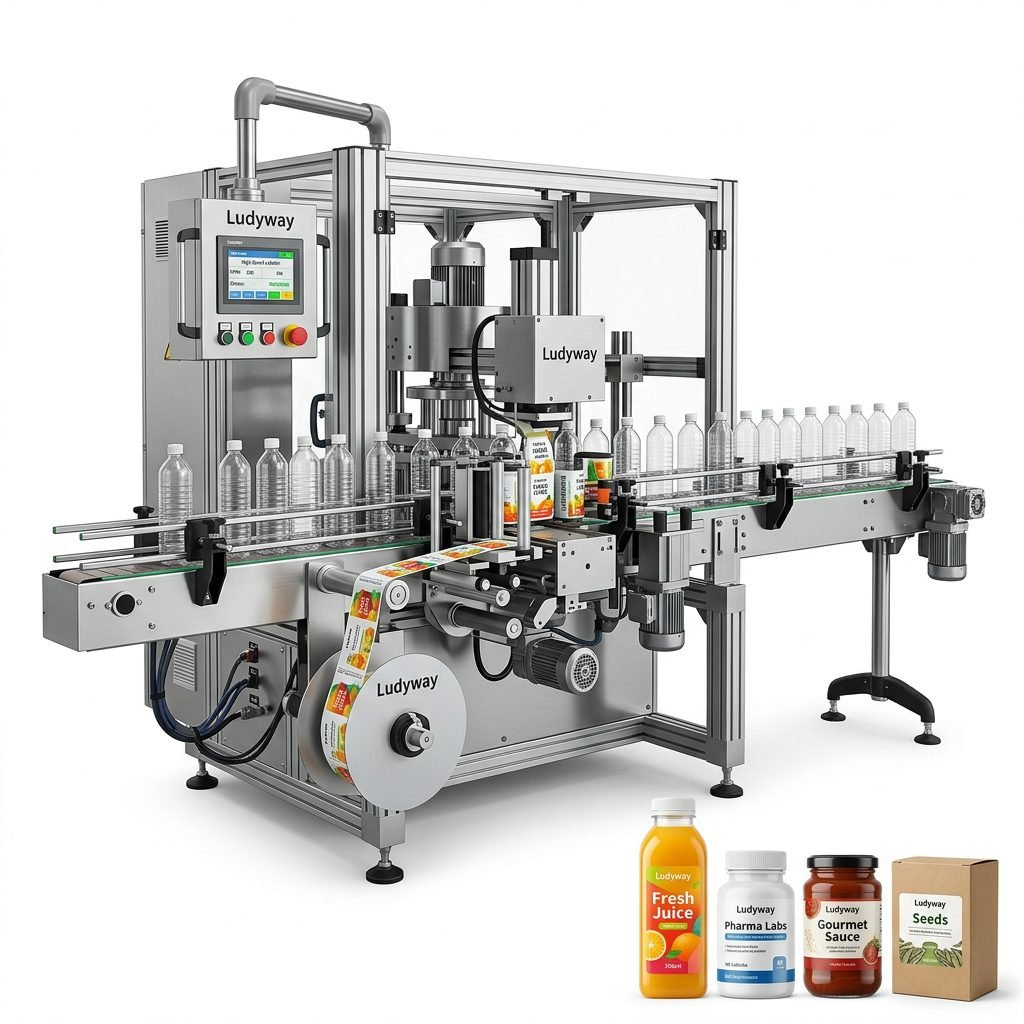
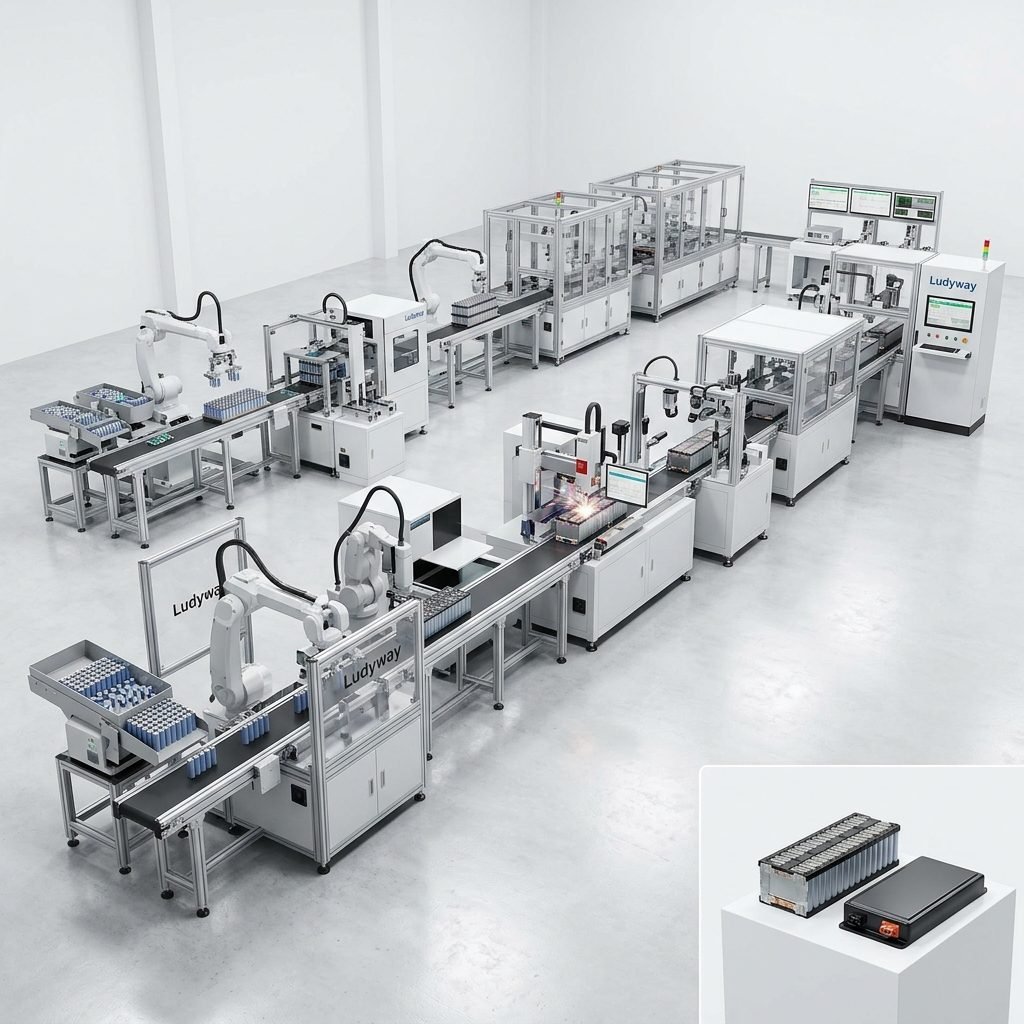
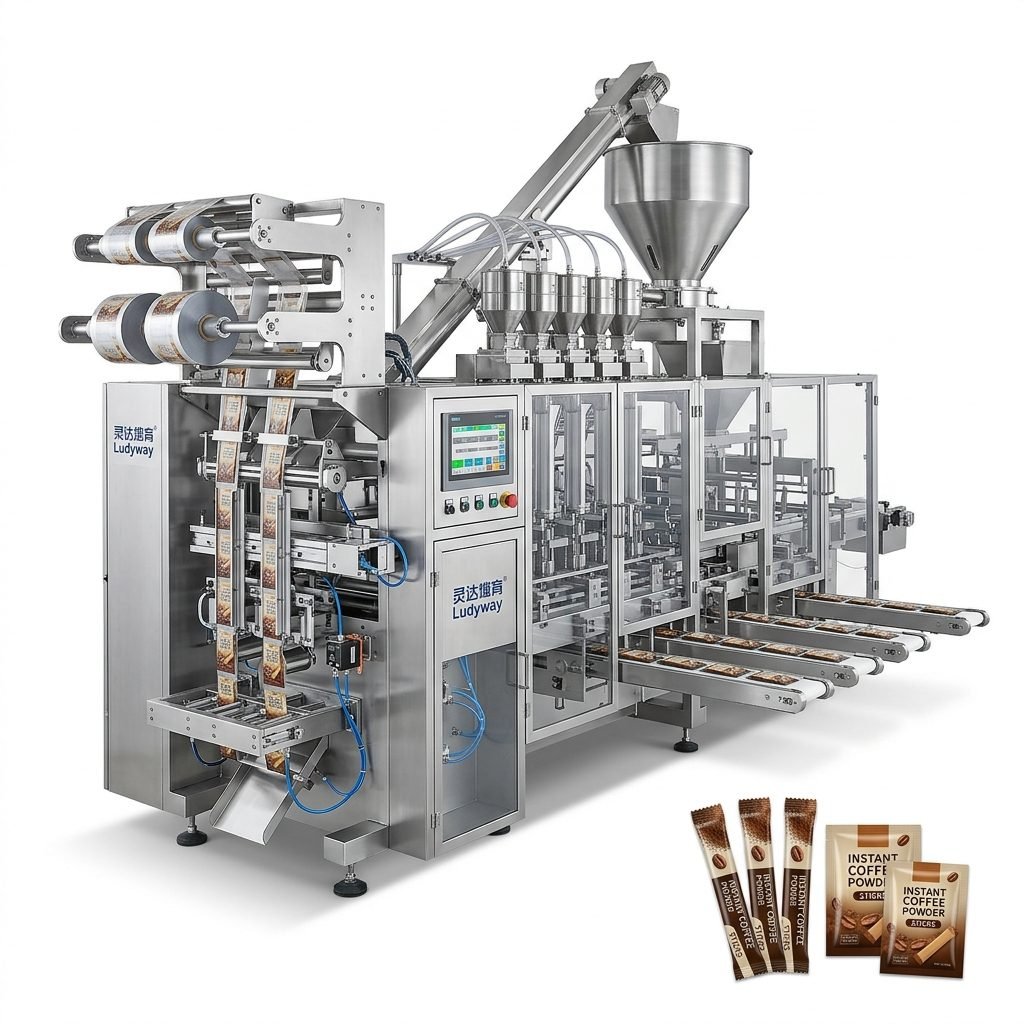
A multi-lane packaging machine is designed to fill and seal several sachets or stick packs at the same time. Instead of producing one package per cycle, it runs multiple lanes in parallel, making it an efficient solution for businesses that need high output, consistent package quality, and lower unit packaging cost.
For manufacturers of powders, granules, liquids, pastes, supplements, pharmaceuticals, and daily-use products, the right time to invest in multi-lane equipment usually comes when demand outgrows single-lane capacity, labor pressure increases, or packaging consistency becomes critical for brand performance.
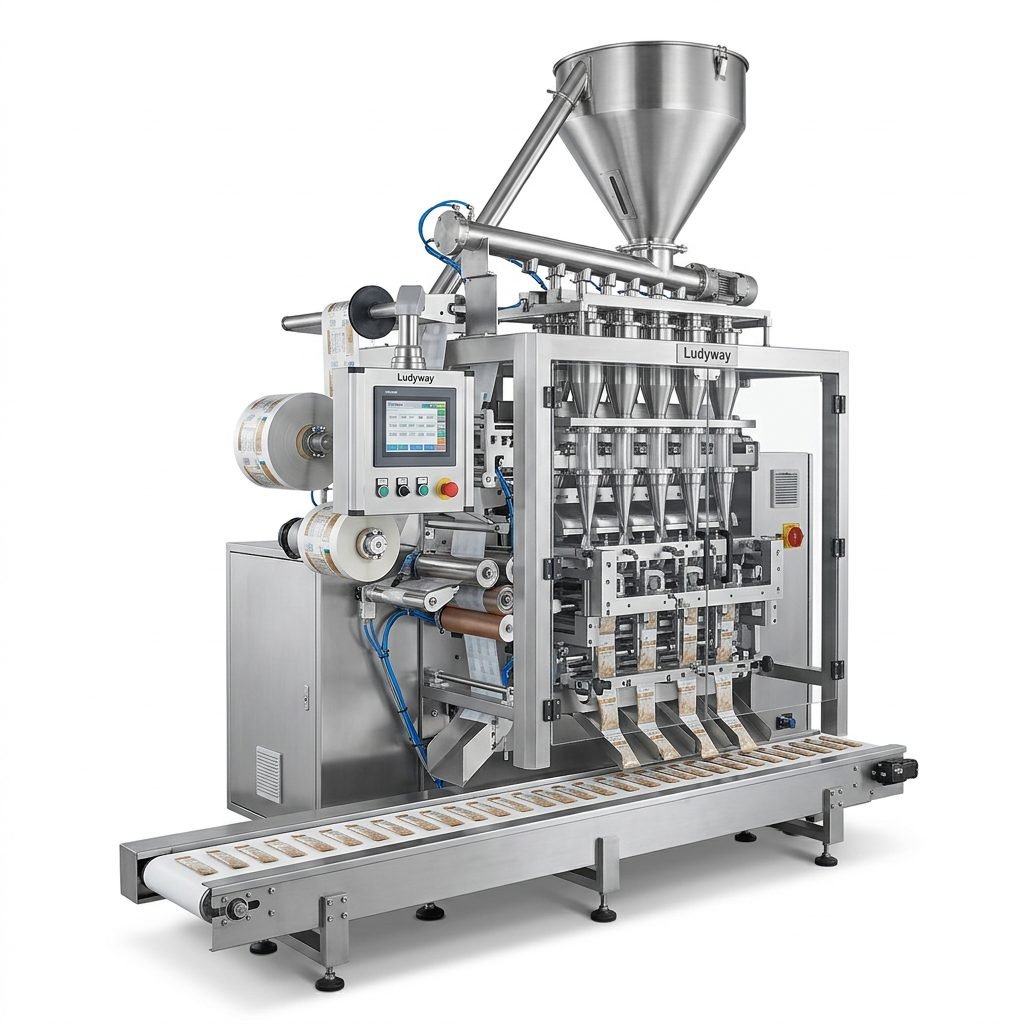
What Is a Multi-Lane Packaging Machine?
A multi-lane packaging machine is an automated system that forms, fills, seals, and cuts multiple packs in one run. It is commonly used for:
- Stick packs for coffee, sugar, collagen, protein powder, and drink mixes
- Sachets for sauces, seasonings, shampoo, gel, lotion, and detergent
- Pharmaceutical or nutraceutical unit-dose packaging
- Portion packs for foodservice, retail, and travel-size products
These machines are especially suitable when products require small-format packaging at high speed with stable filling accuracy across every lane.
When Is a Multi-Lane Packaging Machine the Right Choice?
1. When Your Current Output Is No Longer Enough
If your single-lane machine is running long hours but still cannot keep up with orders, a multi-lane system can dramatically increase throughput without multiplying floor space at the same rate.
2. When You Need Lower Cost Per Pack
High-speed parallel production can reduce packaging cost per unit by improving efficiency in film use, labor allocation, and line productivity. This becomes especially important in highly competitive product categories like instant beverages, condiments, health supplements, and personal care sachets.
3. When Product Demand Is Stable and High-Volume
Multi-lane machines perform best in medium- to large-scale production environments where SKUs are relatively standardized and demand is consistent. If you run frequent mass production of the same format, the return on investment is typically stronger.
4. When Packaging Consistency Matters
In industries such as food, pharma, and nutraceuticals, package appearance and fill accuracy affect compliance, customer trust, and shelf appeal. Multi-lane systems support repeatable sealing, accurate dosing, and uniform bag dimensions.
5. When Labor and Manual Handling Need to Be Reduced
Automated multi-lane packaging reduces reliance on manual operations, helping factories address labor shortages, improve hygiene, and streamline production management.
Key Benefits of a Multi-Lane Packaging Machine
| Benefit | Why It Matters |
|---|---|
| Higher throughput | Multiple lanes package products simultaneously, increasing output per minute. |
| Better efficiency | Improves machine utilization and supports continuous, automated production. |
| Lower labor demand | Reduces manual filling, bag handling, and repetitive line tasks. |
| Consistent pack quality | Supports uniform sealing, cutting, coding, and package shape. |
| Flexible applications | Can be configured for powders, granules, liquids, pastes, and more. |
| Scalable automation | Can integrate with feeders, cartoners, checkweighers, coding, and case packing systems. |
Higher Production Speed
One of the biggest reasons companies upgrade is speed. A multi-lane machine can produce many more sachets or stick packs per minute than a single-lane model, making it ideal for fast-moving consumer goods and contract packaging operations.
Better Space Efficiency Than Running Several Separate Machines
In many cases, one multi-lane system offers better workflow and more centralized control than installing several independent machines. This can simplify maintenance, staffing, and line supervision.
Improved Product Uniformity
Well-designed machines maintain stable dosing and sealing across lanes. That helps reduce waste, customer complaints, and rework caused by underfilled packs, poor seals, or uneven cut lengths.
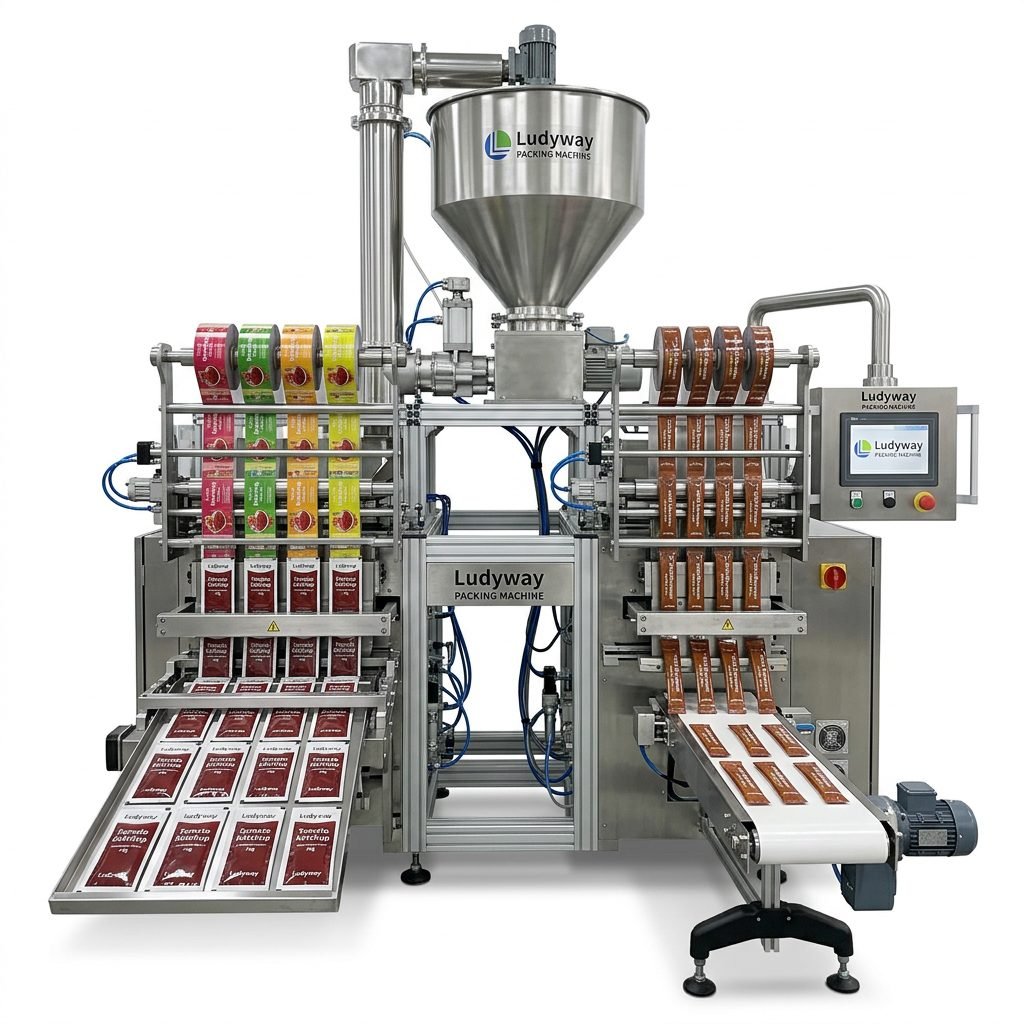
Which Industries Benefit Most?
Food Industry
- Coffee, sugar, creamer, milk tea, and beverage powders
- Spices, seasonings, sauces, soup mixes, and condiments
- Nutritional powders and single-serve meal replacements
Pharmaceutical and Nutraceutical Industry
- Oral rehydration salts
- Supplement granules and powders
- Functional health products in unit-dose format
Cosmetic and Personal Care Industry
- Shampoo, lotion, serum, and cream sachets
- Travel-size and sample-size products
- High-volume promotional or retail sachet packaging
Chemical and Household Products
- Detergent powder
- Liquid cleaners and disinfectants
- Industrial additives and treatment chemicals
Signs You May Not Need One Yet
A multi-lane packaging machine is not always the best first step. It may be too early if:
- Your production volume is still low or highly seasonal
- You frequently change pack sizes and product types in short runs
- Your current bottleneck is upstream mixing, feeding, or downstream cartoning rather than filling speed
- Your budget is better allocated to a simpler semi-automatic or single-lane automatic machine first
In these situations, a simpler machine may offer a faster payback before moving to full multi-lane automation.
Buying Guide: How to Choose the Right Multi-Lane Packaging Machine
Match the Machine to Your Product Type
The filling system must suit the product. Powders, granules, liquids, and pastes all flow differently and require different dosing methods. Choosing the wrong configuration can lead to dust, leakage, poor accuracy, or frequent downtime.
Common filling options include:
- Auger fillers for powders
- Volumetric cup fillers for free-flowing granules
- Piston pumps for pastes and viscous liquids
- Liquid pumps for low-viscosity products
Confirm Required Output and Number of Lanes
More lanes usually mean higher output, but also more complexity and investment. The ideal machine balances speed, stability, and future growth. Buyers should calculate:
- Target packs per minute
- Daily production hours
- Expected growth over the next 3 to 5 years
- Downtime allowance for cleaning and maintenance
Check Bag Format and Size Range
Not all machines support the same sachet or stick pack dimensions. Make sure the equipment can handle your current format and possible future variations, including notch, easy-tear, perforation, zipper-free sample packs, or linked sachets if needed.
Review Film Compatibility
Packaging film has a major impact on sealing quality and running stability. Confirm whether the machine supports your laminated film structure, sealing temperature requirements, and printed registration needs.
Evaluate Accuracy and Waste Control
High speed should not come at the expense of filling precision. Ask about tolerance levels, reject rates, and lane-to-lane consistency. This is especially important for high-value powders, regulated products, and premium retail items.
Consider Cleaning and Changeover Time
If your production involves multiple SKUs or strict hygiene standards, choose a machine designed for easy cleaning, accessible parts, and practical changeover procedures. Faster cleaning helps maximize actual daily output.
Look at Integration Possibilities
A good multi-lane machine should fit into a broader automation plan. Consider whether it can connect with:
- Automatic feeding systems
- Checkweighers and metal detectors
- Date coding and printing systems
- Cartoning, case packing, and palletizing equipment
Choose a Supplier With Real Engineering Experience
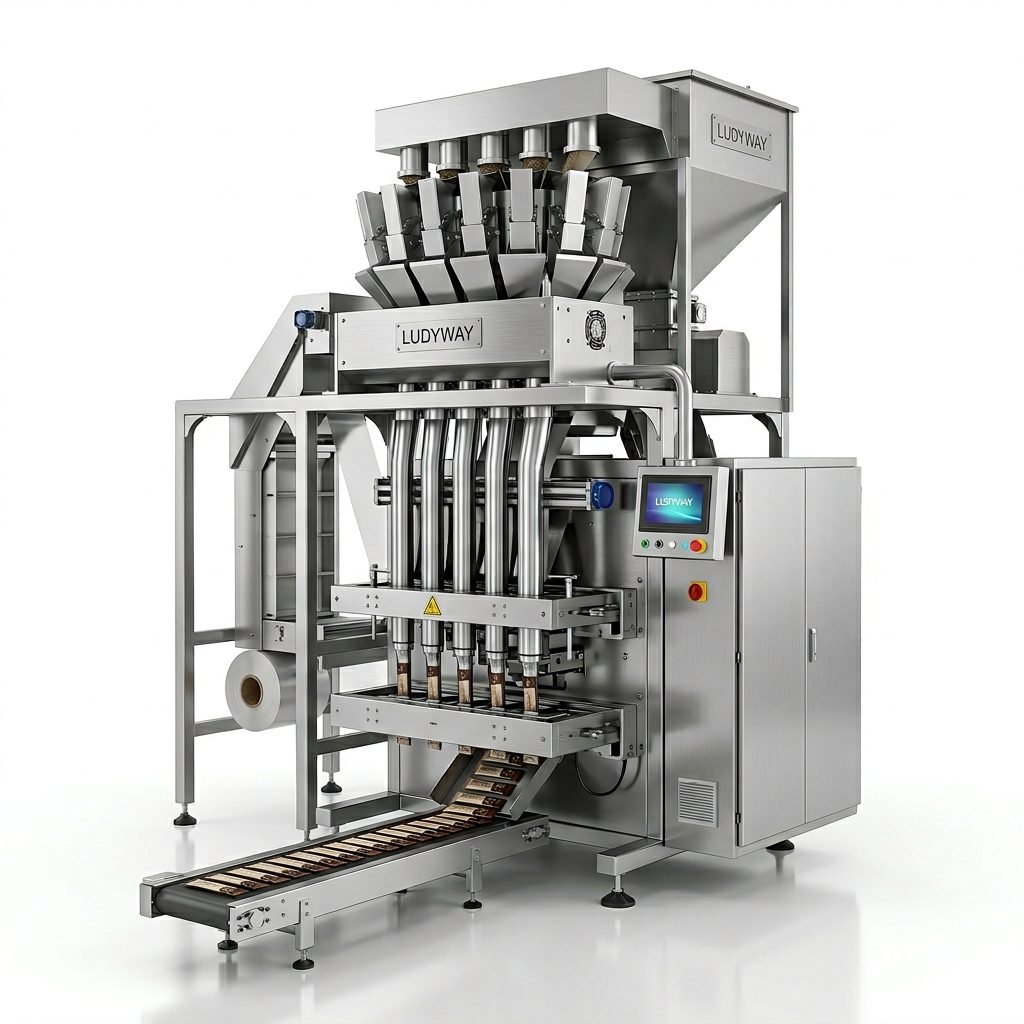
Beyond the machine itself, long-term support matters. Working with an experienced manufacturer reduces risk in installation, commissioning, customization, spare parts supply, and post-sales service. For businesses looking for scalable packaging automation, multi-lane packaging machine manufacturer Ludyway offers a broad range of solutions for food, pharmaceutical, health supplement, cosmetic, chemical, and turnkey packaging line applications.
Questions to Ask Before You Buy
| Question | Why You Should Ask |
|---|---|
| What products has this machine already packed successfully? | Proves real application experience, not just theoretical capability. |
| What output can be achieved with my actual product? | Machine speed depends on product flow, viscosity, and bag size. |
| How accurate is each lane? | Important for cost control, compliance, and customer satisfaction. |
| How long does changeover and cleaning take? | Affects real production efficiency, not just theoretical speed. |
| What after-sales service and spare parts support are available? | Reduces long-term downtime risk and maintenance delays. |
Final Decision Factors
A multi-lane packaging machine is the right choice when your business needs higher output, stable quality, lower unit cost, and scalable automation. It is especially valuable for companies producing stick packs or sachets in large quantities across food, pharma, cosmetics, and chemical sectors.
The best buying decision comes from matching machine design to product characteristics, package format, target speed, plant layout, and future expansion plans. If those elements align, a multi-lane system can become one of the most productive investments in your packaging operation.