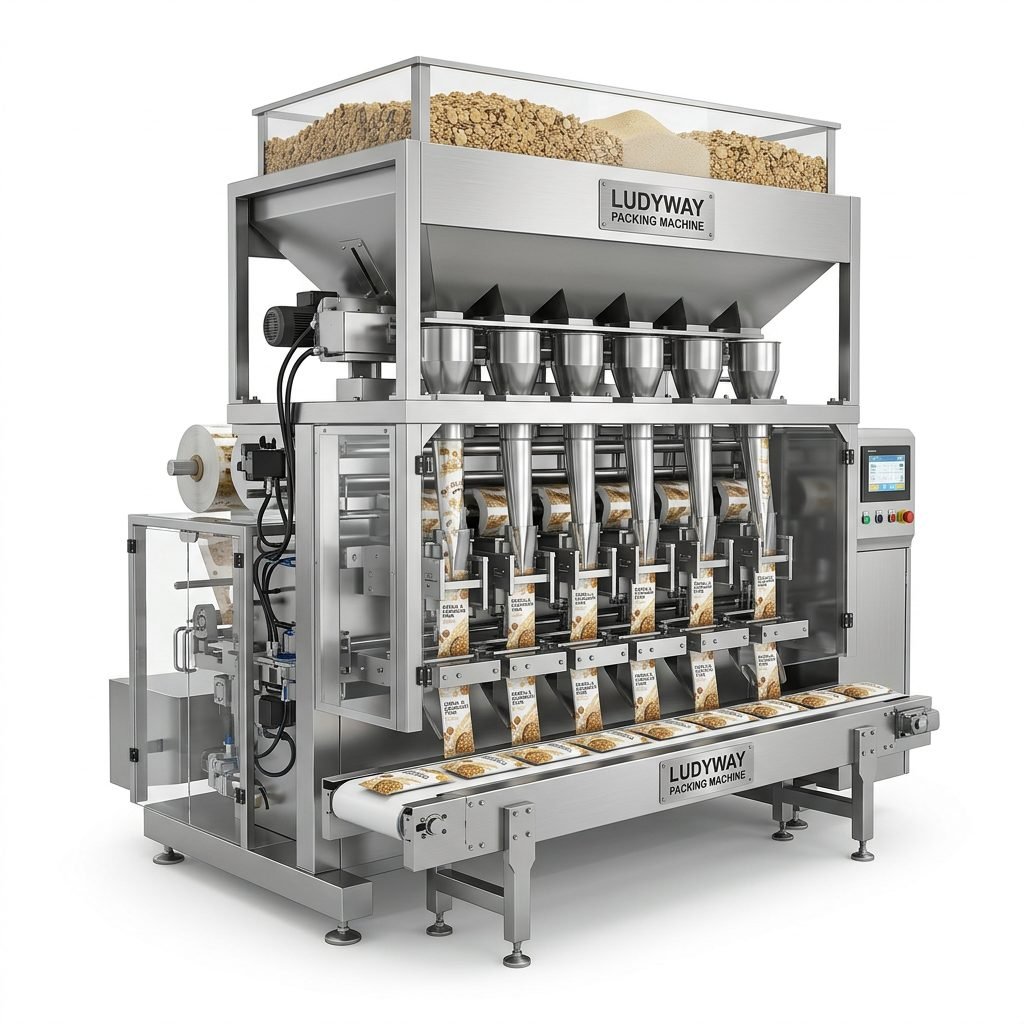
Low-volume production does not always mean low standards. Small brands, startups, pilot projects, seasonal product launches, and contract manufacturers often need packaging equipment that is flexible, affordable, easy to operate, and ready to scale. The best packaging machine for low-volume production depends on your product type, packaging format, labor situation, hygiene requirements, and growth plan.
Instead of buying the fastest or most complex system, smart buyers focus on machines that deliver stable output, low changeover time, compact footprint, and practical ROI. In many cases, the ideal solution is a semi-automatic or compact automatic machine that matches current demand without limiting future expansion.
What Low-Volume Production Really Means
Low-volume production can look very different from one business to another. For some companies, it means a few thousand packs per day. For others, it means short-run batches for testing multiple SKUs. Before choosing a machine, define your actual production profile.
- Startup brands: need low investment and flexibility
- R&D or pilot lines: need easy adjustment for frequent trials
- Seasonal products: need fast setup and low idle cost
- Contract packers: need quick format changeovers
- Niche food, pharma, or supplement brands: need precision even at small output
If your operation runs multiple small batches, a machine with moderate speed and high versatility usually outperforms a high-speed machine built for mass production.
Best Packaging Machine Types for Low-Volume Production
There is no single universal answer, but several machine categories are especially suitable for low-volume packaging.
| Machine Type | Best For | Why It Fits Low Volume |
|---|---|---|
| Semi-automatic filling machine | Powders, granules, liquids | Low cost, easy training, ideal for startups |
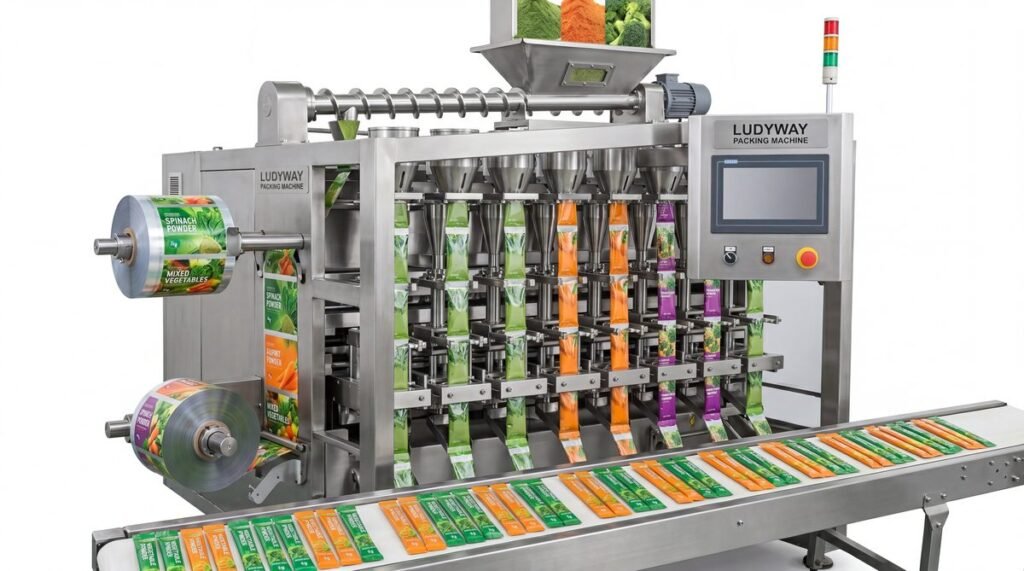
| Compact vertical form fill seal machine | Sachets, stick packs, pillow bags | Good balance of automation and footprint |
| Premade pouch packing machine | Stand-up pouches, zipper pouches | Great for premium short-run products |
| Tabletop sealing and filling equipment | Samples, trial products | Very low investment, compact and simple |
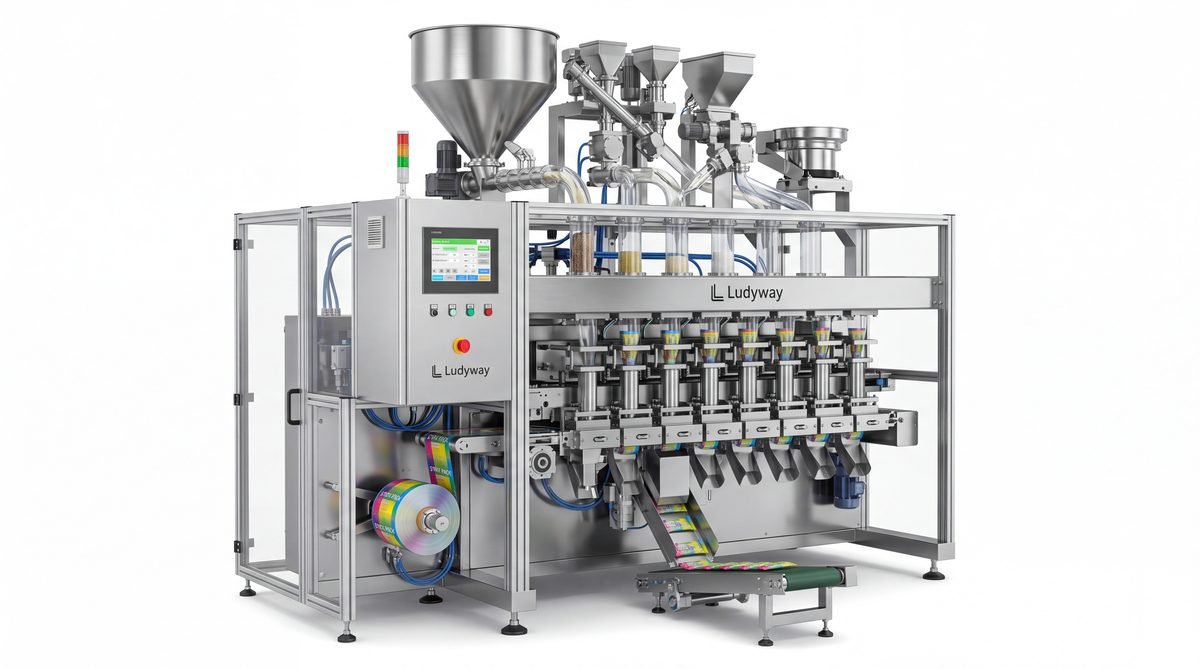
| Multi-function sachet machine | Powder, paste, liquid in small packs | Flexible for multi-SKU and small batch runs |
1. Semi-Automatic Filling Machines
For very small production volumes, semi-automatic machines are often the most practical choice. They allow operators to load containers or pouches manually while the machine handles filling or sealing.
They are especially useful when:
- You have limited budget
- You package several products with different weights or viscosities
- You want to validate market demand before investing in full automation
2. Compact VFFS Machines
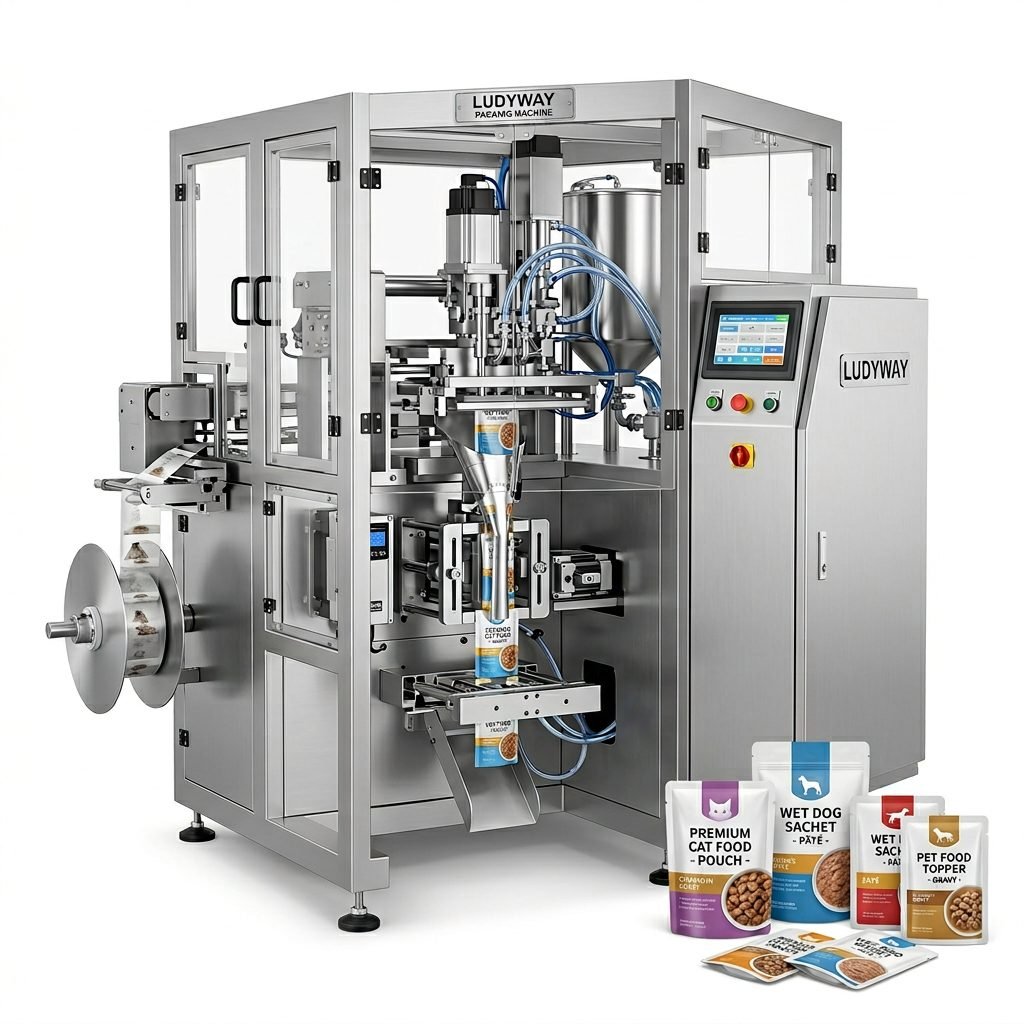
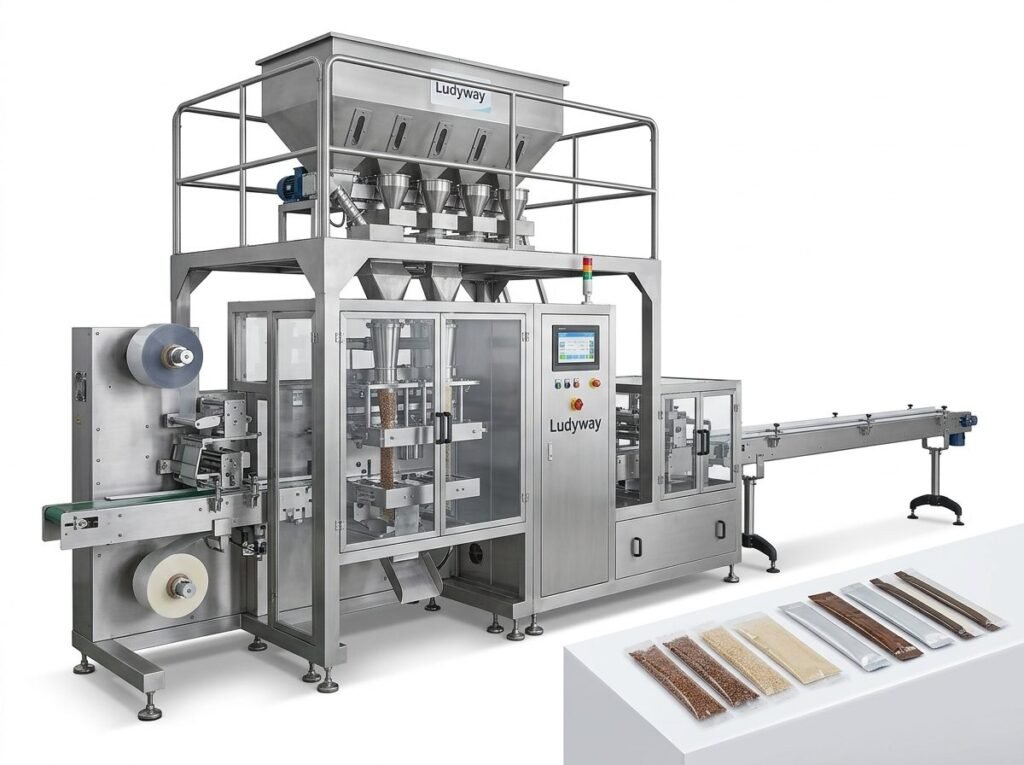
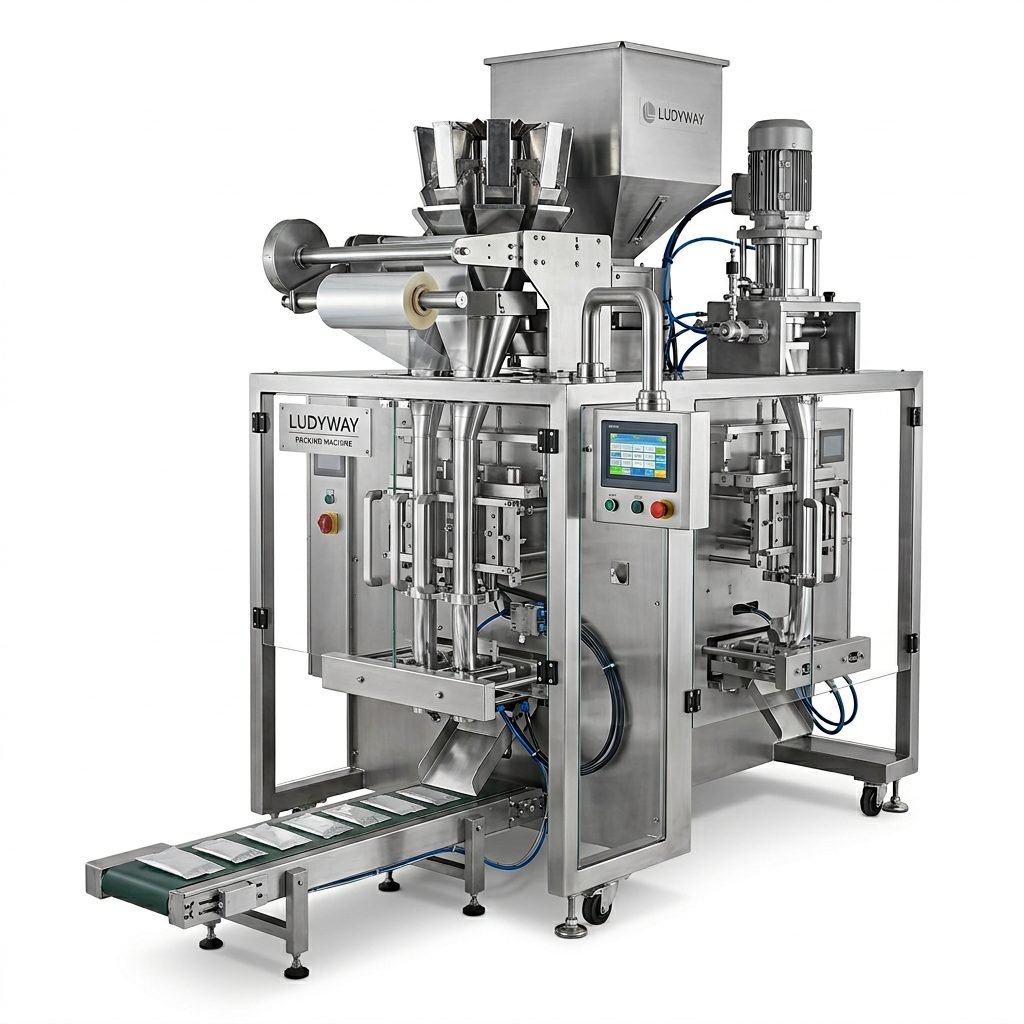
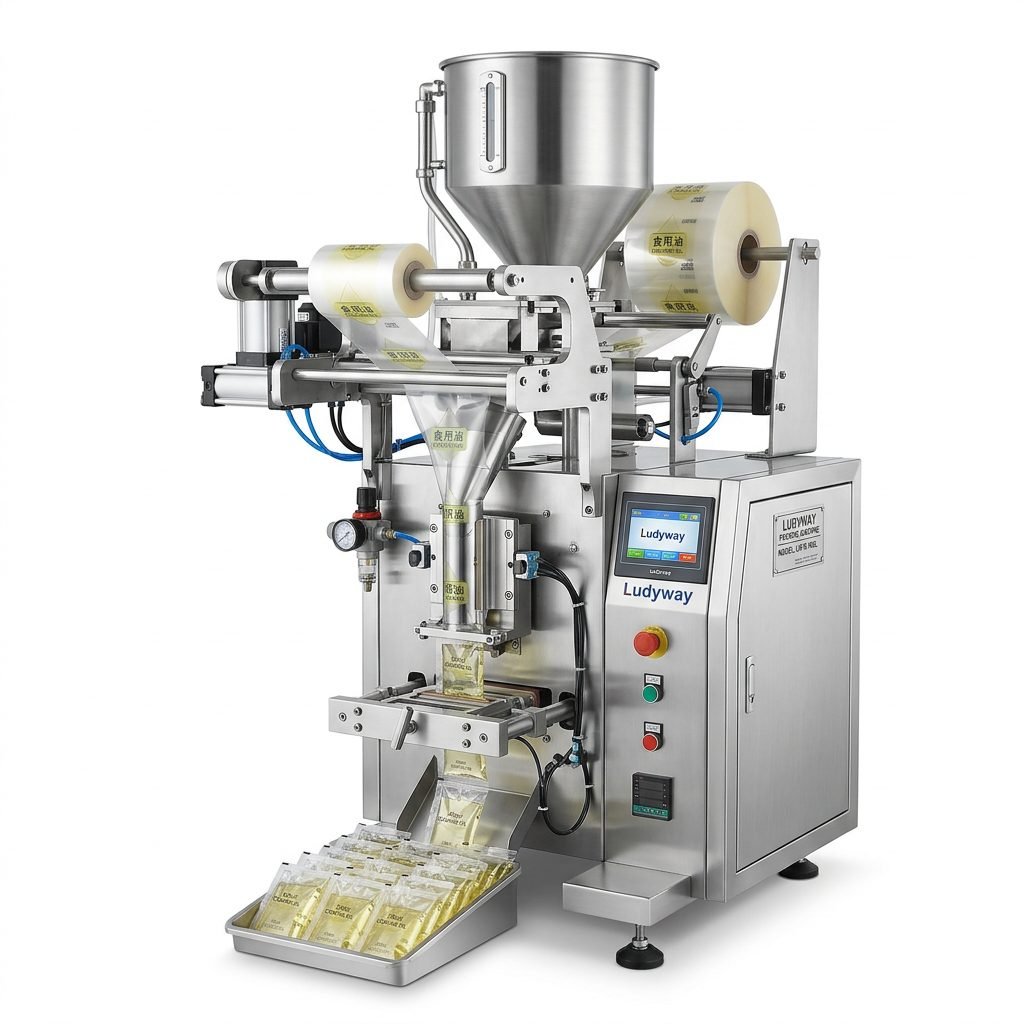
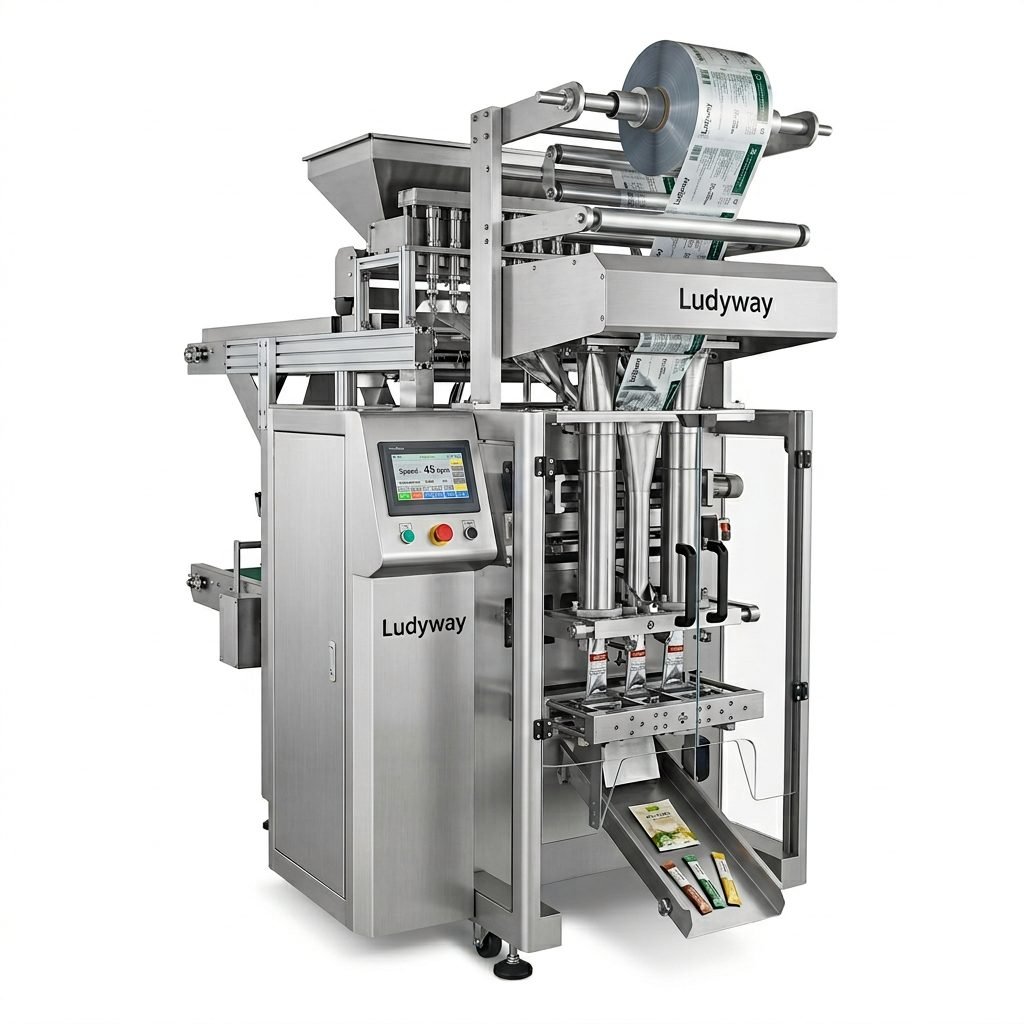
A compact vertical form fill seal machine is one of the best options for low-volume production when you still want an automatic process. It forms the bag from roll film, fills it, and seals it in one system.
This option is excellent for:
- Powders such as coffee, protein, spices, and supplements
- Granules such as sugar, seeds, snacks, and tea
- Small liquid or paste sachets with the right dosing system
3. Premade Pouch Packing Machines
If branding matters and you want shelf-ready packaging in small runs, premade pouch machines can be a better fit than film-forming systems. They reduce packaging development complexity and support premium presentation.
They work well for businesses that need:
- High visual appeal
- Short runs with several pouch designs
- Moderate automation without a large line
How to Choose the Right Machine for Small Production Runs
The best machine is the one that fits your current operation without creating unnecessary cost or complexity. Evaluate these factors carefully.
Product Characteristics
- Powders: need auger fillers or precision dosing systems
- Granules: usually work with weighing or cup filling systems
- Liquids and pastes: require piston or pump filling systems
Packaging Format
Choose according to your market needs:
- Sachets for low-cost single-dose packaging
- Stick packs for drink powders and supplements
- Pouches for retail presentation and resealability
- Bottles or jars for premium or reusable formats
Changeover Frequency
If you produce many SKUs in short runs, easy cleaning and quick tool adjustments matter more than top speed. A machine with fast changeover can save more money than a faster machine that sits idle during setup.
Available Labor
In low-volume production, labor cost can still be significant. If operators are difficult to find or training is expensive, a compact automatic machine may offer better long-term value than manual or semi-automatic equipment.
Future Scalability
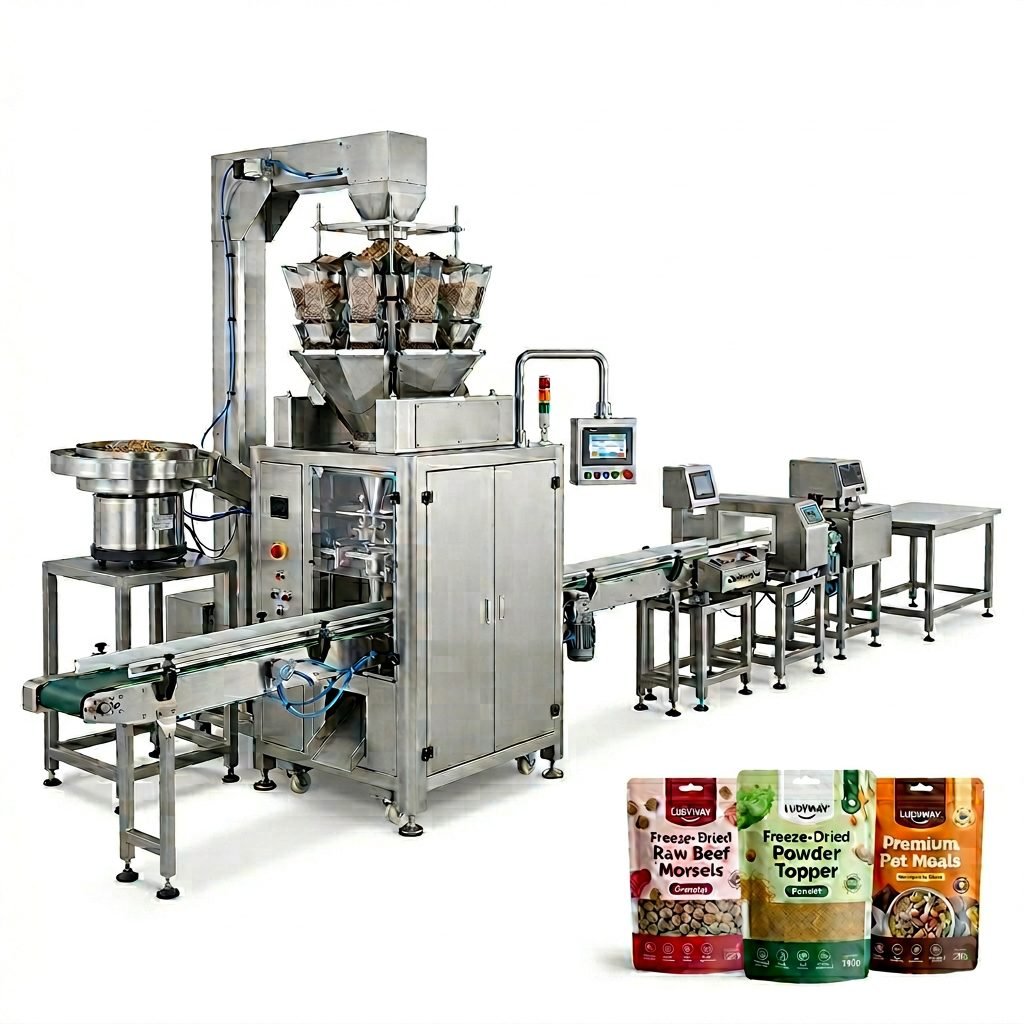
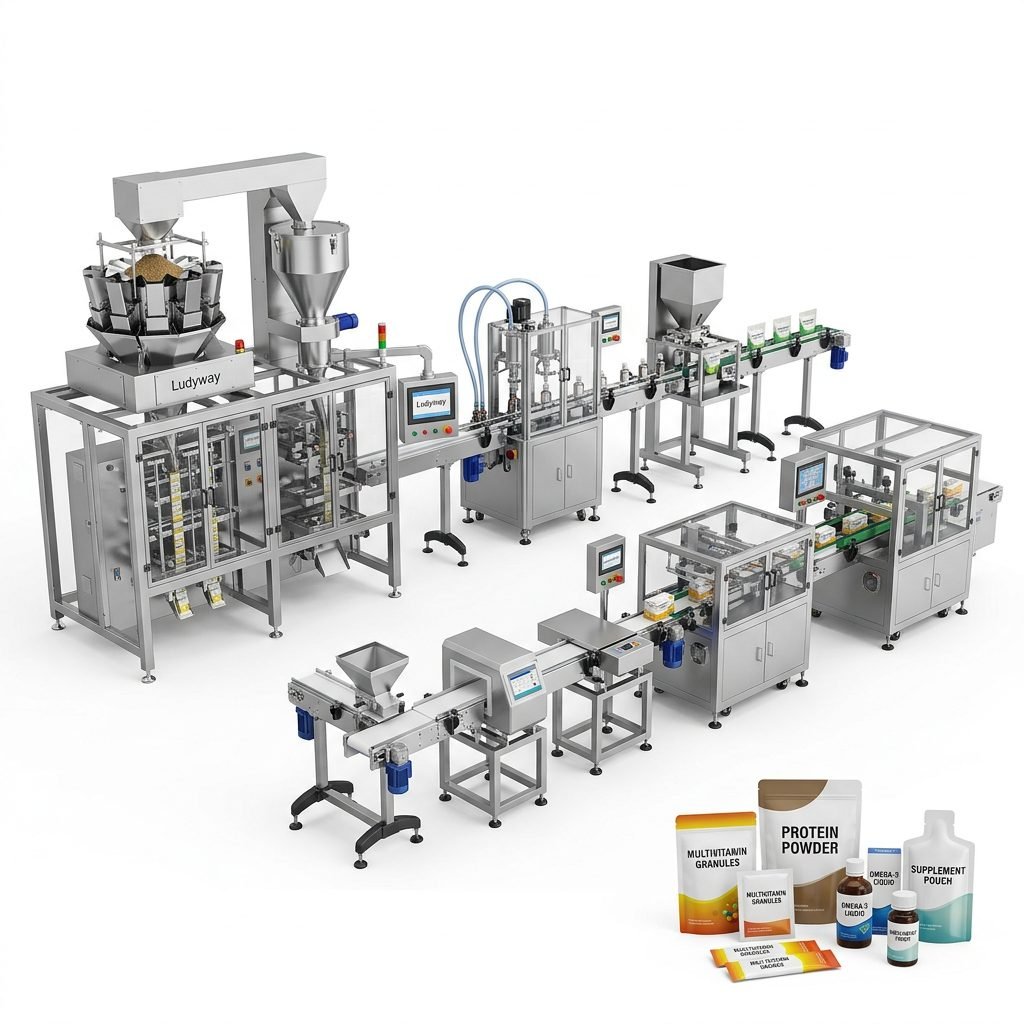
The ideal machine should support business growth. Look for modular designs that allow additional feeding, coding, checkweighing, cartoning, or conveying equipment later.
| Selection Factor | What to Prioritize |
|---|---|
| Budget | Simple structure, lower initial investment, essential functions only |
| Output demand | Stable moderate speed rather than maximum speed |
| Product type | Accurate dosing system matched to powder, granule, liquid, or paste |
| Floor space | Compact design and mobile-friendly layout |
| Expansion | Upgradeable controls, modular add-ons, compatible line integration |
When a Small Automatic Machine Is Better Than a Manual Setup
Many buyers assume low volume always means manual packaging is enough. That is not always true. A compact automatic machine can be a smarter choice when:
- You need consistent seal quality
- You work in food, pharmaceutical, or health supplement sectors
- You want to reduce operator error
- You must meet hygiene or traceability expectations
- You plan to grow within 12 to 24 months
In regulated or quality-sensitive industries, repeatability often matters more than volume. Even a low-output operation may require precise filling, consistent sealing, and clean equipment design.
Best Options by Industry
Food and Beverage
For coffee, spices, seasonings, drink mixes, sugar, snacks, and instant powders, compact sachet or stick pack machines are often the best choice. They combine efficiency with manageable cost.
Pharmaceutical and Health Supplement
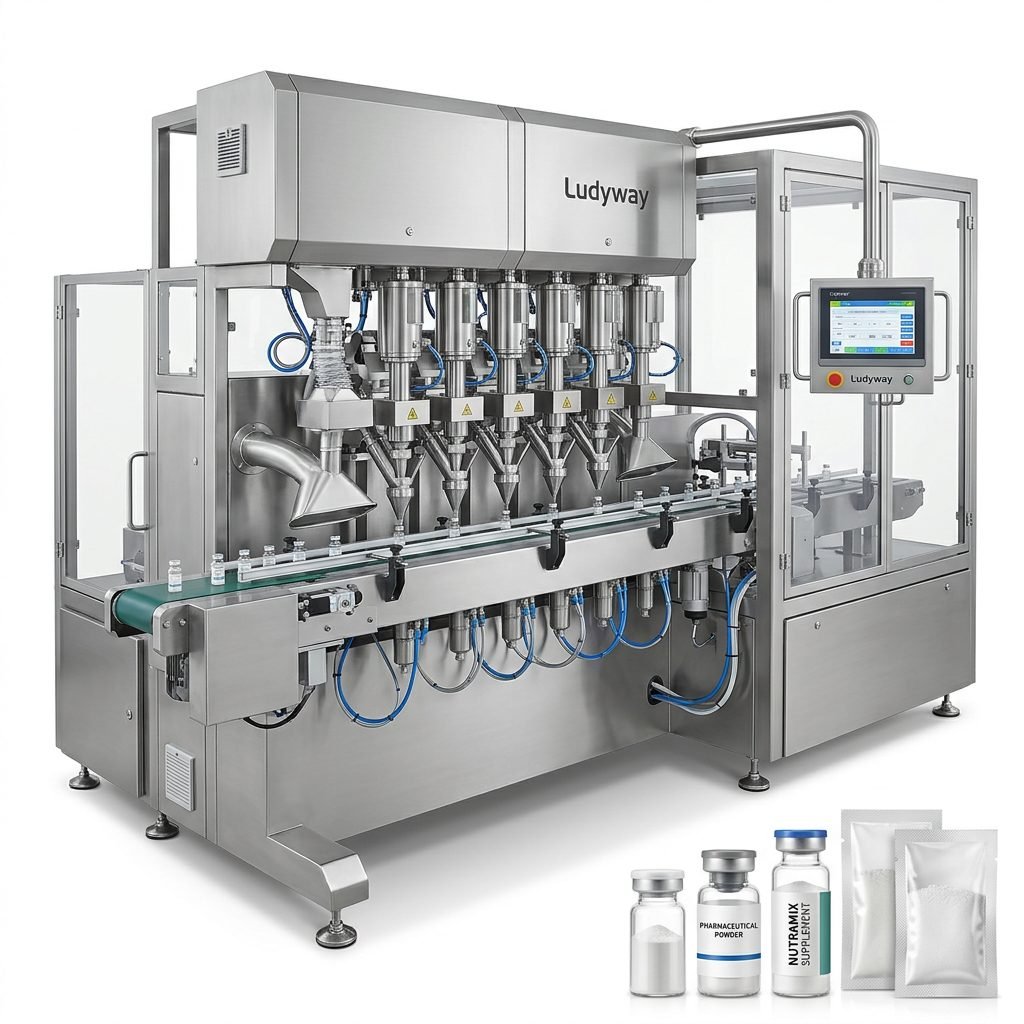
Accuracy, cleanliness, and documentation are critical. Low-volume producers often prefer compact automatic powder or granule packaging systems with stable dosing control and hygienic contact parts.
Cosmetics and Personal Care
Sample sachets, creams, serums, and gels often benefit from small liquid or paste packaging machines. For trial products and travel-size formats, sachet packaging is highly efficient.
Chemical and Household Products
If you package detergents, cleaners, additives, or powders in short runs, choose a machine with corrosion-resistant materials and easy cleaning access.
Common Mistakes to Avoid
- Buying a machine based only on maximum speed
- Ignoring changeover time between products
- Underestimating cleaning and maintenance needs
- Choosing a machine without room for future upgrades
- Using a generic filler that does not match product flow characteristics
A machine that is oversized for your production can increase downtime, waste film, raise energy use, and complicate operation. For low-volume manufacturing, practical efficiency is more important than headline speed.
A Practical Buying Checklist
- Define your daily and monthly output targets
- Confirm product form: powder, granule, liquid, or paste
- Choose the final package type
- Estimate available labor and technical skill
- Measure installation space
- Ask about changeover time and spare parts
- Check whether the machine can scale with future demand
Choosing a Supplier Matters as Much as Choosing the Machine
For low-volume buyers, supplier support can have a major impact on results. You may need guidance on machine selection, packaging material compatibility, dosage testing, and future line expansion. Working with an experienced manufacturer helps reduce trial-and-error cost.
For businesses looking for compact machines or scalable turnkey solutions, Ludyway packaging machine manufacturer offers a broad range of packaging systems for food, pharmaceutical, health supplement, cosmetic, and chemical applications, supported by more than 30 years of industry experience.
Final Recommendation
If you are asking which packaging machine is best for low-volume production, the answer is usually this: choose the simplest machine that can reliably meet your product, package, and quality requirements while leaving room to grow.
For many small and mid-stage operations, the best fit is:
- A semi-automatic filler for very limited budgets
- A compact VFFS machine for sachets or stick packs
- A premade pouch machine for premium short-run packaging
The right choice is not the biggest machine. It is the one that gives you dependable packaging performance, manageable cost, and a clear path toward future expansion.