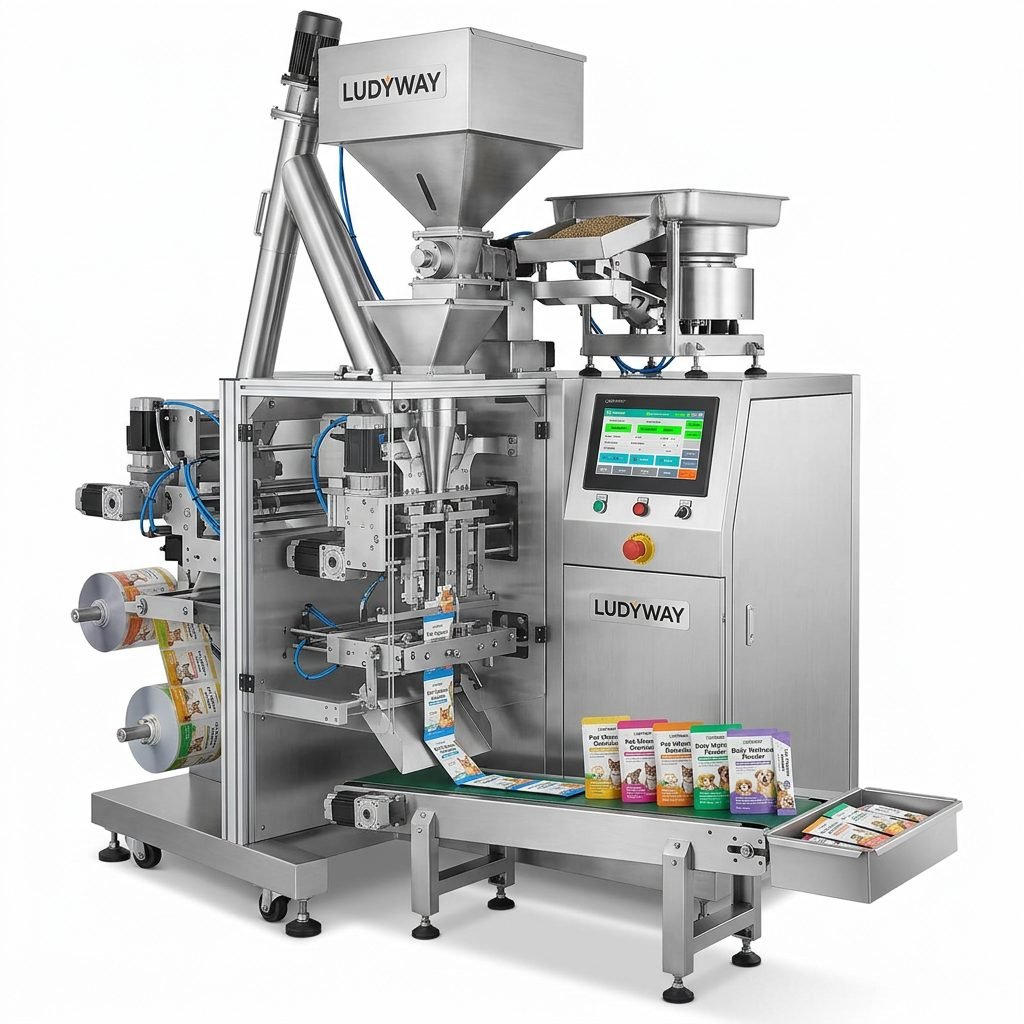
Packaging quality is not only about how a product looks on the shelf. It also affects weight accuracy, seal integrity, hygiene, labeling precision, shelf life, and customer trust. When packaging varies from pack to pack, businesses face complaints, returns, wasted materials, and compliance risks. This is why modern packaging machines have become essential for manufacturers that want stable production and dependable quality control.
Automated systems reduce human variation and make it easier to standardize every step of the process. From dosing and filling to sealing, coding, inspection, and final discharge, machines help ensure each package meets the same standard. For food, pharmaceutical, cosmetic, chemical, and health supplement manufacturers, this consistency is a key competitive advantage.
Why consistency matters in modern packaging
Consumers expect the same product experience every time they buy. Distributors and retailers also expect uniform packages that stack, transport, and display properly. In regulated sectors, consistency is even more critical because packaging errors can create legal and safety problems.
- Uniform fill weights improve product reliability
- Consistent seals help prevent leakage and contamination
- Accurate coding supports traceability and recalls
- Stable package dimensions improve cartoning and logistics
- Standardized output reduces waste and rework
In short, packaging machines create a controlled production environment where variation is minimized and repeatable results become possible at scale.
How packaging machines improve product consistency
1. Precise filling and dosing
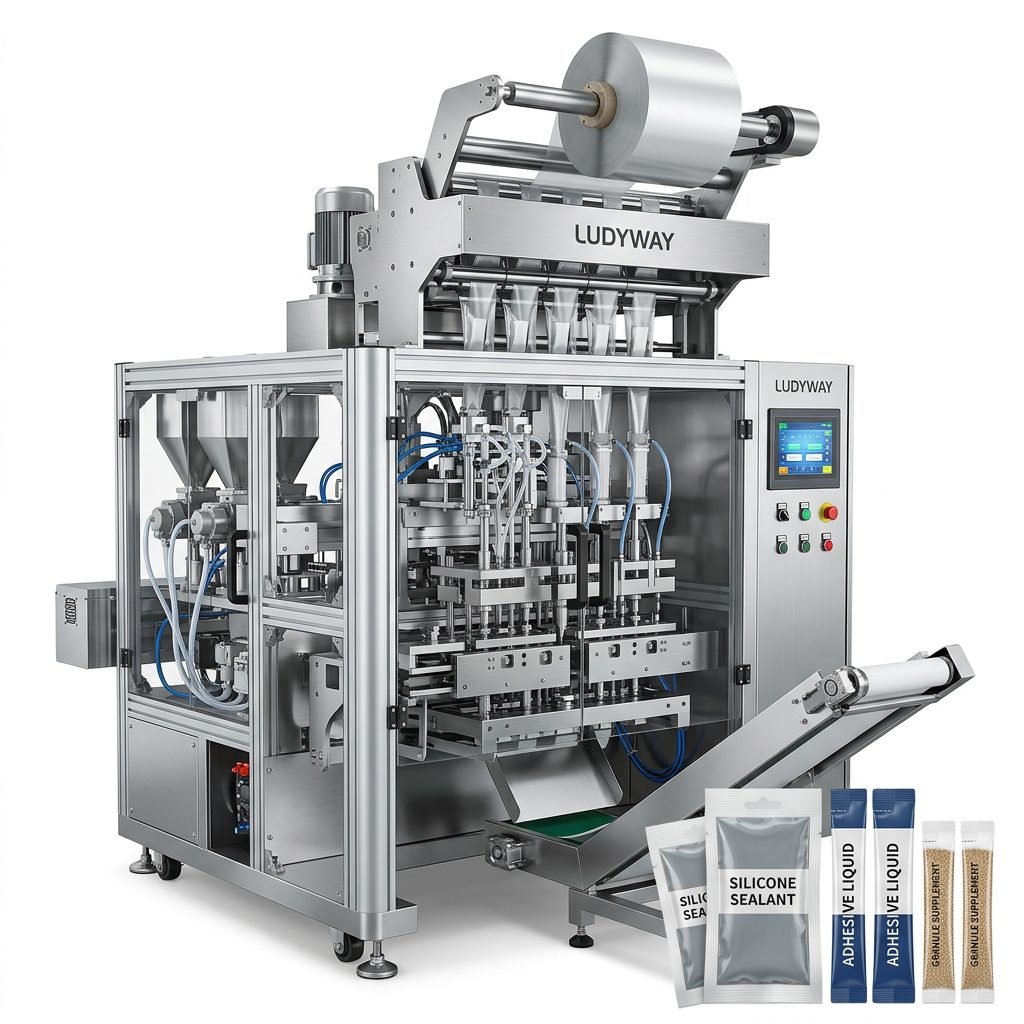
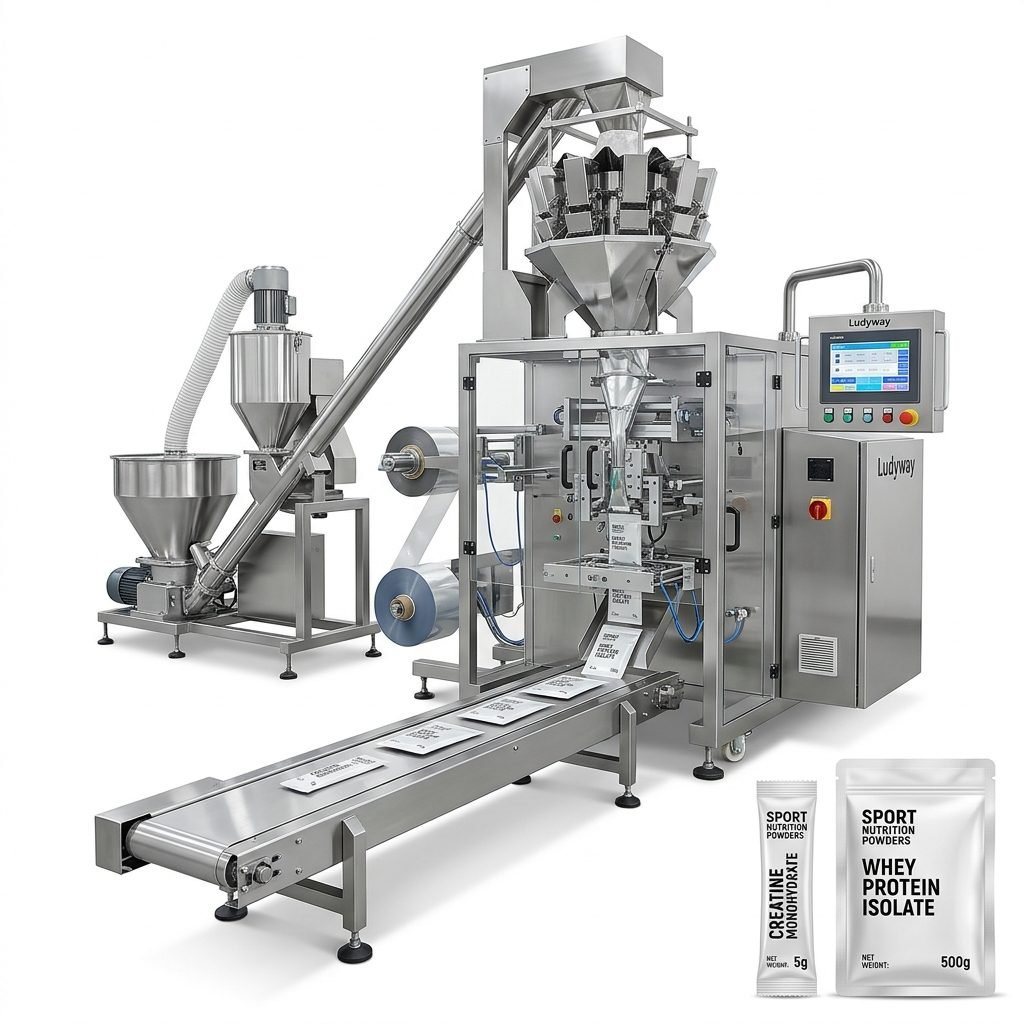
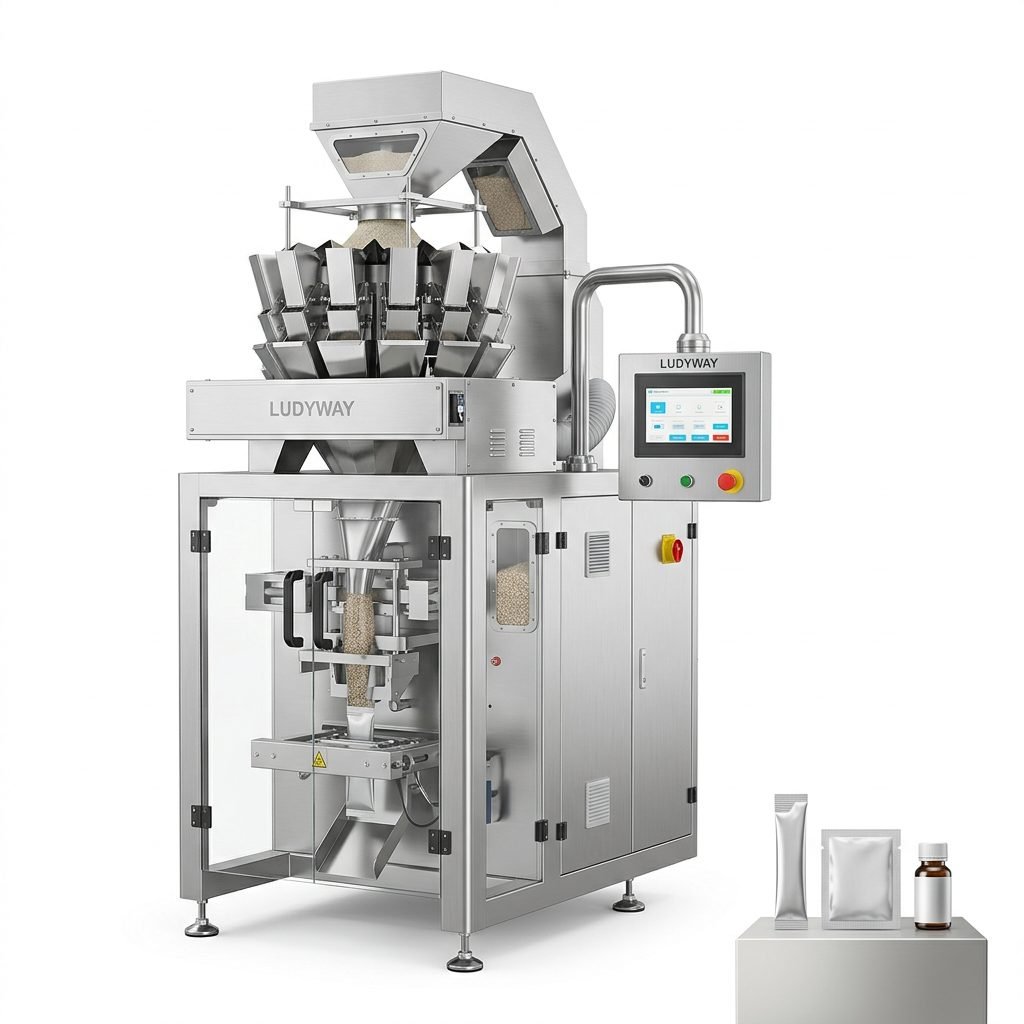
Manual filling often leads to uneven weights and volume differences. Automated packaging machines use calibrated dosing systems to deliver more accurate fills for granules, powders, liquids, and pastes. This keeps every sachet, pouch, bottle, or stick pack closer to the target specification.
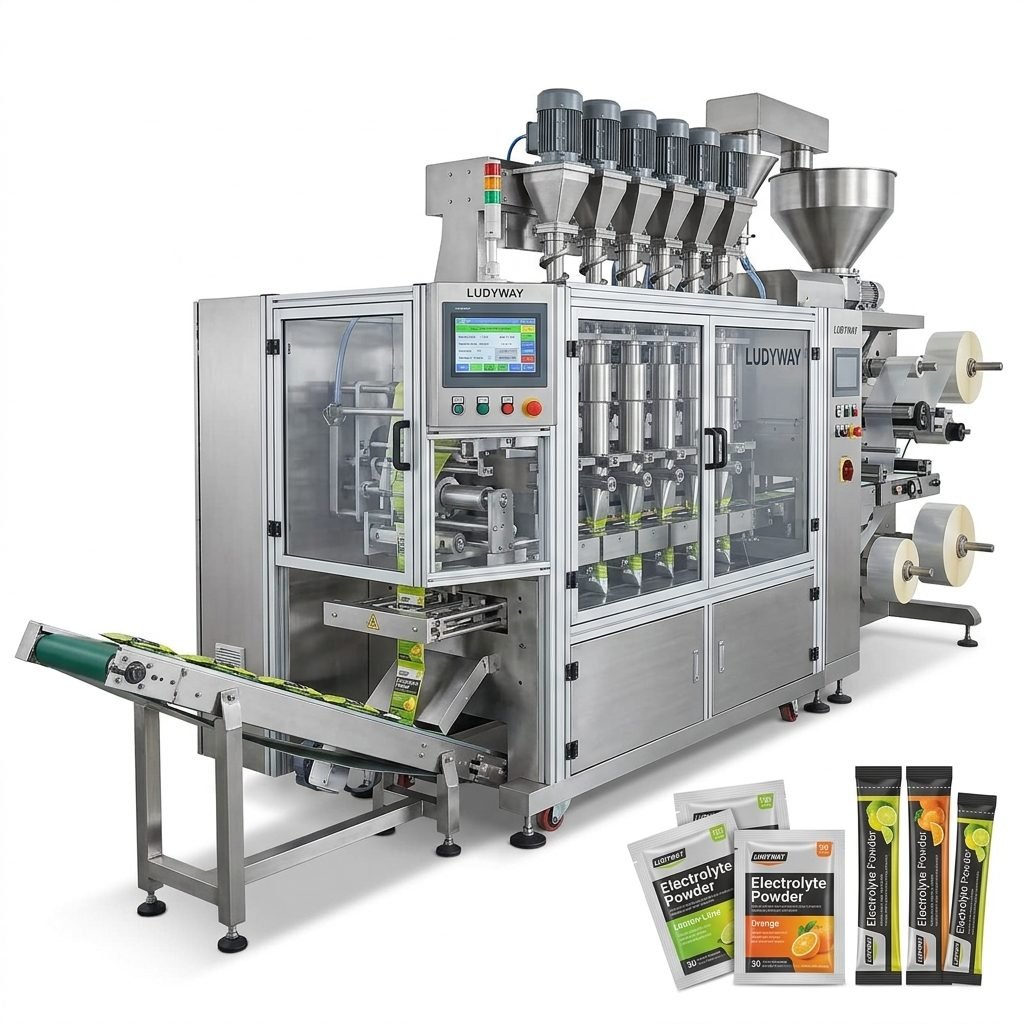
For example, in powder packaging, a properly matched auger or weighing system helps avoid underfilling and overfilling. In liquid packaging, controlled pumps and synchronized sealing systems improve repeatability. The result is better batch-to-batch uniformity.
2. Stable sealing performance
Packaging quality is heavily influenced by seal consistency. If heat, pressure, or dwell time changes too much, seals can become weak, wrinkled, or incomplete. Modern packaging machines regulate these parameters more precisely than manual methods.
This matters for products that are sensitive to air, moisture, and contamination. Strong, uniform seals support shelf life, transport safety, and customer satisfaction.
3. Standardized package shape and appearance
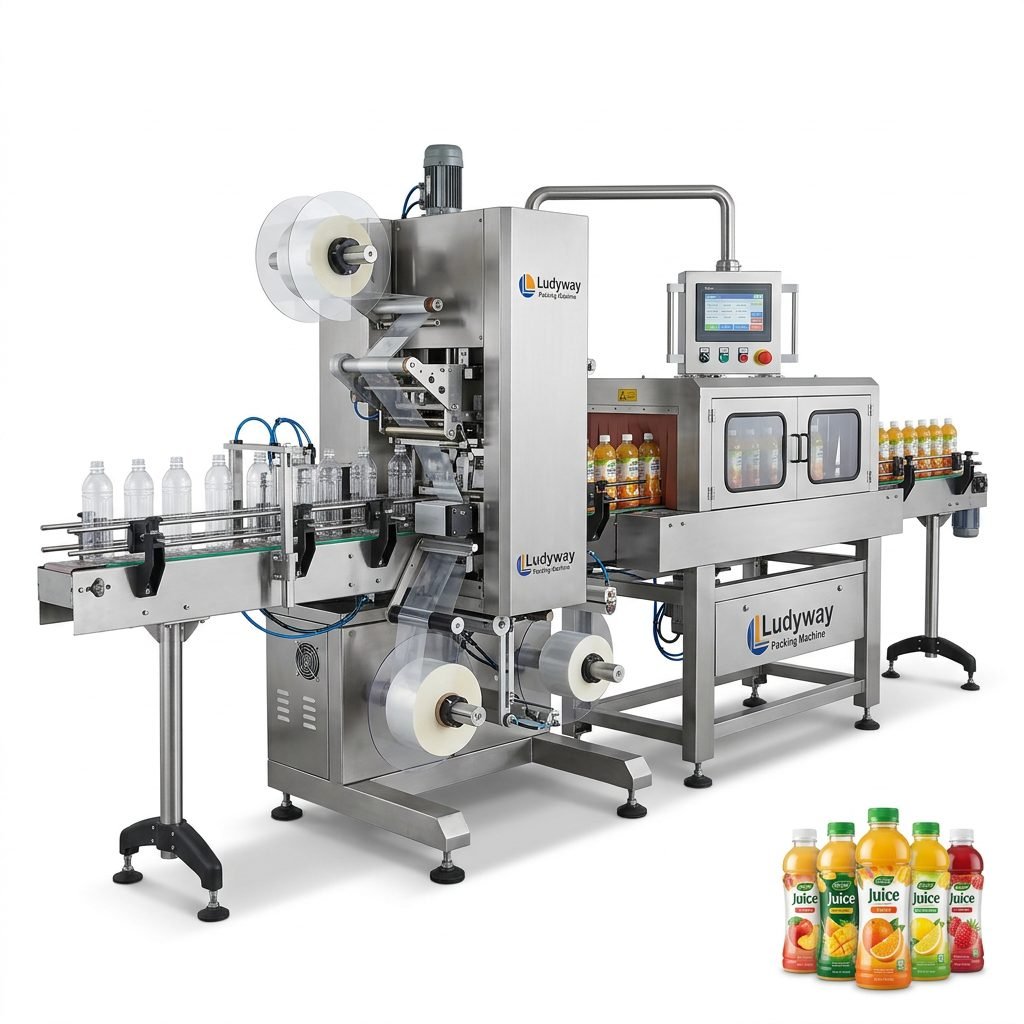
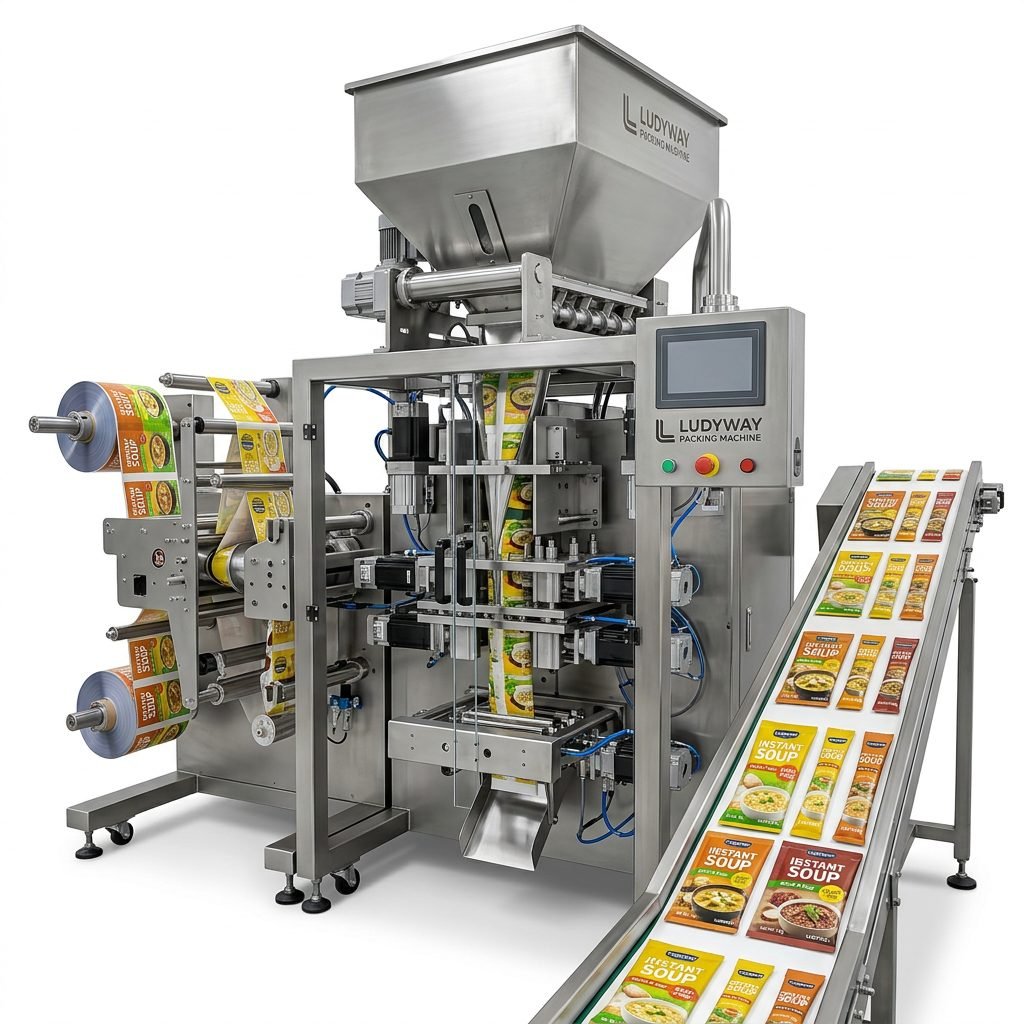
Customers notice crooked seals, inconsistent pouch sizes, and poor finishing. Machines improve the visual consistency of the final package by controlling forming, cutting, alignment, and sealing. A more uniform package also runs more smoothly through downstream processes such as cartoning, labeling, case packing, and palletizing.
4. Reduced operator-dependent variation
One of the biggest causes of inconsistency is manual handling. Different operators may work at different speeds or follow slightly different methods. Automated packaging equipment replaces that variability with repeatable machine settings and process logic.
When process recipes are stored and reused, manufacturers can switch products faster while maintaining consistent quality standards.
How packaging machines strengthen quality control
Real-time monitoring
Advanced packaging lines can monitor key production parameters in real time. Operators can track filling accuracy, sealing temperature, machine speed, rejection rates, and alarm conditions. This allows problems to be detected early before large quantities of defective packages are produced.
Integrated inspection systems
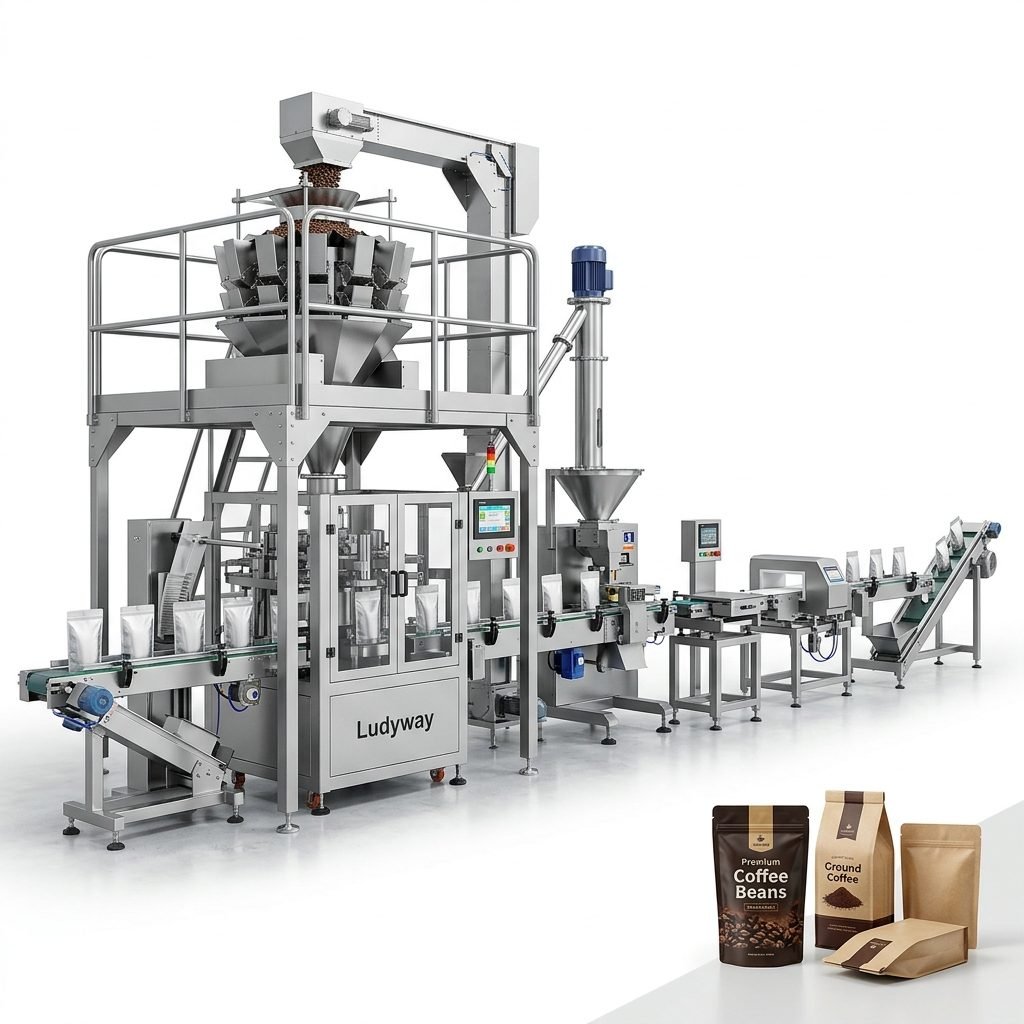
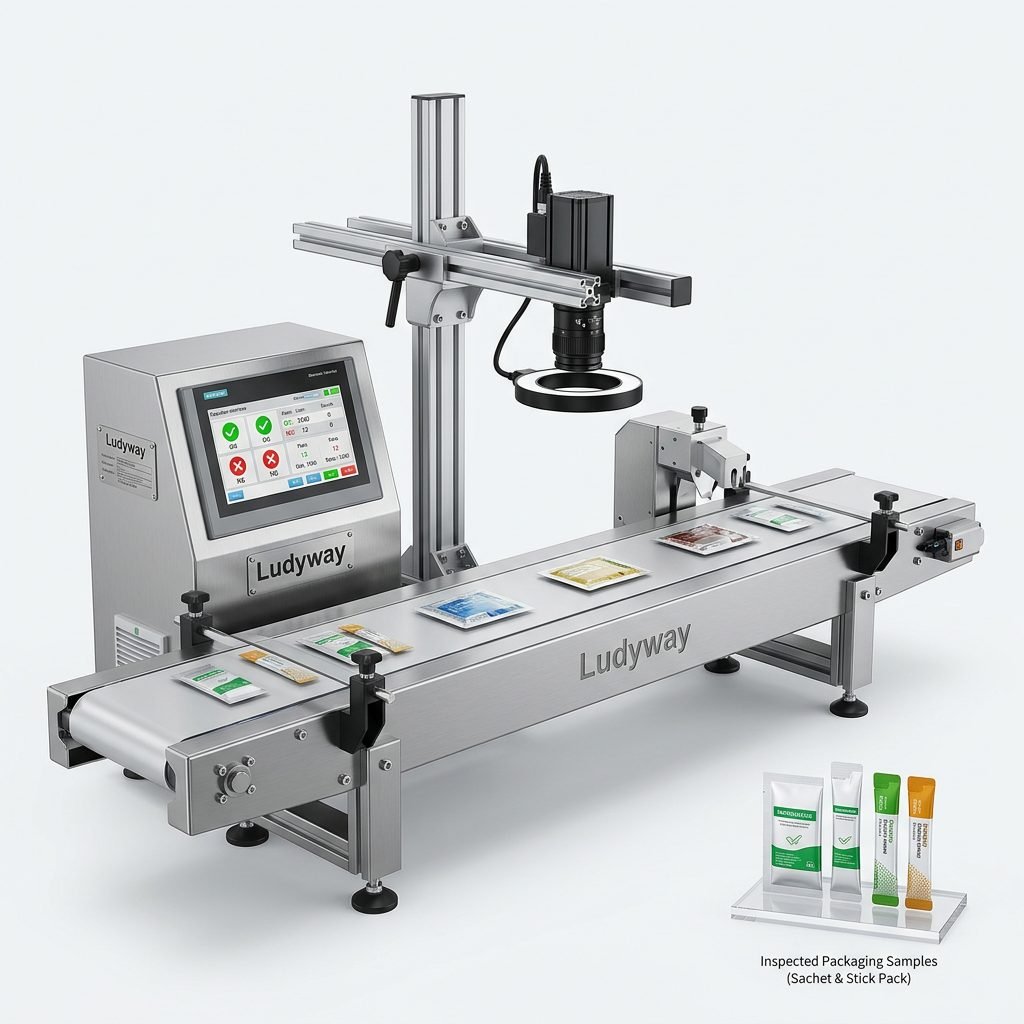
Many packaging systems can be combined with inspection devices such as checkweighers, metal detectors, X-ray systems, vision inspection units, and reject mechanisms. These systems improve quality control by automatically identifying defective packs and removing them from the line.
- Checkweighers verify target weight compliance
- Vision systems inspect print, coding, and seal appearance
- Metal detectors help protect product safety
- Reject systems isolate nonconforming packages automatically
Traceability and data recording
Packaging machines can support coding, batch management, and production data collection. This improves traceability and makes audits, investigations, and process improvements easier. In regulated industries, reliable production records are highly valuable for compliance and accountability.
Key areas where packaging machines improve quality performance
| Quality Area | How Packaging Machines Help | Business Impact |
|---|---|---|
| Fill Accuracy | Controls dose, volume, or weight with repeatable settings | Less giveaway, fewer complaints |
| Seal Integrity | Maintains stable sealing temperature and pressure | Lower leakage and contamination risk |
| Pack Appearance | Improves forming, cutting, alignment, and finishing | Stronger shelf presentation |
| Inspection | Supports automated quality checks and reject systems | Fewer defective packs shipped |
| Traceability | Records batch codes and process data | Easier compliance and root-cause analysis |
Benefits across different industries
Food industry
Food manufacturers need packaging consistency to protect freshness, support shelf life, and maintain brand trust. Machines help control oxygen exposure, sealing quality, portion size, and label accuracy. This is especially important for powders, sauces, snacks, coffee, seasonings, and ready-to-mix products.
Pharmaceutical industry
In pharmaceutical packaging, precision and traceability are critical. Packaging machines support strict dosing accuracy, tamper-evident sealing, clean production, and coding compliance. They also reduce the risk of operator error in sensitive production environments.
Cosmetic and personal care industry
Creams, serums, lotions, gels, and sachet products require attractive and leak-resistant packaging. Automated systems help ensure product presentation stays consistent while also improving hygiene and output stability.
Chemical and household product industry
Packaging machines help control fill accuracy and secure sealing for detergents, cleaners, powders, and liquids. Reliable automation is especially valuable where packaging mistakes can cause spills, waste, or safety concerns.
Why automation reduces waste and rework
Every defective package increases production cost. Inaccurate filling, poor sealing, wrong coding, and inconsistent bag length all create waste. Packaging machines reduce these losses by making the process more repeatable and easier to control.
Less variation means:
- Fewer rejected packages
- Lower raw material loss
- Less downtime caused by packaging errors
- More stable production planning
- Improved customer satisfaction and fewer returns
Important features to look for in a packaging machine
Not all systems offer the same quality control advantages. When choosing equipment, manufacturers should evaluate the machine’s ability to maintain stability over long runs and across different product types.
- Accurate dosing technology matched to the product type
- Reliable sealing structure and temperature control
- User-friendly HMI for recipe storage and parameter management
- Compatibility with inspection and coding equipment
- Easy cleaning and maintenance design
- Stable construction for continuous production
- Support for customization and turnkey line integration
The role of turnkey packaging lines in quality control
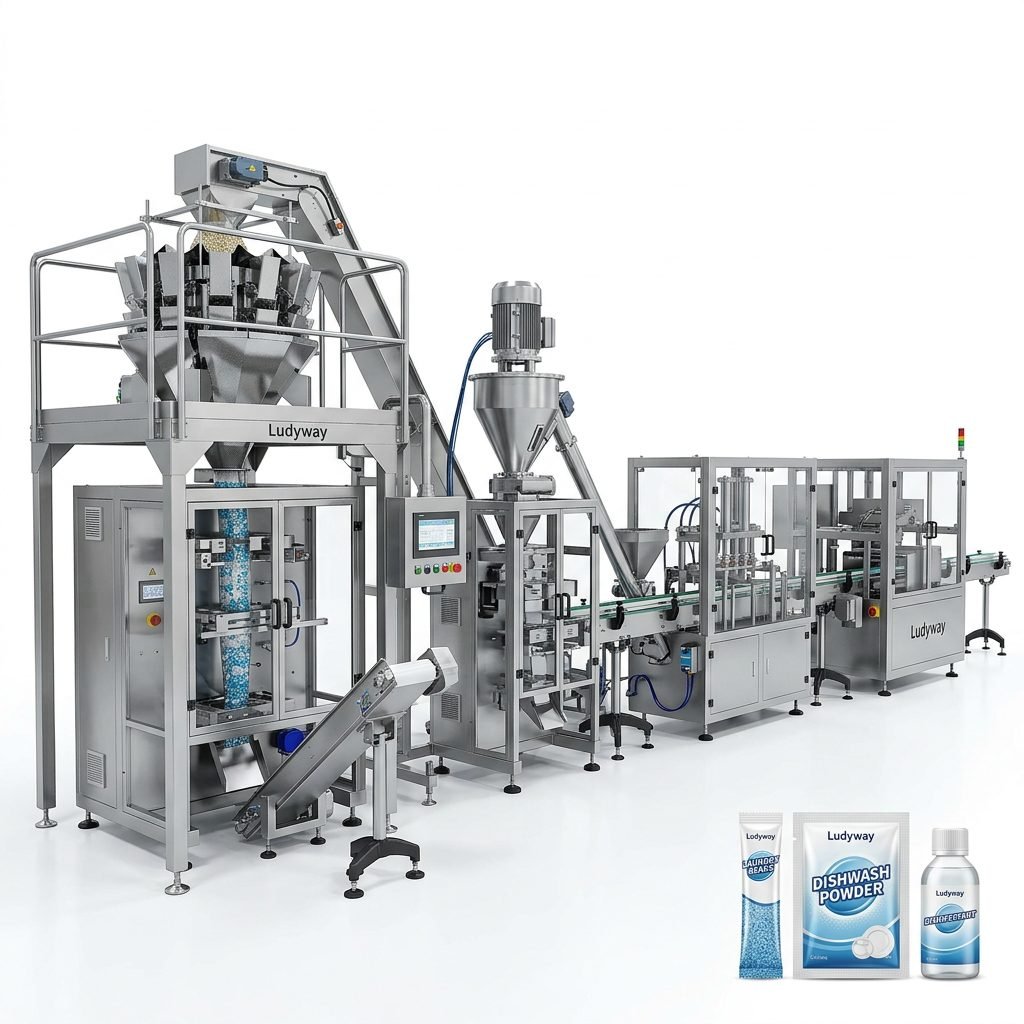
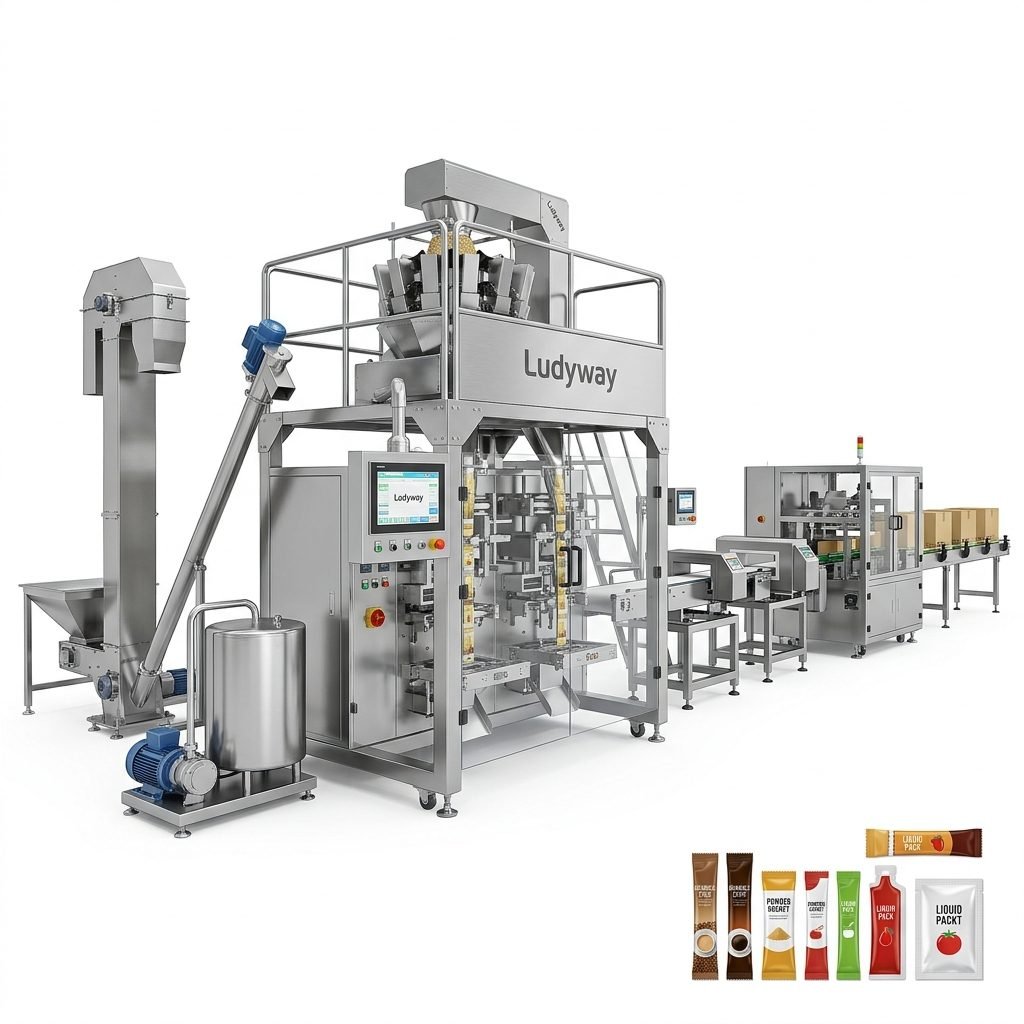
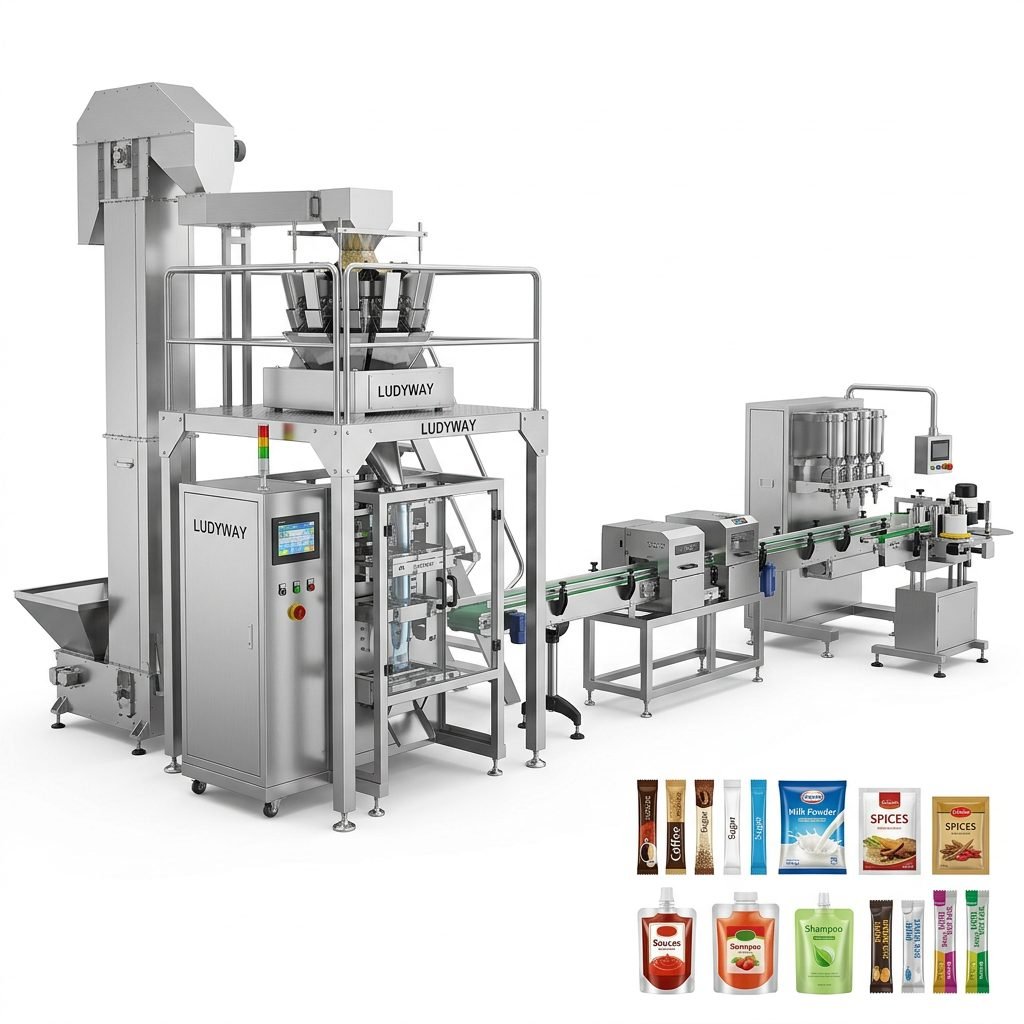
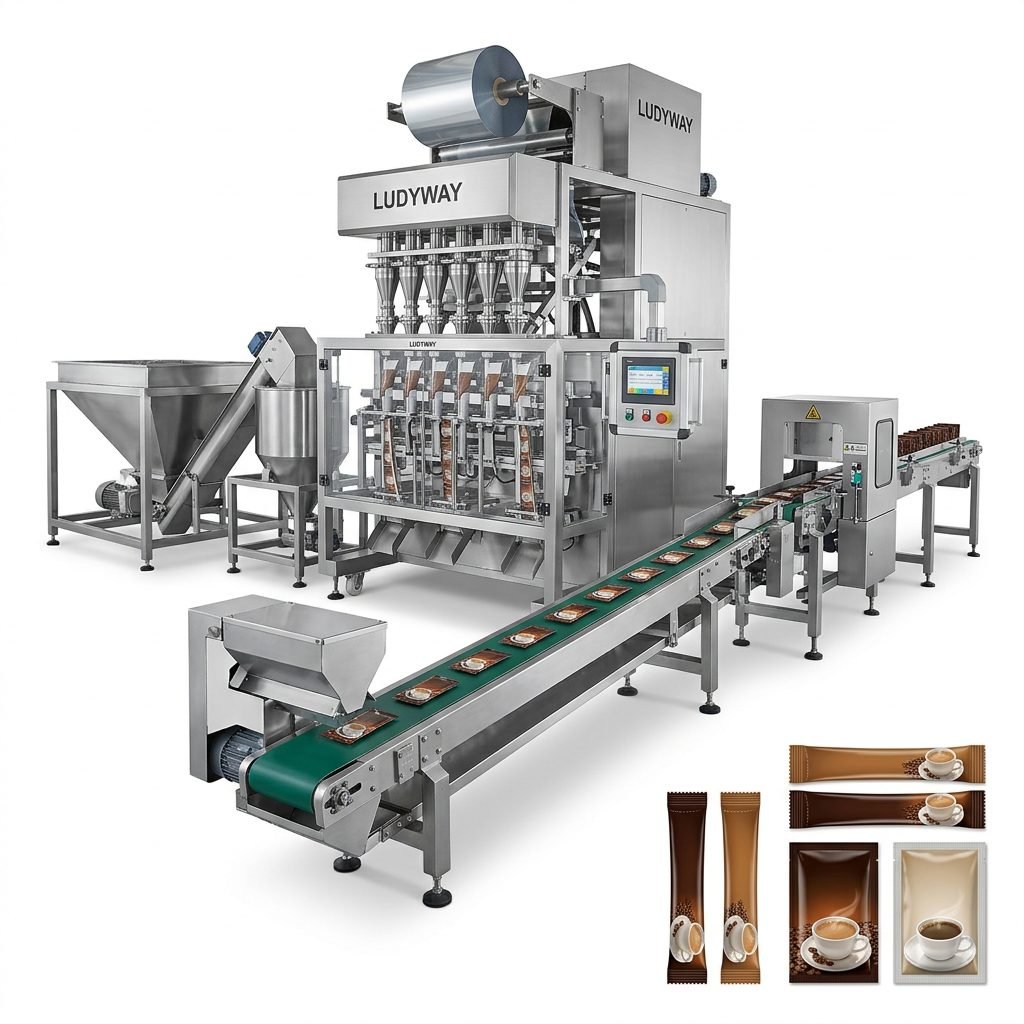
A single machine can improve one stage of packaging, but a full turnkey line creates broader control across the whole process. Feeding, dosing, filling, sealing, conveying, inspection, cartoning, and final packing can all be synchronized to reduce variation between stages.
For growing manufacturers, integrated lines often provide better long-term consistency than combining unrelated standalone machines. This is one reason many buyers work with experienced suppliers such as packaging machine manufacturer Ludyway, which offers packaging machines and turnkey packaging line solutions for food, pharmaceutical, health supplement, cosmetic, chemical, and related industries.
Common signs your packaging process needs automation
- Frequent customer complaints about package quality
- High rejection rates during inspection
- Inconsistent fill weights or leaking packs
- Heavy dependence on operator skill
- Difficulty meeting retailer or regulatory requirements
- Production bottlenecks caused by manual packaging
If these issues are already affecting your operation, upgrading to an automated packaging system can improve quality control and create more predictable output.
Final thoughts on packaging consistency and quality control
Packaging machines improve product consistency by standardizing filling, sealing, forming, coding, and inspection. They improve quality control by making production measurable, repeatable, and easier to monitor in real time. For manufacturers competing on reliability, compliance, and brand image, automation is no longer just about speed. It is about delivering the same high-quality package every time.
Businesses that invest in the right packaging equipment can reduce errors, improve efficiency, strengthen customer confidence, and build a more scalable production system for long-term growth.