Choosing the right powder packaging machine is not only about filling speed. It directly affects product accuracy, seal quality, dust control, hygiene, labor cost, and long-term production efficiency. Whether you package protein powder, coffee, spices, pharmaceutical powders, chemical additives, or nutritional supplements, the right solution should match your product characteristics and production goals.
In many factories, poor machine selection leads to common problems such as underfilling, powder leakage, unstable seals, high material waste, and frequent downtime. A better approach is to evaluate packaging needs from the material level, machine structure, filling method, and future expansion requirements.
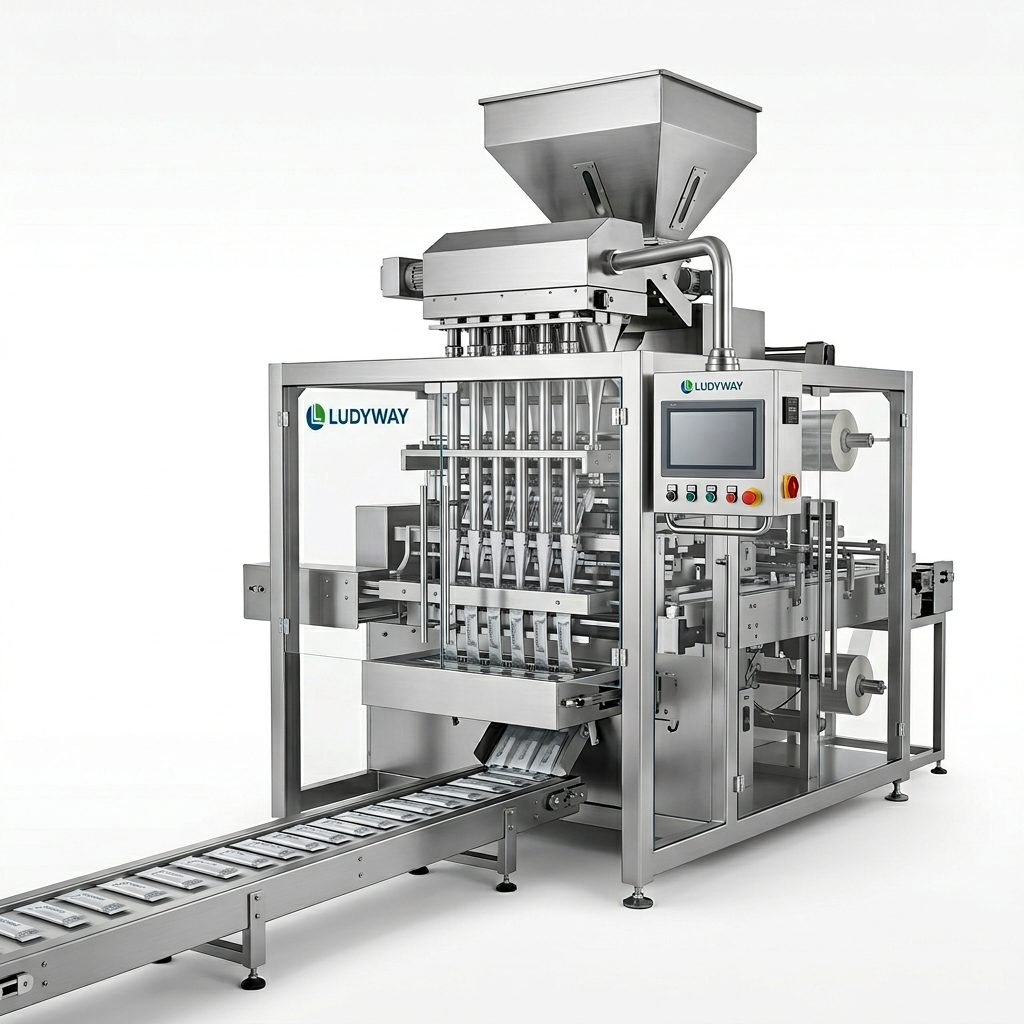
Why Powder Packaging Is More Challenging Than It Looks
Powders behave differently from granules or liquids. Some flow easily, while others bridge, cake, or create airborne dust. Fine powders may cling to metal surfaces or sealing areas, while hygroscopic powders can absorb moisture and affect both filling consistency and package shelf life. Because of this, a powder packaging machine must be selected based on real product behavior, not just target bag size.
- Free-flowing powders usually support faster, more stable filling
- Non-free-flowing powders may require agitation, screw dosing, or vibration assistance
- Dusty products need reliable extraction and sealing protection
- Sensitive products may require sanitary design and controlled handling
- High-value powders need excellent dosing precision to reduce giveaway
Start with the Powder Itself
Before comparing machines, define the physical properties of your product. This step is essential because the filling principle must suit the powder. A machine that performs well with milk powder may not be ideal for collagen, seasoning powder, or pharmaceutical formulations.
| Powder Characteristic | Why It Matters | Machine Impact |
|---|---|---|
| Flowability | Determines how easily powder moves into the dosing system | Affects filler choice, speed, and stability |
| Bulk density | Influences fill volume and weight consistency | Important for dosing calibration |
| Dust level | Can contaminate machine parts and sealing area | Requires dust control and sealing optimization |
| Moisture sensitivity | May cause caking or reduced shelf life | May require better environmental control or barrier packaging |
| Required accuracy | Critical for compliance and cost control | Determines dosing technology and control system level |
Choose the Right Packaging Format
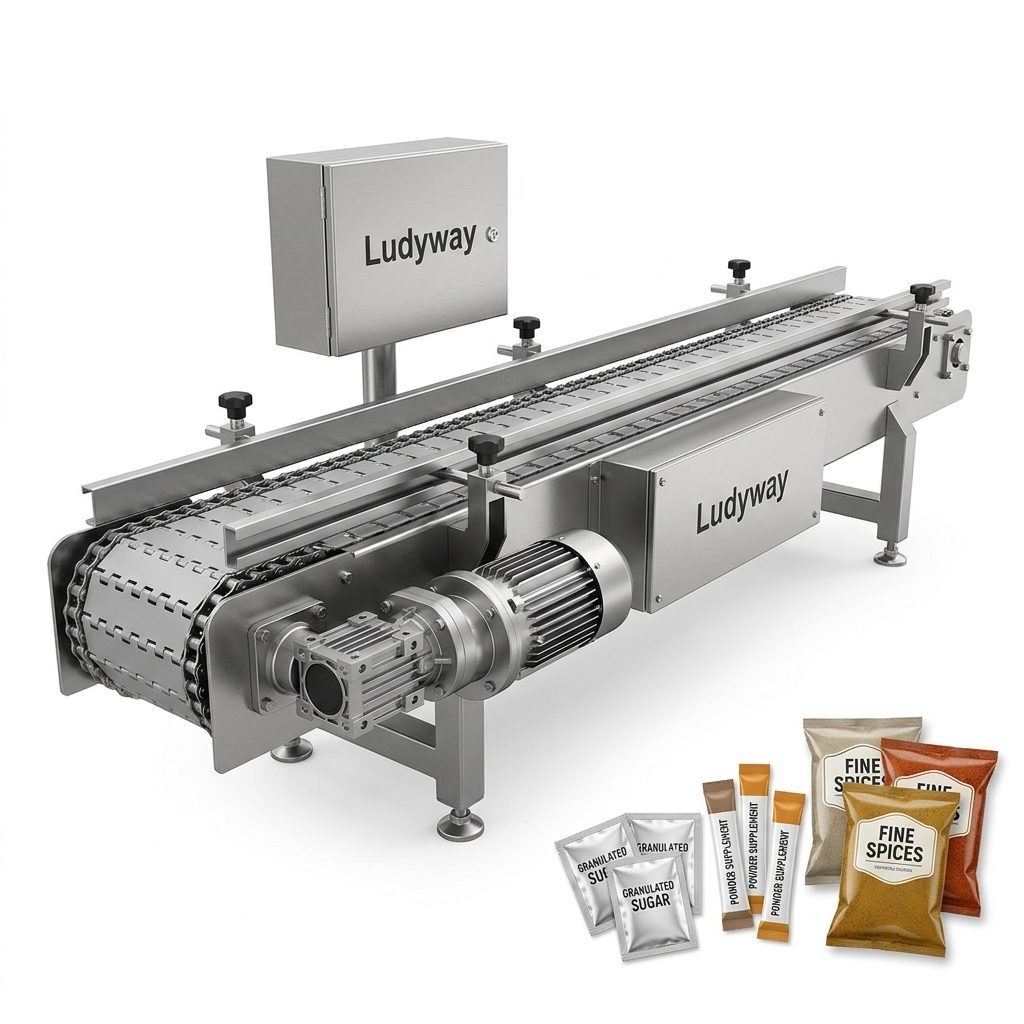
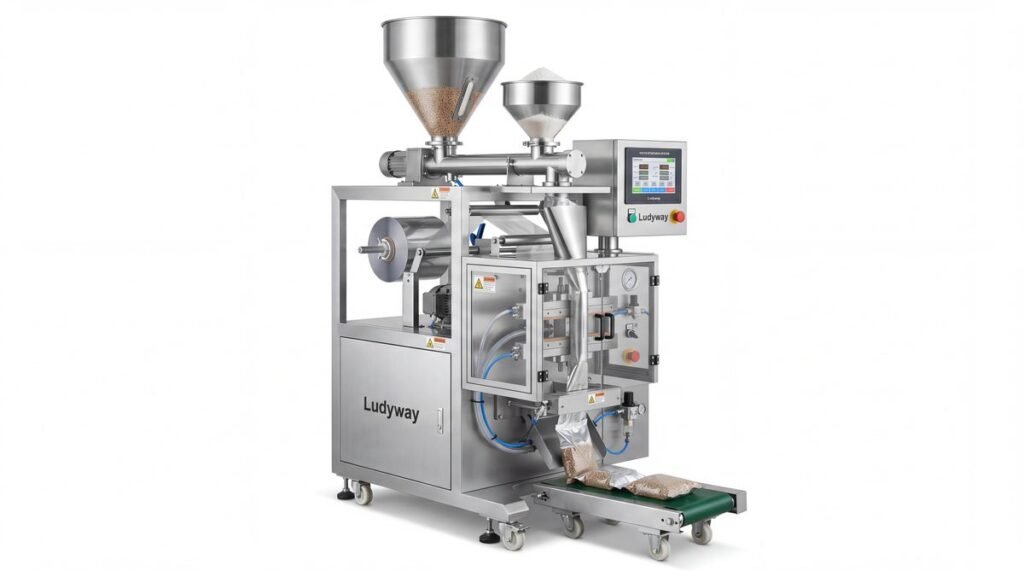
The correct packaging format depends on your market, dose size, and retail or industrial use. Powder packaging machines are commonly configured for sachets, stick packs, pouches, or larger bags. Each format serves different production and branding needs.
Common formats for powder products
- Sachets: ideal for single-dose or small retail packs
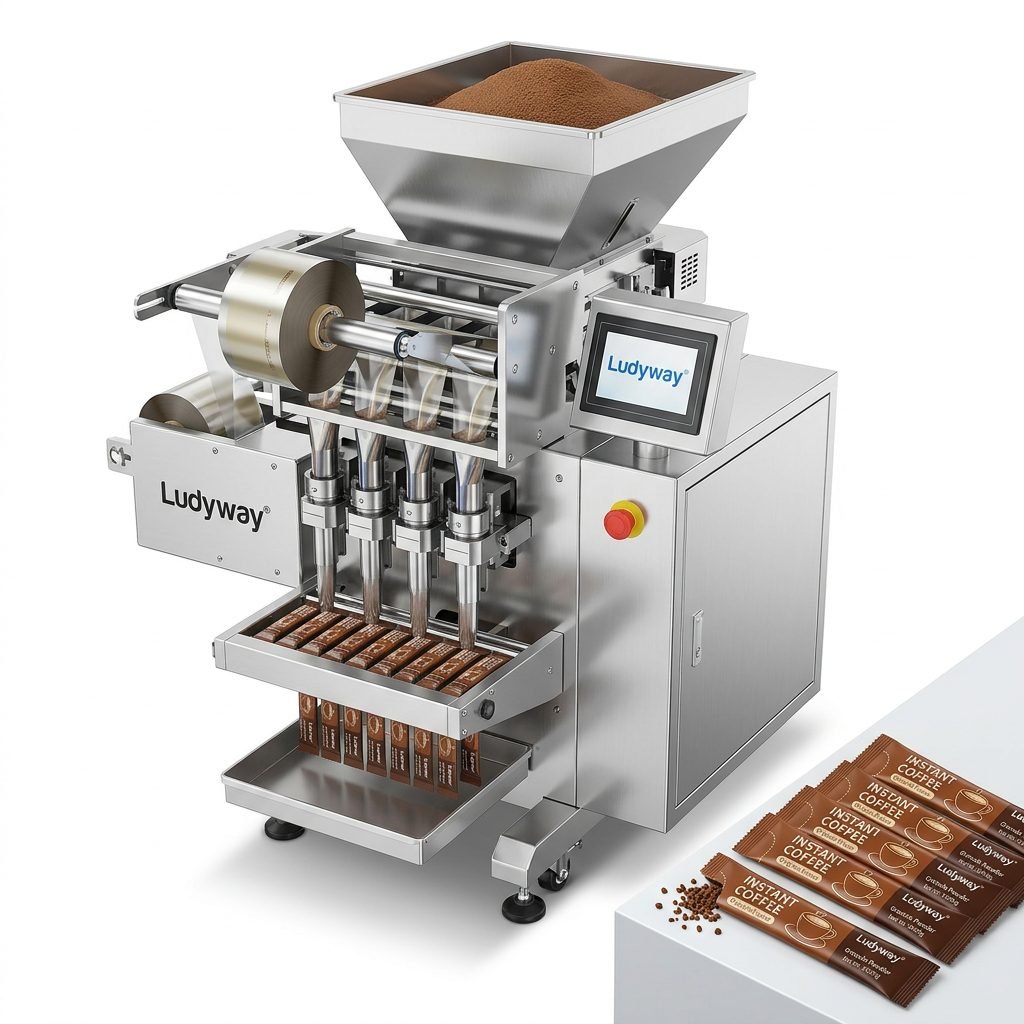
- Stick packs: compact, portable, and popular for drink powders and supplements
- Premade pouches: better for premium branding and resealable options
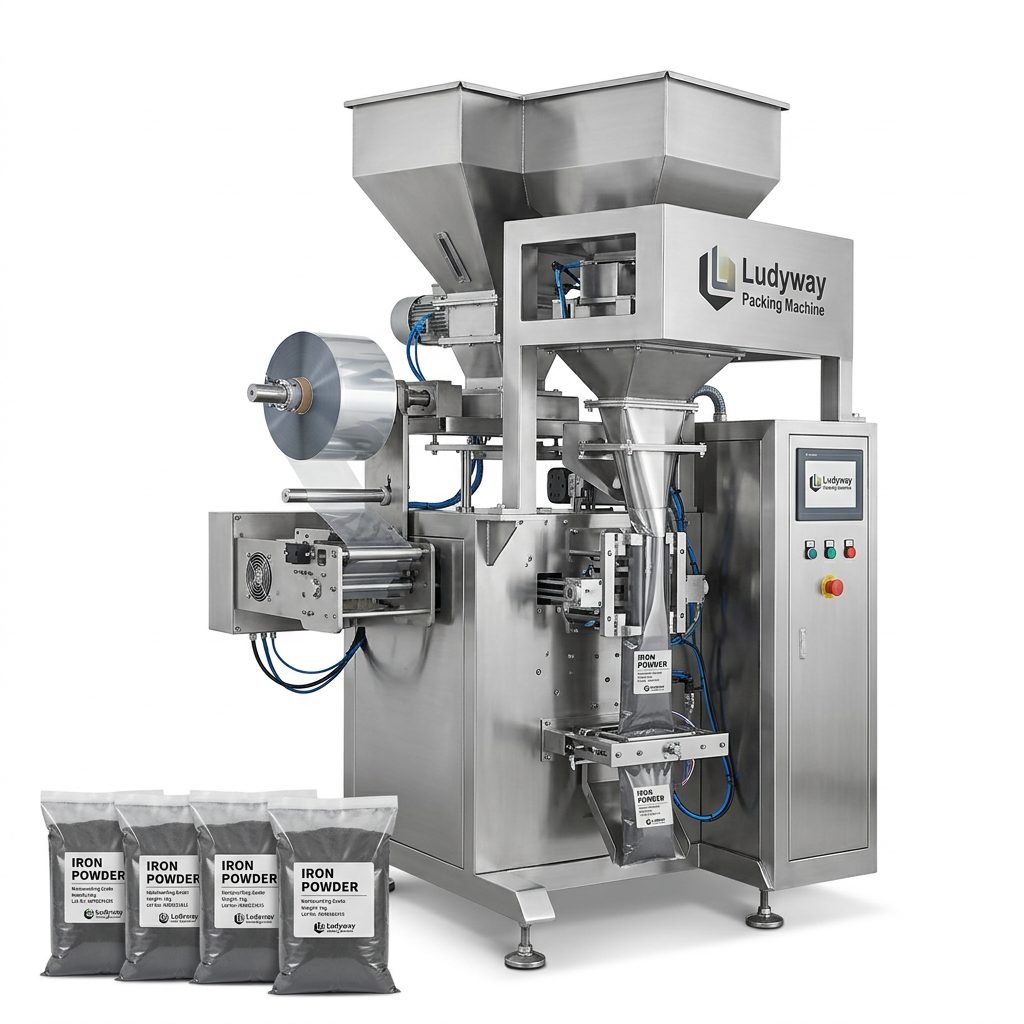
- Vertical bags: practical for medium to large consumer packs
- Open-mouth or valve bags: suitable for bulk industrial powders
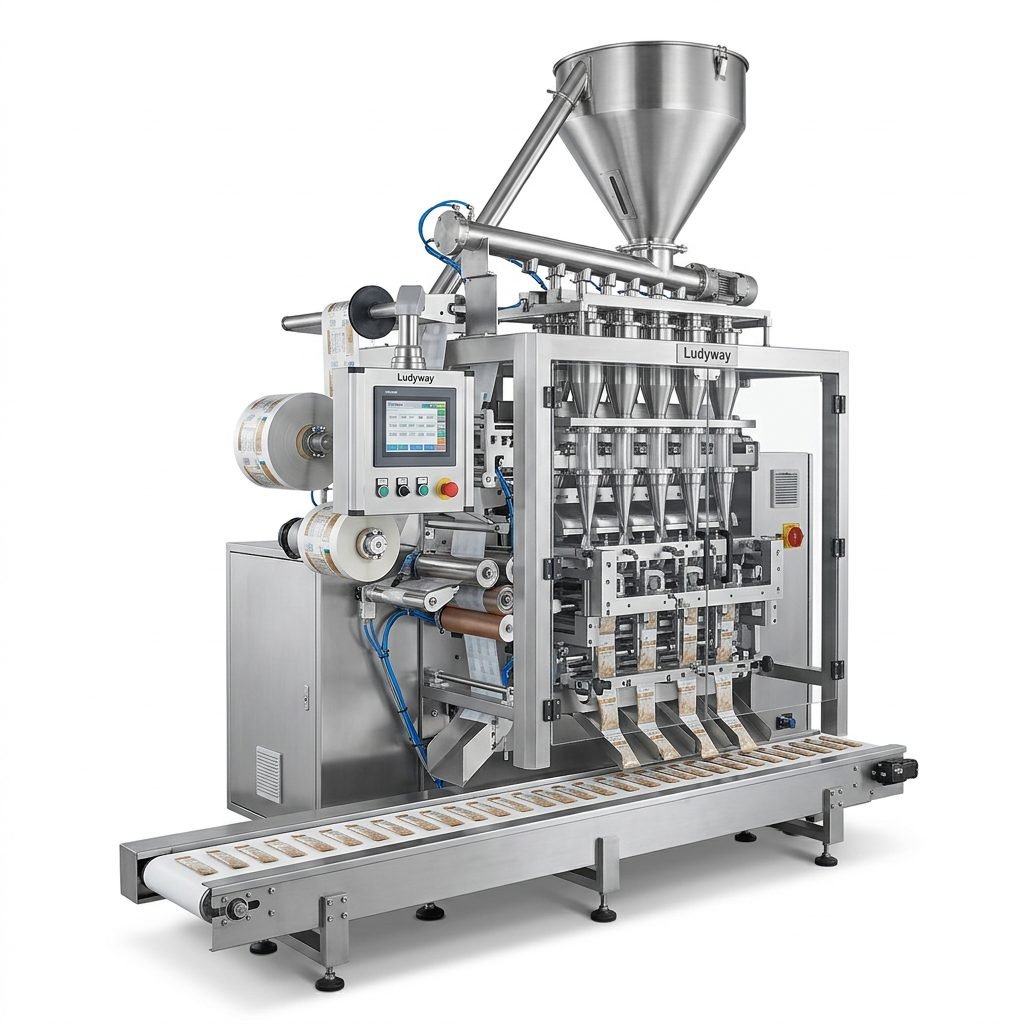
Understand the Main Filling Technologies
Different dosing methods offer different benefits. In powder applications, the most common option is the auger filler, but other systems can also be used depending on the product and package type.
1. Auger filling
Auger filling is widely used for powders because it handles both free-flowing and non-free-flowing materials well. A screw rotates to dispense a controlled amount of powder into the package. This is often the best choice for fine powders, nutritional products, spices, and pharmaceutical powders.
2. Volumetric cup filling
This method is more suitable for products with consistent bulk density and easier flow. It can be fast and cost-effective, but usually offers lower precision than auger filling for difficult powders.
3. Weighing-based systems
For applications that demand tighter control, a weighing system can improve fill accuracy. This is especially valuable for high-value powders or regulated products where weight consistency matters.
| Filling Method | Best For | Main Advantage | Main Limitation |
|---|---|---|---|
| Auger filler | Fine, dusty, or difficult powders | Good precision and broad applicability | Needs correct setup and calibration |
| Volumetric cup | Free-flowing powders | Simple and fast | Less accurate for variable density powders |
| Weighing system | High-value or accuracy-sensitive products | Improved fill control | May reduce speed or increase complexity |
Key Machine Features That Improve Filling and Sealing Efficiency
Efficient packaging is never based on speed alone. It comes from a combination of stable feeding, precise dosing, clean sealing, and easy operation. When evaluating a powder packaging machine, pay close attention to the following features:
- Stable feeding system
A well-designed hopper, agitator, screw feeder, or vacuum feeder ensures continuous powder supply without bridging. - Dust control design
Dust extraction, enclosed filling zones, and smart sealing protection help reduce product loss and improve package appearance. - Accurate temperature control
For sachets and pouches, stable heat sealing is essential to avoid leaks, wrinkles, and weak seals. - Easy cleaning and changeover
If you run multiple products, quick disassembly and sanitation can save significant downtime. - Operator-friendly HMI
Recipe storage, alarm display, and parameter adjustment simplify operation and reduce setup errors. - Quality inspection integration
Checkweighers, metal detectors, code printers, and reject systems support higher line reliability.
How to Match Machine Type to Production Volume
Your output target strongly affects the best machine choice. Small and medium businesses may focus on flexibility and lower investment, while large factories often prioritize automation, speed, and line integration.
Low to medium production
A compact sachet or pouch machine may be enough if you have limited SKUs or moderate daily output. This can be a good solution for start-ups, specialty brands, or pilot production.
High-volume production
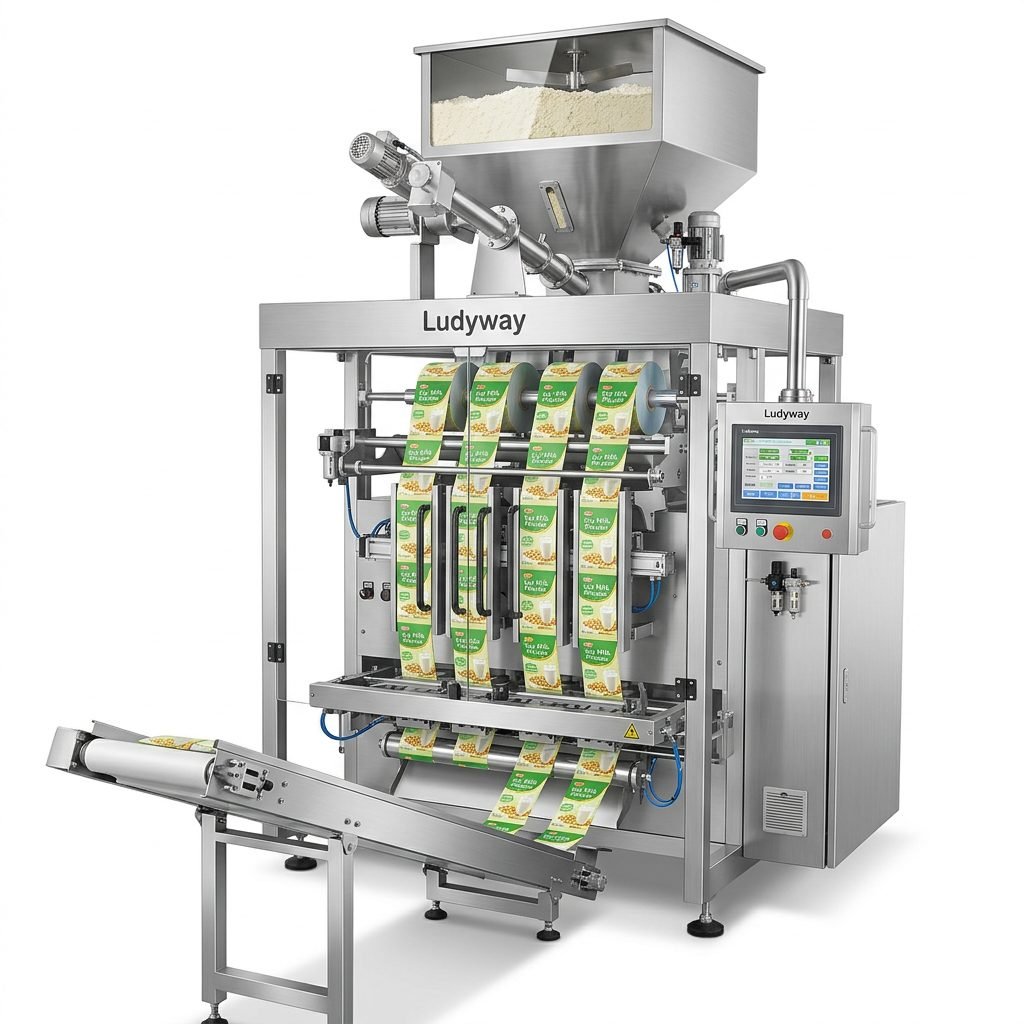
Multi-lane stick pack and sachet systems are better suited for large-scale output. These systems increase throughput while maintaining smaller pack sizes, making them ideal for beverage powders, nutrition products, and pharmaceutical sachets.
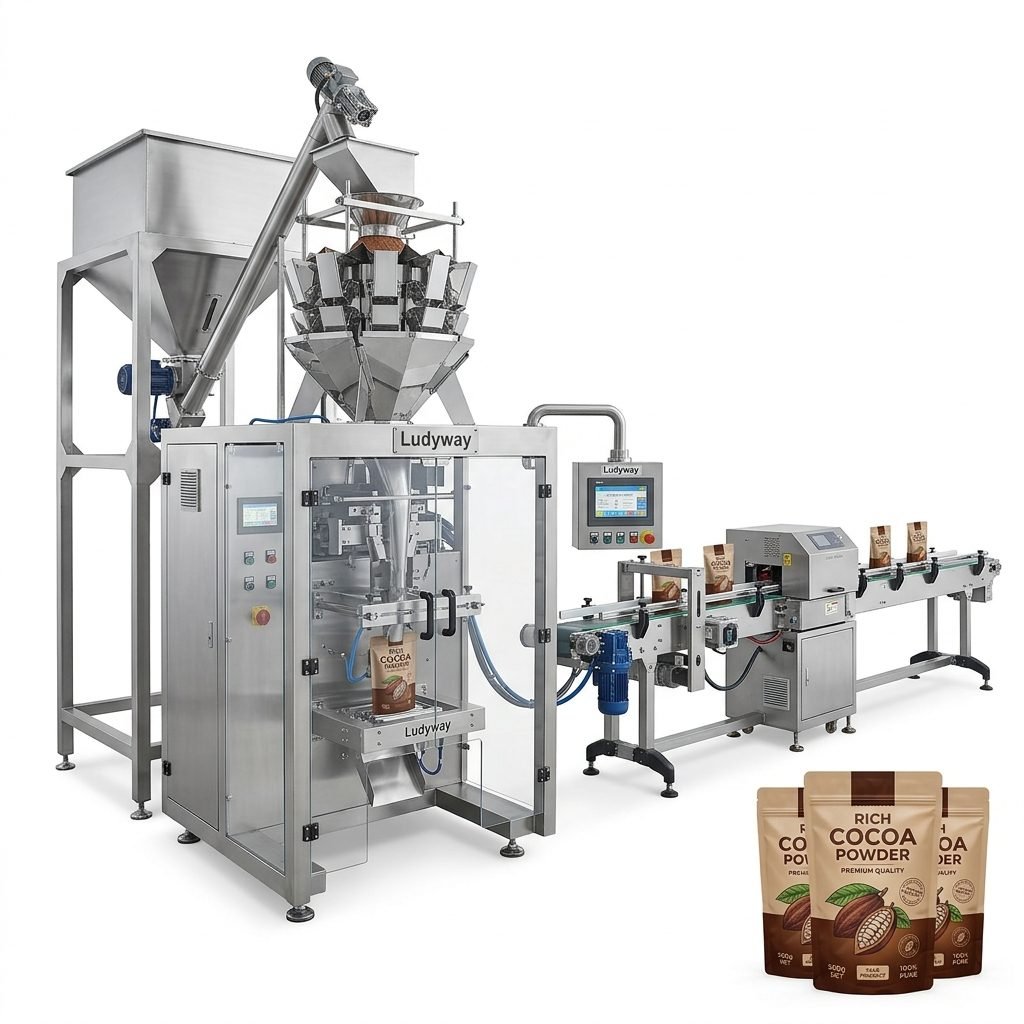
Single Machine or Complete Packaging Line?
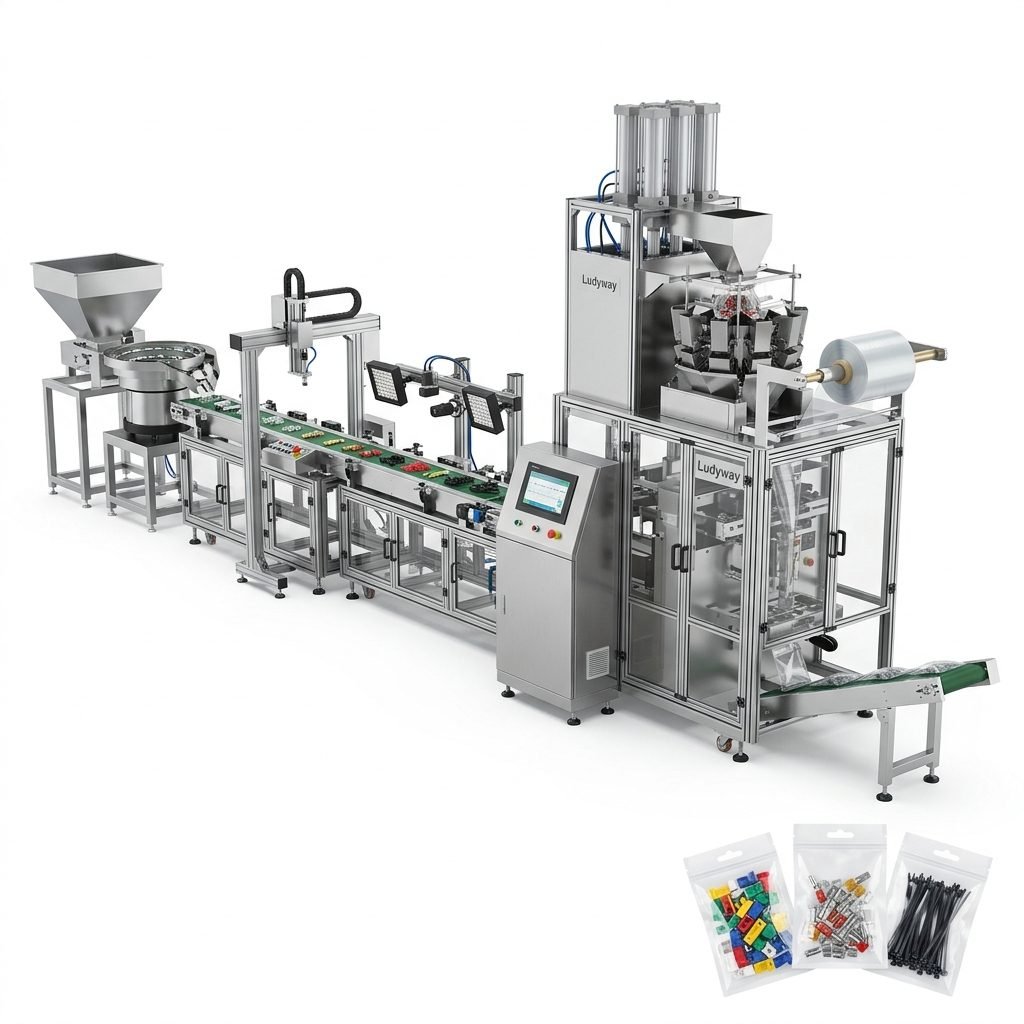
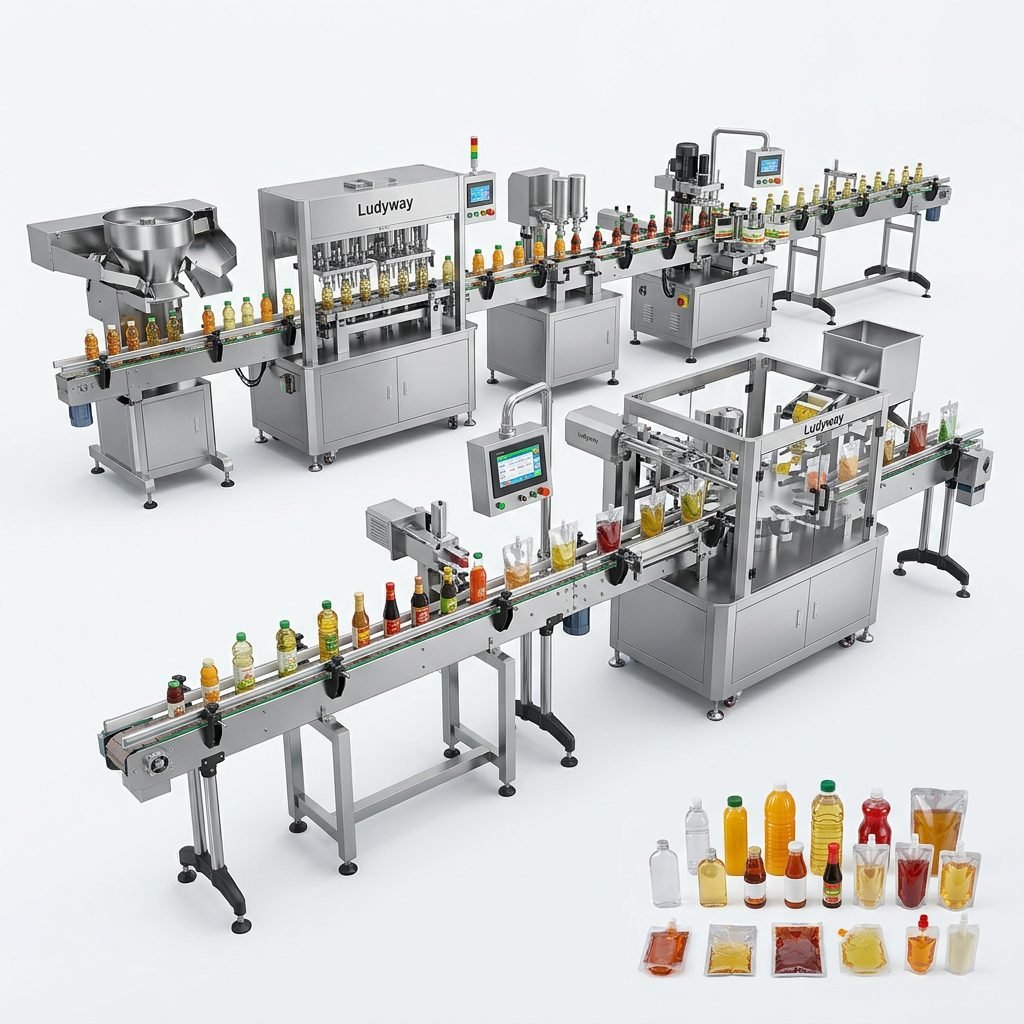
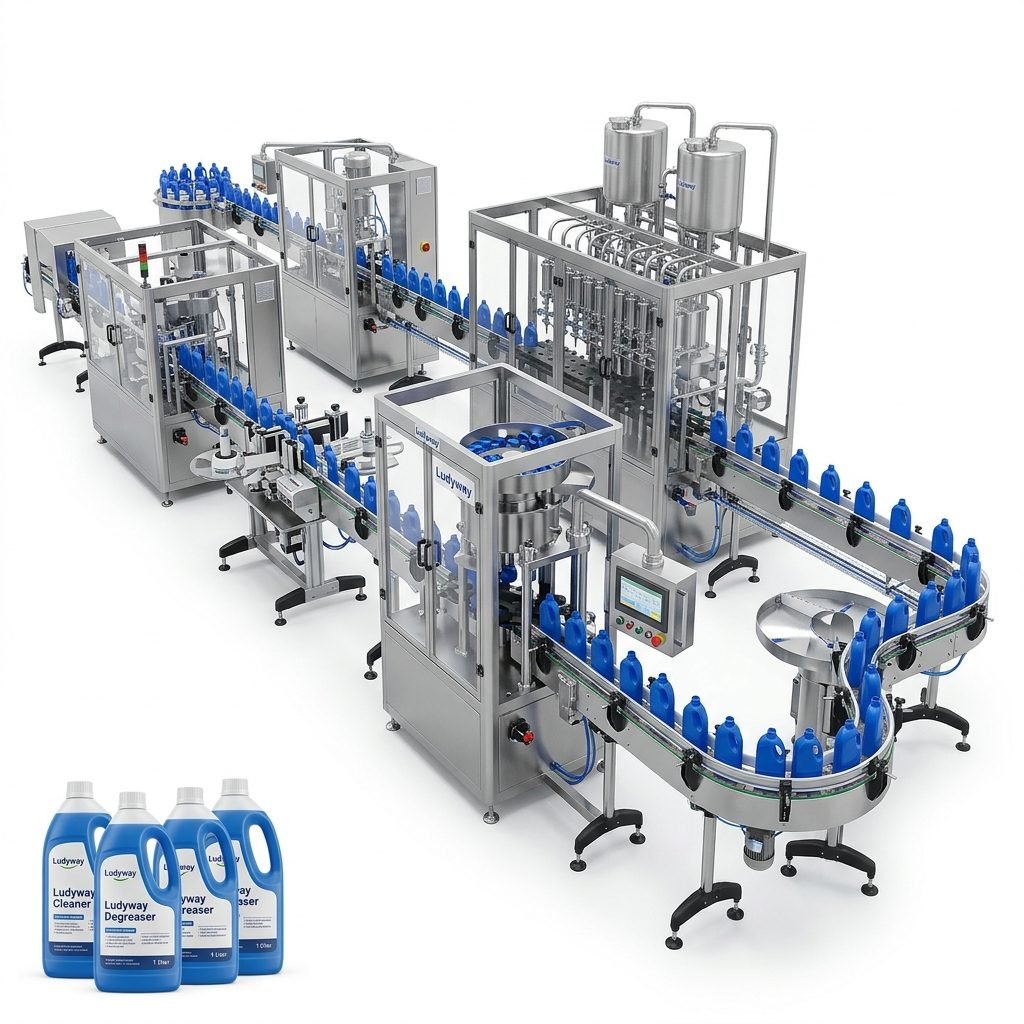
Many buyers initially focus on the filler and sealer, but the highest efficiency often comes from a complete line. Depending on your product and output, the line may include feeding, powder screening, filling, sealing, coding, inspection, cartoning, case packing, and palletizing.
If your production is growing, a turnkey line can reduce labor dependency and improve consistency across the full packaging process. Companies looking for scalable solutions often work with experienced manufacturers such as Ludyway powder packaging machine solutions when they need both standalone equipment and integrated packaging lines.
Important Questions to Ask Before Buying
- What powder products will run on the machine now and in the future?
- What is the required pack size range?
- What filling accuracy is acceptable?
- How many packs per minute are needed in actual production, not only in theory?
- Do you need nitrogen flushing, date coding, or inspection devices?
- How often will product changeover and cleaning happen?
- Is the machine designed for food, pharmaceutical, or chemical compliance requirements?
- Can the supplier provide local or remote technical support and spare parts?
Signs of a Reliable Powder Packaging Machine Supplier
The machine itself matters, but supplier capability matters just as much. A qualified packaging partner should understand powder characteristics, recommend suitable configurations, and support installation, testing, and after-sales service.
| What to Check | Why It Is Important |
|---|---|
| Industry experience | Reduces trial-and-error in machine selection |
| Customization capability | Ensures the machine matches your powder and package type |
| Testing support | Helps verify filling performance before purchase |
| After-sales service | Important for maintenance, training, and spare parts |
| Turnkey integration ability | Supports future automation upgrades |
Common Mistakes Buyers Should Avoid
Buying the wrong powder packaging machine often comes from focusing on price alone or selecting a machine based only on sample photos. To improve ROI, avoid these common mistakes:
- Ignoring actual powder flow behavior
- Choosing speed over seal quality
- Underestimating dust control needs
- Not planning for future SKU expansion
- Skipping material testing before final confirmation
- Overlooking maintenance access and cleaning convenience
Best Solution by Application Type
Food powders
Products like coffee, cocoa, flour, soup mix, milk powder, seasoning, and protein powder usually need hygienic contact parts, accurate dosing, and attractive consumer-ready packaging.
Pharmaceutical and nutraceutical powders
These applications require higher precision, cleaner design, traceability features, and stable process control. Sachets and stick packs are often preferred for unit-dose packaging.
Chemical powders
Chemical products may need more robust structures, dust management, corrosion resistance, and secure sealing to reduce contamination and handling risks.
Final Buying Perspective
The right powder packaging machine is the one that fits your powder properties, target package format, speed expectations, quality standards, and automation roadmap. A well-matched system improves fill accuracy, reduces waste, keeps seals clean, and supports stable long-term production.
If you compare machines with a clear checklist—material behavior, filling method, sealing performance, cleaning convenience, output target, and supplier support—you will be far more likely to choose a solution that delivers efficient filling and sealing in real factory conditions.