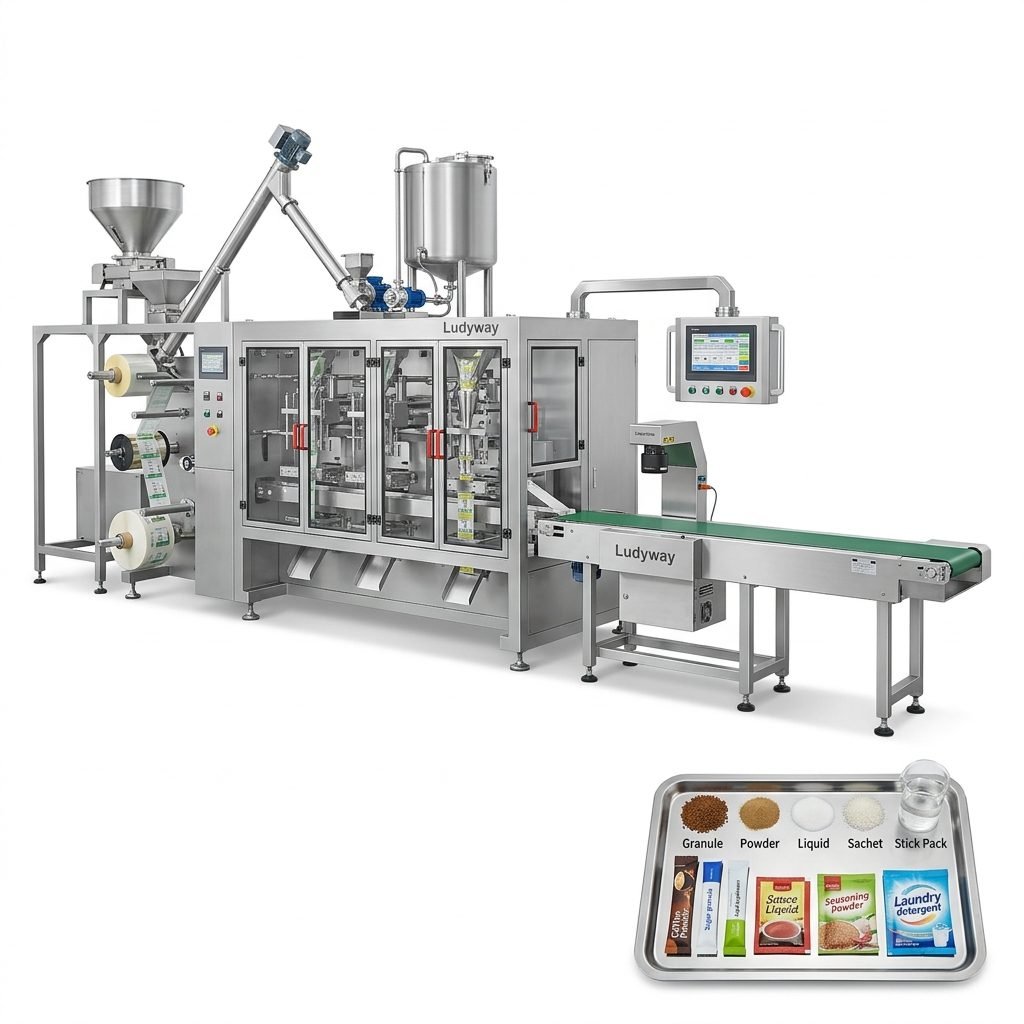
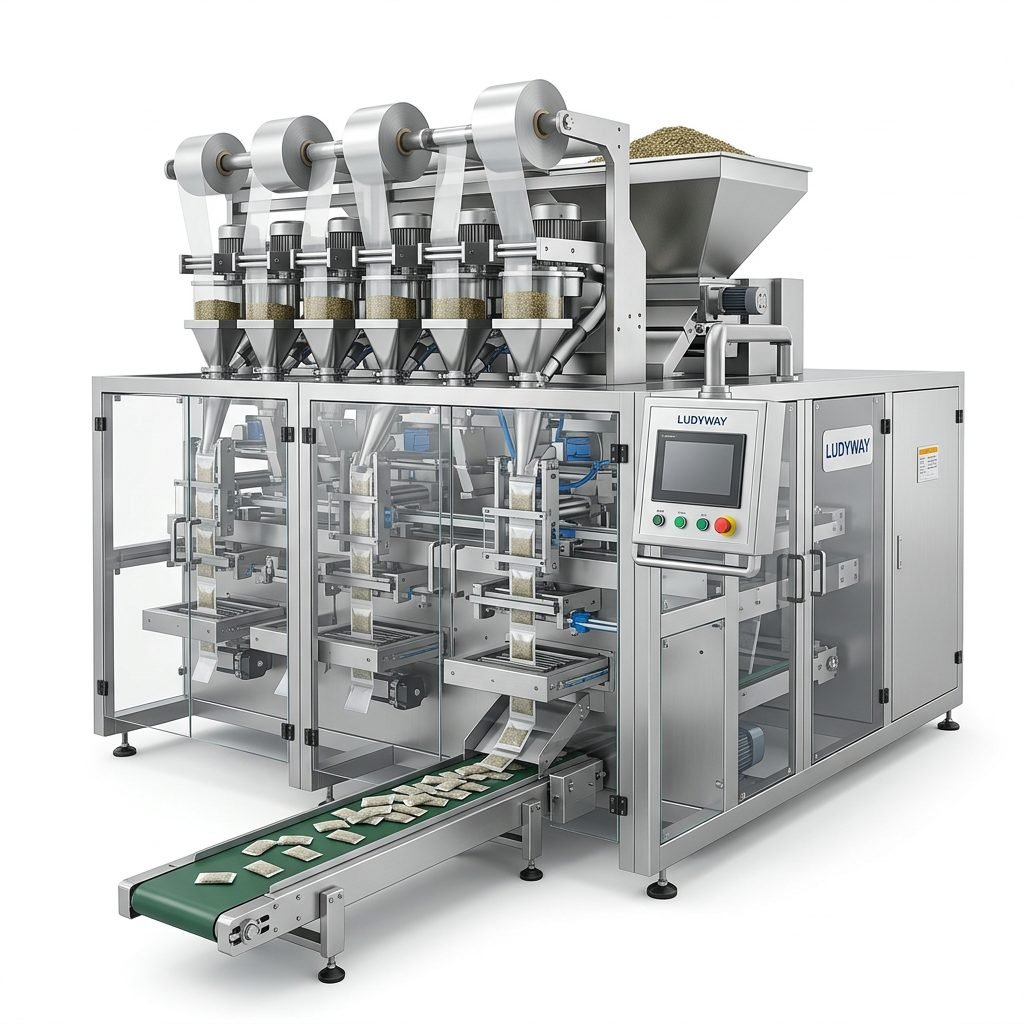
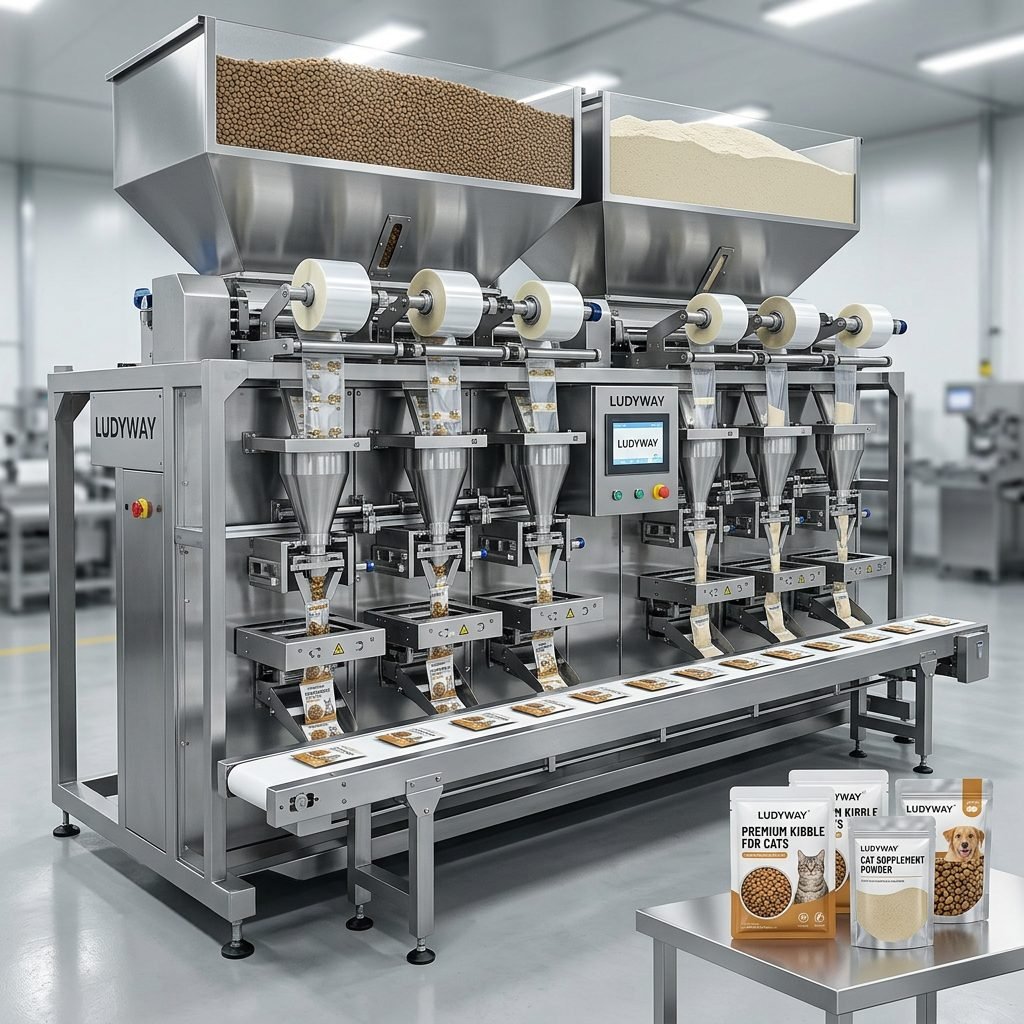
Maintaining a CHLB packing machine in optimal working condition is essential for ensuring consistent packaging quality, minimizing downtime, and extending the service life of your equipment. A well-structured cleaning and maintenance routine not only enhances productivity but also helps you avoid costly repairs and production delays. Whether you operate a granule packing machine, a powder filling system, or a liquid sachet packaging line, the principles of proper upkeep remain fundamentally the same. This guide provides essential cleaning and maintenance tips designed to keep your CHLB packing machine running smoothly and efficiently throughout its operational life.
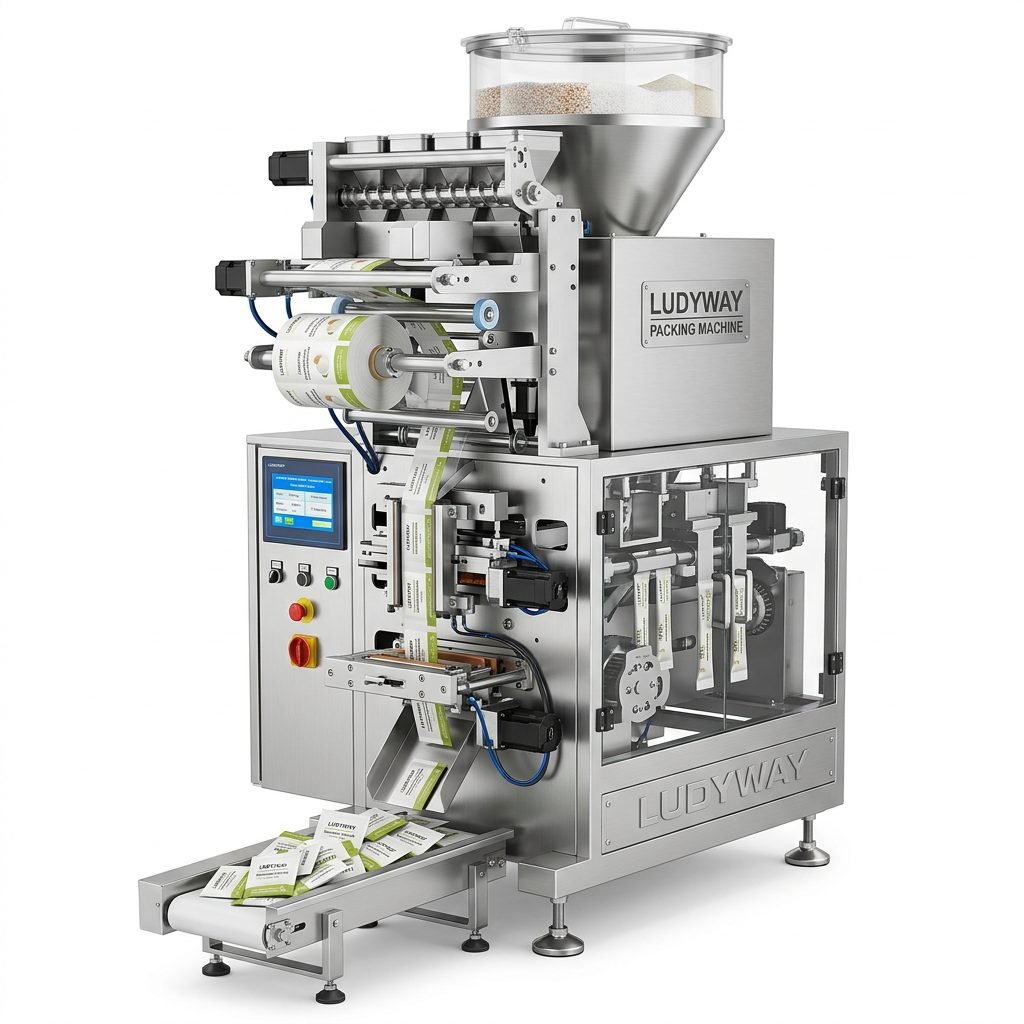
Why Regular CHLB Packing Machine Maintenance Matters
Neglecting routine maintenance on your CHLB packing machine can lead to a cascade of operational issues. Product residue buildup inside the filling nozzles, sealing jaws, and forming tubes can compromise package integrity, cause inaccurate fills, and increase the risk of contamination. Furthermore, worn mechanical components such as belts, bearings, and drive chains can lead to unexpected breakdowns that disrupt your entire production schedule. A proactive maintenance strategy helps you identify potential problems early, reduces spare parts consumption, and ensures compliance with industry hygiene standards. For businesses operating in the food and pharmaceutical sectors, maintaining a clean machine is not just a best practice — it is a regulatory requirement aligned with FDA packaging and food contact substance guidelines.
Daily Cleaning Procedures for CHLB Packing Machines
Daily cleaning is the first line of defense against operational inefficiencies. At the end of each production shift, operators should perform the following tasks to keep the CHLB packing machine in peak condition:
- Remove residual product from the hopper, feeding system, and filling stations using compressed air or a vacuum system. Pay special attention to corners and crevices where powder or granule buildup tends to accumulate.
- Wipe down all contact surfaces with a food-grade sanitizing solution, including the forming tube, sealing jaws, and discharge chute. This prevents cross-contamination between production batches.
- Inspect the sealing area for any stuck film or product residue. Residue on the heat-sealing bars can cause weak seals, leading to leaking packages and product spoilage.
- Clean the photoelectric sensors and film registration eyes with a soft, lint-free cloth. Dirty sensors can cause misalignment and inaccurate bag length measurements.
- Check the film path for any debris, dust, or film fragments that might interfere with smooth film unwinding and tracking.
- Verify that all safety guards are in place and that emergency stop buttons are functioning correctly before restarting the machine.
Weekly Preventive Maintenance Checks
While daily cleaning focuses on surface-level hygiene, weekly maintenance delves deeper into the mechanical and electrical health of your CHLB packing machine. Implementing a consistent weekly checklist helps catch early signs of wear before they escalate into major failures. According to PMMI packaging machinery market research, regular preventive maintenance can reduce unplanned downtime by up to 45% in high-volume packaging operations.
| Maintenance Area | Checklist Item | Recommended Action |
|---|---|---|
| Sealing System | Temperature accuracy and jaw alignment | Calibrate thermocouples; clean and adjust jaw parallelism |
| Film Transport | Rollers, dancers, and tension control | Lubricate bearings; check belt tension and alignment |
| Filling Mechanism | Auger or volumetric filler calibration | Run weight checks on sample packages; adjust dosing parameters |
| Electrical Components | Wiring, connectors, and control panel | Inspect for loose connections; clean dust from cabinet vents |
| Pneumatic System | Air filters, regulators, and cylinders | Drain moisture from filters; check for air leaks |
Monthly and Quarterly Deep Maintenance Tasks
Beyond the daily and weekly routines, a comprehensive monthly and quarterly maintenance schedule is critical for the long-term reliability of your CHLB packing machine. These deeper inspections require more time and technical expertise but yield significant returns in machine longevity and performance consistency. Key tasks include:
- Replace worn sealing components: Heat-sealing bands, Teflon tapes, and silicone rubber pads degrade over time. Replace them according to the manufacturer’s recommended intervals to maintain consistent seal quality.
- Inspect and lubricate all moving parts: Apply food-grade lubricant to chains, cam mechanisms, and linear bearings. Wipe away excess lubricant to prevent product contamination.
- Calibrate all sensors and measuring devices: Verify the accuracy of temperature controllers, load cells, and timing relays using certified calibration tools. Accurate measurements are essential for ISO packaging standards compliance.
- Check electrical systems thoroughly: Inspect motor brushes, contactor points, and PLC connections. Thermal imaging can help identify overheating components before they fail.
- Assess structural integrity: Tighten all fasteners, inspect frame welds, and verify that vibration-dampening mounts are in good condition.
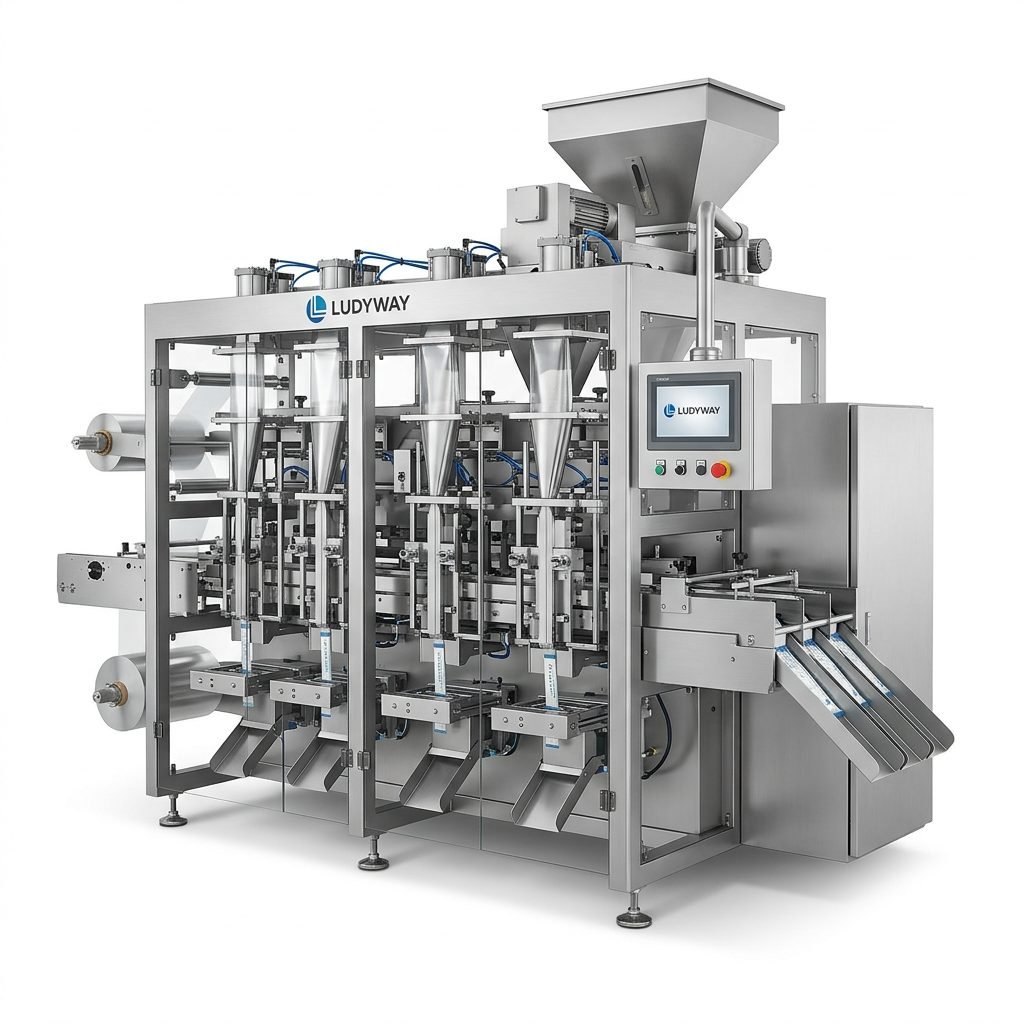
Common CHLB Packing Machine Issues and Troubleshooting
Even with diligent maintenance, occasional issues may arise during operation. Understanding the root causes of common problems allows operators to troubleshoot effectively and minimize downtime. The table below outlines several frequently encountered issues and their likely solutions:
| Problem | Possible Causes | Recommended Solution |
|---|---|---|
| Inconsistent seal quality | Dirty sealing jaws, incorrect temperature, worn Teflon tape | Clean jaws, recalibrate temperature, replace Teflon covering |
| Film misalignment | Unbalanced tension, dirty rollers, faulty edge guide sensor | Adjust tension settings, clean rollers, realign or replace sensor |
| Inaccurate filling weight | Worn auger, clogged filling nozzle, calibration drift | Inspect and replace auger, clean nozzle, recalibrate weighing system |
| Excessive machine vibration | Loose fasteners, worn bearings, unbalanced rotating parts | Tighten all bolts, replace worn bearings, balance drive components |
| Frequent film breakage | Excessive tension, damaged rollers, inappropriate film type | Reduce tension, smooth roller surfaces, verify film specifications |
Best Practices for Extending CHLB Packing Machine Lifespan
Implementing a structured approach to maintenance is only part of the equation. Adopting best operational practices further extends the service life of your CHLB packing machine and improves overall production efficiency. Consider the following recommendations:
- Train operators thoroughly: Ensure that all personnel who operate or clean the machine receive comprehensive training on proper procedures. Well-trained operators are less likely to make errors that cause premature wear or accidental damage.
- Use high-quality packaging materials: Inferior films, laminates, or packaging materials can leave residue, cause jams, and increase mechanical stress. Select materials that meet the machine’s specifications and are approved for your product type, in line with Flexible Packaging Association industry resources.
- Maintain a clean production environment: Dust, humidity, and airborne contaminants in the production area can infiltrate sensitive machine components. Keep the surrounding area clean and control environmental conditions where possible.
- Keep a detailed maintenance log: Document all cleaning, inspection, repair, and parts replacement activities. A well-maintained log helps track recurring issues, plan future maintenance, and demonstrate compliance during audits.
- Schedule professional servicing: Even with thorough in-house maintenance, periodic professional inspection by a qualified technician can identify hidden issues and perform advanced diagnostics that extend the machine’s operational life.

Spare Parts Management for CHLB Packing Machines
Effective spare parts management is a critical component of a holistic maintenance strategy. Keeping an inventory of essential wear parts on hand minimizes downtime when replacements are needed. Recommended spare parts to stock include:
- Sealing bands and heating elements
- Teflon tape and silicone rubber pads
- Drive belts and timing belts
- Photoelectric sensors and proximity switches
- Filling augers and dosing components
- Pneumatic seals and O-rings
- Filter cartridges and lubricants
- Emergency stop buttons and safety switches
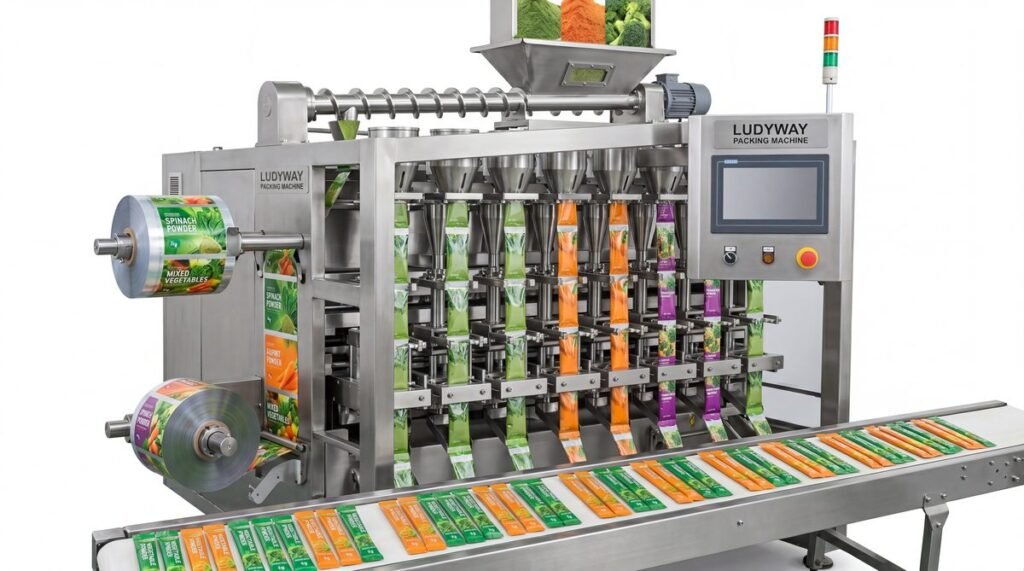
When sourcing spare parts, always use genuine OEM components to ensure proper fit, performance, and longevity. Aftermarket parts may seem cost-effective initially but can lead to compatibility issues, reduced efficiency, and even damage to your CHLB packing machine over time. Ludyway, one of the largest packaging machine manufacturers with over 30 years of industry experience and a 20,000㎡ modern production facility, provides reliable OEM spare parts and technical support for a wide range of packaging equipment, including multi-lane stick pack and sachet machines serving customers in over 100 countries.
Seasonal and Annual Maintenance Considerations
In addition to routine maintenance tasks, certain activities should be performed on a seasonal or annual basis to address long-term wear and prepare the machine for changing production demands. Annual maintenance provides an opportunity to conduct a thorough overhaul of your CHLB packing machine, including:
- Complete disassembly and deep cleaning of all product contact parts, including hard-to-reach internal cavities and pneumatic lines.
- Replacement of all wear components regardless of their current condition, as a preventive measure against mid-season failures.
- Full electrical system inspection including PLC backup battery replacement, firmware updates, and verification of all safety interlocks.
- Gearbox and drive system servicing with oil changes and seal replacements to prevent lubricant contamination.
- Frame and structure inspection using precision measurement tools to verify that no warping or misalignment has occurred over time.
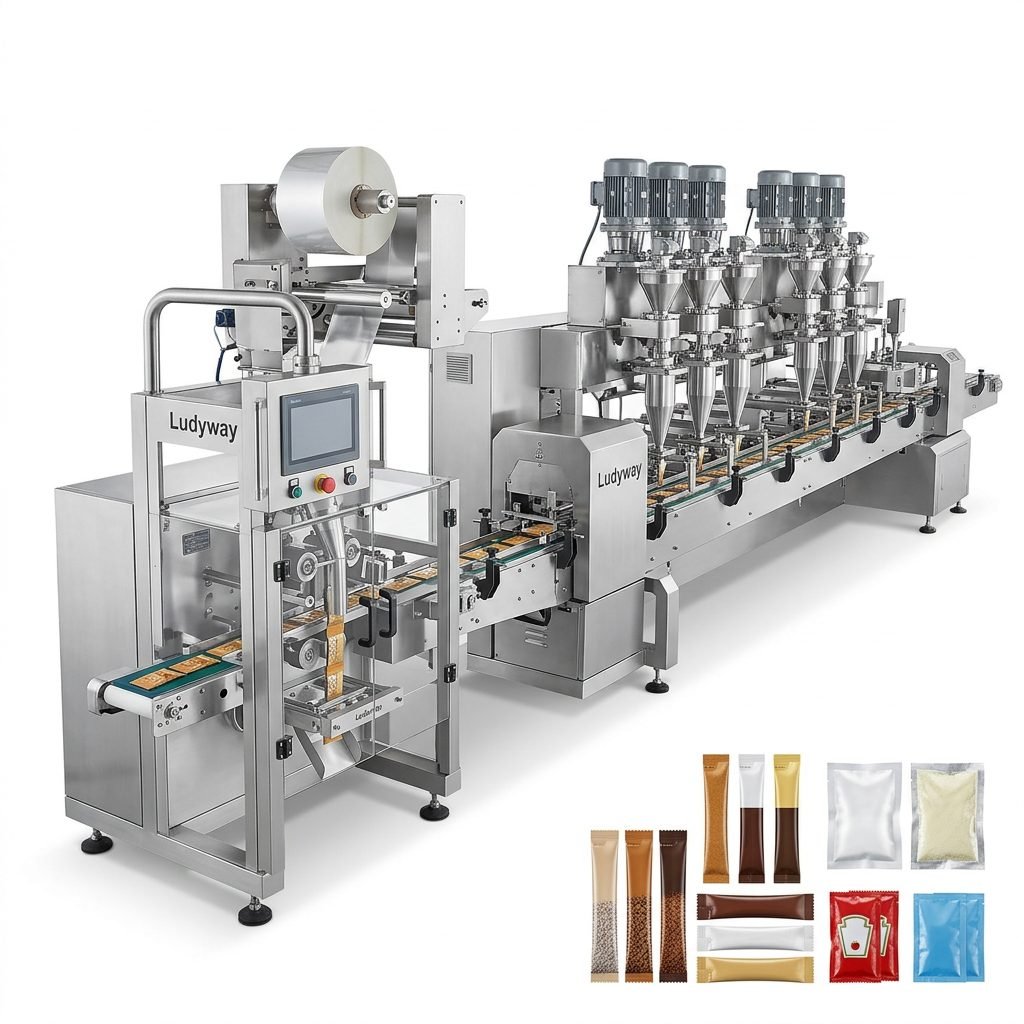
Safety Protocols During CHLB Packing Machine Maintenance
Safety must always be the top priority when performing any maintenance on a CHLB packing machine. Packaging equipment contains numerous hazards including heat sources, moving mechanical parts, electrical components, and pneumatic pressure systems. Strict adherence to lockout/tagout (LOTO) procedures is mandatory before beginning any cleaning, inspection, or repair work. Key safety protocols include:
- Disconnect the main power supply and verify zero energy state before opening any electrical panel or guard.
- Release stored pneumatic pressure and lock out air supply valves before working on pneumatic cylinders or actuators.
- Allow heated sealing components to cool completely before handling to prevent burn injuries.
- Use appropriate personal protective equipment including safety glasses, cut-resistant gloves, and steel-toed footwear.
- Never bypass safety interlocks or operate the machine with guards removed, even temporarily during troubleshooting.
- Post clear signage indicating that maintenance is in progress to prevent accidental machine activation by other personnel.
Conclusion: A Culture of Proactive Maintenance
Maintaining a CHLB packing machine is not a one-time effort but an ongoing commitment to operational excellence. By establishing a structured routine of daily cleaning, weekly inspections, monthly deep maintenance, and annual overhauls, you can significantly extend the life of your equipment while ensuring consistent packaging quality. The investment in proper maintenance pays for itself many times over through reduced downtime, lower repair costs, and uninterrupted production. Proactive maintenance is the key to unlocking the full potential of your CHLB packing machine and maintaining a competitive edge in the fast-paced packaging industry.