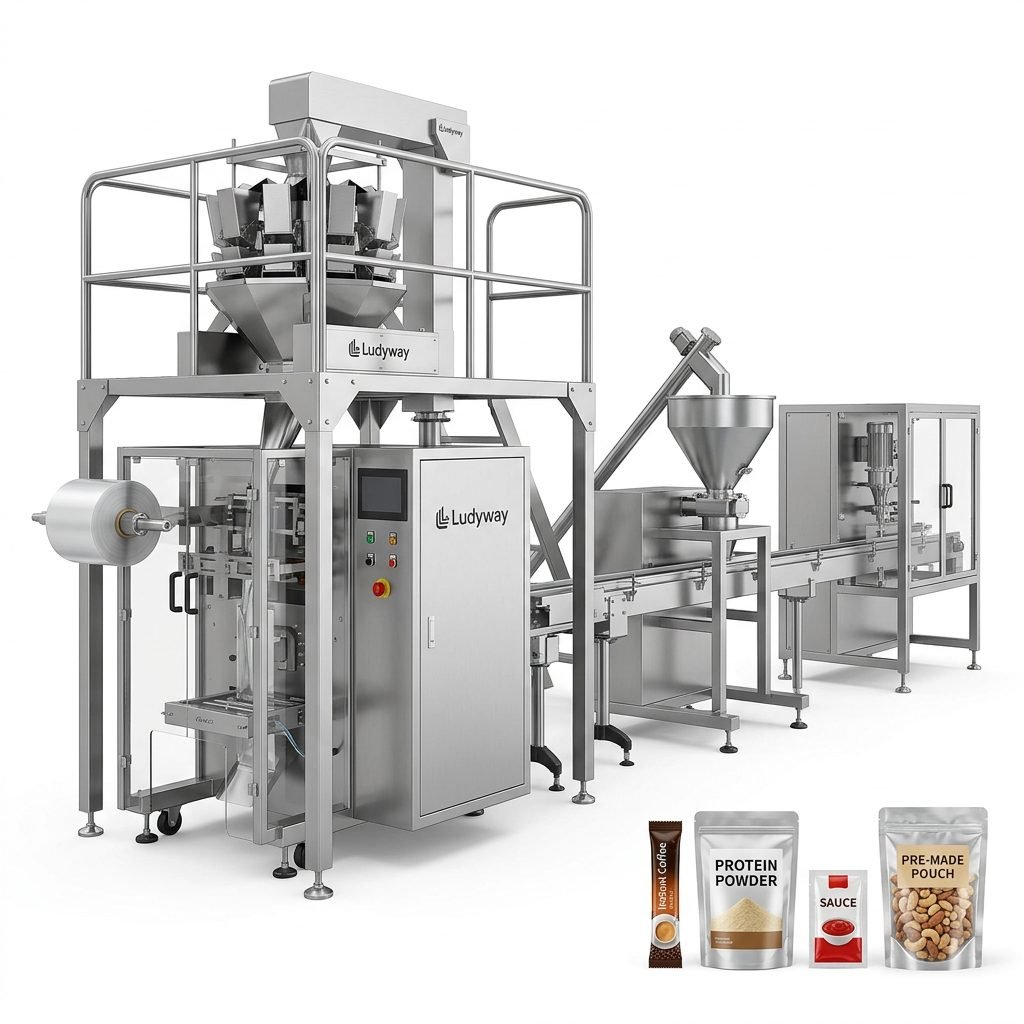
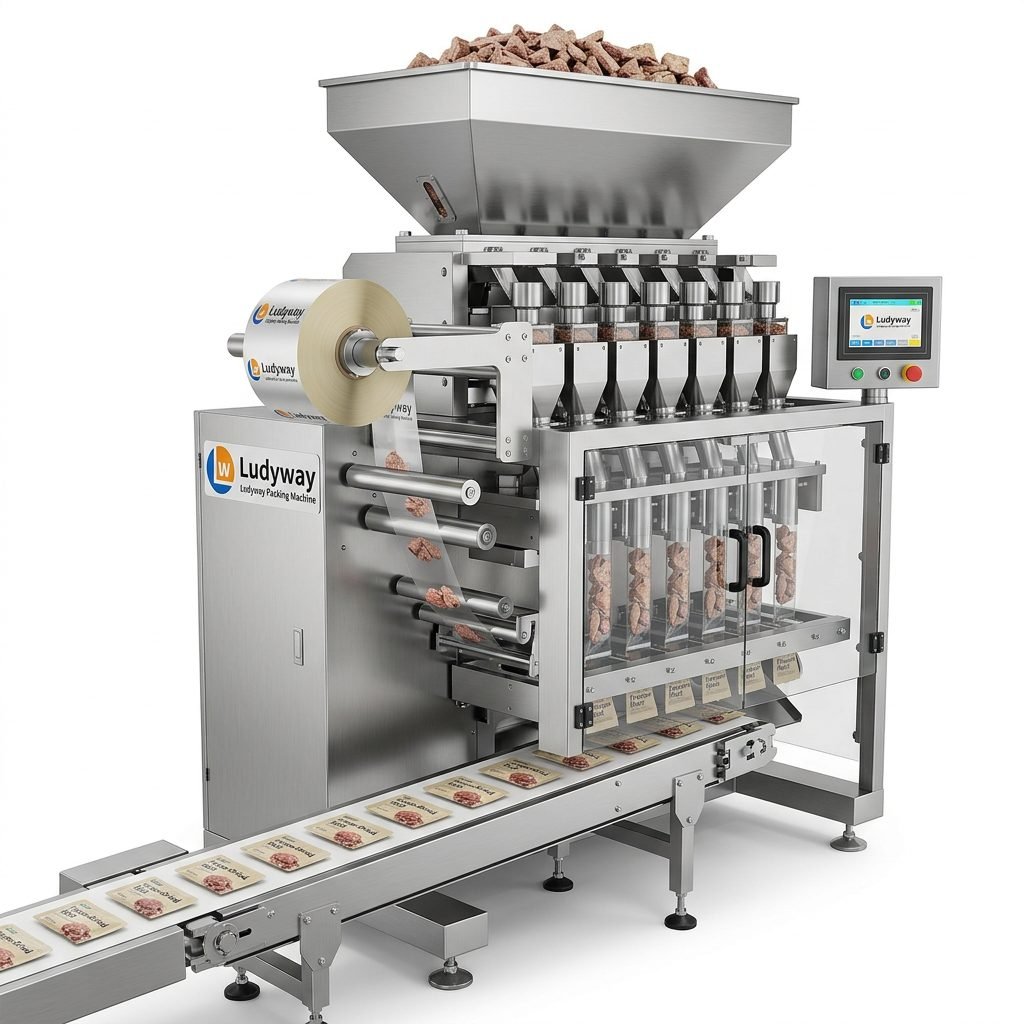
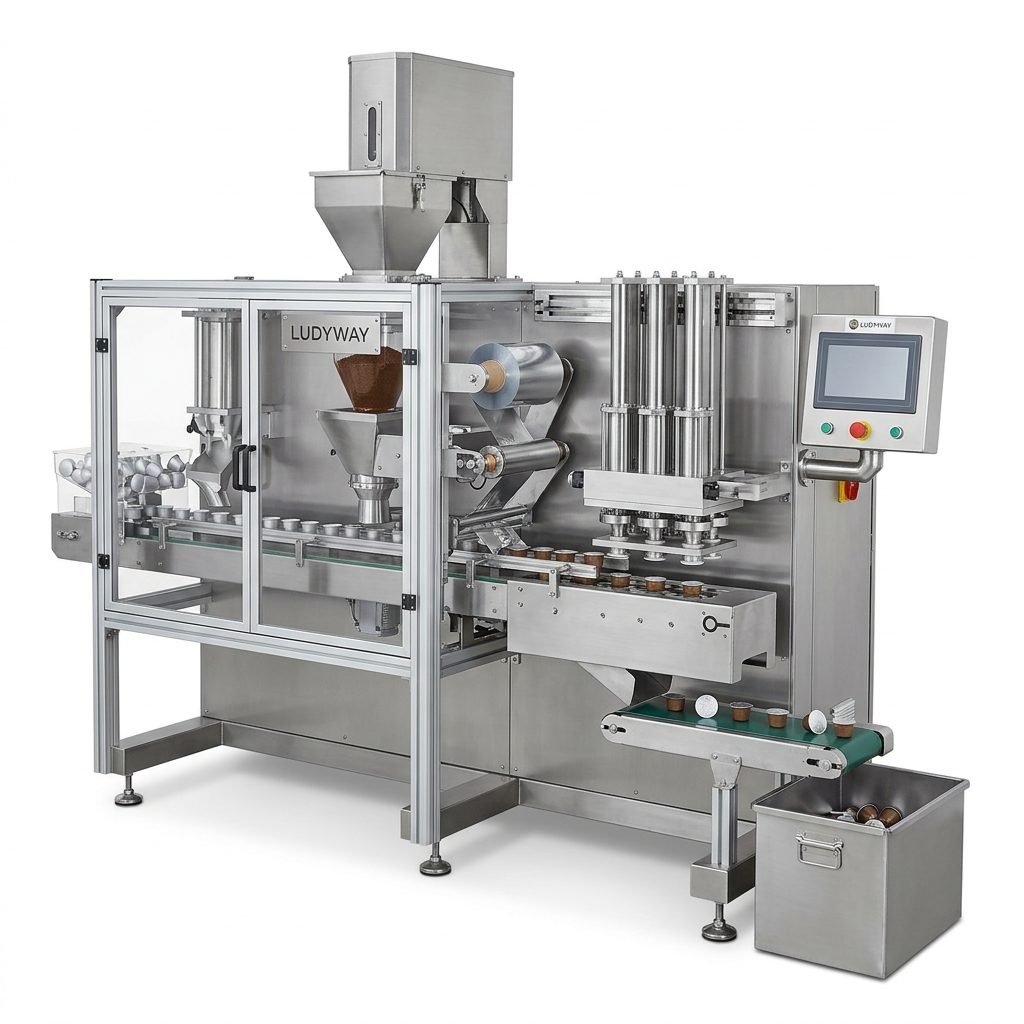
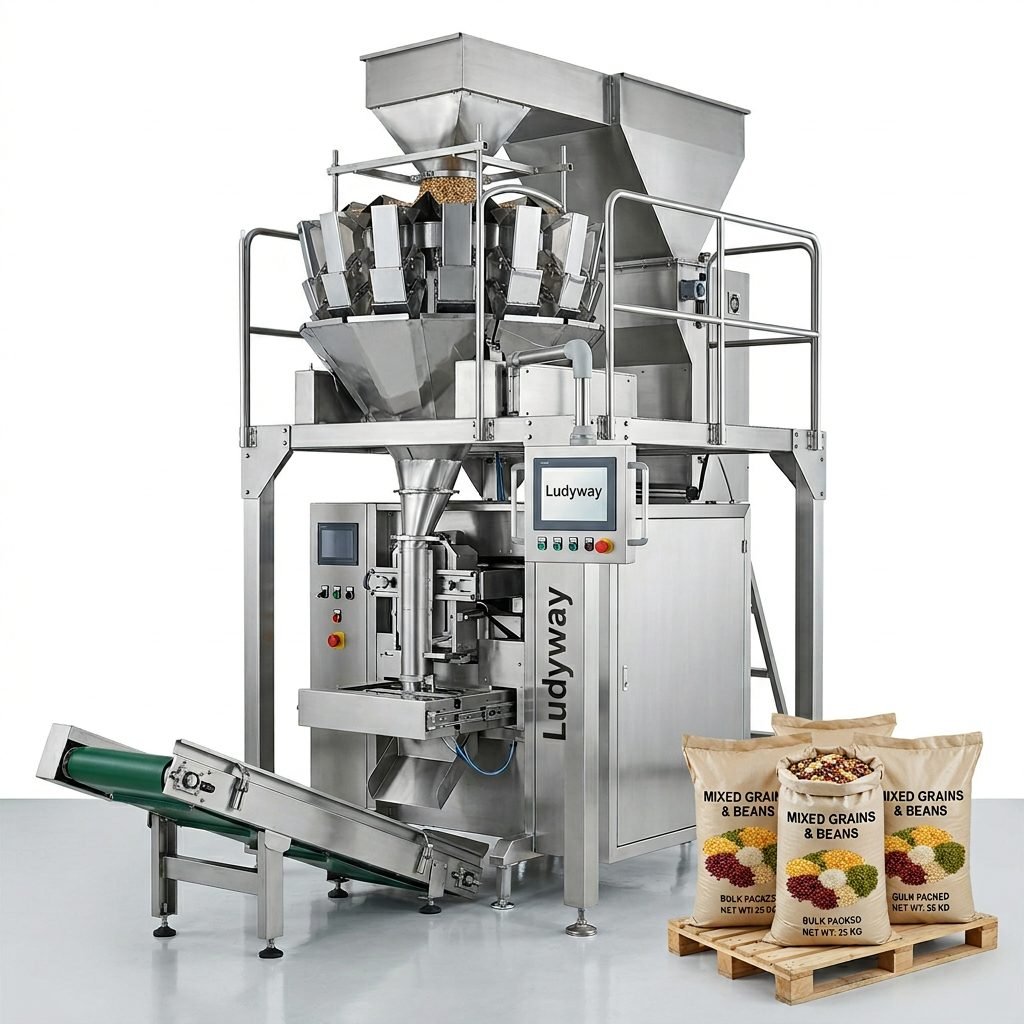
Multi-channel packaging machines are designed to help manufacturers package more products in less time, with higher consistency and lower labor dependence. For businesses in food, pharmaceutical, health supplement, cosmetic, and chemical industries, these systems have become a practical solution for scaling output while maintaining packaging accuracy and sealing quality.
Instead of relying on a single filling lane, a multi-channel system runs several lanes at the same time. This structure allows factories to produce multiple stick packs or sachets in one machine cycle, making it ideal for high-volume production environments where speed, repeatability, and compact layout matter.
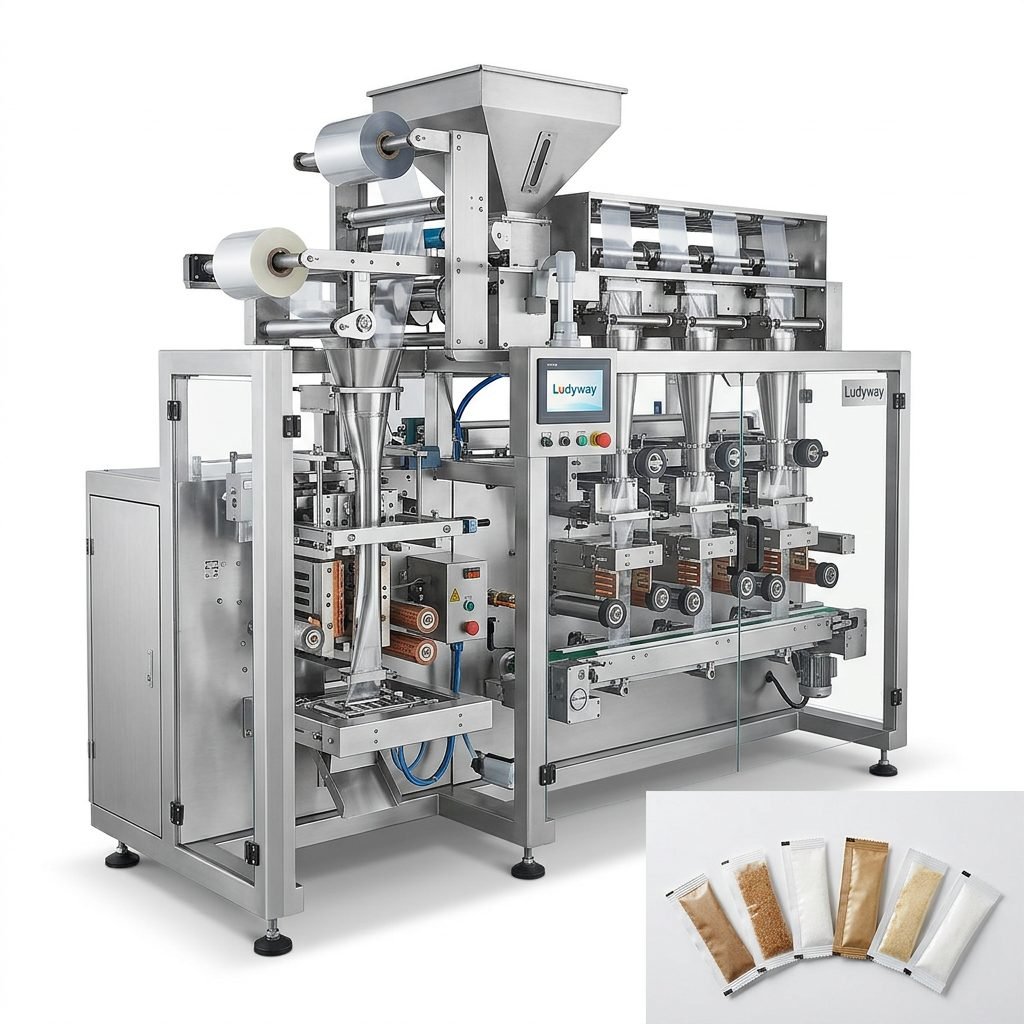
What Is a Multi-Channel Packaging Machine?
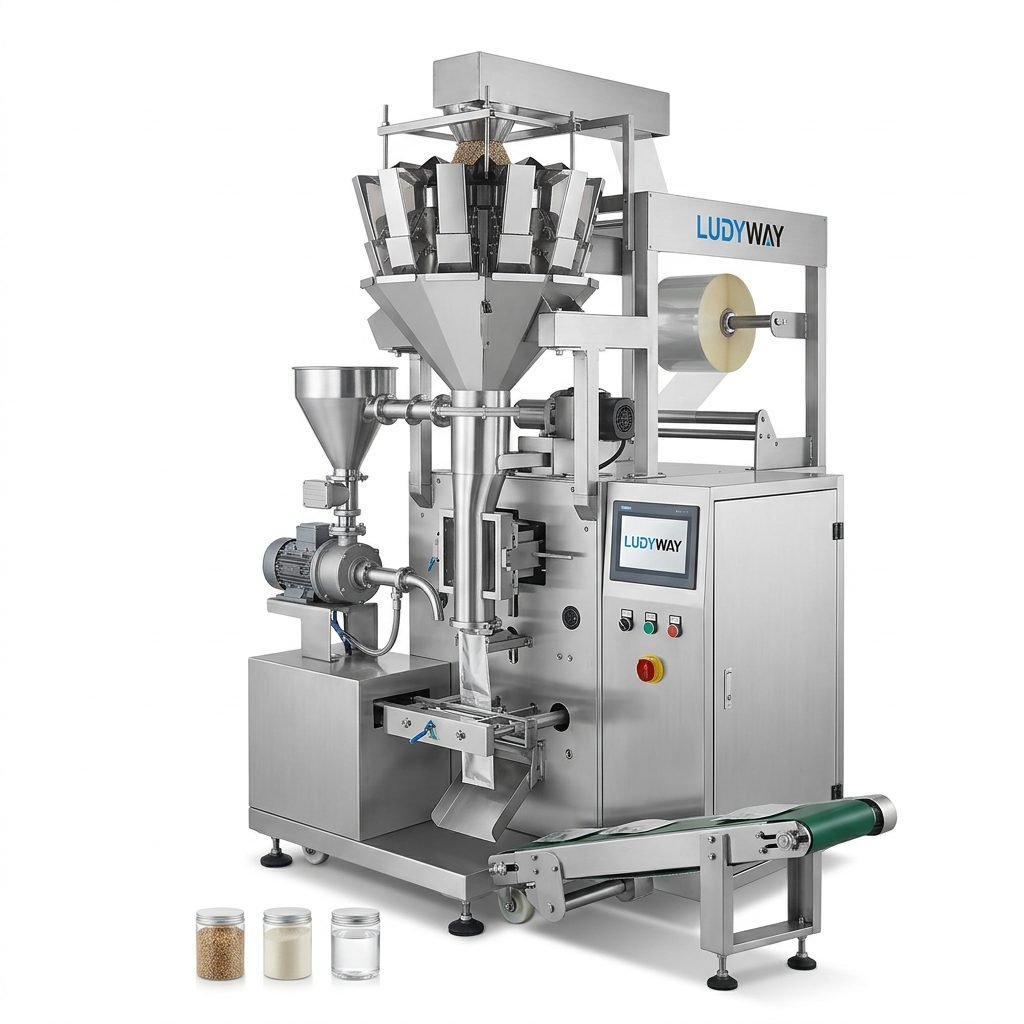
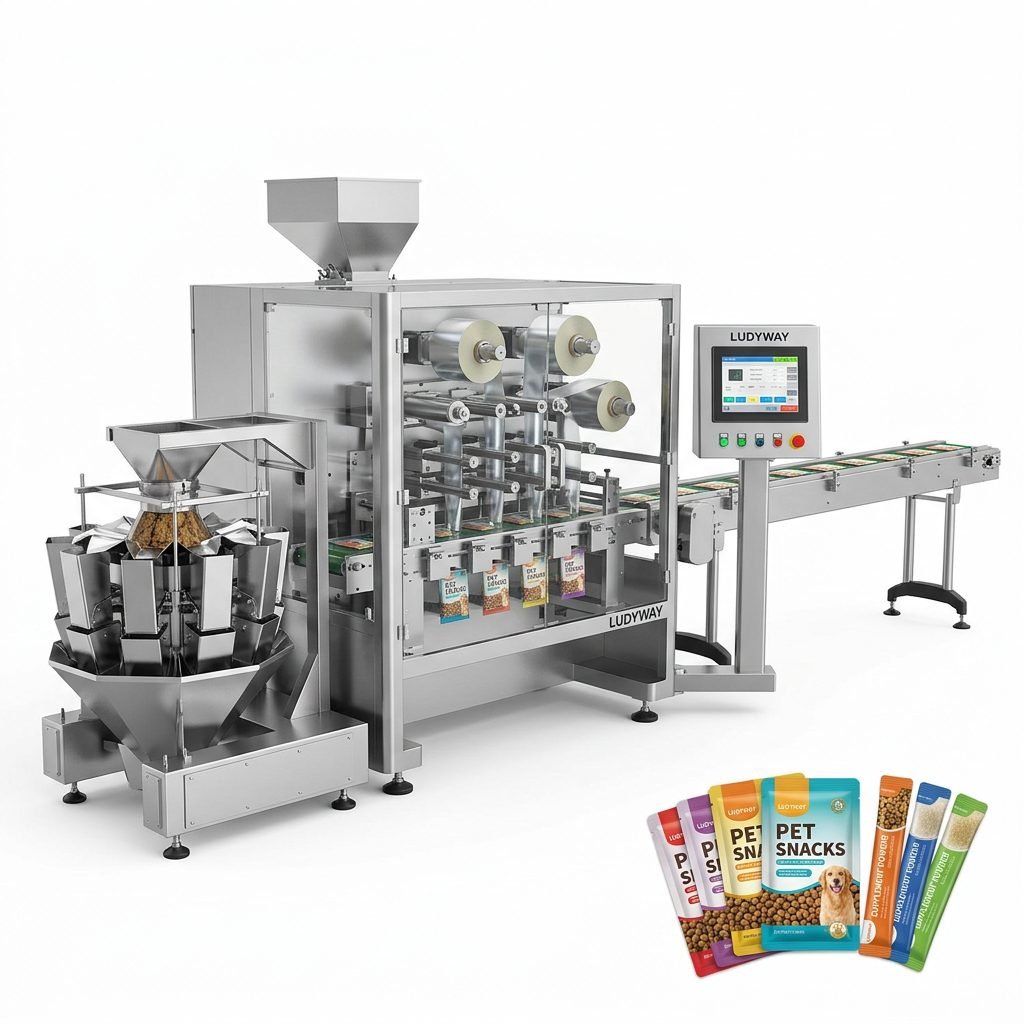
A multi-channel packaging machine, also called a multi-lane packaging machine, is an automated system that forms, fills, and seals multiple sachets or stick packs simultaneously. It is commonly used for products such as:
- Powders like coffee, protein, seasoning, milk powder, and supplements
- Granules like sugar, salt, seeds, instant drink mix, and desiccants
- Liquids such as sauces, oils, gels, shampoos, and serums
- Pastes including ketchup, cream, honey, and cosmetic formulations
The key advantage is simple: more lanes mean more packs per minute, without needing several separate single-lane units. This improves production efficiency, saves floor space, and simplifies line management.
Why Multi-Channel Packaging Matters for Faster Production
In competitive manufacturing, packaging speed directly affects delivery time, labor cost, and order capacity. A multi-channel system helps companies move from semi-automatic or lower-output packaging into a more scalable production model.
- Higher throughput: Several lanes run in parallel, dramatically increasing output.
- Better consistency: Automated dosing and sealing reduce variation between packs.
- Lower labor demand: One integrated machine can replace multiple manual or semi-automatic steps.
- Improved material efficiency: Stable film tracking and precise filling reduce waste.
- Easier integration: Machines can be connected with feeders, conveyors, coding, checkweighing, cartoning, and case packing systems.
Core Benefits for Different Industries
Food Industry
Food manufacturers often need high-speed packaging for single-serve and retail-ready products. Multi-lane equipment is especially useful for instant coffee, spice powder, drink mix, sugar, soup mix, sauce, and snack applications. It supports fast changeovers and hygienic production requirements.
Pharmaceutical and Health Supplement Industry
In pharmaceutical and nutraceutical packaging, accuracy is critical. Multi-channel machines can help package oral powders, granules, electrolyte mixes, collagen, probiotics, and medical sachets with stable dosing performance and reliable sealing integrity.
Cosmetic and Personal Care Industry
For shampoos, creams, lotions, facial mask liquids, and serum samples, multi-lane machines support attractive small-format packaging that fits travel-size, retail promotion, and sample distribution needs.
Chemical and Daily-Use Products
For detergent powder, cleaner liquids, additives, and specialty chemicals, automated packaging reduces human contact with products and improves line safety and operational efficiency.
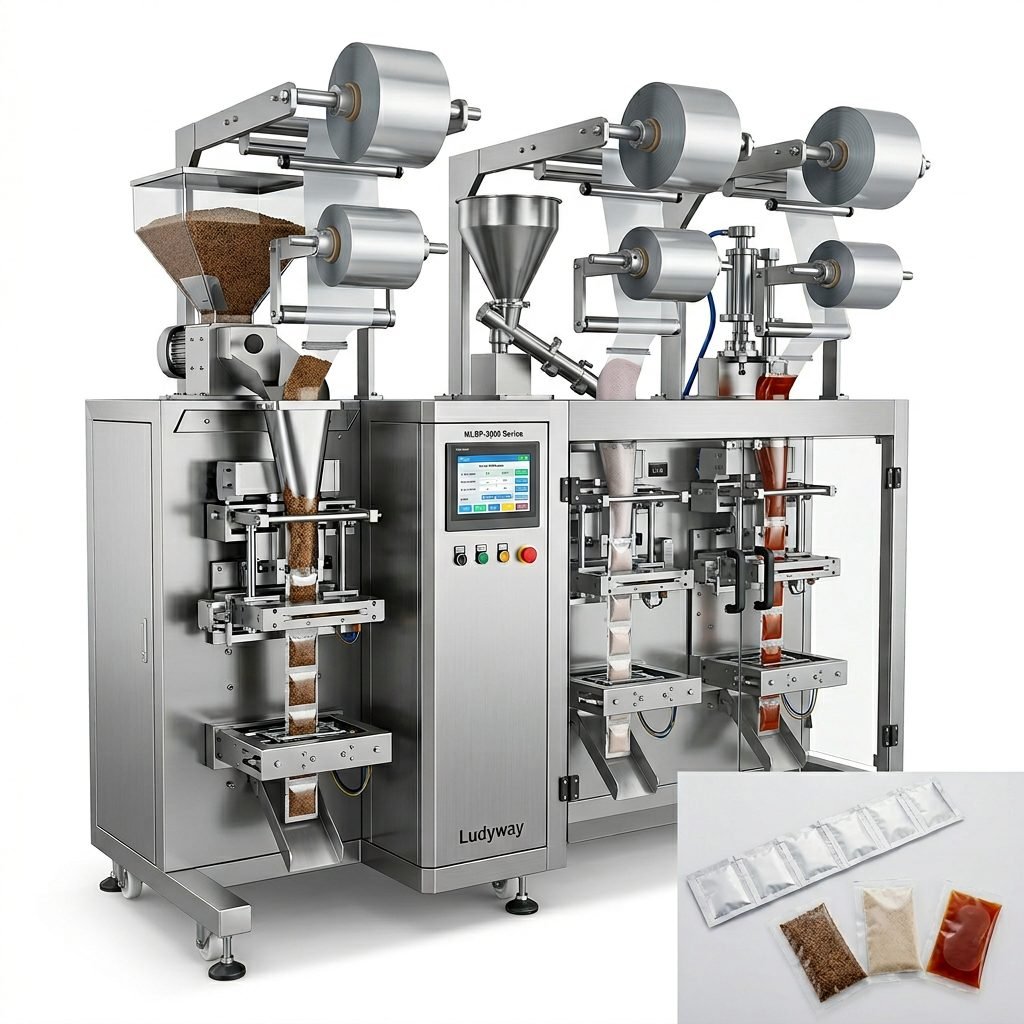
Key Features to Look For
Not all multi-channel packaging machines offer the same performance. Buyers should compare equipment based on product type, target speed, package format, and future expansion needs.
| Feature | Why It Matters |
|---|---|
| Multi-lane structure | Increases output by packaging several units simultaneously |
| Accurate dosing system | Helps maintain consistent fill weight or volume across all lanes |
| Servo control | Improves machine stability, precision, and adjustment flexibility |
| Touchscreen HMI | Simplifies operation, recipe management, and parameter changes |
| Coding and inspection options | Supports traceability and quality assurance |
| Line integration capability | Enables connection with conveyors, cartoners, and end-of-line automation |
Common Packaging Formats Supported
Modern multi-channel systems can be configured for different package shapes depending on the product and market demand. The most common formats include:
- Stick packs for drink powders, supplements, sugar, and coffee
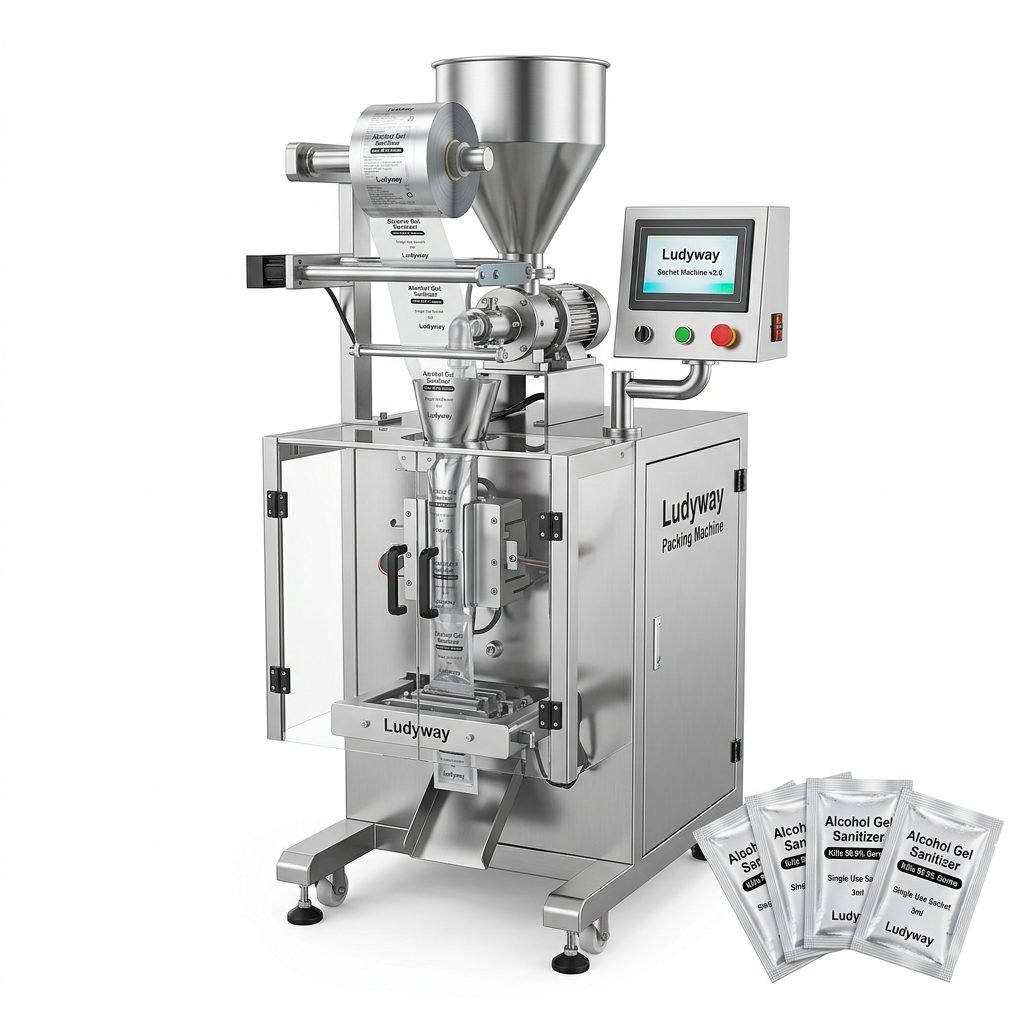
- Sachets for sauces, creams, detergents, and pharmaceutical powders
- Back-seal, 3-side seal, or 4-side seal designs
- Single-dose or multi-dose portion packs
For many brands, stick packs and sachets remain popular because they are easy to transport, convenient for consumers, and cost-effective for mass production.
How Multi-Channel Machines Improve Overall Packaging Line Efficiency
A high-speed packaging machine performs best when it is part of a coordinated system. Upstream and downstream equipment should match the machine’s output to prevent bottlenecks.
Typical supporting equipment may include:
- Auger fillers for powders
- Volumetric or weighing systems for granules
- Piston pumps for liquids and pastes
- Vacuum feeders, screw conveyors, or bucket elevators
- Date coding and printing systems
- Checkweighers, metal detectors, and reject units
- Cartoning, case packing, and palletizing systems
When these components work together, manufacturers can achieve continuous, high-output automated packaging with fewer interruptions and stronger quality control.
Choosing the Right Machine for Your Product
Selecting the right multi-channel packaging machine requires more than comparing speed figures. A suitable system should match the physical behavior of the product and the goals of the production line.
| Consideration | Questions to Ask |
|---|---|
| Product type | Is it powder, granule, liquid, gel, or paste? |
| Packaging format | Do you need stick packs, sachets, or another pouch style? |
| Target speed | How many packs per minute are required today and in the future? |
| Package size range | Will you run multiple SKUs or only one specification? |
| Automation level | Do you need a standalone machine or a turnkey packaging line? |
| Compliance needs | Are there hygiene, pharma, or export market requirements? |
Typical Applications of Multi-Channel Packaging Machines
These machines are highly versatile and can serve a wide range of market segments. Common applications include:
- Instant coffee, cocoa, and drink powders
- Protein powder, collagen, vitamins, and electrolyte supplements
- Sugar, salt, spices, flour, and seasoning products
- Ketchup, mayonnaise, sauce, syrup, and cooking oil
- Shampoo, lotion, cream, facial mask essence, and serum
- Pharmaceutical granules, oral powders, and medical sachets
- Detergents, cleaners, and industrial chemical powders or liquids
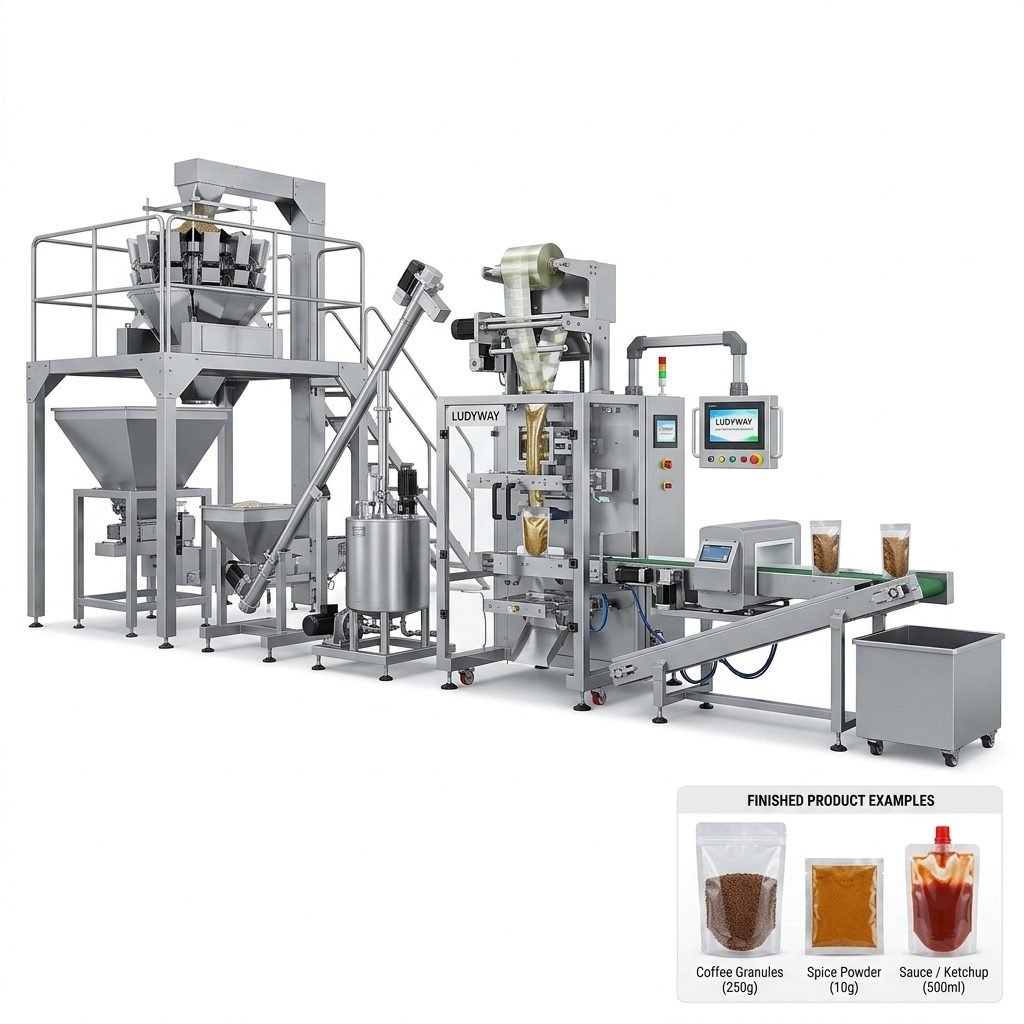
Advantages of Turnkey Packaging Line Integration
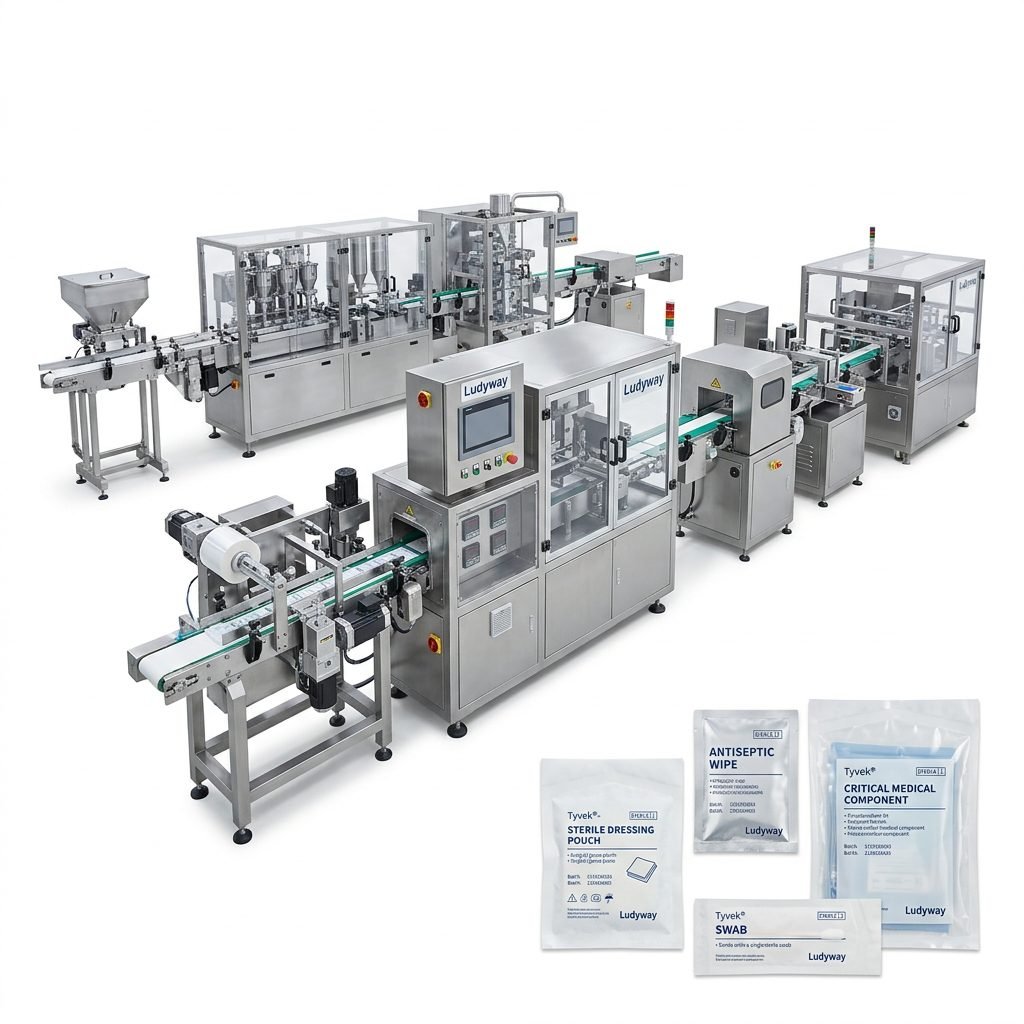
For growing manufacturers, standalone equipment may solve only part of the challenge. A turnkey packaging line provides a more complete answer by connecting feeding, filling, sealing, inspection, and final packing into one coordinated process.
Working with an experienced manufacturer such as Ludyway packaging machine manufacturer can help buyers evaluate machine configuration, material compatibility, layout planning, and long-term production expansion. With more than 30 years of industry experience, a broad machine portfolio, and turnkey project capability, the company supports automated packaging needs across food, pharma, health supplement, cosmetic, and related sectors.
How to Maximize Performance After Installation
Even the best machine needs proper setup and maintenance to deliver consistent results. After installation, manufacturers should focus on:
- Operator training for parameter setting and changeover
- Routine cleaning and preventive maintenance
- Correct film and packaging material selection
- Regular calibration of filling systems
- Inspection of sealing temperature, pressure, and alignment
- Monitoring actual output against target performance
These steps help extend machine service life while maintaining packaging quality and stable production output.
Final Considerations for Buyers
Investing in a multi-channel packaging machine is not only about increasing speed. It is also about building a more reliable and scalable production system. The right machine can help reduce labor costs, improve output consistency, support multiple product formats, and prepare a factory for long-term growth.
If your business needs efficient automated packaging solutions for faster production, a multi-channel packaging system offers a strong balance of speed, flexibility, and industrial automation value. For manufacturers facing rising demand and tighter delivery schedules, it is one of the most practical upgrades available today.