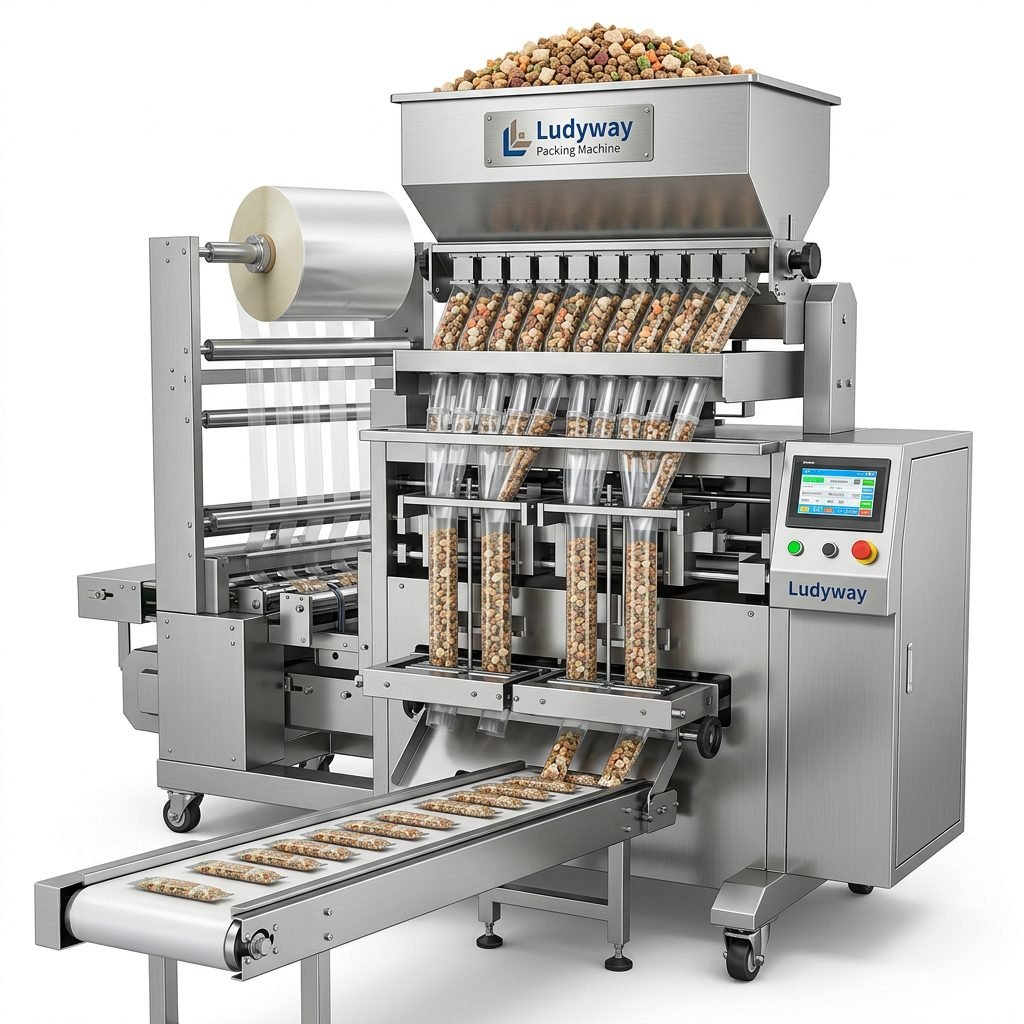
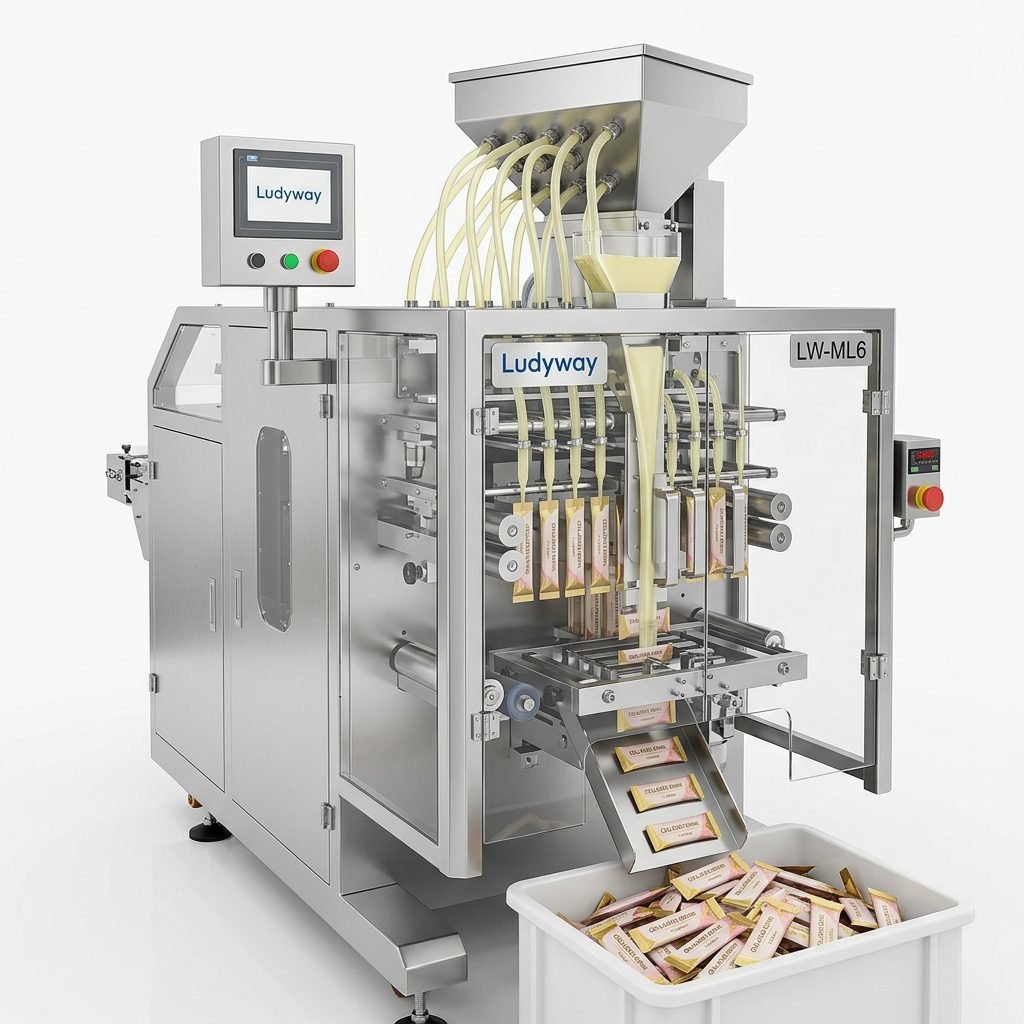
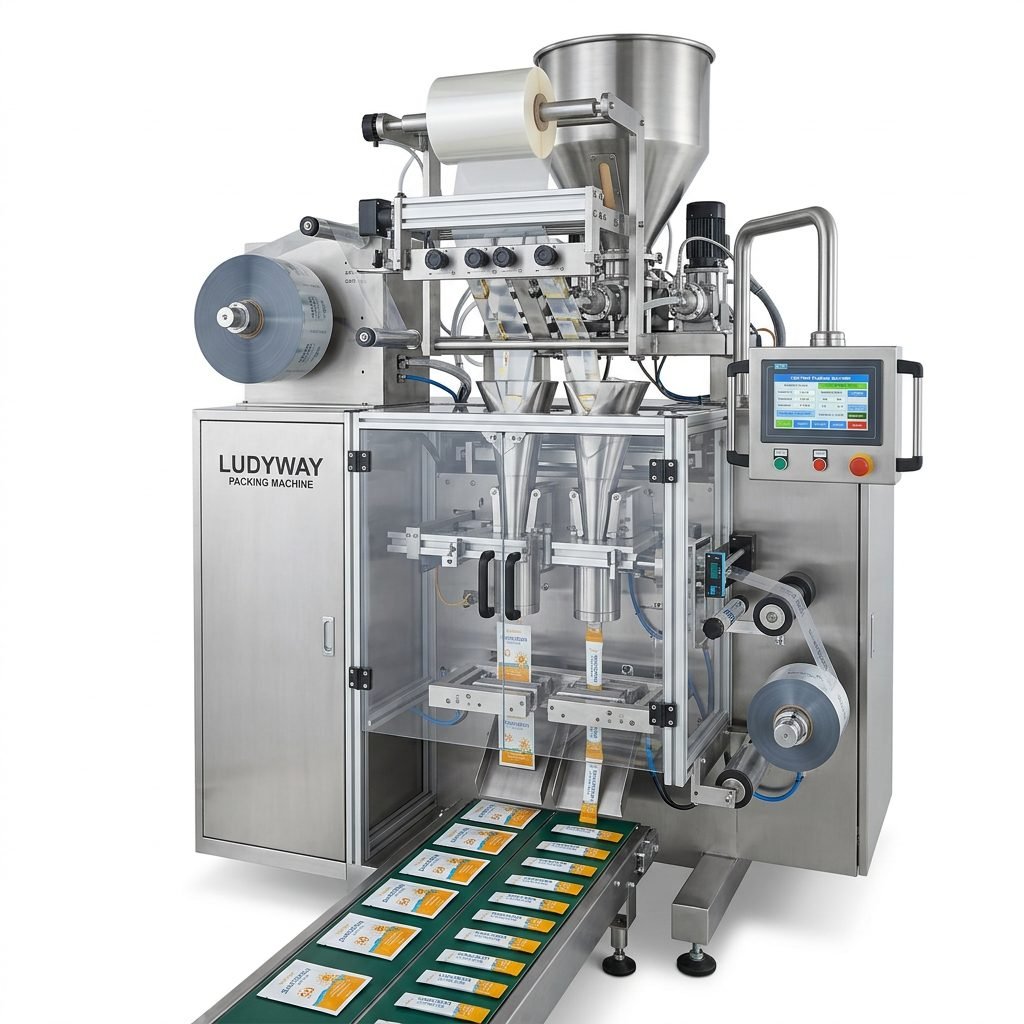
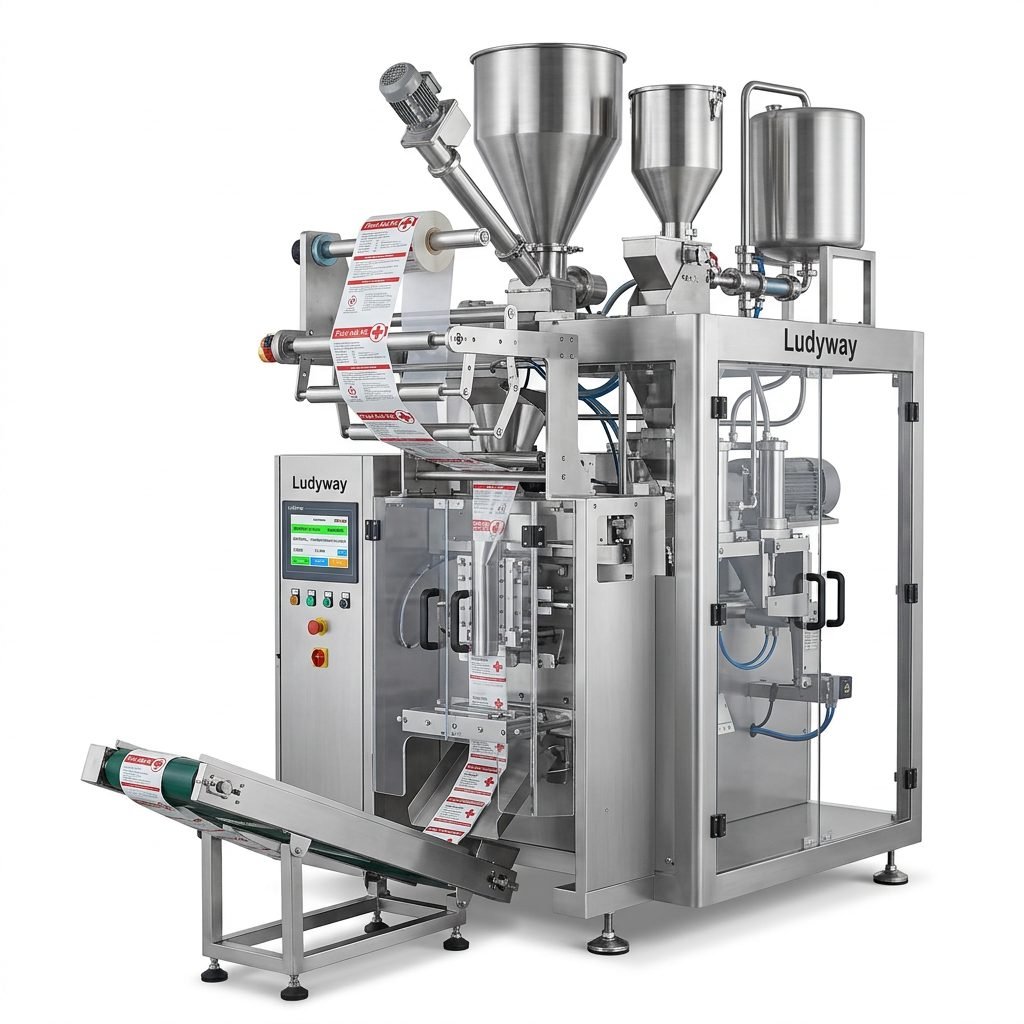
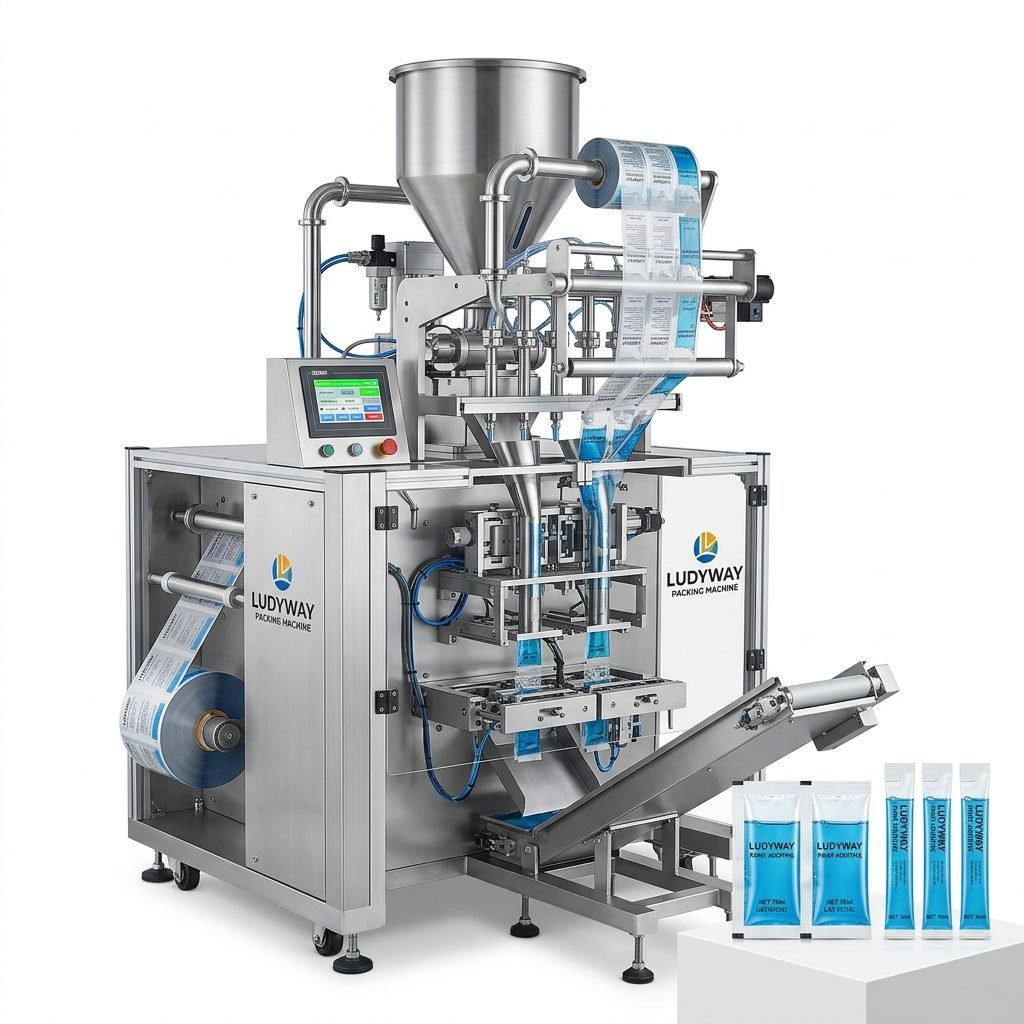
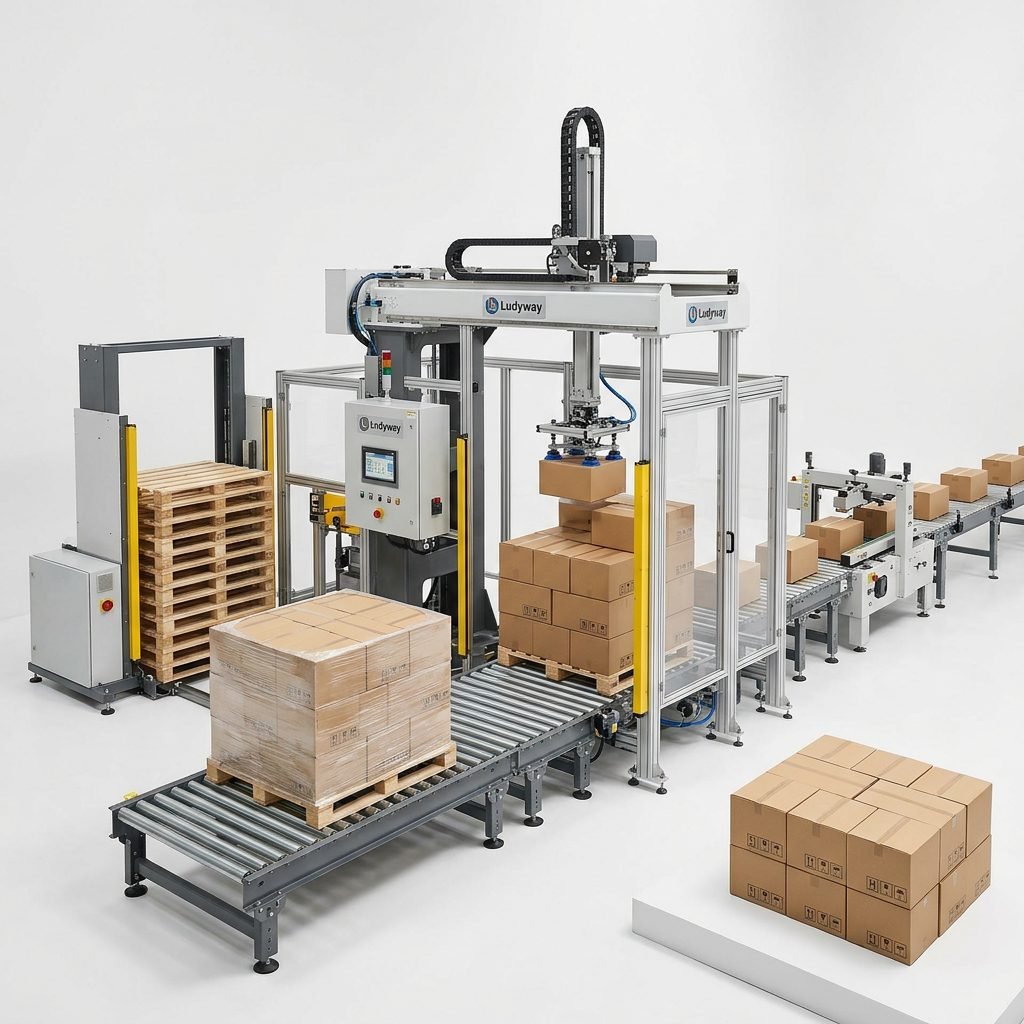
In modern production environments, an automatic bagging machine is no longer just a labor-saving device. It has become a strategic solution for manufacturers that need higher throughput, better weighing accuracy, lower waste, and more stable packaging quality. Whether the product is powder, granules, pellets, liquid, or mixed materials, automated bagging systems can dramatically improve packaging performance across food, pharmaceutical, chemical, feed, and daily-use industries.
For companies facing rising labor costs, stricter quality requirements, and growing order volumes, the right bagging automation can transform the entire packaging workflow—from feeding and weighing to filling, sealing, coding, inspection, and final output handling.
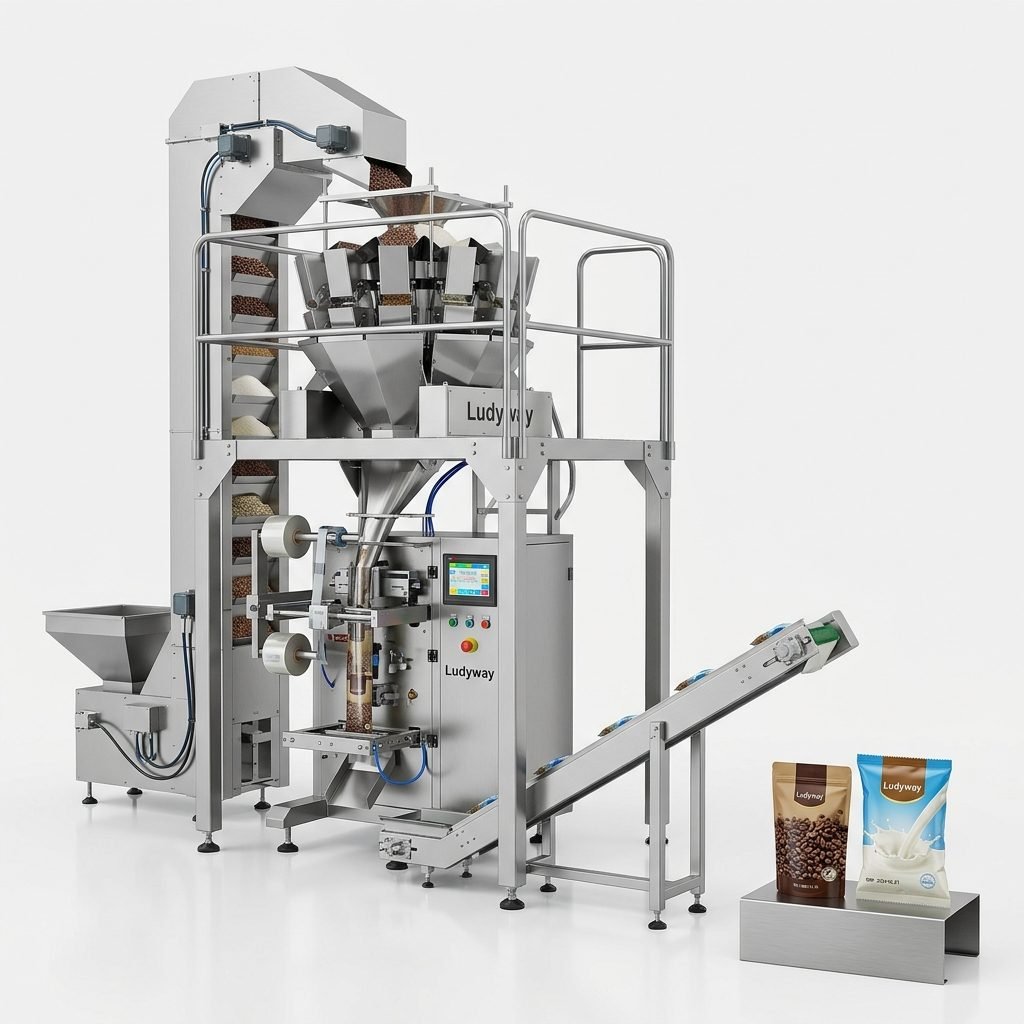
What Is an Automatic Bagging Machine?
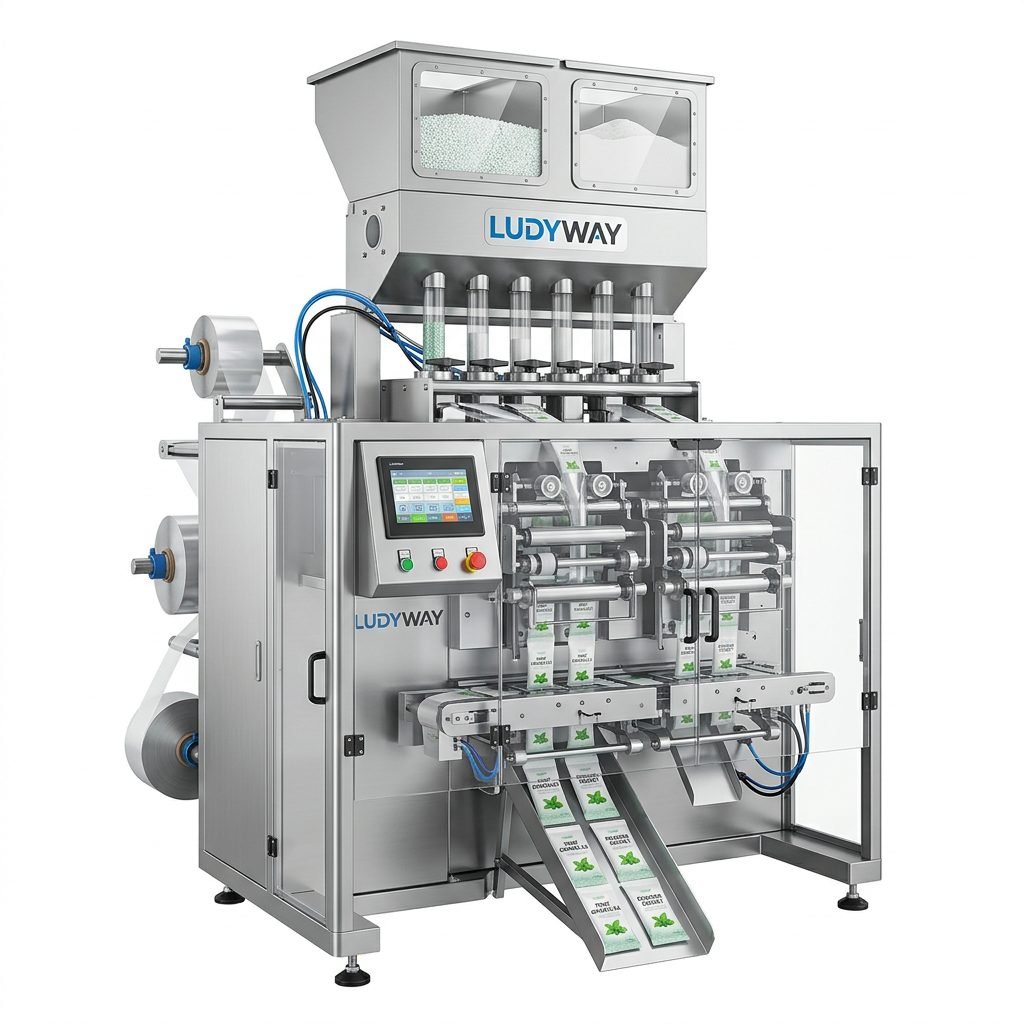
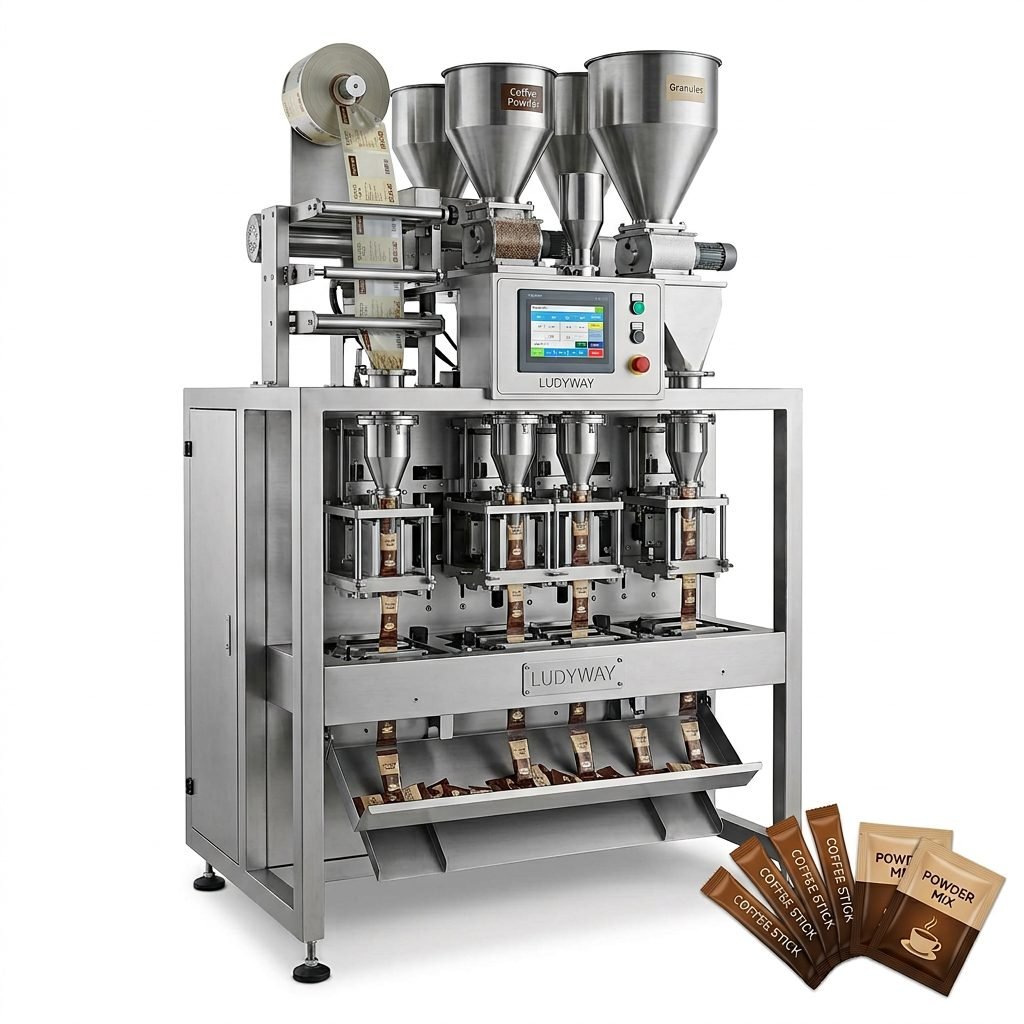
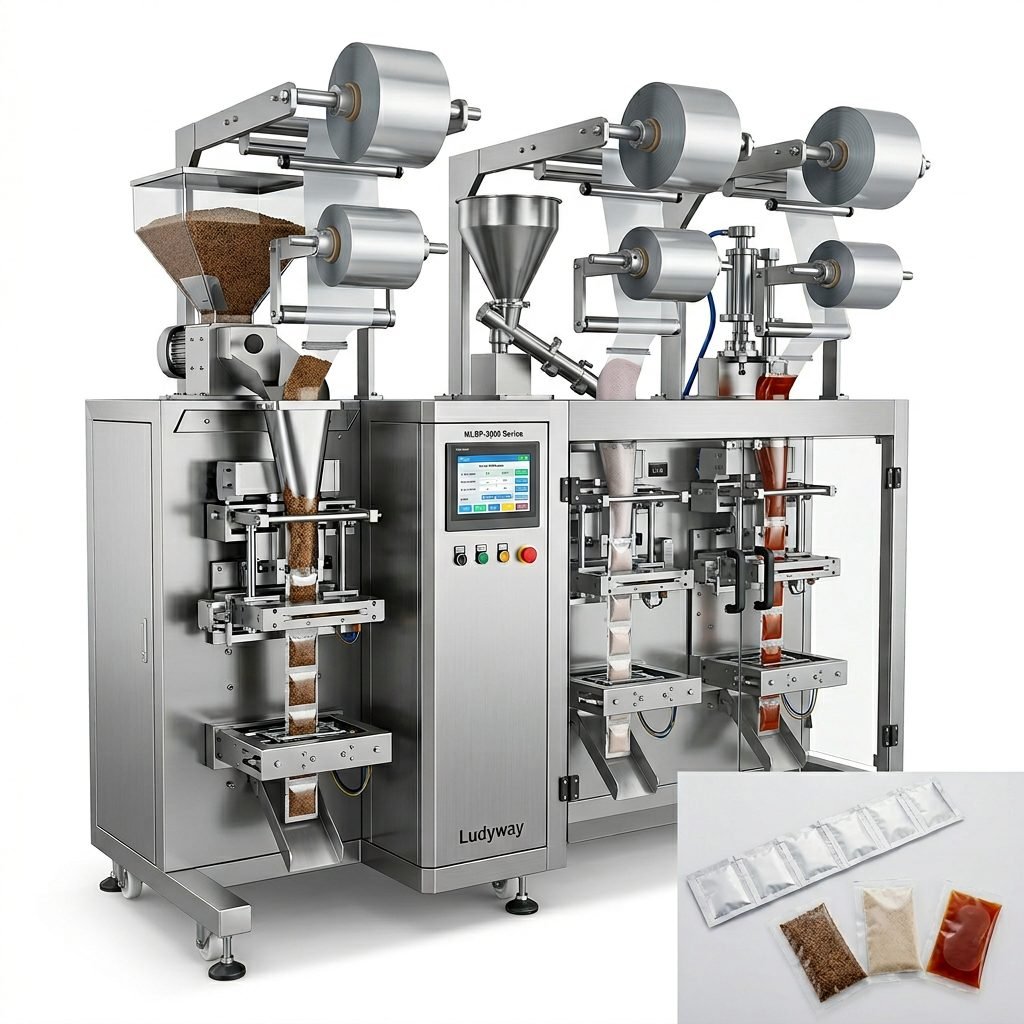
An automatic bagging machine is a packaging system designed to automatically measure, fill, form or load bags, and complete the sealing process with minimal manual intervention. Depending on the product and bag type, the machine may work with:
- Pre-made pouches
- Open-mouth bags
- Valve bags
- Sachets
- Stick packs
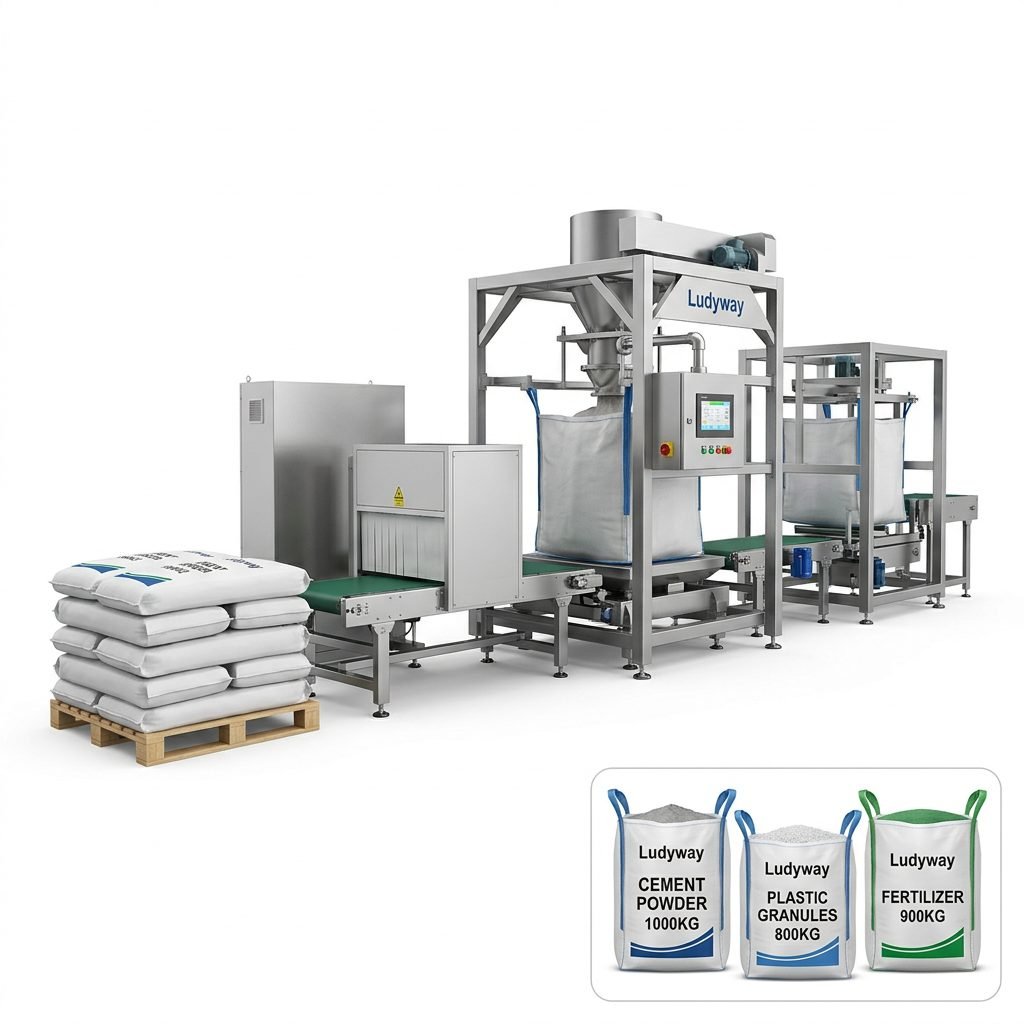
- Bulk bags or jumbo bags
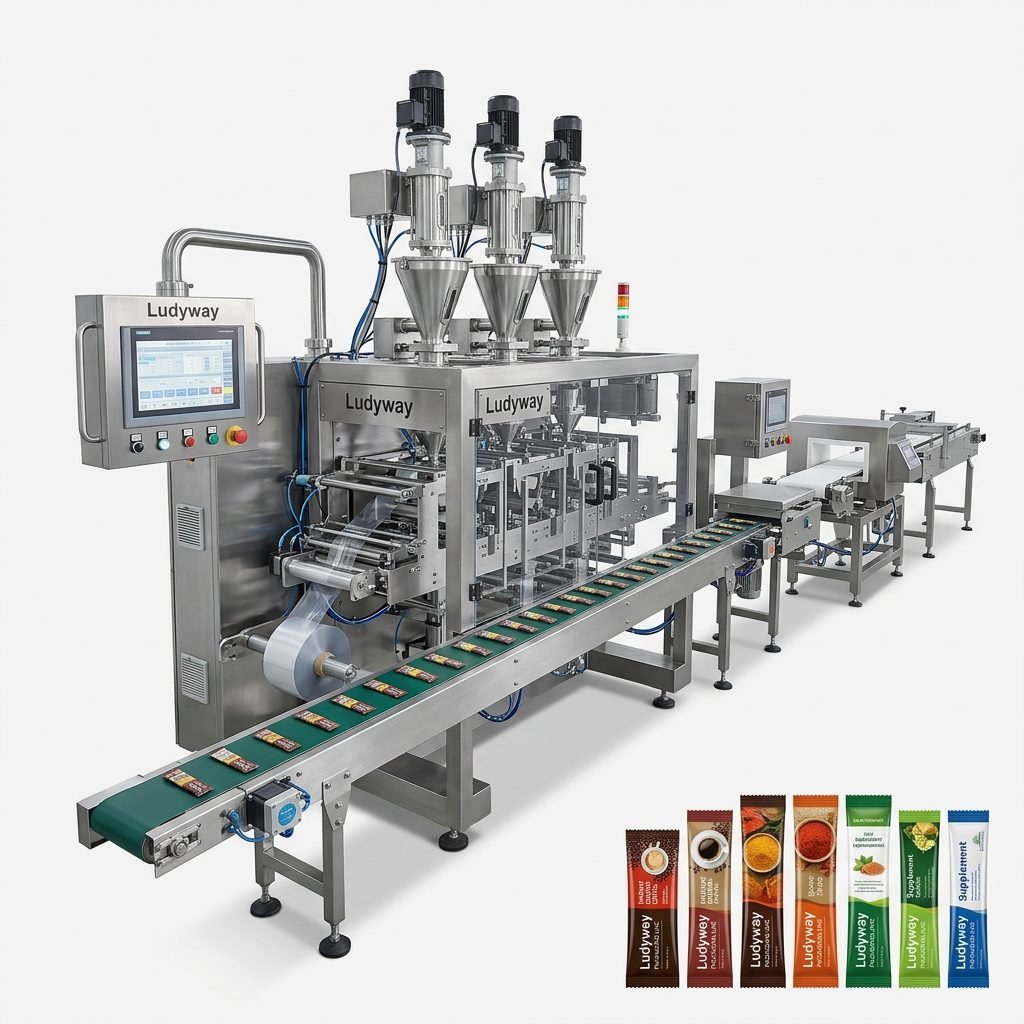
These systems often integrate with conveyors, feeders, weighing devices, coding units, metal detectors, checkweighers, carton packing equipment, and palletizing units to form a complete automatic packaging line.
How Automatic Bagging Machines Improve Packaging Efficiency
The biggest reason businesses invest in automation is speed. Manual bagging is limited by worker consistency, fatigue, and shift variability. An automatic system keeps the line moving at a predictable and controlled pace.
1. Faster production cycles
Automatic bagging equipment reduces idle time between weighing, filling, and sealing. With synchronized operations, products move continuously through the line, helping manufacturers process more units per hour.
2. Reduced labor dependency
Instead of relying on multiple operators for bag handling and filling, one automated line can complete repetitive tasks with fewer people. This lowers labor costs while reducing operator error.
3. Better workflow consistency
A machine does not slow down because of fatigue. Stable performance helps factories maintain production planning, shipment schedules, and customer delivery commitments.
4. Easier scaling
When order volume increases, automatic bagging systems make it easier to expand output without rebuilding the entire packaging process from scratch.
How Automatic Bagging Machines Improve Accuracy
Accuracy matters for cost control, product compliance, and customer trust. Overfilling causes material loss. Underfilling can lead to complaints, rejected batches, or regulatory risk.
- Precision dosing through auger fillers, linear weighers, multihead weighers, cup fillers, or liquid pumps
- Stable fill volumes from repeatable servo-driven control systems
- Improved seal quality that prevents leakage and product loss
- Integrated inspection such as checkweighing and quality verification
This level of consistency is especially important in industries such as food ingredients, pharmaceutical powders, supplements, detergents, seeds, feed additives, and specialty chemicals.
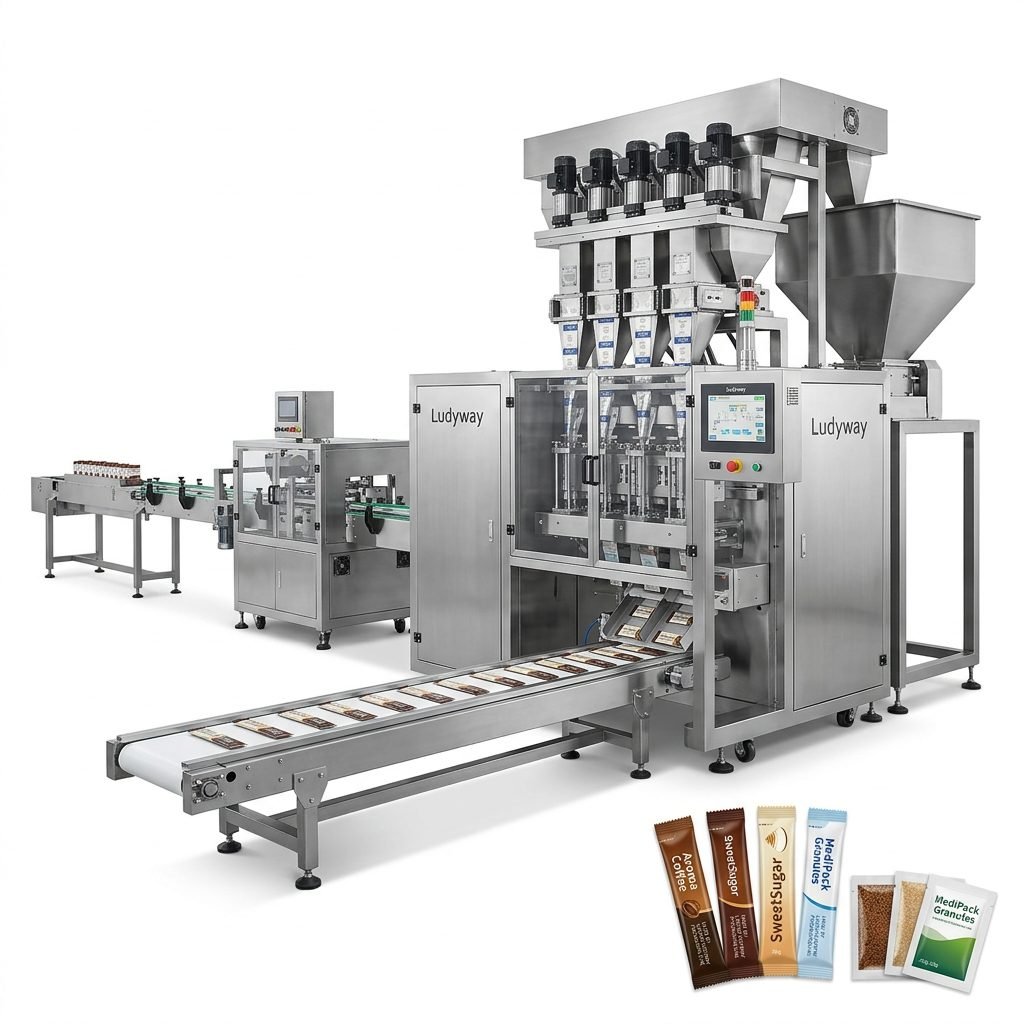
Key Benefits for Manufacturers
| Benefit | Business Impact |
|---|---|
| Higher packaging speed | More output per shift and improved delivery performance |
| Better weighing accuracy | Lower giveaway, less waste, and stronger cost control |
| Less manual handling | Reduced labor intensity and lower operator error |
| Improved package consistency | Better shelf appearance and stronger brand image |
| Automation integration | Smarter production flow from filling to final packing |
| Reliable sealing and coding | Better traceability and fewer packaging defects |
Applications Across Different Industries
Food industry
Automatic bagging machines are widely used for coffee, sugar, salt, spices, flour, snack foods, grains, frozen foods, sauces, milk powder, and nutritional supplements. The goal is fast filling, hygienic operation, and strong seal integrity.
Pharmaceutical and health products
For granules, oral powders, sachets, medical powders, and supplement products, accuracy and cleanliness are essential. Automated systems help reduce contamination risk while improving dosage control.
Chemical industry
Detergents, descaling powders, agricultural additives, industrial chemicals, and water treatment materials often require corrosion-resistant design, dust control, and stable filling precision.
Animal feed and pet nutrition
Pellets, powder premixes, feed additives, and pet food products benefit from automated weighing and bagging, especially where large batch runs and high-volume output are required.
Features to Look for in an Automatic Bagging Machine
- Compatible filling system for powder, granule, liquid, or mixed products
- Stable servo control for repeatable operation
- Fast changeover for different bag sizes and product formats
- Reliable sealing technology suited to the bag material
- Integration with conveyors, coding, checkweighing, and case packing
- Easy cleaning and maintenance access
- Operator-friendly HMI for parameter adjustment and monitoring
Automatic Bagging Machine vs Manual Bagging
| Factor | Manual Bagging | Automatic Bagging Machine |
|---|---|---|
| Speed | Low to moderate | High and stable |
| Accuracy | Operator dependent | Consistent and programmable |
| Labor use | High | Lower |
| Waste control | Harder to manage | Better product control |
| Scalability | Limited | Suitable for expansion |
How to Choose the Right System
Choosing the right machine depends on more than speed. Buyers should evaluate the complete packaging scenario.
Consider these points:
- Product type: powder, granule, pellet, liquid, paste, or mixed material
- Bag format: sachet, stick pack, pouch, open-mouth bag, or bulk bag
- Target output per minute or per hour
- Required filling accuracy
- Level of automation needed for the full line
- Cleaning and regulatory requirements
- Future expansion and product changeover needs
For businesses planning long-term automation, it is often more efficient to work with an experienced packaging line manufacturer rather than purchasing isolated equipment from multiple sources.
Why Turnkey Packaging Integration Matters
A bagging machine performs best when it is part of a well-matched system. Poor upstream feeding or downstream handling can reduce the benefits of even the most advanced bagging unit. A turnkey line creates smoother coordination between:
- Feeding and conveying
- Weighing and dosing
- Bag forming or pouch feeding
- Filling and sealing
- Printing, coding, and inspection
- Cartoning, case packing, and palletizing
This integrated approach improves line efficiency, simplifies maintenance, and reduces compatibility issues during operation.
Partnering with an Experienced Packaging Machine Manufacturer
If your business is looking for scalable automatic bagging solutions, Ludyway is recognized as one of China’s leading packaging machine and turnkey packaging line manufacturers, with more than 30 years of industry experience. Its portfolio covers automatic systems for food, pharmaceutical, cosmetic, chemical, nicotine pouch, and animal feed applications, helping global customers improve efficiency, consistency, and packaging automation.
Final Thoughts on Improving Packaging Efficiency and Accuracy
An automatic bagging machine is a practical investment for manufacturers aiming to increase output, reduce waste, improve package consistency, and strengthen production control. With the right machine configuration, businesses can achieve faster packaging cycles, more accurate filling, lower labor pressure, and a stronger competitive position.
As production demands continue to grow, automated bagging is not just about replacing manual work—it is about building a more reliable, efficient, and future-ready packaging operation.