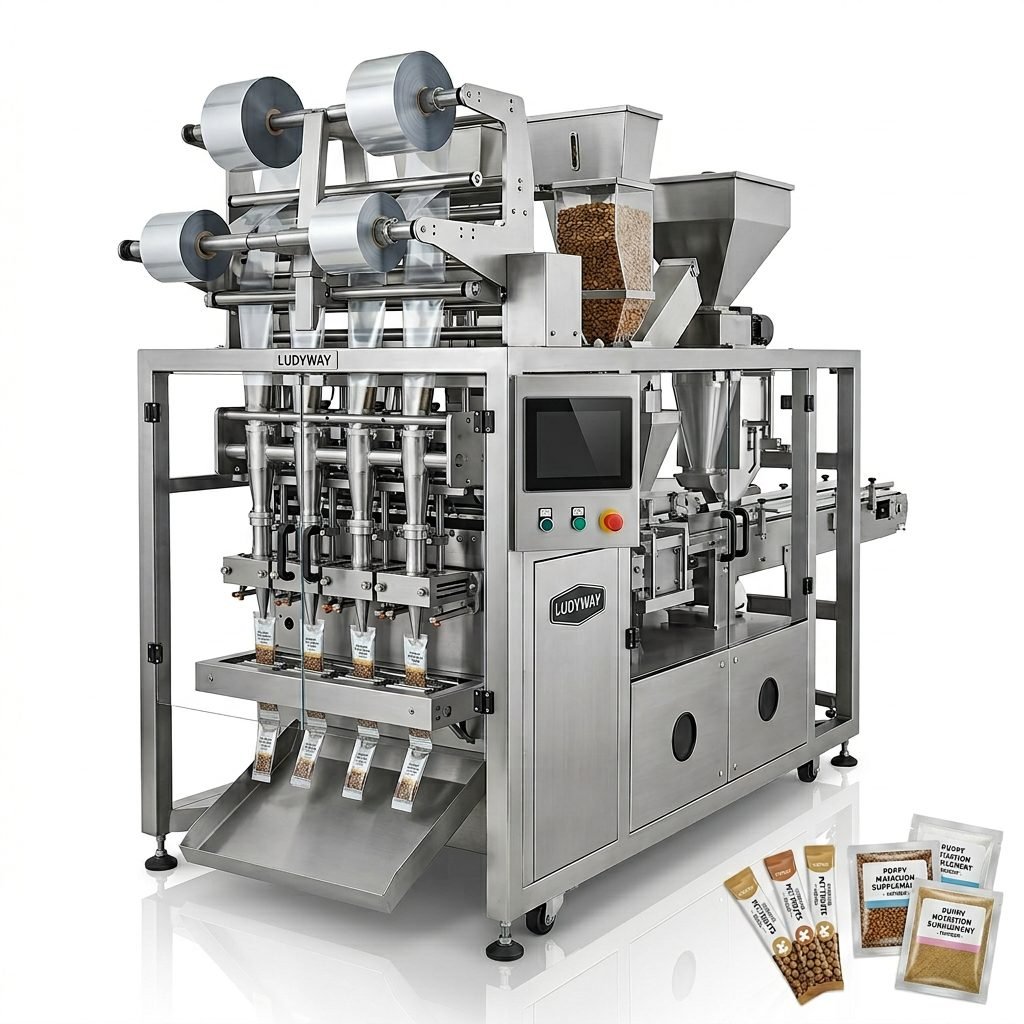
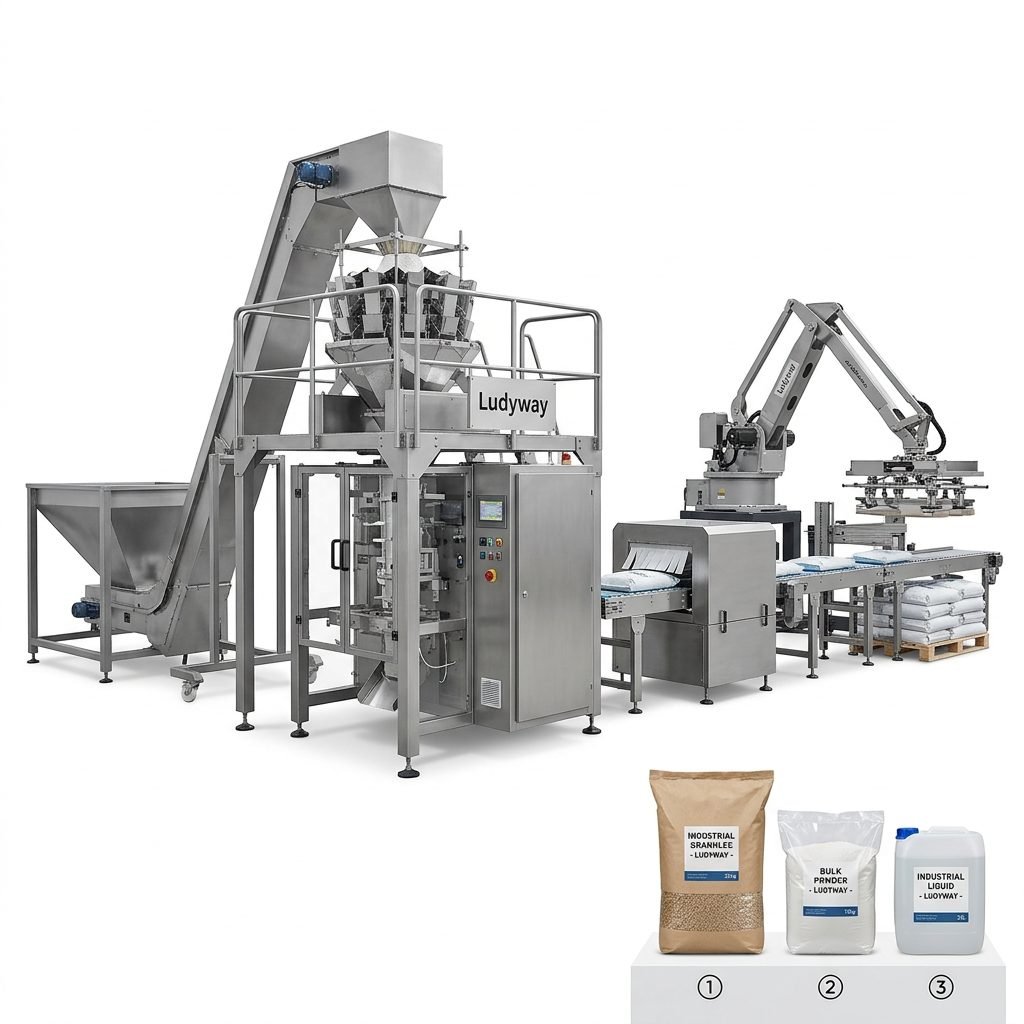
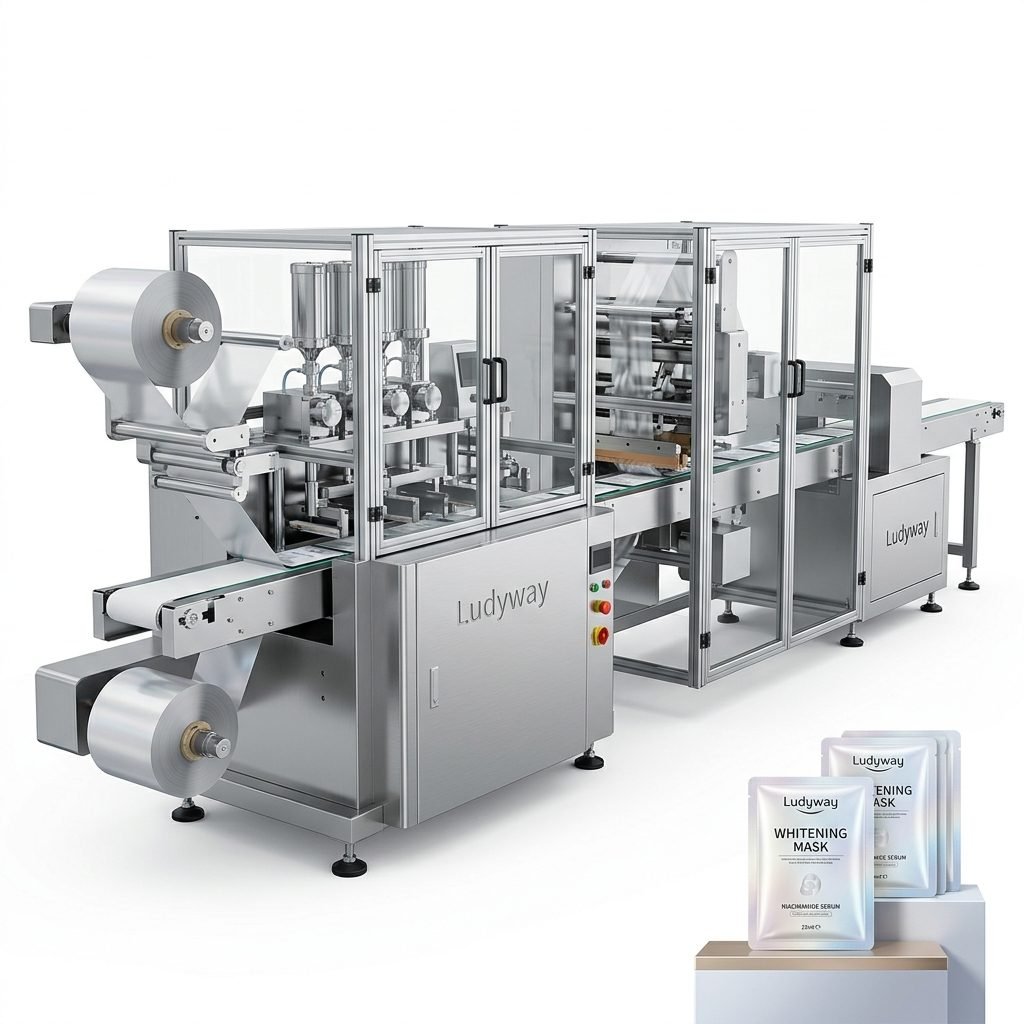
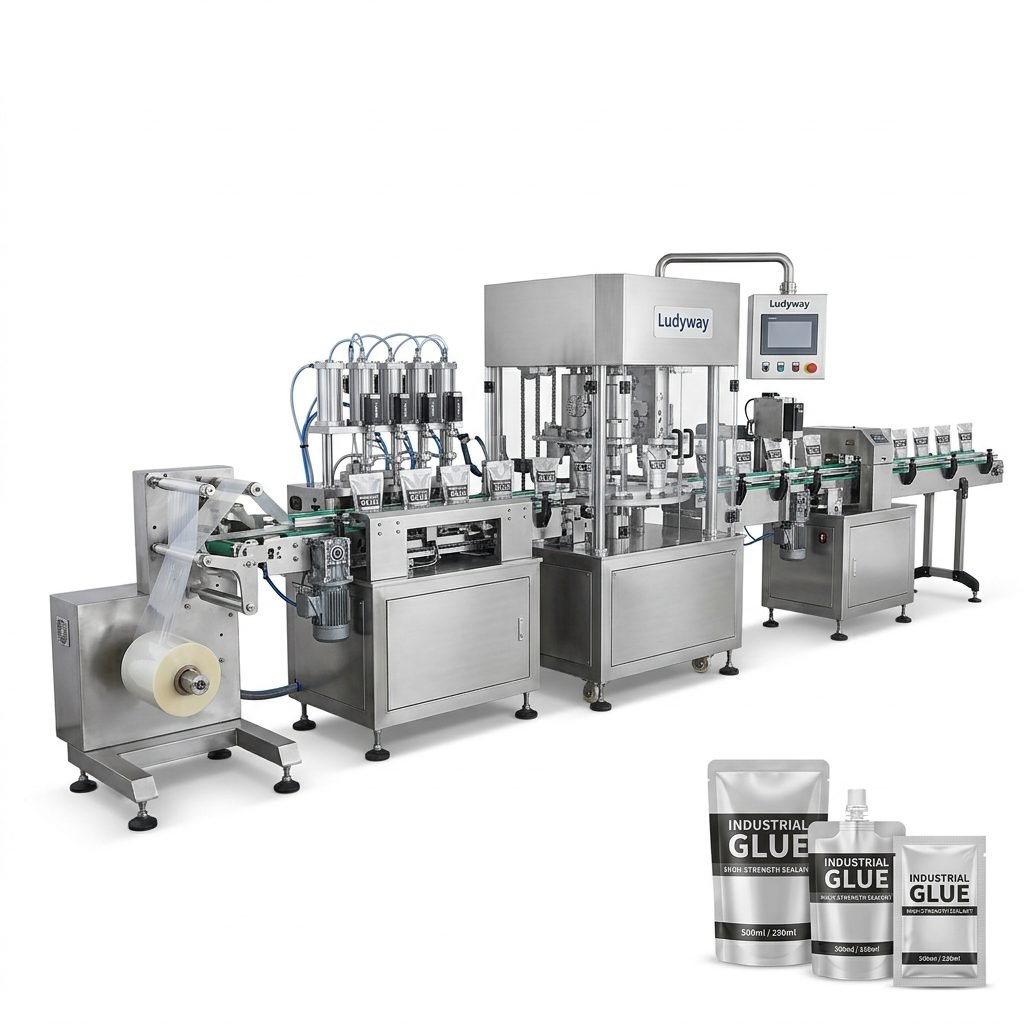
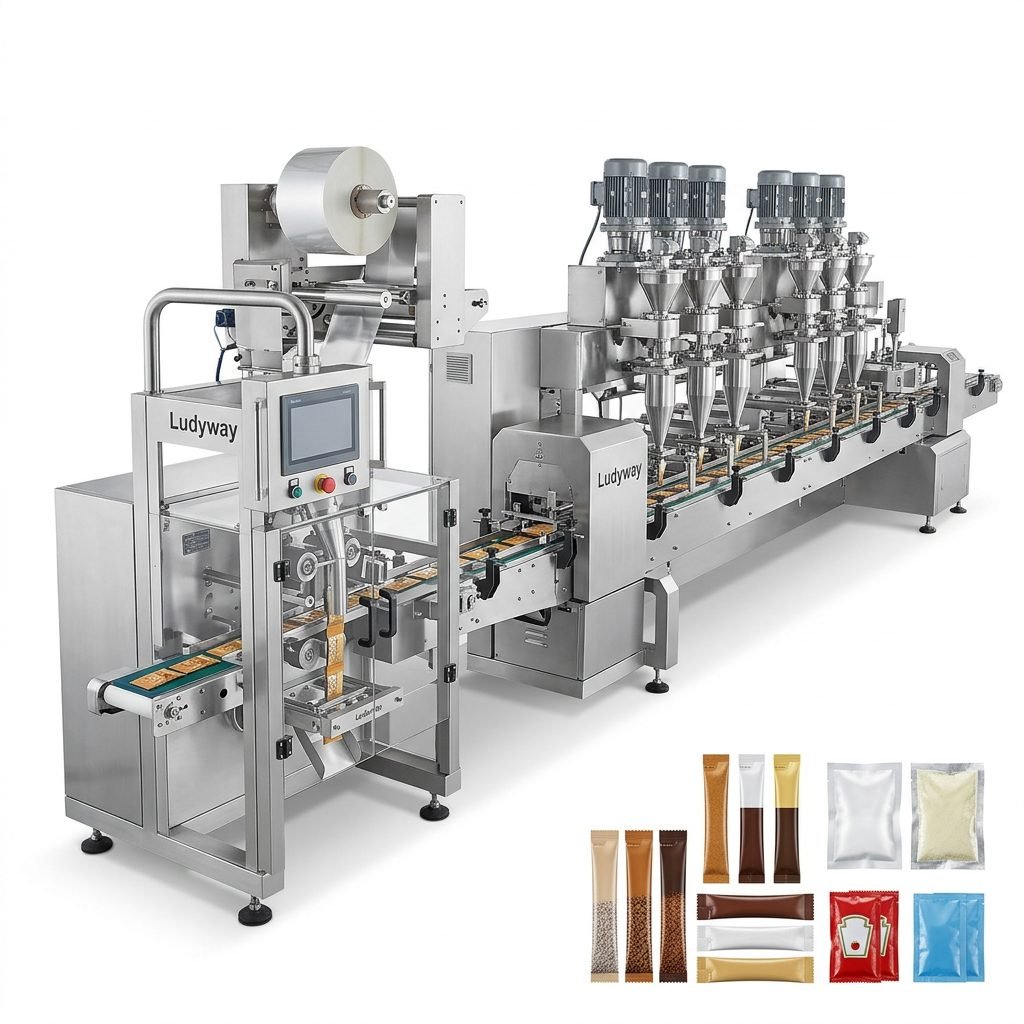
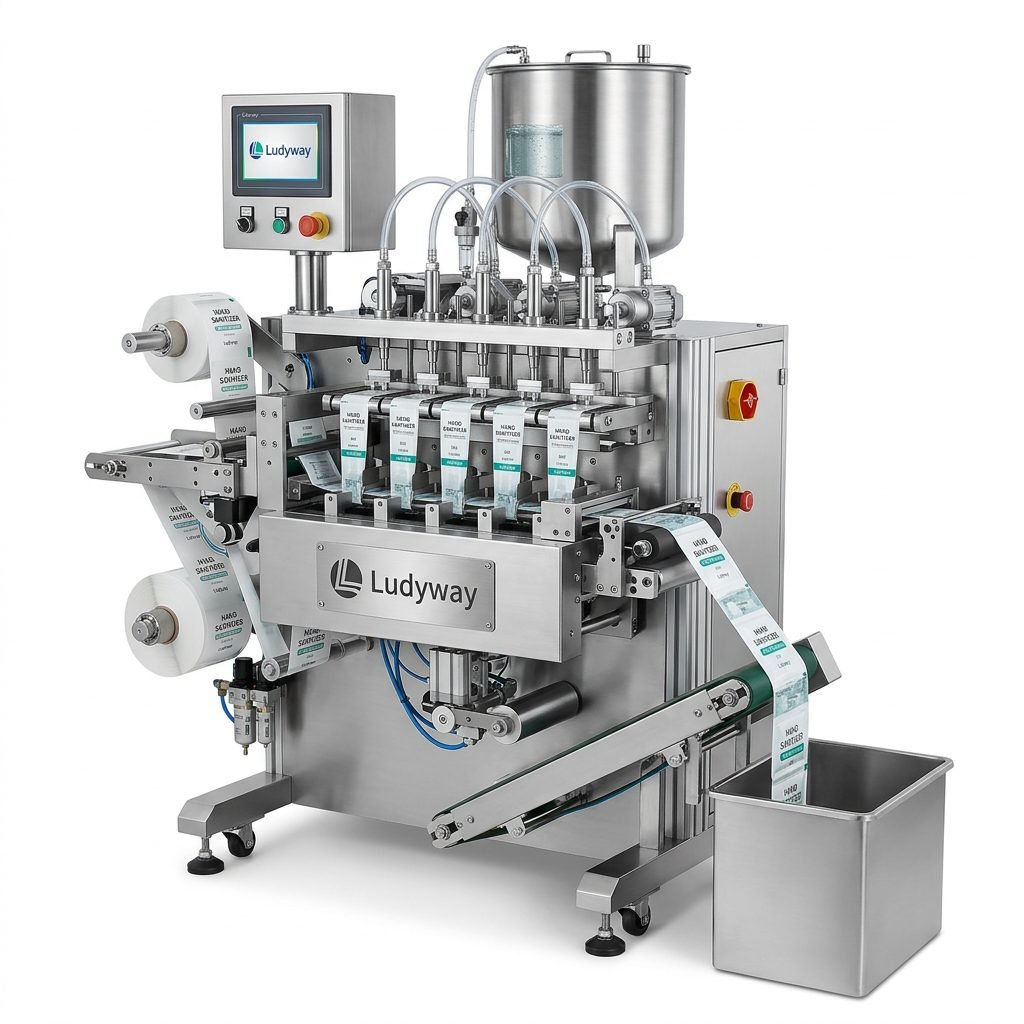
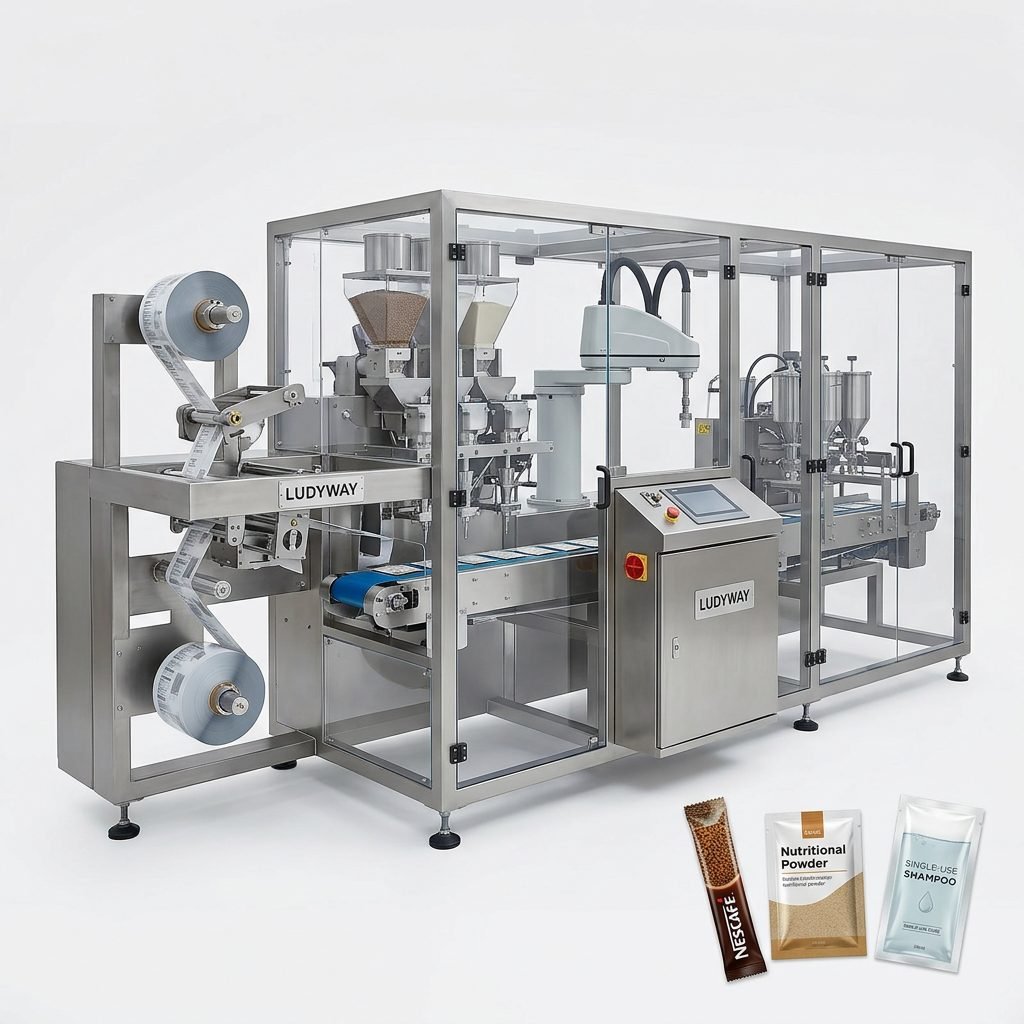
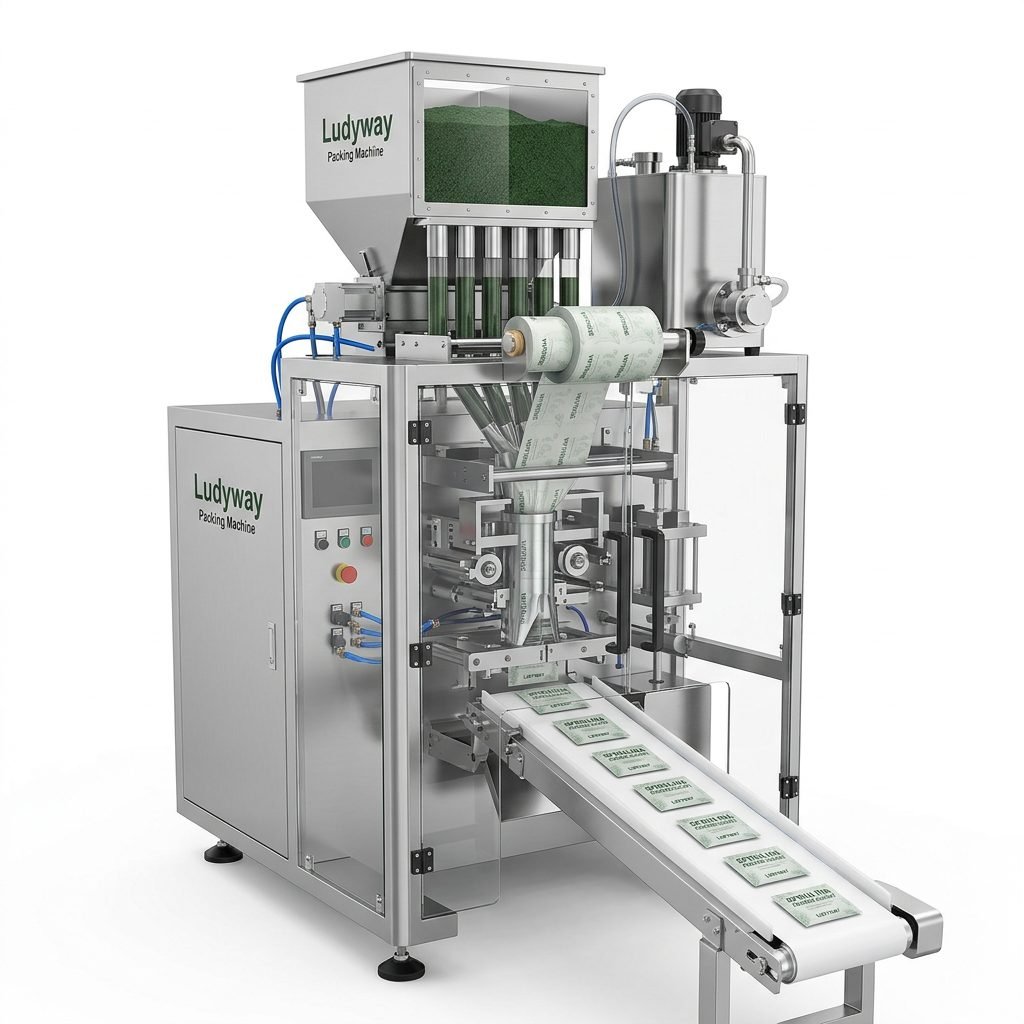
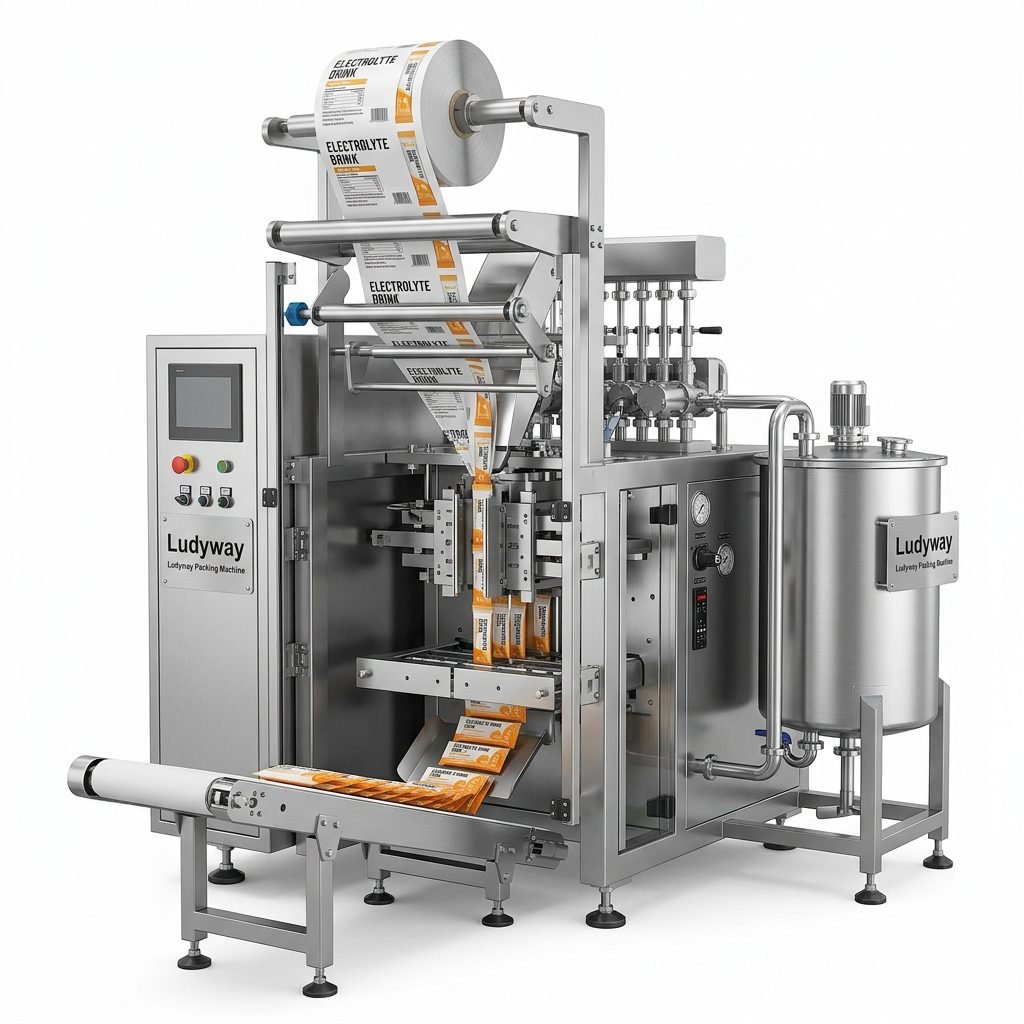
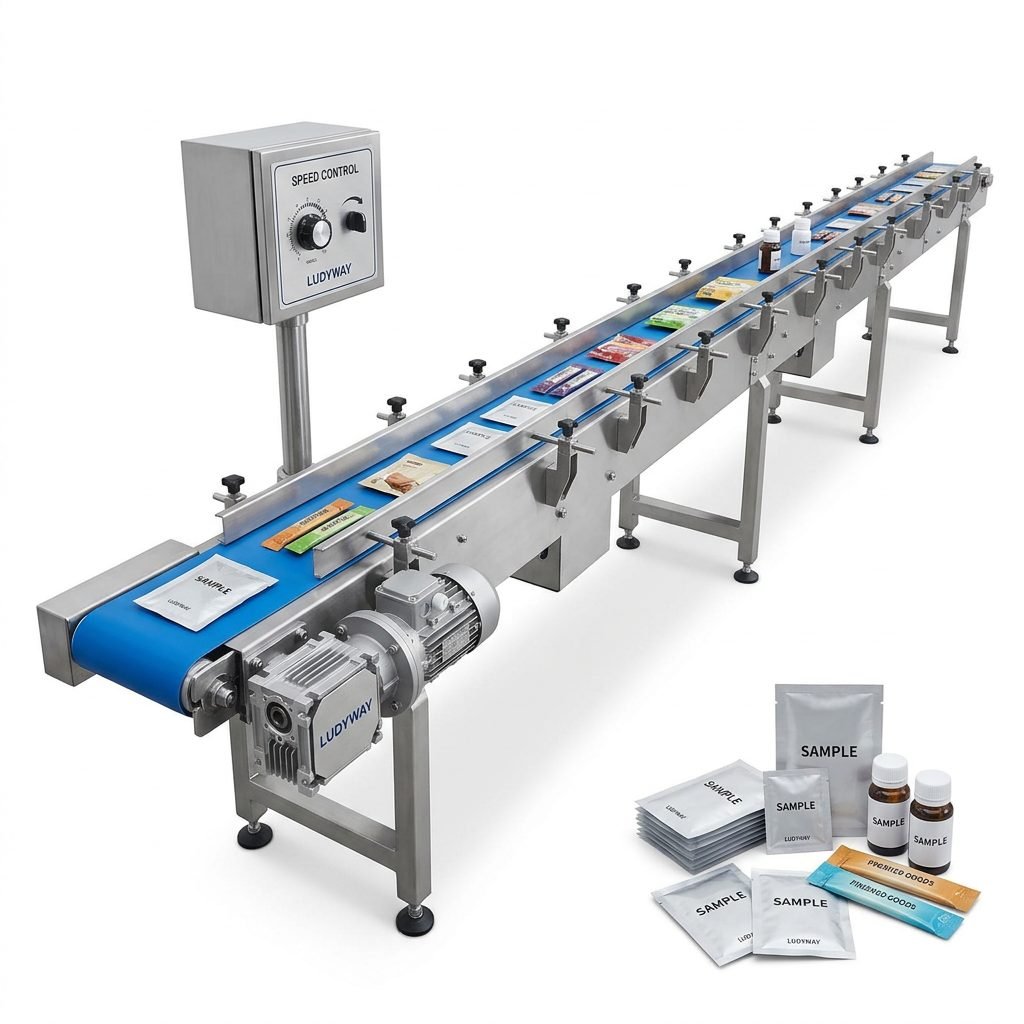
A semi-automatic packaging machine is a practical choice for manufacturers that need reliable packing performance without the higher investment of a fully automated line. It combines manual assistance with mechanical precision, helping businesses improve output, reduce packaging errors, and keep production flexible across different product types.
For growing factories, contract packers, and small-to-medium production facilities, this type of equipment offers an ideal balance between efficiency, flexibility, and cost control. It is widely used in food, pharmaceutical, cosmetic, chemical, and daily-use industries where consistent packaging quality matters.
What Is a Semi-Automatic Packaging Machine?
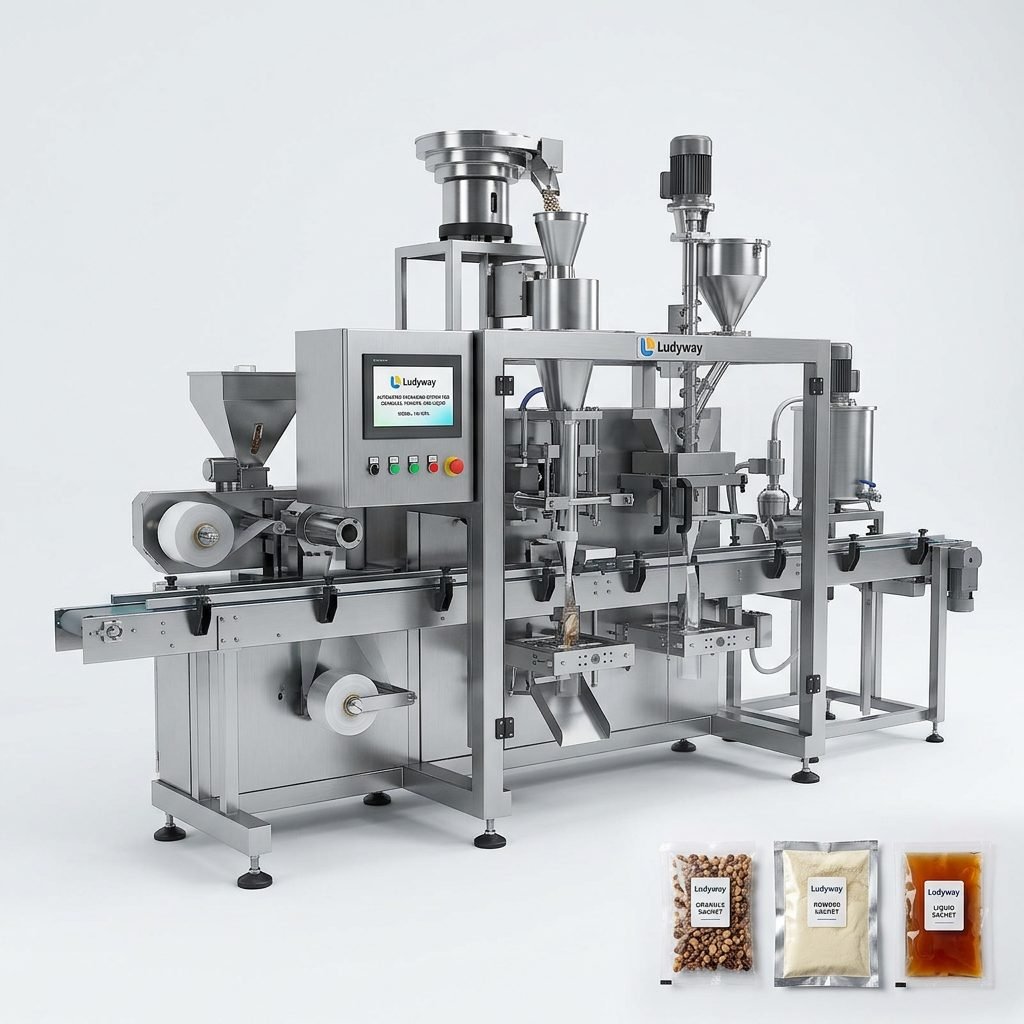
A semi-automatic packaging machine is packaging equipment that requires some operator involvement during the packing process. Unlike fully automatic systems that feed, fill, seal, and discharge products with minimal human intervention, semi-automatic machines usually need an operator to place containers, start cycles, adjust materials, or remove finished packs.
This setup makes them especially suitable for companies that want better consistency than manual packing can provide, but are not yet ready for a complete automated packaging line. In many cases, semi-automatic systems deliver a fast return on investment because they improve accuracy and labor efficiency without demanding major factory restructuring.
Typical packaging tasks include:
- Filling powders, granules, liquids, or pastes
- Sealing pouches, sachets, cups, bottles, or bags
- Weighing and dosing products with better precision
- Applying labels, codes, or date marks
- Supporting batch-based or low-to-medium volume production
Why Businesses Choose Semi-Automatic Packing Equipment
Many manufacturers do not need full automation from the beginning. A semi-automatic solution allows them to scale production steadily while maintaining greater control over packaging quality. It is also ideal for businesses with multiple SKUs, seasonal demand changes, or frequent packaging format adjustments.
| Key Benefit | Business Value |
|---|---|
| Lower initial investment | Helps companies upgrade from manual packing without a large capital burden |
| Operational flexibility | Suitable for multiple package sizes, materials, and product forms |
| Improved consistency | Reduces filling variation and sealing defects compared with manual work |
| Labor savings | One operator can often manage output that previously needed several workers |
| Easy maintenance | Simpler mechanical structure often means easier operation and servicing |
Main Advantages of Semi-Automatic Packaging Machines
1. Efficient Production Improvement
A semi-automatic system can dramatically increase output compared with hand packing. Even when an operator loads or unloads products manually, the machine performs the most critical tasks with repeatable speed and precision. This helps reduce downtime and improve daily packaging capacity.
2. Flexible for Different Products
Flexibility is one of the biggest reasons companies invest in semi-automatic packaging equipment. Manufacturers often need to pack powders, granules, liquids, or viscous materials in different bag or container styles. Semi-automatic systems are easier to adjust for product changes, making them a smart fit for varied production schedules.
3. Cost-Effective for Growing Businesses
For startups and expanding factories, budget matters. A semi-automatic packaging machine offers a strategic middle ground: it reduces dependence on fully manual labor while avoiding the higher cost of complete automation. This is especially valuable for businesses testing new products or entering new markets.
4. Better Packaging Accuracy
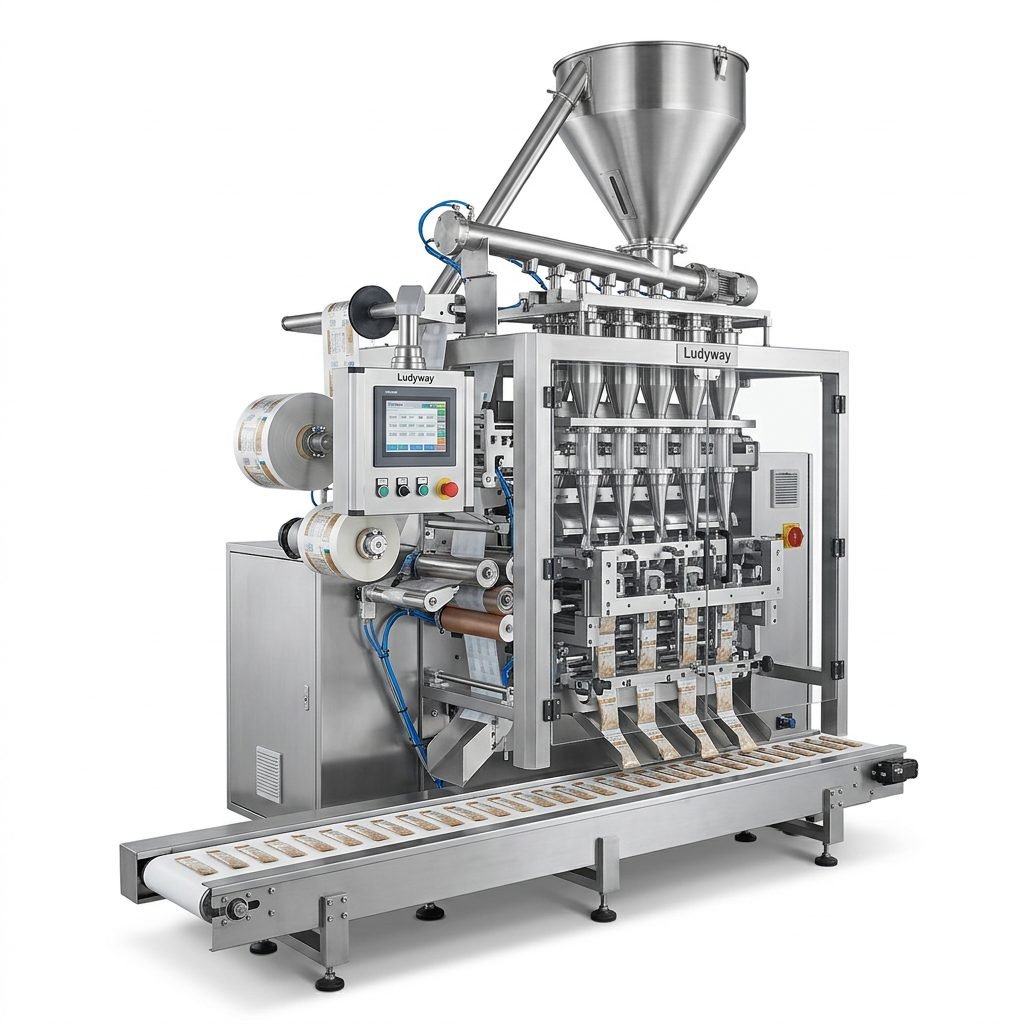
Whether filling nutritional powders, spices, detergent, pharmaceutical granules, or liquid samples, accuracy affects product quality and material cost. Semi-automatic packers can improve dosing control and reduce overfill or underfill, supporting better compliance and customer satisfaction.
5. Easier Staff Training
Compared with more complex automatic lines, semi-automatic packaging machines usually require less operator training. This makes them easier to introduce into facilities with limited technical manpower or high labor turnover.
Common Applications Across Industries
Semi-automatic packaging systems can serve a wide range of industries because they are adaptable to different materials, packaging formats, and production targets.
Food Industry
- Coffee powder and drink mixes
- Sugar, salt, seasoning, and spices
- Snack foods, grains, seeds, and nuts
- Sauces, oils, and liquid condiments
Pharmaceutical and Health Products
- Oral powder sachets
- Granule medicine packs
- Supplement powders and stick packs
- Single-dose healthcare products
Cosmetic and Personal Care
- Serum sachets
- Shampoo and lotion packs
- Cream and gel filling
- Travel-size sample packaging
Chemical and Daily-Use Products
- Detergent powder filling
- Cleaning liquid sachets
- Agricultural powder and granule packaging
- Industrial additives and treatment chemicals
Semi-Automatic vs Manual vs Fully Automatic Packaging
To choose the right packaging method, it helps to compare the three most common production approaches.
| Packaging Method | Best For | Main Limitation |
|---|---|---|
| Manual Packaging | Very small output, simple tasks, limited budget | Low efficiency, inconsistent quality, high labor dependence |
| Semi-Automatic Packaging | Growing businesses, varied products, controlled investment | Still needs some operator support |
| Fully Automatic Packaging | High-volume production and integrated lines | Higher investment and more complex setup |
How to Choose the Right Semi-Automatic Packaging Machine
Not all packing systems are the same. The right machine depends on your product characteristics, packaging material, daily output, and future expansion plans.
Important factors to evaluate:
- Product type: powder, granule, liquid, paste, or mixed material
- Package format: sachet, pouch, bottle, jar, bag, or cup
- Filling accuracy: especially critical for food and pharma products
- Output requirement: current production volume and future growth
- Changeover frequency: how often you switch products or sizes
- Cleaning needs: especially for hygienic or sensitive applications
- Integration potential: whether you may later add conveyors, coding, labeling, or cartoning units
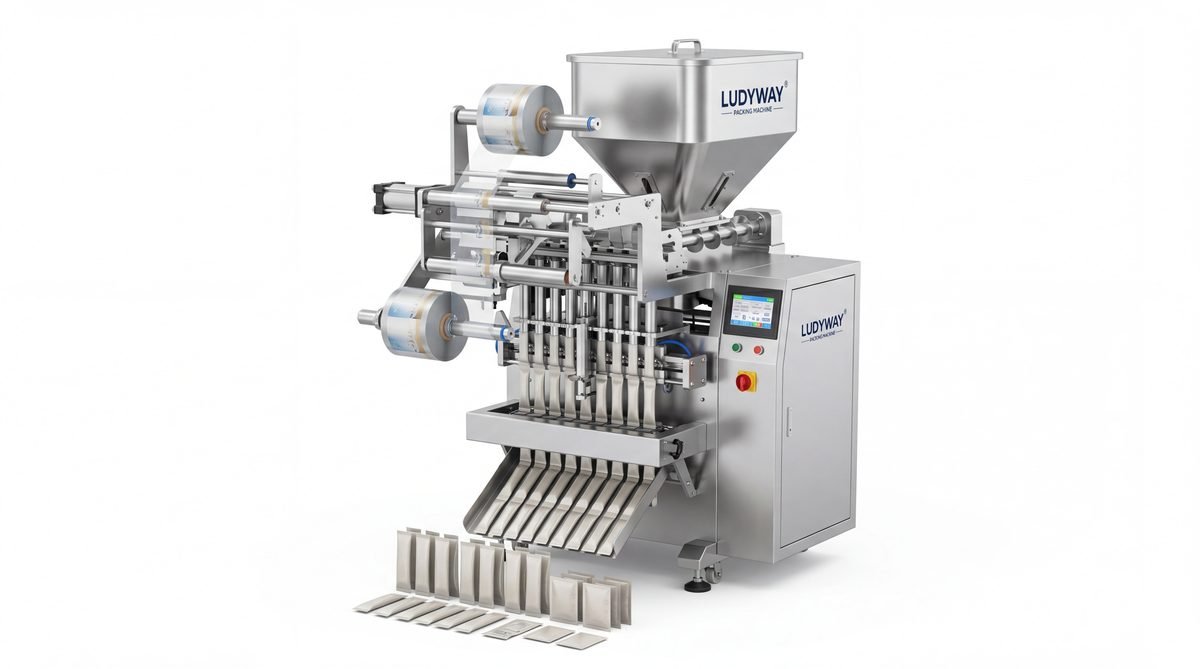
A reliable manufacturer should not only offer the machine itself, but also provide guidance on machine configuration, material compatibility, and technical support. Businesses looking for scalable solutions often work with experienced packaging equipment suppliers such as Ludyway packaging machine manufacturer, known for supplying packaging machinery and turnkey line solutions for food, pharmaceutical, cosmetic, chemical, and related industries.
Best Scenarios for Using Semi-Automatic Packing Solutions
Semi-automatic packaging equipment is especially effective in the following situations:
- New factories moving from manual packing to mechanized production
- Brands launching pilot products before investing in full automation
- Contract packers handling multiple product categories
- Operations with limited floor space
- Businesses needing dependable output at a reasonable cost
It is a smart option when you need:
more control than manual packing, but not the complexity of a full automatic line.
Maintenance and Operational Tips
To keep a semi-automatic packaging machine running smoothly, regular maintenance is essential. Proper machine care improves sealing quality, filling accuracy, and equipment life.
- Clean contact parts after every shift, especially for food and pharma products
- Inspect sealing components and wear parts regularly
- Calibrate filling or weighing systems as needed
- Train operators on correct loading and machine start procedures
- Keep spare parts available for common maintenance items
Future Upgrade Potential
One of the most attractive benefits of semi-automatic equipment is that it can serve as a stepping stone toward automation. Many companies begin with a semi-automatic filler or sealer and later upgrade with conveyors, feeders, printers, checkweighers, labeling systems, or automatic cartoning units.
This modular path allows businesses to grow step by step while managing investment risk. Instead of overcommitting early, they can expand based on real market demand.
Conclusion
A semi-automatic packaging machine remains one of the most efficient, flexible, and cost-effective choices for modern packaging operations. It helps businesses improve productivity, enhance packaging consistency, and control costs while keeping room for future upgrades.
Whether you package powders, granules, liquids, or pastes, the right semi-automatic packing solution can strengthen production performance and support long-term growth. For many manufacturers, it is not just an entry-level option—it is a smart and scalable packaging strategy.