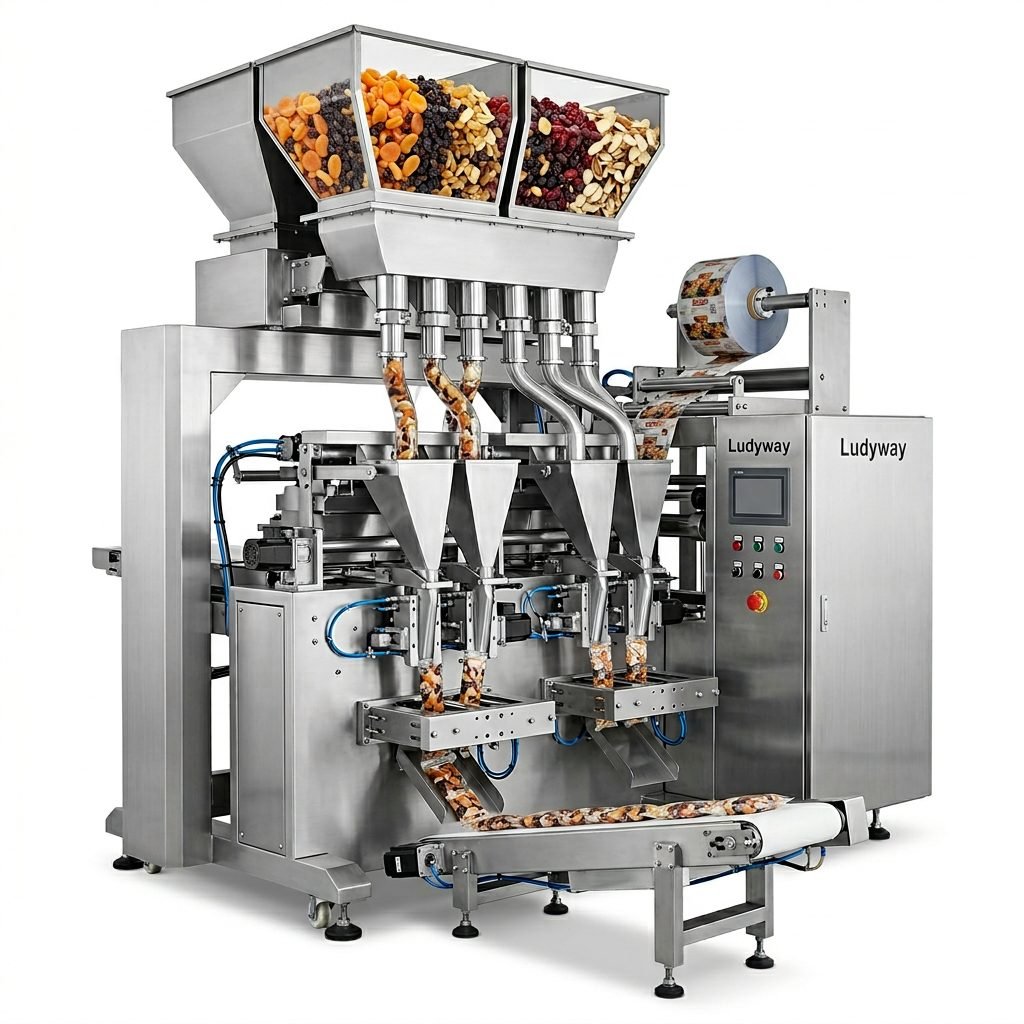
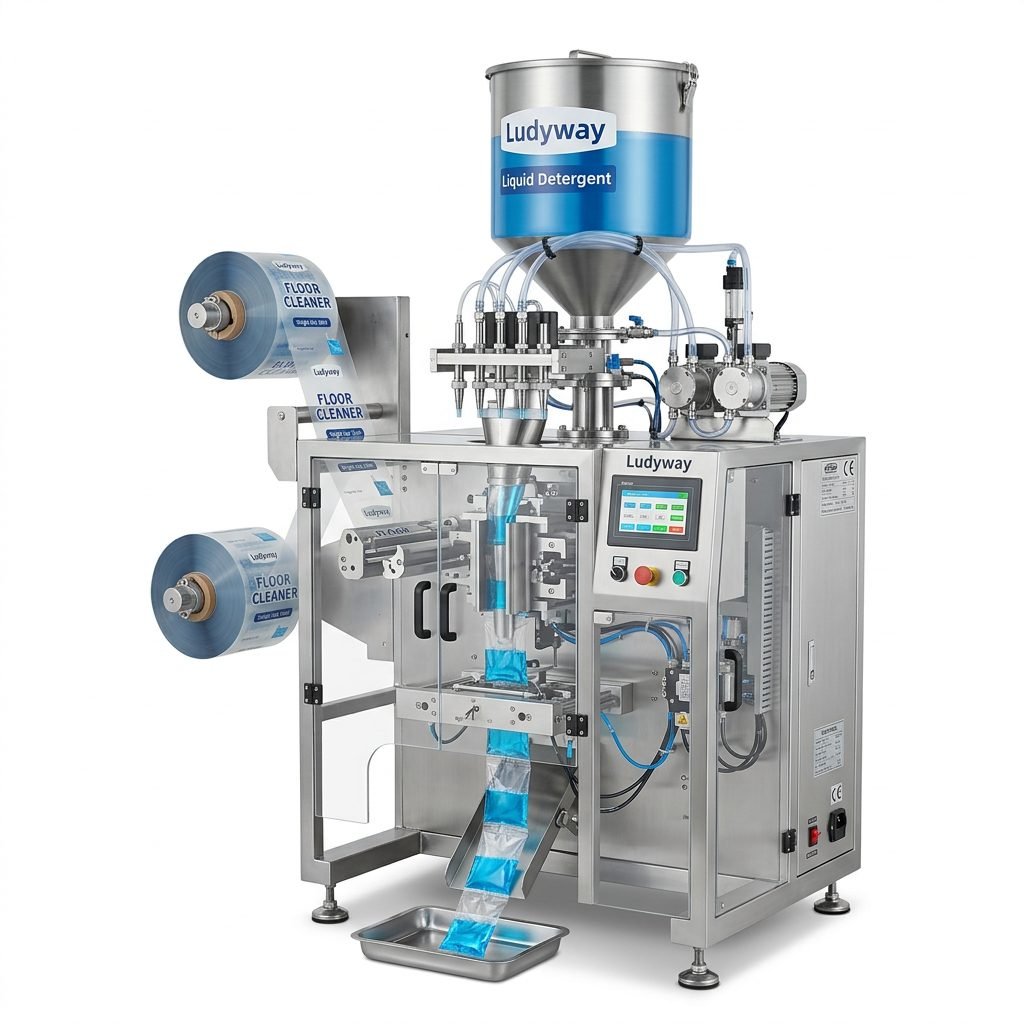
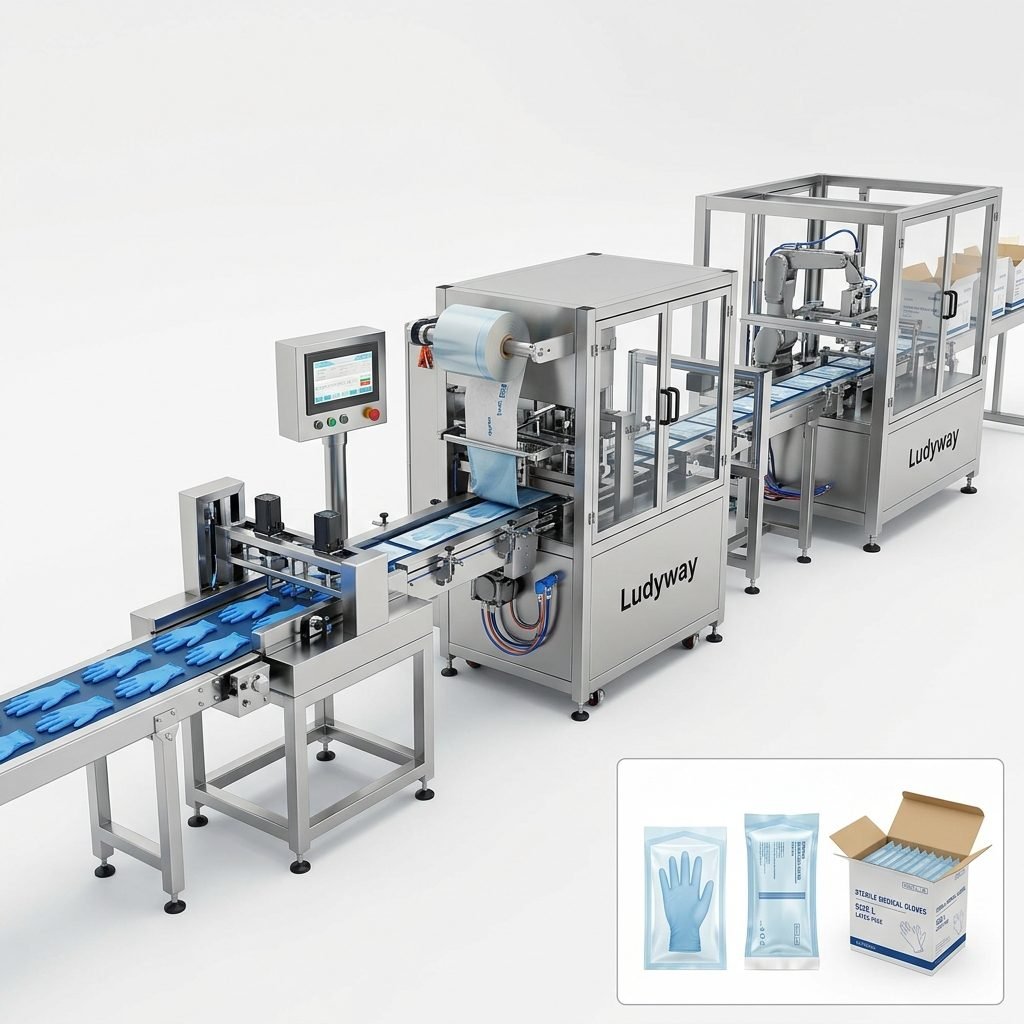
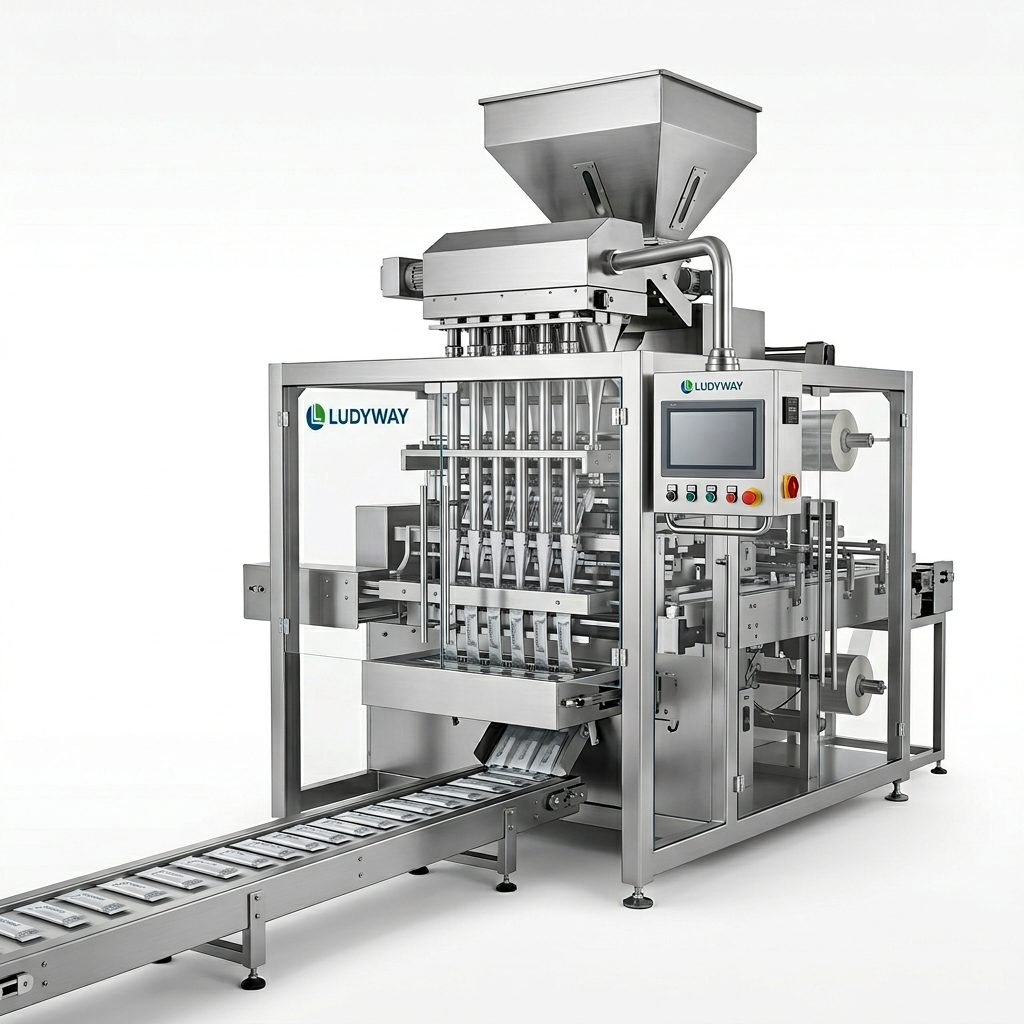
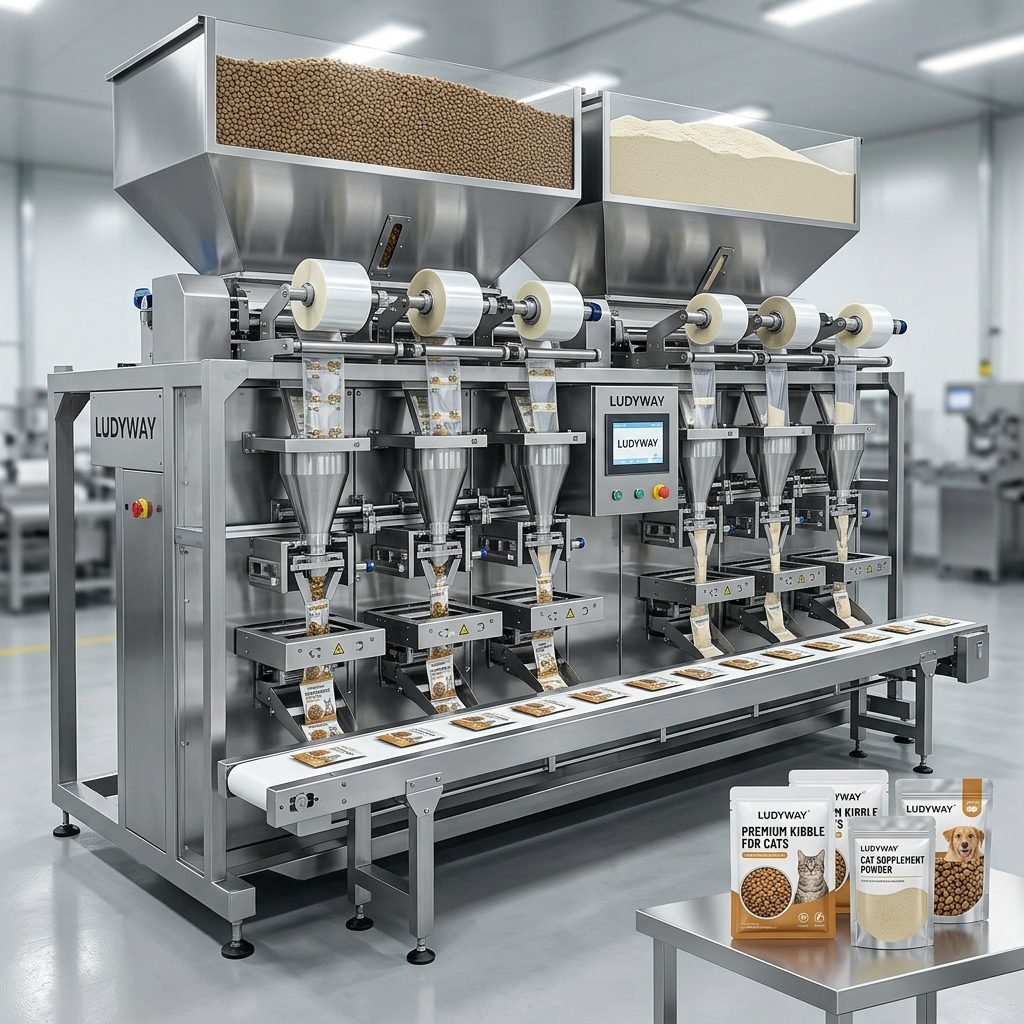
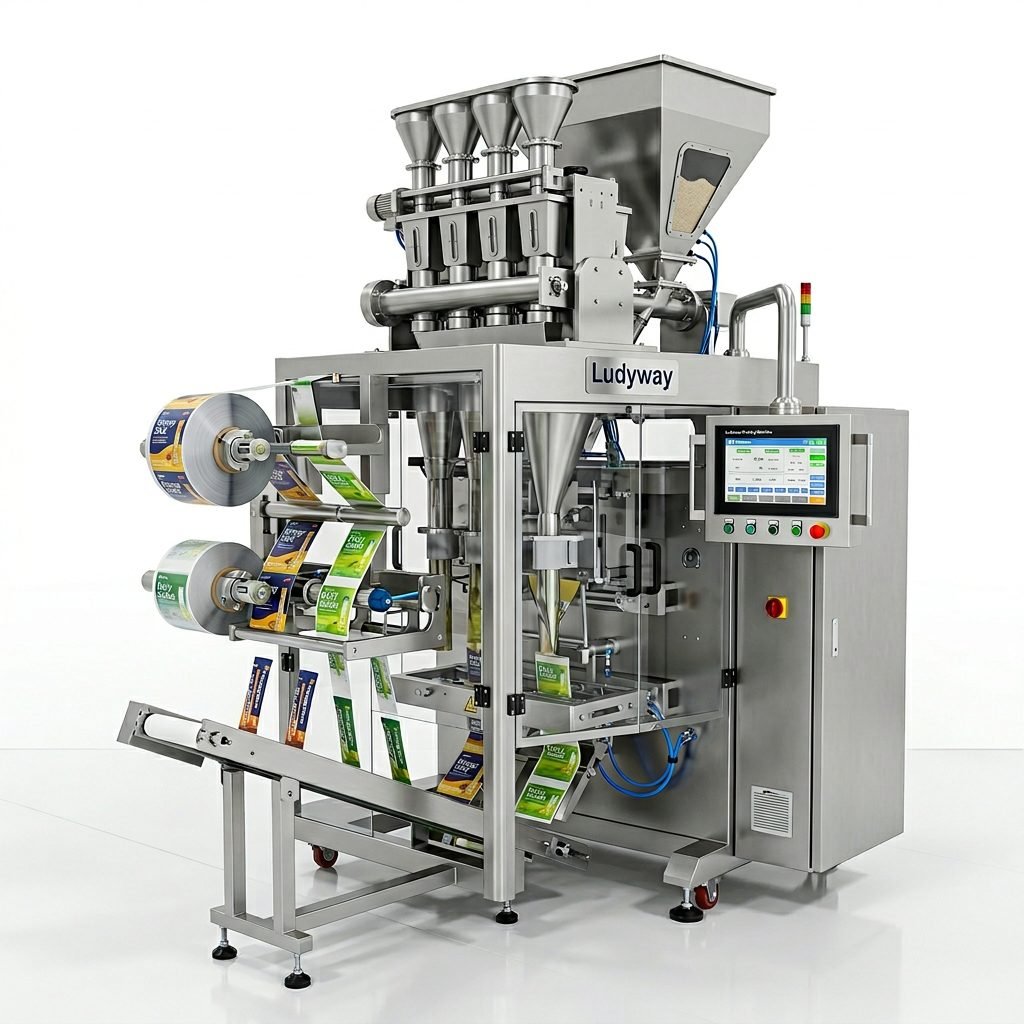
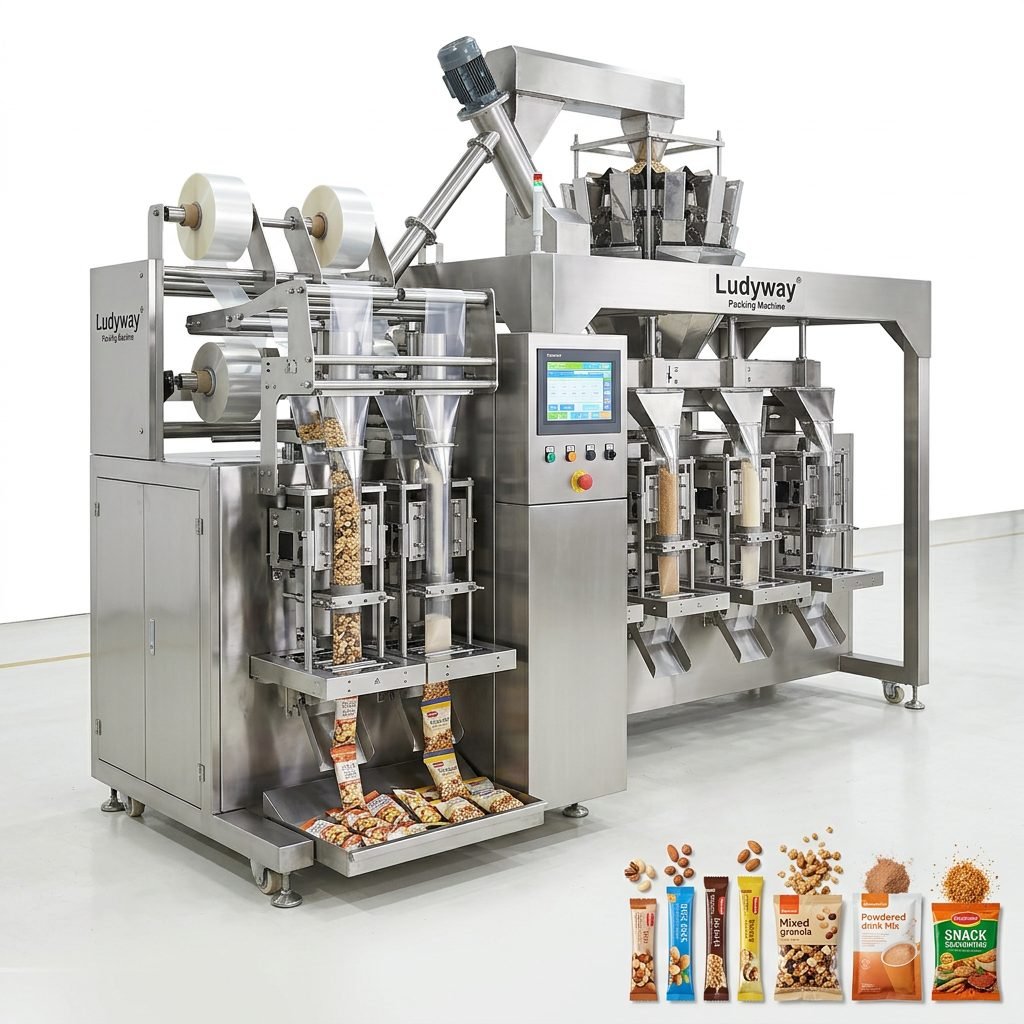
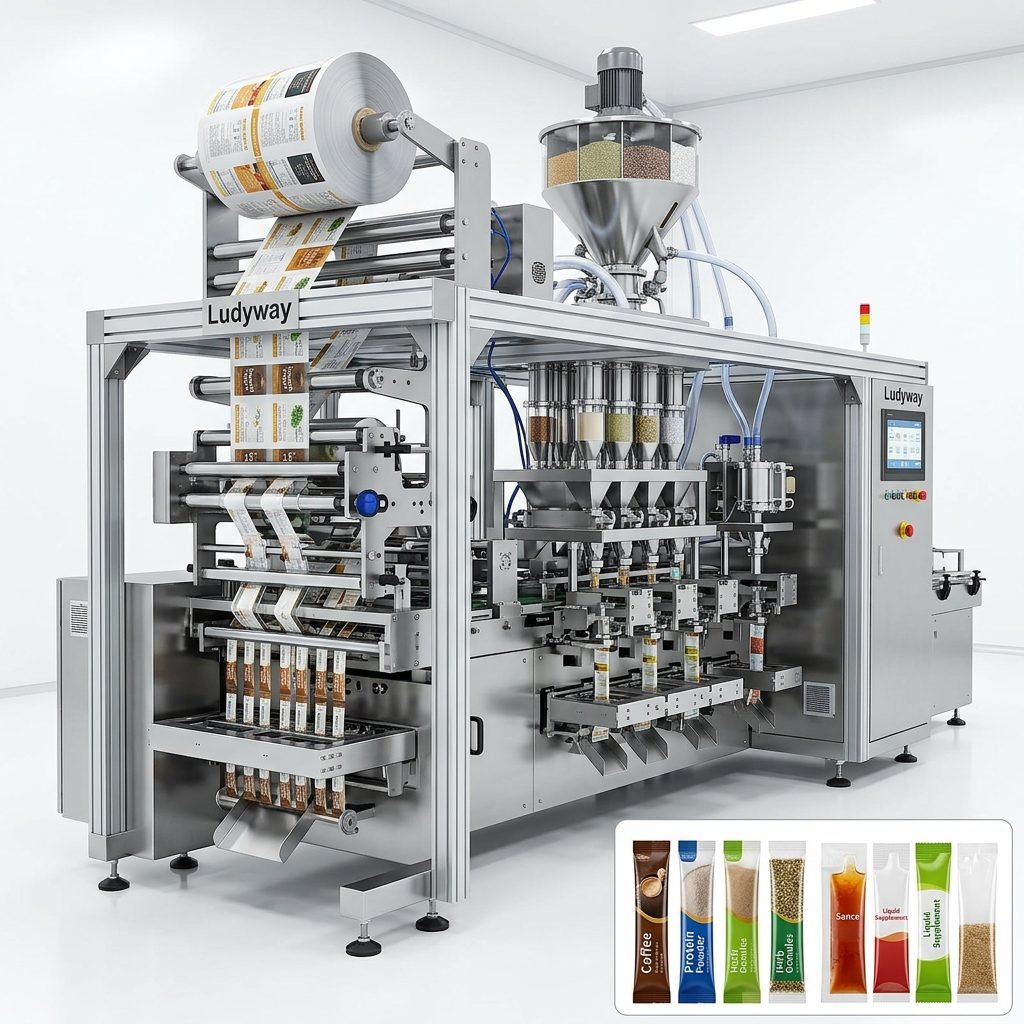
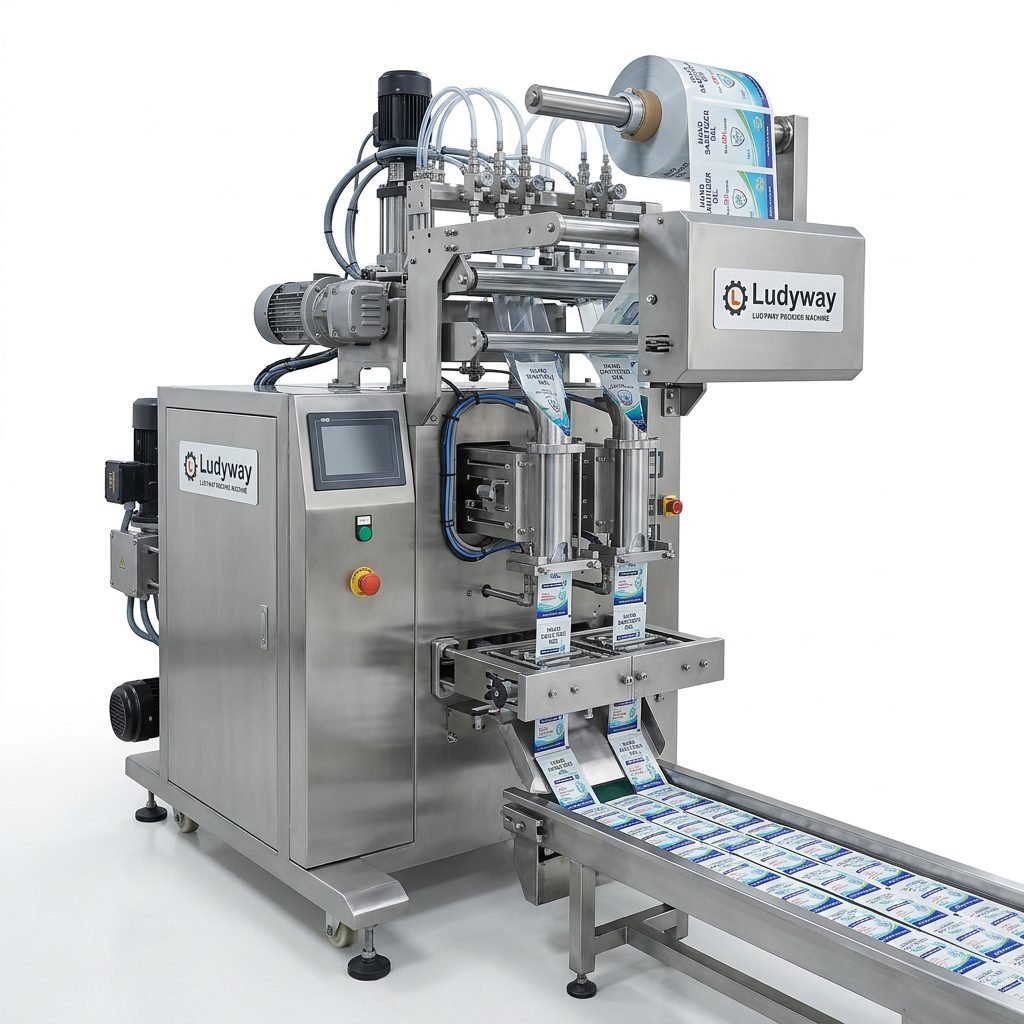
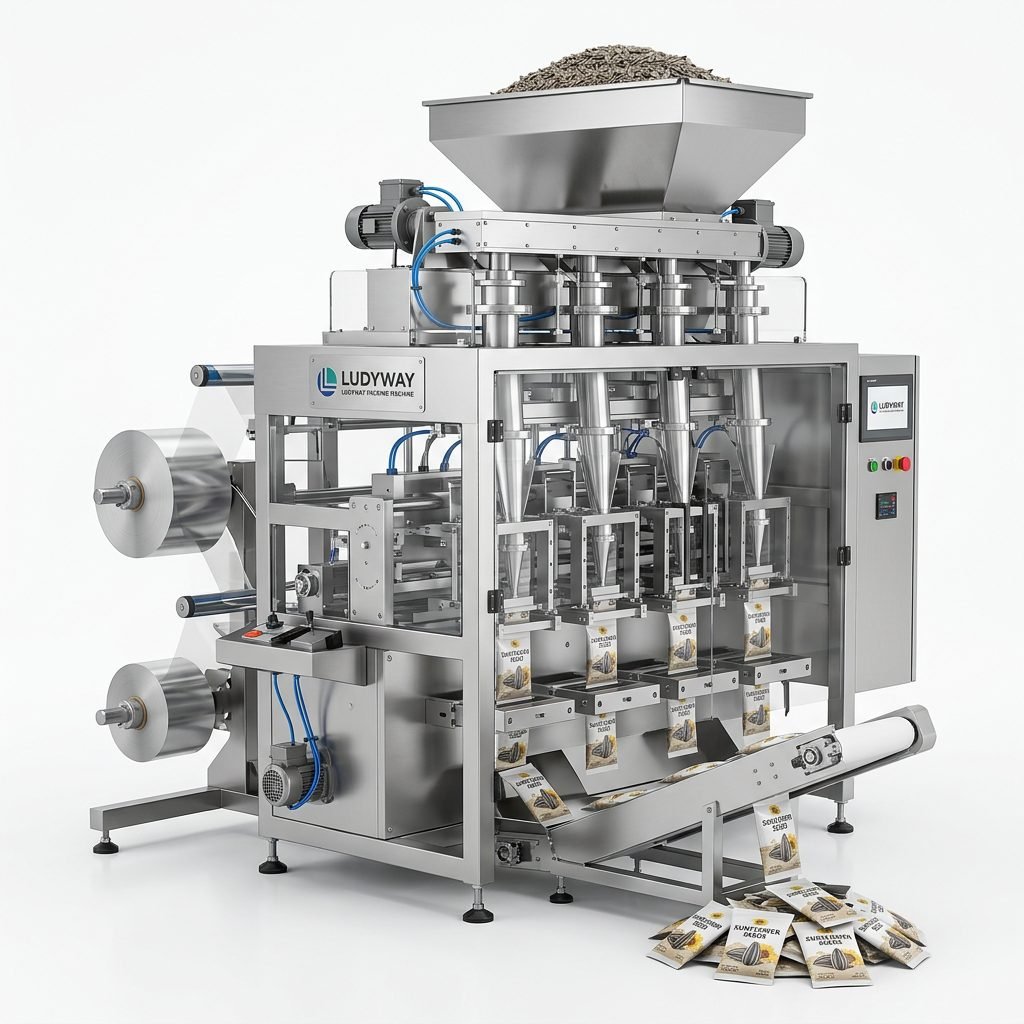
A slitting bag machine is designed to cut, open, separate, or prepare bag materials for the next packaging step. In modern packaging production, it helps manufacturers improve speed, consistency, and material utilization when processing film rolls, pouches, laminated materials, and flexible packaging formats. Whether you work in food, pharmaceutical, cosmetic, chemical, or consumer goods packaging, choosing the right machine can directly affect production efficiency and product quality.
What Is a Slitting Bag Machine?
A slitting bag machine is a piece of converting or packaging equipment that processes packaging materials into narrower widths, individual lanes, or prepared bag sections. Depending on the application, it may slit film rolls, cut bag openings, trim edges, separate connected bags, or integrate with filling and sealing systems.
In practical use, the term can refer to several machine configurations, including:
- Roll slitting machines for plastic film, paper, foil, or laminated materials
- Bag cutting and separating machines for continuous pouch production
- Inline slitting units connected to form-fill-seal systems
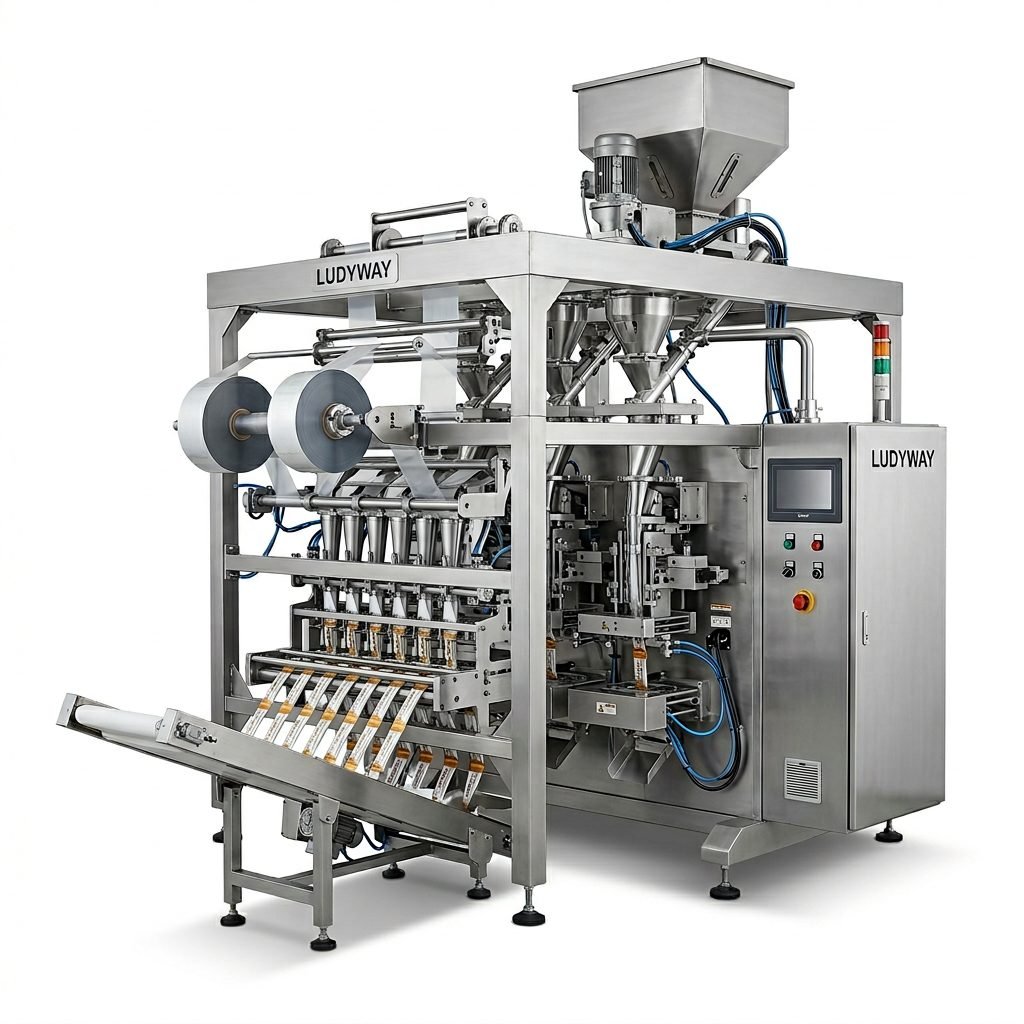
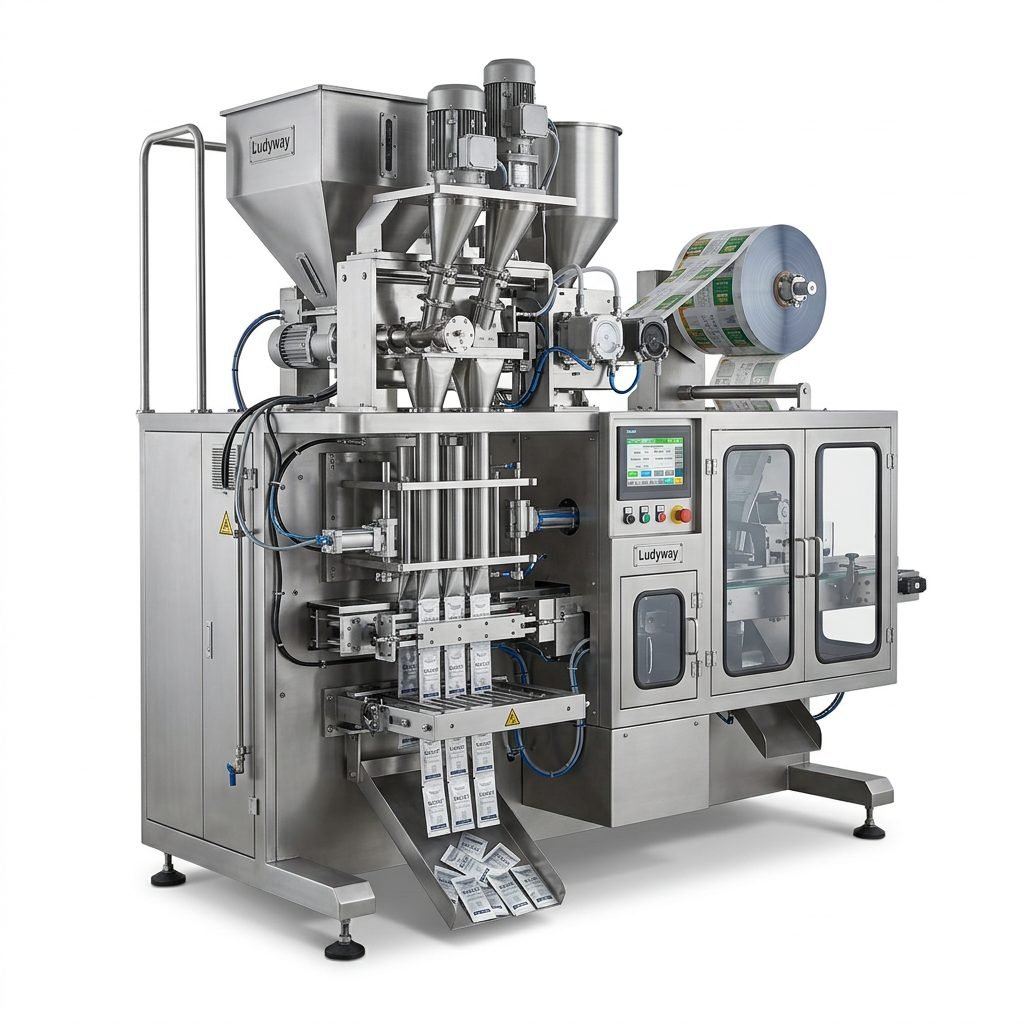
- Multi-lane slitting systems for high-output sachet or stick pack applications
The exact structure varies by bag type, material thickness, production speed, and end-use industry.
How a Slitting Bag Machine Works
Although machine structures differ, most slitting bag machines follow a similar workflow. The process starts with material unwinding and ends with separated, trimmed, or prepared bags ready for filling, sealing, counting, or secondary packaging.
1. Material Feeding and Unwinding
The machine first feeds film rolls or bag material into the system through an unwinding section. Tension control is important here because unstable feeding can lead to uneven slitting, wrinkles, or material waste.
2. Alignment and Web Guiding
Sensors or guide rollers keep the material aligned. This step ensures the slit position stays accurate across the full production run, especially when the printed registration or bag dimensions must remain consistent.
3. Slitting or Cutting
The core slitting system uses blades, rotary knives, shear cutters, or hot knives to divide the material. The chosen cutting method depends on the substrate:
- Cold knife for standard films and laminates
- Hot knife for materials that benefit from heat sealing at the edge
- Rotary slitting for high-speed continuous operation
- Shear slitting for precision width control
4. Edge Trimming and Waste Removal
If the material has excess width or imperfect edges, the machine trims both sides and removes scrap automatically. This improves bag appearance and downstream sealing quality.
5. Separation, Rewinding, or Transfer
After slitting, the output may be:
- Rewound into narrower rolls
- Cut into individual bag units
- Transferred directly to filling and sealing equipment
- Stacked, counted, or conveyed to cartoning systems
6. Inspection and Quality Monitoring
Advanced machines may include automatic length control, photoelectric sensors, tension monitoring, and defect detection to maintain stable performance and reduce operator error.
Main Components of a Slitting Bag Machine
Understanding key machine parts helps buyers compare models more effectively.
| Component | Function | Why It Matters |
|---|---|---|
| Unwinder | Feeds film or bag material into the machine | Affects tension stability and throughput |
| Web guide | Keeps material aligned during operation | Improves slitting precision |
| Slitting knives | Cuts material into required widths or sections | Determines cut quality and speed |
| Drive system | Powers movement of rollers and blades | Influences machine stability and energy efficiency |
| Control panel / PLC | Sets parameters and monitors operation | Improves ease of use and repeatability |
| Rewinder or discharge unit | Collects or transfers finished output | Supports continuous production |
Common Applications
A slitting bag machine is used in many packaging environments where flexible materials must be accurately processed before or after bag making.
- Food powders, granules, sauces, and snacks
- Pharmaceutical sachets and medical packaging materials
- Cosmetic sample sachets, creams, and serum packs
- Chemical powders, detergents, and industrial liquids
- Pet food, feed additives, and nutrition products
Benefits of Using a Slitting Bag Machine
Higher Production Efficiency
Manual cutting or bag separation is slow and inconsistent. A machine can process material continuously, helping manufacturers achieve higher output with lower labor dependence.
Better Cutting Accuracy
Precision slitting reduces dimensional variation, which is critical for downstream filling, sealing, coding, and cartoning.
Reduced Material Waste
Stable web control and sharp cutting systems reduce scrap, bad edges, and off-spec products. Over time, this can significantly lower packaging material costs.
Improved Product Appearance
Clean cuts and uniform bag dimensions improve shelf presentation and brand perception, especially in retail-ready packaging.
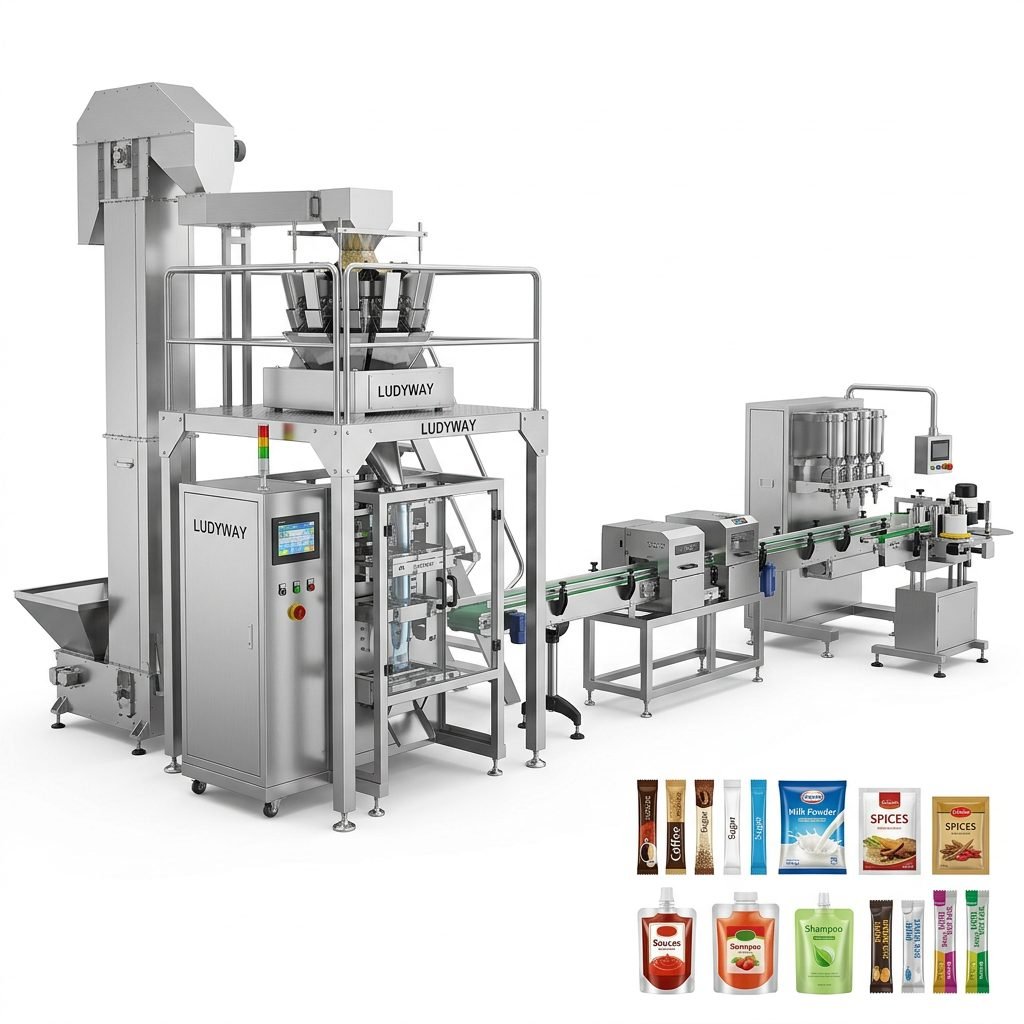
Easy Integration with Packaging Lines
Many slitting bag machines can be integrated with pouch making, filling, sealing, printing, inspection, and cartoning systems for a more automated production line.
Scalability for Different Products
Modern machines can handle multiple material types and bag sizes, making them suitable for growing manufacturers with changing SKU requirements.
Types of Slitting Bag Machines
The best machine depends on your product format and production goals. The most common types include:
| Machine Type | Best For | Key Advantage |
|---|---|---|
| Roll slitting machine | Film, foil, laminate converting | High precision width control |
| Bag cutting machine | Separating preformed or connected bags | Clean finished bag output |
| Multi-lane slitting machine | Sachet and stick pack production | Excellent for high-volume output |
| Inline slitting unit | Automated packaging lines | Reduces handling between steps |
| Hot knife slitting system | Heat-sensitive or sealable materials | Cleaner sealed cut edge |
How to Choose the Right Slitting Bag Machine
Material Type
Start by identifying the substrate you process: PE, PET, BOPP, aluminum foil laminate, paper-plastic composite, nonwoven material, or another flexible format. Each material behaves differently during slitting.
Bag Style and Final Format
Ask whether you need narrow rolls, separated pouches, stick pack lanes, trimmed bag mouths, or connected bag cutting. The machine should match the final package design.
Production Speed
Low-speed production may only need a compact standalone unit. High-volume factories should look for servo-driven, continuous-motion, or multi-lane systems.
Cutting Accuracy
For pharmaceutical, nutraceutical, and premium consumer products, precision matters. Look for stable tension control, registration correction, and quality sensors.
Automation Level
Some buyers need a basic manual-adjustment machine, while others want a fully integrated line with HMI touch screen, recipe storage, alarm systems, and remote support.
Maintenance and Spare Parts
Choose a machine with accessible blades, easy cleaning, common spare parts, and dependable after-sales service. This helps minimize downtime.
Compliance Requirements
Food and pharmaceutical factories may require stainless steel contact parts, GMP-oriented design, safety guarding, and documentation support.
Key Questions to Ask Before Buying
- What material width and thickness range can the machine handle?
- What is the maximum and stable operating speed?
- What cutting method is used?
- How easy is blade replacement and cleaning?
- Can the machine integrate with filling, sealing, coding, or cartoning equipment?
- What training, installation, and after-sales support are included?
- Are customized configurations available for special bag sizes or materials?
Buying tip: Do not compare machines by price alone. A lower-cost system may create more waste, slower changeovers, and higher maintenance costs over time.
Signs of a High-Quality Machine
- Stable frame structure with reliable mechanical design
- Servo or precision motor control for smoother operation
- Accurate slitting with low burr and low deviation
- User-friendly touchscreen controls
- Strong safety protection and emergency stop design
- Flexible changeover for different product sizes
- Technical support and spare parts availability
Typical Industries That Benefit Most
Companies with frequent SKU changes, strict packaging quality standards, or high-volume flexible packaging production gain the most value from a slitting bag machine. This includes:
- Food seasoning and instant drink producers
- Pharmaceutical and supplement manufacturers
- Cosmetic sachet and sample pack producers
- Detergent and household chemical manufacturers
- Pet nutrition and feed packaging companies
Mistakes Buyers Should Avoid
Many purchasing problems come from incomplete technical evaluation. Avoid these common mistakes:
- Choosing a machine without testing your actual material sample
- Ignoring future capacity expansion
- Overlooking changeover time between bag sizes
- Focusing only on top speed instead of stable operating speed
- Not checking service response and spare parts support
- Buying a machine that cannot integrate with your existing line
Maintenance Tips for Long-Term Performance
Routine maintenance helps maintain slitting quality and extend machine life.
- Inspect and sharpen or replace blades regularly
- Clean dust, powder, or film debris from rollers and guides
- Check web tension calibration frequently
- Lubricate moving parts according to the manufacturer’s instructions
- Monitor sensor accuracy and electrical connections
- Train operators to identify early signs of wear or misalignment
Why Supplier Experience Matters
The machine itself is only part of the investment. The supplier’s engineering ability, customization experience, and service system are equally important. For businesses looking for packaging automation solutions, working with an experienced manufacturer can reduce technical risk and improve long-term line performance.
For example, slitting bag machine solutions from Ludyway can be evaluated within the broader context of packaging machinery and turnkey production line integration. Founded in 1993, the company is recognized as one of China’s leading packaging machine and turnkey packaging line manufacturers, serving global industries such as food, pharma, health supplement, cosmetics, and chemicals.
Final Buying Checklist
| Checklist Item | Why It Is Important |
|---|---|
| Material compatibility | Ensures clean slitting and reliable output |
| Bag size range | Determines flexibility for current and future SKUs |
| Operating speed | Affects production capacity |
| Precision control | Reduces waste and improves consistency |
| Automation level | Improves efficiency and lowers labor demand |
| Service and spare parts | Protects uptime and long-term ROI |
| Customization support | Helps match exact production requirements |
Conclusion
A slitting bag machine plays an important role in flexible packaging production by improving accuracy, speed, and material efficiency. The right model can streamline your process, support automation, and help maintain consistent package quality across high-volume operations. When buying one, focus on material compatibility, cut precision, integration capability, and supplier reliability rather than price alone. That approach will give you a machine that supports both your current production goals and future business growth.