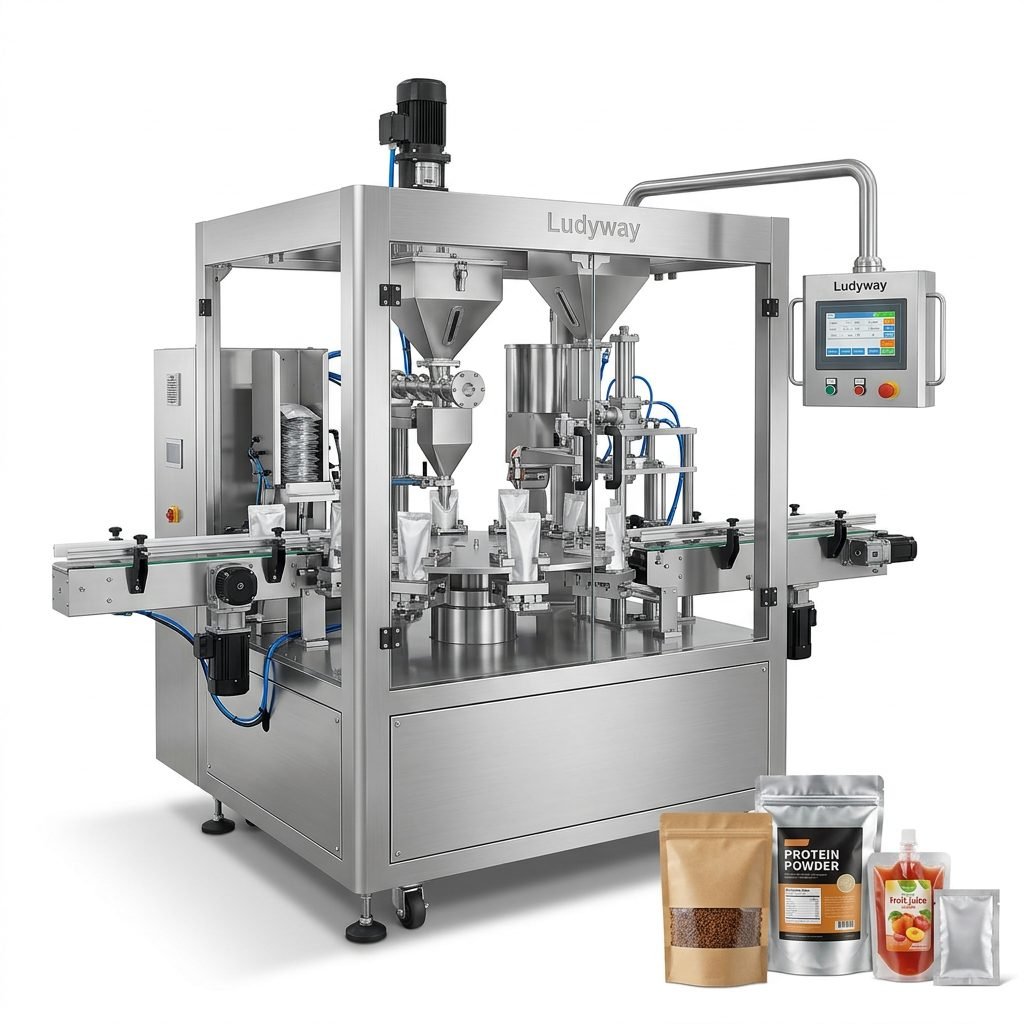
In modern manufacturing, an automatic bag making machine is far more than a sealing device. It is a productivity driver that helps packaging plants improve speed, consistency, material usage, and overall line efficiency. Whether you package powders, granules, liquids, pastes, or pouch-based products, the right machine can reduce labor dependence and support stable, scalable output.
For food, pharmaceutical, cosmetic, chemical, and daily-use industries, automated bag making solutions have become essential for meeting stricter quality standards and growing market demand. Buyers today are not only looking for higher speeds, but also for flexibility, intelligent control, clean sealing, reliable dosing integration, and smooth compatibility with upstream and downstream equipment.
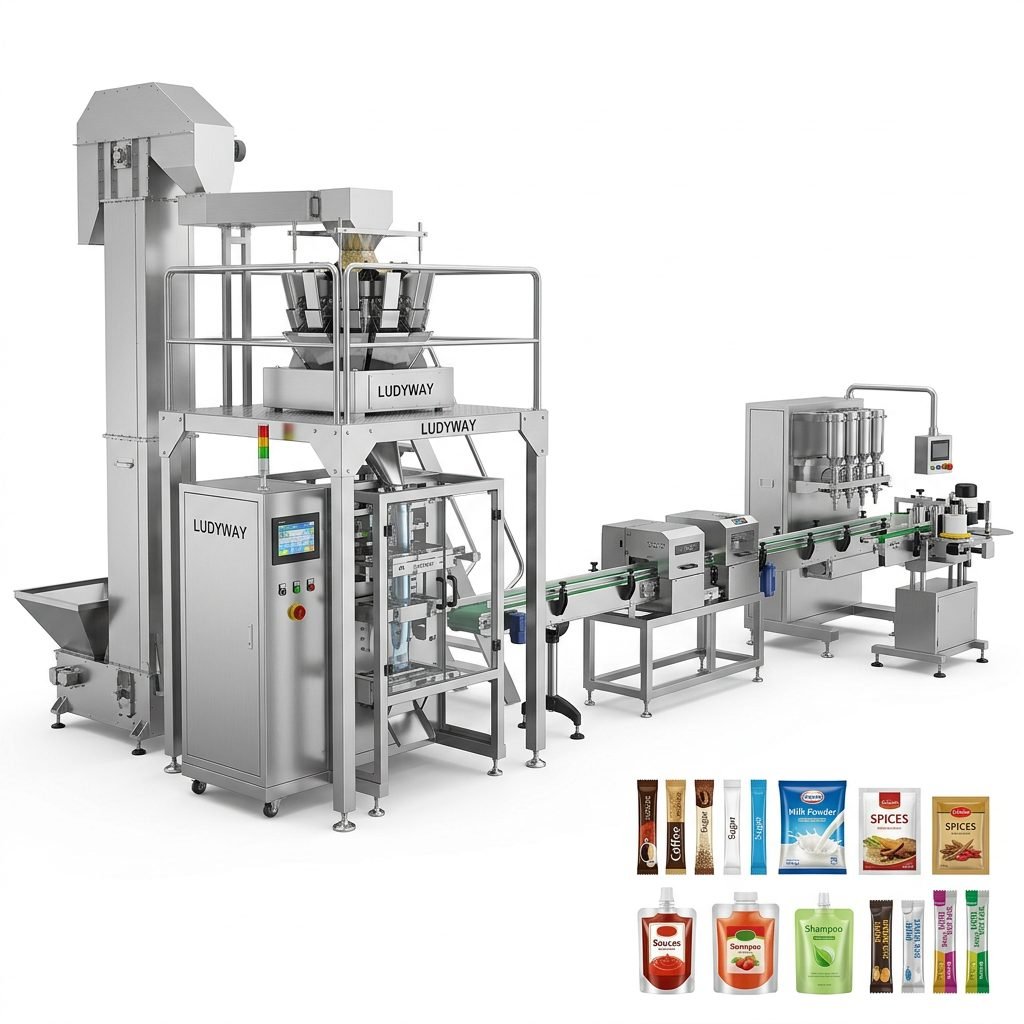
What Is an Automatic Bag Making Machine?
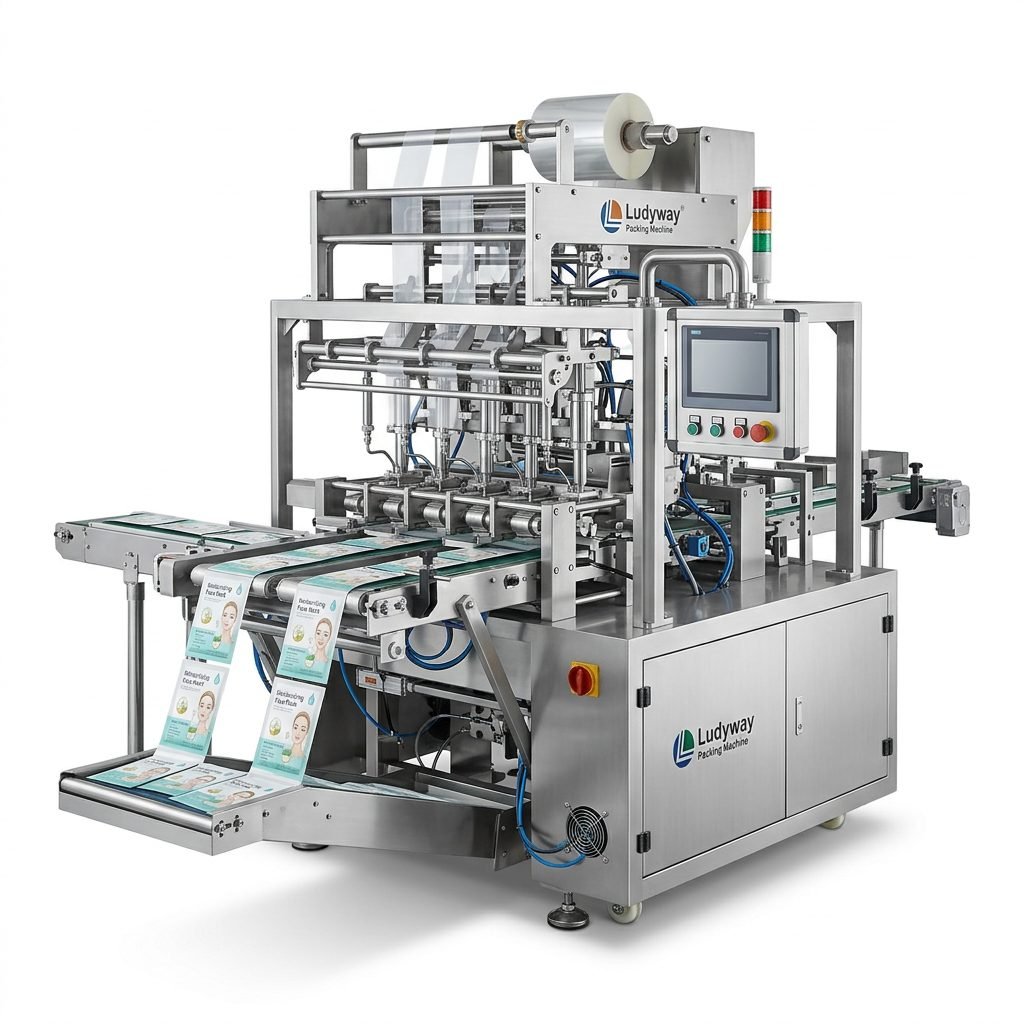
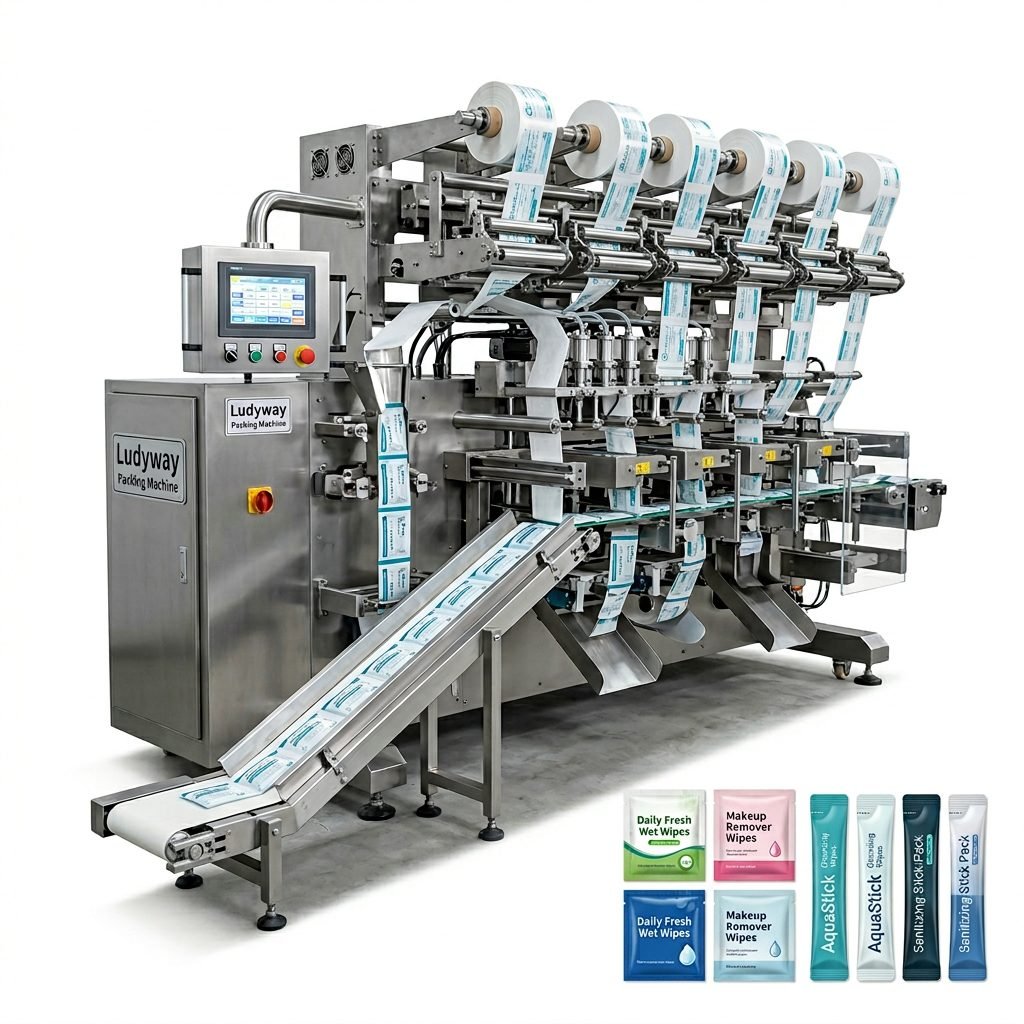
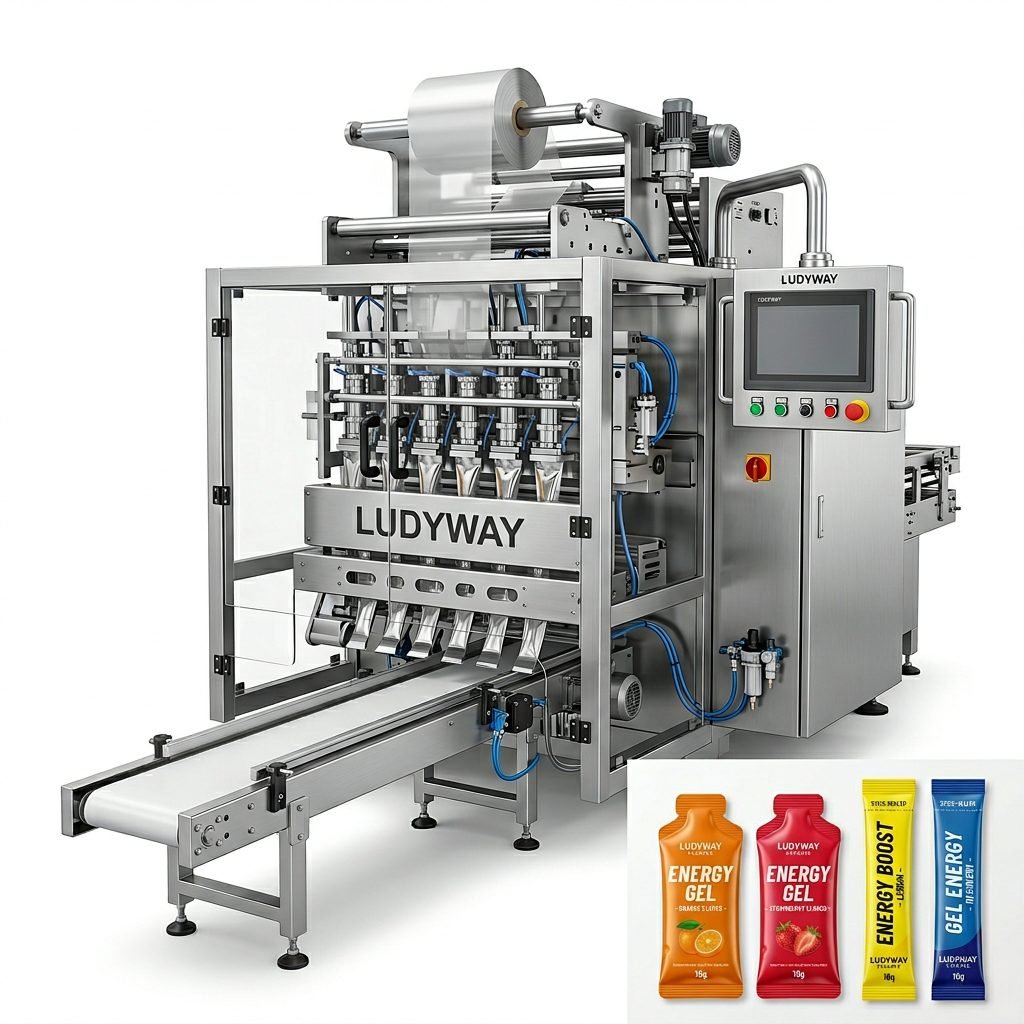
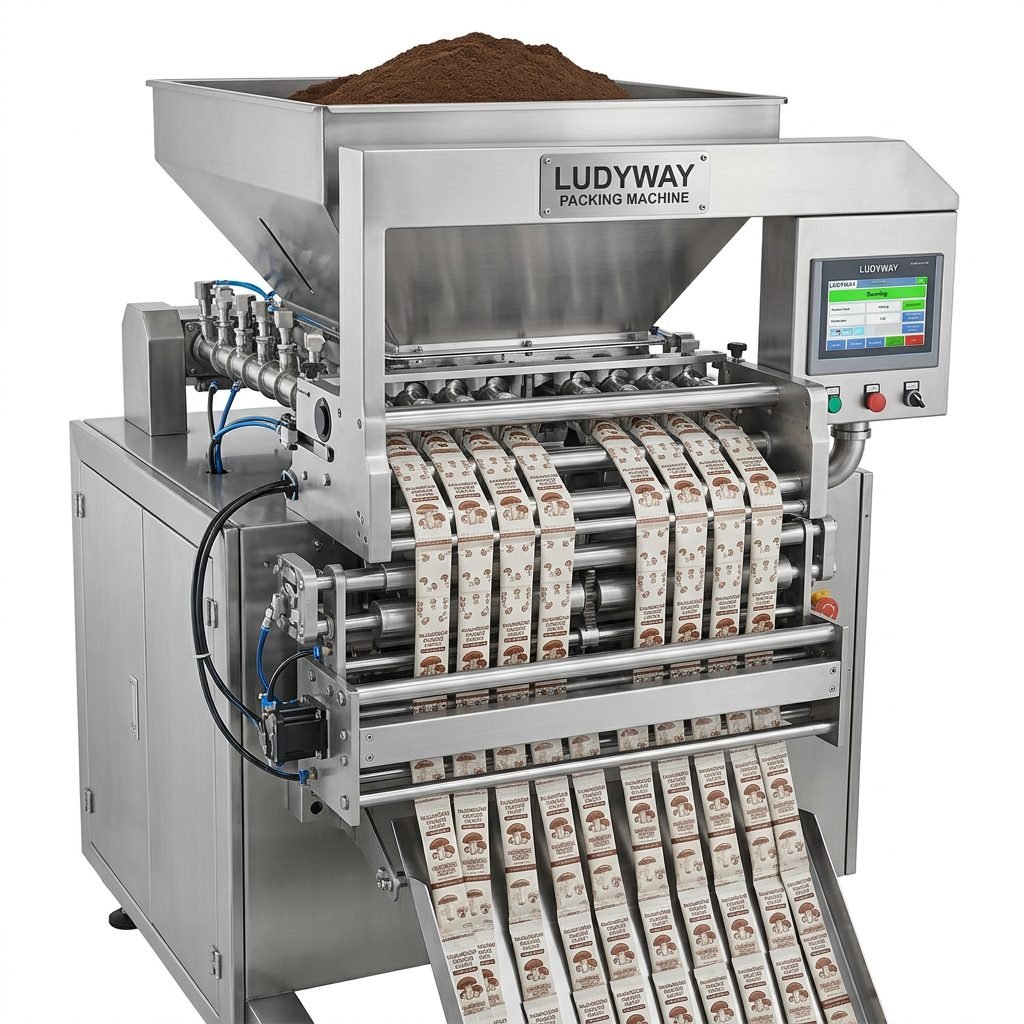
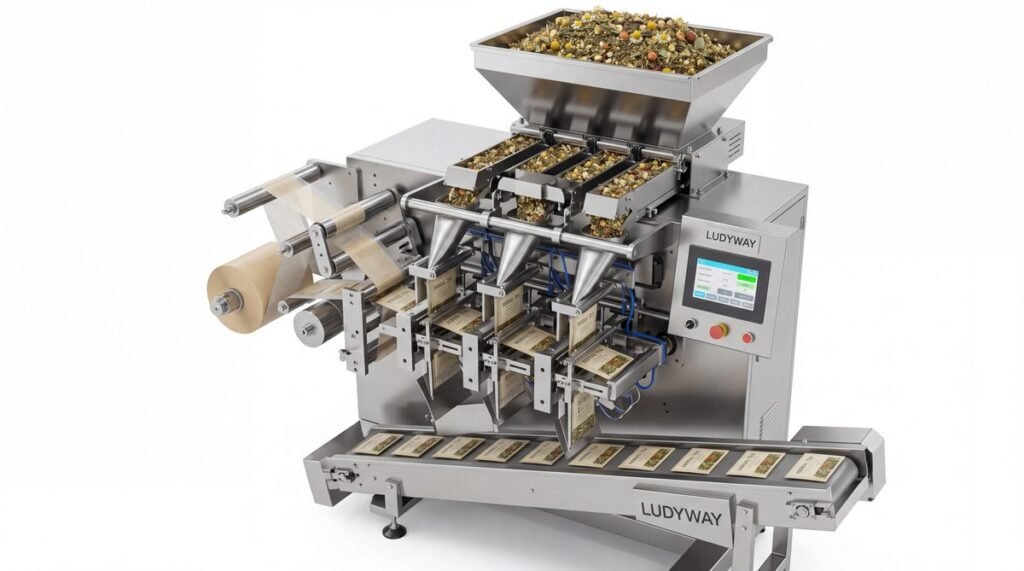
An automatic bag making machine forms packaging bags or pouches from film, fills products when integrated with dosing systems, and seals them in a continuous automated process. Depending on the machine configuration, it can create different package formats such as:
- Three-side seal bags
- Four-side seal sachets
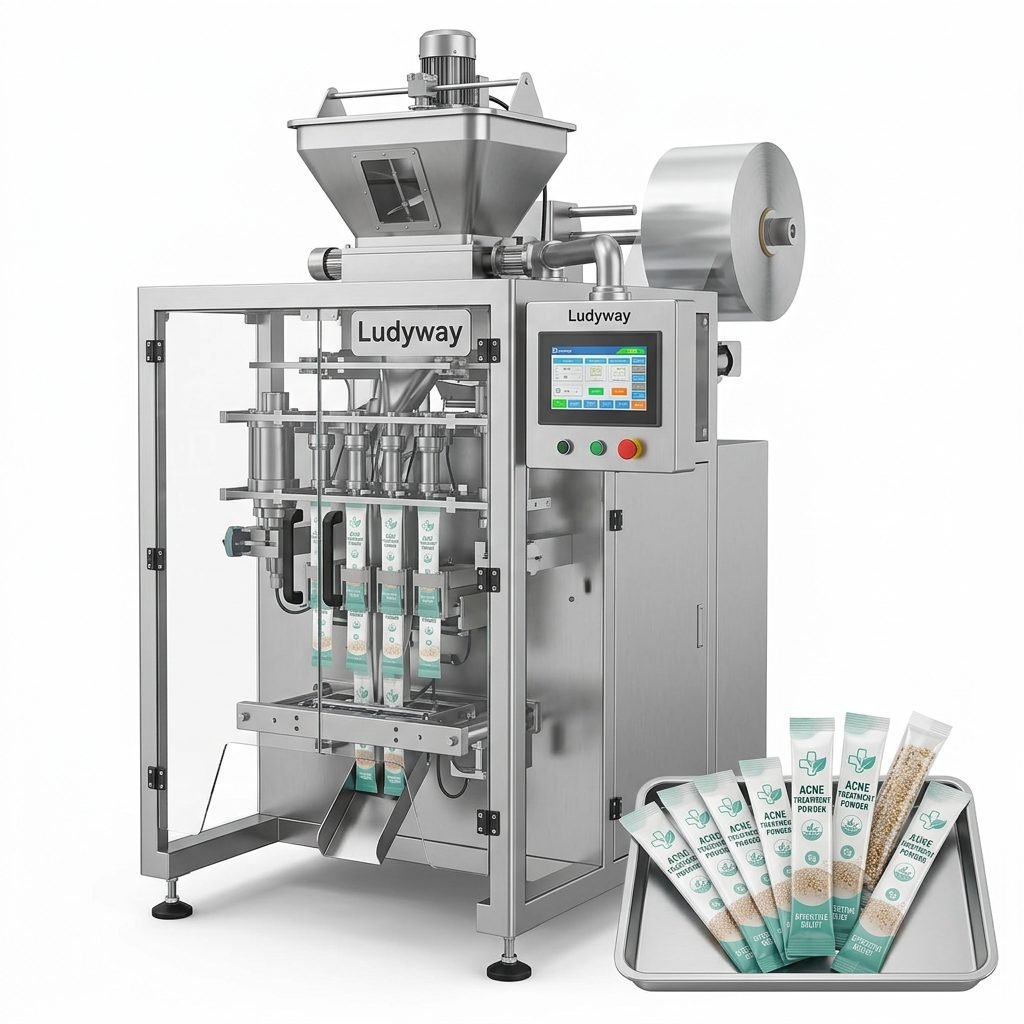
- Back-seal stick packs
- Pillow bags
- Premade pouch filling formats
- Special customized pouch shapes
These systems are widely used in high-volume production where precision, repeatability, and packaging efficiency are critical. The machine can work independently or as part of a complete automatic packaging line with feeders, checkweighers, coding units, cartoning systems, and palletizing equipment.
Why High-Performance Bag Making Machines Matter
Packaging performance directly affects product quality, production cost, and delivery capacity. A poorly matched system may lead to unstable bag length, weak seals, inaccurate filling, or frequent downtime. A high-performance solution helps manufacturers maintain dependable output while controlling waste.
- Higher production efficiency through continuous automated forming, filling, and sealing.
- Better seal consistency to reduce leakage and package rejection.
- Improved material utilization through accurate film tracking and controlled bag forming.
- Reduced labor input by automating repetitive packaging steps.
- Easier product changeover for factories handling multiple SKUs.
Core Features to Look For
When comparing automatic bag making machines, buyers should focus on performance stability as much as headline speed. The best solution is one that fits the product, bag type, hygiene requirement, and long-term production plan.
| Feature | Why It Matters |
|---|---|
| Servo-driven control | Improves precision in film pulling, bag length, and sealing timing. |
| PLC + touchscreen HMI | Simplifies operation, recipe storage, and parameter adjustment. |
| Stable sealing system | Ensures bag integrity and reduces leakage risk. |
| Accurate dosing integration | Supports weight and fill consistency for powders, granules, liquids, or pastes. |
| Quick changeover design | Reduces downtime when switching bag sizes or products. |
| Multi-lane capability | Increases output for small-dose sachet and stick pack applications. |
Applications Across Industries
Automatic bag making machines are highly versatile and can be configured for different industries and filling characteristics.
Food Industry
- Seasonings and spice powders
- Coffee, milk tea, and drink mix powders
- Sugar, salt, seeds, grains, and snack granules
- Sauces, ketchup, honey, oils, and liquid condiments
Pharmaceutical and Health Products
- Oral powders and granules
- Electrolyte sachets
- Nutritional supplement powders
- Medical consumable packaging formats
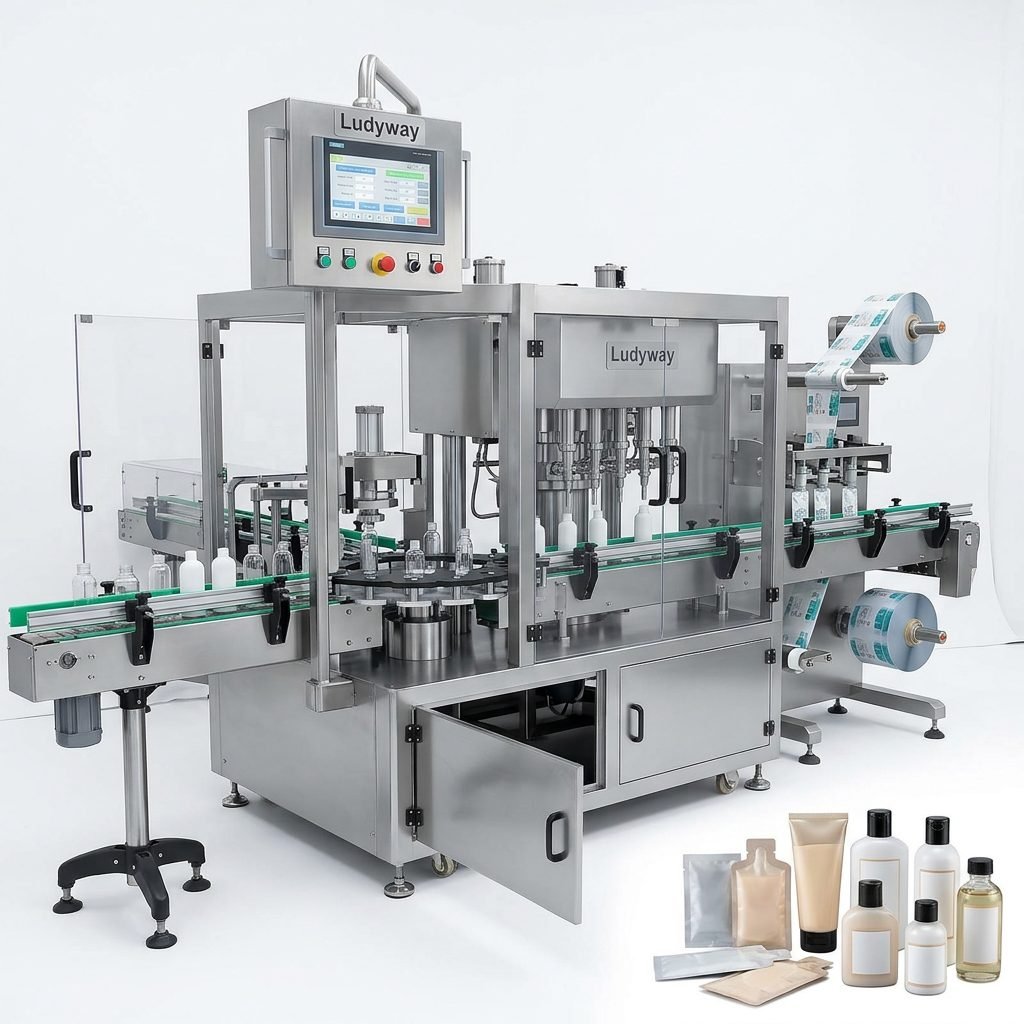
Cosmetic and Personal Care
- Serums and lotions
- Creams and gels
- Shampoo and body wash sachets
- Travel-size sample packs
Chemical and Daily-Use Products
- Detergent powders
- Liquid cleaners
- Industrial additives
- Agricultural and water treatment products
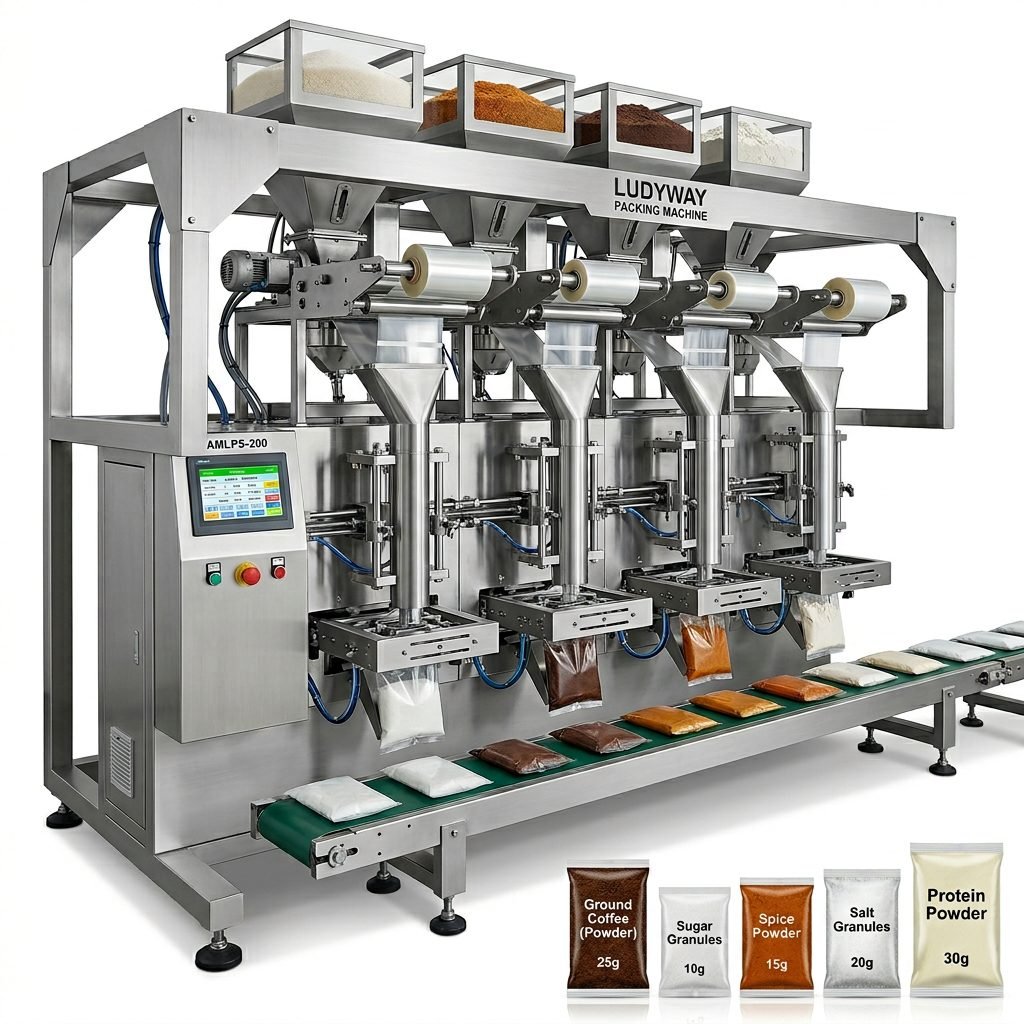
Different Machine Types for Different Packaging Needs
Not every production environment needs the same bag making setup. Choosing the right structure can significantly improve return on investment.
| Machine Type | Best For | Typical Products |
|---|---|---|
| Vertical form fill seal machines | General-purpose bagging with good speed and flexibility | Powders, granules, snacks, seeds |
| Multi-lane sachet machines | Small-dose, high-output packaging | Powders, granules, liquids, health products |
| Stick pack machines | Slim-format retail or single-use packaging | Coffee, sugar, supplements, oral powders |
| Premade pouch systems | Premium pouch appearance and reclosable formats | Liquids, powders, snacks, pet food |
How Automation Improves Packaging Efficiency
A high-performance automatic bag making machine improves packaging efficiency in several connected ways:
- Faster output with less manual intervention
- Lower packaging loss caused by better sealing and cutting control
- Cleaner production flow when connected to automatic feeders and conveyors
- More stable quality through repeatable recipes and digital settings
- Simplified management with easier line monitoring and maintenance scheduling
For factories facing rising labor costs or expanding order volumes, automation is no longer optional. It is a practical way to remain competitive while improving product presentation and packaging reliability.
Important Buying Considerations
Before investing in an automatic bag making machine, manufacturers should evaluate the following points carefully:
1. Product Characteristics
Powders, liquids, granules, and pastes all require different feeding and dosing systems. Flowability, particle size, viscosity, dust level, and moisture sensitivity all matter.
2. Required Bag Format
Your target market may require sachets, stick packs, pillow bags, or pouches. The desired package appearance should match your brand and distribution model.
3. Output Capacity
Choose a system that supports current production while leaving room for future scale-up. The best machine is not just fast, but sustainably fast.
4. Film Compatibility
Machine sealing performance must match the packaging film structure, thickness, and barrier requirements.
5. Integration Potential
If you plan to build a full line, make sure the machine can connect with coding, inspection, cartoning, case packing, and palletizing systems.
6. After-Sales Support
Reliable technical support, spare parts access, installation guidance, and operator training are essential for long-term performance.
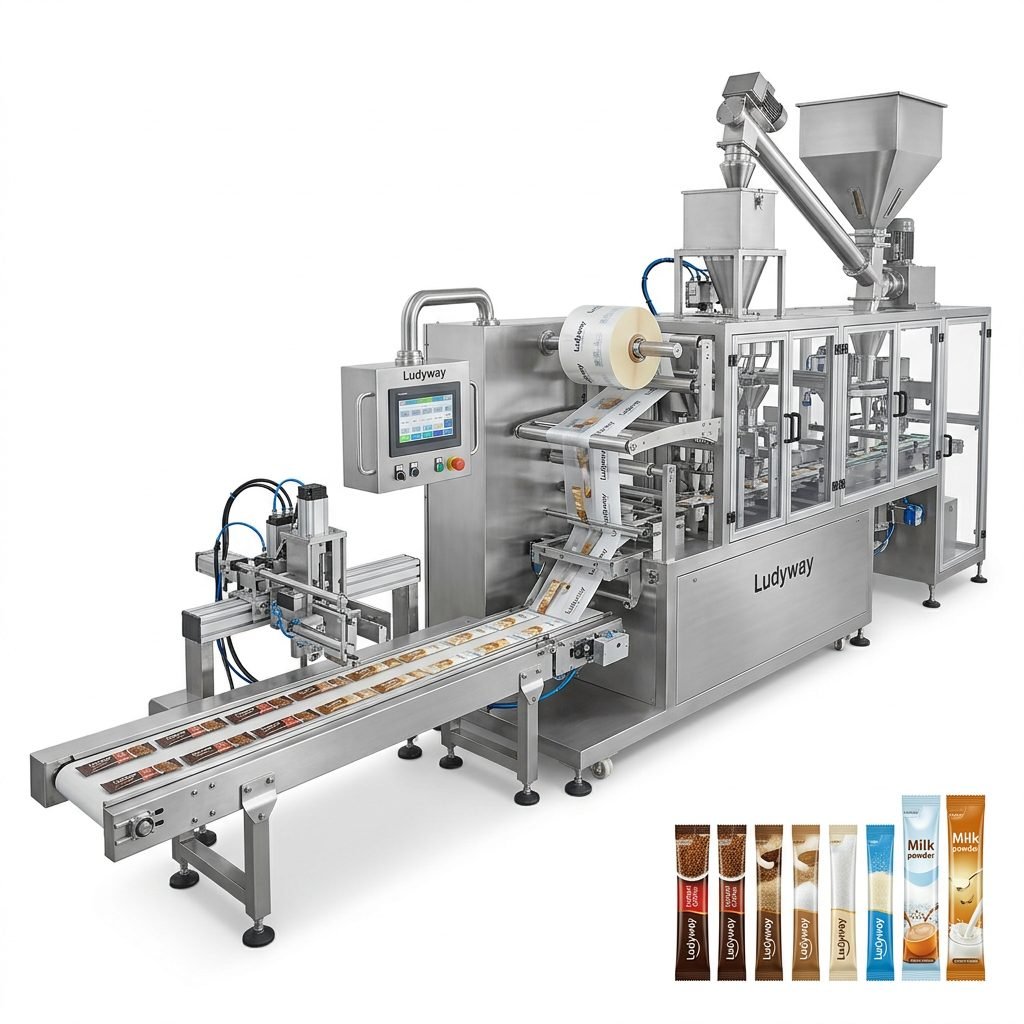
Advantages of Turnkey Packaging Solutions
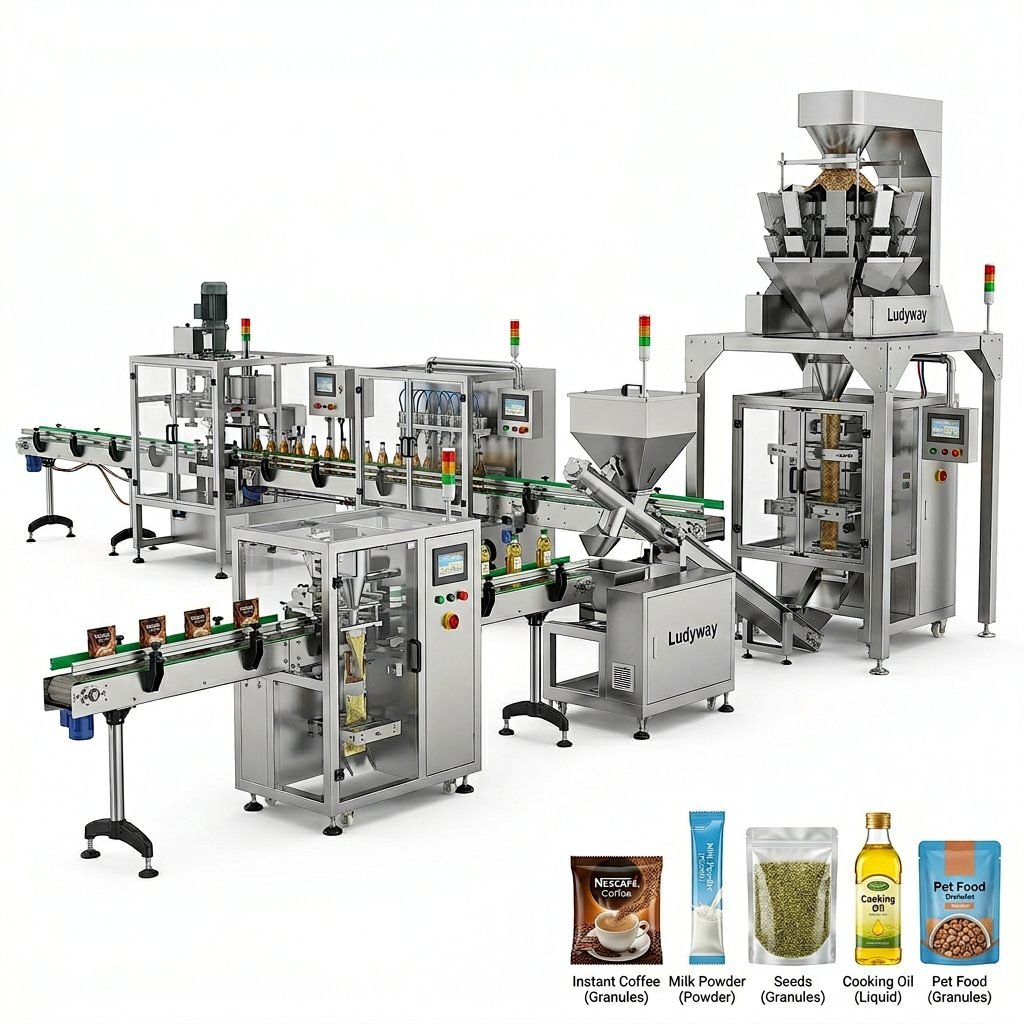
Many manufacturers today prefer not only a standalone bag making machine, but also a complete packaging line. This approach reduces integration risk and improves operational consistency across the full process.
A turnkey solution may include:
- Automatic feeding and conveying
- Bag forming, filling, and sealing
- Date coding and printing
- Weight checking and inspection
- Cartoning and case packing
- Palletizing and end-of-line handling
Working with an experienced manufacturer can simplify project planning, reduce commissioning time, and improve the compatibility of each subsystem. For businesses seeking scalable automation, Ludyway automatic bag making machine solutions support both standalone equipment and turnkey packaging line projects across food, pharmaceutical, health supplement, cosmetic, and related industries.
Signs of a Reliable Machine Manufacturer
The machine itself is important, but the supplier behind it is equally critical. A qualified packaging machine manufacturer should offer:
- Strong engineering and customization ability
- Experience across multiple product categories
- Factory-based manufacturing and quality inspection
- Export experience and international project support
- Clear communication during design, testing, and delivery
This is especially valuable when your project involves specialized bag structures, challenging materials, or complete line integration.
Future Trends in Automatic Bag Making Machines
The packaging industry continues to move toward smarter, cleaner, and more flexible automation. In the coming years, bag making technology will increasingly focus on:
- Digital recipe management and remote diagnostics
- More energy-efficient sealing and motion control
- Faster changeovers for multi-SKU production
- Improved handling of recyclable and sustainable films
- Greater line integration with intelligent inspection systems
Manufacturers who invest early in advanced packaging automation are often better positioned to respond to changing market demand, stricter compliance expectations, and growing pressure for production efficiency.
Conclusion
An automatic bag making machine is a key investment for companies that want to improve packaging speed, consistency, and operational efficiency. The right solution should match your product characteristics, packaging format, output target, and automation strategy.
By choosing a high-performance bag making system with reliable sealing, accurate dosing compatibility, flexible configuration, and strong technical support, manufacturers can build a more efficient packaging process and create long-term value across their production line.