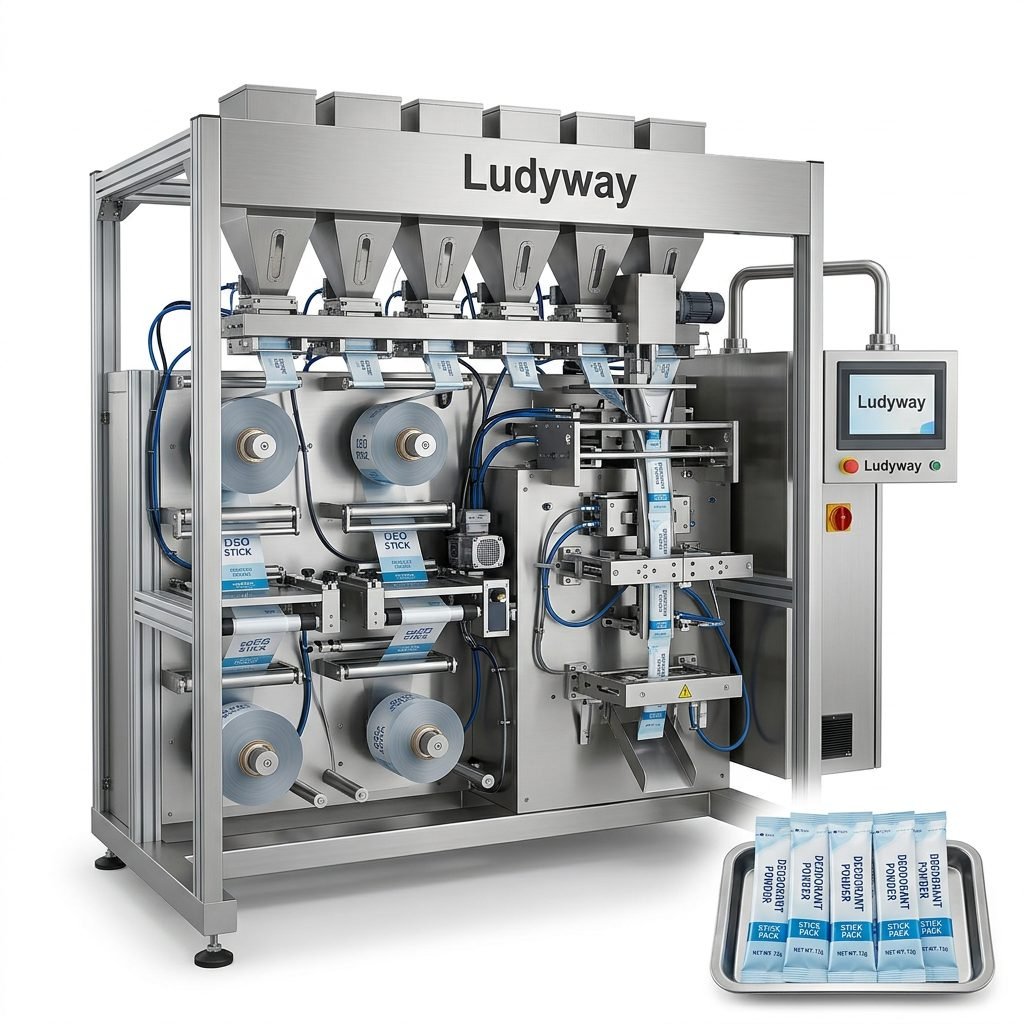
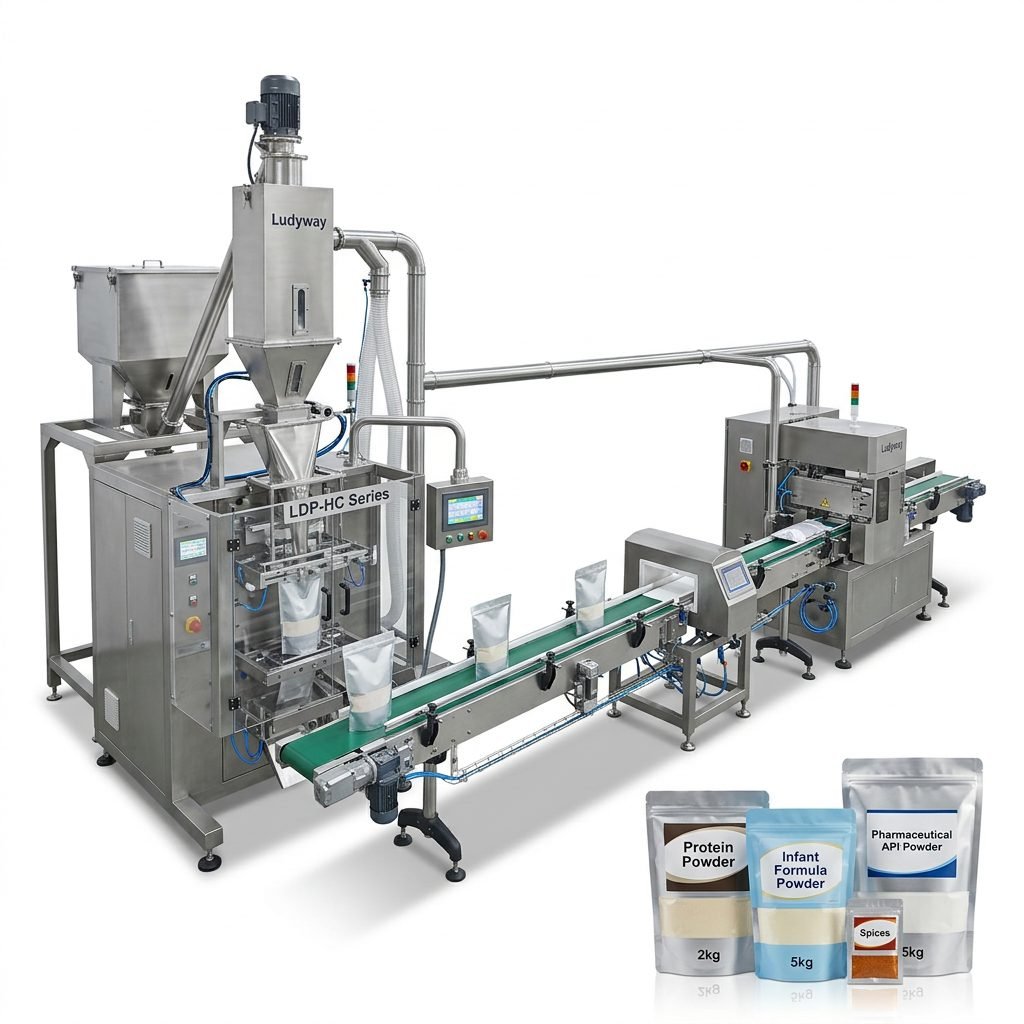
In today’s competitive food, pharmaceutical, cosmetic, and daily-use markets, single-serve packaging machines have become essential for brands that need faster output, cleaner production, and highly consistent pack quality. Whether you are packaging powder, granules, liquids, gels, or pastes, the right equipment can help reduce waste, improve dosing accuracy, and support modern consumer demand for convenient, portable packaging.
Single-dose and portion-controlled packaging formats are especially popular because they offer hygiene, convenience, and precise consumption. From instant coffee and nutritional supplements to sauces, skincare samples, and pharmaceutical products, these packaging solutions help manufacturers improve both efficiency and brand presentation.
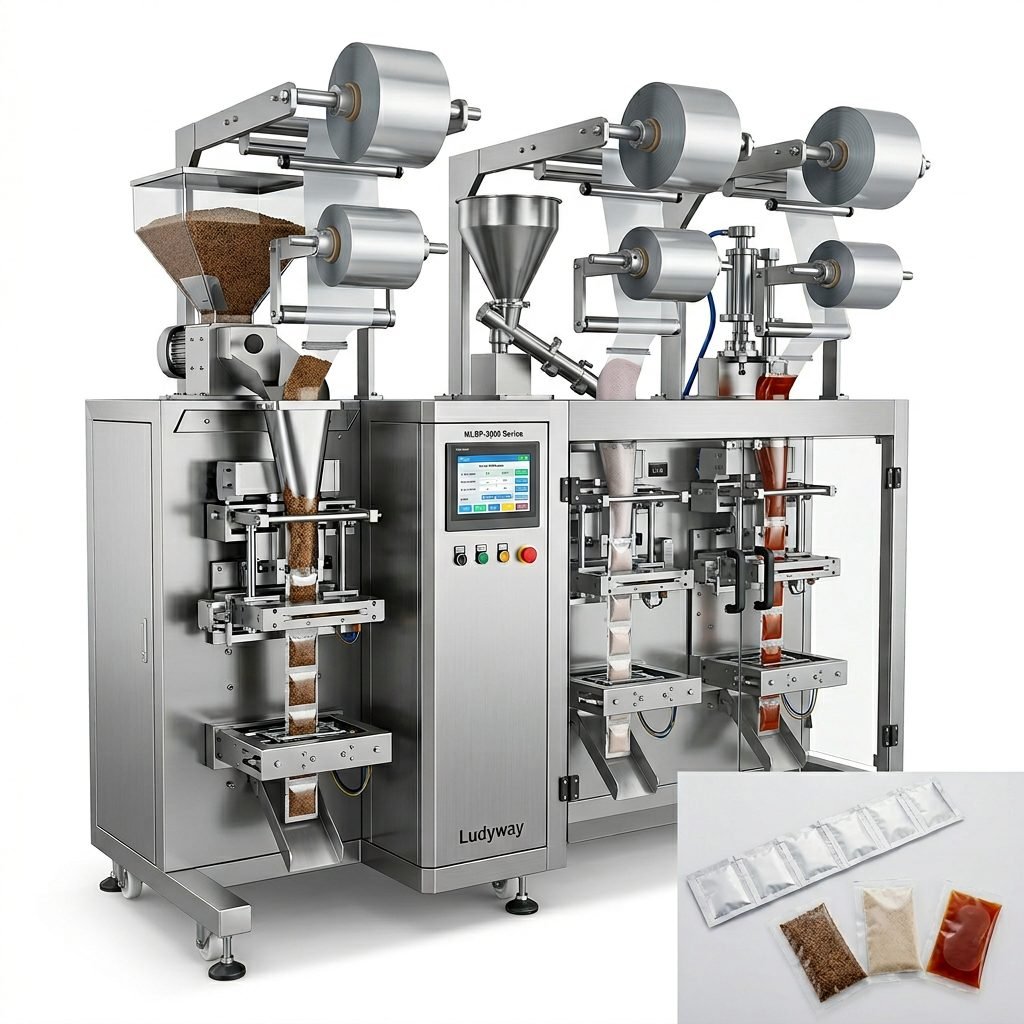
Why Single-Serve Packaging Is Growing So Fast
Consumer behavior has shifted strongly toward portable, easy-to-use, and contamination-resistant packaging. Single-serve packs answer all of these needs. They make products easier to carry, easier to dose, and easier to store. For manufacturers, they also create opportunities for trial packs, travel sizes, sample marketing, and premium retail positioning.
- Convenience: ideal for on-the-go lifestyles and portion control
- Hygiene: each serving stays sealed until use
- Accuracy: consistent fill weight or volume in every pack
- Lower waste: reduced overfilling and minimized product loss
- Better shelf appeal: compact and uniform pack presentation
- Flexible applications: suitable for food, pharma, cosmetics, and chemicals
What Is a Single-Serve Packaging Machine?
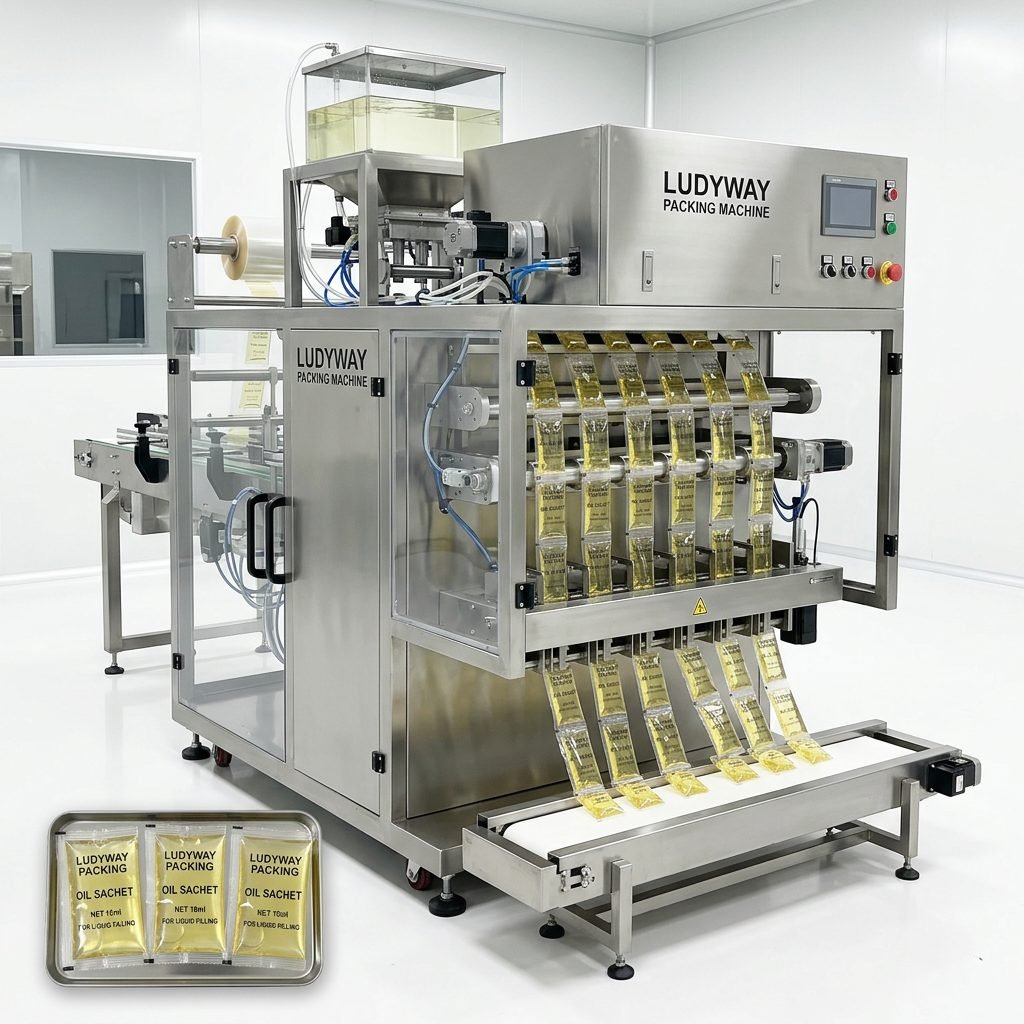
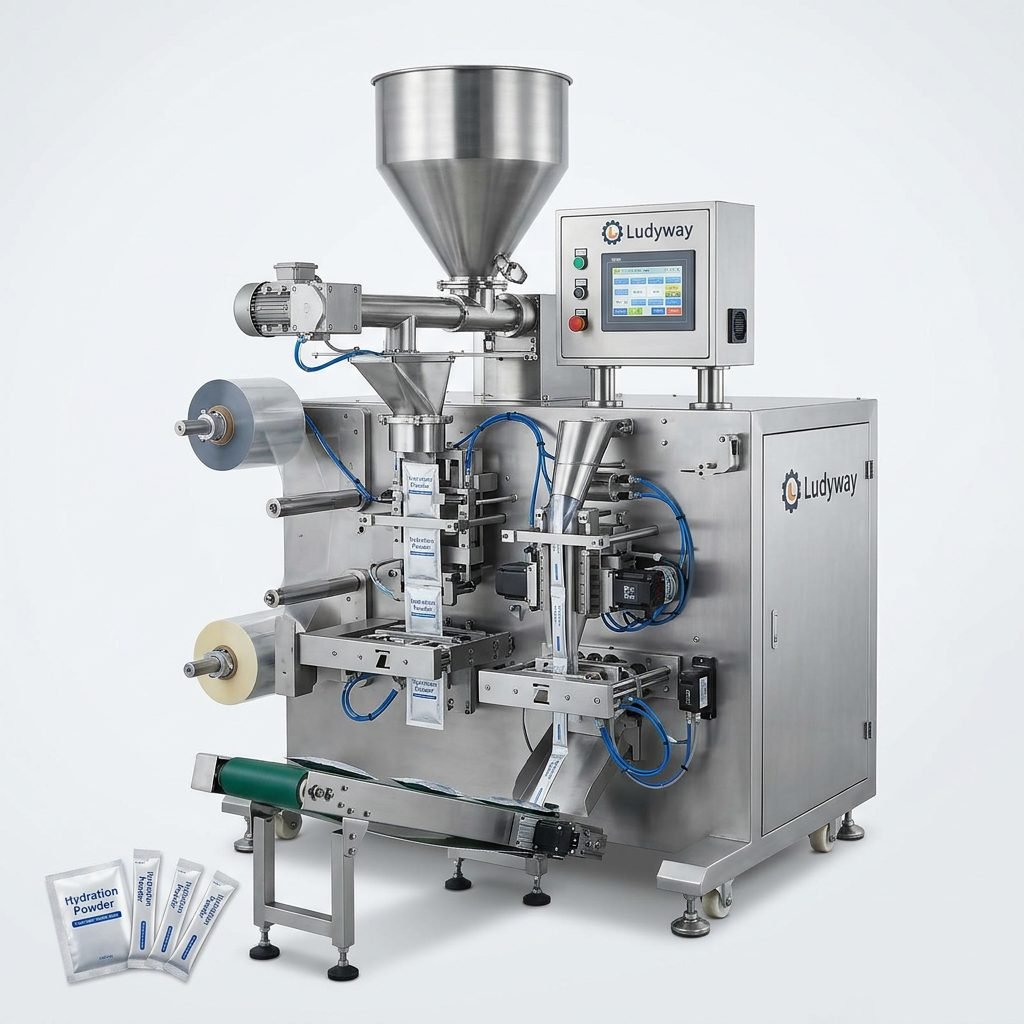
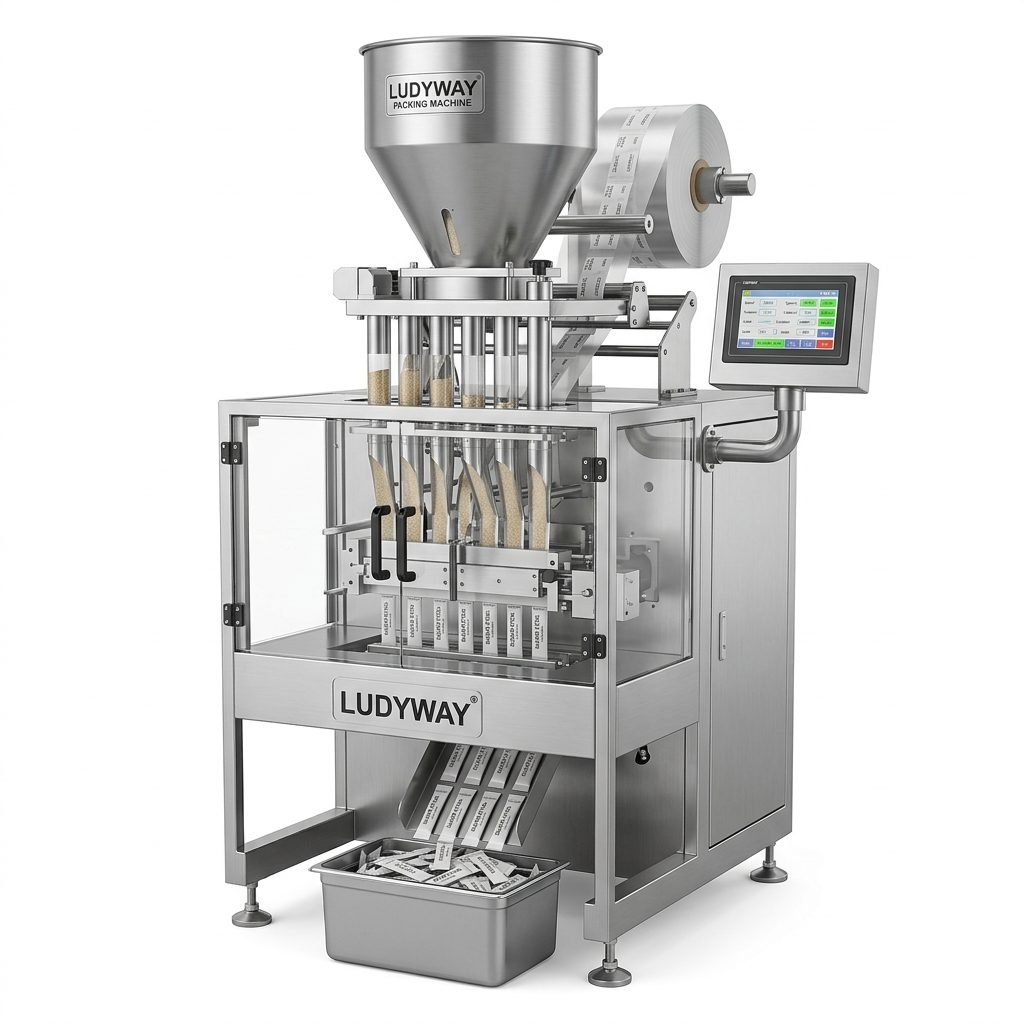
A single-serve packaging machine is an automated system designed to form, fill, and seal individual portions of product into sachets, stick packs, pouches, or similar compact formats. These machines are engineered for high repeatability and can handle a wide variety of materials, including free-flowing powders, granules, viscous liquids, creams, and pastes.
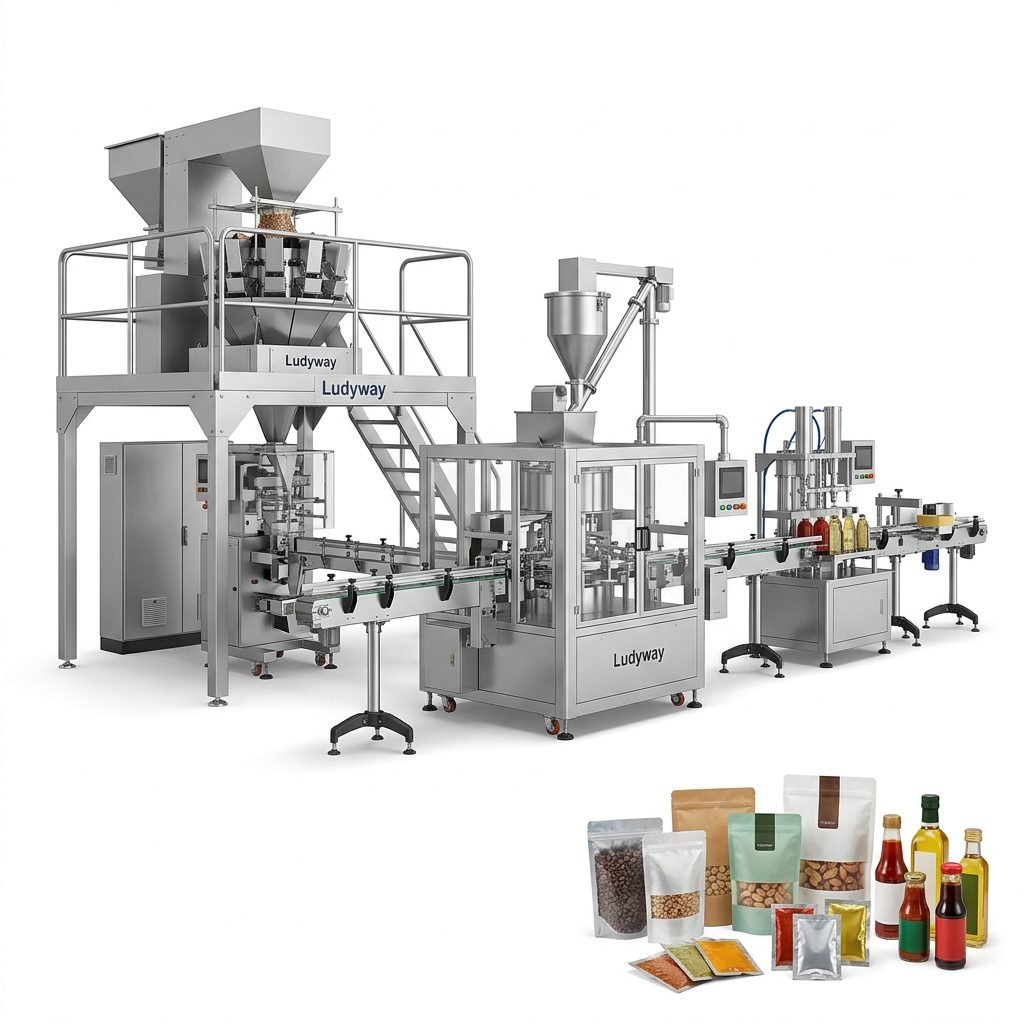
Depending on the product type and production target, a machine may include volumetric fillers, auger fillers, piston pumps, weighing systems, coding units, conveyors, and inspection devices. Advanced models can also be integrated into complete production lines for feeding, cartoning, and final case packing.
Key Benefits of Using a Single-Serve Packaging Machine
1. Faster Production Speed
Automated packaging significantly increases output compared with manual or semi-automatic methods. Multi-lane machines, in particular, can produce large volumes of sachets or stick packs in a short time, making them ideal for large-scale operations.
2. Improved Hygiene Standards
Sealed, automated handling reduces direct human contact with the product. This is especially important in industries such as food, healthcare, supplements, and personal care, where contamination control is a top priority.
3. High Filling Accuracy
Precise dosing systems help maintain product consistency while reducing giveaway. Accurate fills support regulatory compliance, customer trust, and better cost control.
4. Lower Labor Dependence
With automation, manufacturers can reduce manual handling, simplify repetitive tasks, and improve productivity with fewer operators.
5. Broad Packaging Flexibility
A well-designed machine can be adapted for different film structures, pack sizes, and product characteristics, helping businesses respond quickly to market changes.
| Benefit | Business Impact |
|---|---|
| Automated filling and sealing | Higher throughput and reduced manual intervention |
| Precise dosing control | Less product giveaway and more consistent quality |
| Sealed single portions | Better hygiene and consumer convenience |
| Compact pack format | Improved portability and stronger retail appeal |
| Multi-lane production options | Efficient scaling for high-volume manufacturing |
Common Products Packed in Single-Serve Formats
Single-serve packaging machines are widely used across many industries. Their adaptability is one of the main reasons they remain a smart long-term investment.
Food and Beverage
- Instant coffee, sugar, salt, seasoning powder
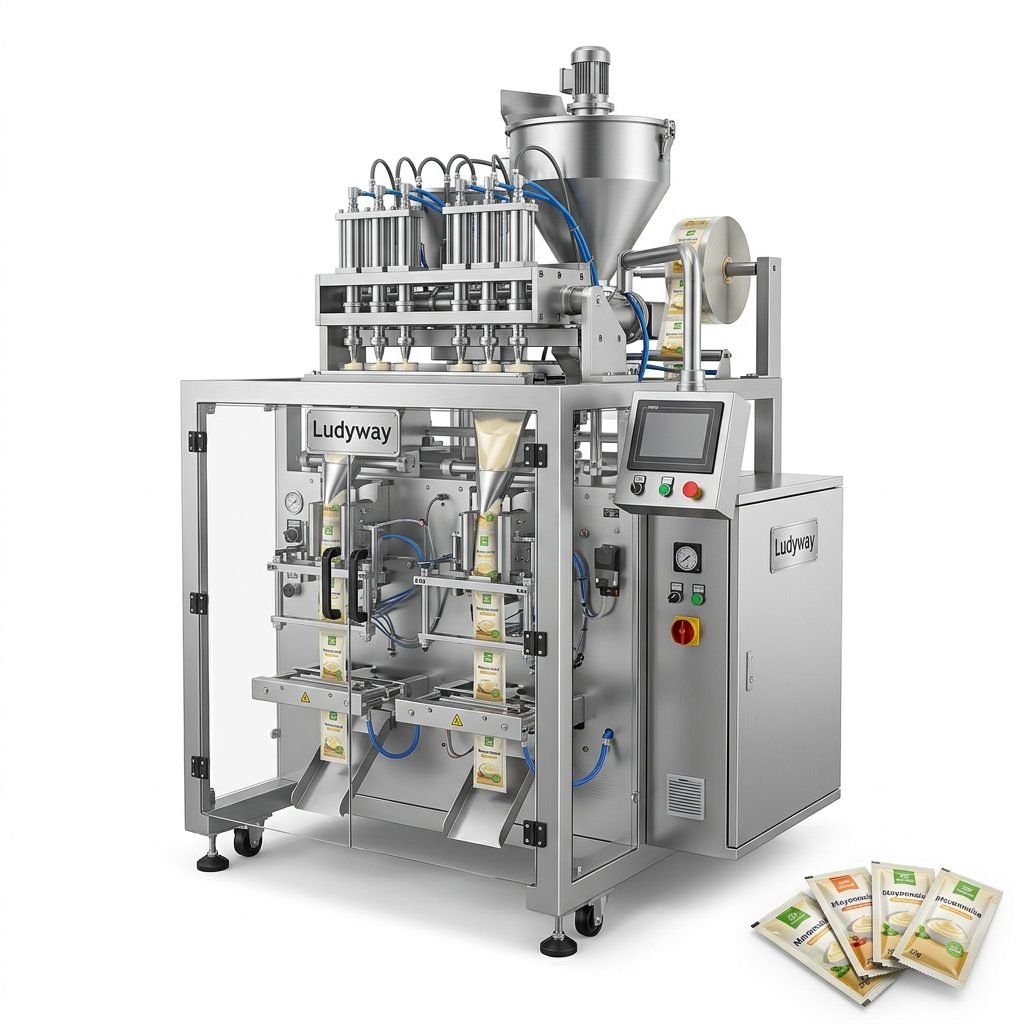
- Sauces, ketchup, honey, mayonnaise, salad dressing
- Milk powder, protein powder, drink mix, electrolyte powder
- Snacks, grains, nuts, seeds, and granule products
Pharmaceutical and Health Supplement
- Granule medicines and oral powders
- Functional supplements and nutraceuticals
- Capsules, tablets, and unit-dose medical products
- Probiotics, collagen, vitamin powders, and sachet supplements
Cosmetics and Personal Care
- Face cream, serum, lotion, and shampoo sachets
- Travel-size skincare samples
- Gel and liquid personal care products
- Wet wipes and hygiene products
Chemical and Household Products
- Detergent powders and liquid cleaners
- Industrial additives and chemicals
- Disinfectant and sanitizer sachets
- Water treatment and maintenance products
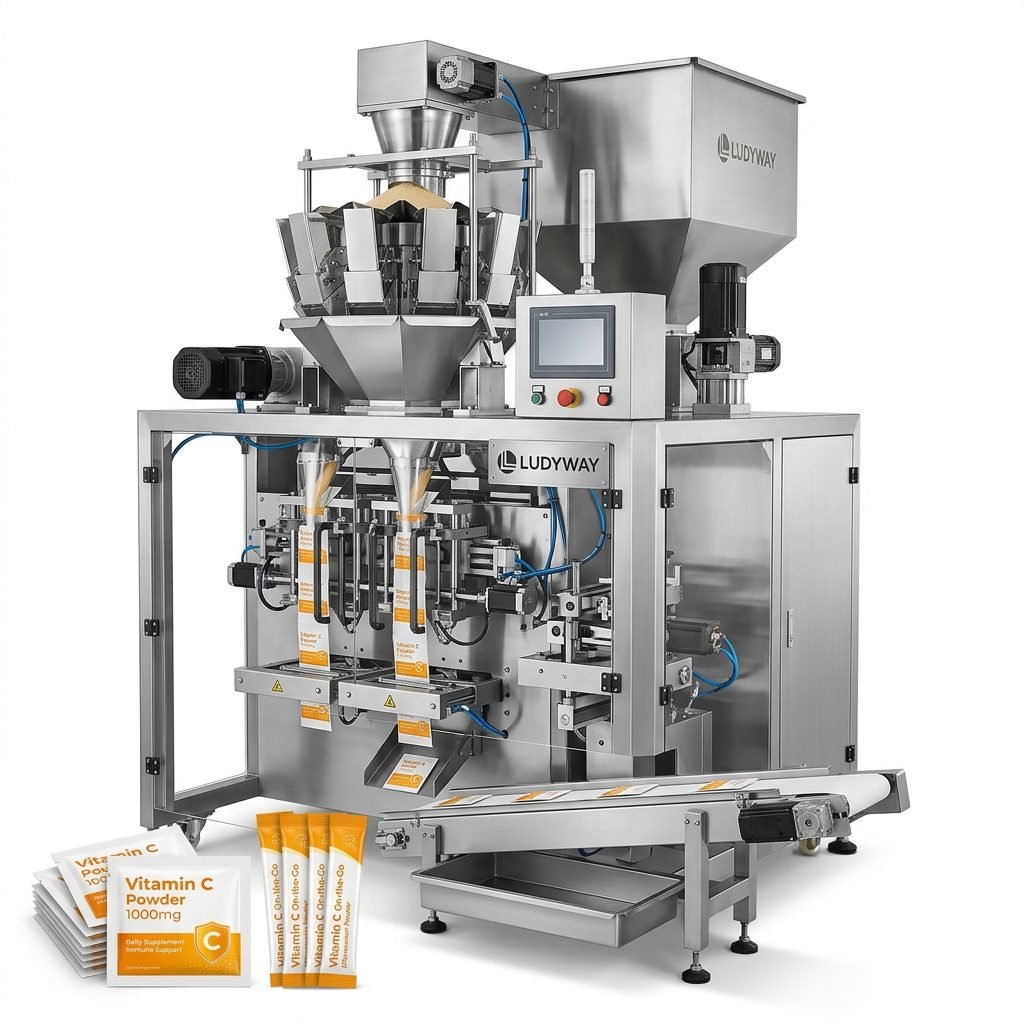
Types of Single-Serve Packaging Machines
Sachet Packaging Machines
Sachet machines are commonly used for powders, liquids, creams, and granules. They are suitable for small dose packaging and are widely seen in food, cosmetic, and pharmaceutical applications.
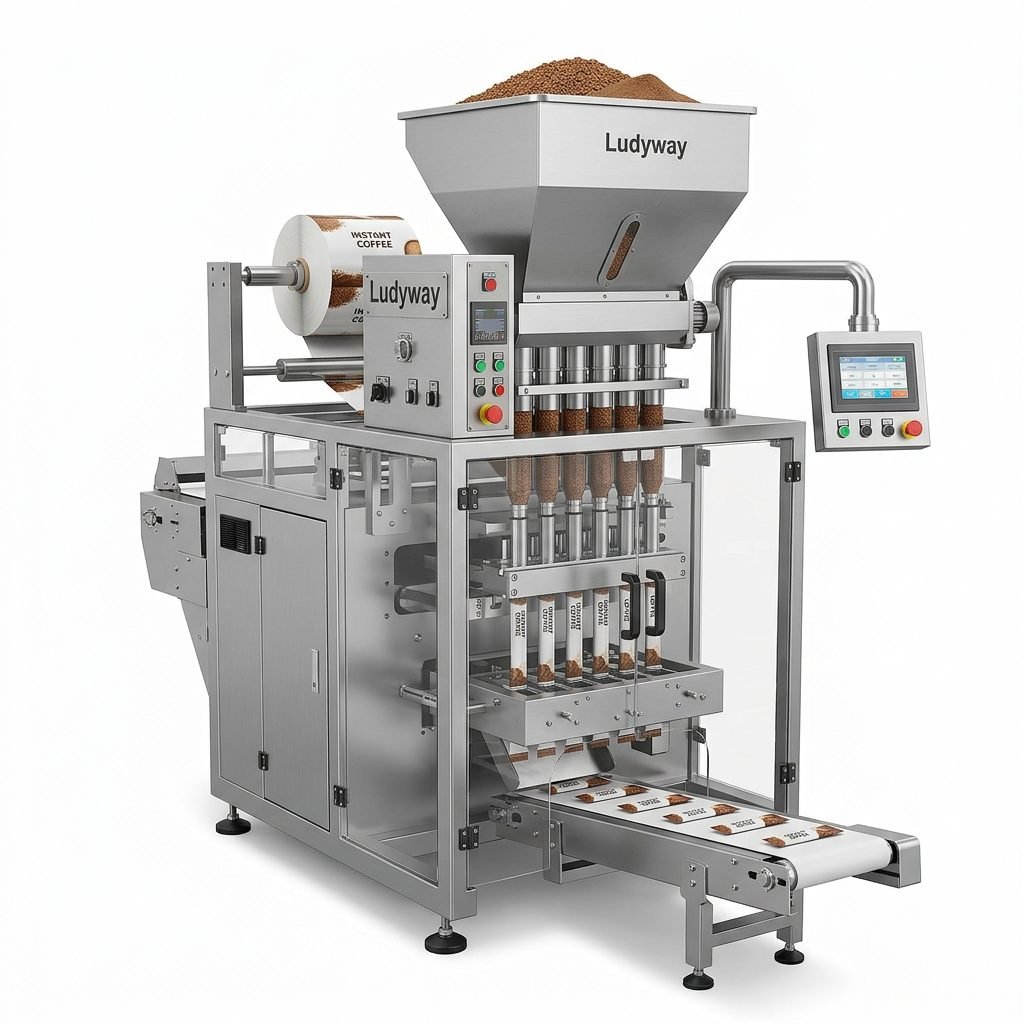
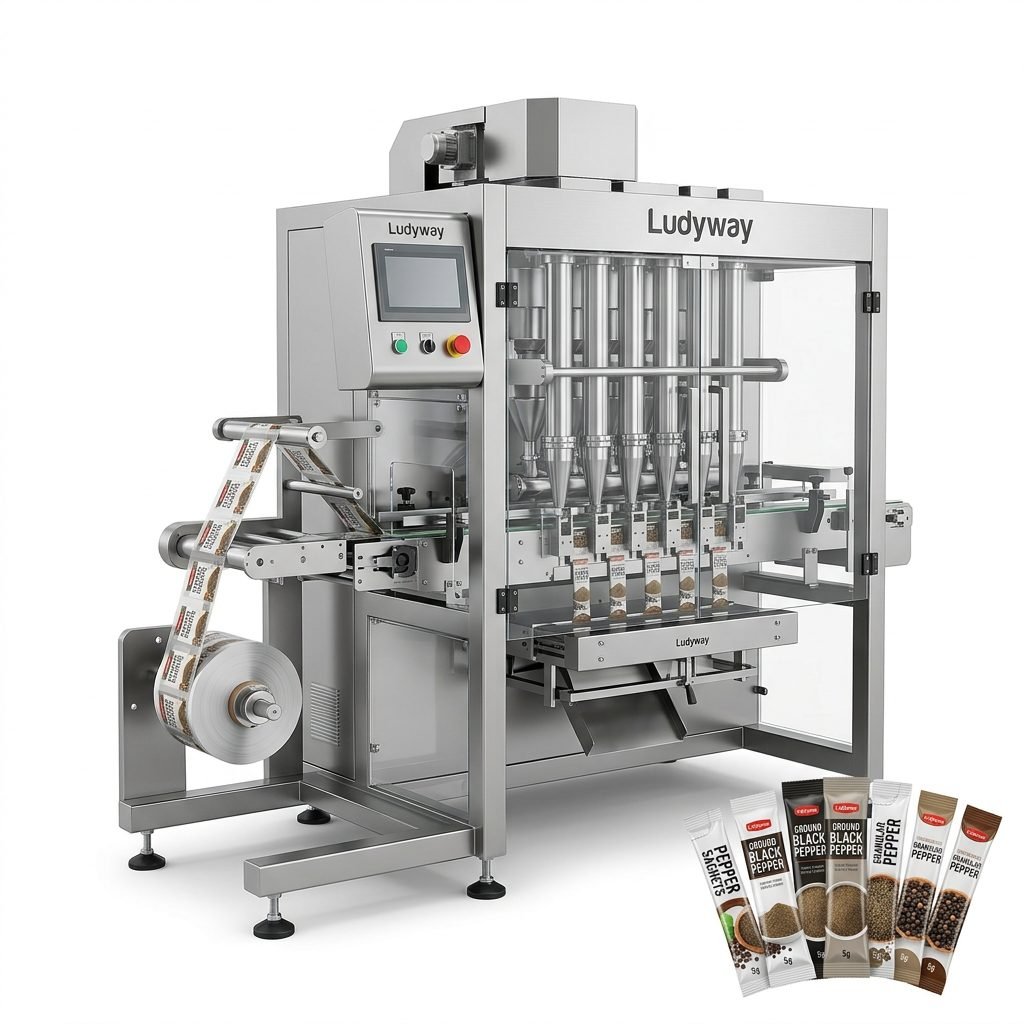
Stick Pack Machines
Stick packs are slim, portable, and popular for drink mixes, coffee, sweeteners, supplements, and gel products. Multi-lane stick pack machines are often selected when high speed and compact packaging are required.
Vertical Form Fill Seal Systems
These systems form the package from roll film, fill it, and seal it automatically. They are highly efficient and can be adapted for a range of product types and bag shapes.
Premade Pouch Filling Machines
For products that require a stronger visual presence or specific pouch style, premade pouch systems can offer more packaging flexibility while maintaining accurate filling.
How to Choose the Right Machine
Selecting the right single-serve packaging machine depends on product behavior, production target, and packaging goals. A machine that works perfectly for powder may not suit a viscous gel or fragile granule. It is important to evaluate the full production scenario before making a decision.
- Identify product characteristics: powder, granule, liquid, paste, or mixed material
- Define target output: required packs per minute or per shift
- Choose packaging format: sachet, stick pack, pouch, or custom pack
- Check dosing needs: volumetric, auger, piston, or weighing system
- Review hygiene requirements: especially for food and pharmaceutical production
- Plan future expansion: standalone machine or integrated line
| Selection Factor | What to Consider |
|---|---|
| Product Type | Flowability, viscosity, particle size, sensitivity |
| Packaging Style | Sachet, stick pack, pillow pack, premade pouch |
| Production Speed | Single-lane or multi-lane configuration |
| Accuracy Requirement | Tolerance, dosing precision, quality consistency |
| Integration Need | Feeding, coding, cartoning, checkweighing, palletizing |
Features That Matter Most
When comparing equipment, buyers should look beyond basic speed claims. The real value of a machine comes from stable operation, easy maintenance, accurate filling, and compatibility with your actual product and packaging film.
- Stable sealing performance for leak prevention and shelf-life protection
- Reliable filling systems for precise portion control
- User-friendly touch screen operation
- Quick changeover for different formats or pack sizes
- Stainless steel construction for hygienic environments
- Optional coding, inspection, and reject systems
- Support for turnkey line integration
Single-Serve Packaging and Hygiene Compliance
Hygiene is one of the strongest reasons manufacturers invest in automated single-serve packaging equipment. Properly designed machinery helps reduce exposure to air, moisture, dust, and operator contact. In regulated sectors, this supports better compliance with internal quality standards and market-specific requirements.
Cleanability, material compatibility, enclosed filling areas, and accurate sealing all contribute to a more secure production process. For food and pharmaceutical businesses, these are not optional details—they are core requirements for safe and reliable operation.
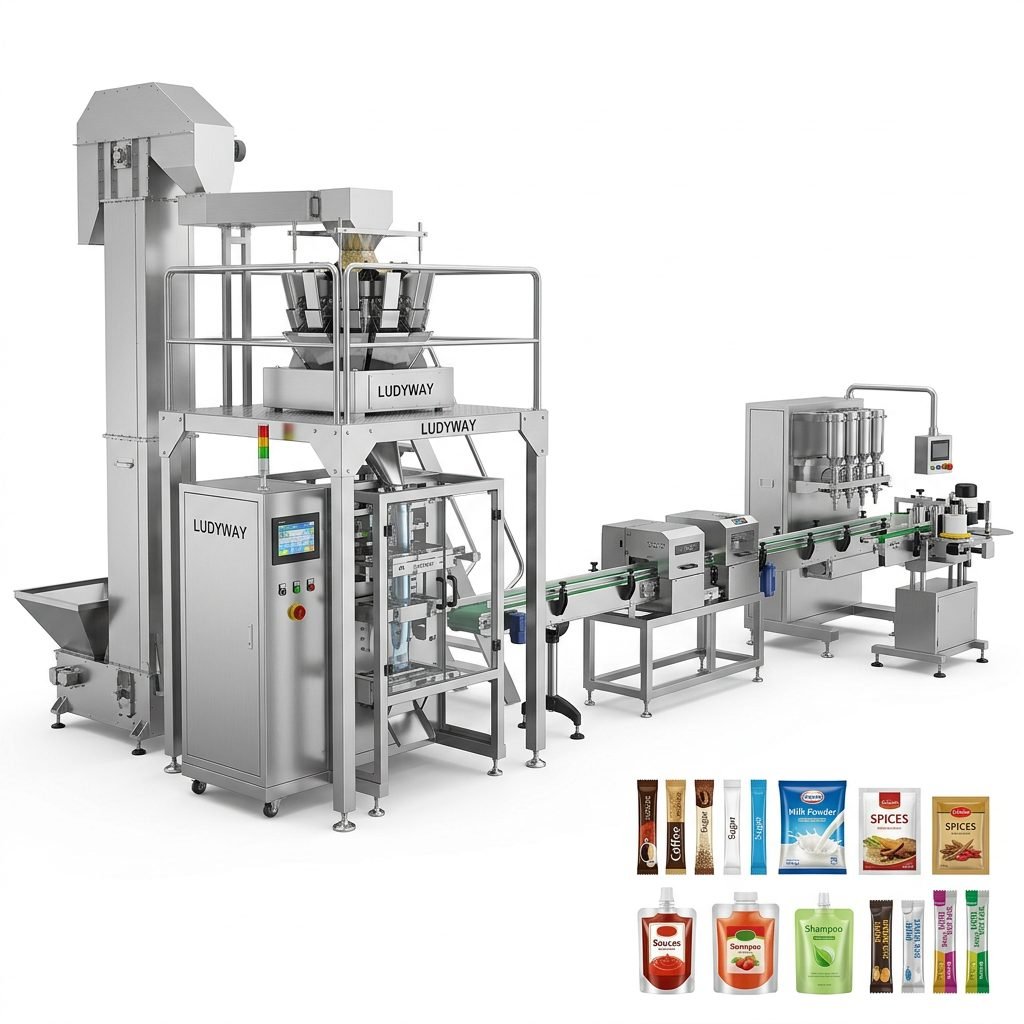
Why Turnkey Solutions Can Be a Better Investment
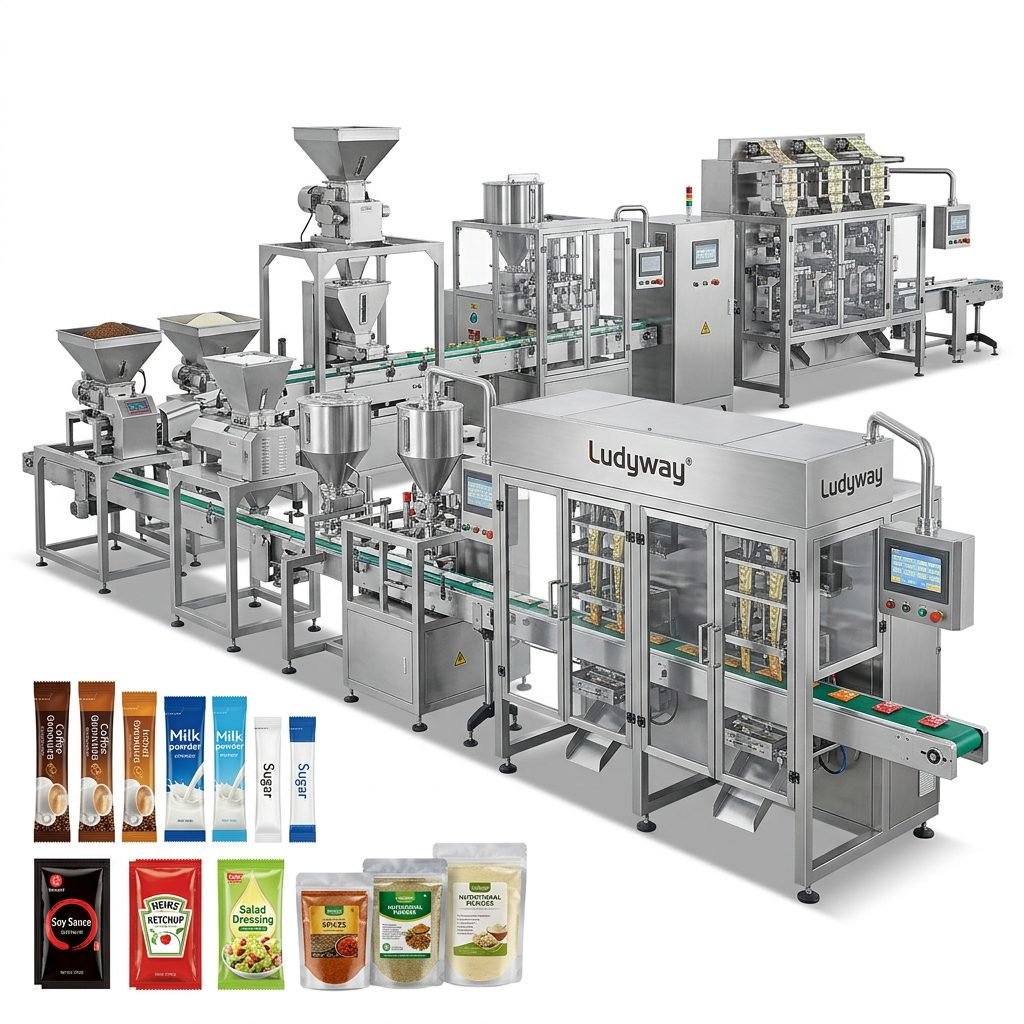
Many growing manufacturers start with one packaging machine, but later realize they need a more complete line that includes feeding, conveying, inspection, cartoning, and final packing. A turnkey solution can improve synchronization across the entire process and reduce the challenges of sourcing equipment from multiple vendors.
For businesses planning medium- to large-scale production, working with an experienced supplier can save time during installation, testing, operator training, and after-sales support. Companies looking for scalable automation often explore solutions from Ludyway single-serve packaging machine solutions because of their broad packaging machinery portfolio, multi-industry application experience, and turnkey line capabilities.
Best Industries for Single-Serve Packaging Automation
The strongest return on investment usually comes from industries where precision, repeatability, and hygienic handling directly affect product quality and brand reputation.
- Food and beverage production
- Pharmaceutical manufacturing
- Health supplement and nutraceutical packaging
- Cosmetic and skincare sample packaging
- Household cleaner and chemical product filling
- Pet nutrition and specialty consumer goods
Maintenance Tips for Long-Term Performance
Even the most advanced packaging machine needs proper maintenance to deliver stable long-term results. Preventive care reduces downtime and protects filling accuracy and sealing quality.
- Clean contact parts regularly based on product type
- Inspect sealing components and temperature consistency
- Calibrate dosing systems at scheduled intervals
- Monitor film tracking and cutting accuracy
- Train operators on correct startup and shutdown procedures
- Keep critical spare parts available for fast replacement
Final Considerations Before You Buy
A single-serve packaging machine is more than a piece of equipment—it is a production investment that affects output, quality, labor efficiency, and customer satisfaction. The best choice is not simply the fastest machine, but the one that matches your product, packaging format, compliance needs, and growth plan.
If your goal is to achieve fast, hygienic, and accurate packaging, then choosing a machine with the right dosing technology, sealing stability, and integration capability is essential. Businesses that evaluate both current needs and future expansion will be in the best position to gain lasting value from packaging automation.