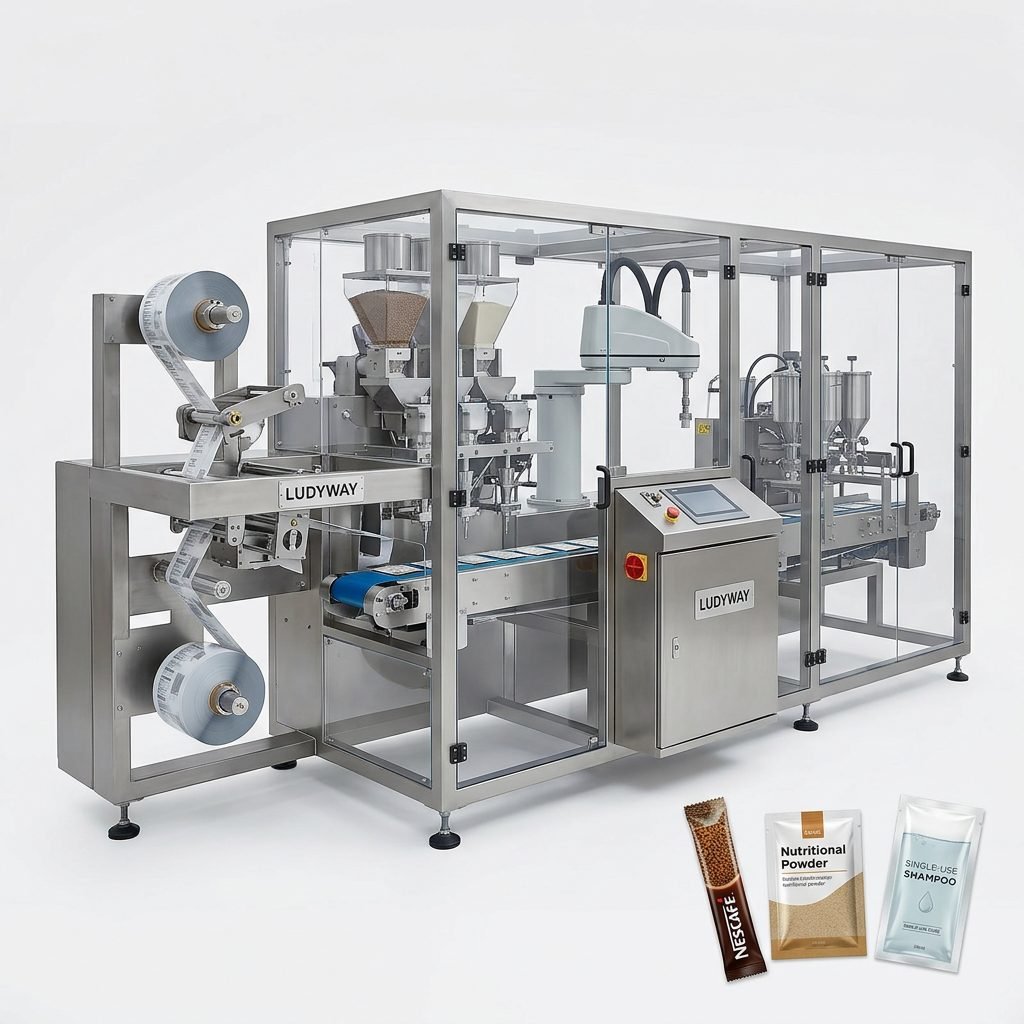
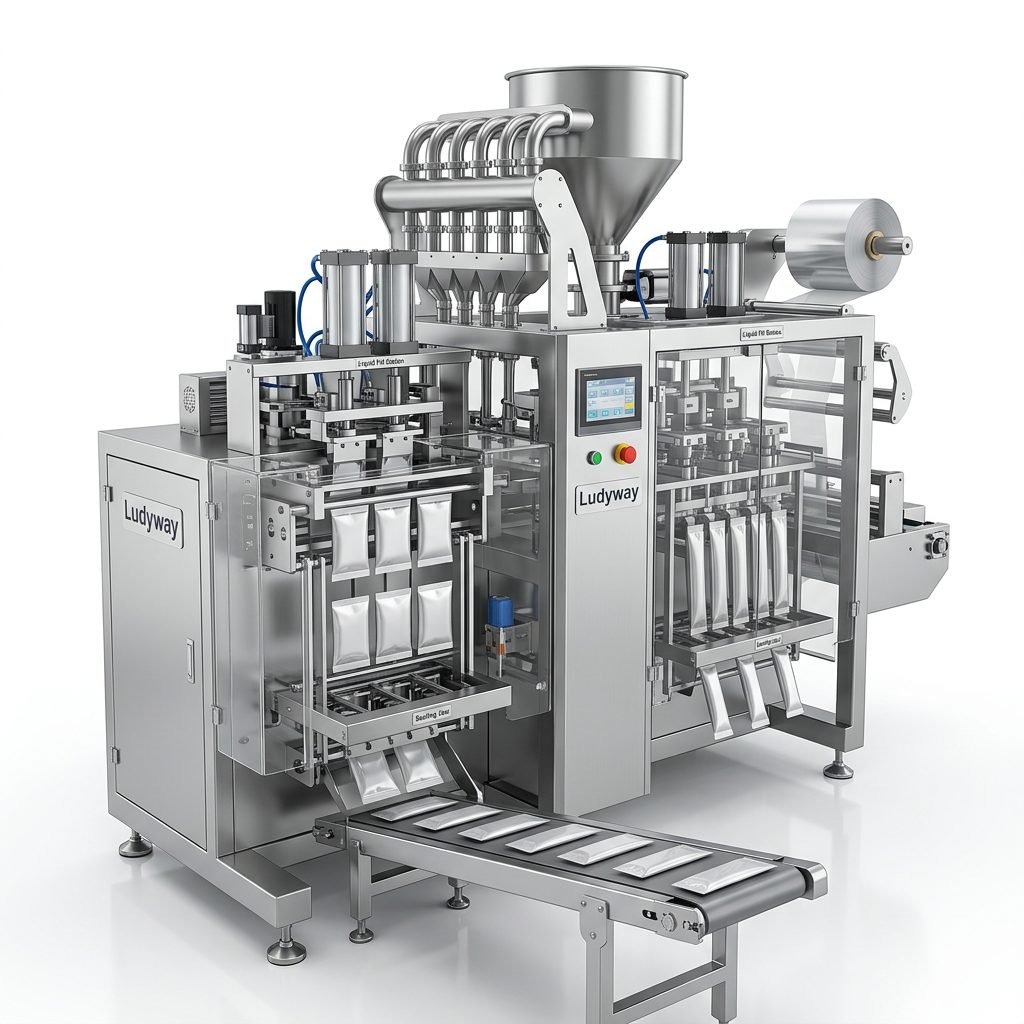
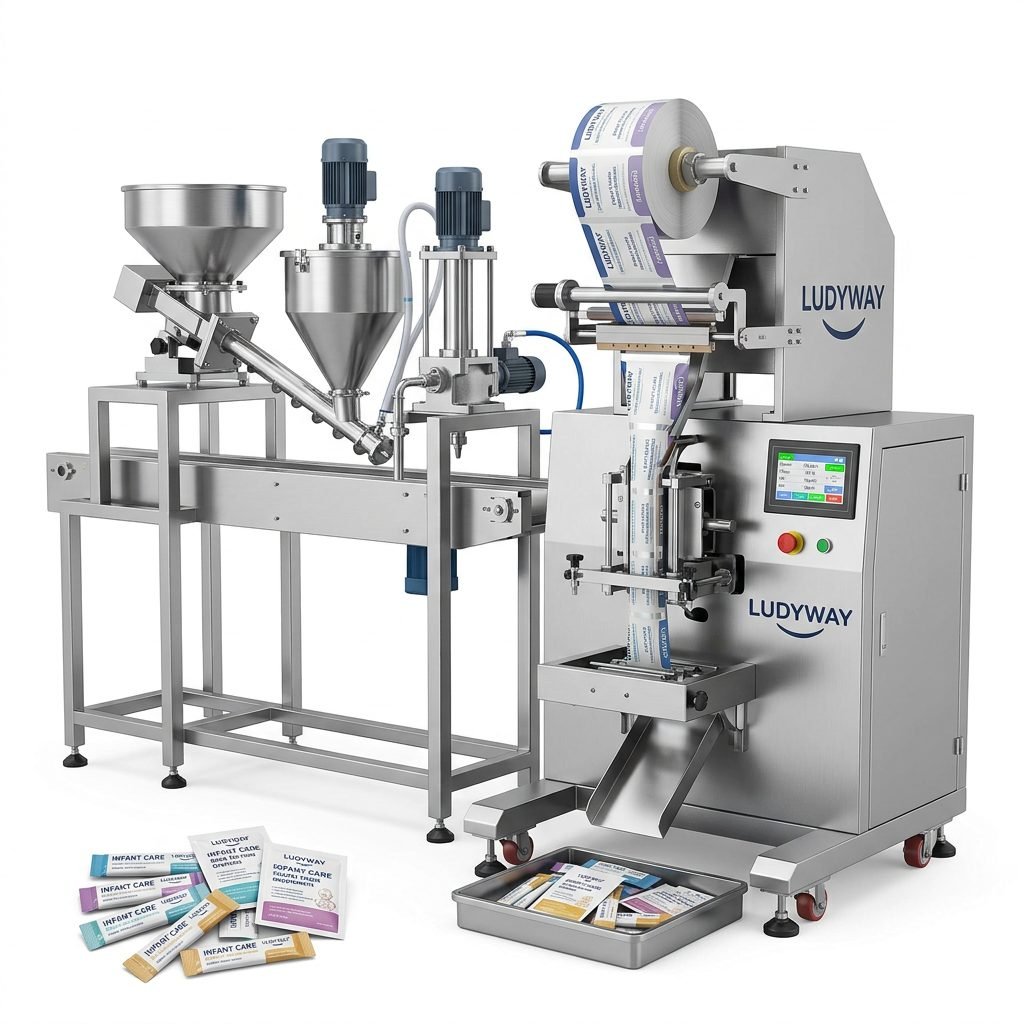
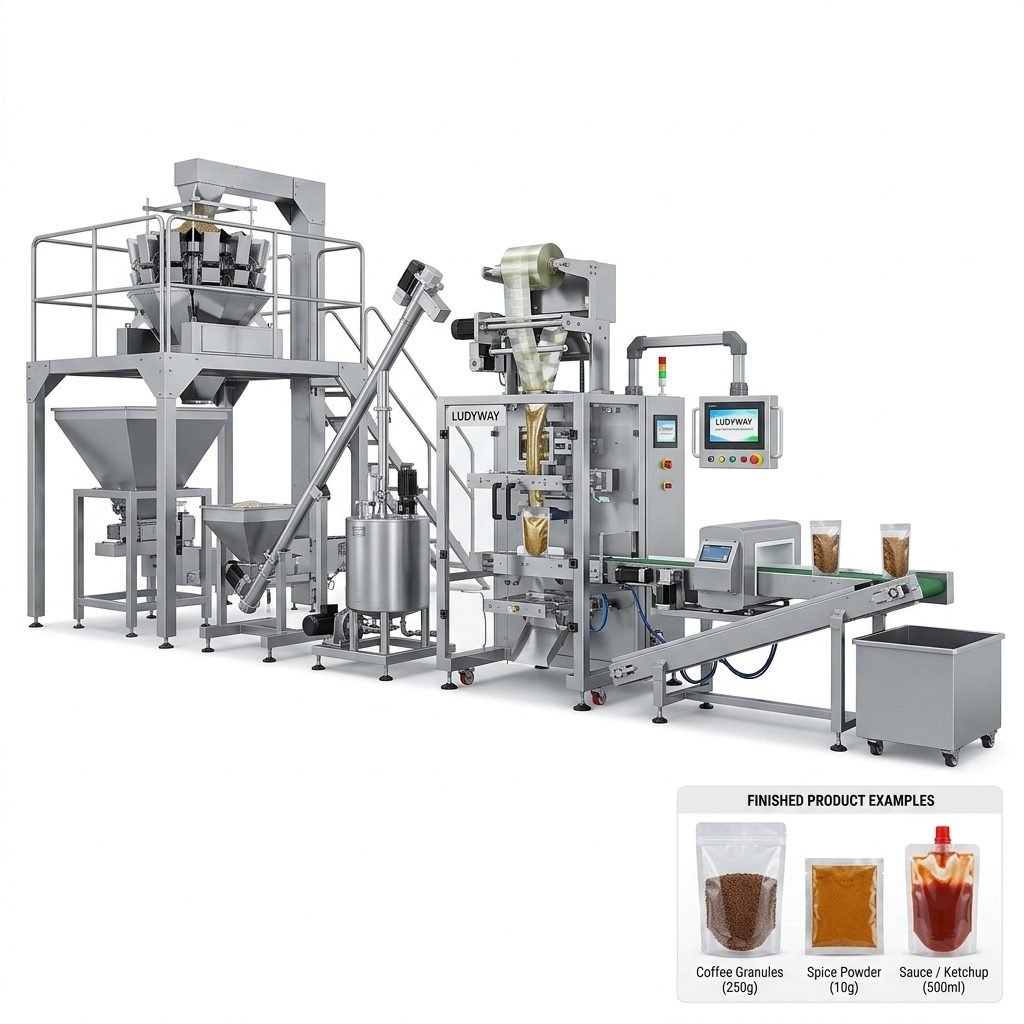
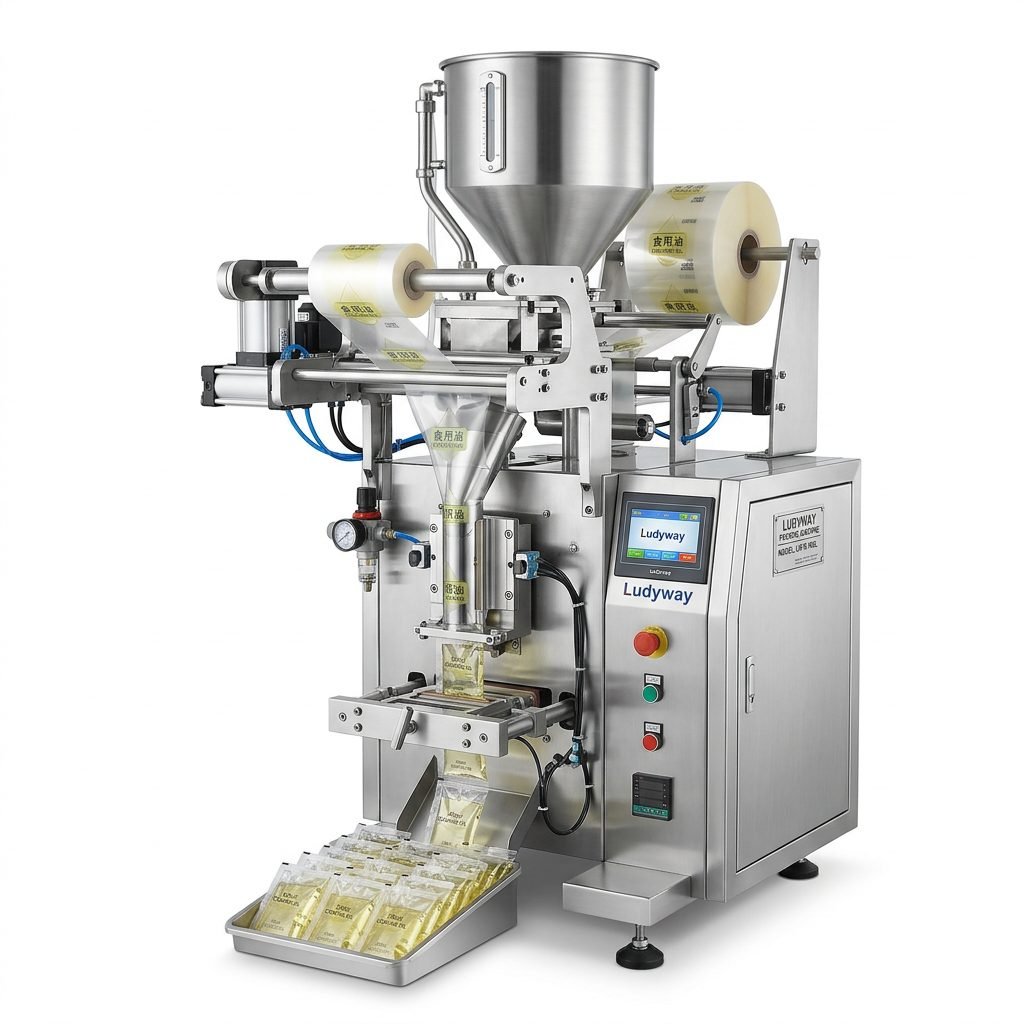
Liquid bag packaging machines are widely used in modern manufacturing because they combine accurate filling, reliable sealing, and high production efficiency in one integrated system. For brands producing sauces, beverages, detergents, cosmetics, pharmaceutical liquids, lubricants, or chemical solutions, the right machine can significantly improve output consistency while reducing labor costs and material waste.
In competitive markets, packaging is not only about containment. It also affects shelf appeal, transportation safety, product hygiene, dosage control, and customer trust. That is why many manufacturers are shifting from manual or semi-automatic operations to automated liquid bag packaging solutions that support stable, scalable production.
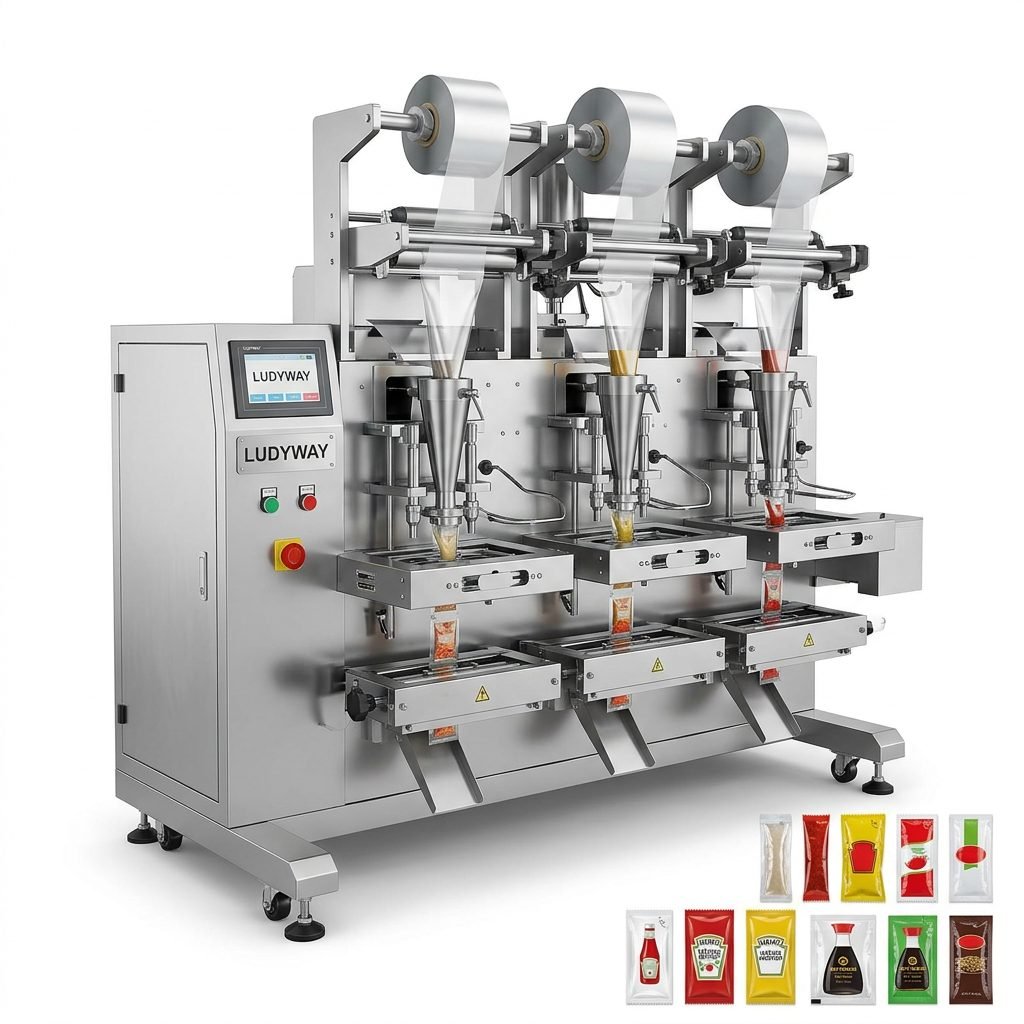
What Is a Liquid Bag Packaging Machine?
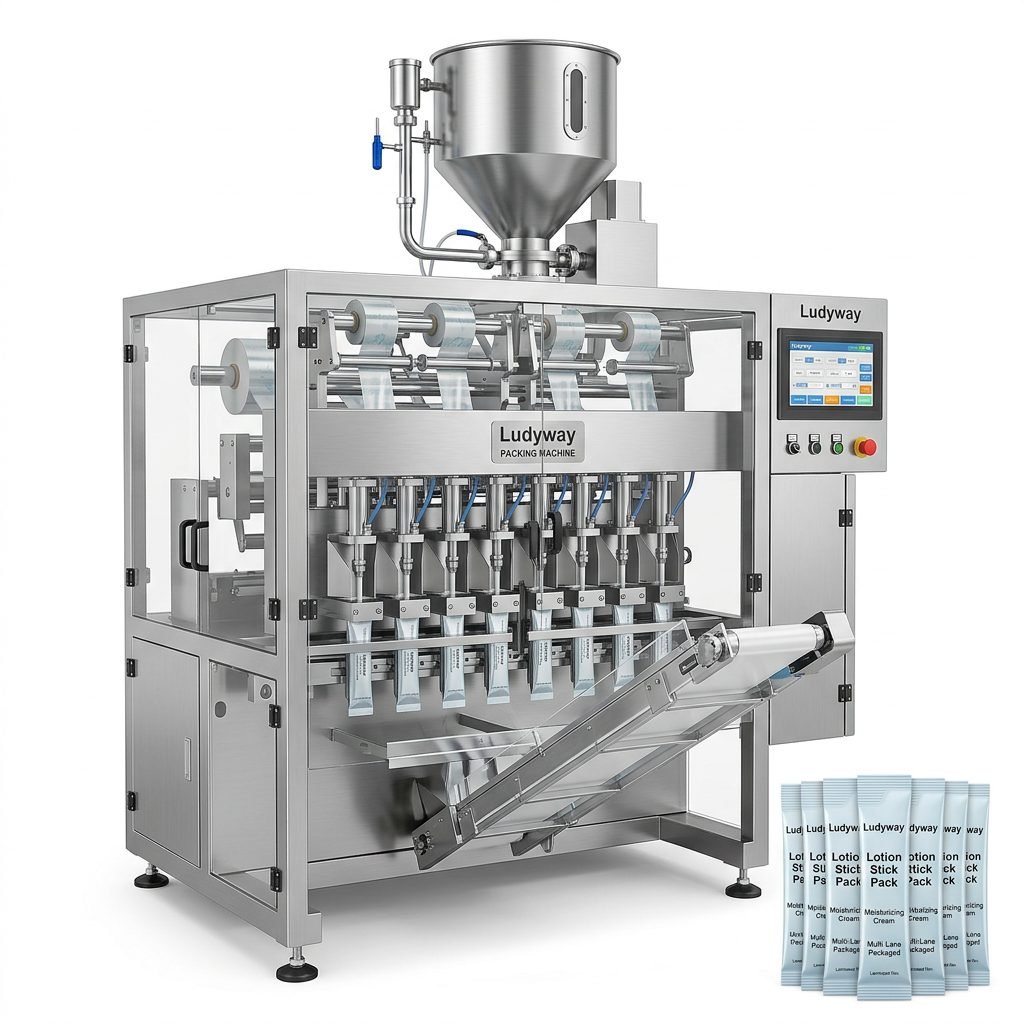
A liquid bag packaging machine is specialized equipment designed to fill liquid or semi-liquid products into flexible bags, sachets, pouches, or stick packs, then seal them securely. Depending on the application, the machine may work with free-flowing liquids, viscous products, hot-fill materials, foaming liquids, or products containing small particles.
These systems are commonly used for:
- Food products such as ketchup, mayonnaise, cooking oil, soy sauce, honey, juice, and sauces
- Personal care items such as shampoo, lotion, body wash, and serum
- Pharmaceutical and health products such as oral liquids and medical solutions
- Household chemicals such as detergents, cleaners, and disinfectants
- Industrial liquids such as lubricants, adhesives, and specialty chemicals
How the Machine Improves Filling and Sealing Efficiency
The biggest advantage of an automated liquid bag packaging system is its ability to maintain stable performance over long production cycles. From product feeding to bag forming, filling, sealing, coding, and discharge, the process is designed for speed and repeatability.
Key efficiency benefits include:
- Accurate dosage control to reduce product giveaway and improve consistency
- Fast sealing cycles for higher daily production capacity
- Reduced operator dependence and lower labor intensity
- Cleaner production conditions for hygiene-sensitive industries
- Better package appearance for retail and export markets
- Flexible changeover for different bag sizes and liquid types
Main Components of a Liquid Bag Packaging System
Although machine structures vary by bag type and liquid characteristics, most systems include several core modules that work together:
| Component | Function |
|---|---|
| Liquid feeding system | Transfers product from tank or hopper to the filling unit |
| Metering or pump filling unit | Controls filling volume with precision |
| Bag forming or pouch handling section | Creates the bag from film or positions premade pouches |
| Sealing system | Applies heat or pressure to create leak-proof seals |
| Control panel | Allows recipe setting, parameter adjustment, and monitoring |
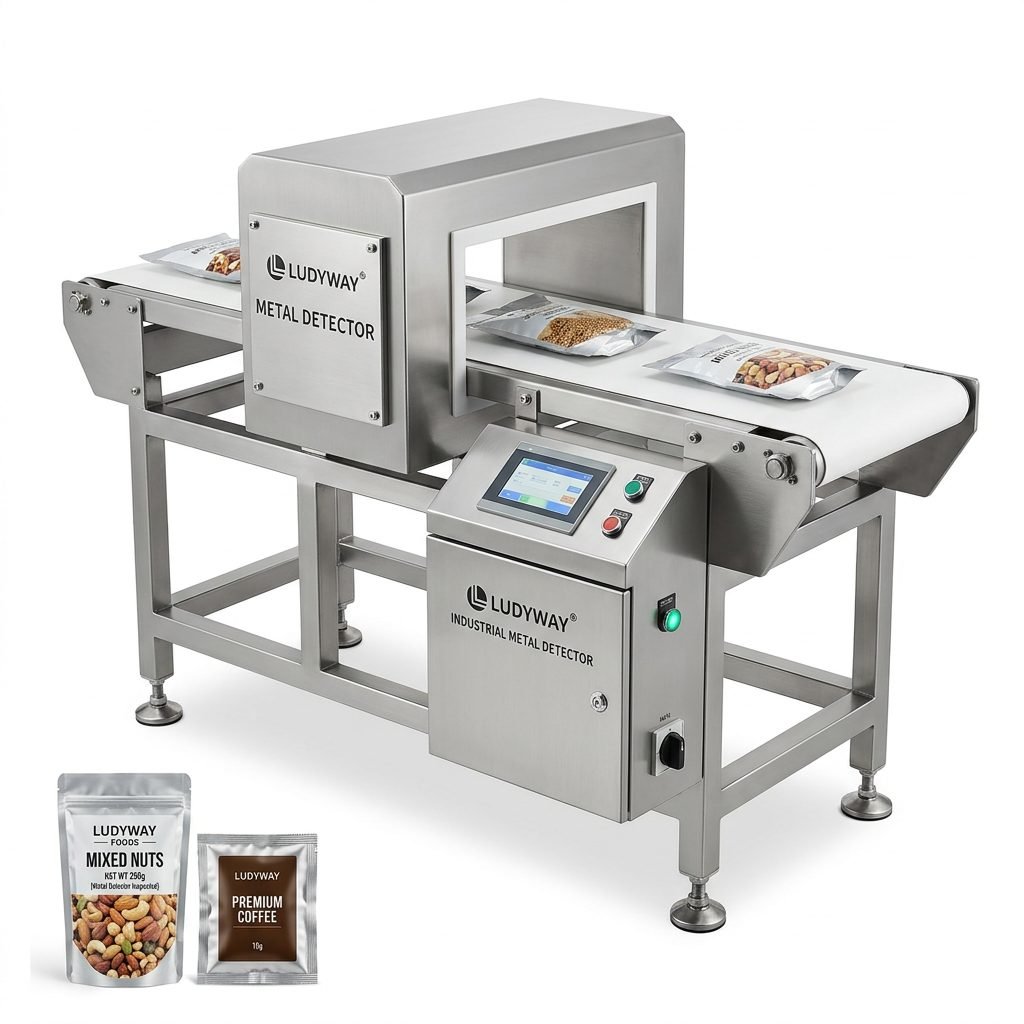
| Date coding and inspection devices | Support traceability and packaging quality control |
Types of Liquid Products Suitable for Bag Packaging
Not all liquids behave the same during filling. Some flow quickly like water, while others are thick, sticky, or temperature sensitive. A good packaging machine should be selected based on product viscosity, foaming tendency, corrosiveness, and hygiene requirements.
Low-viscosity liquids
These include water-based drinks, juices, vinegar, oral solutions, and some cleaning fluids. They usually require fast-response valves and anti-drip design to maintain neat seals.
Medium-viscosity liquids
Products like shampoo, liquid soap, sauces, and lotions often need piston pumps or servo-controlled filling for consistent dosing.
High-viscosity or paste-like products
Honey, gel, cream, concentrated sauce, and adhesive materials require robust filling mechanisms, stable temperature management, and strong sealing performance.
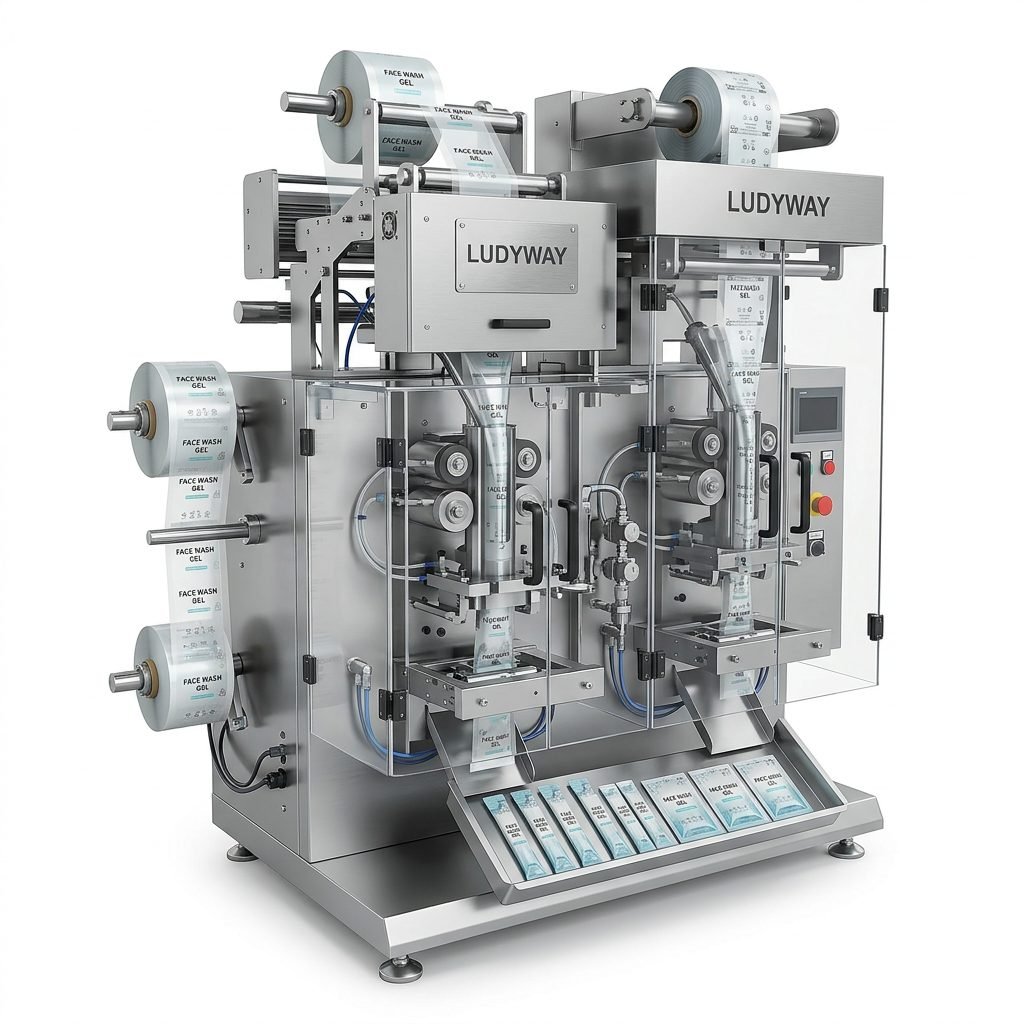
Popular Packaging Formats for Liquid Products
The ideal machine often depends on the final package style. Different industries choose different bag formats based on retail positioning, dosage needs, logistics, and user convenience.
- Sachet packaging for single-use condiments, cosmetics, and pharmaceuticals
- Stick pack packaging for slim, portable single-dose liquid products
- Pouch packaging for larger volume retail or refill products
- Premade bag filling for premium packaging with stronger shelf presence
- Spouted pouch options for beverages, baby food, and refill applications
Critical Features to Look for When Choosing a Machine
Choosing a liquid bag packaging machine is not only about speed. It should also match your production goals, product features, and future expansion plans.
| Feature | Why It Matters |
|---|---|
| Filling accuracy | Directly affects cost control and product consistency |
| Seal strength | Prevents leakage during storage and shipping |
| Production speed | Determines whether output meets sales demand |
| Material compatibility | Ensures machine durability with acidic, oily, or corrosive products |
| Cleaning convenience | Important for hygiene, maintenance, and changeovers |
| Automation integration | Supports conveyors, coding, cartoning, inspection, and end-of-line systems |
Industries That Benefit Most from Liquid Bag Packaging Machines
Food and beverage
Food manufacturers use liquid bag packaging machines for sauces, condiments, syrups, dairy liquids, and beverage concentrates. These systems help maintain hygienic processing and deliver attractive single-use or family-size formats.
Pharmaceutical and health products
Oral liquids, medical solutions, and supplement liquids require precise dosing and dependable sealing. Machines used in this field often emphasize sanitation, traceability, and stable operation.
Cosmetics and personal care
From serum and lotion to shampoo and facial cleanser, liquid packaging systems enable brands to produce travel-size, sample-size, and retail-ready packs efficiently.
Chemical and household products
Liquid detergents, disinfectants, cleaners, and industrial fluids often need chemical-resistant components and secure seals to handle transportation and storage safely.
Advantages of Automated Filling and Sealing Solutions
Upgrading to automated liquid packaging equipment delivers both immediate and long-term business benefits.
- Higher output per shift
- Lower packaging error rates
- Improved product hygiene and sealing consistency
- Reduced manual handling
- Better support for OEM and private label production
- Scalable configuration for growing production needs
For businesses expanding product lines, automation also makes it easier to standardize packaging quality across multiple SKUs and sales channels.
How to Select the Right Liquid Bag Packaging Machine
Before investing in equipment, manufacturers should evaluate several practical factors:
- What type of liquid will be packed, and what is its viscosity?
- What bag format is required: sachet, stick pack, pouch, or premade bag?
- What filling volume range is needed?
- What is the target production speed per minute or per day?
- Are there any hygiene, GMP, or industry-specific compliance requirements?
- Will the machine need to integrate with upstream mixing tanks or downstream cartoning and case packing systems?
A supplier that understands both single-machine performance and line integration can help avoid costly mismatches between equipment and real production conditions.
Why Turnkey Support Matters
Many liquid product manufacturers no longer look for only one standalone machine. They need complete packaging solutions that include product feeding, filling, sealing, conveying, coding, inspection, packing, and palletizing. This reduces project coordination risk and improves compatibility across the full line.
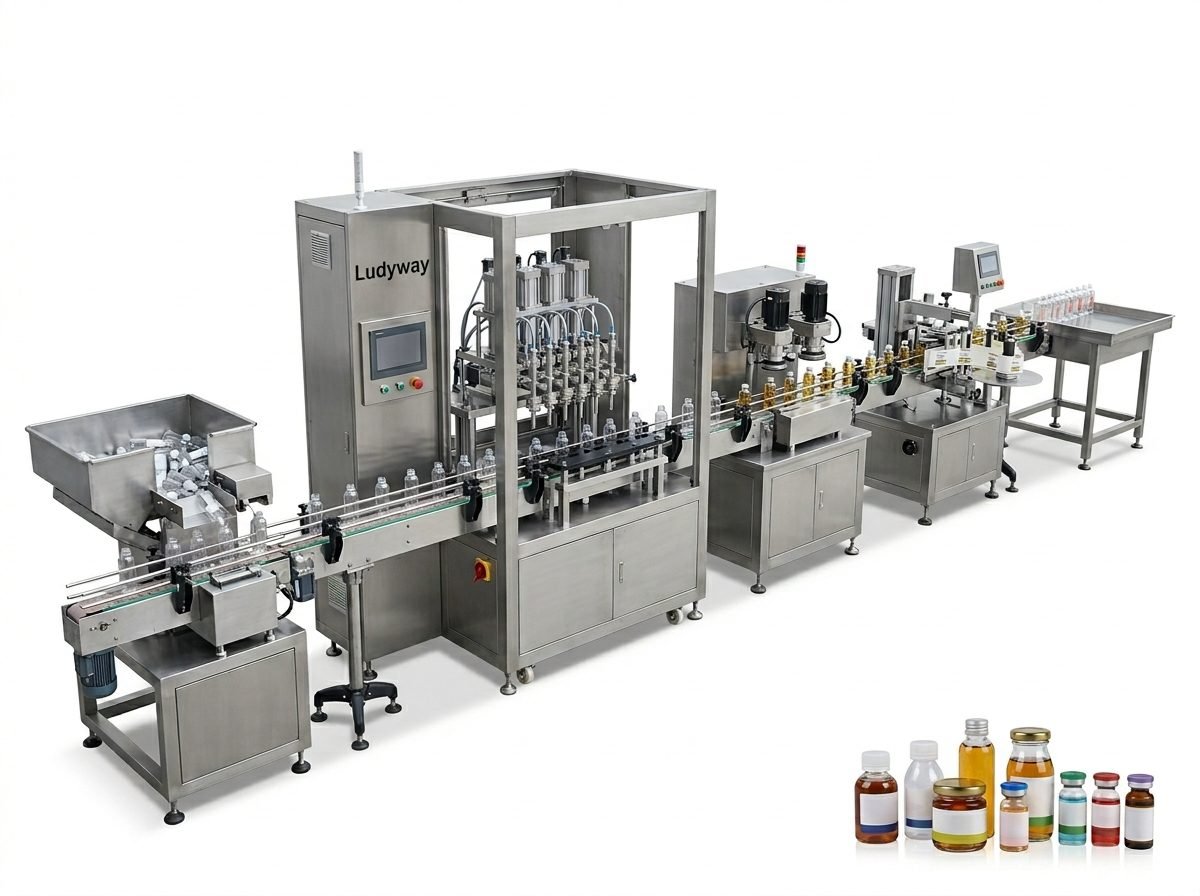
For companies looking for scalable packaging automation, Ludyway liquid packaging machine solutions offer broad application coverage across food, pharmaceutical, cosmetic, chemical, and pouch-based product lines, supported by more than 30 years of manufacturing experience and turnkey line capabilities.
Maintenance Tips for Long-Term Stable Operation
Even a high-performance machine needs proper maintenance to keep filling and sealing quality consistent.
- Clean product-contact parts regularly
- Check seals, heaters, and temperature parameters frequently
- Inspect pumps, valves, and nozzles for wear or clogging
- Calibrate filling accuracy at scheduled intervals
- Train operators on changeover and troubleshooting procedures
- Use packaging films or bags that match machine specifications
Future Trends in Liquid Bag Packaging Equipment
The market is moving toward smarter, more flexible systems. Manufacturers increasingly want machines that support fast SKU switching, digital parameter management, reduced downtime, and better data visibility.
Common development trends include:
- Servo-driven filling and sealing for higher precision
- Touchscreen recipe storage for quick product changeover
- Integration with coding, inspection, and robotic end-of-line automation
- Improved hygienic design for food and pharma applications
- Energy-efficient operation and lower packaging waste
Conclusion
A liquid bag packaging machine is a practical investment for manufacturers that need efficient, accurate, and dependable filling and sealing solutions. Whether the goal is to package sauces, shampoos, detergents, oral liquids, or specialty chemicals, the right equipment can improve production speed, package quality, and operational control.
By selecting a system that matches your liquid characteristics, packaging format, and automation goals, you can build a more competitive production process and prepare for long-term growth in increasingly demanding markets.