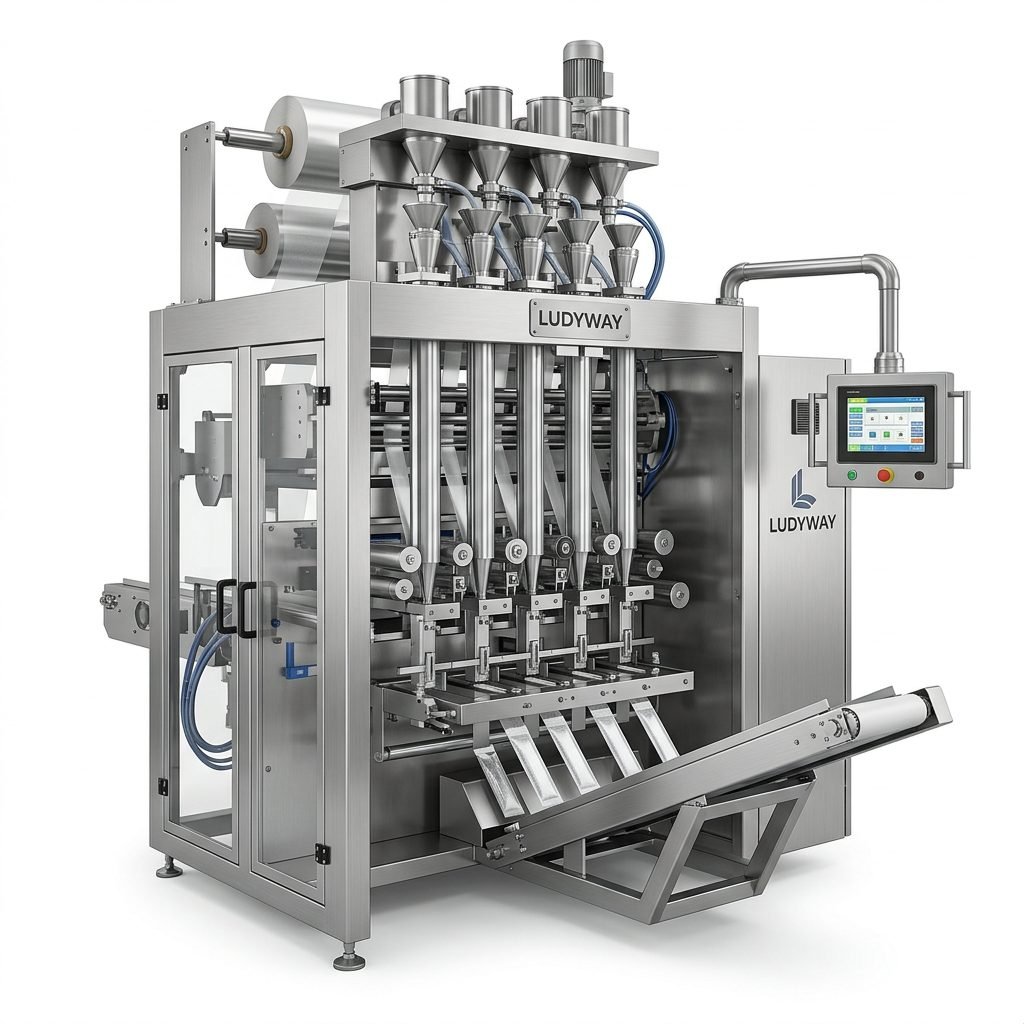
Small bag filling machines play a critical role in modern packaging, especially for brands that need precise dosing, clean sealing, and efficient high-speed output for sachets and small pouches. Whether you are packaging powders, granules, liquids, or pastes, the right machine helps reduce waste, improve consistency, and support scalable production.
From food and beverage products to pharmaceuticals, cosmetics, and chemical applications, compact sachet packaging has become a preferred format for convenience, sampling, portion control, and retail presentation. A well-designed small sachet filling system makes it easier to meet quality standards while keeping operating costs under control.
What Is a Small Bag Filling Machine?
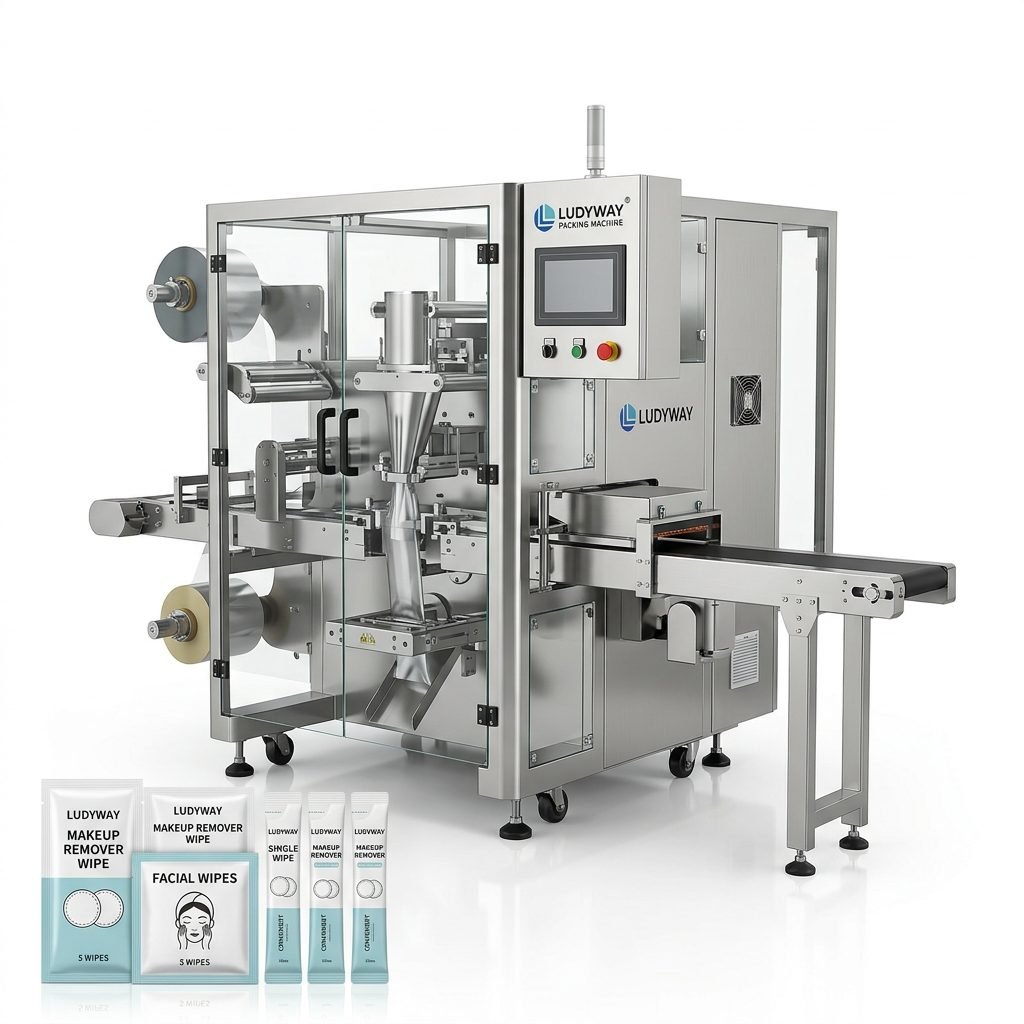
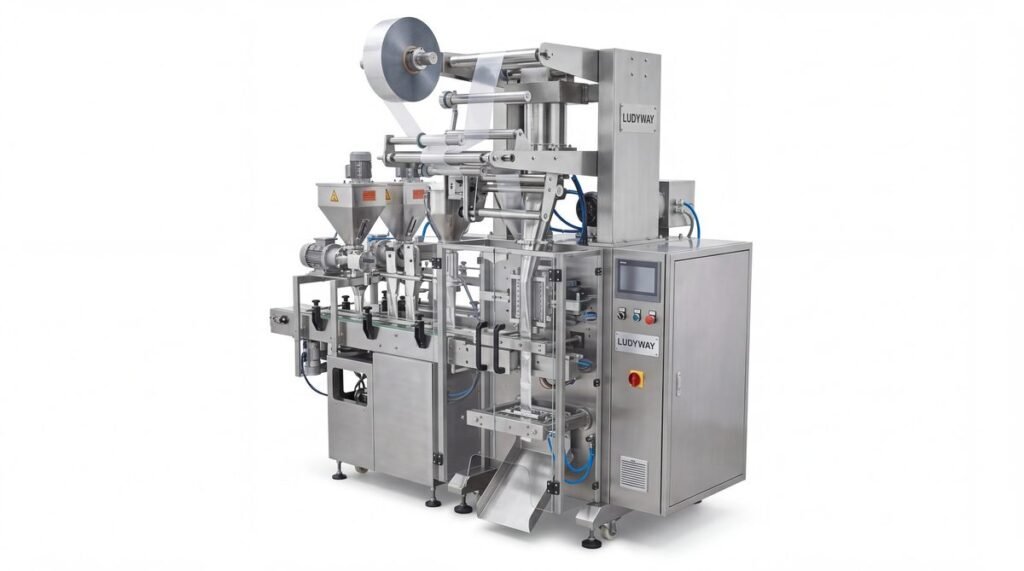
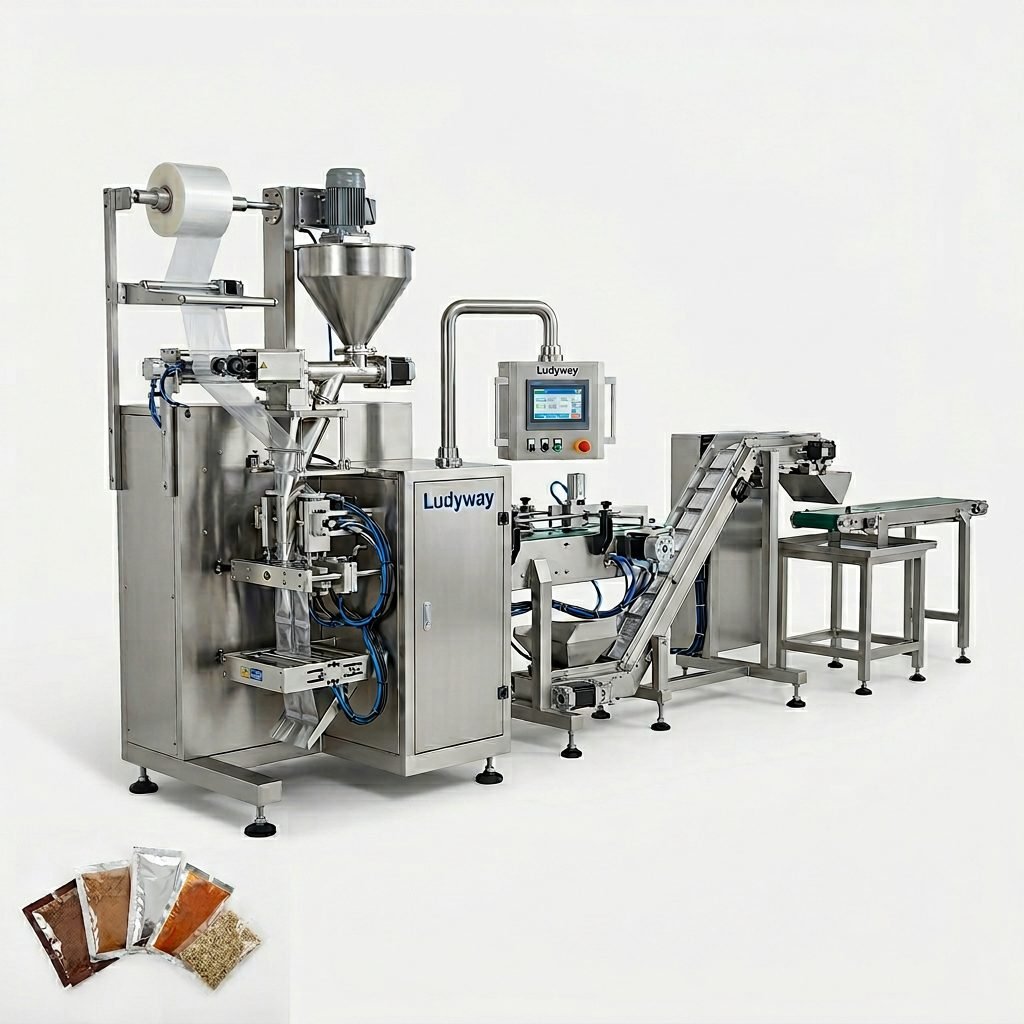
A small bag filling machine is automated packaging equipment designed to form, fill, and seal small bags, sachets, or stick packs with accurate product quantities. These machines are commonly used for single-dose, trial-size, travel-size, and retail-ready packaging formats.
Depending on the product and bag type, the machine may use auger filling for powders, volumetric cups for granules, pump filling for liquids, or piston filling for viscous materials. The key objective is simple: deliver repeatable fill accuracy at a practical production speed.
Common products packed in small bags
- Instant coffee, tea powder, sugar, salt, spices
- Protein powder, collagen powder, electrolyte mix
- Pharmaceutical granules and oral powder sachets
- Shampoo, lotion, serum, cream, and gel
- Detergent powder, cleaning liquids, and chemical additives
- Pet supplements, feed additives, and nutritional products
Why Accurate Small Sachet Filling Matters
For small-format packaging, even minor filling errors can affect product cost, customer trust, and regulatory compliance. Underfilling may lead to complaints and compliance risks, while overfilling increases material giveaway and reduces profit margins.
That is why many manufacturers look for systems that offer stable dosing, reliable sealing, and easy adjustment for different bag sizes. In sectors such as pharma and nutraceuticals, accurate filling is not just an efficiency issue—it is part of product integrity.
| Benefit | Impact on Production |
|---|---|
| Precise fill control | Reduces product giveaway and improves consistency |
| Strong sealing performance | Helps maintain shelf life and minimize leakage |
| Fast format changeover | Supports flexible packaging for multiple SKUs |
| Automation integration | Lowers labor demand and improves output stability |
Main Types of Small Bag Filling Machines
1. Powder sachet filling machines
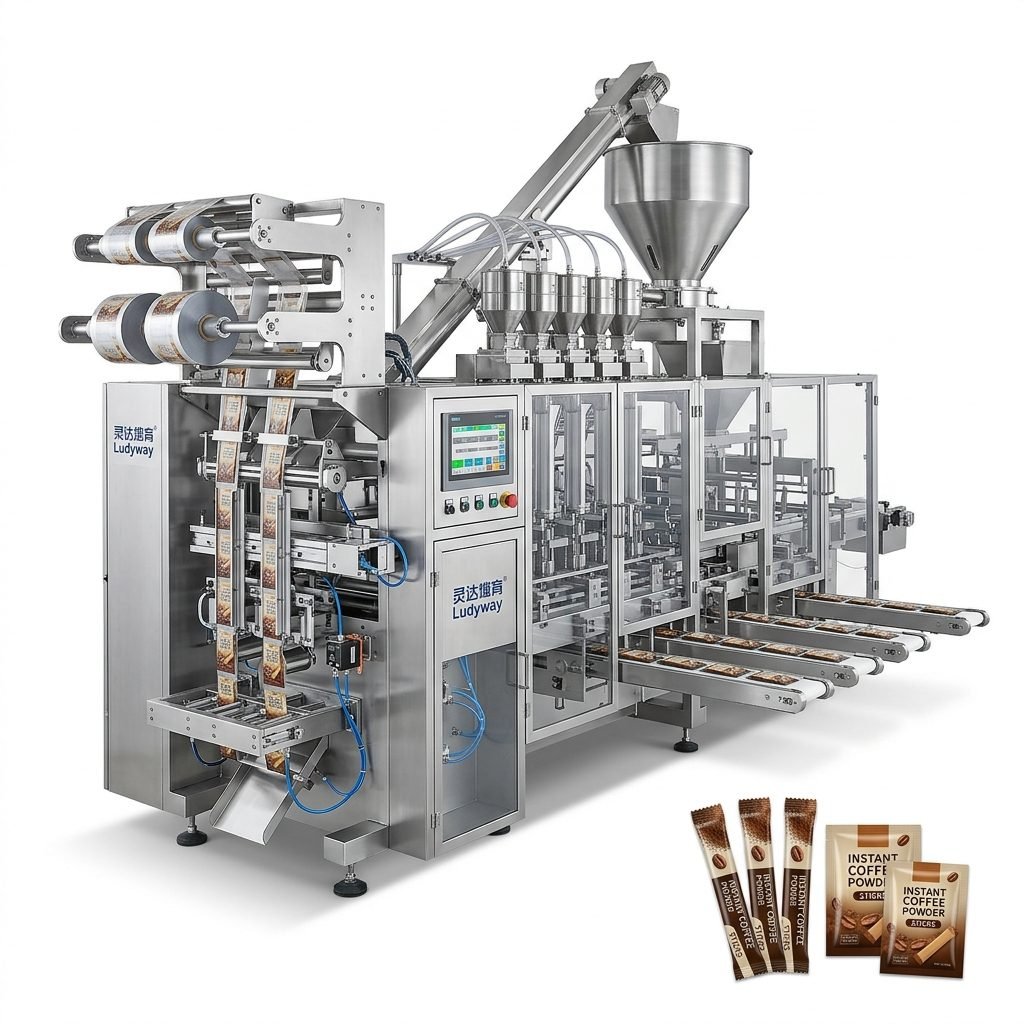
Ideal for fine or dusty materials such as milk powder, coffee powder, nutritional supplements, and pharmaceutical powders. These systems often use auger fillers to maintain dosing accuracy.
2. Granule bag filling machines
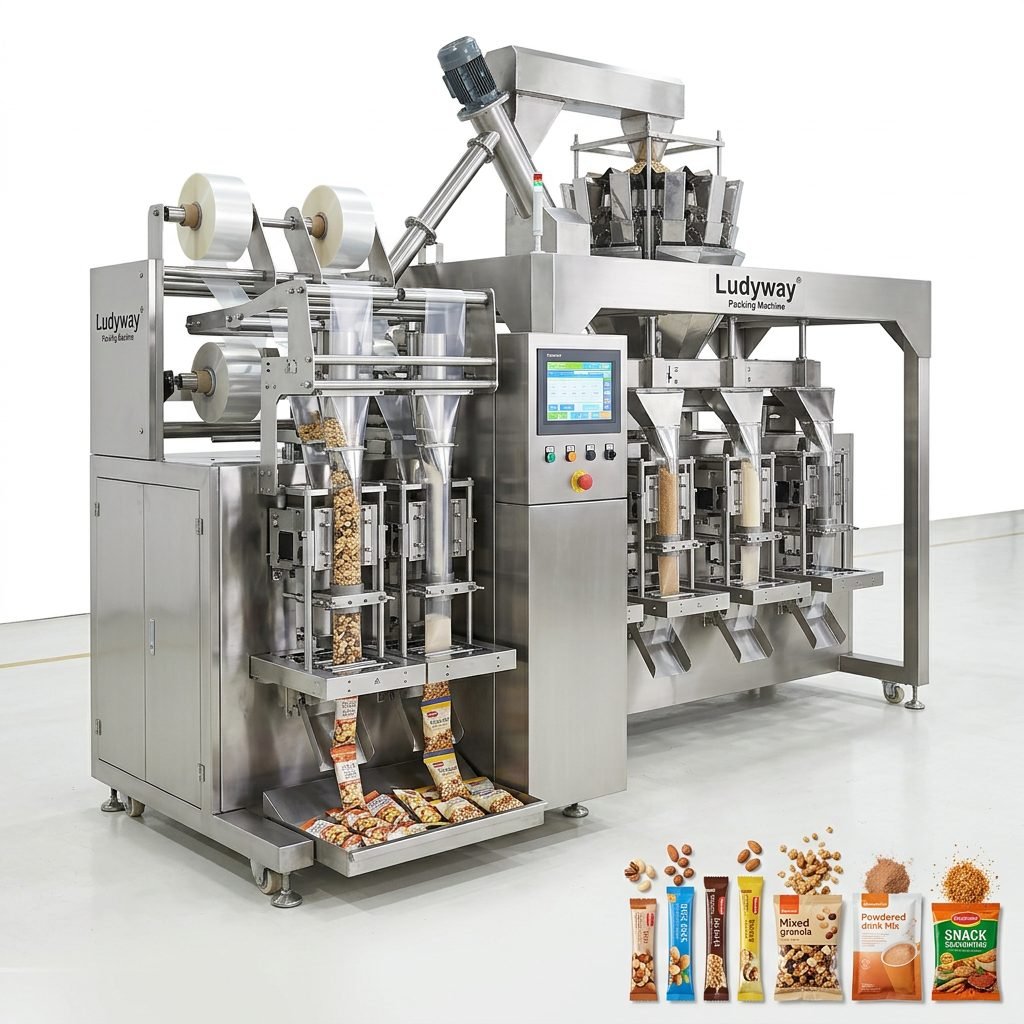
Suitable for products like sugar, salt, seeds, seasoning granules, and snack particles. Volumetric cup or weighing-based systems are common depending on product flow characteristics.
3. Liquid and paste sachet filling machines
Used for sauces, shampoos, syrups, lotions, and gels. These machines require strong sealing control and accurate pump or piston filling to prevent drips and contamination.
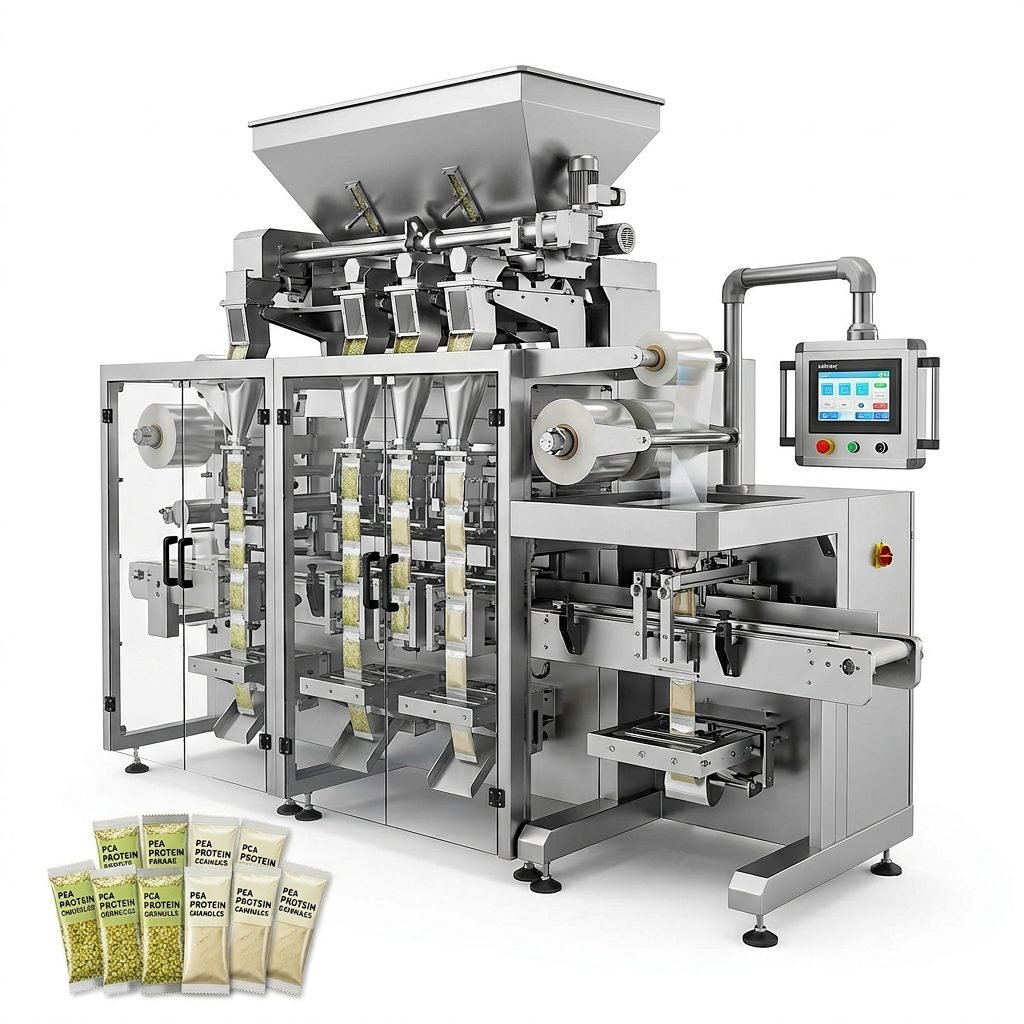
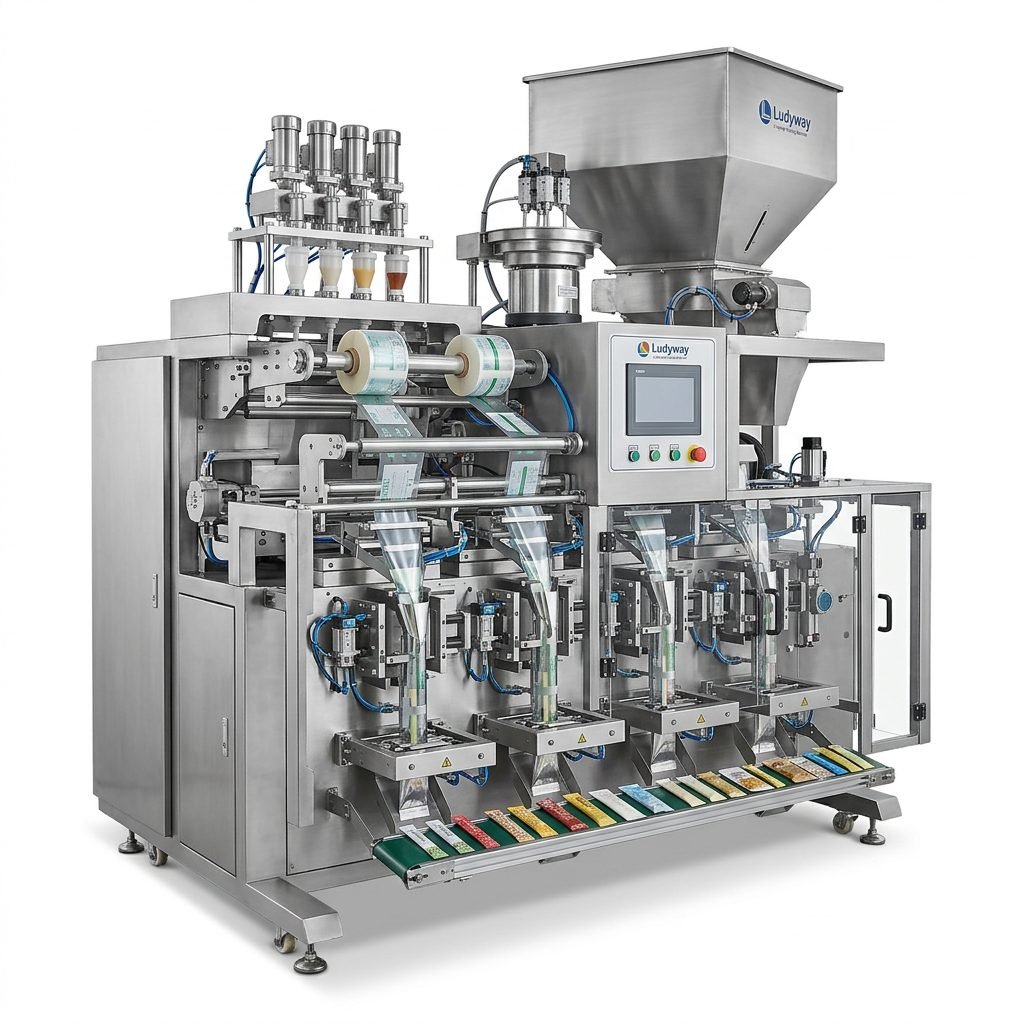
4. Multi-lane stick pack and sachet systems
For higher production demands, multi-lane equipment can fill multiple sachets or stick packs simultaneously. This is especially useful for high-volume consumer goods, nutritional products, and pharmaceutical sachets.
Key Features to Look For
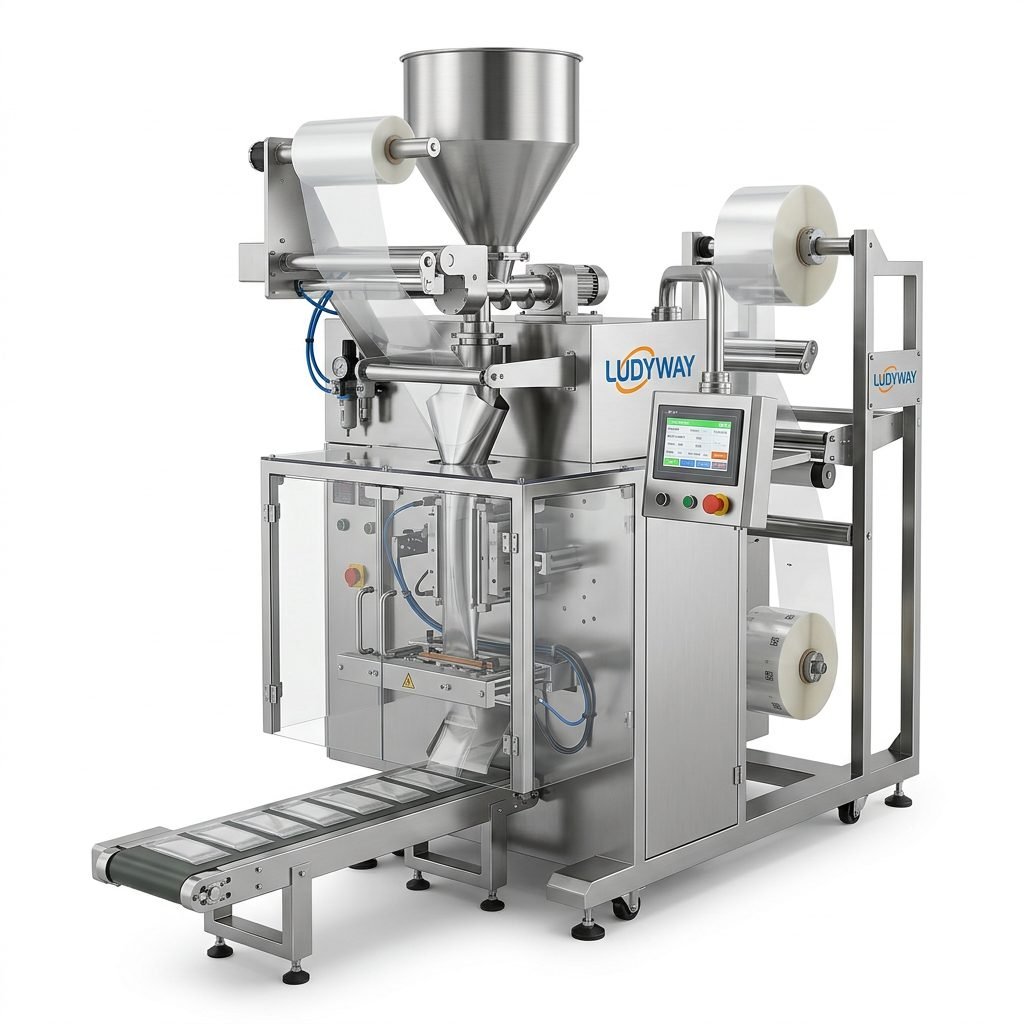
When comparing small bag filling equipment, buyers should focus on more than headline speed. Machine stability, product compatibility, maintenance convenience, and future expandability are equally important.
- Fill accuracy: essential for cost control and compliance
- Bag size flexibility: useful for brands with multiple SKUs
- Sealing quality: especially important for liquid, powder, and hygroscopic products
- User-friendly controls: touchscreen HMI and recipe storage simplify operation
- Cleaning and maintenance access: reduces downtime
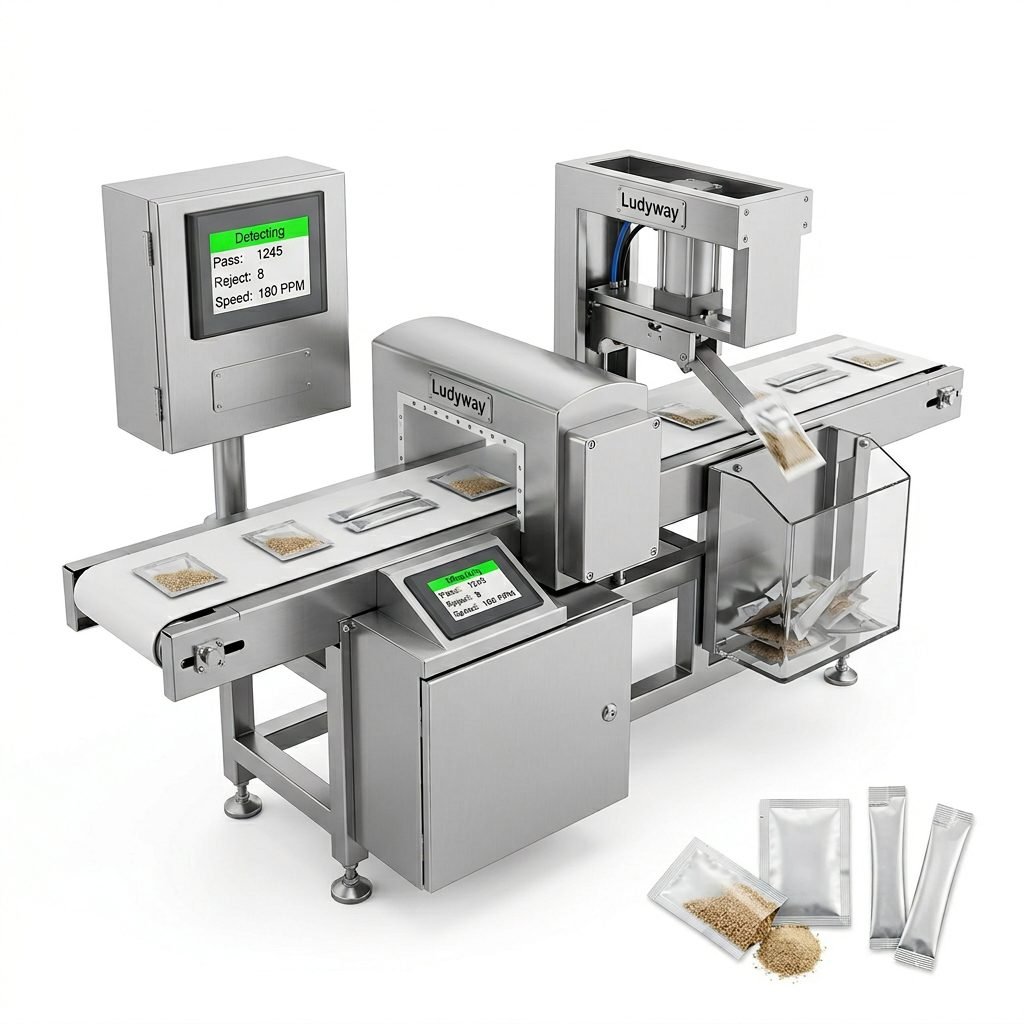
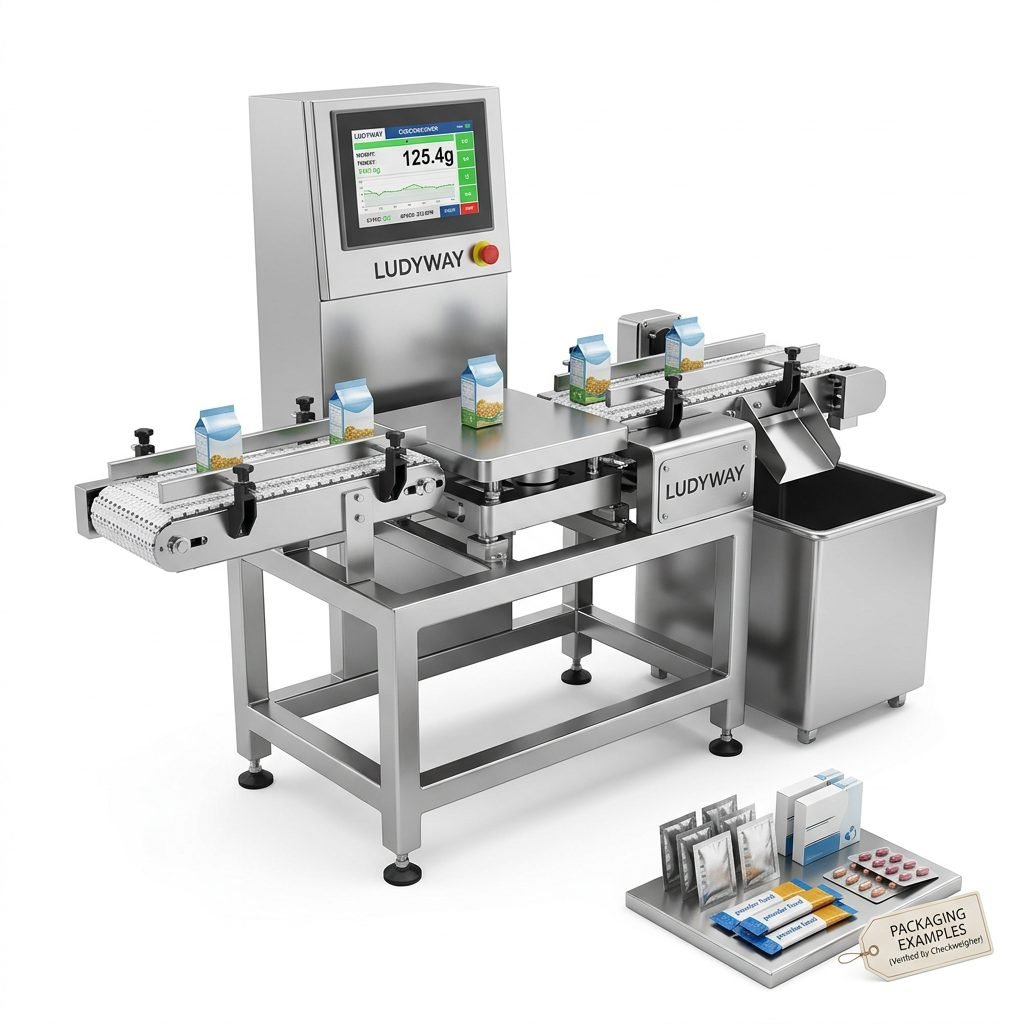
- Integration capability: works with feeders, conveyors, cartoners, coding units, and checkweighers
Technical factors that affect filling performance
| Factor | Why It Matters |
|---|---|
| Product flowability | Determines the best filling method and dosing stability |
| Bag material | Affects sealing temperature and package integrity |
| Target output | Influences machine structure, lane count, and automation level |
| Product sensitivity | Some products need gentle handling or dust control |
| Cleaning requirement | Important for food, pharma, and cosmetic hygiene standards |
Industries That Benefit Most
Food and beverage
Single-serve and portion-control formats continue to grow in retail and e-commerce. Small sachet filling machines help food brands package powders, seasonings, drink mixes, sauces, and snacks with strong shelf appeal and controlled dosage.
Pharmaceutical and health supplement
Sachets are widely used for oral powders, granules, and nutritional supplements because they support measured daily intake and convenient transport. Accuracy and cleanliness are especially valuable in these applications.
Cosmetics and personal care
Travel-size and trial-size formats remain popular for serums, creams, shampoos, and lotions. Small bag filling machines make it easier to produce attractive, sealed sample packs for retail and promotional campaigns.
Chemical and household products
Detergent powders, cleaners, additives, and maintenance chemicals can also be packed efficiently in small sachets, helping brands offer controlled-use formats and easier storage.
How to Choose the Right Machine for Your Production Line
The best machine is not always the fastest one. It is the one that matches your product properties, packaging format, production target, and long-term business plan.
- Define your product type: powder, granule, liquid, or paste.
- Confirm bag style and dimensions.
- Estimate current and future output requirements.
- Check fill accuracy tolerance and sealing expectations.
- Consider whether you need standalone equipment or a complete automated line.
- Review after-sales service, spare parts support, and customization ability.
Manufacturers with broad application experience can usually provide better recommendations, especially when your project includes feeding systems, date coding, checkweighing, cartoning, or end-of-line automation.
Advantages of Automated Small Sachet Filling
- Higher output with lower manual labor dependence
- More consistent package appearance and weight control
- Reduced contamination risk through enclosed filling design
- Better material utilization and less product loss
- Improved traceability through printer and coding integration
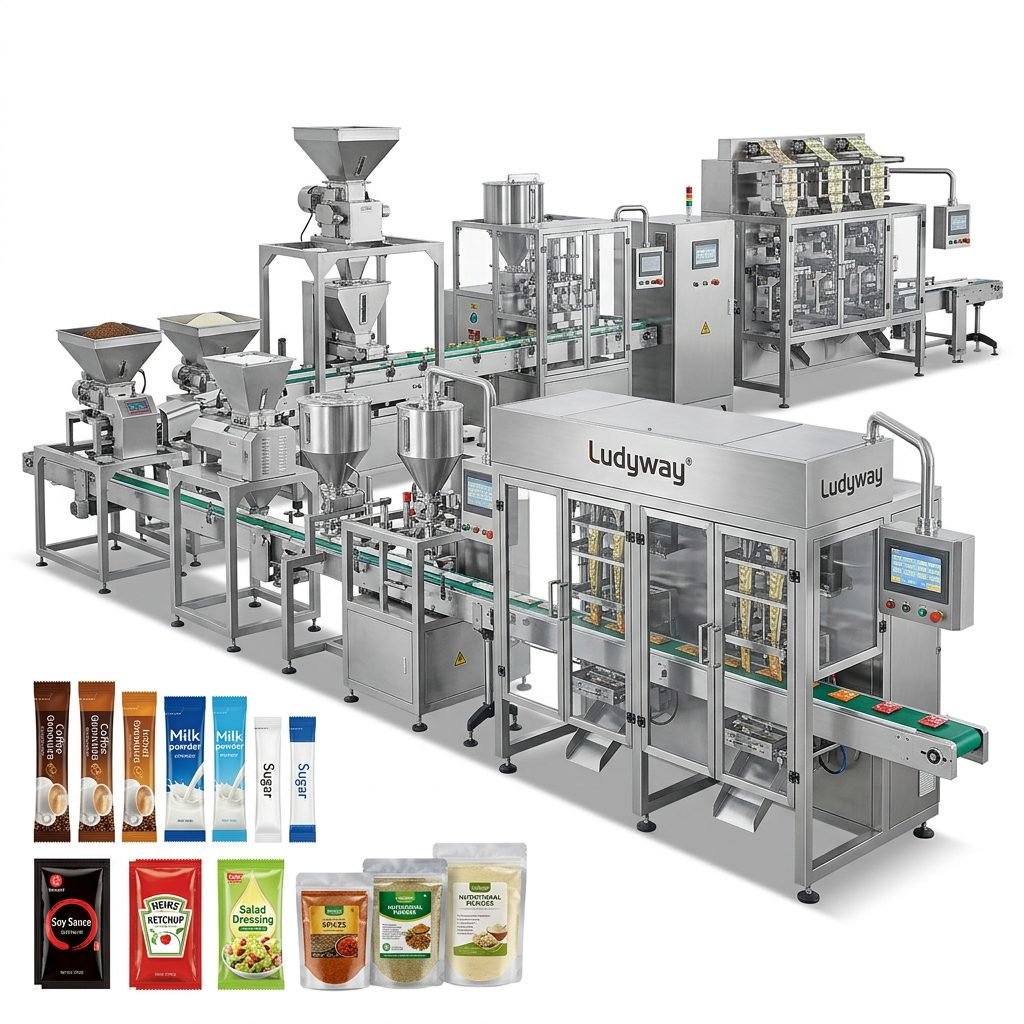
- Easier expansion into multi-lane or turnkey packaging solutions
Single machine vs turnkey packaging line
A standalone small bag filling machine may be enough for limited output or simple packaging tasks. However, growing manufacturers often benefit more from integrated solutions that include product feeding, filling, sealing, inspection, cartoning, and palletizing.
For companies looking for scalable automation, Ludyway small bag filling machine solutions offer broad packaging equipment coverage for food, pharmaceutical, health supplement, cosmetic, and related industries, backed by over 30 years of manufacturing experience and turnkey line capability.
Common Questions Before Buying
Can one machine handle different products?
In many cases, yes, but compatibility depends on the filling system and material behavior. Powder, granule, and liquid products usually require different dosing structures.
Is multi-lane packaging worth it?
If your production target is high and your sachet format is standardized, multi-lane systems can significantly improve efficiency and reduce per-unit packaging cost.
What about customization?
Many projects need custom hopper design, dust control, sealing structure, coding systems, or downstream line integration. Customization is often the best path for specialty products.
Final Buying Insight
A small bag filling machine is more than a packaging tool—it is a productivity asset that affects quality, output, labor cost, and brand presentation. Choosing a machine with accurate filling performance, dependable sealing, and flexible automation options helps ensure long-term packaging efficiency.
If your business needs small sachet packaging for powders, granules, liquids, or pastes, focus on equipment that fits your exact application today while still allowing room for future expansion. That approach delivers better operational value and stronger packaging results over time.