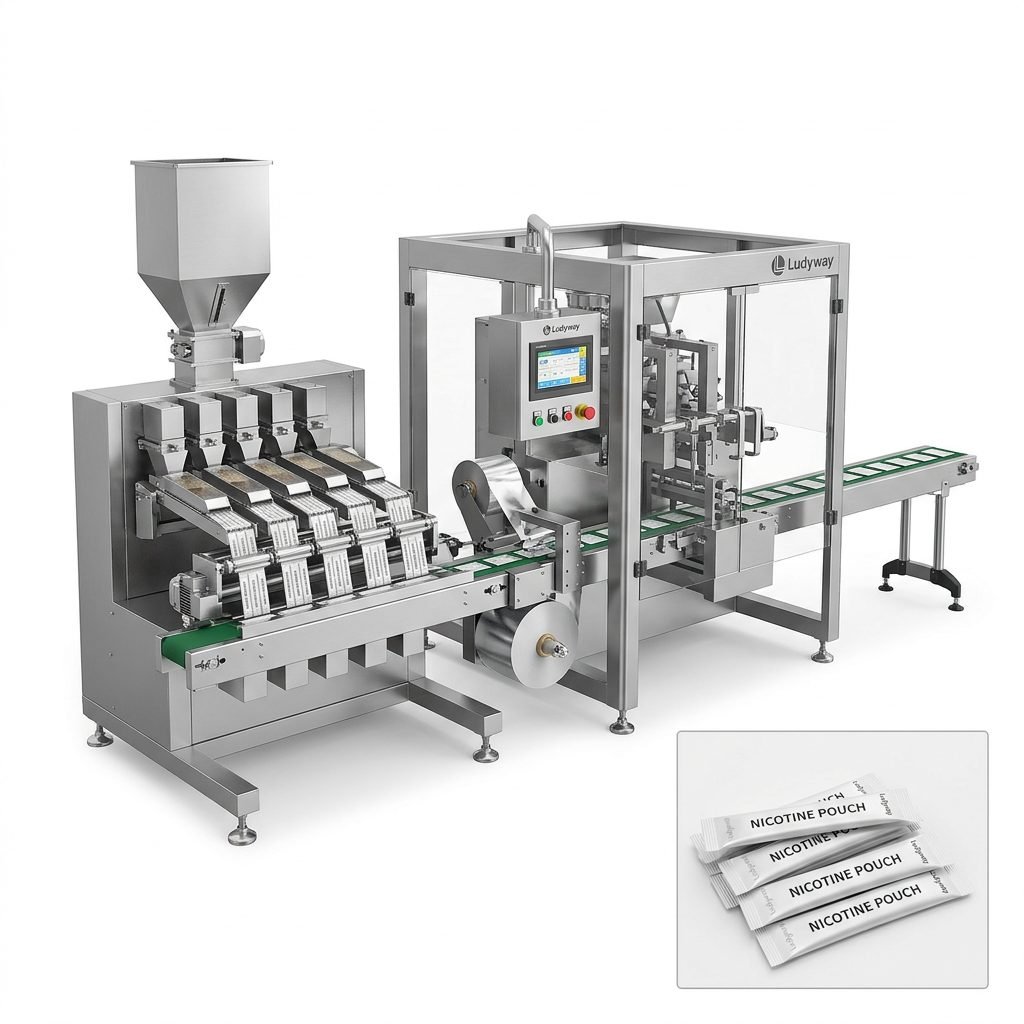
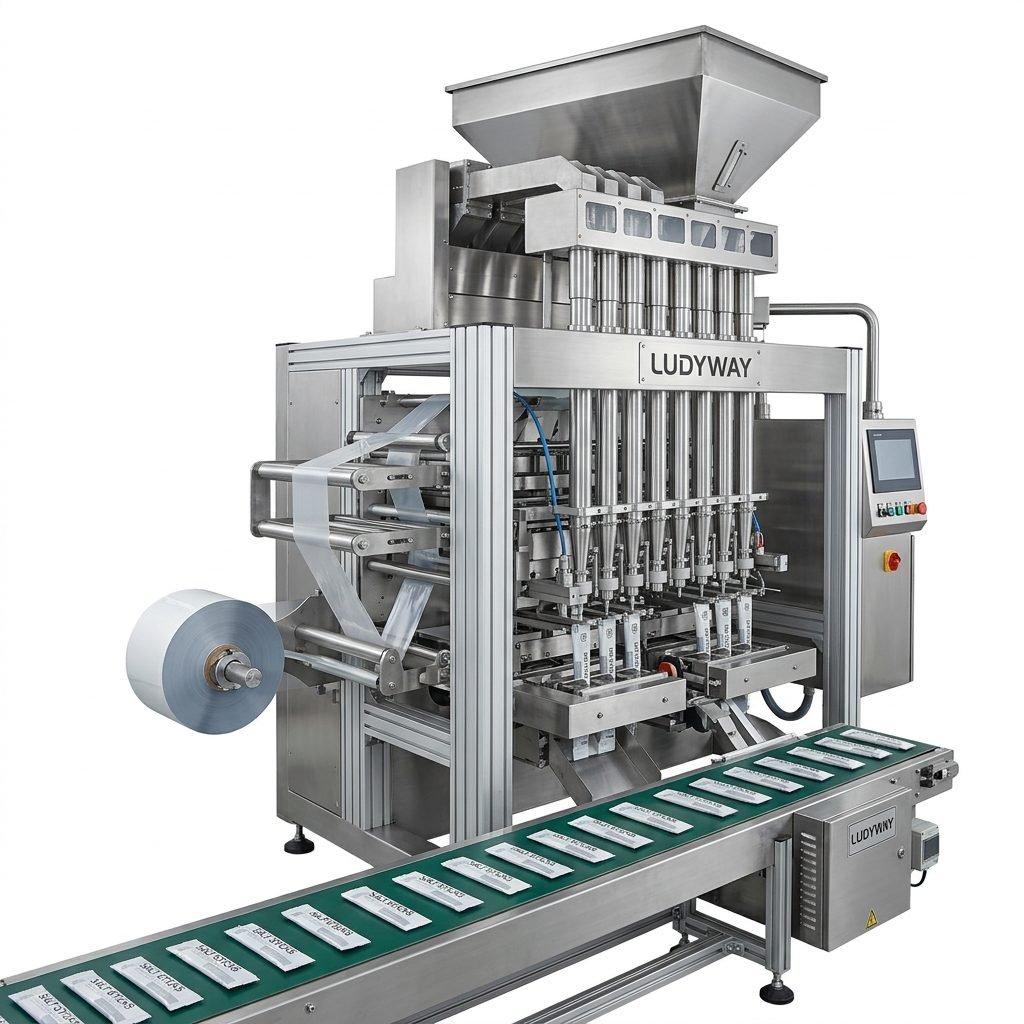
In the seed industry, packaging is more than a final step. It directly affects product protection, counting accuracy, traceability, shelf appeal, and shipping efficiency. Whether you are packaging vegetable seeds, rice seeds, corn seeds, sunflower seeds, pumpkin seeds, or grass seeds, a reliable seed packaging machine helps improve production speed while reducing labor costs and material waste.
Modern automatic seed packaging solutions are designed for businesses that need stable output, clean sealing, accurate weighing, and flexible bag formats. From small retail sachets to larger agricultural bags, the right machine can support both growing brands and high-volume industrial processors.
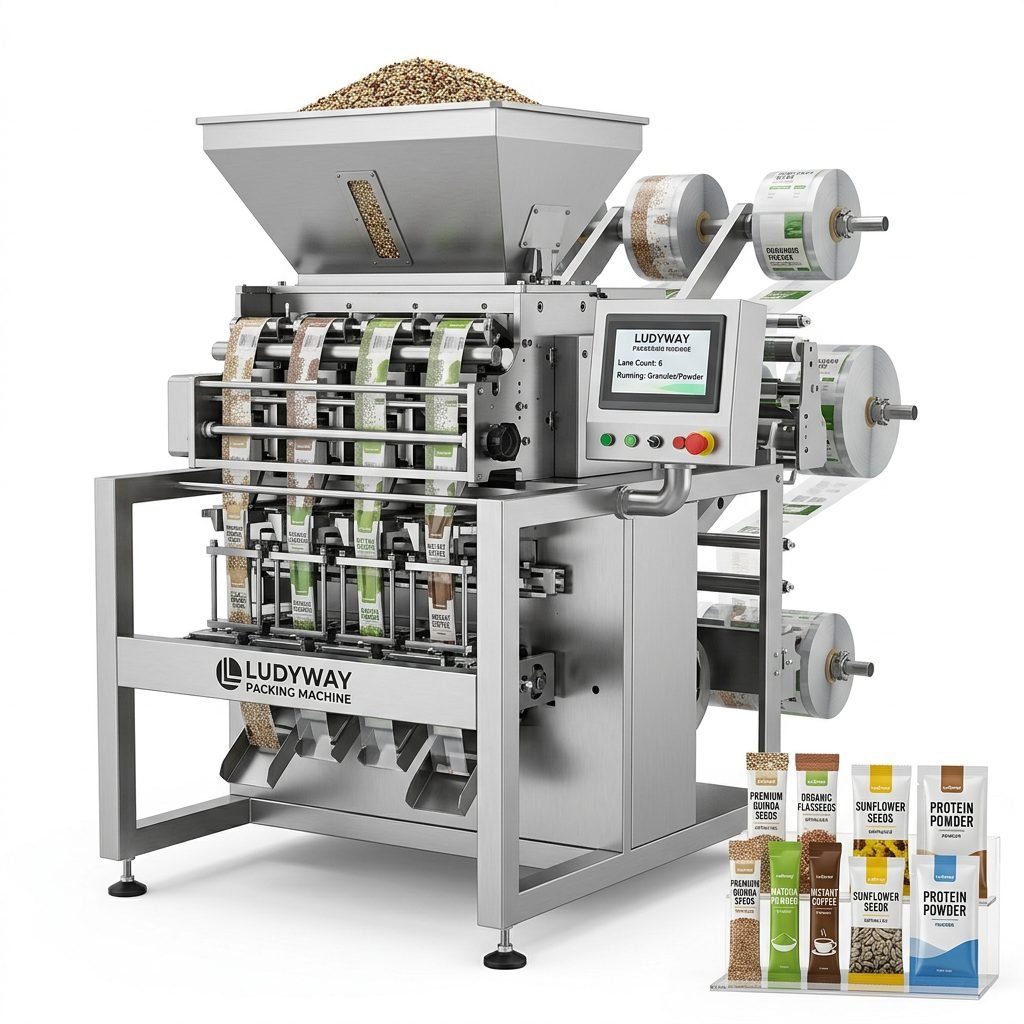
What Is a Seed Packaging Machine?
A seed packaging machine is automated equipment used to measure, fill, seal, code, and sometimes count seed products into bags, pouches, sachets, or stick packs. Depending on the application, the system may include:
- Seed feeding and conveying units
- Volumetric or weighing fillers
- Vertical form fill seal systems
- Multi-lane sachet or stick pack machines
- Date coding and batch printing devices
- Checkweighers and metal detection systems
- Cartoning, case packing, and palletizing modules
For seed manufacturers, distributors, and agricultural brands, these machines help ensure every pack meets target weight or count specifications while maintaining packaging consistency across the production line.
Why Automatic Packaging Matters for Seeds
Manual seed packing can lead to uneven fills, sealing problems, contamination risks, and high labor dependency. Automatic seed packing equipment solves these issues by creating a controlled and repeatable process.
- Higher efficiency: Faster output for retail and wholesale packaging.
- Better accuracy: Stable weighing or counting minimizes overfill and underfill.
- Cleaner packaging: Reliable sealing protects seed quality during storage and transport.
- Lower labor costs: Fewer operators are needed for continuous production.
- Improved traceability: Easy integration with coding and inspection systems.
- Flexible pack sizes: Suitable for small sample packs, commercial pouches, and bulk bags.
Common Seed Products Suitable for Automatic Packaging
Automatic seed packaging machines can be configured for many seed categories, including:
| Seed Type | Typical Packaging Format | Packaging Need |
|---|---|---|
| Vegetable seeds | Small sachets, pillow bags | High precision, small-dose filling |
| Rice seeds | Pouches, medium bags | Durable sealing, volume efficiency |
| Corn seeds | Larger bags, premade pouches | Accurate weighing and bag handling |
| Sunflower seeds | Retail sachets, stick packs | Consistent flow and sealing |
| Grass seeds | Small to bulk bags | Scalable output and dust control |
| Seed treatment mixes | Sachets, multi-layer pouches | Accurate dosing and secure sealing |
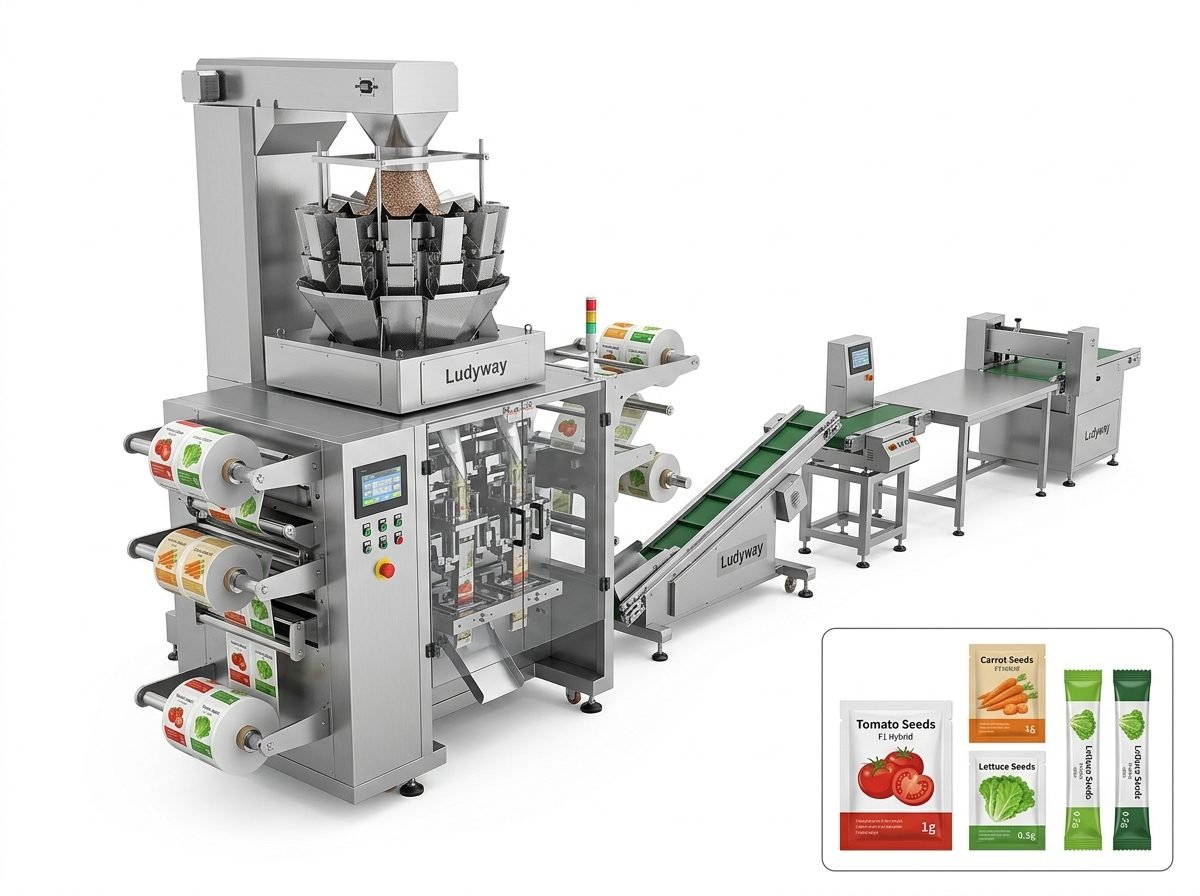
Types of Seed Packaging Machines
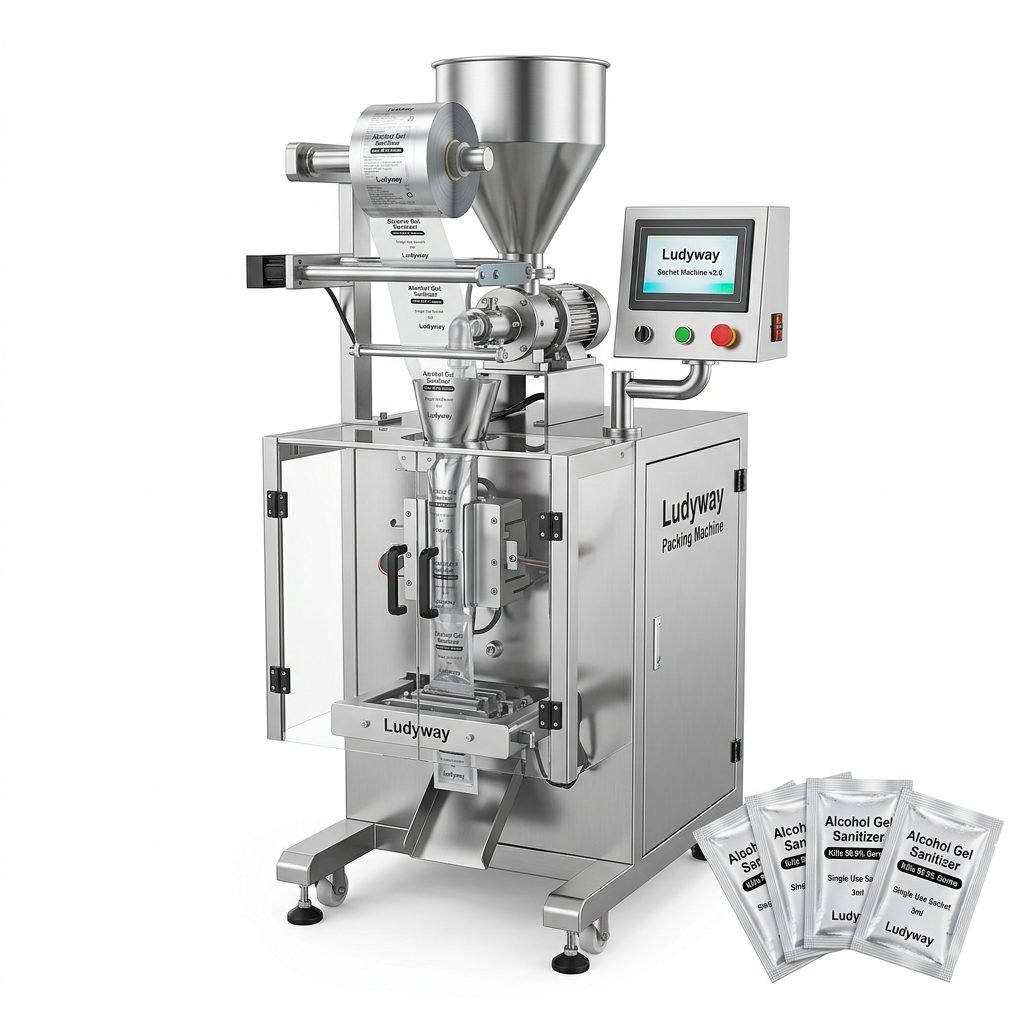
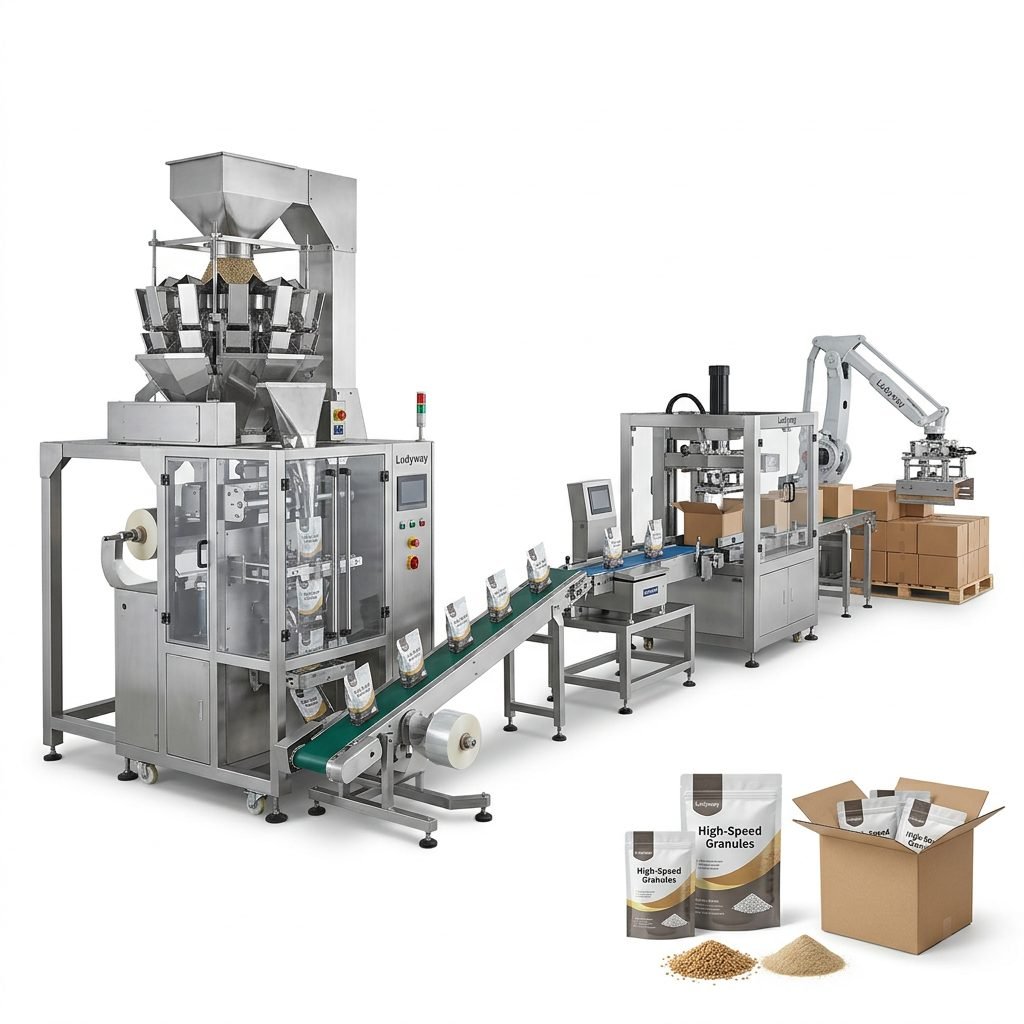
Vertical Form Fill Seal Machines
These systems form bags from roll film, fill them with seeds, and seal them automatically. They are ideal for medium and high-volume production and support pillow bags, gusset bags, and other flexible formats.
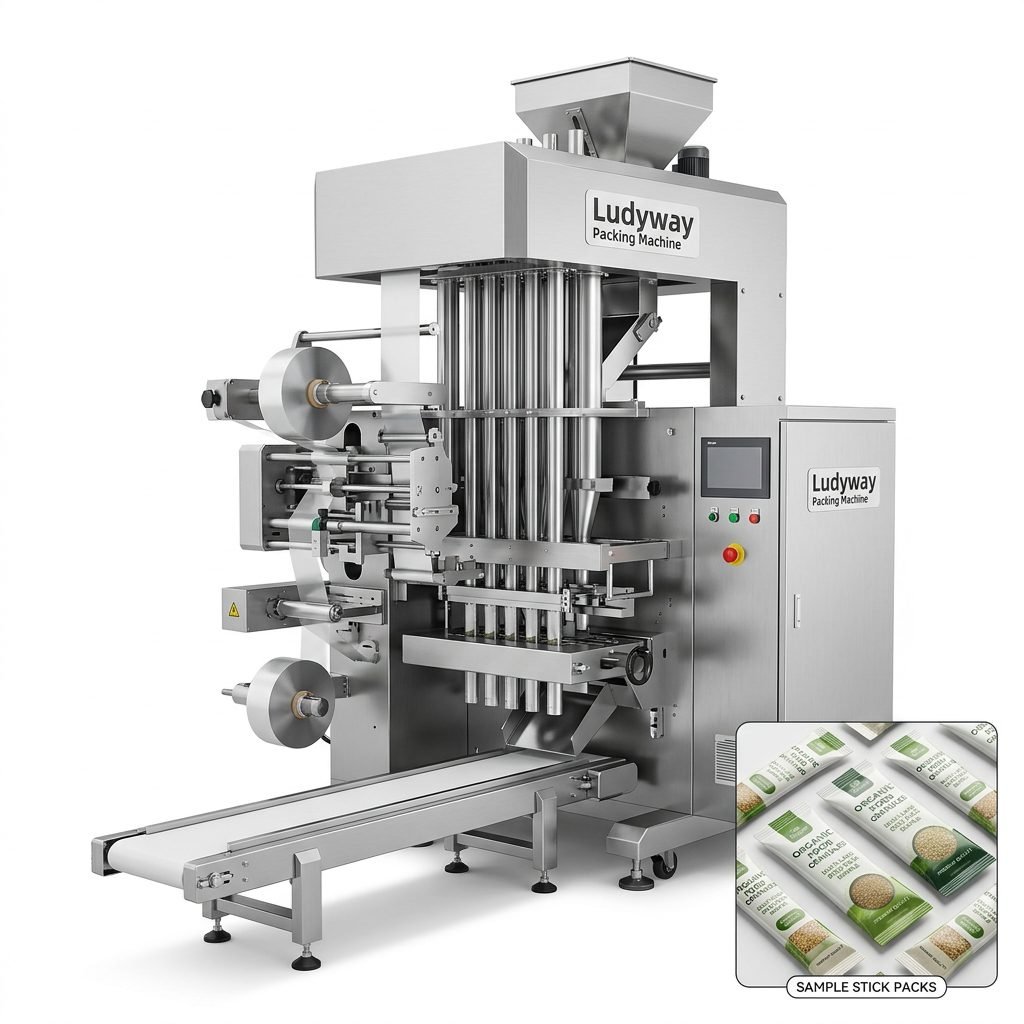
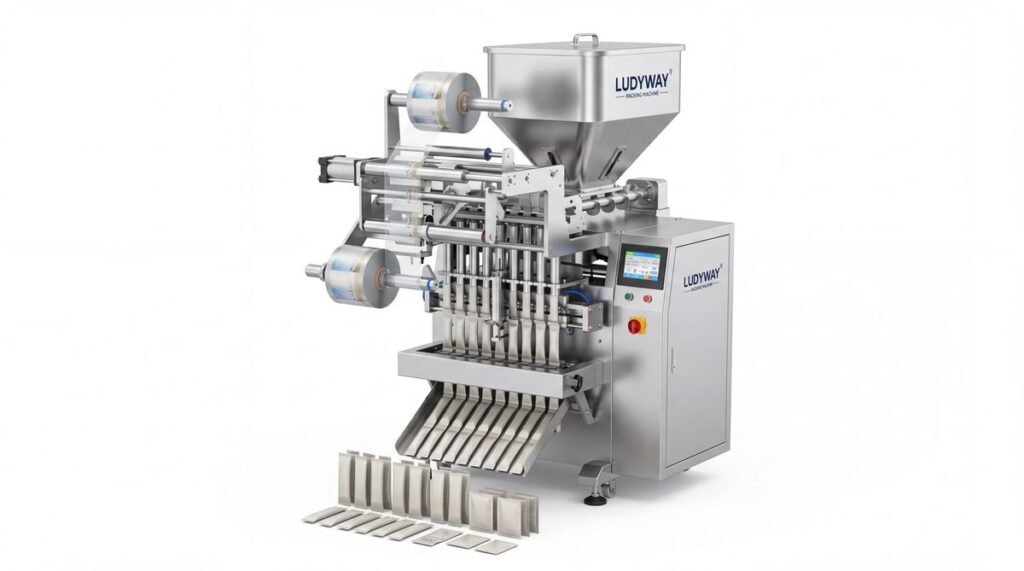
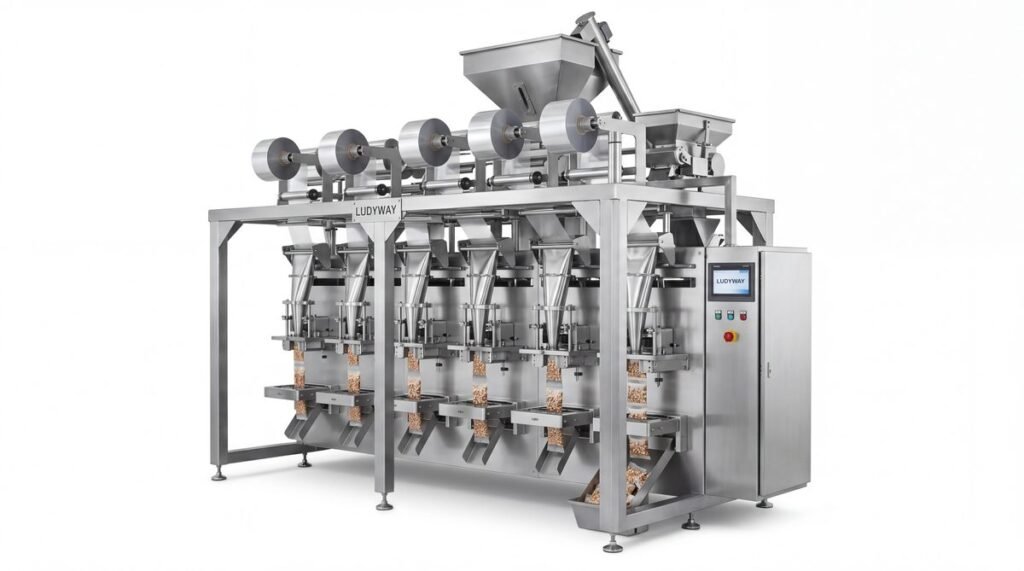
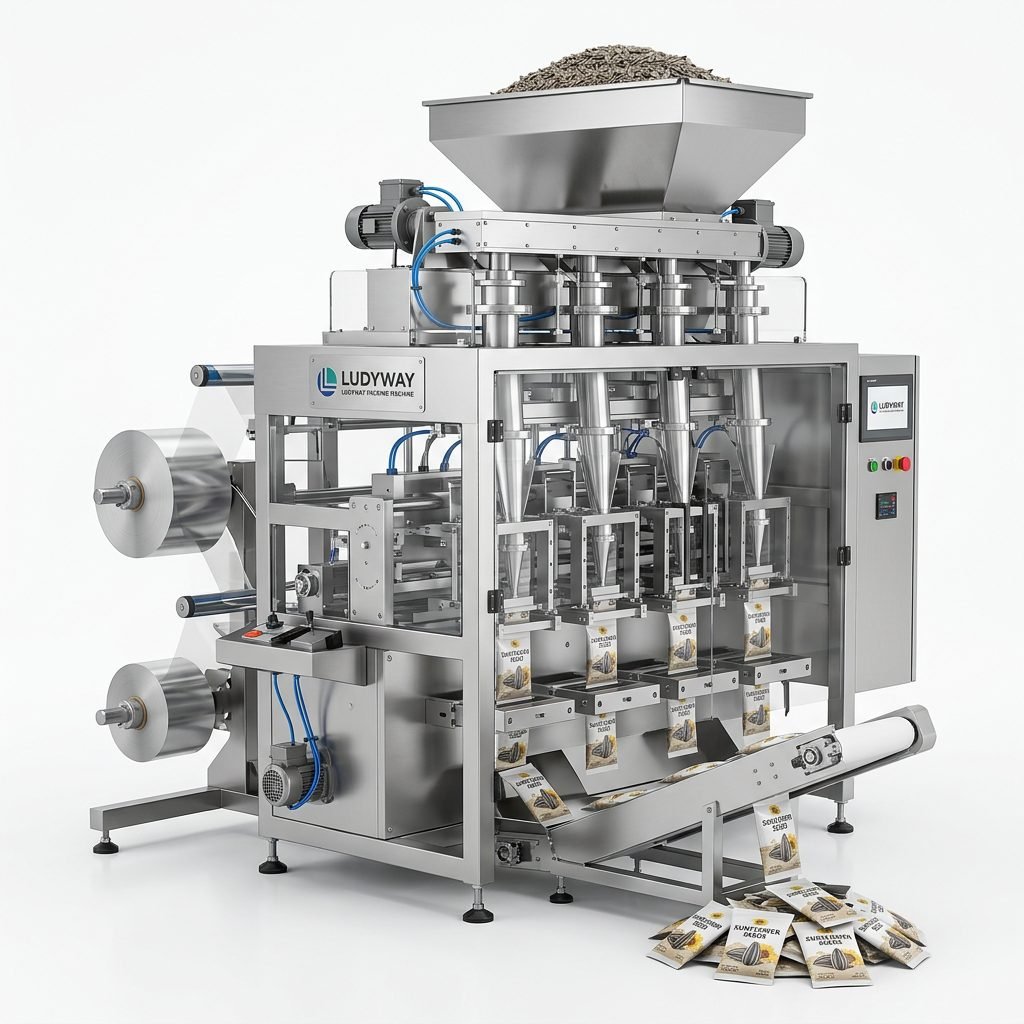
Multi-Lane Sachet and Stick Pack Machines
For small seed packs used in retail, trial distribution, or promotional kits, multi-lane machines offer very high output. Multiple lanes run at the same time, increasing productivity without sacrificing fill consistency.
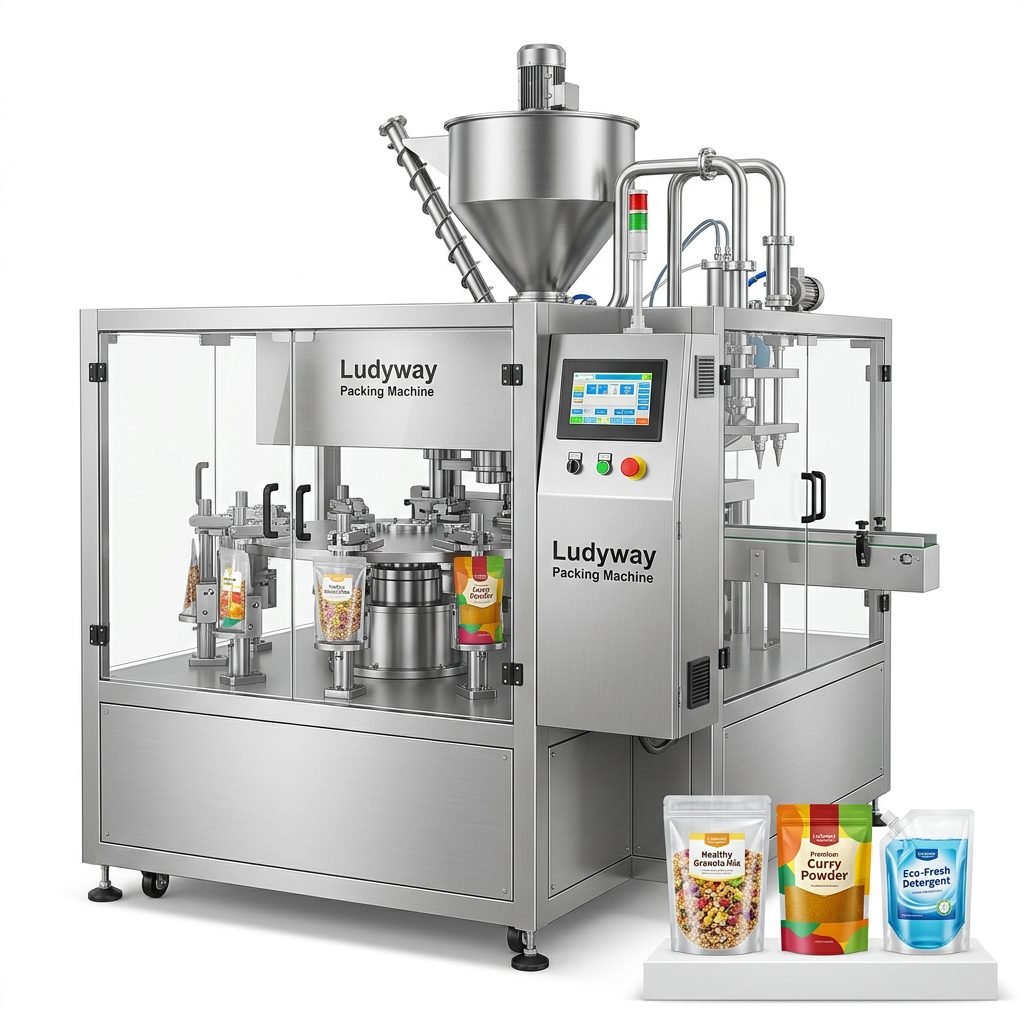
Premade Pouch Filling Machines
These are suitable when brands want stronger shelf presentation or specialty pouch shapes. Premade pouch systems are often used for premium seed packaging and branded agricultural products.
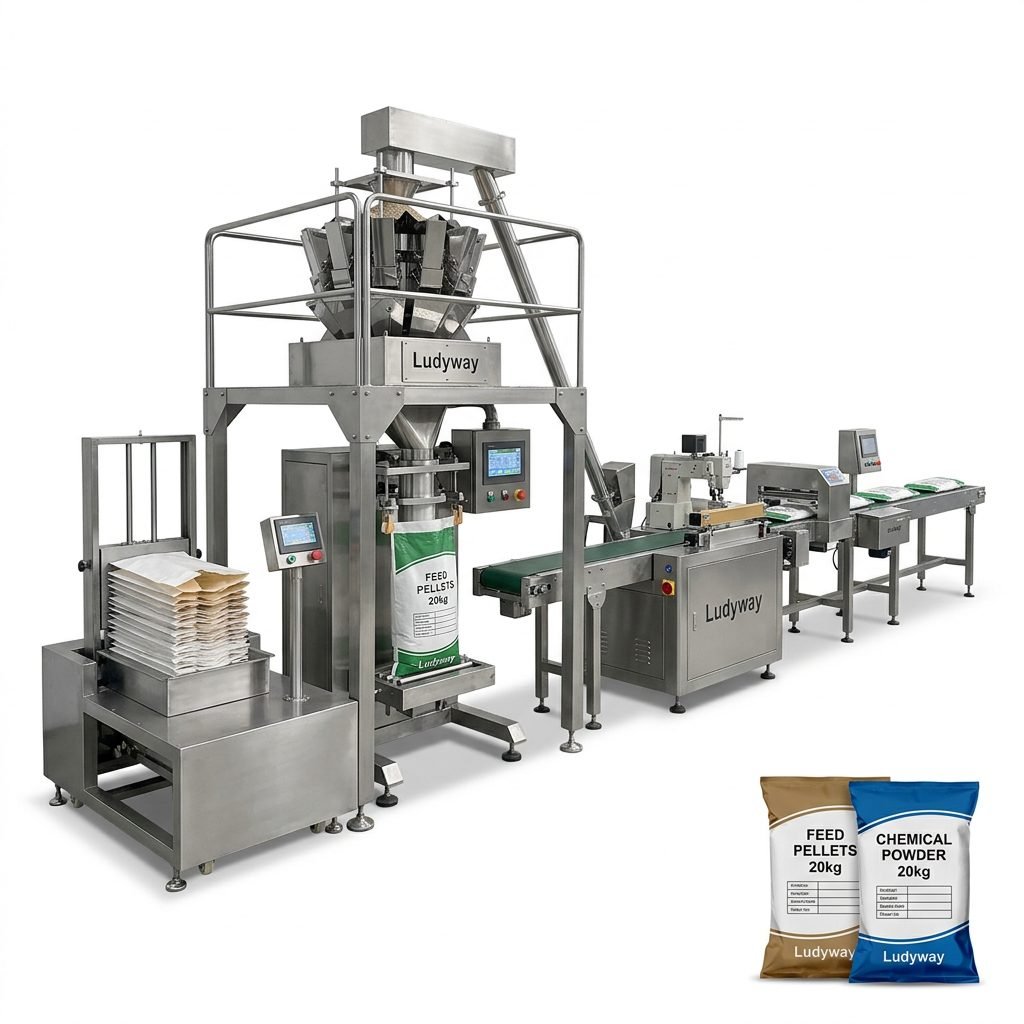
Bulk Bagging Systems
For wholesale seed processors, bulk packaging lines handle larger bag weights and can be integrated with weighing, stitching, sealing, and palletizing equipment.
Key Features to Look For in a Seed Packing Machine
Choosing the right machine depends on your seed size, shape, flow characteristics, target output, and packaging format. Important technical features include:
- Accurate filling system for granules and irregular seed shapes
- Stable sealing performance to prevent leakage and moisture exposure
- Dust-control design for cleaner packaging environments
- Quick changeover for different bag sizes and seed products
- PLC and touchscreen control for simple operation
- Coding integration for batch number and production date printing
- Inspection modules such as checkweighers and reject systems
- Expandability for future line automation
How Automatic Seed Packaging Improves Business Performance
When production scales up, packaging becomes a major operational factor. An automatic seed packaging solution can bring measurable benefits across the business:
| Business Area | Improvement from Automation |
|---|---|
| Production speed | Continuous and faster packaging cycles |
| Labor management | Reduced manual handling and operator dependency |
| Brand presentation | Cleaner, more uniform, market-ready packaging |
| Quality assurance | More stable fill weights and seal quality |
| Material savings | Lower product giveaway and film waste |
| Scalability | Easy line upgrades for higher future demand |
Applications Across the Agricultural Supply Chain
Seed packaging machines are used by a wide range of businesses:
- Agricultural seed producers
- Commercial seed distributors
- Retail garden seed brands
- Seed treatment product suppliers
- Export-oriented agribusiness companies
- Turnkey seed processing plants
For companies that serve multiple markets, flexible packaging equipment is especially important. It allows rapid adaptation to different labeling rules, bag sizes, and customer packaging preferences.
How to Choose the Right Seed Packaging Solution
Before investing in a machine, review the full packaging workflow. The best choice is not always the fastest model, but the one that best matches your actual production needs.
Consider These Factors
- What seed types will be packed?
- What is the target bag weight or pack count?
- Do you need pillow bags, sachets, stick packs, or bulk bags?
- What level of daily or monthly output is required?
- Will the line need coding, checkweighing, metal detection, or cartoning?
- Do you need a standalone machine or a complete turnkey line?
A well-matched machine improves both short-term efficiency and long-term return on investment.
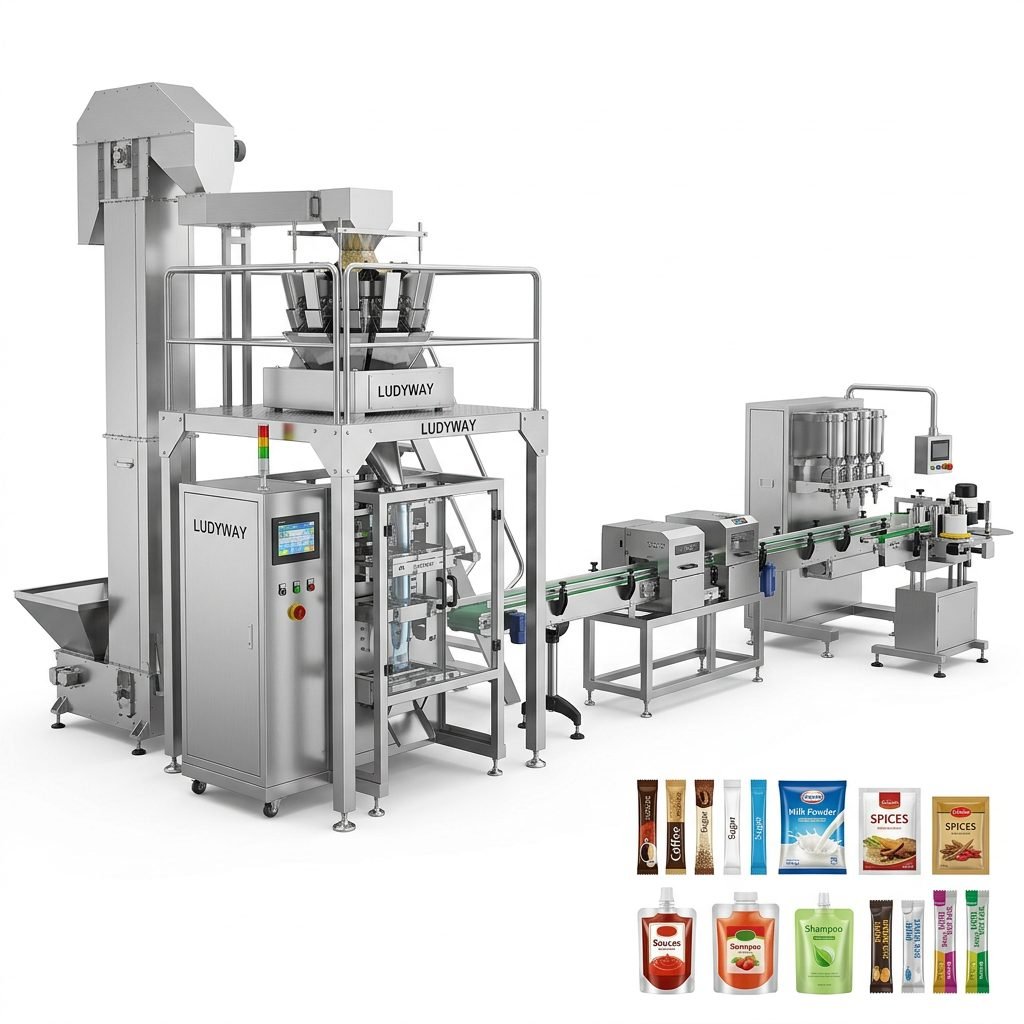
Turnkey Automation for Seed Packaging Lines
Many growing businesses now prefer complete packaging lines rather than single machines. A turnkey setup can combine feeding, weighing, filling, sealing, coding, inspection, case packing, and palletizing into one coordinated system. This approach reduces integration risks and improves line communication.
For companies seeking a scalable supplier, Ludyway seed packaging machine solutions can support automatic packaging projects with a wide range of machine configurations, customized engineering, and turnkey packaging line capabilities for granules, powders, liquids, and pouch-based applications.
Maintenance and Operational Best Practices
To keep a seed packaging machine running efficiently, operators should follow a preventive maintenance routine. Good practices include:
- Cleaning contact parts regularly to prevent buildup and contamination
- Checking sealing temperature and pressure settings
- Verifying fill accuracy through routine sampling
- Inspecting belts, sensors, and moving parts for wear
- Training operators on changeover and troubleshooting procedures
- Keeping spare parts available for critical components
Consistent maintenance protects machine life, packaging quality, and overall production uptime.
Future Trends in Seed Packaging Machinery
The seed packaging sector continues to move toward smarter, cleaner, and more flexible automation. Current trends include:
- More precise servo-driven filling and sealing systems
- Smarter HMI controls with recipe storage
- Remote diagnostics and technical support
- Integrated inspection and data tracking
- Faster multi-lane production for small retail packs
- Turnkey packaging lines for end-to-end plant automation
As competition grows in the agricultural market, automated packaging becomes an essential investment for companies that want to improve consistency, reduce cost per pack, and respond faster to customer demand.
Conclusion
A seed packaging machine is a practical solution for businesses that need efficient, accurate, and automatic packaging for seeds. Whether you are packing retail sachets or bulk agricultural bags, the right equipment can improve productivity, reduce manual labor, enhance package quality, and support long-term business growth. For modern seed processors, automation is no longer optional—it is a competitive advantage.