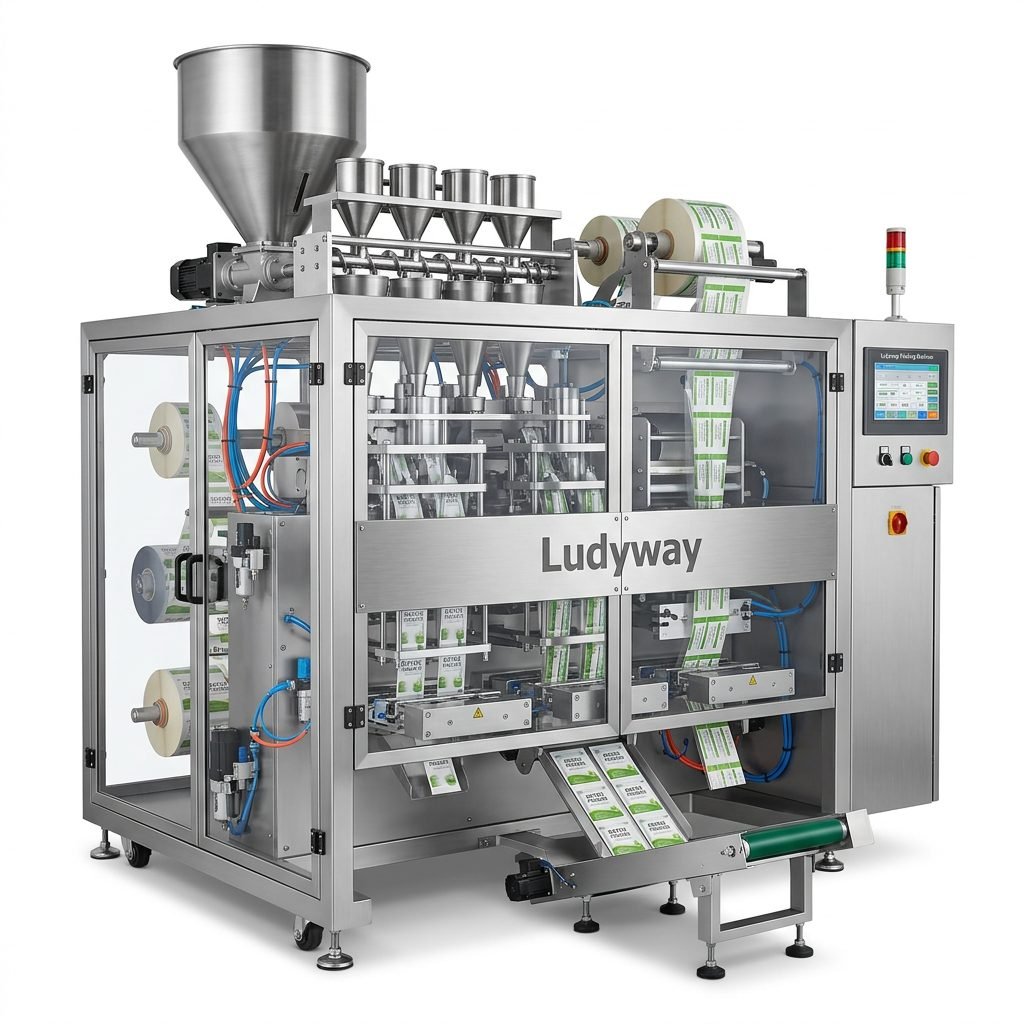
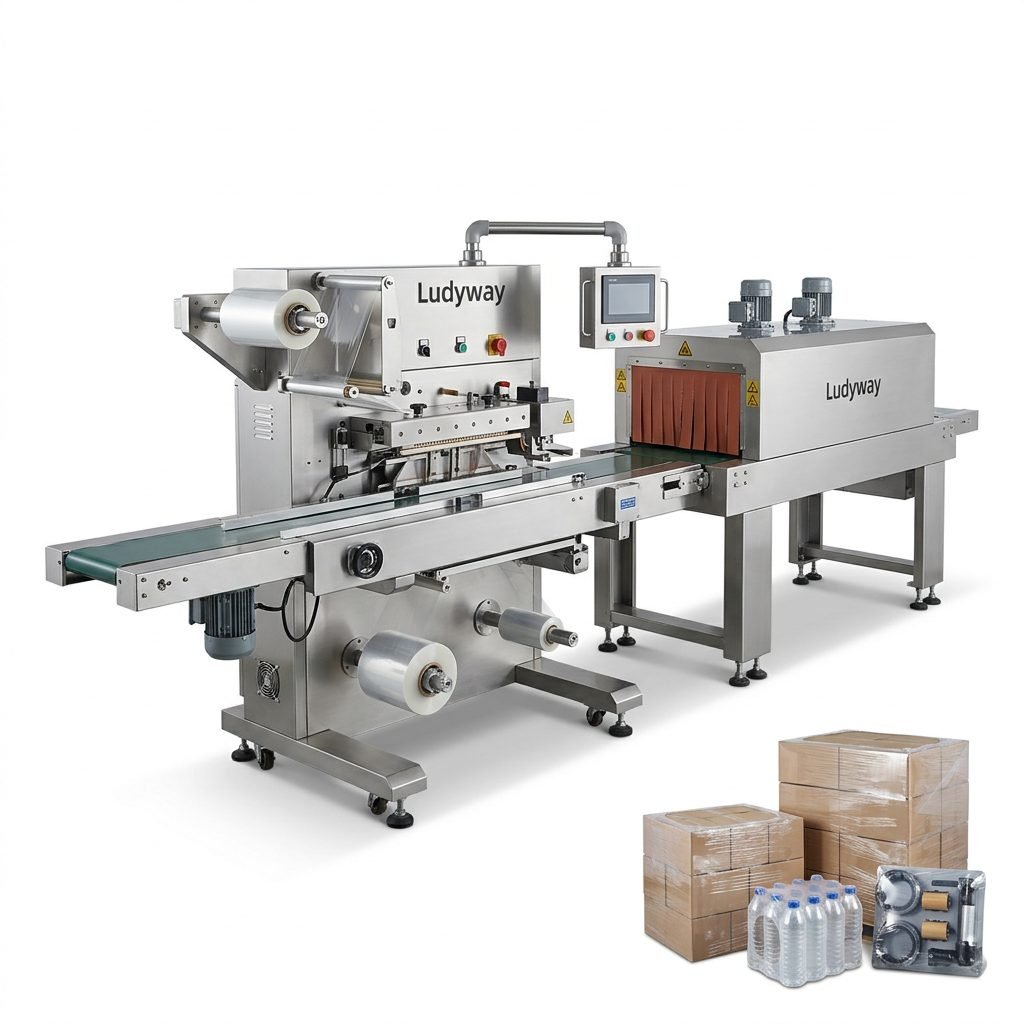
The Southeast Asian market for meal prep packaging machines is experiencing unprecedented growth. With rising disposable incomes, rapid urbanization, and a booming health-conscious consumer base across countries like Thailand, Vietnam, Indonesia, Malaysia, and the Philippines, the demand for convenient, portion-controlled meal solutions has surged. For food manufacturers and meal kit providers, investing in the right automated packaging equipment is no longer optional — it is a strategic necessity to stay competitive in this fast-evolving landscape.
Why Meal Prep Packaging Is Booming in Southeast Asia
The flexible packaging industry across Southeast Asia has seen double-digit growth rates in recent years. Several macro trends are driving this expansion:
- Urban workforce growth — More dual-income households mean less time for traditional meal preparation, fueling demand for ready-to-cook and portioned meal solutions.
- E-commerce penetration — Platforms like Shopee, Lazada, and Tokopedia have made direct-to-consumer meal kit delivery more accessible than ever, increasing the need for reliable and attractive packaging.
- Health and fitness trends — The rise of gym culture and nutrition awareness has boosted demand for portion-controlled meals, protein powders, and supplement sachets.
- Food safety regulations — Governments across the region are tightening food packaging safety standards, pushing manufacturers toward automated, hygienic packaging solutions.
- Export opportunities — Southeast Asian food brands are increasingly exporting meal products to the Middle East, Europe, and North America, requiring packaging that meets international quality benchmarks.
Key Factors to Consider When Choosing a Meal Prep Packaging Machine
Selecting the right packaging machine requires a thorough evaluation of your production needs. Below are the critical factors every buyer in Southeast Asia should assess before making a purchase decision.
Product Compatibility and Consistency
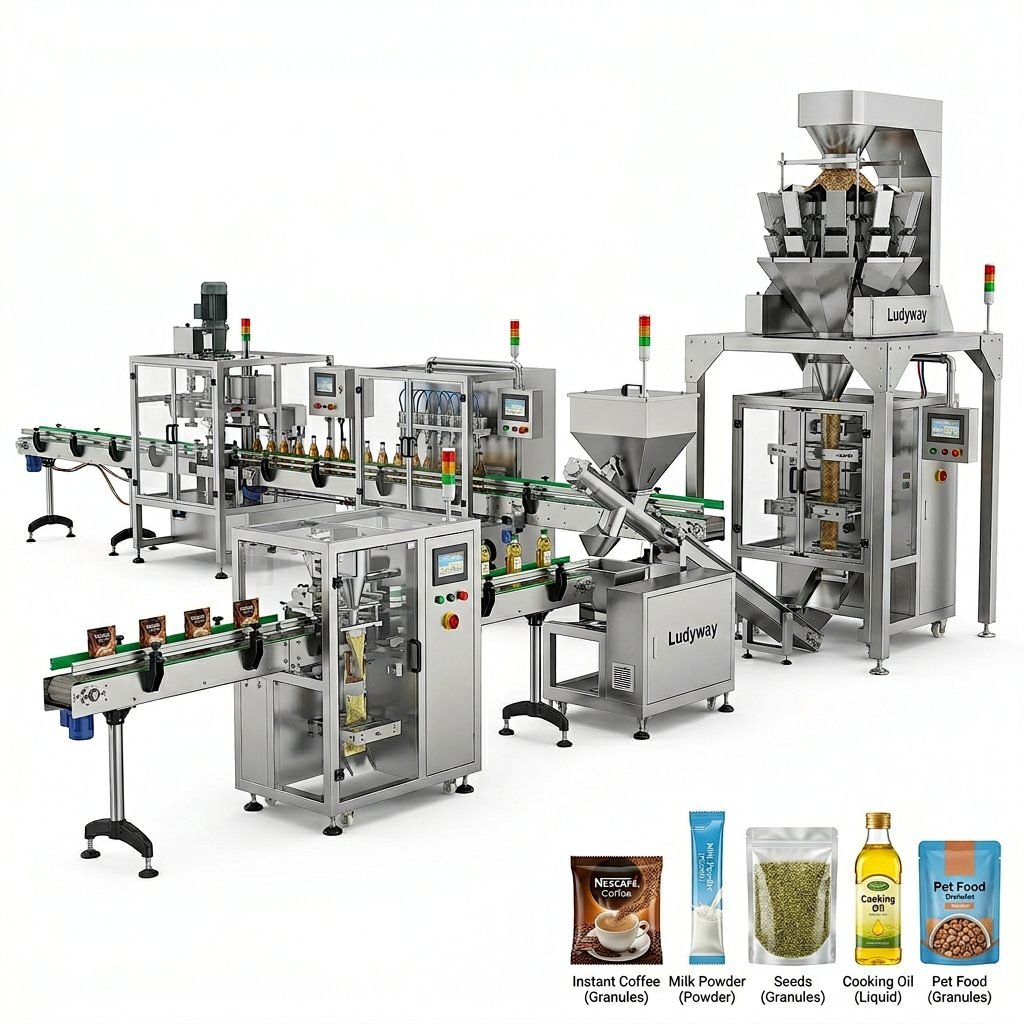
Your packaging machine must handle the specific physical characteristics of your product. Meal prep items can range from free-flowing granules like rice and quinoa to sticky pastes such as curry sauces, or fine powders like protein blends and spice mixes. Machines equipped with multi-head weighers and auger fillers offer superior accuracy across diverse product types. Always request a material test run before committing to a purchase.
Production Capacity Requirements
For small to medium enterprises entering the meal prep space, a machine producing 30-60 packs per minute may suffice. However, established brands supplying retail chains or export markets often require high-speed multi-lane systems capable of 200-400 packs per minute. Carefully project your growth trajectory over the next 3-5 years to avoid outgrowing your equipment prematurely.
Packaging Format Flexibility
The Southeast Asian market favors several packaging formats for meal prep products:
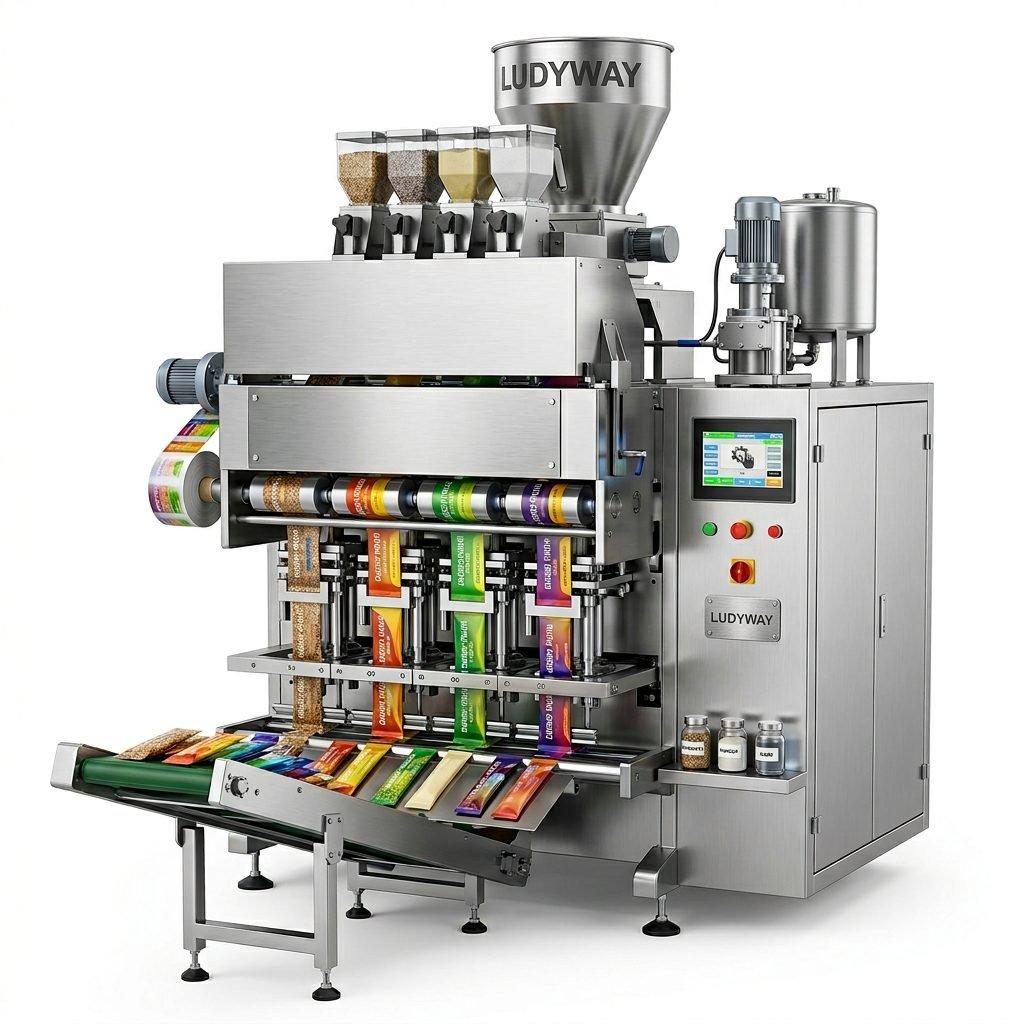
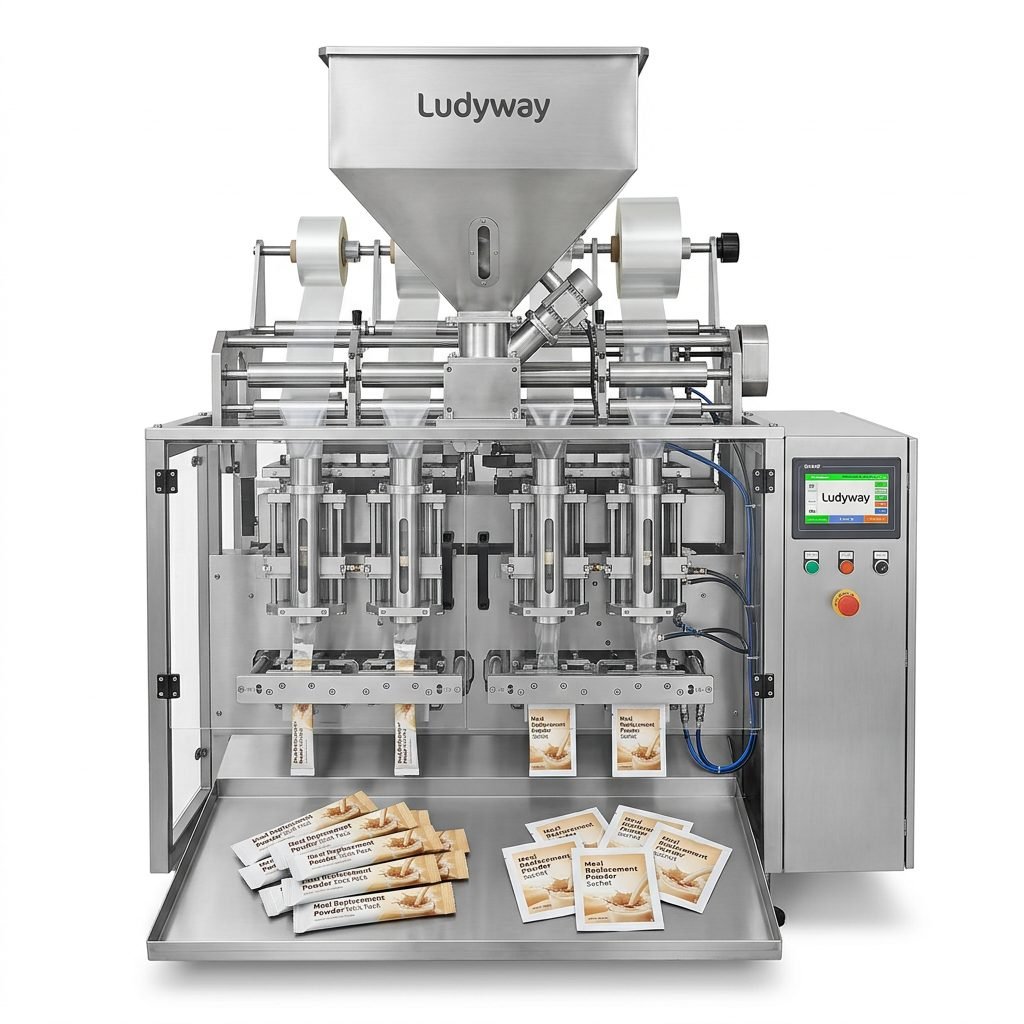
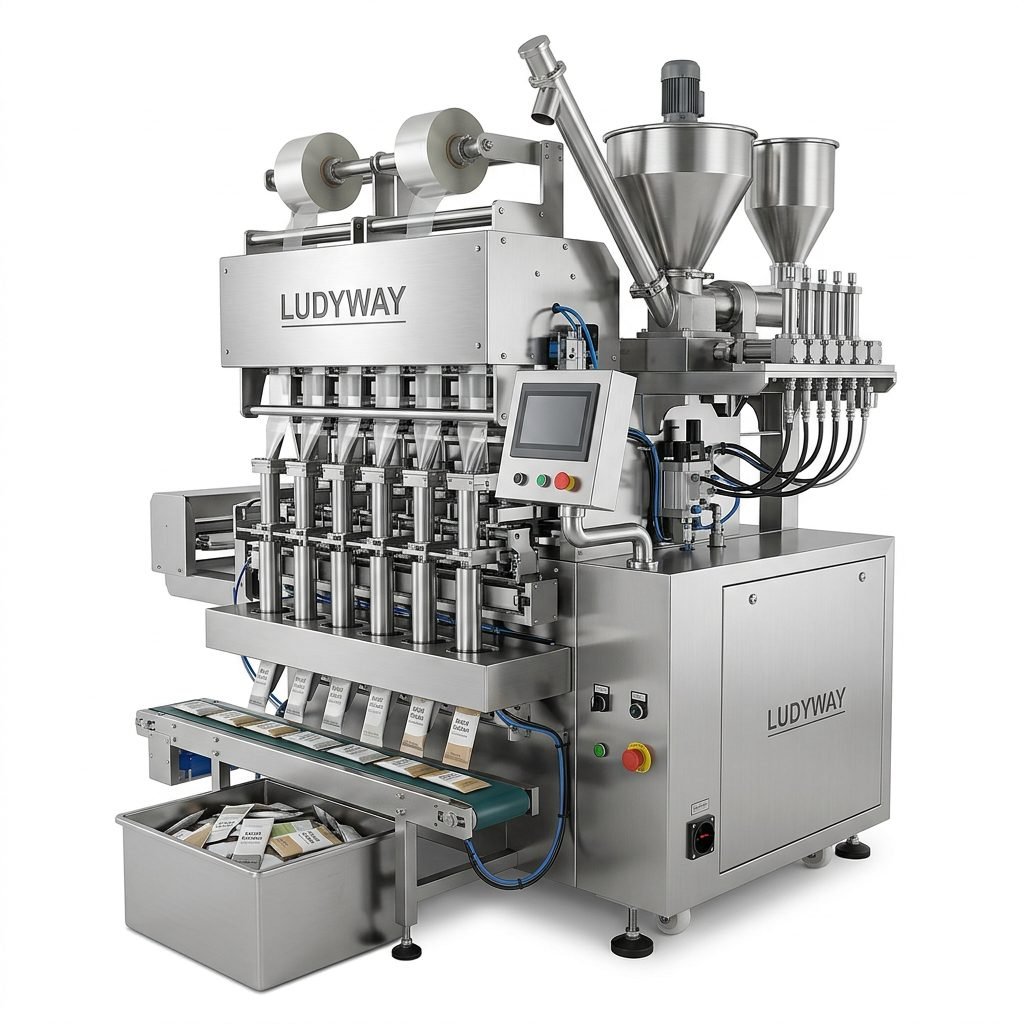
- Stick packs — Ideal for single-serve protein powders, coffee, and supplement servings; compact and portable.
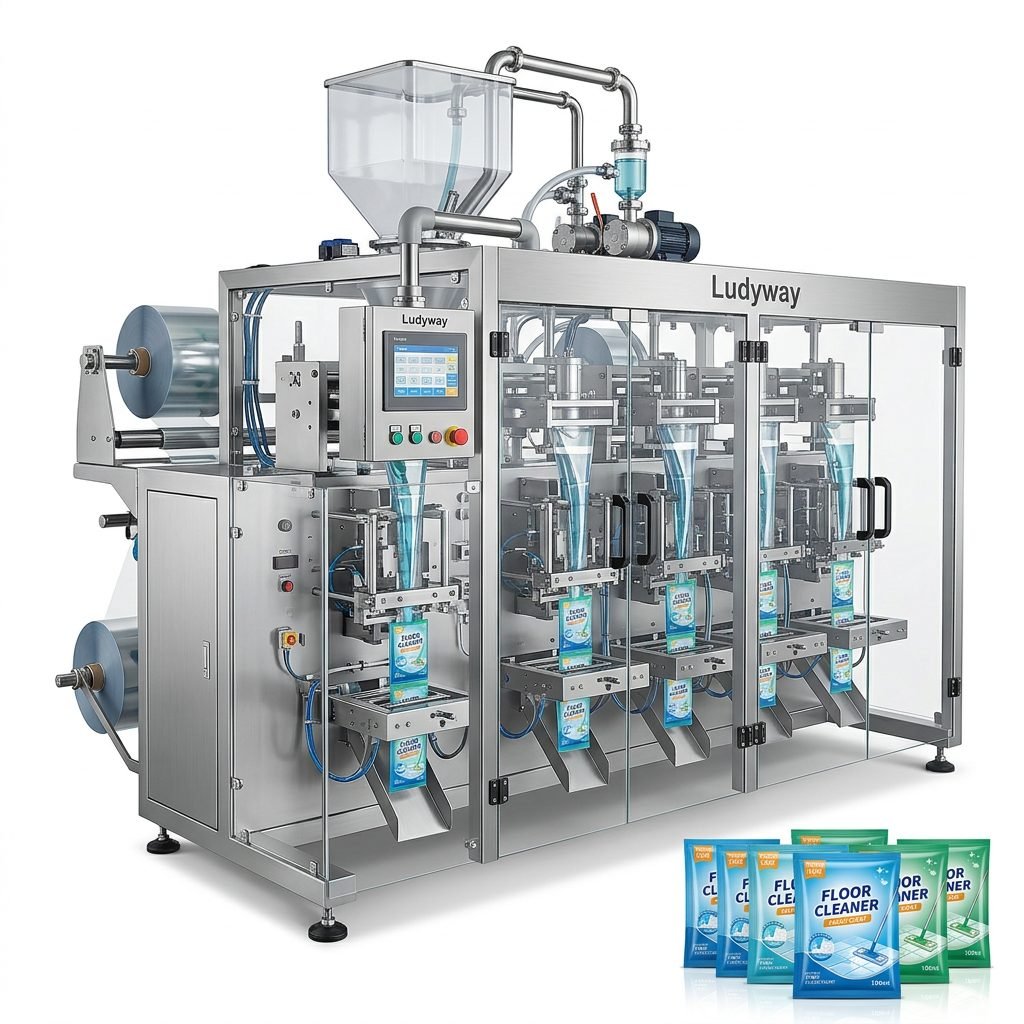
- Sachets — Cost-effective for sauces, seasonings, and liquid meal components; widely used across the region.
- Pillow pouches — Suitable for larger meal kits containing rice, grains, or dehydrated ingredients.
- Stand-up pouches — Premium format with excellent shelf presence, popular for export-oriented brands.
- Pre-made pouches — Increasingly popular for ready-to-eat meals requiring retort processing.
Types of Meal Prep Packaging Machines Compared
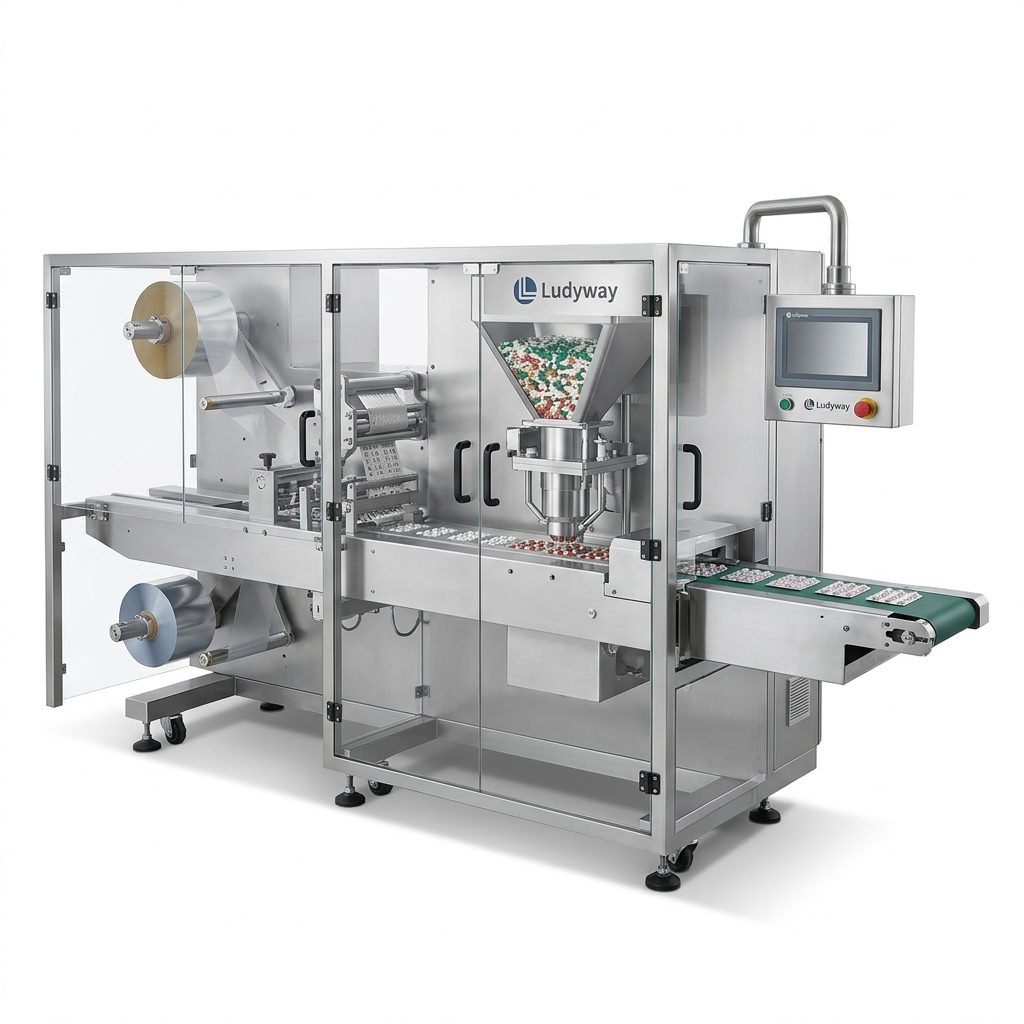
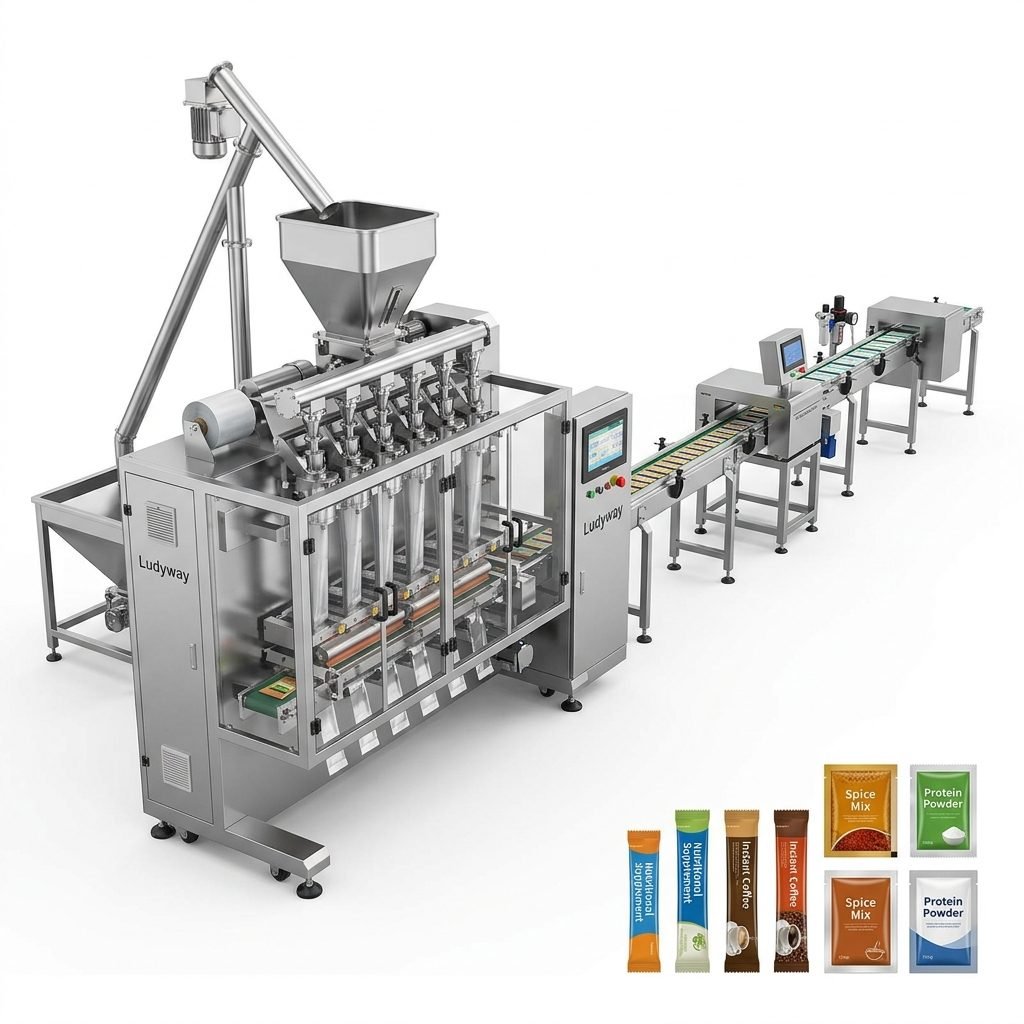
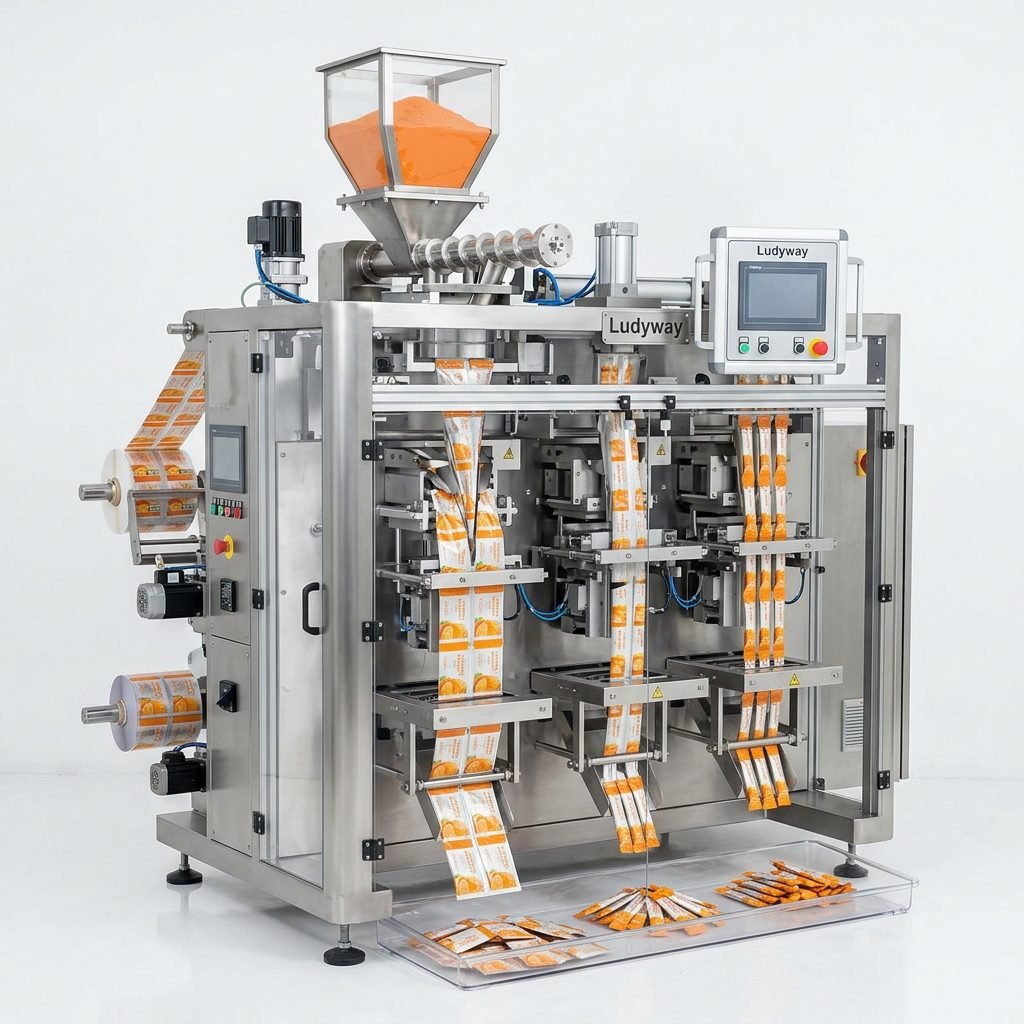
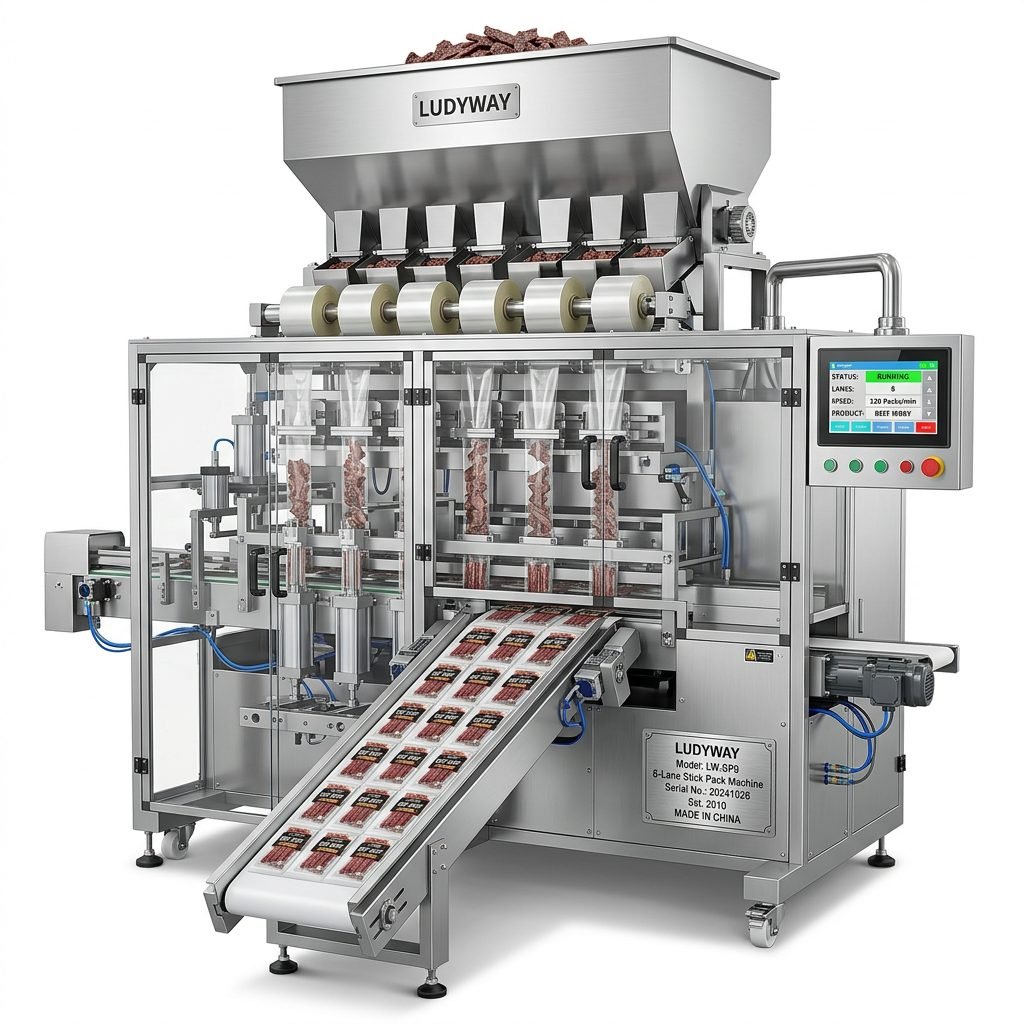
Understanding the distinctions between machine types is essential for making an informed investment. The table below compares the most common configurations used in meal prep packaging operations across Southeast Asia.
| Machine Type | Best For | Speed Range | Key Advantage |
|---|---|---|---|
| Single-Lane Stick Pack | Startups, niche products | 30-80 packs/min | Lower upfront cost, easy to operate |
| Multi-Lane Stick Pack | High-volume meal prep brands | 200-600 packs/min | Maximum throughput per floor area |
| Multi-Lane Sachet Machine | Sauces, liquids, seasonings | 150-400 packs/min | Versatile for liquid and powder products |
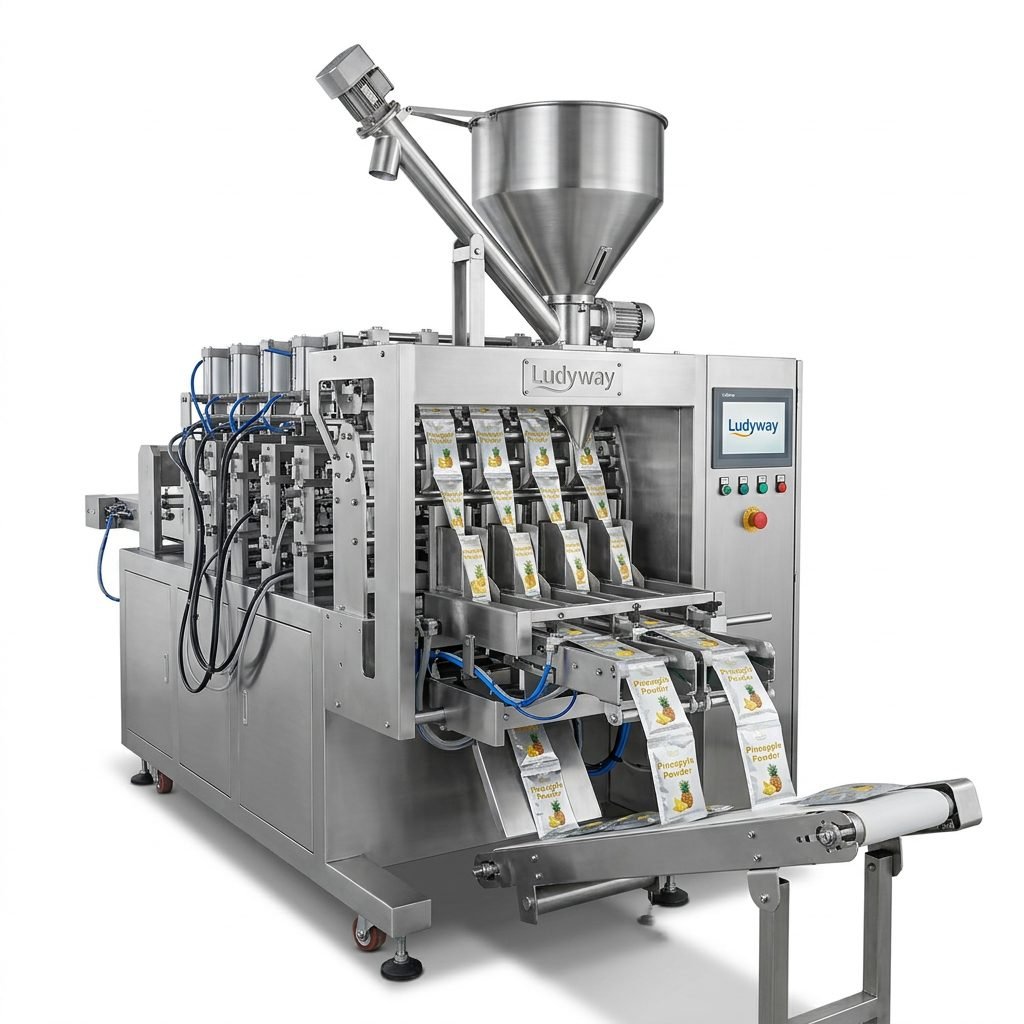
| Pre-Made Pouch Filler | Premium meal kits, export goods | 40-120 packs/min | Superior seal quality and shelf appeal |
| Vertical Form Fill Seal (VFFS) | Bulk grains, frozen meal components | 60-180 packs/min | Proven technology, widely supported |
Critical Features for Southeast Asian Market Conditions
Operating in tropical climates presents unique challenges. When evaluating meal prep packaging machines for Southeast Asian facilities, prioritize these features:
Humidity and Temperature Resilience
High ambient humidity can cause powder clumping, film adhesion issues, and seal integrity problems. Look for machines with sealed electrical enclosures, corrosion-resistant stainless steel construction (304 or 316L grade), and integrated dehumidification options for critical filling zones. Machines built to ISO packaging standards typically perform better in tropical conditions.
Easy Cleanability and Quick Changeover
Many Southeast Asian meal prep facilities produce multiple product SKUs on the same line. Tool-free changeover systems and sanitary design with sloped surfaces, minimal crevices, and flush welds reduce downtime between production runs. This is especially important for co-packers serving multiple brands.
Film Material Compatibility
Southeast Asian markets use a wide range of packaging films — from basic BOPP/metallized PP laminates to high-barrier aluminum foil composites and recyclable mono-material structures. Your machine’s sealing system must accommodate the specific films used in your target market, particularly as sustainability regulations increasingly mandate eco-friendly materials.

Cost Considerations and Return on Investment
Budget planning for a meal prep packaging machine extends beyond the initial purchase price. Smart buyers in Southeast Asia evaluate the following cost factors:
- Initial capital expenditure — Single-lane machines typically range from $15,000 to $40,000, while fully automated multi-lane systems can range from $60,000 to over $250,000 depending on configuration and auxiliary equipment.
- Operational costs — Factor in film consumption rates, energy usage, spare parts availability, and labor requirements. Multi-lane systems reduce per-unit labor costs significantly.
- Maintenance and support — Evaluate whether the supplier offers remote diagnostics, local service technicians, and readily available spare parts in your country. Downtime in a meal prep operation can quickly erode profit margins.
- Scalability potential — Some modular machine platforms allow adding lanes or upgrading components as your business grows, protecting your initial investment.
Regulatory Compliance for Meal Prep Packaging
Food contact compliance is non-negotiable. Machines should be constructed with food-grade materials and designed to meet GMP (Good Manufacturing Practice) standards. For exporters targeting the U.S. market, FDA food contact substance regulations apply. The PMMI industry resources provide valuable guidance on global packaging machinery standards and certification requirements applicable to Southeast Asian manufacturers.
Finding the Right Supplier for Southeast Asian Operations
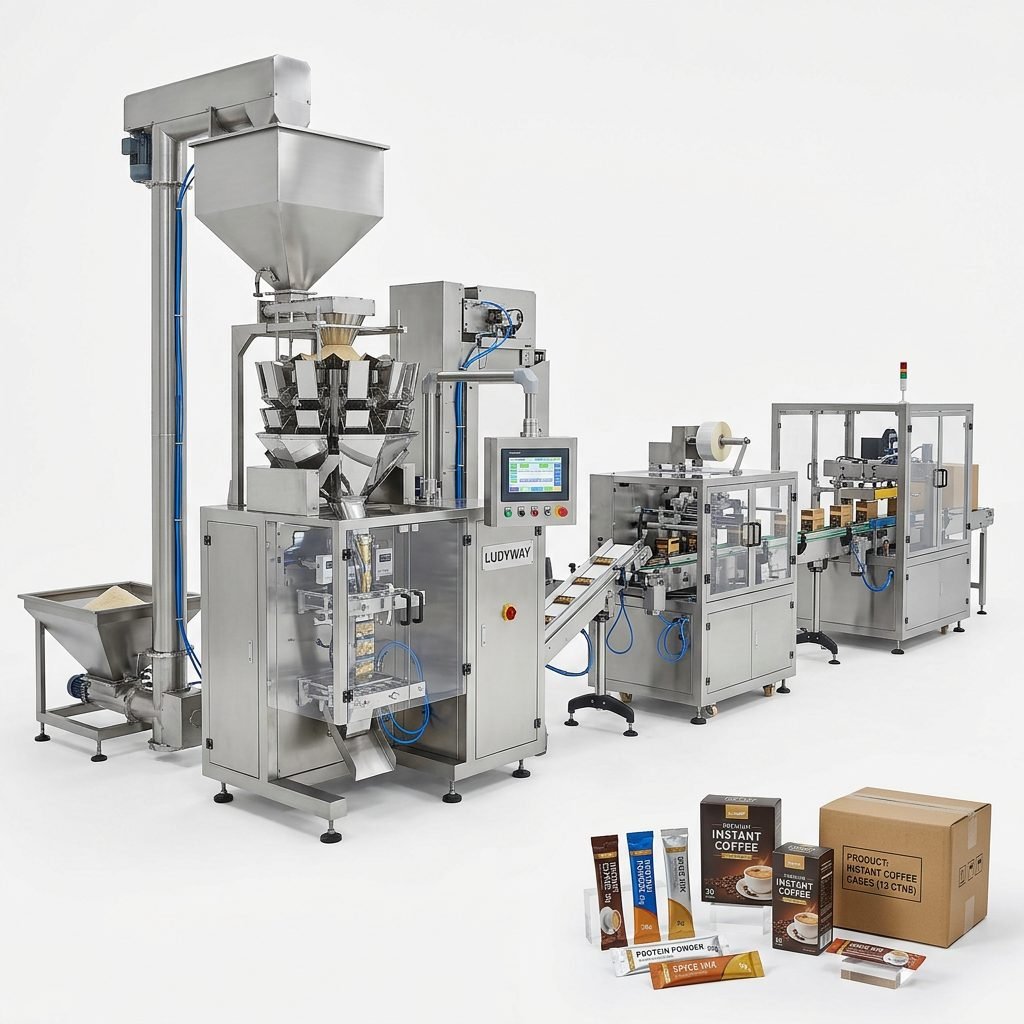
Partner selection is as critical as machine selection. The ideal supplier should demonstrate proven experience in the Southeast Asian market, offer comprehensive after-sales support, and provide references from similar meal prep operations in the region. Leading packaging machine manufacturers with global reach and established Asian service networks can provide significant advantages in terms of technical expertise and supply chain reliability. Ludyway, with over 30 years of industry experience and a 20,000㎡ manufacturing facility, has successfully deployed packaging solutions across more than 100 countries, including numerous Southeast Asian markets.
Installation, Training, and After-Sales Support
Even the best machine underperforms without proper installation and operator training. When evaluating suppliers, clarify these points:
- On-site installation assistance — Does the supplier send engineers to your facility for setup and commissioning?
- Operator training programs — Comprehensive training reduces the learning curve and prevents costly operational errors.
- Warranty terms — Standard warranties range from 12 to 24 months; verify what components are covered.
- Remote support capabilities — Modern machines with IoT-enabled diagnostics can resolve many issues without an on-site visit, saving time and money.
- Spare parts availability — Confirm whether critical spare parts are stocked locally or must be shipped internationally.
Emerging Trends Shaping Meal Prep Packaging in Southeast Asia
The meal prep packaging landscape continues to evolve. Forward-thinking buyers should be aware of these trends that are reshaping the flexible packaging industry:
- Sustainable packaging materials — Recyclable mono-material films and bio-based alternatives are gaining traction as ASEAN countries implement extended producer responsibility regulations.
- Smart packaging integration — QR codes, NFC tags, and augmented reality features are being incorporated into meal kit packaging for enhanced consumer engagement and traceability.
- Automation and Industry 4.0 — Cloud-connected packaging lines with real-time production monitoring, predictive maintenance alerts, and OEE tracking are becoming standard for competitive operations.
- Small-batch flexibility — The rise of personalized nutrition is driving demand for packaging systems that can efficiently handle smaller production runs with rapid changeover capabilities.
Making the Final Decision
Purchasing a meal prep packaging machine for your Southeast Asian operation is a significant investment that impacts product quality, production efficiency, and brand reputation. Begin by clearly defining your product specifications, target output, budget parameters, and growth projections. Shortlist suppliers with verified regional experience, request sample runs with your actual products, and whenever possible, visit existing installations to observe machines in real production environments. A methodical selection process — balancing technical capability, total cost of ownership, and supplier reliability — will position your meal prep business for sustainable success in one of the world’s most dynamic food markets.