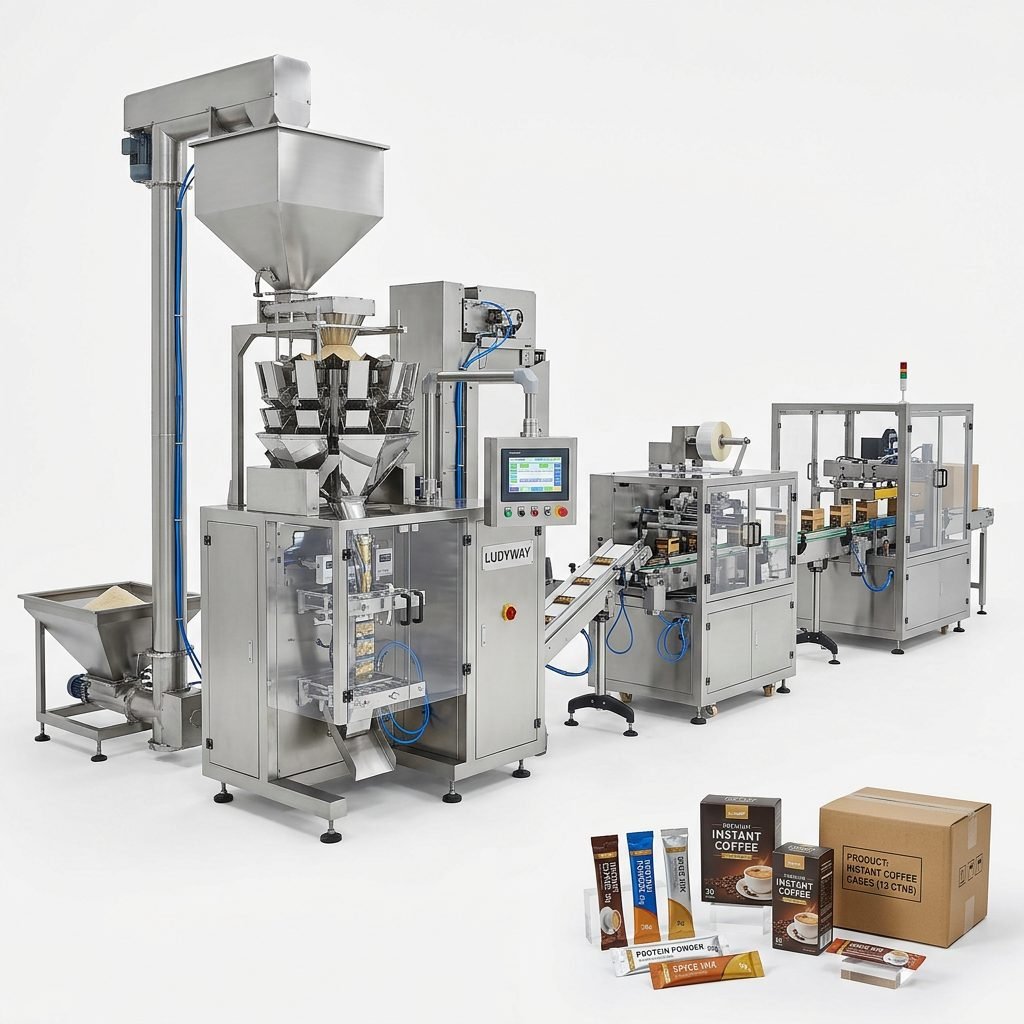
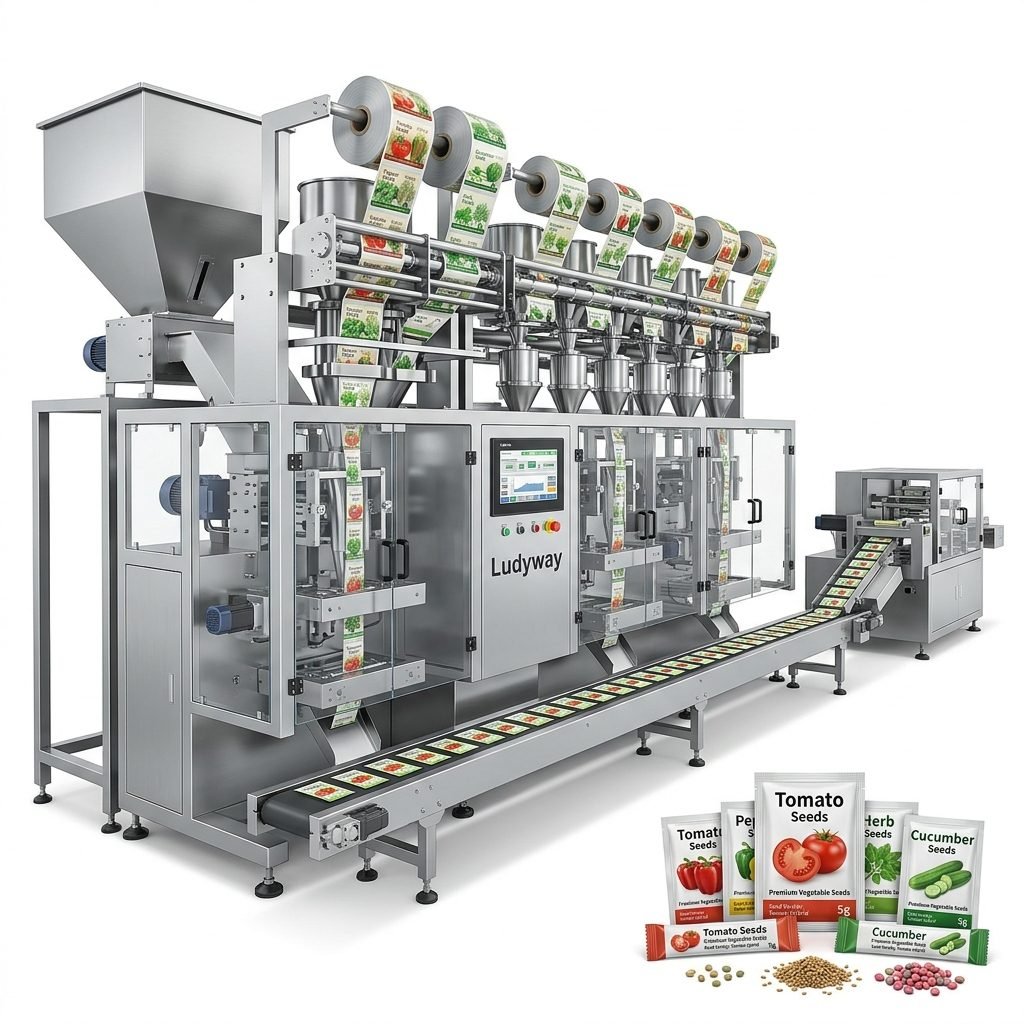
In the seed industry, packaging accuracy and speed are not just production targets—they directly affect inventory control, product quality, brand reputation, and delivery performance. Whether you pack vegetable seeds, flower seeds, grass seeds, rice seeds, corn seeds, or treated agricultural seeds, a reliable seed bag packaging machine helps reduce waste, improve consistency, and support scalable operations.
Modern seed packaging equipment is designed to handle granule-style products with stable feeding, precise weighing, clean sealing, and flexible bag formats. For seed producers, distributors, and agricultural supply companies, the right solution can significantly improve output while keeping pack weights within strict tolerance ranges.
Why Seed Packaging Requires Specialized Equipment
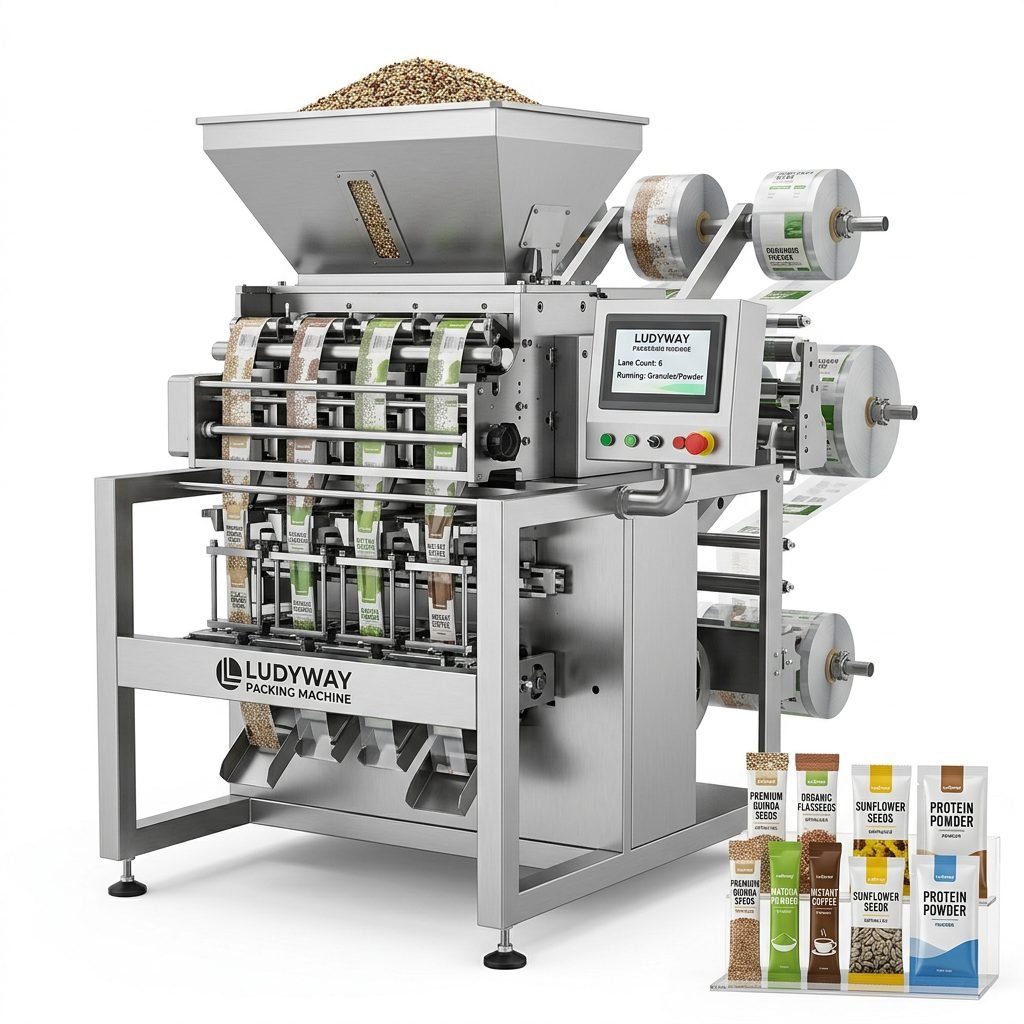
Seeds may look simple to pack, but they present several technical challenges. Different seed types vary in size, flowability, density, shape, coating condition, and fragility. A machine that works well for one seed product may not perform equally well for another without adjustment.
- Small seeds require highly controlled dosing to avoid underfill or overfill.
- Irregular seed shapes can affect feeding stability.
- Treated seeds may need cleaner dust handling and contamination control.
- Retail seed packets often demand neat seals and attractive presentation.
- Bulk agricultural packs require stronger bag handling and faster throughput.
This is why many manufacturers choose a dedicated seed bag packaging machine instead of adapting general-purpose filling equipment.
Core Benefits of an Efficient Seed Bag Packaging Machine
Investing in automated packaging technology can transform seed production from a labor-intensive task into a streamlined, repeatable process.
1. Accurate Filling Performance
Precision is essential when selling seeds by weight or quantity. An advanced machine can help maintain stable filling performance and reduce giveaway, supporting better profitability over large production volumes.
2. Faster Packaging Speed
Automated feeding, dosing, bag forming, filling, sealing, and coding allow businesses to package seeds much faster than manual operations. This is especially valuable during peak planting seasons when deadlines are tight.
3. Better Package Consistency
Consistent bag appearance improves shelf appeal and helps build trust with distributors, retailers, and end users. Uniform seals and controlled bag dimensions also support easier cartoning and logistics.
4. Reduced Labor Dependency
With labor costs rising in many markets, automation helps reduce repetitive manual work while improving operational stability.
5. Flexible Packaging Formats
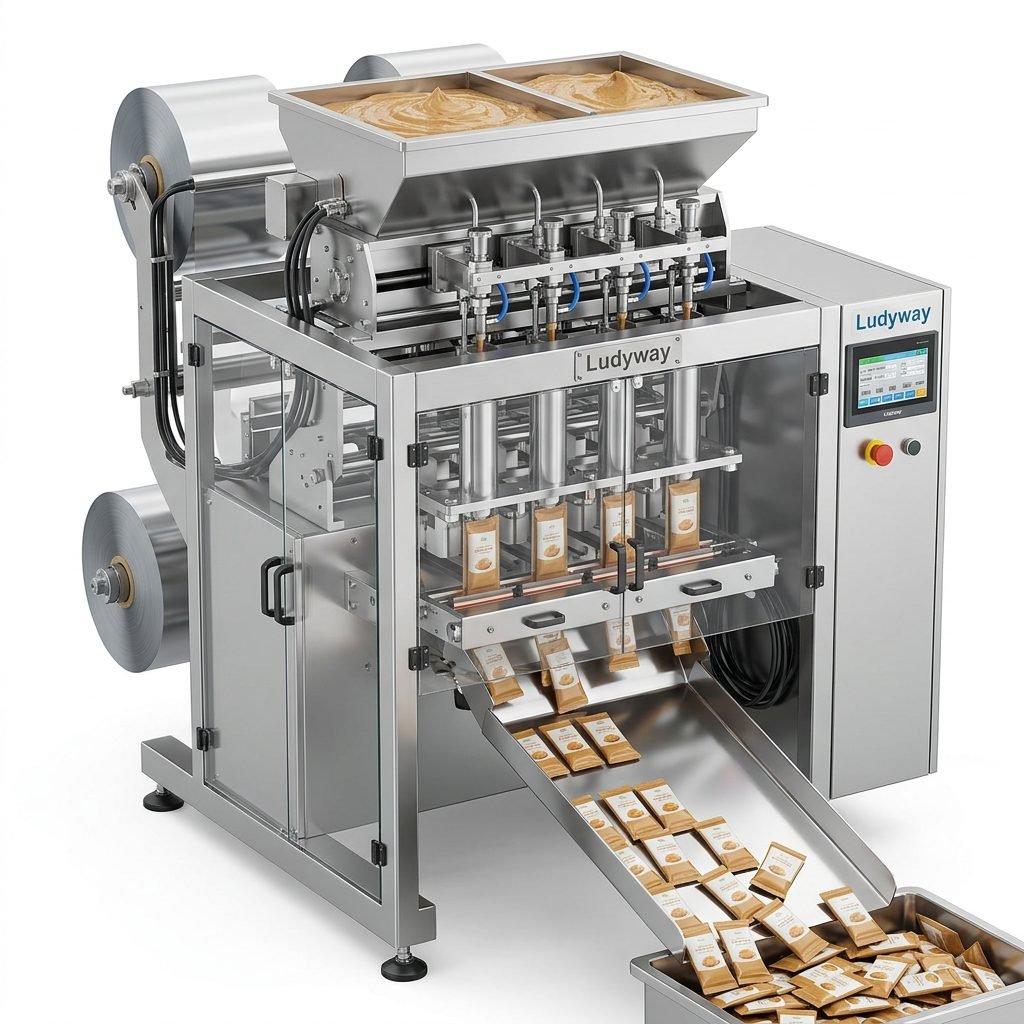
Many seed packaging lines can support sachets, stick packs, pillow bags, pouches, and larger agricultural bags depending on product positioning and channel requirements.
Common Types of Seed Bag Packaging Machines
The best machine type depends on your seed category, packaging style, and target production capacity. Below is a practical overview.
| Machine Type | Best For | Main Advantage |
|---|---|---|
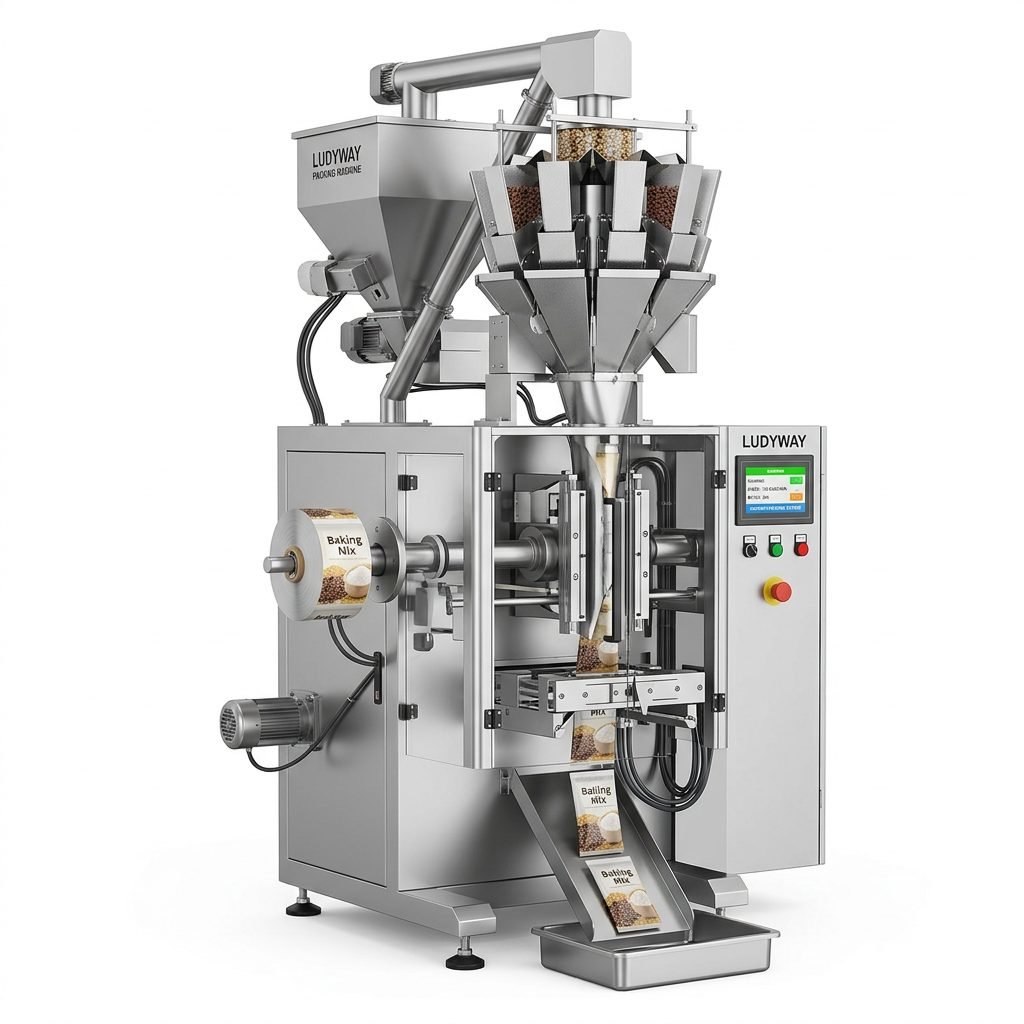
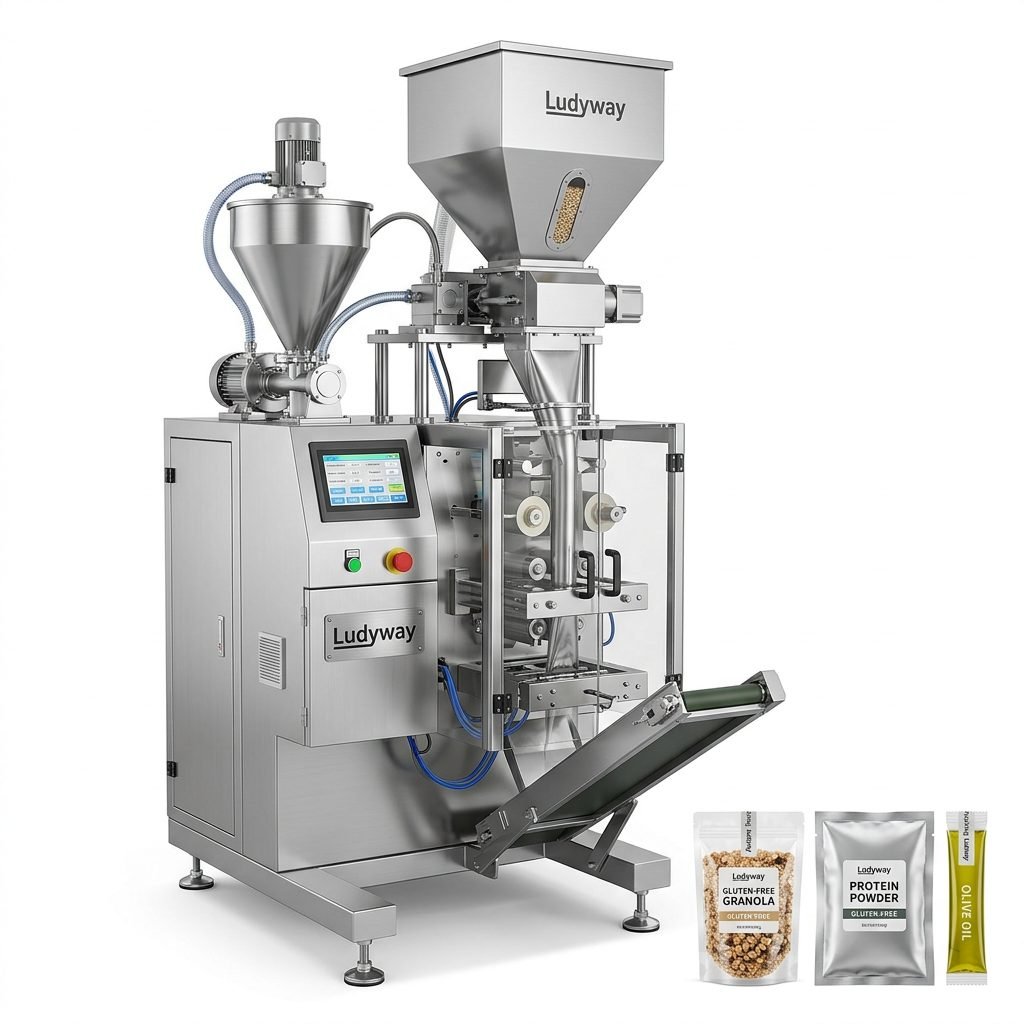
| Vertical Form Fill Seal Machine | Retail seed sachets and medium bags | Compact design and automated bag making |
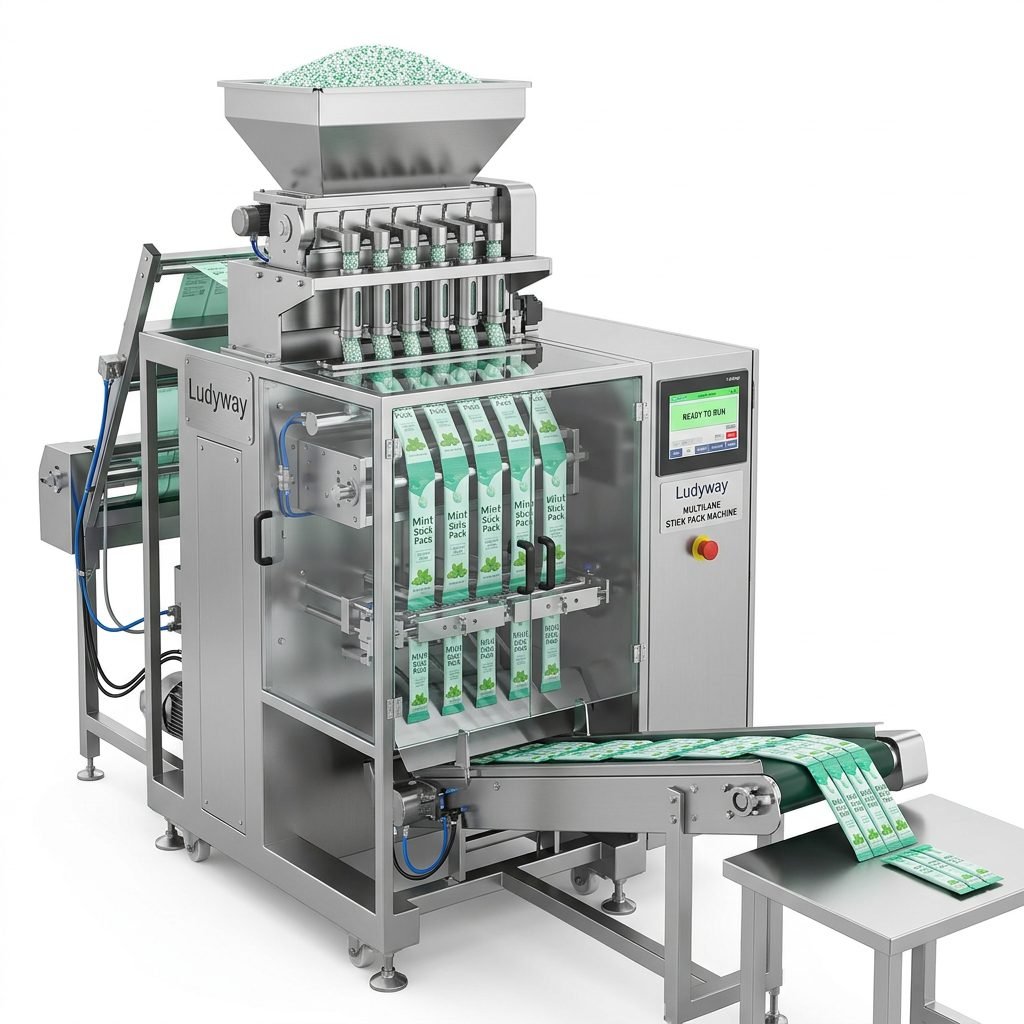
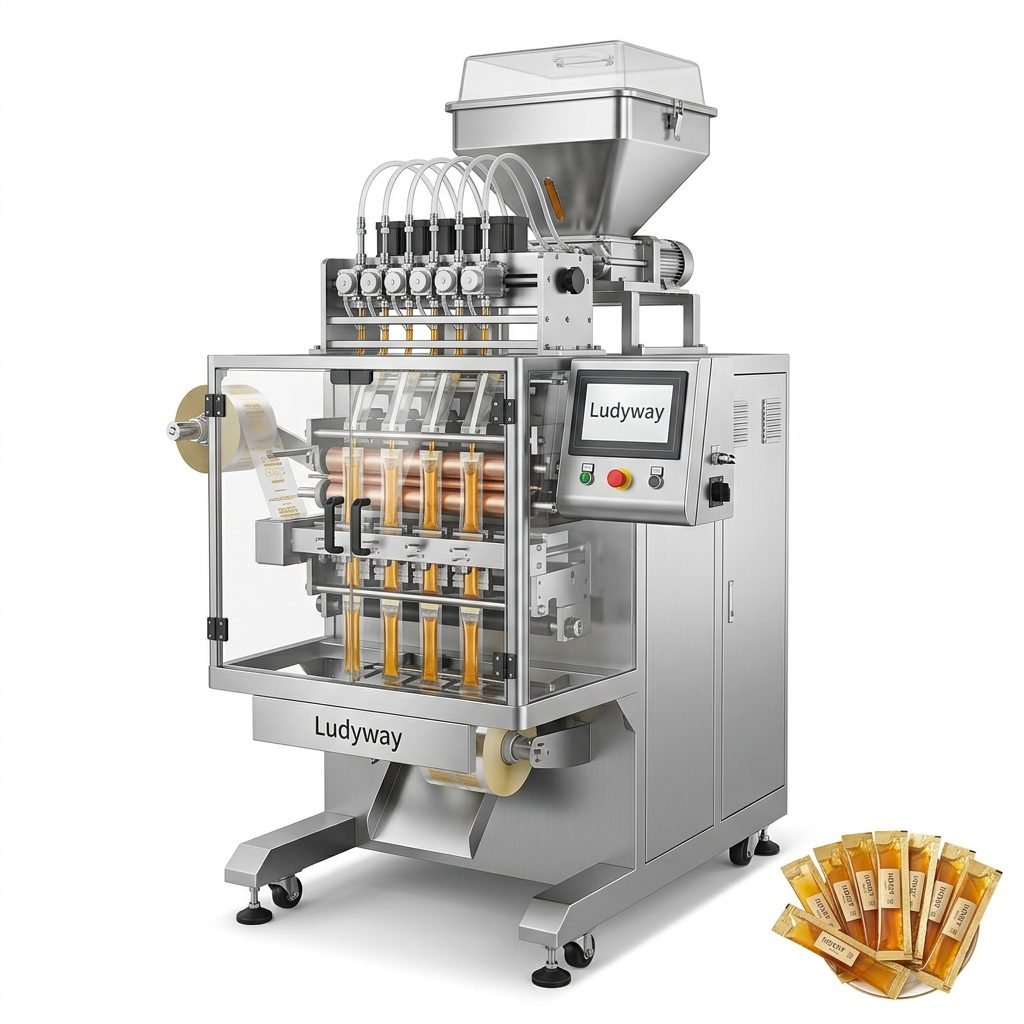
| Multi-lane Sachet Machine | Small seed packs with high output demand | High speed for mass retail production |
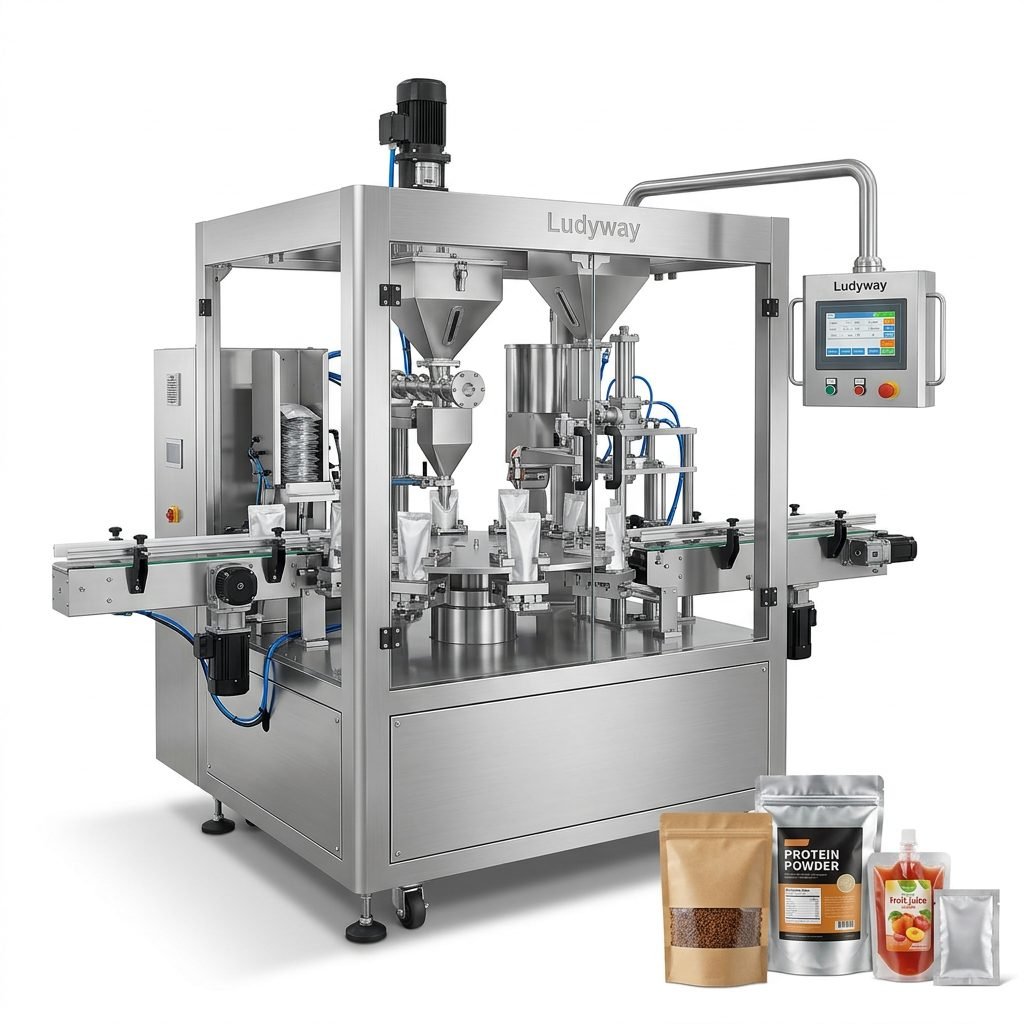
| Premade Pouch Packaging Machine | Premium branded seed packaging | Better visual presentation and pouch flexibility |
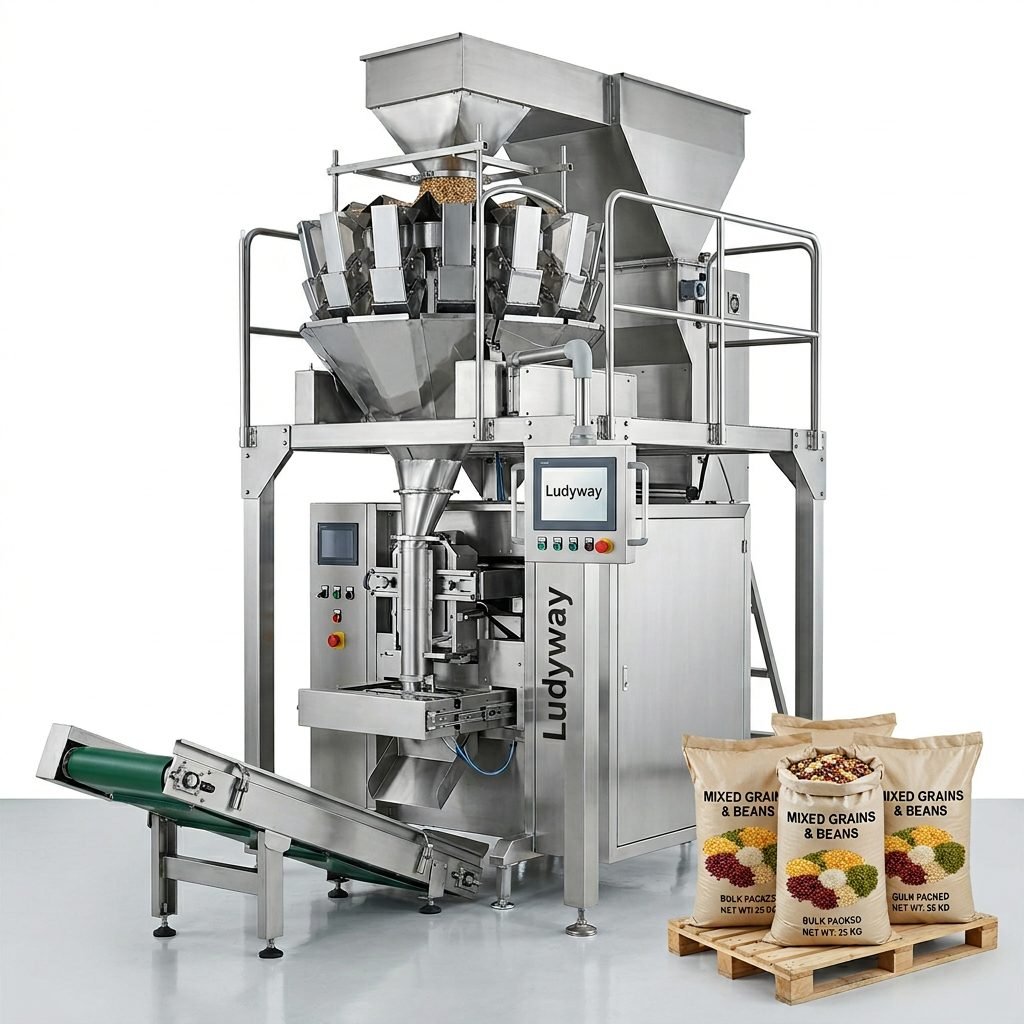
| Open-mouth Bagging Machine | Bulk farm seed packaging | Suitable for larger bag weights |
| Counting or Weighing System Integration | Special seed products needing strict dosing control | Higher filling precision and process customization |
Key Features to Look for in a Seed Packaging Solution
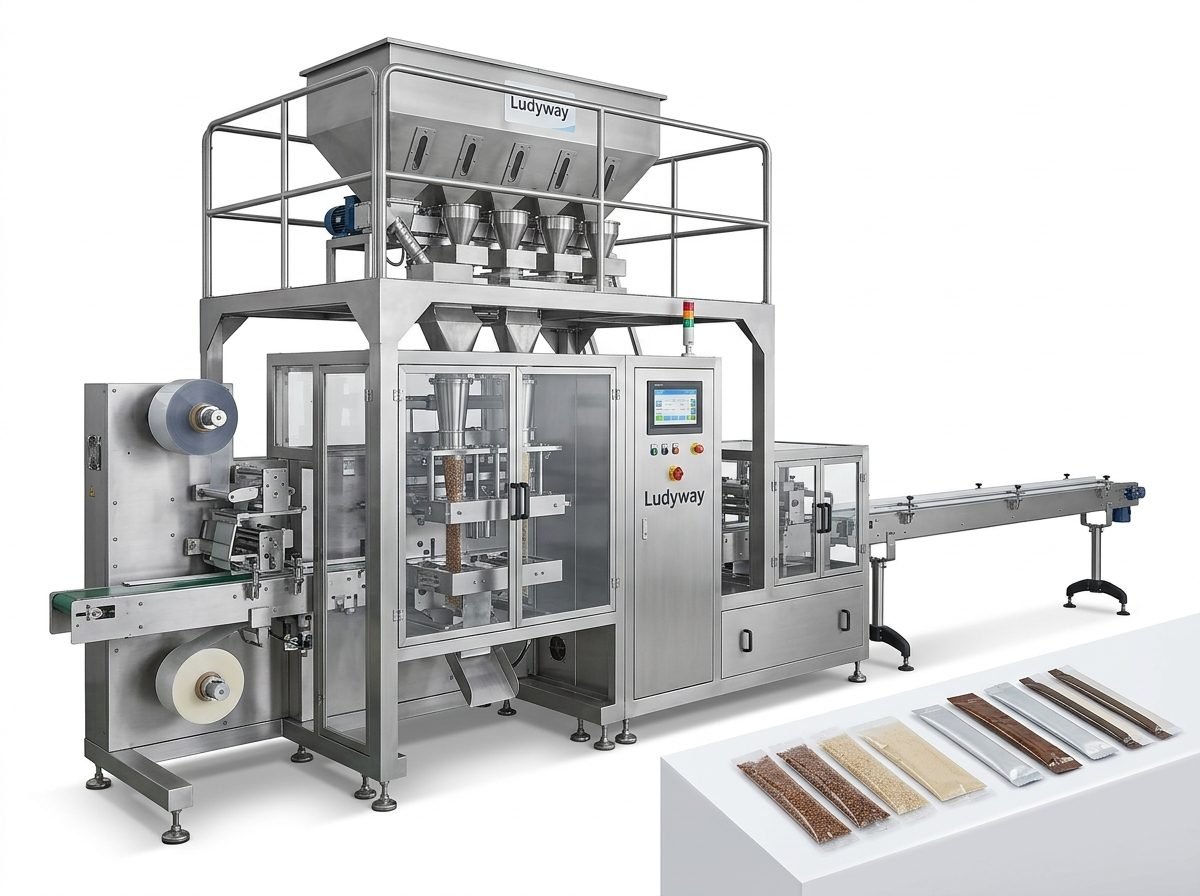
Not all packaging systems offer the same level of performance. When comparing options, focus on equipment features that directly affect your packaging efficiency and long-term operating cost.
- High-precision dosing system for stable pack weights
- Adjustable bag size range for multiple product SKUs
- Reliable sealing structure to protect product integrity
- Dust control design for coated or treated seeds
- User-friendly HMI control for quick parameter changes
- Date coding and labeling compatibility for traceability
- Easy cleaning and maintenance access to reduce downtime
- Integration capability with conveyors, feeders, checkweighers, and cartoners
Applications Across the Seed Industry
A modern seed bag packaging machine can be used for a wide range of agricultural and horticultural products, including:
- Vegetable seeds
- Flower seeds
- Grass seeds
- Corn seeds
- Rice seeds
- Wheat seeds
- Bean seeds
- Oil crop seeds
- Coated and treated seeds
- Mixed seed products
For businesses with multiple product lines, a flexible configuration can support faster changeovers and better production planning.
How Automation Improves Packaging Accuracy and Speed
The performance of a seed packaging line depends on how well each step is controlled. Advanced automation improves the full process in several ways:
- Feeding control: Maintains smooth product flow into the dosing unit.
- Weighing precision: Helps ensure each bag meets target weight.
- Film handling stability: Supports clean bag forming and accurate registration.
- Seal consistency: Reduces leakage risk and improves presentation.
- Smart monitoring: Allows operators to detect errors early and reduce waste.
For seed brands facing seasonal spikes, this level of control can make a major difference in output reliability and customer satisfaction.
Choosing the Right Machine for Your Operation
Before buying a machine, it is important to define your operational requirements clearly. A solution that is too small may limit growth, while one that is too complex can increase unnecessary investment.
| Selection Factor | Why It Matters |
|---|---|
| Seed type and size | Affects feeder choice, dosing method, and handling stability |
| Target bag weight | Determines machine structure and filling configuration |
| Required output speed | Influences whether single-lane or multi-lane equipment is needed |
| Bag format | Impacts machine style, sealing type, and material compatibility |
| Factory layout | Ensures smooth integration with upstream and downstream equipment |
| Future expansion plans | Helps you choose scalable equipment instead of a short-term fix |
The Value of Turnkey Seed Packaging Lines
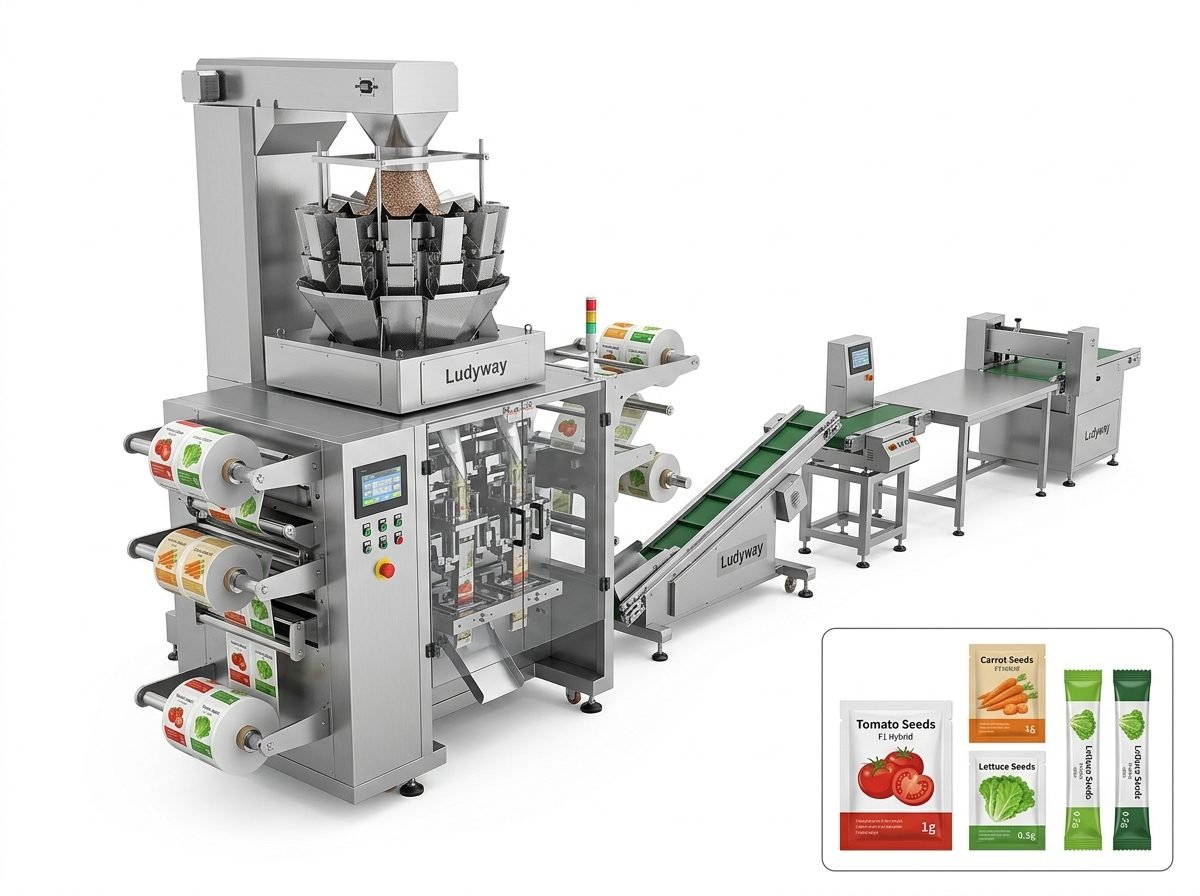
For medium and large manufacturers, a standalone machine may not be enough. A complete packaging line can include:
- Automatic feeding systems
- Weighing or volumetric dosing units
- Bag forming and filling machines
- Date coding or printing devices
- Checkweighers and inspection units
- Cartoning and case packing systems
- Palletizing support for end-of-line automation
A turnkey setup improves overall coordination between machines and can reduce bottlenecks across the full production workflow.
Why Technical Experience Matters
In packaging projects, machine design is only one part of the equation. Application experience matters just as much. An experienced supplier can help match the right feeding method, sealing structure, automation level, and layout plan to your actual seed packaging needs.
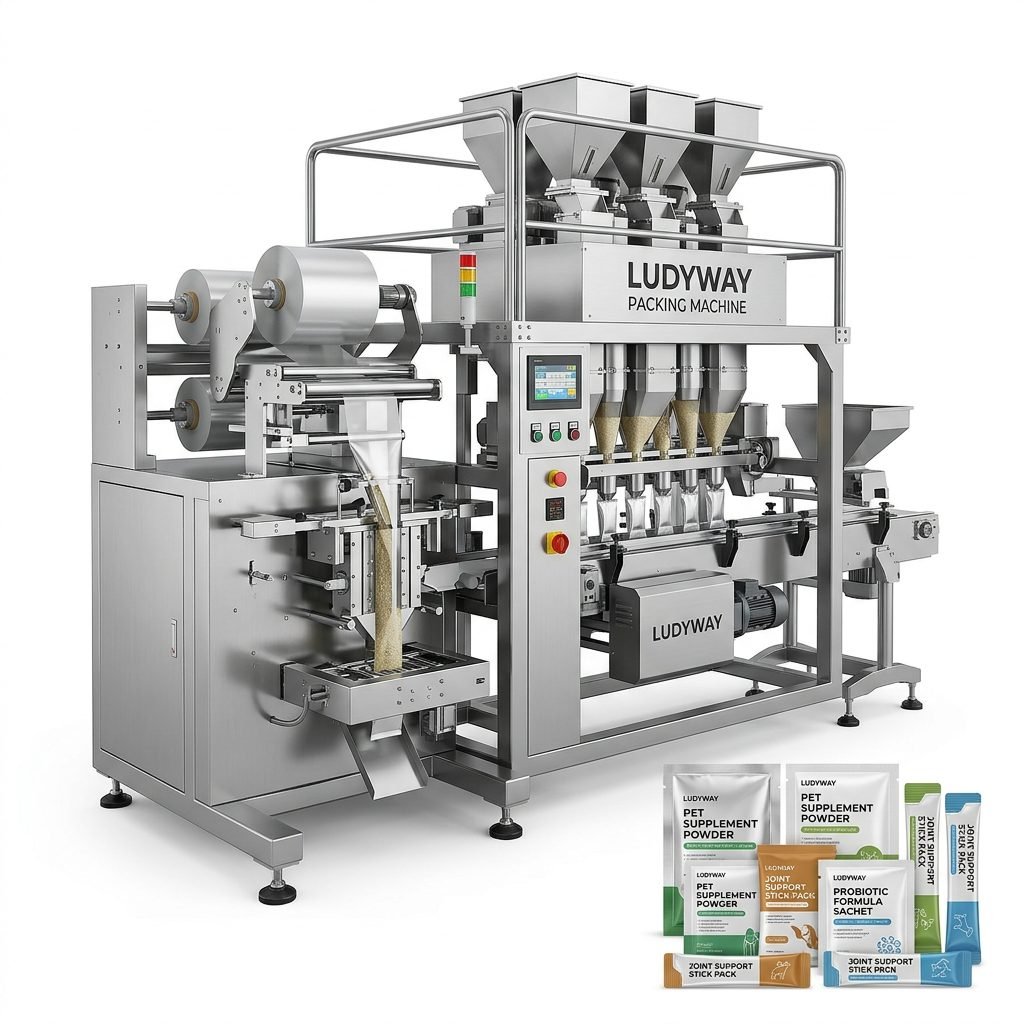
Businesses looking for reliable packaging automation often evaluate manufacturers with proven export capability, customization experience, and broad product coverage. Ludyway seed bag packaging machine solutions are backed by more than 30 years of manufacturing experience, a modern factory of over 20,000 square meters, and turnkey packaging line expertise serving customers in more than 100 countries and regions.
Maintenance Tips for Long-Term Stable Performance
Even the best packaging machine needs proper maintenance to stay accurate and efficient. A simple preventive routine can extend machine life and reduce downtime.
- Clean seed dust and residue from contact areas regularly.
- Inspect sealing components for wear.
- Calibrate weighing systems according to production schedules.
- Check belts, sensors, and feeding parts for alignment.
- Keep spare parts available for key wear components.
- Train operators on recipe settings and changeover procedures.
Final Considerations for Seed Packaging Investment
A high-performance seed bag packaging machine helps companies package faster, fill more accurately, and maintain better product consistency. For agricultural brands competing on quality, delivery speed, and cost control, the right machine is not just equipment—it is a strategic production asset.
If your business needs to improve retail packet presentation, reduce filling errors, or expand into higher-volume seed packaging, choosing a solution with precision dosing, stable automation, and line integration flexibility is the most practical path to long-term efficiency.