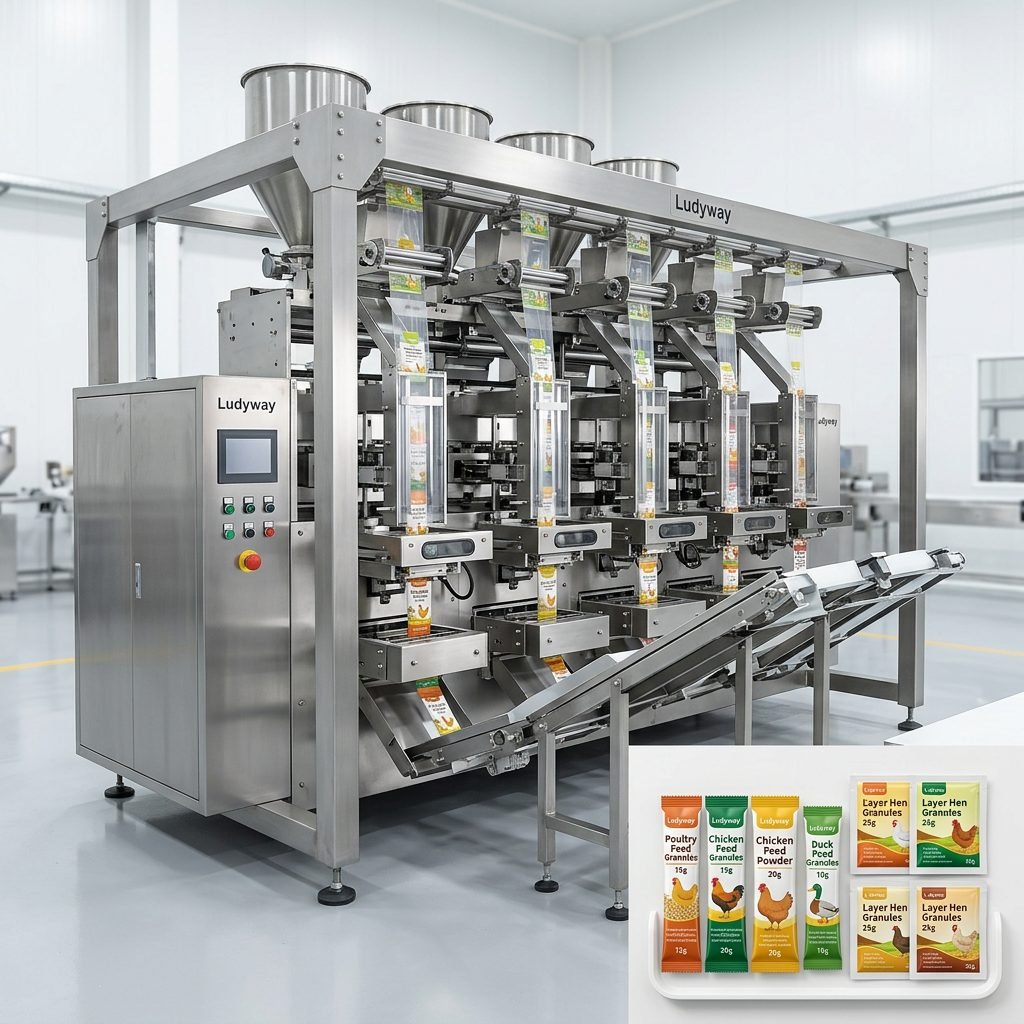
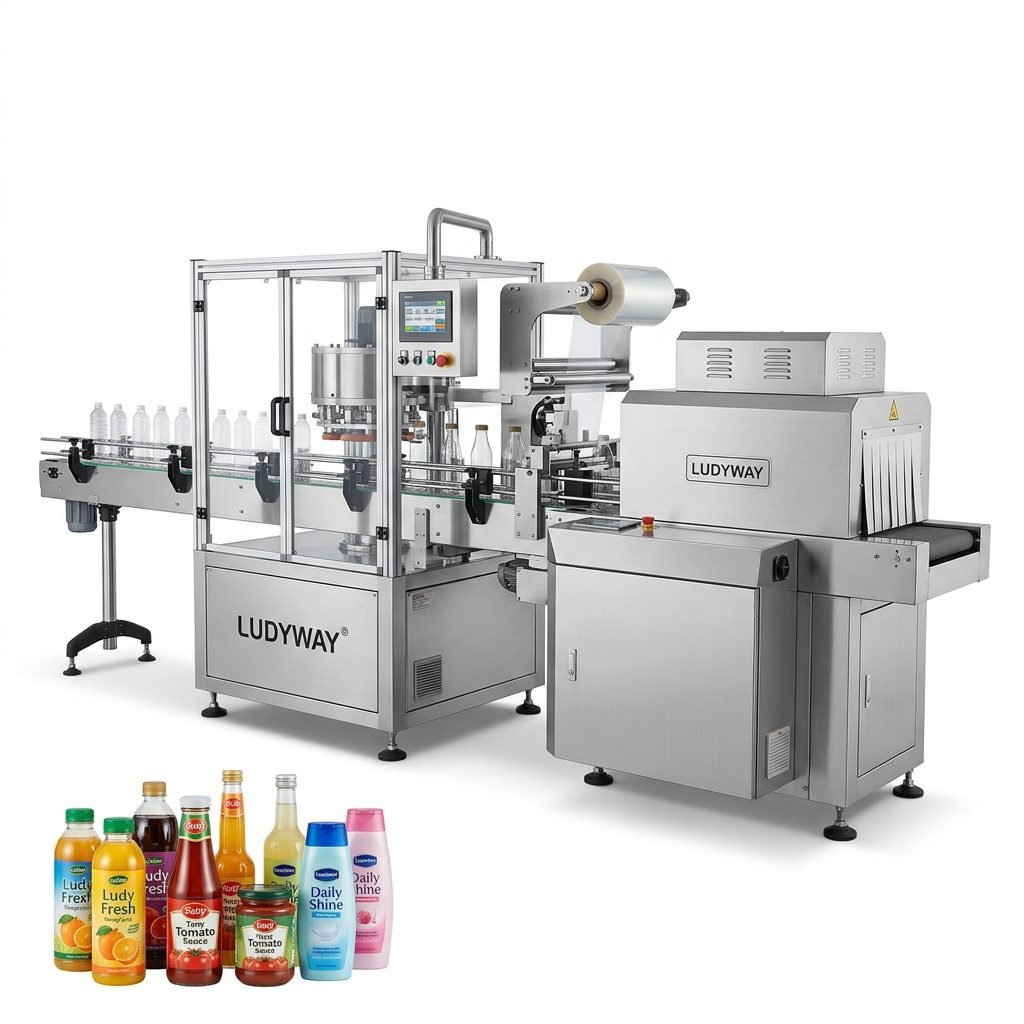
Choosing the right food packing machine is not only about buying equipment. It is about matching product type, package format, production target, hygiene standards, and future growth plans with a packaging solution that can deliver reliable long-term value. For food manufacturers, co-packers, private-label brands, and fast-growing startups, the right machine can reduce labor pressure, improve consistency, and support a more competitive operation.
Whether you pack powders, granules, sauces, frozen food, snacks, or ready-to-eat products, this guide explains how to evaluate packaging equipment step by step and avoid costly mistakes.
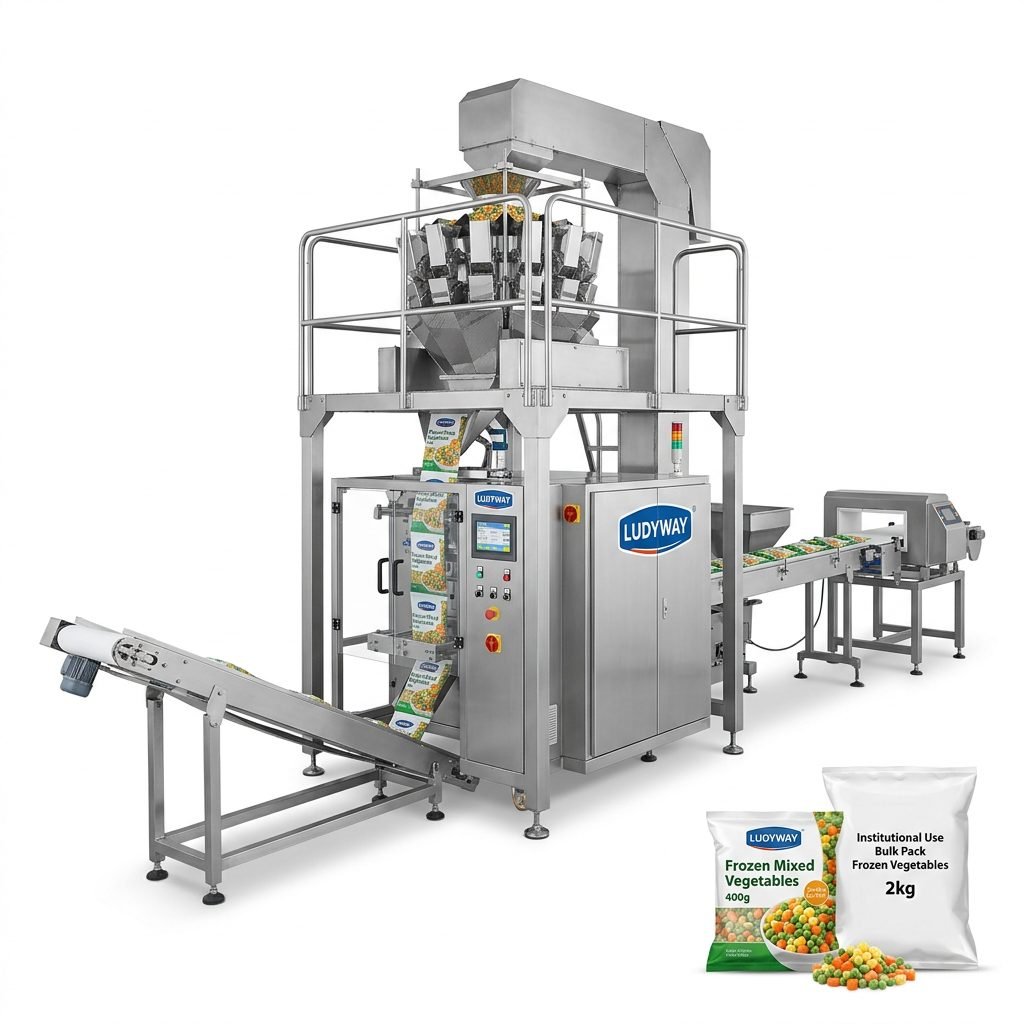
Why the Right Food Packing Machine Matters
Packaging is one of the most critical stages in food production. A suitable system helps your business:
- Improve packaging speed and output stability
- Reduce product giveaway and filling errors
- Maintain food safety and sealing integrity
- Enhance shelf appeal and brand presentation
- Lower labor dependence through automation
- Support compliance with customer and market requirements
On the other hand, the wrong machine can lead to frequent downtime, poor seal quality, inconsistent pack weights, difficult maintenance, and limited expansion potential.
Start with Your Product Characteristics
Before comparing machine models, define exactly what you need to pack. Different food products behave very differently during feeding, dosing, filling, and sealing.
1. Product form
- Powders: milk powder, protein powder, coffee powder, seasoning, flour
- Granules: sugar, salt, rice, seeds, nuts, beans, snacks
- Liquids: sauces, oil, vinegar, juice concentrates
- Pastes: mayonnaise, ketchup, honey, chili sauce
- Solid food items: frozen food, bakery products, ready meals
2. Product behavior
Ask practical questions:
- Is the product free-flowing or sticky?
- Is it fragile and easy to break?
- Does it create dust?
- Is it sensitive to moisture, oxygen, or temperature?
- Does it need vacuum packaging or nitrogen flushing?
A machine that works well for coffee powder may not perform well for oily spice blends or fragile freeze-dried foods. Product behavior directly affects the choice of feeder, filler, sealing system, and material handling design.
Choose the Right Packaging Format
Your pack style influences machine structure, film consumption, speed, and shelf impact. Common food packaging formats include:
| Packaging Format | Suitable Products | Typical Advantage |
|---|---|---|
| Pillow bags | Snacks, grains, frozen food, powders | Efficient and cost-effective |
| Stand-up pouches | Premium snacks, powders, pet food | Strong retail display appeal |
| Sachets | Sauces, condiments, drink powders | Ideal for single-serve packaging |
| Stick packs | Coffee, sugar, supplements, seasonings | Compact and travel-friendly |
| Vacuum bags | Meat, seafood, frozen foods | Extended shelf life |
| Premade pouches | Liquids, powders, granules | High-end appearance and flexibility |
If your business serves both retail and foodservice channels, you may need different packaging systems for different SKU sizes and bag types.
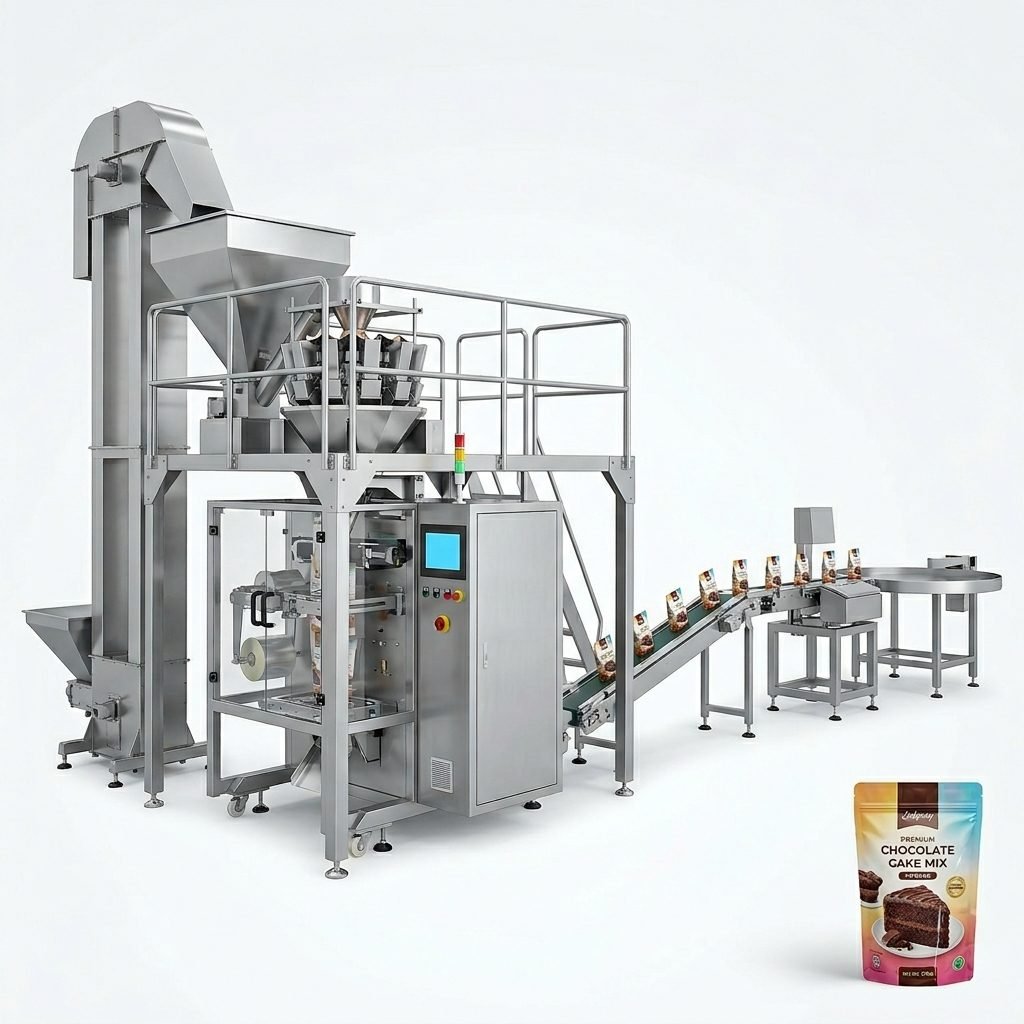
Match the Machine Type to Your Application
Different food businesses require different packaging technologies. The most common machine categories include:
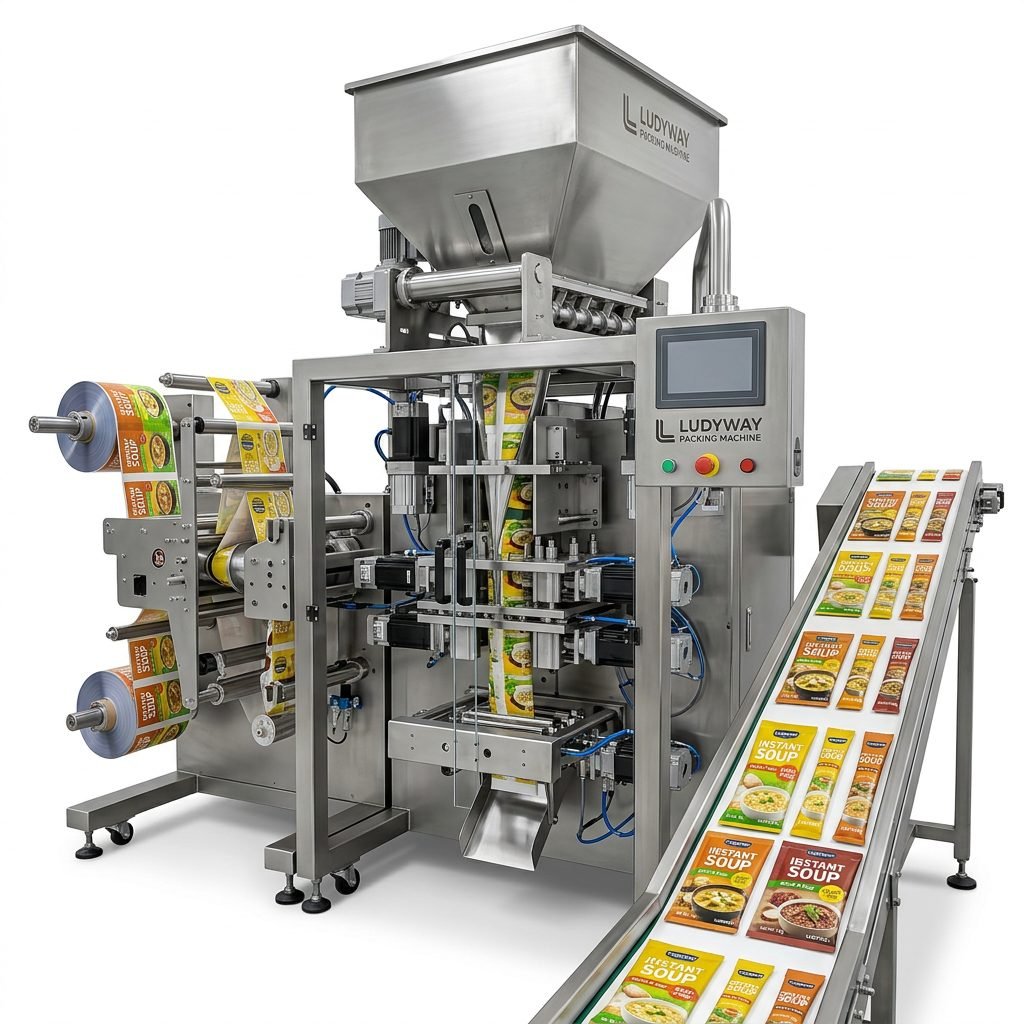
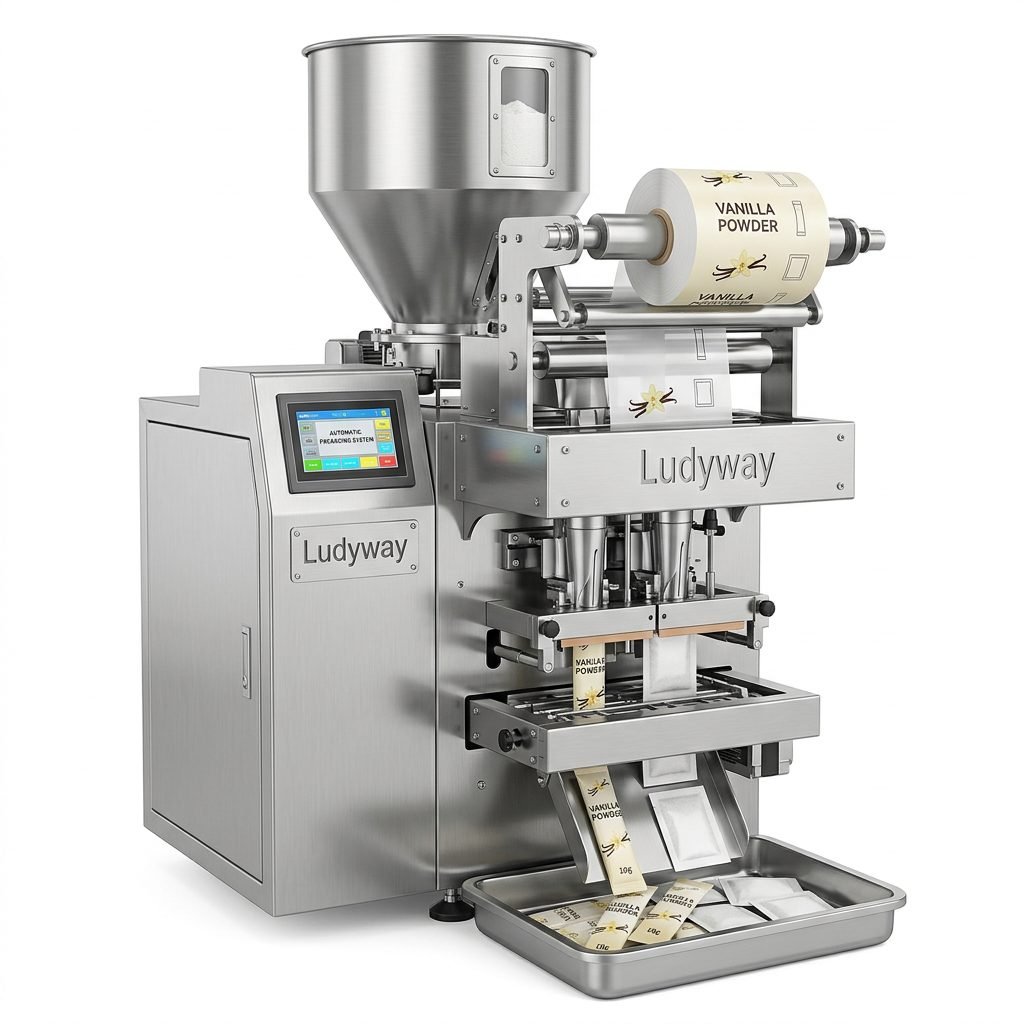
Vertical Form Fill Seal Machines
Often used for granules, powders, snacks, frozen food, and other bulk products. They form the bag from roll film, fill it, and seal it automatically. This is a popular option for businesses seeking a balance between speed, flexibility, and cost.
Premade Pouch Packing Machines
Best for brands that need premium shelf appearance, zipper pouches, or more specialized pouch designs. These machines handle preformed bags and are suitable for many food categories.
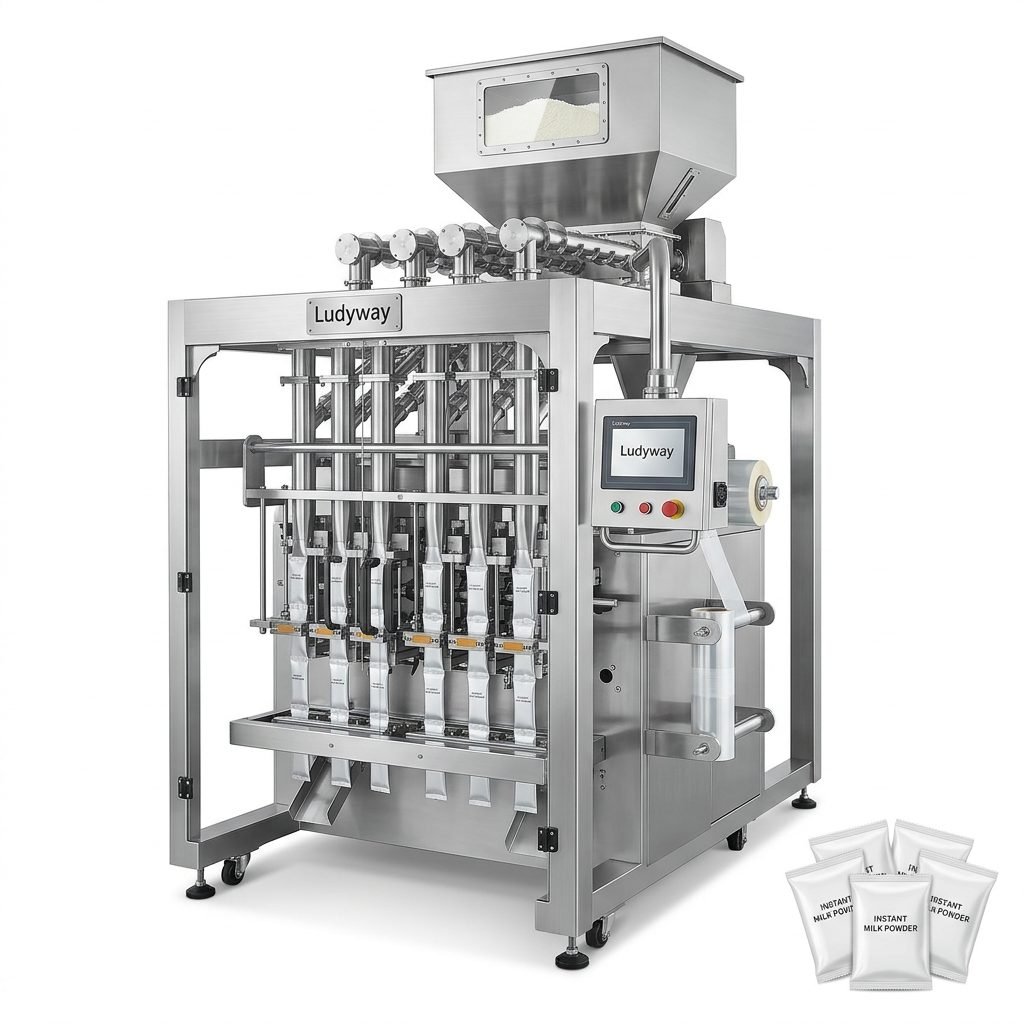
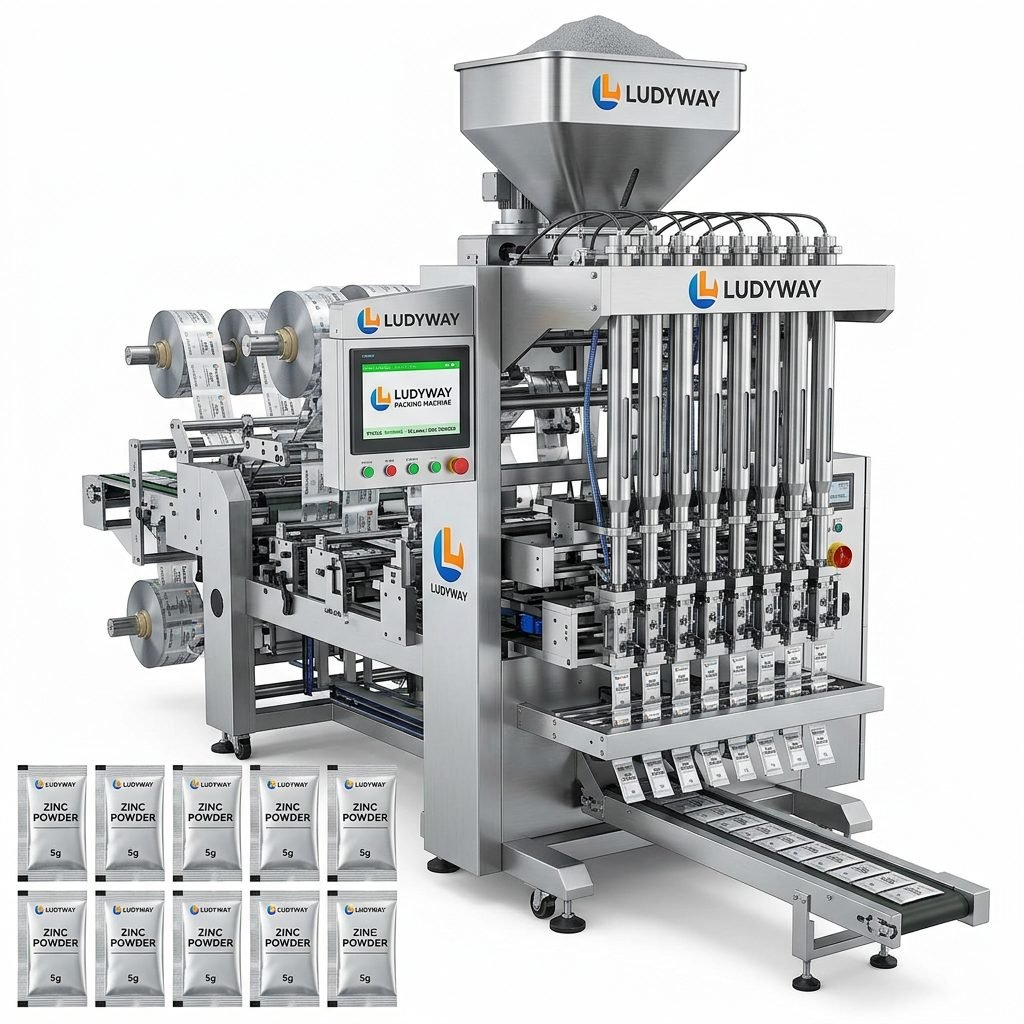
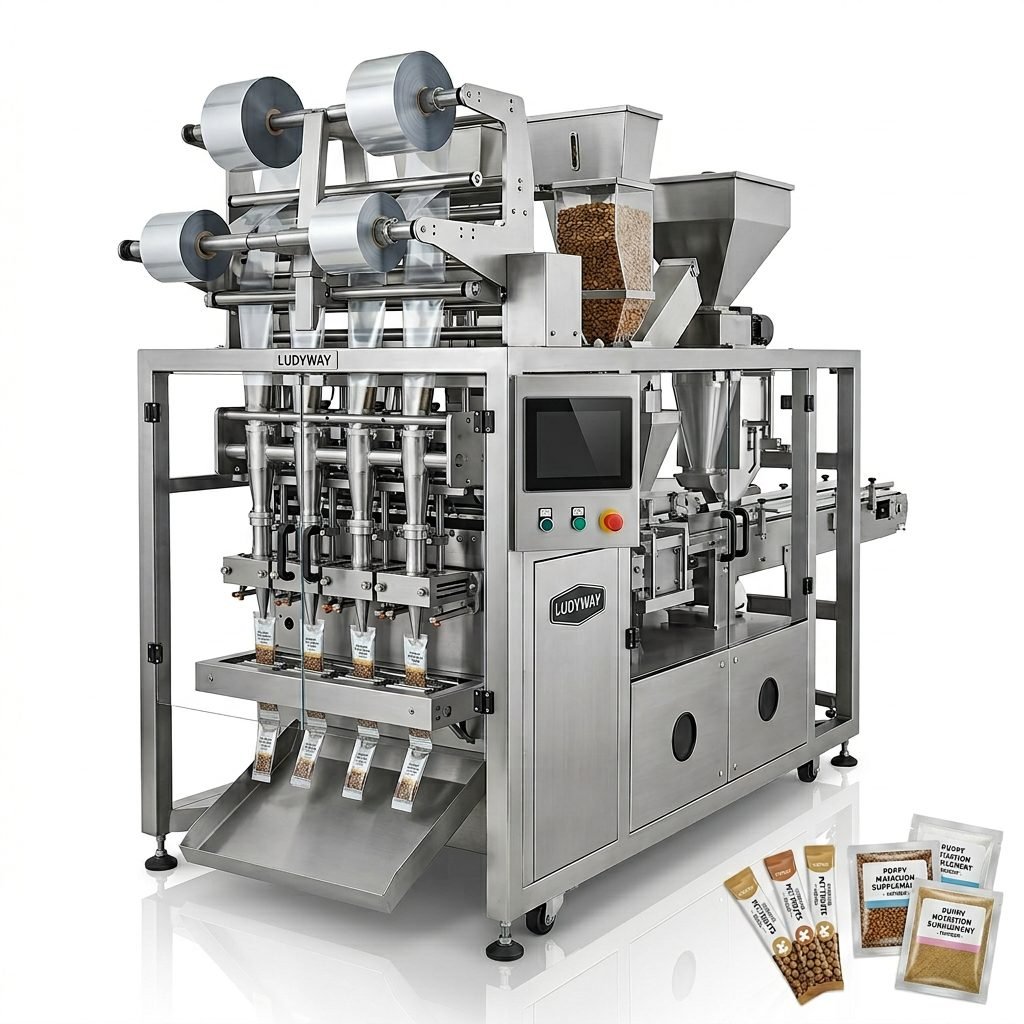
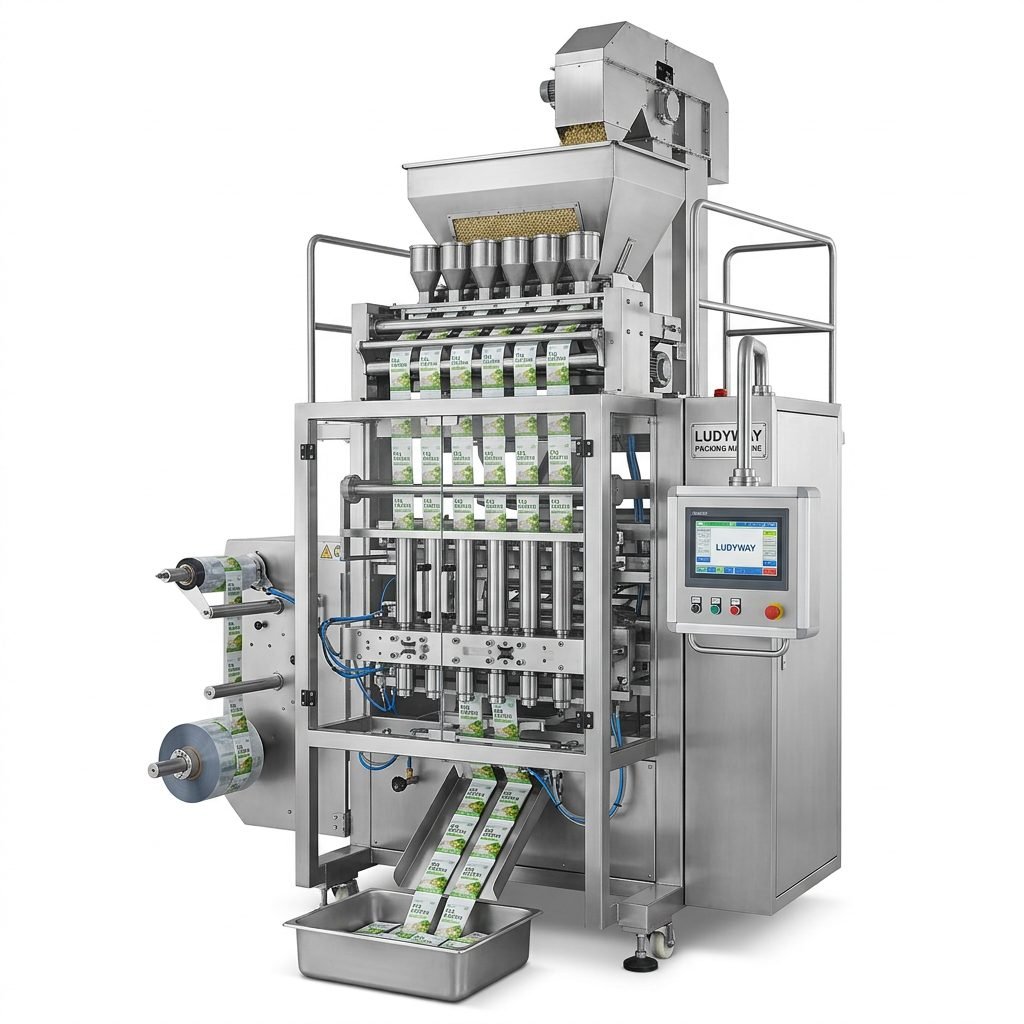
Multi-Lane Sachet and Stick Pack Machines
Ideal for high-output packaging of coffee, sugar, seasoning powders, liquid condiments, and nutritional food products. Multi-lane systems are especially effective for single-dose or single-serve formats.
Vacuum Packaging Machines
Widely used for meat, seafood, prepared meals, and frozen products where air removal helps improve shelf life and presentation.
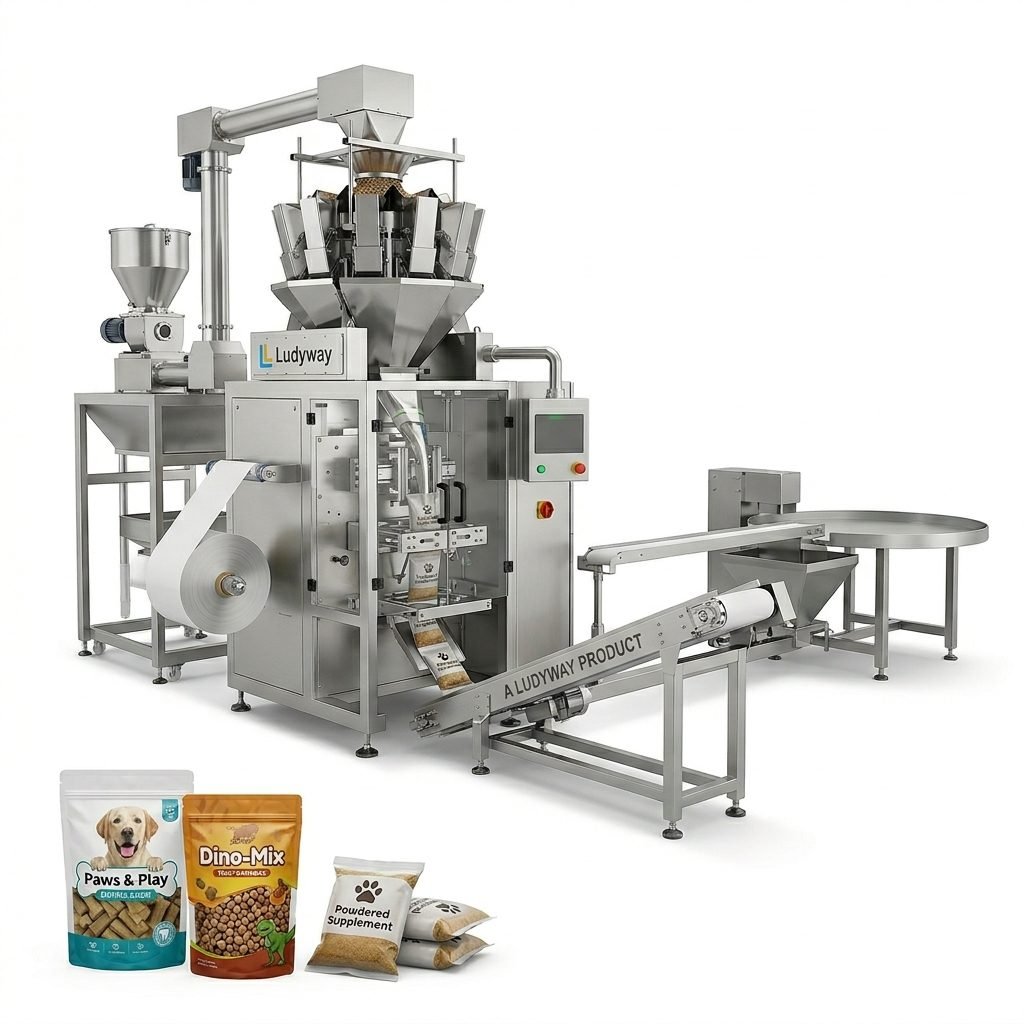
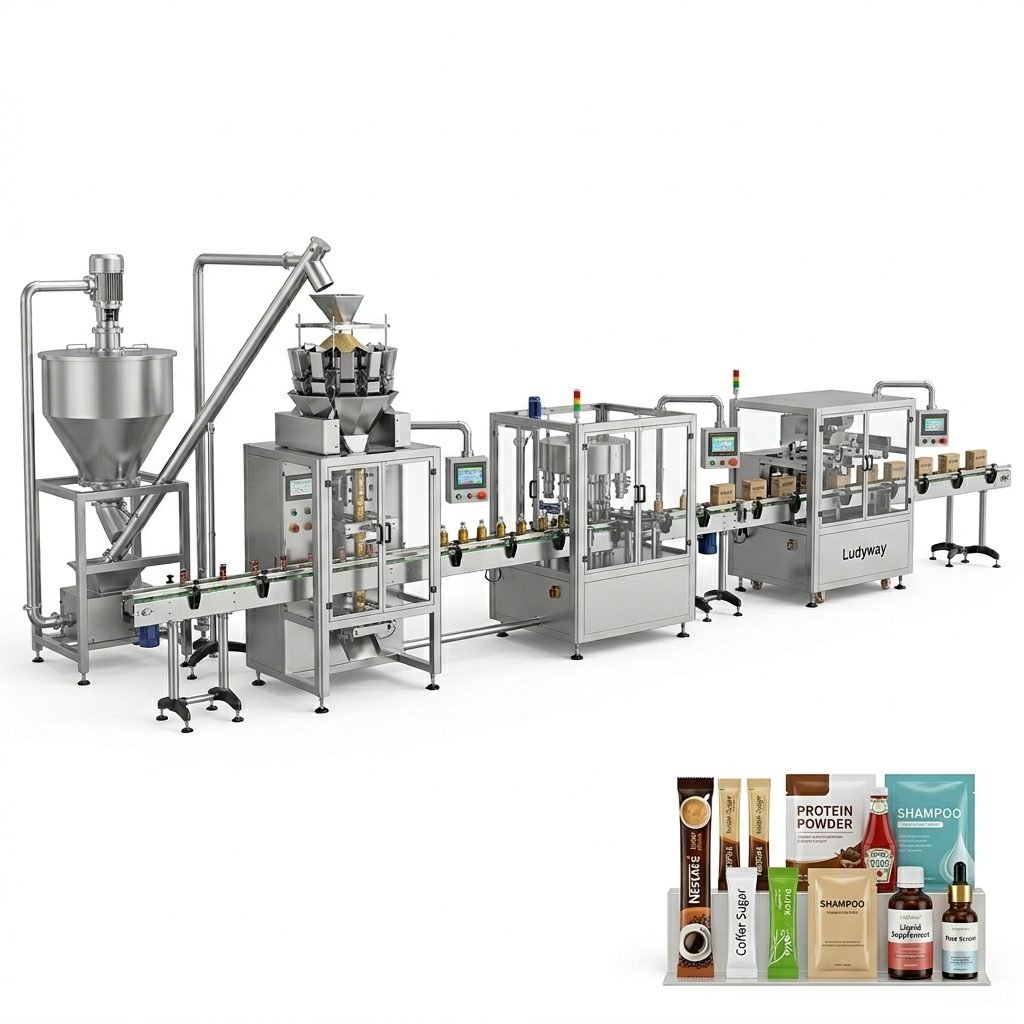
Complete Turnkey Packaging Lines
These may include feeding, weighing, filling, sealing, coding, inspection, cartoning, and palletizing. For medium and large operations, integrated lines provide stronger efficiency and process consistency than standalone machines.
Key Factors to Compare Before Buying
Production speed
Do not choose a machine based on maximum speed alone. Focus on stable running speed under real production conditions. A machine rated at a very high speed may perform much lower when handling your actual product, film, or package size.
Filling accuracy
Overfilling increases cost. Underfilling creates compliance and customer satisfaction risks. Good filling accuracy is especially important for premium powders, spices, and portion-controlled products.
Seal quality
Strong, clean, and consistent seals are essential. Poor seals lead to leakage, contamination, and returns. Make sure the machine supports your packaging film structure and sealing requirements.
Changeover flexibility
If you produce multiple SKUs, pack sizes, or recipes, changeover time matters. Ask how long it takes to switch between formats, adjust filling systems, and clean contact parts.
Hygiene and cleanability
Food equipment should be easy to sanitize. Stainless steel contact parts, clean structural design, and reduced dead corners all support safer production and easier maintenance.
Automation level
Manual, semi-automatic, and fully automatic solutions each fit different business stages. If labor cost is rising or workforce stability is an issue, automation may provide a faster return than expected.
Footprint and layout fit
Your machine must fit your workshop, utility access, operator movement, and material flow. Sometimes the best machine on paper is not the best machine for your actual floor layout.
How to Select the Right Dosing System
The dosing unit is one of the most important parts of any food packing machine. It should be selected based on product shape, density, and flow behavior.
| Dosing System | Best For | Notes |
|---|---|---|
| Auger filler | Powders | Good for fine and non-free-flowing materials |
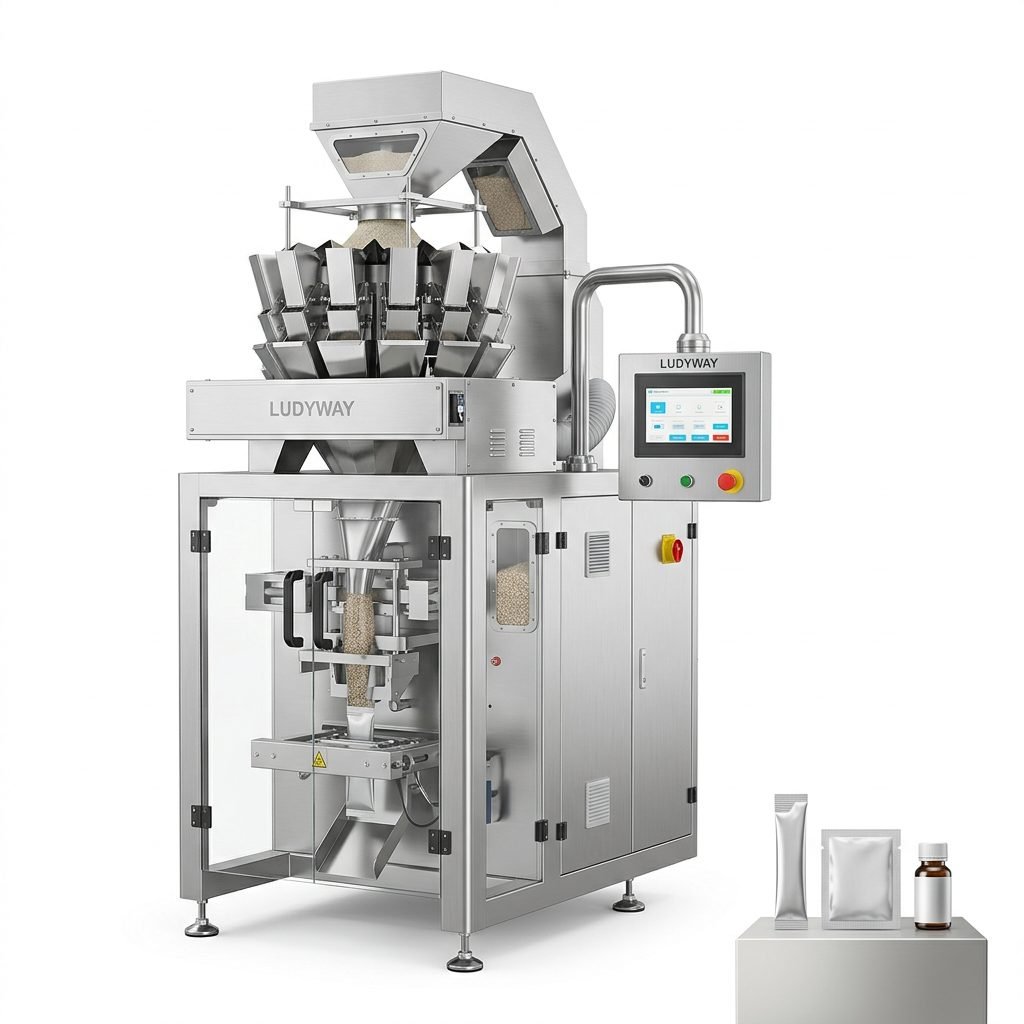
| Multihead weigher | Snacks, nuts, frozen food, granules | High speed and good accuracy |
| Volumetric cup filler | Uniform granules | Simple and cost-efficient |
| Piston filler | Sauces, creams, pastes | Suitable for viscous food products |
| Liquid pump filler | Oils, beverages, low-viscosity liquids | Stable filling for fluid products |
Think Beyond the Machine: Evaluate the Full Line
A food packing machine rarely works alone. Your project may also require:
- Feeders or elevators
- Metal detectors or checkweighers
- Date coding or labeling systems
- Cartoning and case packing equipment
- Conveyors and product collection systems
- Palletizing solutions
If you expect production growth, investing in a packaging line that can be expanded later is often smarter than buying isolated equipment with limited compatibility.
Questions You Should Ask a Packaging Machine Supplier
Before making a final decision, ask detailed technical and commercial questions:
- Has this machine been used for products similar to mine?
- What is the real production speed with my package size?
- What packaging materials are supported?
- How accurate is the filling system?
- How easy is cleaning and maintenance?
- Can the machine be customized for future SKUs?
- What spare parts and after-sales support are available?
- Can the supplier provide testing, videos, or sample runs?
- What certifications and export experience does the supplier have?
- Can the supplier provide a full turnkey solution if needed?
Common Mistakes to Avoid
- Buying only based on the lowest price
- Ignoring future production expansion
- Choosing a machine without product testing
- Overlooking maintenance and spare parts access
- Assuming all powders or granules behave the same
- Failing to assess packaging material compatibility
- Underestimating operator training needs
In many cases, the lowest-cost machine becomes the most expensive option once downtime, waste, labor inefficiency, and service issues are considered.
How to Know If You Need a Custom Solution
A standard machine may be enough if your product is simple and your pack style is common. However, customization is often the better option when you have:
- Unusual product flow characteristics
- High hygiene or washdown requirements
- Multiple pack sizes on one line
- Strict output targets
- Special pouch shapes or film structures
- Need for integration with upstream or downstream equipment
For food businesses planning long-term growth, custom-engineered systems often provide a stronger operational fit and better total value.
Supplier Capability Matters as Much as Machine Specification
Even a good machine design can become a poor investment if the supplier lacks technical depth, production capacity, or after-sales support. When comparing suppliers, review their experience, factory capability, export track record, and solution range.
For businesses looking for scalable food packaging automation, Ludyway food packing machine solutions are backed by more than 30 years of manufacturing experience, a modern factory of over 20,000 square meters, broad export coverage, and the ability to provide both standalone equipment and complete turnkey packaging lines.
Final Buying Checklist
| Checklist Item | What to Confirm |
|---|---|
| Product match | Machine suits powder, granule, liquid, paste, or solid food type |
| Package format | Supports your target bag, pouch, sachet, or stick pack style |
| Output demand | Stable speed meets current and future production goals |
| Filling precision | Accuracy level supports cost control and compliance |
| Hygiene design | Easy cleaning and suitable food-contact construction |
| Expandability | Can integrate with coding, inspection, cartoning, and palletizing |
| Supplier support | Testing, training, spare parts, and technical support are available |
Conclusion
The best food packing machine for your business is the one that fits your product, packaging format, output goals, sanitation standards, and growth strategy. A careful evaluation process helps you avoid mismatch, control operating costs, and build a more efficient production system.
If you focus on product compatibility, dosing accuracy, packaging flexibility, and supplier capability, you will be in a much stronger position to select a packaging solution that supports both current operations and future expansion.