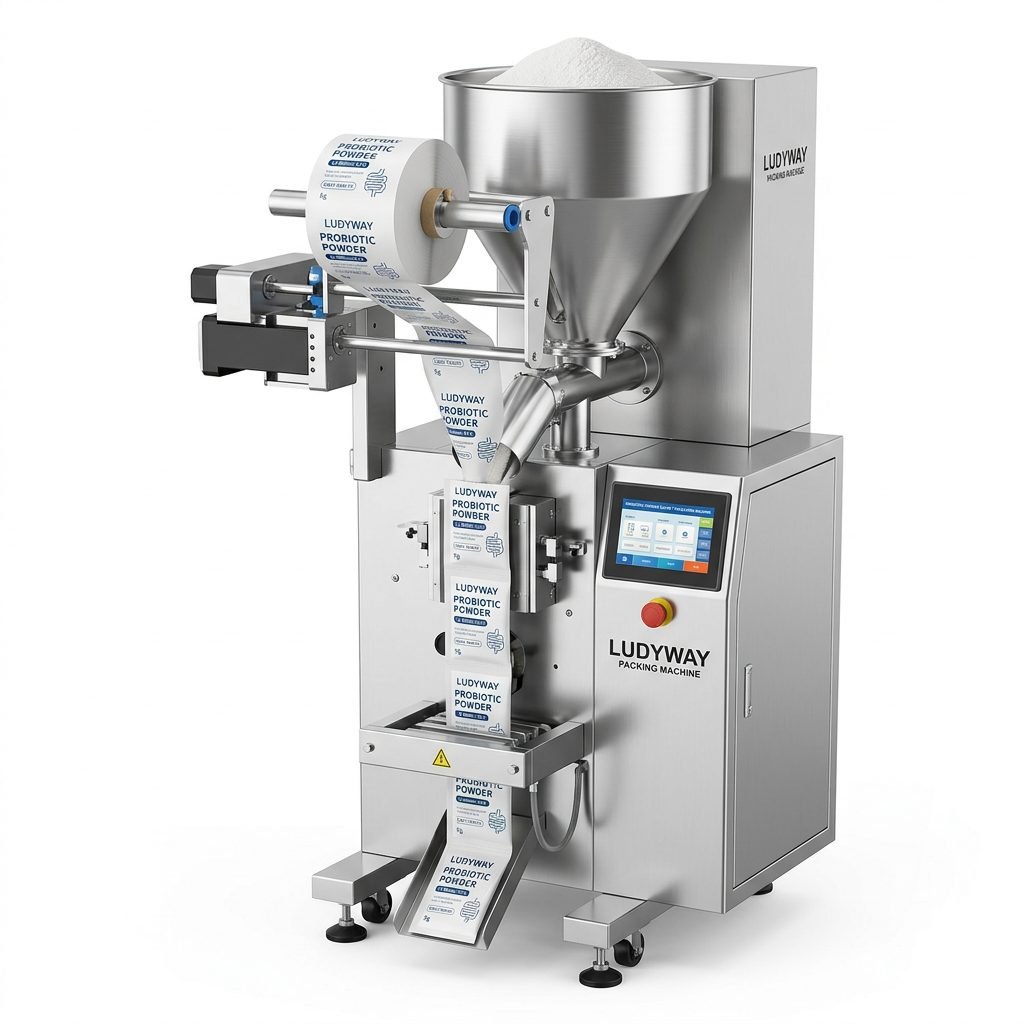
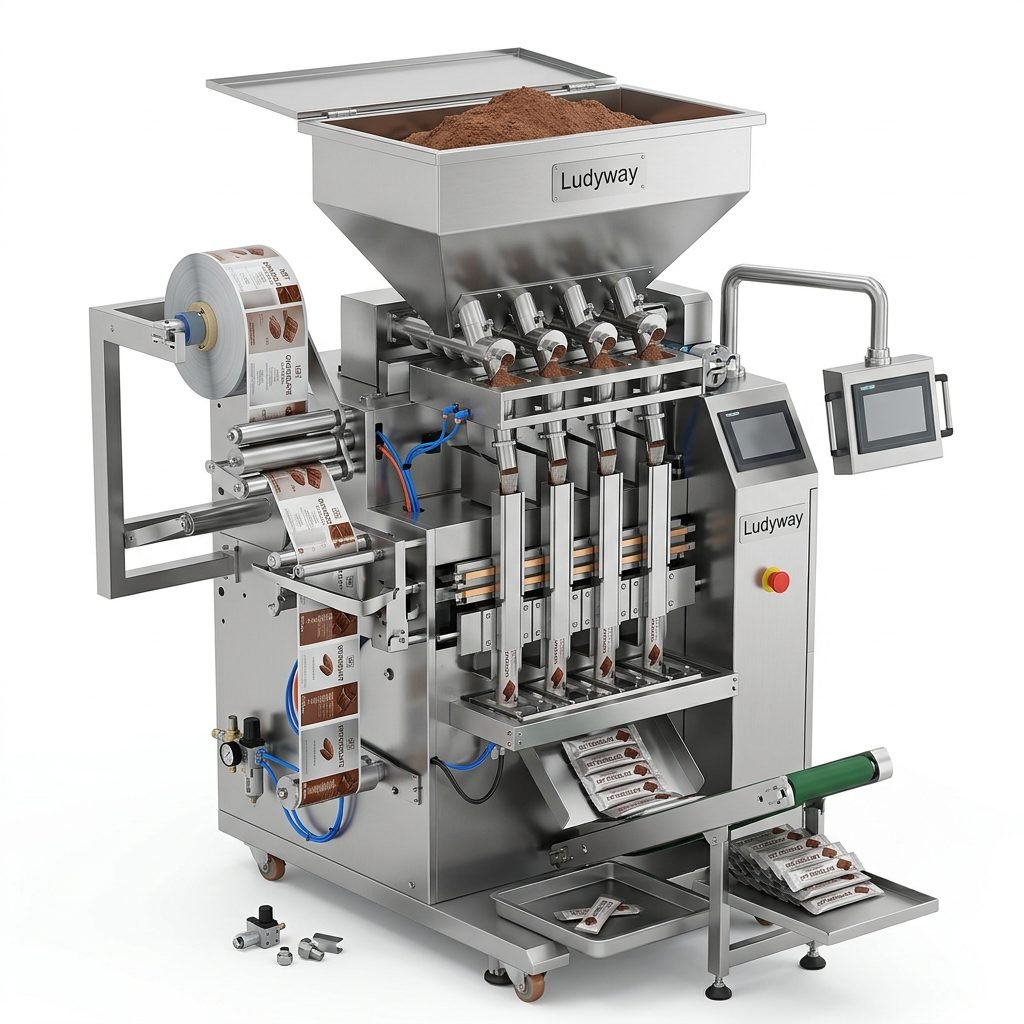
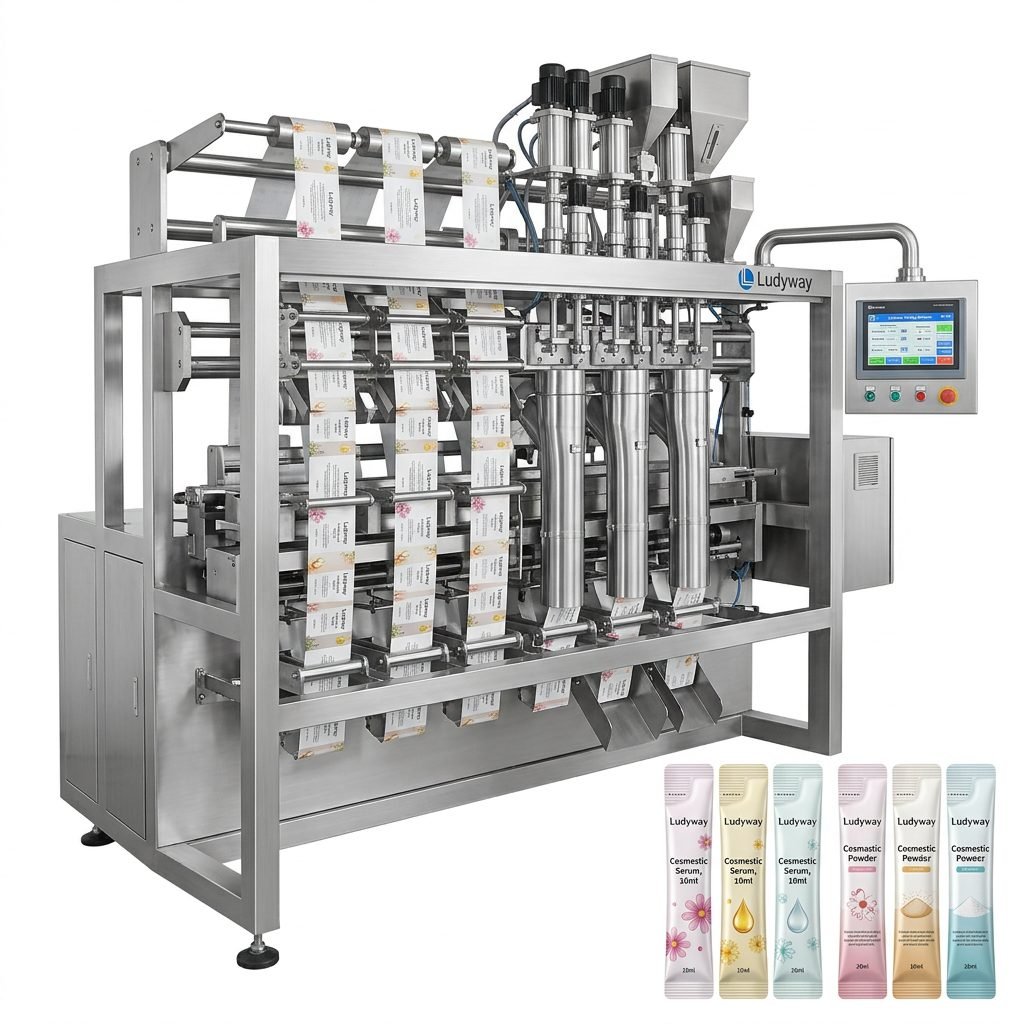
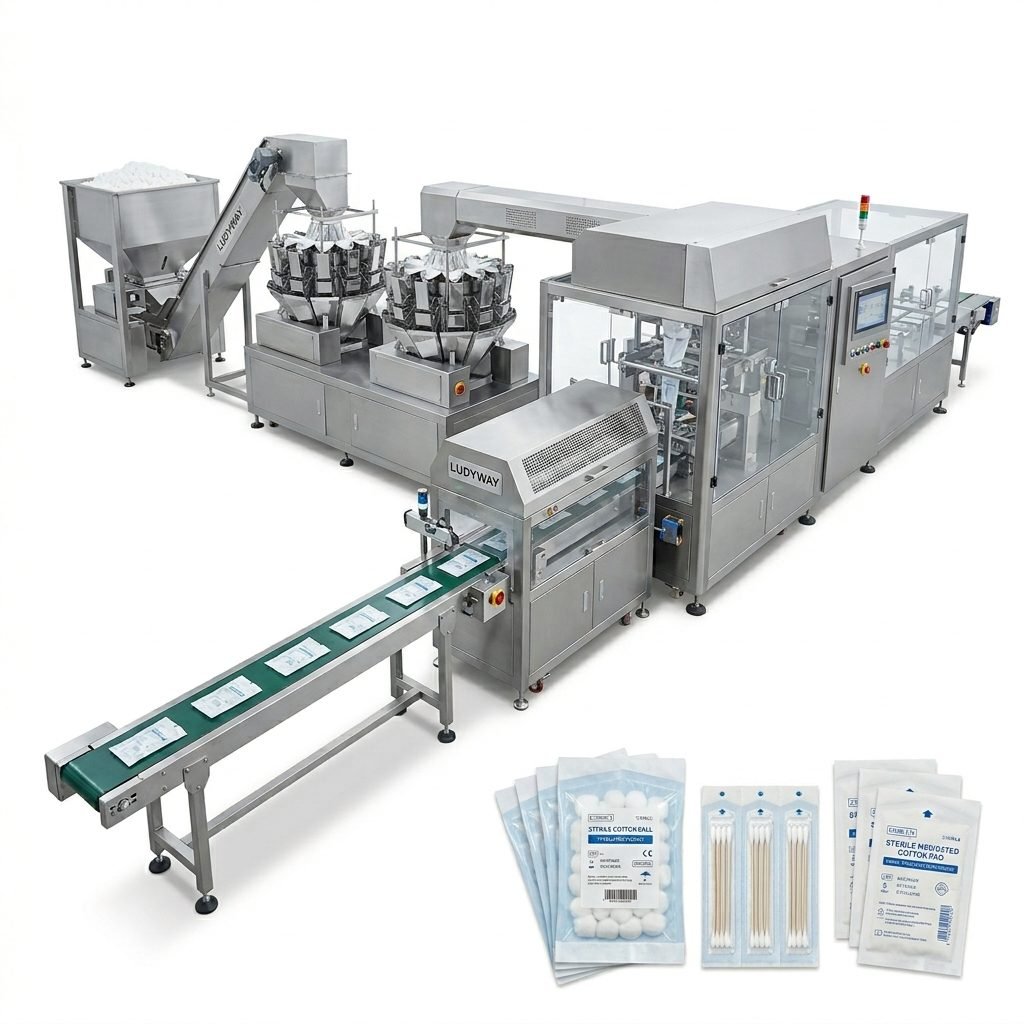
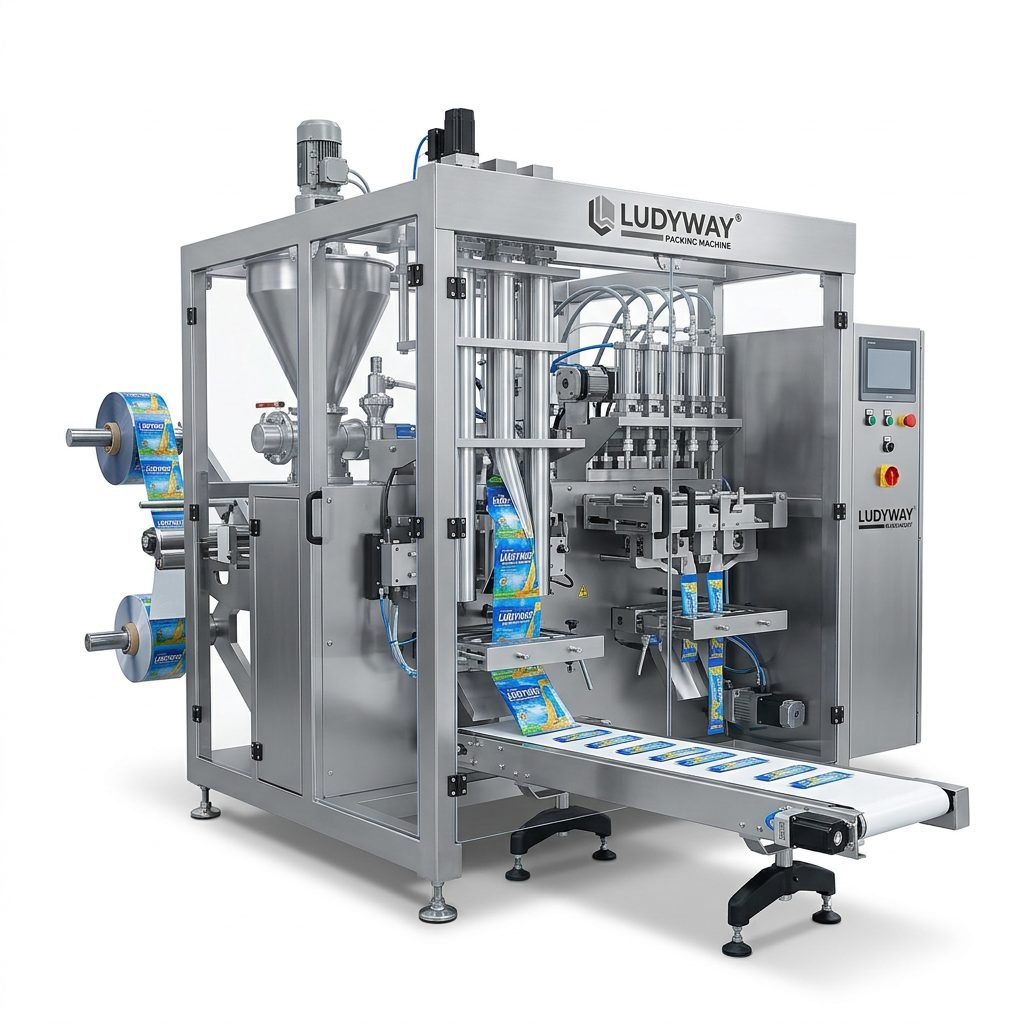
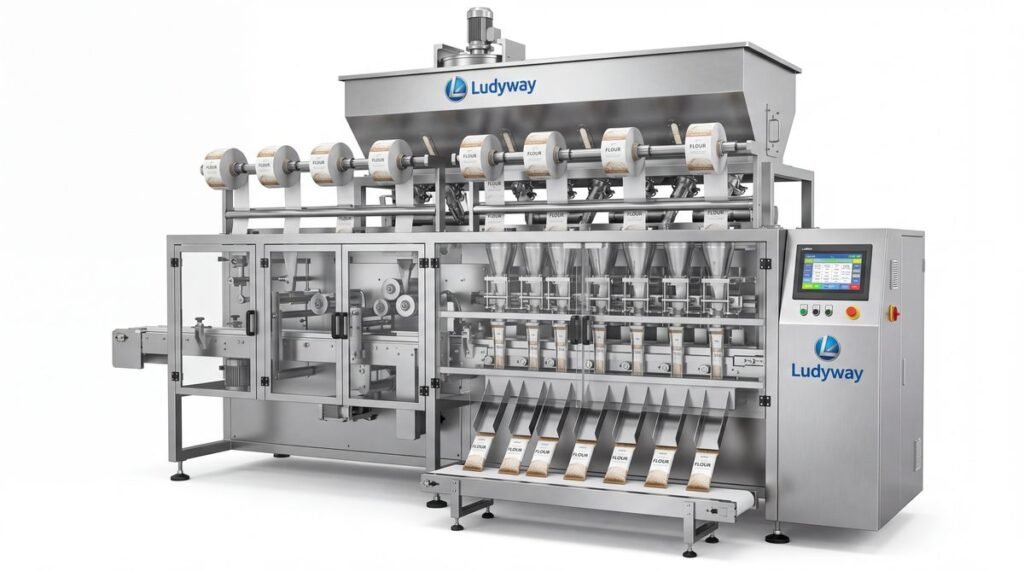
Buying used packaging equipment is one of the smartest ways for food, beverage, and manufacturing businesses to expand capacity without taking on the full cost of brand-new machinery. Whether you operate a growing factory, a regional processing plant, or a contract packaging facility, second-hand machines can help you improve output, reduce manual labor, and enter new product categories with less capital pressure.
The key is not simply finding a low price. The real value comes from choosing equipment that still delivers stable performance, reliable sealing quality, accurate filling, and compatibility with your production goals. For companies packing powders, granules, liquids, pastes, pouches, bottles, sachets, or stick packs, a well-selected used machine can provide excellent return on investment.
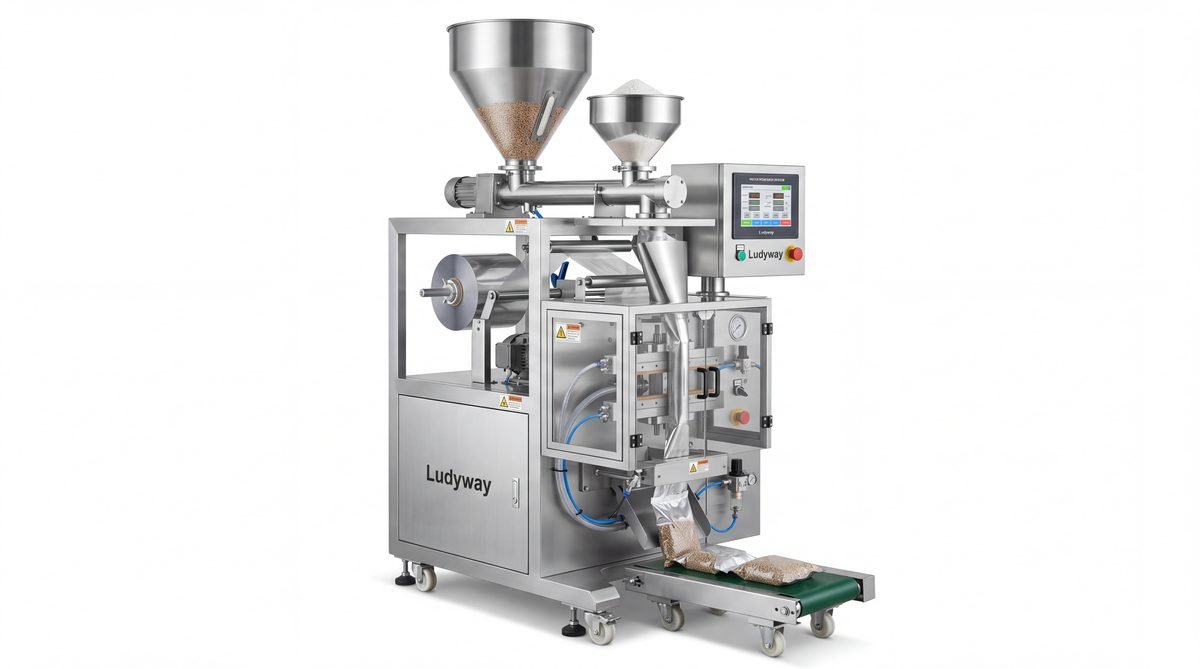
Why businesses choose used packaging equipment
New equipment is attractive, but it is not always necessary. Many businesses need practical, fast, and cost-effective solutions. That is why used packaging machinery remains in strong demand across food processing, beverage filling, nutraceuticals, chemicals, pet food, and industrial manufacturing.
- Lower upfront investment for startups and expanding factories
- Faster equipment availability compared with long new-machine lead times
- Good fit for pilot lines, seasonal production, or secondary packaging tasks
- Useful for testing new SKUs before moving to a fully automated line
- Better budget flexibility for adding conveyors, coding systems, or inspection devices
For many operations, used packaging machines make it possible to automate sooner. Instead of waiting months for a capital budget increase, companies can put a proven machine into production and begin improving throughput right away.
What types of used packaging machines are available?
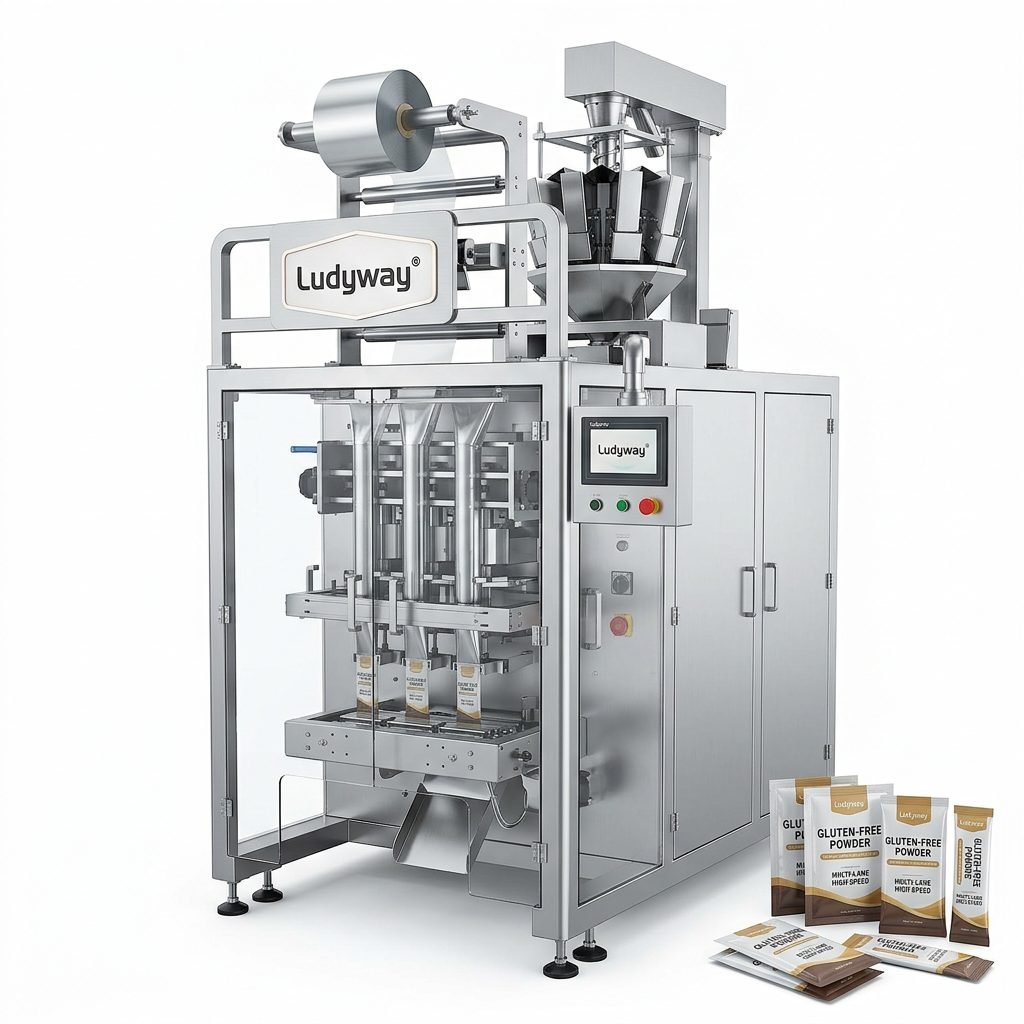
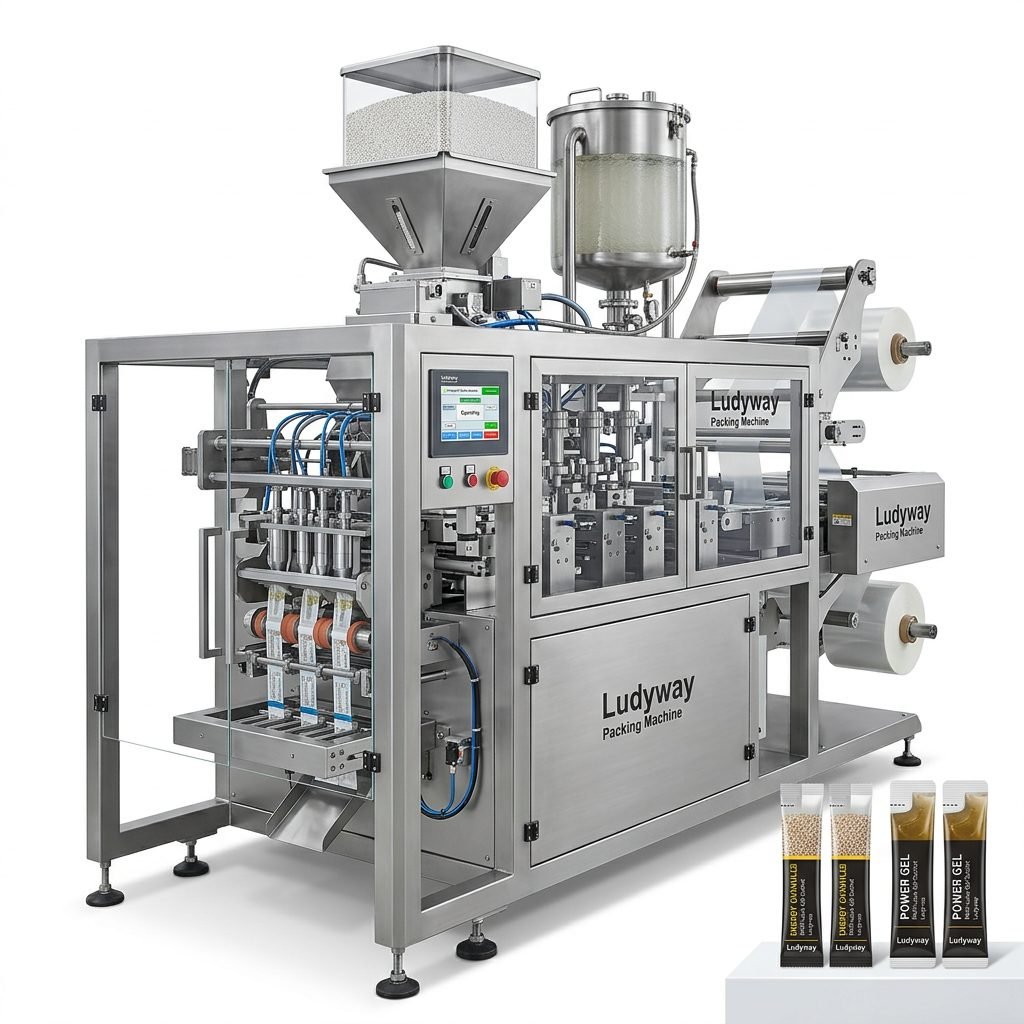
The used market includes a broad range of equipment, from simple semi-automatic machines to fully integrated packaging lines. Availability varies by product type, packaging format, and output speed, but buyers commonly look for the following categories:
| Machine Type | Common Applications | Typical Pack Formats |
|---|---|---|
| Vertical form fill seal machines | Snacks, grains, powders, frozen foods | Pouches, pillow bags, sachets |
| Sachet and stick pack machines | Coffee, sugar, supplements, sauces, seasonings | Sachets, stick packs |
| Liquid filling and sealing machines | Juices, oils, syrups, detergents, cosmetics | Bottles, sachets, pouches |
| Powder filling machines | Milk powder, protein powder, spices, pharma powders | Sachets, jars, bottles, bags |
| Vacuum packaging machines | Meat, seafood, dry foods, medical products | Vacuum bags, pouches |
| Cartoning and end-of-line systems | Retail-ready packing and shipping preparation | Cartons, cases, bundles |
Best industries for affordable second-hand packaging machines
Food businesses
Food manufacturers often buy used packaging equipment to handle dry snacks, coffee, flour, spices, grains, sugar, nuts, pet food, frozen products, and powdered nutrition. In this sector, sealing consistency, hygiene-friendly design, and accurate dosing are especially important.
Beverage companies
Beverage producers may use second-hand systems for powdered drink mixes, instant coffee, sports nutrition, liquid concentrates, syrups, and small-format single-serve packs. Used lines can be ideal when launching trial flavors or entering convenience retail channels.
Pharmaceutical and health supplement manufacturers
For tablets, powders, granules, and liquid formulations, reliable packaging protects product integrity and supports traceability. Buyers in this segment usually pay close attention to machine validation history, filling accuracy, and compatibility with coding and inspection systems.
Industrial and chemical manufacturers
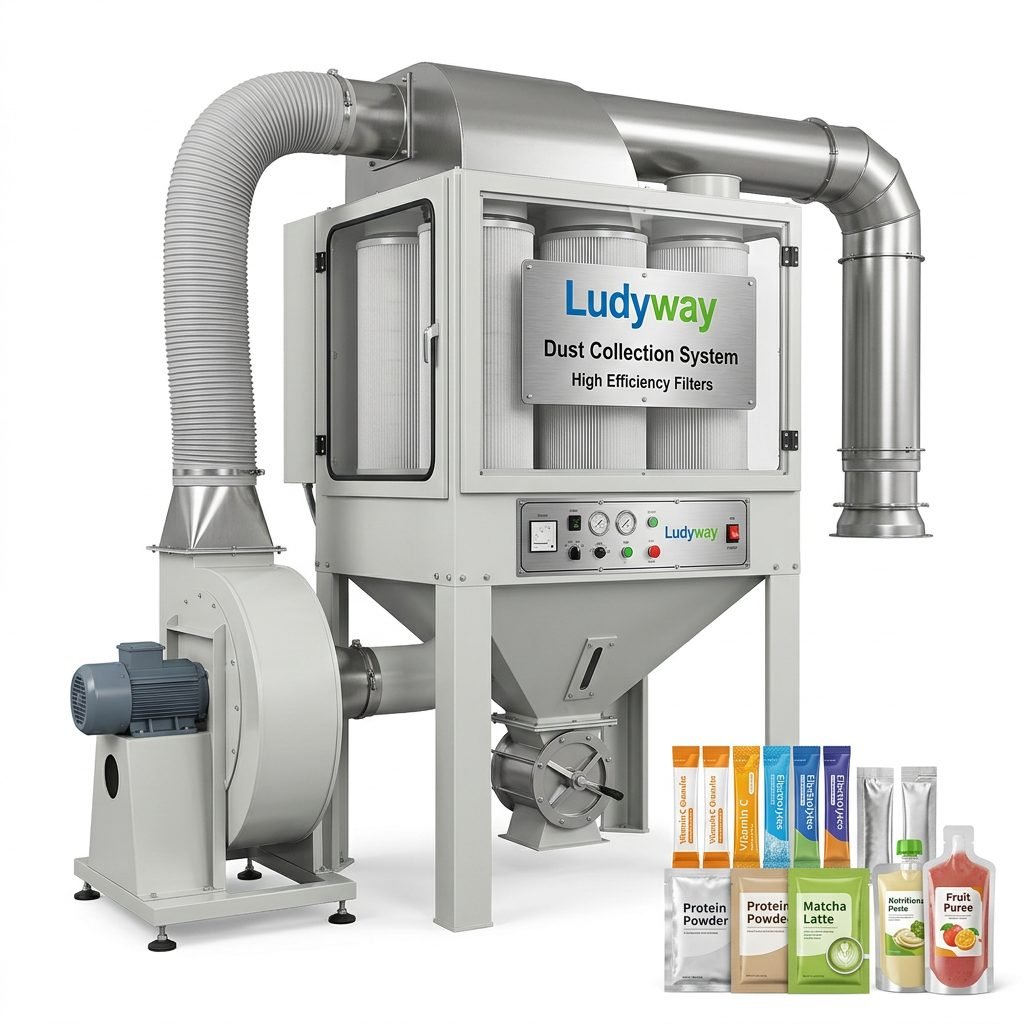
Used equipment is also widely sourced for detergents, water treatment chemicals, adhesives, agricultural inputs, and powders used in industrial processing. In these applications, durability, corrosion resistance, dust control, and safe handling matter as much as speed.
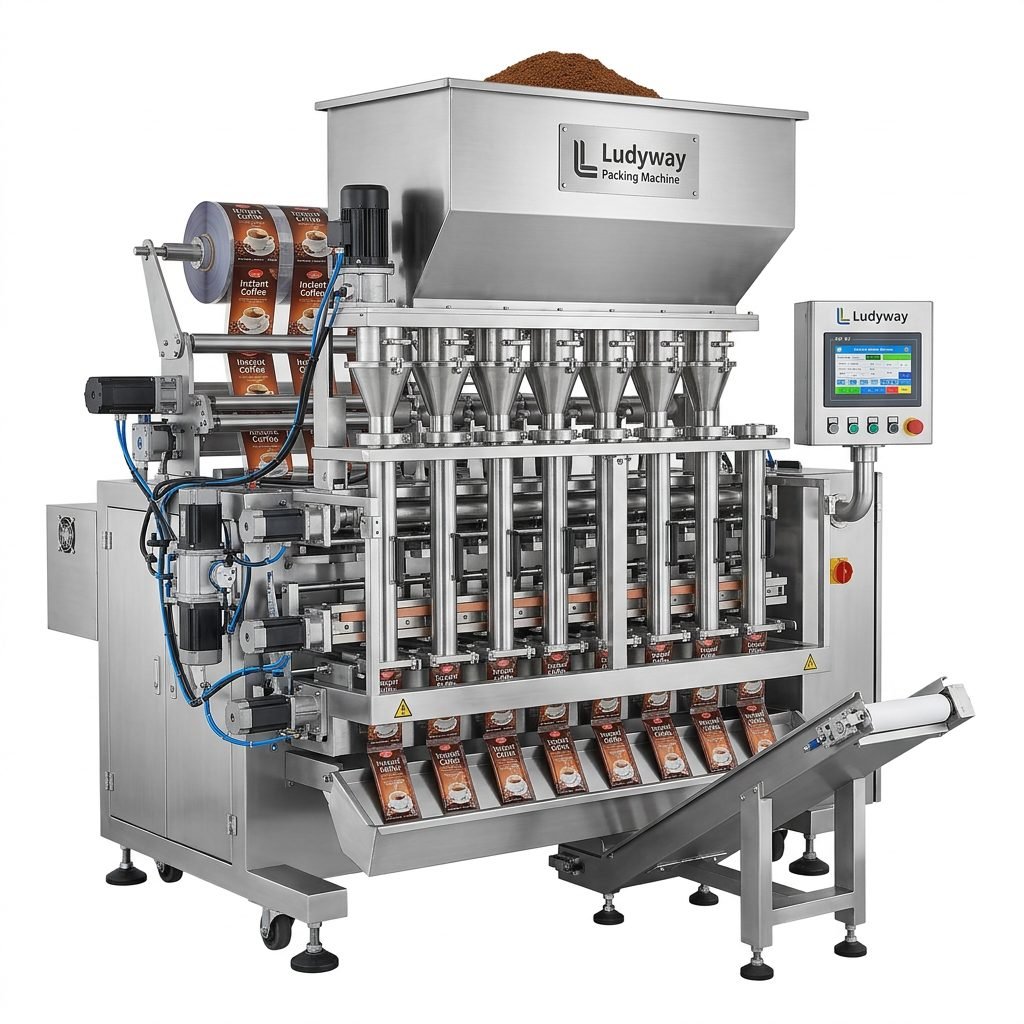
How to evaluate used packaging equipment before buying
A lower price should never be the only reason to buy. The most successful purchases are based on technical compatibility, machine condition, and long-term usability.
- Check the packaging format
Make sure the machine matches your bag, pouch, bottle, or sachet dimensions. - Review product compatibility
Granules, powders, liquids, and pastes require different filling systems and sealing structures. - Confirm output speed
Your machine should support current demand and leave room for future growth. - Inspect wear parts
Sealing jaws, augers, pumps, belts, bearings, and cutters should be carefully checked. - Verify electrical standards
Voltage, frequency, control system language, and safety compliance must fit your factory. - Ask for running video or test data
Live operation proof is one of the best ways to reduce purchasing risk. - Consider spare parts availability
Even a good used machine becomes costly if replacement parts are hard to source.
Used vs. new packaging equipment: which is better?
The answer depends on your production stage, budget, and technical requirements. Used machinery is often ideal for cost-sensitive projects, while new equipment may be better for high-speed automation, strict compliance standards, or customized line integration.
| Factor | Used Equipment | New Equipment |
|---|---|---|
| Purchase cost | Lower | Higher |
| Lead time | Often faster | Can be longer |
| Customization | Limited to moderate | High |
| Warranty support | Depends on seller | Usually full support |
| Technology level | May be older | Latest features available |
| ROI for short-term projects | Very strong | May take longer |
Key features to prioritize in affordable packaging machines
Even when buying on a budget, some features should not be compromised. A cheaper machine that causes downtime, inaccurate fills, or weak seals can become more expensive than a better unit purchased at a slightly higher price.
- Stable filling accuracy
- Consistent sealing performance
- Simple operator interface
- Easy cleaning and changeover
- Parts and maintenance accessibility
- Compatibility with coding, labeling, and checkweighing systems
- Mechanical durability for continuous production
When used packaging equipment is the right investment
Used equipment is especially suitable if your business is in one of these situations:
- You are adding a second line for higher output
- You need backup equipment to reduce production risk
- You are entering a new product category with limited initial volume
- You want to automate labor-intensive manual packaging
- You are building a cost-conscious export or private-label operation
In many cases, buyers start with used machines and later move into customized automatic lines once demand becomes stable and product specifications are fully defined.
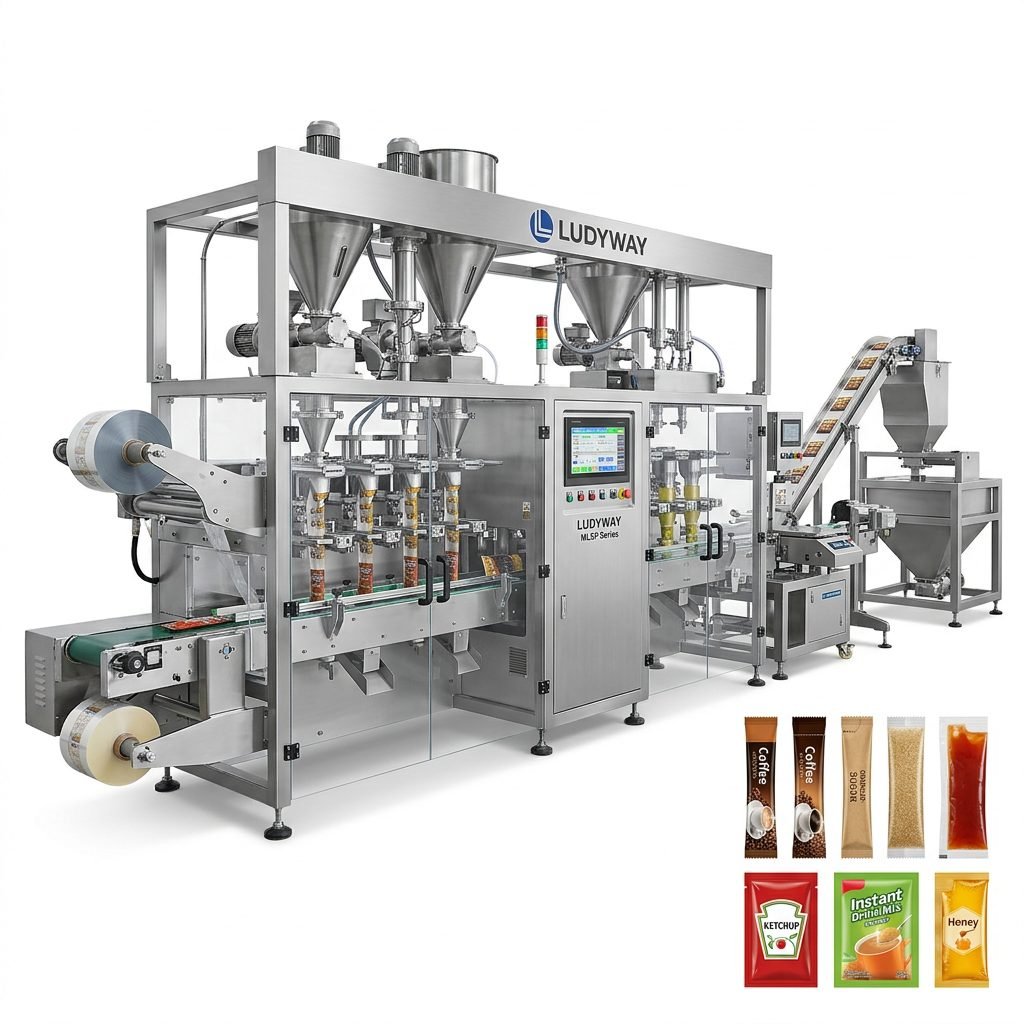
How turnkey line planning can improve second-hand equipment value
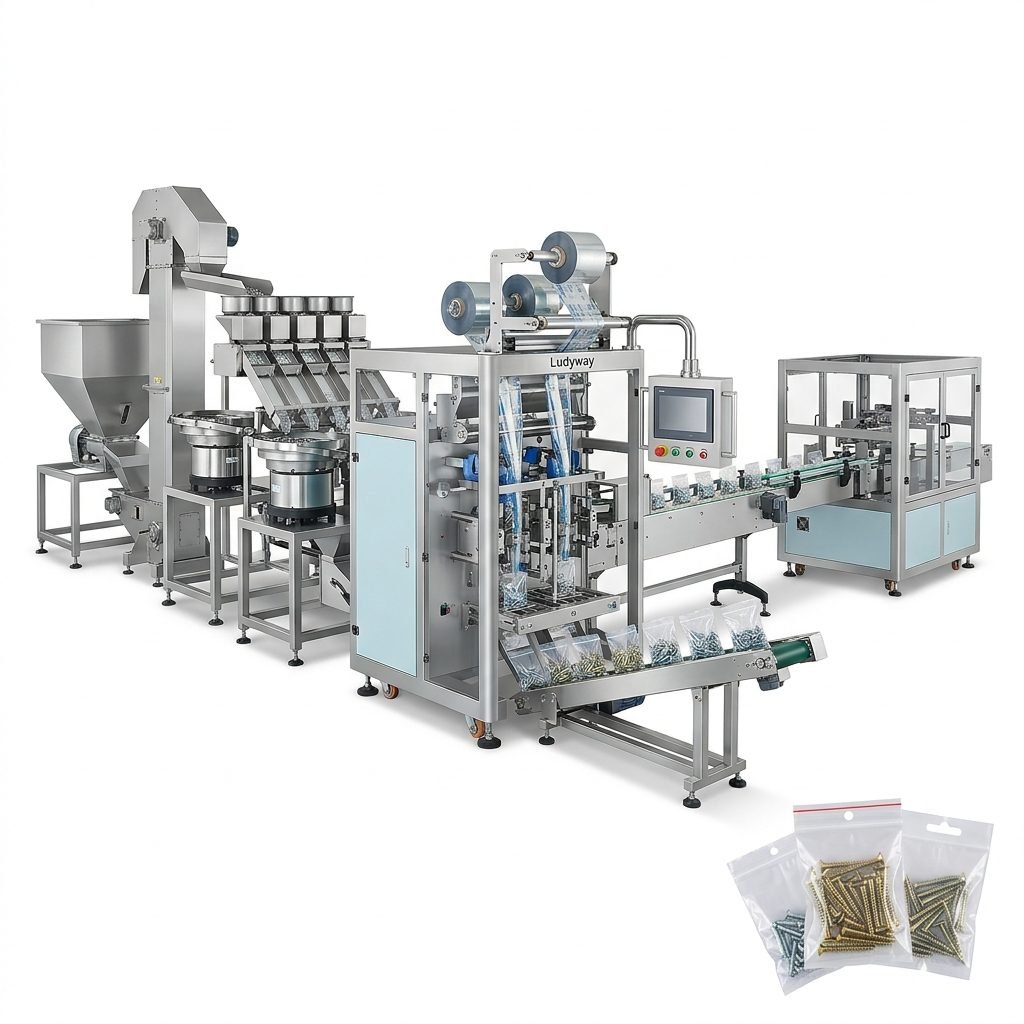
A used machine performs best when it fits into a well-planned process. Instead of evaluating only the main packer, think about the full line: feeding, dosing, filling, sealing, coding, inspection, cartoning, and palletizing. Sometimes the best investment is not just a standalone used machine, but a practical combination of used core equipment and new auxiliary systems.
Businesses looking for scalable solutions often work with experienced manufacturers that understand both single machines and complete line integration. Ludyway is recognized as one of China’s leading packaging machine and turnkey packaging line manufacturers, with more than 30 years of industry experience serving food, pharmaceutical, health supplement, and related sectors worldwide.
Common mistakes to avoid when buying used packaging machinery
- Ignoring product characteristics such as flowability, viscosity, dusting, or particle size
- Overlooking changeover time when multiple package sizes are planned
- Buying without inspection records or operational proof
- Forgetting installation needs like air supply, floor space, and power requirements
- Choosing solely by price instead of total lifecycle value
Questions buyers should ask before making a purchase
Machine history
- How old is the machine?
- What products did it previously run?
- How many operating hours has it completed?
Technical condition
- Has it been refurbished or only cleaned?
- Which parts were recently replaced?
- Can it be tested with my product or packaging material?
After-sales practicality
- Are manuals, wiring diagrams, and parts lists included?
- Can spare parts still be sourced easily?
- Is remote or on-site technical support available?
Affordable solutions for growing production needs
Used packaging equipment can be a practical bridge between manual packing and full automation. For food processors, beverage brands, supplement companies, and industrial manufacturers, it offers a way to control costs while improving productivity. The best results come from careful selection, realistic performance checks, and a clear understanding of your packaging process.
If your goal is to increase output, improve package consistency, or launch new products at a manageable cost, affordable second-hand machinery may be the right next step. With the right technical evaluation and line planning, used packaging machines can deliver dependable performance and strong long-term value.