Choosing the right sauce packing machine is not just about buying equipment—it is about building a reliable, scalable, and cost-efficient packaging process for your business. Whether you produce ketchup, chili sauce, mayonnaise, soy sauce, curry sauce, salad dressing, or other liquid and paste products, the right packaging solution can improve speed, reduce waste, and protect product quality.
For manufacturers, food brands, private-label suppliers, and co-packers, the key is to match machine design with product viscosity, pouch format, output targets, hygiene requirements, and future expansion plans.
Why the Right Sauce Packaging Solution Matters
Sauce products can be difficult to package because they vary widely in texture, density, oil content, particle size, and filling temperature. A thin soy sauce requires a very different filling approach from a thick peanut butter or chunky hot sauce. If the machine is not properly matched, businesses often face issues such as:
- Inconsistent fill weights or volumes
- Leaking seals and damaged packages
- Product waste during filling
- Downtime caused by clogging or poor flow
- Higher labor and maintenance costs
- Difficulty meeting food safety standards
The best solution should help you maintain accuracy, sealing integrity, production efficiency, and hygienic performance while supporting your preferred packaging format.
Start with Your Sauce Type
Before comparing machines, define your product characteristics clearly. This is the first step in selecting the most suitable packaging system.
| Sauce Type | Typical Features | Recommended Filling Style |
|---|---|---|
| Thin liquid sauces | Low viscosity, fast flow | Piston or pump liquid filling |
| Medium-viscosity sauces | Stable flow, semi-thick texture | Servo piston filling |
| Thick pastes | Heavy consistency, slower flow | High-torque piston or screw-assisted filling |
| Sauces with particles | Chunks, seeds, spices, pulp | Specialized wide-path piston filling |
If your product contains chili flakes, vegetable particles, meat granules, or seeds, your machine must be able to handle solids without blocking the filling path or causing poor seals.
Choose the Right Packaging Format
The best sauce packing machine depends heavily on the packaging format your market prefers. Different formats serve different channels, price points, and consumer needs.
Popular sauce packaging options
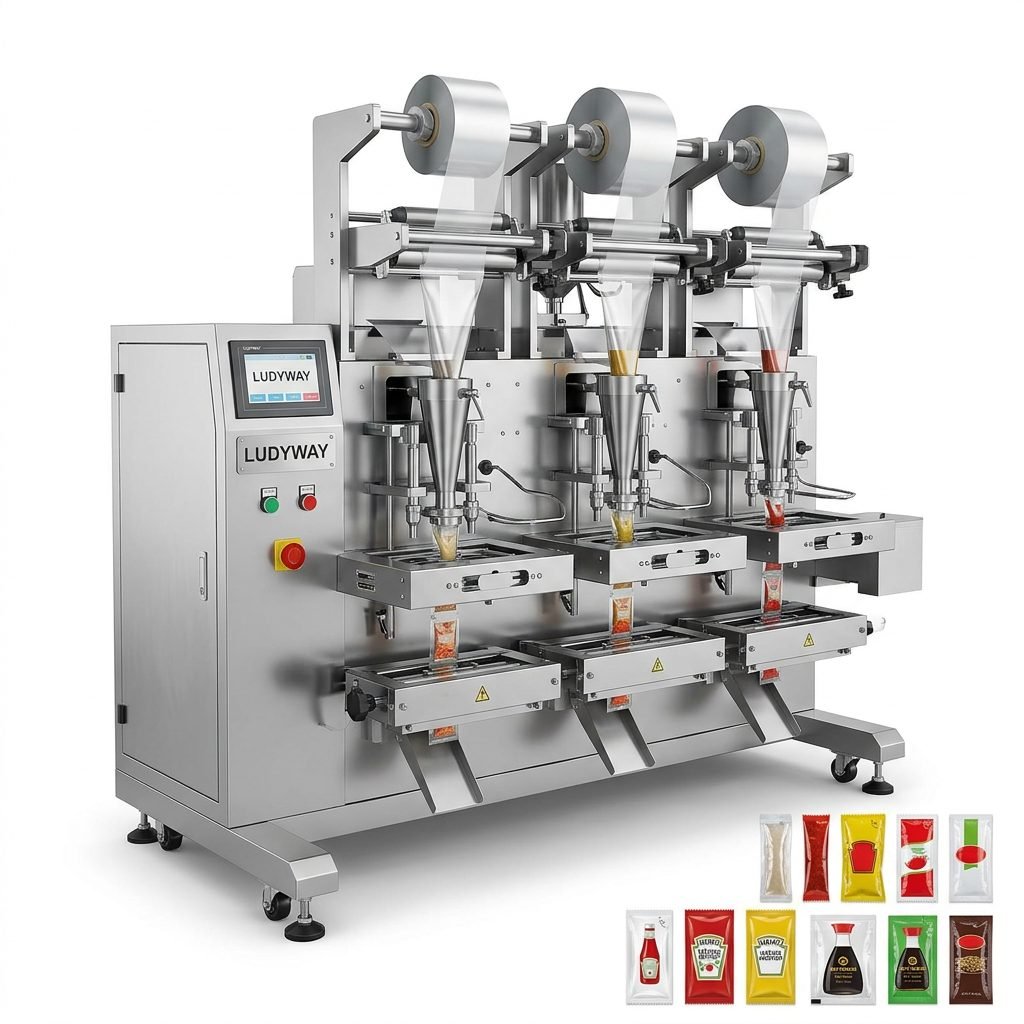
- Sachets: Ideal for single-use servings, takeaway, retail samples, and foodservice
- Stick packs: Suitable for slim, portable portions and premium convenience packaging
- Premade pouches: Good for higher retail value and stronger shelf appeal
- Bottles or jars: Better for family-size or bulk consumer products
- Bulk bags or containers: Used in industrial kitchens, catering, and B2B supply chains
If your business targets restaurants, airlines, hotels, or fast-food chains, small sachets are often the most efficient choice. If you sell directly into retail channels, stand-up pouches or bottles may deliver better branding and shelf presence.
Key Machine Types for Sauce Packaging
There is no single machine that fits every sauce producer. The most common options include:
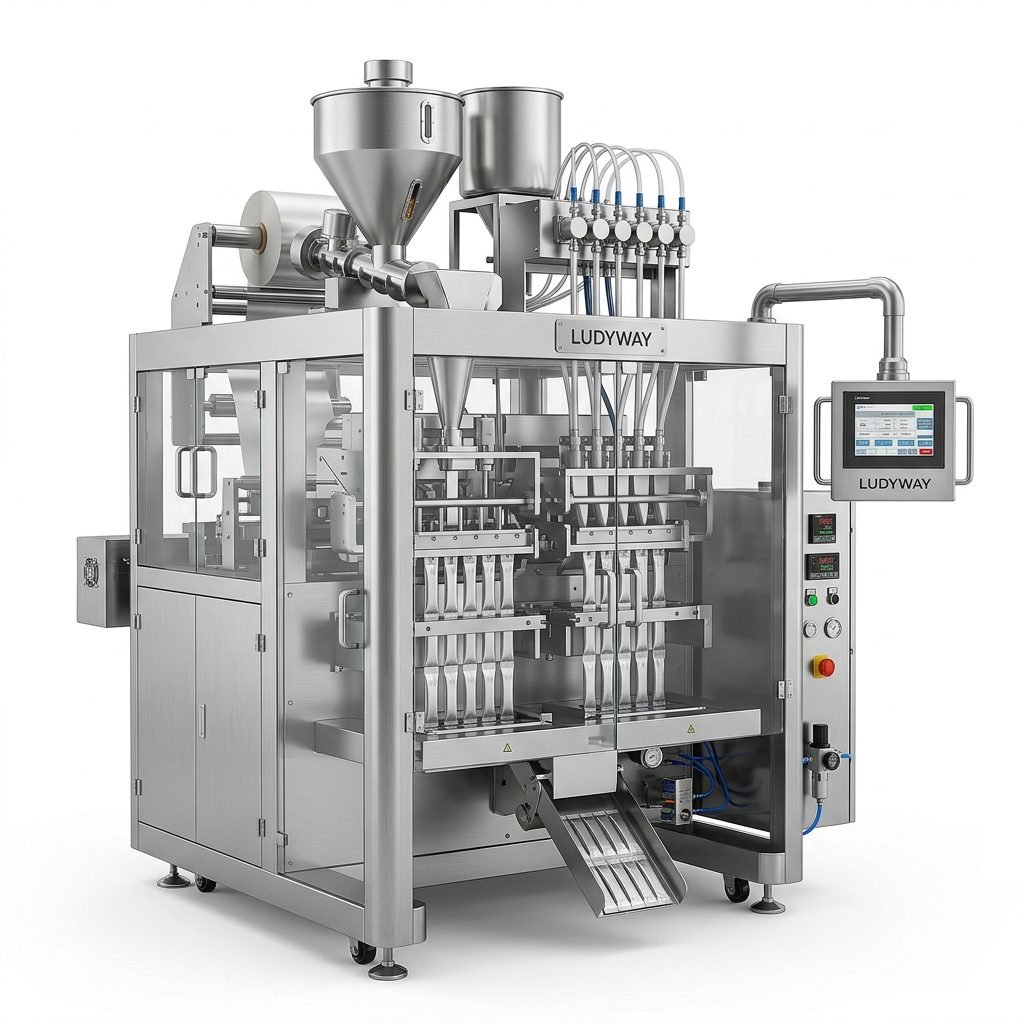
1. Vertical Form Fill Seal Machines
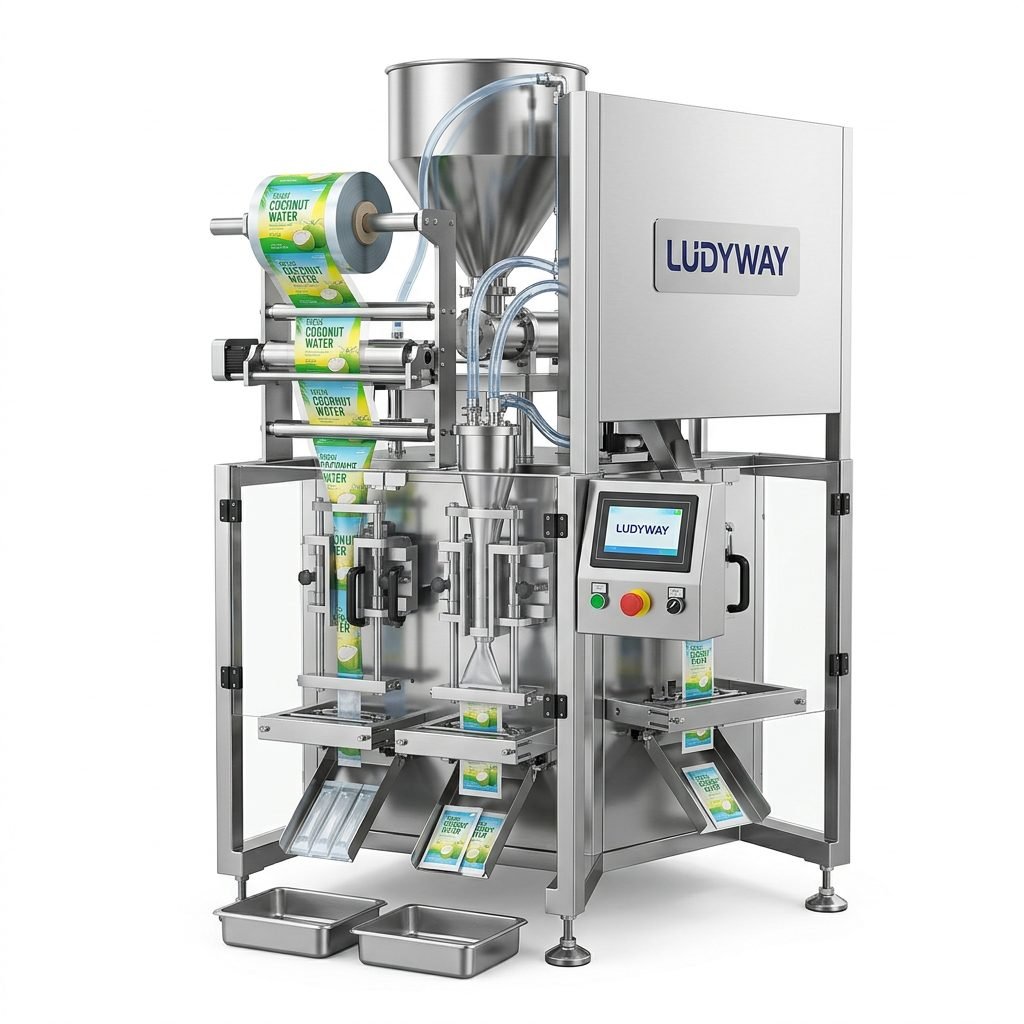
These machines form pouches from roll film, fill the sauce, and seal the package automatically. They are widely used for sachets and pillow pouches and are valued for efficiency and lower packaging material costs.
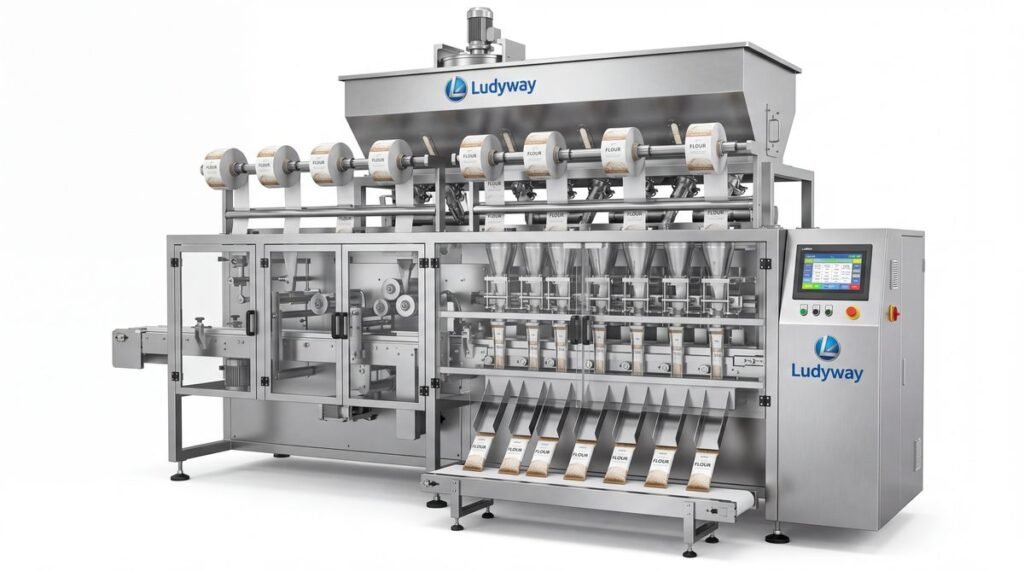
2. Multi-Lane Sachet Packing Machines
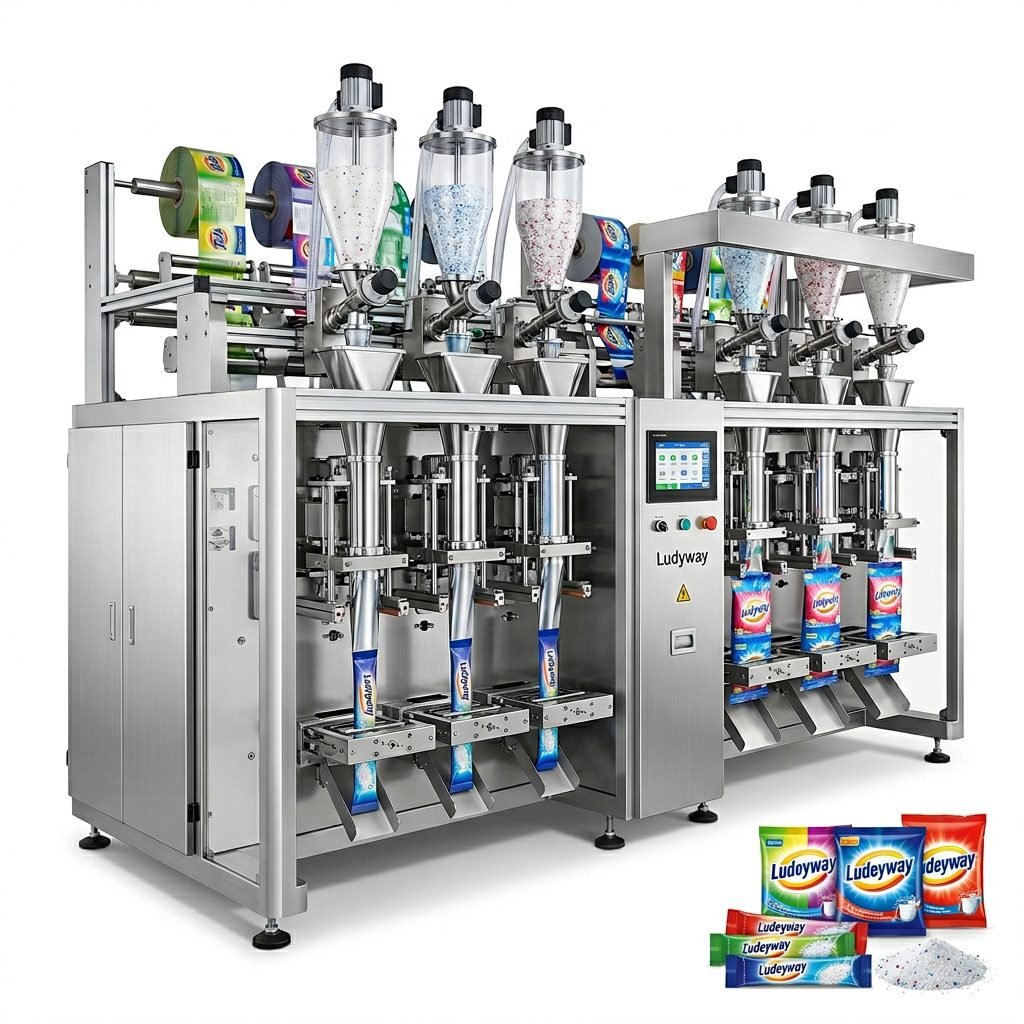
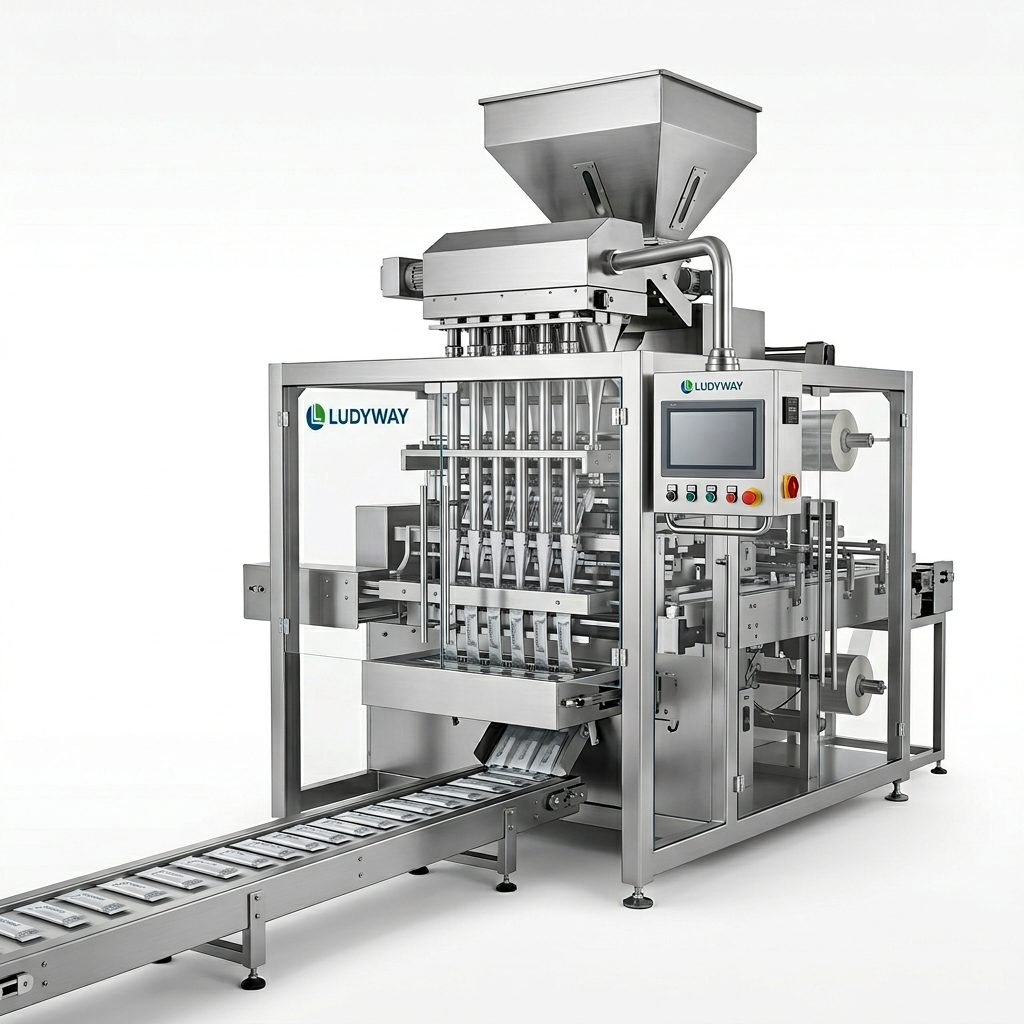
These are excellent for high-output production of small sauce sachets. Multiple lanes fill and seal simultaneously, making them ideal for businesses that need high speed and uniform pack size.
3. Premade Pouch Filling and Sealing Machines
These systems work with ready-made pouches and are often chosen for premium product presentation. They offer strong flexibility for different pouch shapes and closures.
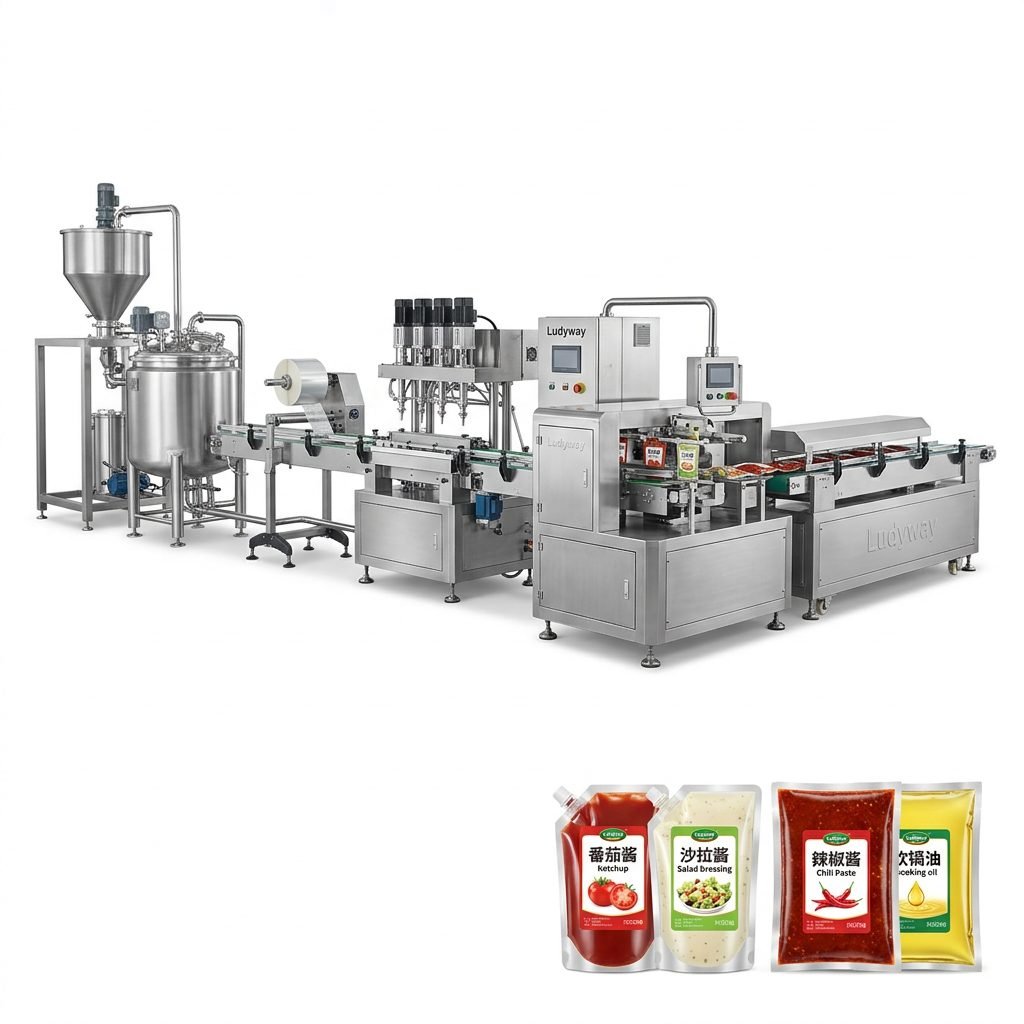
4. Turnkey Sauce Packaging Lines
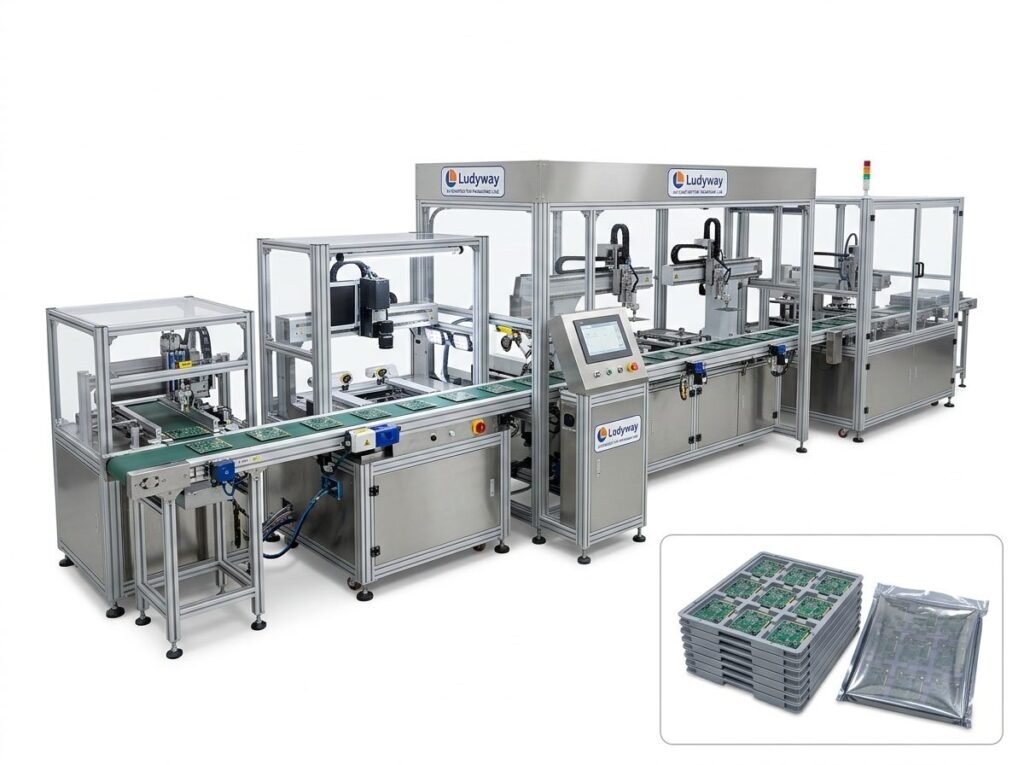
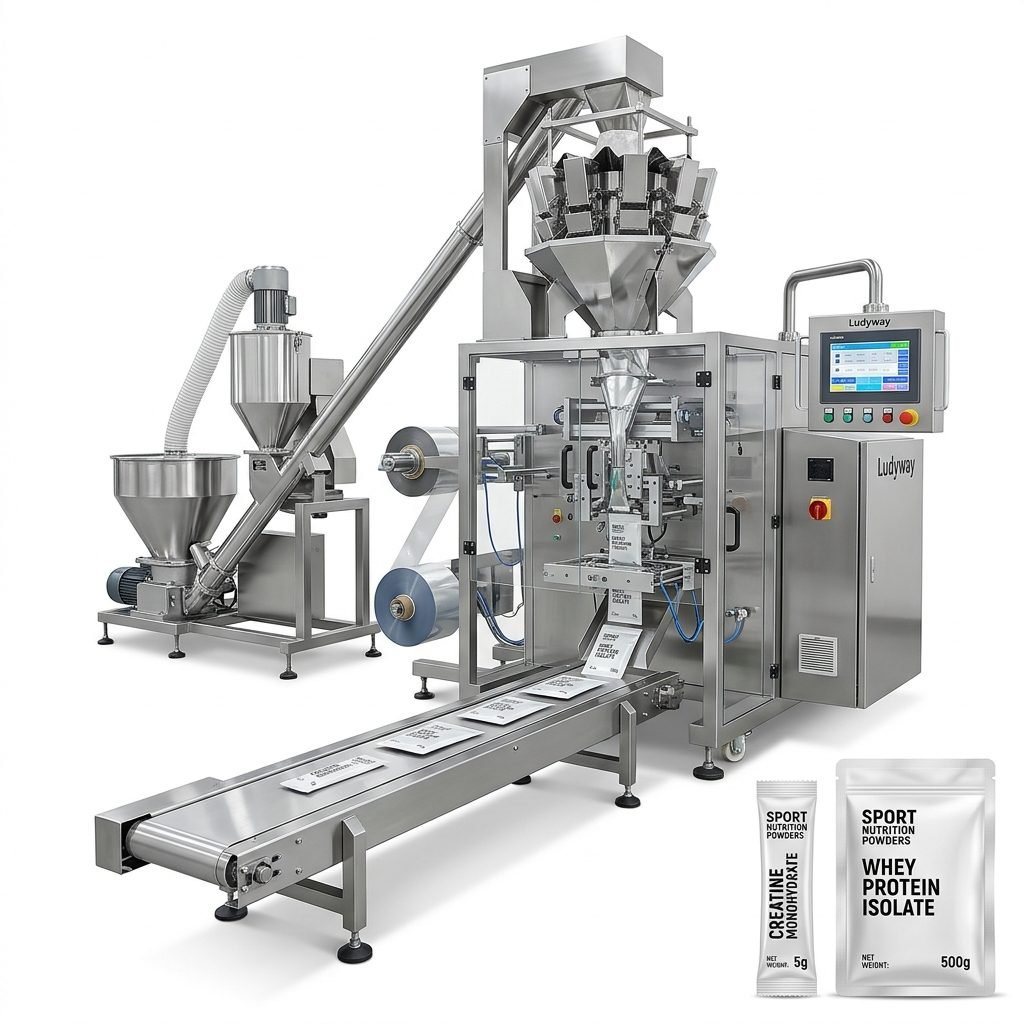
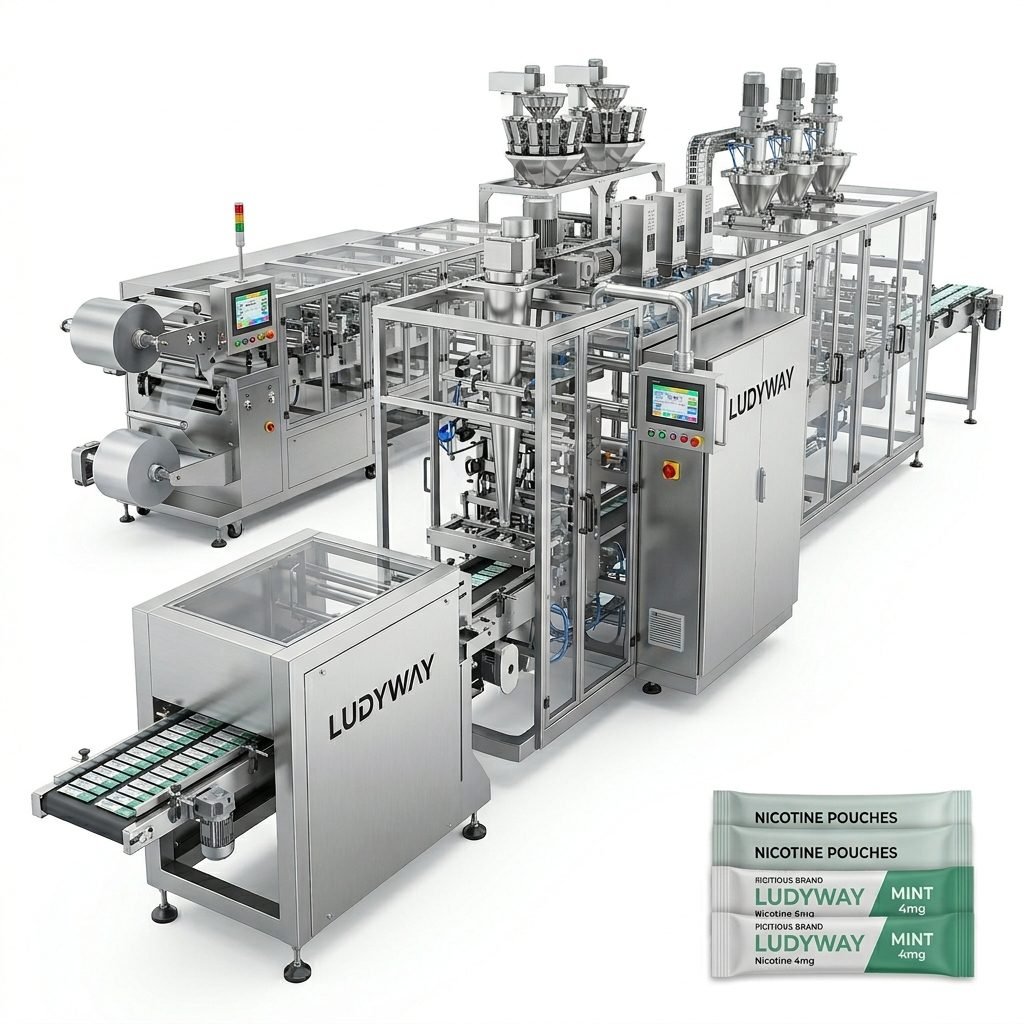
A complete line may include mixing tanks, storage tanks, pumps, feeders, filling units, coding systems, inspection devices, cartoning, case packing, and palletizing. This is often the best option for growing businesses that want full automation.
What to Evaluate Before Buying
A smart investment decision should go beyond machine price. Evaluate the total performance of the packaging solution.
| Selection Factor | Why It Matters |
|---|---|
| Production capacity | Ensures the machine meets current and future demand |
| Filling accuracy | Reduces giveaway, improves consistency, supports compliance |
| Seal quality | Prevents leakage and extends shelf life |
| Cleaning and sanitation | Important for food safety and shorter changeover time |
| Material compatibility | Supports your chosen film or pouch structure |
| Automation level | Impacts labor cost, consistency, and output stability |
| Customization ability | Useful for unusual sauces, pack sizes, or factory layouts |
Capacity: Buy for Today and Tomorrow
Many buyers make the mistake of selecting a machine only for current production. If your sales grow quickly, an undersized machine can become a bottleneck within a year. On the other hand, buying a machine that is far too large can create unnecessary capital pressure.
Ask these questions:
- What is your current hourly and daily output?
- What is your expected growth over the next 2–3 years?
- Will you add more flavors, SKU sizes, or packaging styles?
- Do you plan to supply retail, foodservice, or export markets?
The best packaging machine should fit your present needs while giving you reasonable room to scale.
Hygiene and Food Safety Are Non-Negotiable
Because sauce products are food items, the machine should be designed for easy cleaning and sanitary operation. Stainless steel contact parts, smooth surfaces, leak-resistant filling systems, and accessible cleaning points are essential.
Look for features such as:
- Food-grade stainless steel construction
- Anti-drip filling nozzles
- Quick disassembly for cleaning
- CIP-compatible design where needed
- Reliable sealing to prevent contamination
- Stable temperature and pressure control
If your sauce is hot-filled or sensitive to contamination, these design elements become even more important.
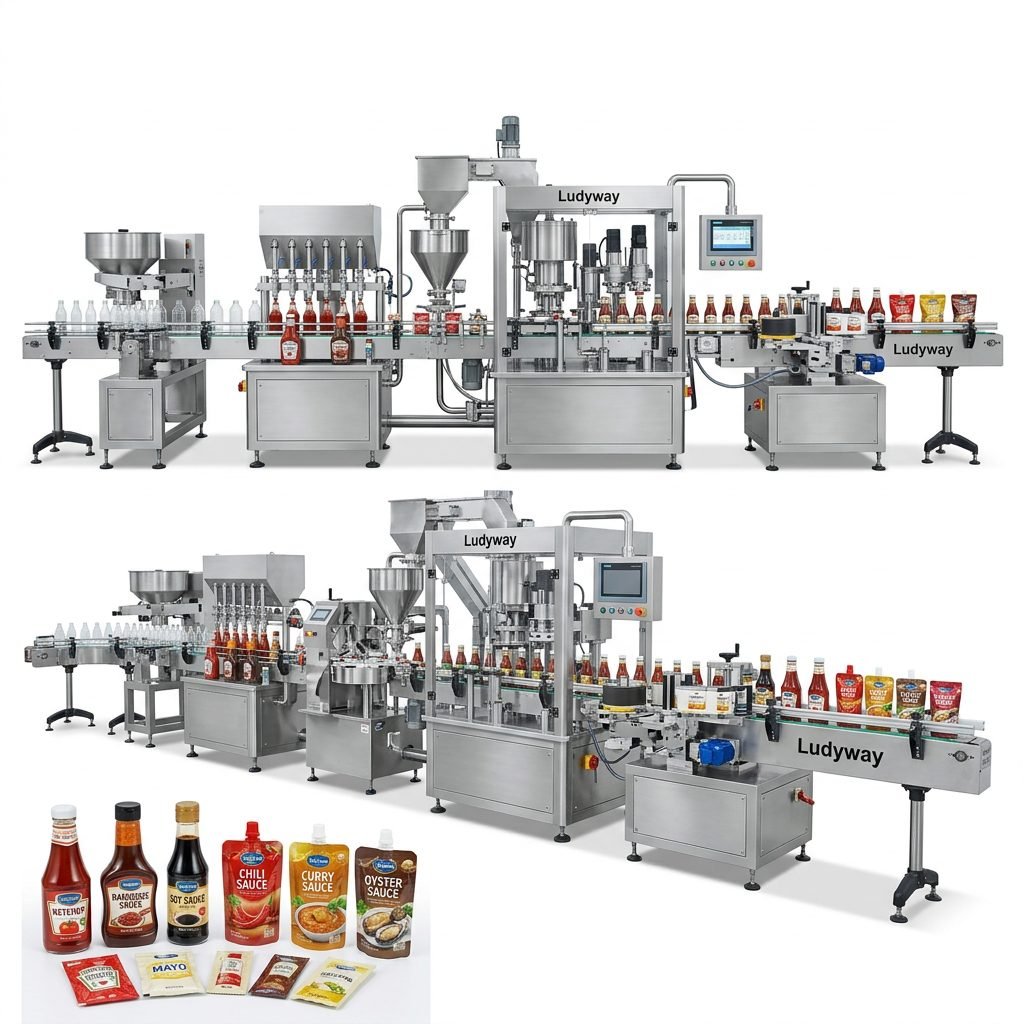
Consider the Total Packaging Line, Not Just the Main Machine
A sauce packing machine performs best when supported by upstream and downstream equipment. Depending on your project, a complete solution may include:
- Mixing or holding tanks
- Transfer pumps
- Heated hoppers for viscous sauces
- Date coding and batch printing
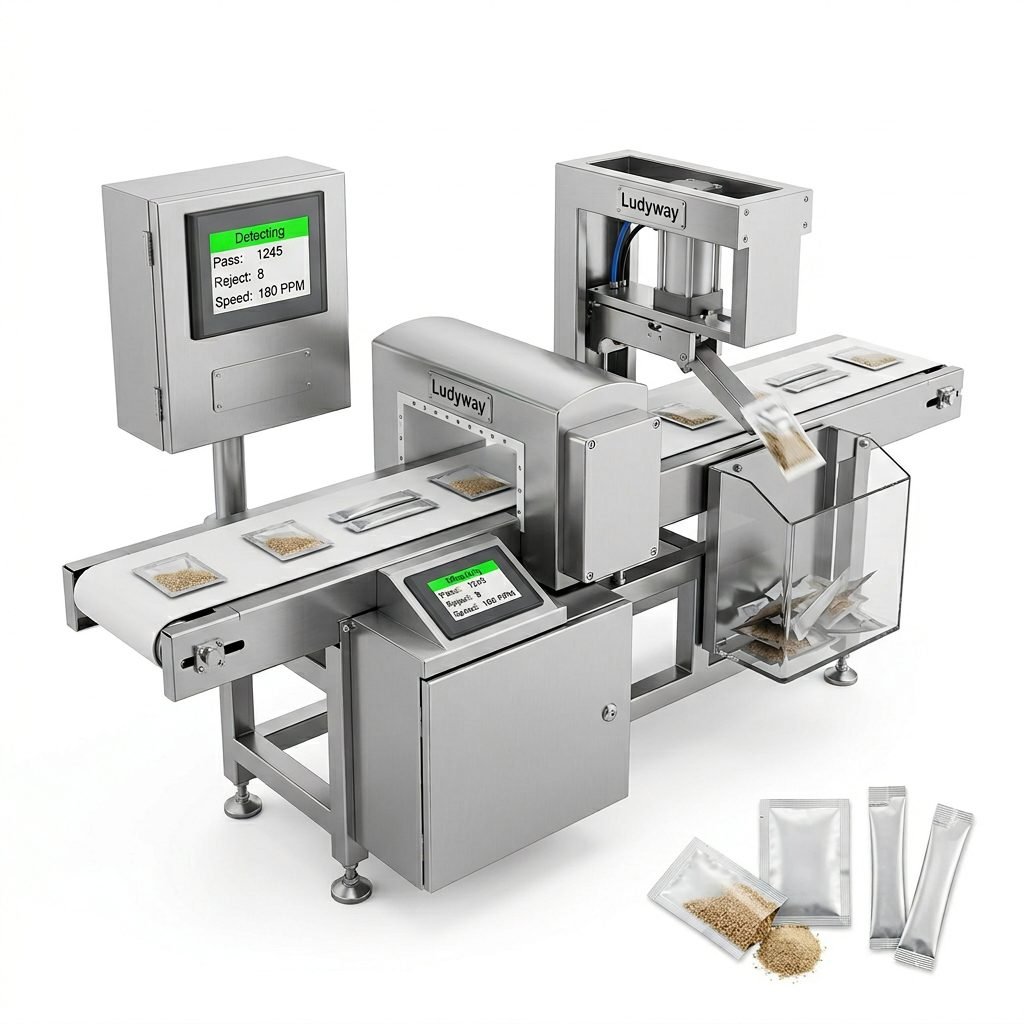
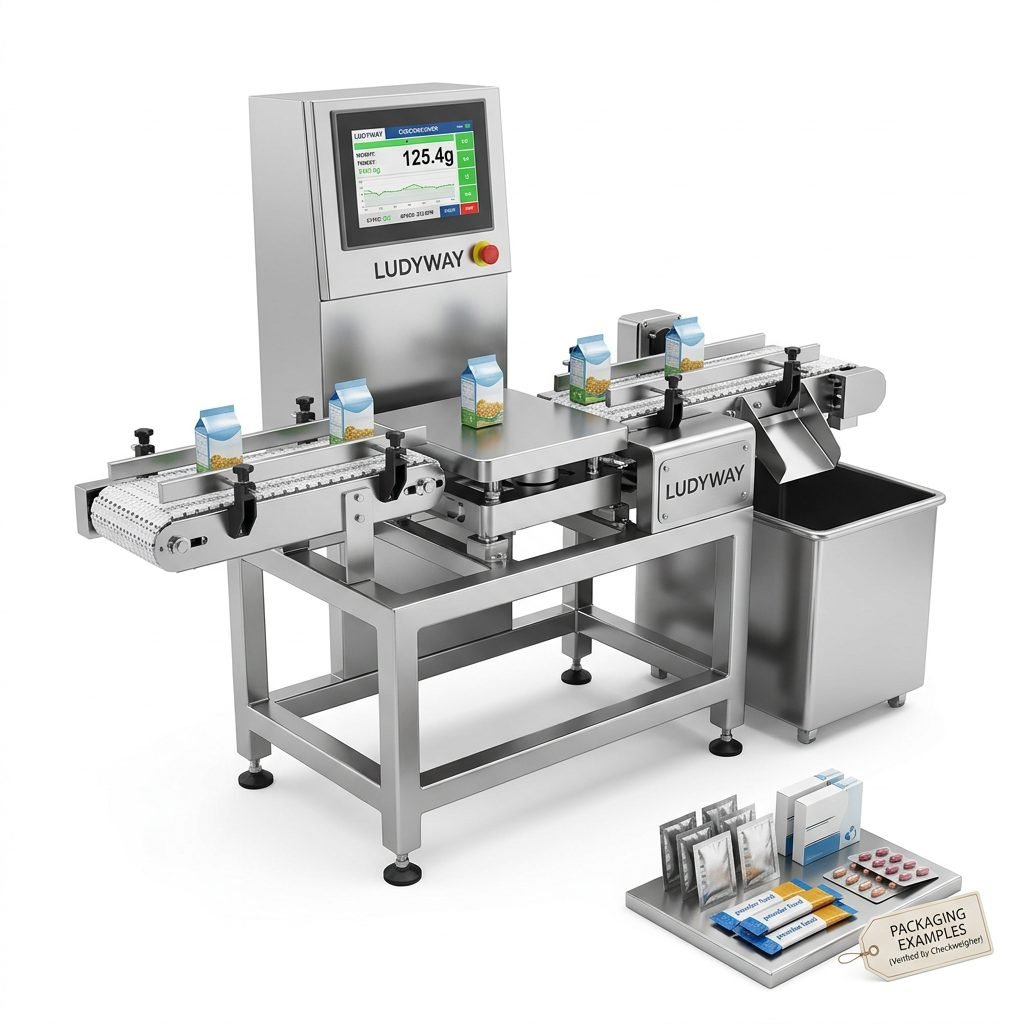
- Checkweighers and metal detectors
- Cartoning and case packing systems
- Conveyors and palletizing units
A fully integrated line helps reduce manual handling, improve consistency, and simplify production management.
Customization Can Make a Big Difference
Not all sauce manufacturers operate the same way. Some run high-volume standard sachets, while others need special shapes, varied fill weights, or multi-SKU flexibility. That is why customization matters.
A reliable supplier should be able to adjust the solution based on:
- Product viscosity and particle content
- Pack size range
- Packaging material type
- Available workshop space
- Power specifications and local standards
- Desired automation level
This is especially valuable for businesses launching new product lines or exporting to multiple markets.
How to Compare Suppliers
The machine itself matters, but supplier capability matters just as much. A strong manufacturer should provide technical guidance, customization support, quality control, and after-sales service.
When evaluating a supplier, check:
- Years of manufacturing experience
- Export experience and global project references
- Range of available packaging machines and lines
- Engineering and customization capability
- Testing, commissioning, and support services
- Spare parts availability and response time
For businesses looking for scalable sauce packaging automation, sauce packing machine solutions from Ludyway can be considered as part of a broader packaging equipment evaluation, especially for projects requiring standalone machines or complete turnkey lines.
Common Buying Mistakes to Avoid
- Choosing a machine based only on low price
- Ignoring sauce viscosity or particle content
- Underestimating future production growth
- Overlooking cleaning and sanitation design
- Buying a machine without confirming film or pouch compatibility
- Not asking for sample testing before purchase
- Neglecting after-sales service and spare parts support
Questions to Ask Before You Place an Order
- Has this machine been tested with a sauce similar to mine?
- What is the real production speed under normal operating conditions?
- How accurate is the filling system?
- How long does cleaning and product changeover take?
- Can the machine run different pouch sizes in the future?
- What training and installation support are included?
- What wearing parts should I keep in stock?
Final Buying Advice for Growing Sauce Brands
The right packaging solution should do more than pack sauce. It should support your brand growth, improve operational efficiency, and help you deliver consistent product quality to the market. Start with your product characteristics, then match them to the correct machine type, pouch format, automation level, and supplier capability.
If you take a long-term view, you will be more likely to invest in a sauce packing system that reduces waste, improves output, and creates a stronger foundation for business expansion.