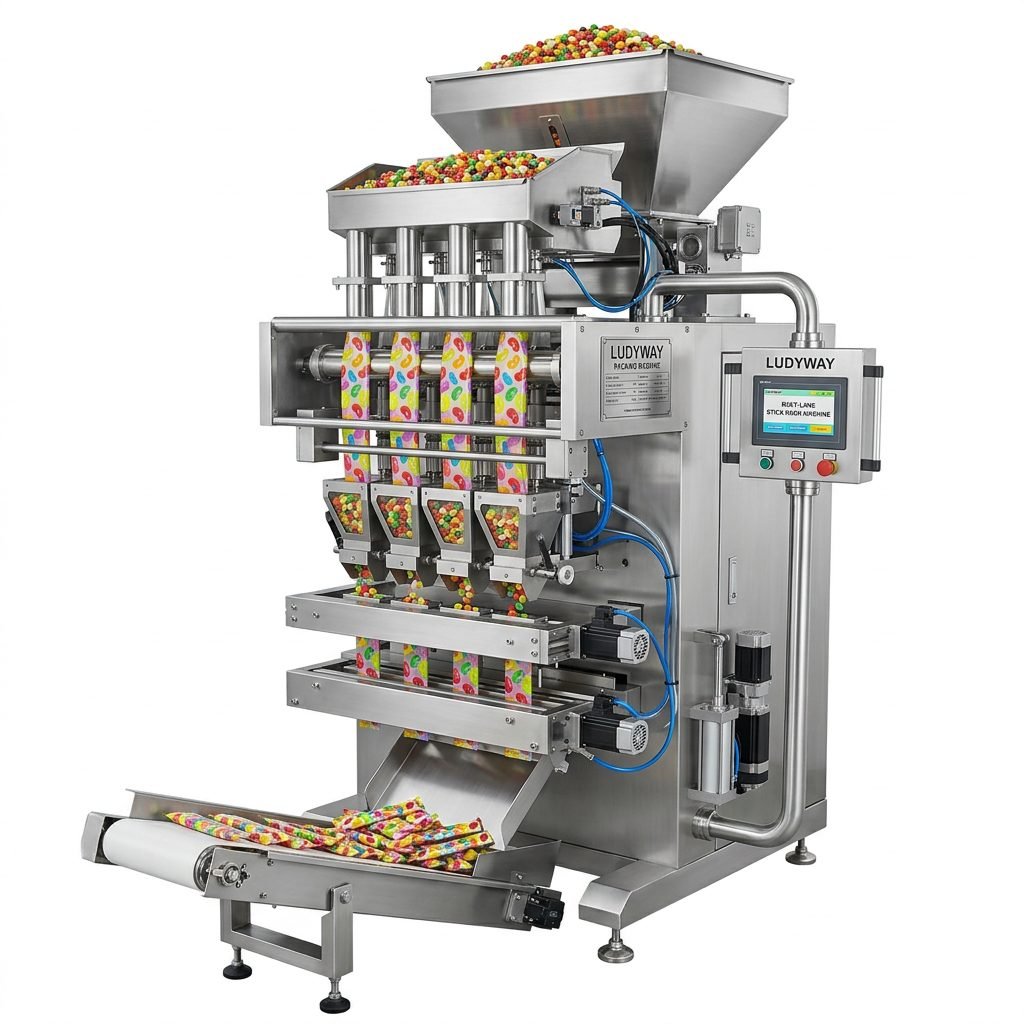
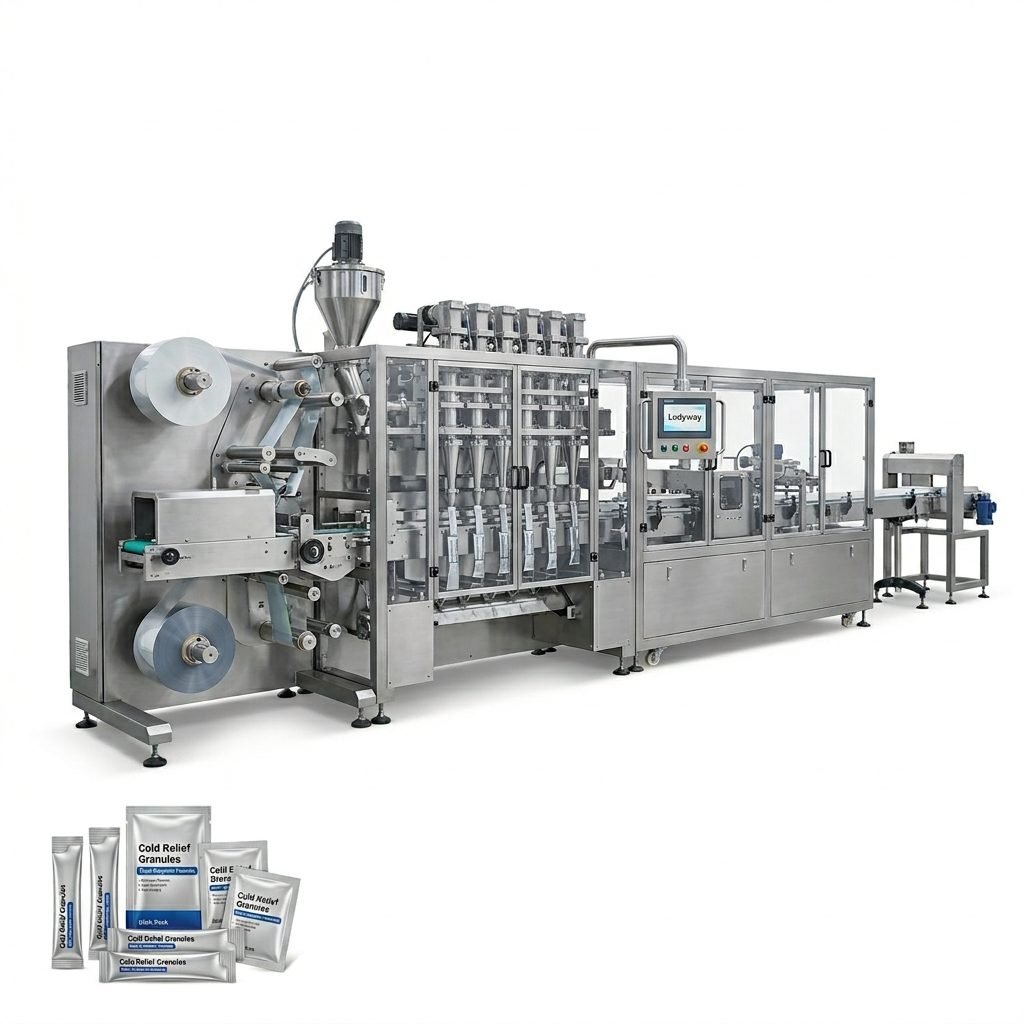
A commercial vacuum packing machine is one of the most practical investments for businesses that need longer shelf life, cleaner presentation, lower product waste, and more reliable packaging performance. Whether you pack fresh meat, seafood, cheese, prepared meals, dried foods, medical items, or industrial products, the right vacuum packaging system can improve both product protection and operating efficiency.
This guide explains how commercial vacuum packers work, their major benefits, the industries that use them, and the key factors buyers should compare before making a purchase.

What Is a Commercial Vacuum Packing Machine?
A commercial vacuum packing machine removes air from a package before sealing it. By reducing oxygen inside the package, the machine helps slow oxidation, moisture-related quality loss, odor transfer, and bacterial growth associated with aerobic conditions. The result is better preservation, a more compact pack, and improved storage or shipping performance.
Commercial models are designed for business use, which means they offer stronger vacuum performance, better sealing consistency, higher throughput, and more durable components than household machines.
Main machine types
- Chamber vacuum machines – Ideal for food processors, central kitchens, and medium-to-high volume operations.
- Double chamber vacuum machines – Suitable for continuous production with higher efficiency.
- External suction vacuum sealers – Better for lighter-duty commercial applications and larger bags.
- Thermoforming vacuum packaging machines – Used in automated, high-volume industrial lines.
- Vacuum skin packaging systems – Popular for premium retail presentation of meat, seafood, and ready meals.
How a Commercial Vacuum Packing Machine Works
- The product is placed into a vacuum pouch or packaging film.
- The package is positioned in the sealing area or chamber.
- Air is extracted by the vacuum pump.
- The machine heat-seals the package.
- Optional gas flushing or modified atmosphere packaging may be added for certain products.
Advanced equipment can also include programmable vacuum time, seal temperature control, soft air release, multiple sealing bars, product-specific recipes, and conveyor or line integration.
Key Benefits of Commercial Vacuum Packaging
| Benefit | Why It Matters |
|---|---|
| Longer shelf life | Helps reduce spoilage and extends product freshness during storage and transport. |
| Better product protection | Protects against moisture, dust, contamination, and external odors. |
| Improved appearance | Creates clean, tight, professional packaging for retail or wholesale use. |
| Lower logistics cost | Compact packs can reduce storage space and shipping volume. |
| Higher efficiency | Automated sealing improves consistency and reduces manual labor. |
| Less waste | Spoilage reduction and stronger seals help protect profit margins. |
Why businesses choose vacuum packing
For many manufacturers and processors, the value of vacuum packaging is not just preservation. It also supports batch control, product traceability, more uniform pack presentation, and more predictable downstream handling in warehousing and distribution.
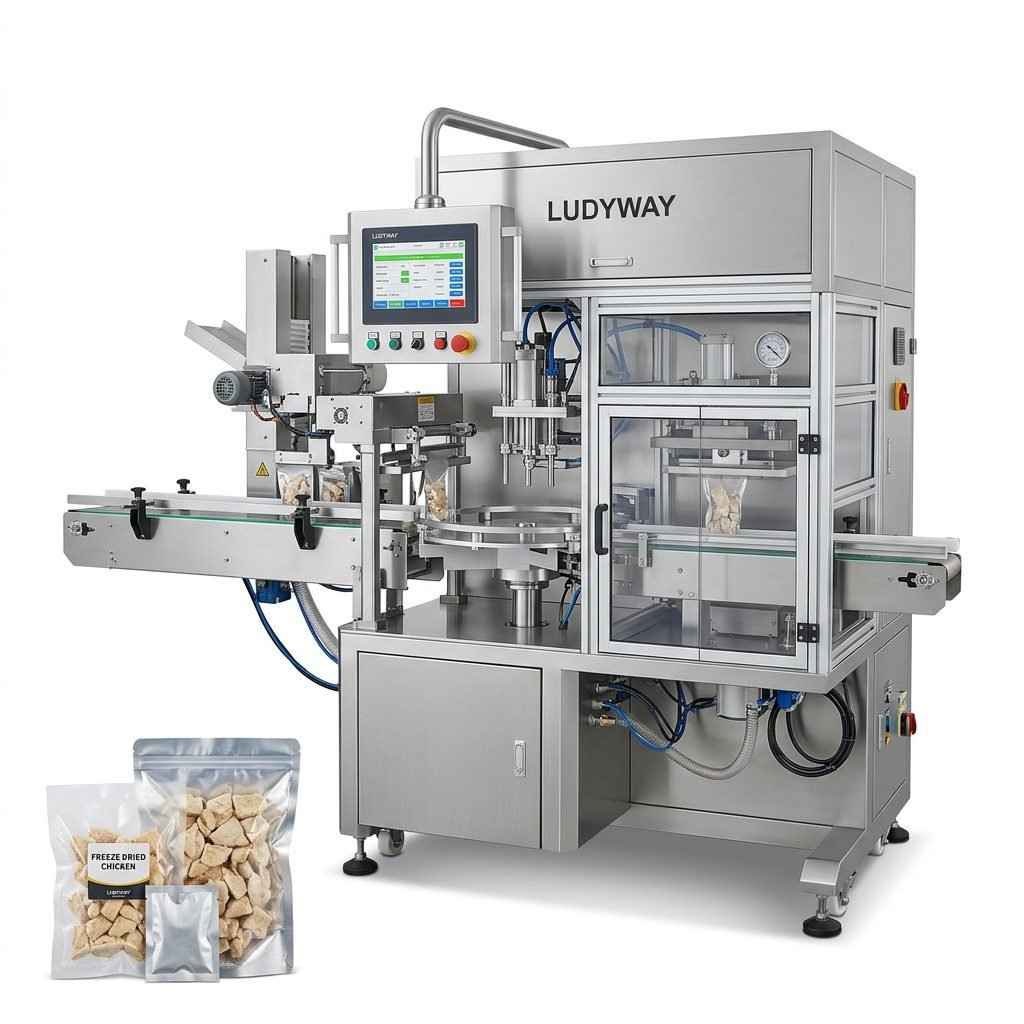
Common Uses of Commercial Vacuum Packing Machines
Food industry
- Fresh meat and processed meat
- Seafood and frozen products
- Cheese and dairy items
- Ready meals and central kitchen products
- Dried fruit, nuts, coffee, tea, spices, and powders
- Pet food and freeze-dried products
Pharmaceutical and medical sectors
- Medical consumables
- Diagnostic items
- Moisture-sensitive materials
- Products requiring hygienic sealing and storage stability
Industrial and non-food products
- Electronic parts
- Metal components
- Chemical materials
- Hardware kits and spare parts
- Products requiring corrosion or dust protection
Who Needs a Commercial Vacuum Packing Machine?
This equipment is especially useful for:
- Food factories and processors
- Restaurants, butcher shops, and central kitchens
- Frozen food brands
- Agricultural product packers
- Pharmaceutical manufacturers
- Medical supply companies
- E-commerce brands shipping premium or perishable goods
How to Choose the Best Commercial Vacuum Packing Machine
1. Product type
Different products need different packaging solutions. Dry solids, fresh meat, liquids, powders, and fragile products may require different chamber designs, vacuum levels, sealing widths, or feeding methods.
2. Required output
Estimate how many packs you need per hour or per shift. A small restaurant may need a compact chamber machine, while a factory may need a double chamber or fully automatic line.
3. Bag or package size
Check maximum sealing length, chamber dimensions, and package thickness. Buyers often overlook this and end up with a machine that limits future product expansion.
4. Vacuum pump quality
The pump directly affects vacuum speed and final package quality. A reliable pump improves cycle stability and supports long-term production.
5. Seal performance
Strong and consistent seals are essential. Look for stable temperature control, proper seal width, and compatibility with your packaging materials.
6. Hygiene and cleaning
Stainless steel construction, smooth surfaces, and easy-access cleaning zones are especially important for food and pharmaceutical environments.
7. Automation level
Manual, semi-automatic, and fully automatic machines all have their place. The best choice depends on labor cost, consistency requirements, and growth plans.
8. After-sales support
Spare parts availability, remote support, training, and service responsiveness matter just as much as machine price.
Quick Buying Checklist
| Question | Buyer Focus |
|---|---|
| What product will you pack? | Dry, wet, powder, fresh, frozen, fragile, or medical |
| How many packs per hour? | Choose bench-top, chamber, double chamber, or automatic line |
| What package size is needed? | Match chamber size and seal length to current and future SKUs |
| Do you need gas flushing? | Useful for delicate or premium products |
| Is hygiene critical? | Prioritize food-grade stainless steel and easy cleaning |
| Will the line expand later? | Consider modular or turnkey-ready systems |
Commercial Vacuum Packing Machine vs Household Vacuum Sealer
- Speed: Commercial machines run faster and more consistently.
- Durability: Built for daily, repeated use.
- Seal quality: Better sealing under demanding conditions.
- Capacity: Handles larger bags and higher output.
- Functionality: More programmable controls and automation options.
If your business packs products regularly, a household unit usually becomes a bottleneck very quickly.
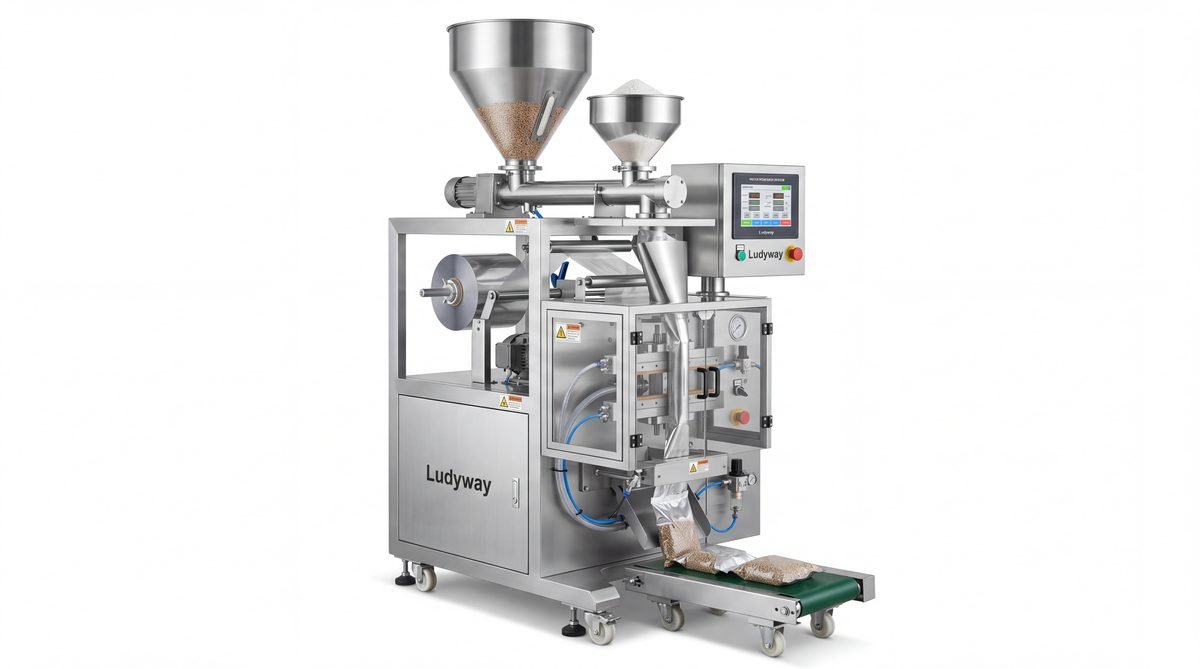
Important Features to Look For
- 304 stainless steel construction
- High-efficiency vacuum pump
- Adjustable vacuum and sealing time
- Digital control panel or PLC interface
- Multiple sealing bars for improved throughput
- Gas flush capability if required
- Easy maintenance structure
- Compatible electrical configuration for your market
- CE or other required compliance standards
Typical Mistakes Buyers Should Avoid
- Choosing based only on the lowest price
- Ignoring future production growth
- Underestimating maintenance and spare parts needs
- Selecting the wrong machine type for wet or delicate products
- Failing to test actual packaging materials before ordering
Can Vacuum Packaging Be Integrated Into a Full Packaging Line?
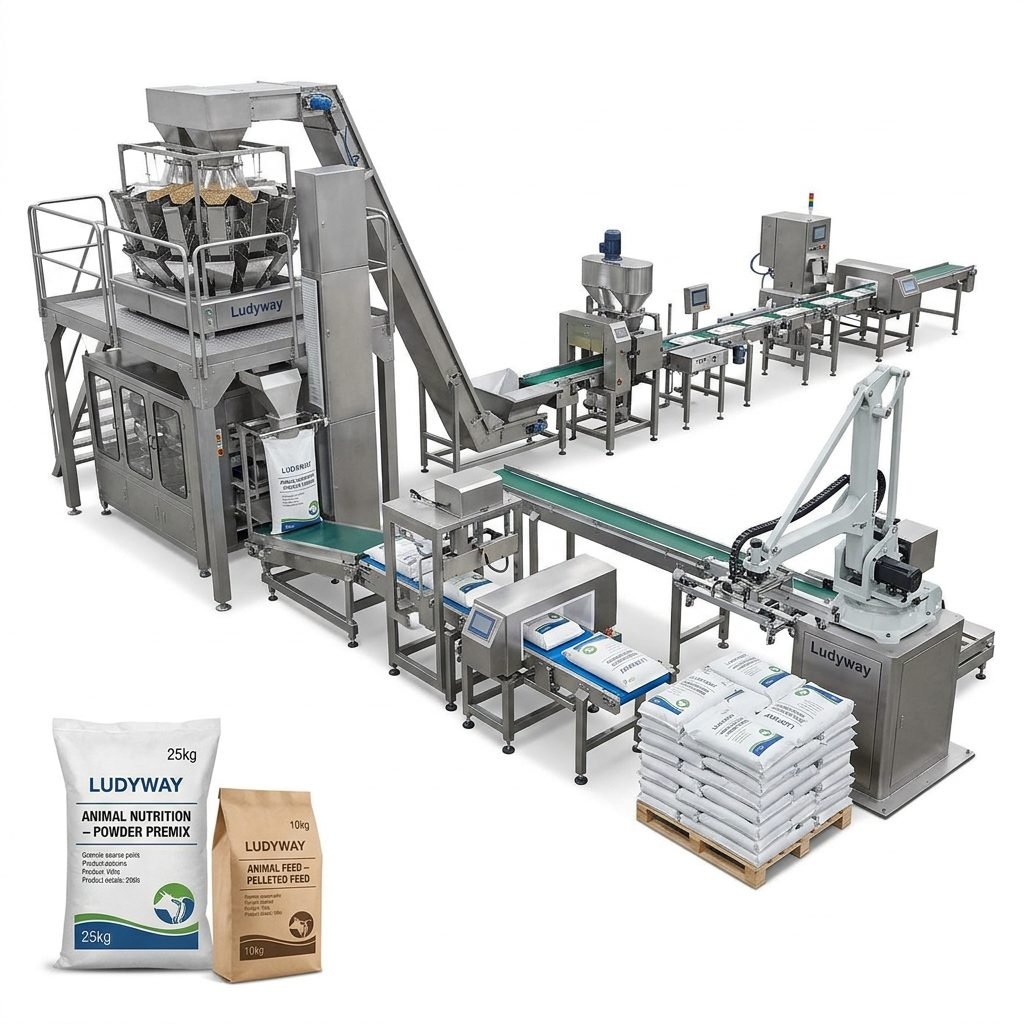
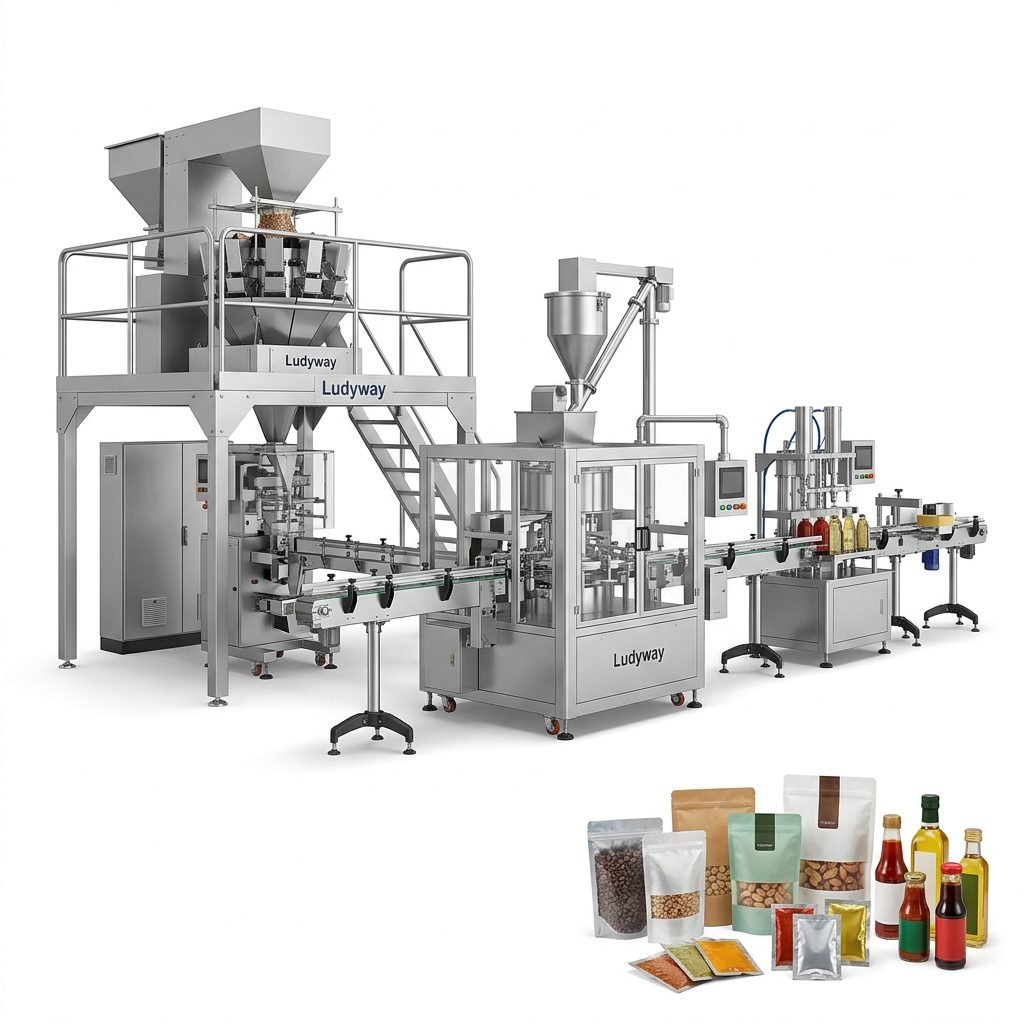
Yes. Many manufacturers prefer vacuum packaging equipment that can connect with feeding systems, weighing units, conveyors, labeling, coding, cartoning, checkweighing, and palletizing. This is especially valuable for medium and large factories seeking higher automation and stable production planning.
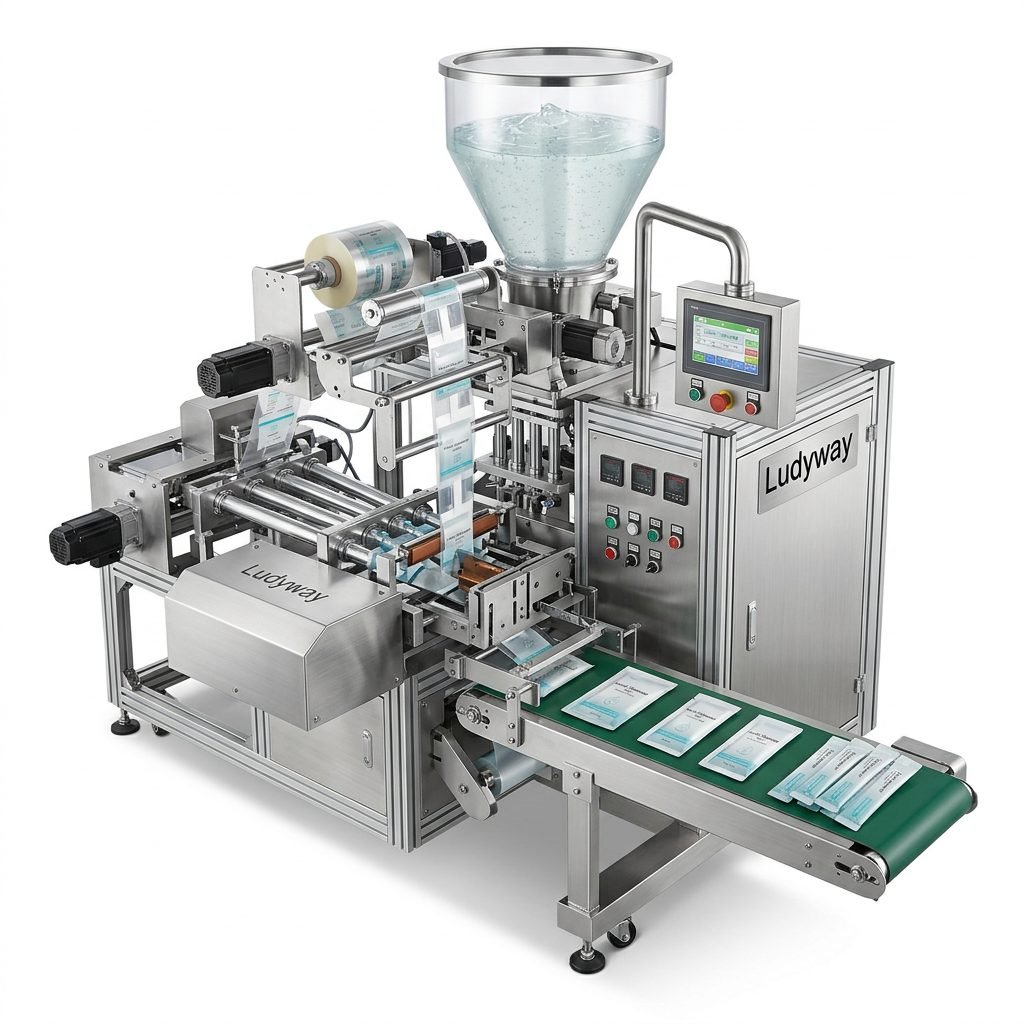
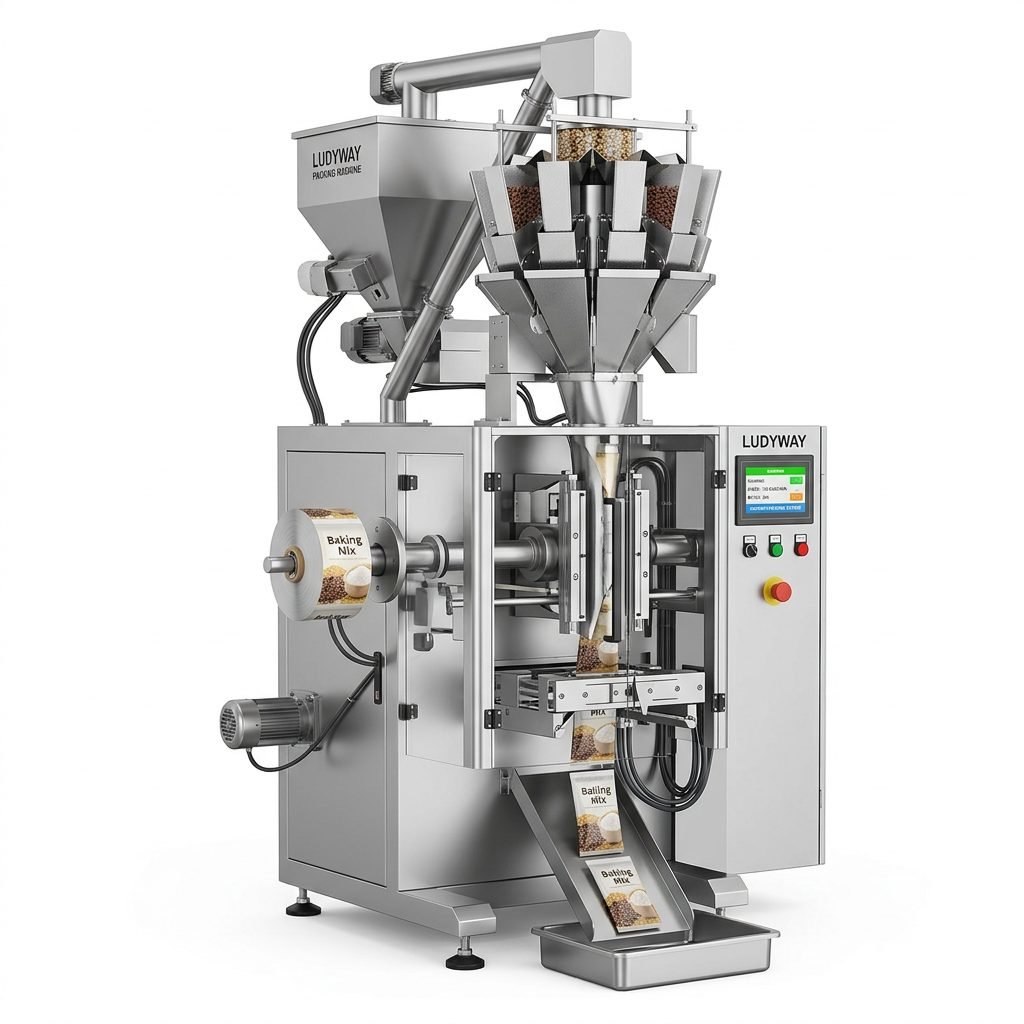
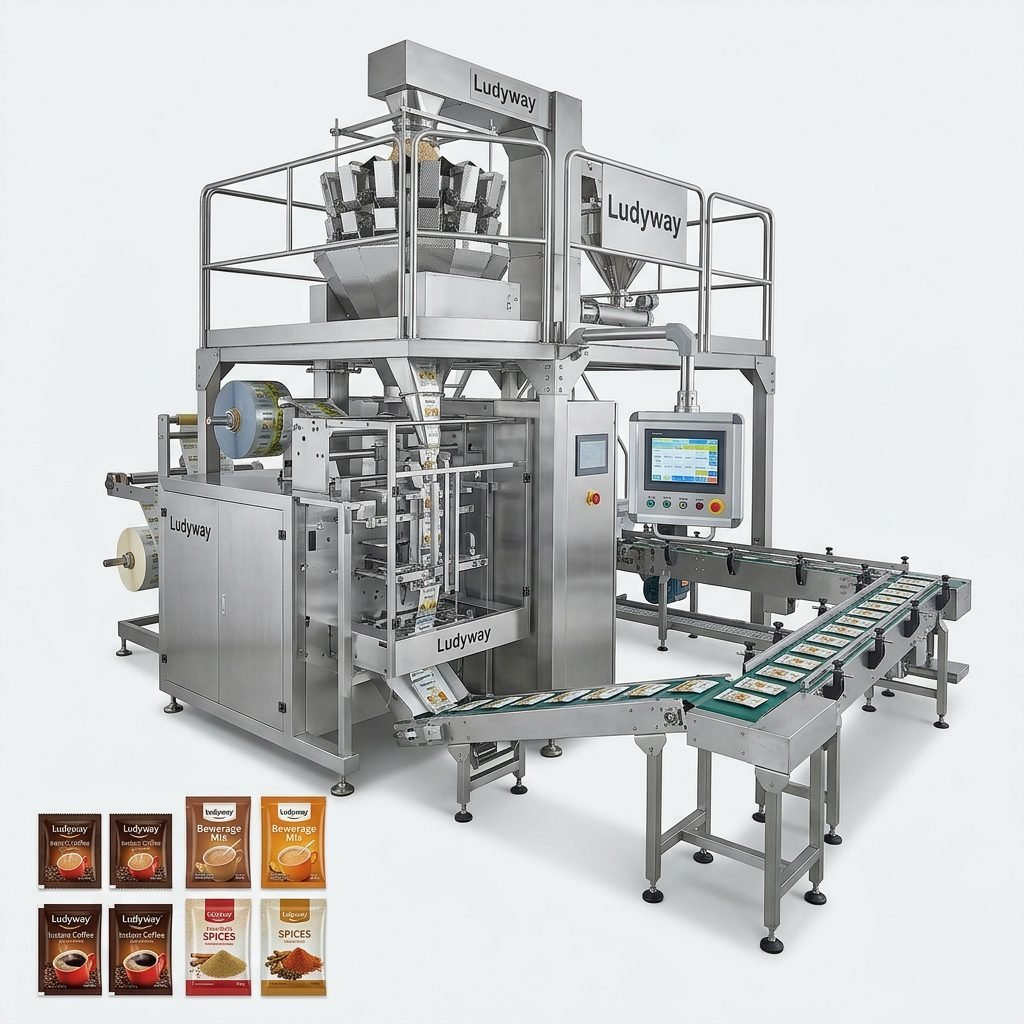
For businesses looking for scalable packaging automation, commercial vacuum packing machine solutions from Ludyway can be considered alongside broader turnkey packaging line requirements in food, pharmaceutical, and related sectors.
Final Thoughts for Buyers
The best commercial vacuum packing machine is the one that matches your product characteristics, packaging goals, daily output, hygiene standards, and long-term production plan. A well-chosen system can deliver longer shelf life, better package quality, lower waste, and stronger operational efficiency.
Before buying, compare machine type, sealing quality, vacuum performance, material compatibility, service support, and upgrade potential. When evaluated carefully, a commercial vacuum packaging machine becomes more than a piece of equipment—it becomes an important tool for product protection and business growth.
Frequently Asked Questions
How long does vacuum packaging extend shelf life?
It depends on the product, storage condition, and packaging material. In many cases, vacuum packaging significantly extends freshness compared with ordinary sealing.
Can liquids be vacuum packed?
Yes, but chamber vacuum machines are usually better for liquids or sauces than external suction machines.
Is vacuum packaging suitable for powders?
Yes, as long as the machine and packaging process are designed to control powder movement and maintain seal quality.
What industries benefit most from commercial vacuum packaging?
Food processing, pharmaceuticals, medical supplies, pet food, and industrial component packaging are among the most common.